
Matilde Moro
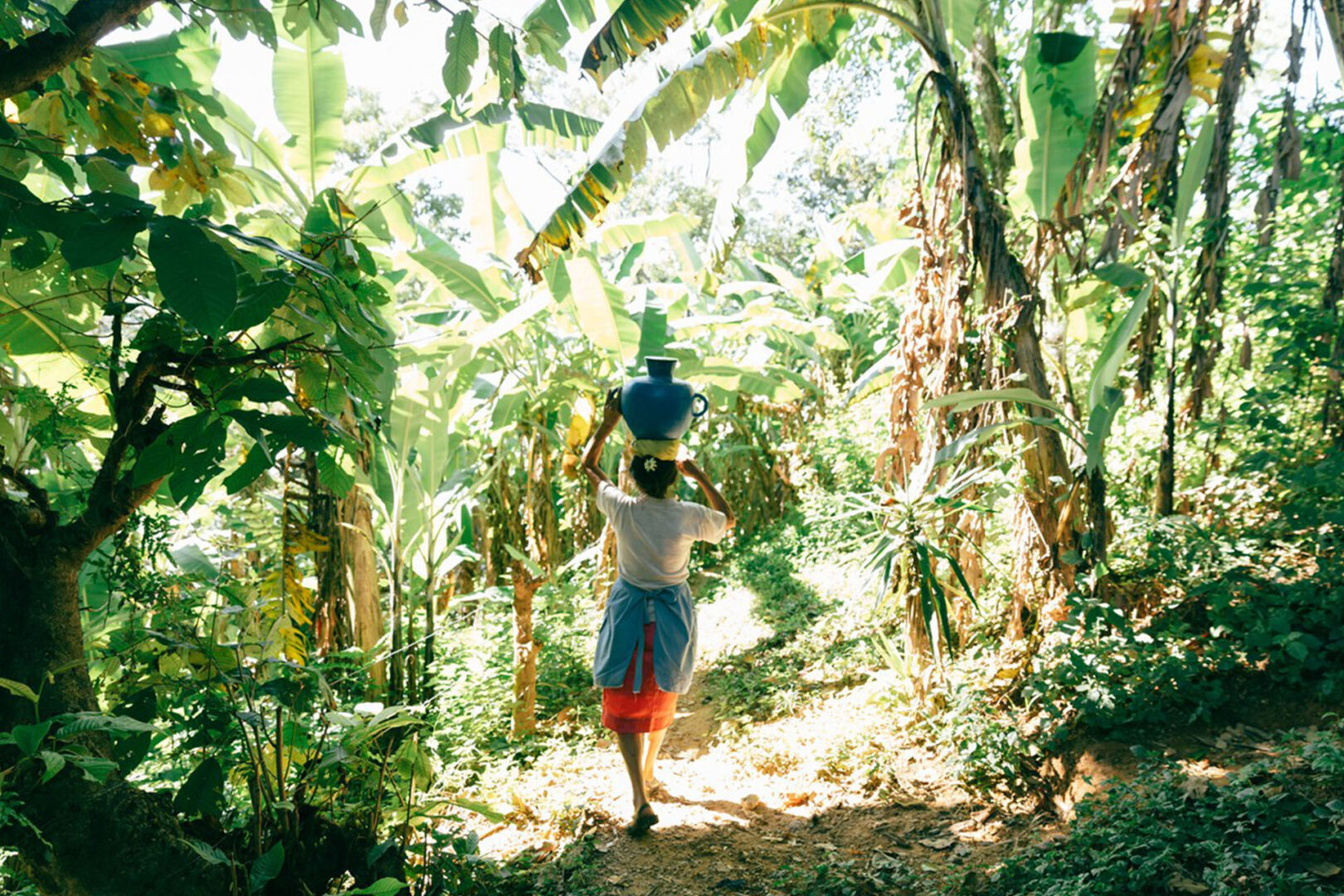
Today, 711 million people already lack access to safe water. The UN estimates that by 2025 1.8 billion people will live in water-stressed regions. New technologies are available, but they lack funds
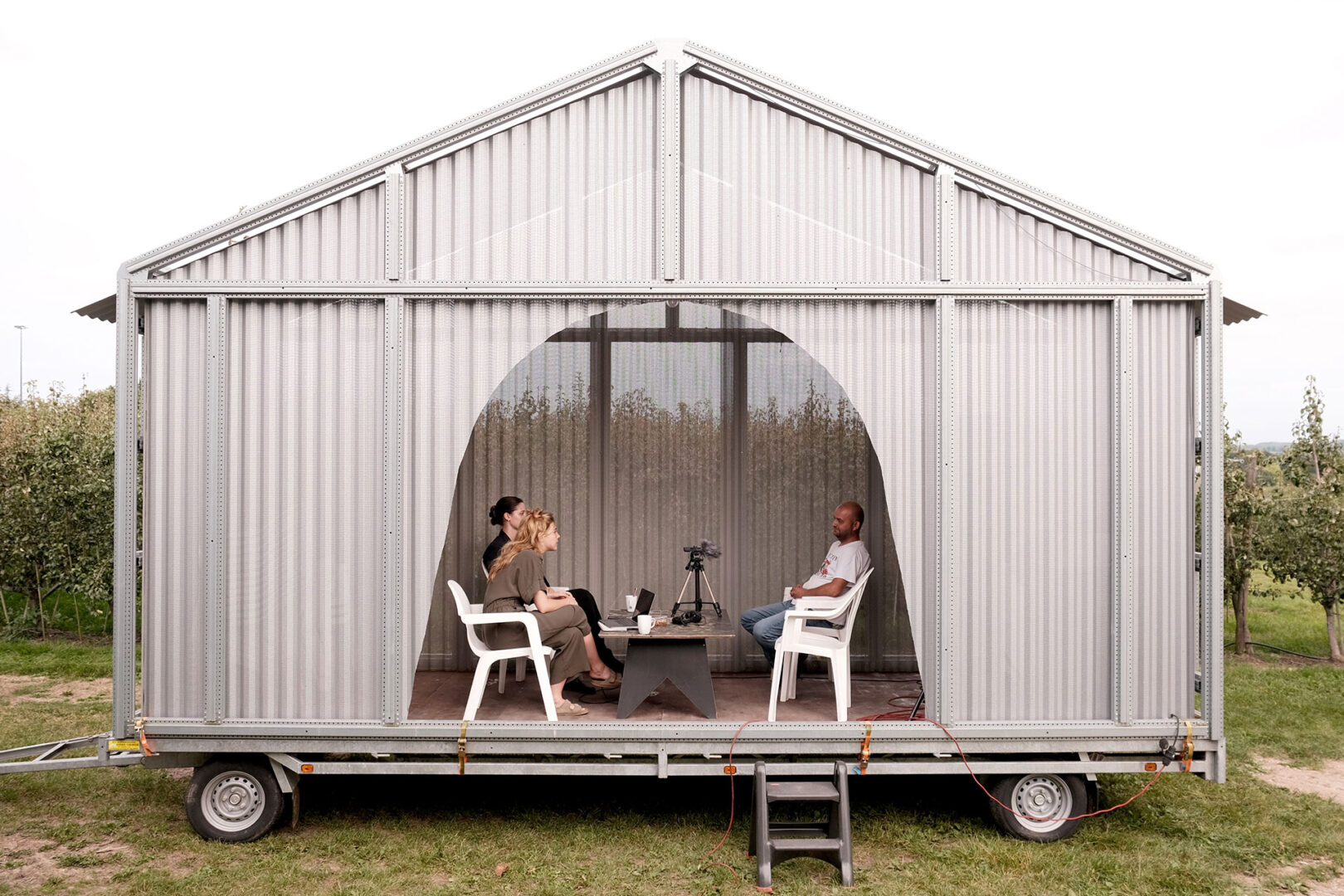
From photography to diary entries and sound installations, Our Invisible Hands is an exhibition showcasing how some artists experienced being a seasonal worker, opening up the conversation
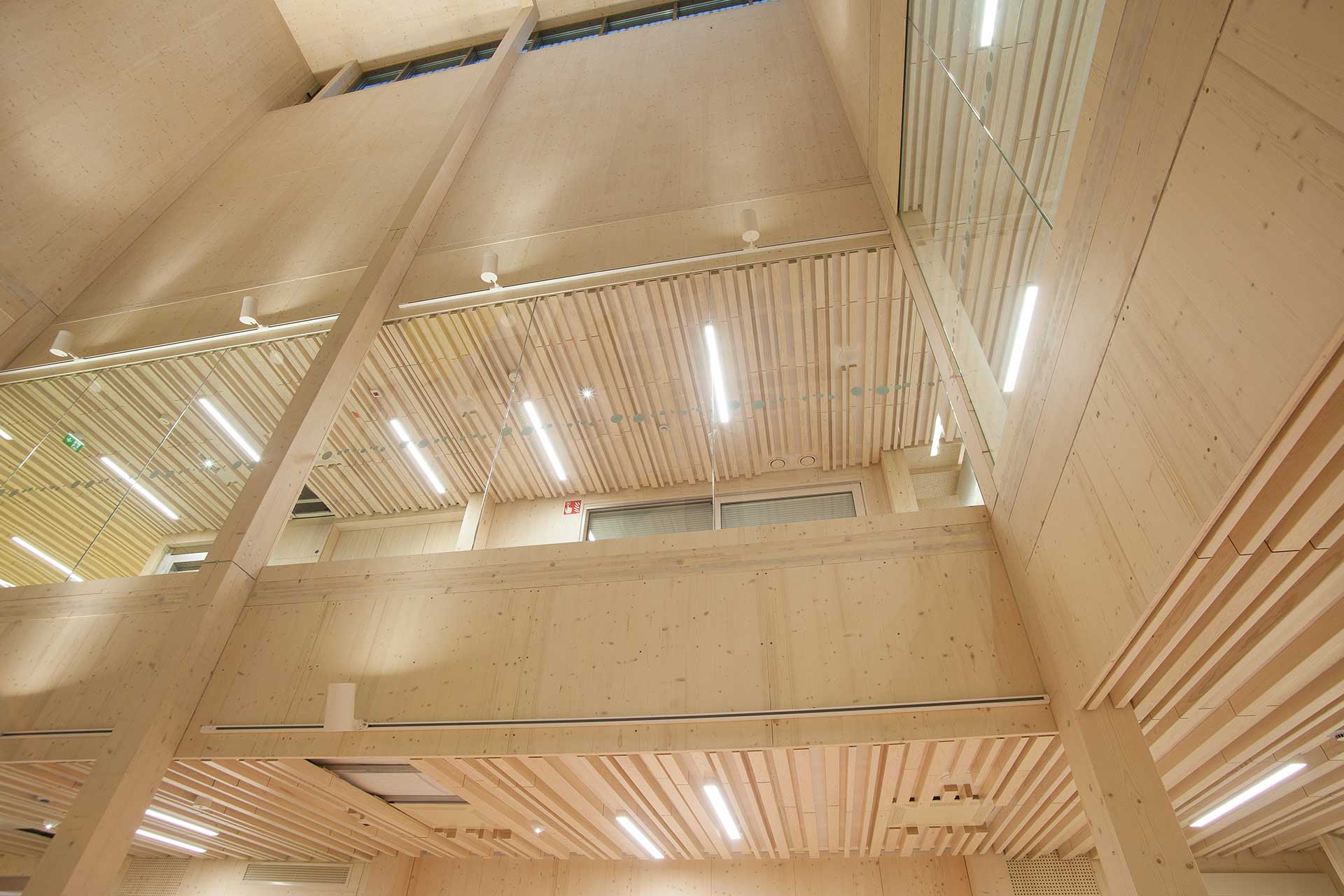
Cross Laminated Timber is a possibility for a more sustainable future, but to make it more widespread we need to increase production facilities and teach architects how to build with wood

«Right now we are exposed to so many photographs that we have become numb to the pain of others». The posters are made from pictures taken on the field by ordinary people
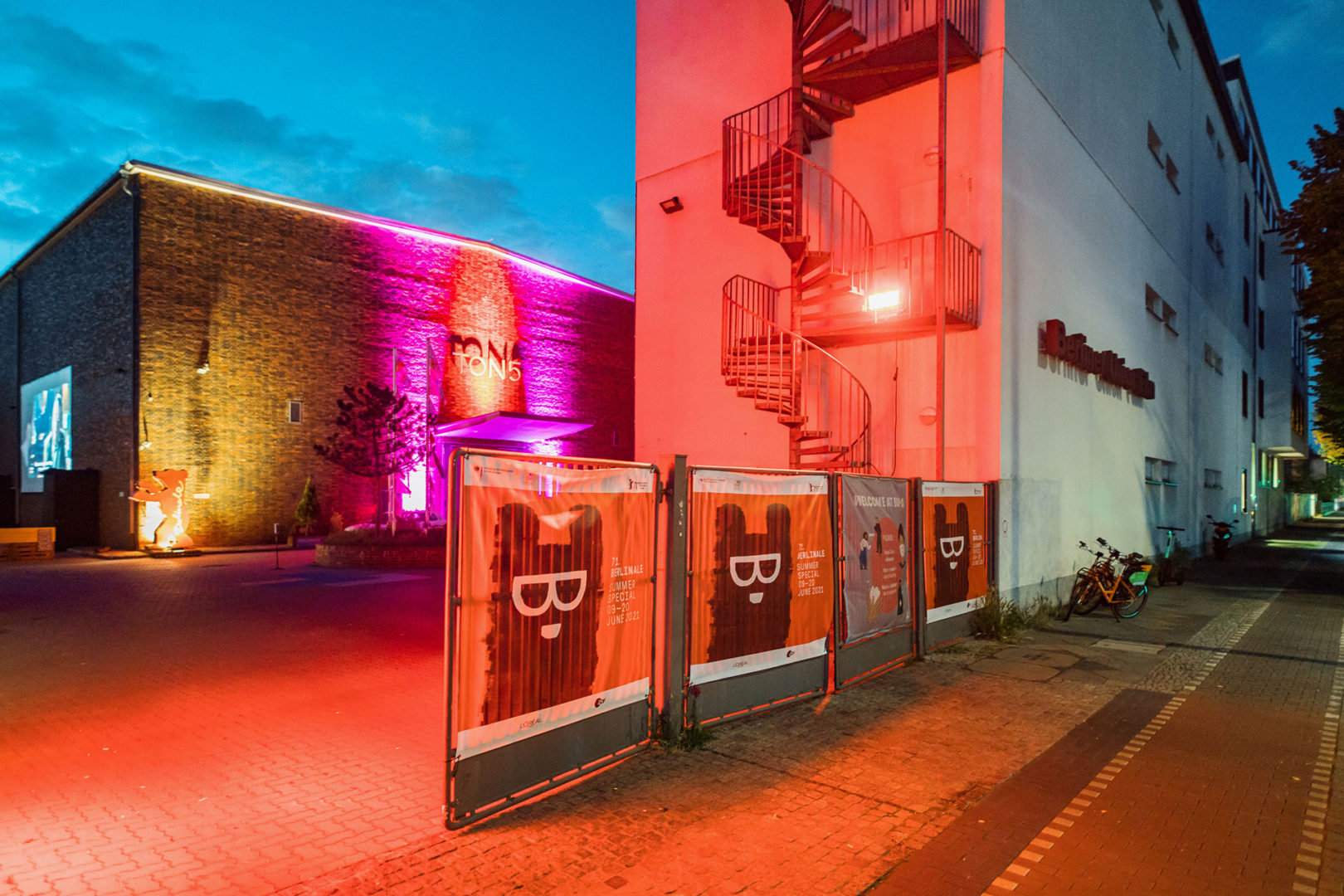
Large areas of paving are removed, eliminating vehicles and adding water permeability and biodiversity with rooftop gardens and green plazas: Clive Nichol speaks for Atelier Gardens
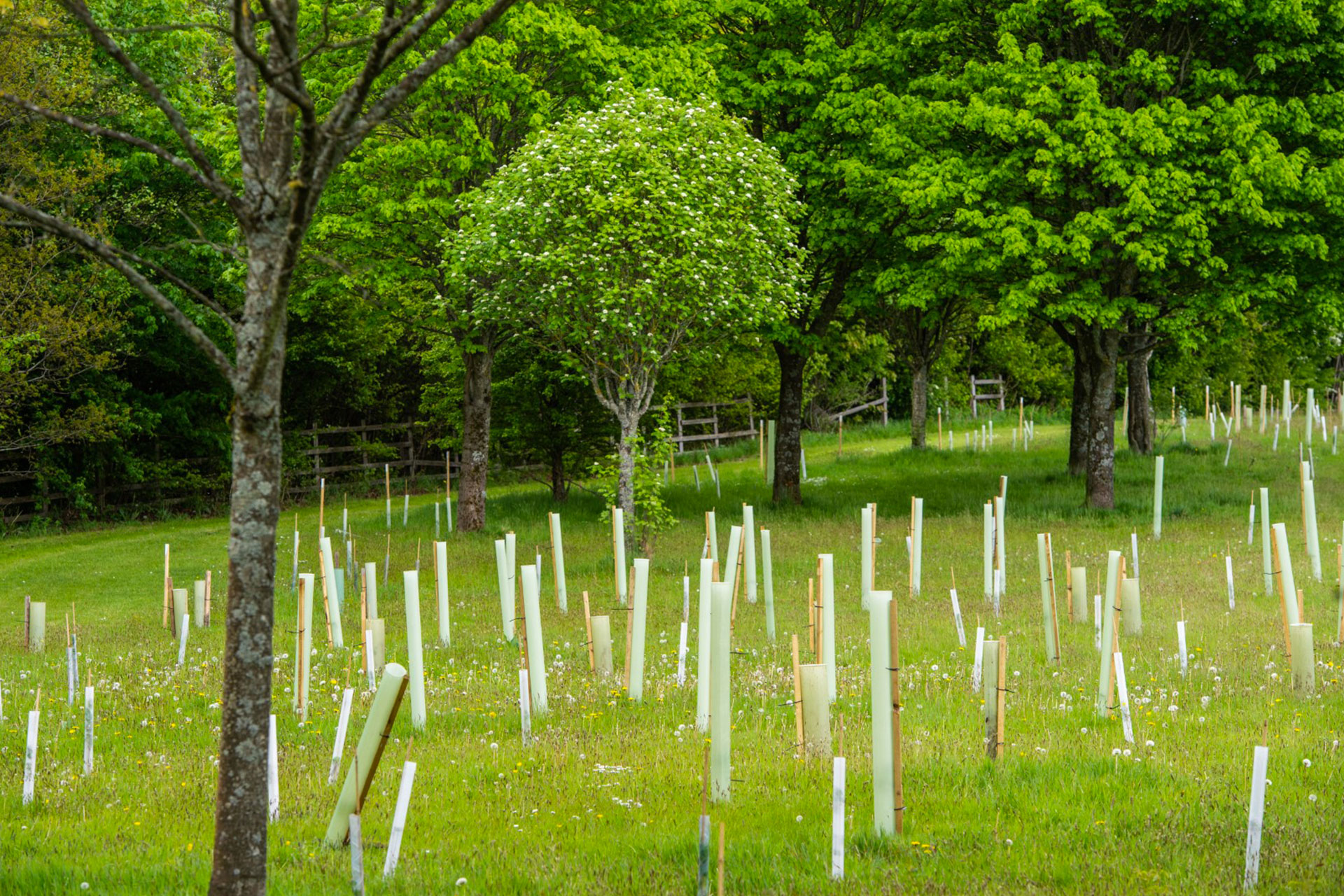
«it’s what’s beneath the headline that matters». From choosing the right species for the right places to involving the community in giving trees their fair financial value
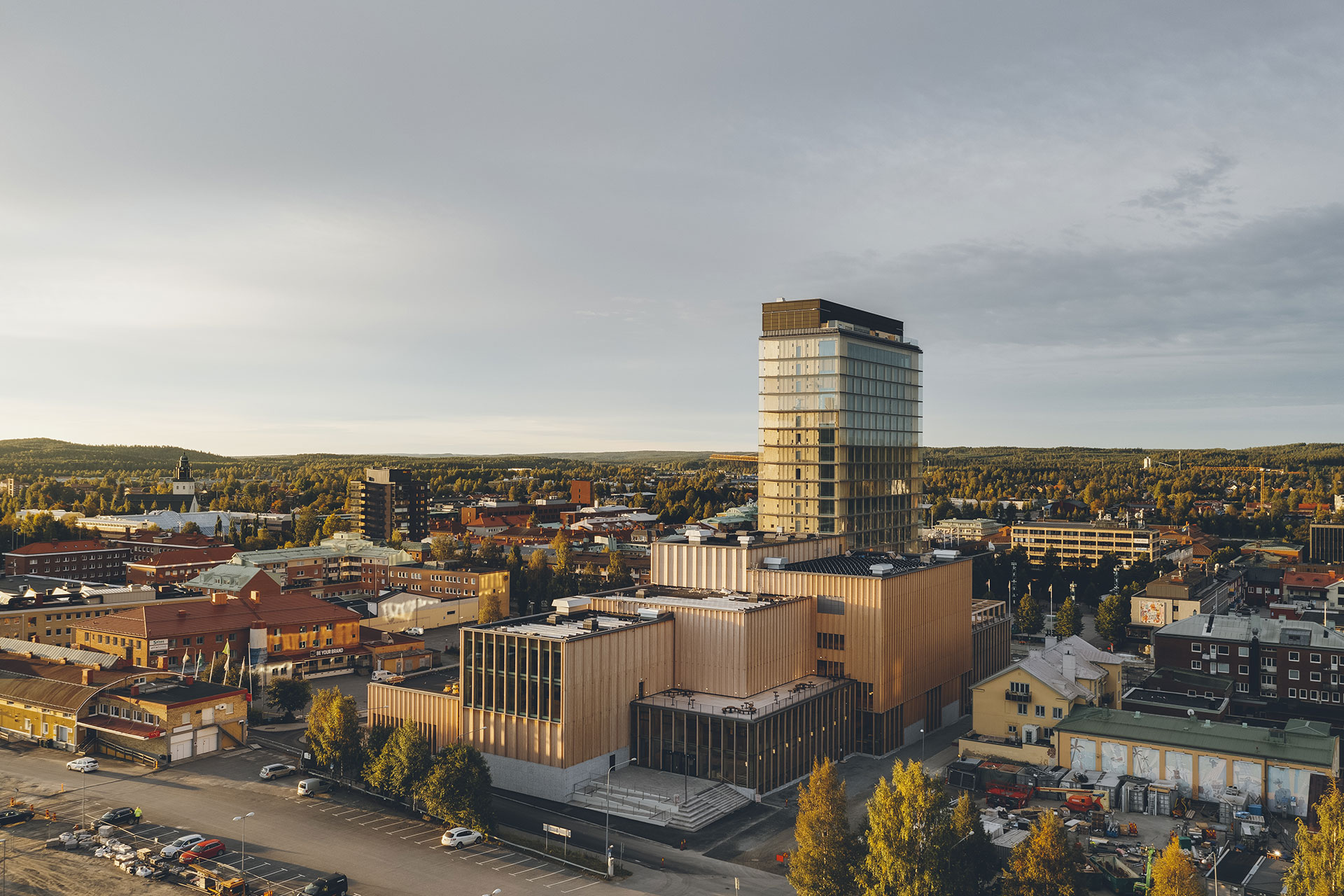
Sara Kulturhus in Skellefteå, Sweden made of locally sourced Cross-laminated timber and Glue-laminated timber: from locking CO2 to reducing building times and costs
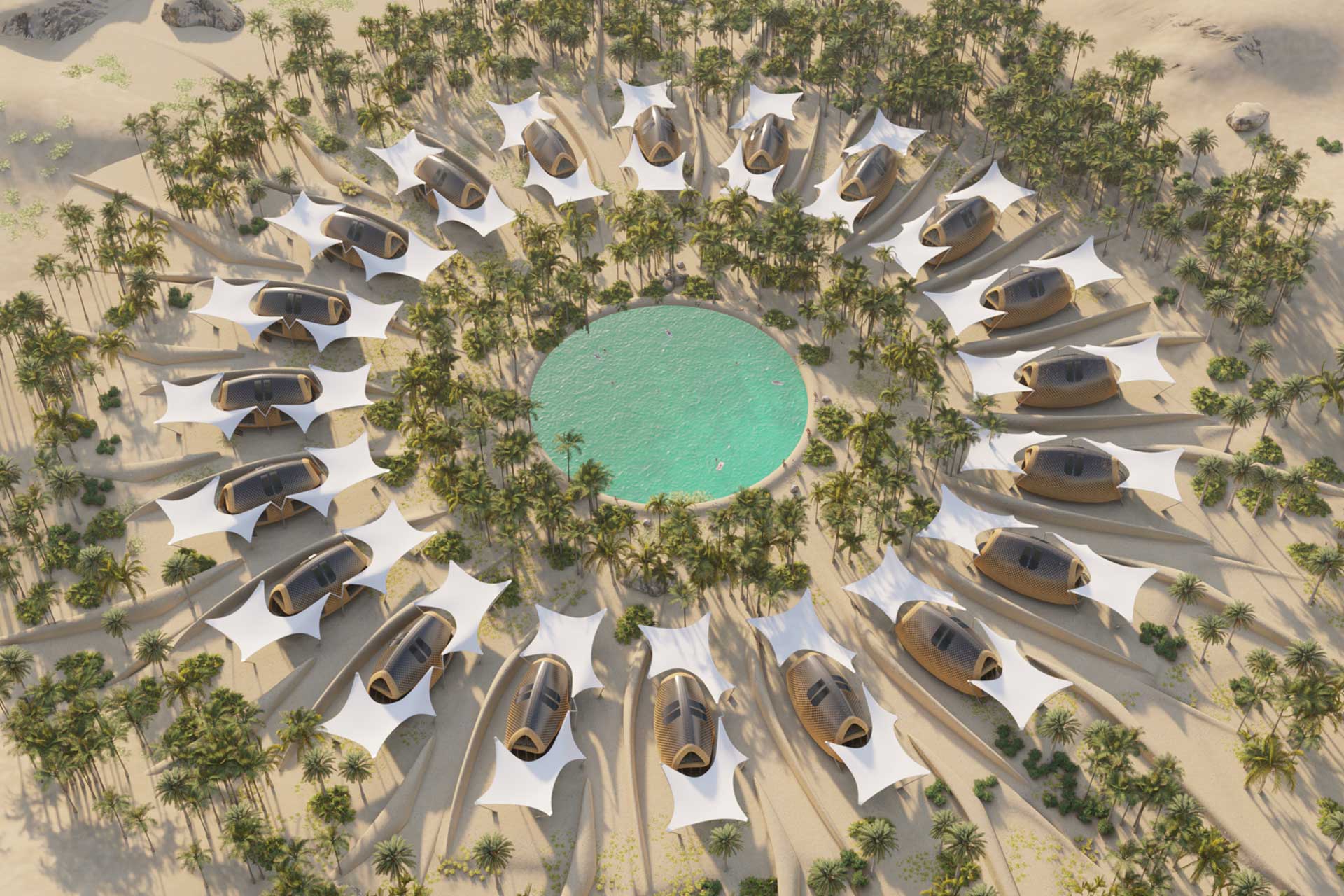
Desertification looks like a problem for the future, but it is here now: W-Lab has a plan to build self-sufficient villages where people can live in arid climates
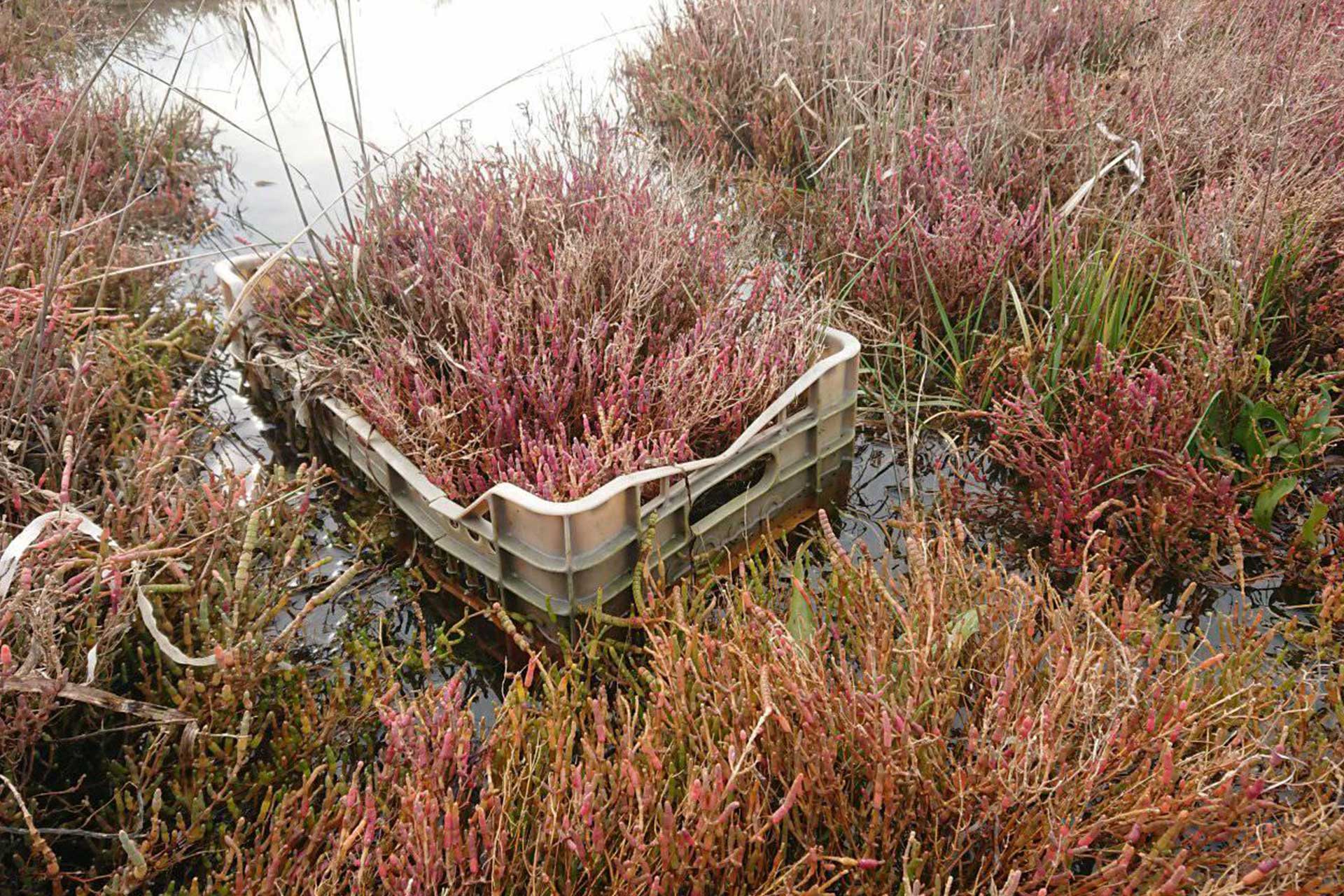
With locally sourced materials and labor, the project tries to avoid having to choose whether to save the city of Venice or its lagoon
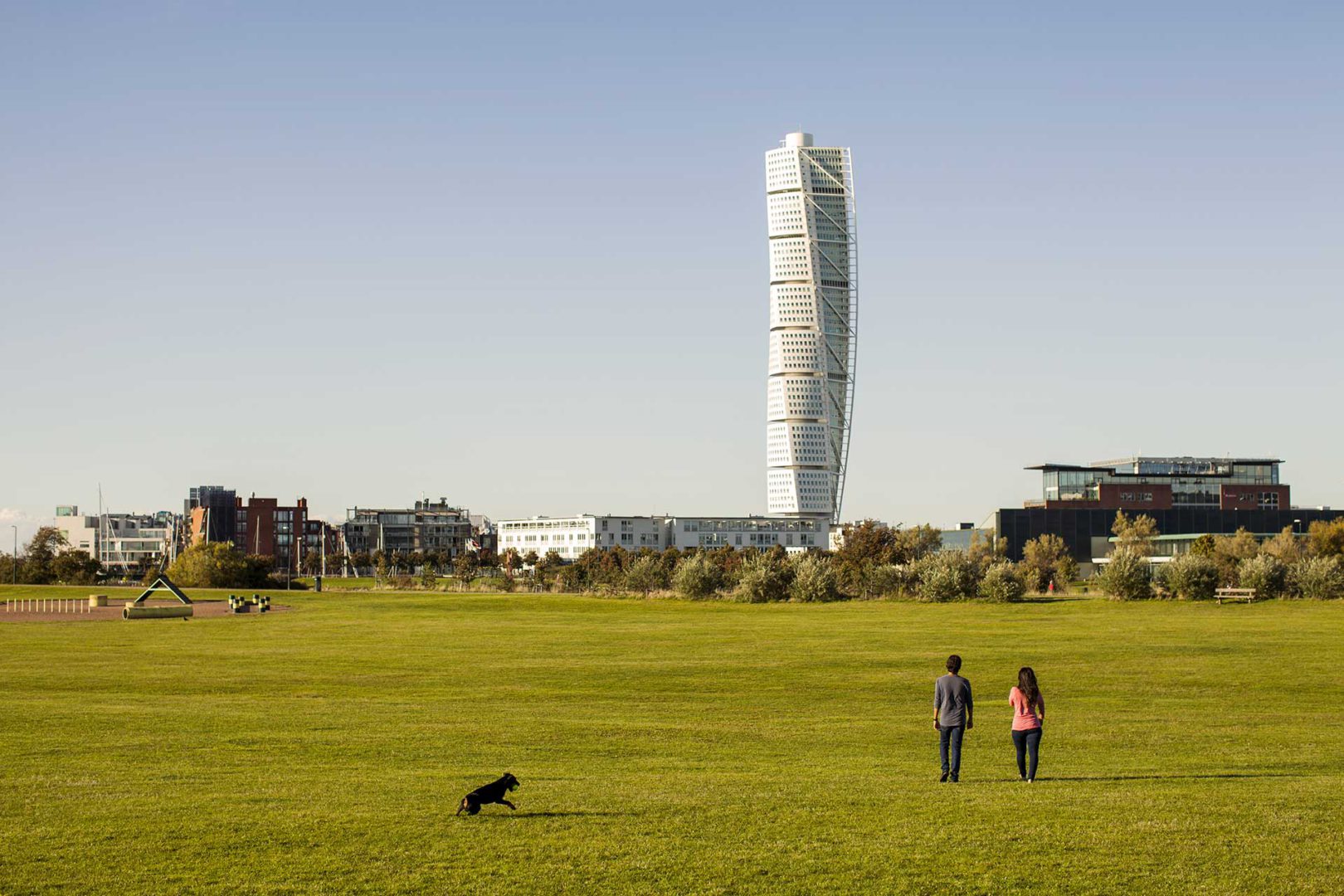
«A large amount of renewable energy is produced in the north of Sweden but it’s not managing to make its way down here because the cable that should transport it is not thick enough»