Roberta Fabbrocino
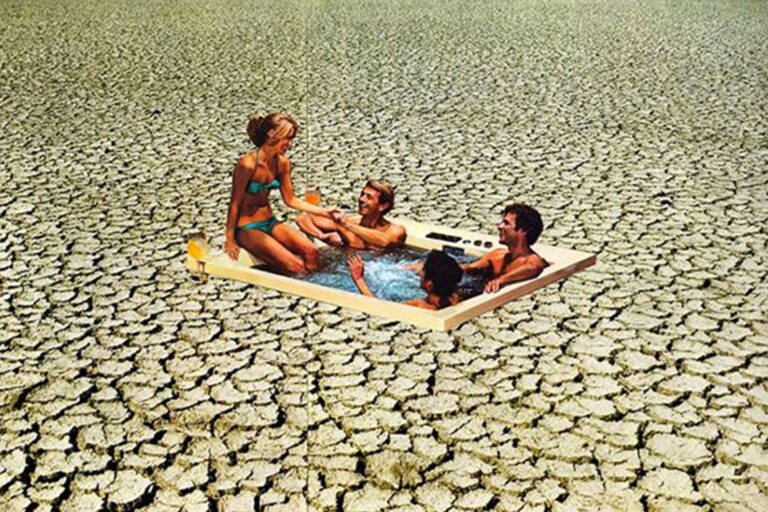
Droughts, water scarcity and air pollution – how are these issues interconnected?
According to a World Meteorological Organization report, by 2050 more than five billion people will face inadequate access to water at least one month each year
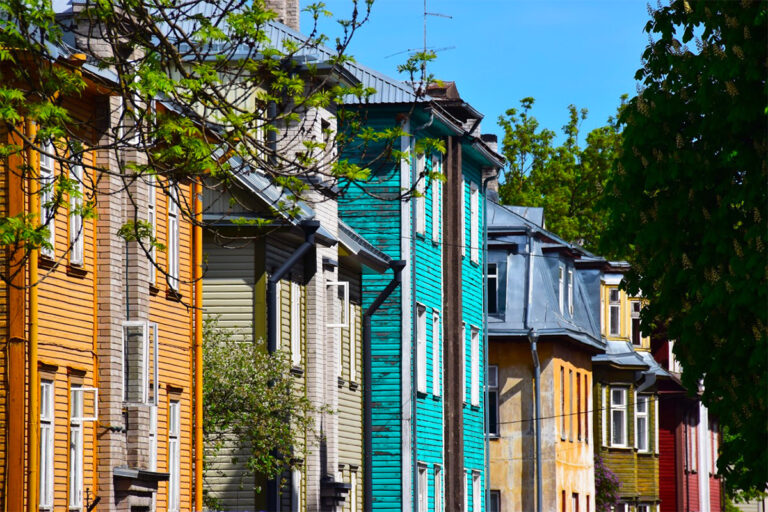
Making a city green – Tallinn, the first European capital with free public transport
Since January 1, 2013, after a city-wide free public transit referendum, Tallinn has provided its citizens with free public transport, becoming the first European capital to do so
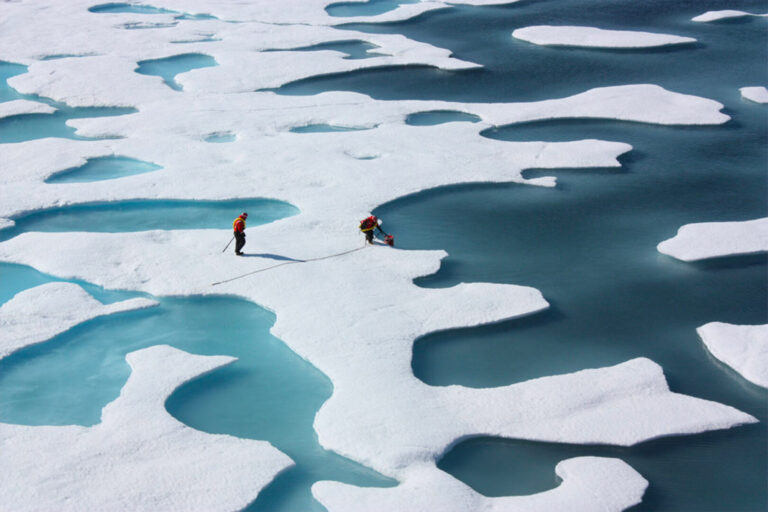
Fossil fuel reduction, energy efficiency improvement, electrification – IPCC WG III AR6
Lifestyles and behavior changes enabled by having the right infrastructure, policies and technology could lead to a sizable reduction of GHG emissions by 2050
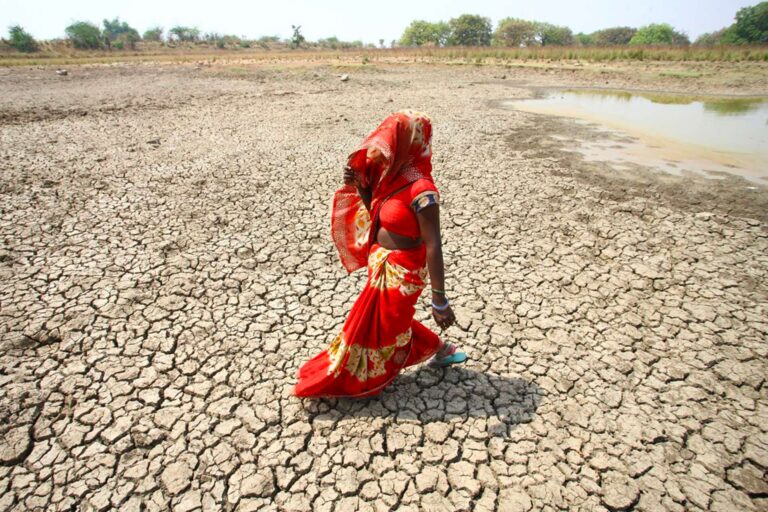
Extreme weather – the heatwave that impacted Indian and Pakistan in 2022
The impact of climate change on people and the planet - Analysis found that climate change has made the heatwave that hit India and Pakistan thirty times more likely
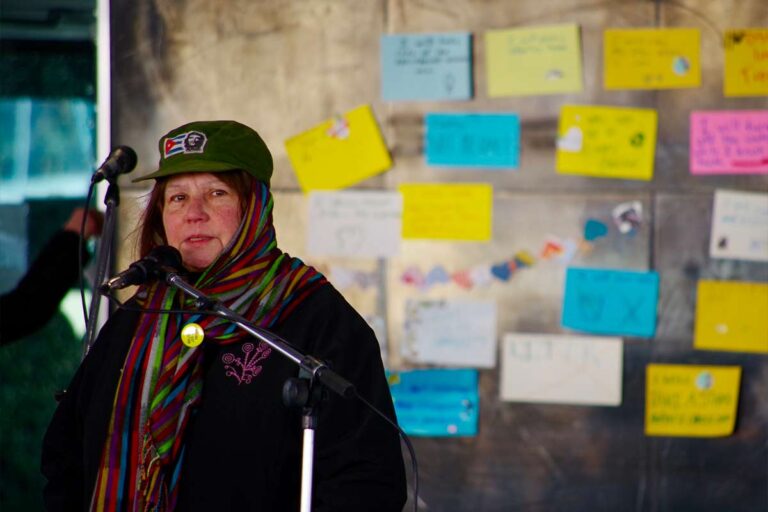
A fair and just transition to renewable energy – The Fossil Fuel Non-Proliferation Treaty
Phasing out and leaving no one behind - The three pillars of the Fossil Fuel Non-Proliferation treaty are non-proliferation, a fair phase-out, and a just transition
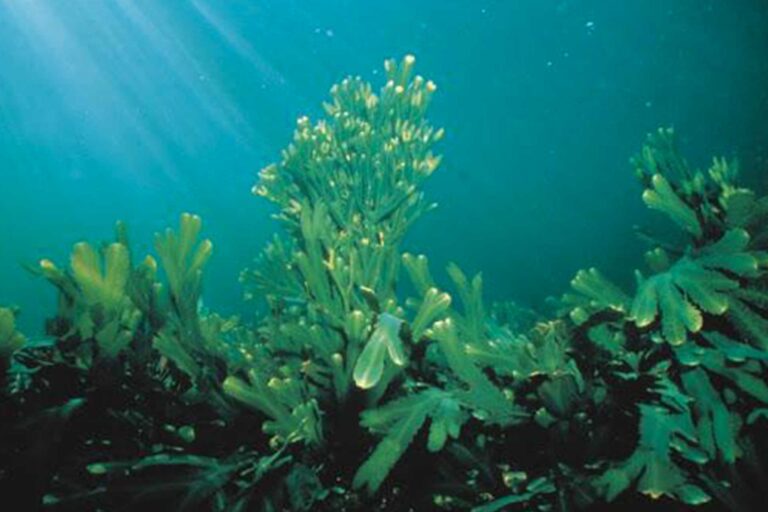
Blue carbon: nature-based techniques to control the impact of anthropogenic activities
The carbon sequestered in coastal soils can stay trapped for centuries due to the water saturation allowing for a sustained carbon build-up, giving them a role to play in climate...
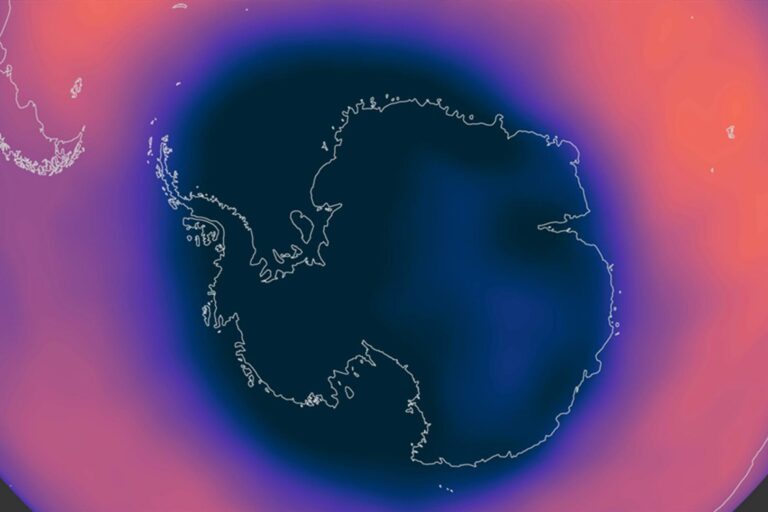
Global warming: methane emissions jumped to a new record in 2021, while CO2 continued to increase
2021 was the 10th consecutive year that carbon dioxide rose by more than two parts per million, with an increase of two-point-sixty-six ppm over the 2020 average
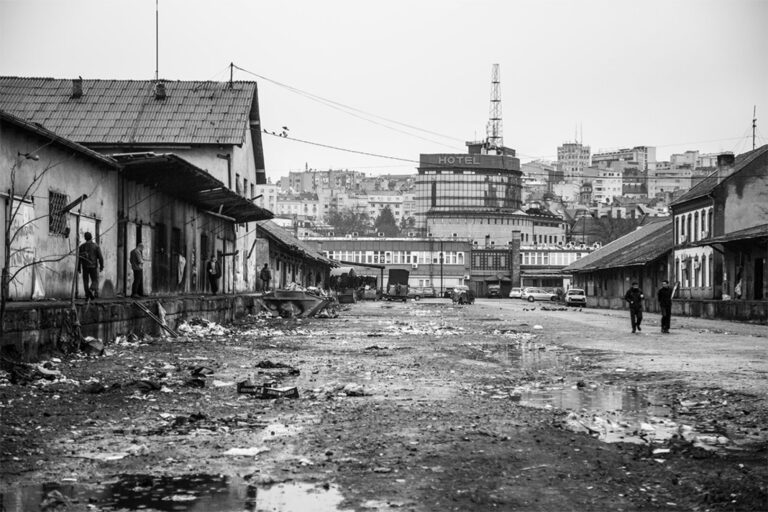
Inequality kills – Inequality contributes to the death of at least one person every four seconds
Climate change - Twenty of the richest billionaires are estimated, on average, to be emitting as much as 8,000 times more carbon than the billion poorest people
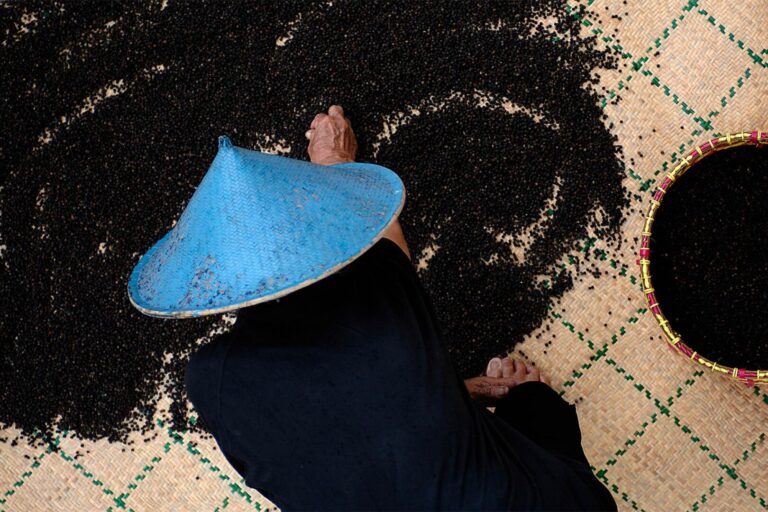
The role of pollinators – Keepers of biodiversity, food supply, and more
In January 2022, the UK Government allowed the use of the banned bee-harming neonicotinoid pesticide thiamethoxam on sugar beets for the second year running
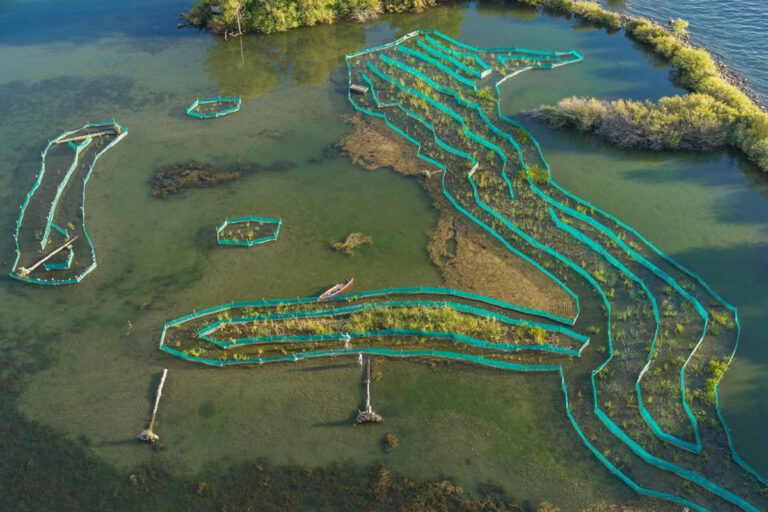
IPCC’s WG2 2022 report – Every fraction of a degree prevented saves lives
Climate change is contributing to humanitarian crises where climate hazards interact with high vulnerability, and it is driving displacement

Building a renewable powered supply chain – the future of the fashion industry
Textile companies could reduce Scope 3 emissions by using renewable inputs such as solar, hydroelectric, and geothermal. At least, this is what is required from the luxury brands
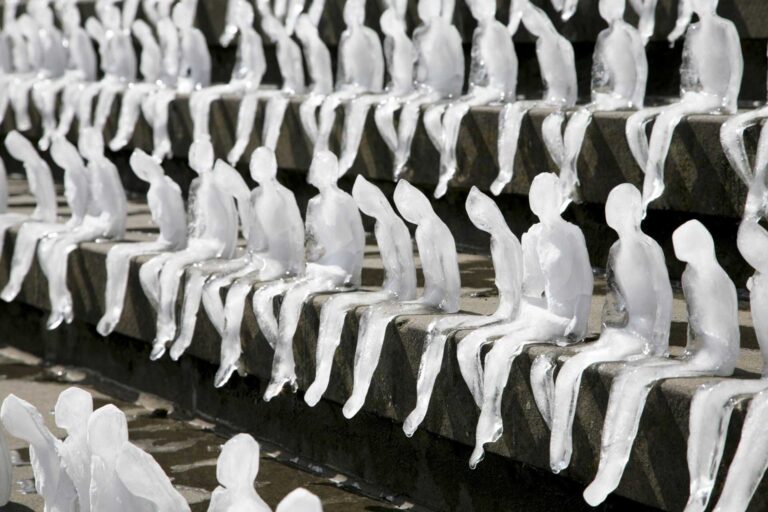
Our thousands of years old glaciers don’t contain water alone, but our history too
Like archives, glaciers store microbiological and viral data that can help scientists to predict our future climate thanks to new knowledge about ancient ecosystems
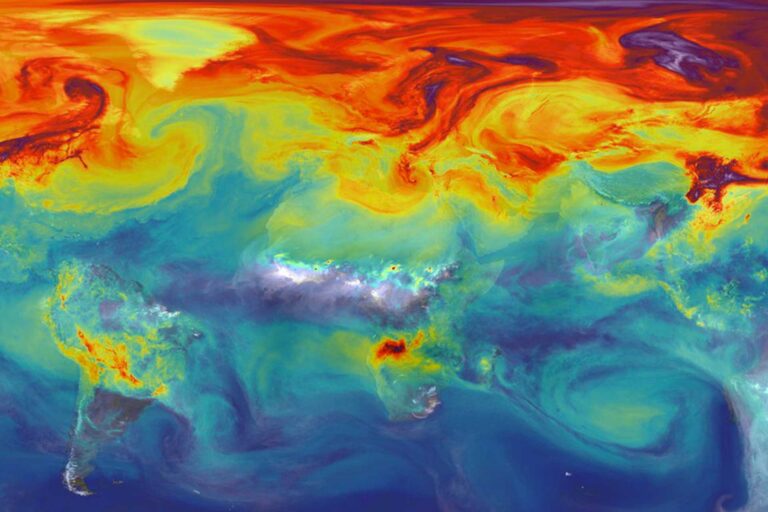
CORSIA stabilizes net CO2 emissions from international civil aviation at 2019 levels
By 2050, the aviation sector intends to cut its net CO2 emissions to half of what they were in 2005, while exploring strategies to reach net zero emissions by 2060-65
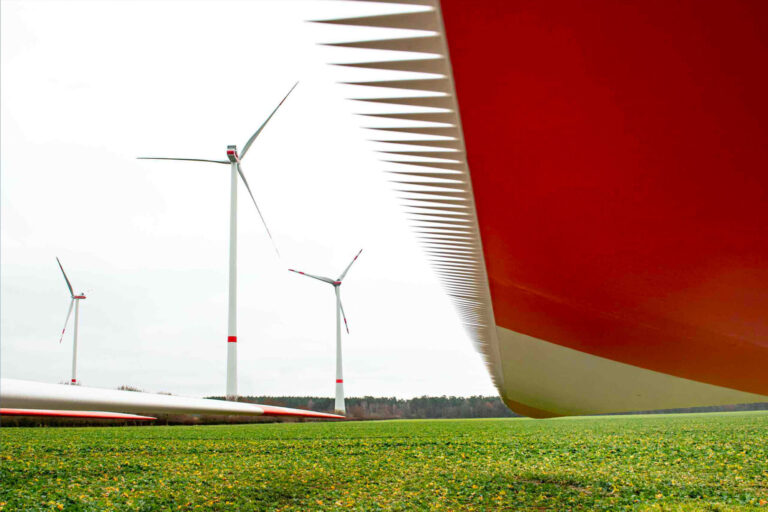
The catalyst for the decarbonization of the energy sector in Berlin: Berliner Stadtwerke
Clients know where their electric power comes from. Although Berliner Stadtwerke is not a large company using eco certificates to provide green power, it’s one-hundred percent solar and wind powered
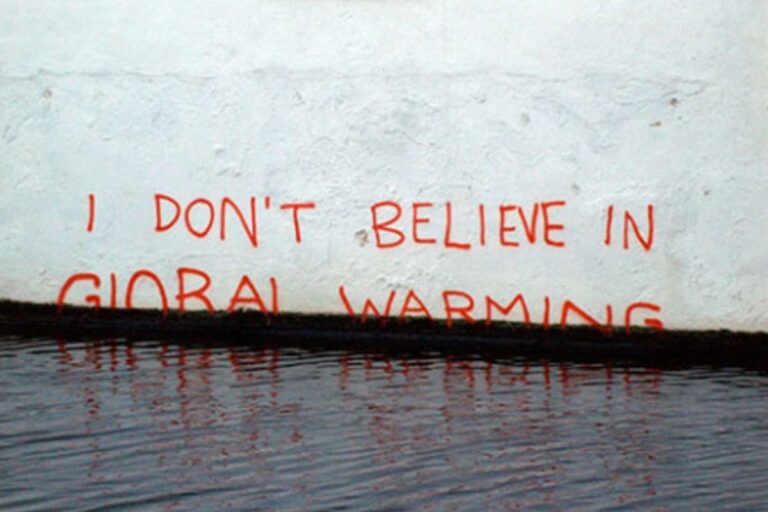
Controversial: the carbon market is growing, but cheap credits can undermine its utility
Purchasing carbon credits can be part of a corporate climate strategy when a company isn’t able to neutralize its emissions due to technological limitations or prohibitive costs

The state of paper recycling – challenges and opportunities for a circular industry in Europe
In Europe, Fibre-based packaging is contributing to the circular biobased economy, as eighty-four point six percent of paper and board packaging is recycled

Planned obsolescence – the obsolescence of a product is planned, designed, and built into it by its manufacturer
In a circular economy context, an EU measure banning planned obsolescence is needed, as measures targeting it are insufficient to handle
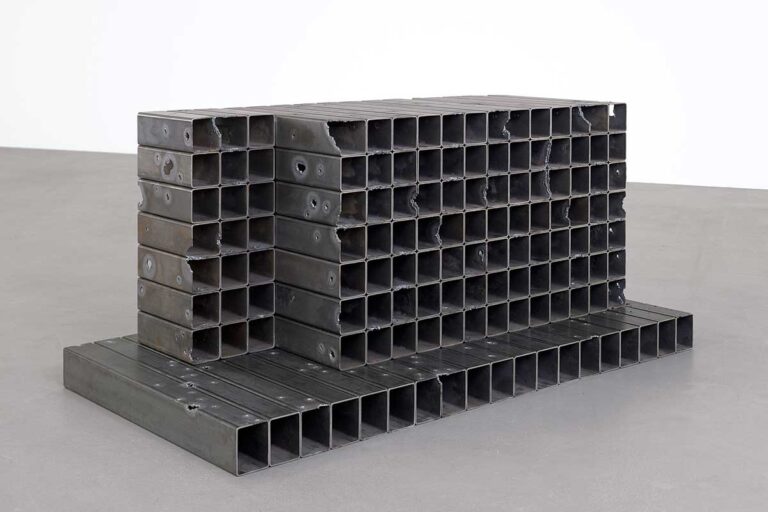
Cinderela project is testing the way Circular Economy can be implemented in wastewater management
In Europe, the construction sector accounts for one-third of all EU waste, one-third of all water consumed, makes up for the largest share of the total EU final energy consumption

The Doomsday Clock – pessimism does nothing for the Earth, but resistance and cooperation do
Corporations emphasize people's role in the climate crisis. Yet, 100 fossil fuel producers are responsible for seventy-one percent of the industrial GHG emissions since 1988

What’s the future of plankton? The link between these creatures and the air we breathe
By 2081-2100, almost forty percent of the phytoplankton and zooplankton assemblages of the subpolar seas will be replaced by poleward shifting plankton species
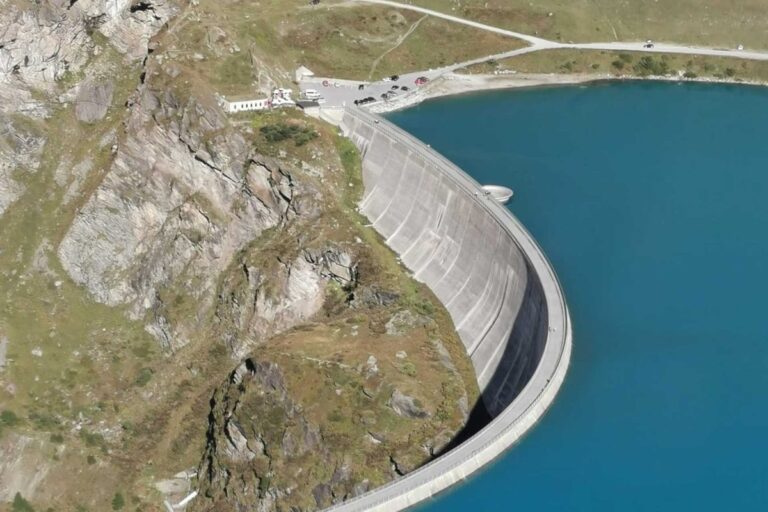
Hydropower: the ancient source is alive thanks to many carbon offset projects
Over 300 carbon offset projects in the Verra Registry, after the Clean Development Mechanism (Kyoto Protocol), supported more than 2000 hydropower projects

How can the UK government secure the raw materials needed for the green transition?
The UK’s demand for lithium could reach 550,000 tons by 2050, while the country may use 240,000 tons of lithium and 90,000 tons of cobalt between now and 2035
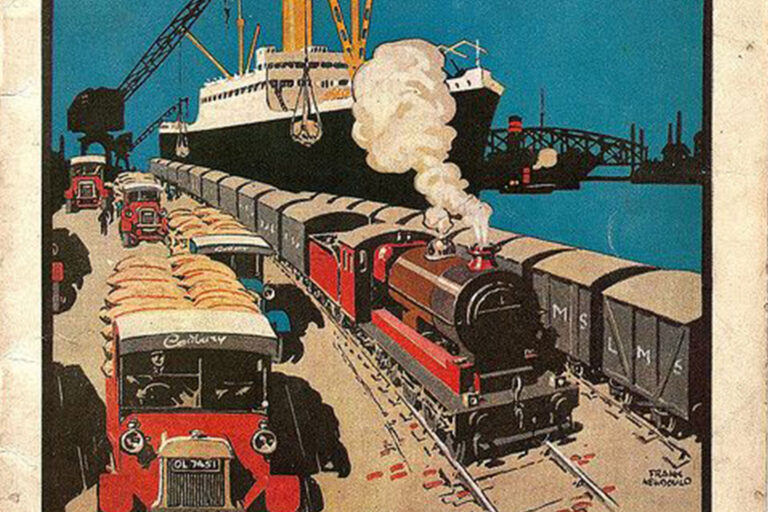
British urban areas are less dense than European counterparts: public transport is less accessible
Of the 580 billion passenger kilometers that were traveled in Great Britain in 2020, ninety-two percent were made by cars, vans, and taxis, down twenty-seven percent from 2019's level

COP26: the background, response, and results of the latest UN climate change conference
According to the Climate Action Tracker, a full implementation of the Glasgow pledges for 2030 would put us on track for a two-point-four degrees Celsius warming
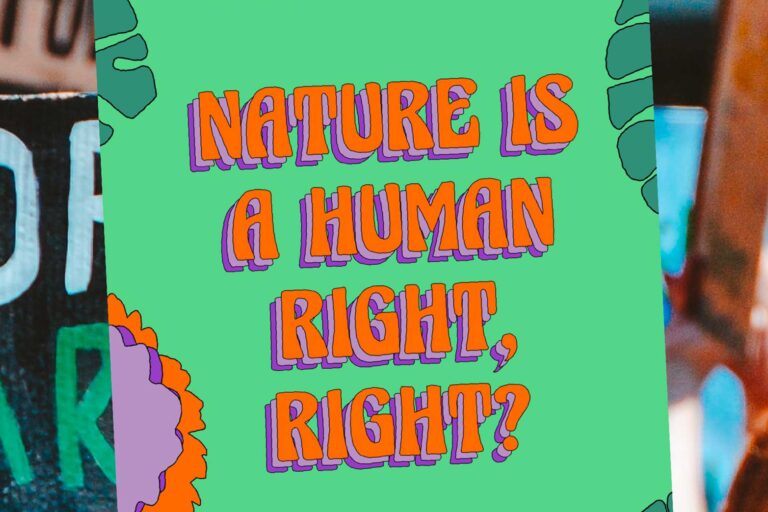
Guerrilla gardening: nature is a human right still unrecognized, but activists are doing something about it
Nature is a Human Right, the campaign founded by London activist, writer, and strategist Ellen Miles to support grassroots actions, organize campaigns, and petition for legislation and policy change at...
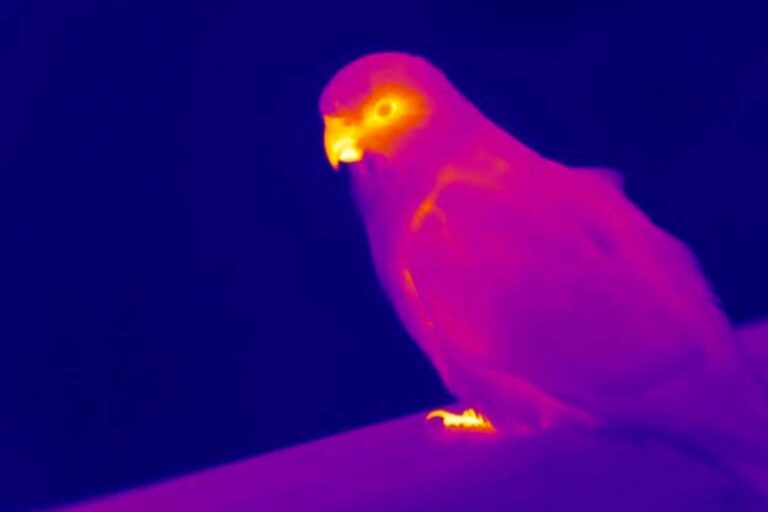
Migratory birds – mitigating climate change is necessary to protect all animals
Birds could respond to the consequences of the world’s changing climate by shifting distributions, altering their bodies and experiencing microevolutionary changes
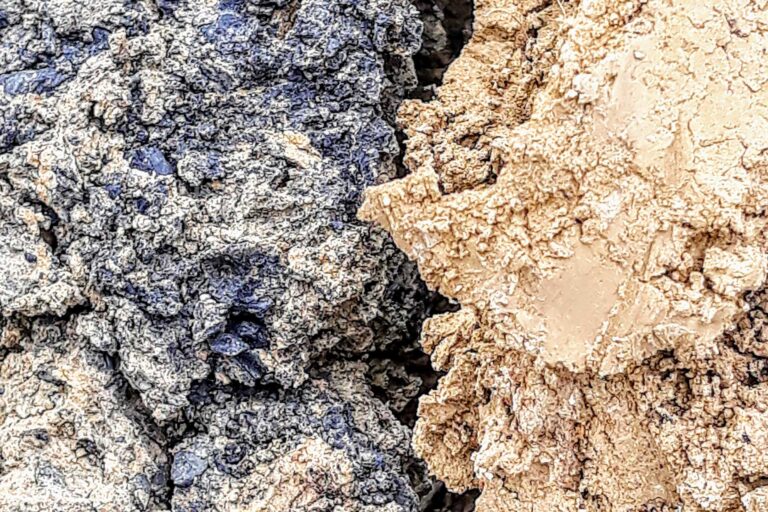
Belvedere – Biochar/ Biomass: the real solution: global climate change, soil infertility and pollution
The use of biochar amendments on soil could address the issues of soil fertility, water holding capacity, and climate change mitigation via carbon sequestration
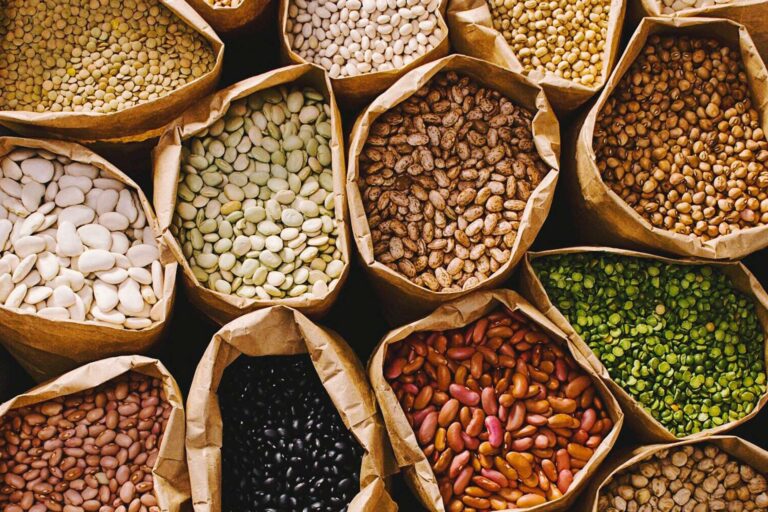
Teltower turnip – Rediscovering traditional crops is mandatory to preserve food biodiversity
The Teltower turnip: many traditional crops are disappearing, as they are considered unprofitable. Discovering them can keep local traditions alive and preserve biodiversity
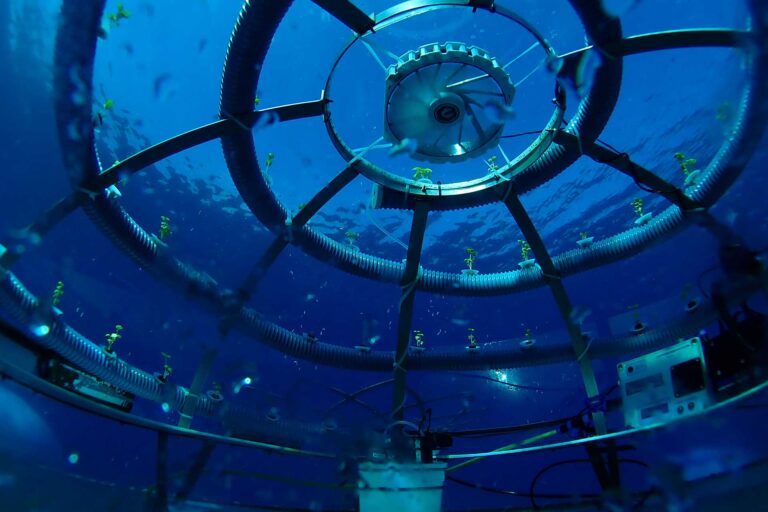
Basil and strawberries growing underwater: future farming and the case of Nemo’s Garden
Filled with 2000 liters of air each, tied to the seabed via ropes and weight screws, six biospheres contain 90 seedbeds and float between 15 and 36 feet below the...
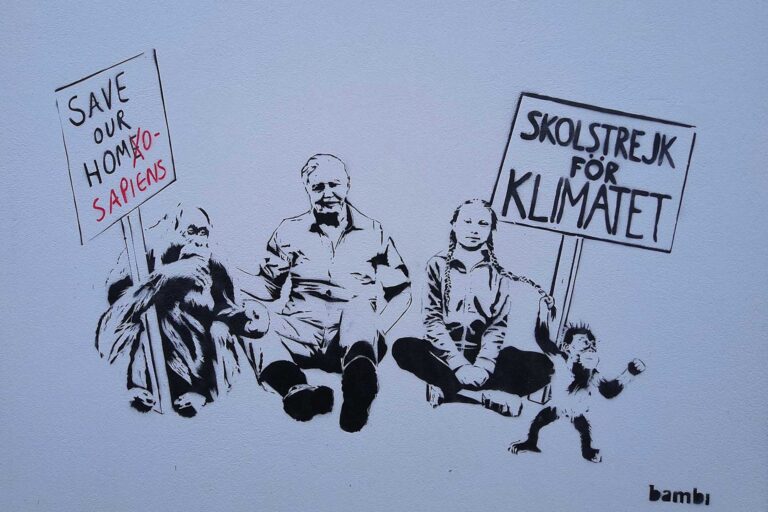
C40: megacities emit 60% of the global GHG emissions, but change seems to be afoot
Between 2009 and 2020, there was an increase of more than 750 percent in the number of C40 member cities restricting the circulation of high-polluting vehicles
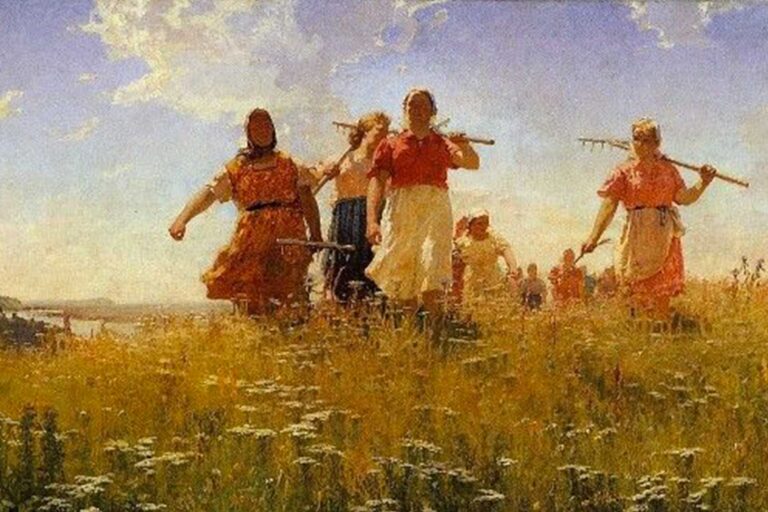
Grasslands: pampas, prairies – the world’s most common vegetation types is under threat
The high-elevation Andean grasslands' flow regulation capacity, soil water storage, and water yield have been reduced by afforestation and changes in land use
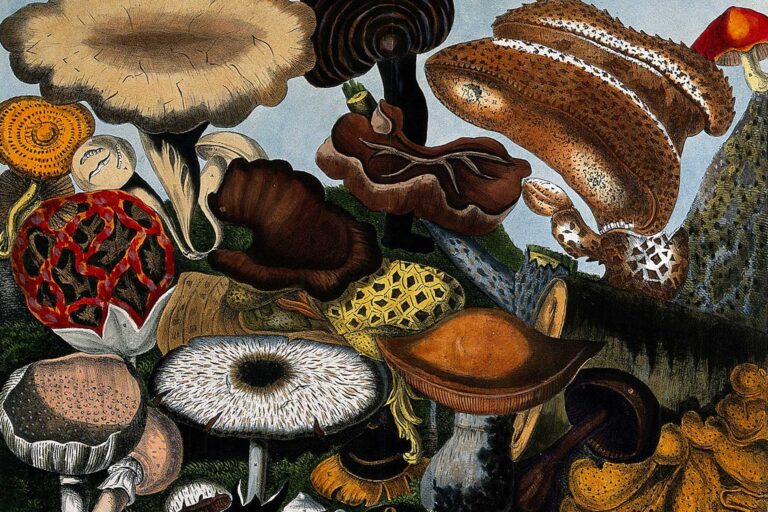
Climate change – The invisible impact of a warmer planet on fungi, the hidden main actors in our soils
chief decomposers in our soils, breaking down organic matter through enzymes and carrying out a crucial role in biogeochemical cycles and the nutrient cycle
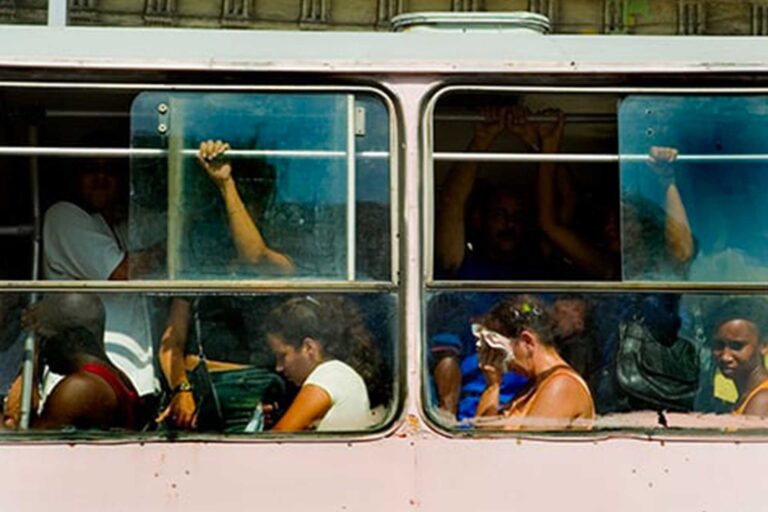
IPCC’s latest assessment report – we can still live in a healthy planet if we act now
Some of the consequences of global warming are here to stay, but achieving a healthy and livable planet is still possible with strong emissions reductions. How to do it?
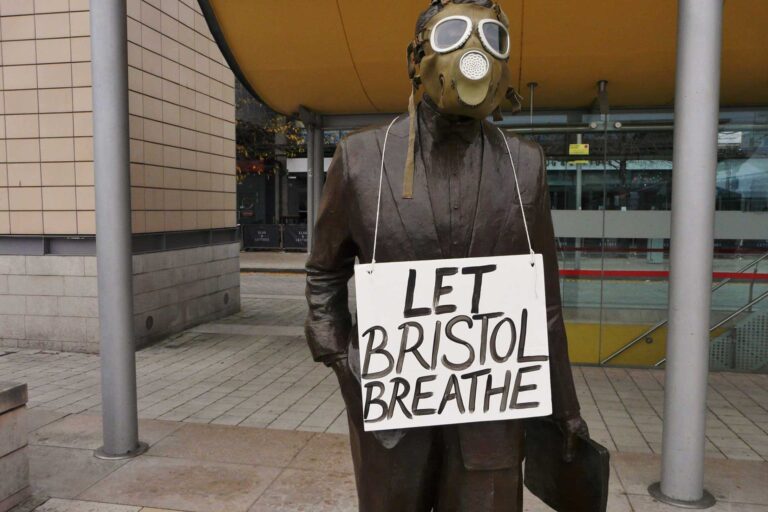
The issues with Bristol’s climate transition – cities must be fairer and healthier
In Bristol, where the air breaches the annual objective for NO2, air pollution contributes each year to 300 yearly excess deaths, causing health issues to Bristolians
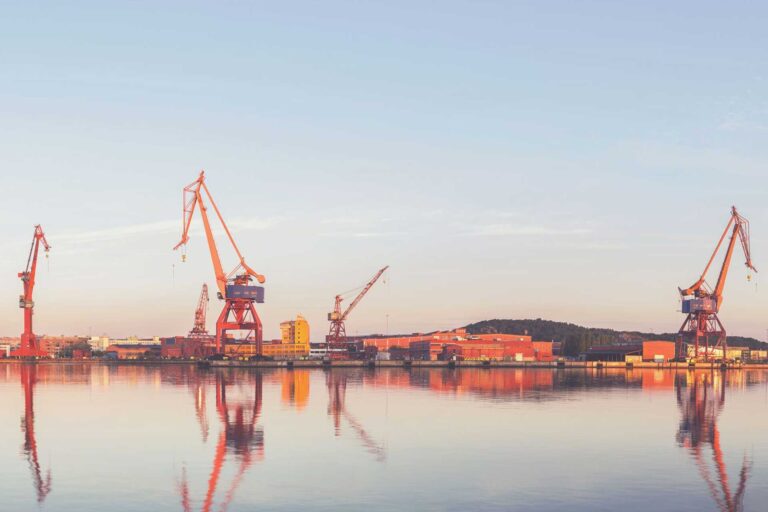
Climate mitigation and adaptation on the North Sea – Gothenburg’s holistic approach
To curb Gothenburg's environmental impact, the emissions within the city’s geographical area will be reduced by at least ten-point-three percent per year until 2030