Casa Montelongo: adaptive reuse and architecture in northern Fuerteventura
An adaptive reuse project reading volcanic landforms, domestic scale and courtyard typology as a single architectural system
Casa Montelongo’s context: the lunar terrain of La Oliva and the logic of settlement
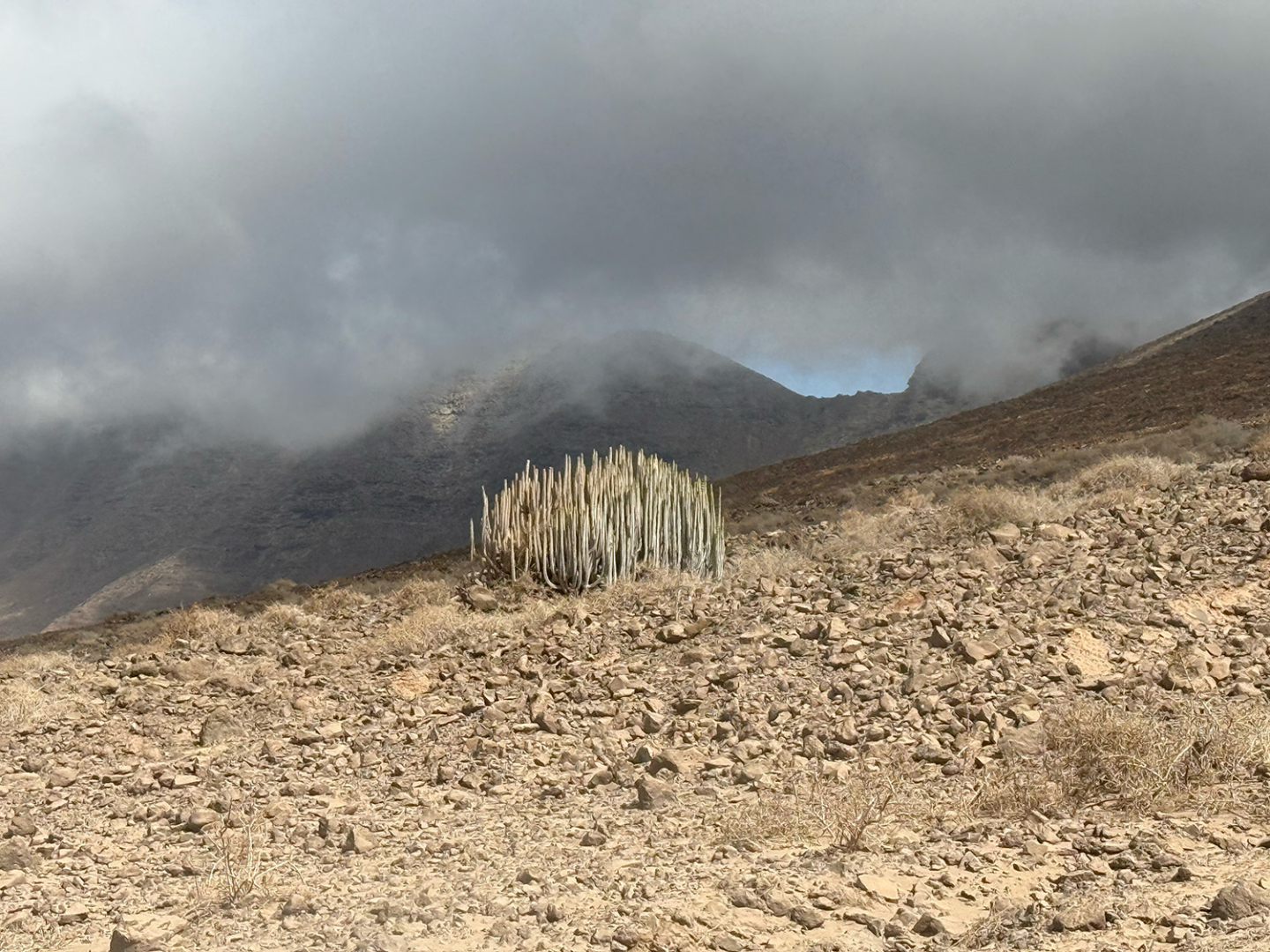
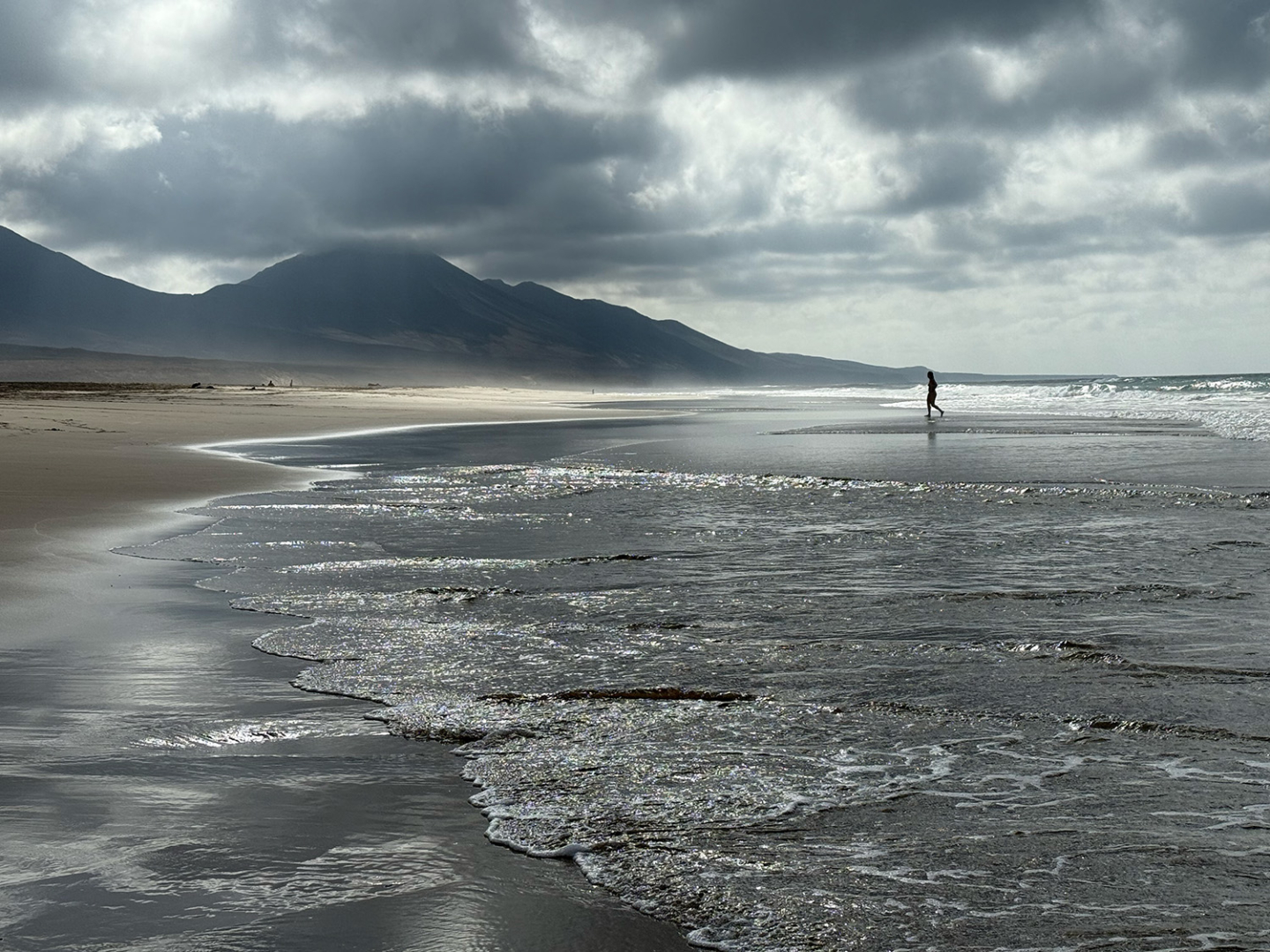
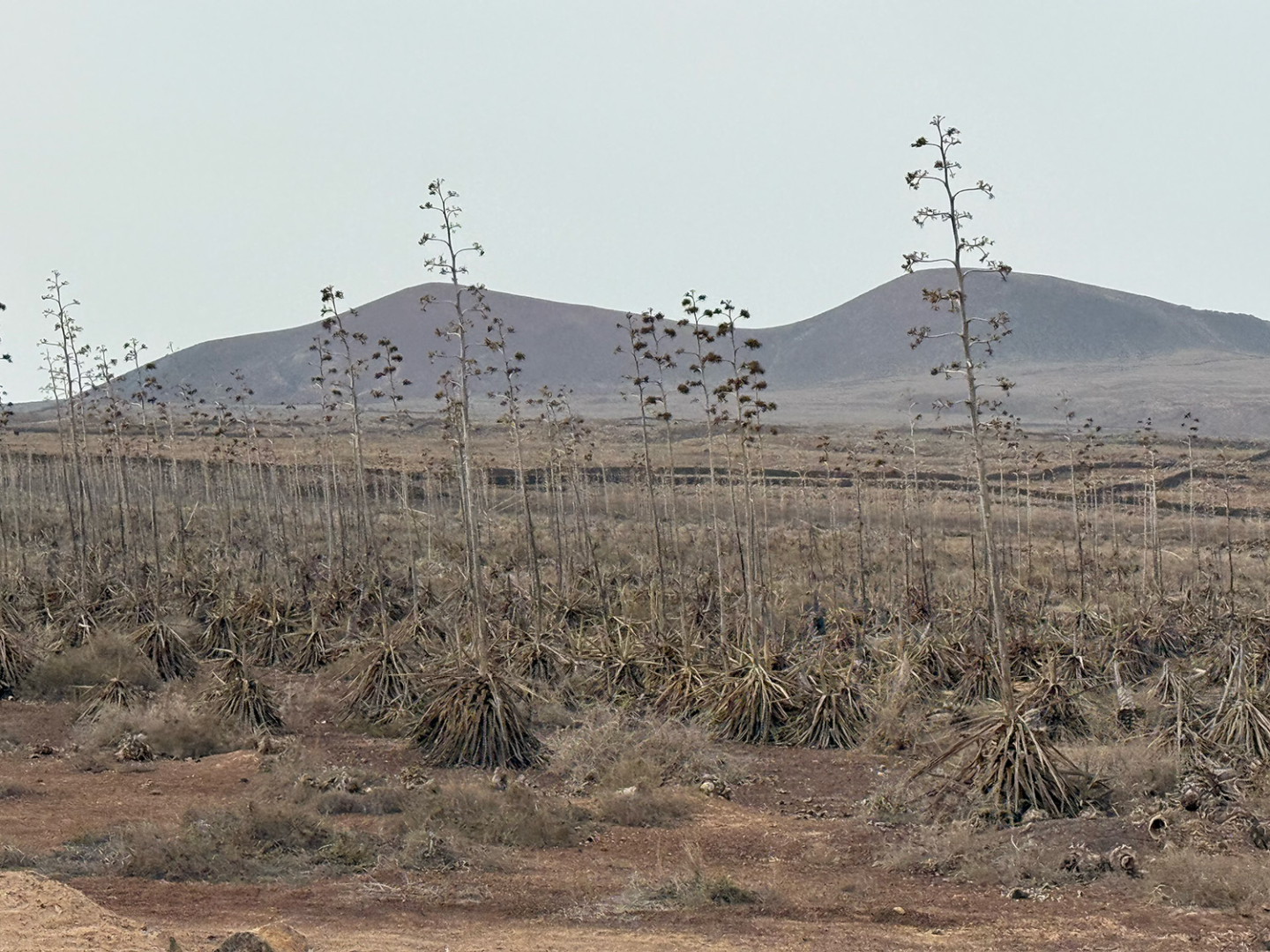
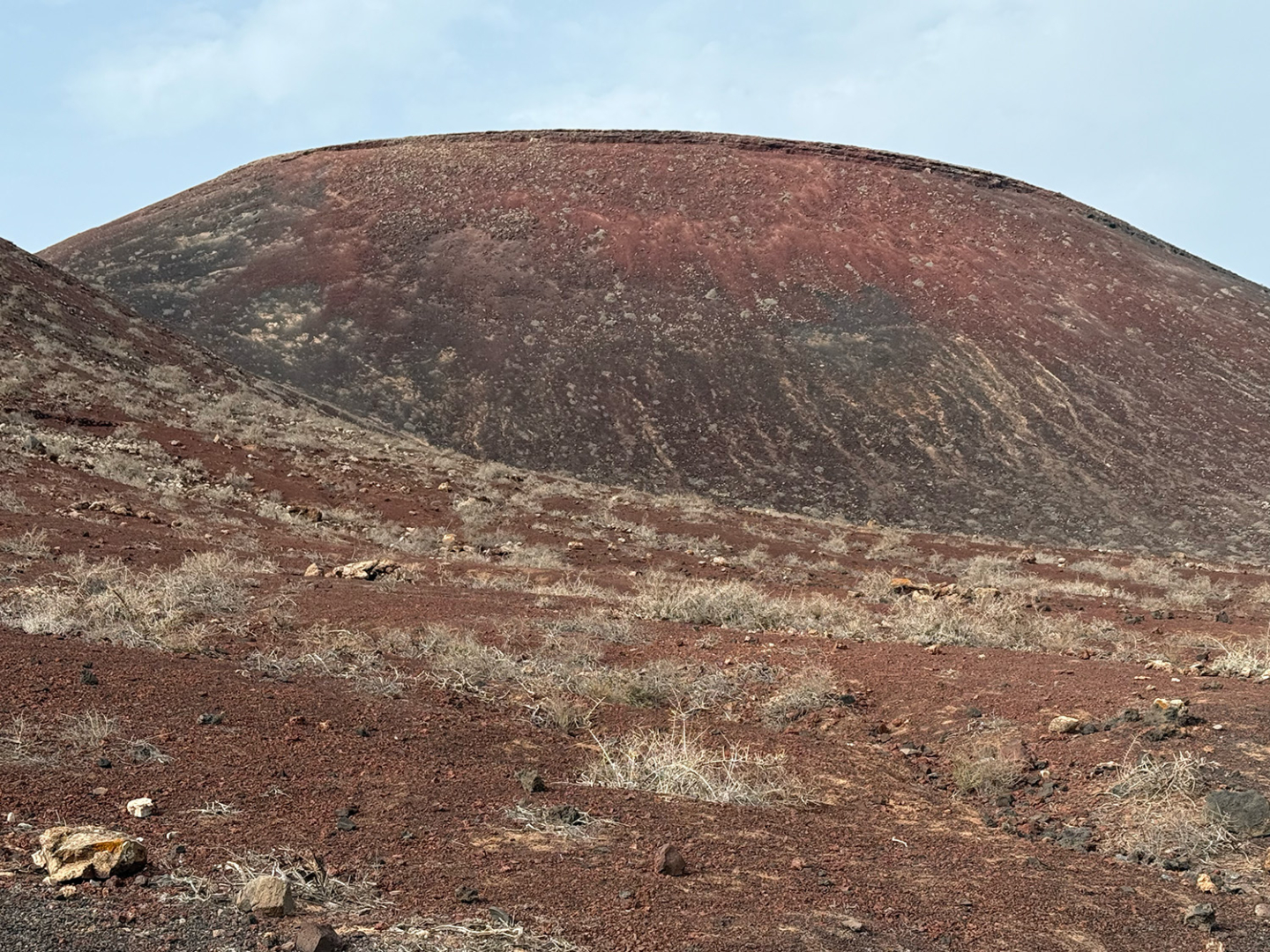
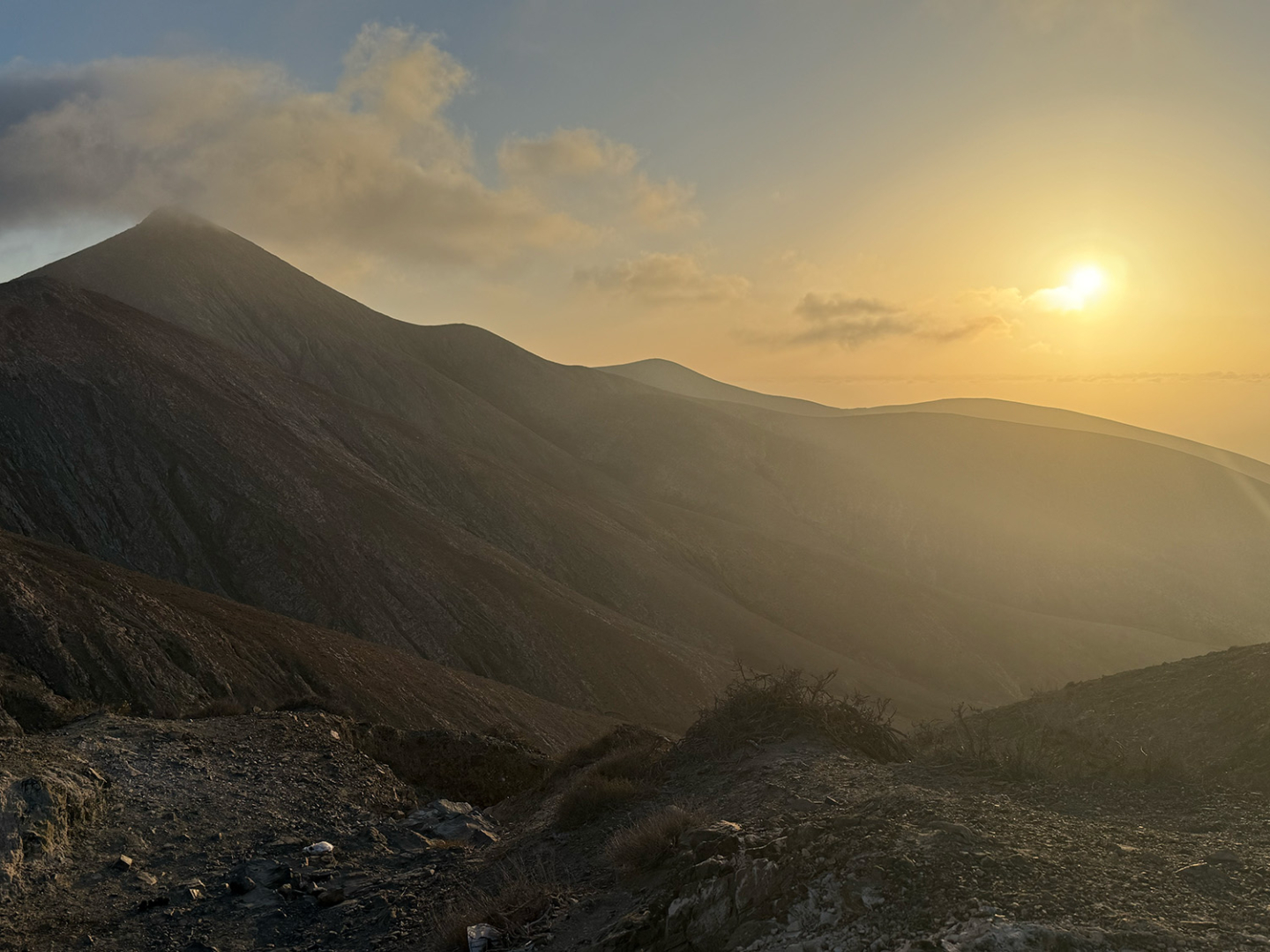
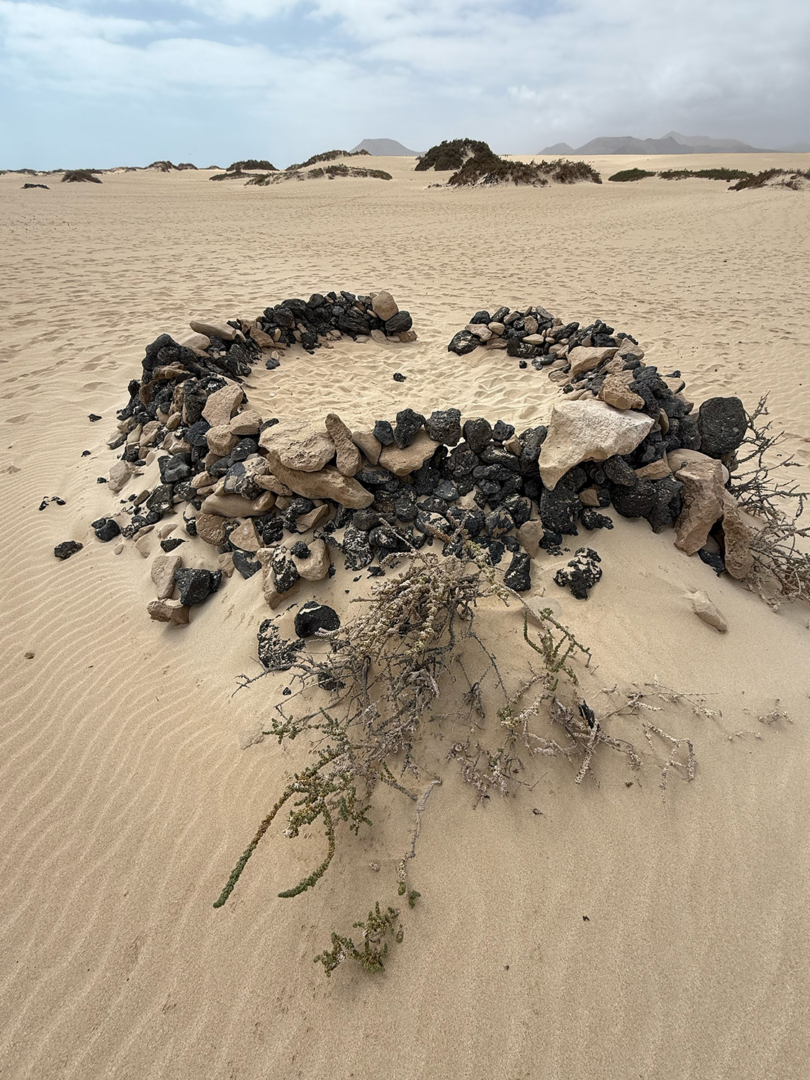
Northern Fuerteventura is defined by volcanic geology, low vegetation and continuous wind. The terrain surrounding La Oliva resembles a lunar field: dark stone, arid plains and a uniform horizon. Historic settlements developed with minimal height, using patios and thick walls as environmental devices. Casa Montelongo stands at the center of La Oliva as part of this pattern — a nineteenth-century structure restored without altering its relationship to the land.
A nineteenth-century house reinterpreted through contemporary restraint
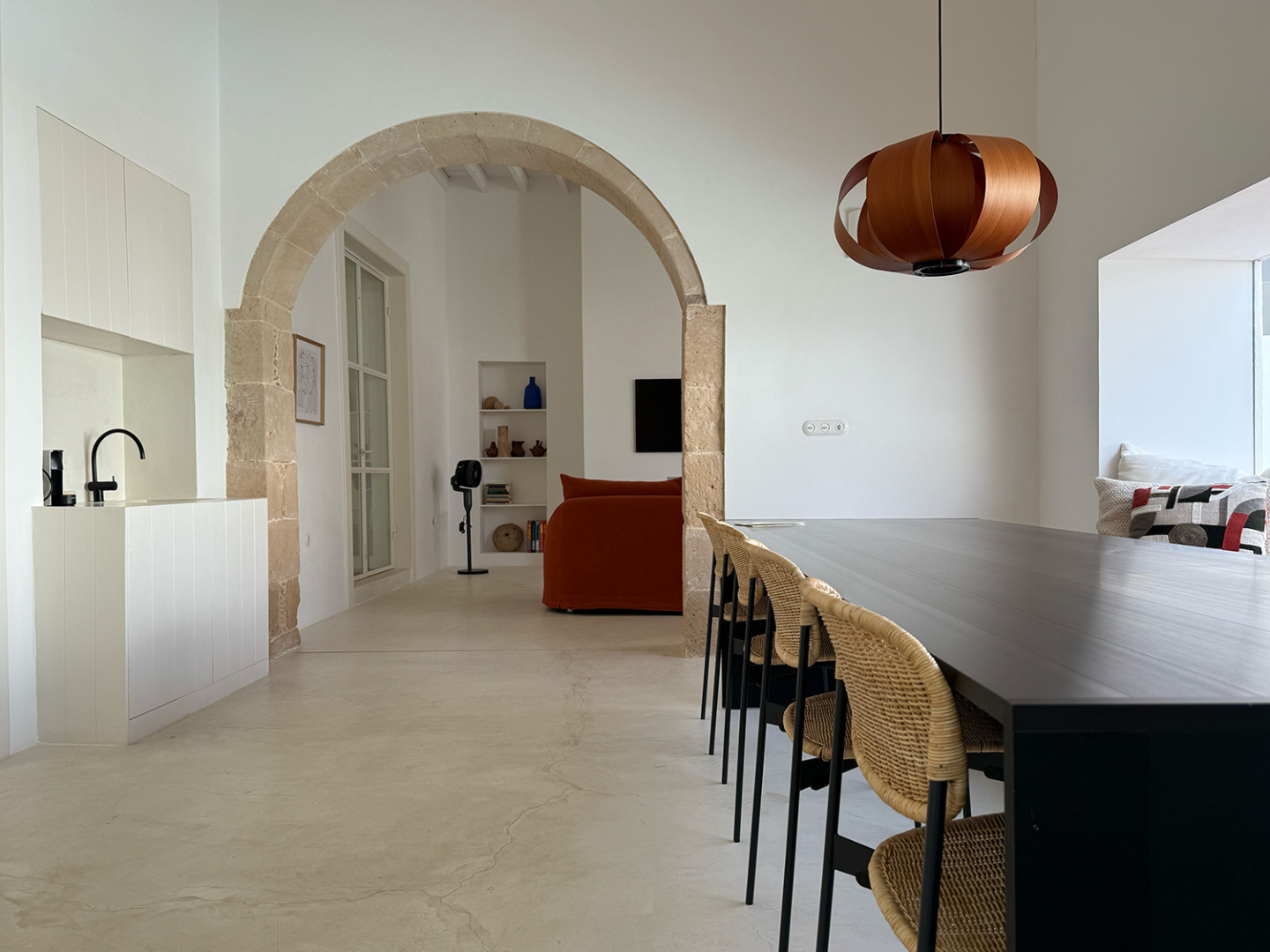
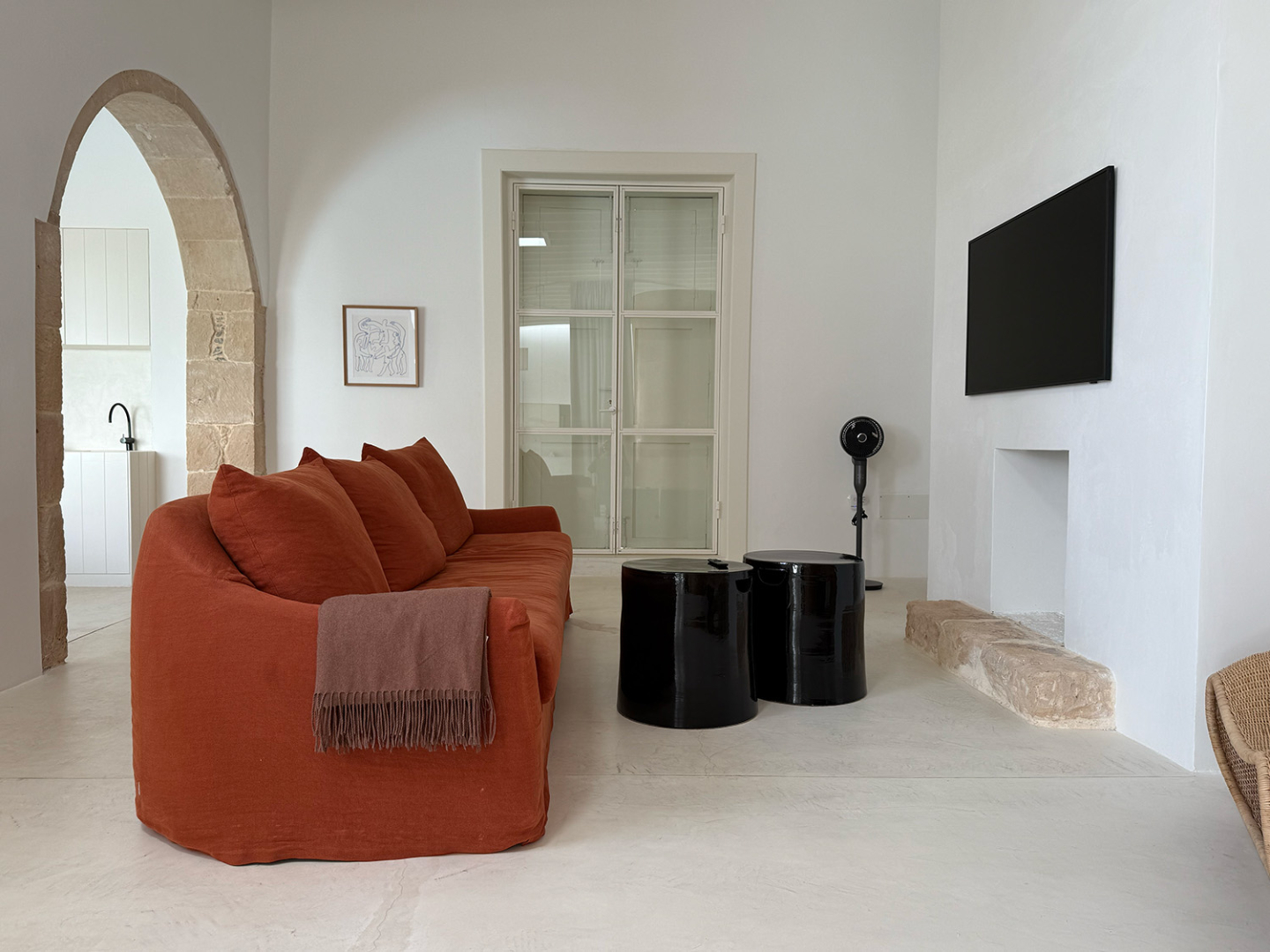
The property belonged to a local family and included a theatre hall and a domestic wing. The recent intervention by architect Néstor Pérez Batista reorganized the compound into two autonomous units. Each unit maintains the proportions and volumes of the original construction, avoiding additions that would disrupt the massing. The project replaces deterioration with a reading of the house as a single architectural organism divided by function rather than form.
Landscape as method: architecture absorbed into the terrain
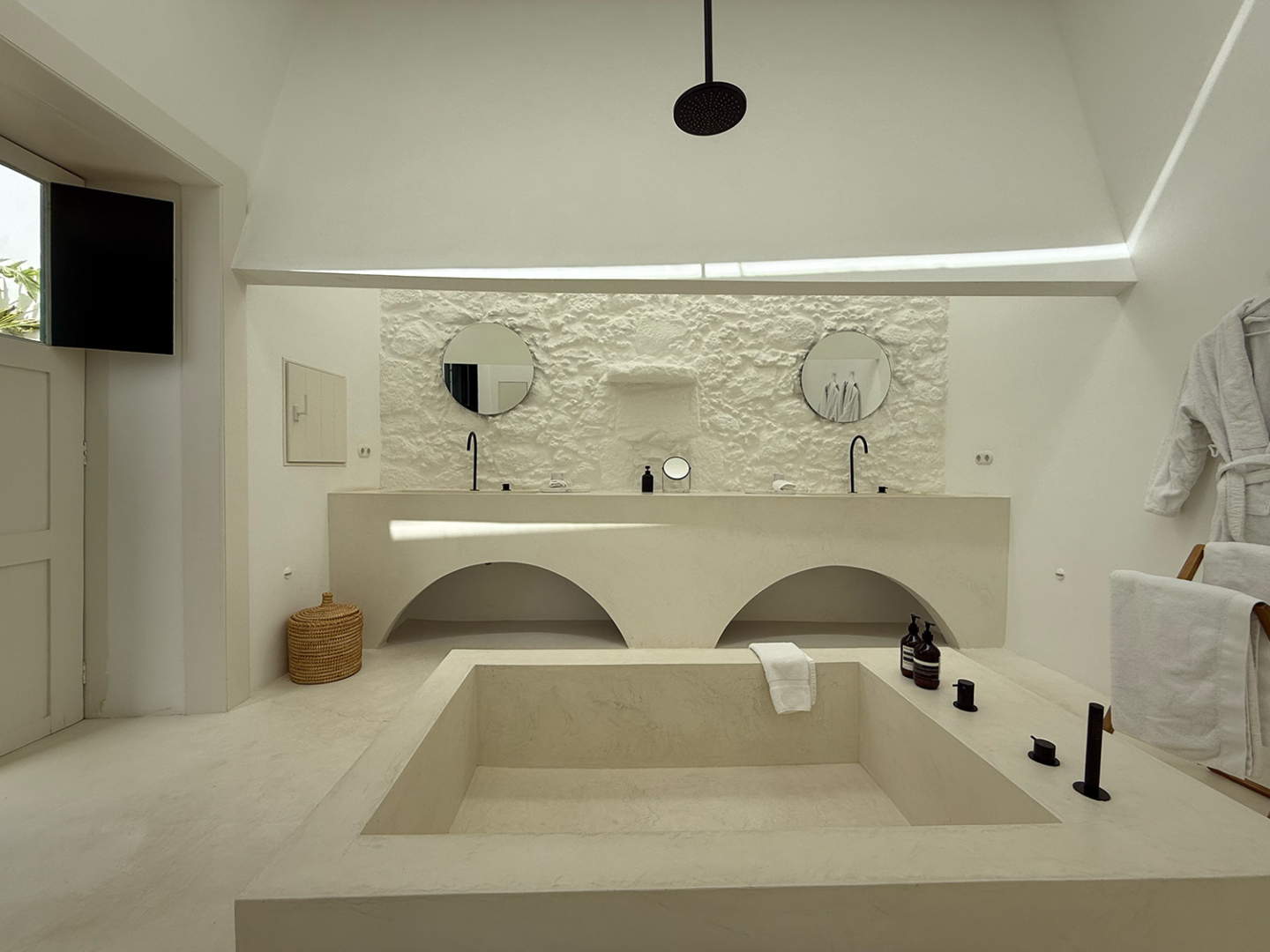
Casa Montelongo does not attempt to contrast its environment. The renovation works with the geological conditions: volcanic stone, lime coatings, wood and clay are used as primary materials. New openings were introduced to frame the terrain rather than isolate the interior from it.
The house reads as an extension of the land — not through mimicry, but through the precise use of mass, proportion and orientation. The project treats wind, sun and the dark mineral surface as structural elements that determine circulation and spatial logic.
The patio and pool: the outdoor room as the project’s core
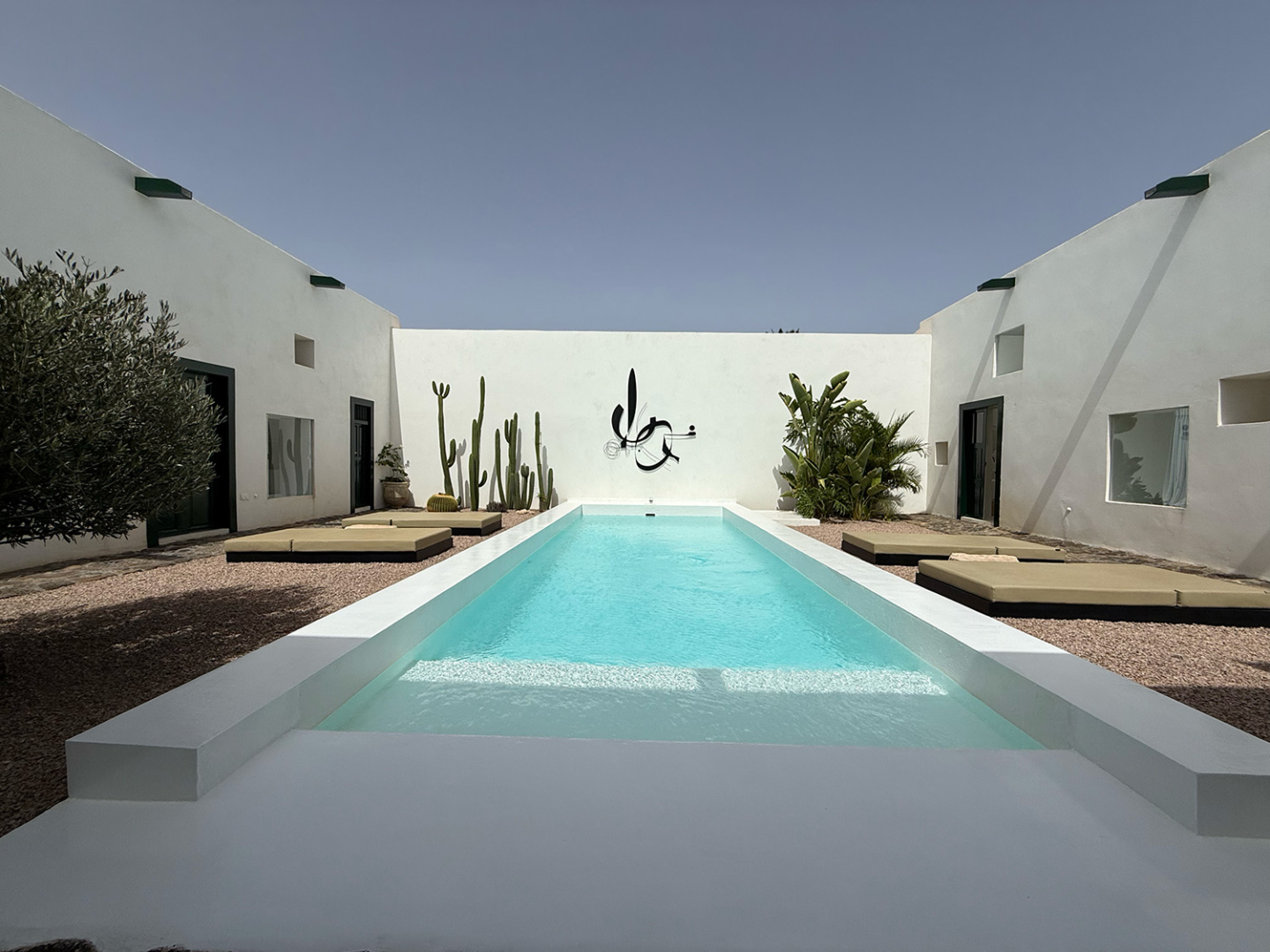
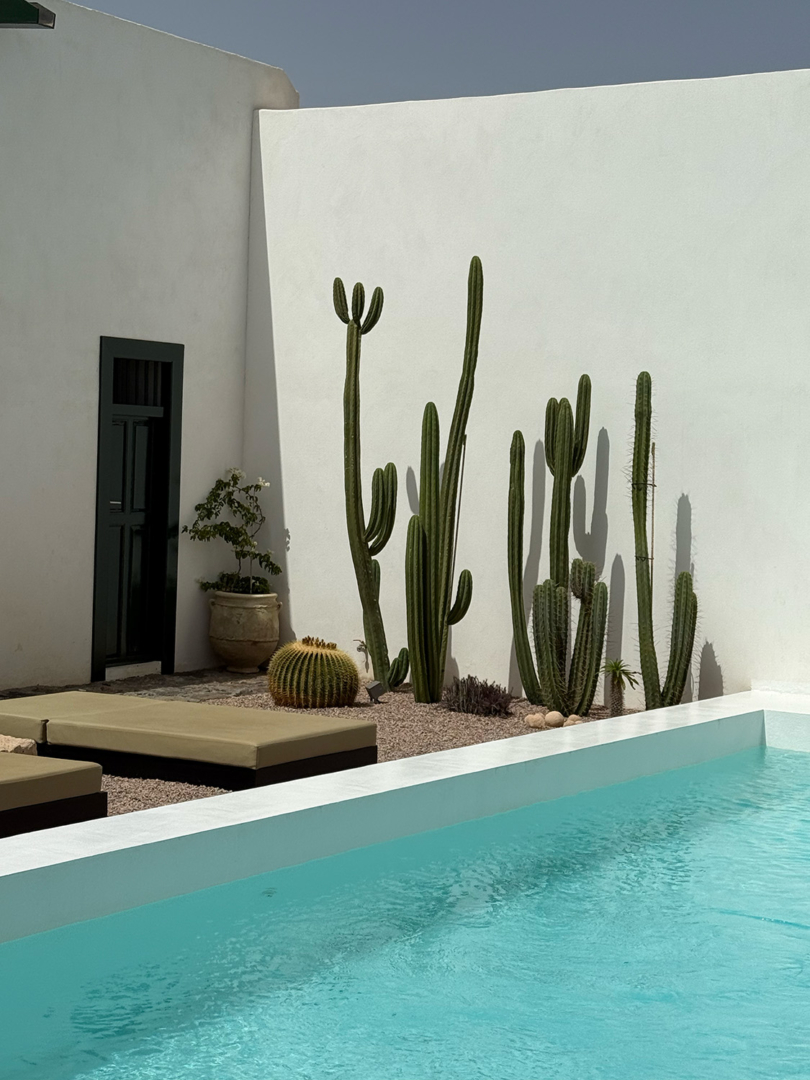
Both units face a central patio, divided longitudinally by a square pool. This external space operates as the primary climatic and spatial system. The patio is not decorative: it is a calibrated void that mediates temperature, filters light and determines interior perspectives.
Openings on the inner façades create a controlled continuity between rooms and exterior. The theatre volume uses large spans; the domestic side introduces narrower apertures, maintaining the typological distinction of the original structures. The patio becomes the fixed point around which both units adjust, serving as a buffer between architecture and open terrain.
Material logic and passive comfort in a desert climate
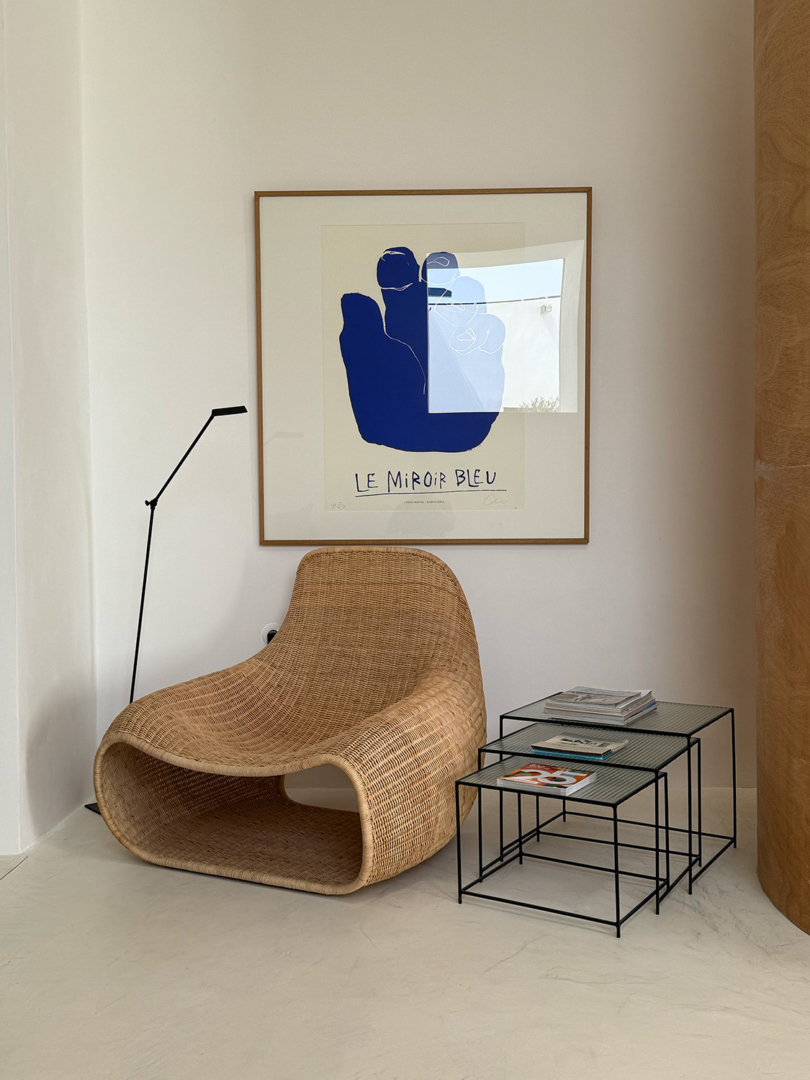
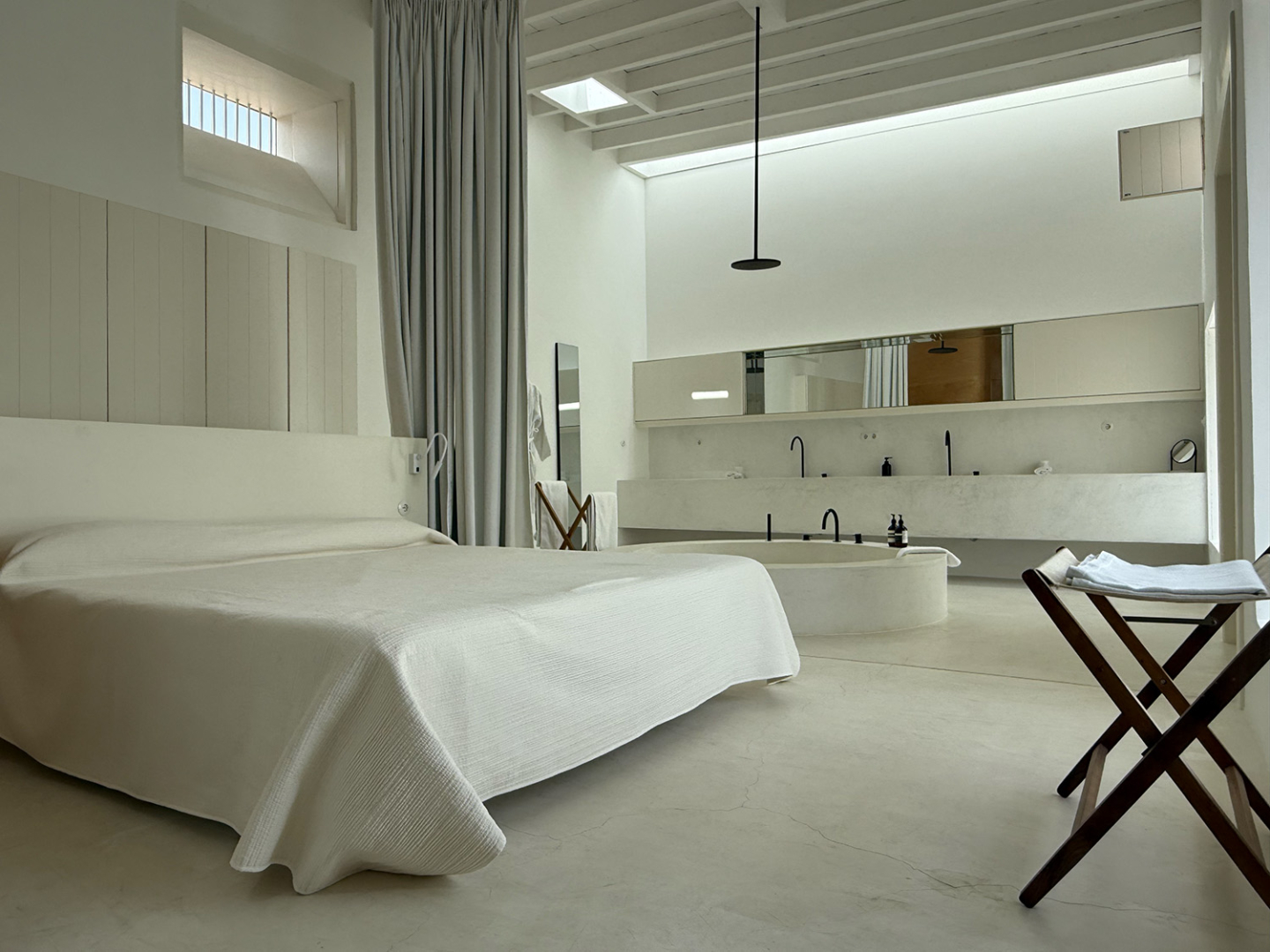
The construction relies on local stone for structural stability and thermal mass. Lime plaster reduces surface temperature and reflects sunlight. Timber and clay define interior surfaces and maintain tactile continuity with traditional Canarian houses.
Glass is used sparingly, positioned to admit indirect light and minimize glare. The design avoids mechanical cooling: comfort is achieved through orientation, material density, ventilation and shading provided by the courtyard walls. The strategy is deliberate — using the island’s conditions as operational constraints rather than problems to resolve artificially.
Light, geometry and the experience of inhabitation
Daylight enters the house through calibrated gaps that open toward the patio. Shadows shift across the geometry of the two units, marking the progression of the day.
Circulation follows a linear logic: rooms align with the courtyard, avoiding abrupt transitions. The house is perceived as a sequence rather than a collection of separate interiors. Proximity to the volcanic terrain reinforces this reading — the muted landscape acts as a continuous backdrop for all interior views.
Art intervention: the sculpture by Óscar Latuag
A sculpture by Óscar Latuag stands inside the patio and anchors the project to the material culture of Fuerteventura. The work references traditional pigment sources such as cochineal, orchilla and barilla stone. Forms recalling local vegetation — prickly pear pads and penca leaves — link the installation to the island’s surface ecology.
Light interacts with the sculpture as it moves across the courtyard, projecting changing shadows on the wall. The piece becomes a temporal element, inscribed in the same solar cycle that defines the house.
Programme: two self-contained units with controlled services
Casa Montelongo operates as an adults-only property composed of two self-catering units that can be rented separately or together. Each unit includes living spaces, sleeping areas and direct access to the patio and pool. Breakfast — à la carte or continental — is delivered on request. The service model prioritizes privacy and spatial clarity rather than amenity-driven programming.
Urban and territorial meaning in northern Fuerteventura
La Oliva’s architectural identity is based on houses organized around interior patios and a consistent low skyline. Casa Montelongo reinforces this structure. The project avoids vertical expansion and maintains material continuity with the town’s historic core.
In an island economy shaped by large resort developments, the house represents an alternative model of hospitality: small-scale, architecture-driven and grounded in local typology. The intervention reframes heritage as an operational system rather than a visual reference, producing a form of tourism integrated into the existing urban and environmental landscape.
An approach defined by osmosis: building and terrain as a single reading
Casa Montelongo operates through osmosis: interior spaces absorb the conditions of the surrounding volcanic land, while the exterior court behaves as an interior extension.
The property does not seek separation from the desert landscape. Instead, it acknowledges that the experience of the house cannot be isolated from the island’s geology. The project uses stone, proportion, shade and silence to build a continuity between architecture and terrain — a condition that defines the guest experience more than any amenity.
Casa Montelongo
Casa Montelongo, La Oliva, northern Fuerteventura. Adaptive reuse of a nineteenth-century house consisting of two independent units organized around a central patio and pool. Architect: Néstor Pérez Batista. Materials: volcanic stone, lime, wood, clay, glass. Art intervention by Óscar Latuag. Self-catering, adults-only, breakfast on request.
Ario Mezzolani