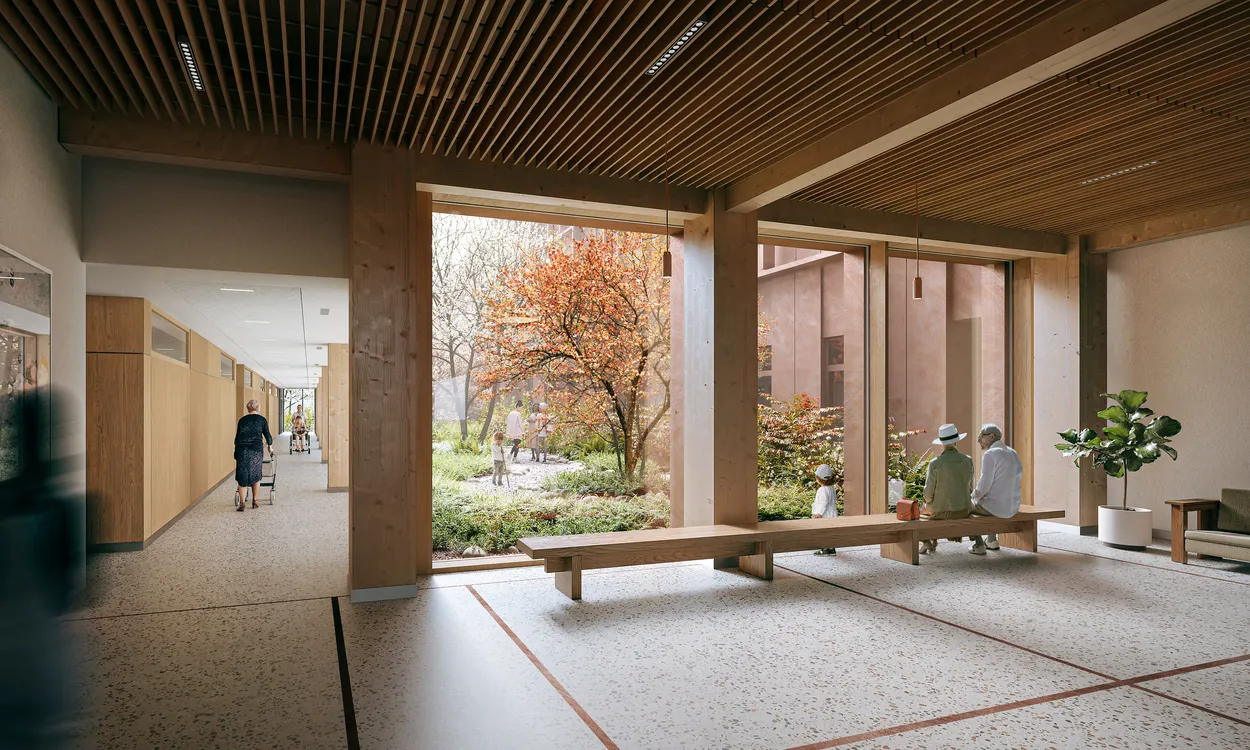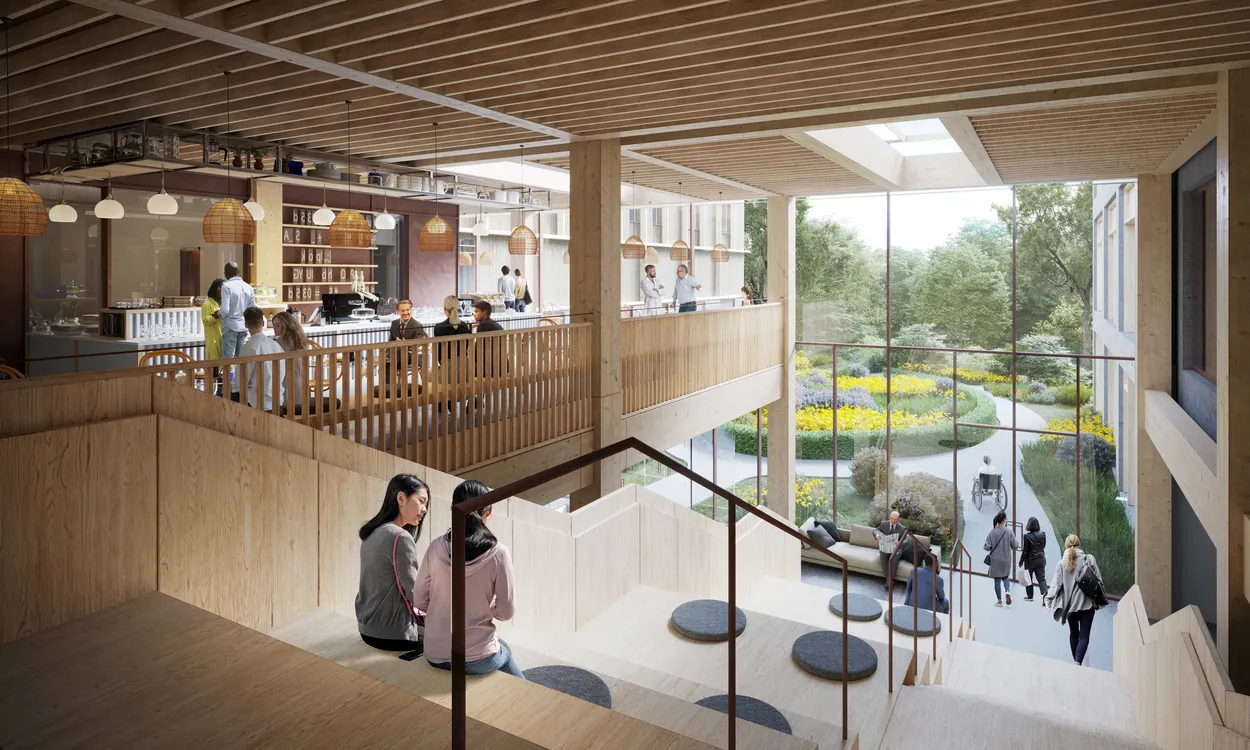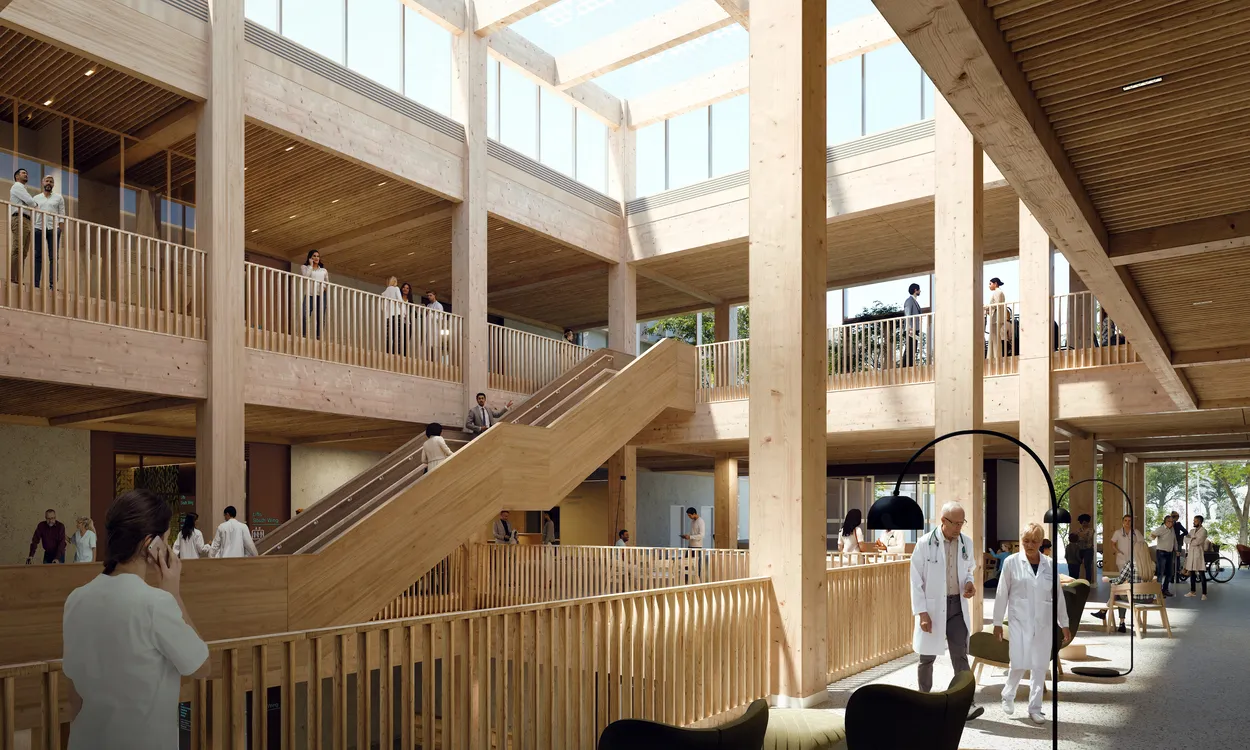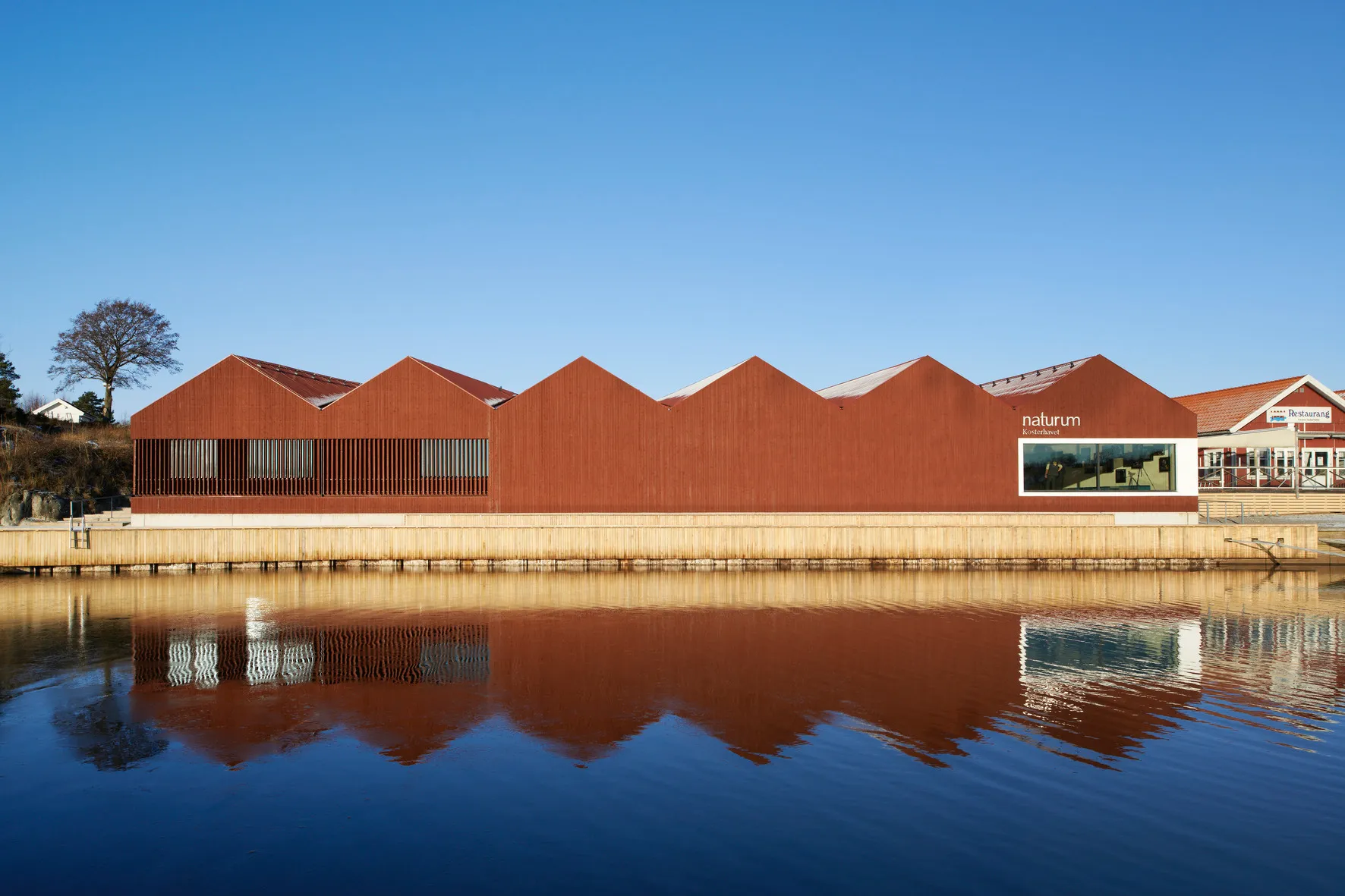
What is hempcrete? The Velindre cancer centre by White arkitekter
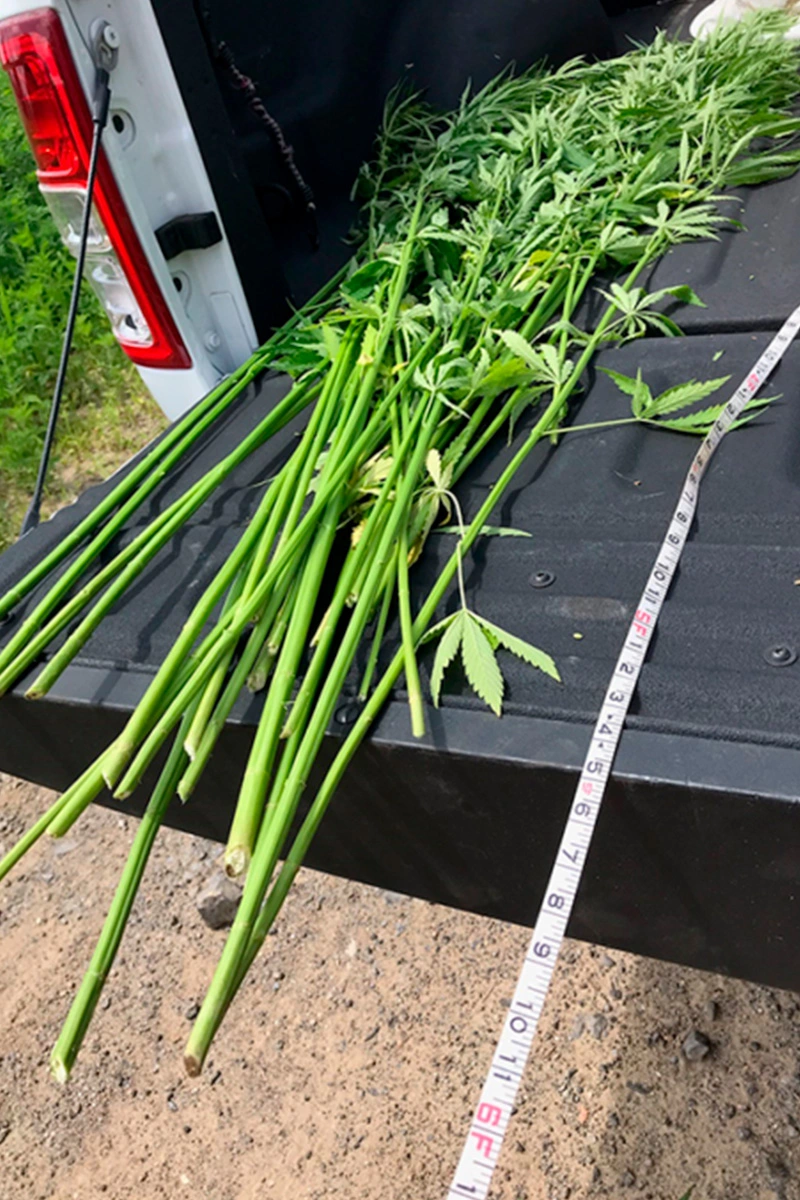
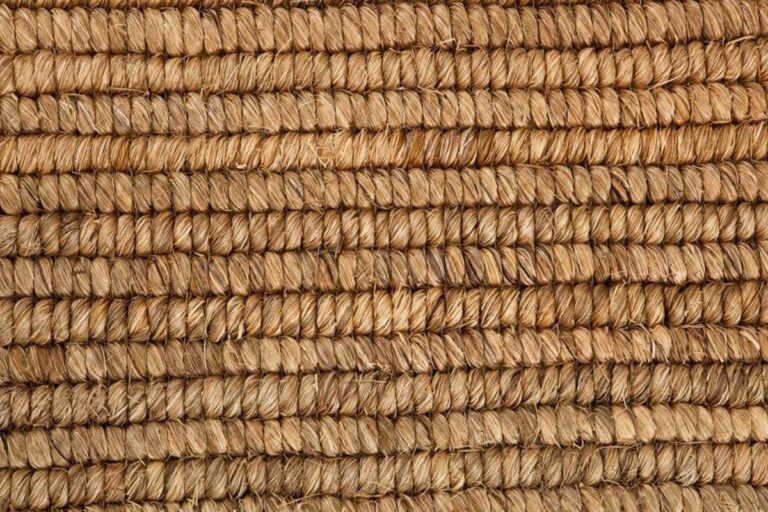
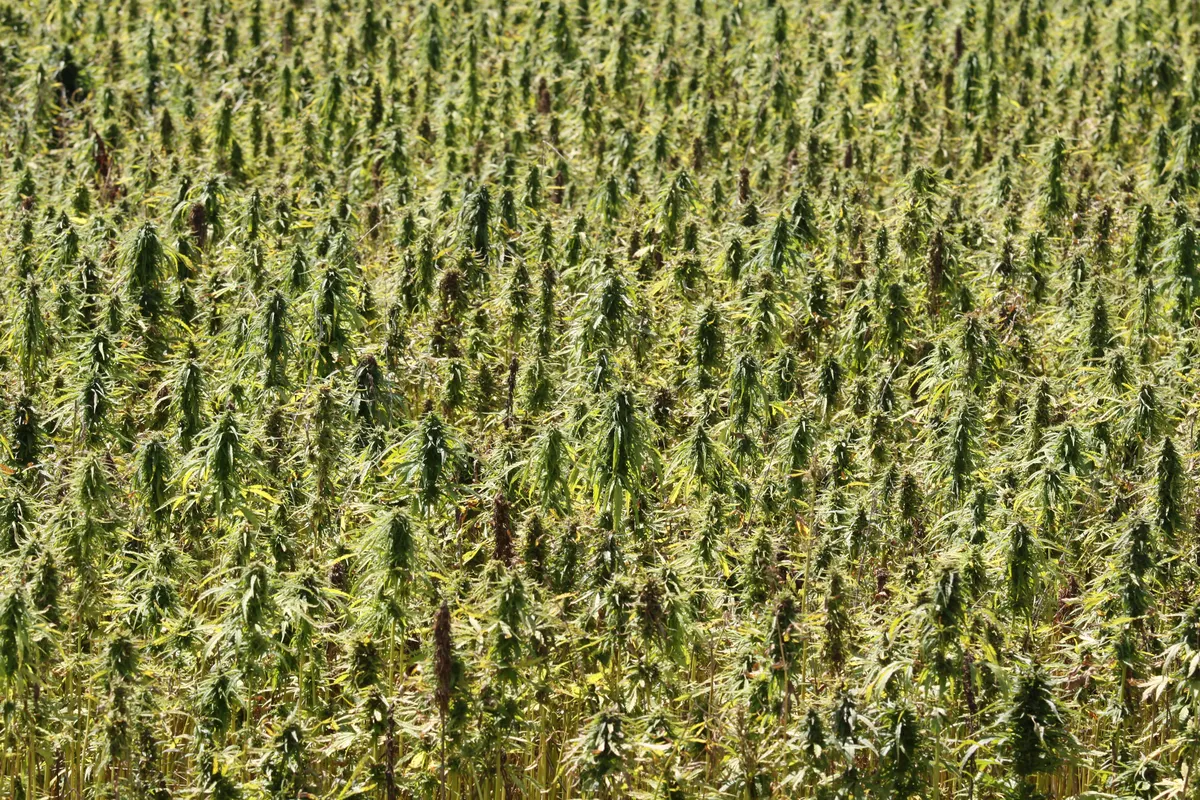
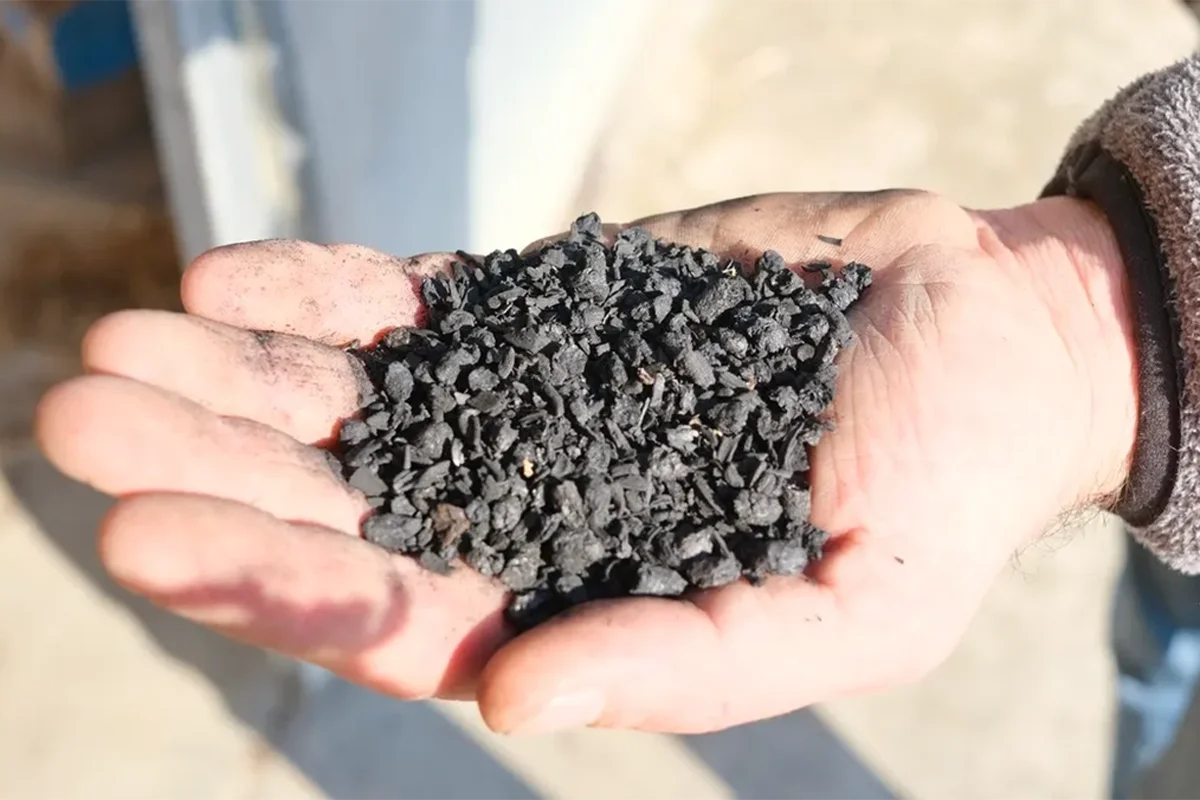
Hempcrete is a cellulose aggregate concrete made from hemp hurds or shivs with the addition of a lime-based binder and water, or lime-hemp concrete (LHC). The Velindre Cancer Centre by White Arkitekter
Hempcrete: using hemp as a construction material – benefits and challenges
The cellulose aggregate concrete made from hemp hurds or shivs with the addition of a lime-based binder and water is called hempcrete, or lime-hemp concrete (LHC). An example of a class of construction materials that comprises a mineral binder and a bio-based aggregate. The contemporary use of hempcrete dates back to the 1980s in France, where it was developed as a means to enhance the thermal performance of medieval timber-framed buildings. Cast-in-situ hempcrete, hempcrete blocks, and spray hempcrete are the three principal techniques that employ hempcrete in the construction industry.
Hempcrete has a medium density and high air content, making it lighter than other construction materials, such as brick or concrete. In the construction industry, hempcrete blocks are employed in wall construction and arranged to minimize the interruption of a continuous layer of insulation, reducing thermal bridging at the mortar joints. Cast-in-situ hempcrete is crafted by blending hempcrete on-site and casting it into molds to use for building floors, walls, and roofs. Spray-applied hempcrete is similar to molded hempcrete, although its delivery is mechanized (Tong & Memari, 2024).
As hempcrete functions with the current timber framing systems, it is used in contemporary residential structures. Hempcrete has a high absorption coefficient due to its high porosity and somewhat low compression resistance, which necessitates the use of structural forms such as timber or steel. (Lupu, Isopescu et. al, 2021).
In addition, this material possesses thermal properties sought out by the construction industry, and a low density. A series of characteristics that make it suitable housing, built with energy efficiency and breathability in mind. “Hemp can be used in exterior walls and interior walls. In interior walls, it’s much easier because then you don’t need to consider the matter of moisture as much as in exterior walls and the issue of air tightness as well,” explained Graaf. “So, if you compare it to traditional techniques or the building techniques you have today, when you usually construct with insulation and air tightness, when you use hemp, it might be better to have it just as tight. It’s crucial to know how a material works so you use the right construction methodology”.
If knowledge of the proprieties of a material, the lack of know-how when it comes to building with hemp is hindering the standardization of the use of hemp in the construction industry. “In smaller buildings, people are more likely to use hemp because it’s easier to handle. In larger buildings, it may be more complex, and you require more experience. In addition, the big contractors may not be as experienced in dealing with hemp, especially in Sweden. Still, I believe the market is starting in smaller buildings and building up, so we will soon use it more in larger buildings as well”.
White Arkitekter’s use of hemp and other bio-based construction materials
One of the materials with a low carbon footprint they are employing is hemp. At Lampoon, we discussed the use and future of hemp as a construction material with Anna Graaf, White Arkitekter’s Sustainability Specialist and Sustainability Director. By 2030, they plan to make all of the architectural projects climate-neutral and regenerative. In an effort to achieve this goal, they are selecting materials with a minimal carbon footprint, promoting recycling, reducing material use, and planning for disassembly.
“Hemp is a relatively new material, although it’s an old one. It’s bio-based with a low carbon impact: a natural material that can be grown quickly and has low energy use during production. In addition to that, it’s regenerative, it can be grown over and over again, and it can go back to nature again once it has been used. Within a holistic approach, it’s an attractive material”. To foster improvement within the construction industry, White has a research department, the White Research Lab, and an external research foundation, ARQ, which collaborates with clients to develop sustainable solutions. “We work with a lot of alternative materials that have a lower carbon impact. In some of our offices, they have material libraries where clients can see, touch, and get a feel for these new materials”.
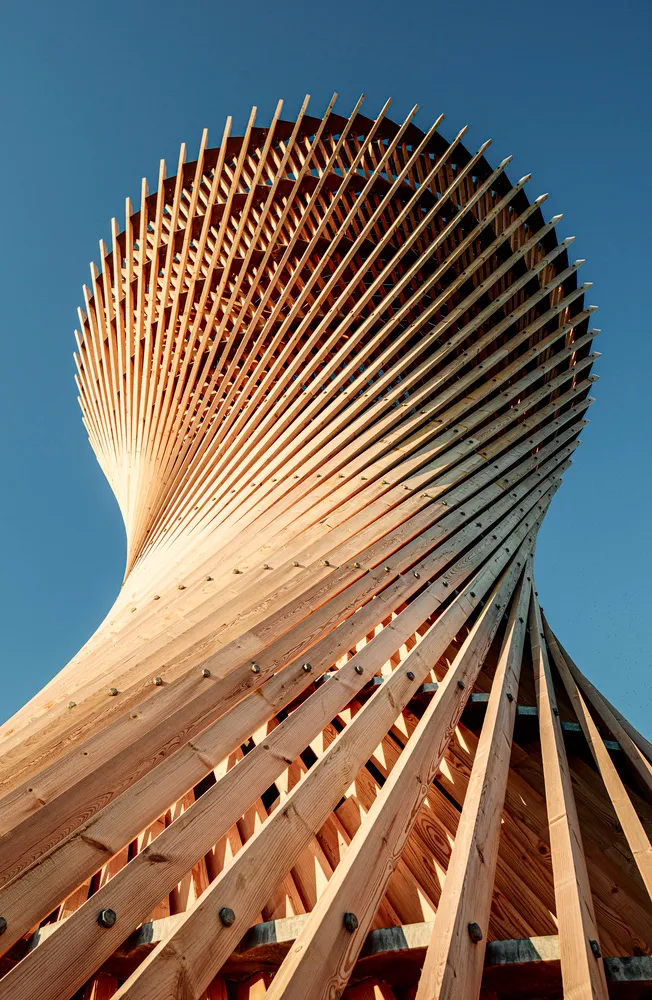
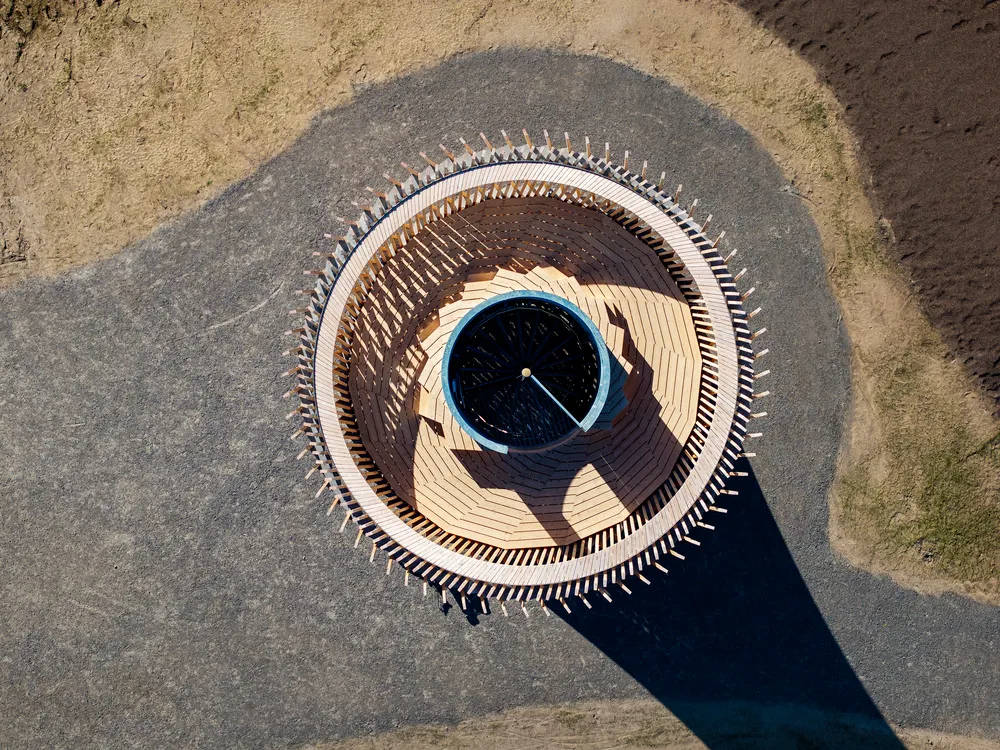
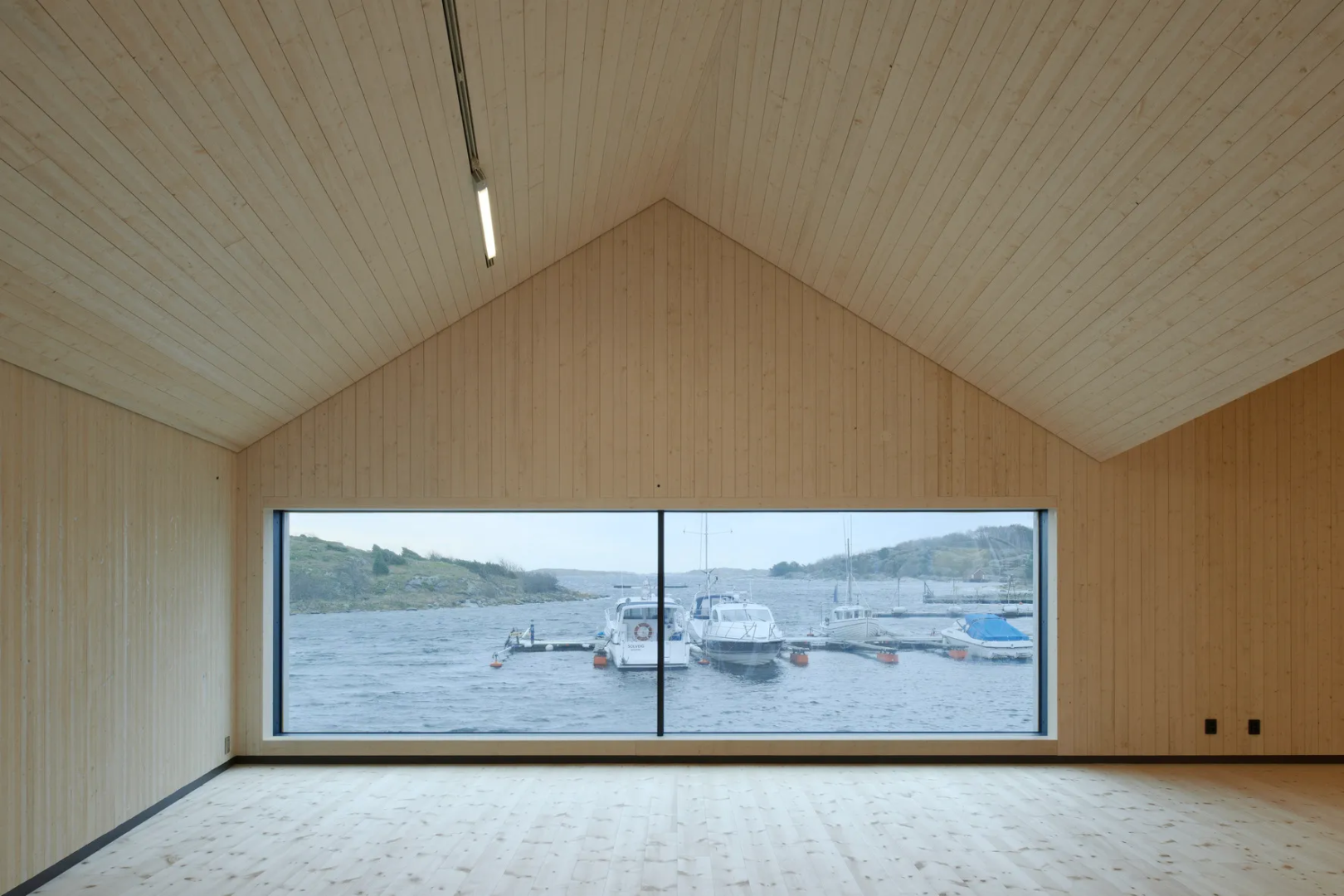

Hempcrete in healthcare architecture – White Arkitekter Velindre Cancer Centre
Given the compatibility of hemp as a construction material with human health and wellbeing, and its sustainable characteristics as a crop, White Arkitekter chose to employ it in one of their British projects: the Velindre Cancer Centre in Cardiff, South Wales, United Kingdom.
The goal when working on this project was to create the nation’s most sustainable hospital.
At White Arkitekter, they tackled this objective with their holistic approach, creating a project combining social and environmental sustainability. They choose natural materials with high breathability and a low carbon footprint, such as hempcrete and mineral plasters, and prioritized local ones whenever possible. The building’s design follows a circular approach: these materials are, in fact, sturdy, reusable, and require little maintenance. In addition, through the optimization of the structural and material use strategy and building plan, White Arkitekter has succeeded in minimizing the amount of material necessary for construction.
These materials were integral to White Arkitekter’s strategy for creating a space that promotes relaxation and fosters well-being for both patients and staff. In their project, they chose nature-based solutions to climate change that promote both human health and biodiversity, such as the integration of 600 trees, including native species, and pollinator-supportive trees. This project won the European Healthcare Design Award 2022, and its construction is underway at the moment.
The issue with traditional construction materials – a sustainable way forward
The activities of the construction industry affect the environment, and in turn, human health. According to the United Nations Environment Programme (UNEP)’s report’ Global Status Report for Buildings and Construction 2024-2025′, in 2024, buildings were responsible for 32% of global energy demand and 35% of the worldwide carbon dioxide (CO₂) emissions. Construction materials, such as cement and steel, generate 18% of buildings CO₂ emissions.
Throughout their life cycles, these traditional materials lead to substantial pollution, resource depletion, and carbon emissions. As a result, interest in green buildings is increasing. Researchers have investigated bio-based composite materials as sustainable alternatives to conventional ones. These substitutes aim to enhance the health of building occupants while minimizing their adverse environmental impacts.
Anna Graaf – White Arkitekter
Anna Graaf is White Arkitekter’s Sustainability director. She has a master’s degree in engineering from Chalmers University of Technology in Sweden and has been elected one of “Sweden’s 101 most influential persons within sustainability”.
White Arkitekter is a Scandinavian architectural practice. Founded in 1951 in the Swedish city of Gothenburg by the architect Sidney White, the firm focuses on sustainable architecture, interior design, landscape architecture, and urban design. They are an employee-owned company with a presence in Sweden, Norway, Germany, the UK, Canada, and Kenya, and a holistic approach to the sustainability challenges of our times.
Roberta Fabbrocino