Adaptive reuse within a medieval urban fabric: the case of Palazzo Petrvs in Orvieto
A boutique hotel in Orvieto housed in a restored historic palazzo, where architecture, domestic spaces, hospitality and the city’s medieval identity remain closely aligned
Via del Duomo and the threshold between city and palazzo
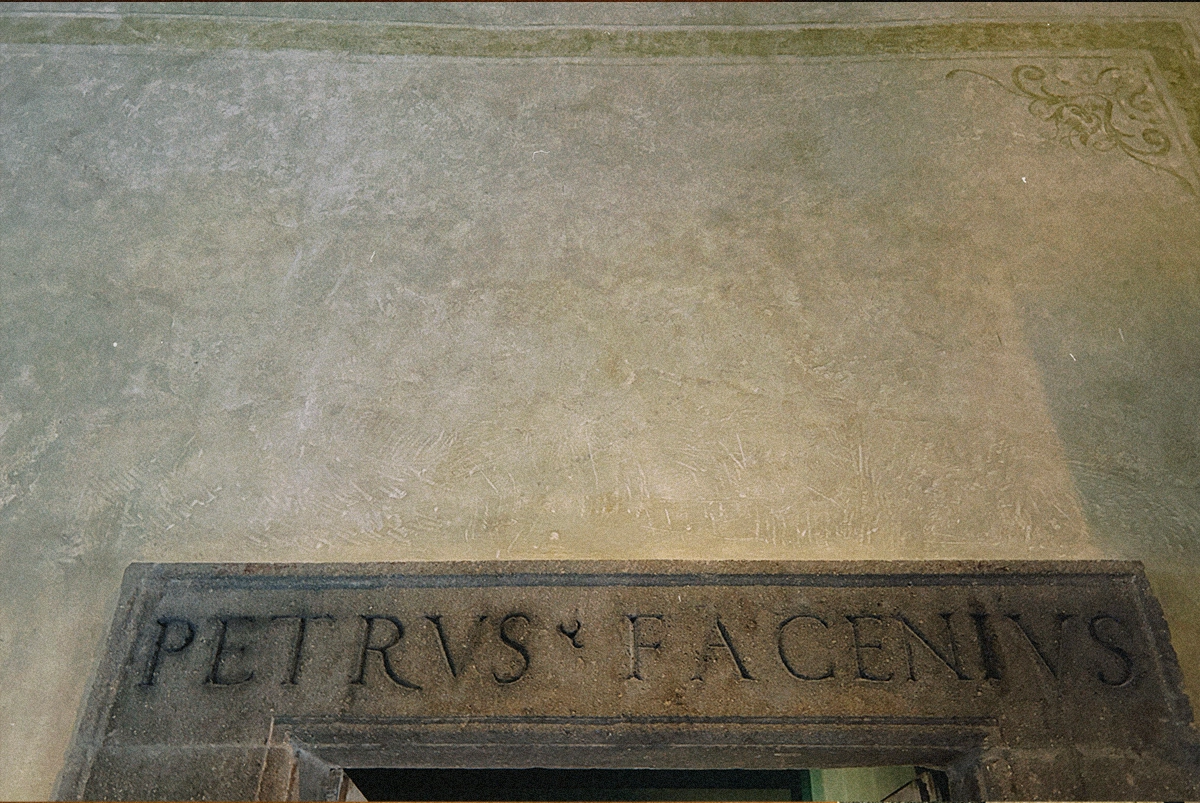
Palazzo Petrvs does not reveal itself immediately. Along Via del Duomo, where Orvieto compresses centuries of architecture into a narrow sequence of stone façades, the building appears as part of a continuous urban surface rather than as a destination. There is no visible break between the palazzo and the city. The threshold is marked by inscriptions, worn stone and a short ascent that shifts the visitor from street level to a domestic scale shaped by time.
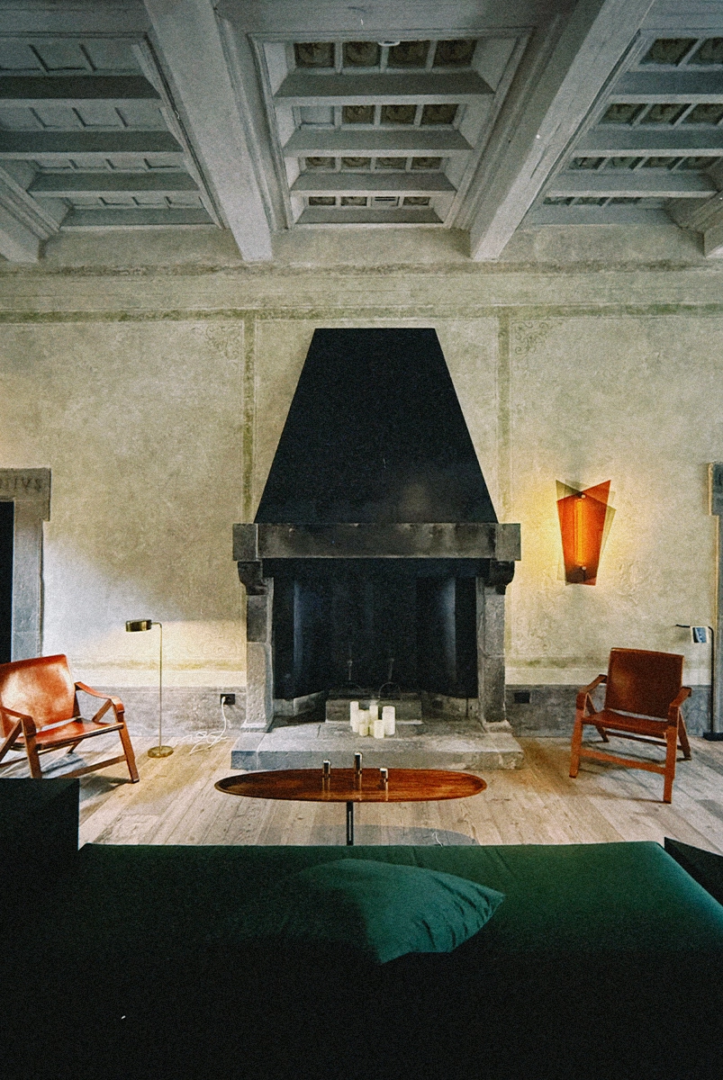
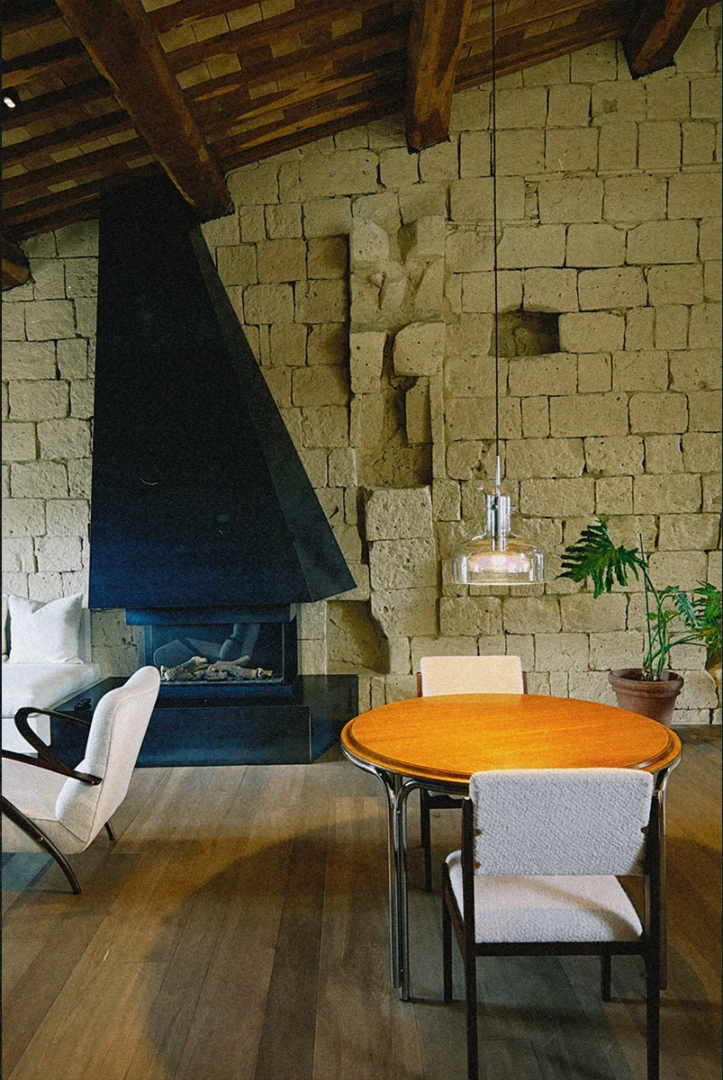
Inside, the building unfolds through layers rather than statements. Medieval stonework, Renaissance proportions and later domestic adaptations coexist without hierarchy. The project does not attempt to reconstruct an idealized past. Instead, it accepts the palazzo as an accumulation of uses, materials and interventions, translating this condition into a contemporary hospitality model that remains tied to the city’s rhythm.
Orvieto’s medieval bicromia as architectural reference
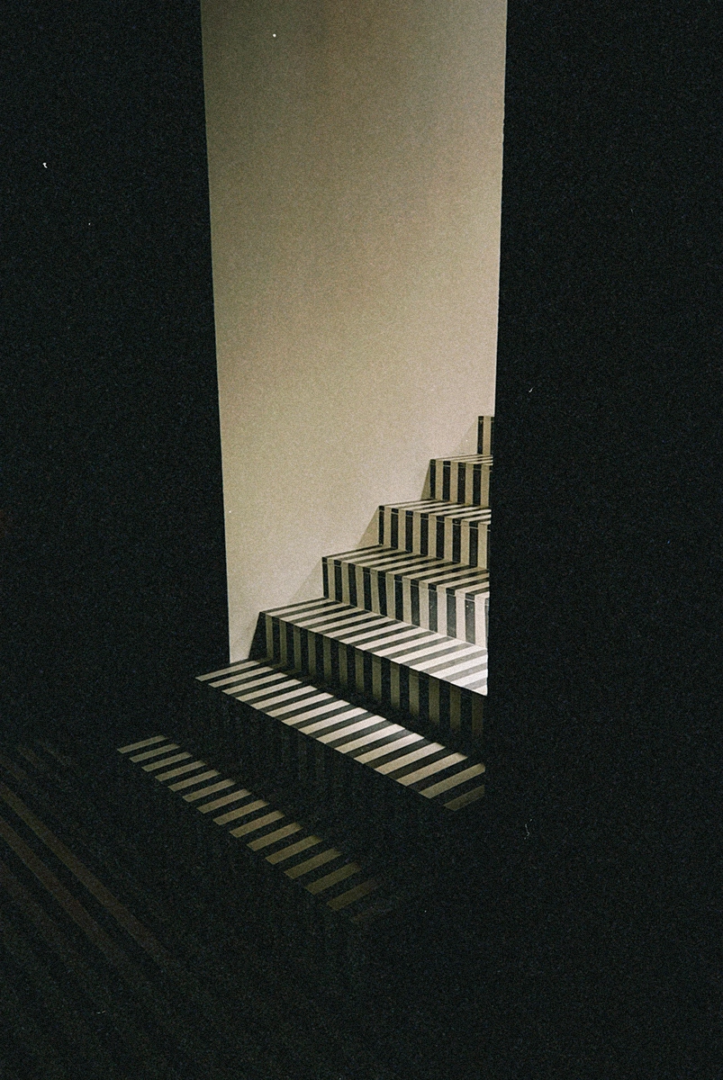
The architectural language of Palazzo Petrvs reflects a condition specific to Orvieto. The city’s medieval identity is defined by controlled contrasts: light and dark stone, carved surfaces and flat walls, ornament and mass. The bichrome logic of the cathedral’s façade — alternating materials and rhythms — is echoed here in a more domestic register. Stone, plaster and shadow structure the interiors through measured transitions rather than decoration.
This approach aligns the palazzo with Orvieto’s medieval construction culture, where architecture was conceived as an assemblage of solids and voids. The restoration reads these principles through scale and material restraint, allowing the building to remain legible as part of the city rather than as an isolated object.
Restoration through subtraction, alignment and material continuity
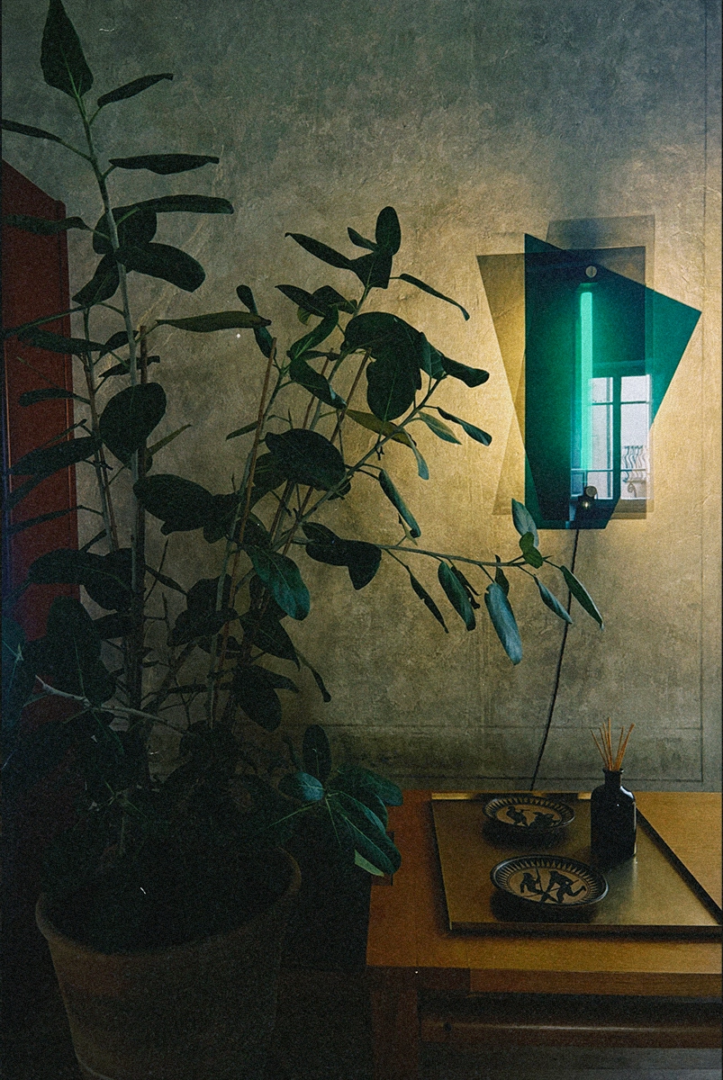
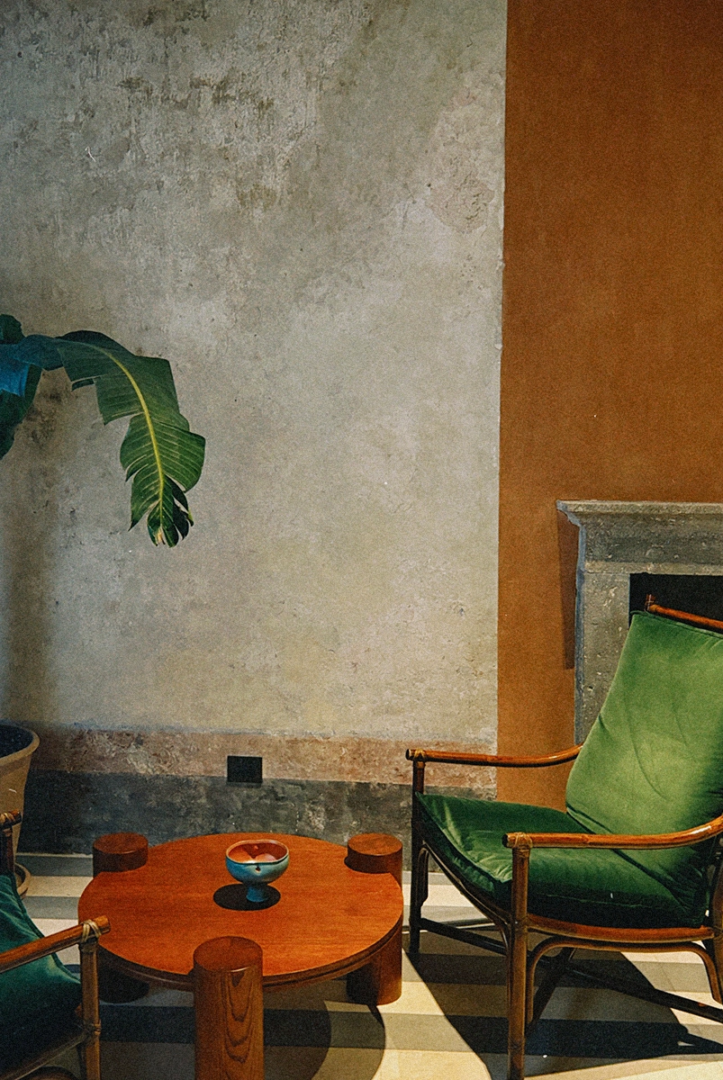
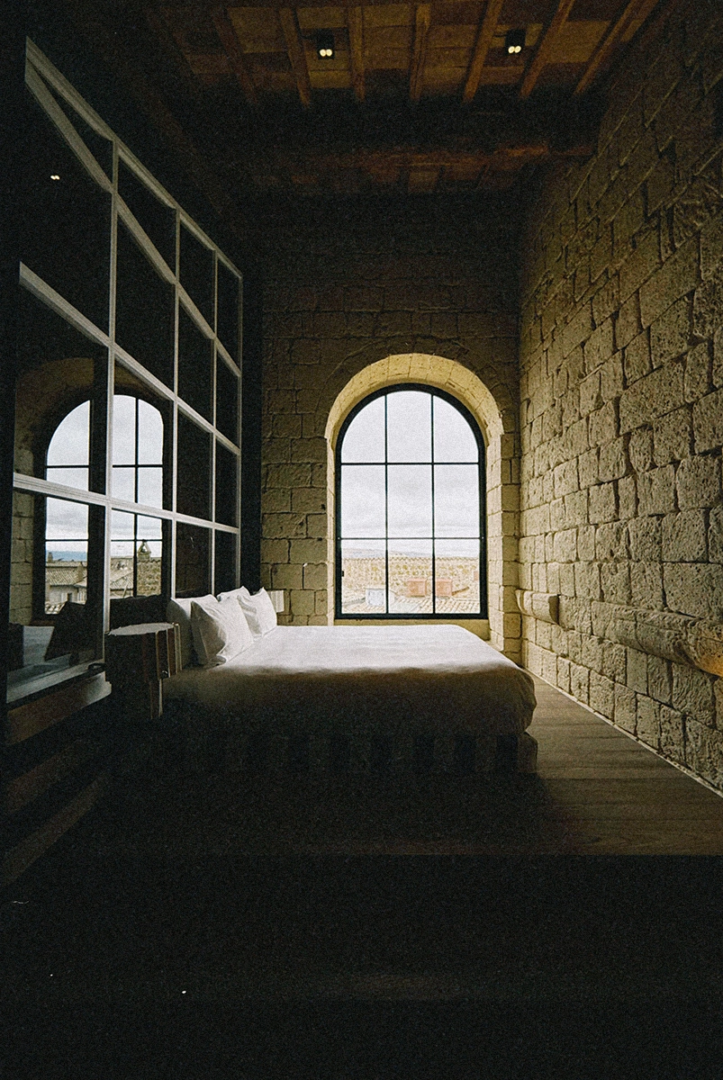
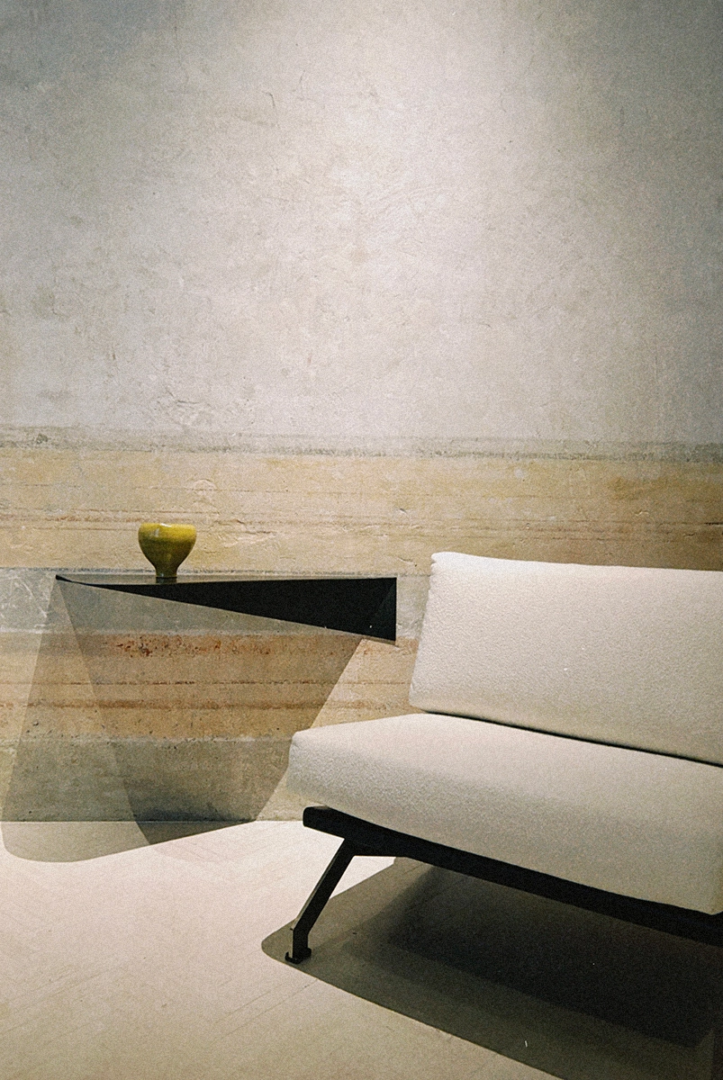
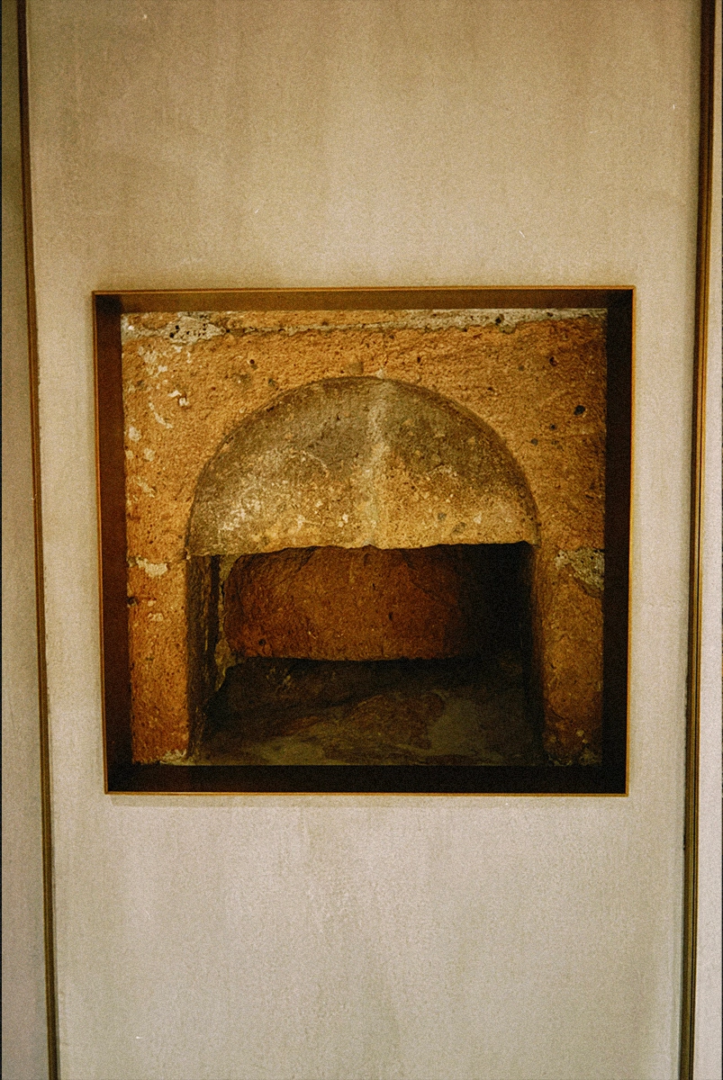
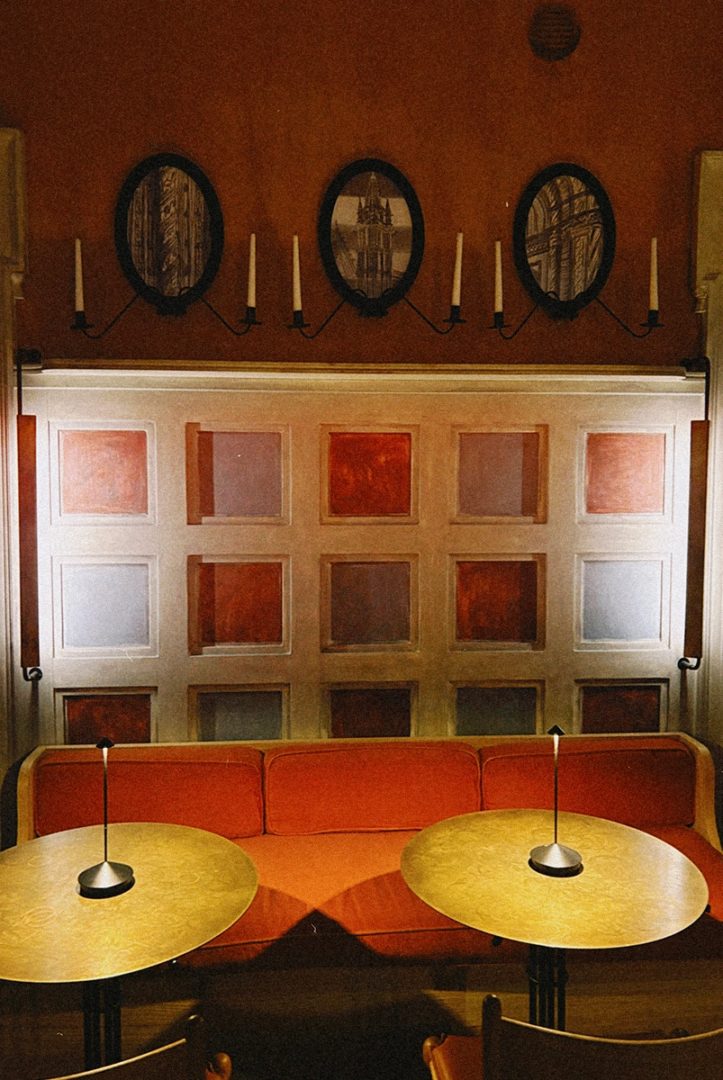
The intervention operates through subtraction and alignment. Original volumes, wall surfaces and ceilings are preserved as spatial anchors. Frescoes, fireplaces, coffered ceilings and stone portals are not isolated as heritage elements; they structure circulation and define the sequence of rooms. New insertions — bathrooms, lighting systems, furniture — are introduced with restraint, using travertine, wood, glass and metal to establish continuity rather than contrast.
Nine rooms as individual spatial conditions within the palazzo
Palazzo Petrvs reads less as a hotel than as a domestic interior temporarily opened to guests. Its nine rooms differ in scale, orientation and architectural character, reflecting the original logic of the palazzo rather than a standardized hospitality layout. Some rooms maintain a direct relationship with Via del Duomo, absorbing the city’s presence; others retreat toward the internal courtyard, where sound and movement recede. In each case, comfort is integrated without altering the spatial hierarchy of the rooms.
Bathrooms are conceived as independent architectural volumes. Stone thresholds, changes in level and filtered light mark the transition from the historic envelope to contemporary use. Materials remain consistent throughout: travertine basins, restrained fittings, glass partitions. The intervention avoids visual separation between old and new, privileging continuity over distinction.
The courtyard and Gocce as internal outdoor rooms
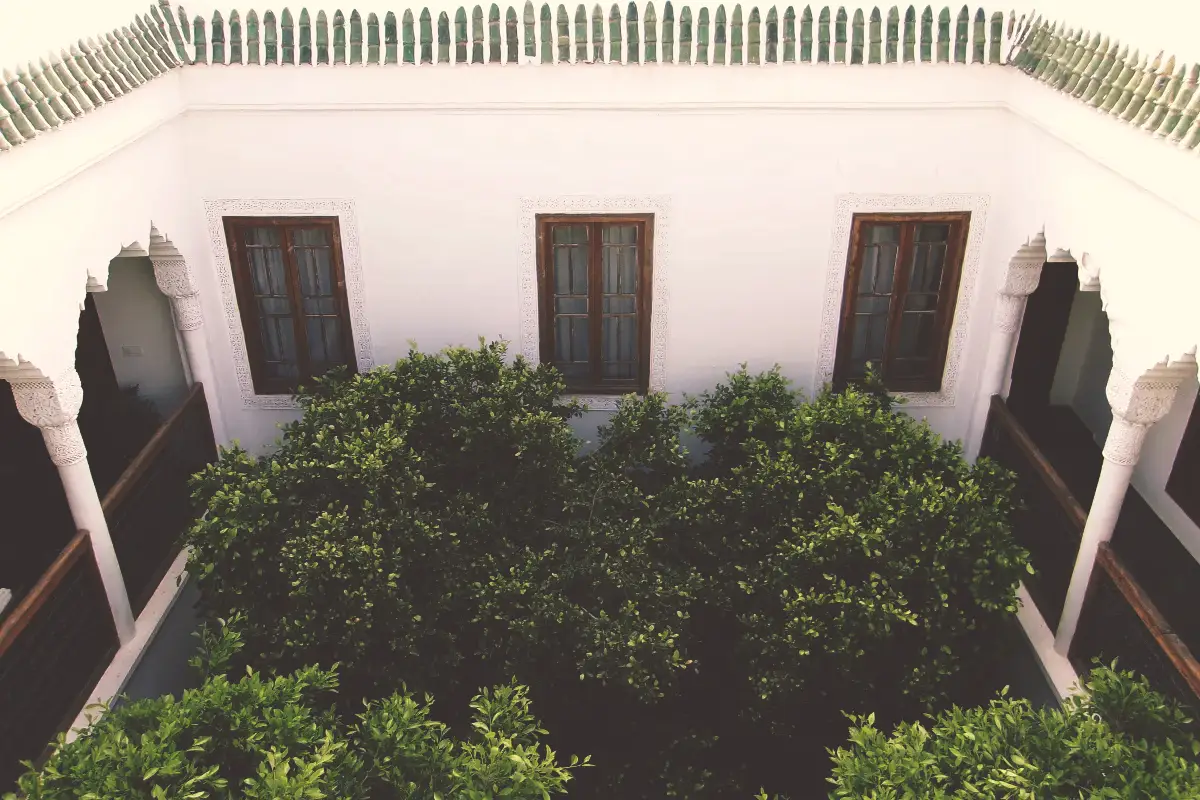
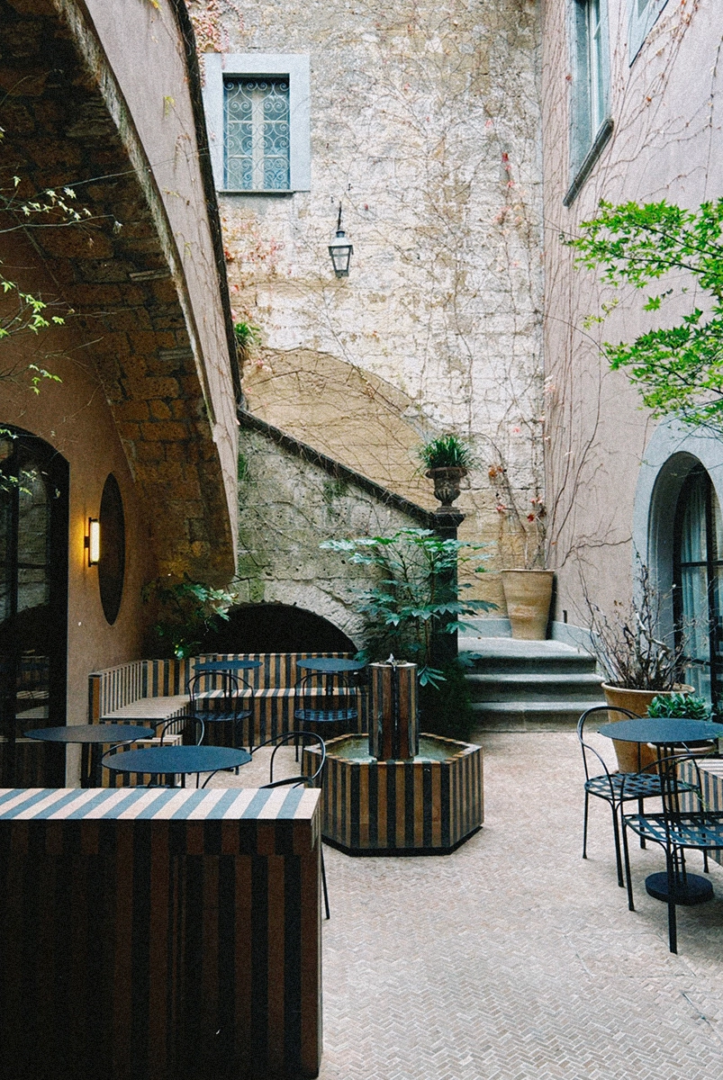
At the center of the palazzo, the courtyard functions as a pause rather than a focal point. It hosts Gocce, the cocktail bar, conceived as an internal outdoor room defined by terracotta seating, vegetation and low lighting. The space is not visible from the street and does not perform a representational role. It operates as a private condition, extending the domestic atmosphere of the building rather than interrupting it.
Above, a terrace with a small jacuzzi introduces a controlled exterior dimension. Views are directed toward the cathedral and the city roofs, framed rather than exposed. Exterior spaces remain secondary to the architecture, conceived as extensions of interior sequences rather than as independent amenities.
A hospitality model based on scale, time and discretion
Hospitality at Palazzo Petrvs is structured around scale and discretion. There are no large common areas and no programmed circulation flows. Services are integrated quietly, with concierge support and curated itineraries connecting guests to the territory. The hotel proposes a model based on duration and attention rather than density, allowing the building itself to define the pace of the stay.
Arso restaurant and the extension of place through food
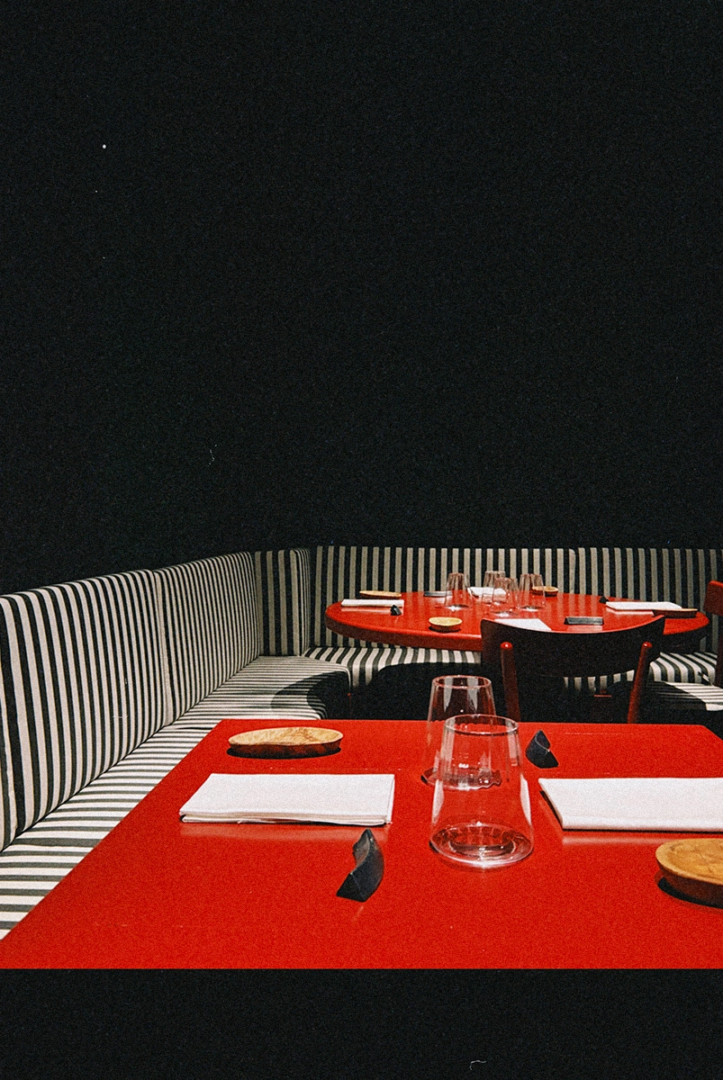
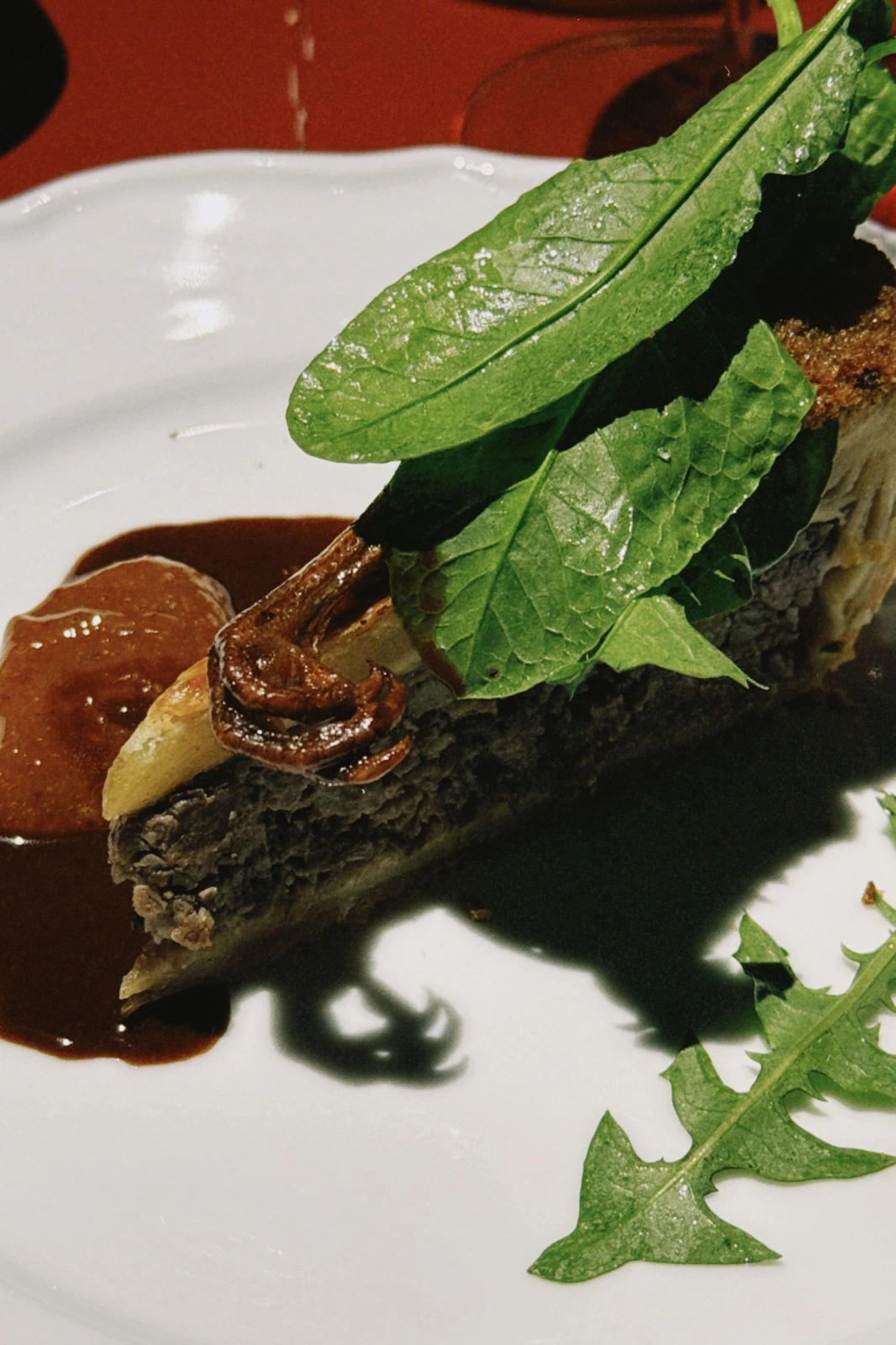
This approach extends to Arso, a restaurant in Orvieto connected to the same vision of place developed by Palazzo Petrvs. Arso works along a territorial axis, grounding its menu in Umbrian produce and local supply chains while avoiding a folkloric reading of regional cuisine. The project focuses on technique, seasonality and sourcing, using food as another medium through which the territory is interpreted rather than represented.
The kitchen is led by chef Tommaso Tonioni, whose approach privileges clarity and process over narrative construction. Dishes are structured around a reduced number of elements, often centered on fire-based cooking methods suggested by the restaurant’s name. Ingredients remain legible, treated with restraint, allowing raw materials to define the dish rather than layered compositions.
The relationship between Palazzo Petrvs and Arso is not conceived as an ancillary service but as a parallel project. Where the palazzo translates Orvieto’s architectural stratification into spatial sequences, Arso applies a similar logic to food, establishing continuity between place, practice and material culture.
Experiences across the territory of Orvieto, craft and wine culture
The hotel also proposes a series of experiences that extend the stay beyond the palazzo. These include visits to local wineries such as Cantine Neri, walking itineraries across Orvieto and its surroundings, and — by request — an encounter with master ceramist Marino Moretti. These activities are presented as points of contact with the territory rather than as formalized attractions.
Palazzo Petrvs does not seek separation from the city. Its value lies in remaining embedded within Orvieto’s architectural and social structure. Heritage is treated as a working condition, not as a narrative device.
What emerges is a place defined by domestic scale, architectural continuity and a careful reading of context. The invitation is implicit: to inhabit Orvieto rather than to observe it.
Ario Mezzolani