Scandinavian Minimalism in the Marrakech Medina: The Architecture of Riad No. 37
An inquiry into the structural restoration of an eight-room boutique hotel through the integration of Danish design principles and local Moroccan craftsmanship.
The structural restoration of Riad No. 37 within the Bab Doukkala quarter
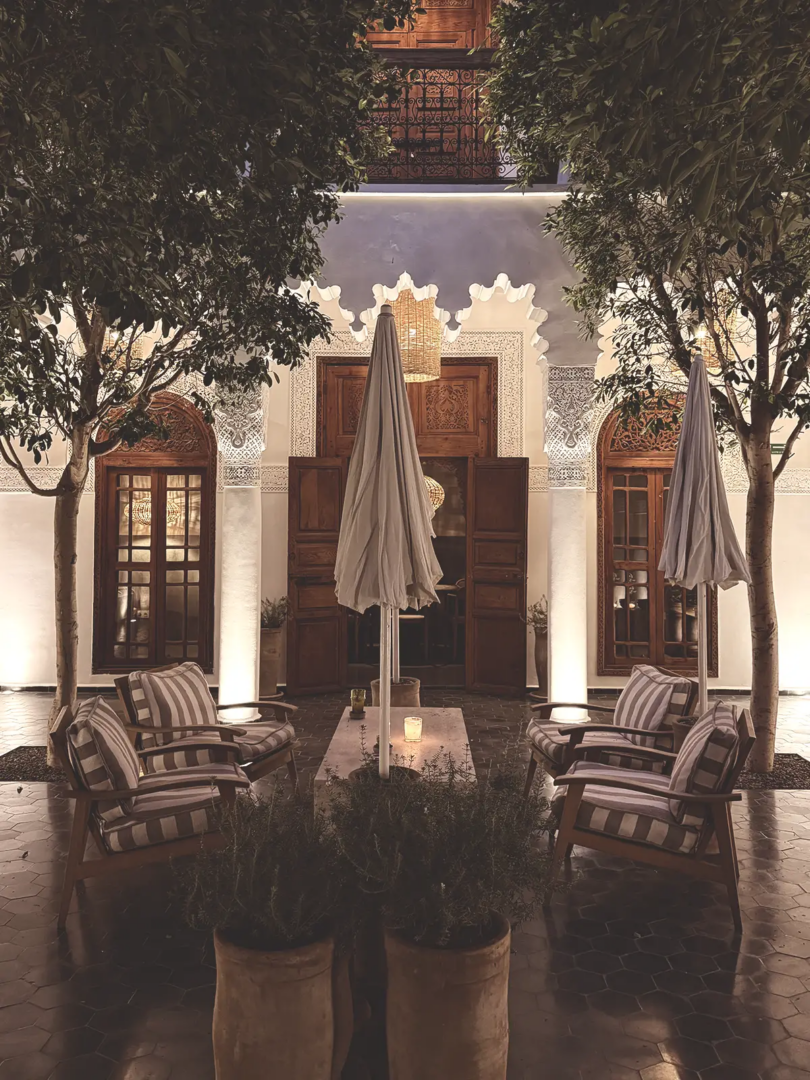
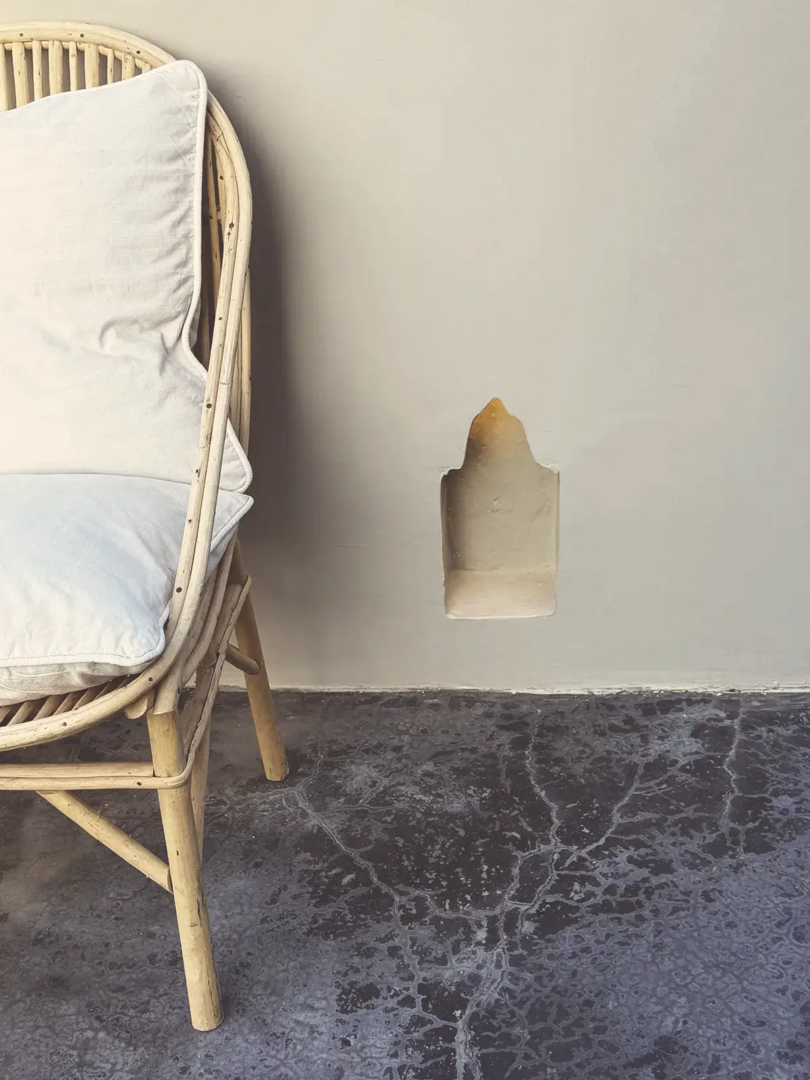
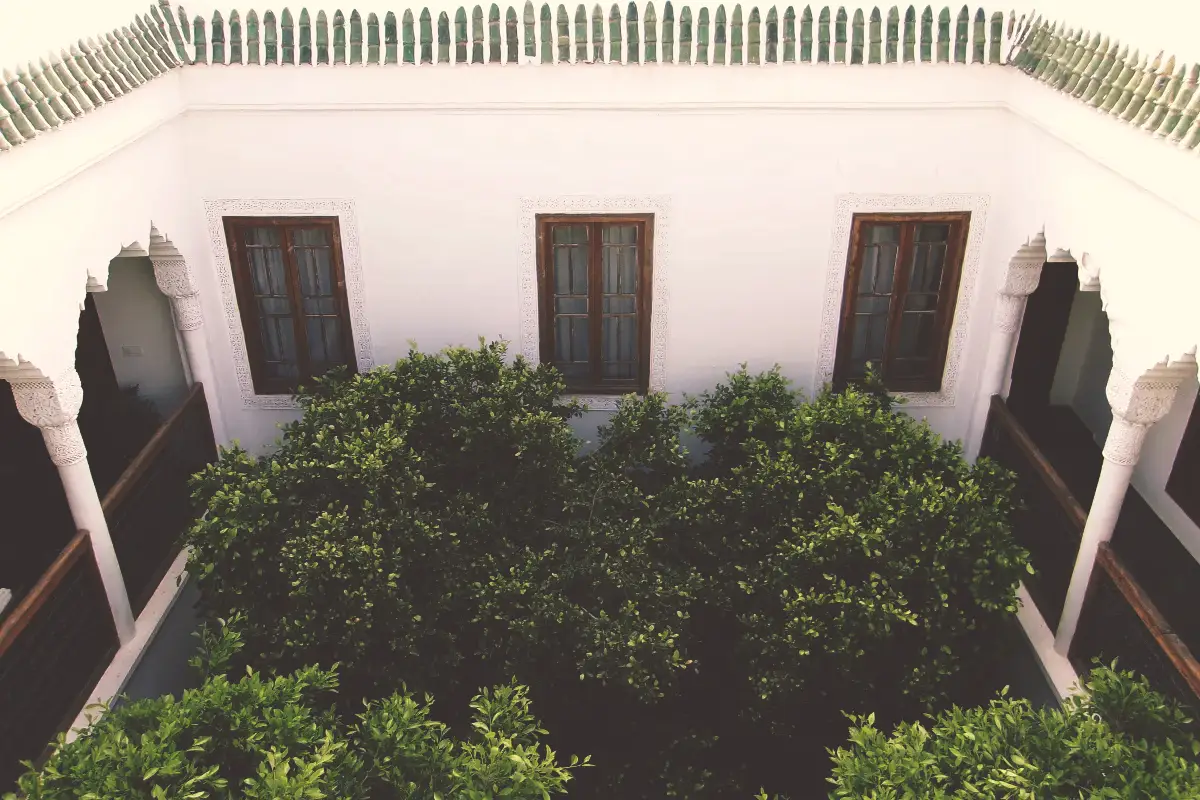
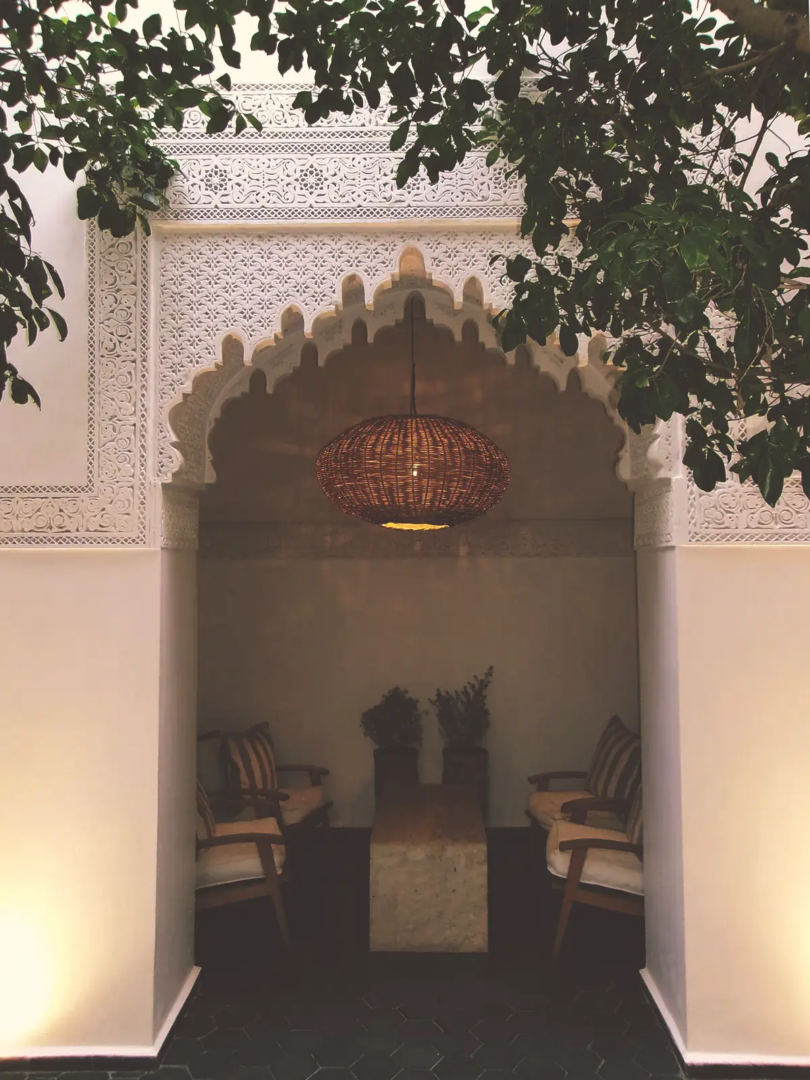
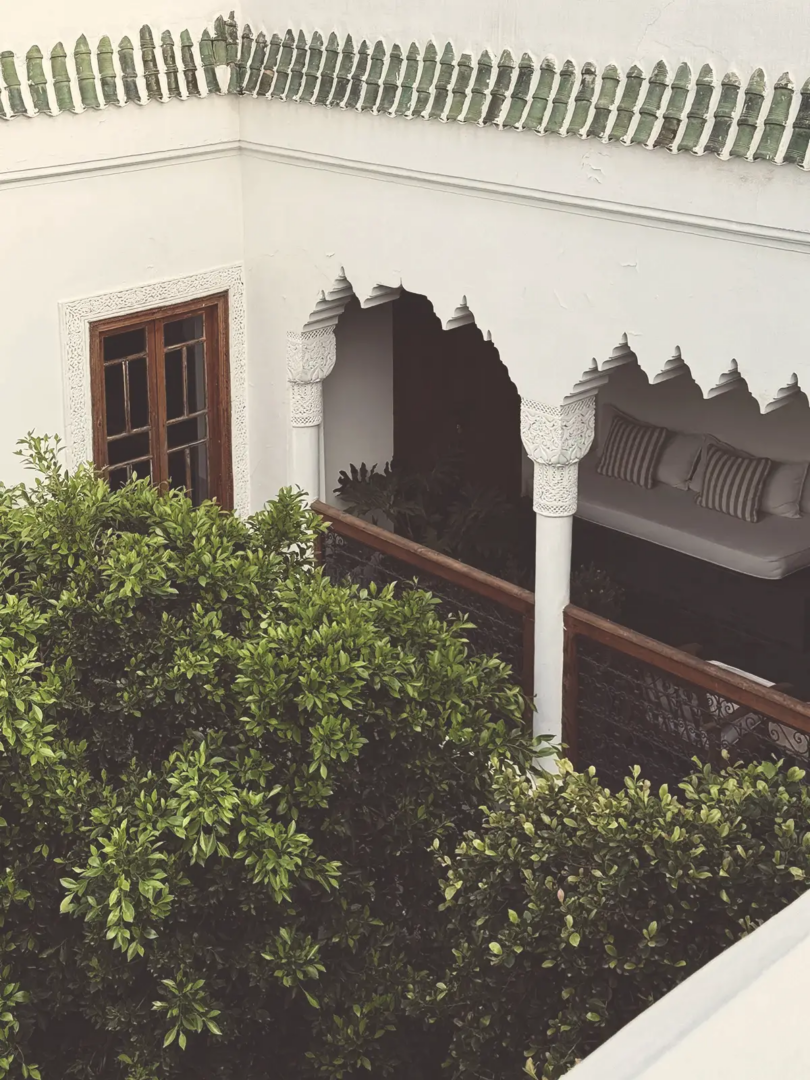
Riad No. 37 is situated on the Rue Dar El Bacha, within the Bab Doukkala quarter of the Marrakech Medina. The property functioned as a ruin prior to its reconstruction into an eight-room boutique hotel. The project serves as a record of the collaboration between European design principles and Moroccan artisanal craftsmanship. Creative Director and co founder,Margrethe Tang led the artistic direction of the space. The internal environment utilizes traditional materials, specifically polished tadelakt and Atlas cedar wood, to establish a monochromatic atmosphere. The architectural layout adheres to the inward-facing typology of the Moroccan courtyard house, where domestic activities are oriented away from the transit of the surrounding historic streets.
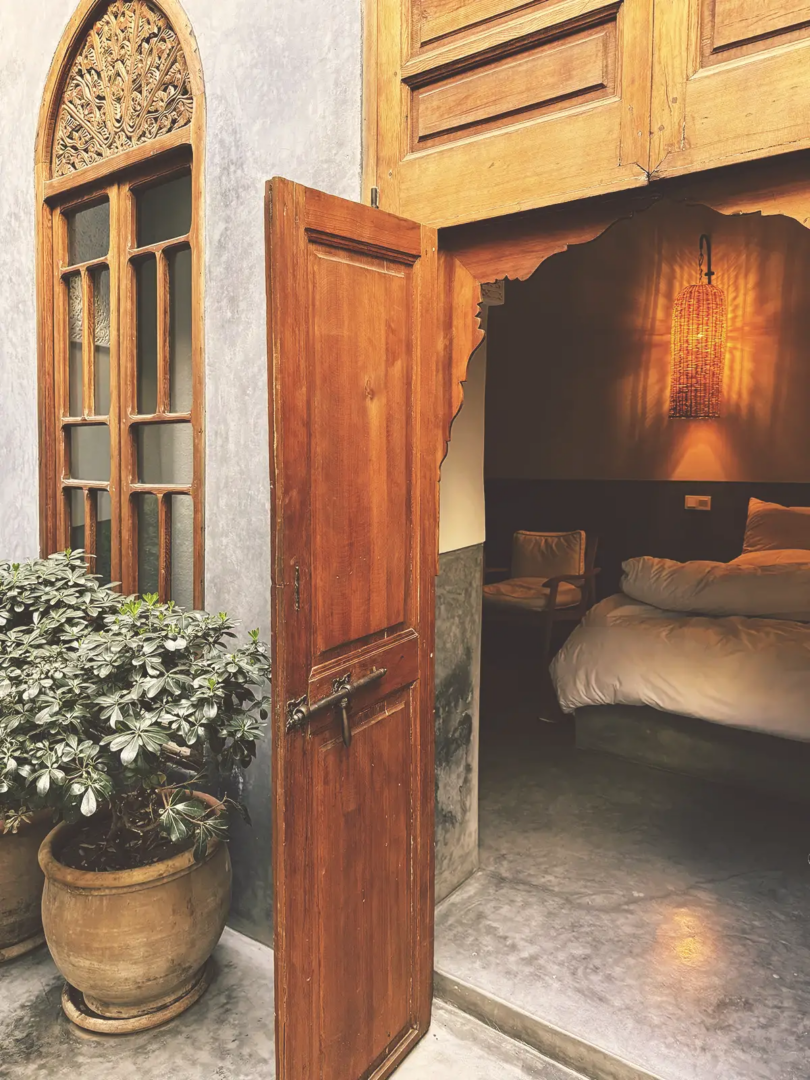
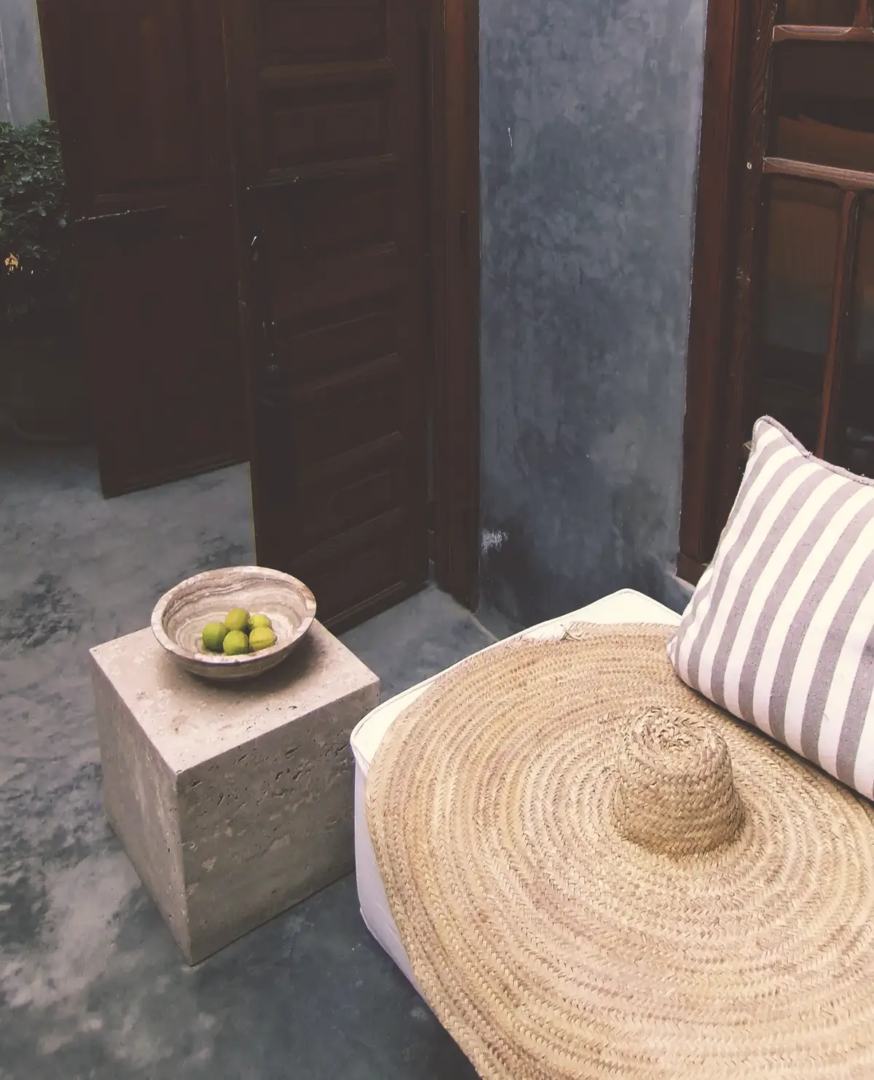
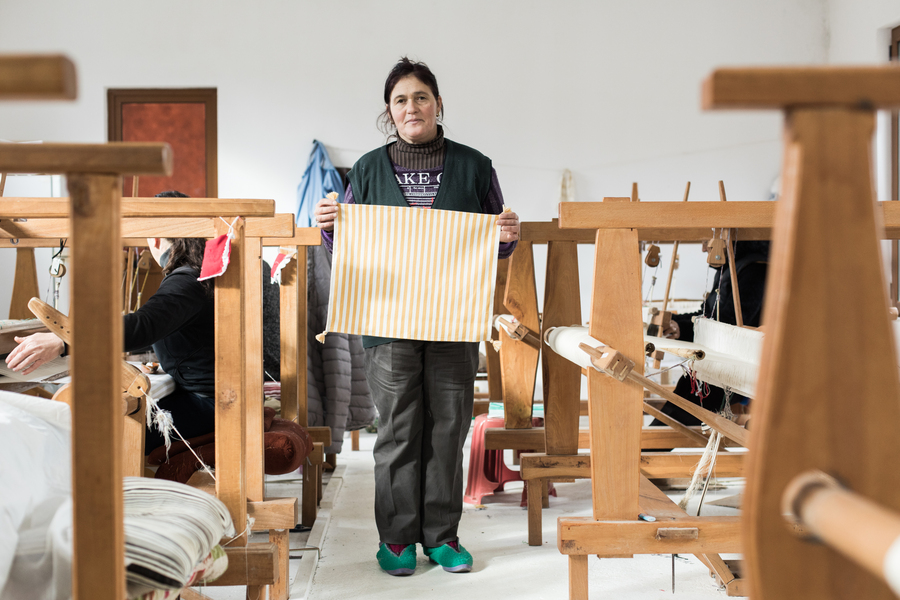
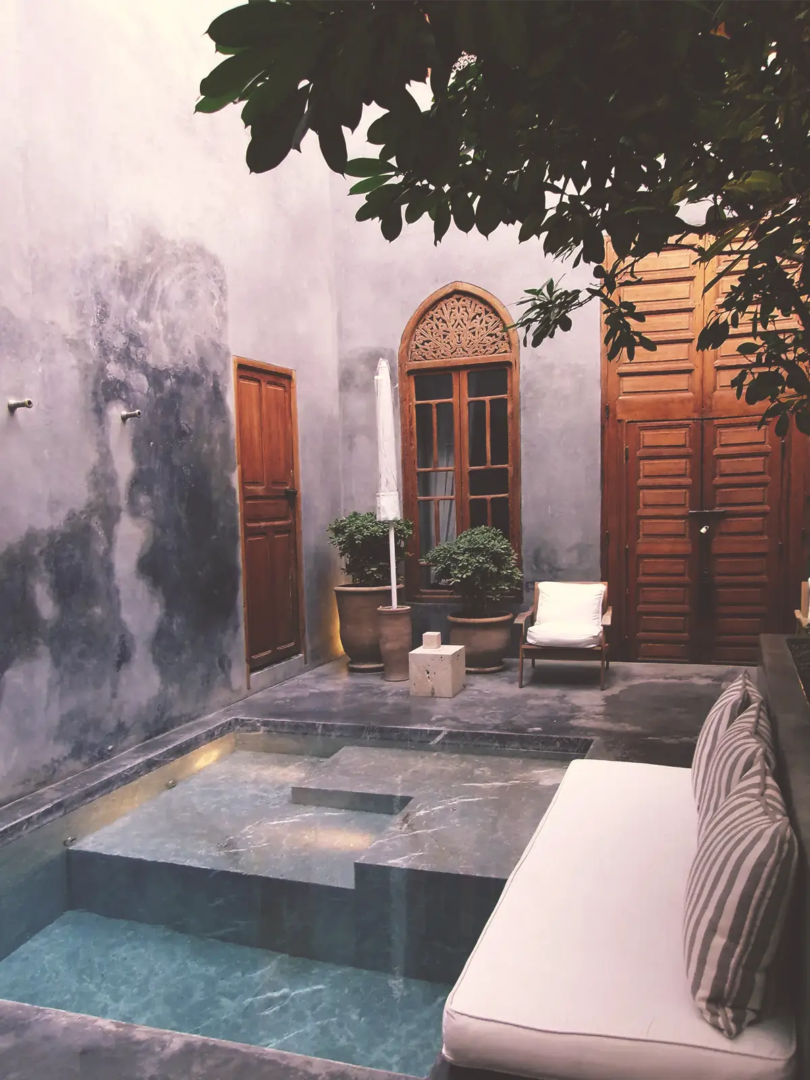
The construction of Riad No. 37 relies on local materials sourced from the surrounding regions of Morocco. These materials serve as the foundation for the design and mark a shift from visual and auditory mediums to physical structure. «Having worked primarily with sonic and visual storytelling, Riad No 37 was my first involvement in a project based in the physical». The walls and floors feature tadelakt, a traditional lime-based plaster polished with stones and black soap. «All the materials are sourced in Morocco, and our supply chains are intentionally short. We work directly with local artisans to produce not only our furniture, but the wooden spoons used at every meal». This commitment to local fabrication extends to every item in the boutique hotel, which is custom-made through an ongoing dialogue between the directors and the craftsmen. «A process that required an ongoing dialogue countless iterations, drawings and often multiple languages to get the designs right». The team utilized up-cycling to bridge the gap between creative vision and local traditions, sanding and reupholstering originally Moroccan designed dining room chairs.
The tension between Scandinavian aesthetics and the Moroccan climate
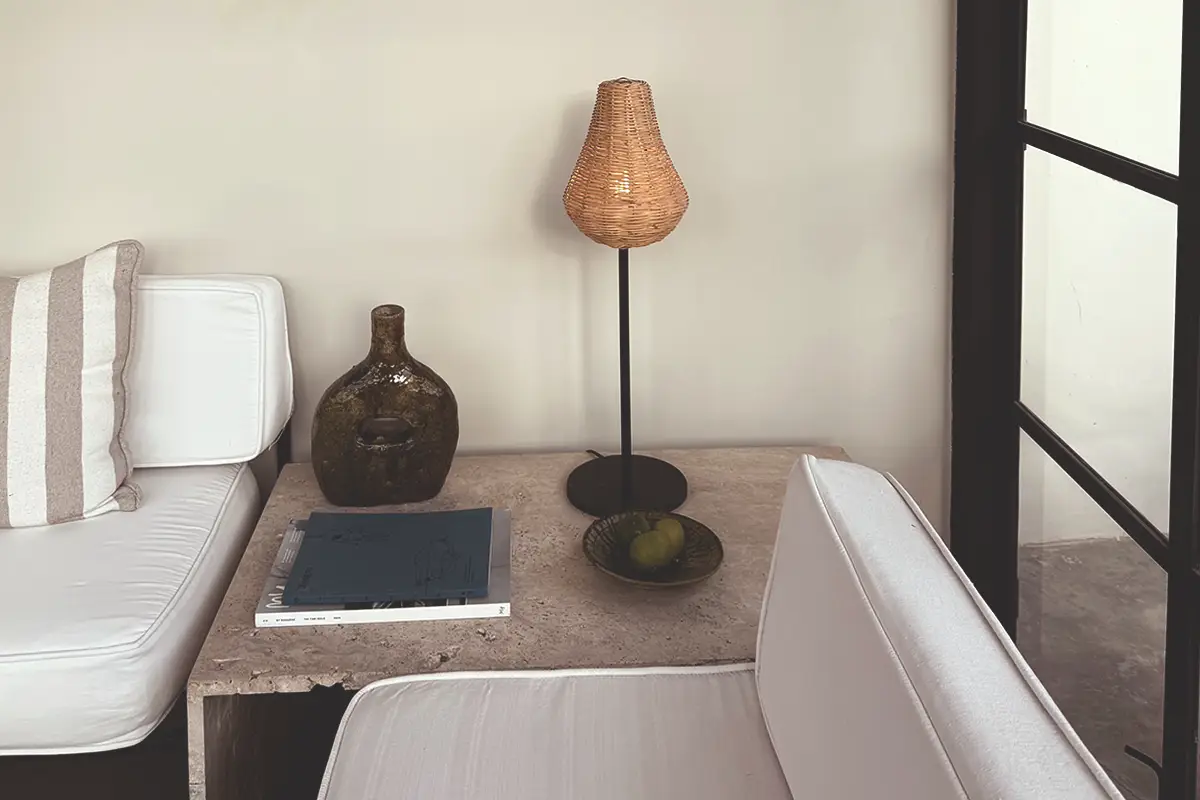
The aesthetic direction introduces a Scandinavian color palette into the North African context, creating a relationship defined by productive tension. The clarity of Danish design meets the irregular textures of Moroccan hand-made finishes. «The conversation between the tranquil Scandinavian colors and design mixed with the tactile nature of the moroccan materials demands one to look at the beauty and strength of the both cultures». This choice directly responds to the sunlight in Marrakech. «I quickly learned that in sunny Marrakech, too much white would make it nearly impossible to keep ones eyes open due to the generous, ever present sunlight». The team opted for softer tones to mitigate glare while maintaining thermal mass.
The restoration aimed to maintain the fundamental identity of the ruin while installing modern infrastructure. «Architectural authenticity is not only about aesthetics, but about the fundamental identity of a place. We preserved as much of the original structure and detailing as possible, creating a foundation from which we could converse with history rather than compete with or erase it». The boutique hotel required new plumbing and electricity, yet the visual narrative remains cohesive across the eight guest rooms. The transition from technical renovation to creative authorship occurred when the focus shifted to the tone and storytelling of the space. «I think the shift happened when we moved from asking “what is here” to “what do we want this space to say?”».
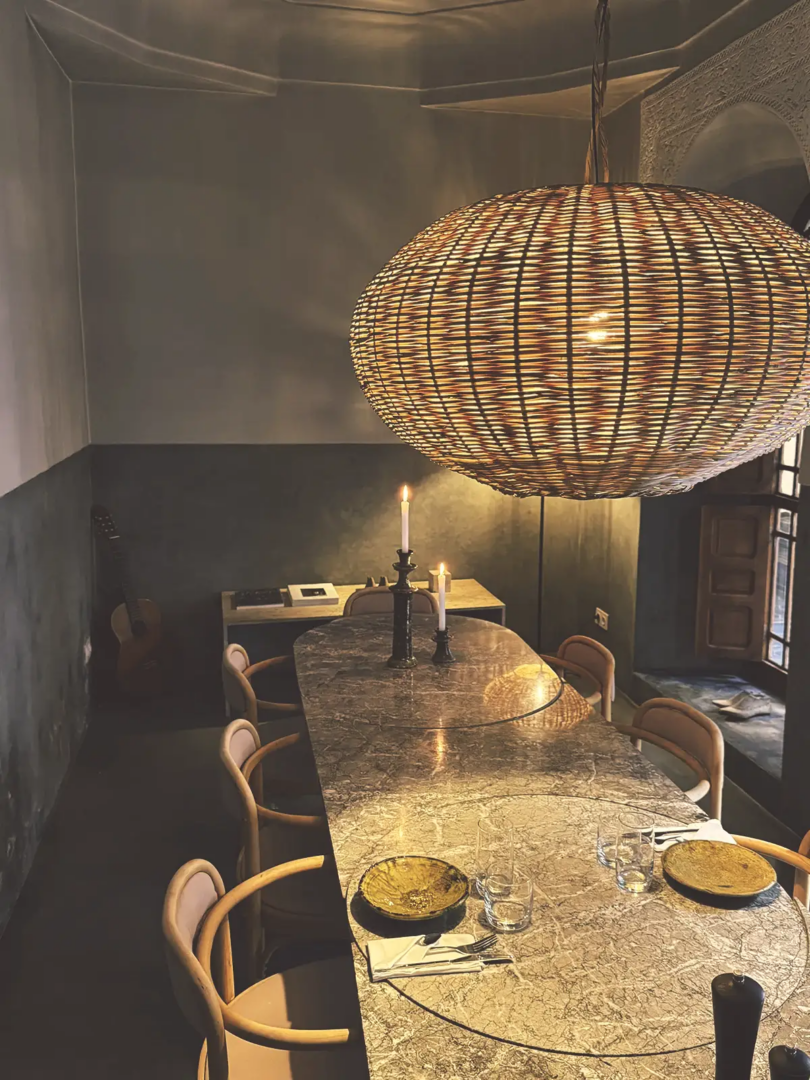
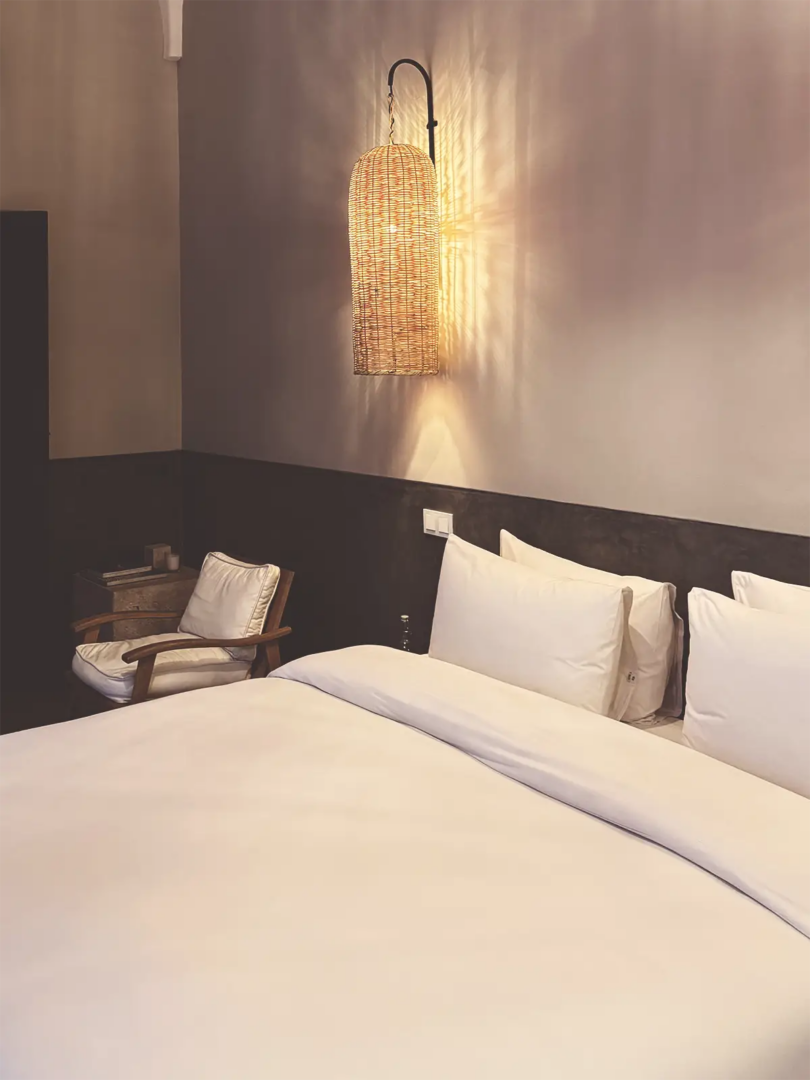
The spatial organization of Riad No. 37 facilitates social contact through specific design choices, such as the long marble table in the dining area. «When we initially designed it, we imagined we would separate it often… but in practice that is not what happened. Guests more often than not, start to speak to one another and prefer a intimate yet social experience». This intimacy is mirrored in the sensory experience of the guest rooms, where materials act as carriers of memory and emotion. «The Riad is full of moments where different materials interact, creating a dialogue between material and emotion, function and design». Whether water running on marble or a duvet on a concrete base, these interactions define the character of the boutique hotel.
Ceramics and the short supply chain logic
The commitment to local sourcing extends to the ceramics, which are produced in the desert regions of Morocco. «I have all of our handpicked our ceramics, made in there dessert with the sun decides on their shades of green». This lack of industrial control over the color reinforces the identity of the riad as a product of its specific location. Supply chains remain intentionally short, with leather folders and wooden tools produced within a few kilometers of the property. This consistency rejects the globalized aesthetic of mass-produced hotel interiors, ensuring that the manufacturing processes remain entirely Moroccan and anchored in the community of Sidi Ben Slimane.
Hospitality as a manifesto for collaboration
If Riad No. 37 were a manifesto, it would communicate the power of cross-cultural conversation. «To have a conversation you must listen. You need an inherent interest in and respect for “the other”». The operational model prioritizes quality of stay over commercial saturation, maintaining a small scale to protect the integrity of the original vision. This philosophy is further reflected in the art residency program, which hosts international creators without demanding a work in return. By balancing modern aesthetics with local tradition, the project provides a sense of belonging for those who inhabit the space. «When you are inside Riad no 37, you are a part of a conversation and a collaboration».