Al Baretto Sant’Ambrogio, Speaking Milanese Without an Accent
Between Sant’Ambrogio and Tortona, Al Baretto plays the genius loci through French bistro allure and yacht-style interiors. The bar anchors the room, the kitchen stays visible – and a room downstairs knows when to disappear
Al Baretto Sant’Ambrogio, a New Restaurant Opening in Milan Between Sant’Ambrogio and Tortona
Al Baretto Sant’Ambrogio is the fifth opening by La Gioia Collection. The restaurant is located at 1 Via Privata Bobbio, between Sant’Ambrogio and Tortona, in the space that until 2022 housed the historic Tyrolean shop Il Tirolo. The project enters the urban fabric quietly, as part of a broader transformation already underway.
Sant’Ambrogio is one of the Milan neighborhoods most affected by the long construction period of the M4 metro line. Today, with the Blue Line in operation and major streets reopening, the area is entering a phase of rebalancing. Flows are changing. Routes are shifting. New destinations are emerging. Al Baretto Sant’Ambrogio belongs to this redefined urban ecosystem.
An Italian Restaurant in Milan Rooted in Place, Open to the World
The restaurant’s name references the patron saint of Milan. It is a clear positioning choice. In a dining scene often shaped by international templates, Al Baretto Sant’Ambrogio asserts a local identity without resorting to nostalgia or folklore. While acknowledging Milanese roots and working carefully with the area’s cultural character, the project remains open to novelty, diversity, and international influence—much like Milan itself.
The clientele reflects this mix, with a strong international presence consistent with the neighborhood’s cosmopolitan history. The interiors echo the same outlook: a cosmopolitan atmosphere shaped by travel, as if inside a refined vessel moving from Italy to France and on to New York.
La Gioia Collection and Redi Shijaku: A Contemporary Italian Hospitality Project in Milan
The project is led by Redi Shijaku, an Italian entrepreneur of Albanian origin. Raised in the countryside of the Veneto region, Shijaku entered hospitality after working in telecommunications and real estate. In 2019, he founded La Gioia Collection with a defined goal: to translate a shared idea of Italian identity into spaces and restaurants—an identity cultural rather than geographic.
Today, the group includes five venues organized by format: the fine-dining restaurant La Gioia San Marco, two Al Baretto locations, and the osterias Serafina and Afrodite. In 2025, revenue stands at approximately €18 million, with a stated target of €25 million in 2026. The group employs around 200 people, with EBITDA exceeding 35 percent.
La Gioia Collection operates with an in-house architecture and design studio overseeing every phase of development, from concept and planning to construction, furnishings, and bar design. This short internal supply chain ensures formal coherence and direct control over results. Compared to Al Baretto San Marco on Via Marsala, the Sant’Ambrogio location expands both scale and offering. The space accommodates roughly 120 seats across two levels. The menu moves beyond seafood alone, incorporating fresh pasta, selected Italian meats, and dishes that work across land and sea.
Al Baretto Sant’Ambrogio Milan: Interior Design, Central Bar, and Open Kitchen Concept
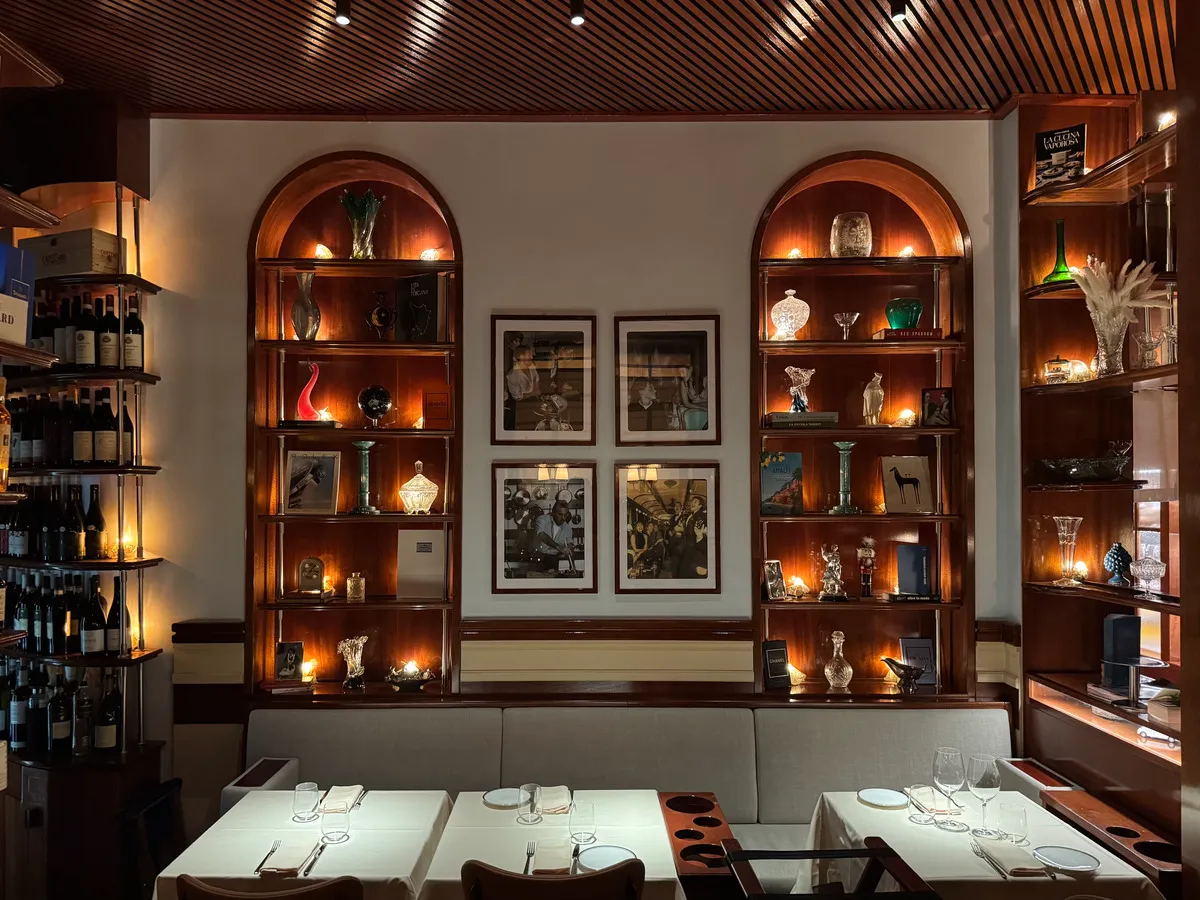
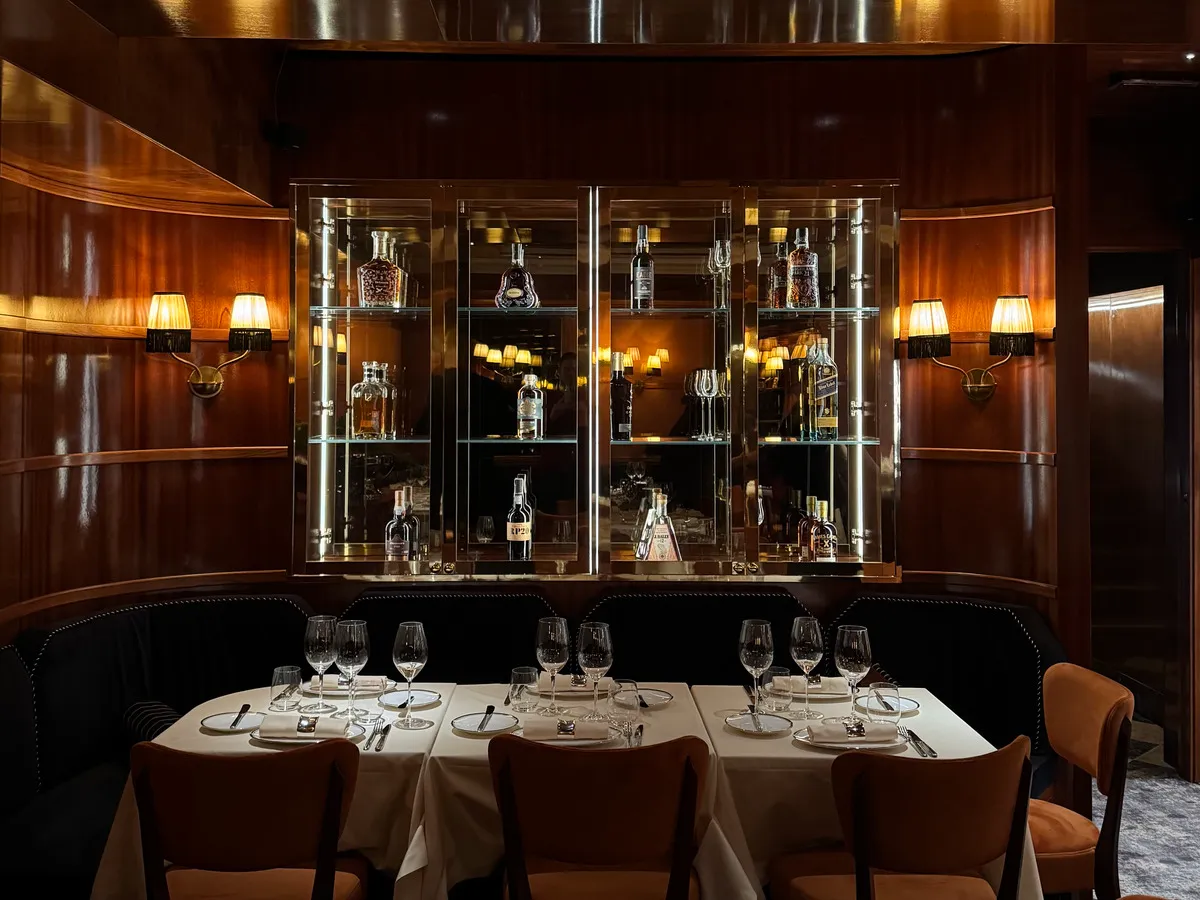
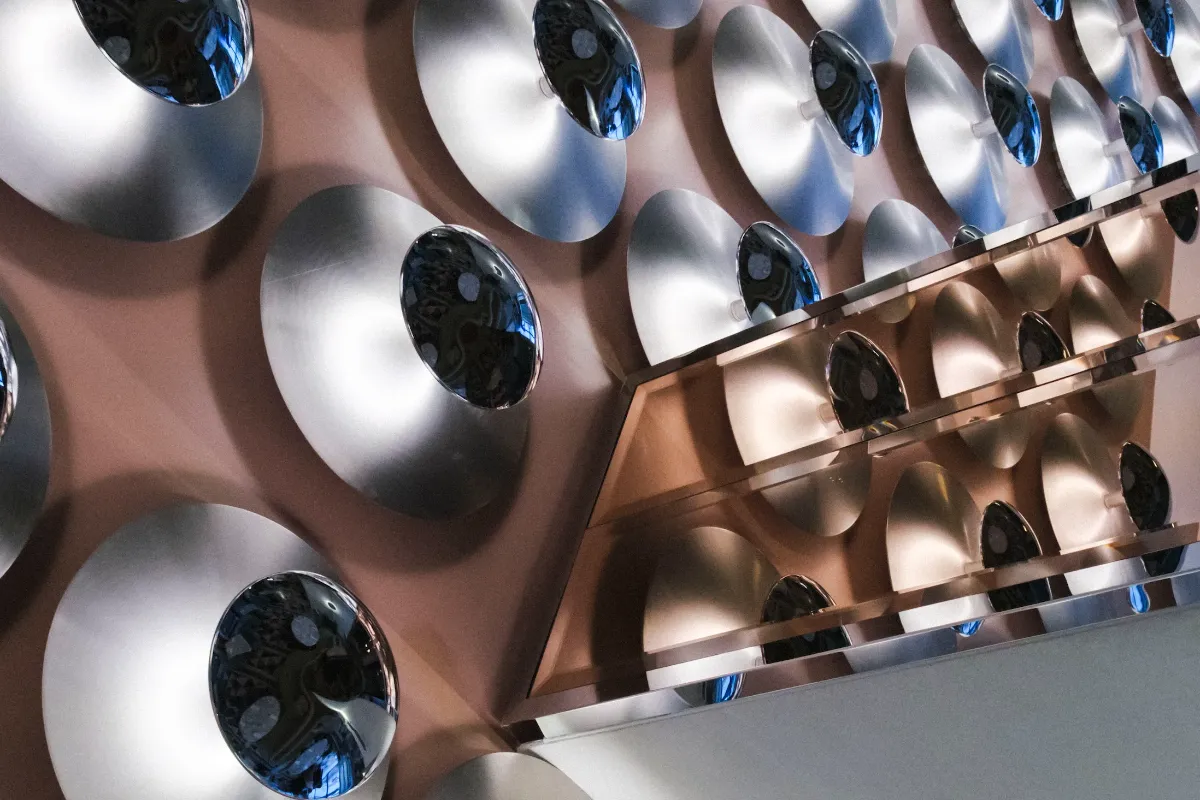
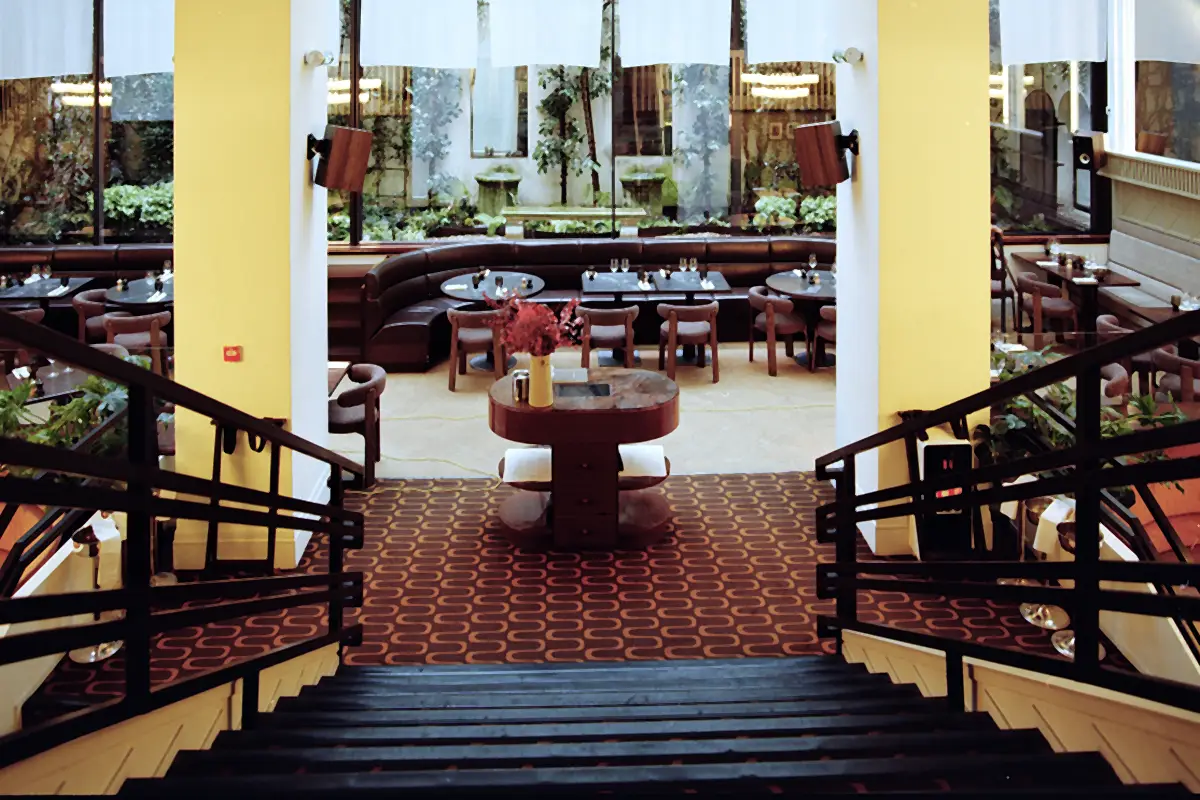
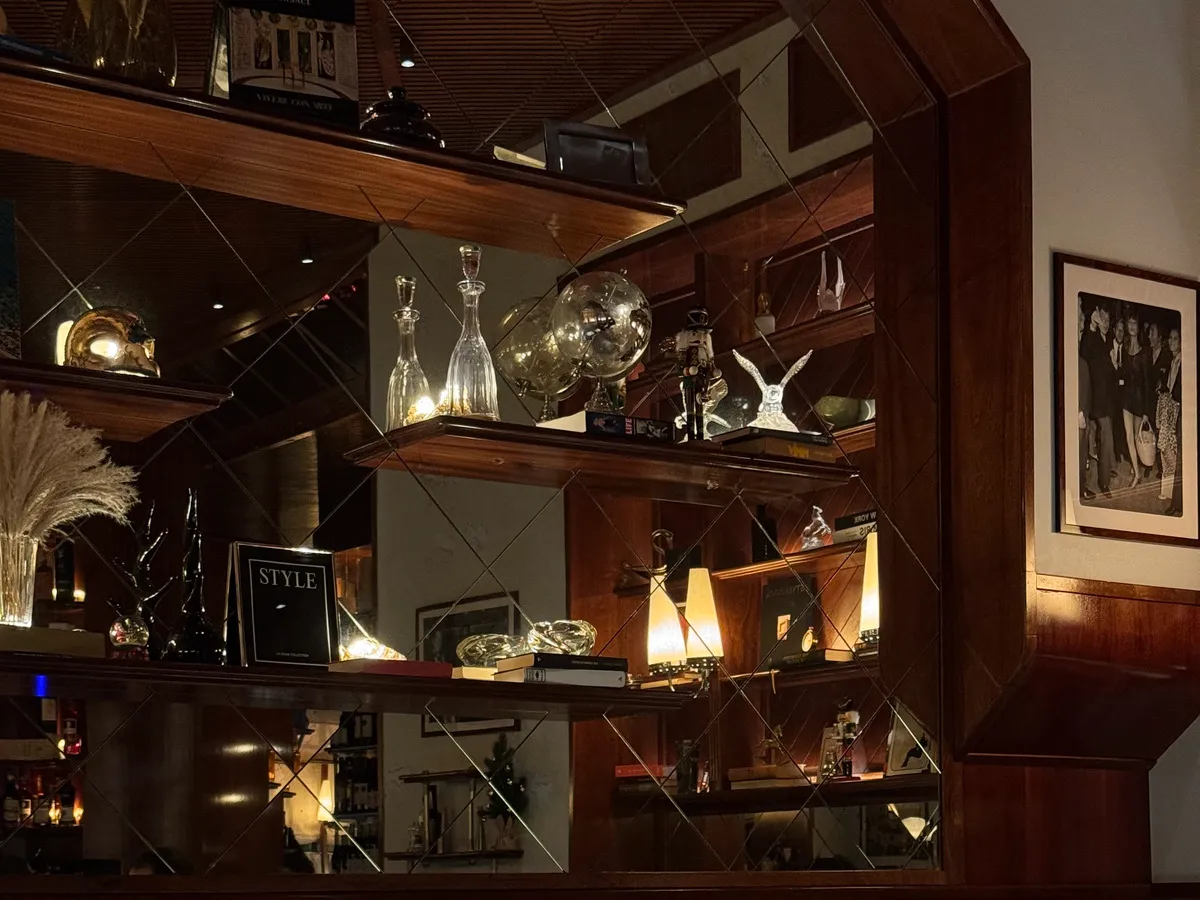
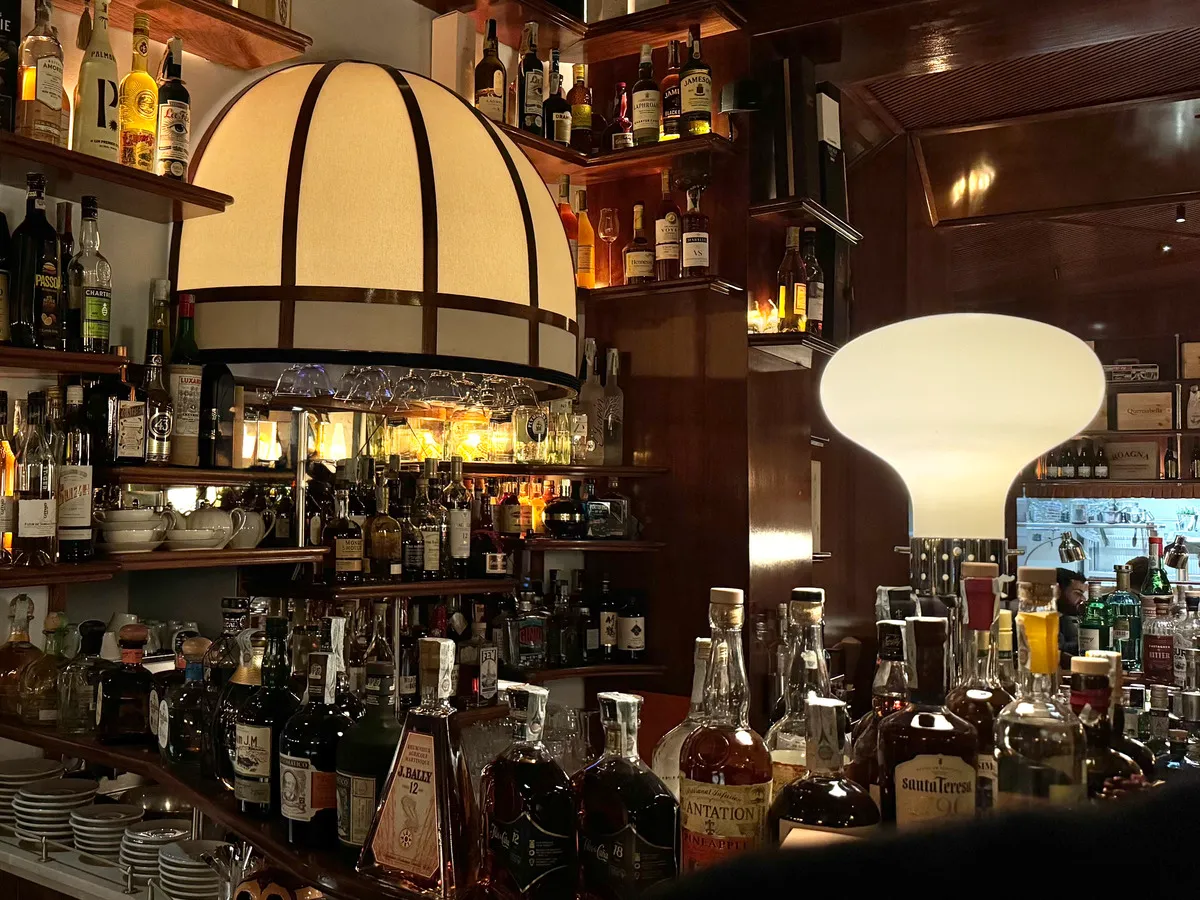
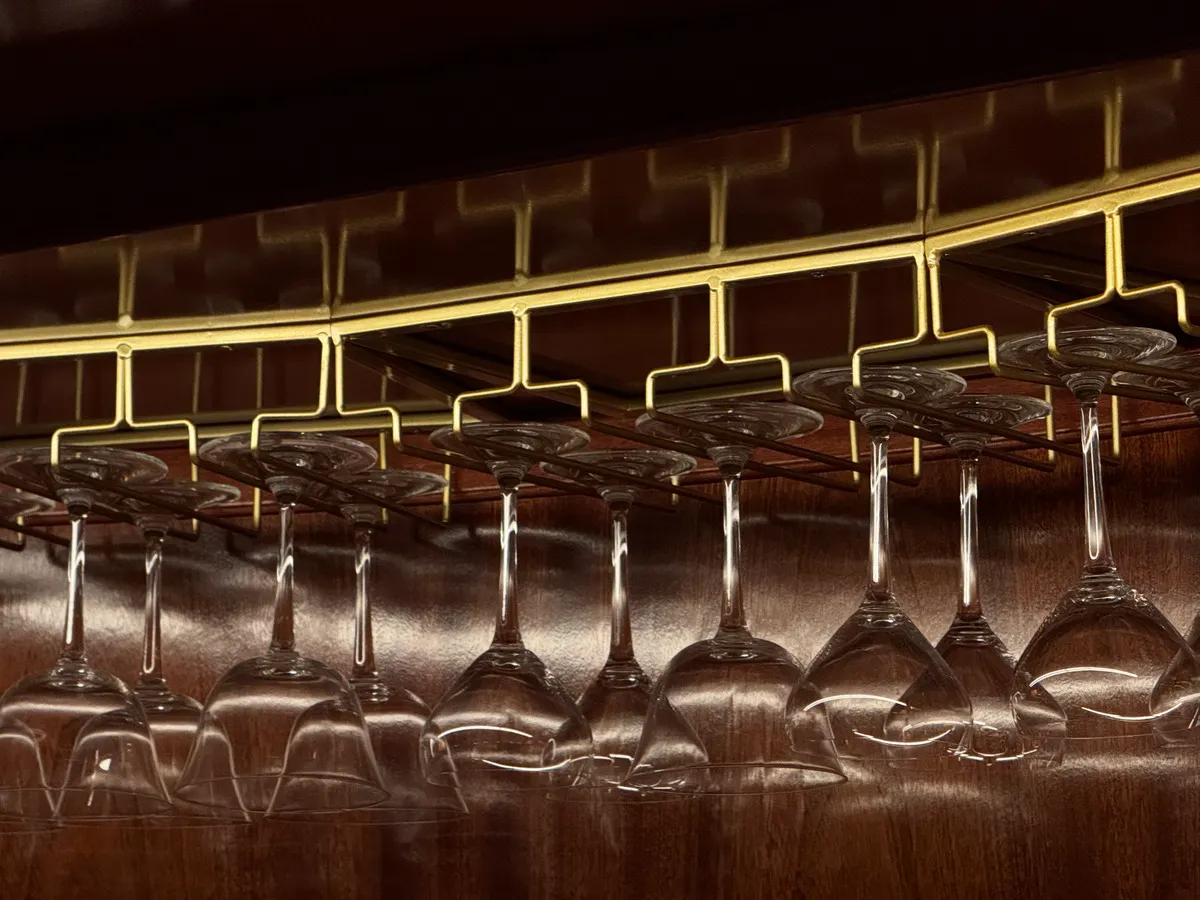
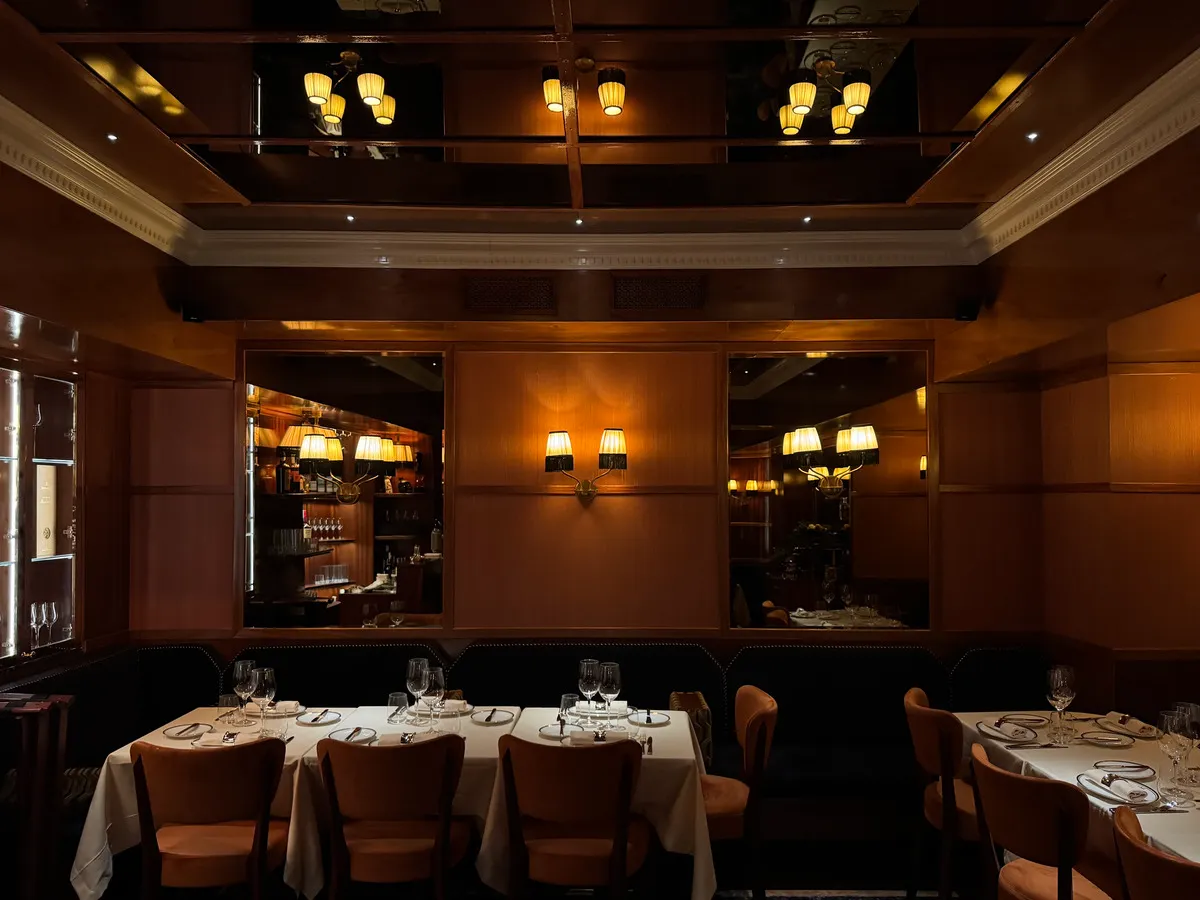
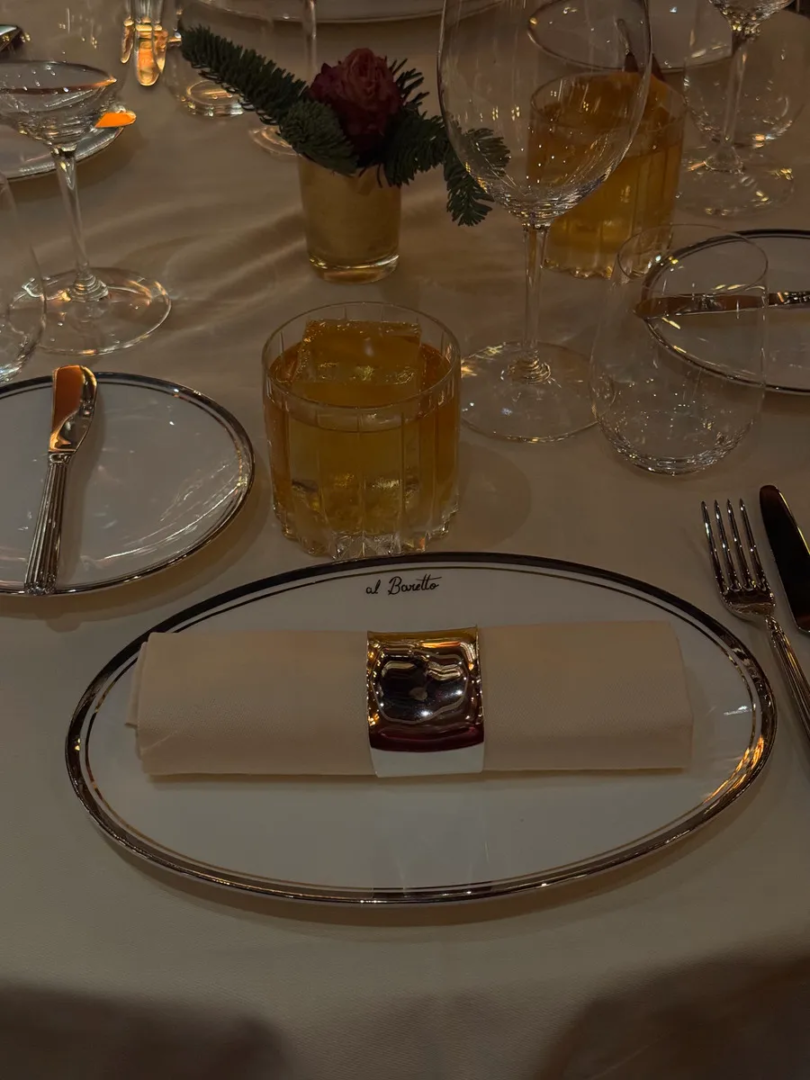
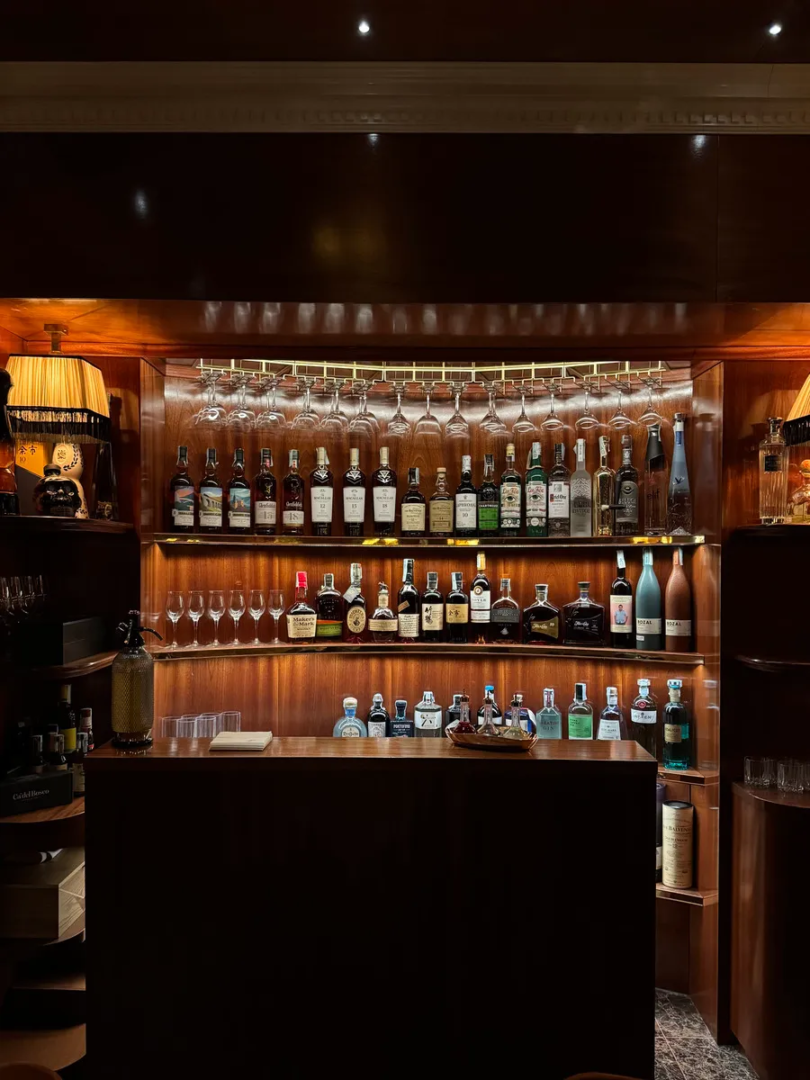
The entrance opens directly onto the bar, the structural and symbolic center of the restaurant. The aesthetic draws from nautical references, with wood surfaces, clean lines, and controlled lighting reminiscent of a yacht interior. The design is calibrated and restrained, without decorative excess. The atmosphere recalls a French bistro, with closely spaced tables encouraging conversation and a mood that is lively yet contained, suited both to couples and small groups.
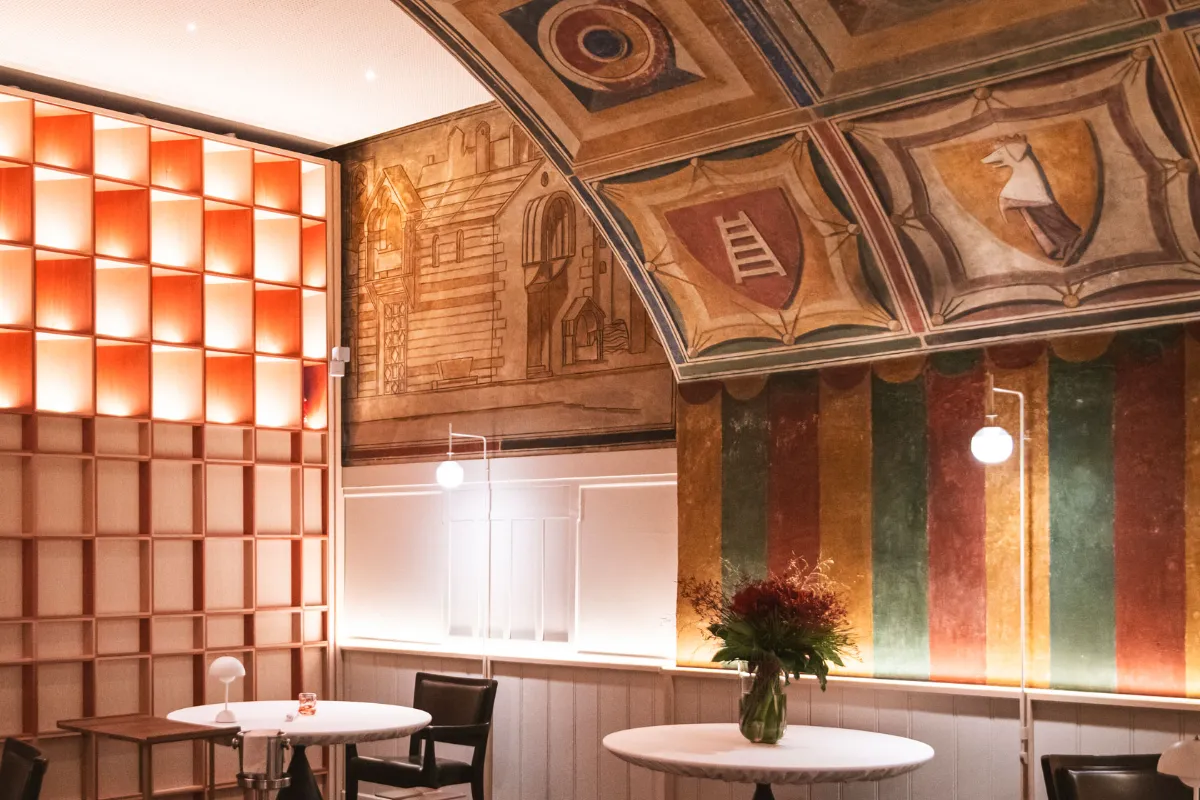
A second dining room on the lower level functions as a semi-private space available for exclusive booking. It is a more inward-facing environment, designed for less exposed forms of socializing. Lighting and acoustics create an autonomous atmosphere. The bar, present on both levels, remains the operational and symbolic core. The kitchen is fully open, making preparation part of the experience, particularly for guests seated at the counter—a more direct, New York–style way of dining.
The Team Behind Al Baretto Sant’Ambrogio
Service is built around people. Floor manager Marco Sacco oversees the dining room, maintaining consistency with the kitchen’s pace. Endi Bahaj, a former dancer at La Scala, brings a physical presence that is precise and controlled. Telemaco Calandrino manages the wine program, which includes more than 1,000 labels. The list prioritizes established regions and historic producers alongside contemporary wineries. The aim is to support the meal rather than dominate it. Reviews frequently mention staff by name, an indication that human interaction is a structural part of the experience, not an accessory.
Al Baretto Sant’Ambrogio embodies the idea of the “New Italian Classic” developed by La Gioia Collection. This is not a revival of the past, but a conscious use of recognizable codes: tableside service, final preparations completed in front of the guest, and familiar dining rituals. Bigoli finished in a wheel of pecorino, lobster linguine completed with a spray of citron, dishes refined in the dining room. Known gestures, executed with contemporary timing and language.
Sant’Ambrogio, the M4 Line, and Urban Regeneration in Milan: The Context of Al Baretto’s Opening
The reopening of the M4 line on October 12, 2024, marked a decisive moment for Sant’Ambrogio. Via San Vittore, closed since 2016, reopened between March and April 2025. The redevelopment project introduced 5,700 square meters of new green space and approximately 200 trees, widened sidewalks, and redesigned paving. The new Sant’Ambrogio station now serves as a transfer hub between the M2 and M4 lines. Its exit, set within the Pusterla moat, directly connects the basilica, the square, and the Catholic University campus.
The City of Milan allocated €8.3 million to support 292 businesses along the M4 corridor, including €1.6 million dedicated to the Via San Vittore area. Via Privata Bobbio sits at the boundary between Sant’Ambrogio and Tortona, an area increasingly shaped by new residential and international flows. Since 2018, tax incentives have increased the number of foreign residents in Milan, with visible effects on dining demand. Al Baretto Sant’Ambrogio speaks to this audience without excluding local Milanese diners, operating not as an isolated destination but as part of a network of places accompanying the neighborhood’s transformation.
Matteo Mammoli