Ambra, a laboratory in Tuscany for hemp inflorescences and solvent-free extracts
Between Maremma and Siena, Ambra grew out of a laboratory integrating organic agriculture, chemical analysis and solvent-free cold processing of the hemp phytocomplex
Where hemp meets research: Ambra’s Tuscan laboratory
Ambra is an Italian company that grew out of a laboratory: it works between organic agriculture and chemical-analytical research applied to industrial hemp, with an operating site in a life sciences hub in Siena and fields in Maremma. Hemp is treated as a complex raw material, rather than as a single active compound to be isolated.
«We chose the simplest and most difficult path at the same time: applying the regulations as they are, without creative interpretations», the company explains. «We operate within the cosmetics and chemical-analysis framework, where the law is clear, and we apply internal protocols that are far stricter than the minimum requirements. Today, keeping up to date is as much a part of the job as analysing a sample». Law 242 of 2016 defines the framework for industrial hemp; the recent Security Decree introduced new restrictions on the commercialisation of inflorescences intended for direct consumption.
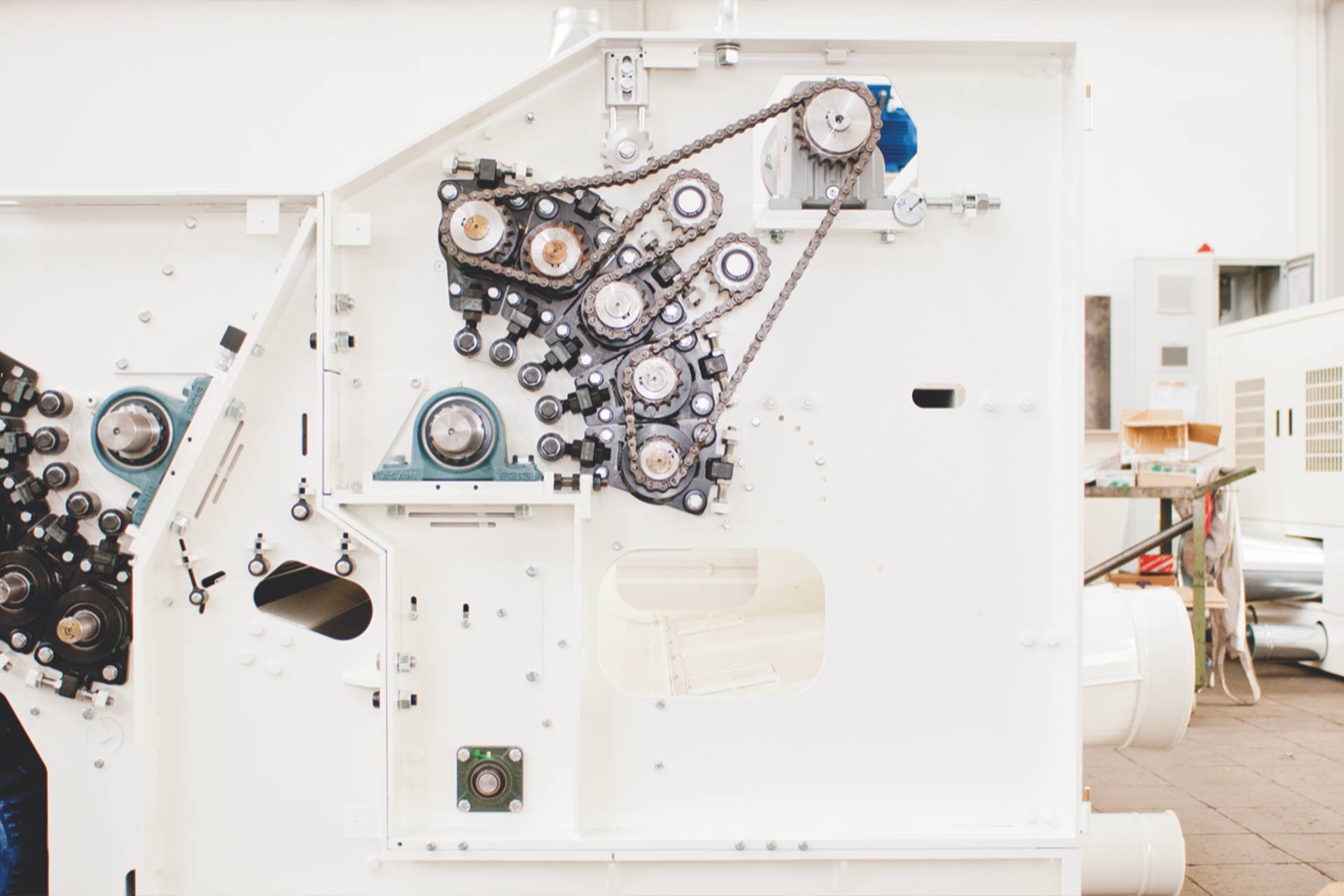
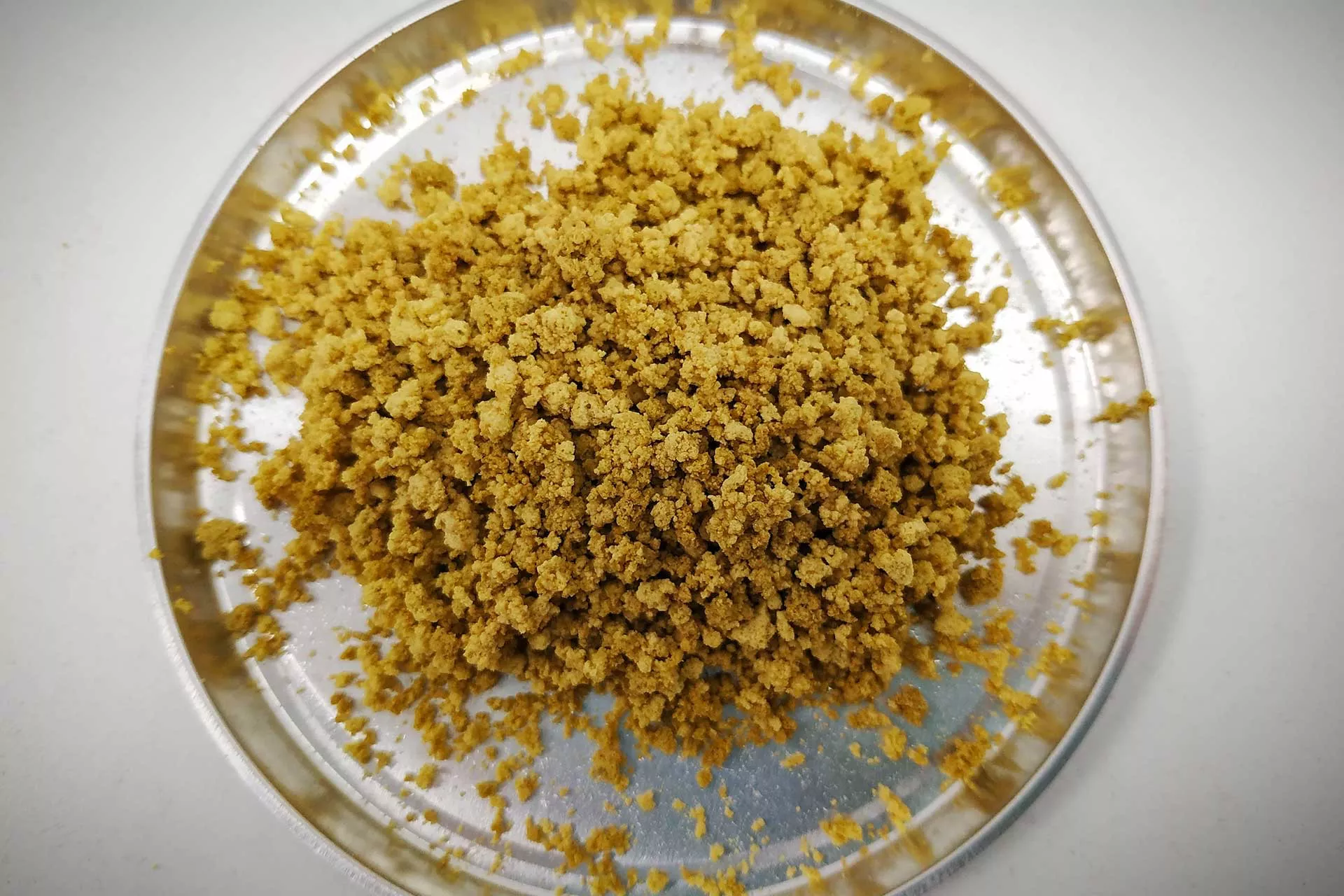
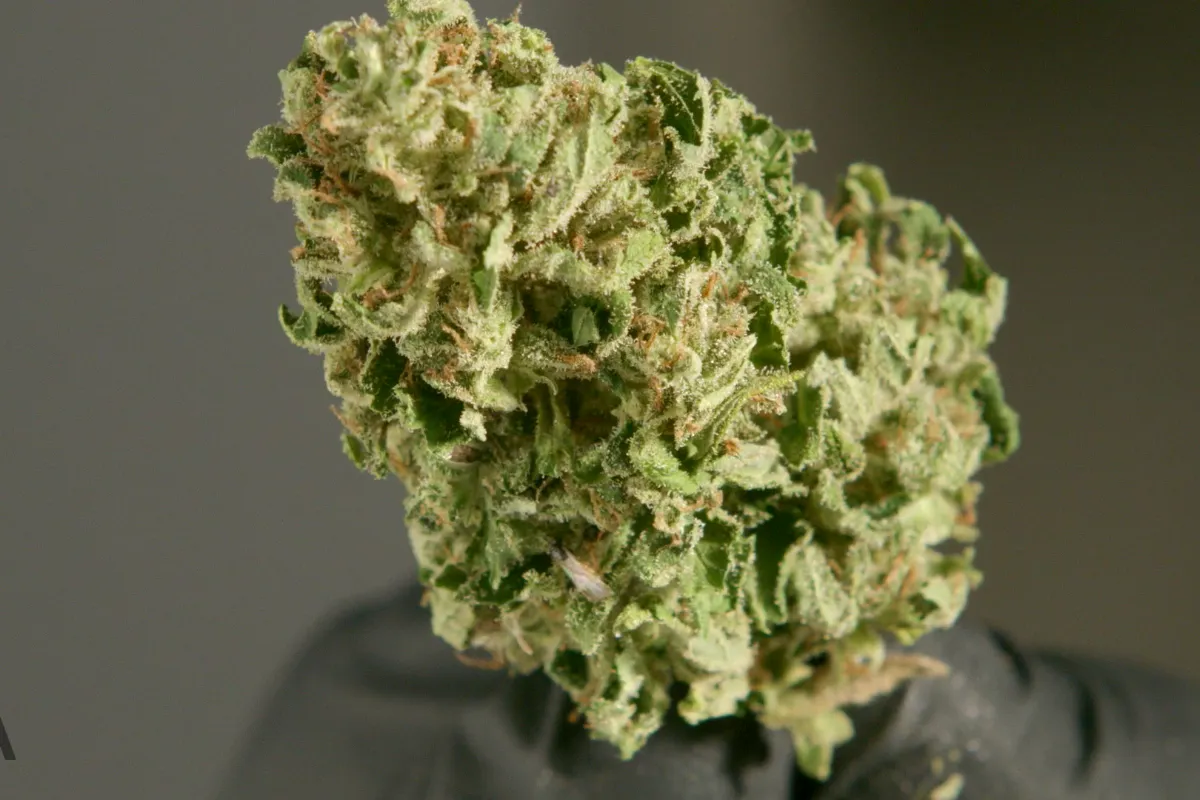
Processing takes place entirely at low temperatures: the inflorescences are brought down to minus eighty degrees, making the resinous trichomes brittle so they can be separated from the plant fibre through a mechanical process. No solvents, no combustion, no step that invasively alters the phytocomplex. The company describes this as a matter of principle: «Our method is mature, but we continue to optimise it without altering its fundamentals: no solvents, maximum preservation of the phytocomplex, reproducible processes». The extract retains the plant’s original structure, with cannabinoids, terpenes and flavonoids working in synergy.
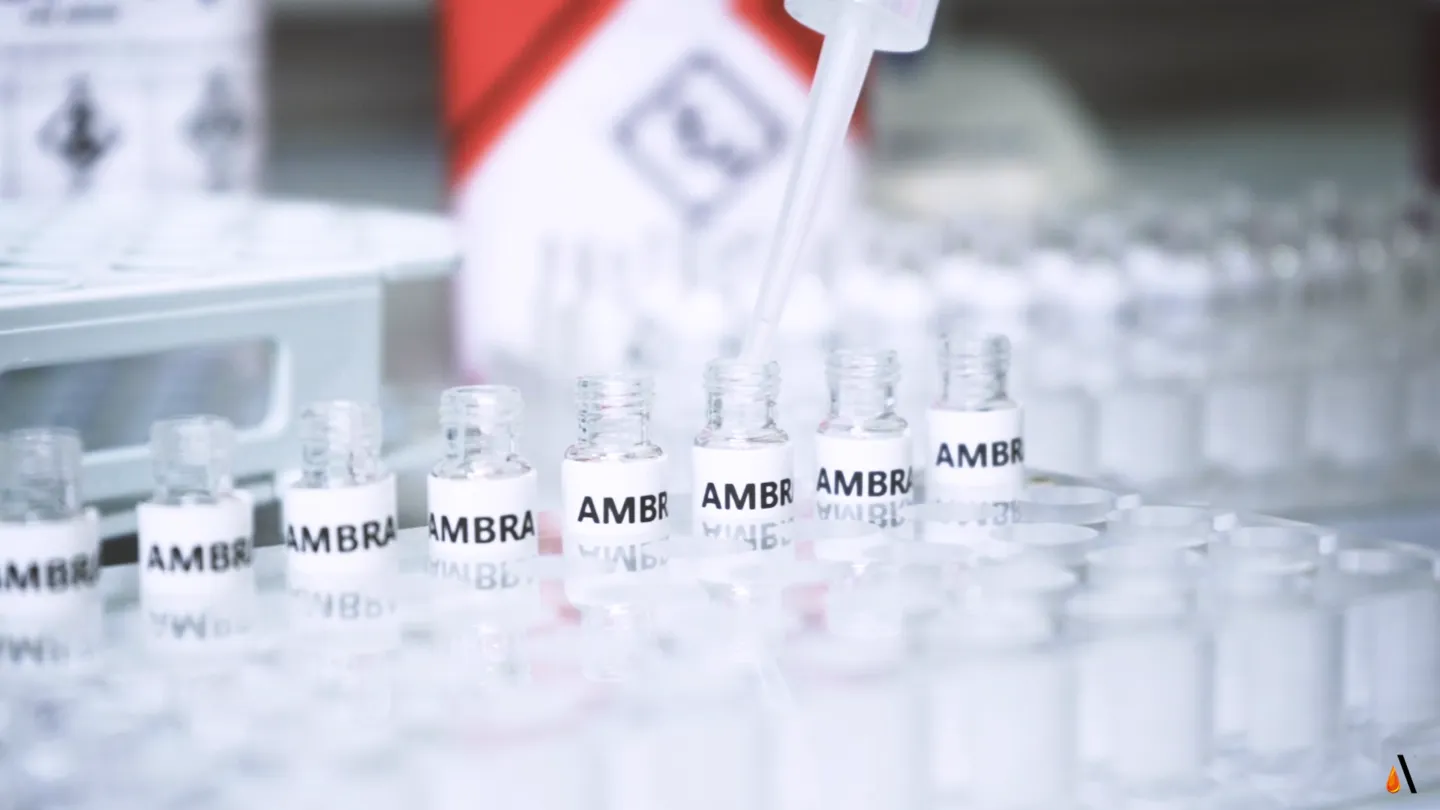
The laboratory is not an ancillary stage, but the place where the method is continuously verified. Here, extraction is tested through internal analyses, batch comparisons and cross-checks against different agricultural origins. The priority is the scientific reproducibility of the result: consistent production based on the absence of improvisation and on technical documentation capable of supporting every choice.
Natural raw materials: an agricultural supply chain connecting different territories
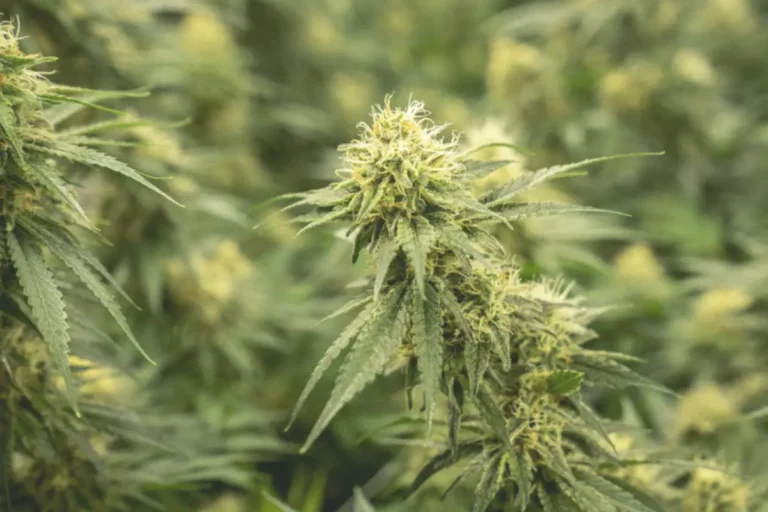
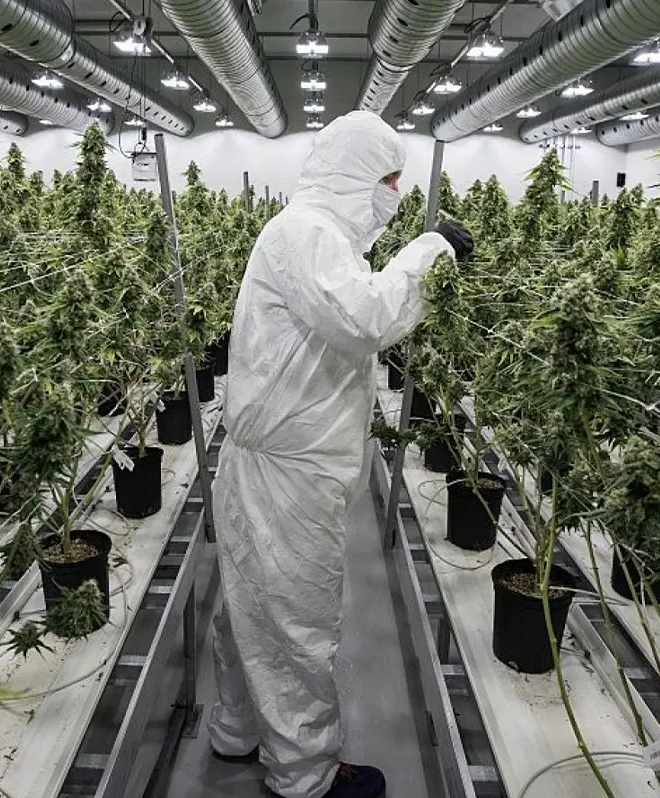
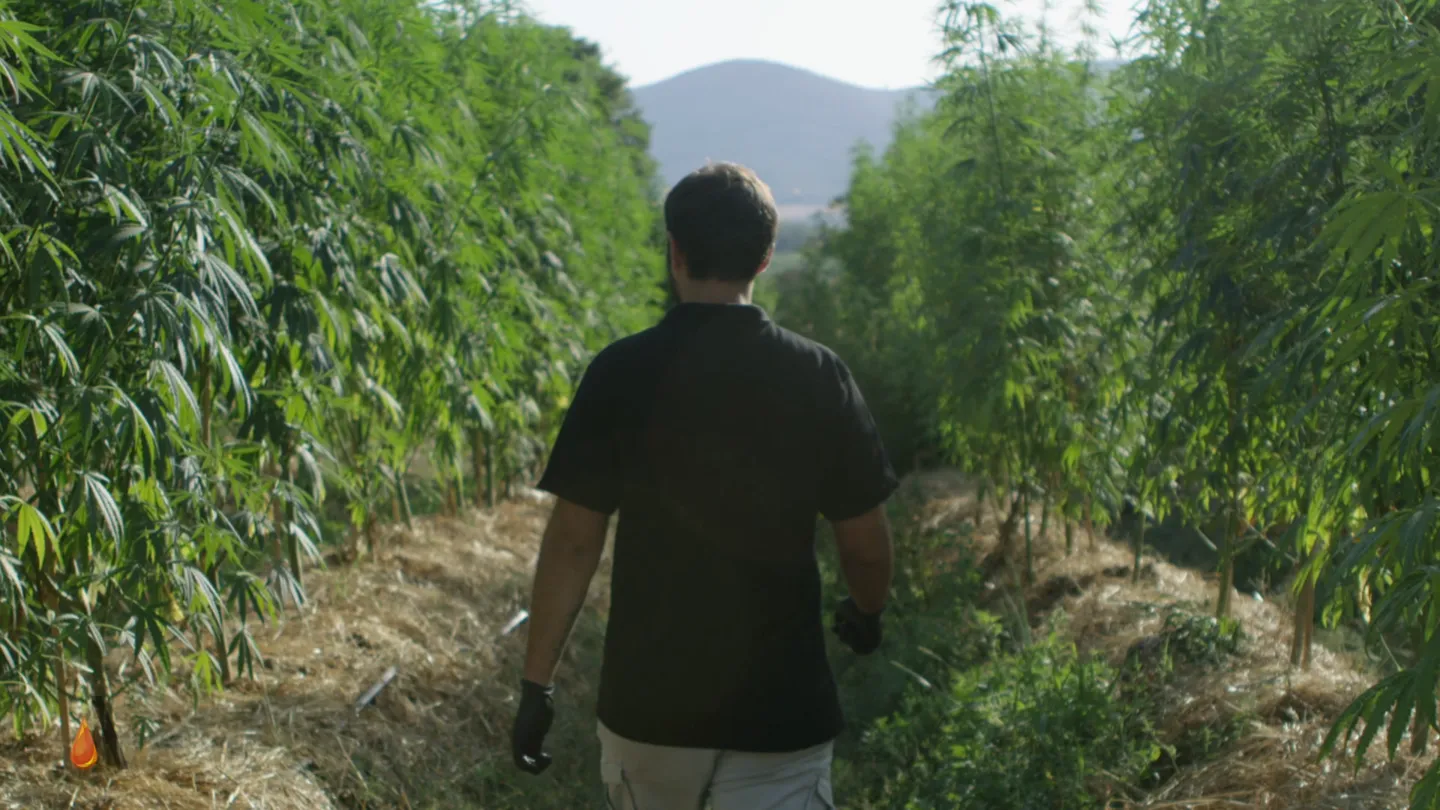
Ambra’s land extends across around sixteen hectares in Cupi, Maremma, close to the Uccellina Park and a natural oasis. Cultivation follows organic farming practices: no pesticides, fertilisation based on compost and the plant microbiome, and attention to biodiversity as a means of natural protection. The plants begin life in greenhouses, where they undergo a “sex test” to identify female specimens, which are richer in resin. Transplanting into the fields takes place between spring and early summer, with harvesting at the end of the season: seasonality sets the pace of production.
The agricultural supply chain does not end in Maremma: «There is no golden region: hemp cultivation in Italy reflects the character of its territories. We have extremely high-quality operations in areas suited to specialised agriculture, and renewed dynamism in places more closely linked to trade and urban supply chains, where the focus is on experimentation and innovation». Today Ambra works with more than forty Italian farms: a mosaic of terroirs producing phytocomplexes with different profiles, analysed and compared in the laboratory.
Diversity is considered a structural element of the project: «Hemp is no longer a niche crop. It is an element that many territories are reintroducing into their crop rotations. And this diversity, for us as we handle raw material from across Italy, has enormous value». Natural raw materials obtained from different soils, climates and exposures become the basis of research that does not aim for uniformity, but seeks to understand how each agricultural variable is reflected in the quality of the extract.
Only part of the land is cultivated each year; the rest is left to maintain ecological balance, soil-regeneration capacity and habitats for local wildlife. Production does not aim for saturation, but for continuity: providing farmers with an outlet within the supply chain and the laboratory with a raw material that does not compromise the territorial balance from which it originates.
Circular economies: a plant that produces no waste
Hemp is a plant that, in theory, leaves no waste. Every part can find a coherent industrial or agricultural use. The inflorescences enter the extraction process; the cellulose-rich stalk can become a substitute for wood, a raw material for paper or a component in biodegradable materials. Part of the biomass is returned to the soil, contributing to carbon sequestration and soil regeneration in accordance with circular-economy principles.
In the laboratory, the absence of solvents eliminates a series of downstream issues: there are no chemical residues to dispose of and no process water requiring treatment to remove toxic substances. Energy consumption is reduced and supplemented with solar power, with the aim of limiting the footprint of processing: «The potential is high in every direction, but it would be naive to place cosmetics, therapeutics and sustainable materials on the same level: these are three completely different industries, using different plants, different cultivation techniques and different regulations».
Sustainability in the textile industry: where fibre meets production
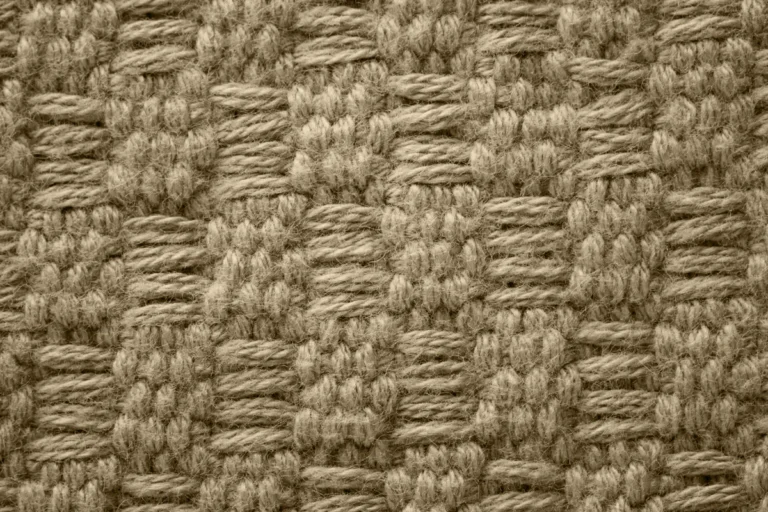
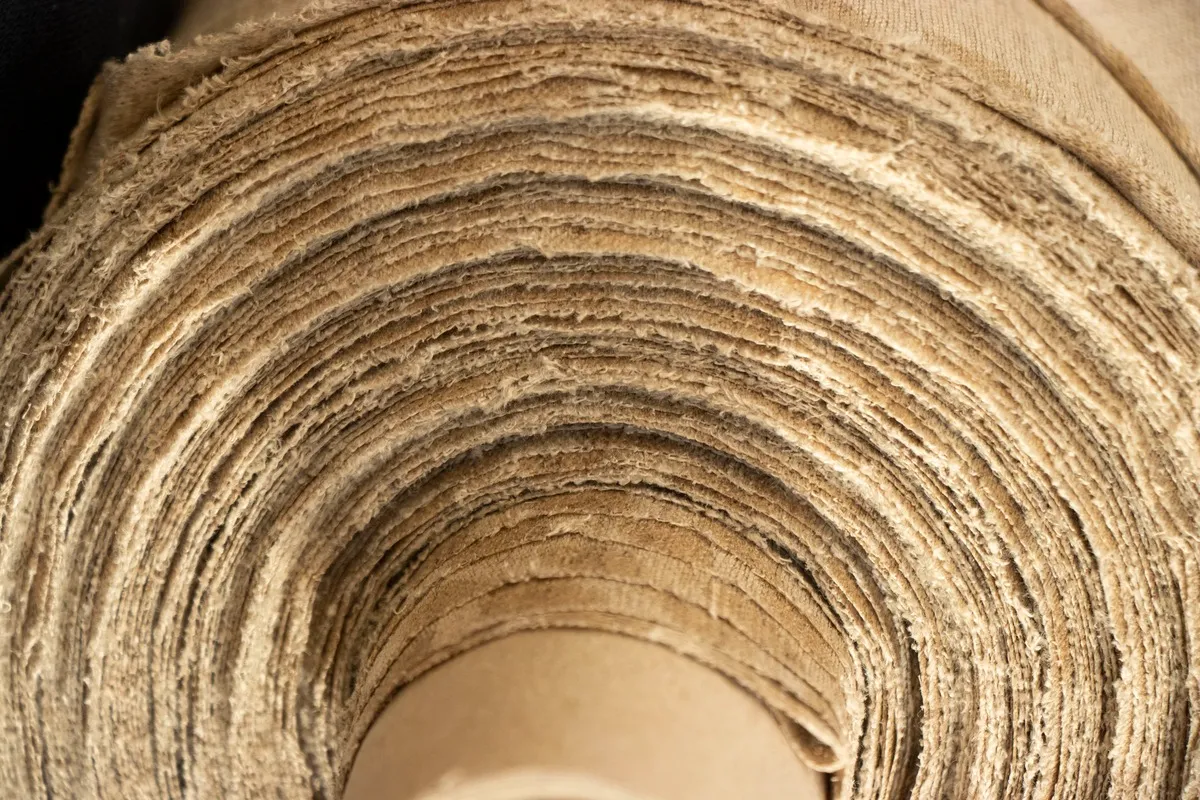
For centuries, hemp fibre was part of European rural economies. Today it has returned to industrial discussion as one possible route towards sustainability in the textile industry. Strong, breathable and biodegradable, the fibre can replace some synthetic materials or be blended with other natural fibres to produce technical textiles. The condition is the same as for any raw material: the existence of an industrial supply chain capable of processing it.
Ambra, which focuses on inflorescences, sees this movement as part of a broader ecosystem: «The materials and fibre sector is the great promise of the ecological transition. It requires structural investment that Italy can afford if it decides to make it». Hemp could once again play a role in textiles, but only if supported by logistics capable of connecting agriculture, processing and manufacturing.
The possibility of supporting sustainable manufacturing depends not only on the intrinsic quality of the fibre, but on the ability to build a coherent value chain in which the cost of the raw material is not cancelled out by logistical inefficiencies or obsolete infrastructure. For now, Ambra ensures controlled cultivation and a potential raw material; transformation into yarn and fabric requires other industrial expertise. In this scenario, dialogue between supply chains is a prerequisite.
Sustainable manufacturing: research translated into process
If the field is the place for slow observation, the laboratory is the place for rapid verification. Here Ambra has chosen to bring most of the analyses required for sample characterisation in-house: «The main innovation was internalising the entire analytical process. Today our in-house laboratory handles most of the tests required to characterise samples: cannabinoids, terpenes, moisture, heavy metals, residues, microbiology, solvents, mycotoxins…».
The language is that of measurement: making protocols systematic, repeating the same steps for every batch and never departing from the sequence of checks. «We have made all protocols systematic and replicable: every batch goes through the same sequence of checks, without exception. Rather than introducing new methods, we have consolidated an extremely stable operational phase, which is the fundamental condition for any serious scientific work».
In this context, research is not a separate section but a cross-cutting dimension: «Ambra is first and foremost a research laboratory. Genetic selection, optimisation of processing methods and study of the phytocomplex are everyday activities, not special projects. We constantly test new varieties of Cannabis sativa L., particularly certified industrial genetics, and work with farmers and technicians to adapt extraction processes to increasingly complex and stable profiles. Our objective is simple: to identify varieties that genuinely perform for cosmetics and technical supply chains, and to develop processes capable of enhancing them without solvents or invasive operations».
Regulation as a production and identity framework
In a sector such as industrial hemp, the ability to operate depends on a consistent interpretation of the law. Ambra has chosen to minimise the area of uncertainty: «Ambra remains a reference laboratory precisely because it works only with transparency and in full compliance».
This choice translates into two operational lines. The first concerns training: «We invest in continuous training on the regulatory framework. It is our way of taking part in the debate rather than being subject to it». The second concerns the laboratory’s role within the sector. «In quality control, we have expanded access to our services for both operators and law enforcement agencies, which we have supported for years with standardised, rapid procedures for checking samples and derivatives».
A natural technology spanning multiple fields
In Ambra’s view, hemp is a natural technology connecting different fields: agriculture, cosmetics, materials, biomedical research and the energy transition. «The potential is high in every direction, but it would be naive to think there is a single winning path. What we see is an ecosystem that can grow in all these directions, provided there is a stable, respectful regulatory framework genuinely informed by science».
In this scenario, every batch analysed, every sample compared and every variety tested becomes part of a body of knowledge that does not remain confined within the laboratory, but feeds into the supply chain: «Research is not a special project; it is our everyday work».
In a landscape where hemp is often described in extremes – either as a miraculous promise or a controversial material – Ambra’s work occupies the space in between: where the plant is measured, analysed and transformed. A natural technology that calls not for slogans, but for method.