Federico Jonathan Cusin
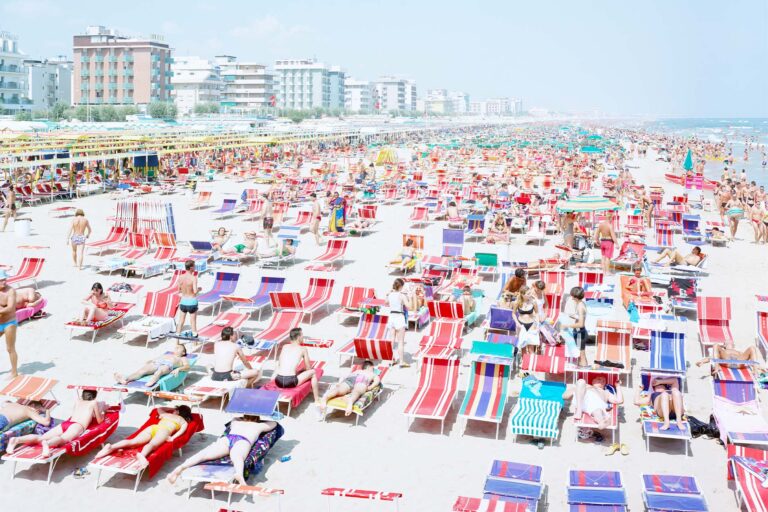
Microstorie balenari: la società contemporanea attraverso la lente di Massimo Vitali
«La spiaggia: un mondo che cambia e resta sempre lo stesso. Anni fa il mio lavoro sui litorali era percepito come una violazione della privacy, oggi non interessa più a...
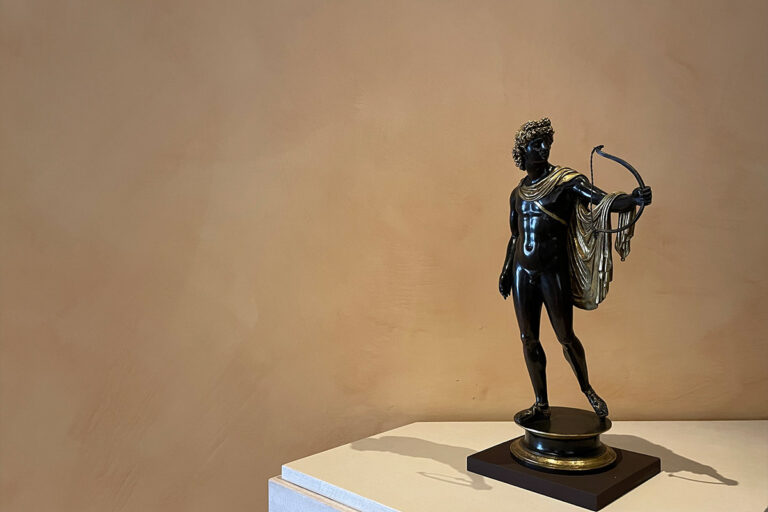
The legacy and heritage of Venice – an honest conversation with Toto Bergamo Rossi
The main purpose of Venetian Heritage is to promote one of the less known aspects of Venetian art: the sculptures. Nobody talks about that, always painters
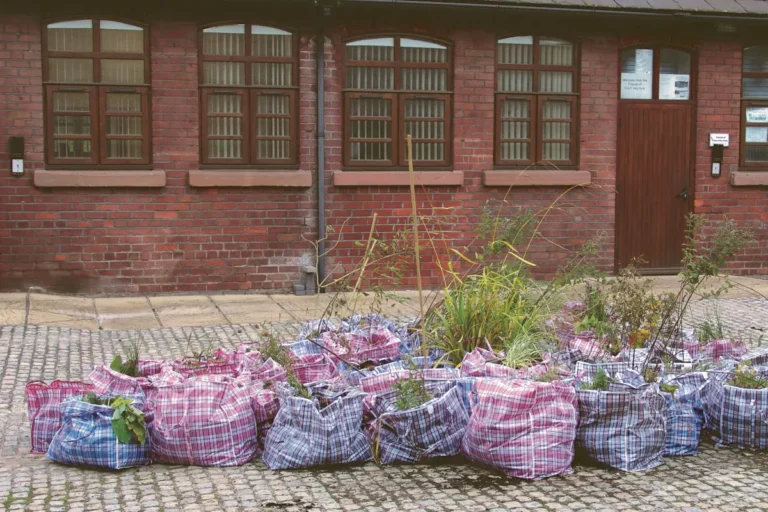
Art Basel – Parcours porta l’energia dell’arte negli spazi pubblici di Basilea
Tra rigenerazione urbana, globalizzazione ed ecologia, l’edizione 2024 di Parcours – settore di arte pubblica di Art Basel – è curato da Stefanie Hessler e si snoda in spazi quotidiani...
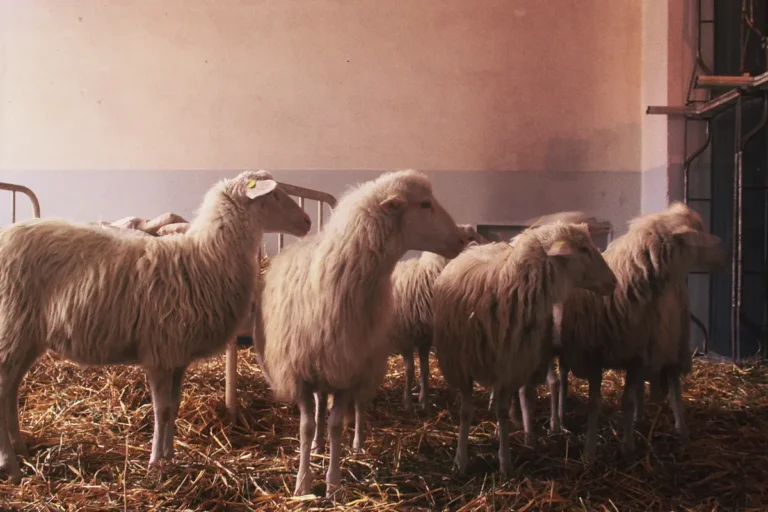
Una pecora come guida sotto un cielo nero: Giorgio Andreotta Calò racconta Nebula
La video installazione Nebula di Giorgio Andreotta Calò, presentata da Fondazione in Between Art Film a Venezia, è un invito a riflettere sul senso di smarrimento e sulla nostra percezione...
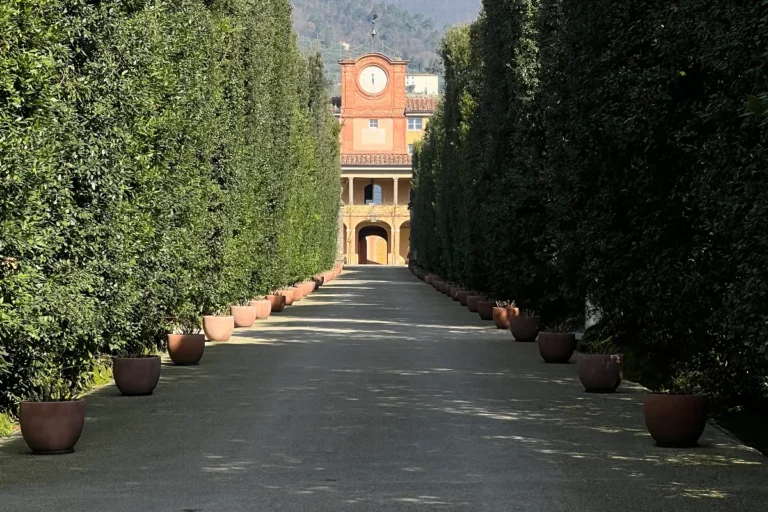
La città più francese della Toscana
Una città romanica con un sostrato medievale poi francesizzato, dentro una cinta muraria alberata lunga quattro chilometri. Visita a Lucca, tra le cento chiese e fino a Villa reale di...
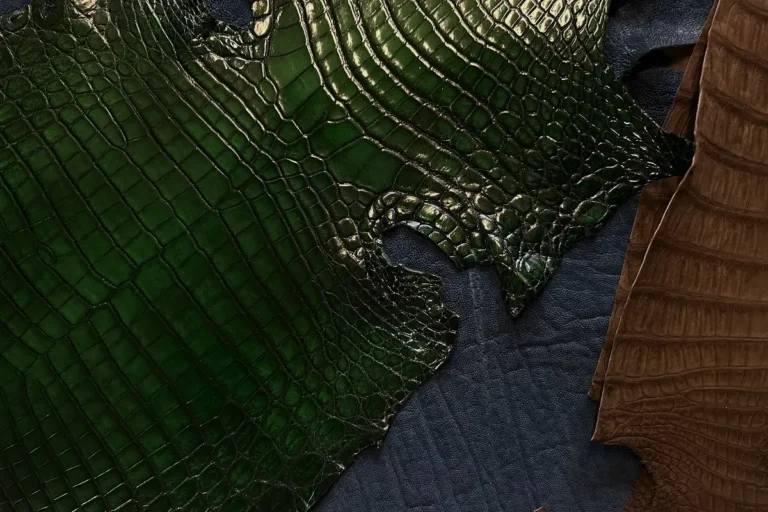
Materie prime, design e architettura secondo Nicolò Romano
Piccole produzioni, su commissione, evitando sprechi: Nicolò Romano, da Cernobbio alla Central Saint Martins fino a New York – la prima collezione ready to wear presentata da Antonioli a Milano
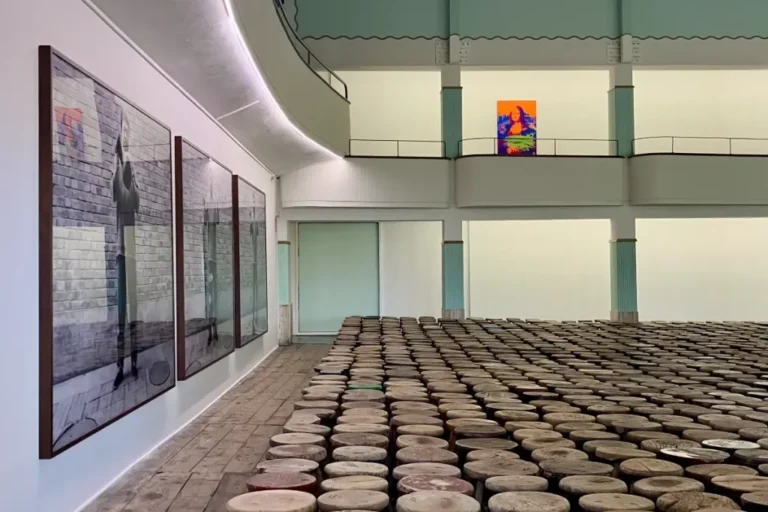
Intervista ad Ai Weiwei – distruggere con gentilezza
Ai Weiwei torna in Italia con la mostra Neither Nor organizzata da Galleria Continua a San Gimignano. Tra lego, sgabelli antichi e critiche ai critici d'arte, l'artista si conferma un...
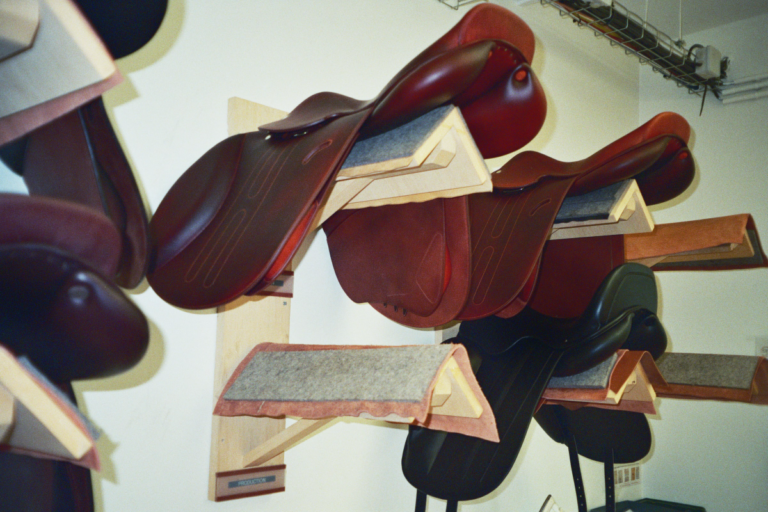
Saut Hermès: the horse goes to the tailor
Hermès' first client? The horse. The second? The rider. A conversation with Chloé Nobecourt, Director of Hermès Equestrian Métier and the maison’s artisans on craft manufacturing
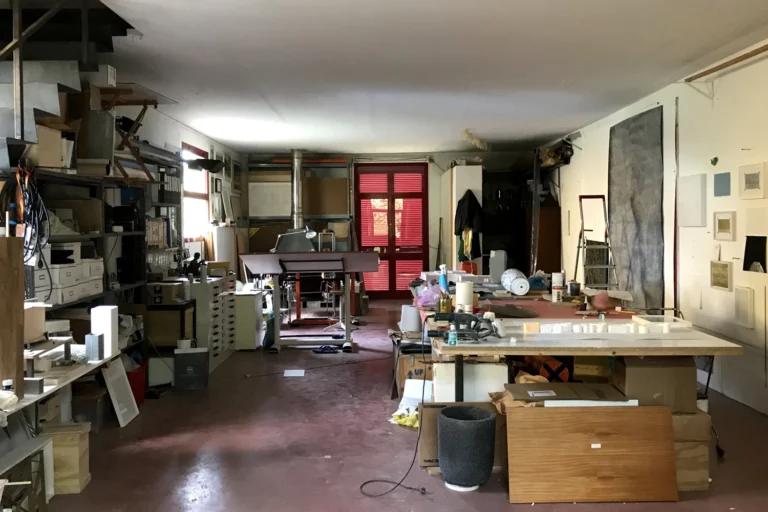
Il Padiglione Italia di Massimo Bartolini è un’orchestra: jam session, musica e ascolto
In uno scenario artistico in cui prevale il controllo, l’opera del Paglione Italia alla Biennale di Venezia è frutto di improvvisazioni – Massimo Bartolini si rifà al jam session, pratica...
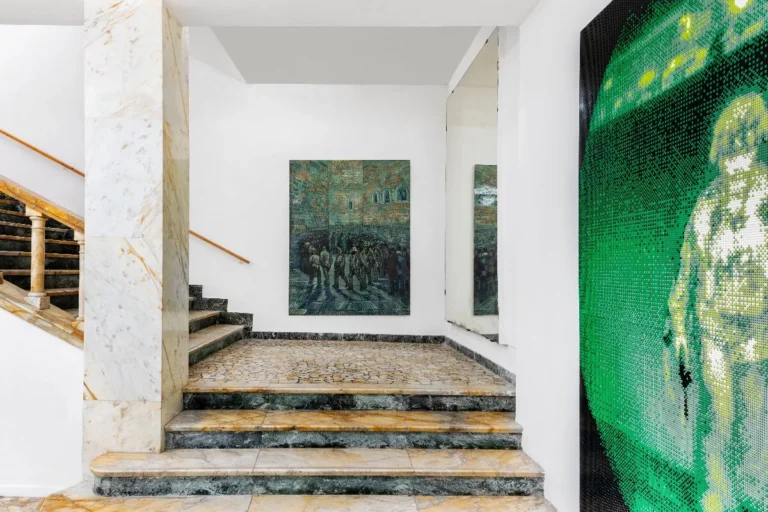
Ai Weiwei: fuck the mundane structure
Ai Weiwei returns to Italy with the exhibition Neither Nor at Galleria Continua in San Gimignano, Tuscany. Between lego, antique stools and criticism to art critics, the artist confirms to...
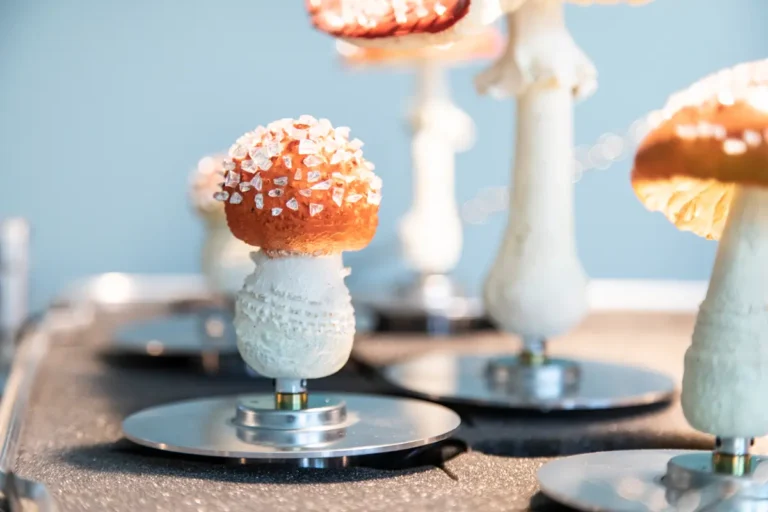
Carsten Höller: Doubt is a mushroom
In a Western culture of doubt avoidance, we want to be decision makers. Doubts contain beauty we don’t recognize. Lampoon 29: an interview with Carsten Höller and some mushrooms
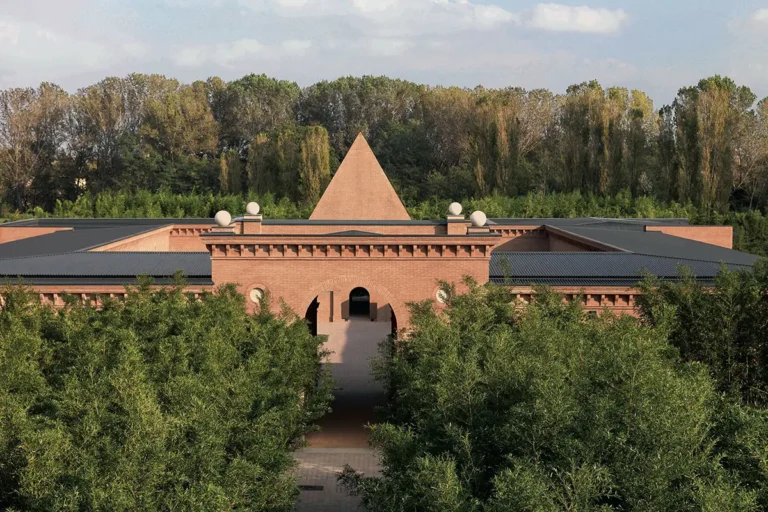
Un labirinto di duecentomila bambù: FMR
mostre temporanee e duecentomila bambù: Laura Casalis racconta Franco Maria Ricci – il rilancio della rivista FMR e le attività del Labirinto della Masone
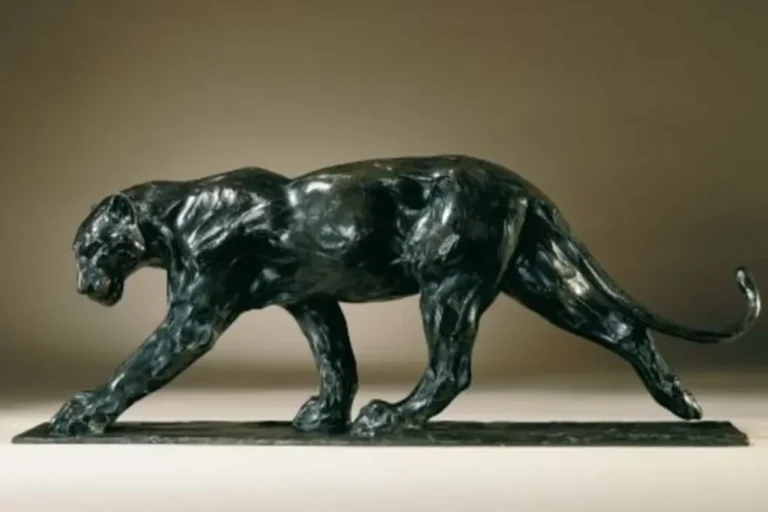
Da Rembrandt Bugatti a Gaza: la guerra annienta anche gli animali e l’arte
Tutto il mondo ha paura della guerra, anche i gatti – a Gaza muoiono esseri umani, iene, lupi e rare specie di volpi – torna alla mente la strage di...
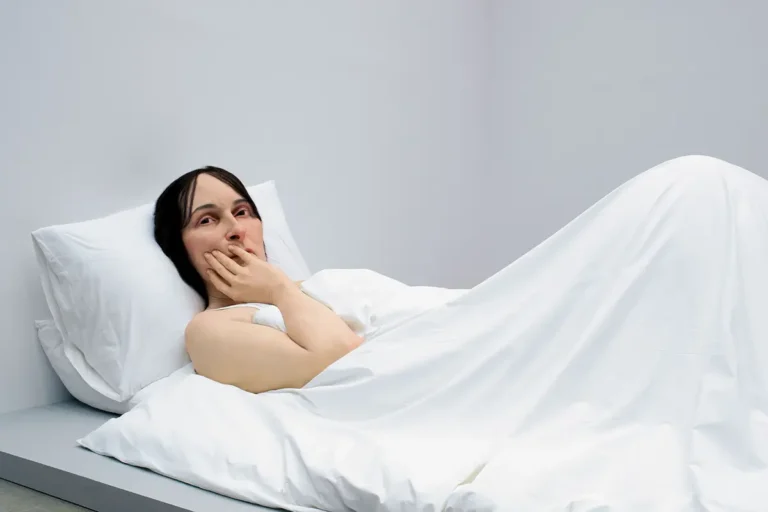
Ron Mueck alla Triennale di Milano, con Fondation Cartier – sentirsi fuori scala
La prima personale di Ron Mueck in Italia, alla Triennale di Milano I materiali delle sue opere: non più i durevoli legno, marmo, bronzo, pietra ma transitori, deperibili, precari –...
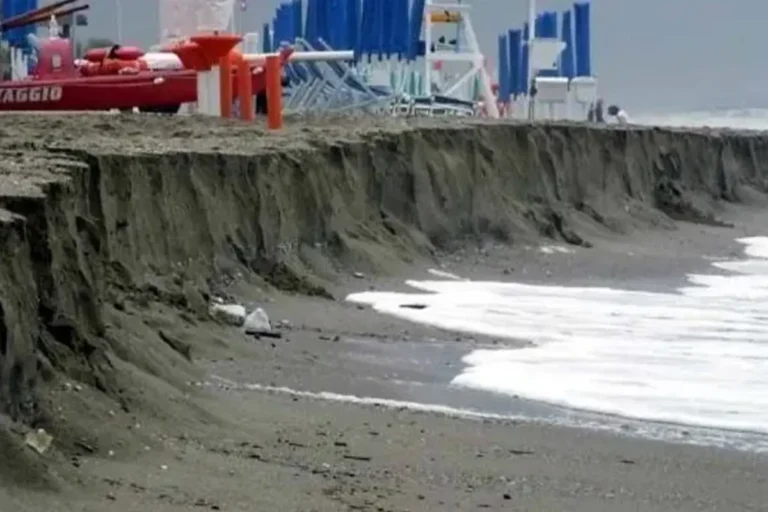
Il litorale in Apuo-Versilia arretra: le conseguenze e il futuro di un sistema artificializzato
Tra colpe, grandi opere artificiali e possibili soluzioni, la certezza è che uno dei litorali del Mediterraneo rischia di scomparire, non così lentamente come si possa pensare. A riaccendere il...
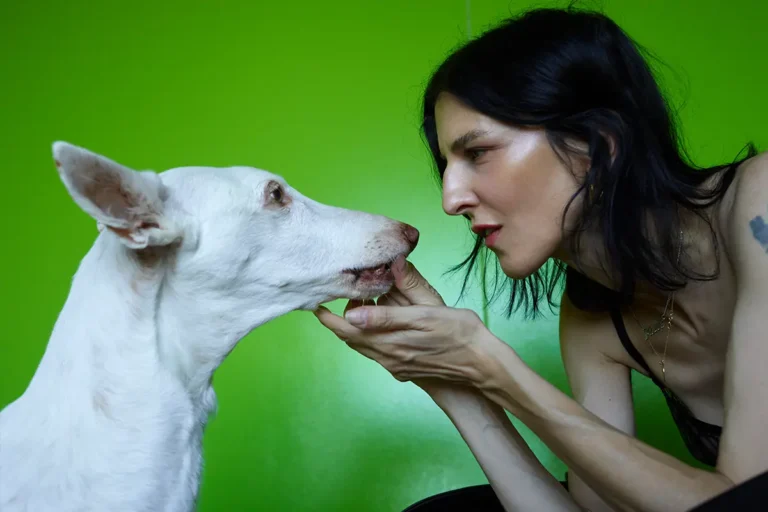
Collecting samples – the artistic experimentation of Pandora’s Jukebox
Yasmina Dexter, aka Pandora’s Jukebox, during her career has created a sound map that animates fashion catwalks. Soundscapes, horizons of meaning that need no translation
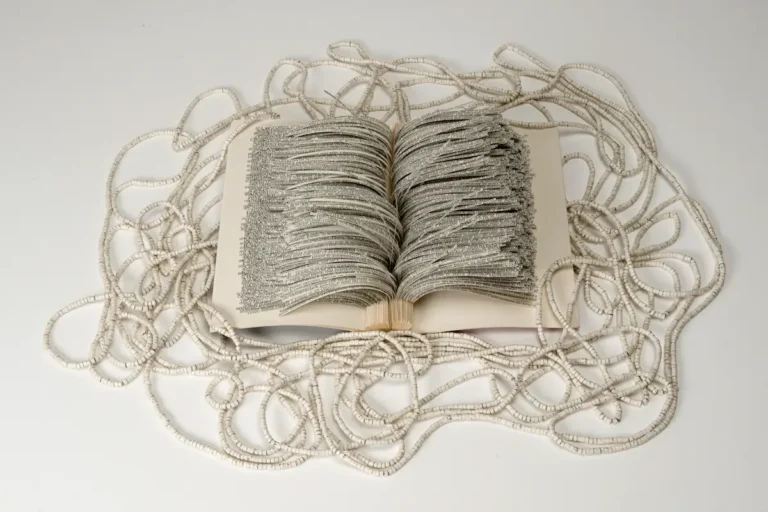
C’è bisogno di comunità, servono radici nell’arte: Sabrina Mezzaqui, Galleria Continua
Un’artista educata da maestre femministe che sceglie di appartenere alla sua comunità di origine. Sabrina Mezzaqui lavora su carta ruvida, sul primato della parola e del corpo
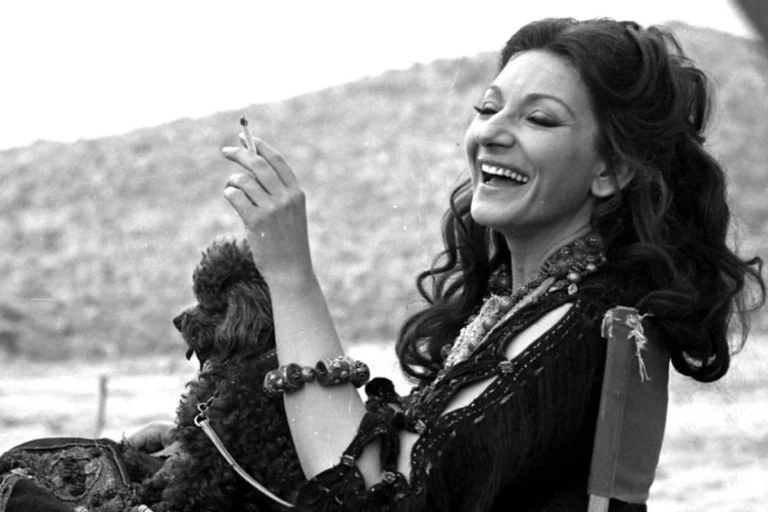
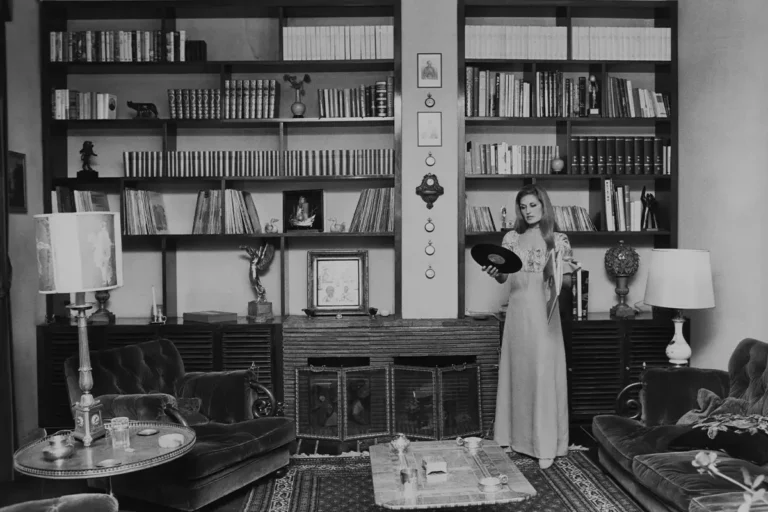
La fragilità di una donna che sognava di essere umana. Maria Callas deve appartenere ai giovani
«Mi piacerebbe essere Maria, ma c'è anche la Callas di cui devo essere all'altezza». Maria Callas il 2 dicembre avrebbe compiuto 100 anni, la prossima a interpretarla sul grande schermo...
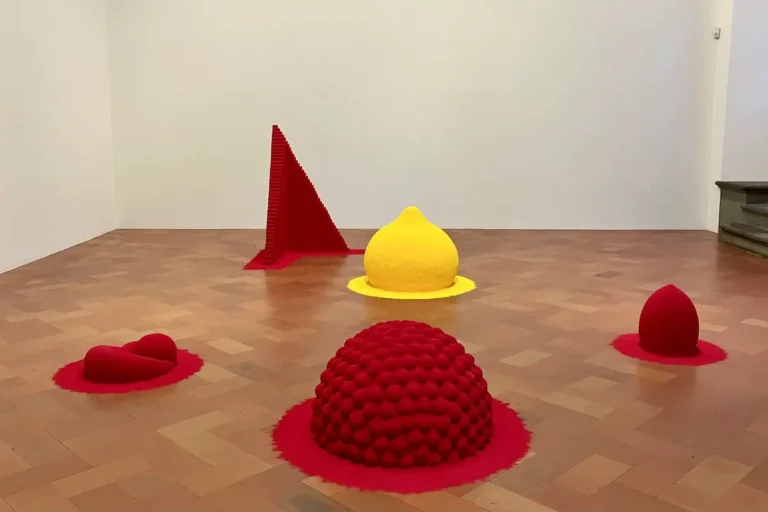
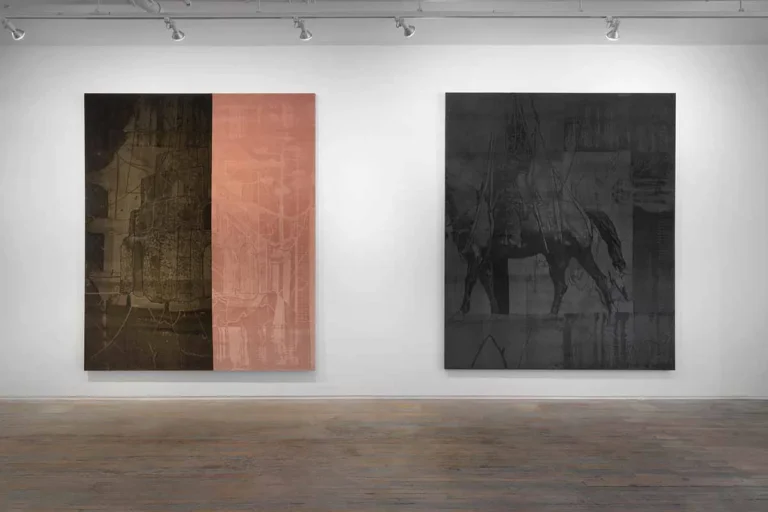
Il vuoto è ruvido: godersi la vertigine con Untrue Unreal di Anish Kapoor
Tra colori ruvidi, cartilagini e specchi, l’immanenza profuma di cera e vernice nelle opere di Anish Kapoor, artista sacerdos dalla creatività femminile. A Firenze, Untrue Unreal è la nuova mostra...
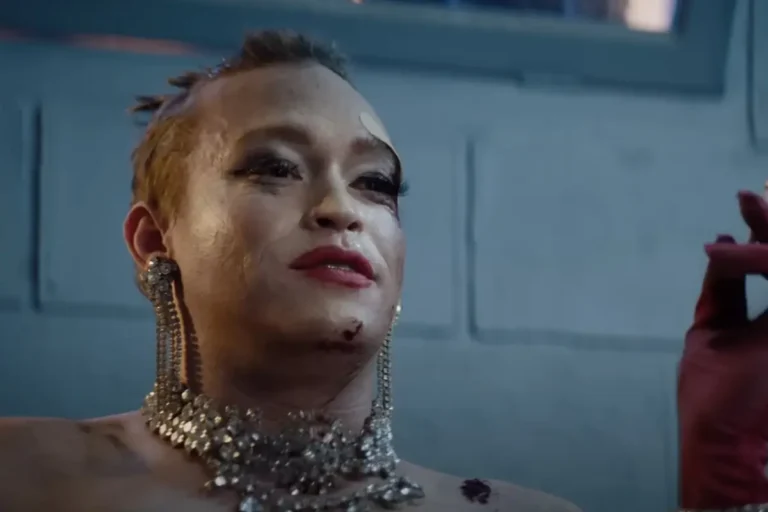
Dogman di Luc Besson – in un’esistenza ruvida, il cane è salvezza
Una famiglia disfunzionale, un padre violento, un recinto pieno di cani: Caleb Landry Jones è Douglas, che nella gabbia trova conforto. Dogman di Luc Besson conquista con irriverenza intellettuale, fluidità...
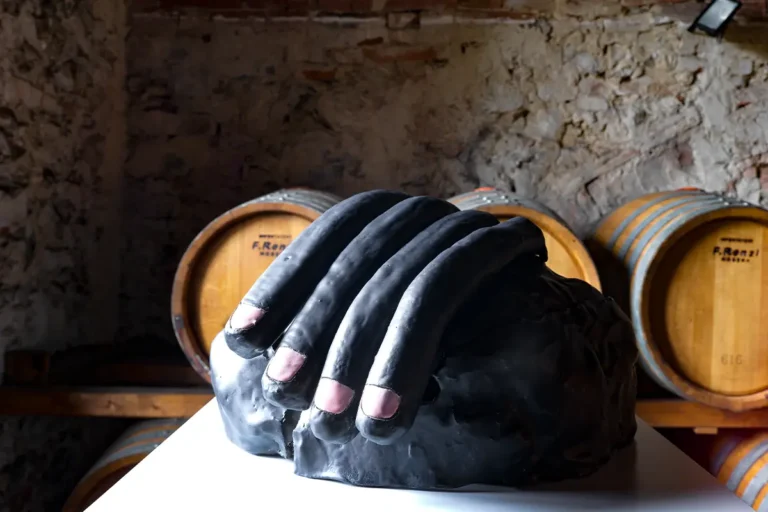
Arte contemporanea in cantina, un percorso al femminile nel Chianti Classico
Art Of The Treasure Hunt, la quinta edizione della rassegna ideata da Luziah Hennessy: Women In Tuscany – un’installazione di John Giorno introduce opere di artiste internazionali al Castello di...
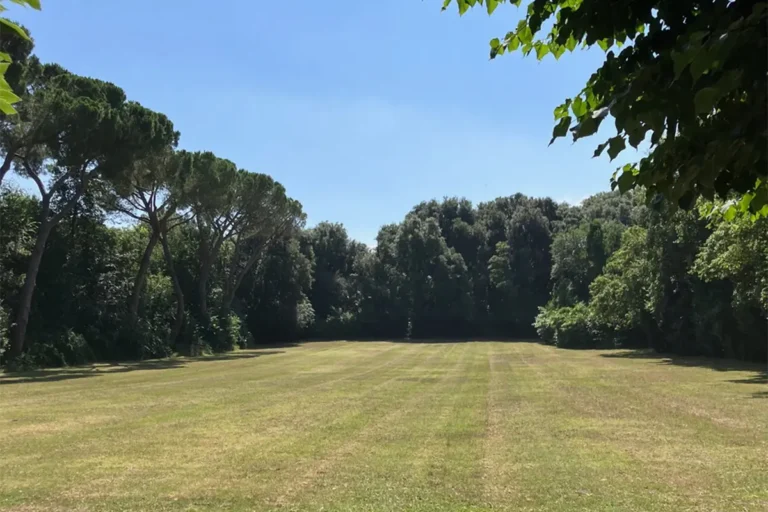
L’Isola Bisentina rinasce con il supporto della Famiglia Rovati, luogo sacro al centro del lago di Bolsena
Sull’Isola Bisentina può tornare il pubblico – diciassette ettari di storica trascendenza, varietà botaniche e installazioni site specific: l’impegno della Famiglia Rovati per l’Isola Bisentina nel Lago di Bolsena
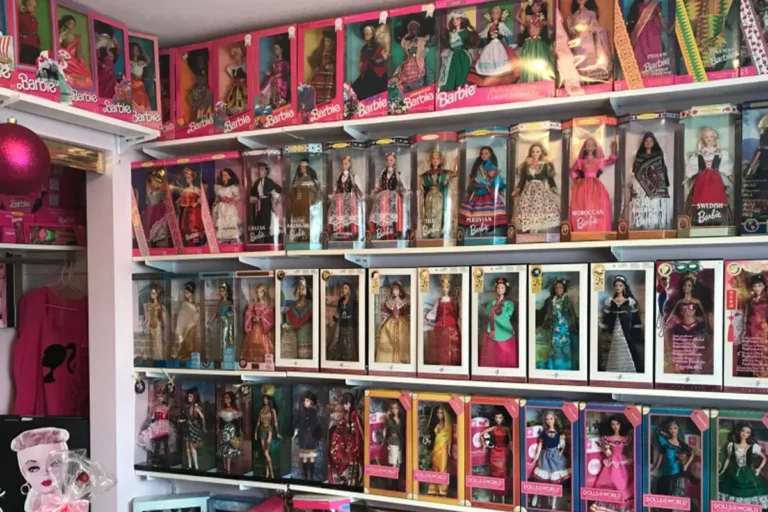
Barbie: una lobotomia in rosa che in Italia frutta 2mln di euro il primo giorno al cinema
Tette gonfie, niente sesso: Barbie sorride al cinema dopo tanti lavori e nessuna identità, interpretata da Margot Robbie, Ryan Gosling è Ken – oltre gli incassi al botteghino, essere Barbie...
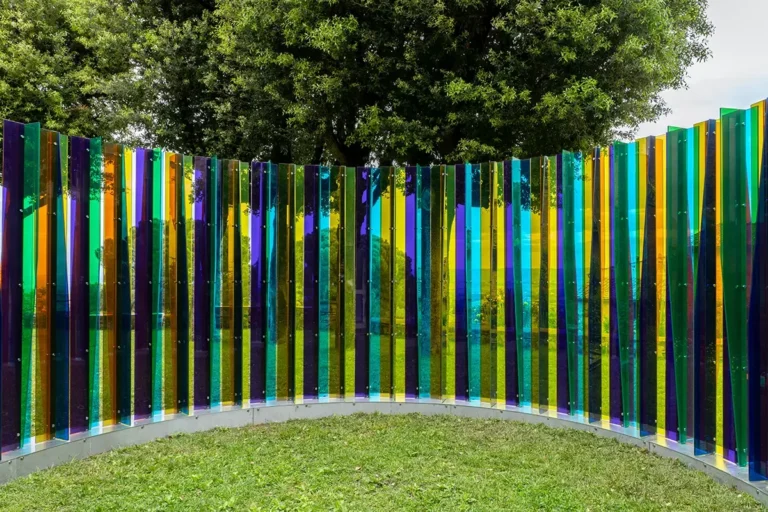
Carlos Cruz-Diez, l’euforia di Galleria Continua per un anniversario
A San Gimignano l’installazione di Galleria Continua, parte del ciclo di opere sullo spazio urbano cui Carlos Cruz-Diez lavora dalla metà degli anni 50 – il racconto di Lorenzo Fiaschi...
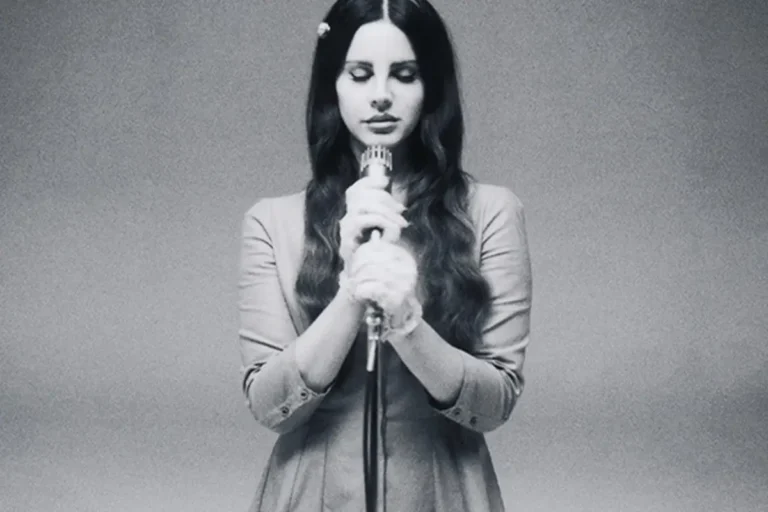
Lana Del Rey in concerto a Lido di Camaiore: grazie ruvida tristezza
Dopo 45 anni dall'addio alle scene di Mina al Bussoladomani, Lana Del Rey si esibisce in concerto nello stesso Parco al Lido di Camaiore – su internet c’è chi ironizza...
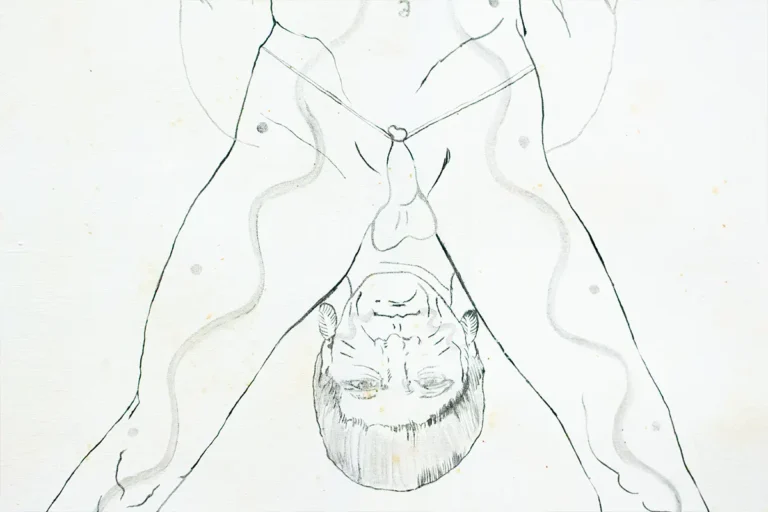
Siamo Foresta con Bruce Albert: riforestare le menti per curare il pianeta
«Gli alberi non possono essere elementi sporadici in un contesto urbano – la città deve aprirsi alla foresta». Interviene Bruce Albert, co-curatore artistico di Siamo Foresta – Fondation Cartier per...
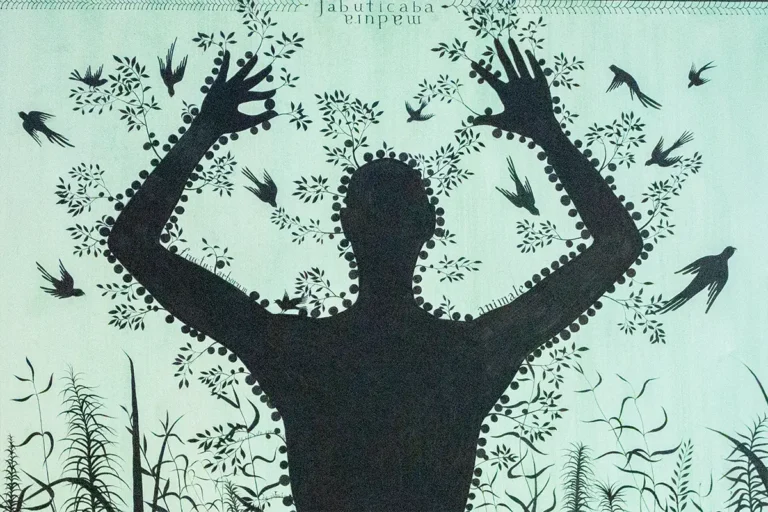
Siamo Foresta: dalle foreste brasiliane a quelle dell’anima nelle opere di Alex Cerveny
«Dipinsi una tela con la mia idea di foresta, c’erano componenti omosessuali – i collezionisti brasiliani non capivano» Alex Cerveny si racconta; la collaborazione con Fondation Cartier per Siamo Foresta
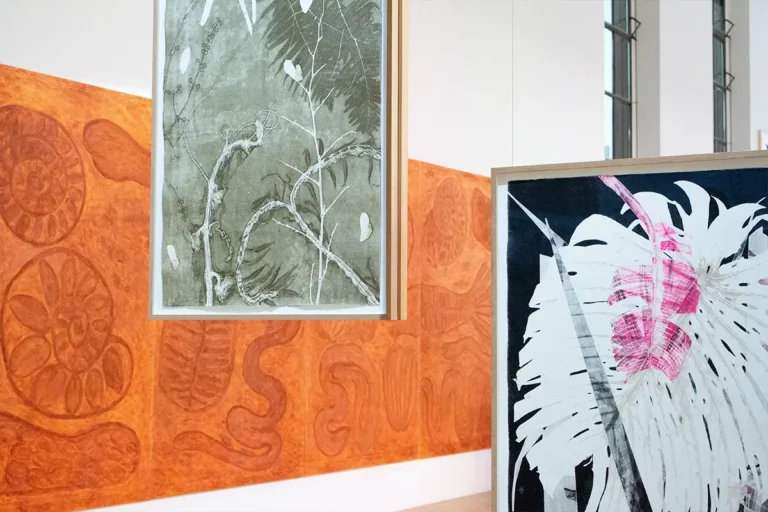
Emanuele Coccia per Siamo Foresta: ogni città è una foresta che ha dimenticato di esserlo
«Tutte le specie condividono un'unica carne: quella della Terra» in conversazione con Emanuele Coccia, curatore del public program di Siamo Foresta, la mostra di Fondation Cartier alla Triennale di Milano

Tra realtà e subconscio: gli spigoli umani di un avvocato, Stefano Simontacchi
In conversazione con Stefano Simontacchi, in arte The Prism, che presenta la mostra Project Revelation, a cura di Marco Senaldi – spiritualità creativa e pensiero laterale
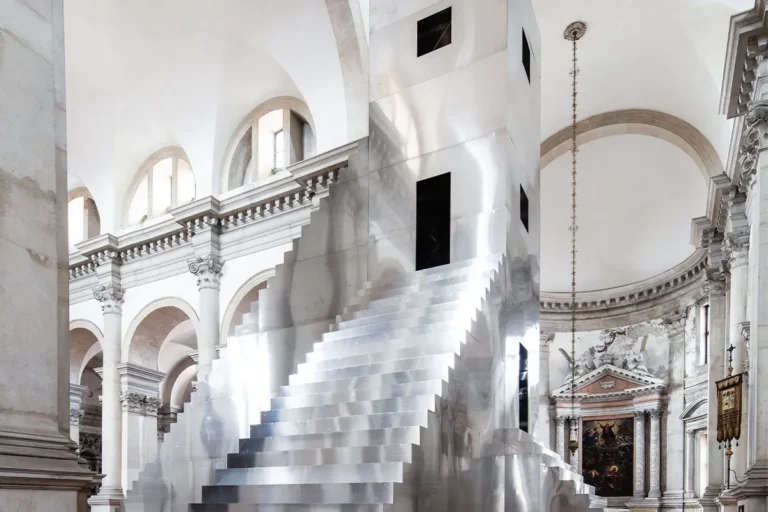
Art at its highest altitude. The reality of Hauser & Wirth St. Mortiz
Giorgia von Albertini, director of Hauser & Wirth St. Mortiz, on her approach to contemporary art: «the opening in December 2018 was a natural extension of the gallery’s activities in...
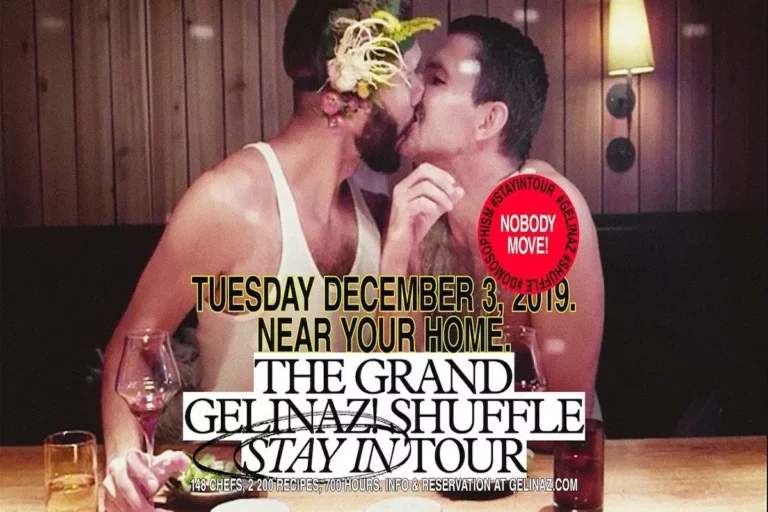
Che suono fanno i ristoranti? Andrea Petrini racconta GELINAZ!
Ryuichi Sakamoto in un ristorante giapponese di Manhattan trovò il cibo magnifico e la musica disastrosa: da lui nasce l’idea della musica accostata alle portate e GELINAZ! NAH BGM NOW

Polemica su Cleopatra: non c’è evidenza scientifica in merito al colore della sua pelle
Ancora una volta Cleopatra – il dibattito attorno al docu-drama Queen Cleopatra – Netflix, 10 maggio – è l’occasione per riflettere sul valore sociale della storia e sul rischio della...
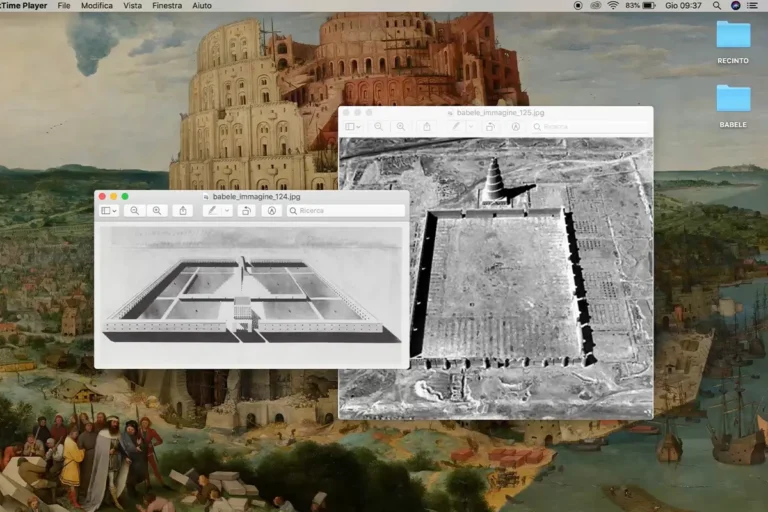
Appunti, archivi digitali e rapporti diagonali: intervista a Davide Trabucco
«Vivo di molti appunti e poche opere». A giugno, un nuovo progetto di Davide Trabucco in collaborazione con Triennale di Milano per London Design Biennale
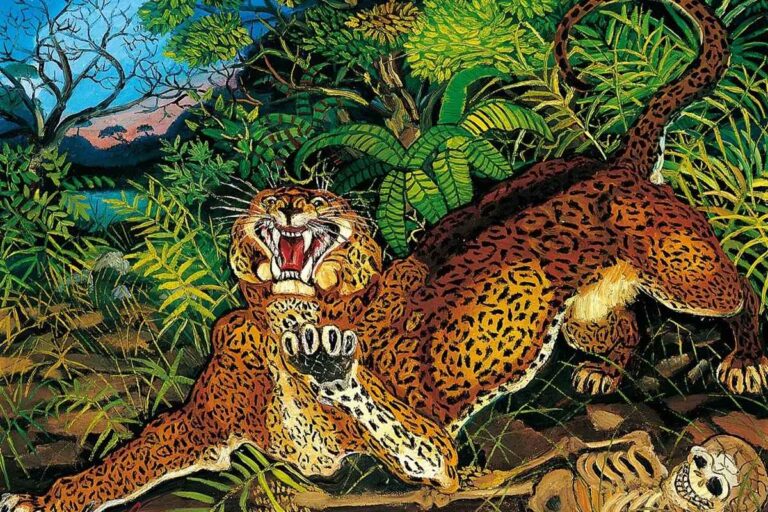
Finanza, arte, Milano, con Guido Maria Brera, scrittore e co-fondatore di Chora Media
«Serve una riforestazione: tra vent’anni ci stupiremo pensando che davanti alla Scala passavano le macchine – Il teatro si affaccerà su una piazza colma di alberi». Dialogo con Guido Maria...
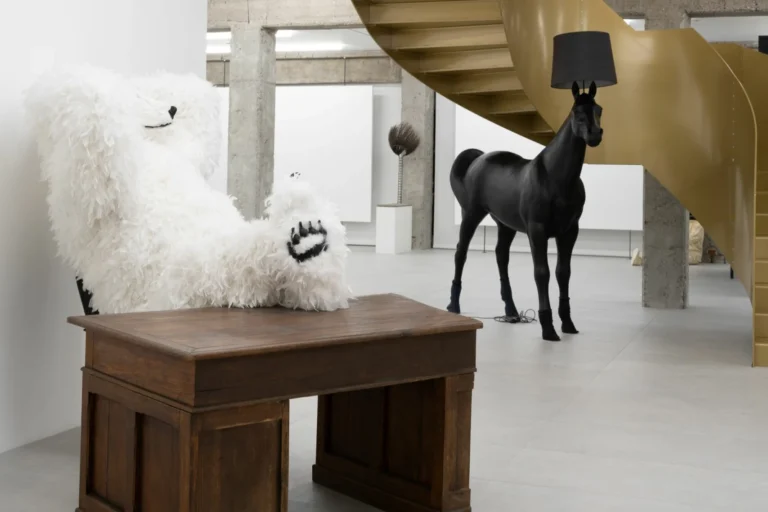
Umberta Gnutti Beretta and Edoardo Monti discuss Spazio Almag outside Brescia
«Spazio Almag is a space where we talk about artists, where people can browse a bookshop, a space where they can lock themselves in the video room and watch video...
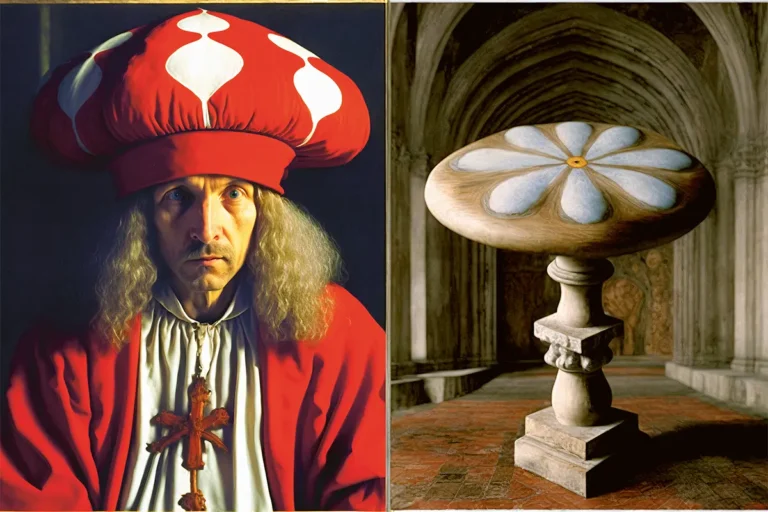
Where do mythology, archetypes, and ancestral allusions creatively hide today?
From art curating, to discovering and promoting new artists, through fashion design and music. Caio Twombly and Henrik Vibskov in conversation for Lampoon RuVido issue
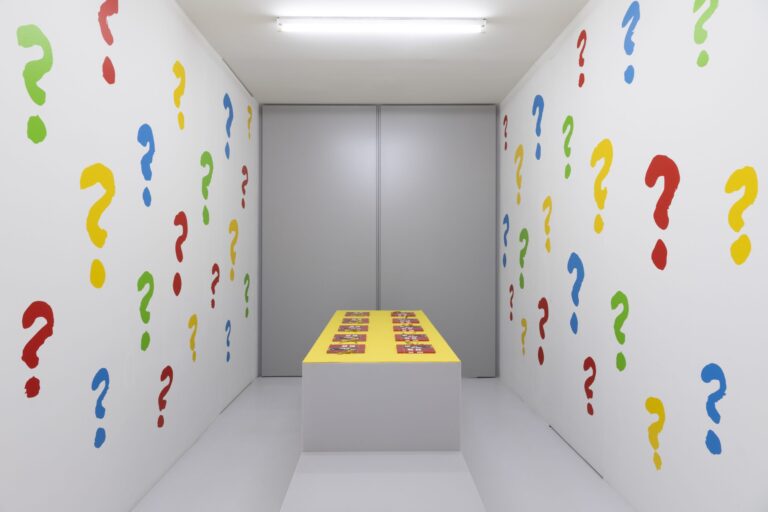
Nonsense saved me: interview to Simon Fujiwara on his latest show in Milan
The creator of Who the Bær: «I created a cartoon character in order not to become one myself». In Milan, the exhibition Who is Who-Dimensional? at Gió Marconi
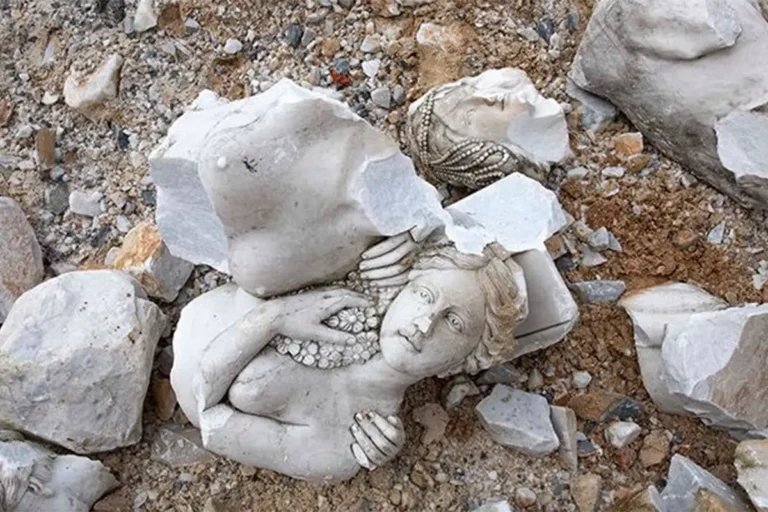
Fabio Viale: tatuare il marmo, dal Neoclassico al Maori
In conversazione con lo scultore Fabio Viale, «la metamorfosi dei materiali è alla chiave del nostro progresso. Trasformazione genera energia perché simula le forze più ancestrali della natura».
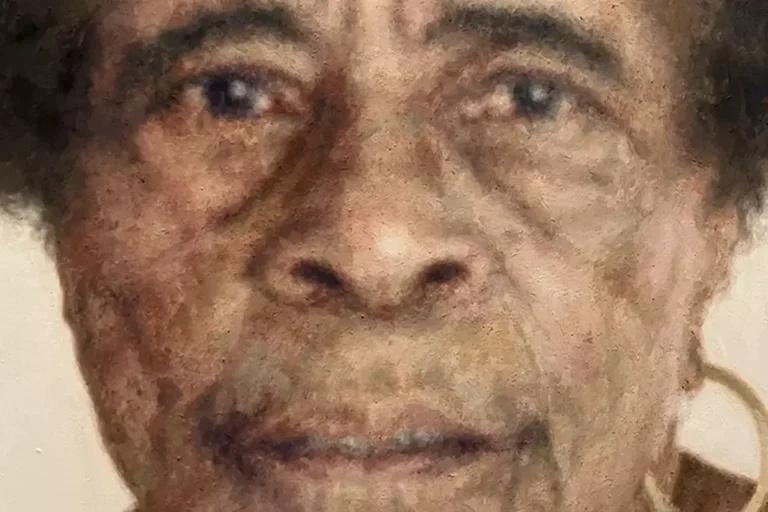
Light, Gaze, Presence: Y.Z. Kami in mostra a Firenze con le sue opere spirituali
«Dipingo mani da anni. Blaise Pascal diceva L’âme aime la main. Il soggetto di Paul’s Hands è Paul, un amico di New York, sacerdote protestante, per metà ebreo e sposato...
Ridurre le emissioni di gas serra in modo eco-compatibile: biochar in Versilia
Intervista a Silvia Bazzichi e Giuseppe Barlucchi di Area Sport E20 e Cultura di Massa: «ciò che è considerato scarto, per noi è ricchezza ecosostenibile».
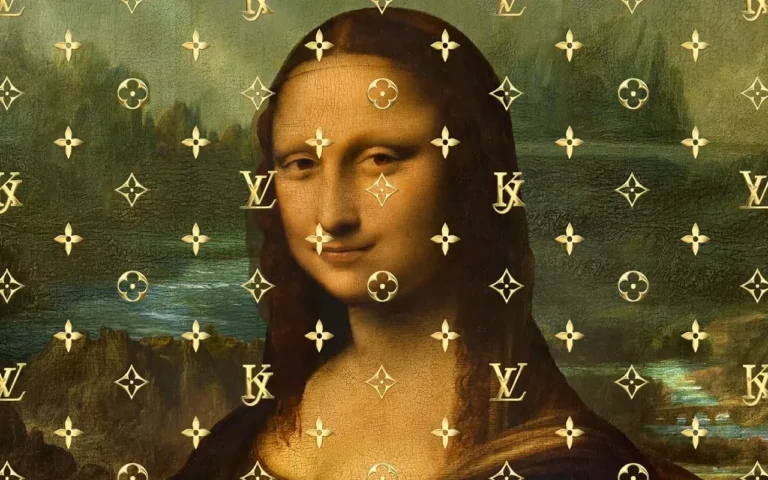
Rapporto tra corpo, erotismo e movimento: l’art motion di Rino Stefano Tagliafierro
Fino al 23 giugno, al Palazzo Reale di Madrid in occasione della mostra Sorolla. A través de la luz, un’installazione immersiva del regista, art director e video artist
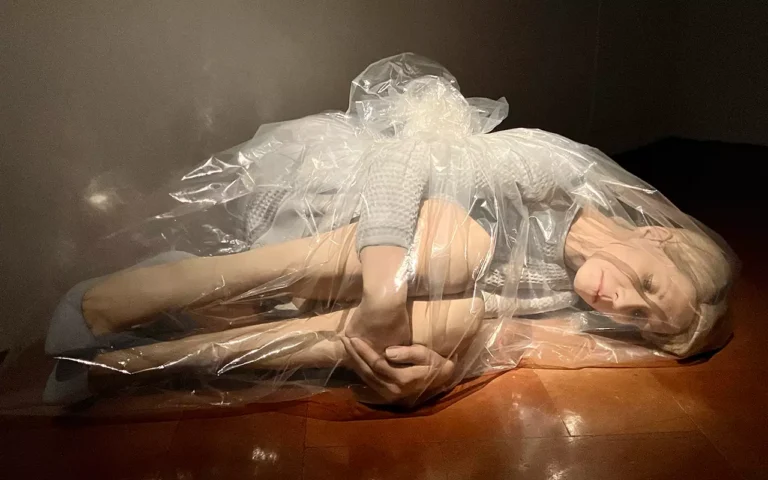
Stelle, lucciole e buchi neri: Reaching for the Stars a Palazzo Strozzi
Palazzo Strozzi e Fondazione Sandretto Re Rebaudengo presentano a Firenze Reaching for the Stars. Da Maurizio Cattelan a Lynette Yiadom-Boakye, in mostra fino al 18 giugno 2023
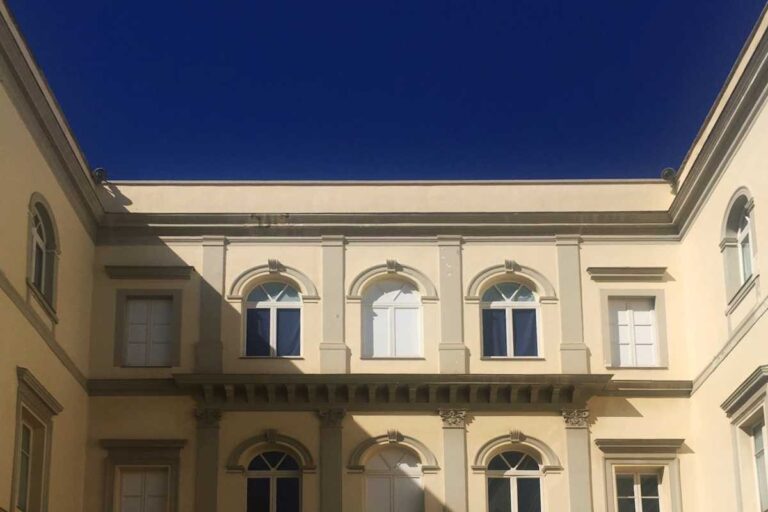
Eva Fabbris e il nuovo corso del Madre di Napoli: una casa per artisti e artiste
Dopo sette anni come curatrice presso Fondazione Prada a Milano, Eva Fabbris è stata nominata direttrice del museo di arte contemporanea Madre di Napoli: Lampoon l’ha intervistata
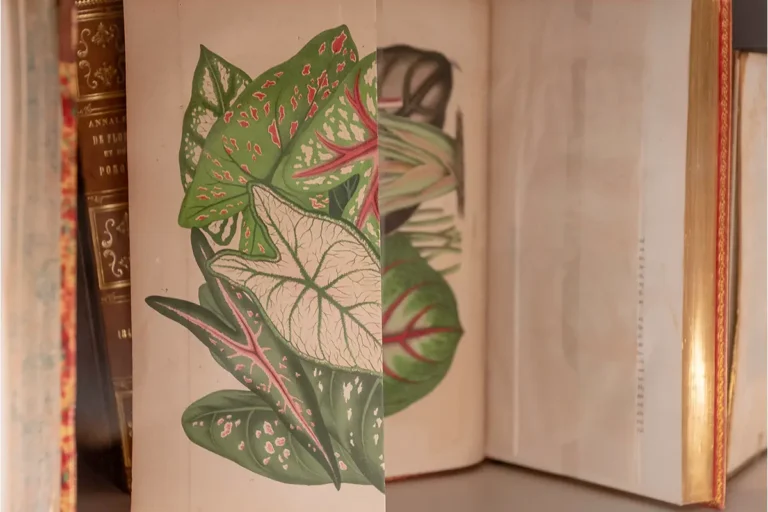
La botanica, da studio per la medicina a arte: la passione degli Asburgo in mostra
Intervista ad Andreina Contessa, Direttore del Museo storico e il Parco del Castello di Miramare in occasione della mostra Ars Botanica. Giardini di carta
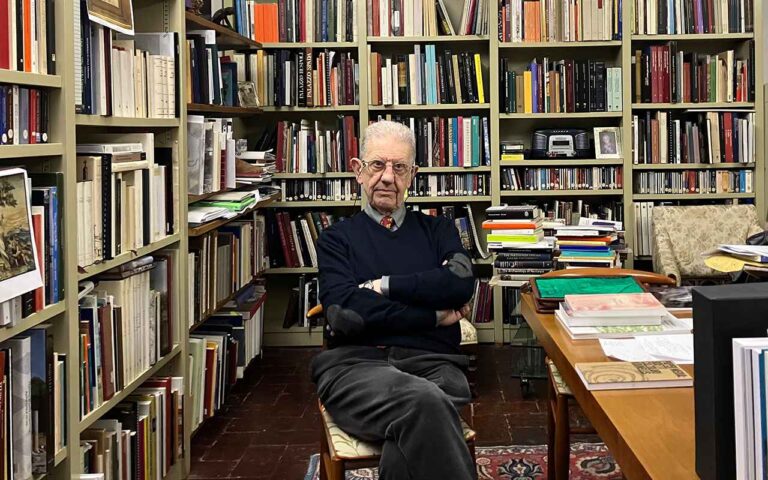
Comprendere la bellezza antica attraverso la malinconia: intervista a Salvatore Settis
Salvatore Settis riflette sull’inclusione dell’arte antica nel contemporaneo, una ricognizione attraverso alcune delle sue pubblicazioni e curatele presso Fondazione Prada
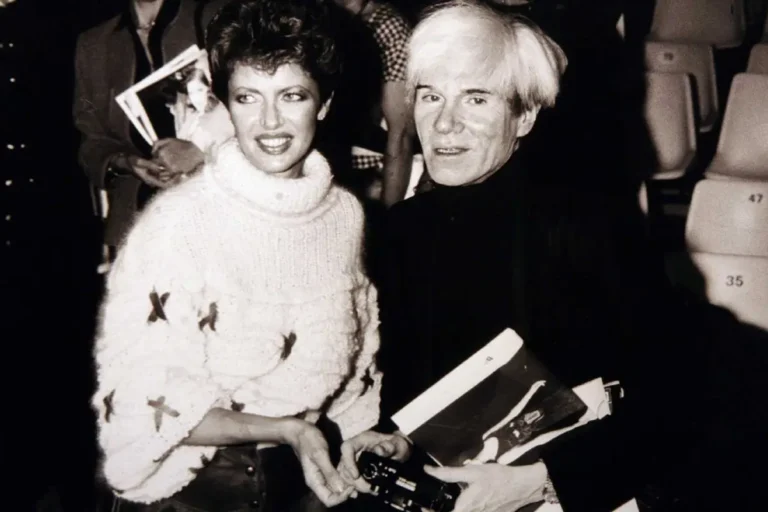
Dai ritratti di Andy Warhol ai costumi per Madama Butterly: incontro con Regina Schrecker
Mitteleuropea di nascita, cosmopolita e poliglotta sin da adolescente, la stilista ed ex modella di origine tedesche racconta più di quarant'anni di attività.