India Gustin
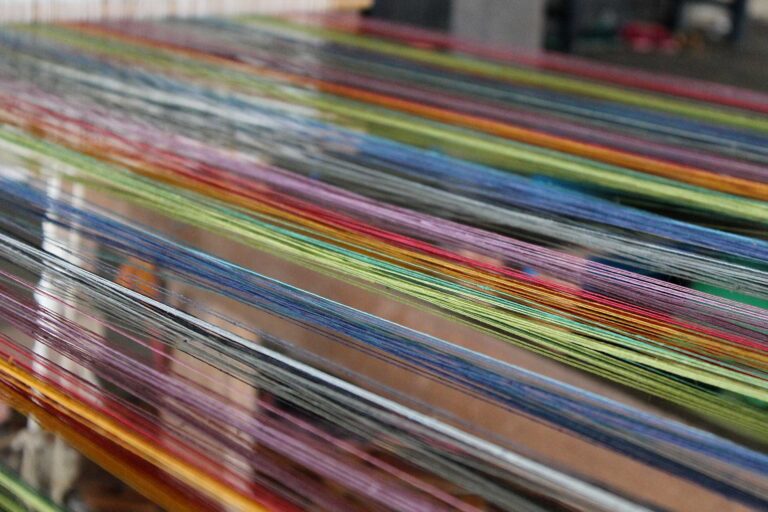
The lotus plant: much is left to be discovered and not only about the fiber
If silk isn’t the first natural microfiber, then lotus certainly is. Acknowledging the ability to multitask within a community, Samatoa supplies women with work whilst keeping R&D in the fiber...
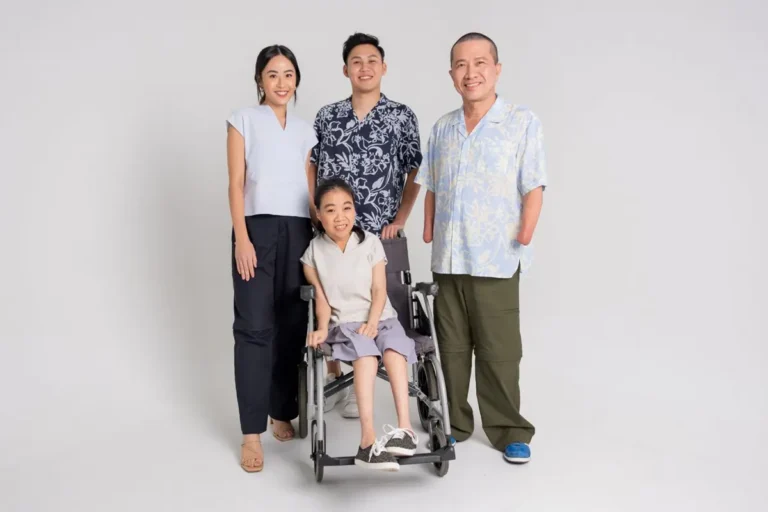
Fashion is not inclusive yet – the disabled community speaks out
The case of Will & Well. The disabled community has been left behind in the movement to make fashion inclusive. Adaptive apparel is underdeveloped within the industry
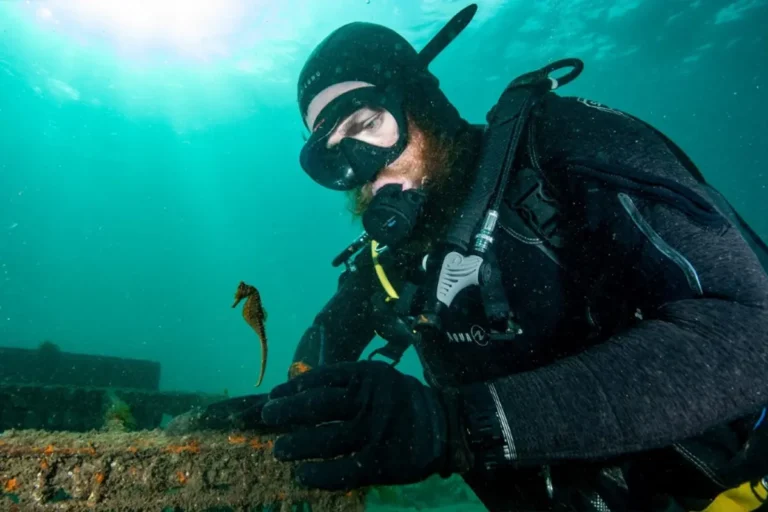
Sydney – record release of baby seahorses are set to boost the specie’s population
‘Seahorse hotels’ are multipurpose. They give shelter, can biodegrade and encourage the growth of new coral and sponge. It is the new home of the White’s Seahorse

Leslie Van Houten has been released. The macabre representation of Manson Family in fashion
«Manson kind of morphs into a nun and the Hills turn into the Alps». How designers have become interested in the macabre representation of the Manson Family in fashion

Siamo Foresta, the Yanomami community: with Sheroanawe Hikihiiwe and Fabrice Hyber
We all have one goal for forests: to render them alive once again. Yanomami artist Sheroanawe Hikihiiwe and French-based artist Fabrice Hyber have created four hands for Siamo Foresta
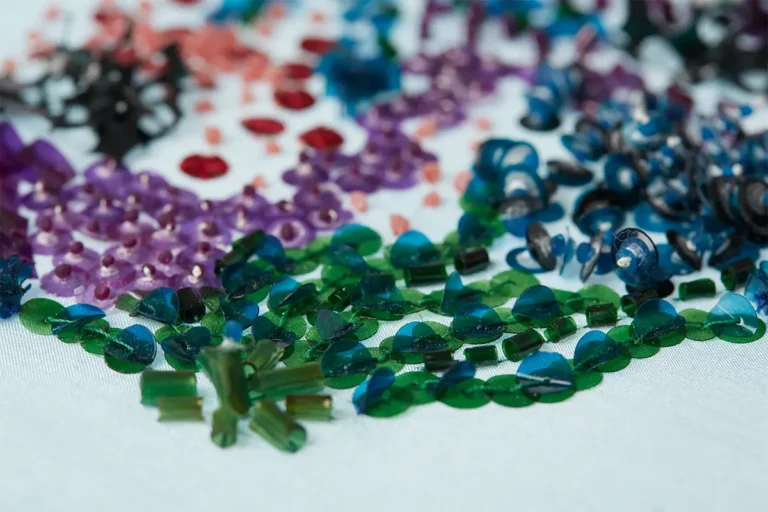
Flax – is it a forgotten fiber? Introducing Inflaxuation by CQ Studio
CQ Studio reinvents a material that has been around for centuries to showcase how the fashion industry can sync up with other systems to ensure long term sustainability. The flax...
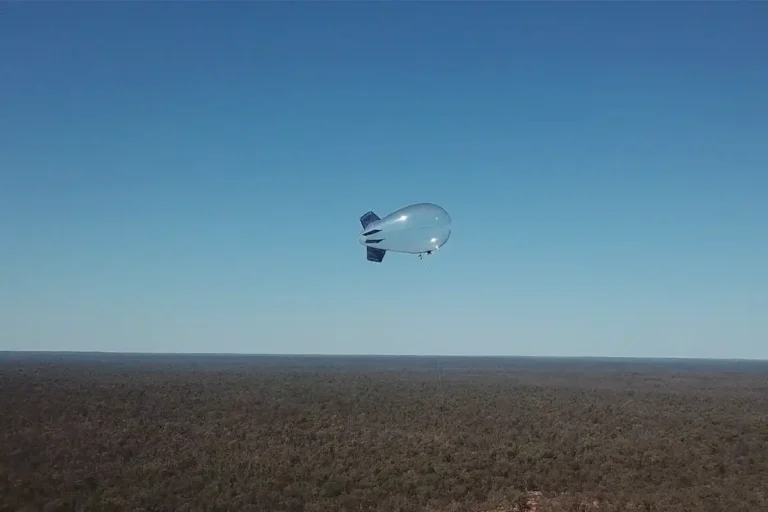
EONEF’s tethered balloons: air quality monitoring, wildlife conservation and forest fire detection
The social enterprise EONEF is working towards connecting the most isolated places in the least invasive method possible: with a helium-filled balloon equipped with sensors and cameras
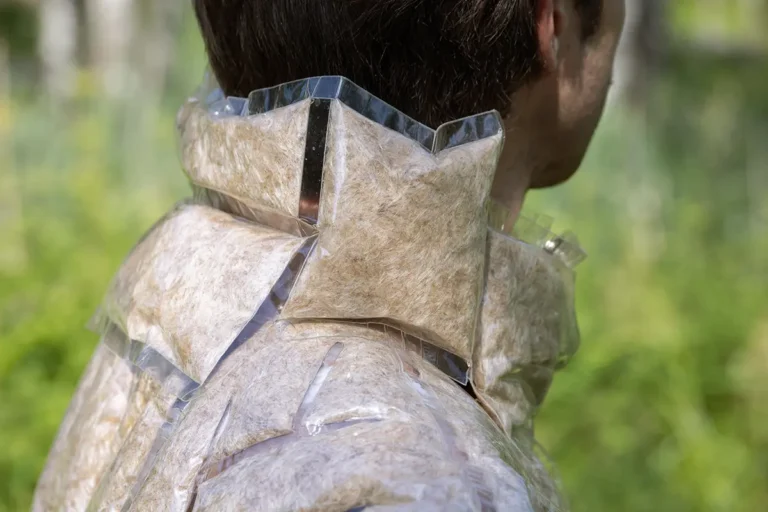
Restoring peatlands in Finland: the case of alternative filling materials
This Finland-based start-up is looking to replace fossil and animal-based filling materials with a plant-based one: the result includes carbon-negative promotion and peatland restoration
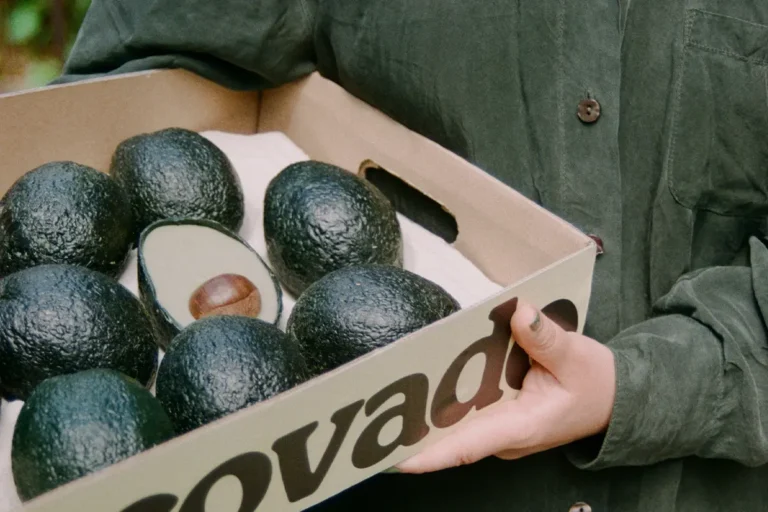
Ecovado — a British-made avocado made using beans, apples and walnuts
Central Saint-Martins graduate, Arina Shokouhi, invents an alternative the avocados with the goal to steer people towards a more sustainable option: enter the Ecovado
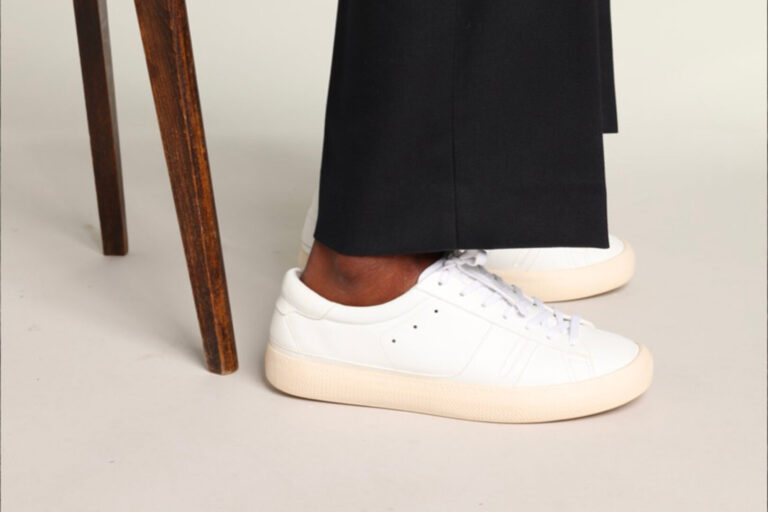
Golden Goose and Coronet merge to create Yatay
Golden Goose plans investment of 1.2 million euro with Coronet to create Yatay, the first Made in Italy co-action platform for sustainable innovation
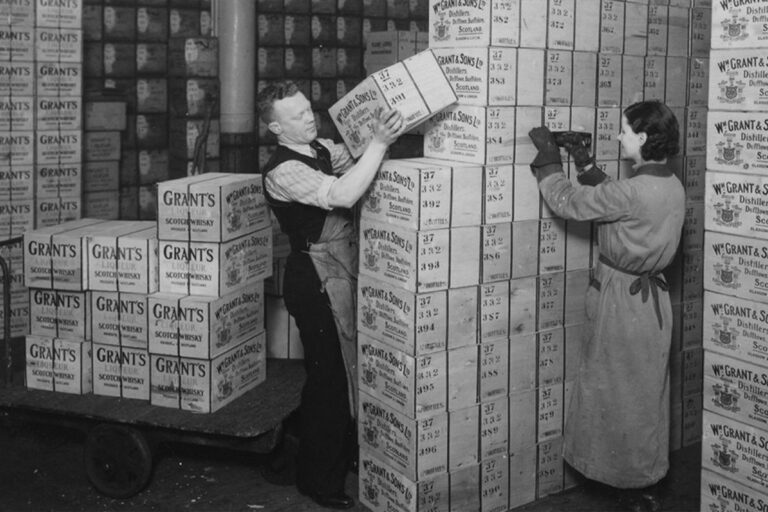
About how to make the alcohol industry more sustainable? Discarded Spirits Co. case
Here is to the most rubbish drink you’ll every taste, Discarded. Made from waste and forgotten ingredients which they rely on as hidden treasures
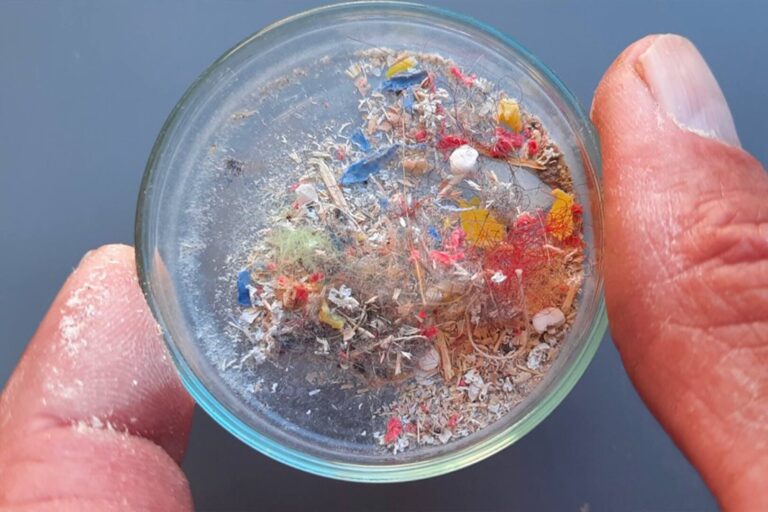
Recycled plastic (PET) could be worse than virgin plastic and nano-particles can be found in our blood
«What are these plastic particles doing in our body? Where are they going?». In conversation with Prof Dick Vethaak on plastic particles being found in our blood

Nature takes over urban waste. What will need to live in synchrony with nature
The Tree Column is Blast Studio’s latest design. Made from recycled coffee cups and mycelium, it is yet another viable option for the future in sustainability
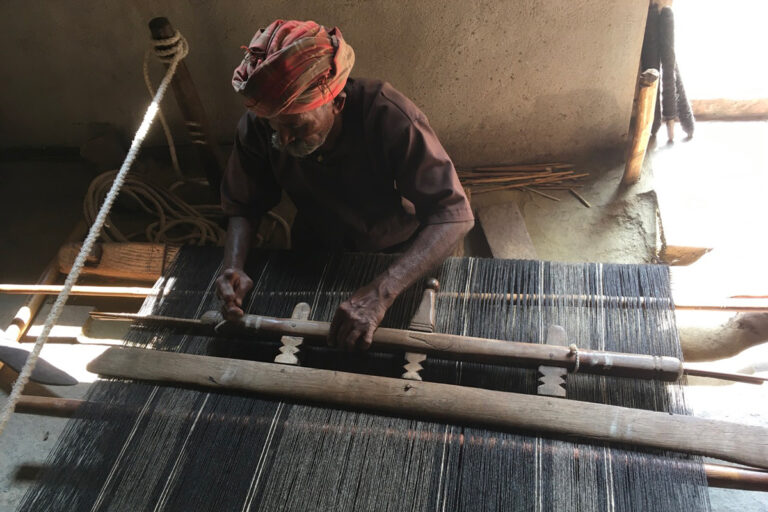
Embracing technology: the only way to keep hand weaving with the new generation
From Italy to India to Wales. How the culture of hand weaving is undergoing just enough modernization to keep it alive, but not enough to kill the traditional craft completely
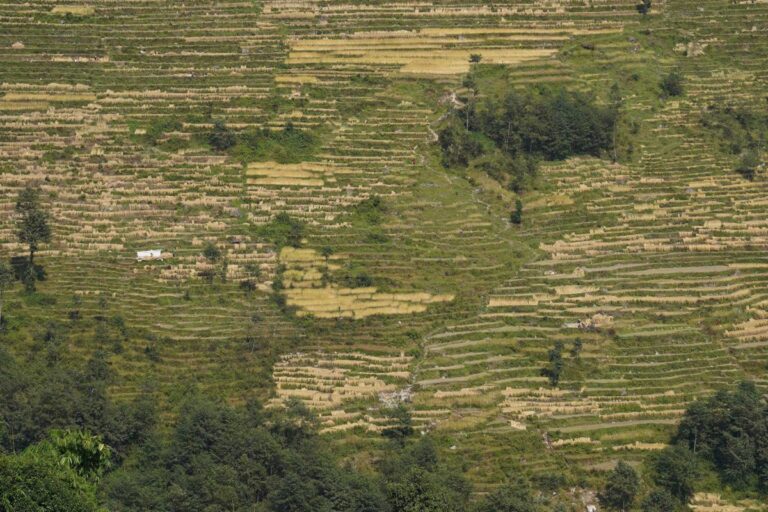
The giant Himalayan stinging nettle — what it means to wild harvest
«Regenerative process means that as you produce, you’re improving the Earth» - how to go beyond sustainability, in conversation with Himalayan Wild Fibers
Circular Systems – Keeping the neutral cellulosic chain when recycling cotton. Otherwise, it is classified as viscose
Circular Systems is focused on using waste streams as their main source of materials for production working on up-cycling the textile
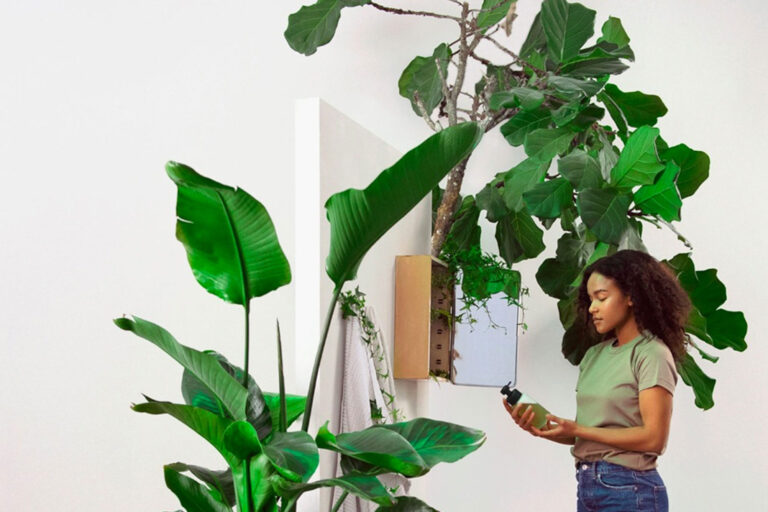
Powder to liquid soap: a simple answer to complicated issues. The Forgo case
«If we have things with the system of refilling or of re-use, then throwing something away or recycling doesn’t have to be the first option». In conversation with Forgo cofounder Allon...

How paper waste can get up-cycled instead of down-cycled – the case of Honext
Barcelona-based startup Honext has developed a way to transform paper waste into panels, using materials which already exist rather than consuming raw materials
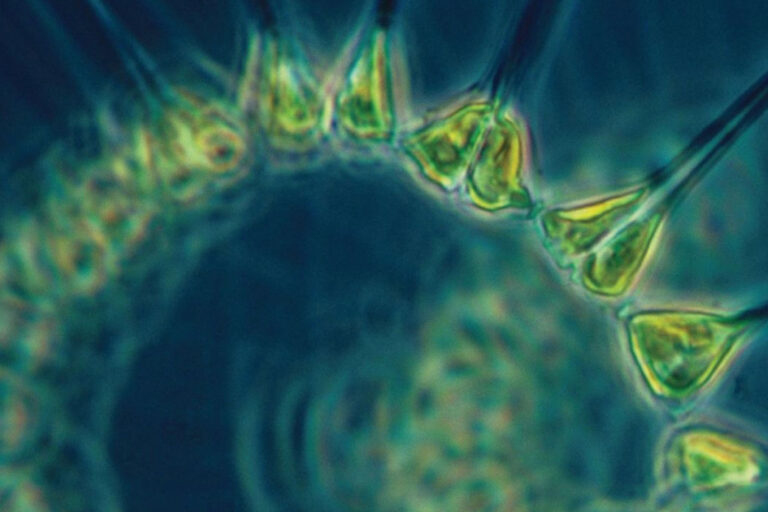
Biodegradable clothing will not spontaneously disappear from your closet: the AlgiKnit case
You can’t eliminate harmful materials, such as polyester, without replacing it with something else. Kelp can be turned into fiber and that is what we will work with
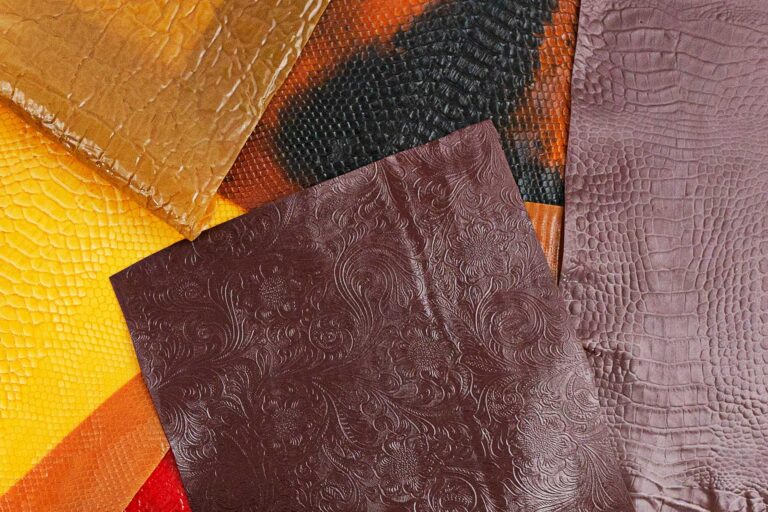
The struggle of creating an entirely new textile: leather from shell seafood by Tomtex
«They have a lot of interesting properties but they have a lot of interesting problems that go with it» In conversation with Ross McBee on what vegan leather actually means
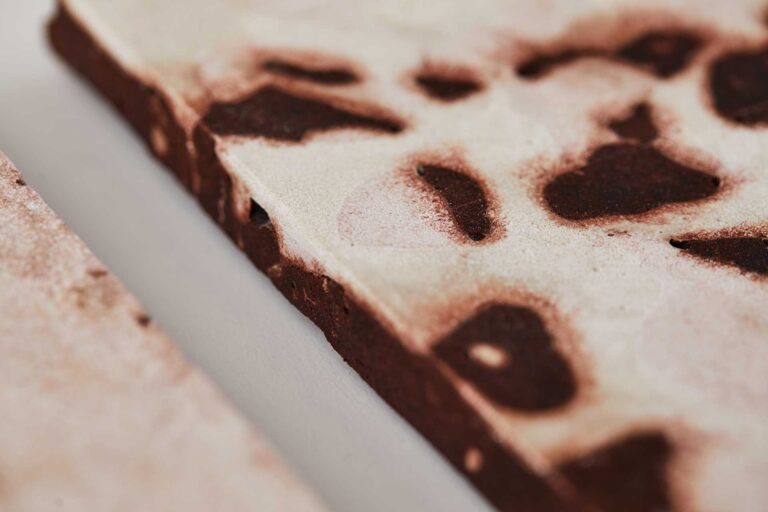
Regenerative materials in architecture: bio-concrete from species that disrupt the food chain
Killing two birds with one stone: developing a bio-concrete whilst helping out ecosystems. A look into regenerative properties

Zeefier – Developing natural dyes out of seaweed waste streams
If abundant, seaweed can create all sorts of problems for the environment. Zeefier has come up with a solution which tackles both that problem as well as eliminating synthetic dyes
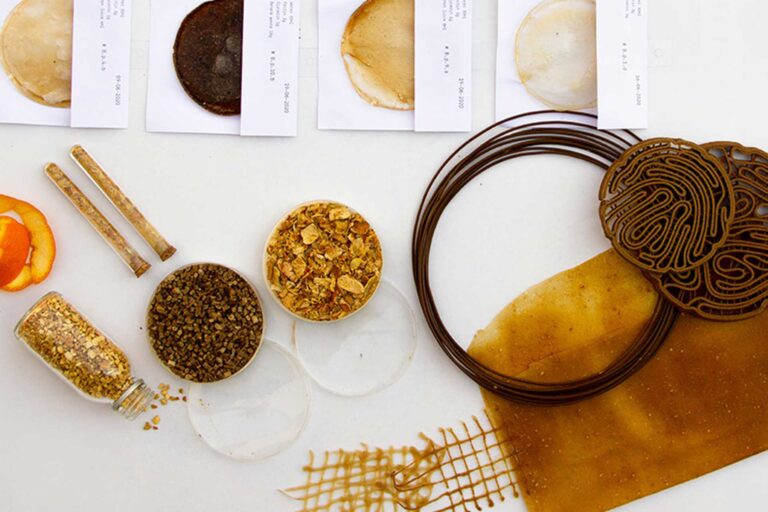
Krill Design – the world’s first completely circular lamp is made from one-hundred percent food waste
«When you want to discard the lamp, you can separate the components by yourself so they are removable». In conversation with Marilù Osculati on just how much further we need...
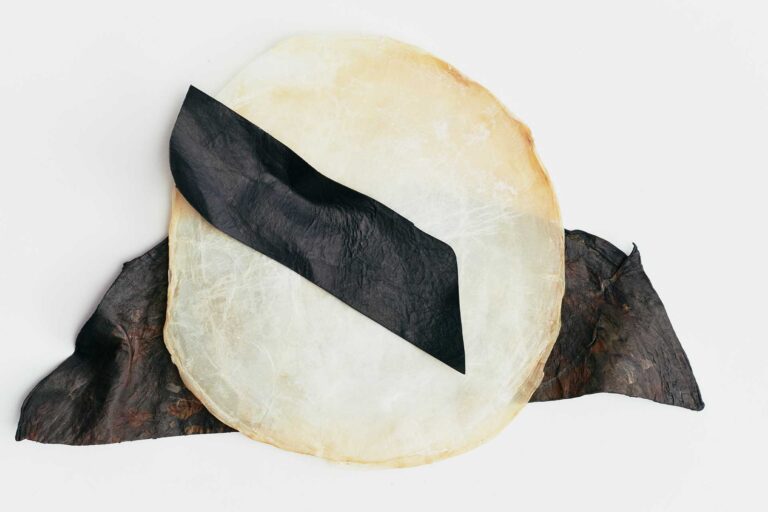
The job of a scientist merges with the role of a designer: the case of Theanne Schiros
«A circular economy can’t exist in a vacuum». In conversation with Theanne Schiros on actively trying to achieve a circular economy within all industries simultaneously
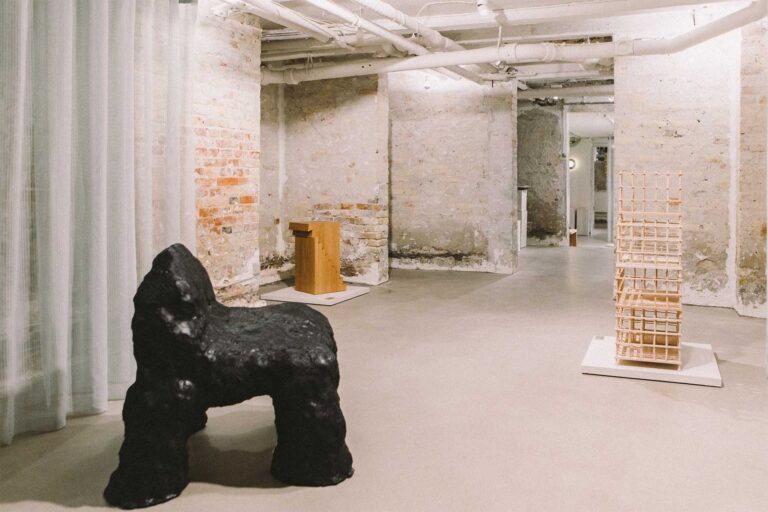
Leather-like material from discarded Danish Christmas trees – news in the realm of textiles
More awareness needs to be spread regarding what it means to buy something which has biodegradability properties. In conversation with Bonnie Hvillum, founder of Natural Material Studio
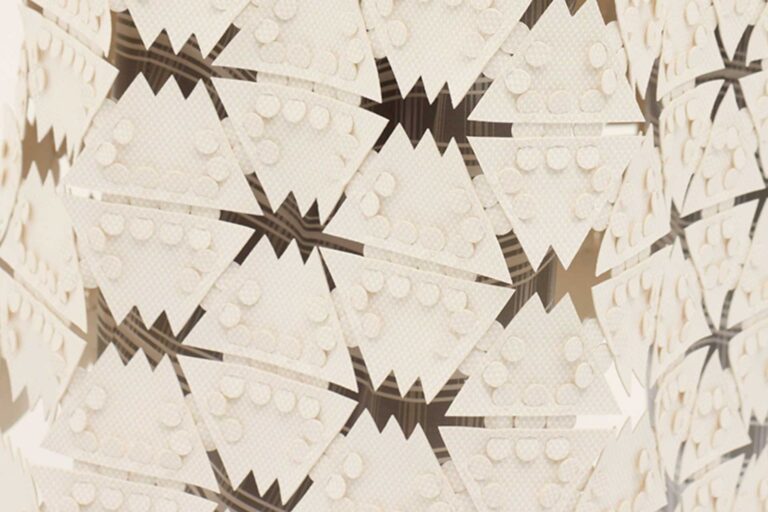
Producing with scraps: having certifications doesn’t grant for real ethical practices
«If I can create a luxury brand that has a strong message and gets on the catwalk, it can inspire the industry to become more conscious». In conversation with Bav...
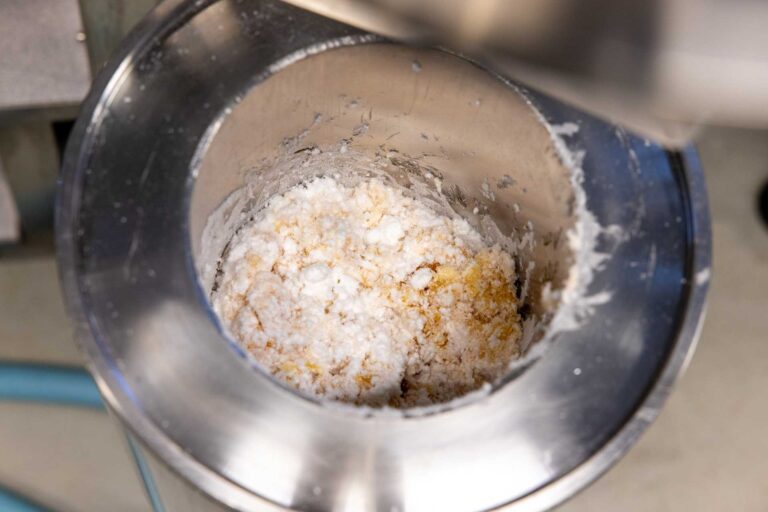
Cotton versus polyester: If you use waste material which is already there, you keep it in the loop
Following the Ioncell process, a team of researchers have found a way to dissolve cotton from polyester blends and transform them into new fibers
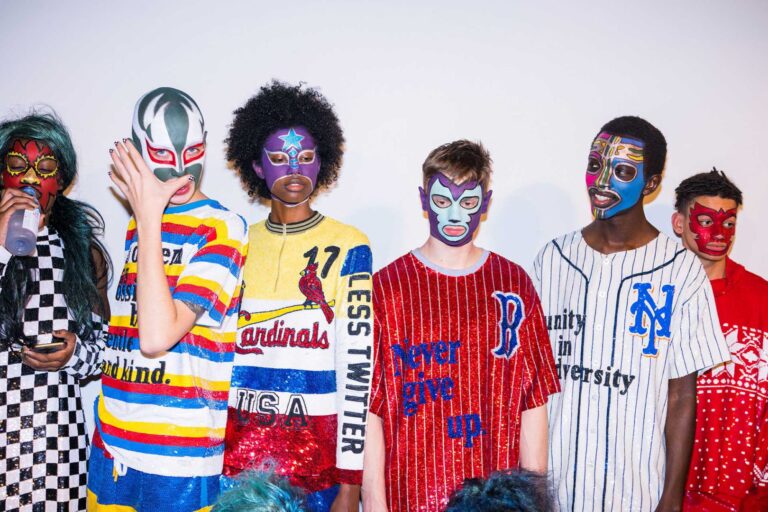
Ashish Gupta: the backbone of the Indian social system is craftsmen
Delhi, India. The setting of local artisans and the combined zeitgeist of east and west by the Indian designer distinguishes his creations by encompassing the additional element of social commitment
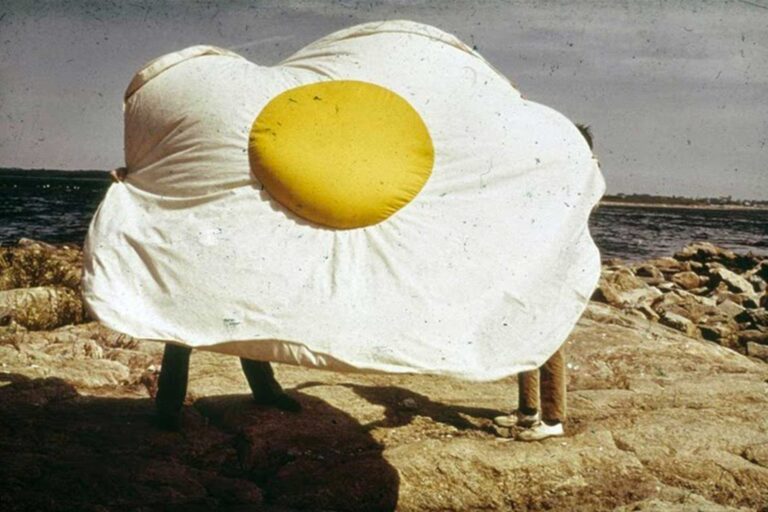
Forbes THRIVE Future of Food Summit. How fragile our agricultural and food system is. Food insecurity and innovation
It’s not only a food crisis, it’s a nutrition crisis as well. What industry experts have to say about what needs to be done in the world of Agriculture
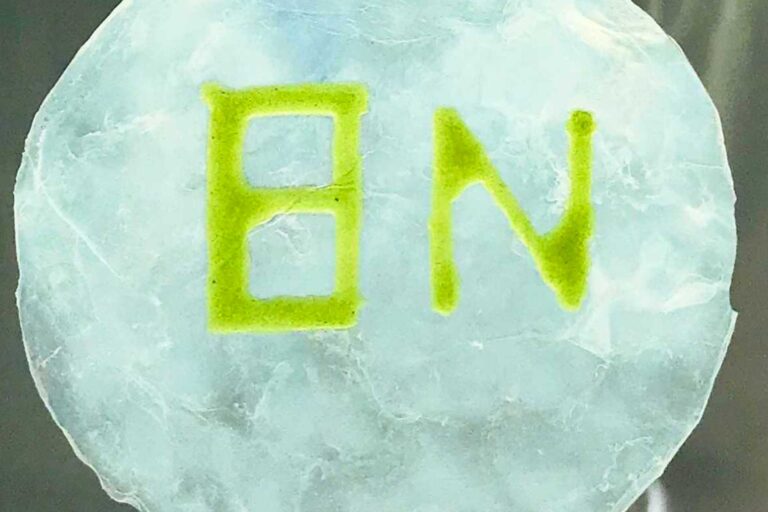
Meyer Lab – Growing your own t-shirt at home isn’t as complicated as it sounds
The development of a new technology which allows living organisms to be 3D printed into a piece of clothing – a possible venture into the practicality of fashion