Irene Lodigiani

Prada keeps on working with nylon – but searching for solutions
Italian companies fight marine pollution by giving new life to discarded fishing gear, joining hands with Prada to transform recycled nylon into high fashion
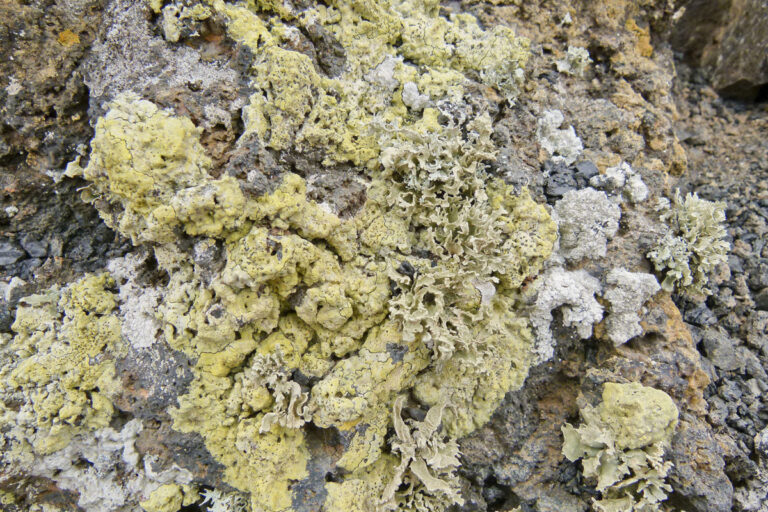
Vineyards in mineral rich volcanic soil: the case of Lanzarote
What volcanic soil can teach us about regenerative agriculture and the role of biochar in nurturing infertile soil
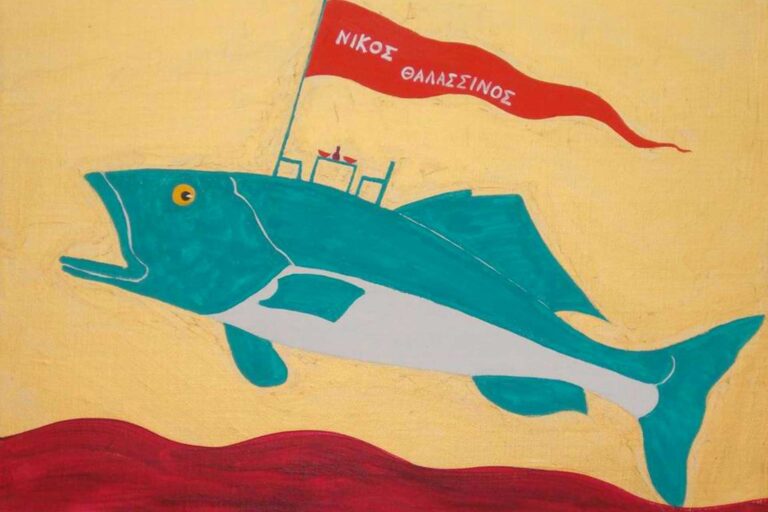
Seaspiracy truth or tales? A closer look at Lanzarote’s fishing industry
How local ecosystems are risking collapse under the fishing industry - Lampoon investigates interviewing local fishermen on the Spanish island
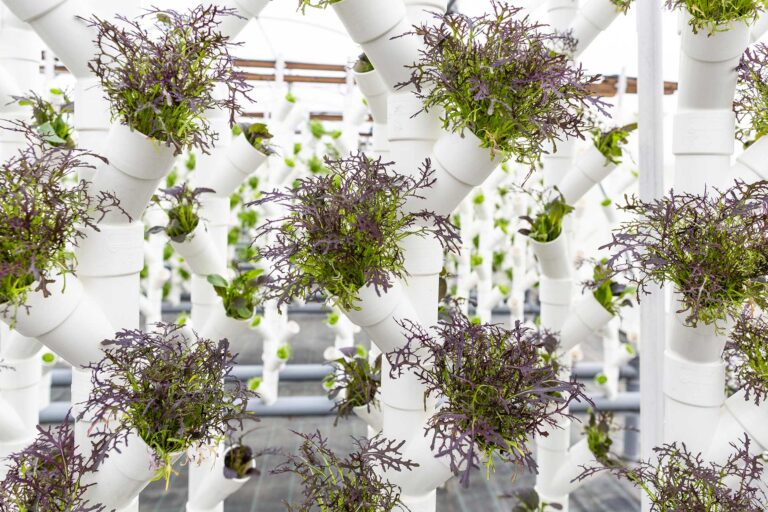
Urban farms are bringing food production closer to home
How vertical farming, aquaponics, underground and rooftop farming are revolutionising traditional agriculture
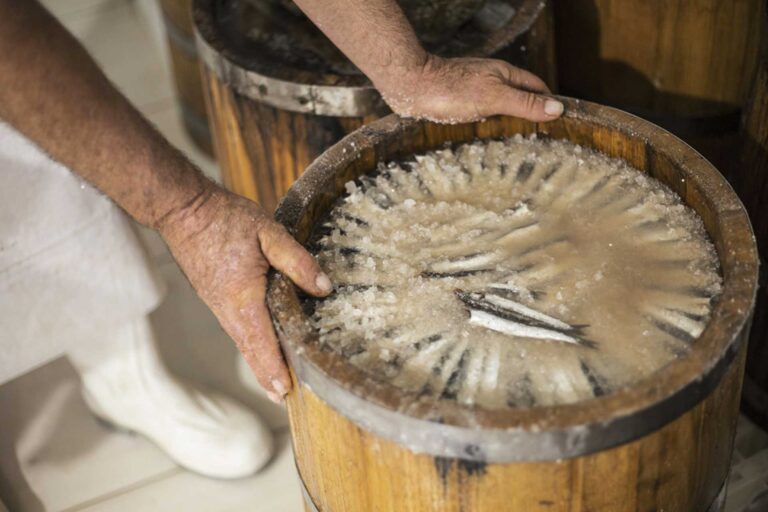
Amateurs catching bluefin tuna are almost as bad as industrial fishermen
Why removing baby tunas from the ecosystem is damaging, and what can be done to protect their reproductive cycle in a more efficient way

Tuna farming: the billion-dollar-business – talking to Seaspiracy movie directors
Conversations with Lucy and Ali Tabrizi, directors of Seaspiracy, show how local traditions can be used to justify continuation of business-as-usual drastically damaging marine ecosystems