Between Fire and Fermentation: Inside a Contemporary Culinary Laboratory
Inside Yapa where culinary process and design create a unified experience
Milan Dining Scene Evolves with Technique and Process
Milan’s dining scene has evolved beyond a simple debate between tradition and innovation, moving instead toward projects defined by technique, process, and cultural layering. Restaurants now operate as laboratories where method is as important as flavor, and where meals unfold as sequences rather than isolated dishes. Yapa Restaurant occupies this space with restraint, positioned outside the predictable gastronomic routes of the city. Its approach emphasizes discipline and intention. The restaurant’s presence reflects a broader shift in Milan toward dining that favors process and coherence over spectacle, rewarding diners who engage with technique and observe the rhythm of the kitchen as much as the flavor of the plates.
The Meaning Behind Yapa
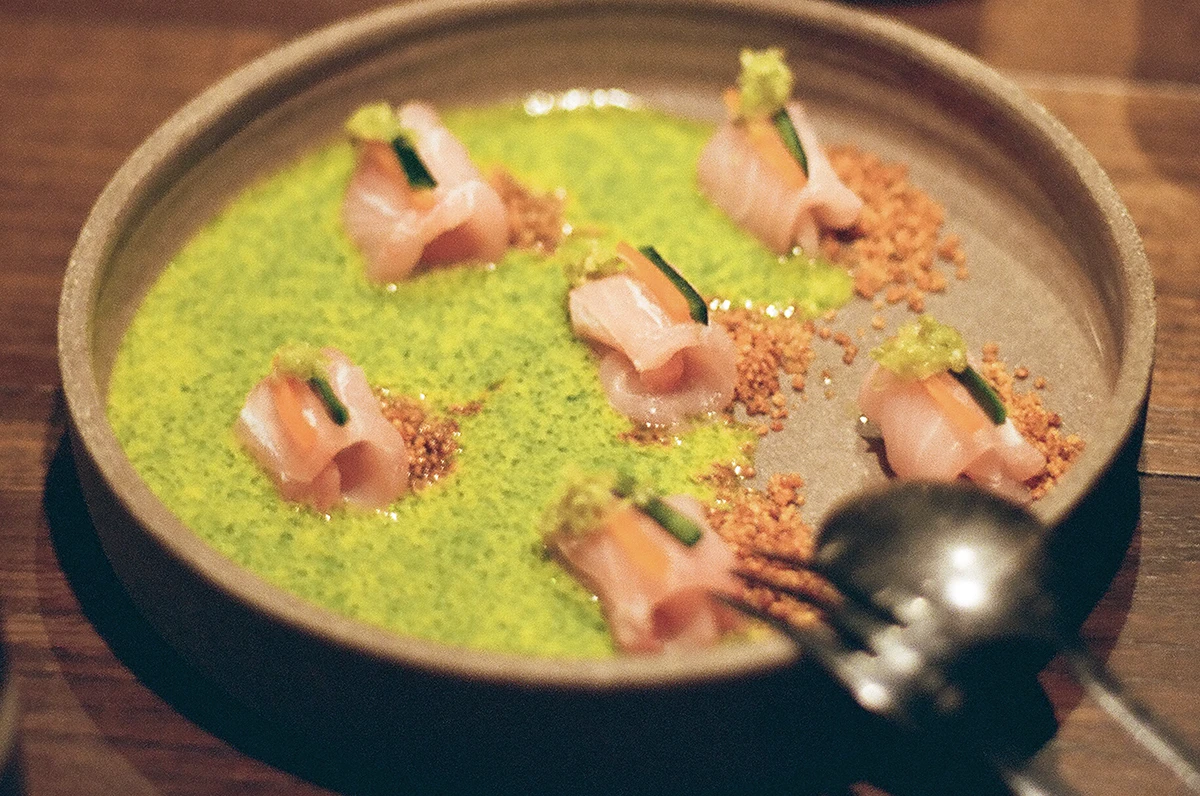
The restaurant’s name, Yapa, comes from Quechua and translates to “something extra.” It serves as a conceptual framework for the kitchen, suggesting that generosity is expressed through structure, layering, and thought rather than literal abundance. Each dish embodies the principle of addition without excess, combining technique, memory, and cultural reference. Menus evolve with seasonal availability, following a logic that prioritizes progression and narrative over repetition. Ingredients, cooking methods, and plating interact according to internal rhythm, revealing layers of flavor and textural contrast that unfold gradually. This approach positions the restaurant not as a site of performance, but as a space where meals operate as considered sequences, guided by discipline and intention.

Interior Design and Architectural Concept
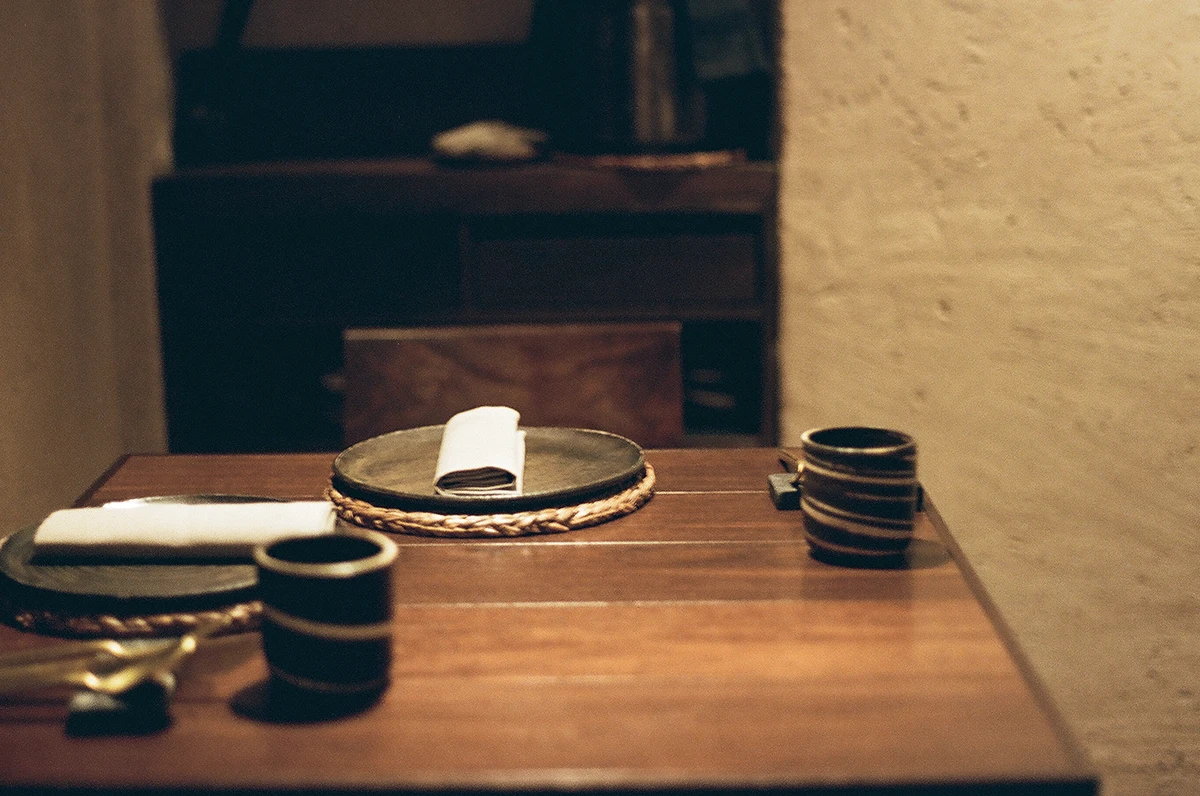
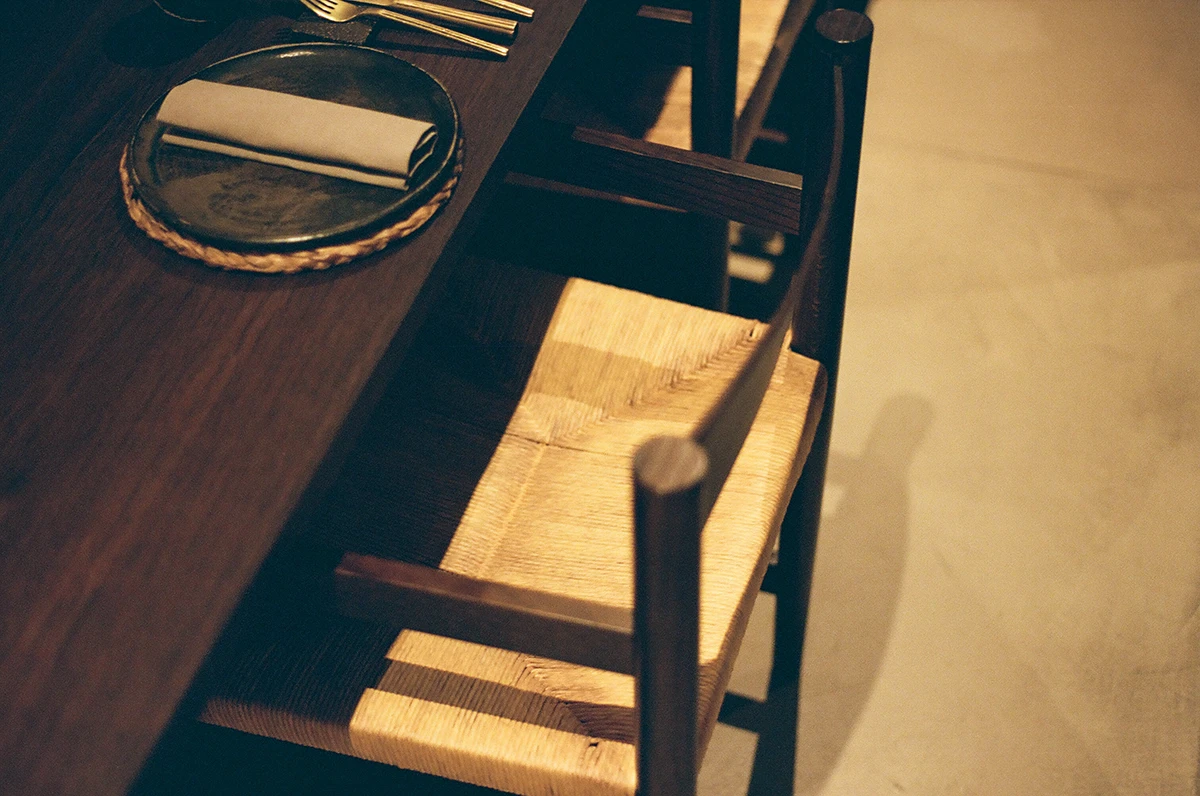
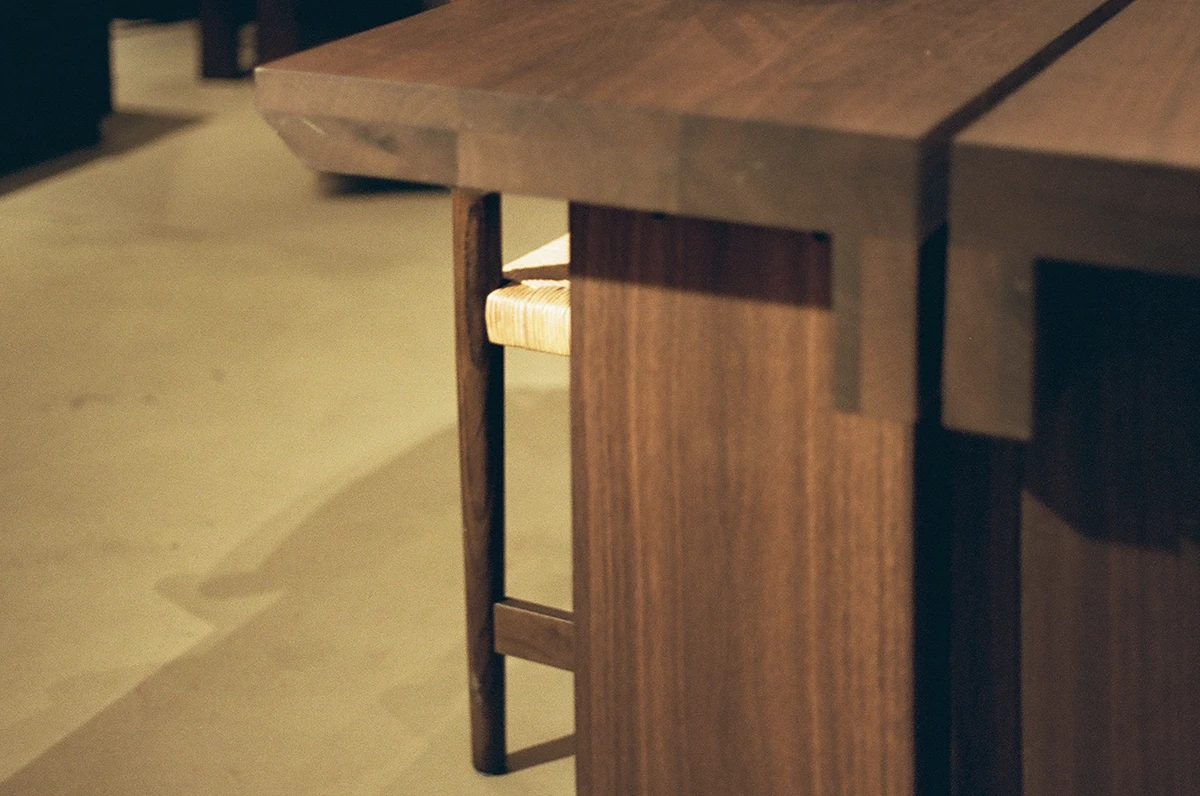
The interior of Yapa was created by Annabell Kutuku in collaboration with Lambs and Lions, who also developed the brand identity. The design emphasizes raw, authentic materials, with a focus on architectural honesty rather than ornament. Brutalist principles dominate: the surfaces and furnishings speak through their materiality, not decoration. Wood, stone, and dark metals define the palette, while subdued lighting draws attention toward the table and open kitchen. Circulation, furniture placement, and spatial rhythm are calculated to support observation of technique and the pacing of service, creating a space that functions as both stage and workspace without becoming performative. Decorative excess is absent, leaving an environment where attention is guided naturally toward food and process, aligning the interior’s structural clarity with the conceptual rigor of the kitchen.
The dining room avoids direct geographic reference, even while acknowledging subtle influences from Latin American, Japanese, and Italian aesthetics. The space functions as neutral territory, allowing multiple cultural and culinary references to coexist without hierarchy. Material choices, circulation, and furniture selection reinforce the visibility of technique while supporting the natural rhythm of the meal. Minimalism is applied structurally rather than stylistically, producing a sense of focus without austerity. In this environment, diners are encouraged to engage with the act of eating itself, observing the precision of preparation, the unfolding of dishes, and the pacing dictated by both fire and fermentation. The interior’s quiet discipline mirrors the philosophy in the kitchen: clarity, restraint, and an emphasis on method over decoration.
The Art of Timing
The kitchen operates as a workshop where technique structures every stage of the meal. Japanese precision, Peruvian intensity, and Italian respect for raw ingredients coexist without conflict, forming a vocabulary of method rather than signature. Cooking is guided by tension: raw meets cooked, fire meets cold, and instinct meets control. The grill functions as a precise instrument, smoke is applied in measured doses, and fermentation adds complexity with subtlety. Each dish unfolds in rhythm with the kitchen and the service sequence, creating a cohesive flow from start to finish. Complementing this, the bar, led by Matias Sarli of the 80-20ml drinks lab, follows the same disciplined logic. Cocktails are crafted with niche spirits and infusions of plants and flowers, echoing the layers and pacing of the food. Drinks offer controlled progression, balancing technique and sensory engagement, and reinforcing the kitchen’s methodology. Together, the food and drinks create a unified system where timing, layering, and precision define the experience.
Milan’s Influence on Contemporary Cooking
Milan’s influence is present not in overt references to local tradition but through discipline, clarity, and operational rigor. Courses are executed with precision, paced carefully, and stripped of any superfluous flourish. The restaurant reflects a Milanese sensibility that privileges refinement, consistency, and structural coherence. In a city where visual spectacle and viral menus dominate, Yapa represents a measured approach, valuing coherence over immediacy and rewarding diners who engage with subtlety and attentiveness. The city acts as co-author, shaping the methodology and rhythm of the kitchen while remaining invisible in stylistic terms.
Yapa embodies a contemporary approach to dining where “something extra” manifests as intellectual rigor, methodical discipline, and curated experience rather than excess or theatricality. Technique, fire, fermentation, and materiality govern every element of the meal. Global influences are absorbed and organized rather than displayed, producing dishes that converge multiple traditions while maintaining distinct identities. Meals are deliberate, precise, and sequenced, allowing diners to observe the interplay between process, flavor, and structure. The restaurant functions less as a venue and more as a considered gesture, aligning atmosphere, method, and cuisine into a coherent, intentional experience.
Editorial Team