Guidebook
The Florentin Frankfurt: an urban retreat in Germany’s financial capital
In Frankfurt's financial landscape, The Florentin by Althoff Collection introduces a different pace: an inner courtyard, greenery, and a design that soothes. The culinary experience unfolds beneath a starry sky
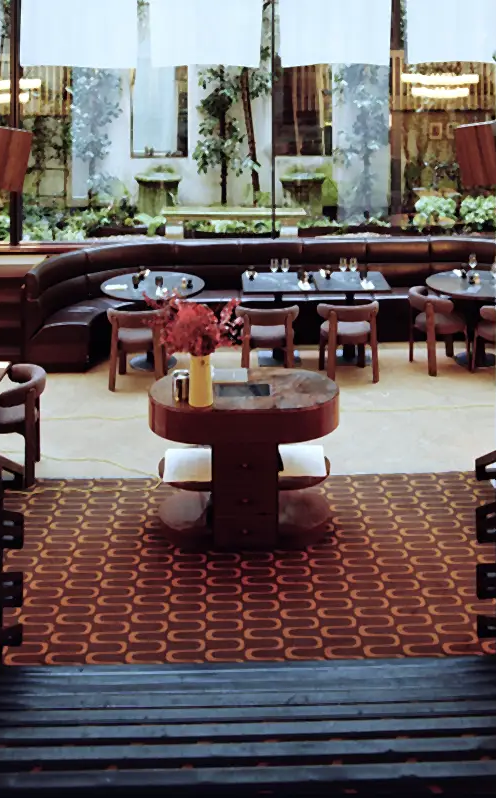
Temple & Chapon: Phantom Relics in Neo-Gothic Flesh
Dining at Temple & Chapon unfolds as a neo-Gothic reverie in the Marais, where mid-century Manhattan grit meets ecclesiastical hush, turning every meal into a wanderer's relic-strewn pause
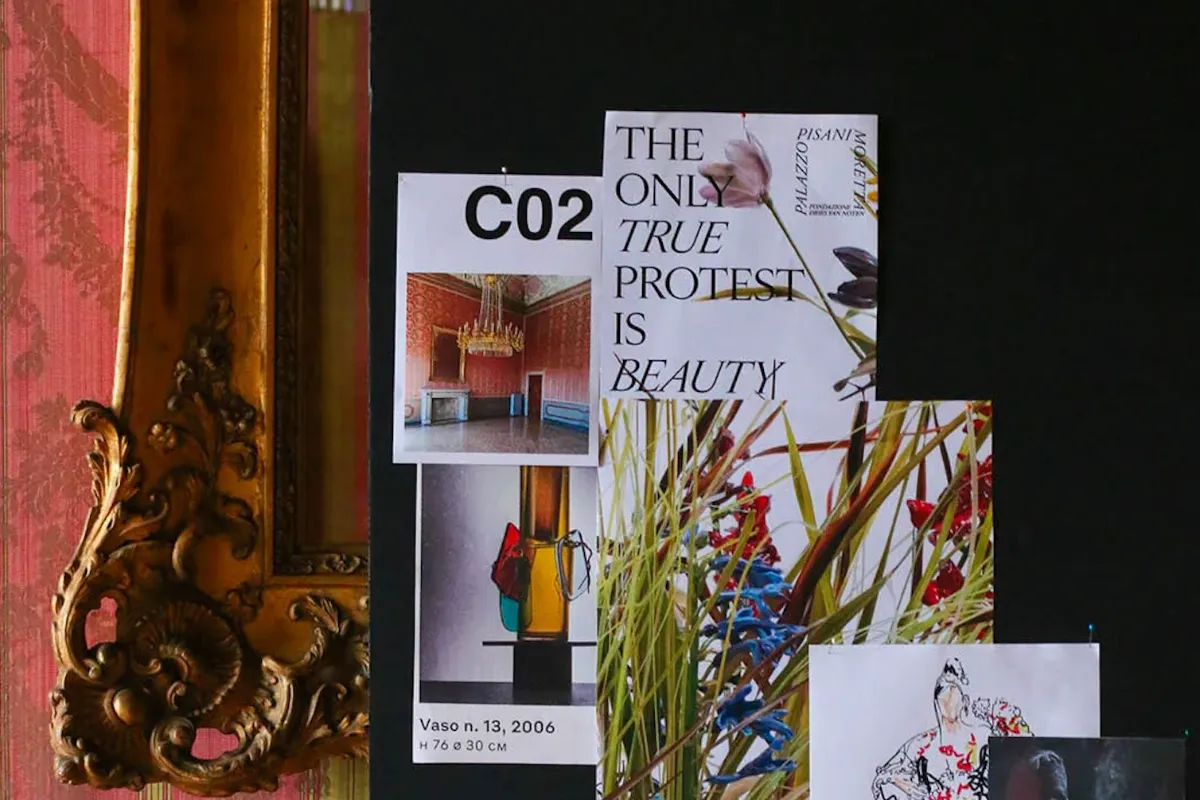
Dries Van Noten on his foundation in Venice and The Only True Protest Is Beauty
A conversation on planning with water in mind at Fondazione Dries Van Noten as The Only True Protest Is Beauty maps 200+ works across 20 rooms at Palazzo Pisani Moretta—maintenance...
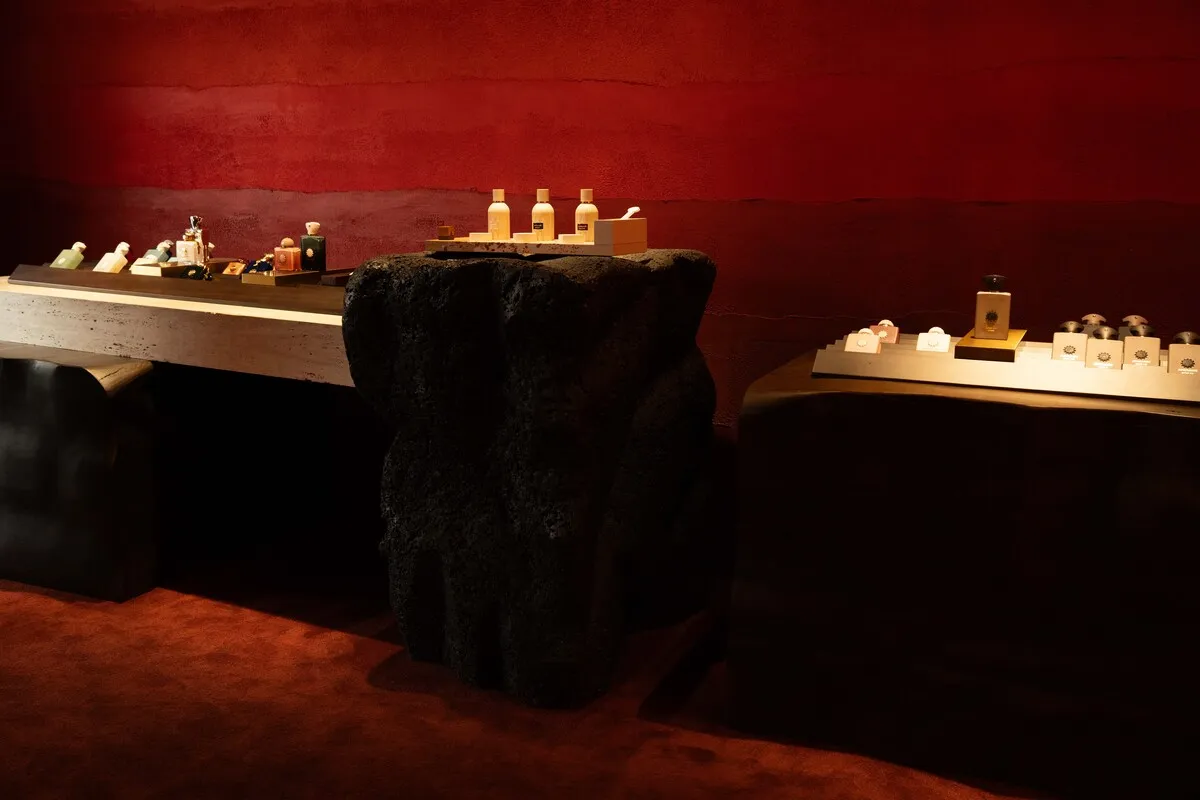
Six months of infusion, handcrafted oak barrels: Amouage’s challenge to fast perfumery
Renaud Salmon left New York for Muscat, banned the word "launch" from his vocabulary, and started ageing perfume concentrates: the Creative Director of Amouage on the Essences collection
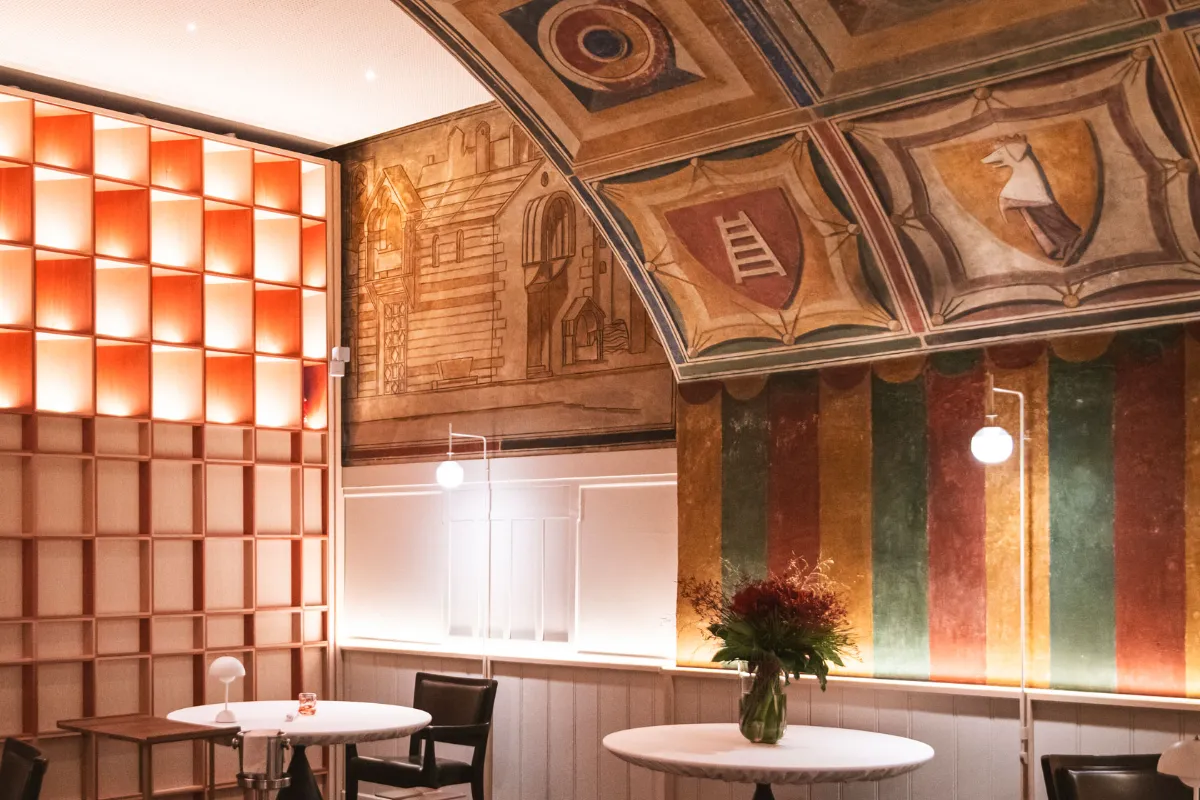
At Casa Perbellini 12 Apostoli in Verona, dinner starts three centuries ago
Roman remains beneath the dining room, Patricia Urquiola upstairs, Giancarlo Perbellini in the kitchen and Hemingway in the walls — the many lives of Casa Perbellini 12 Apostoli in Verona
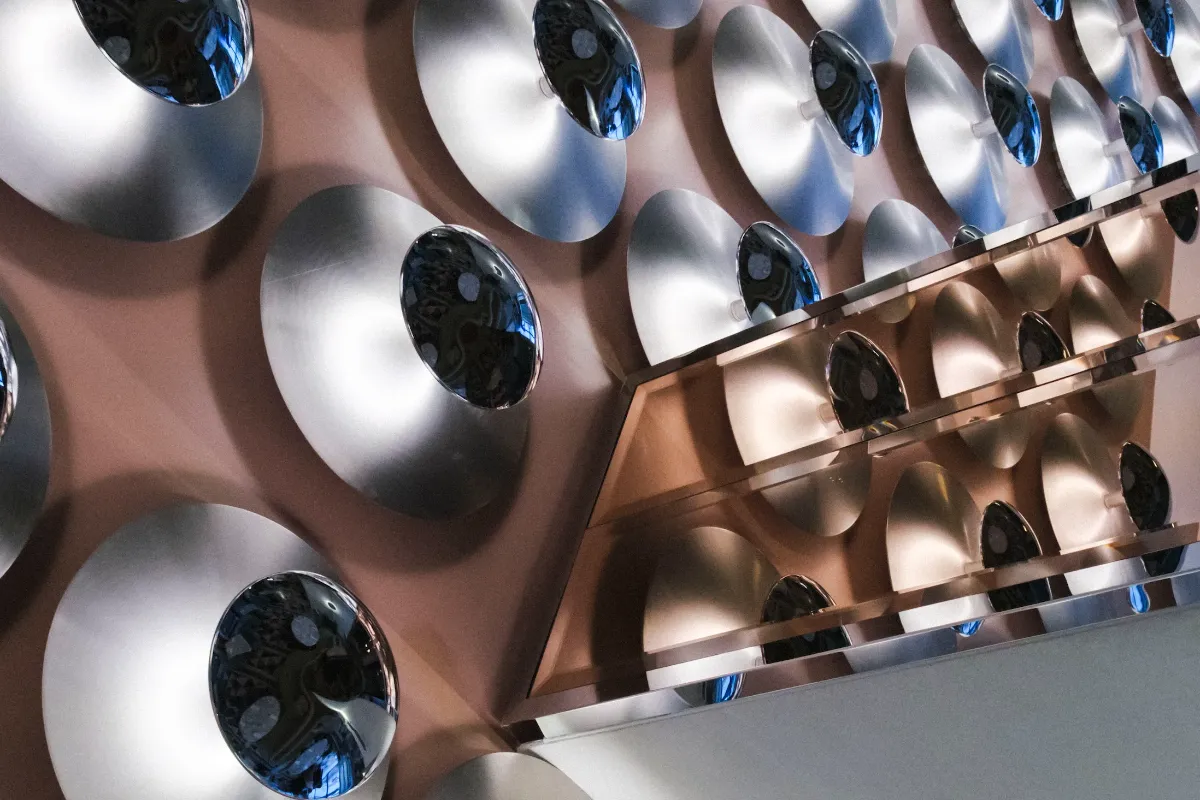
That modernist building challenged the Renaissance skyline
W Florence occupies a rationalist-modernist building that spent decades being controversial. The design references Florence's history—the Medici, the gardens, the arches
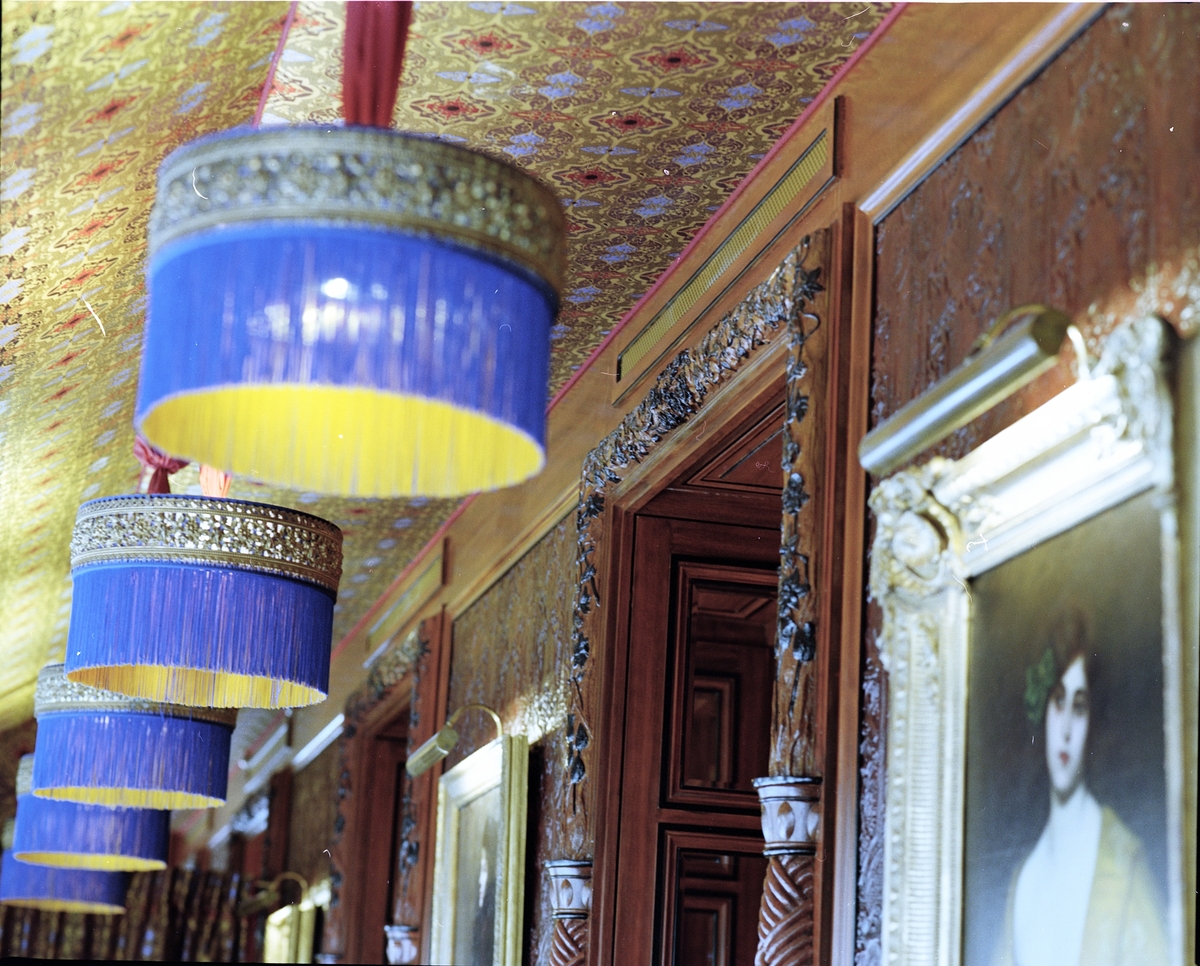
The hotel where Proust’s obsessions finally got a room of their own
In the Marais, Maison Proust has turned the Recherche into a place you can sleep in — Belle Époque salons, a bar run by a Ritz legend, and a spa...
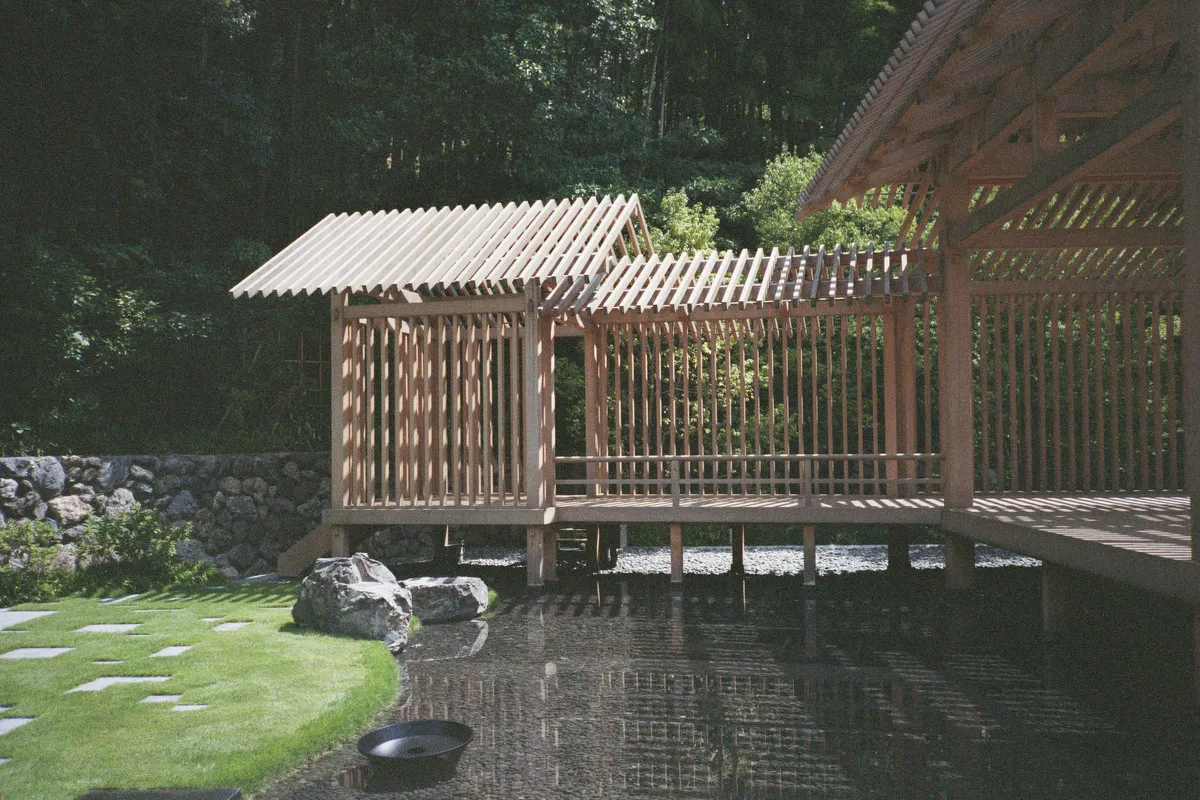
Banyan Tree Kyoto, a hotel built on Higashiyama’s sacred edge
On Ryozen hill, fifty-two rooms sit above a hot spring rising at 40°C, wrapped around a bamboo Noh stage and stone walls
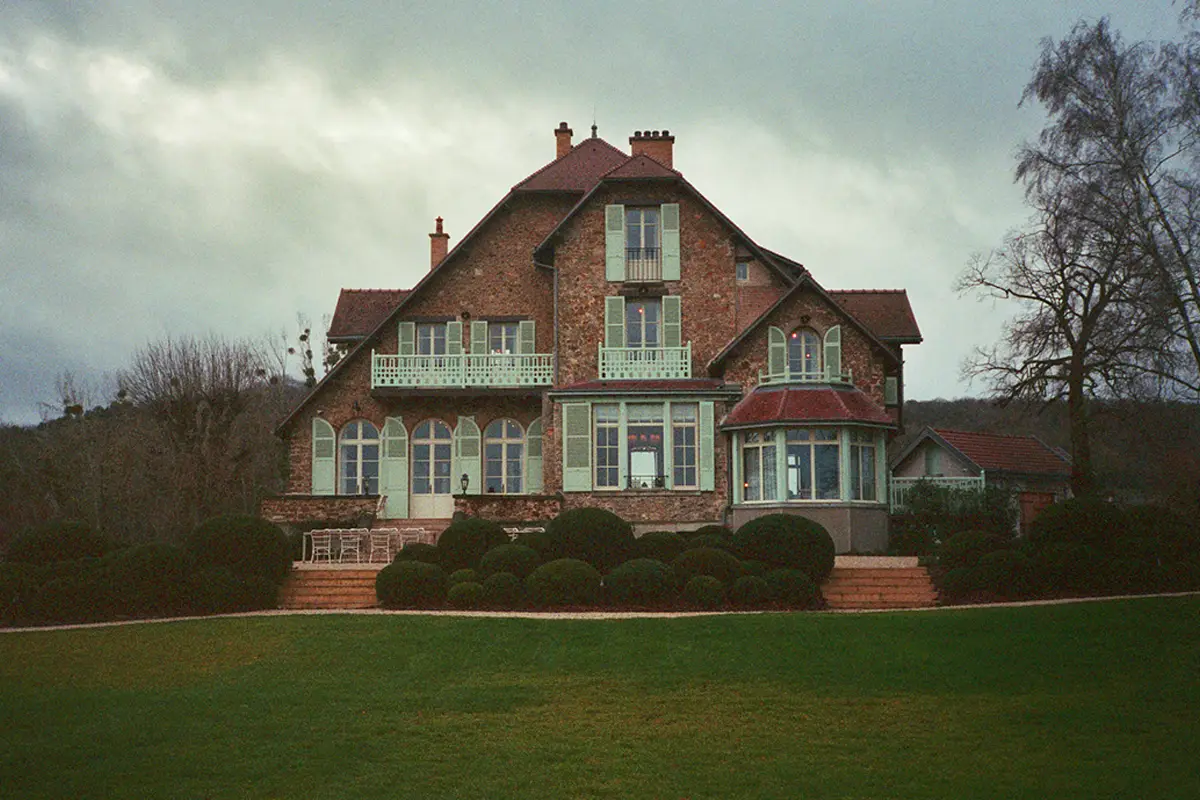
Royal Champagne: the Architecture of Balance in the Vineyards
Reopened in 2018 above Épernay, Royal Champagne Hotel & Spa occupies a former post house and operates with low-impact architecture, LED lighting, water-saving systems and extensive waste sorting
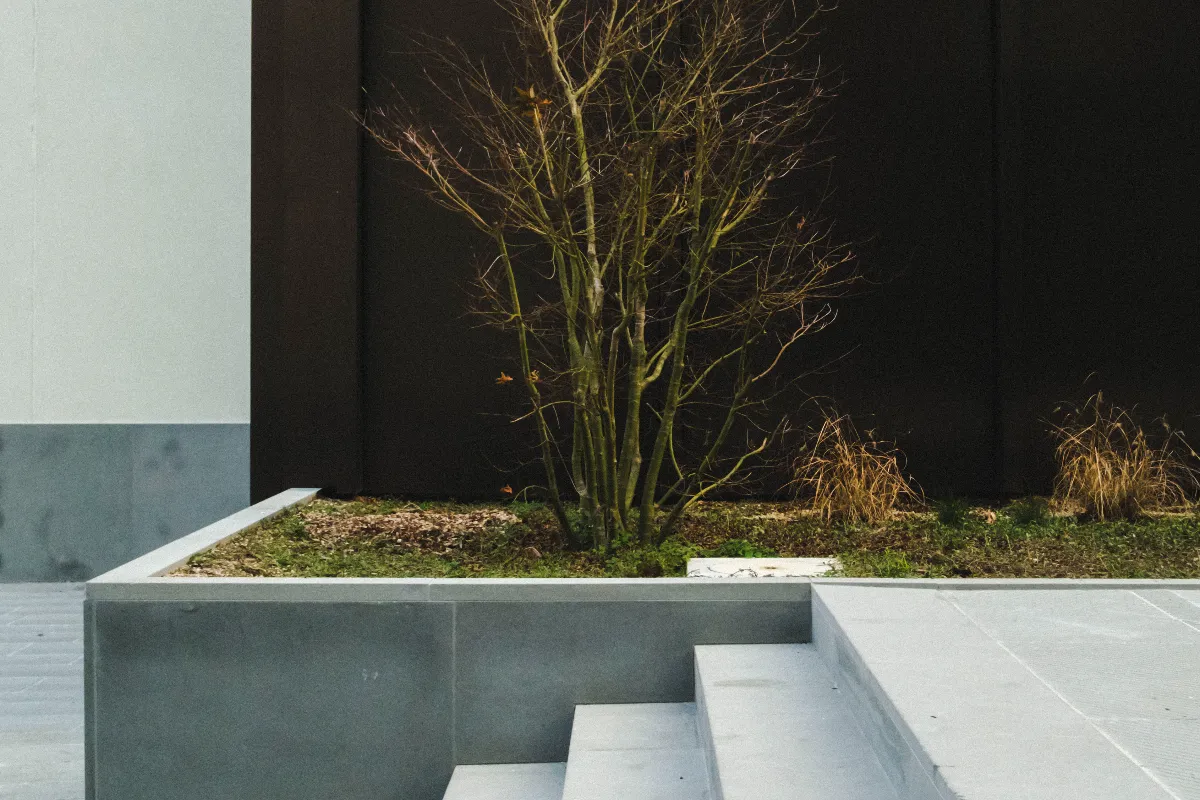
Urban continuity and residential reuse at the former Teatro Comunale in Florence
From historic theater to serviced residential neighborhood, Starhotels Collezione anchors a broader urban regeneration project in the Corso Italia–Via Solferino block in Florence
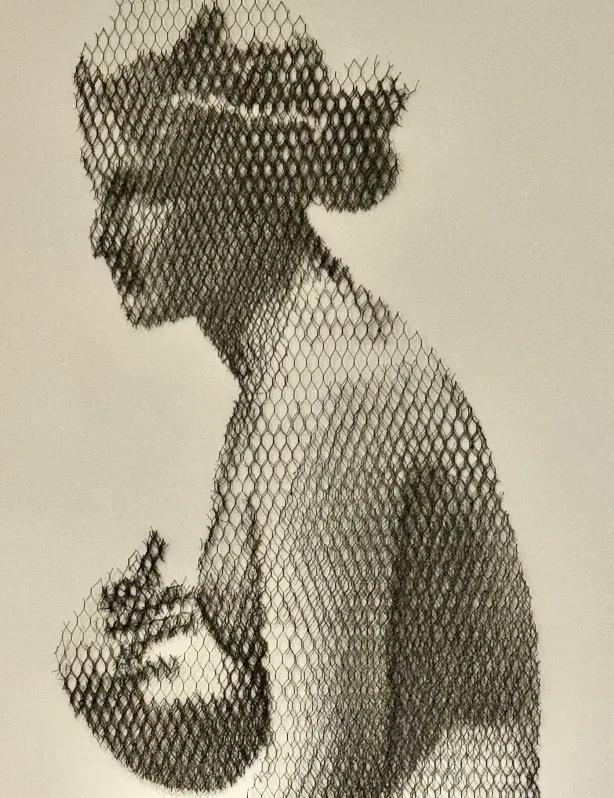
The slow logic of hospitality: art, identity, and the contemporary Grand Tour
In the Tridente district, contemporary artworks spread across corridors, ceilings, and rooms — part of a hospitality project rooted in Basilicata and embedded in the living texture of central Rome
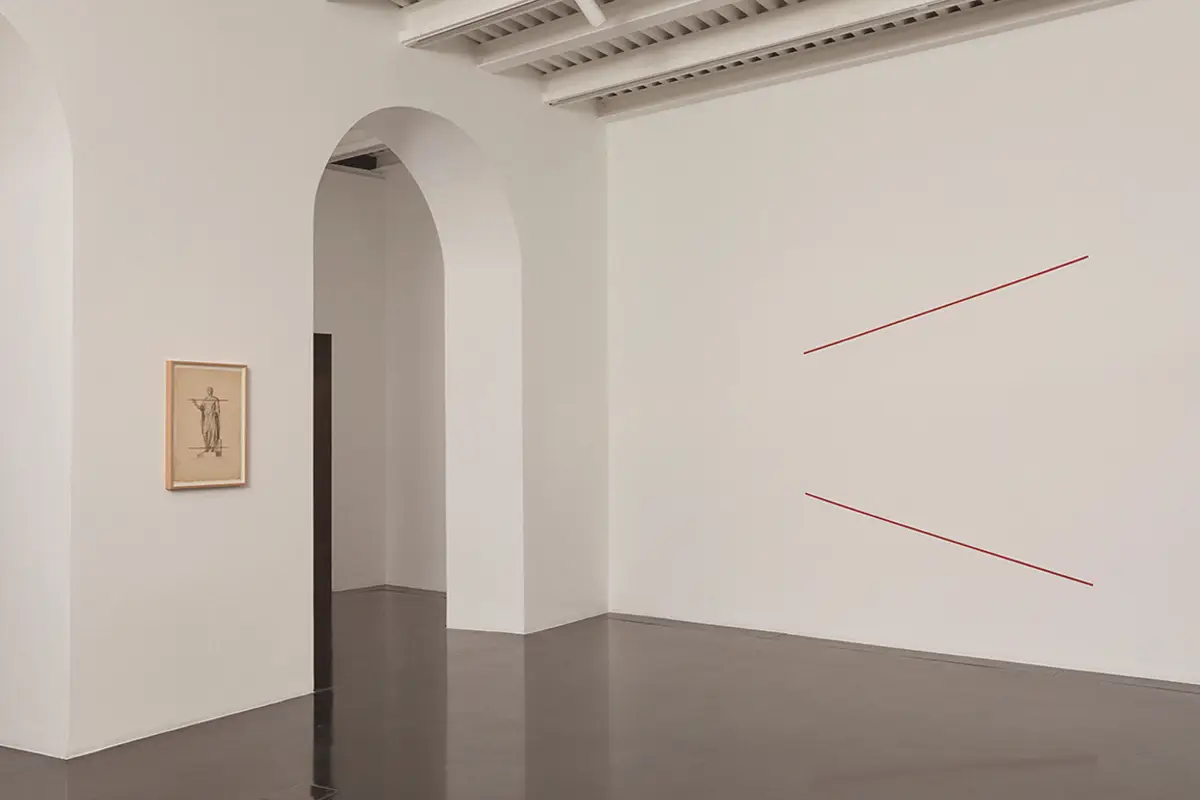
Stop Looking at Images: Photography Begins with Light, Time and Space
Bigaignon in collaboration with Rhinoceros stage a three-act project that rejects visual consumption, dismantles exhibition habits, and reframes photography as structure rather than image
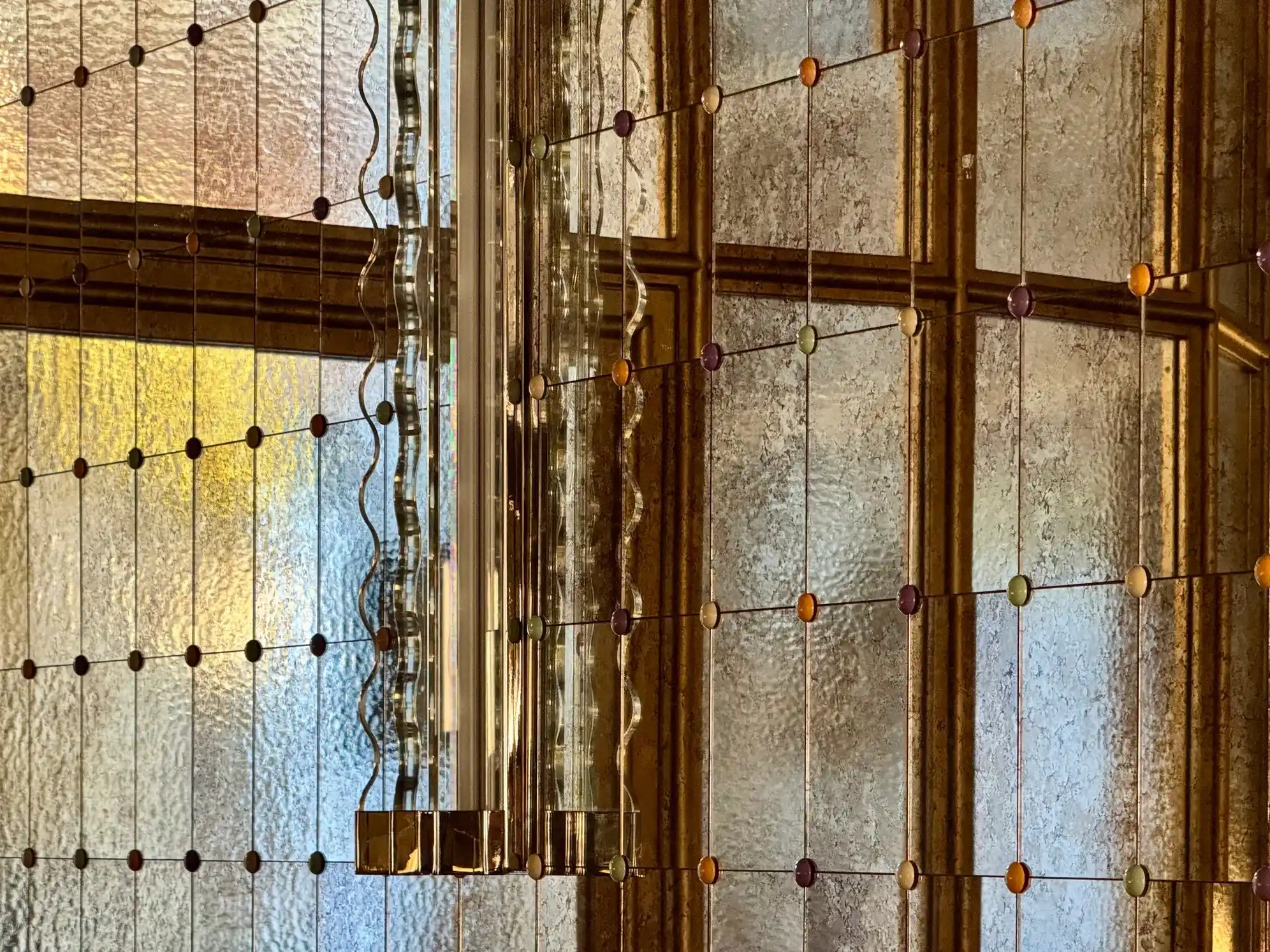
Preservation becomes creative reimagining at Rome’s Palazzo Talìa
The ancient Aqua Virgo aqueduct still flows beneath Palazzo Talìa: history and myth, cinema and architecture intersect in a Renaissance site restored to the city by the Federici family
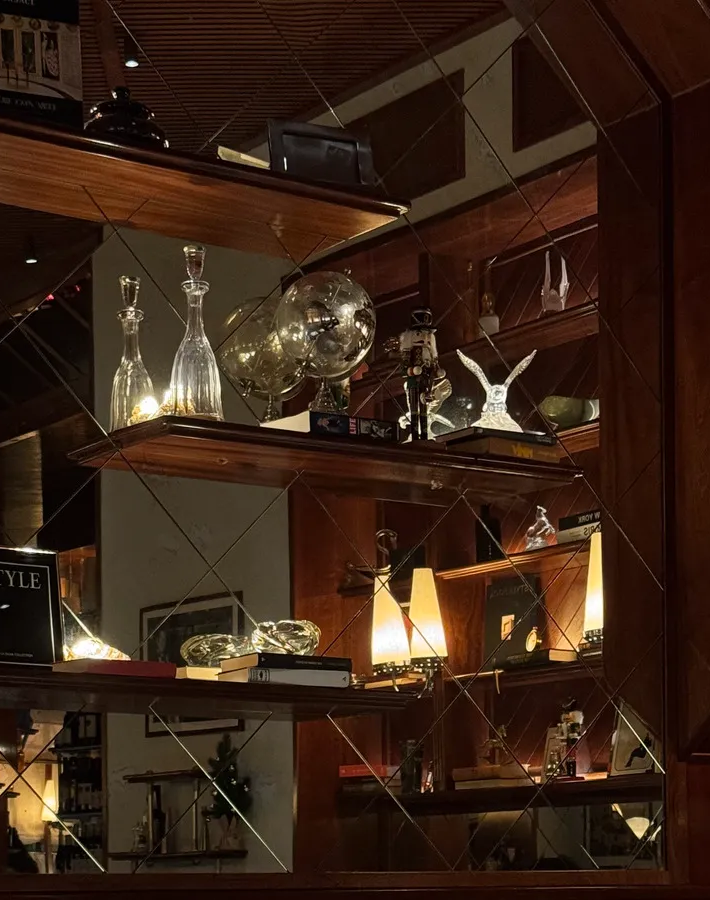
Al Baretto Sant’Ambrogio, Speaking Milanese Without an Accent
Between Sant’Ambrogio and Tortona, Al Baretto plays the genius loci through French bistro allure and yacht-style interiors. The bar anchors the room, the kitchen stays visible – and a room...
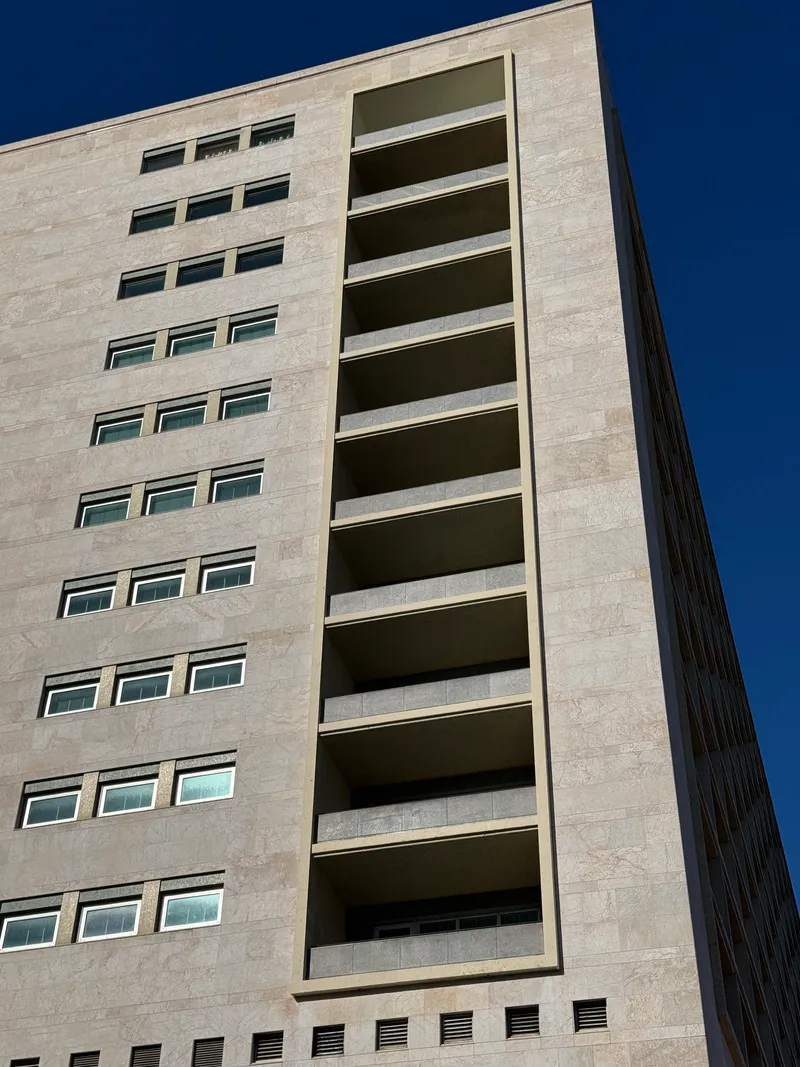
Four Seasons Ritz Lisbon: reading the city through modernism, art, and elevation
Here the city feels both near and remote – the real voyage runs through halls and tapestries, where art and architecture narrate Portugal’s modern past without losing sight of the...
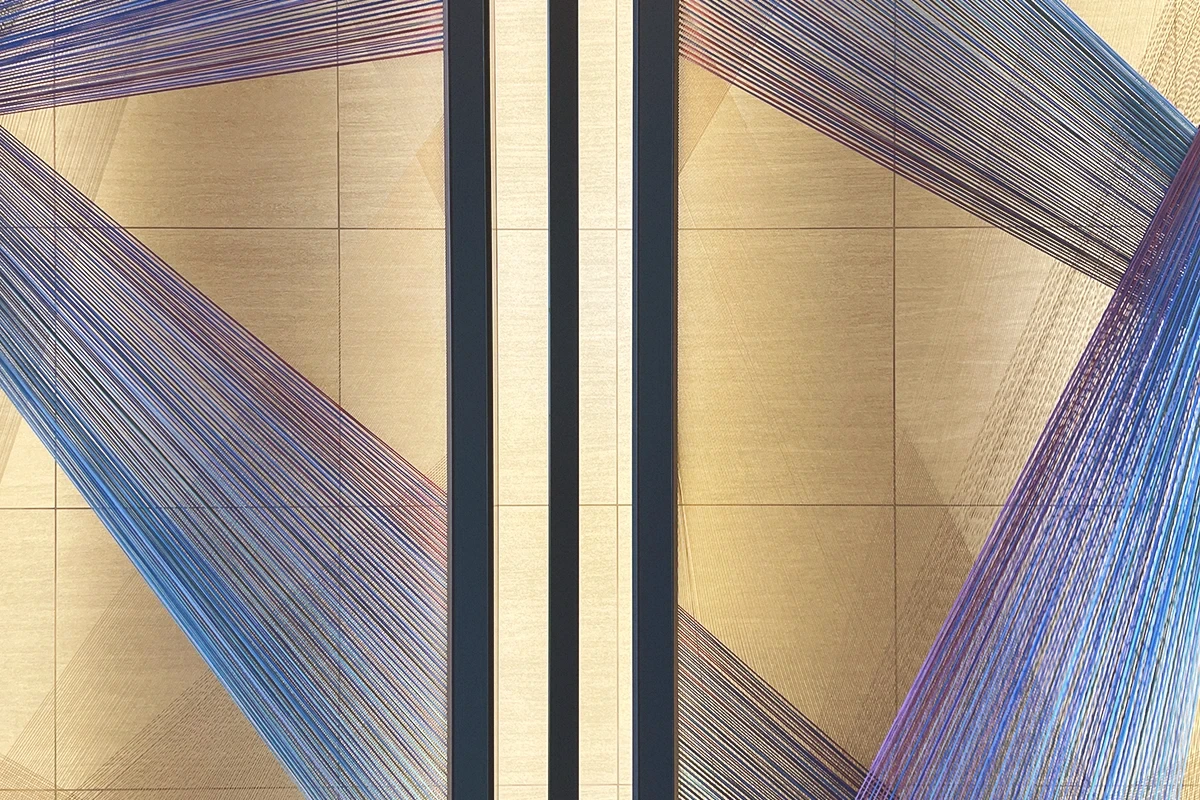
Mesm Tokyo and the sensory language of sustainability
Located within the Waters Takeshiba complex overlooking Tokyo Bay, Mesm Tokyo presents the city’s motion through materials, light, and tactility: sustainable operations and local collaborations
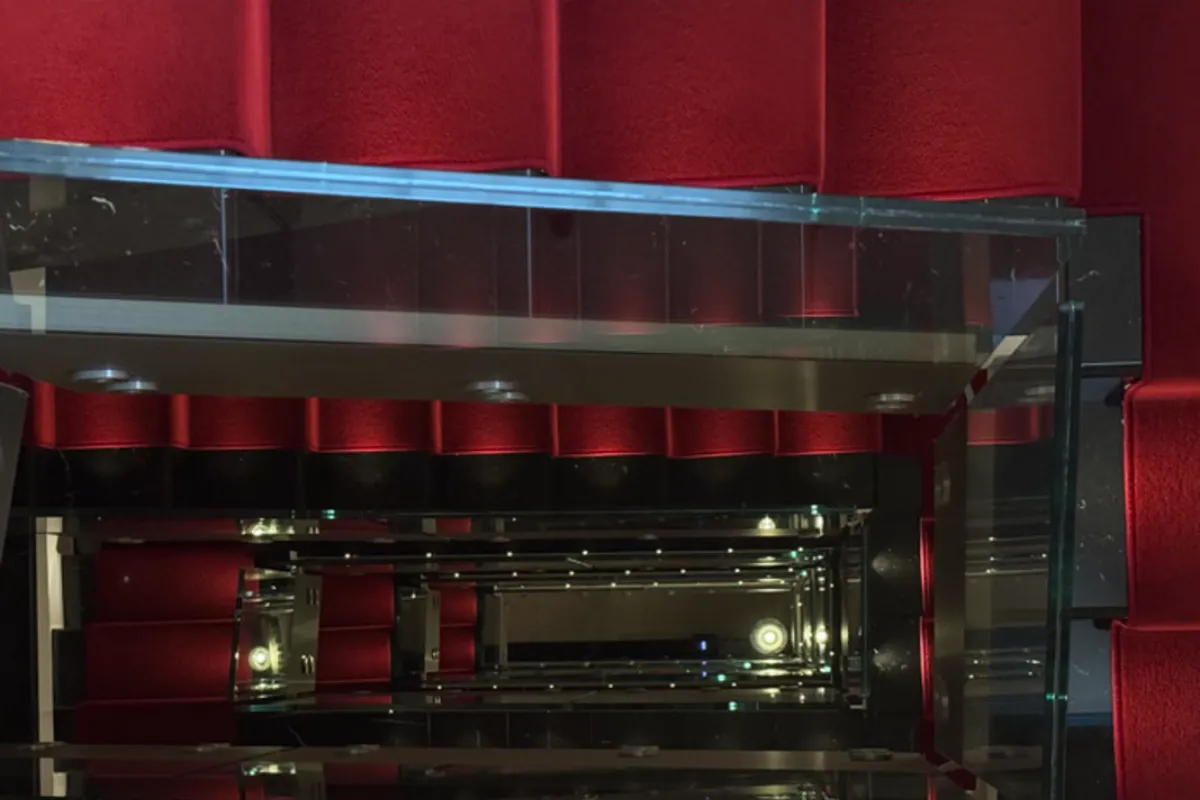
Vista Verona preserves living heritage through quiet, contextual design
Sixteen suites inside a restored building near the Arena: raw materials, seasonal food, and services designed to support orientation rather than transform the experience of Verona

Tiffany & Co. turns a historic Milan palazzo into a Prix Versailles winner
Milan’s Tiffany & Co. boutique on Via Montenapoleone is named World’s Most Beautiful Emporium 2025, recognised for its reworking of Palazzo Taverna’s neoclassical envelope and its interior design by Peter...
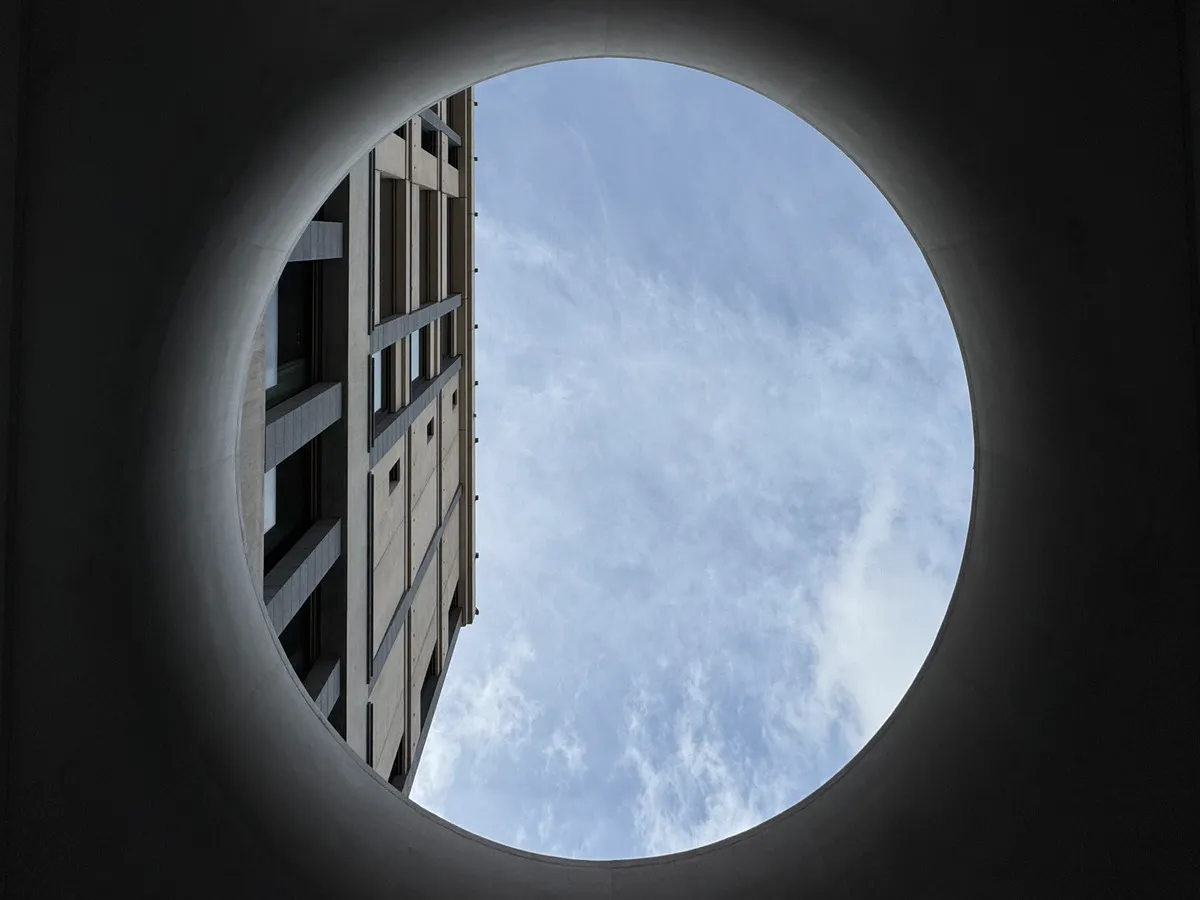
Minimalism with a backbone: Gion A. Caminada carves Hotel Maistra 160 into Pontresina
Not another chalet and not Belle Époque cosplay, but a heavy, precise monolith of gneiss, terrazzo and Swiss stone pine that turns a central Pontresina plot into a sanctuary of...
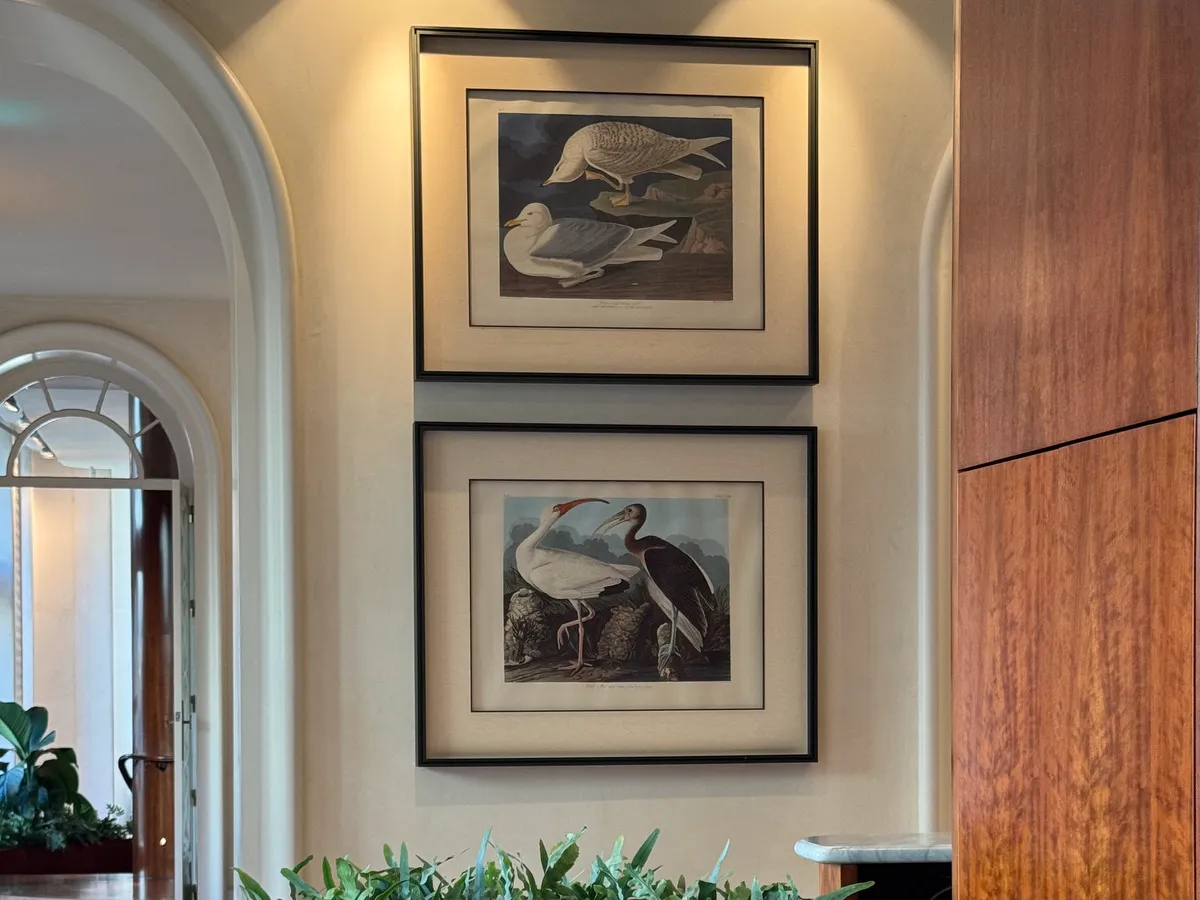
Where Chiado meets Bairro Alto: inside Lisbon’s most storied boutique hotel
Rooted in historic architecture yet open to the city’s present, Bairro Alto Hotel interprets the genius loci of this part of Lisbon, from the ground floor to the upper levels...
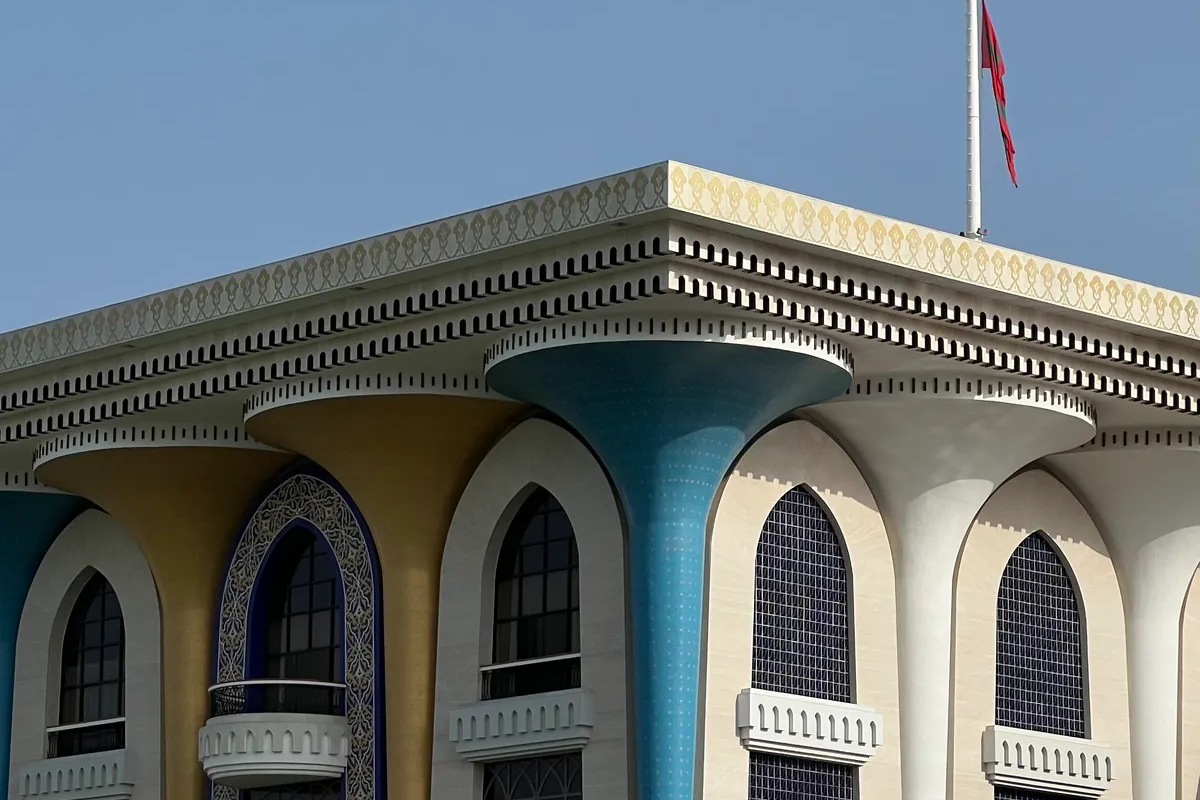
A journey through Oman, between tradition and tomorrow
Across deserts, ports, and mountain plateaus, Oman blends tradition and reform, building a future centered on green industry, digital growth, and a steady diplomatic voice in a shifting region
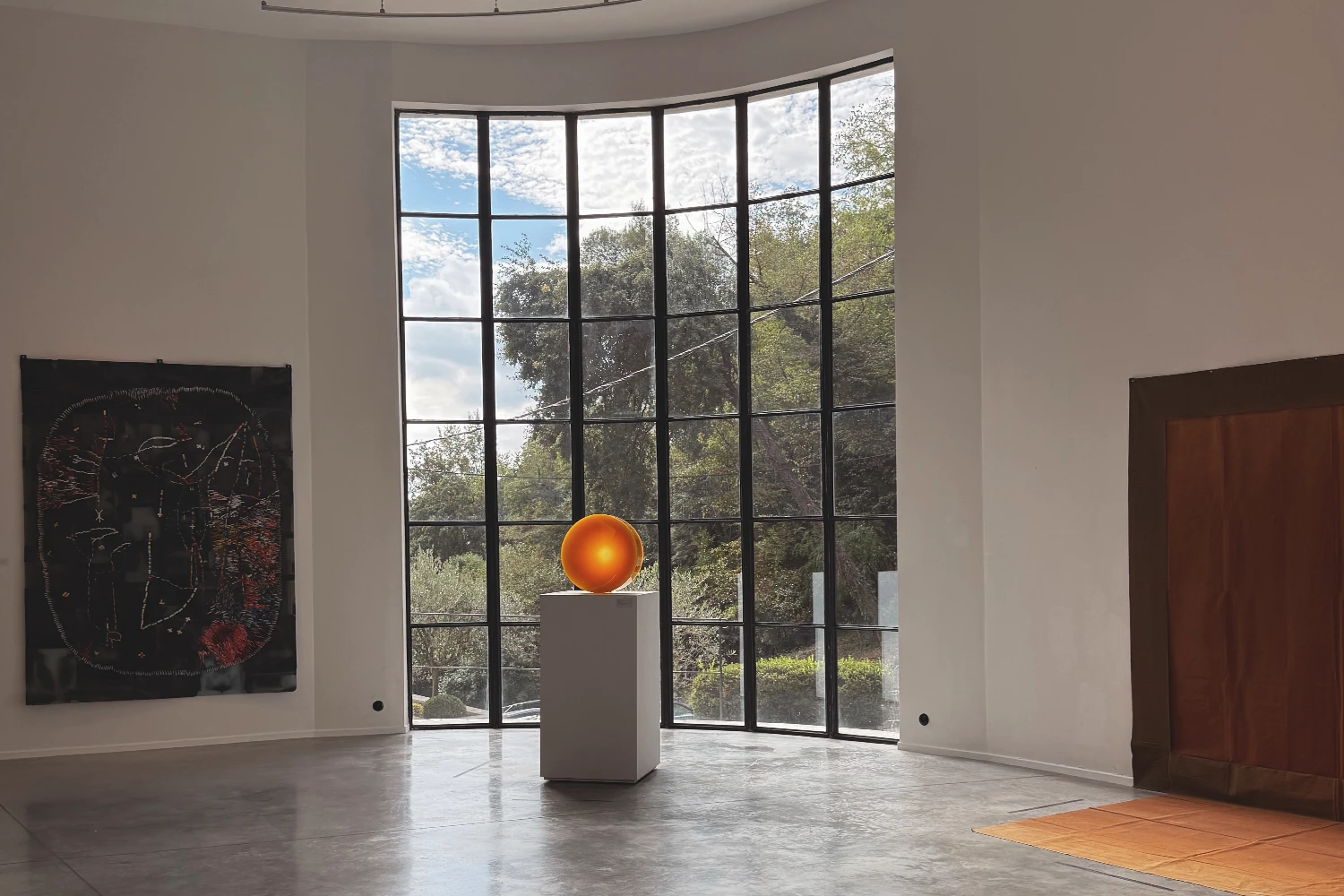
A Journey Through Contemporary Art and Architecture on the French Riviera
At Fondation CAB Saint-Paul-de-Vence, Design Converges with Art and Architecture Saint-Paul-de-Vence: A Historic Village Meets Contemporary Art Situated in the south of France, Fondation CAB opened its second location in...
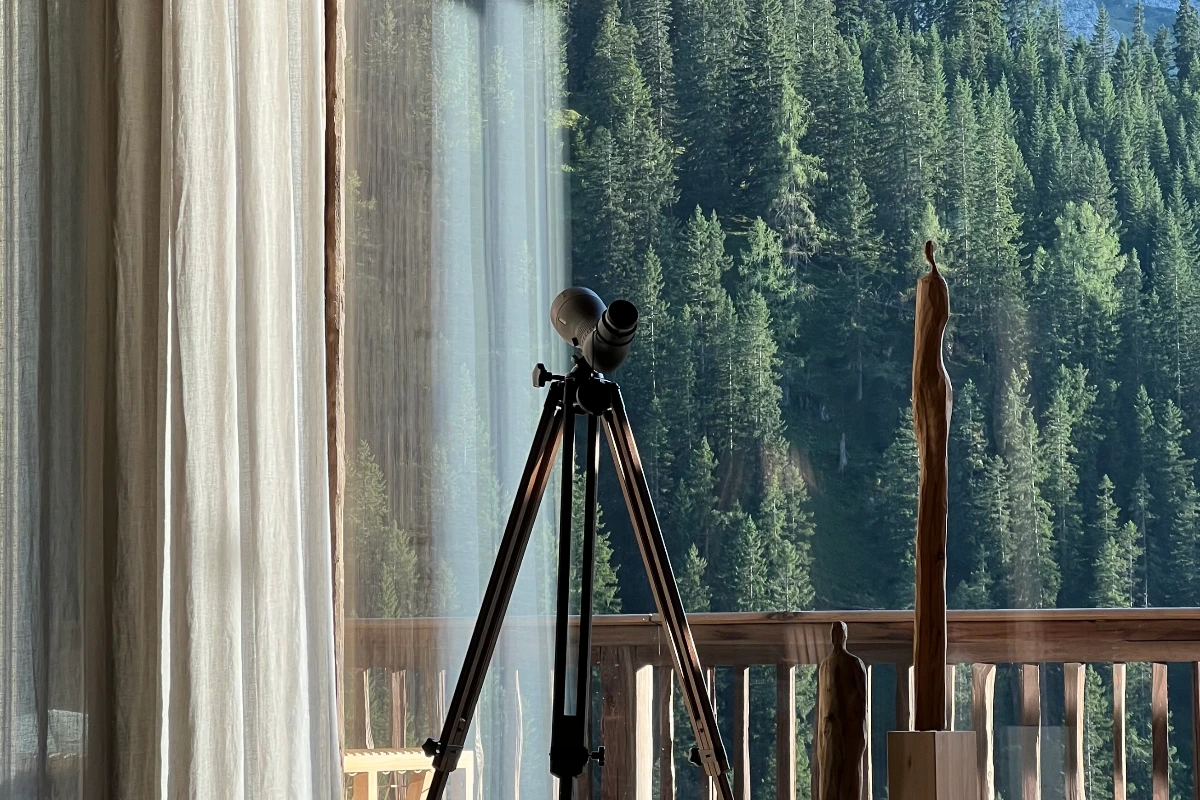
Eriro Alpine Hide: a mountain refuge for travelers drawn to meaning and beauty
At Eriro Alpine Hide, the welcome is wool socks, not passwords: a high-altitude reset where no Wi-Fi and strong materials – larch, spruce, sheep’s wool – gently push travelers back...
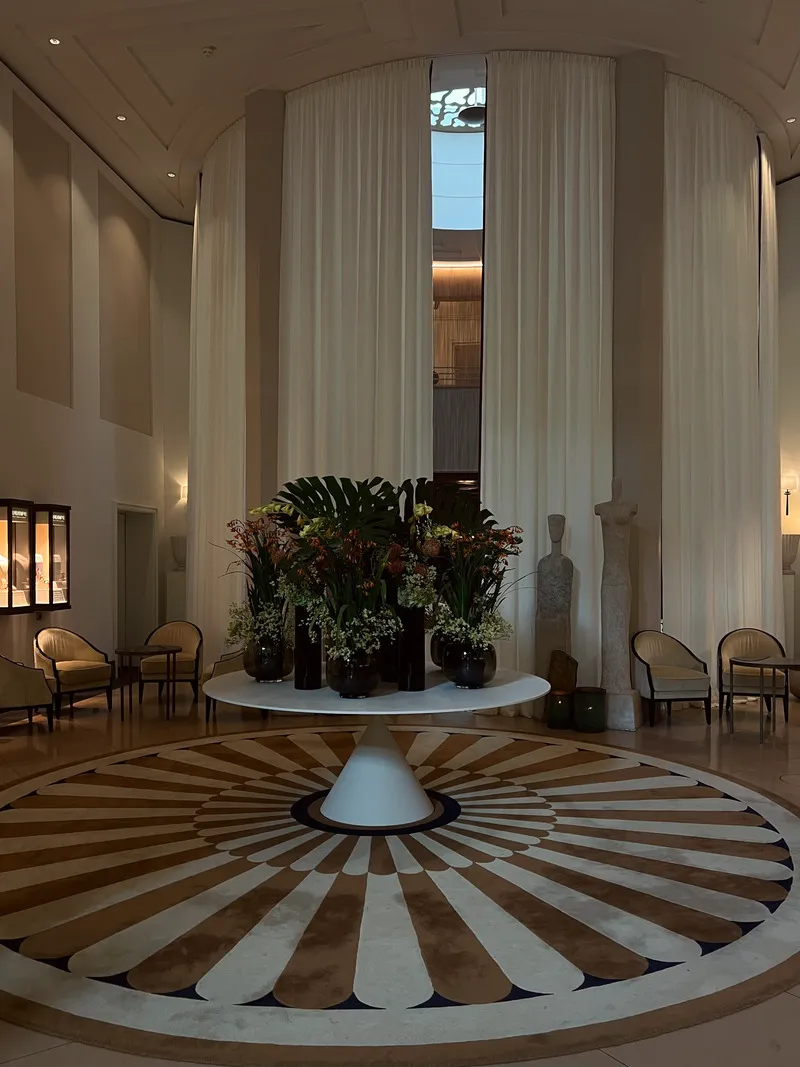
In Munich, an urban hotel drawn to the edge of a botanical horizon
With its curving volume, The Charles Hotel extends the serenity of the Old Botanical Garden into the city’s fabric, pairing rational architecture with biophilic interiors
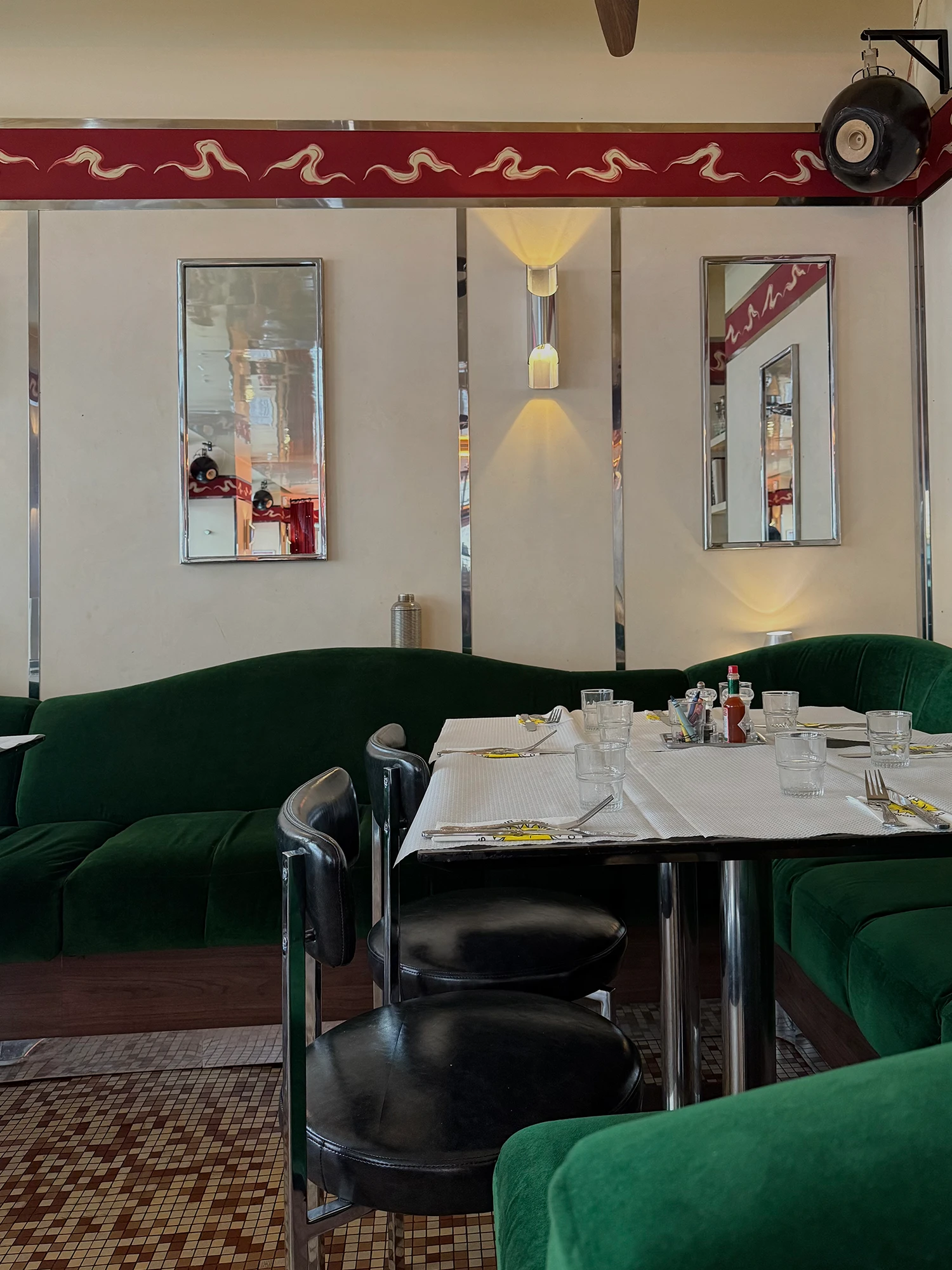
Le Cornichon: A Contemporary Palimpsest of Parisian Café Culture
How a Paris café in the 11th arrondissement channels 1970s French design to restore the spirit of neighborhood hospitality
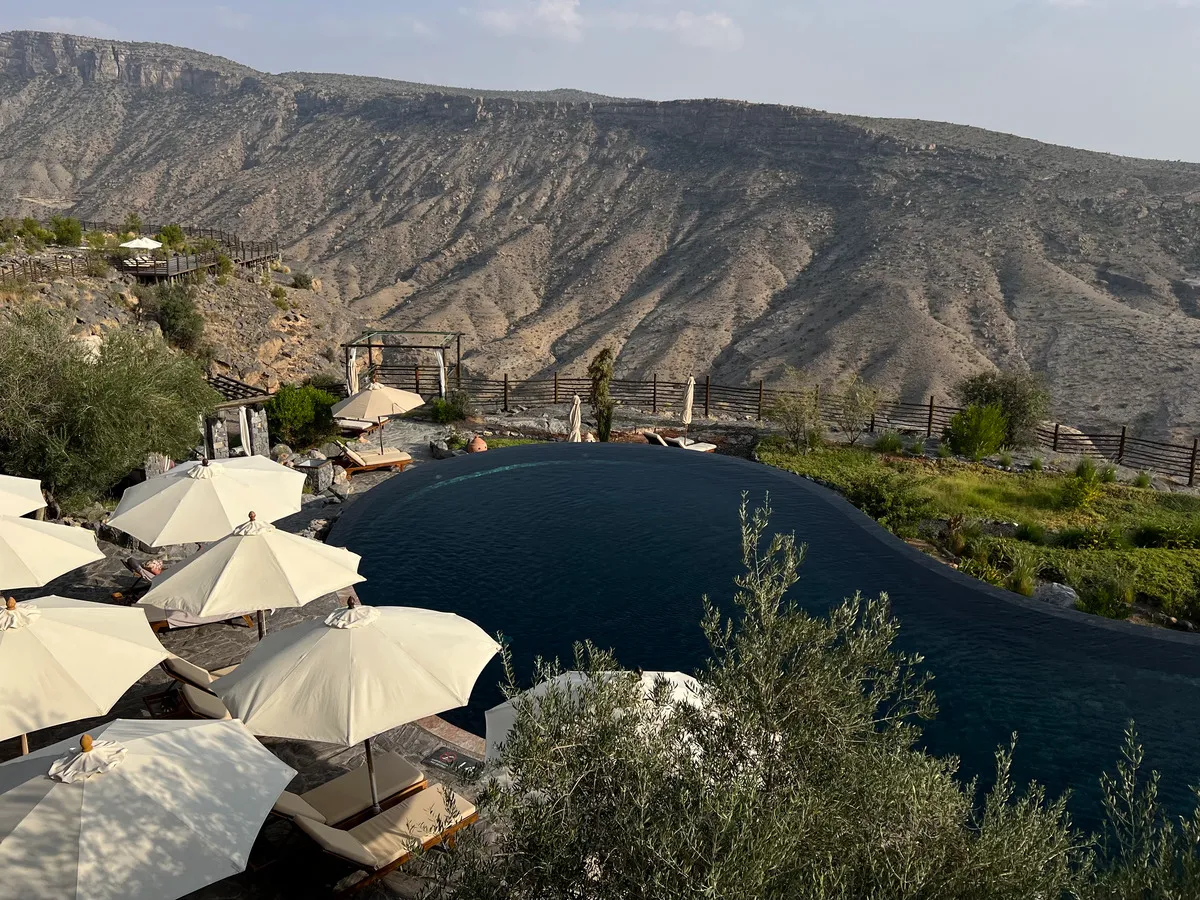
Between Roses and Stone: Alila Jabal Akhdar, Oman’s Green Mountain Retreat
Perched two thousand meters above the Omani desert, Alila Jabal Akhdar is built from local stone, powered by sun and wind, and scented by the region’s wild roses
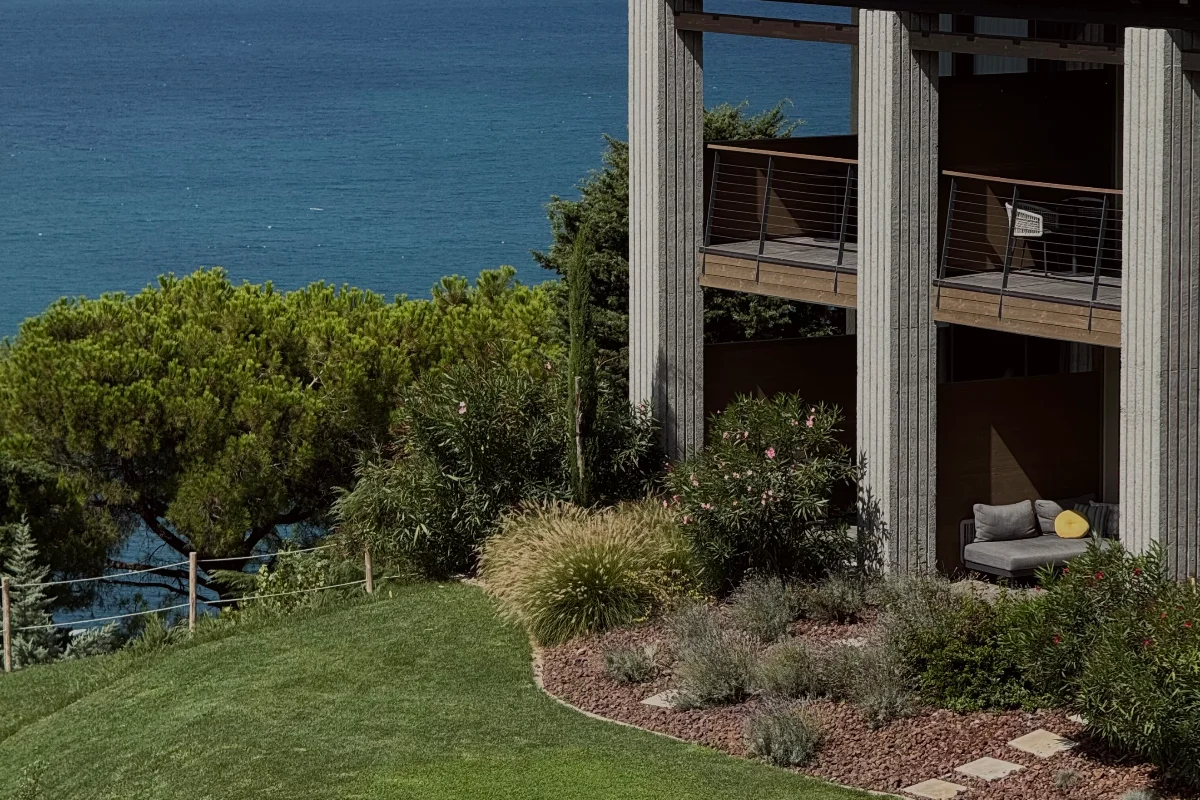
Cape of Senses rises 240 meters above Lake Garda within a 10,000-square-meter garden
Above Torri del Benaco, Hugo and Alessia Demetz have created a low, amphitheatrical structure that flows with the hill’s topography, bringing together local craftsmanship and sustainable building systems
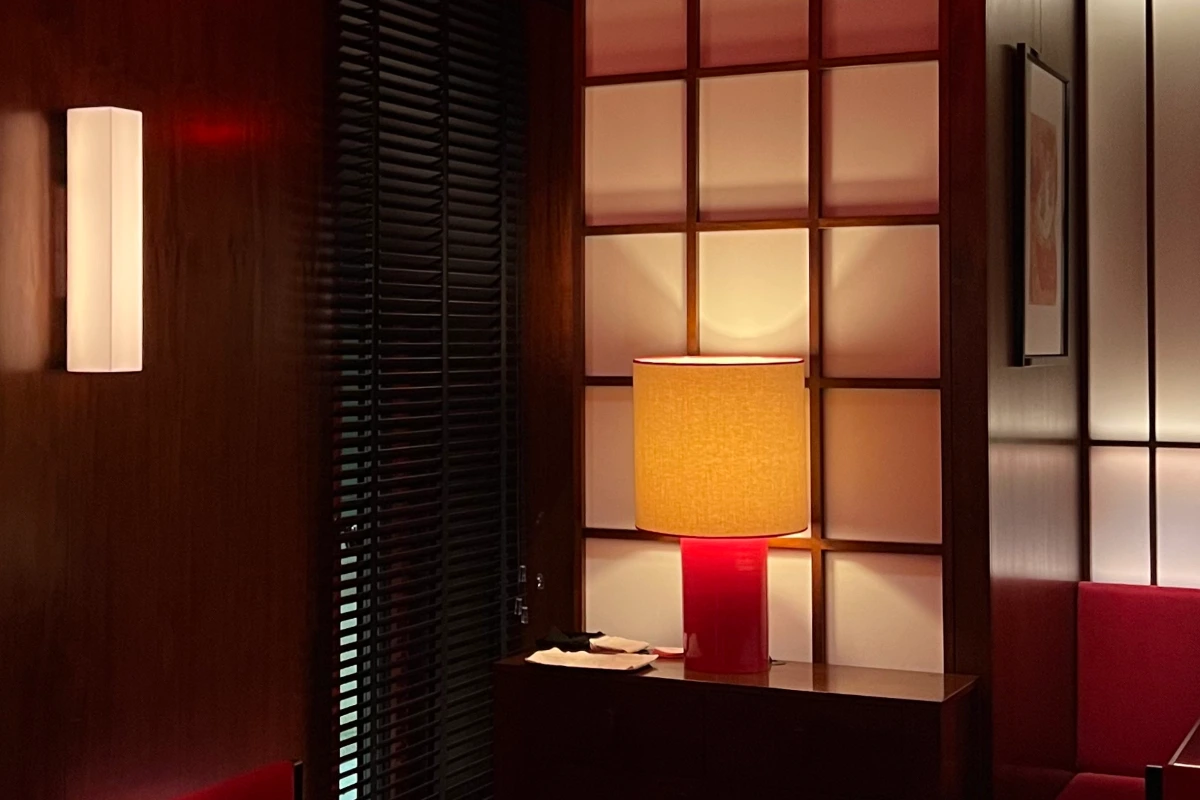
Ronin Milano reshaped a Milanese Liberty residence
From street-food informality to a private lounge, Ronin Milano layers gastronomy, music, karaoke and omakase across four floors, reflecting Tokyo echoes in the urban fabric of Chinatown
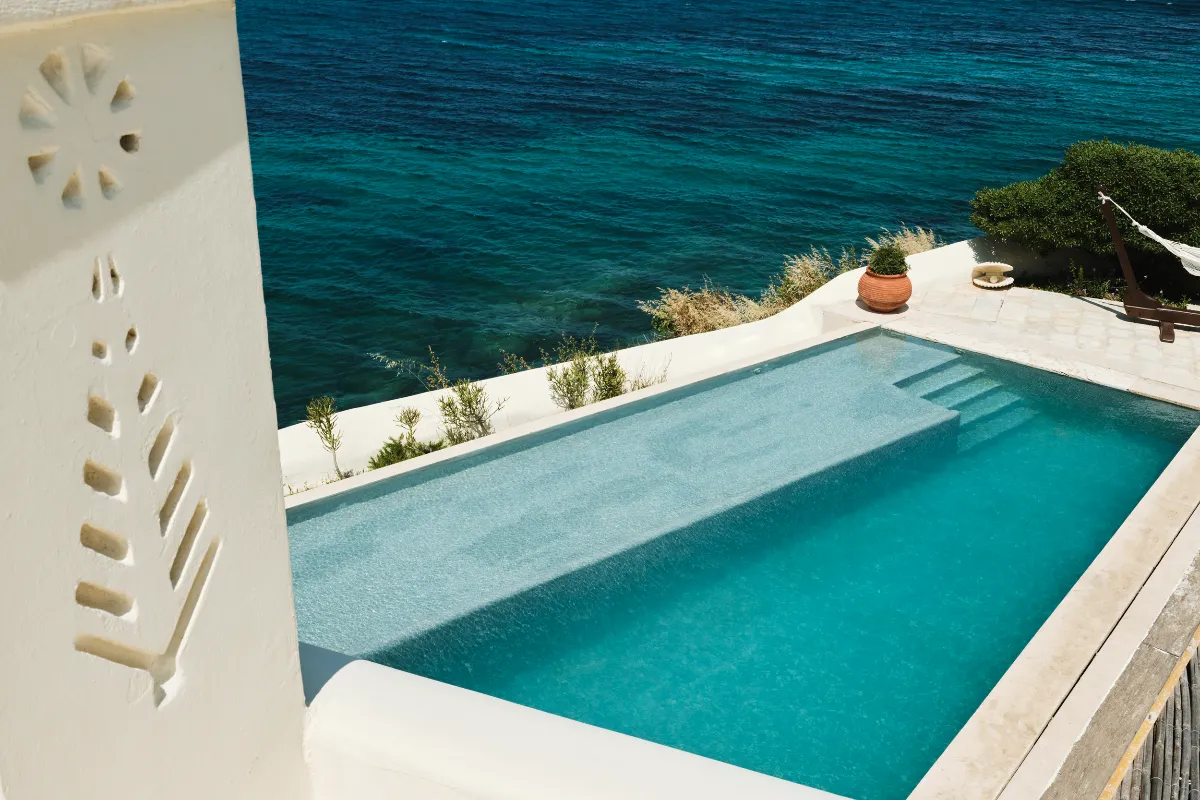
Belvedere and the making of cosmopolitan Mykonos
A 19th-century villa transformed into a “petite-grand hotel” where Cycladic architecture, international gastronomy, and curated sociability converge: a story within the larger story of Mykonos
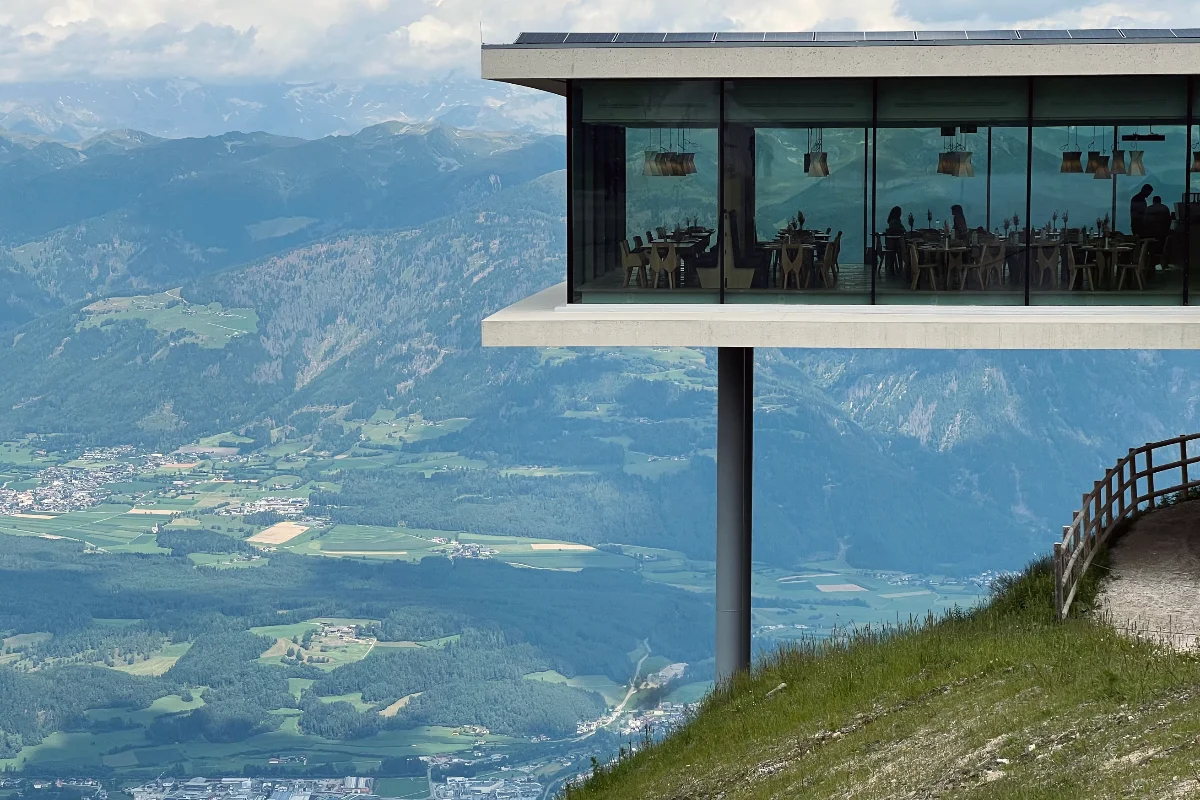
Norbert Niederkofler and the short supply chain that changes the mountain
From the origins of Cook the Mountain to three destinations: Atelier Moessmer, Ansitz Heufler and AlpiNN – Norbert Niederkofler has built a model rooted in Alpine biodiversity, short supply chains,...

Romeo Roma — Zaha Hadid’s material tensions within a Sixteenth-century palazzo
From original frescoes to lava stone, oak, and Krion, Romeo Roma reworks historic surfaces through formal restraint, calibrated materials, and site-specific architectural choices
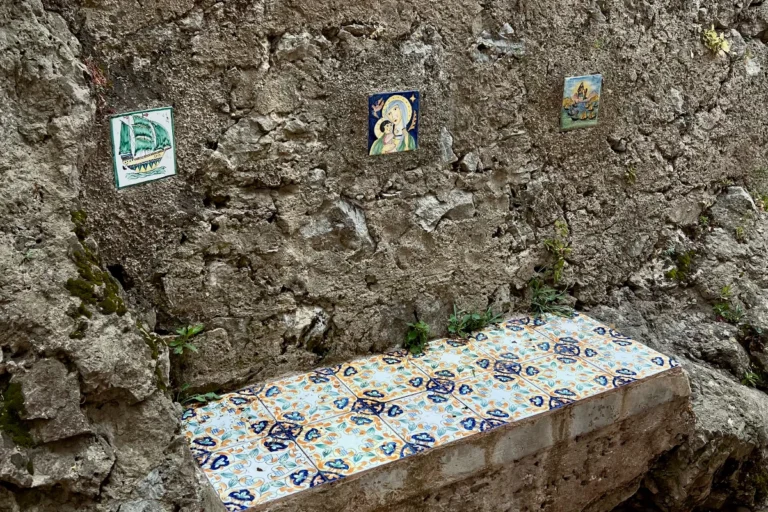
Santa Caterina, Amalfi: The Evolution of Continuity, Senzafine
Senzafine marks the latest chapter in the evolution of Santa Caterina in Amalfi—shaping new experiences in space and cuisine while maintaining the hotel’s dialogue with place, heritage, and family continuity
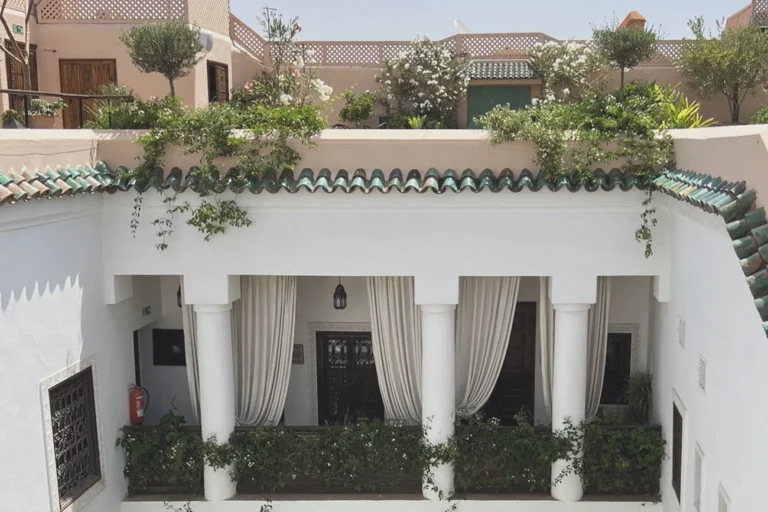
Culture, Craft, and Design Inside the Medina
IZZA Marrakech, a boutique hotel where architecture, contemporary art, and cultural collaboration redefine sustainable hospitality in the heart of the Medina
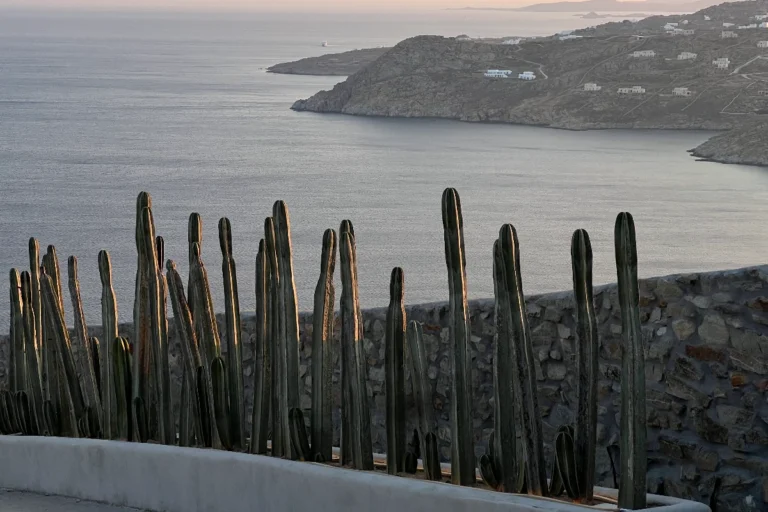
Rooted in Mykonos: a family’s commitment to vernacular architecture and regenerative hospitality
The story of the Myconian Collection does not begin with a business plan or a brand identity—it begins with land, stone, and family. Redefining hospitality on an island too often...

Refugium Amoris — Reclaims the Fabric of the City
Restored without spectacle – Refugium Amoris, a Hideaway Apartment. Exposed beams, terrazzo floors, and structural honesty guide the renovation by Francesco Pugliese.
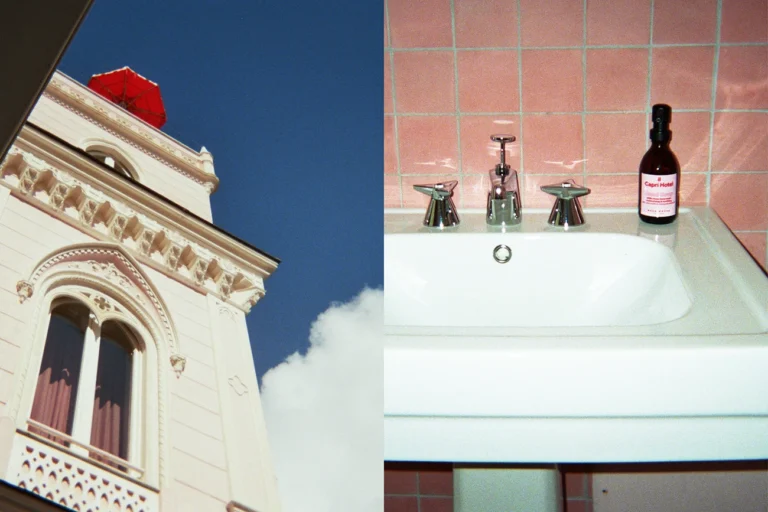
Il Capri doesn’t scream: design, raw materials and the absence of interfaces
No televisions, no digital clocks blinking in the dark, no refrigerator whirring at night. Il Capri Hotel reclaims the island’s soul through a sustainable way of being that refuses performance
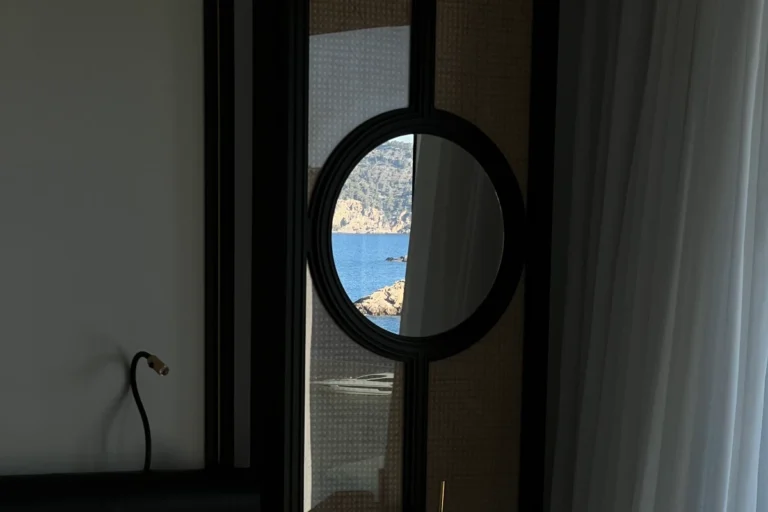
East Coast Makeover: BLESS’s Quiet Shift in Ibiza’s Hospitality Grammar
BLESS Hotel Ibiza reinterprets Cala Nova’s coastal landscape through monochrome contrasts, modular layouts and dense, curated vegetation
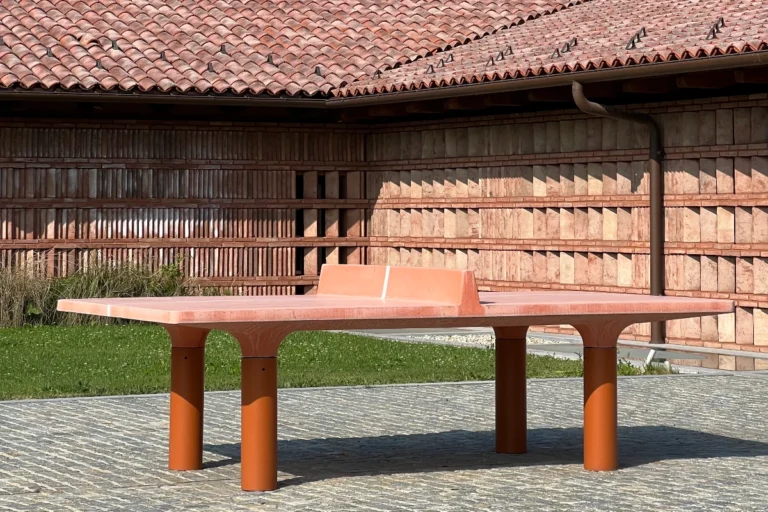
Building with the Land: Casa di Langa as a Circular-Economy Prototype
Everything recalls nature: the materials, the rough and imperfect textures, the pervasive presence of living greenery. From architecture to gastronomy, Casa di Langa is conceived as a unified, place-based system
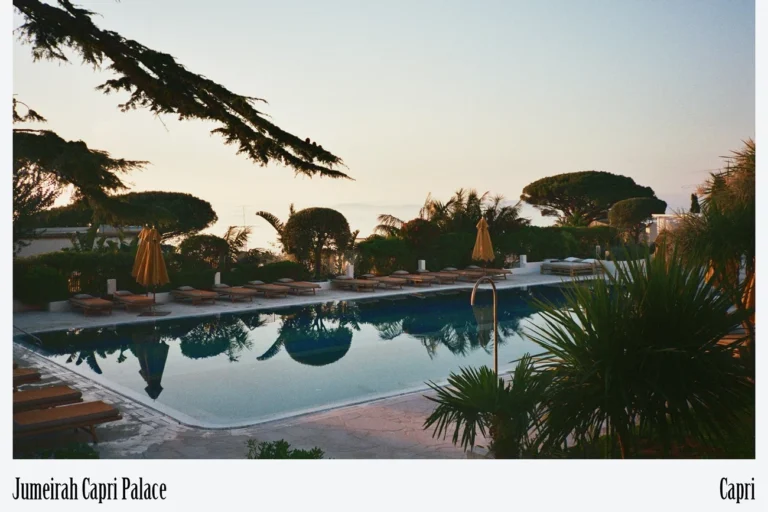
Craft, culture, and conservation: inside Jumeirah Capri Palace
A conversation with Ermanno Zanini, about reviving Jumeirah Capri Palace through the lens of design, contemporary art, and local craft
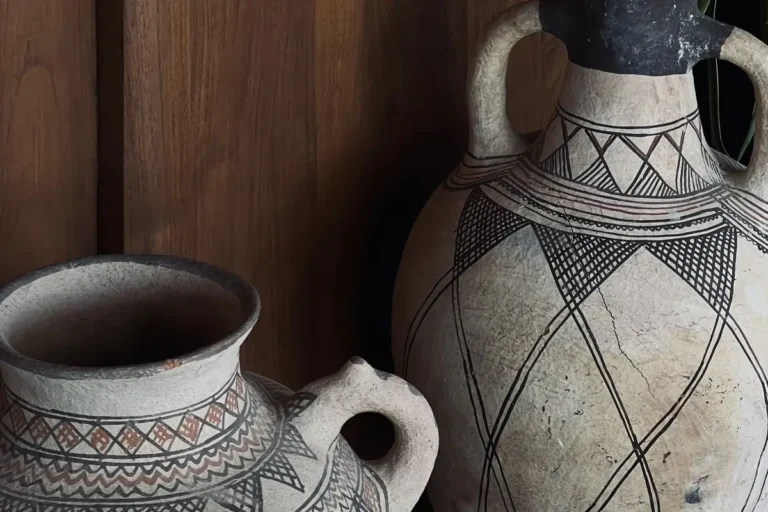
Island Hospitality Moves Within Ibiza’s Layered Identity
Mediterranean roots and contemporary experimentation: a journey through Ibiza with Island Hospitality, exploring three places where hospitality engages with the land and local community
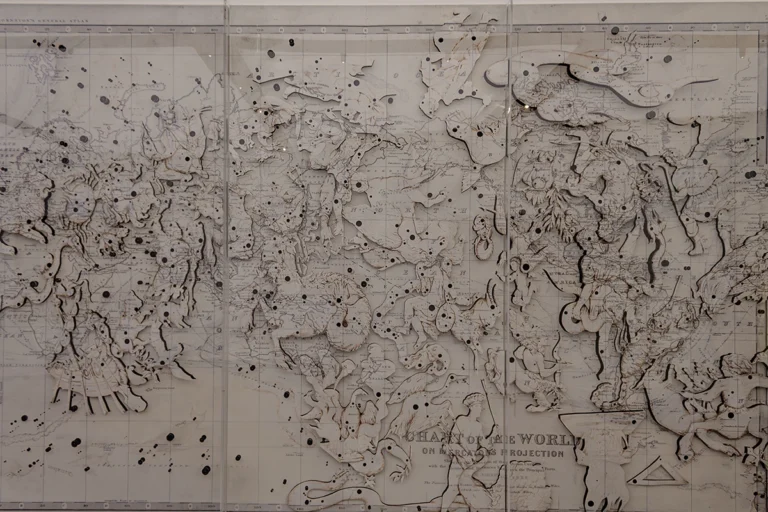
Pietro Ruffo’s Celestial Rome: Re-mapping the Eternal City Through an Urban Sanctuary
From the hand-engraved zodiac constellations in the lobby to the twenty-metre expanse of azulejos on the roof, Pietro Ruffo transforms art’otel Rome Piazza Sallustio into a narrative that weaves together...
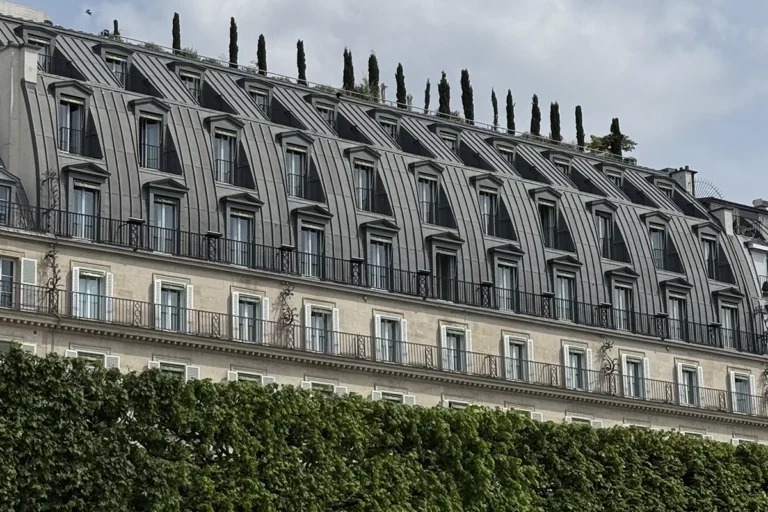
Le Meurice: balancing discipline and playfulness—the spirit of french culture
Le Meurice proves that tradition isn’t a museum but an open worksite in perpetual revision—powered by contemporary art, refreshed design, and its backyard jewel, the Tuileries Garden.
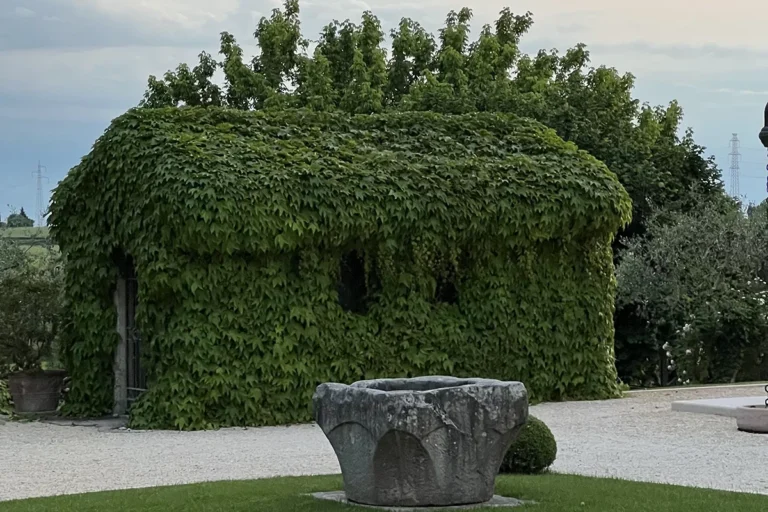
Villa Cordevigo: a dialogue between earth, time, and taste
Villa Cordevigo: a dialogue between earth, time, and tasteAmid the vineyards of Northern Italy, a former patrician villa combines agriculture, architecture, and gastronomy to explore new forms of responsible land...
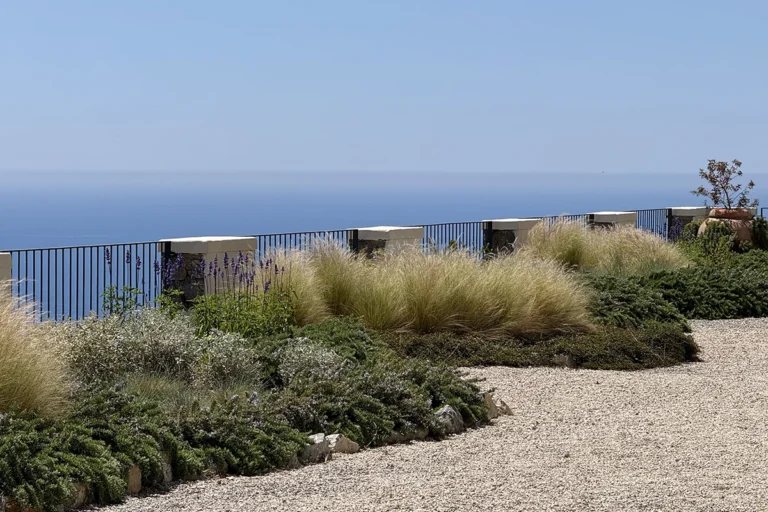
The Hotel Breathing New Life into Furore, the Amalfi Coast’s Secret Hamlet
Furore Grand Hotel offers a renewed sense of belonging in an Amalfi Coast village long hidden from view — a minimalist design of white and light embraces local craftsmanship and...
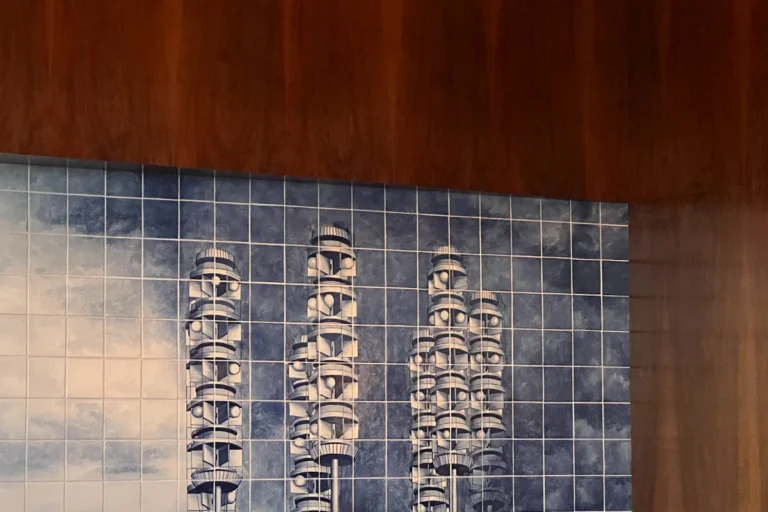
Torre & Friends: Circularity and Daring Spirit Atop Fondazione Prada
On the ground floor of Palazzo Arnolfini stands Michelin-starred Giglio Restaurant. Lampoon in conversation with the three chefs Benedetto Rullo, Lorenzo Stefanini, Stefano Terigi
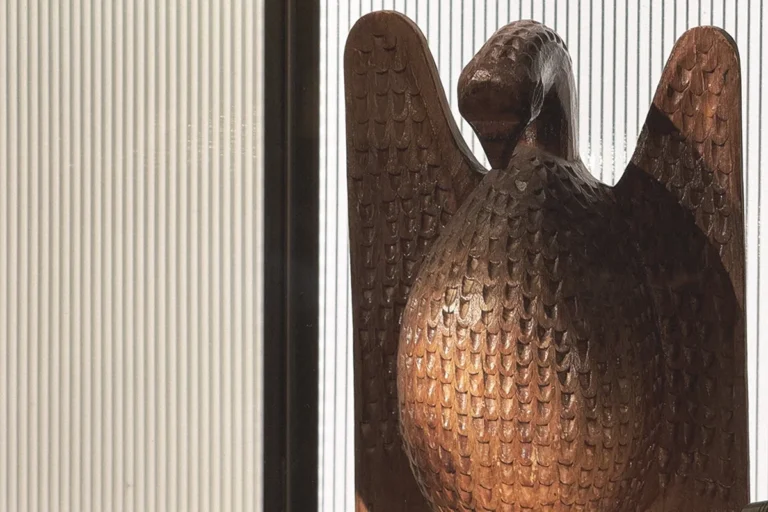
Brach Paris casts future heritage through circular design in the capital’s greening west
From industrial bones to Bauhaus-meets-Surrealist alchemy, Philippe Starck turns the concrete shell at 1–7 rue Jean-Richepin into a political statement of circular design, complete with rooftop vegetables