Commitment
The role of pollinators – Keepers of biodiversity, food supply, and more
In January 2022, the UK Government allowed the use of the banned bee-harming neonicotinoid pesticide thiamethoxam on sugar beets for the second year running
IPCC’s WG2 2022 report – Every fraction of a degree prevented saves lives
Climate change is contributing to humanitarian crises where climate hazards interact with high vulnerability, and it is driving displacement
Global food security is not well managed: the effects of climate change and the war in Ukraine
Wheat is a basic diet element, Russia and Ukraine are among the biggest producers. We followed current patterns across the globe with PhD Jonas Jägermeyr

Viticulture: hybrid varieties, cross breeding resistant varieties with varieties of good wine quality
Viticulture, closely intertwined with the land and our earth, is threatened by the precarity of our environment. Wineries all over are being forced to reassess their practices
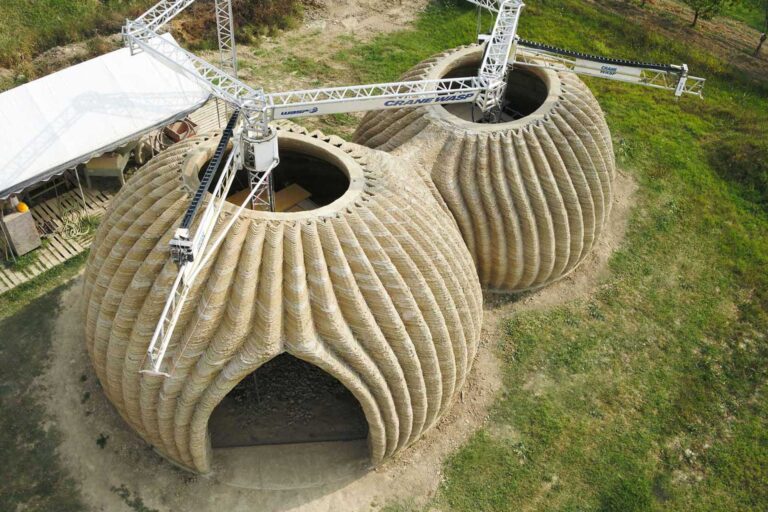
3D printed house TECLA – using clay as a raw material will bring us a step closer
«The first project of a house that can adapt to different climates». Architect Mario Cucinella, talking about TECLA, a collaboration with Wasp 3D printing
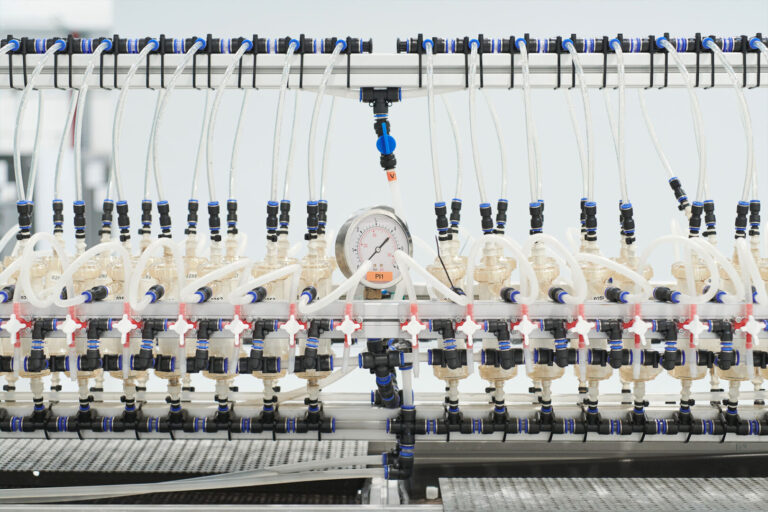
Wasteocene: «extracting water from waste should be made a priority». Matt Boczkowski, Aquaporin
Ninety-nine percent of the world population has PFASs in their bodies from polluted drinking water. Improving water filtration can help regain consumer trust and reduce plastic waste
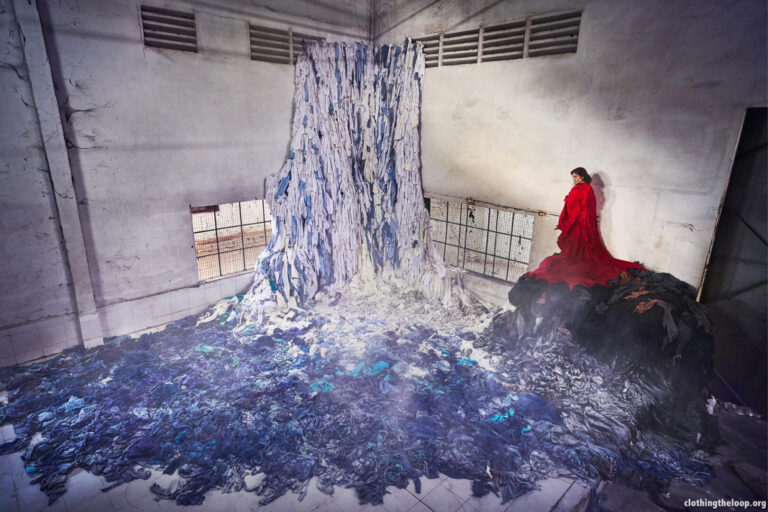
Updating a new fashion legislature: is fast fashion auditing real or not?
Decarbonisation goals for fashion, taxes for pollutants from apparel, accountability for wage theft from garment workers. The fashion industry’s green, clean future may not be too far away
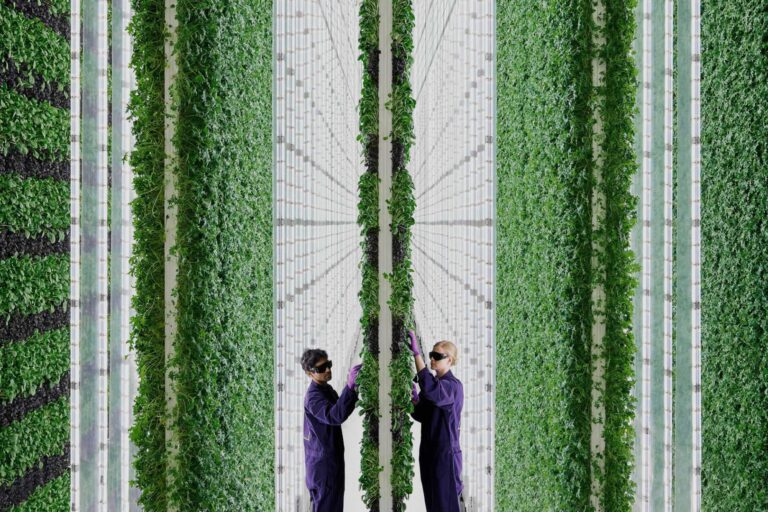
Vertical Farming, Aeroponics: A forest of energy-efficient buildings communicating with each other
Professor Dickinson Despommier argues urban agriculture as the way to gor to manage feeding the cities of the future. Plenty Inc. start up ready with 541 million dollars
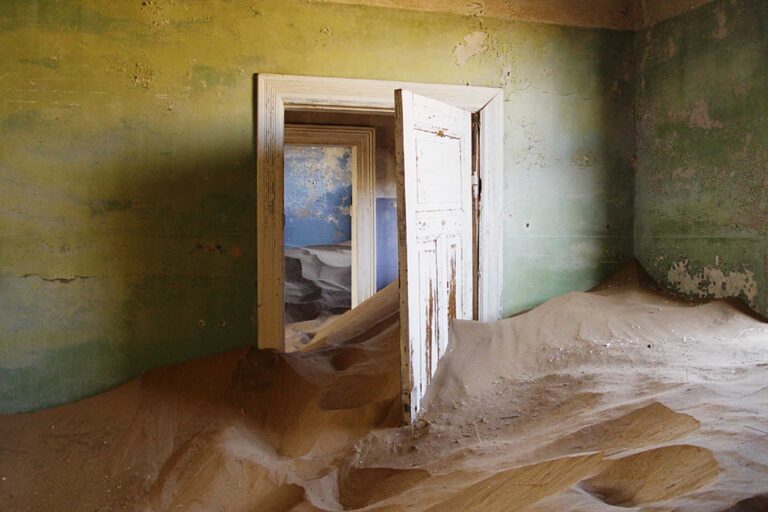
In the age of Dune it’s about Sand: an insatiable demand, taken from rivers and streams
In conversation with Vince Beiser, writer, journalist and author of ‘The World in a Grain: The Story of Sand and How It Transformed Civilization’ on the role of sand
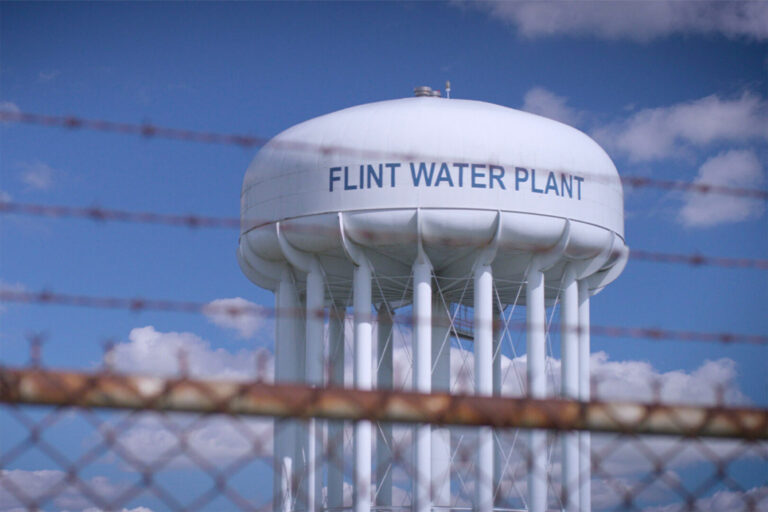
Fighting thermo inequity, natural packaging, controlled distribution: the JUST Water business model
Water boxes have filtered more than four hundred thousand liters of water, saving up to a hundred forty thousand kilograms of Co2 and avoiding single-use plastic water bottles
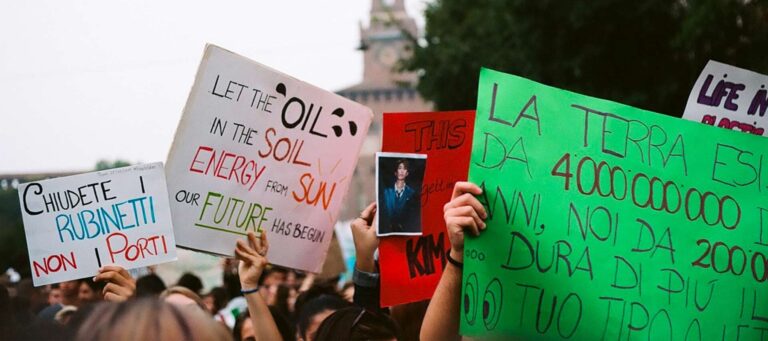
Heatwaves, viruses, eco-anxiety: threats coming from climate change. In conversation with Francesco Tamilia
An estimated nine million people die from pollution each year. More people have died from climate change than Covid. The climate crisis «is also a health crisis and must be...
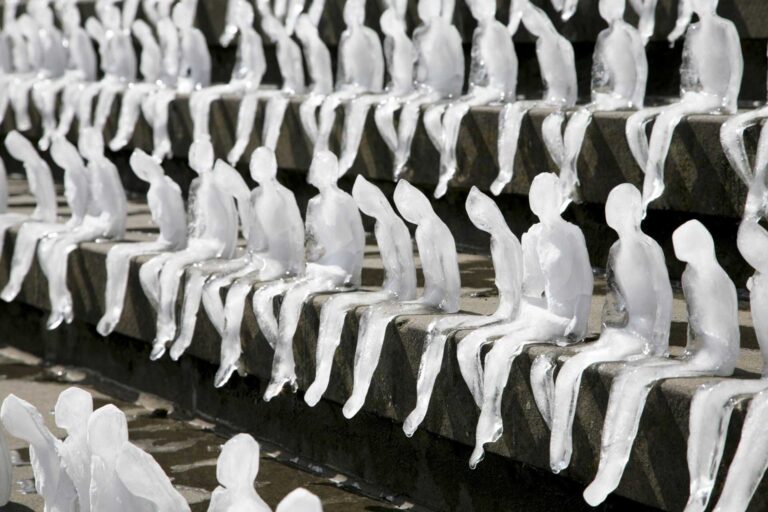
Our thousands of years old glaciers don’t contain water alone, but our history too
Like archives, glaciers store microbiological and viral data that can help scientists to predict our future climate thanks to new knowledge about ancient ecosystems
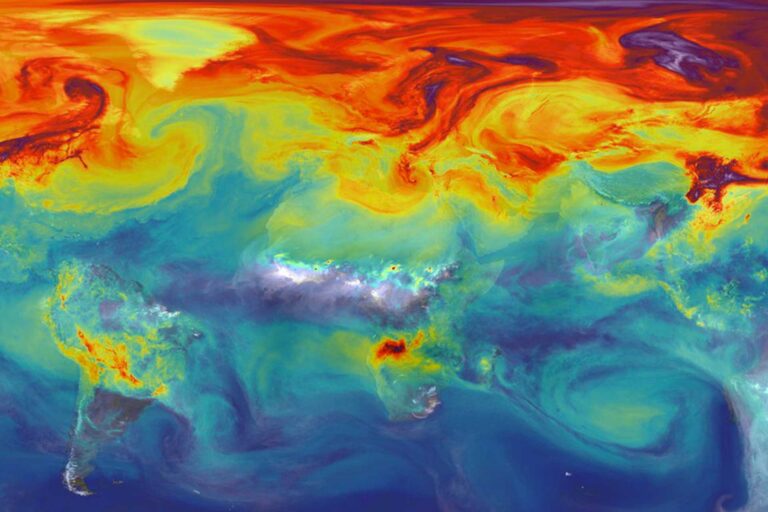
CORSIA stabilizes net CO2 emissions from international civil aviation at 2019 levels
By 2050, the aviation sector intends to cut its net CO2 emissions to half of what they were in 2005, while exploring strategies to reach net zero emissions by 2060-65

The Claiming of Modern Milan and what to do with the legacy of a difficult heritage
A regime at the mercy of international and private interests with the persistence of social structures forged in the pre-fascist period — in discourse with Professor Lucy Maulsby
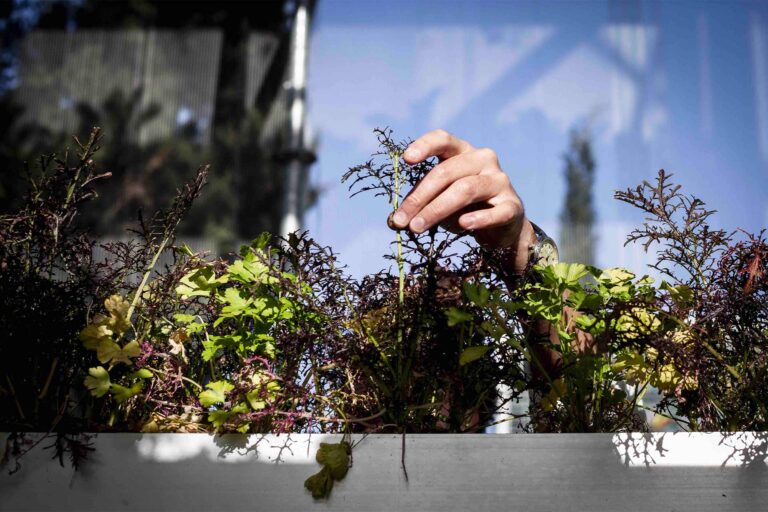
Upfarming company amending the broken system of agriculture through rotative vertical farming
In conversation with Bruno Lacey and Tiago Sá Gomes on their Lisbon based rotating vertical towers. The project utilizes fifty percent less energy, fifty percent less labor and ninety percent...
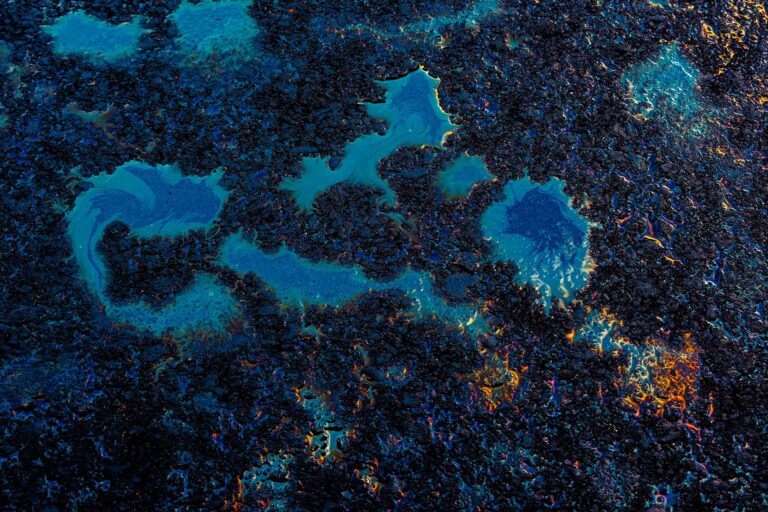
Changing Markets – deft marketing tricks mask the truth on synthetic fibers
Extracted, refined into petrochemicals, and processed into plastic. Fossil fuels are spun into synthetic fibers– over seventy percent of all fiber production

ROC certification: we have more living organisms in one teaspoon of soil than humans on the planet
Old is new. Discussing soil health, traditional farming, human welfare, and ROC certification principles with Elizabeth Whitlow, the Executive Director of Regenerative Organic Alliance
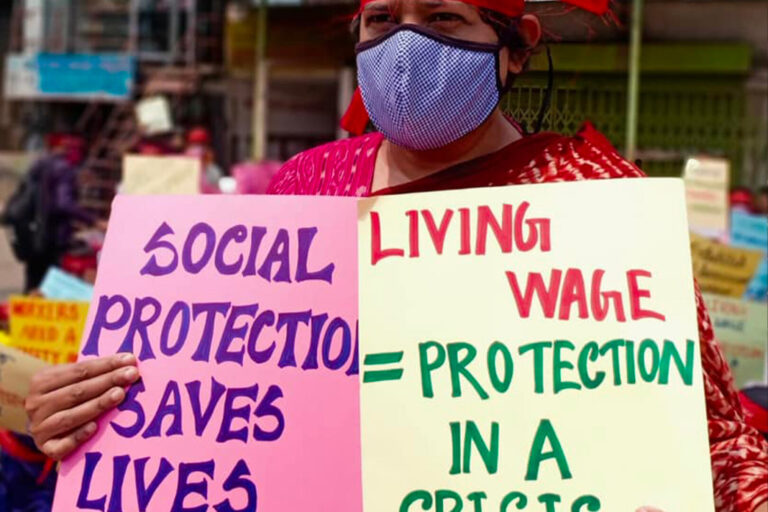
Low wages, no safety – Nazma Akter founder of Awaj Foundation on how Bangladesh’s garment factory workers live and work
Former child worker and labor leader Nazma Akter delves into the vulnerability and injustices faced by Bangladesh’s garment factory workers

Carbon sequestration is not a competition, but Biochar is winning. NetZero case
«Many things can be used to fight climate change – biochar is the most mature for scaling and we should push it asap». In conversation with Axel Reinaud, founder of...

Fashion is a full spectrum industry: consumers informed: from agriculture to the sales floor – Lampoon, the Transparency issue
To achieve full transparency, brands must be open about their supply chains to keep consumers informed. A dialogue between Eco Age’s founder Livia Firth and Auret Van Heerden
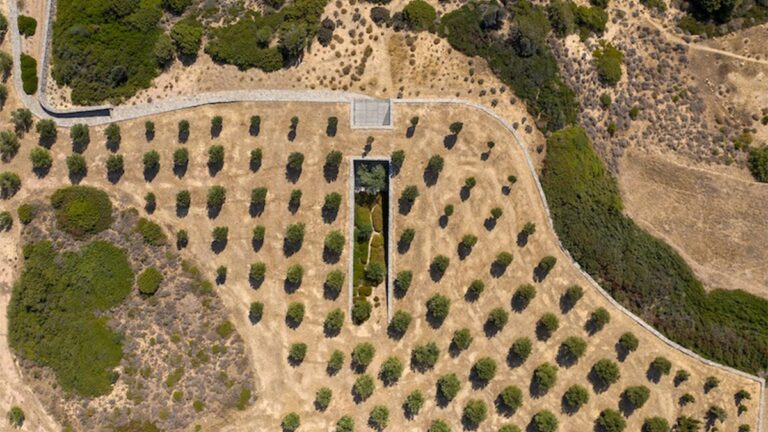
Olive oil production, Earth for insulation, Skylights for passive ventilation: Corrals project by DECA
«The process of building, destroys». When you work on an untouched landscape «you want to make sure you build something that integrates» on many layers: economy, nature and culture
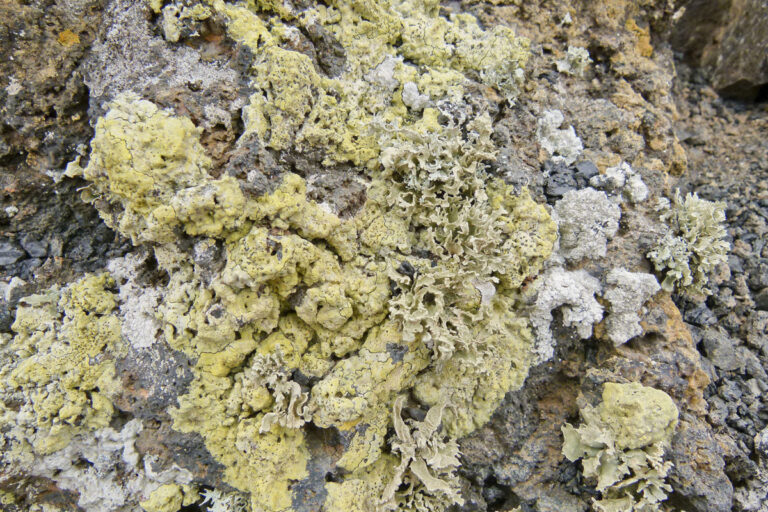
Vineyards in mineral rich volcanic soil: the case of Lanzarote
What volcanic soil can teach us about regenerative agriculture and the role of biochar in nurturing infertile soil

Lampoon 25 – The Transparency issue: rebellion against cancel culture, against digital massification
Cancel Culture is the market force's latest attempt to annihilate the masses: a battle that has been going on since the Middle Ages
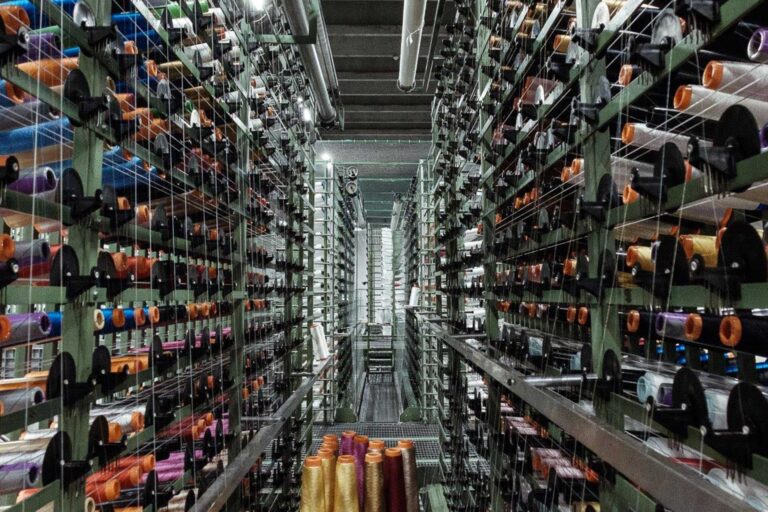
How can there be such an abundance of seafood so readily available? The Tronchetto market in Venice
Despite attentive regulations, fish markets across Europe are more fully stocked than ever, creating a false sense of abundance in the minds of consumers
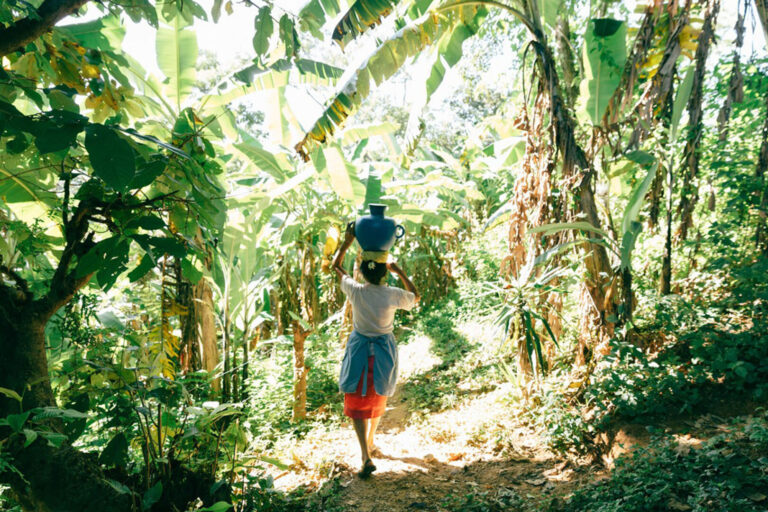
Solving the water crisis: corporations are not investing enough
Today, 711 million people already lack access to safe water. The UN estimates that by 2025 1.8 billion people will live in water-stressed regions. New technologies are available, but they...
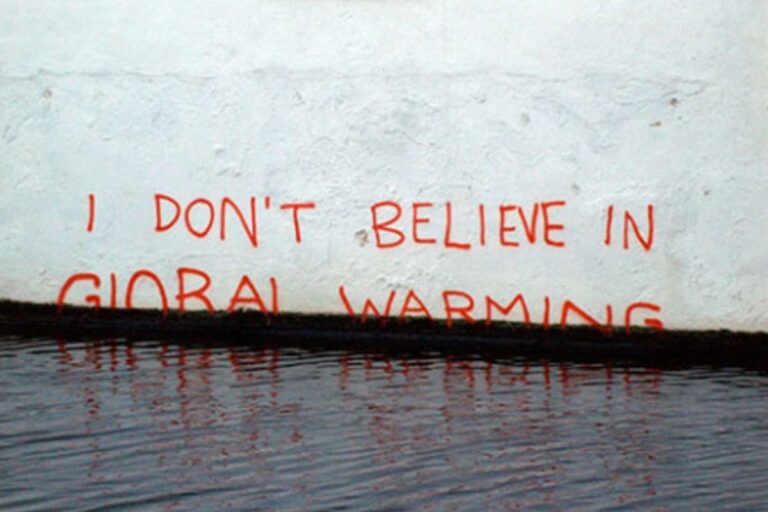
Controversial: the carbon market is growing, but cheap credits can undermine its utility
Purchasing carbon credits can be part of a corporate climate strategy when a company isn’t able to neutralize its emissions due to technological limitations or prohibitive costs
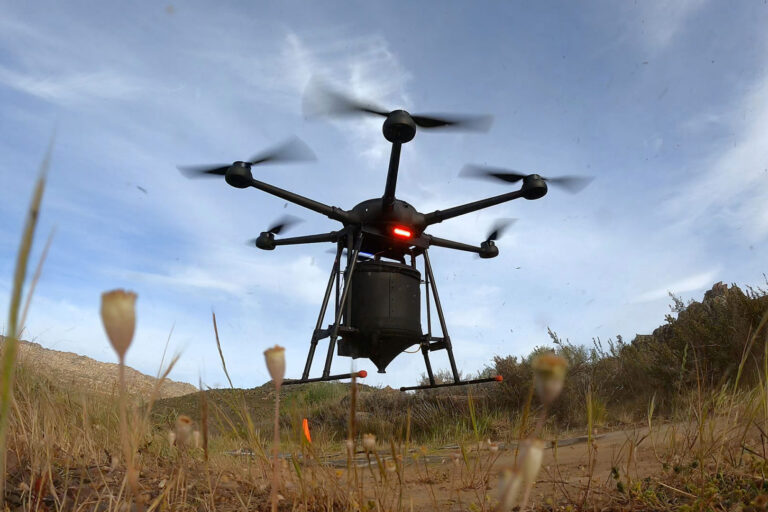
From Australia to Africa, using seed-firing drones: the case study of AirSeed Technologies
«Our planting includes trees, shrubs and grasses. It encourages the remediation of soil health and the redevelopment of degraded ecosystems through our Seed Pods». Andrew Walker
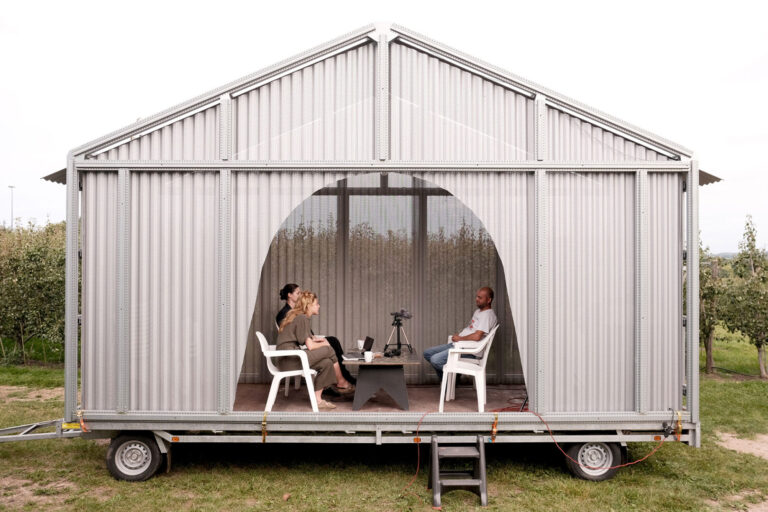
Who picks the fruit and vegetables that we buy at the supermarket? Our Invisible Hands exhibition
From photography to diary entries and sound installations, Our Invisible Hands is an exhibition showcasing how some artists experienced being a seasonal worker, opening up the conversation

Planned obsolescence – the obsolescence of a product is planned, designed, and built into it by its manufacturer
In a circular economy context, an EU measure banning planned obsolescence is needed, as measures targeting it are insufficient to handle
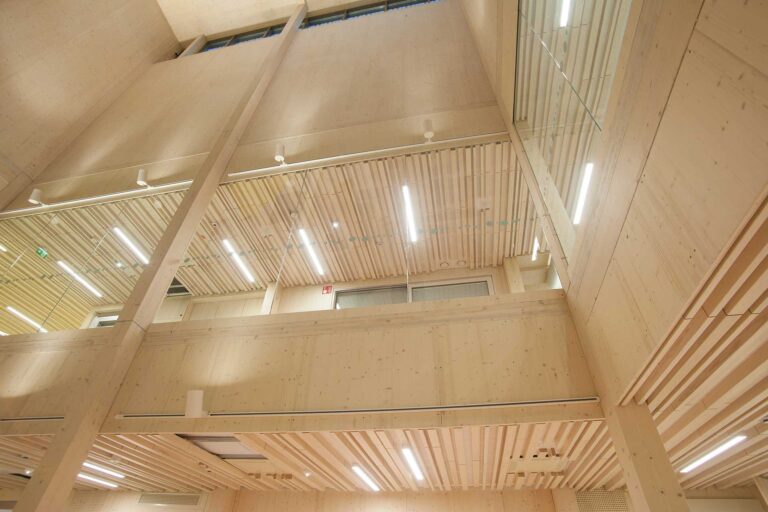
Saving the planet one building at a time: CLT panels and the future
Cross Laminated Timber is a possibility for a more sustainable future, but to make it more widespread we need to increase production facilities and teach architects how to build with...

Lab-grown diamonds using three days’ worth of domestic electricity: steps marked by Inbilico
Inbilico’s electricity consumption is equivalent to three days’ worth of domestic electricity use; from renewable sources. At the end of around four weeks, the lab-grown diamonds are ready to be...

House of Dagmar — the hunt for fabrics with the lowest environmental footprint
The Swedish brand has been exploring scientific and technological innovation to create fabrics from cellulose, viscose, among others, all in an effort to minimize their environmental footprint
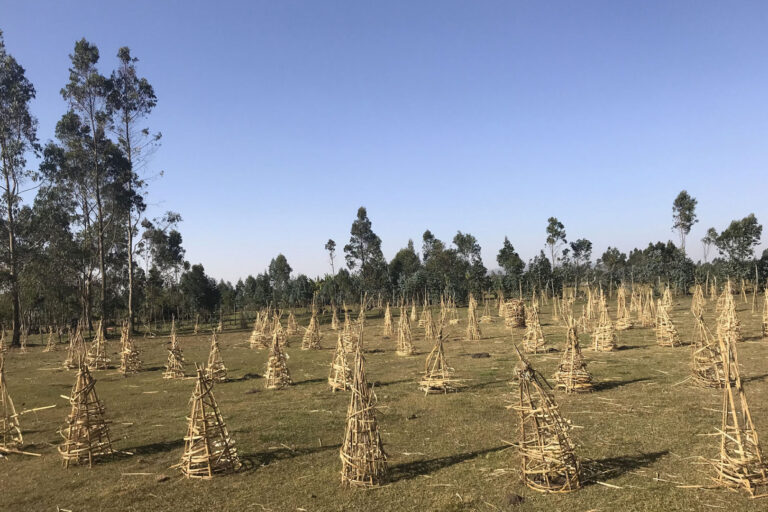
Ethiopia: biodiversity, quality of life, soil erosion and runoff. Earth Art studio’s Trees for Life
In conversation with artist Sylvia Grace Borda and lecturer Nura Beshir on the regeneration of green lands in Kofele, Ethiopia

From Afghanistan to Ukraine, posters to raise awareness: Now You See Me Mória
«Right now we are exposed to so many photographs that we have become numb to the pain of others». The posters are made from pictures taken on the field by...
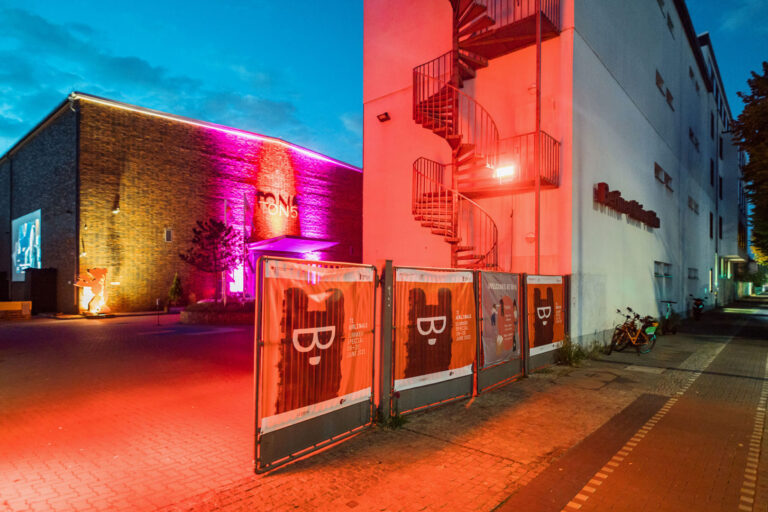
BUFA film studio at the heart of Berlin is being transformed by Fabrix: nature has to fit in
Large areas of paving are removed, eliminating vehicles and adding water permeability and biodiversity with rooftop gardens and green plazas: Clive Nichol speaks for Atelier Gardens

WOOD: a documentary filmed over seven years to combat large corporations exploiting forests
«From the taiga in Siberia over the primary forests of Romania to the primeval forest in Peru: around the world, billions of dollars are made from illegal logging»

Felix Finkbeiner – the public eye doesn’t have to be drawn away from tree planting
Once it was only Felix Finkbeiner child’s dream – today it is a matter of data, soil chemistry and involving rural communities around the Equator

A world in Hitachi Design Studio presents A World in Transition: defining a moment of ‘liminality’
The highlights from the Hitachi project online event explaining the changes needed within the system to ensure a future for the planet and human beings
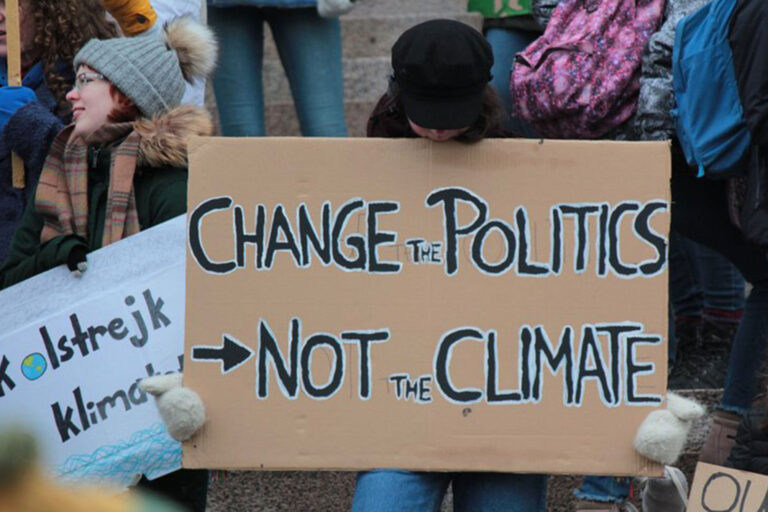
Climate refugees – Why do people have to migrate because of climate changes?
The possibility to seek refuge in other countries should not be forced by the unlivable conditions of the territories most affected by global warming

The Doomsday Clock – pessimism does nothing for the Earth, but resistance and cooperation do
Corporations emphasize people's role in the climate crisis. Yet, 100 fossil fuel producers are responsible for seventy-one percent of the industrial GHG emissions since 1988
Pachama, tech start-up: «about a billion hectares of the planet can be restored as forest»
Using algorithms combined with satellite imaging, Pachama monitors a project, figuring out the amount of carbon concentration in the project area in comparison to the region

Luvaberry Farm – Ideas to re boost tourism: 88 days of strawberry farming in rural Australia
Australia’s Working Holiday visa scheme attracts thousands of young people from around the world, offering employment - in return, you need to become a farm worker for three months
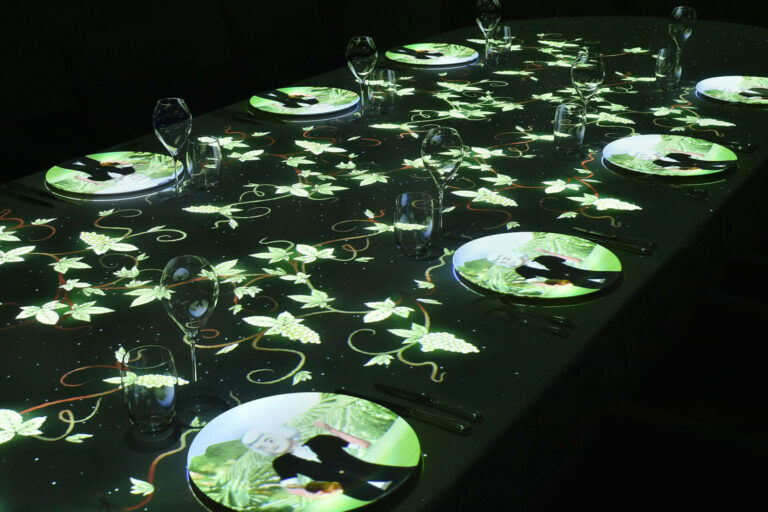
Chef Valérie Radou «Gastronomy is an ally in the tasting of wines» – since the very first bottle in 1729, by Nicolas Ruinart
Behind the scenes of the first Maison de Champagne, guest of Identità Golose 2021 in Milan. In a conversation with Ruinart resident chef Valérie Radou to know what’s behind her...

«This year, the Fashion Film Festival Milano will speak a different language» says Ms. Cavalli Etro
Best green fashion film category, the three nominated film focus on the need of changing behaviors, circular rethinking and artisanal indigenous textiles
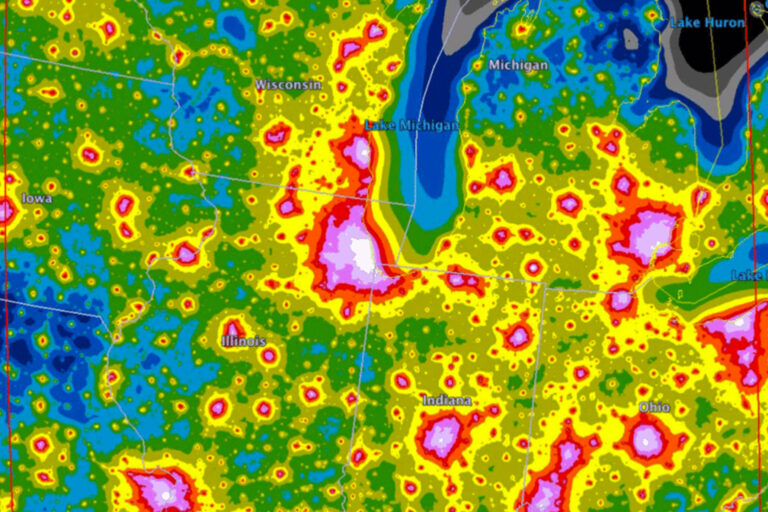
Seeing Stars – Eighty percent of the planet’s population are inhabited by light polluted skies
In the face of environmental advocacy, Studio Roosegaarde team up with UNESCO to create Seeing Stars initiative. «we have become disconnected from them because of the way we treat light...
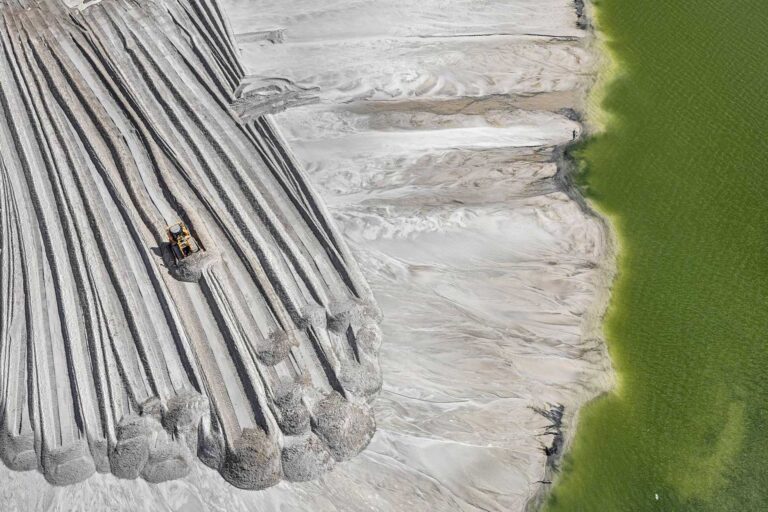
We enter an era of irreversible human impact – Anthropocene: The Human Epoch
An act of hope: filmmakers discuss Anthropocene: The Human Epoch and reveal how determining human impact isn’t always about statistics