Lampoon Magazine presents Sustainable Matters as a space for examining environmental responsibility in the Anthropocene,
focusing on production processes, resource stewardship, and social accountability.
Contributors investigate traceability measures and manufacturing methods, and report on industry professionals working with biodegradable solutions.
Articles cover projects with slower processes and reduced waste.
Readers encounter reports on supply chain transparency, interviews with specialists who reduce environmental footprints,
and case studies on community-driven initiatives.
Sustainable Matters
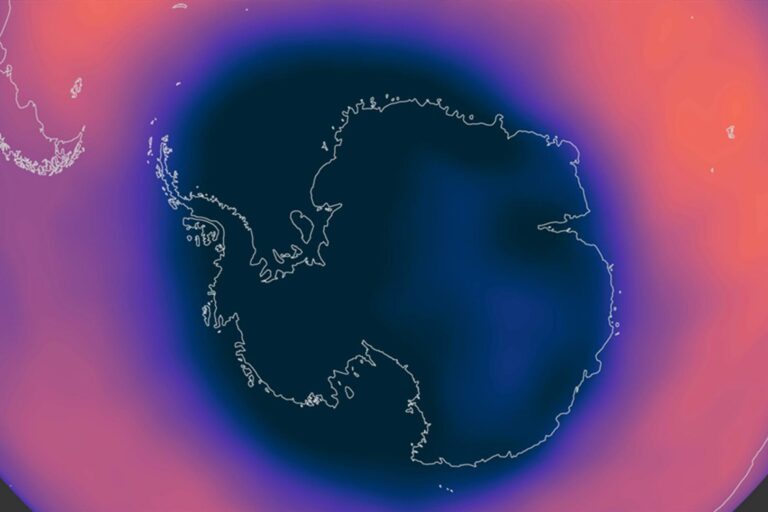
Global warming: methane emissions jumped to a new record in 2021, while CO2 continued to increase
2021 was the 10th consecutive year that carbon dioxide rose by more than two parts per million, with an increase of two-point-sixty-six ppm over the 2020 average

The trend of the Metaverse: on the proximity of an ethereally fabricated cosmos
Trend Forecaster Lisa White unravels how the Metaverse is about «creating entire universes of products and services» in the eternal quest for tribe belonging

Flowers – an industry worth at an estimated figure of 64.5 billion euros
The carbon impact from the transportation of blooms, the hidden environmental costs of bouquets in the Western world: the flowers you find in Europe are mainly coming from East Asia

Tackling fashion’s waste problem with compostability – Three students from Central Saint Martins
Three students from Central Saint Martins created a fashion film centering a garment made of paper cups, eggshells and cornstarch - then buried it after filming
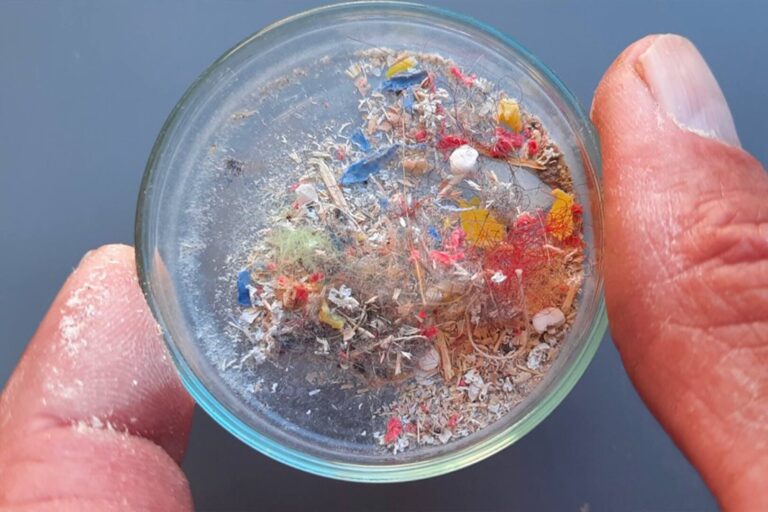
Recycled plastic (PET) could be worse than virgin plastic and nano-particles can be found in our blood
«What are these plastic particles doing in our body? Where are they going?». In conversation with Prof Dick Vethaak on plastic particles being found in our blood

Principality of Monaco: How can the industries help the Energy Transition Mission?
«To support this transition, the Prince decided to establish the Mission for Energy Transition, which manages projects to limit greenhouse gas emissions and develop renewable energy»
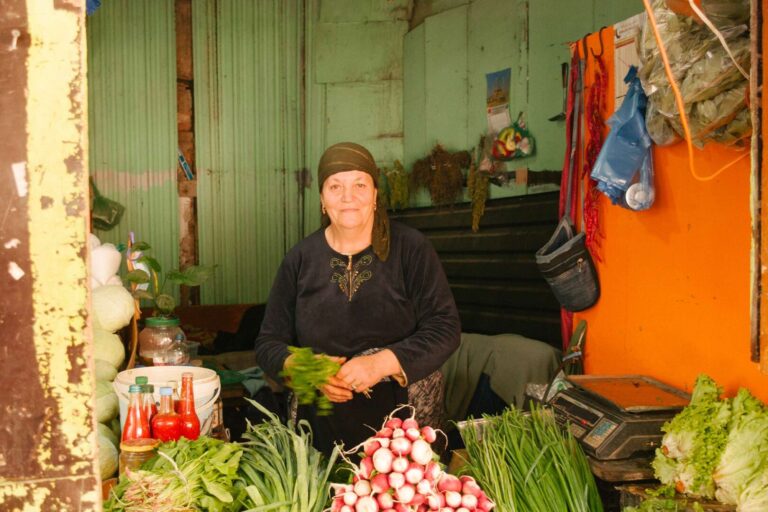
Lands In-between: Georgia, a crossroad between East and West – Professor Kavadze explains
Russia and the west powers have a responsibility: guaranteeing all the in-between lands the right to exist and foster. None of the two can do it on its own
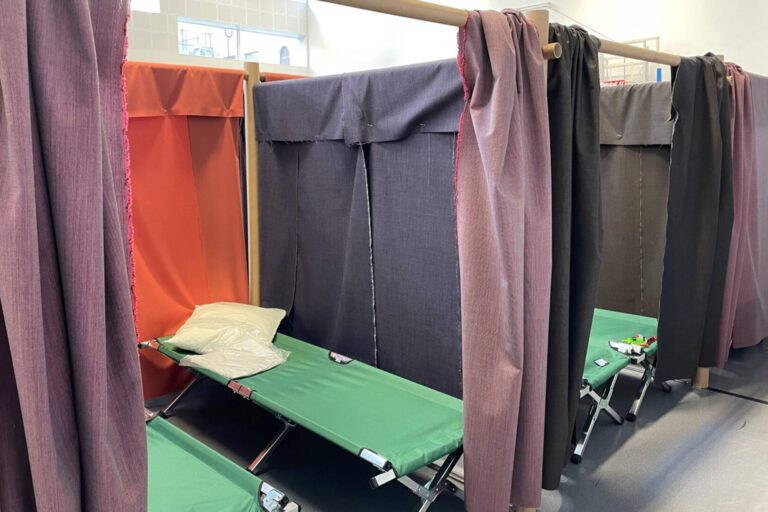
Shigeru Ban – Building temporary shelters for Ukrainian refugees with Paper tubes, fabric and safety pins
Japanese architect Shigeru Ban builds partition systems with paper and fabric to guarantee refugees a human right to privacy
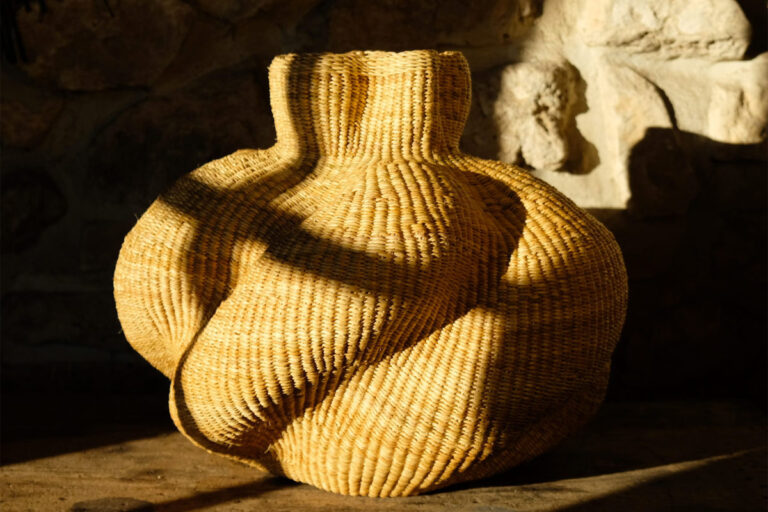
Goodee – a digital B-Corp certified and ethical marketplace for artisans
In conversation with the founding duo Byron and Dexter Peart. «How could those products expand to be better for the people and the progress?»
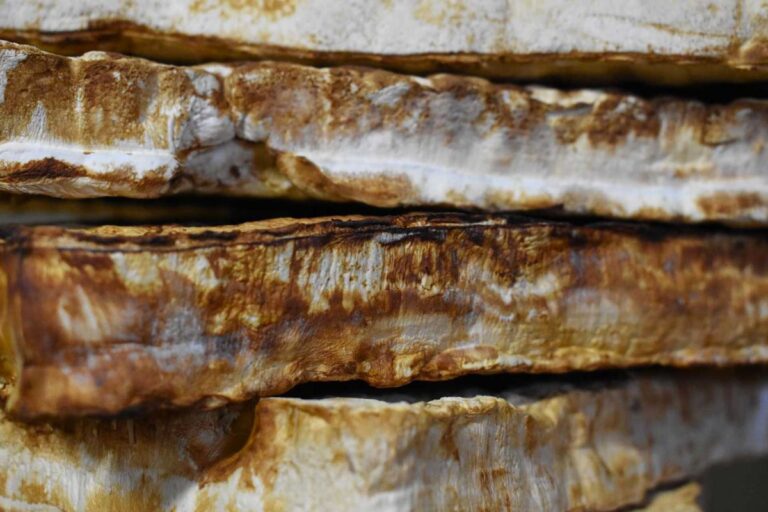
Mycelium and its applications: from renewable packaging to plant-based meat
What if we could reduce plastic pollution by turning to natural materials that earth grows? Mushrooms could lead the way in reducing plastic waste
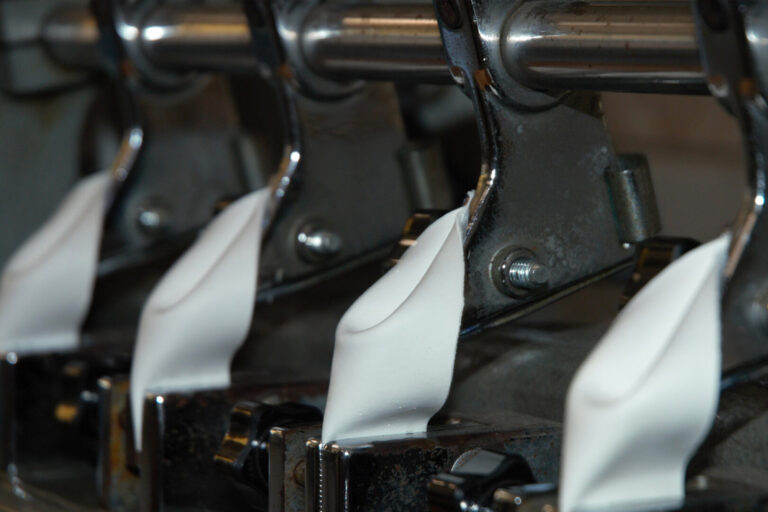
Bio polyurethane: corn-derived polyols could relay be an alternative to leather?
The added value of the material created through corn is the possibility of making the product biodegradable, if processed without affecting its natural integrity
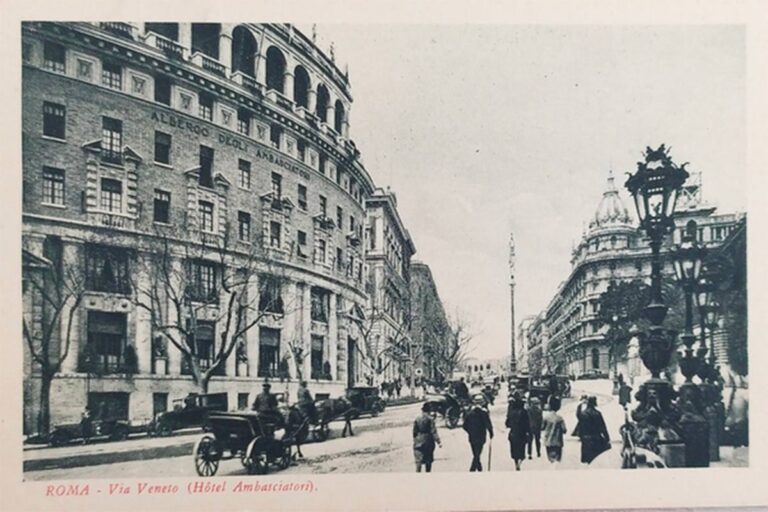
Via Veneto, Rome: the upcoming hotellerie through renewable energy and waste reduction programs
With their Belle Arti-approved restorations, the 5-stars hotels in Via Veneto are pursuing programs of waste reduction, km0 products, energy consumption reduction and renewable energy usage
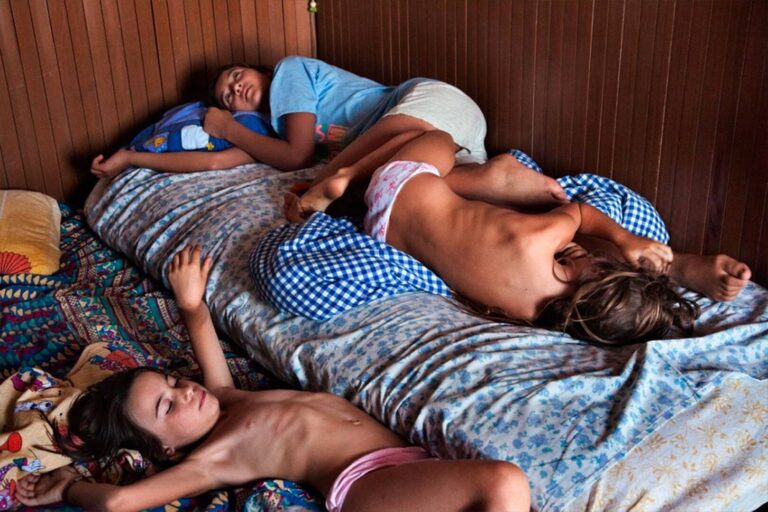
Why is cinema still not progressing regarding sustainable production? EcoMuvi alternatives
EcoMuvi proposes alternative methodologies to the usual production schemes that favor the reduction of environmental impact of various departments and activities

Bygone days; a collection of Cecil Beaton Venice images revised by Louis Vuitton
Chronicles of Cecil Beaton encounters, costume balls, social events leaving behind the diary and photographic records of his trips
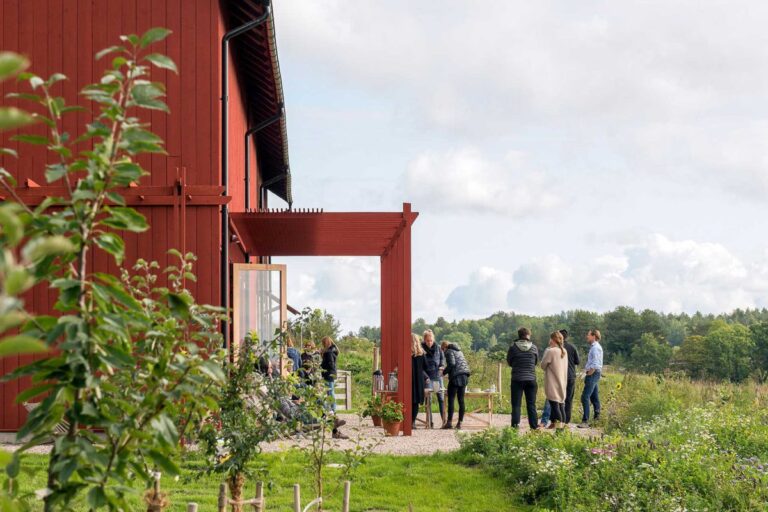
The need for a shift in the hospitality industry. Only a crisis produces real change
«One of the possible outcomes of the financial crisis is that chains will be less inclined to throw away everything they already have and rebuild from scratch»

The escalating danger of space debris: Niklas Hedman, Acting Director for UNOOSA
Since the birth of the space age in the 1950s, people have sent thousands of rockets and satellites into orbit. Many are still there to this day
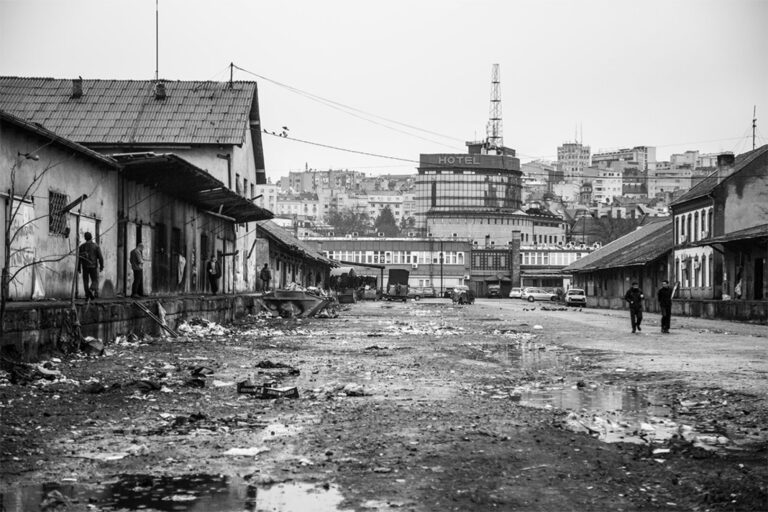
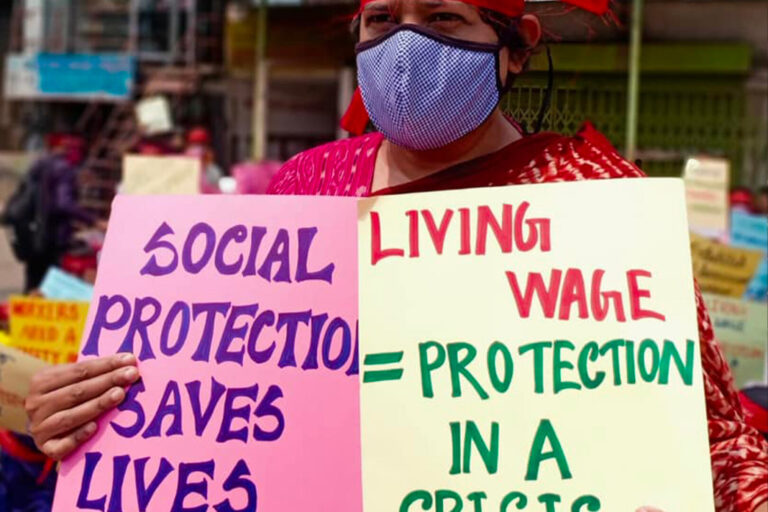
Inequality kills – Inequality contributes to the death of at least one person every four seconds
Climate change - Twenty of the richest billionaires are estimated, on average, to be emitting as much as 8,000 times more carbon than the billion poorest people
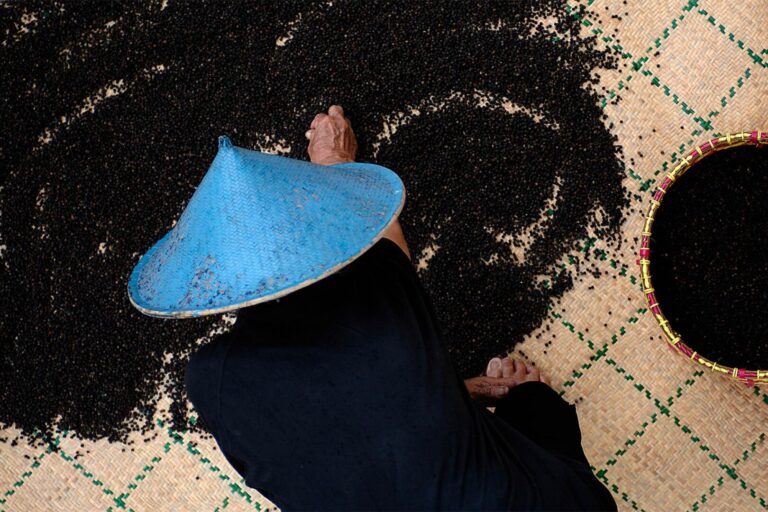
The role of pollinators – Keepers of biodiversity, food supply, and more
In January 2022, the UK Government allowed the use of the banned bee-harming neonicotinoid pesticide thiamethoxam on sugar beets for the second year running

Architecture on transparency glass windows: every hatred would be destroyed
'The surface of the Earth would be completely different if brick architecture were replaced everywhere with glass’. States Bruno Taut the realities of our utopian impulse to see through buildings

Nature takes over urban waste. What will need to live in synchrony with nature
The Tree Column is Blast Studio’s latest design. Made from recycled coffee cups and mycelium, it is yet another viable option for the future in sustainability

Crabyon – what is this? We are not there yet, but it could be a solution
Crabyon cannot be produced at a large scale. However the large quantities of waste available mean that in the future, it could be a new alternative to viscose
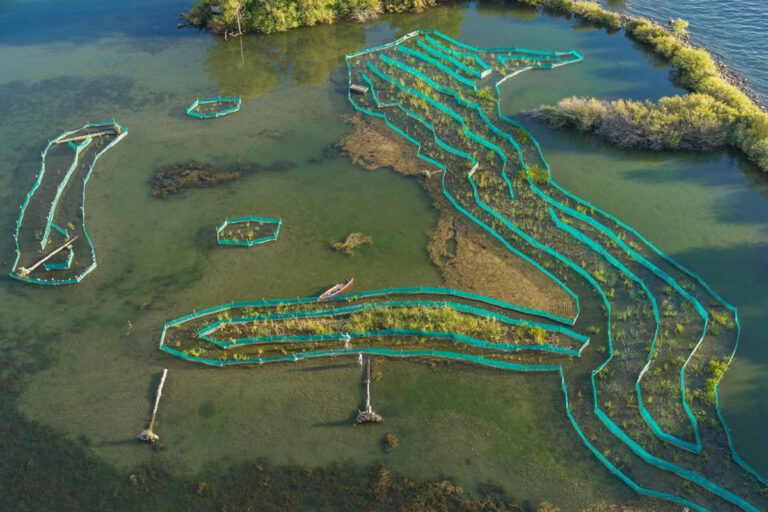
IPCC’s WG2 2022 report – Every fraction of a degree prevented saves lives
Climate change is contributing to humanitarian crises where climate hazards interact with high vulnerability, and it is driving displacement

Showcasing savoir-faire and craftsmanship, Louis Vuitton perpetuates the traditions of its founder
Up to 300 people working in a single workshop; divided into two areas to encourage a sense of community and the transmission of skills from generation to generation
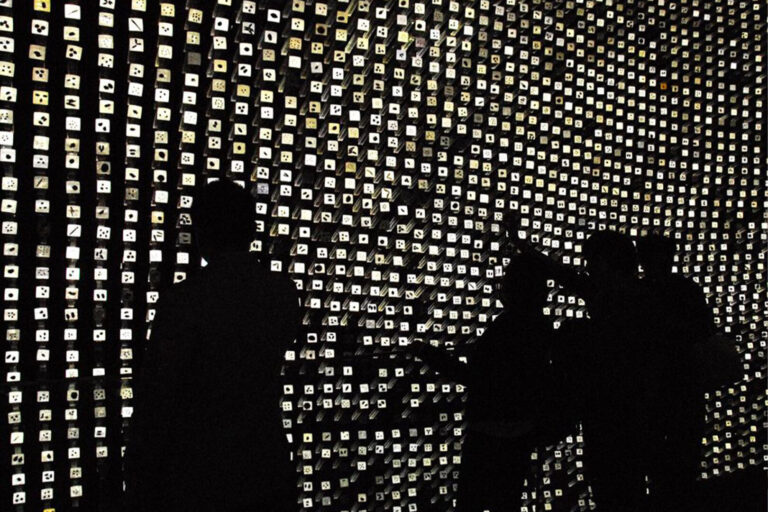
Global food security is not well managed: the effects of climate change and the war in Ukraine
Wheat is a basic diet element, Russia and Ukraine are among the biggest producers. We followed current patterns across the globe with PhD Jonas Jägermeyr
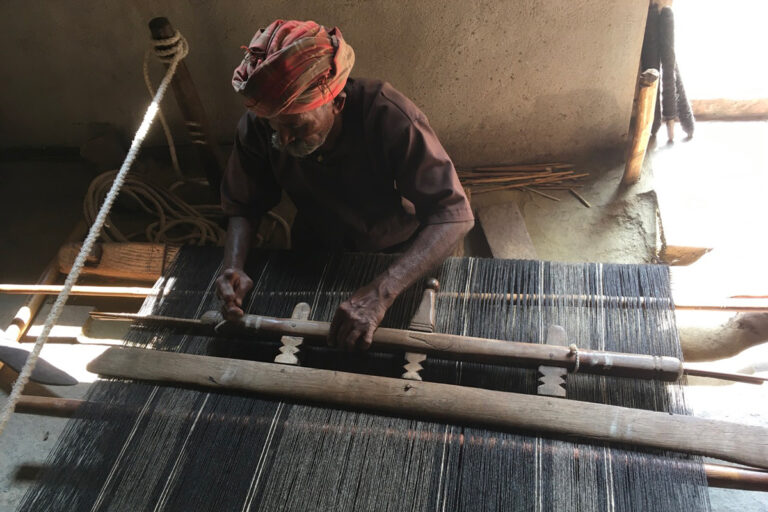
Embracing technology: the only way to keep hand weaving with the new generation
From Italy to India to Wales. How the culture of hand weaving is undergoing just enough modernization to keep it alive, but not enough to kill the traditional craft completely

Viticulture: hybrid varieties, cross breeding resistant varieties with varieties of good wine quality
Viticulture, closely intertwined with the land and our earth, is threatened by the precarity of our environment. Wineries all over are being forced to reassess their practices

Building a renewable powered supply chain – the future of the fashion industry
Textile companies could reduce Scope 3 emissions by using renewable inputs such as solar, hydroelectric, and geothermal. At least, this is what is required from the luxury brands
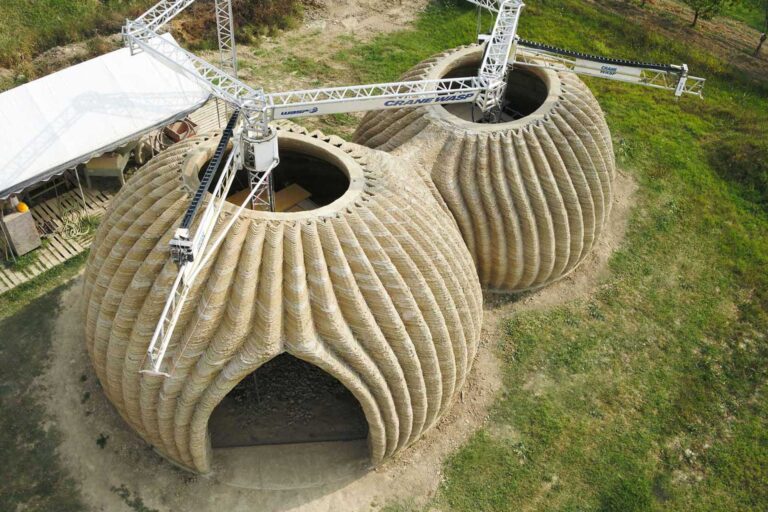
3D printed house TECLA – using clay as a raw material will bring us a step closer
«The first project of a house that can adapt to different climates». Architect Mario Cucinella, talking about TECLA, a collaboration with Wasp 3D printing

NFTs – Four art market experts discuss the advantages and potential risks of blockchain
In the limelight after the multi-million auction of Beeple’s The first 5,000 days. Art and tech, a compendium of the recent turmoil in the art market and the global excitement...
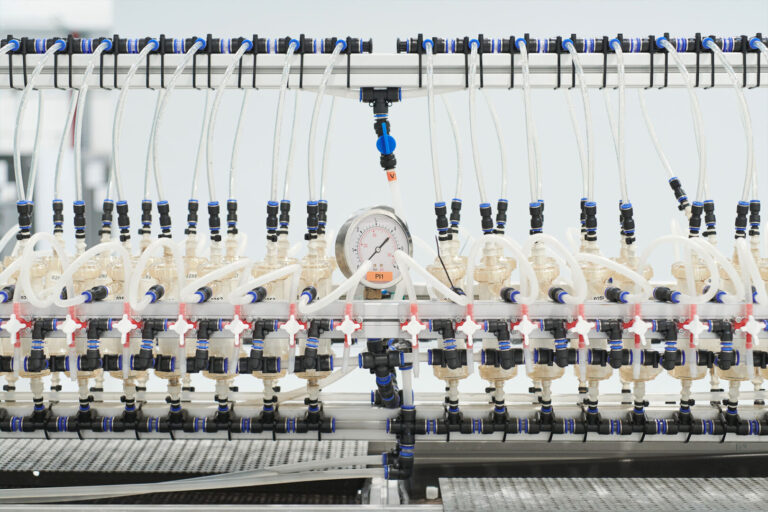
Wasteocene: «extracting water from waste should be made a priority». Matt Boczkowski, Aquaporin
Ninety-nine percent of the world population has PFASs in their bodies from polluted drinking water. Improving water filtration can help regain consumer trust and reduce plastic waste
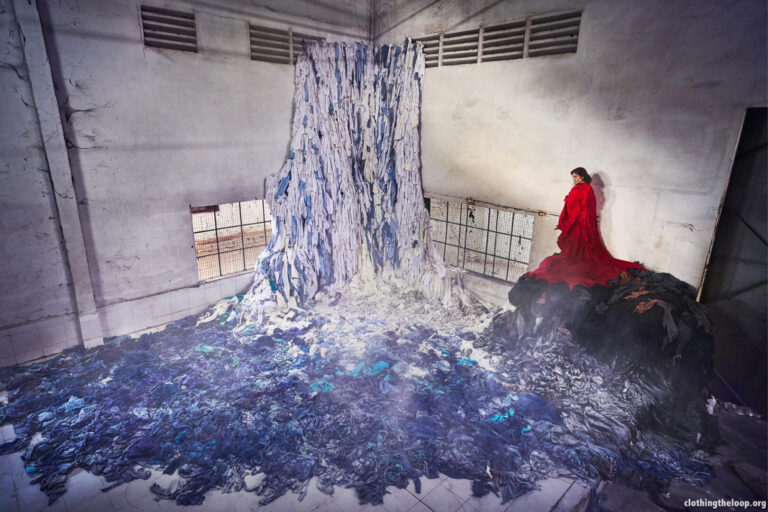
Updating a new fashion legislature: is fast fashion auditing real or not?
Decarbonisation goals for fashion, taxes for pollutants from apparel, accountability for wage theft from garment workers. The fashion industry’s green, clean future may not be too far away
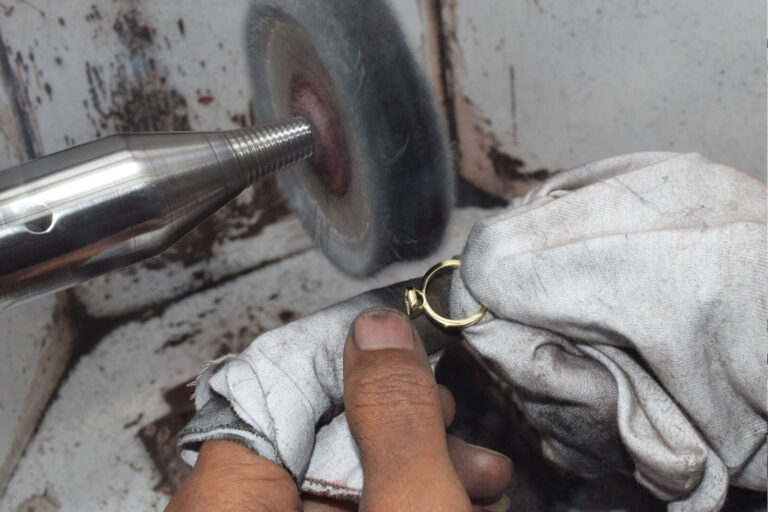
Cecilia Accardo – Quartz, synthetic diamonds, and non-mined metals: paving the way to recycled jewelry
Cecilia Accardo and Scéona Poroli-Chauveau: «There is no difference between extracted or non-mined metal in terms of quality». A conversation about the recycled jewelry industry
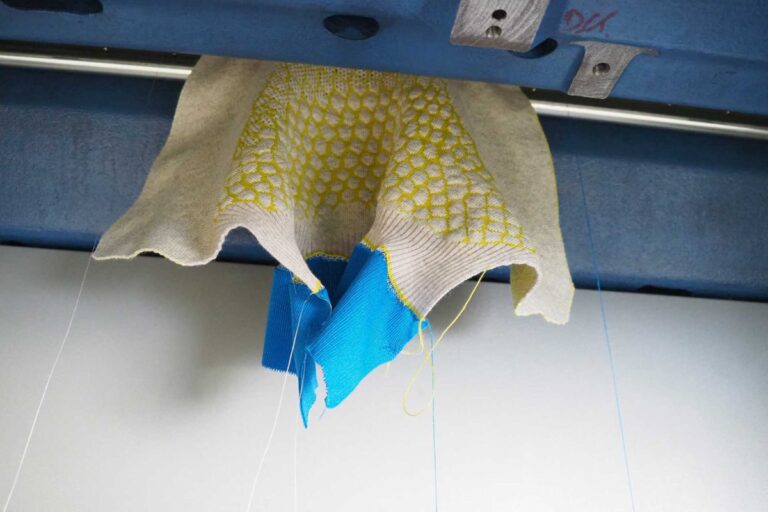
Dog hair spun into yarn and pre-repaired sneakers: what’s next?
«My aim was to show natural materials that have potential in a product, not to make a sneaker». In conversation with Emilie Burfeind and Matthew Edwards

Vertical Farming, Aeroponics: A forest of energy-efficient buildings communicating with each other
Professor Dickinson Despommier argues urban agriculture as the way to gor to manage feeding the cities of the future. Plenty Inc. start up ready with 541 million dollars
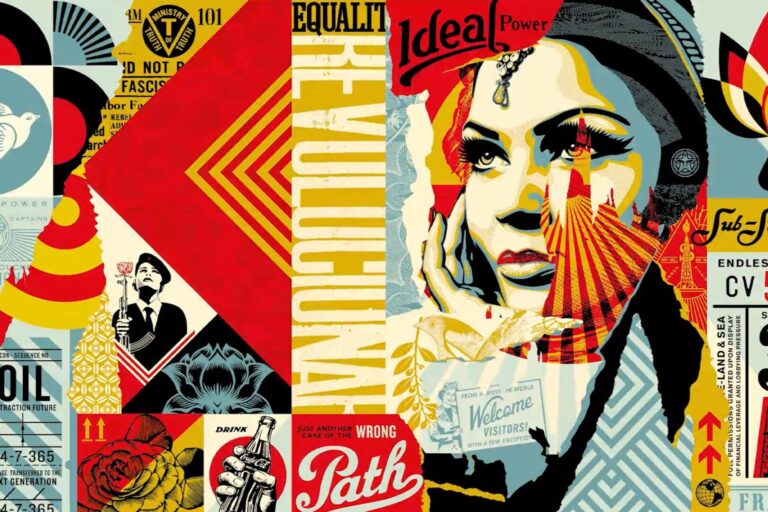
In the Earth day 2022: NFTs burning explained. The environmental consequences of endless digital consumption
A fast fashion mindset that drives a new industry trend of burning NFTs is at odds with a shift to slow capitalism and conscious consumption
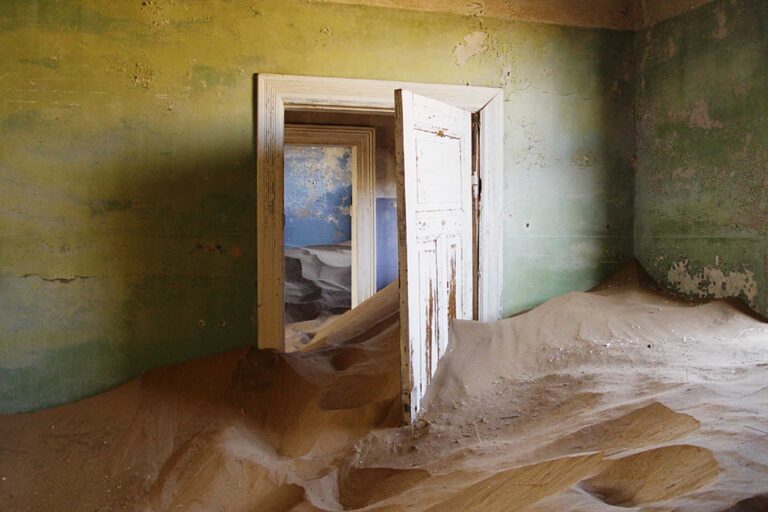
In the age of Dune it’s about Sand: an insatiable demand, taken from rivers and streams
In conversation with Vince Beiser, writer, journalist and author of ‘The World in a Grain: The Story of Sand and How It Transformed Civilization’ on the role of sand
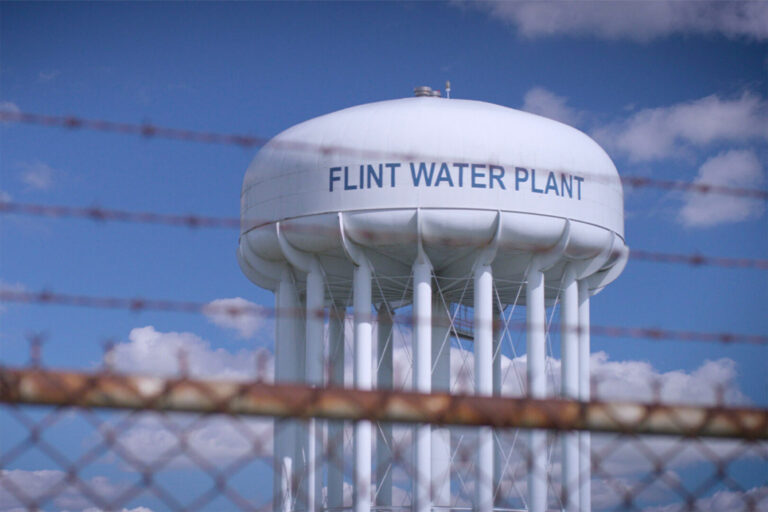
Fighting thermo inequity, natural packaging, controlled distribution: the JUST Water business model
Water boxes have filtered more than four hundred thousand liters of water, saving up to a hundred forty thousand kilograms of Co2 and avoiding single-use plastic water bottles
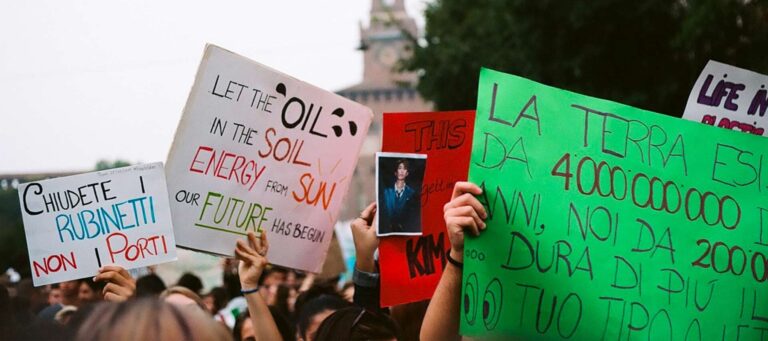
Heatwaves, viruses, eco-anxiety: threats coming from climate change. In conversation with Francesco Tamilia
An estimated nine million people die from pollution each year. More people have died from climate change than Covid. The climate crisis «is also a health crisis and must be...
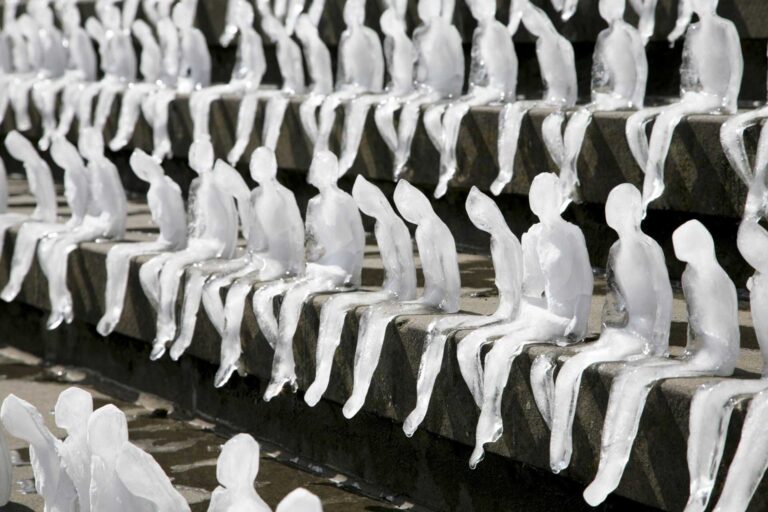
Our thousands of years old glaciers don’t contain water alone, but our history too
Like archives, glaciers store microbiological and viral data that can help scientists to predict our future climate thanks to new knowledge about ancient ecosystems
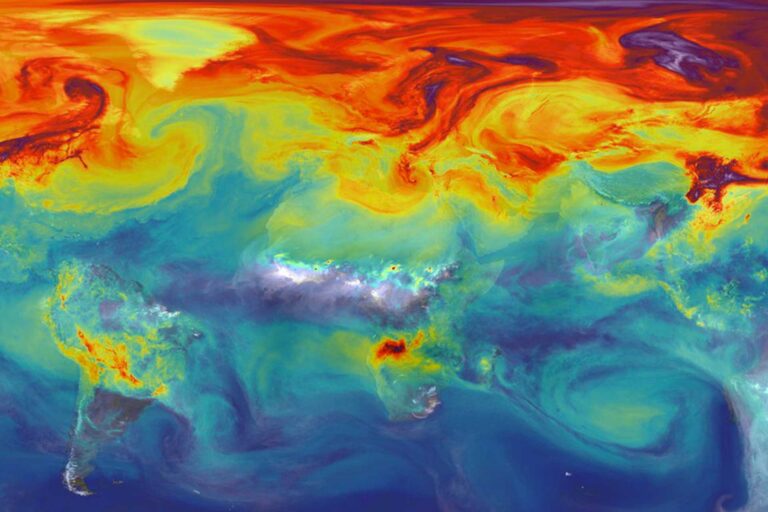
CORSIA stabilizes net CO2 emissions from international civil aviation at 2019 levels
By 2050, the aviation sector intends to cut its net CO2 emissions to half of what they were in 2005, while exploring strategies to reach net zero emissions by 2060-65
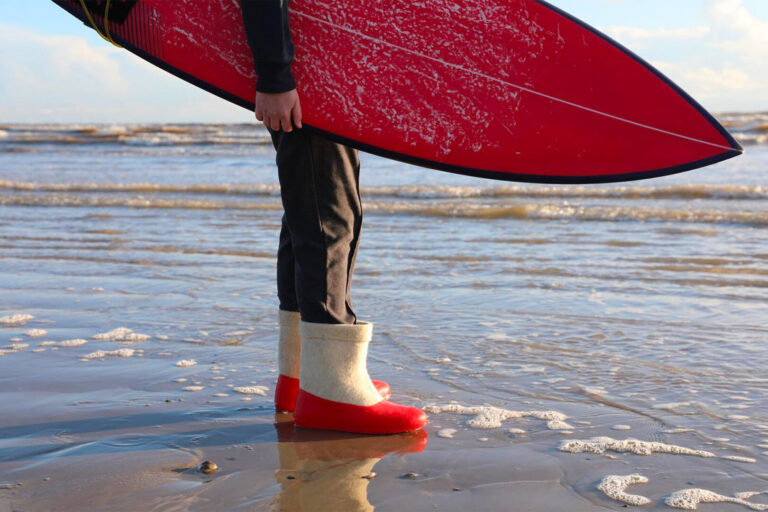
Is the felt industry sustainable? The case of Voylok shoes made by mono-materials
Made avoiding the use of dyes, bleach, stitches or glues. By-products from production, such as wool scraps and muddy water, are turned into fertilizers for farmers
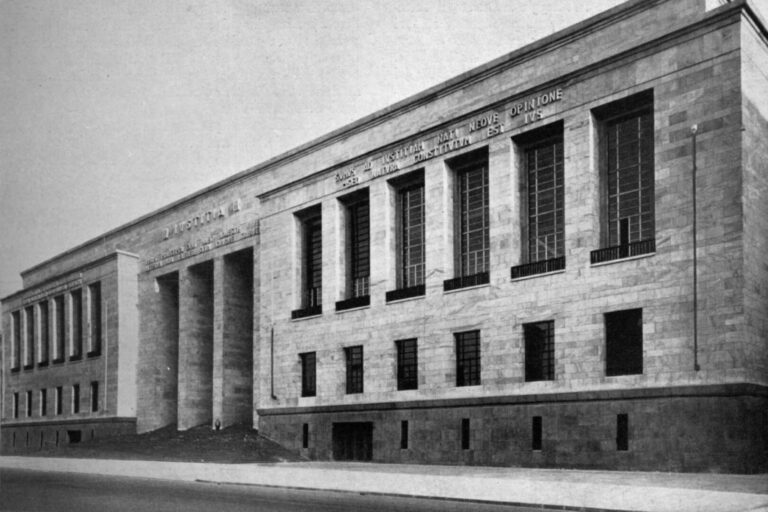
The Claiming of Modern Milan and what to do with the legacy of a difficult heritage
A regime at the mercy of international and private interests with the persistence of social structures forged in the pre-fascist period — in discourse with Professor Lucy Maulsby
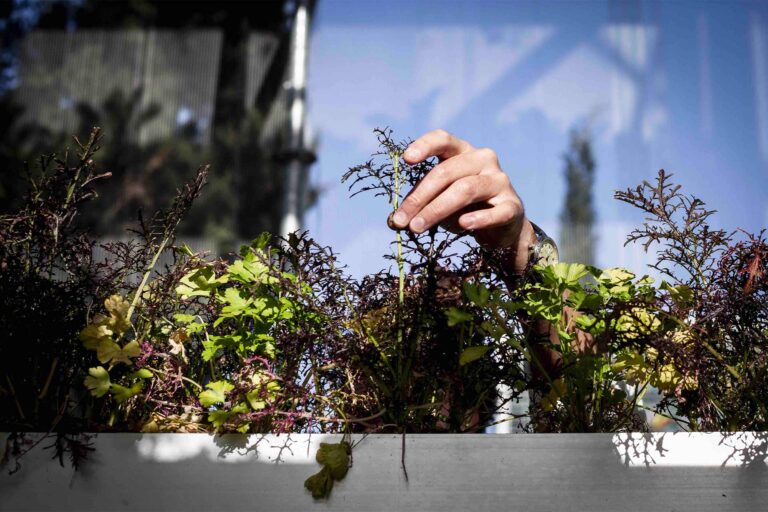
Upfarming company amending the broken system of agriculture through rotative vertical farming
In conversation with Bruno Lacey and Tiago Sá Gomes on their Lisbon based rotating vertical towers. The project utilizes fifty percent less energy, fifty percent less labor and ninety percent...

Changing Markets – deft marketing tricks mask the truth on synthetic fibers
Extracted, refined into petrochemicals, and processed into plastic. Fossil fuels are spun into synthetic fibers– over seventy percent of all fiber production
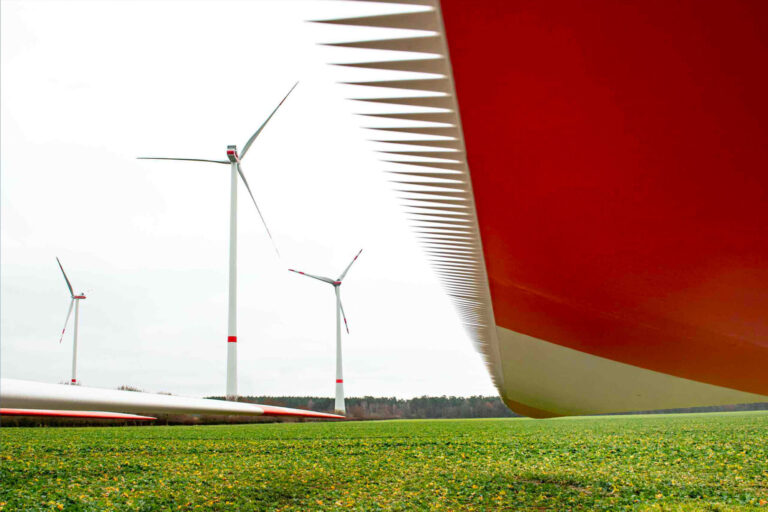
The catalyst for the decarbonization of the energy sector in Berlin: Berliner Stadtwerke
Clients know where their electric power comes from. Although Berliner Stadtwerke is not a large company using eco certificates to provide green power, it’s one-hundred percent solar and wind powered

Cotton recycling: the chances we have working on man-made cellulosic fibers
«If cotton or other cellulosic fibers can satisfy the 100 million tons of demand, there’s no reason why we can’t use a regenerated natural fiber from beginning to end»