Dries Van Noten on his foundation in Venice and The Only True Protest Is Beauty
A conversation on planning with water in mind at Fondazione Dries Van Noten as The Only True Protest Is Beauty maps 200+ works across 20 rooms at Palazzo Pisani Moretta—maintenance first
Fondazione Dries Van Noten opens with The Only True Protest Is Beauty at Palazzo Pisani Moretta
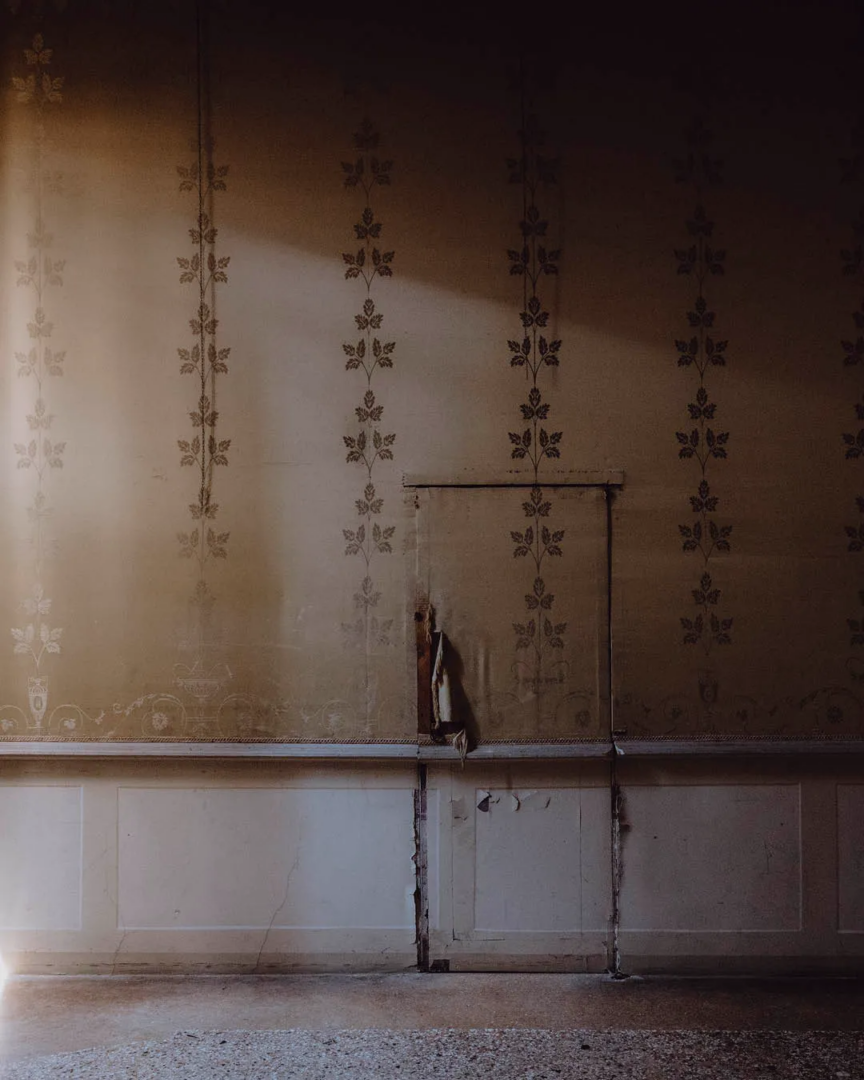
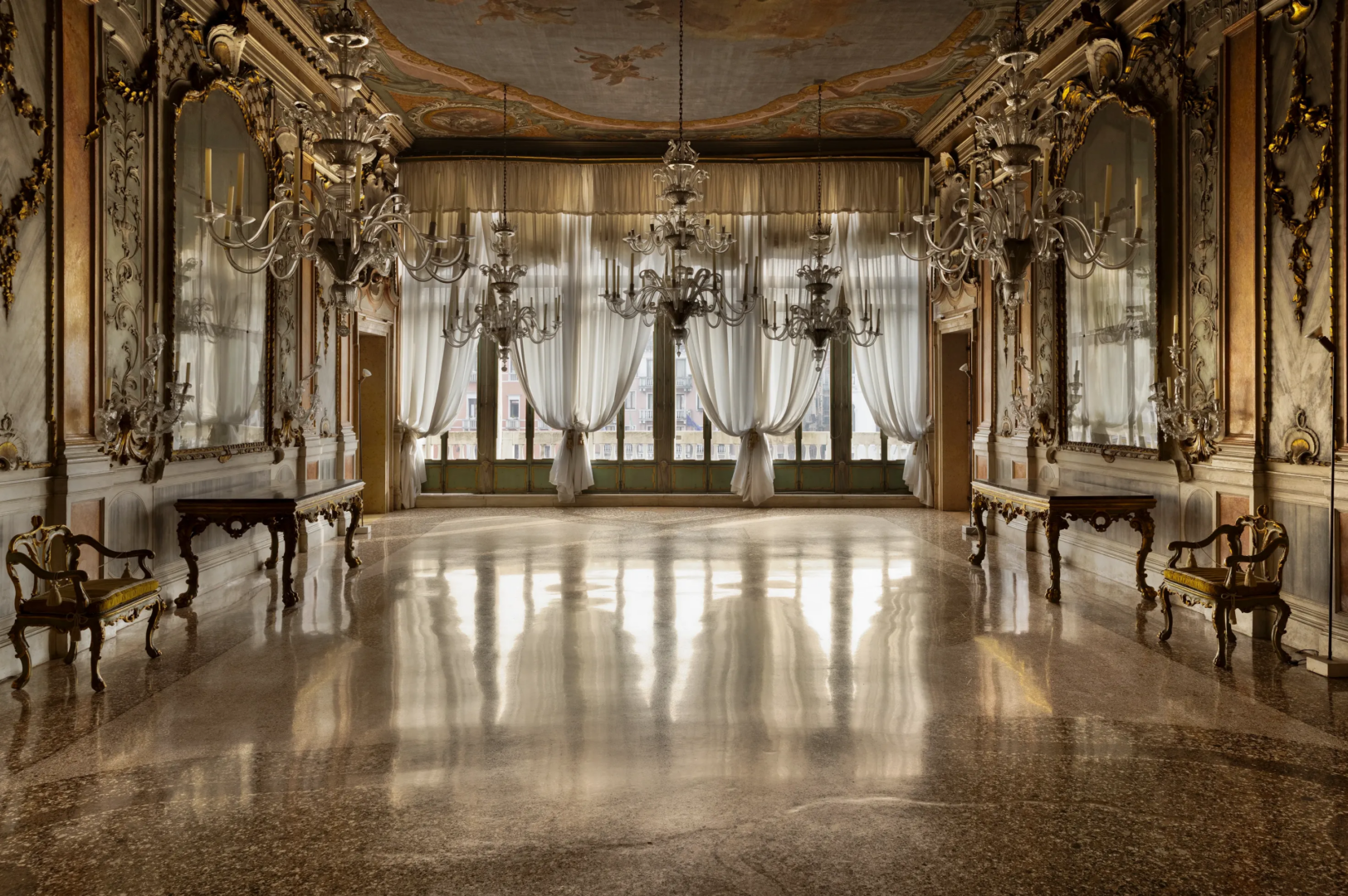
Palazzo Pisani Moretta, in the San Polo district. Anyone familiar with Venice understands immediately what that implies. A palazzo is not simply an exhibition space: it is maintenance, logistics, and long-term stewardship. Only afterwards does it become a stage.
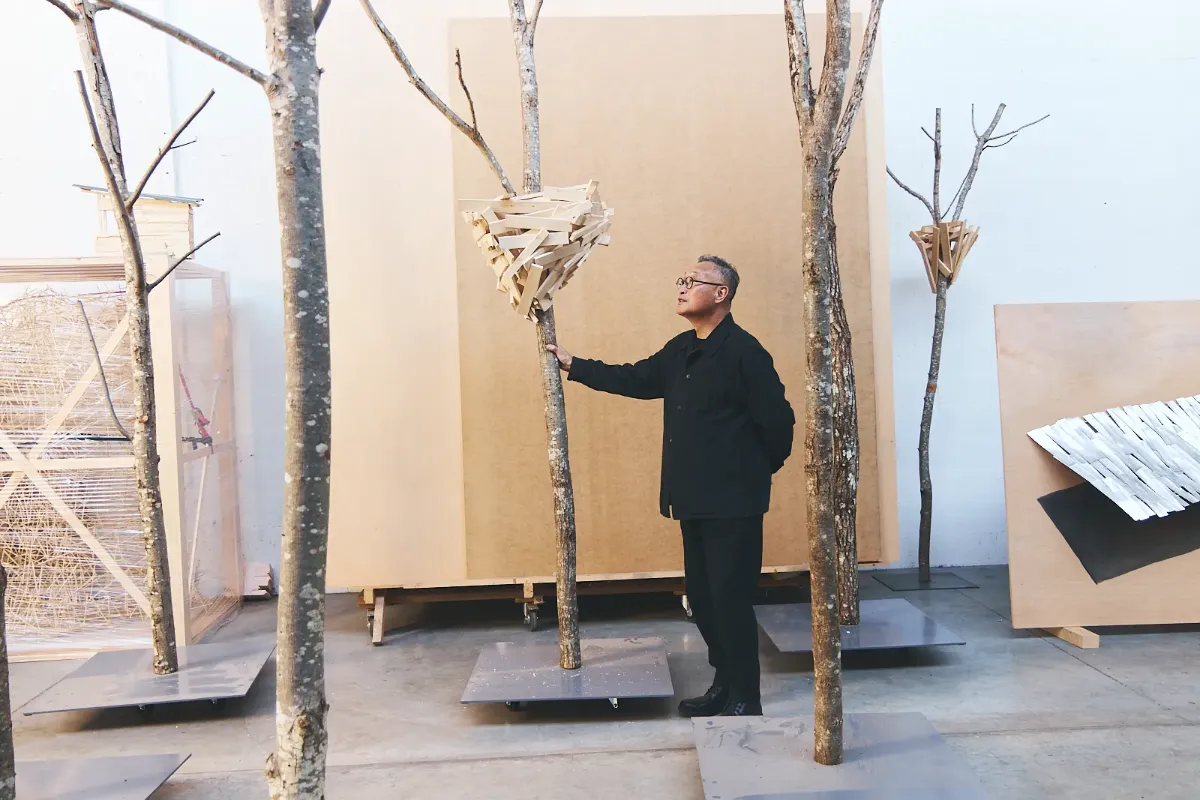
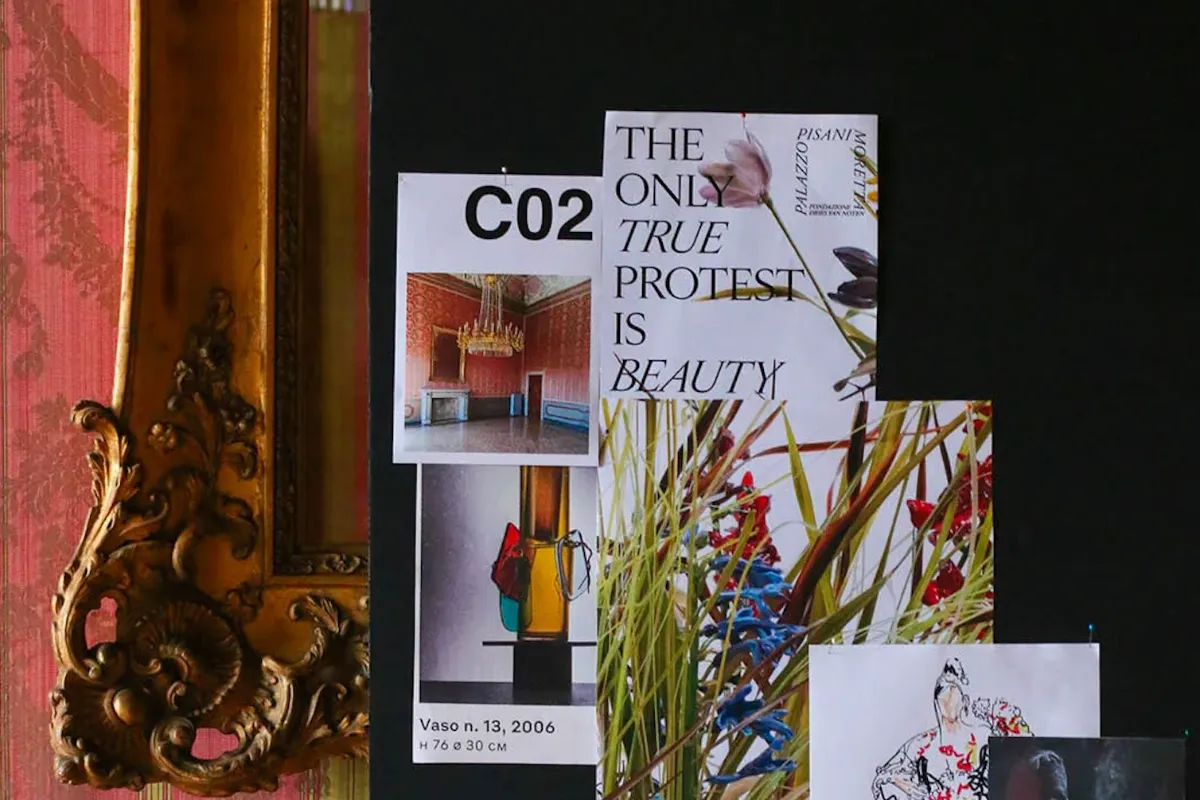
The Fondazione Dries Van Noten inaugurates its first Presentation, The Only True Protest Is Beauty, open from 25 April to 4 October 2026. Curated by Dries Van Noten together with Geert Bruloot, the project avoids a linear narrative. The exhibition unfolds instead as a sequence of encounters: rooms to move through rather than a story to follow.
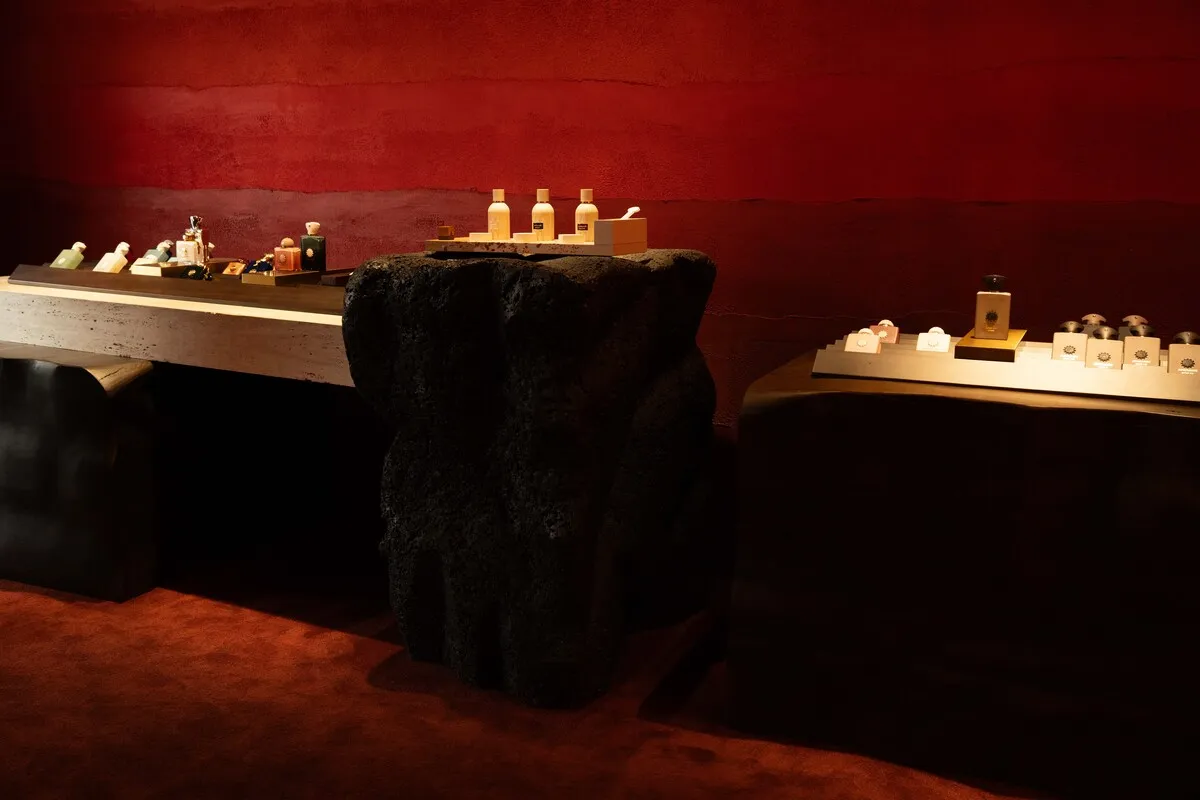
More than 200 works are distributed across twenty rooms, from the ground floor through the first and second piano nobile. The disciplines extend beyond fashion: jewelry, art, collectible design, photography, glass, ceramics, and material experimentation. Participants include Peter Buggenhout, Steven Shearer, Codognato, Christian Lacroix, Rei Kawakubo for Comme des Garçons, Ayham Hassan, Ritsue Mishima, and Wave Murano Glass.
Access is structured through the Become a Friend program. The Friend Card, valid until April 2027, functions not as a supplementary benefit but as the entry ticket itself. Membership is therefore not an additional privilege; it is where entry begins.
A part of our planning is dedicated to maintenance and resilience, not as a separate emergency measure, but as an integral way of stewarding a historic building in the 21st century. Our commitment here is long-term: caring for the building, adapting as conditions evolve, and working with the city’s network of specialists”.
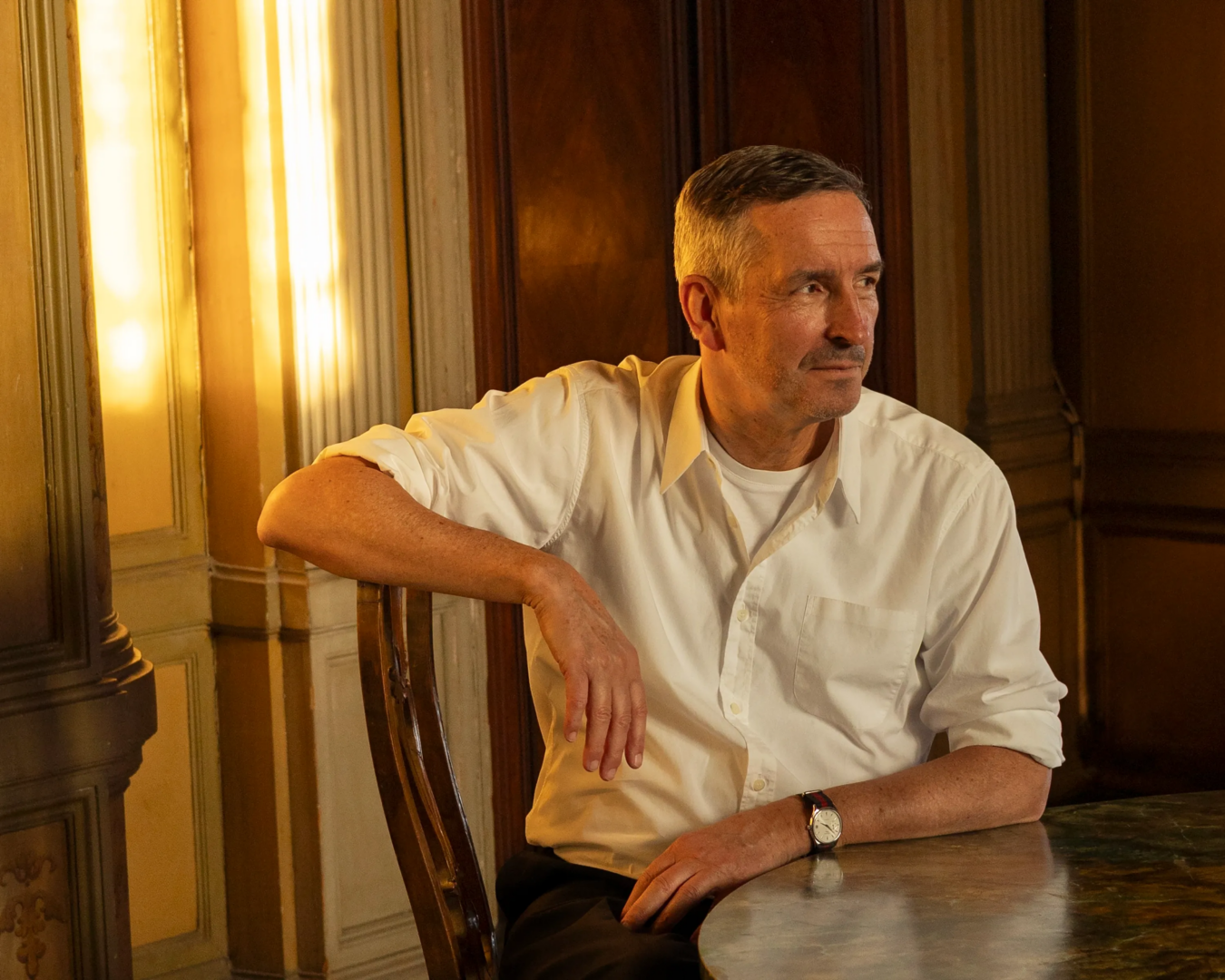
Beyond Murano glass: how the Fondazione Dries Van Noten supports Burano lace, artisanal knowledge, and endangered craft traditions in Venice
Venetian craftsmanship is often reduced to Murano glass. Yet the city’s material culture extends further. One example is Burano lace — merletto — a slow practice historically transmitted through female lineages and domestic work.
Dries Van Noten explains that the Fondazione intends to sustain these quieter forms of knowledge by integrating them into its program.
“Alongside glass, we’re committed to sustaining quieter forms of know-how by making them part of the Fondazione’s program. Throughout the year, we’ll host presentations, residencies, collaborations, and educational projects that create real spaces of exchange between emerging makers and master artisans. Our shop extends this commitment on a practical level: it offers young and local craftspeople a place to show and sell their work, with a continually evolving selection that generates economic opportunity. Our role is to build long-term relationships, commission new work, and create the conditions for these skills to remain active, visible, and viable for the future”.
Venice under tourist pressure: year-round cultural programming, students, winemakers, and community collaborations at the Fondazione Dries Van Noten
Venice faces structural strain from visitor pressure and an economy increasingly organized as a display window for tourism. The municipality has introduced an access fee on certain peak days.
Within this context, the Fondazione has structured its program across the entire year rather than concentrating activities during peak seasons. Several initiatives are conceived directly with local communities: invitations for young regional winemakers to present their work and performances by students from Venice’s music schools.
University students will also participate as ambassadors and service staff, receiving academic credits and strengthening connections between the institution and Venice’s educational network.
“Our programs run throughout the year, not only in peak seasons, and many initiatives are shaped with and for local communities, from inviting young regional winemakers to present their products to hosting performances by students from Venice’s music schools. Venice’s university students will also play an active role as ambassadors and service staff as part of their academic credits, strengthening the connection with the city’s educational network. We’re also thinking about access: adopting thoughtful scheduling, slower rhythms, and programming that circulates value within the local ecosystem rather than extracting from it. In essence, our approach is simple: remain open to the world while staying firmly anchored in Venice, contributing to the city’s cultural life without adding to its strain”.
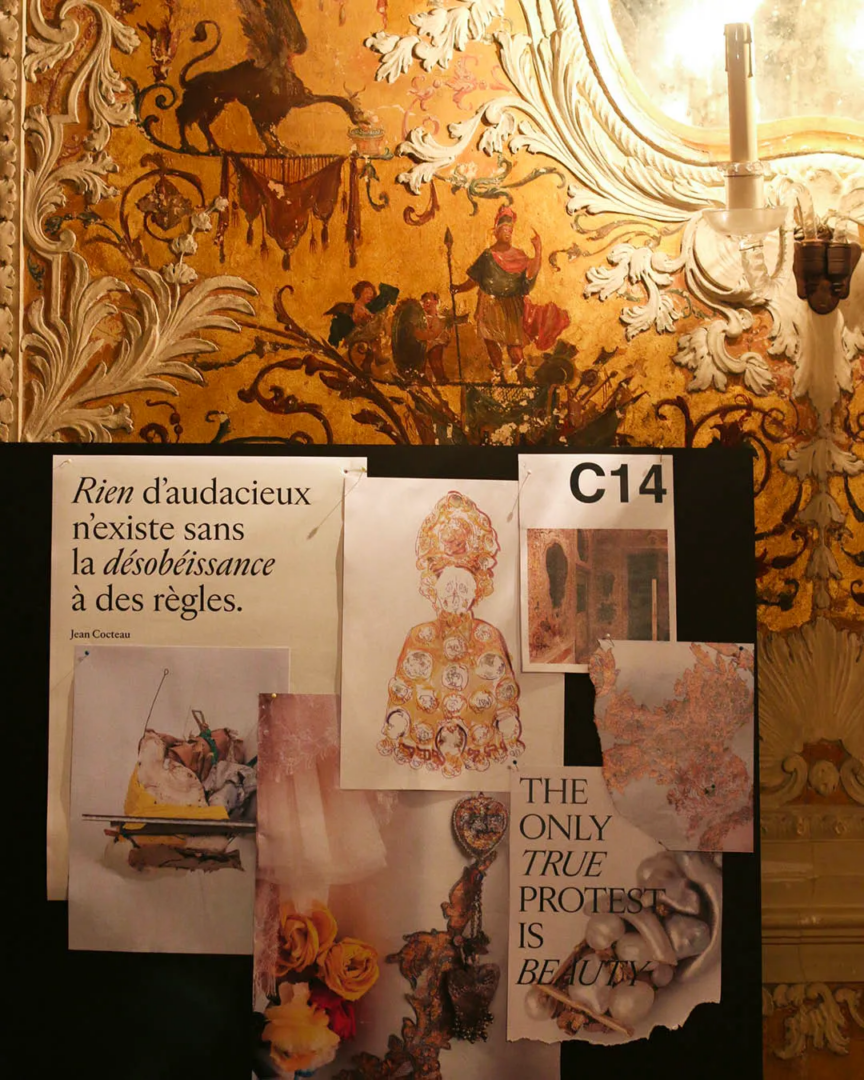
Restoring Palazzo Pisani Moretta in Venice: conservation rules, reversible architecture, and the renovation led by architect Alberto Torsello
The palazzo will undergo renovation starting in October under the direction of Venetian architect Alberto Torsello. Because the building is protected under the supervision of the Soprintendenza, every intervention requires formal evaluation.
The restoration is framed less as a choice between preservation and innovation than as a broader mission of safeguarding a historical structure while allowing it to function in the present.
“Because the building is under the Soprintendenza’s supervision, every intervention requires evaluation. It’s not a simple choice between preserving an original feature or introducing a contemporary one, it’s a broader mission of safeguarding a historic structure. Original elements are retained whenever possible, and contemporary solutions are introduced only when they ensure the building can function safely and sustainably without compromising its character. All decisions are made within a shared framework with our architects and conservators, guided by long-term stewardship.”
Plastics, composites and packaging in cultural institutions: Dries Van Noten’s craft-led strategy to reduce materials and environmental footprint
Material choices are another area where the Fondazione has defined guiding principles. Rather than imposing strict prohibitions on plastics, composites, or packaging, the approach remains context-specific and oriented toward reduction.
“Our guiding principle is a holistic, craft-led approach to minimizing waste, including plastics, composites and packaging. Rather than enforcing rigid bans, we work with a context-specific practice that prioritizes reuse, careful sourcing and, when feasible, traceability. In Venice, these choices must be balanced with the city’s particular conditions (e.g. humidity, limited storage, transport over water) which are elements to be considered when defining responsible practices. The commitment is to keep our material footprint as light as possible while respecting the unique environment in which we operate.”
Venice as cultural ecosystem: lagoon landscape, workshops, universities and the knowledge network behind the Fondazione Dries Van Noten
When the Fondazione refers to Venice as an ecosystem, the emphasis is primarily cultural. The term describes the network of skills, workshops, institutions, and educational structures that sustain the city’s creative life.
At the same time, the city’s cultural production cannot be separated from its natural environment.
*“We refer above all to the cultural network that sustains Venice: its skills, its workshops, its institutions. Our focus is to enrich and celebrate this fabric so it remains active and viable, most of all for younger generations. While the term is primarily cultural, we recognize that Venice’s material culture is inseparable from its natural setting.
The lagoon and the city’s landscapes are part of the same continuum of knowledge and care. Strengthening this ecosystem also means nurturing a deeper appreciation of these environments, encouraging younger generations to see Venice not only as a place to study or visit, but as a place to inhabit and contribute to. In this way, the interplay between people, culture and nature can continue to evolve, making the city more livable and its shared fabric more resilient over time.”*
No permanent collection at Palazzo Pisani Moretta: the Fondazione Dries Van Noten will host evolving exhibitions, commissions and rotating artistic projects
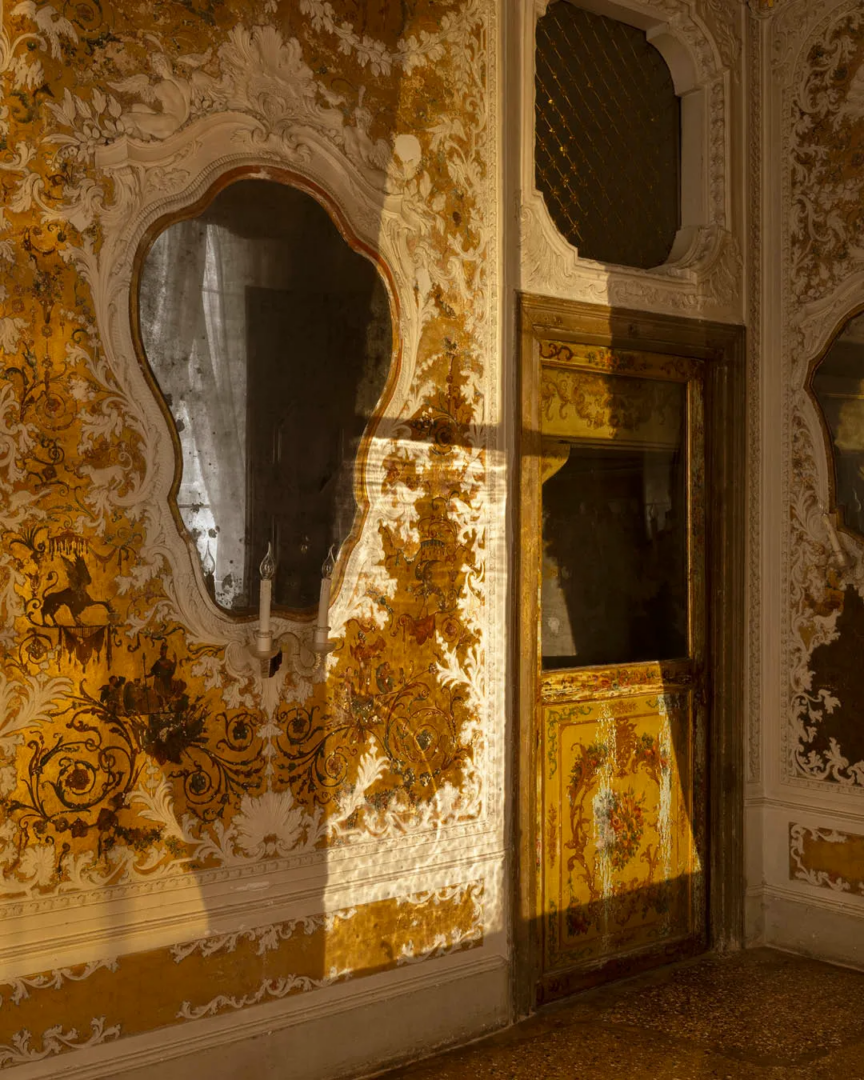
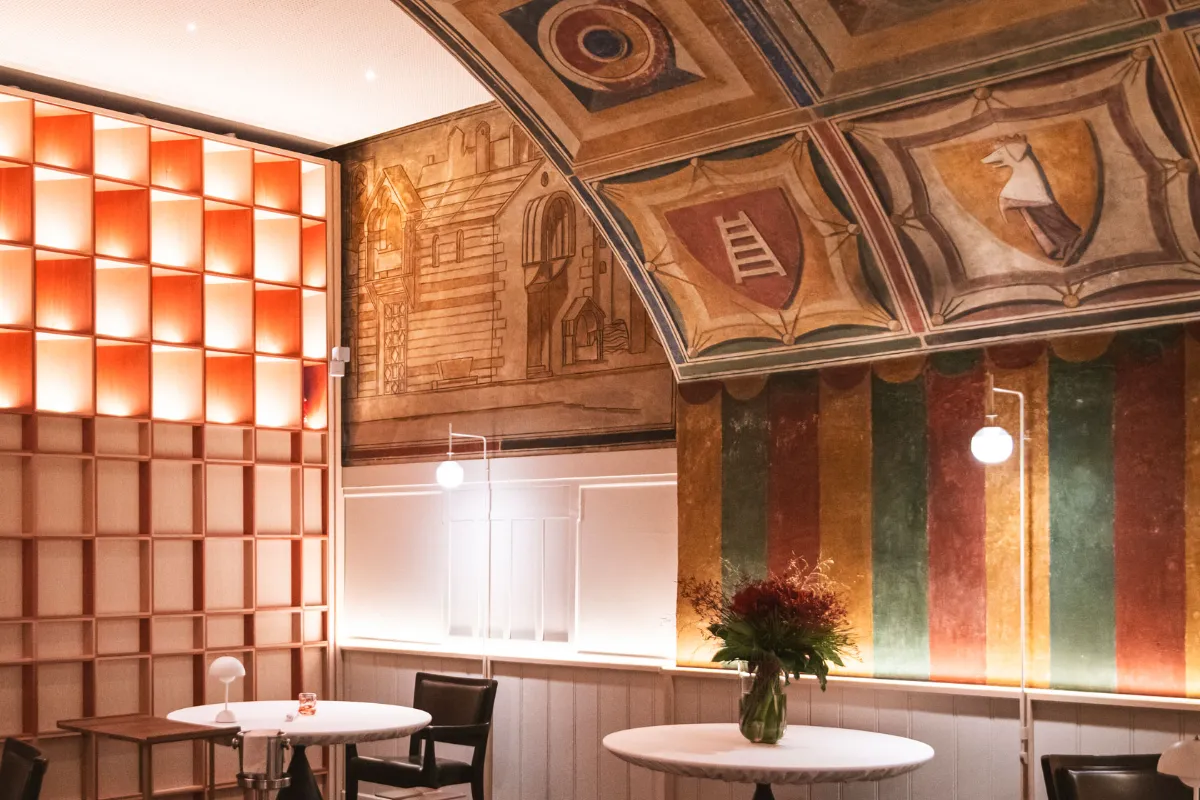
Palazzo Pisani Moretta already contains its own historical patrimony, including original furniture, decorative objects, and artworks such as frescoes by Guarana and Tiepolo. These elements belong to the building itself.
The Fondazione does not plan to construct a permanent collection in the conventional museum sense.
“The Palazzo already holds its own historic patrimony (original furniture, decorative objects, and of course the artworks and frescoes by artists such as Guarana and Tiepolo). This heritage is part of the building itself, but it does not constitute a permanent collection in the museum sense, nor is that our intention. Rather than building a fixed collection, the Fondazione hosts evolving presentations shaped by the artists and makers we invite. Some show existing works, others develop new commissions specifically for the space. In this way, what remains constant is not a collection but a curatorial vision: each chapter brings new voices and new perspectives, allowing it to stay active and responsive over time.”
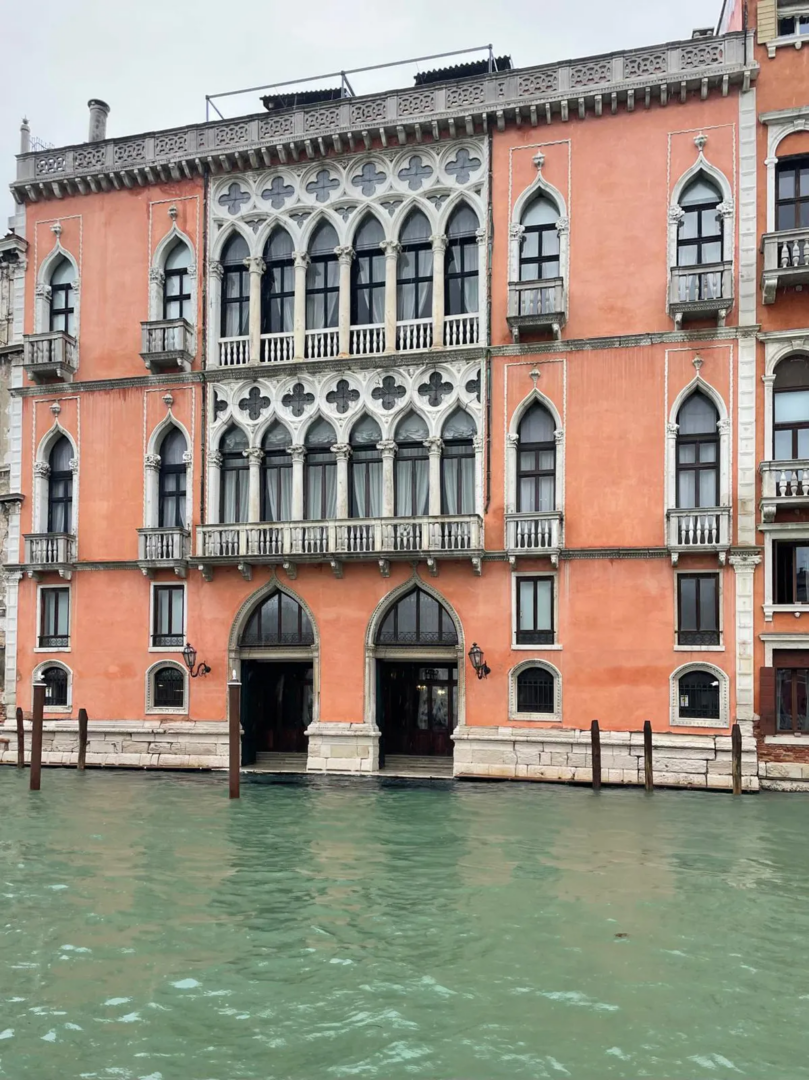
Measuring impact in Venice: how the Fondazione Dries Van Noten plans long-term cultural exchange beyond another Venetian cultural address
The ambition of the Fondazione extends beyond establishing another cultural venue in Venice.
“Venice is our starting point, but the ambition is broader: to develop practices and forms of exchange that can adapt and speak to different contexts. Success would appear in the continuity of projects, in relationships that grow over time and in the way our work helps expand what people can do and imagine, here but also elsewhere. As the Fondazione evolves, listening to the audiences we meet and their feedback will shape how this long-term vision unfolds.”
About Fondazione Dries Van Noten
Housed within the historic Palazzo Pisani Moretta, overlooking the Canal Grande, Fondazione Dries Van Noten celebrates craftsmanship as a vital language of cultural identity. Here, ideas take form through material, gesture, and the patient passage of time, as mind and hands meet in the act of creation. The Fondazione inhabits a space of transition, carrying traditions forward while continually reinventing them. It will bring together established voices and emerging creators alike across art, design, fashion, architecture, food, and beyond. By encouraging cross-pollination between disciplines, it sparks fresh perspectives, bridges history with the present, and connects local talent with global creativity. The Fondazione inaugural Presentation (25 April–4 October 2026), The Only True Protest Is Beauty, is curated by Dries Van Noten with Geert Bruloot. The project is developed with Torsello Architettura, marionanni studio (lighting) and Uni.S.Ve. (production).
Federico Jonathan Cusin