Hemp for the future: here’s why one plant can change everything
From ancient civilizations to climate-resilient futures, hemp is the sustainable, regenerative crop that touches every aspect of our lives – from agriculture to architecture, wellness to wearable tech
Why hemp is the world’s most versatile and sustainable plant
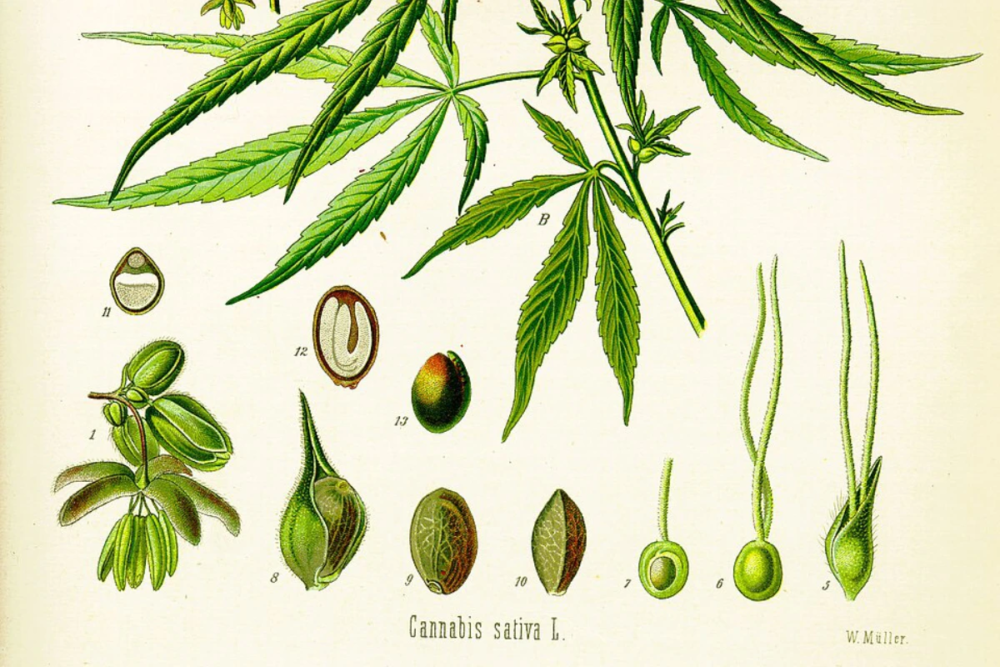
Hemp – Cannabis sativa L. with a THC content low enough to avoid intoxication – has walked beside humanity for at least 10 millennia. Today the plant’s renaissance is more than a curiosity; it is a practical answer to converging crises in climate, resources, and rural economies. Hemp can be spun into linen‑soft cloth, mixed into concrete‑like blocks, brewed into nutty milk, pressed into nutritious oil, and refined into graphene‑grade carbon nanosheets.
It grows fast, sequesters more carbon per hectare than most forests, and asks for little more than sunlight, moderate rainfall, and room to stretch. Because every single part of the stalk, seed, leaf, and root can be transformed into something of value, hemp stands apart as a champion of circular design. This chapter‑length essay explores every contemporary and historic use of hemp, showing how one humble weed touches agriculture, industry, medicine, and art.
A short history of hemp: from ancient rope to modern revolution
Archaeologists find hemp cord impressed into Chinese Neolithic pottery, hemp paper in Han‑dynasty tombs, and hemp canvas on fifteenth‑century European caravels. In Tudor England, farmers surrendered land to Crown‑mandated hemp plots because the Royal Navy depended on hempen sails and ropes. The first U.S. flag and several early drafts of the Declaration of Independence were reputedly linen‑hemp blends.
Hemp’s reputation suffered only when petro‑synthetic fibers and anti‑cannabis laws converged in the 1930s. Eighty years later, reforms from Canada to Australia to continental Europe have reopened fields once taken from the crop. Modern cultivars deliver fiber, grain, and cannabinoid flower under a single legal definition – industrial hemp – that now supports an explosive marketplace for sustainable materials.
How hemp is grown today: smart farming, better yields, and low impact
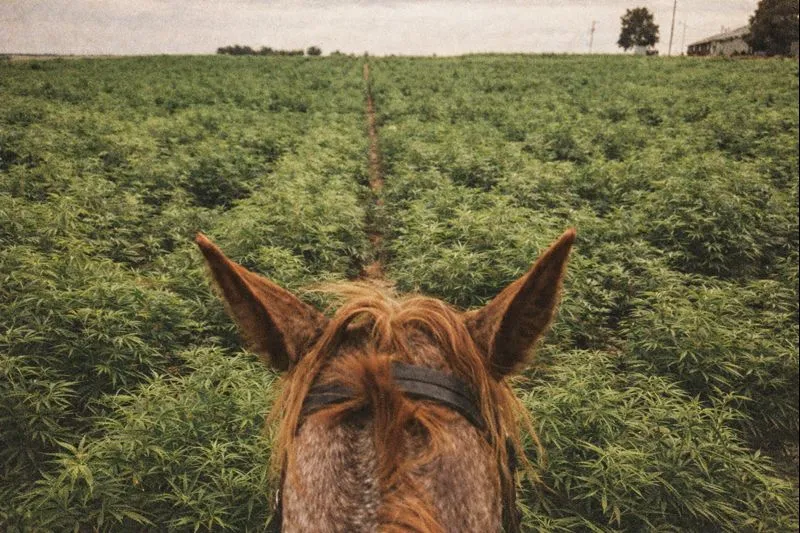
Hemp germinates in cool soils and races skyward, topping three meters in a summer. Breeders select dioecious lines for robust fiber and monoecious or all‑female lines for seed and cannabinoid yield. Dense sowing promotes long, node‑poor stalks; wide spacing encourages thicker stems and more branched seed heads. Hemp’s taproots excavate hardpan and leave behind friable earth that welcomes the next crop.
The plant requires roughly one‑third the irrigation of cotton and shrugs off many insects without chemicals, although organic growers often intercrop clover or buckwheat to attract beneficial predators. Precision agronomy – GPS planting, soil sensors, AI‑directed irrigation – now pushes fiber yields beyond ten tonnes of dry stem per hectare while lowering input footprints year on year.
The climate power of hemp: carbon capture, soil healing, and biodiversity boost
Each tonne of harvested hemp biomass embodies about 1.6 tonnes of atmospheric CO₂. Because growers typically harvest twice the biomass of comparably managed forestry plots, a hectare of hemp can lock down over 15 tonnes of CO₂ in four months. Lignin and silica in the hurd resist microbial decay, so long‑lived products – hempcrete blocks, structural composite boards, façade panels – become semi‑permanent carbon vaults.
Hemp roots exude phenolic compounds that suppress soil‑borne pathogens and facilitate mycorrhizal networks, rebuilding microbiomes battered by decades of intensive monoculture. Field trials in Ukraine and Italy show hemp’s phytoremediation power: the plant can bind or volatilize heavy metals such as cadmium and nickel while leaving fiber fractions safe for non‑food applications.
Hemp in fashion: breathable, durable, natural
Raw hemp fiber once felt coarse, but modern cottonization – steam explosion, enzymatic retting, ultrasonic softening – yields staple lengths compatible with both ring‑ and rotor‑spinning. The resulting yarns weave into denim, shirting, jersey, lace, and fluid silk‑grade blends. Because hemp’s hollow fibers wick moisture, resist ultraviolet degradation, and naturally suppress bacterial growth, hemp apparel stays cool in summer, warm in winter, and odor‑free longer between washes.
Luxury houses now issue hemp‑cashmere trench coats, hemp‑silk wedding gowns, and vegan sneakers knit from 100 percent hemp. Designers prize the faintly slubbed hand that signals authenticity in a world awash with flawless synthetics.
Industrial hemp fabrics: building the future with ultra-strong green textiles
Beyond clothing, hemp fiber reinforces geotextiles that stabilize riverbanks, shade nets that cool orchards, and woven conveyor belts that tolerate high humidity. Military researchers spin ultra‑high‑tenacity hemp for ballistic inserts, citing performance rivalling aramid while costing half as much energy to produce.
In filtration, activated carbon derived from hemp stalks captures volatile organics from industrial exhaust streams. Aerospace labs embed hemp fabrics in epoxy or bio‑resin matrices to craft interior panels 20 percent lighter than fiberglass with superior vibration damping – ideal for drone wings and satellite fairings.
Hemp paper and packaging: forest-free, waste-free, future-proof
Before wood‑pulp monocultures, hemp paper carried Buddhist sutras, Gutenberg bibles, and Thomas Paine’s Common Sense. Hemp bast fiber contains 60–70 percent cellulose, compared with 40–45 percent in conifers, so mills need fewer corrosive chemicals and less water to free cellulose chains.
Today boutique book makers specify hemp sheets for archival permanence; their lignin‑free composition resists yellowing for centuries. Commercial mills blend hemp into card stock, filter papers, tea bags, and molded fiber packaging. A single hectare of hemp can produce as much printable pulp as four hectares of slow‑growing pine in an annual cycle, sparing forests and shortening supply chains.
Ropes, nets and safety gear: the unmatched strength of hemp cordage
Hemp’s long bast fibers spin into cords of legendary durability. Saturated with Stockholm tar, hemp rigging defied salt spray on square‑rigged ships; modern tall‑ship restorers still insist on authentic hemp lines. Climbing gyms specify hemp landing‑pad nets because the fiber’s inherent friction slows falls.
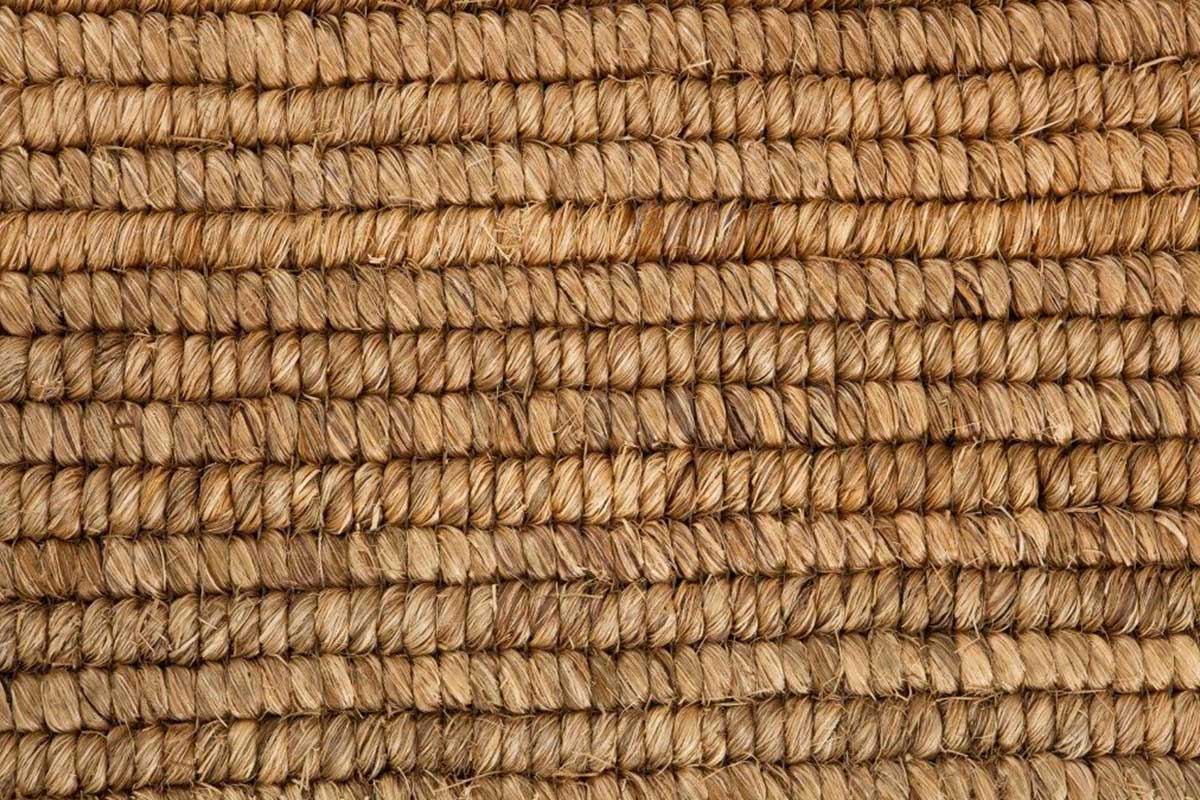
Fire departments in drought‑prone regions adopt hemp hoses sheathed in silicone to avoid the flame‑drooping that plagues polyester. Even decorative macramé revives the craft lineage, now colored with plant‑based dyes and marketed as fully compostable home décor.
Building with hempcrete: carbon-negative homes for a regenerative future
Hempcrete – a mix of chopped hurd, water, and lime – sets into a monolithic wall that insulates like wool while moderating humidity and resisting fire. Builders cast hempcrete in‑situ between reusable shutters or stack pre‑cured blocks around timber frames.
Because lime carbonate reabsorbs the CO₂ released during kiln firing, finished walls achieve net‑negative emissions. Elsewhere hemp fiber mats replace glass in structural insulated panels; hemp‑based medium‑density fiberboard resists swelling better than pine board at equal density. Acoustic plasters, floor screeds, roof shingles, and thermal renders all now incorporate hemp fractions, driving a bio‑based revolution in architecture.
Cars, planes and drones: how hemp composites are reshaping mobility
BMW, Mercedes, and Porsche press hemp mats impregnated with polypropylene into door liners and parcel shelves, trimming vehicle weight while raising renewable content to 50 percent. Formula‑E race cars showcase hemp‑flax carbon‑hybrid bodywork that shatters less dangerously than conventional carbon fiber.
In aviation, experimental aircraft use hemp composite ribs to cut emissions on short‑haul routes. Lifecycle analyses reveal up to 80 percent lower embodied energy than aluminum components, paving the runway toward net‑zero mobility.
Hemp bioplastics: eco-friendly materials for a post-petroleum world
Cellulose, lignin, and oil extracted from hemp seed unite in an alphabet of bio‑polymers: PLA‑hemp drinking straws, PHB‑hemp surgical sutures, and hemp‑polyol foams that cushion furniture. Researchers flash‑heat hemp hurd into graphitic nanosheets with exceptional electrical conductivity, opening doors to flexible printed circuits and supercapacitors.
Unlike first‑generation bioplastics derived from edible corn sugar, hemp plastomers rely on non‑food biomass and thrive on marginal soils, easing pressure on arable land. When composted under industrial conditions, many hemp‑filled plastics turn to nutrient‑rich humus within months.
Turning hemp into energy: biofuels, batteries and green power storage
Hemp seed yields 30 percent cold‑pressed oil suitable for biodiesel trans‑esterification. The remaining cake becomes protein‑rich animal feed or fermentable sugars for bio‑ethanol. Torrefied hemp stalks densify into pellets that burn cleaner than lignite, while integrated biorefineries gasify hemp residues to drive small‑scale turbines.
On the frontier of electro‑chemistry, hemp bast charred at 700 °C produces microporous carbon electrodes whose specific capacity rivals synthetic graphene at a fraction of the cost. Prototype hemp‑carbon lithium‑sulfur cells cycle 1 000 times with minimal fade, hinting at a truly plant‑powered battery economy.
Superfood from seeds: why hemp is a nutritional powerhouse
Hemp seed – technically an “achene” – packs 25 percent protein rich in edestin and albumin, both highly digestible and allergen‑light. The omega‑6 to omega‑3 ratio sits near the ideal 3:1, bolstered by gamma‑linolenic acid, rare in edible oils. Dehulled hearts enliven cereals, energy bars, pesto, and nondairy cheese. Brewers craft hop‑complementary hemp ales, while baristas steam hemp milk micro‑foam for latte art.
Soluble fibers from the mucilaginous outer hull act as prebiotics, and antioxidant lignanamides may protect neural tissue. For astronauts on long missions, closed‑loop life‑support studies propose hemp micro‑greens as a quick‑cycling, nutrient‑dense salad crop.
CBD and beyond: the wellness revolution powered by hemp cannabinoids
Industrial hemp flower cannot exceed 0.3 percent Δ9‑THC (0.2 percent in some jurisdictions), yet the plant synthesizes over a hundred other phytocannabinoids. Chief among them, CBD modulates serotonin receptors, calms epileptic seizures in Dravet syndrome, and shows promise in anxiety, pain, and inflammation trials.
Minor compounds – CBG, CBC, THCV – enter tinctures and nano‑emulsified beverages tailored to mood or focus. Terpenes such as myrcene and limonene lend aroma while offering synergistic “entourage” effects. Topical balms combine cannabinoid isolates with hemp seed oil’s skin‑loving linoleic acid to soothe eczema without petrochemical parabens.
Clean beauty with hemp: oils, creams, and skincare that actually work
Cold‑pressed hemp oil speeds ceramide formation in the stratum corneum, locking moisture without clogging pores. Beauty formulators whip it into creams, serums, shampoos, and biodegradable glitter. Activated hemp charcoal purifies face masks, while hydro‑distilled hemp hydrosol underpins earthy fragrances.
Plant‑based squalene sourced from hemp spares shark populations. Even oral care benefits: hemp‑fiber floss coated in xylitol glides smoothly and degrades in compost, unlike nylon strands that linger in landfills for centuries.
Smarter farming: hemp feed, bedding, and natural soil regeneration
Pressed seed cake contains 30 percent protein and balanced amino acids for poultry, swine, and aquaculture. Trials in New Zealand show dairy cows fed hemp pellets produce milk with elevated omega‑3s. Chipped hemp hurd absorbs four‑times its weight in moisture, outclassing pine shavings as horse and poultry bedding while reducing ammonia odor.
When the bedding finally composts, its silica and potassium content reinvigorate depleted soils. Farmers also broadcast hemp mulch between vegetable rows; its allelopathic properties suppress weeds, cutting herbicide use.
Healing the land: how hemp helps clean polluted soil and air
Besides heavy‑metal uptake, hemp captures radionuclides – a fact proven near Chernobyl’s exclusion zone. Along highway berms, dense hemp stands trap particulate pollution, protecting croplands from diesel soot.
Agro‑foresters interplant hemp with young hardwoods; the annual hemp harvest funds the saplings’ formative years while discouraging deer browse. In arid zones, researchers graft salt‑tolerant hemp onto wild rootstocks, unlocking saline soils to green cover cropping.
Creative by nature: hemp in art, design, and 3D-printed innovation
Papermakers beat hemp pulp into translucent vellum for lantern shades; printmakers favor its tensile wet strength for etchings washed many times. Artisans spin waxed hemp cord for sustainable jewelry, knit zero‑waste wall hangings, and weave tatami‑style floor mats.
Sculptors mix hemp clay to create lightweight yet impact‑proof installations. Digital creators even 3‑D‑print hemp‑PLA filament into biodegradable guitars whose timbre rivals spruce. In music festivals, hemp tents, wristbands, and compostable dishes form living case studies in closed‑loop event design.
Hemp and the economy: rural development, fair trade, and policy reform
Global hemp sales topped USD 8 billion in 2024 and headline forecasts project USD 18 billion by 2030, spanning fiber, grain, and cannabinoid sectors. Smallholder cooperatives in Malawi and Nepal earn triple previous maize incomes by exporting fiber to European nonwovens. Women‑led CBD startups bridge gender gaps in agritech, while Indigenous nations reclaim ancestral hemp fields to support sovereignty. Yet policy remains patchy: the EU’s subsidy cap sits at 0.2 percent THC, the U.S. at 0.3 percent, Thailand at 1.0 percent.
Harmonization would cut compliance waste, but so would banking reforms that treat hemp businesses like any other agricultural venture. Carbon credit schemes now pay farmers for sequestered tonnes, and regenerative certification stacks premiums on hemp grown without synthetic nitrogen.