All about Hemp: the textile industry, fabrics and yarns, uses and operations
The only vegetable textile fiber that can be sourced in Italy is hemp. Scutching and retting are the two critical agricultural steps in a supply chain that supplies material to textiles, paper, construction and energy
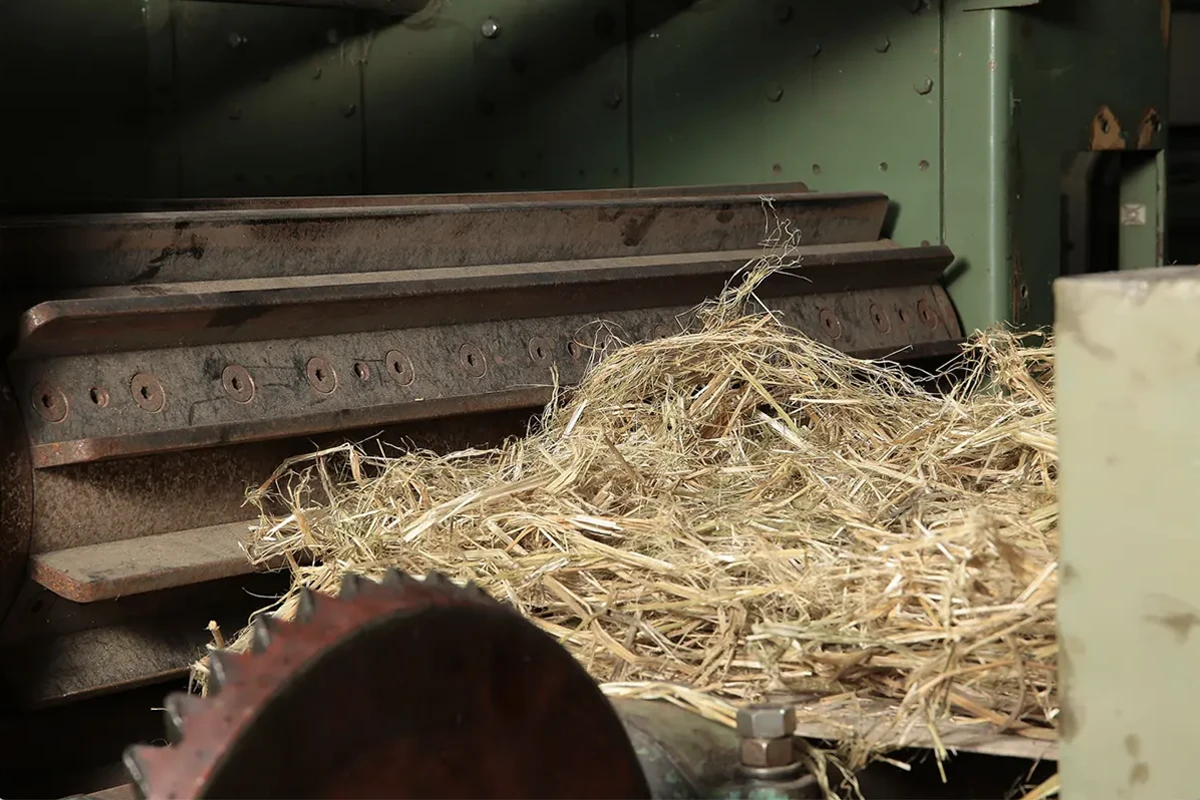
Scutching is the process that treats the stem of the hemp plant, separating the central woody pith (canapule, or hemp shives) from the bark, where the fiber is found. All the material produced by scutching, both wood and fiber, is useful biomass for the textile and paper industries, for the production of composite and bioplastic materials, and for construction.
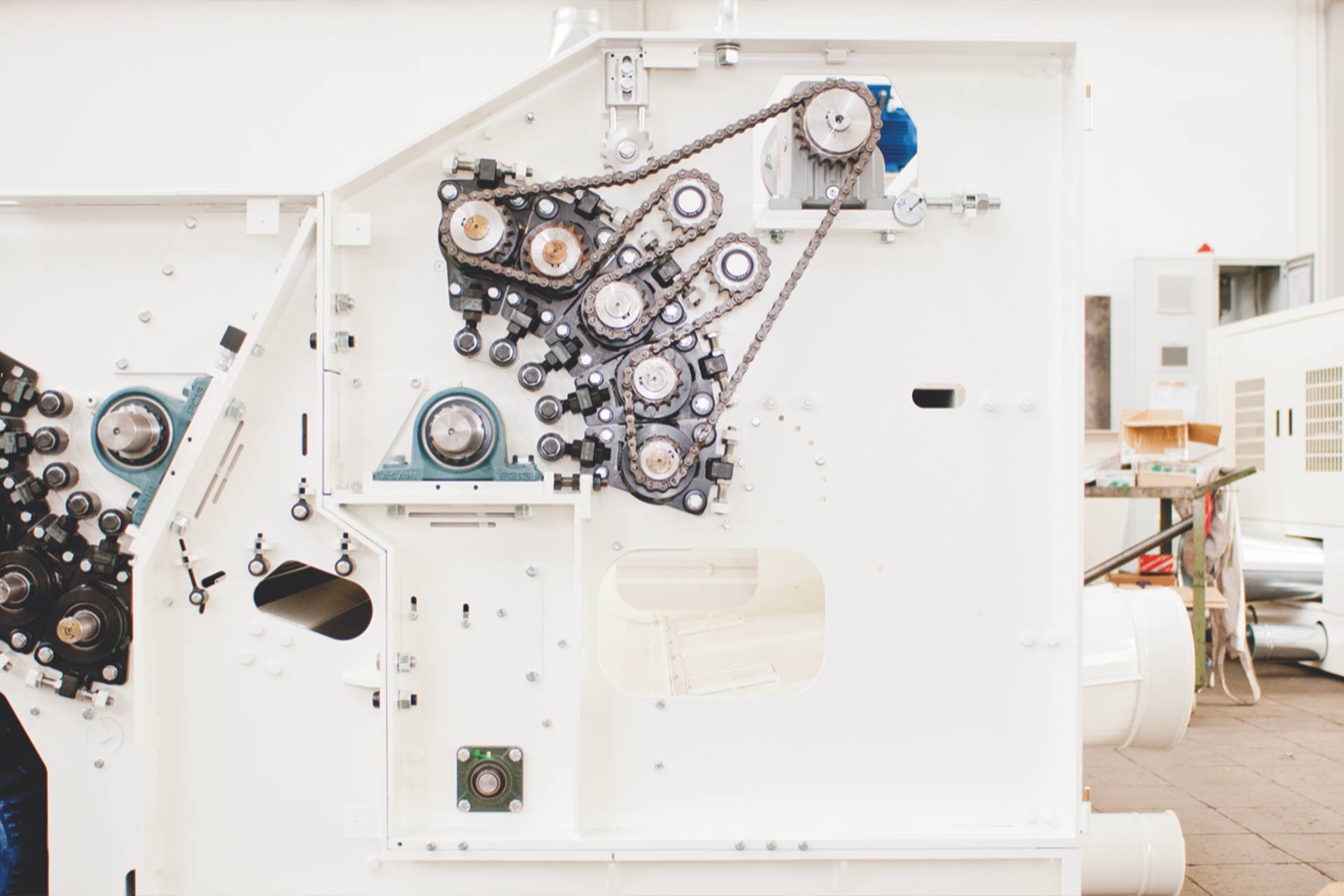
Hemp is grown, cut and harvested in the field, then prepared in round bales or sheaves. The scutching process runs in three stages: breaking, crushing and scutching proper. The first stage carries out a preliminary, coarse breaking of the woody stems. Crushing reduces the woody parts to small pieces; the final scutching stage recovers the fiber, leaving it as straw still bound to fragments of bark.
Two types of fiber result from scutching. Short fiber is produced when hemp stored loose in a round bale enters the scutching machine; long fiber results when the hemp has been harvested and stored in sheaves, keeping the stems roughly parallel. Short fiber is used mainly for paper and composites; long fiber for textiles. These distinctions are indicative — experience adds nuance to the variables involved.
Hemp retting: the Lampoon bioreactor, bacteria and the aerobic process, fiber quality, circular economy, water certification for agriculture
Retting activates biological mechanisms that decompose the pectin and glues binding the hemp fiber to the bark. The retting process Lampoon uses relies on aerobic bacteria. The bacteria digest the pectin that forms the woody binders while preserving the cellulose membrane of the fibers. The bioreactor built by Lampoon is expected to be fully operational in 2025, in collaboration with Whole Lotta Hemp Factory.
The process takes place inside a bioreactor, where the fiber remains submerged in a volume of water held at stable parameters. The plant maintains specific molecular and bacterial concentrations, monitoring and adjusting values with the support of applied technology — the internet of things, within a web 3.0 framework. The hemp soaks and macerates for around four days, depending on weather conditions.
The preceding mechanical stage — scutching — reduces the water needed for retting and shortens its duration when executed with precision. Continuous monitoring of parameters protects fiber quality throughout the bacterial process.
The water controlled inside the bioreactor is transformed into a natural fertilizer rich in sugars and proteins. Lampoon has certified the quality of this slurry as suitable for irrigation and capable of enriching agricultural soil: the test was conducted at the SEARCH laboratory of biologist Paolo Bonatti, registered with the Accredia certifying body, on July 26, 2021.
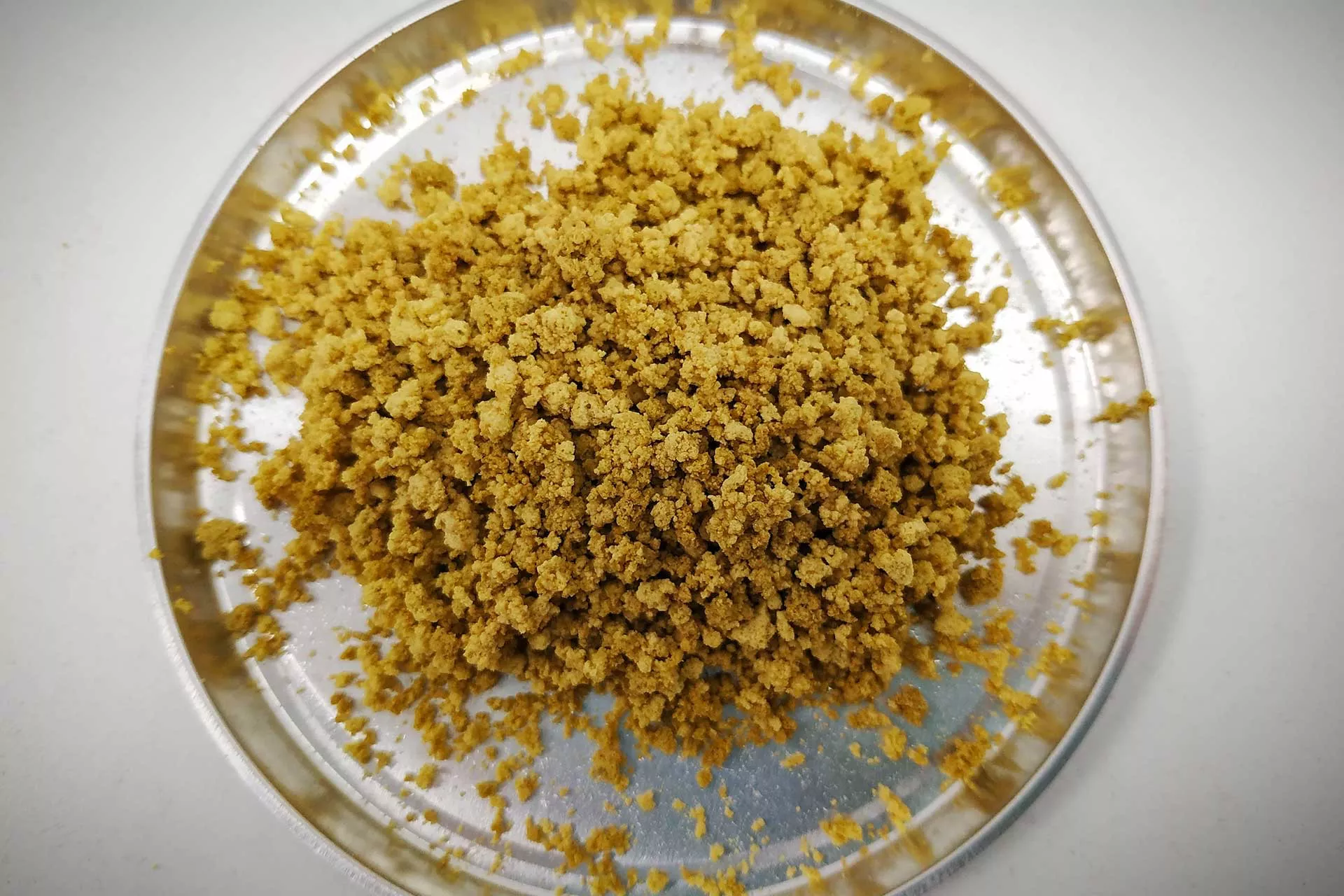
After four days in the bioreactor, the bacteria reduce the pectin to inert matter — sugars, oils and mineral salts — that can be washed out of the fiber mechanically and permanently. Among the innovations Lampoon is developing is the introduction of soldier fly larvae into the fiber-washing stage. Instead of running the fiber through an industrial washing machine and producing waste effluent, it will be placed in a protected environment for soldier fly larvae, which ingest and digest the pectin still anchored to the fiber. The larvae, well fed in the process, then serve as natural feed for poultry farming.
Alternatives to bioreactor retting exist but appear largely obsolete today. One is field retting using dew, a method that works better in northern Europe than in southern Europe due to climate, and suits flax stems better than hemp stems. Flax stems resemble blades of grass, while hemp stems reach diameters measured in centimeters — thinner matter responds better to the inconsistent, variable moisture of ground retting. Field retting also requires turning the stems for even exposure on both sides, a step that is difficult to perform and hard to industrialize with hemp.
Other retting techniques rely on chemical solvents such as caustic soda, which significantly undermines the sustainability of the process, or on high heat or lasers, both of which carry excessive energy costs.
Hemp: the one sustainable fiber for the textile industry
Before spinning, and following the scutching, retting and cleaning stages, the fiber goes through combing: hemp fibers are processed to lie uniformly aligned and parallel. Short or irregular fibers are removed with a fine-toothed tool, leaving homogeneous ribbons.
These ribbons move to the drawing frame, where the fibers, now organized and sorted, are folded and wound onto spools. The sliver is transformed into a roving. From there it moves to the spinning frame, the machinery traditionally used for spinning.
Hemp yarn then undergoes twisting to gain strength and stability. Twisting wraps multiple yarn ends together. Moisture control is essential throughout — a variable at the center of Lampoon’s project.
Few companies today invest in research to produce 100% hemp yarn. Achieving it is possible through specific choices made from the earliest stages of raw material collection through the processes described above. The only consistent effort in this direction today is coordinated by Lampoon, led scientifically and operationally by Marco Baroncini with Lanatura Filati, a spinning laboratory running experimentation unique in Italy. Baroncini spent more than a year developing tests and trials, succeeding in spinning an Italian fiber — both long and short, milled in Italy — without adding chemical additives to stabilize the raw material.
Hemp weaving, industrial and manual, threads and warp: the possibilities and the difficulties
Weaving hemp in Italy today cannot be taken for granted, despite the country having one of the world’s leading textile industries in quality and turnover. Alongside industrial weaving, Lampoon has also pursued manual weaving.
The difference between industrial and manual weaving centers on warp assembly, the most demanding phase of any weaving job. An industrial warp requires weaving at least three hundred meters, while a manual warp offers variable scalability.
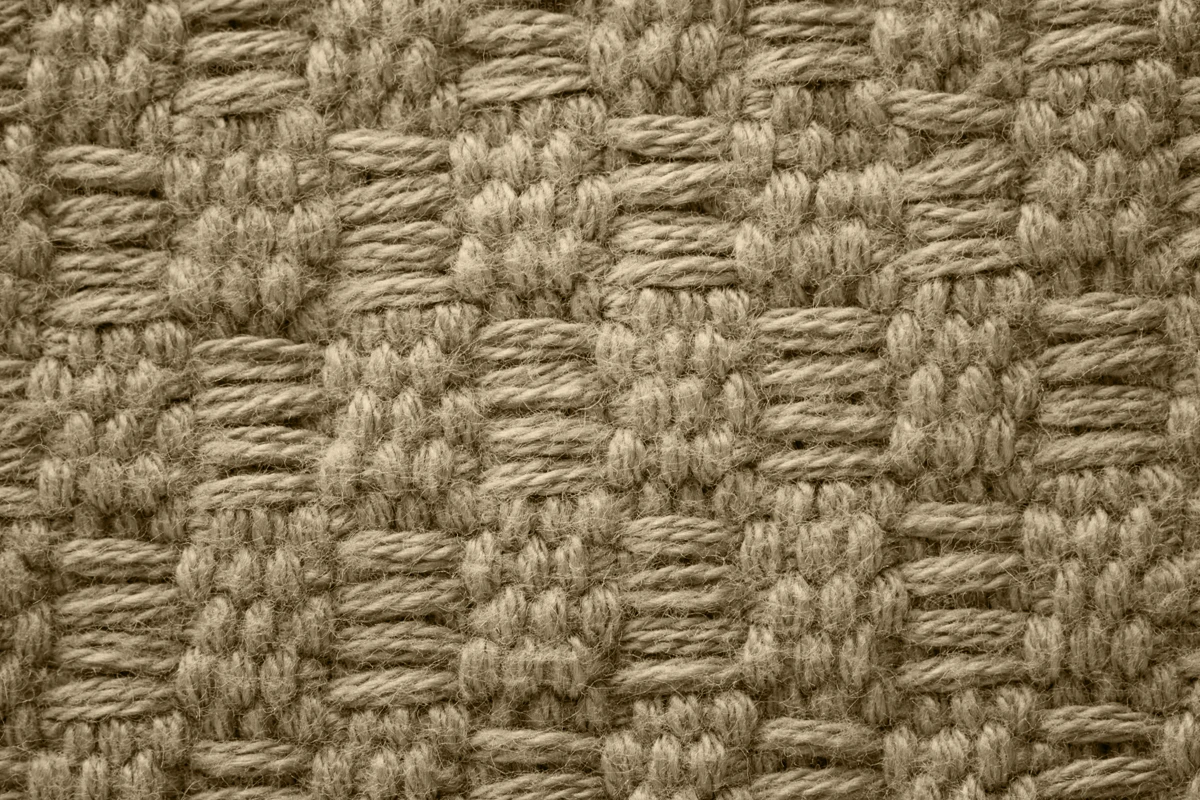
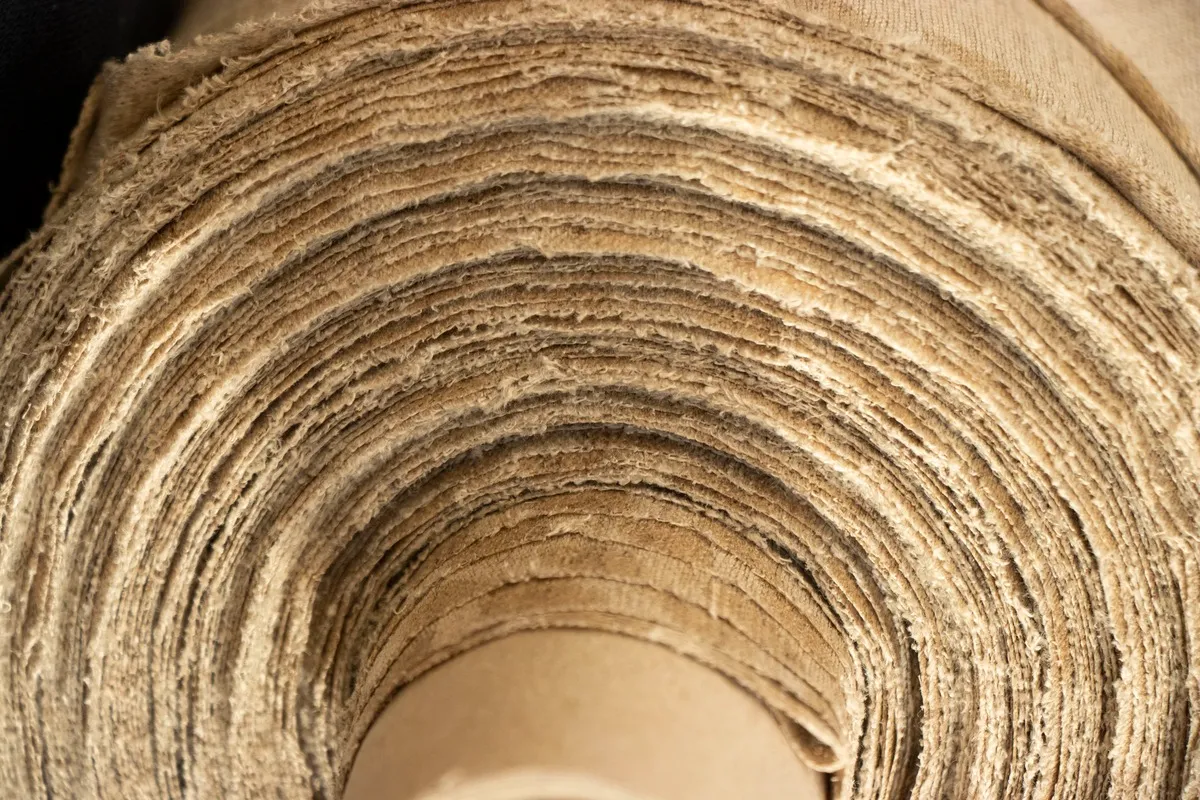
Lampoon designed jacquard patterns placing hemp, linen and cotton chenille threads in the weft, in both long and short pile. The resulting fabrics are three-dimensional and corduroy-like, with varying pile heights — soft, almost as if silk were part of the composition, or rough like a sponge.
In hand weaving, Lampoon works with Carlo Colombo on the historic looms of the La Colombina weaving mill in Veneto, near Treviso. The manual skill of weavers in a historic textile district enabled significant experimentation, succeeding in weaving Lampoon’s Italian hemp thread. Lampoon’s greatest effort centers here, on a fabric made with Italian hemp thread — the thread worked by Marco Baroncini from hemp fiber grown in Puglia and Emilia Romagna and macerated in the industrial bioreactor.
Hemp lime in construction: an application to reduce CO2 emissions
France currently uses about 5,000 tons of hemp material annually for construction, having been the first country to develop hemp-based insulation materials, starting in the early 1990s.
Roman engineers added hemp fiber to mortar. Today, hemp lime — short fibers of industrial hemp mixed with lime and water — is used, and recommended, in construction. The logic is straightforward: instead of building with stone and water alone, hemp short fiber can be mixed into masonry works, improving lightness, porosity and elasticity suited to seismic activity.
The construction industry is estimated to consume at least 40 percent of global energy, a figure that could fall by replacing mineral aggregates with plant-based ones. This shift would increase CO2 storage, sequestering stable, permanent carbon within construction works. Plant fibers, hemp fiber in particular, contain air chambers in their microscopic structure that improve a building’s thermoregulation, a property explored further below.
Hemp paper production and its industrial advantages
Paper is thought to have been invented in China around 105 AD. About a thousand years later, Arab traders brought paper to Italy, and in the 13th century the first Italian center specializing in papermaking was established in Fabriano, in the Marche region. There, paper was made from plant fibers, hemp among them.
Hemp’s advantages for papermaking are worth noting. Hemp fiber is composed of 70% cellulose, compared with 40-50% in wood from trees. Cellulose is the main element in paper production. Lignin must be dissolved during paper production: hemp fiber contains about 3% lignin, compared with 20% in tree wood, making the process easier and more efficient. Hemp paper also carries antibacterial and antifungal properties, described further below.
Today, the first application of hemp fiber in the paper industry addresses demand for logistics packaging, where hemp fiber can show its full potential: paperboard made from wood fiber can be recycled an average of three times, while paperboard made from hemp fiber can be recycled up to seven times.
Hemp cultivation: soil and crop benefits, low irrigation needs and pathogen resistance
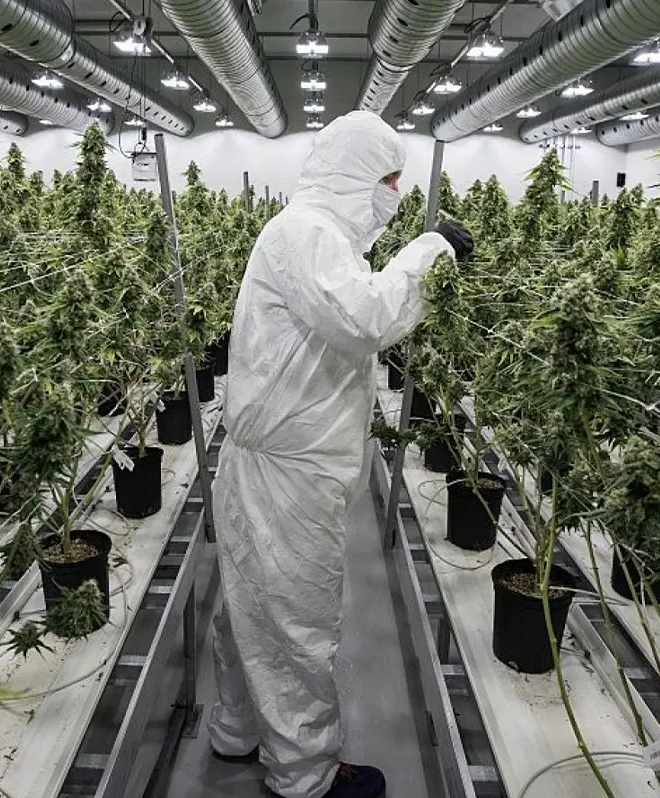
Hemp suits organic farming by nature, meeting many of its requirements without additional effort. The European Union states that hemp cultivation contributes to the goals of the Green Deal. It is considered a sustainable crop both for its rapid growth despite low irrigation needs and for its low requirement for pesticides or chemical treatment.
The taproot descends vertically into the soil, reaching water even when the surface lacks moisture, which means hemp does not require intensive irrigation. Hemp can survive on 3 to 6 megaliters of irrigation water per hectare, though water needs vary with climate — in areas receiving 635 to 660 millimeters of rainfall per year, no irrigation is needed at all. Where rainfall is insufficient, drip irrigation supplies crops with the necessary water without waste.
Hemp resists pests thanks to its natural CBD content: beyond its own resistance, hemp acts as a botanical insecticide and suppresses soil nematodes and pathogenic fungi when field residues remain after harvest, clearing the field before the next planting. Fertilizer, by comparison, represents a significant cost to farmers — in the United States it accounts for nearly one-fifth of farm cash costs.
Hemp can, and should, be planted at high densities — up to one hundred and fifty plants per square meter. Within crop rotation, hemp functions as both a renewal crop and an improving crop.
Hemp: CBD and THC, the difference between the chemical compounds
In 1942, chemist Roger Adams identified trichomes in the flowers of the hemp plant — structures that produce the resin from which cannabidiol is extracted. CBD, one of the phytocannabinoids most studied by science for its beneficial properties, has long been used in therapeutics and cosmetics, with its positive effects on the human and animal body well documented, though clear guidelines on extraction, storage and dosage for different therapeutic effects are still lacking.
THC is also extracted from hemp inflorescences but, unlike CBD, has a psychotropic effect and is classified as a mild drug. At the biological level, the two compounds interact with the body differently.
The key difference lies in the cellular receptor each compound binds to and where in the body that interaction occurs. CBD attaches to the CB2 receptor, present in nearly every cell and organ in the body; THC binds to the CB1 receptor, found only within the central nervous system.
CBD is now available in many forms — cannabidiol oil, crystals in pure concentration, and capsules. In cosmetics, it appears in creams and lotions. Despite growing market interest in CBD and studies confirming its beneficial properties, research in Italy still needs to establish precise usage guidelines. Under current legislation, the production and sale of CBD products is permitted if THC concentration remains at or below 0.6 percent, up from the original limit of 0.2 percent.
The antibacterial properties of hemp and cannabinoid use across industries
The antibacterial properties of hemp extracts and their compounds have been confirmed wherever CBD concentration is present. A 2008 study published in the Journal of the American Chemical Society found that a cannabinoid-rich hemp extract was effective against MRSA (methicillin-resistant Staphylococcus aureus), a bacterium notoriously resistant to antibiotics.
CBD could support a new generation of antibiotics through the addition of hemp polymers to standard compounds. It could also improve the performance of prostheses and medical instruments — gloves, syringes, intravenous blood bags — by reducing infection risk, and could enhance food packaging, where natural antibacterial properties improve storage conditions.
The antibacterial property comes from CBD, present in varying concentrations across different parts of the hemp plant. Concentration is highest in the terminal parts, though CBD also persists within the fiber itself. At the experimental stage, it is hypothesized that the organic-water retting process Lampoon is industrializing preserves a reduced but measurable presence of CBD in the fiber. If confirmed, hemp fabrics would carry antibacterial properties of their own.
Hemp seeds, morphological characteristics and seed production: the Carmagnola case
Hemp seeds fall into three categories: Indica, Sativa and Hybrid. Sativa hemp suits textile use best, containing less THC than Indica by nature. To be legally grown in Italy, a crop’s genetics must be certified through the appropriate laboratory to produce plants and flowers with THC concentration below 0.6 percent.
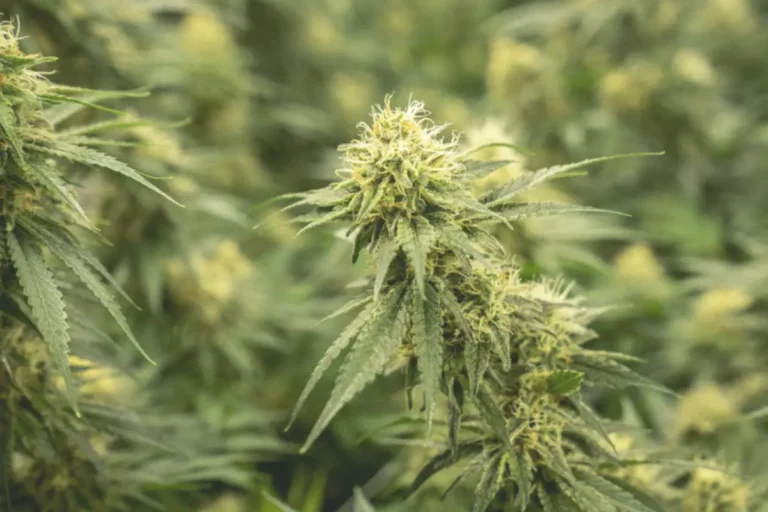
Hemp seeds vary biologically: monoecious species carry a single sex, while dioecious species carry both male and female plants. Only female plants produce the flowers, or buds, richest in resin and therefore in cannabinoids.
A seed’s color and texture indicate the maturity of a healthy plant and its germination potential. Mature hemp seeds have a tough outer shell ranging in color from dark, nearly black, to light gray.
Carmagnola is an Italian hemp variety, part of the strain of varieties developed in Italy alongside Fibranova. It is dioecious, with distinct male and female plants, and produces satisfactory quantities of seed and inflorescence. It is a robust variety, high in CBD and low in THC, adapted to colder climates. The area that gives it its name, Carmagnola, lies a few kilometers from Turin.
Hemp in the food chain: uses as a nutrient and food supplement
Hemp seeds, leaves and flowers go into baked goods, condiments, supplements and beverages. Hemp seeds are rich in amino acids and trace elements — potassium, magnesium, iron, zinc — along with vitamin E, an antioxidant, and polyunsaturated fats that counter cardiovascular and respiratory disease. They contain small amounts of Omega-3, Omega-6 and Omega-9, and fiber that aids digestibility. Free of lactose, soy and gluten, hemp offers an alternative for people with related intolerances.
These properties give hemp anti-inflammatory, pain-relieving and relaxing qualities, and support the immune and nervous systems. Energy bars and supplements based on hemp flour are used in sports, though competitive use requires checking anti-doping regulations.
Hemp also proves versatile in livestock feed. The SCARABEO project, carried out by CREA with regional funding and experiments in Lombardy and Emilia Romagna, found that adding hemp seed to cattle nutrition programs lowered bacterial concentration in the milk produced and reduced the need for antibiotic prophylaxis to meet trade requirements.
In November 2020, the European Commission classified pure cannabidiol (CBD) as a food, provided it meets the conditions of the EU Novel Food legislation.
Textile hemp supply chain certification: challenges and blockchain opportunities
No uniform global certification exists for traceability and transparency in the textile hemp supply chain. Organic farming certification offers a starting point for transparency, though it can seem redundant to farmers given that hemp cultivation already meets many of its requirements by nature.
Certification bodies for the textile industry do not focus specifically on supply chains free of chemical, plastic and synthetic additives. Blockchain technology currently appears to be the most rigorous path forward, once it reaches a shared codification that consumers can also understand. Lampoon is working on blockchain codification together with IBM, partly funding the certification of its first suppliers and collaborators. This information appears on Lampoon’s website, updated continuously. Under development is a QR code for each physical label, linking to a product page for each garment and fabric — a page that can describe and narrate every detail and code behind it.
Marketplaces, private consultancies, certifying agencies and para-governmental bodies: Lampoon is pursuing every avenue to build an authority that can move beyond the questionable authority of existing certifying bodies.
Carbon offsets, sequestration and incentives for Italian hemp farmers
Since December 2021, the “Communication on sustainable carbon cycles” has opened the door for European agriculture to enter the carbon credit market through Carbon Farming.
Under Green Deal rules, the European Union is committed to reducing CO2 emissions to combat climate change, targeting carbon neutrality by 2050. For a farmer, a carbon offset is an activity that compensates for CO2 emissions. An independent third party can certify the CO2 removal achieved through a farmer’s activity, generating carbon credits that private companies can then purchase to offset their own climate footprint.
Hemp can grow seven to ten centimeters a day, and this rapid growth drives high biomass production and, with it, high levels of carbon storage. In simpler terms, a hemp seed can grow into a shrub over four meters tall in about three months. Hemp’s trunk is solid wood, unlike bamboo’s hollow trunk, so using hemp wood in construction stabilizes carbon sequestered over just months for decades, if not centuries. This underpins the often-repeated claim that one hectare of hemp can absorb more CO2 than one hectare of forest.
Between 2 and 5 percent of global emissions are attributed to the fashion system, which aims to cut around 45% of these emissions by 2030 — a target achievable through sustainable crops and practices in the production and processing of natural textiles.
Beyond the sustainable practices outlined here, hemp stands as the plant crop with the highest carbon sequestration capacity, with every part of it available for pragmatic, innovative use.
Hemp for phytoremediation: an ecological approach to soil recovery
Arsenic, cadmium, chromium, lead and mercury are among the heavy metals most commonly found in nature, with concentrations rising through the everyday use of personal hygiene and pharmaceutical products.
Hemp absorbs contaminants through phytoextraction: its roots penetrate the soil vertically, reaching sufficient depth to survey it fully, absorb the substances, break them down, and transport them through the stem to the leaves and flowers.
Phytoremediation is the process of recovering contaminated soil through plants capable of absorbing contaminants. Hemp’s vertical taproots range from forty-five to ninety centimeters in length, reaching contaminants at the deepest soil layers.
Hemp was planted at the site of the Chernobyl nuclear disaster to extract radioactive elements including chromium, lead, copper and nickel from the soil. In Puglia, hemp was planted around the Ilva steel plant. Coldiretti, an association representing Italian agriculture, is planting hemp monocultures for their phytoremediation capacity, a practice also expected to support the region’s economic development.
Benefits of hemp: thermoregulation in textiles and construction
Global warming is driving demand for materials that can regulate temperature and limit fluctuations within environments. Hemp’s thermoregulatory properties apply to both textiles and construction.
In textiles, the hollow structure of hemp fiber creates air chambers, and air itself has a low heat transfer index. The micro air chambers within the fiber’s morphology slow the spread of heat. Once structured into yarn, hemp fiber passes these qualities on to fabric, producing lightweight clothing that regulates temperature against both heat and cold.
Lampoon and hemp
Lampoon operates responsibly, ecologically and with social sustainability in mind, working to produce shared value. Its activity maintains transparency toward people, communities, territories, the environment, and the entities, associations and stakeholders it works with.
Lampoon coordinates, processes, promotes and markets natural raw materials across industries including textile, paper, construction and pharmaceutical. Among these, hemp is a central focus.
By supporting local manufacturing and an Italian supply chain, Lampoon contributes to innovation and progress in the urban and real estate sectors, partnering with both for-profit and nonprofit organizations, foundations and benefit corporations.
Carlo Mazzoni