Lampoon and LabSolue at W Florence for the Greenest Fragrance: Canapa N381
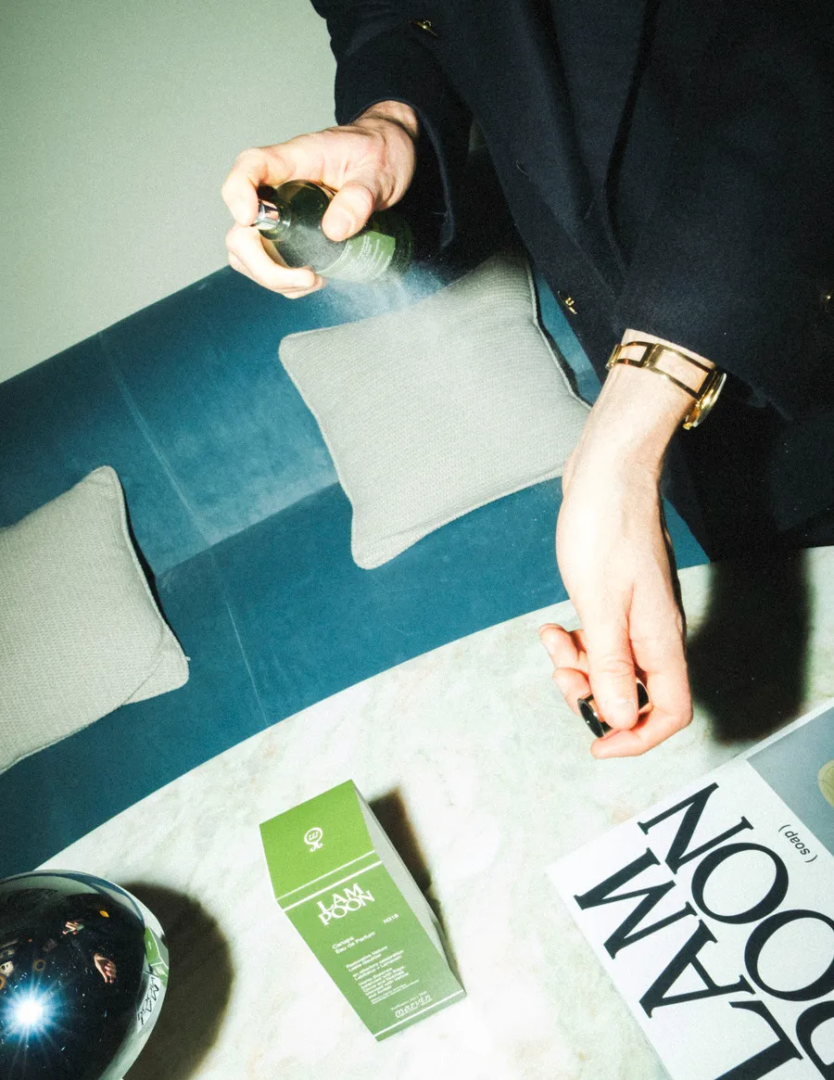
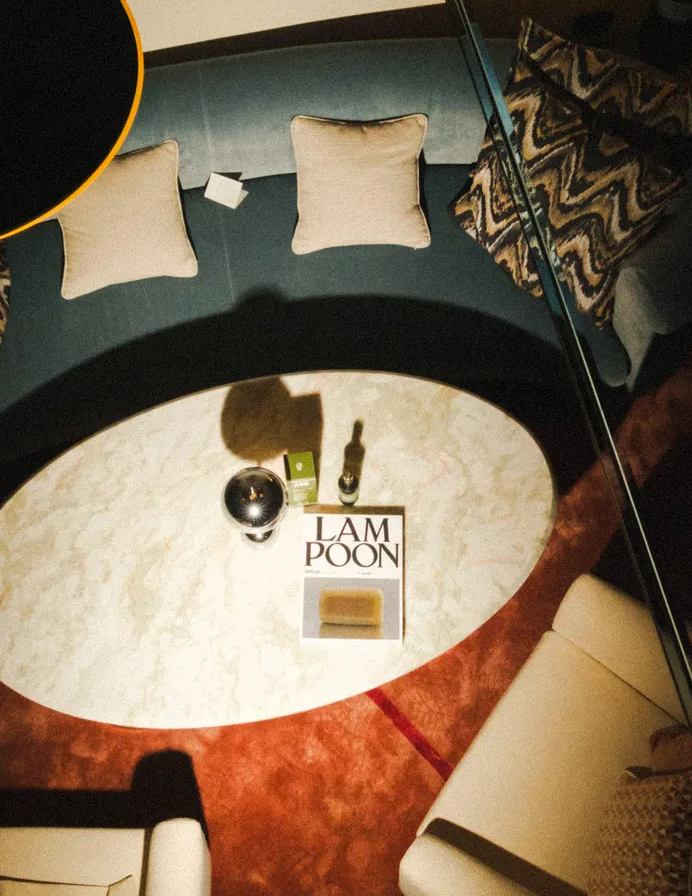
Canapa N381 is unveiled during Pitti Uomo at W Florence as a limited edition Eau de Parfum by Lampoon and LabSolue, bringing hemp back into focus within contemporary perfume research
Canapa N318: Limited Edition with LabSolue and Ambra Martone
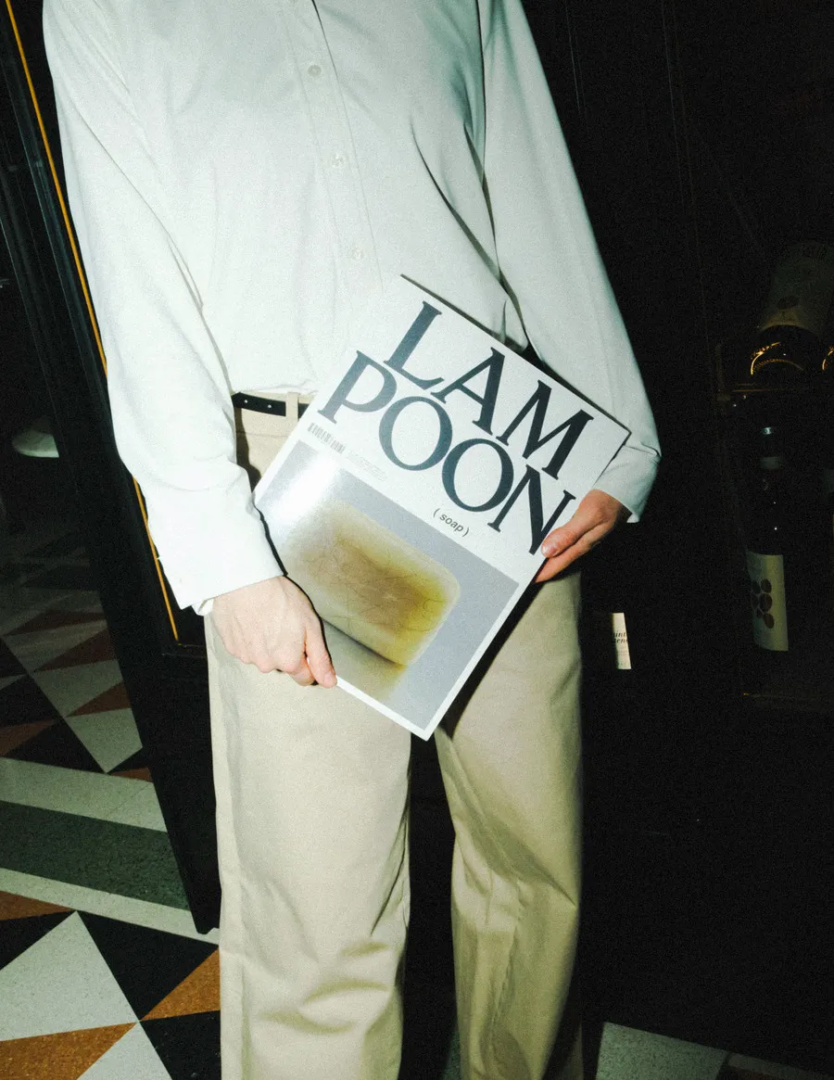
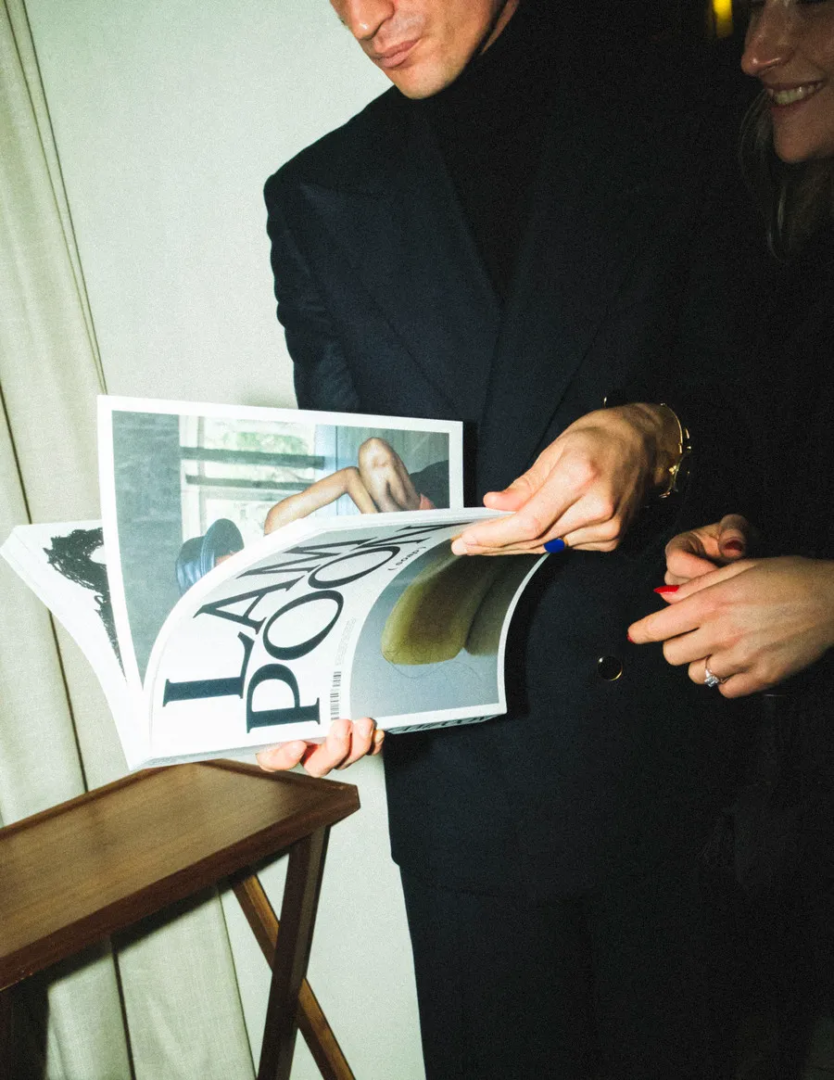
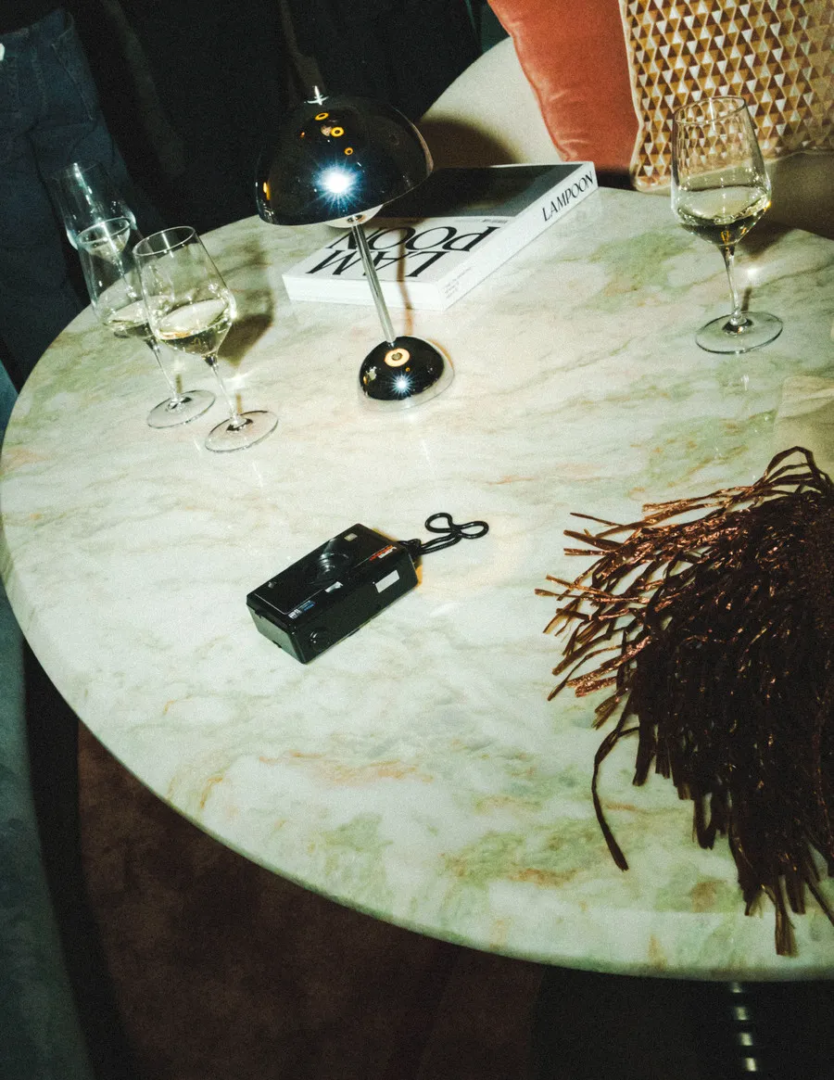
Lampoon unveiled Canapa N318 at W Florence on Thursday, January 15, during Pitti Uomo. With Canapa N318—a limited edition Eau de Parfum developed in collaboration with artisanal perfumery brand LabSolue, led by Ambra Martone—hemp returns to the center of contemporary olfactory research, interpreted not as an exotic note but as a structured material language.
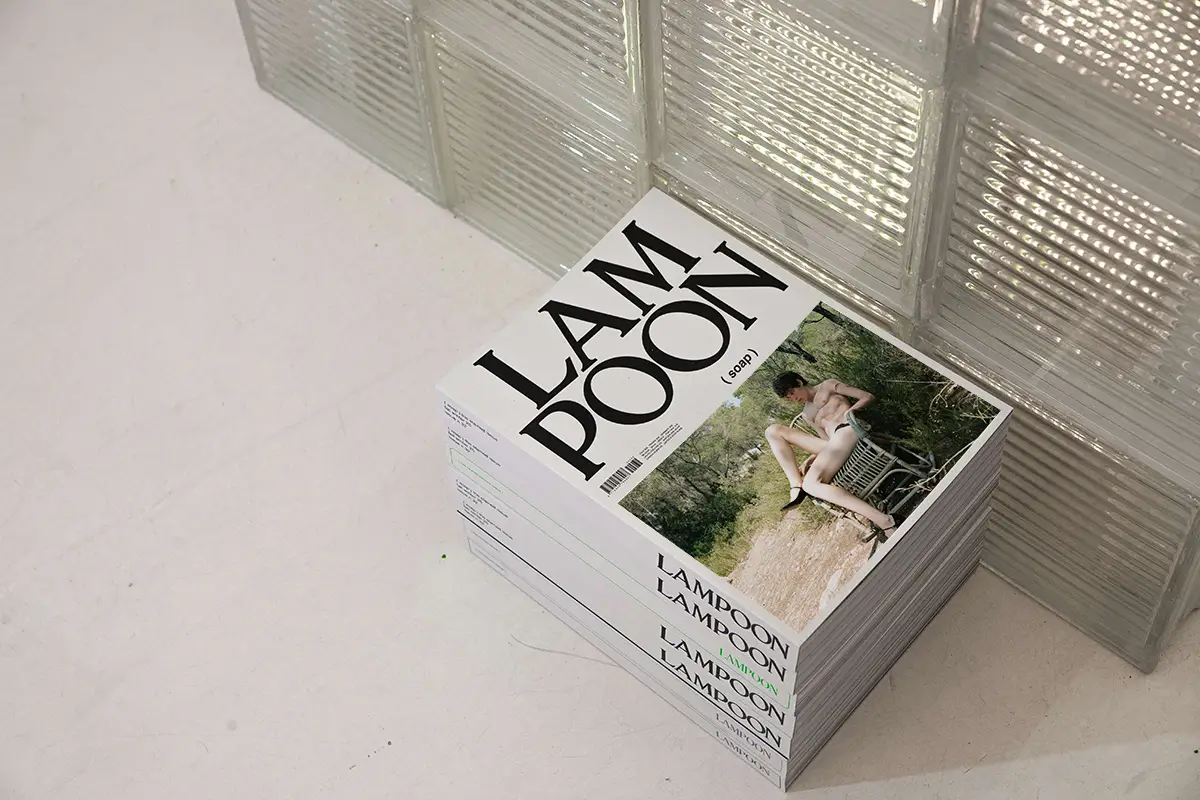
The project positions itself at the intersection of raw material experimentation and editorial investigation, where fragrance becomes a tool for cultural analysis.
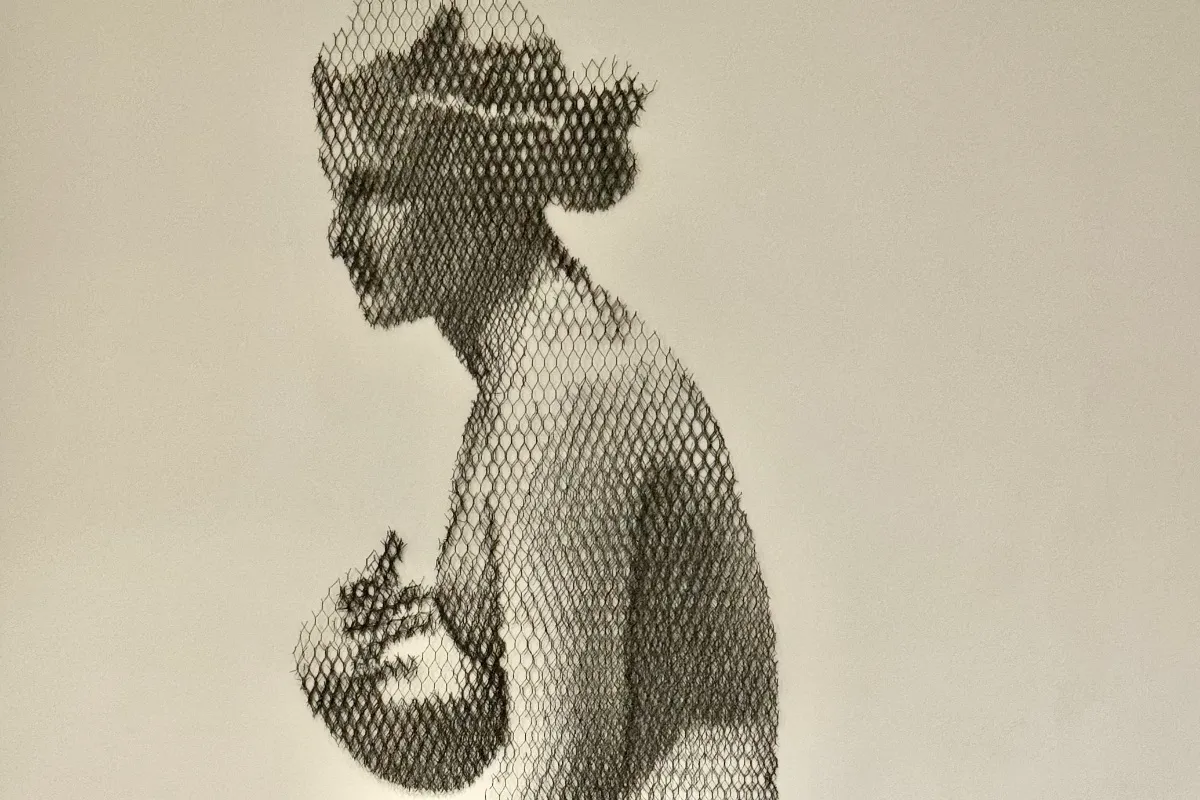
Textured, vegetal, and stratified, Cannabis sativa L. operates simultaneously as substance and syntax. A plant historically associated with resistance, transformation, and utility, hemp is treated here as an active component within a controlled creative system.
Like the fiber itself—harvested, cut, macerated, cleaned, and spun through a precise agricultural sequence—Canapa N318 follows a deliberate chain of decisions. Formulation, visual identity, and packaging are conceived as a single narrative apparatus, rather than as parallel design exercises.
The olfactory construction is based on the interaction of ingredients selected for their compatible terpene profiles. White sage and artemisia anchor the herbaceous register, enabling the hemp note to circulate across the composition without becoming isolated or emblematic.
Citrus elements and spices define the opening and heart phases, providing structure and legibility, while the base materials are calibrated to ensure fixation and temporal continuity. The result is a hemp fragrance that avoids literalism, operating instead through balance and modulation.
From Fragrance to Fiber: The Italian Hemp Supply Chain and the Collaboration with Gimmi Jeans
The launch took place during Pitti Uomo, a context that reinforced the project’s broader engagement with natural fibers and production systems. Canapa N318 builds upon Lampoon’s ongoing work on hemp as an industrial, cultural, and editorial material, including its support for the reconstruction of an Italian hemp supply chain.
Within this framework, Lampoon assisted Gimmi Jeans—founded by Francesco Vantin in Sovizzo, Vicenza—with a dedicated stand at Pitti, presenting the brand’s latest collection.
Established in 2019, Gimmi Jeans is structured around hemp as a primary textile raw material and the direct management of its production chain. The brand works with locally cultivated Carmagnola hemp, processed through hand-led maceration, scutching, carding, spinning, and weaving, in collaboration with regional craftspeople and small-scale manufacturers.
Production is confined within a limited geographical radius and excludes elastomers and unnecessary chemical treatments. The approach emphasizes durability, comfort, and impact reduction. The project combines technical research with a contemporary vision of denim, rejecting nostalgic codes in favor of material accountability and process transparency.
The Setting After the Launch: W Florence as an Urban and Architectural Context
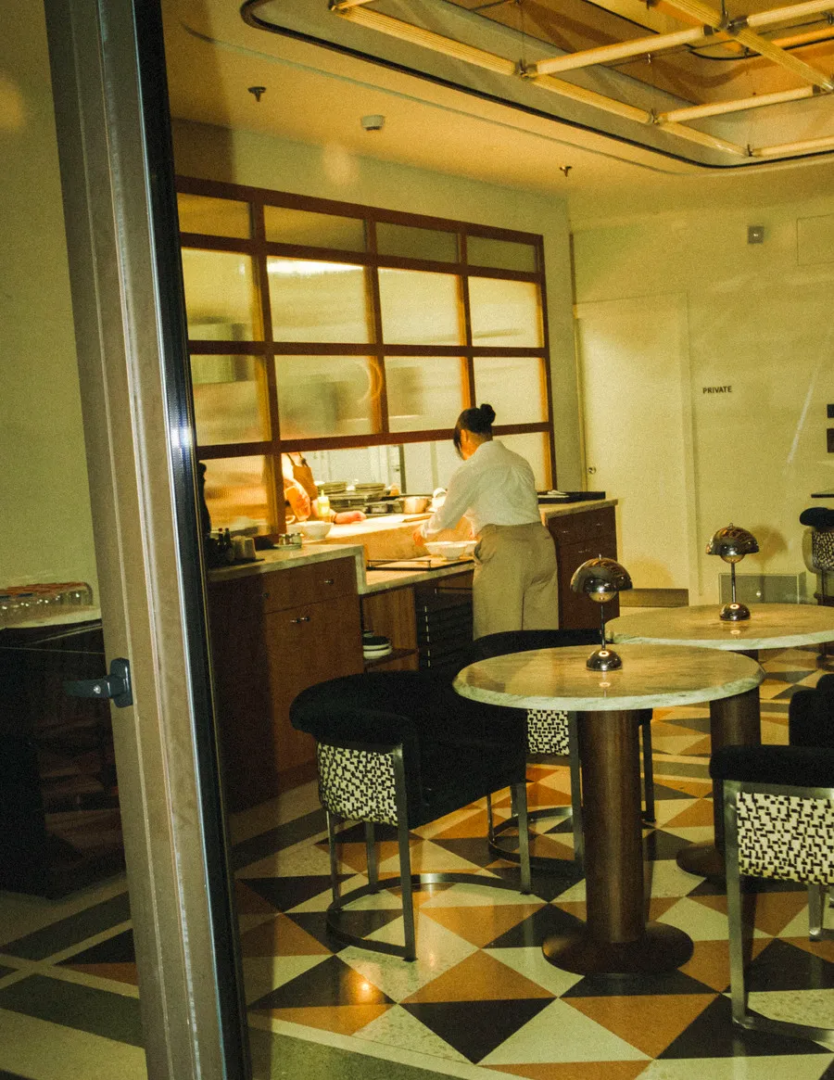
Following the editorial and material framework, the presentation unfolded at W Florence, in Piazza dell’Unità Italiana. The hotel occupies a rationalist-modernist building from 1968 designed by Lando Bartoli, formerly the Grand Hotel Majestic.
Part of the W Hotels and Marriott Bonvoy portfolio, W Florence extends the brand’s European presence after Rome, Prague, and Budapest. The property includes 119 rooms, 16 suites, and a Penthouse with a panoramic terrace, conceived as an urban gateway connecting hospitality to the city’s historical and commercial core.
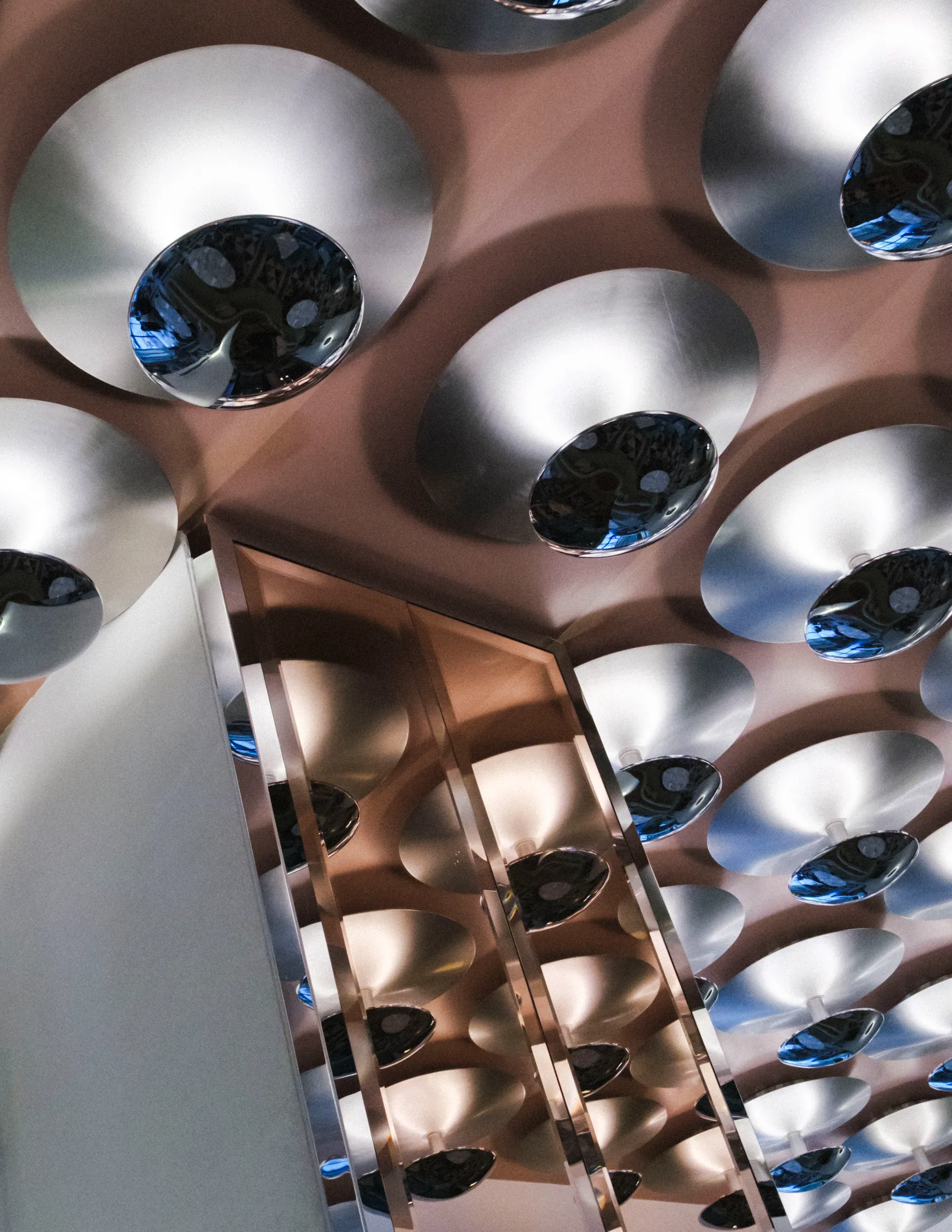
The architectural renovation, led by Genius Loci Architettura and aligned with LEED Gold and WELL Silver standards, is complemented by interiors designed by AvroKO. The project reinterprets the visual codes of the 1960s and 70s through references to Italian fashion and urban culture.
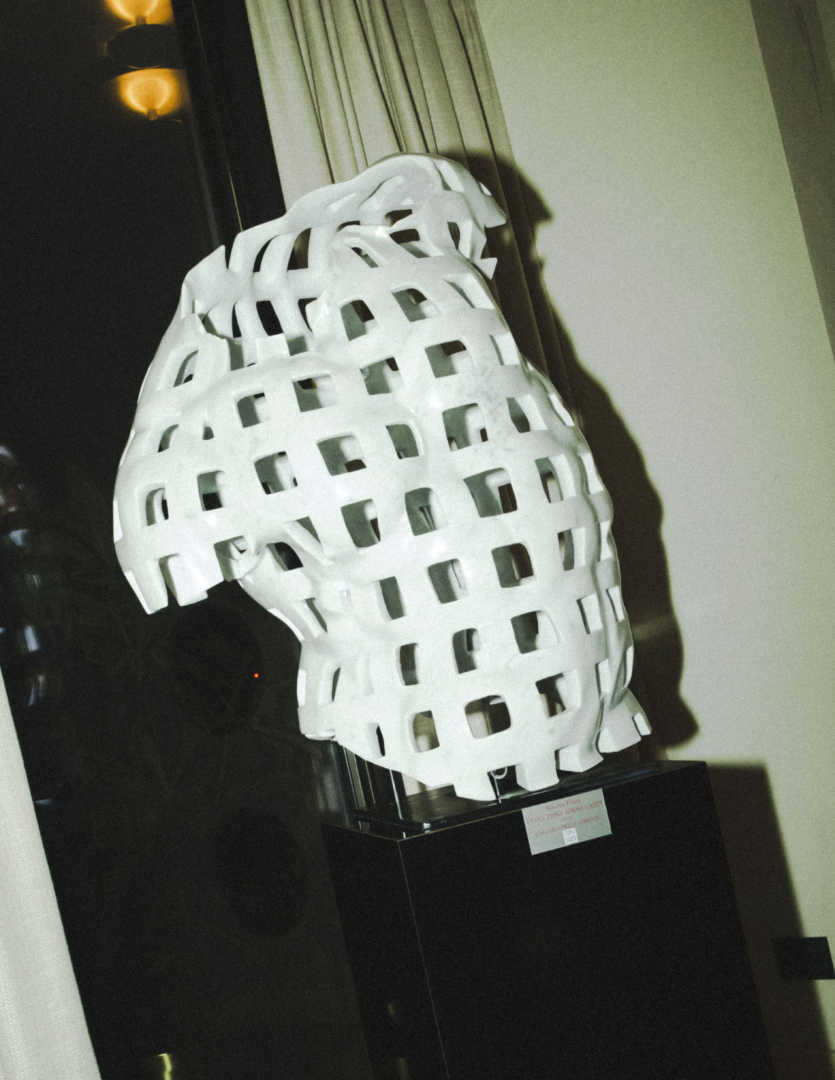
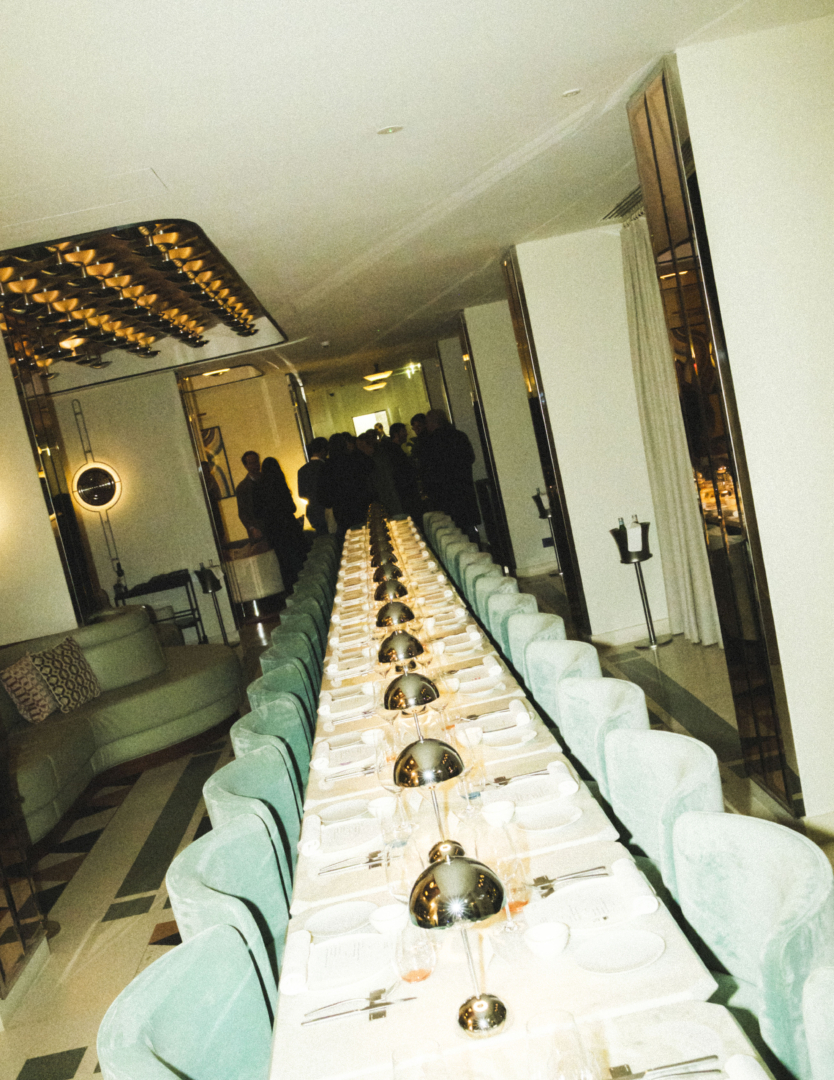
Public spaces revolve around the W Lounge and a central courtyard conceived as an internal piazza, activated by music, mixology, and social programming. Materials, chromatic choices, and site-specific artworks—including a mural by Adam Ellis Studio—establish a dialogue between the building’s historical identity and a contemporary spatial language, echoed in the rooms through Florence-inspired palettes and light installations.
Tratto and Contemporary Italian Dining as Part of the Launch Framework
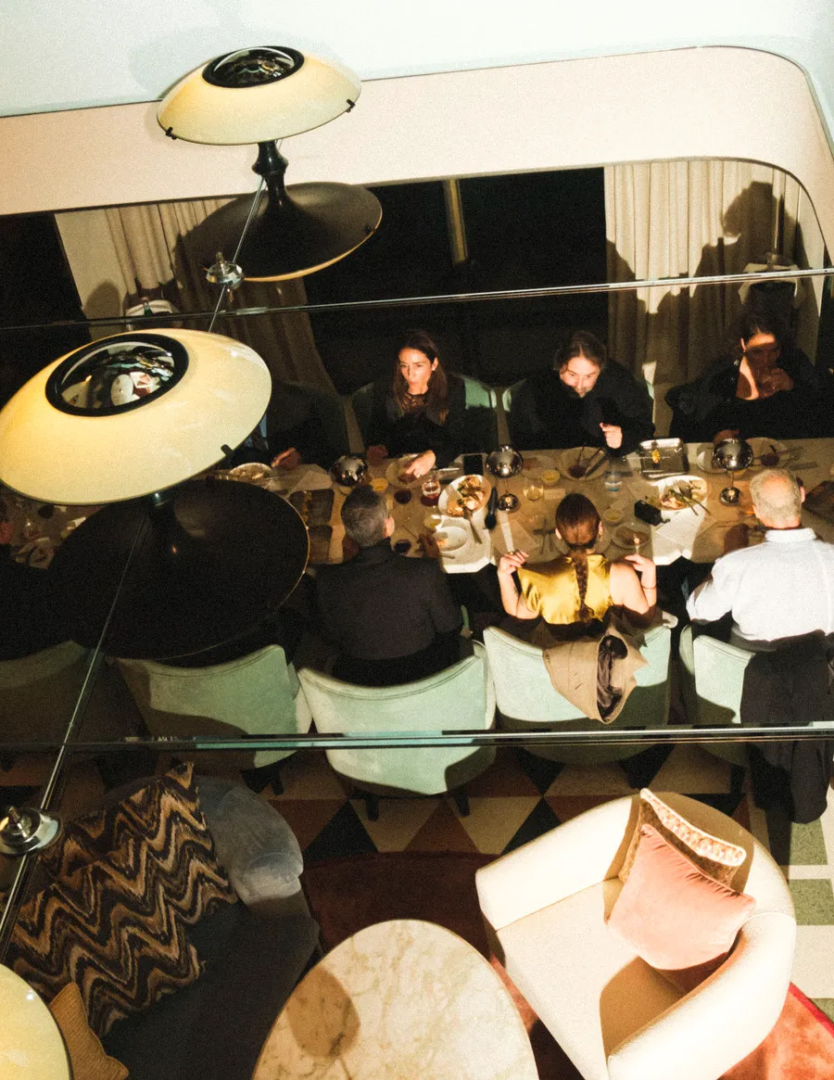
Tratto, the main restaurant, is developed with the Trattoria Contemporanea collective and chef Davide Marzullo. It proposes a casual dining model centered on contemporary Italian cuisine, open-fire cooking, and controlled contaminations, with dishes designed for sharing.
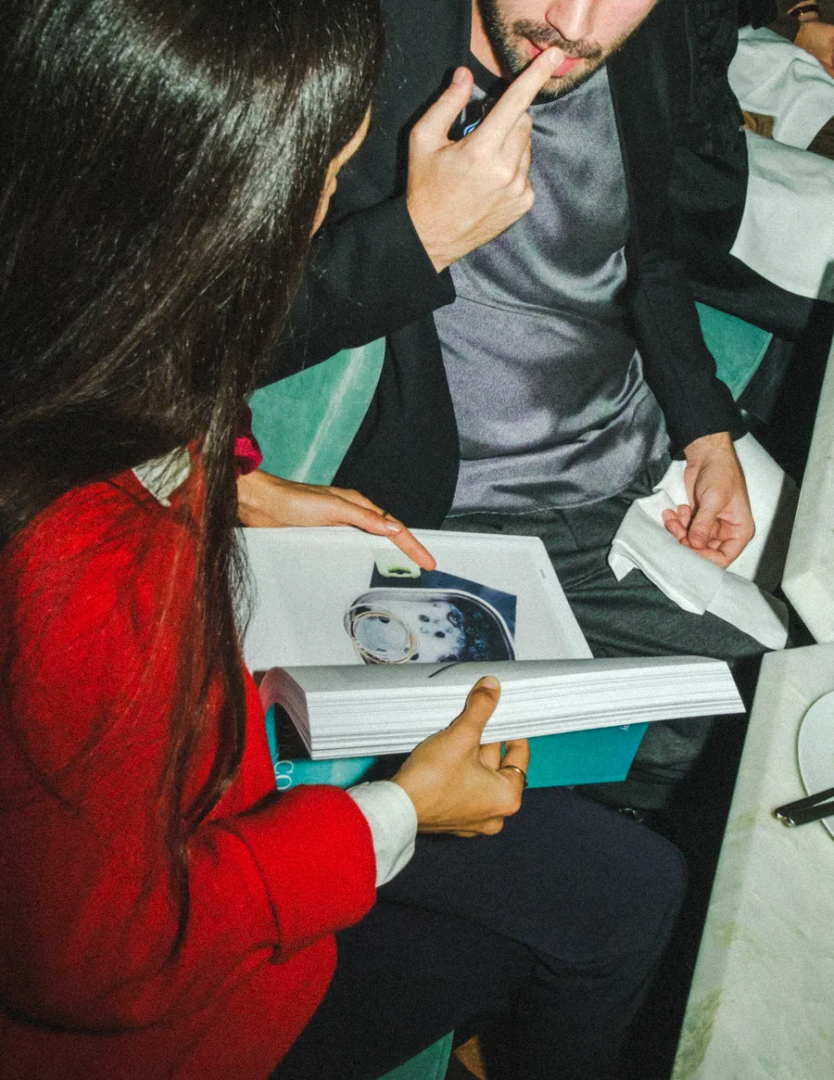
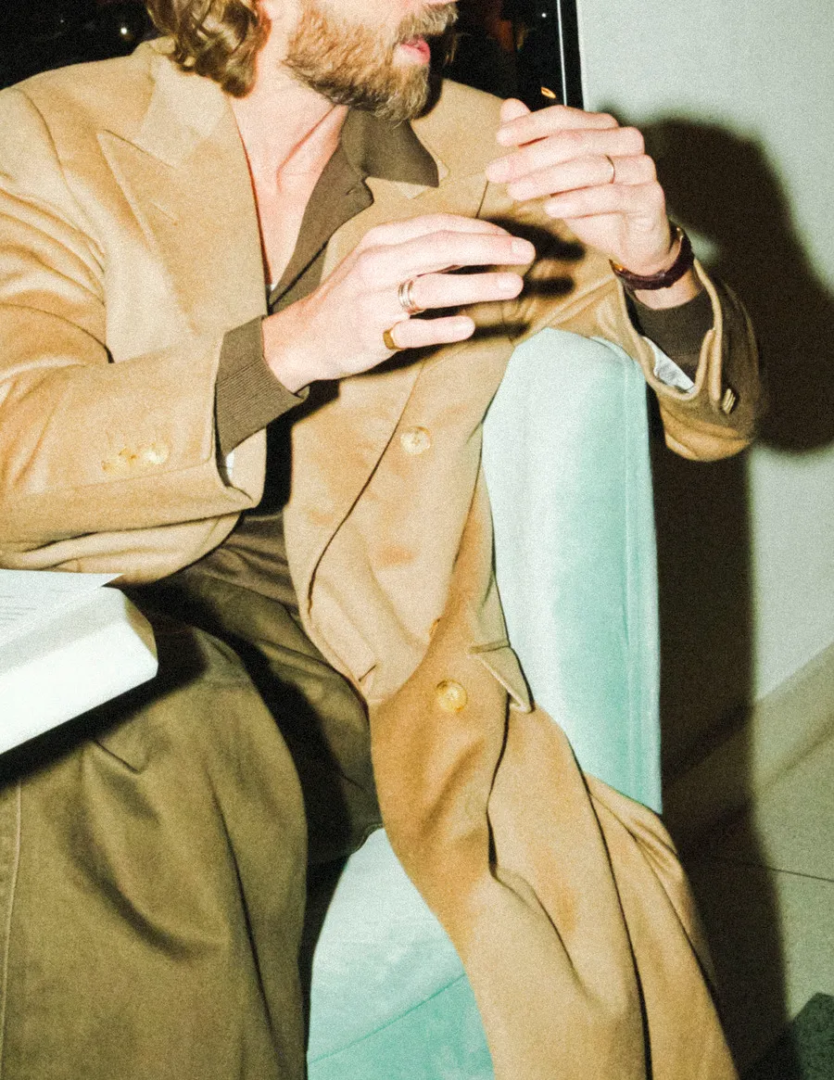
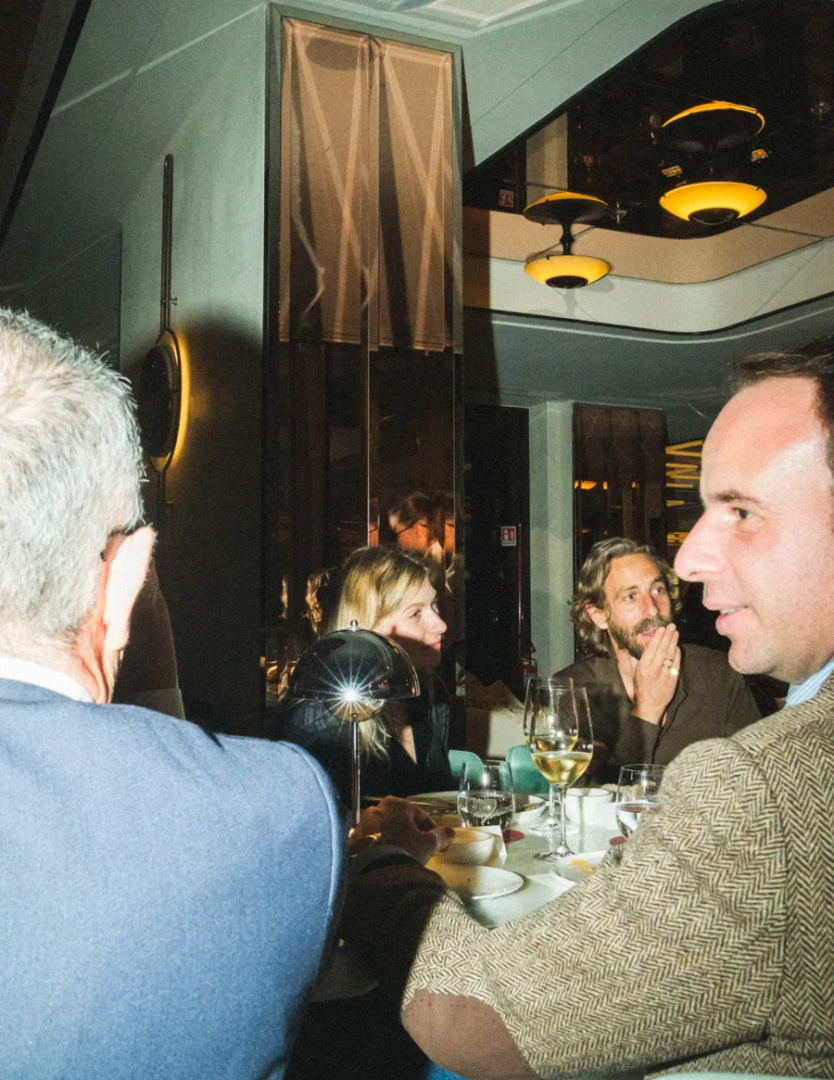
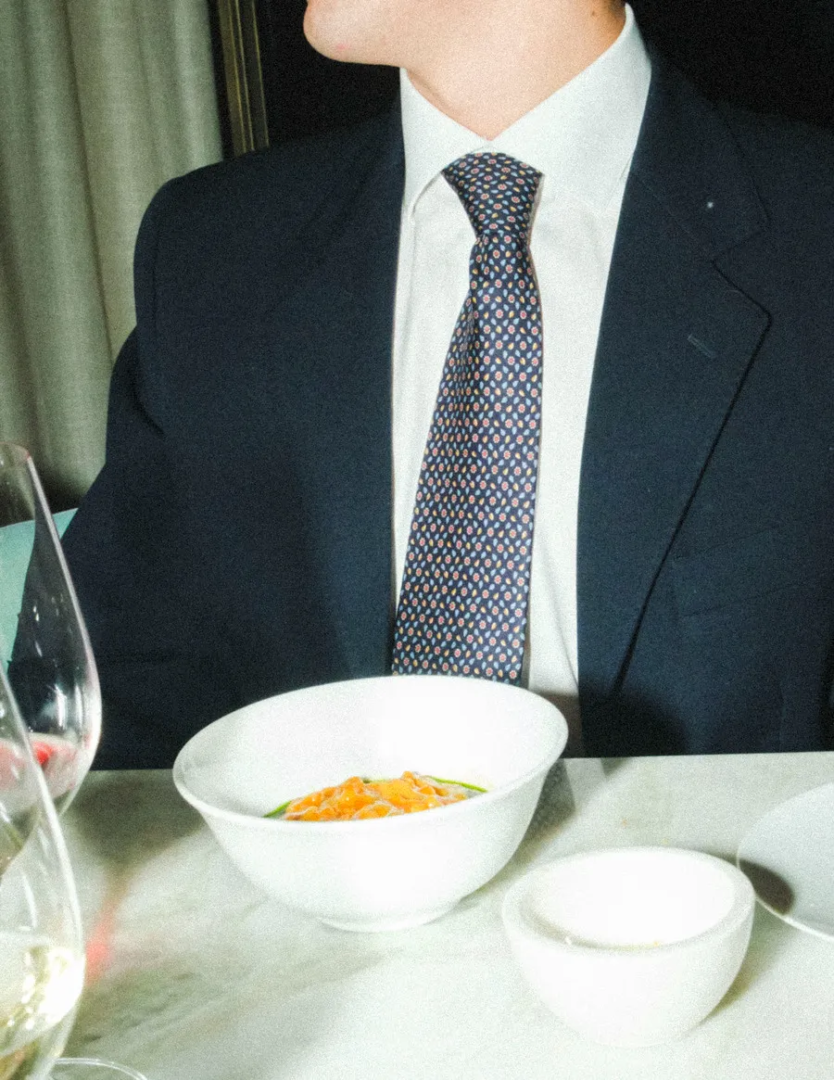
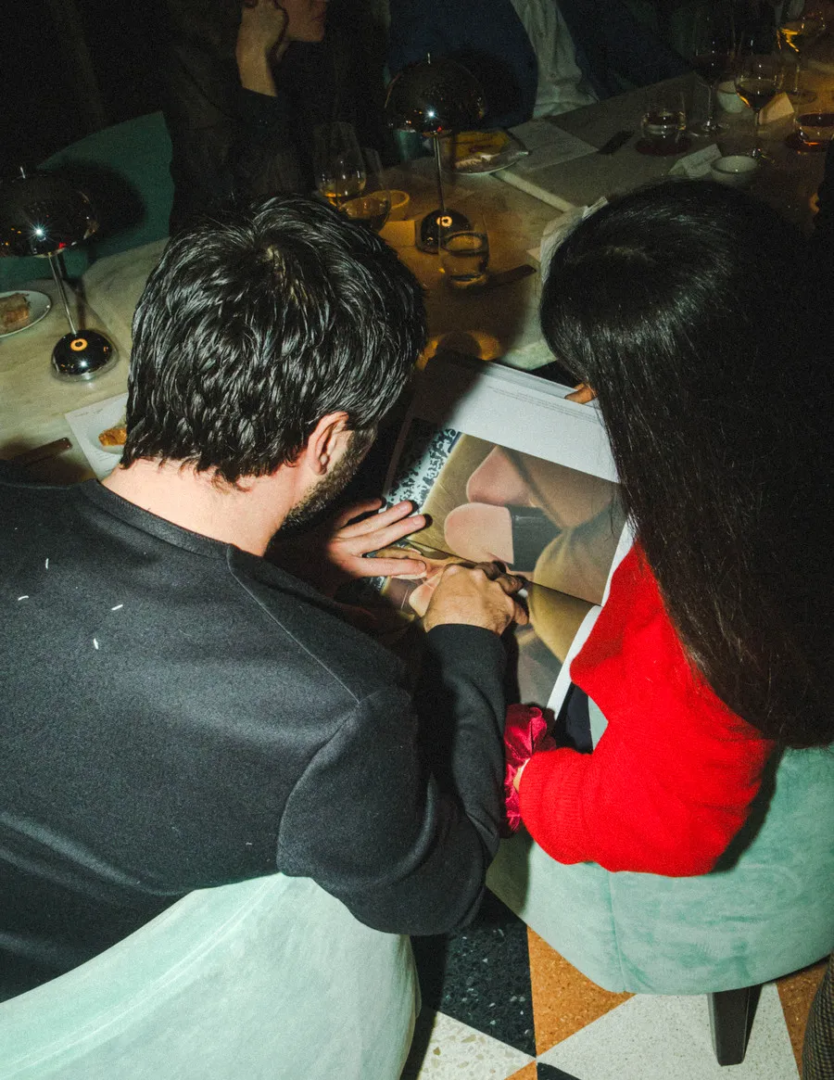
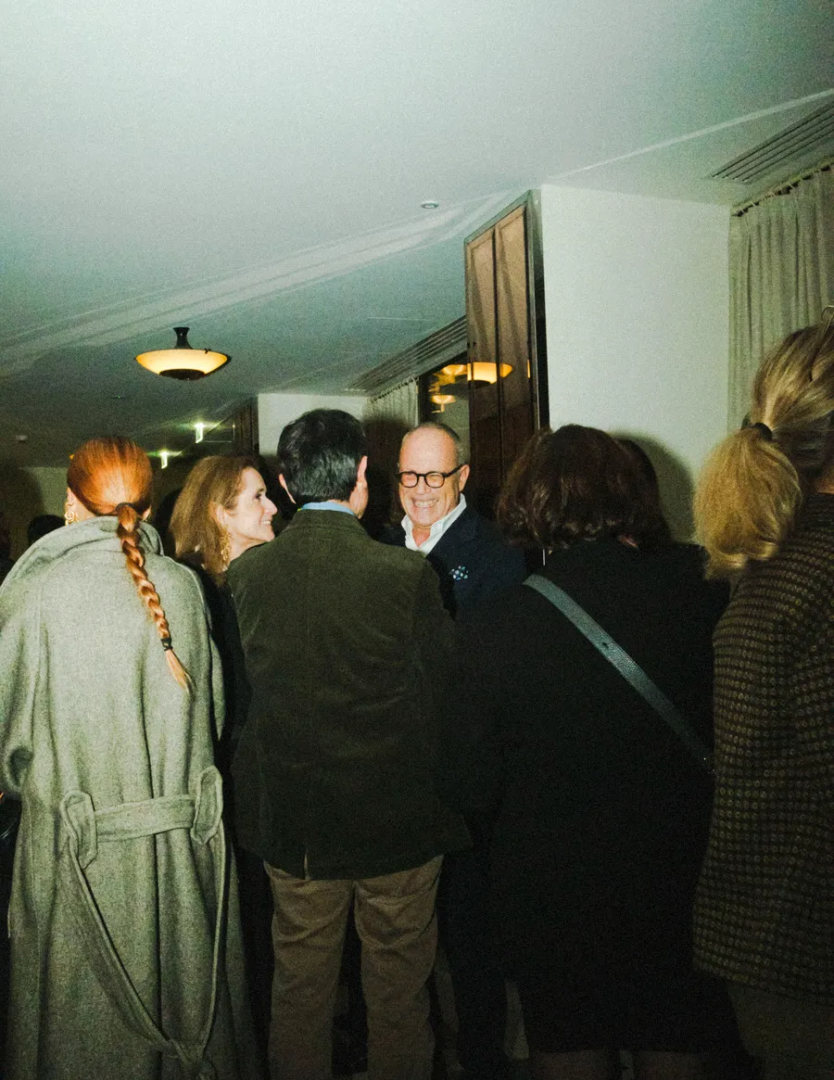
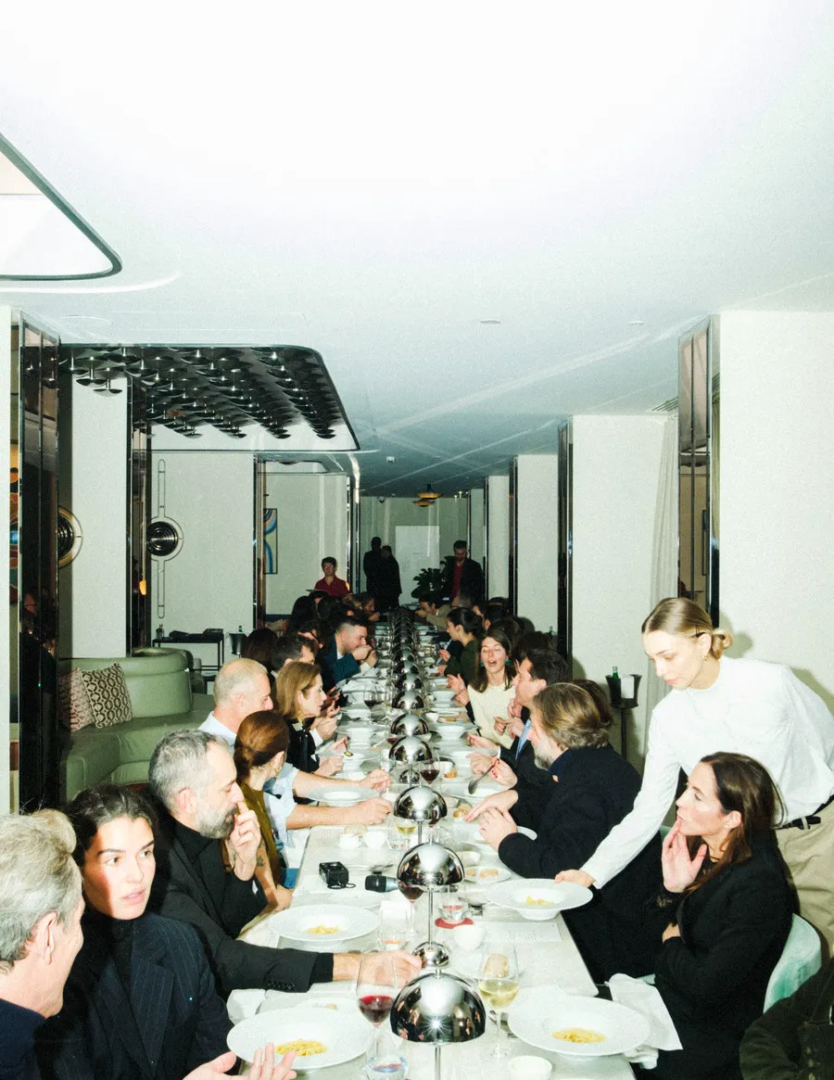
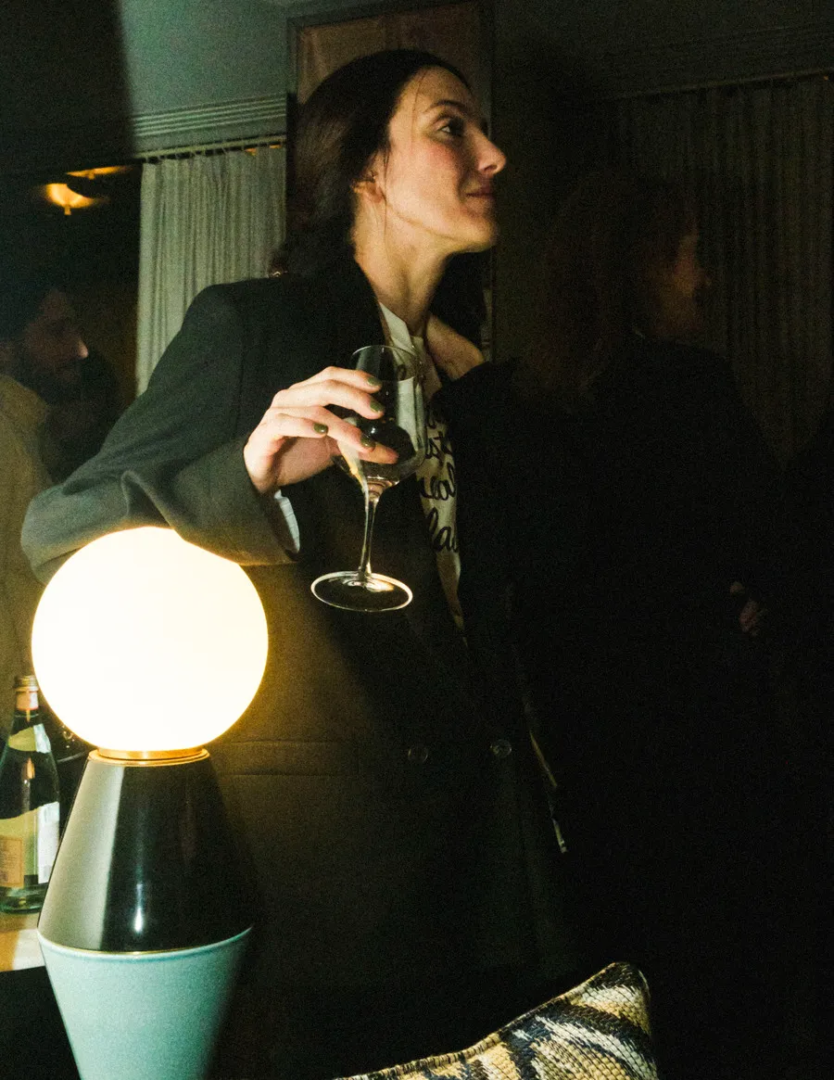
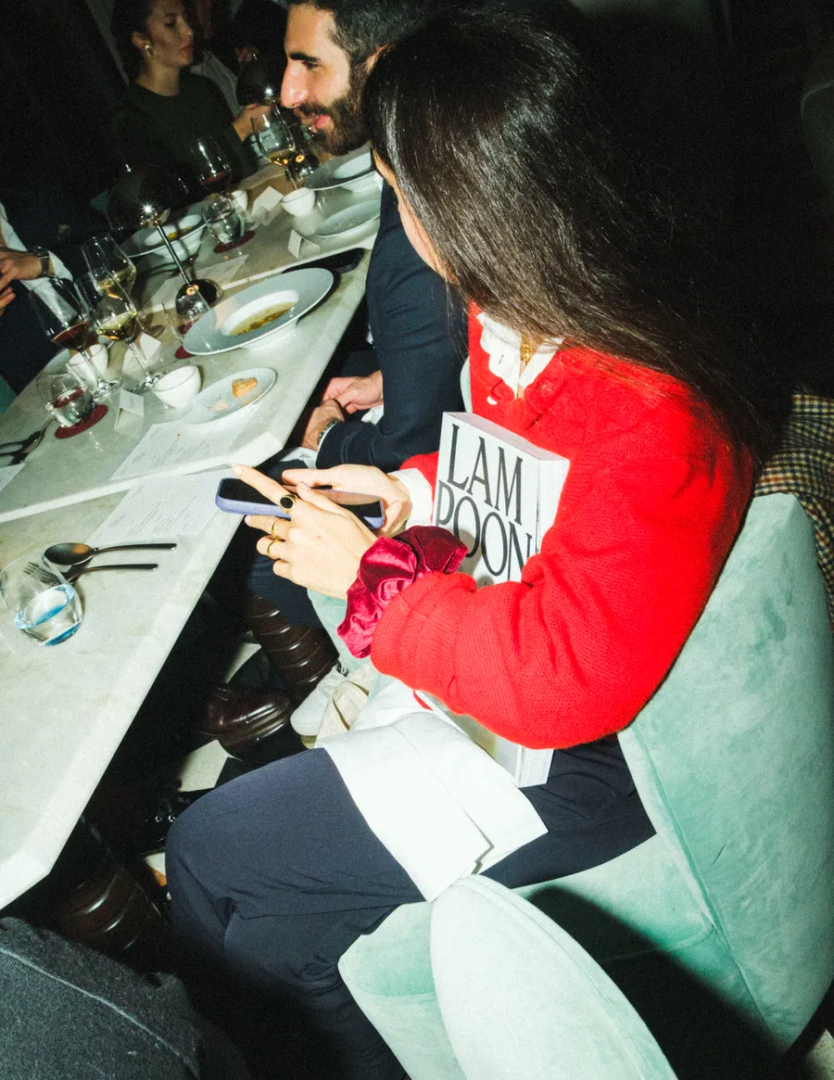
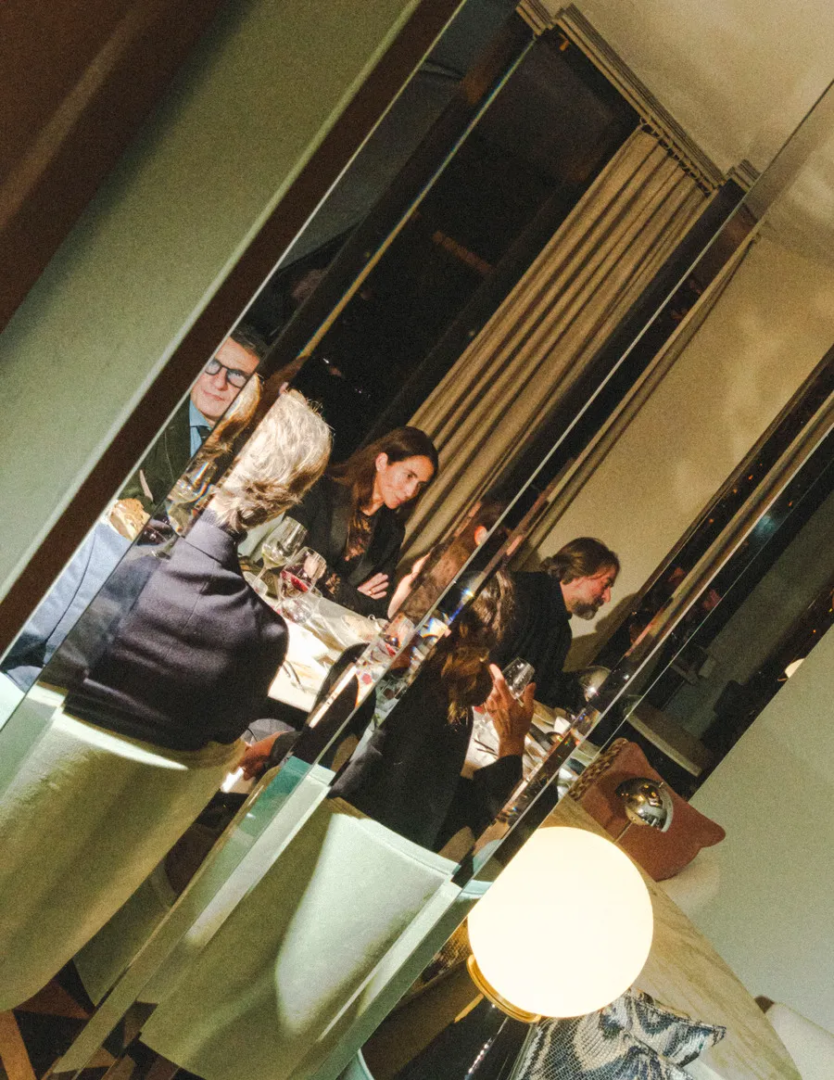
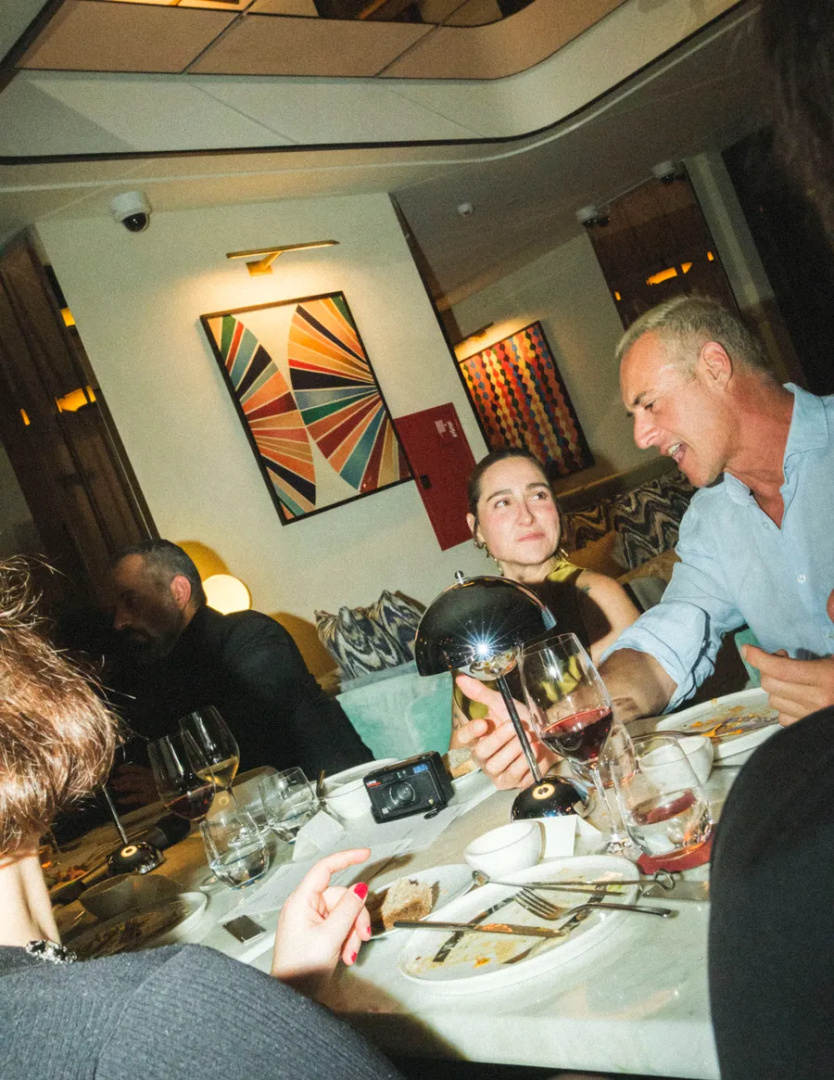
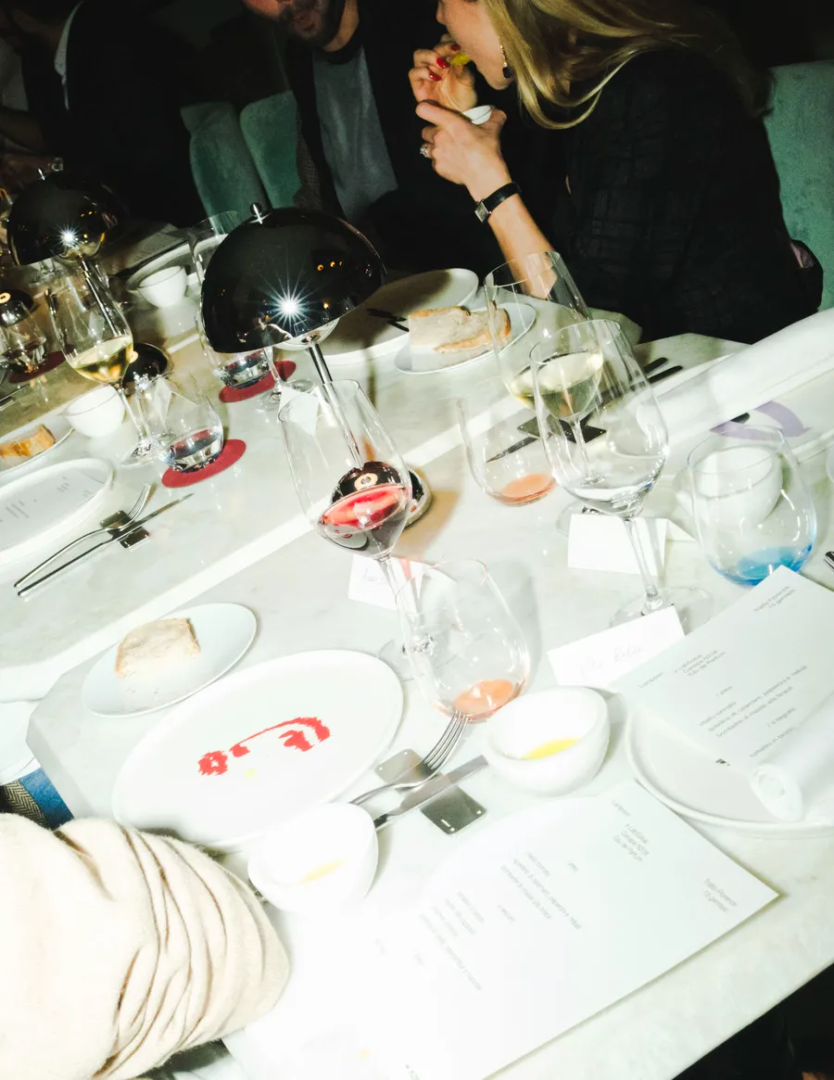
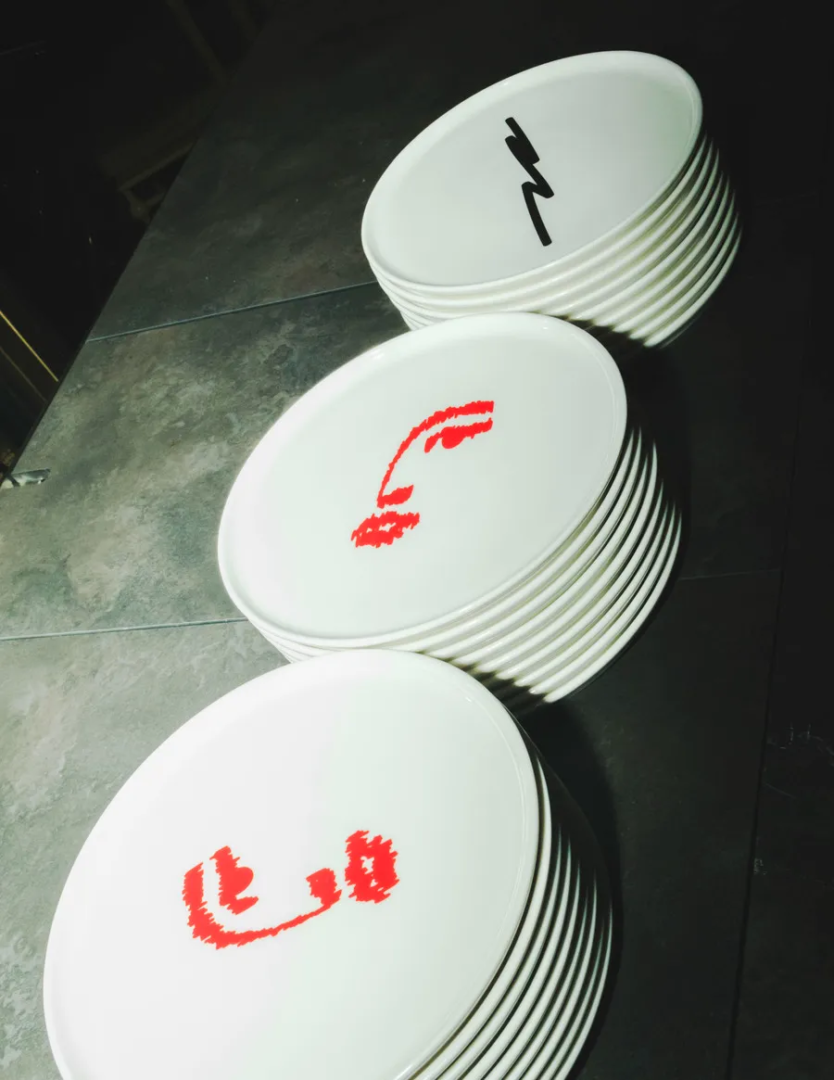
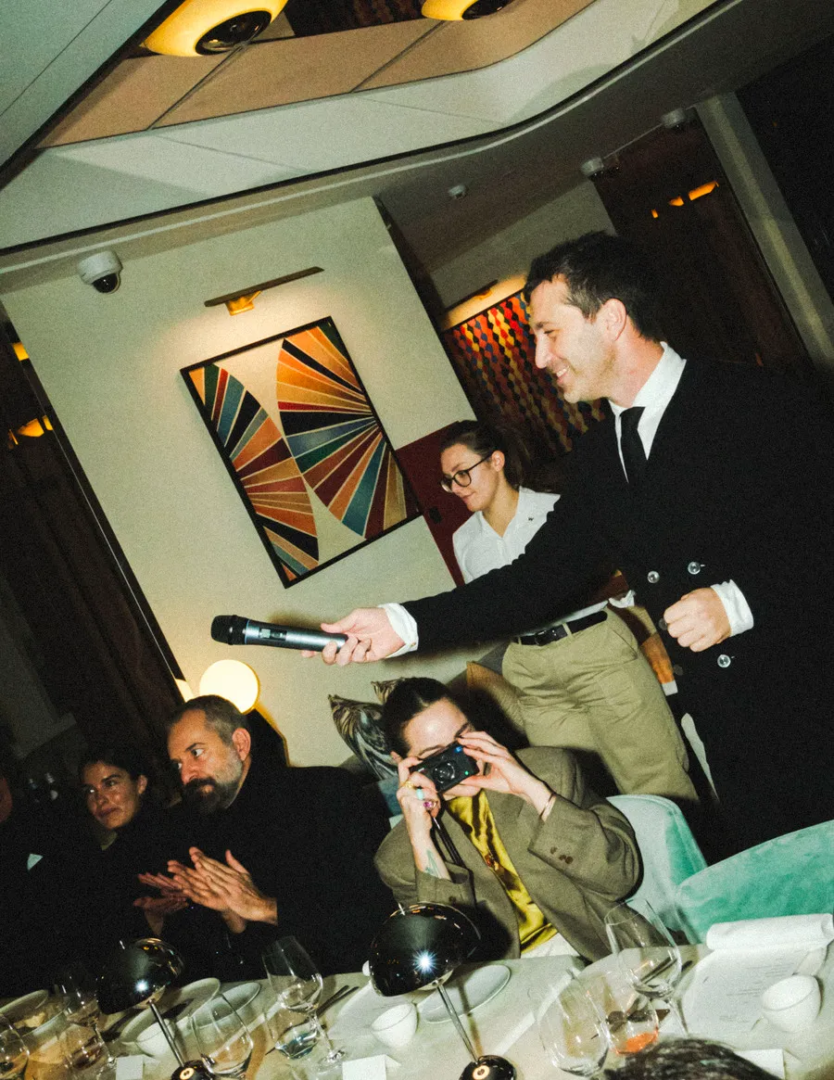
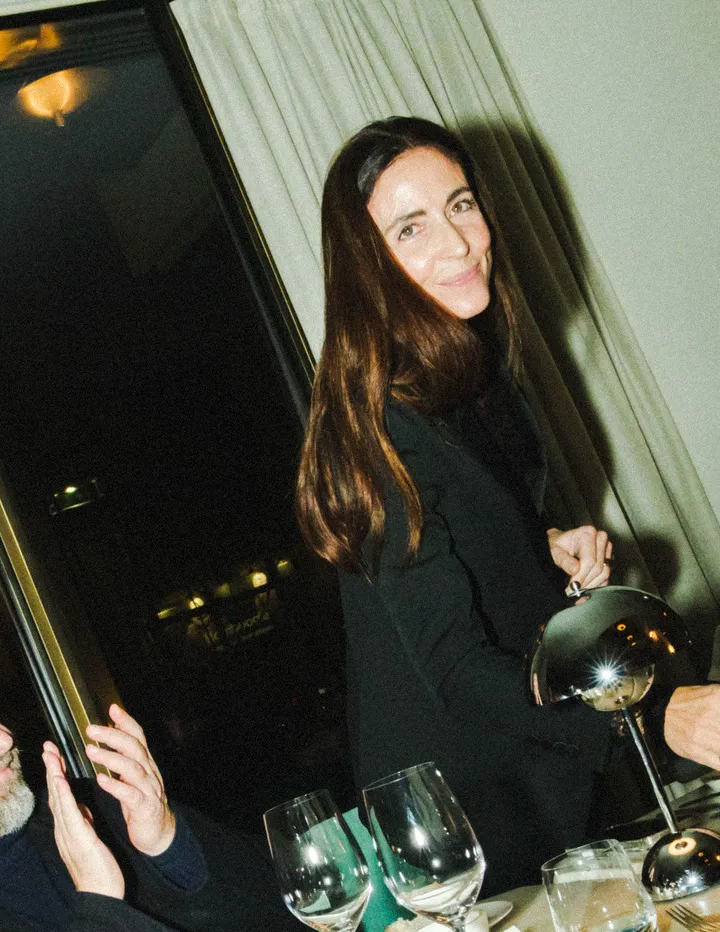
Canapa N318 was presented through an essential dinner format: one table, one conversation, no superstructures. The gathering brought together figures from fashion, production, journalism, music, agriculture, hospitality, and art.