Librairie Candide in Brussels and the reshaping of a neighborhood
Eric Haegelsteen transformed a long-standing bookshop on Place Georges Brugmann: architectural clarity, editorial selection and the everyday practices of a small, experienced team
Librairie Candide evolved from a long-standing neighborhood shop into a renewed cultural space in Brussels
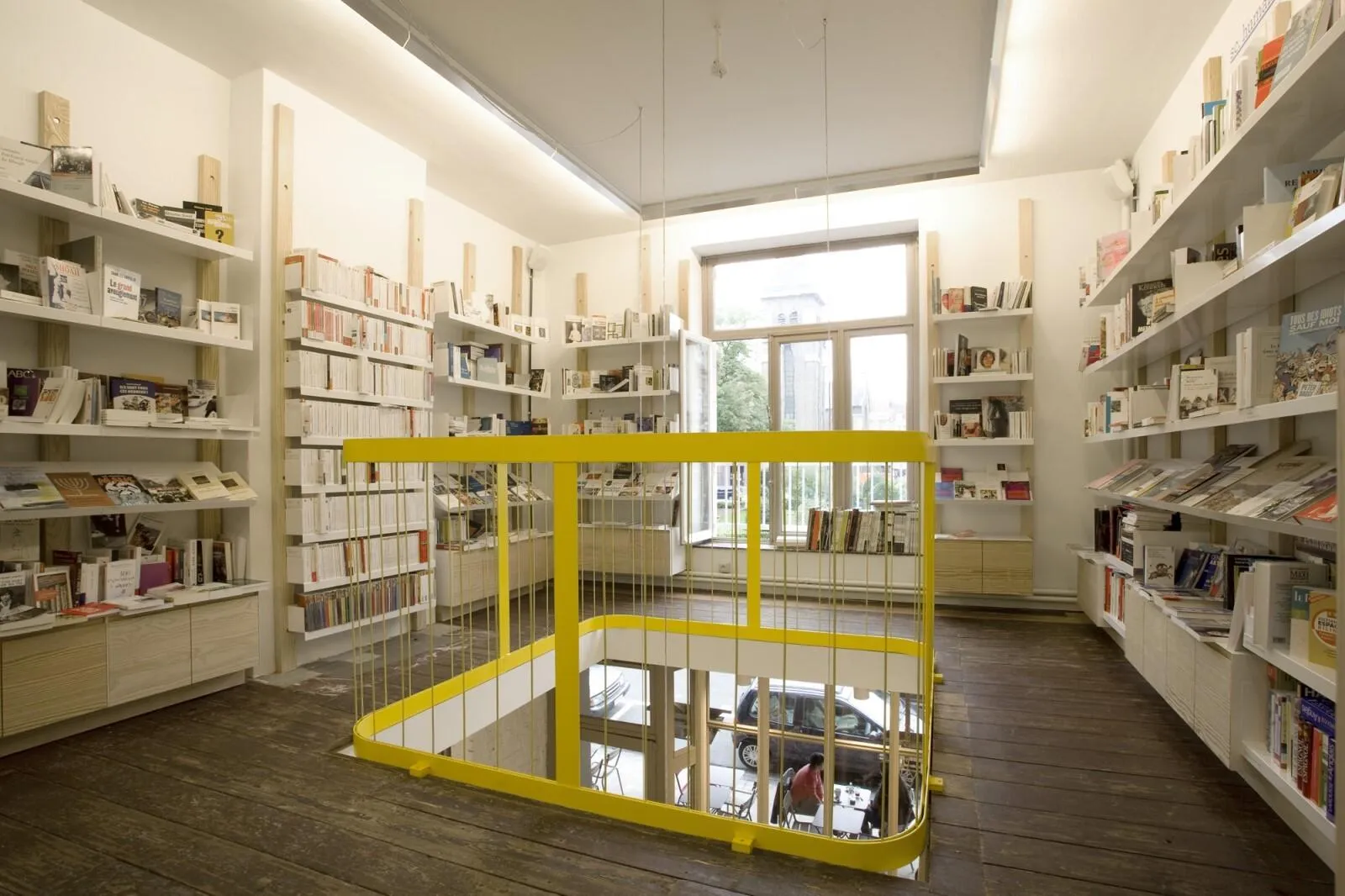
Named after Voltaire’s eighteenth-century novel Candide, the bookstore that would become Librairie Candide has stood on Place Georges Brugmann in Brussels for more than forty years. For decades it was run by a couple, and Beatrice—former wife of the original owner—kept it alive through periods of change. In 2010, the store entered a new phase when Eric Haegelsteen took it over and reimagined it in collaboration with the architecture studio Lhous & Lhous.
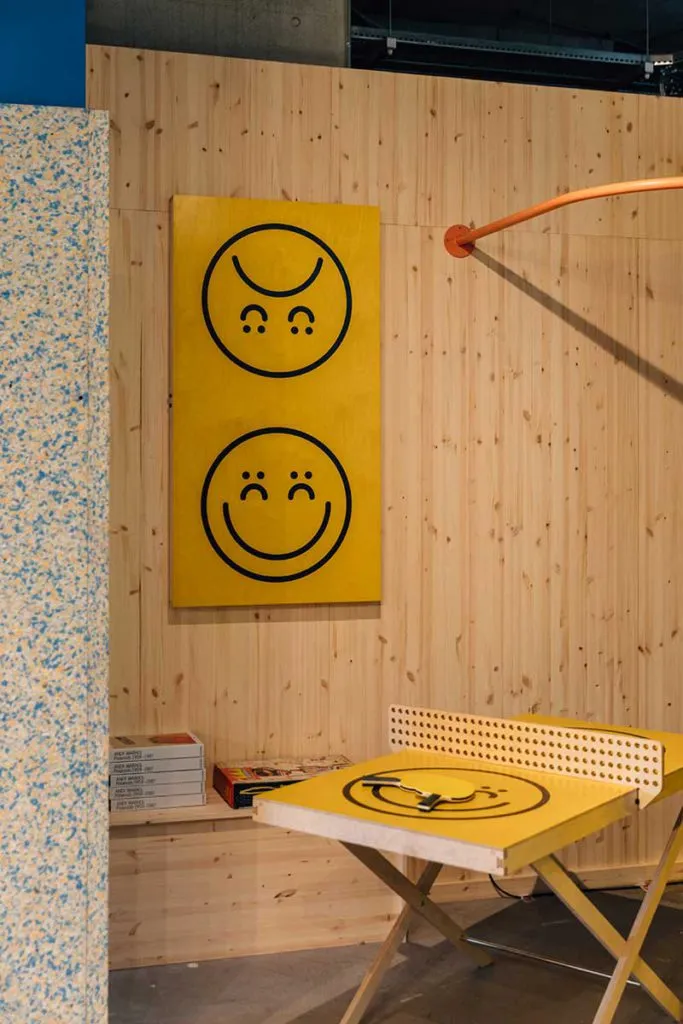
Haegelsteen was raised in a family of military officers and engineers, educated in boarding schools, and later studied business administration at ULB in Brussels. Despite this background, he gravitated toward culture—a field he saw beginning to flourish. Before returning to Belgium, he spent twenty-five years working as an auditor across Kongo, Cameroon, Ivory Coast and Senegal. Moving back to Brussels, he settled near the bookstore and quickly sensed how the city had changed. “People were turning toward American and English culture; it was ten years ago. Had the shop been neglected any longer, it would have vanished,” he recalls. “Books were piled without order, no displays, no rhythm. My brief to the architects came down to three words: light, circulation and capacity. Candide in French means candle, and we wanted to bring that idea of light into the space. Yellow became part of our visual language, and we reused as much as possible to respect both financial and environmental constraints.”
Librairie Candide builds its identity through a collaborative and long-standing team of readers
Literature and novels make up around thirty percent of the collection, while the rest extends across newspapers, magazines, cookbooks, children’s books, human sciences, philosophy and psychology. The bookstore has become a destination for readers who seek depth, guidance and discovery rather than quantity. Every book on the shelves is read, discussed and evaluated by the team before being given a place. The process involves employees who have worked there for many years, bringing a range of ages and perspectives. “It may sound tedious, but it is essential to the way we function,” Haegelsteen explains. “Determination, curiosity and a desire to nurture talent guide us. Again and again, we’ve seen authors receive literary awards after we had already believed in their work. By the time they were recognized, we had often sold hundreds of copies.”
Librairie Candide preserves authenticity in a world saturated with digital noise
In an era overwhelmed by digital information, Librairie Candide has managed to preserve its identity. “Digital flow helps us discover talent and pushes our pace,” Haegelsteen says. “There are only a handful of books in more than ten years that I never tire of recommending. Books offer stories and worlds people long to escape into. Screens can deliver quickly, but not fully. People come from many backgrounds and distances to reach our store; we try to honor their effort with care and guidance. A generation that has known the bookstore for decades still returns, noticing each evolution. Their requests reveal the level of quality they expect from us.”
Librairie Candide connects with Brussels through cultural initiatives and social engagement
Librairie Candide collaborates with several non-profit organizations supporting the elderly, refugees, orphans and prisoners in Brussels. Haegelsteen donates books without any commercial intent. Books that do not sell within two months are returned, allowing the shop to maintain a fresh selection. The bookstore received the Commerce Design Brussels Award in 2010–2011, recognition of the way space, curation and experience are tied together. “Our work has always been about encouraging talent and giving visibility to people,” Haegelsteen says. “Our sections of albums and photo-books present the work of others. We don’t do it for profit—what matters is showing our ability to organize events, exhibitions and encounters that remain anchored in the world of books.”
Librairie Candide continues to evolve through its team, its readers and its community
The shop closed for two months in 2020, yet once reopened, foot traffic returned quickly, and turnover matched the previous year. “I sometimes consider selling the store, but what would remain is the team—people I work with today and have worked with over time,” he says. Amelia Carpenter, an artist and former member of the staff, once drew a panther as a farewell gift; Haegelsteen later asked her to turn it into the store’s wrapping paper. Another Brussels artist allowed one of his illustrated pages to be used in the same way. Today, 85 to 90 percent of the team is composed of women, who organize events, exhibitions, presentations and window displays, shaping much of the bookstore’s visual and cultural identity.