Stop Looking at Images: Photography Begins with Light, Time and Space
Bigaignon in collaboration with Rhinoceros stage a three-act project that rejects visual consumption, dismantles exhibition habits, and reframes photography as structure rather than image.
A three-act project developed by Bigaignon in collaboration with Rhinoceros that examines photography through its elemental conditions, treating light, time and space as the foundations of the medium
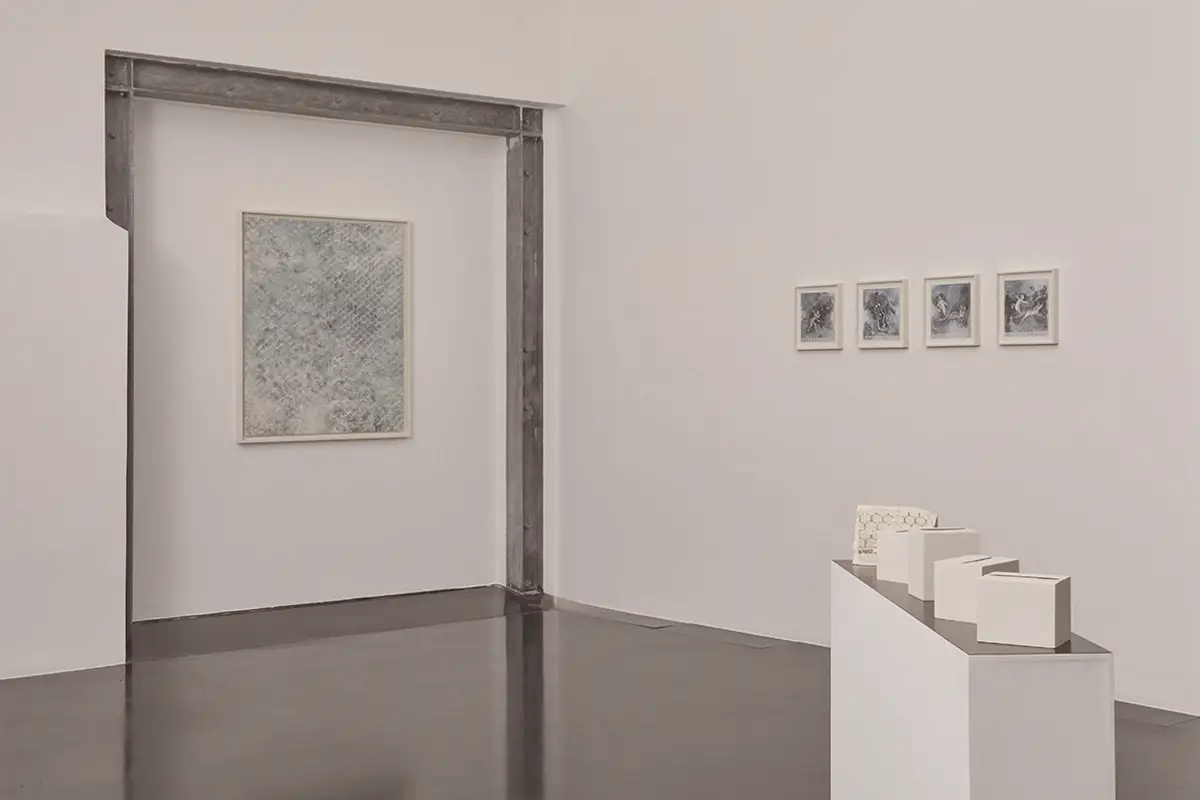
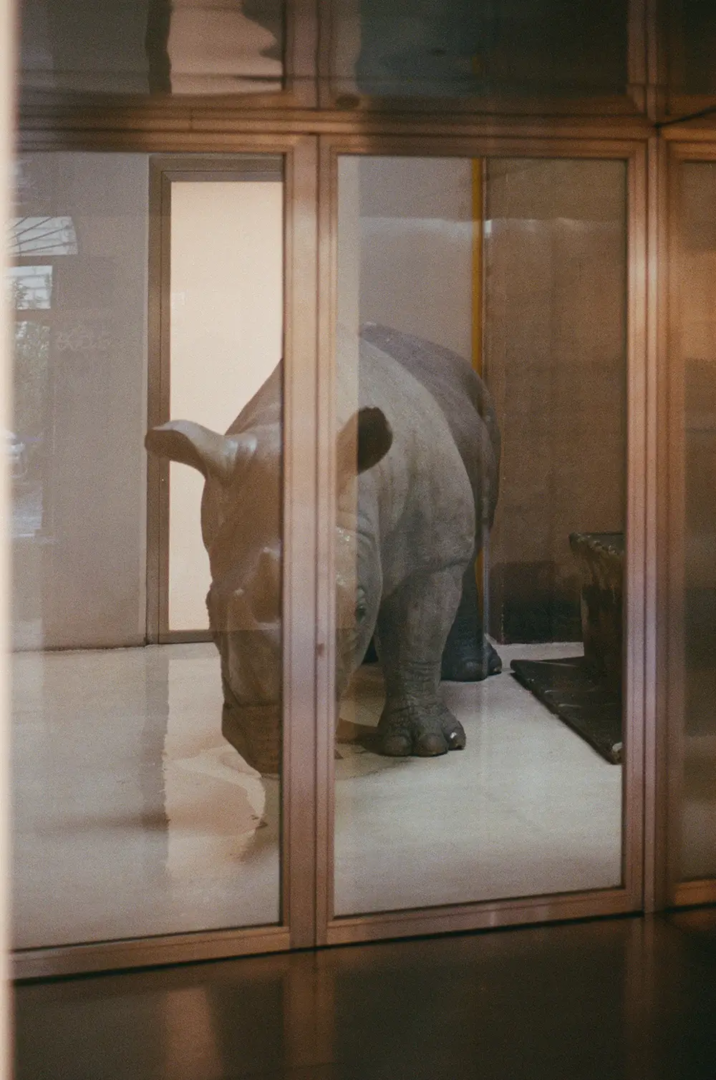
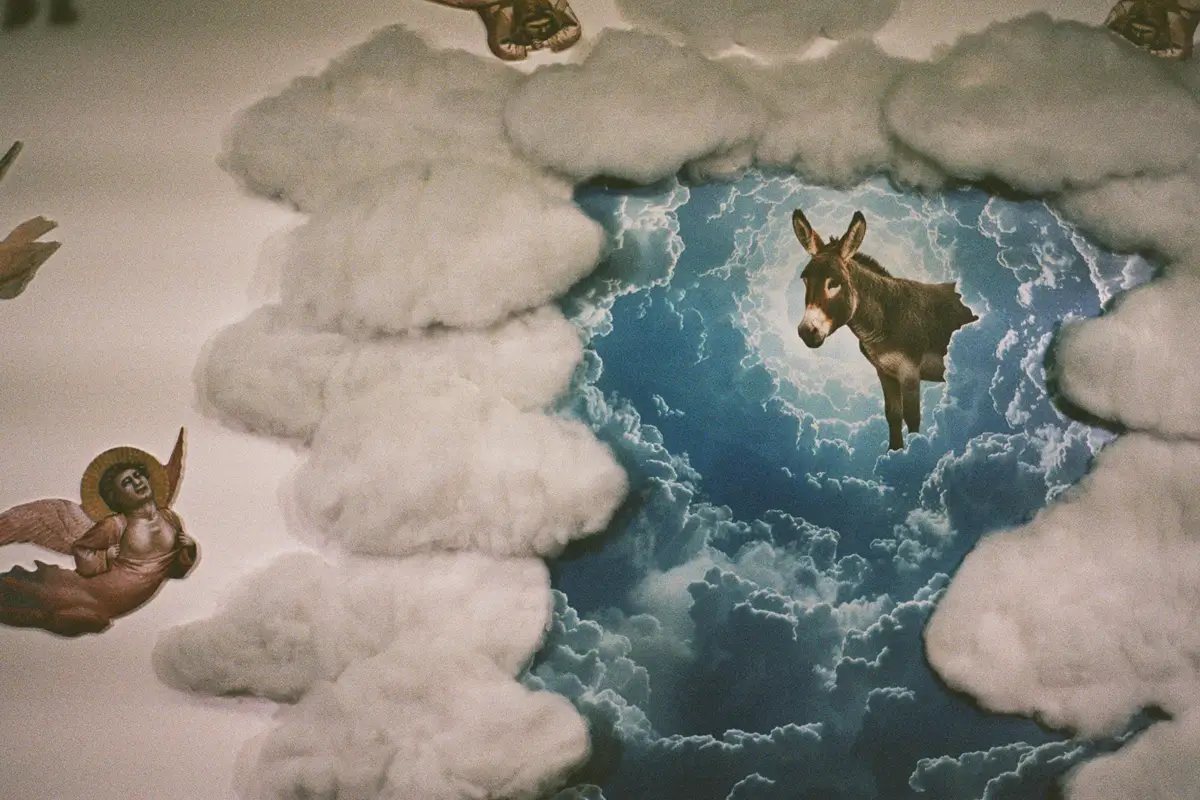
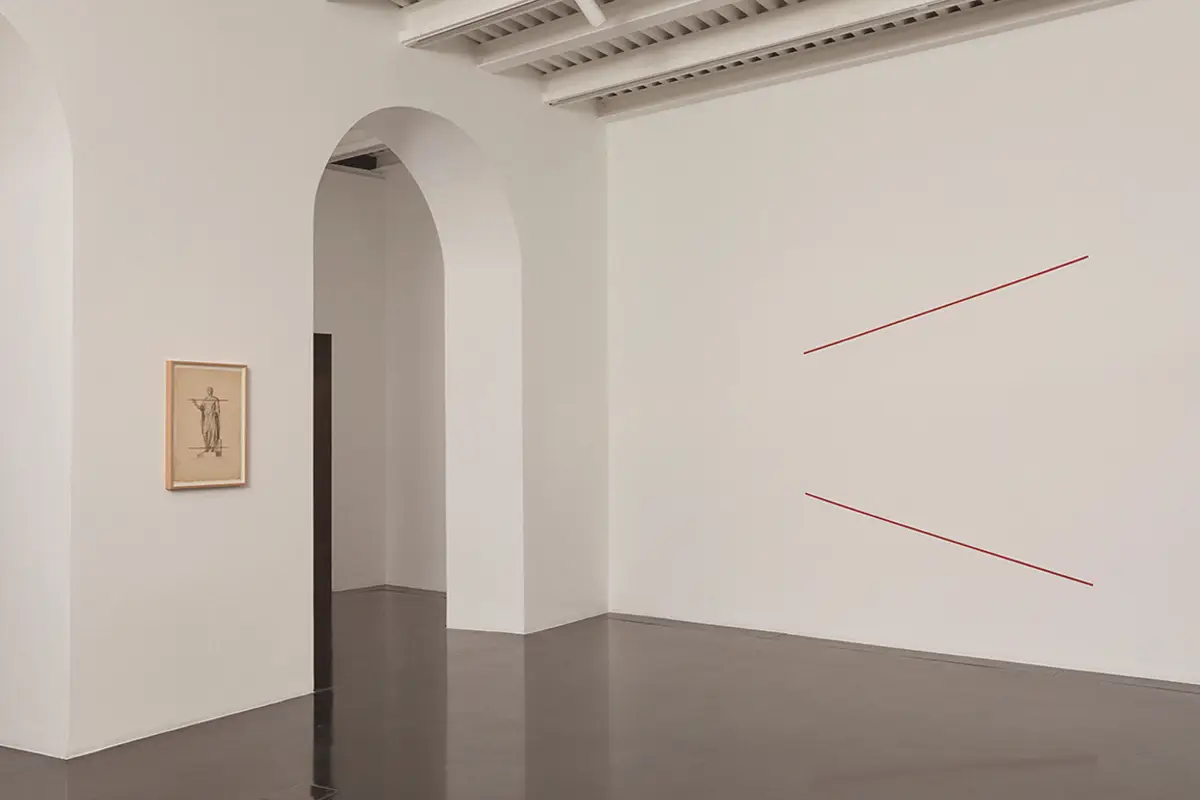
In a visual culture driven by speed and accumulation, images tend to detach from the conditions that generate them. Production accelerates, circulation dominates, and context is reduced to background noise. Images are consumed as surfaces, often disconnected from light, time and space. The trilogy developed by Bigaignon in collaboration with Rhinoceros positions itself against this drift. It slows the image down, breaks it apart, and returns to its foundations. Across three successive acts, light, time and space are treated not as themes but as operative conditions. The final chapter is currently on view in Rome, from January 18 to March 15, 2026.
Not as they should be: refusing exhibition standards to redefine how art is experienced
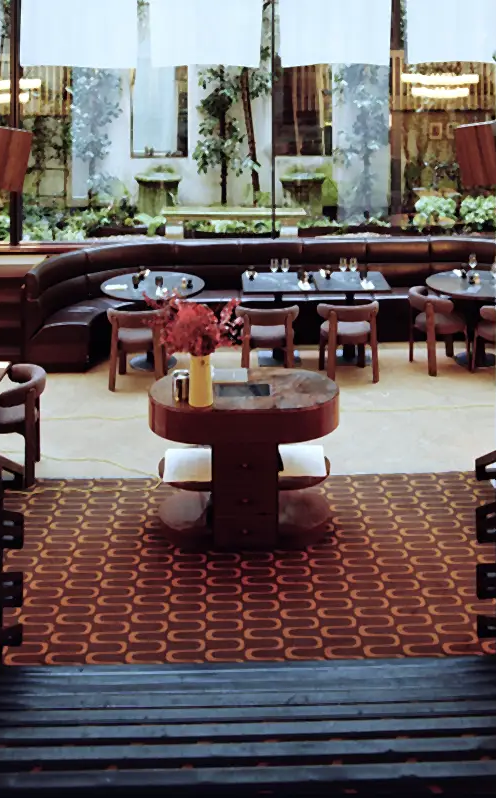
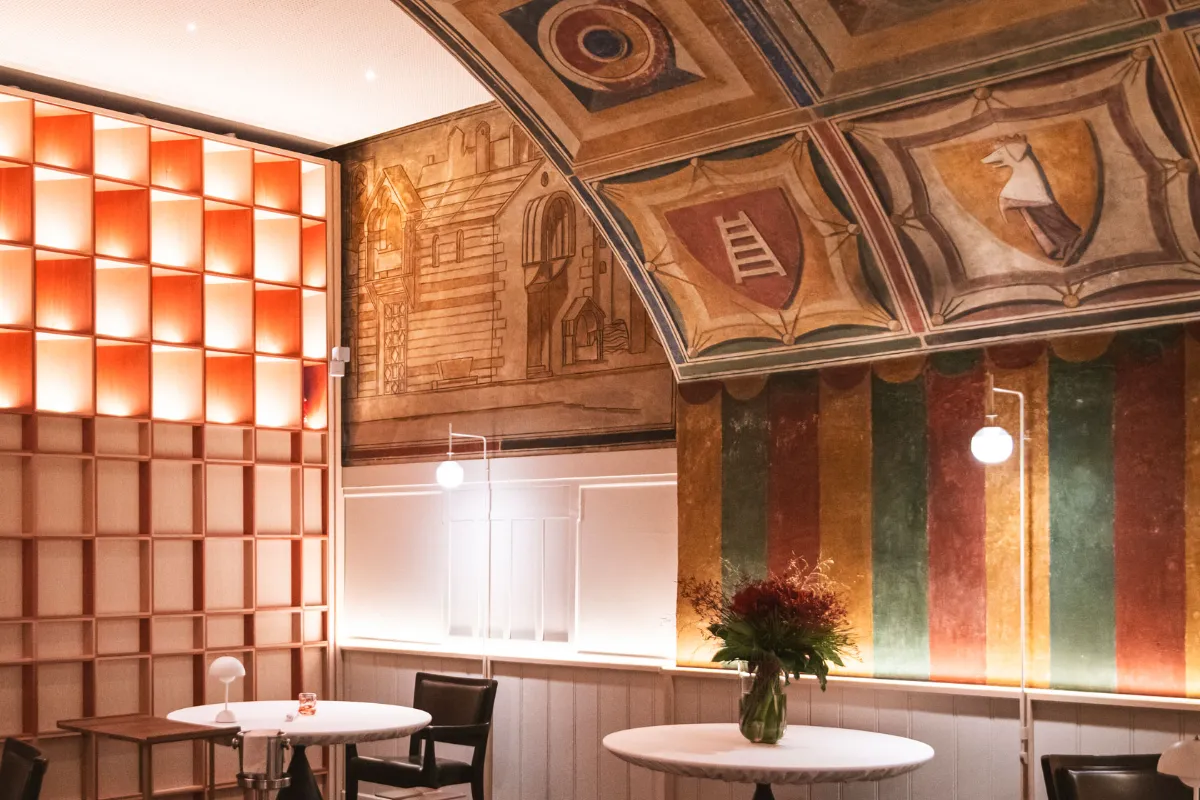
“To do things not as they are — or were — supposed to be done, but in a singular way. Our way.” The collaboration between Bigaignon and Rhinoceros is built on deviation. Not on stylistic alignment, but on a shared refusal of predefined exhibition formats. The project does not aim to fit into existing models. It questions how art is encountered, inhabited, and perceived over time. As Thierry Bigaignon explains, what connects the two spaces is not identity but experience.
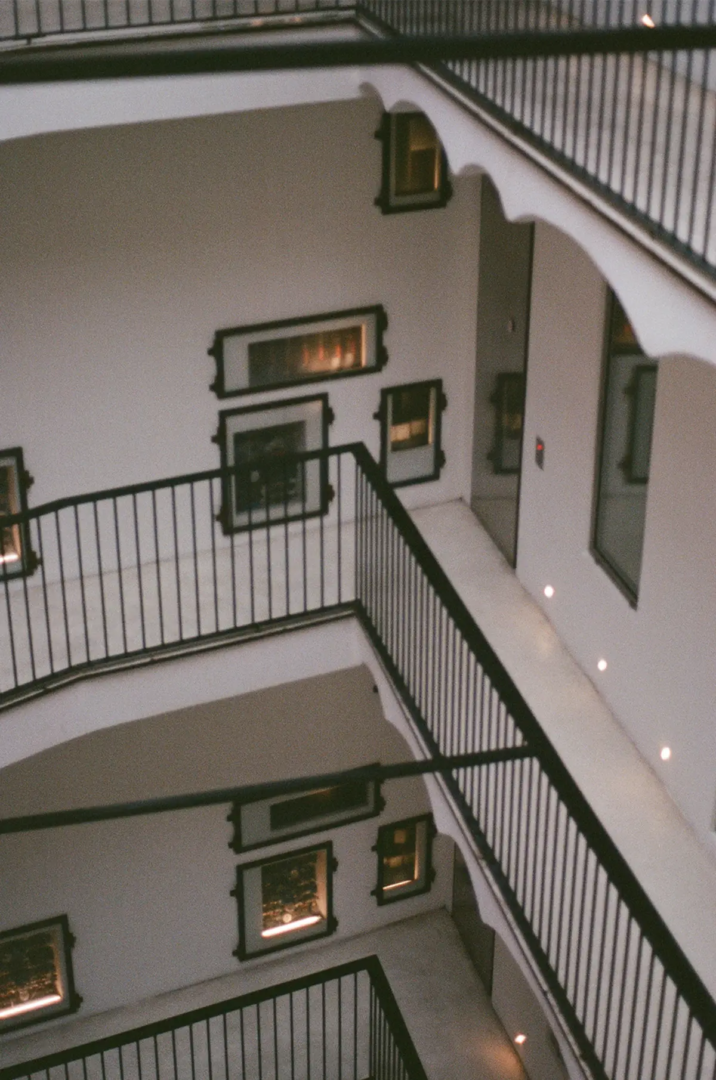
“When you come to Rhinoceros as a guest, as I did long before this collaboration, you immediately feel that this is not a typical hotel experience. Something similar happens when entering the Bigaignon gallery in Paris. In both cases, experience is central.” Experience here is not an effect. It is the structure around which the project is built.
Beyond photography as image production: redefining the medium through light, time and space
If experience is the shared ground, the next question concerns the medium through which this experience is articulated. At Bigaignon, the reflection begins with photography itself, understood not as a tool for producing images, but as a medium whose definition remains unstable. “Photography, the medium from which the gallery emerged ten years ago, has long been associated with image-making. I believe this is a misunderstanding that has lasted for nearly 200 years,” says Bigaignon. Contemporary artists working with photography push the medium beyond representation.
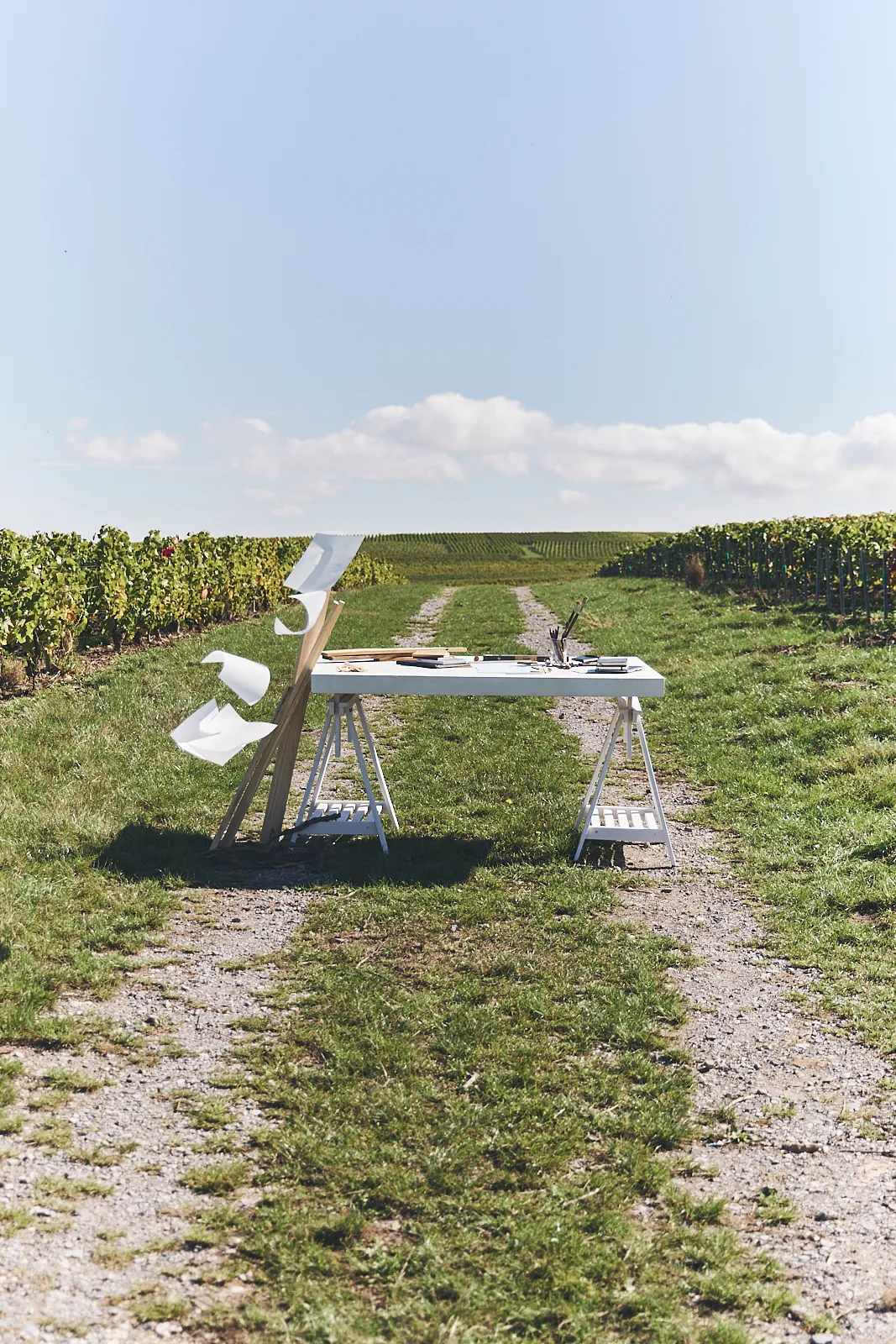
What emerges is a focus on its basic conditions: light, time and space. These elements are not metaphors. They are material and conceptual parameters. By isolating them, artists reveal what photography is built upon. When considered individually, one realizes that most art throughout history has been produced through these same elements. Photography shifts from image to structure, from depiction to condition.
A trilogy instead of a single exhibition: narrative structure as curatorial method
Once light, time and space are identified as foundations, the issue becomes how to present them without flattening their complexity. The decision to develop the project as a trilogy responds to this need. Rather than compressing everything into a single exhibition, the collaboration unfolds across three acts. Each element is addressed separately, with its own rhythm and spatial logic.
“We wanted to tell a story rather than simply present artworks,” explains Bigaignon. “Storytelling finds its strongest form in theater. Rome understands this well. Structuring the project in acts felt natural.” The trilogy introduces duration into exhibition-making. It asks visitors to return, to remember, to compare. Each chapter isolates one condition. No overlap, no synthesis. Separation becomes a tool for clarity.
Space as an active condition: introducing the third dimension in photographic practice
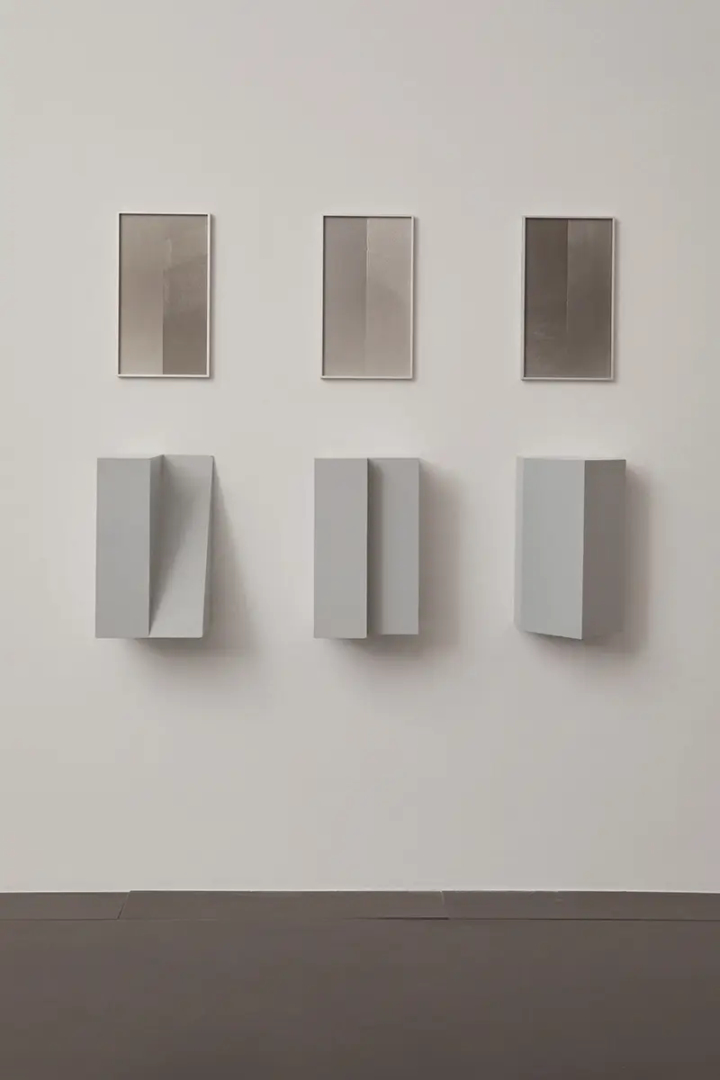
In the final act, attention shifts from sequence to presence. Space becomes central. In most visual culture, space remains implicit. It frames images without being questioned. Here, it is foregrounded. “We live in three-dimensional space, yet we tend to be more conscious of time or light than of space itself,” says Bigaignon.
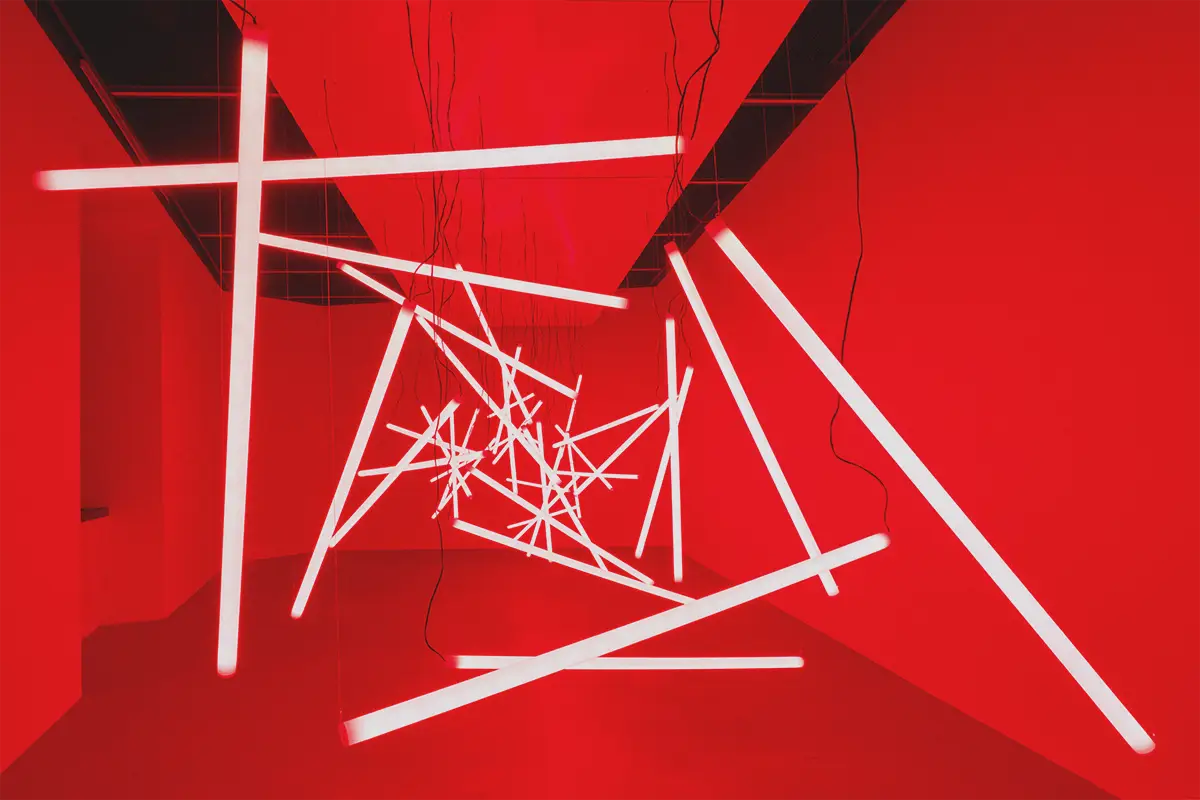
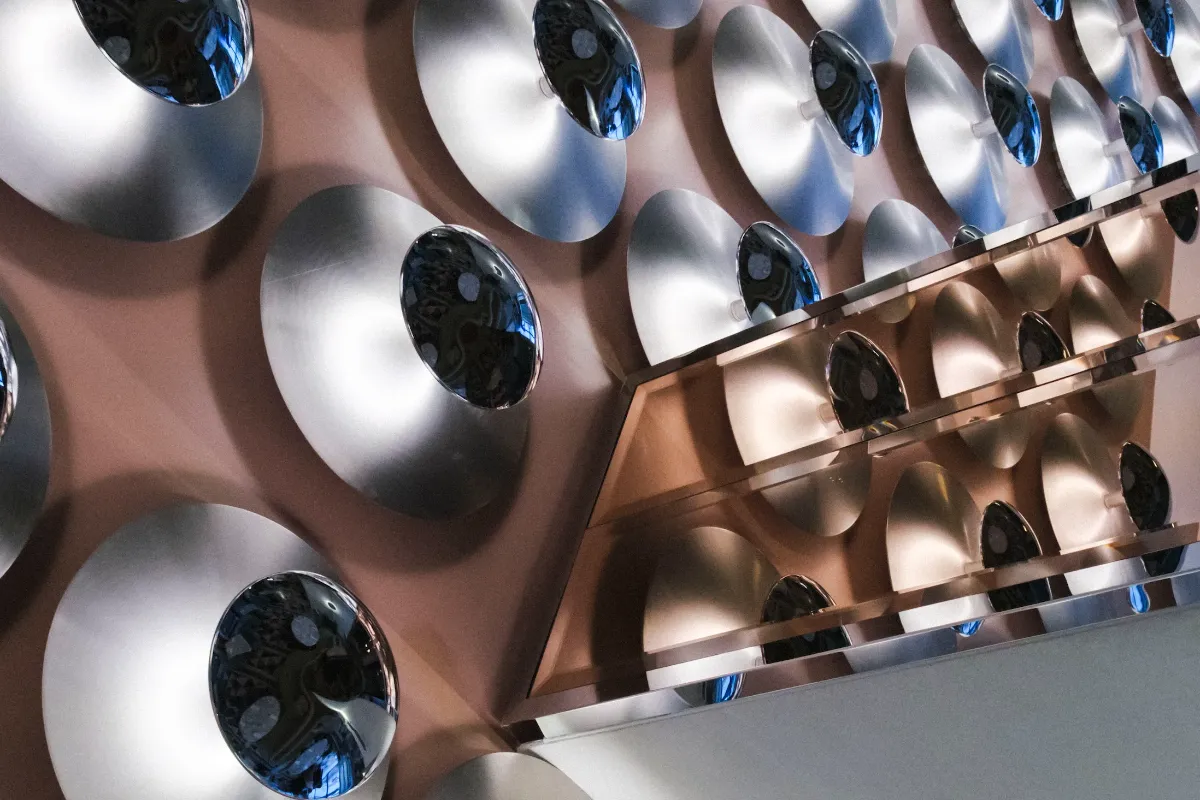
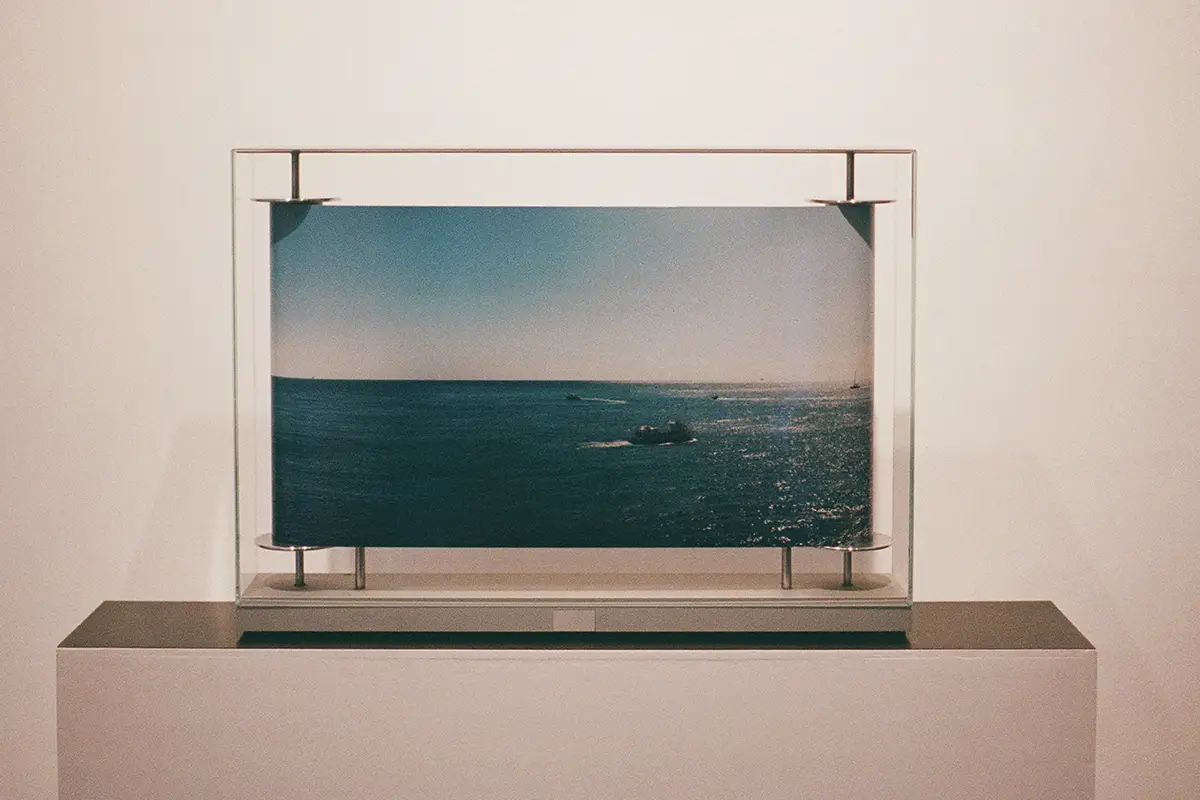
“Photography has historically been produced and experienced as a two-dimensional medium. That assumption is now being challenged.” The works presented introduce volume, depth, and physical occupation. Images become objects. Surfaces acquire thickness. The encounter is no longer frontal. It becomes spatial and embodied, altering the relationship between viewer and image.
Returning to light as the material condition that makes images possible
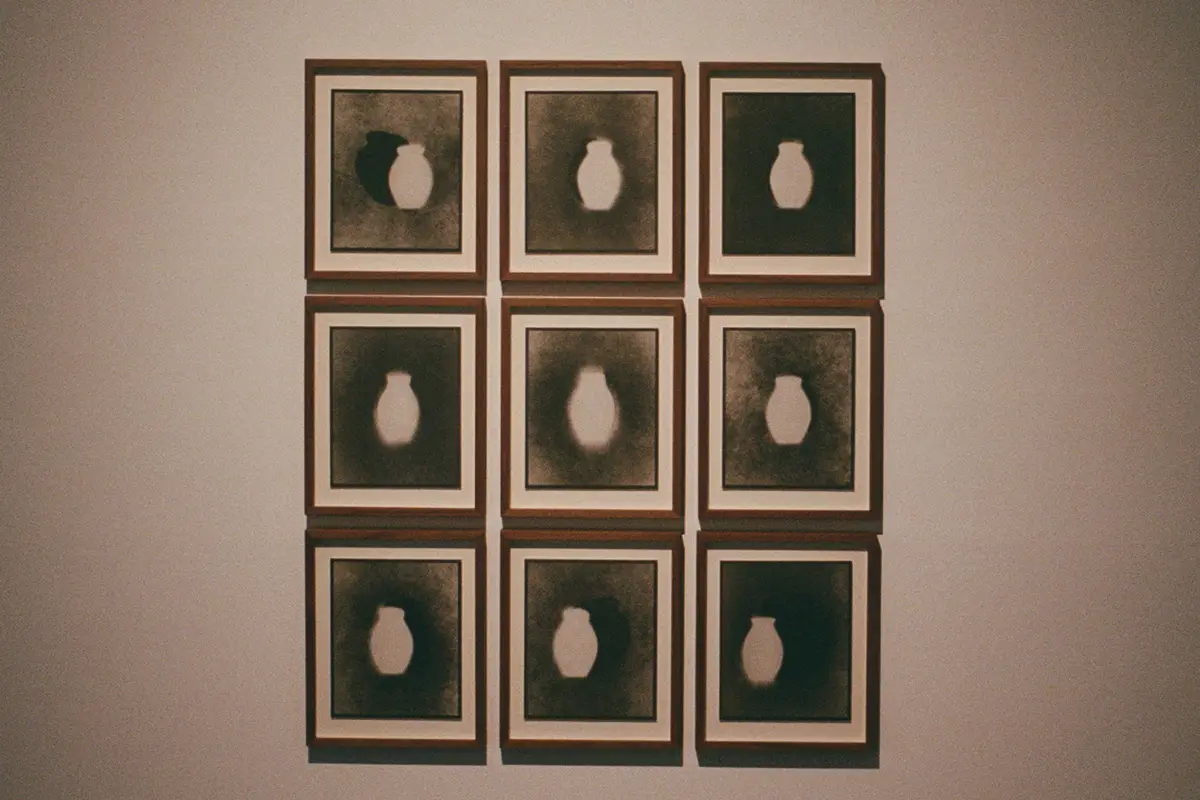
If space reshapes how images are encountered, light remains the condition that makes any encounter possible. Its return in the final chapter is deliberate. Light was already isolated and examined in the opening act, Atto 1/3: Sotto la Luce. Reintroduced here, it no longer functions as a starting point but as a grounding force that underpins every articulation of the image.
“Light is everywhere. Light is nature,” says Bigaignon. Whether artists work with natural or artificial sources, light remains central. Even in digital photography, the image is produced through a sensor reacting to light. Even where printmaking no longer requires light in a direct way, its absence would render the work impossible. Light remains at the core of image-making, just as it remains at the core of contemporary visual culture.
Time, duration and memory in an era of accelerated visual production
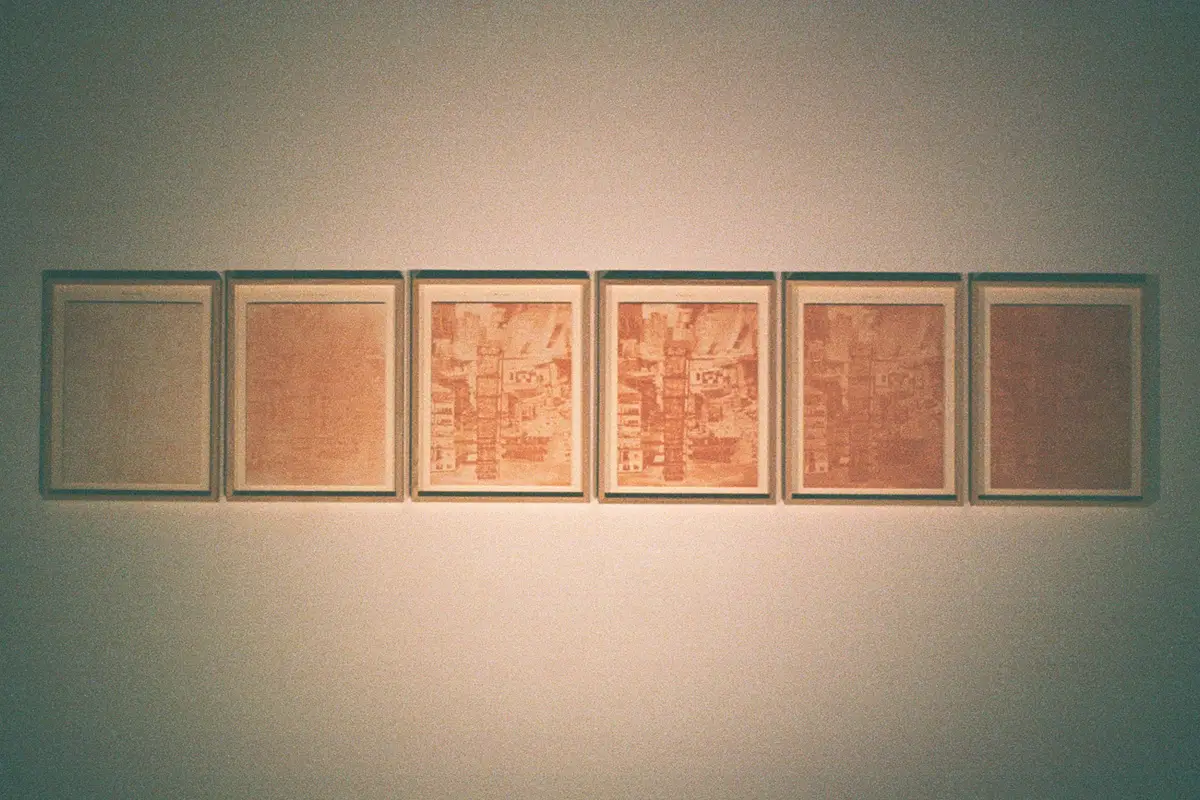
Alongside space and light, time emerges as a fragile condition. In a visual culture driven by immediacy, duration is constantly threatened. The works gathered across the trilogy insist on trace, latency and persistence. “We live in an era of extreme speed, where everything moves so quickly that memory can seem to lose its value,” says Bigaignon.
“This should never be the case. Artists who work with time and duration remind us of its importance.” The curatorial approach reflects this position. Artists are selected without generational or geographic criteria. What matters is the intensity and precision of the work. Emerging, mid-career and established artists coexist within the same framework, connected by their engagement with time as a material condition.
The gallery as cultural infrastructure and political actor
The project ultimately reaffirms the gallery as a cultural infrastructure rather than a site of display. Visibility is inseparable from responsibility. Transmission becomes a long-term commitment. “A gallery has a political role in society,” states Bigaignon. “It creates an ecosystem in which artists, visitors, collectors, critics and intellectuals can exist together.” Without galleries, visibility collapses. Without galleries, museums themselves are weakened. Artists may continue to produce, but their work struggles to endure. In this sense, the gallery becomes the condition that allows images to persist over time. Not as commodities, but as cultural structures.
Elisa Russo