Rosie Ellis’ The Boyfriend Casting: photographing boyfriends, sex and obsession
From pillow talk to photographic archive: inside Rosie Ellis’ The Boyfriend Casting photobook, where sex, intimacy and the female gaze reshape how men’s bodies are seen and recorded in images
From pillow talk to clinical study: how desire became a photographic method
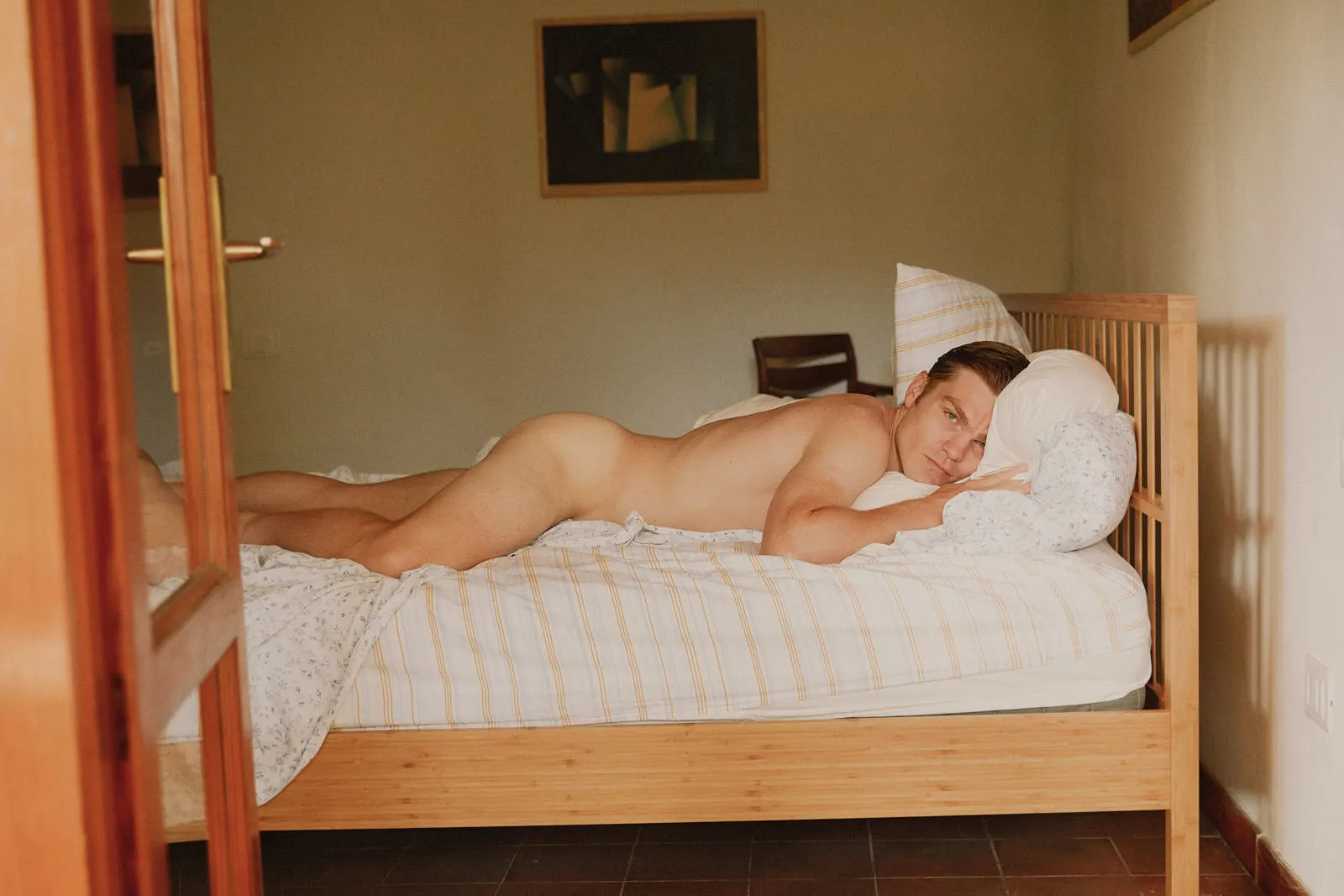
For decades, women’s bodies have been measured, objectified, and judged by the fashion industry and the male gaze alike. Intimate imagery of men — unguarded, domestic, vulnerable — remains largely unfamiliar territory. The Boyfriend Casting, Ellis’ five-year photobook project, steps directly into that gap.
Blending private life with artistic inquiry, the work charts the full arc of romantic obsession: from tenderness to detachment, from desire to dissection. Structured chronologically, it opens with the warm, textured intimacy of first love and closes as something closer to a forensic catalog — a measured, archivable study of the male form, stripped of personality and affect. Along the way, it raises urgent questions about consent, objectification, and who holds the authorship of an intimate image.
Nick, the first subject: inside the relationship where the project was born
Ellis was in her early twenties when she began. Younger, naiver, and already given to obsession — ‘my lovers always top that list,’ she has said — she picked up her camera and pointed it at what captivated her most.
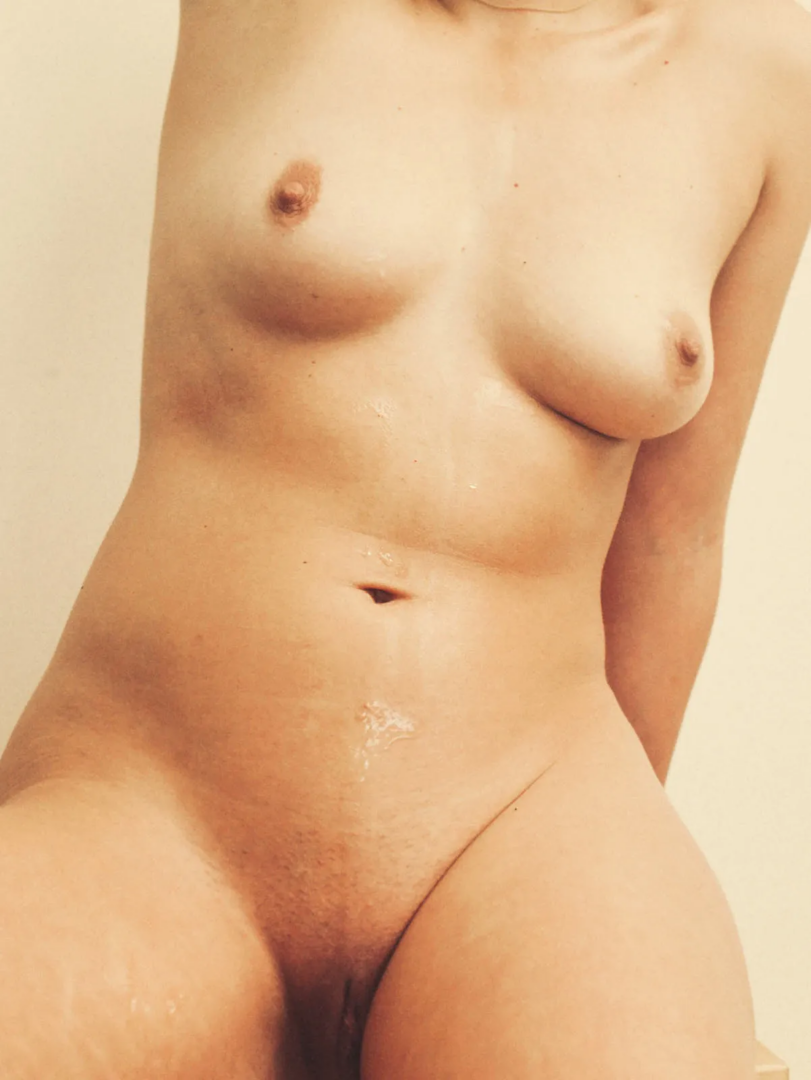
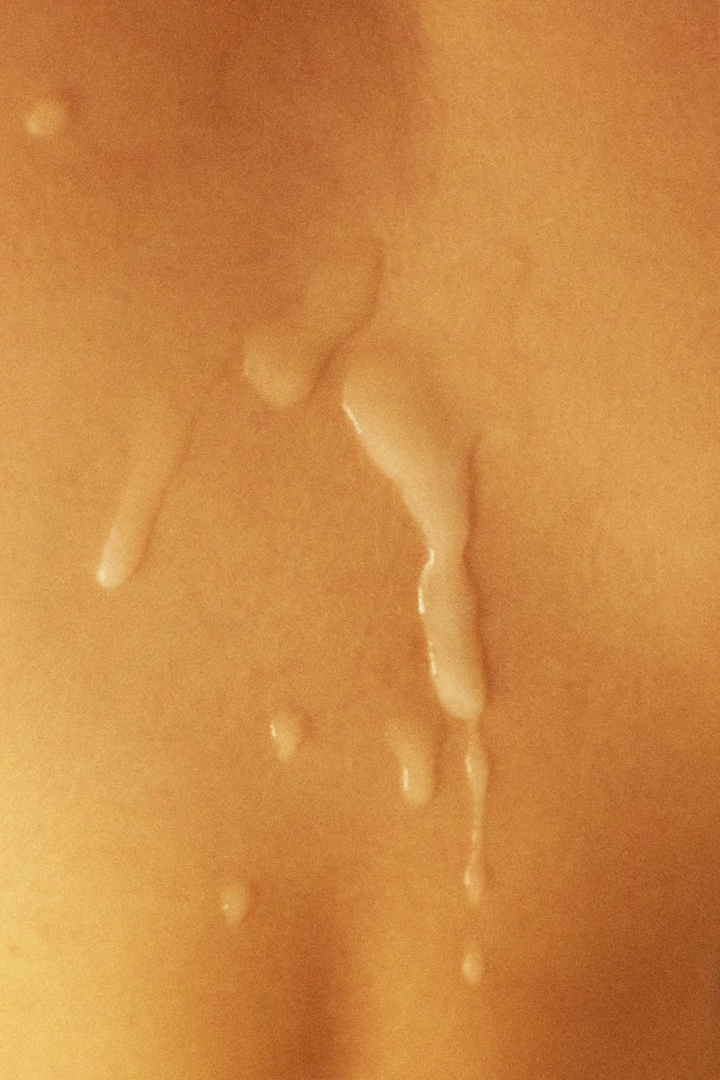
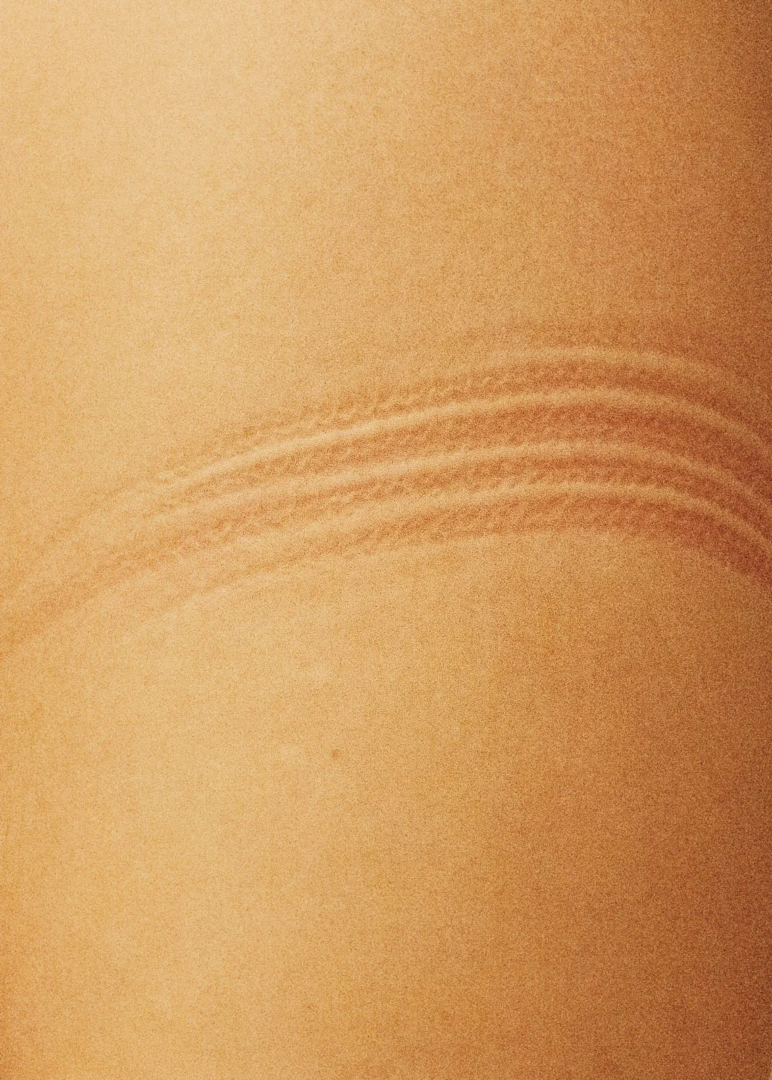
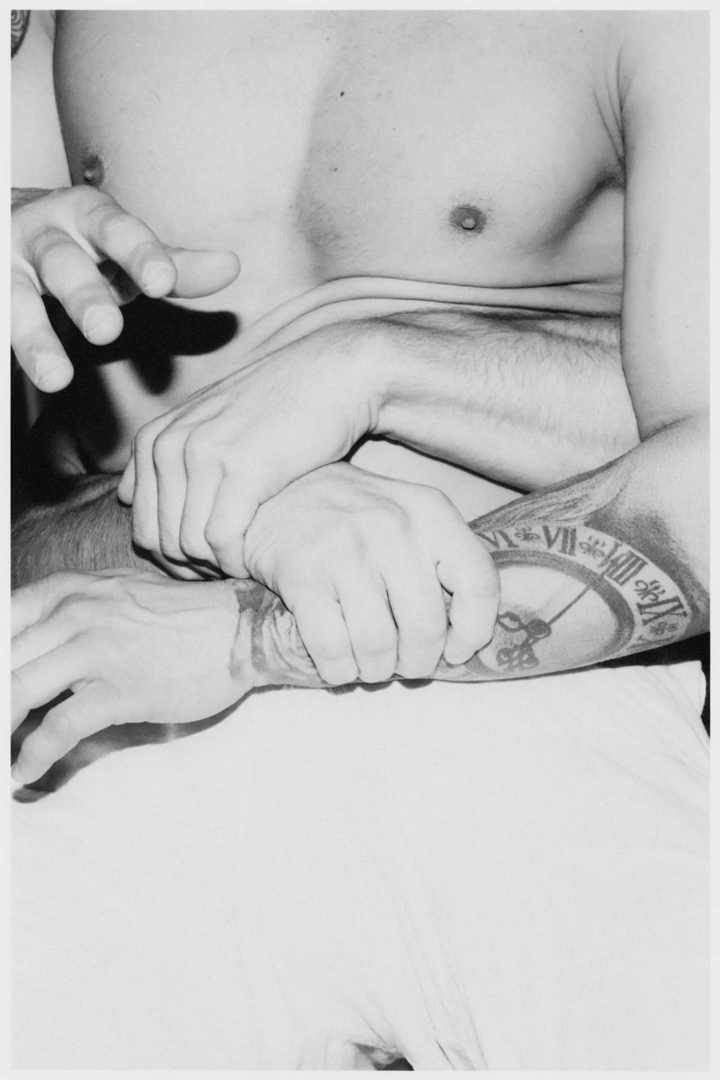
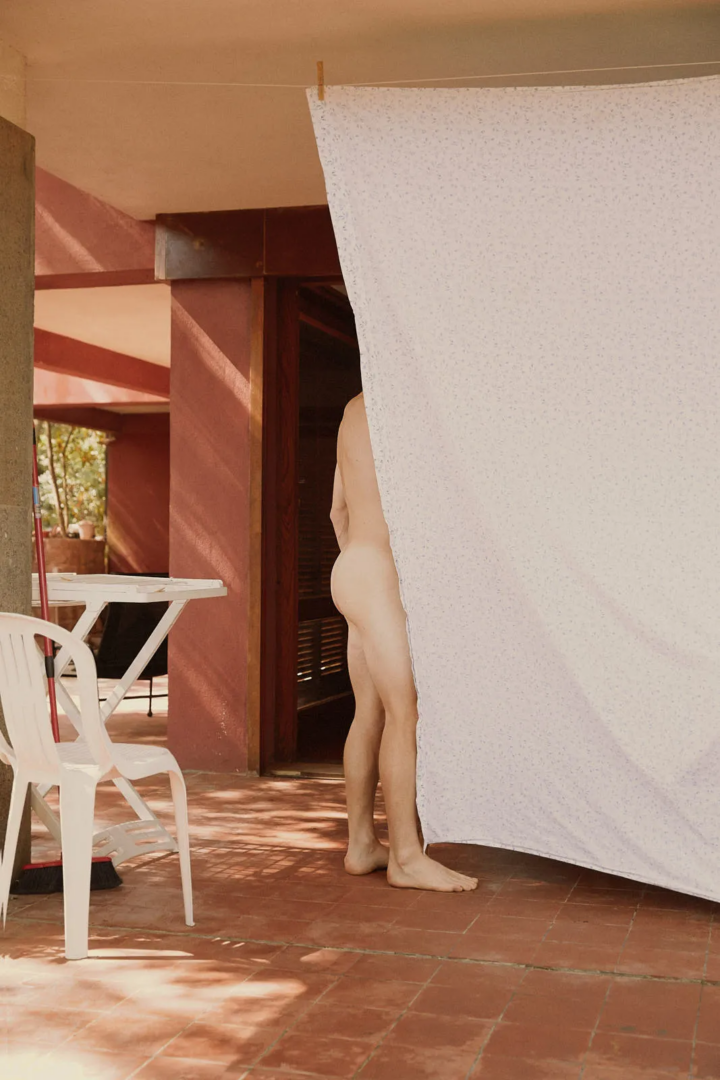
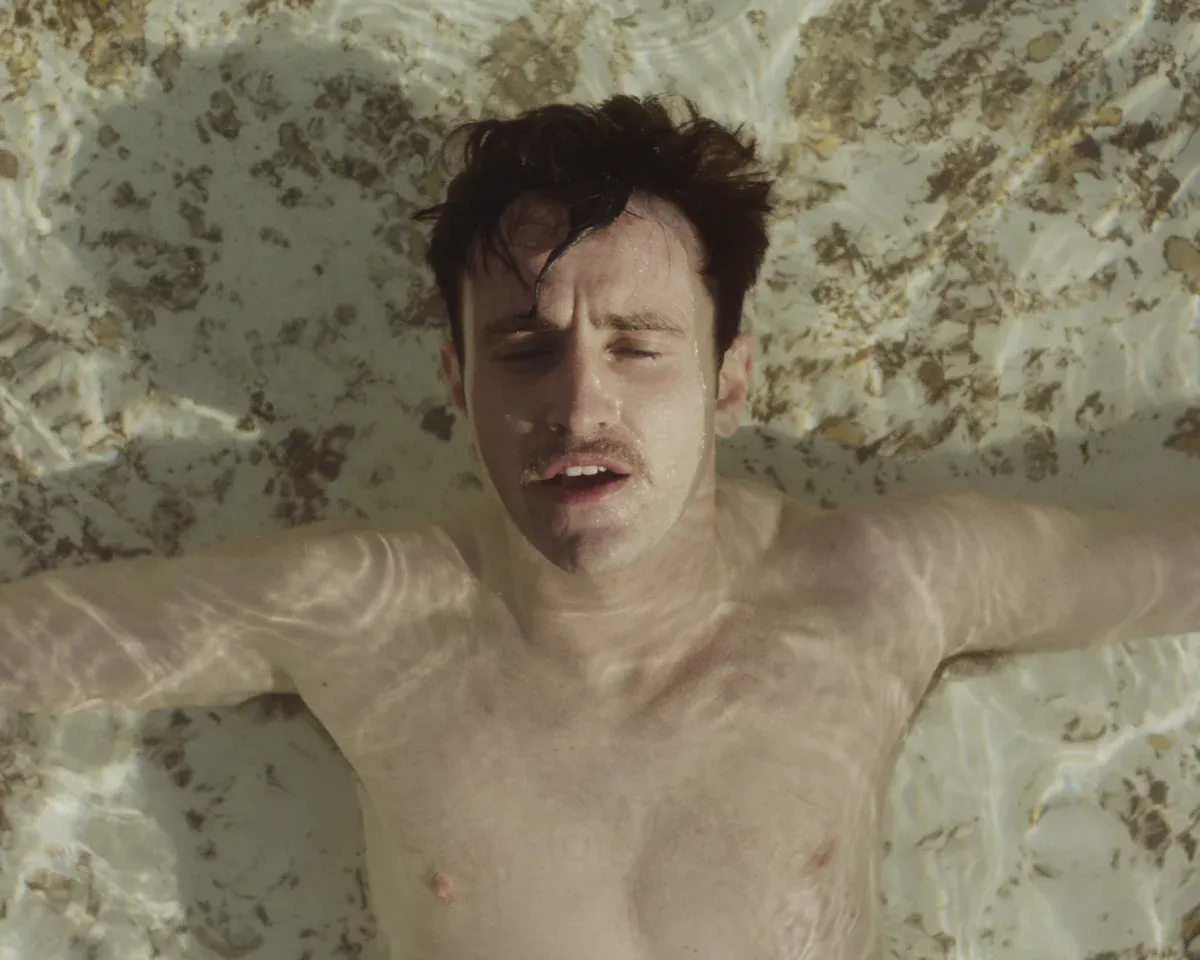
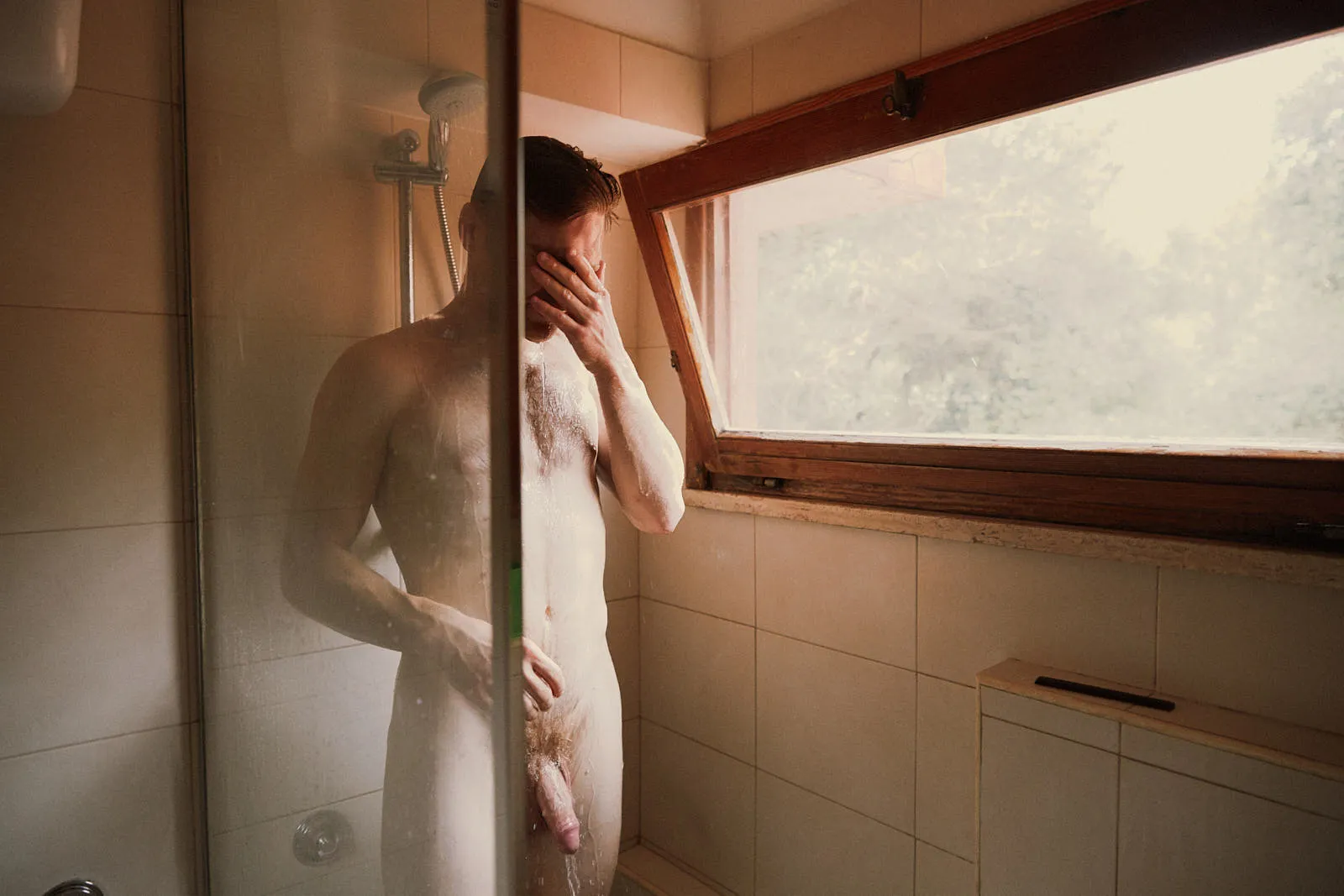
The first boyfriend, Nick, became the project’s emotional core and its formal starting point. He was at ease with nudity, comfortable in front of the lens, and — by Ellis’ account — somewhat enamored with his own image. The early photographs carry that mutual charge: soft colors, quiet atmosphere, an intimacy that hums between subject and photographer. He was the constant protagonist, the recurring inspiration, the anchor of the work’s first chapter.
Then trust broke down. Nick withdrew consent for the images. The warmth drained out of everything. “The emotional and visual distance came from the break in trust when he initially took away consent for the images. I was feeling so cold towards him, heartbroken, and in turn saw him in a totally different way, looking at his body with no softness or care for what feelings were within it. The coldness in the images are a photographic representation of having my heart broken…”
Consent, objectification, and the images that outlast the relationship
Nick’s withdrawal of consent opens The Boyfriend Casting onto one of its most difficult and honest questions: what happens to images made under the legitimacy of love, once the love is gone? Are they transformed into something else — something closer to exposure, or pornography, or exploitation?
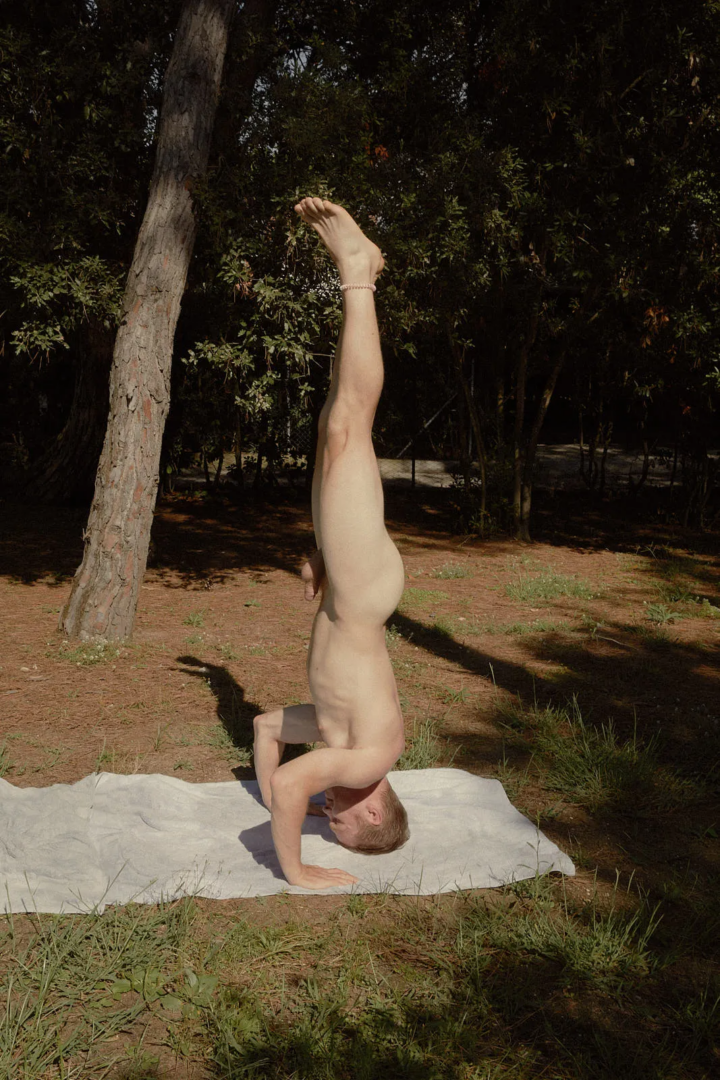
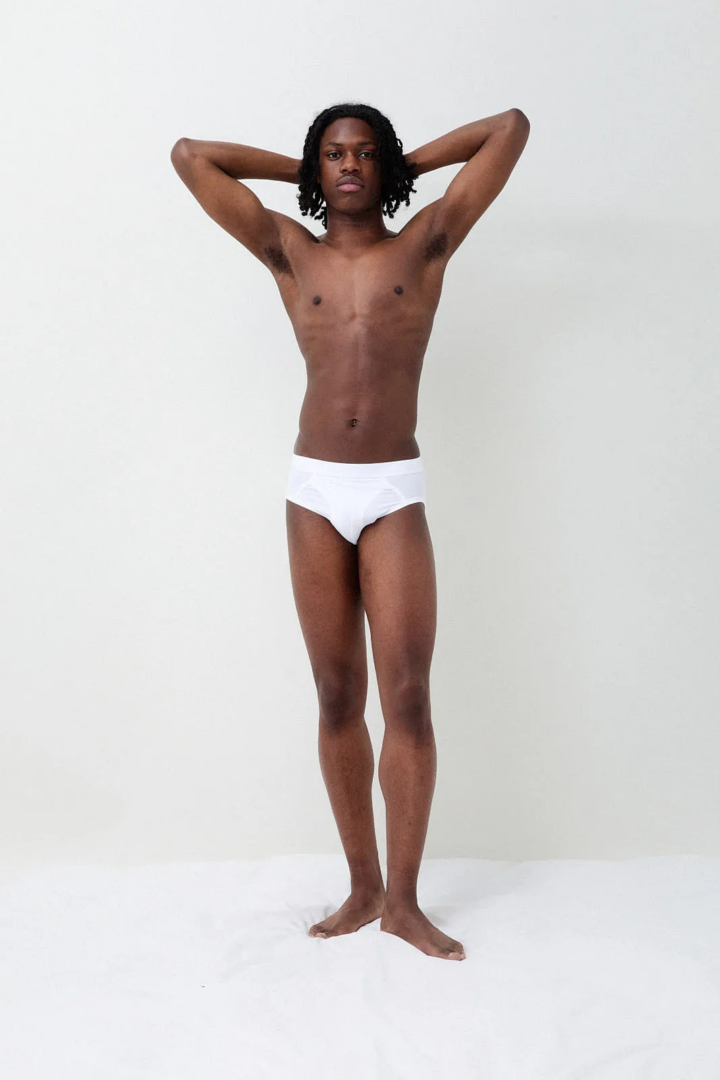
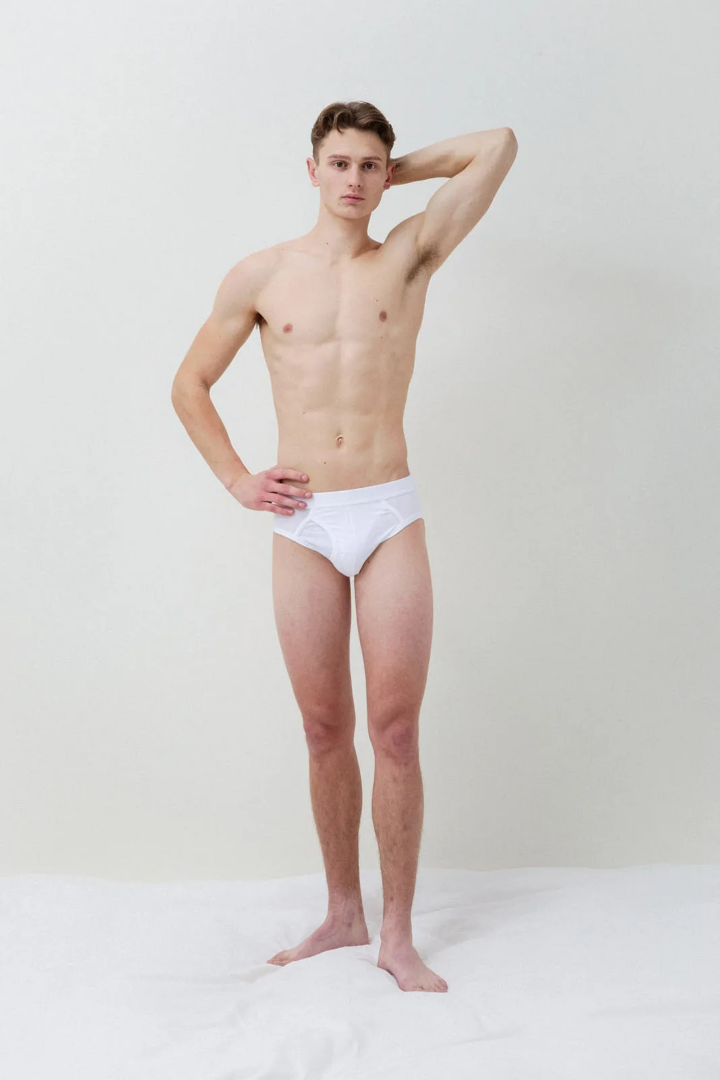
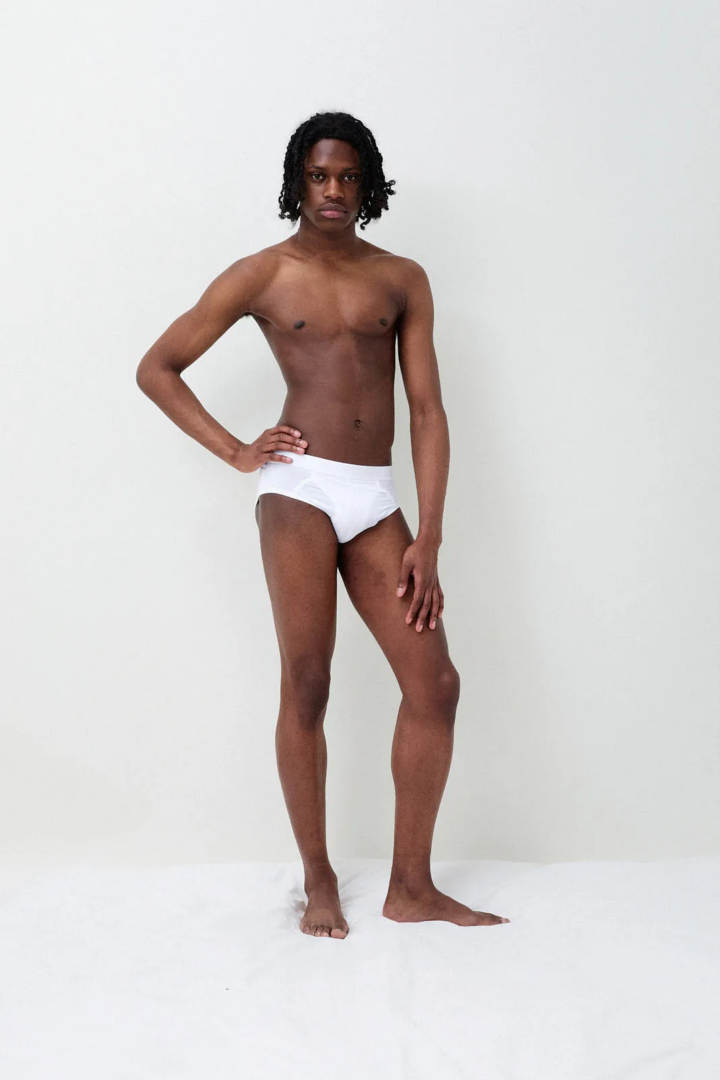
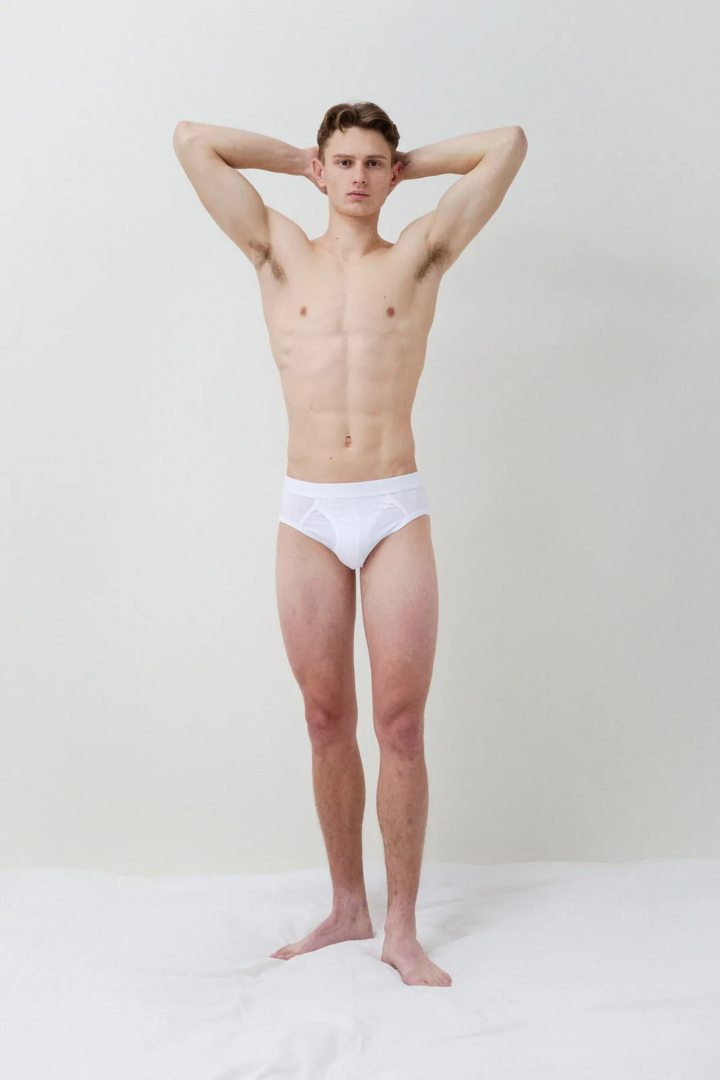
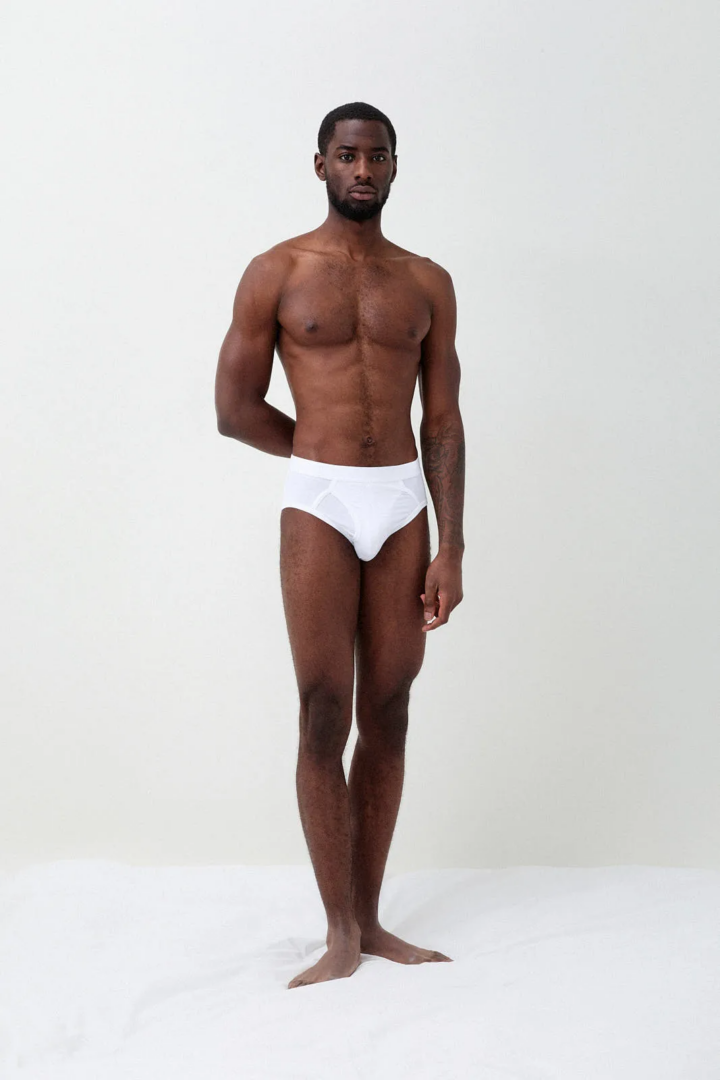
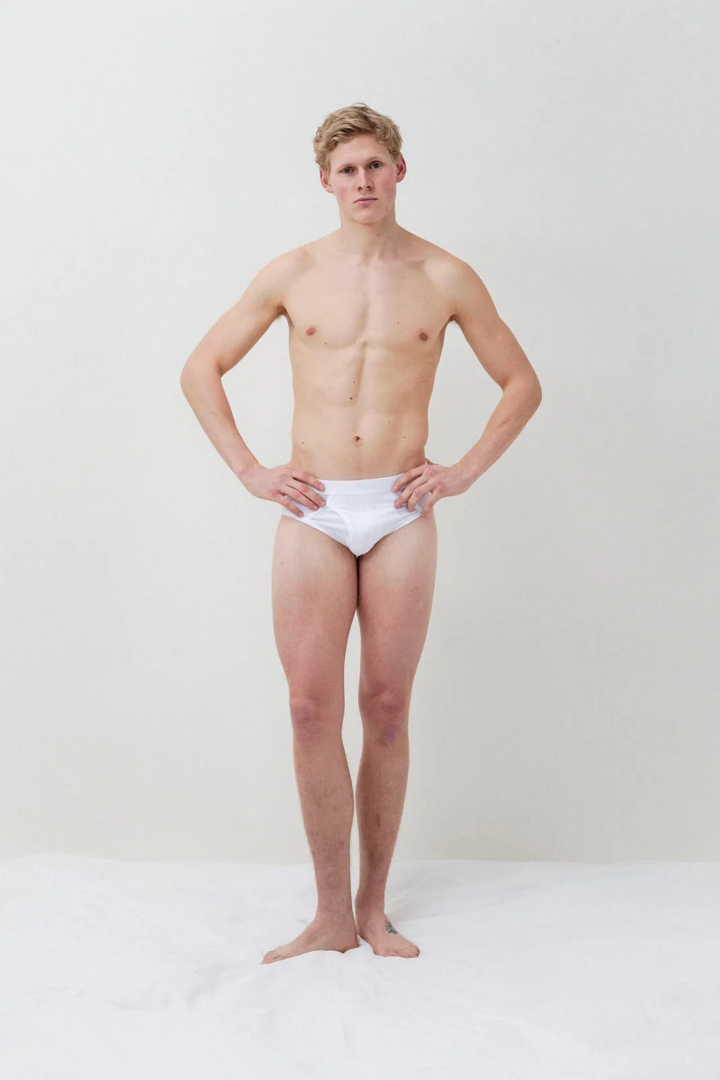
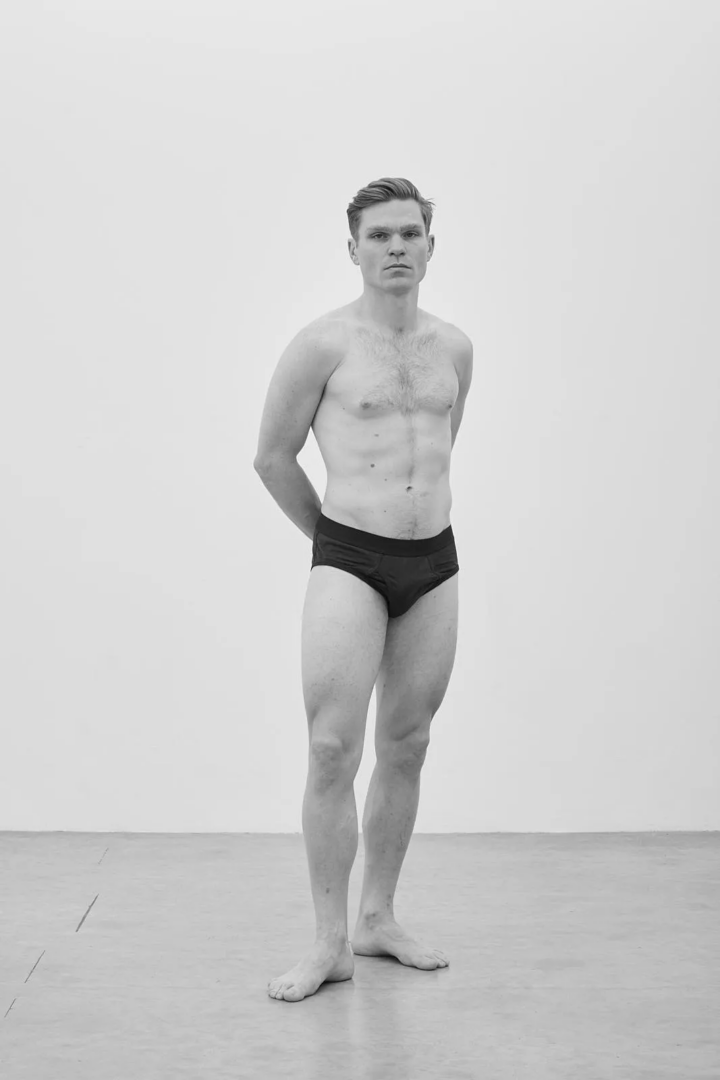
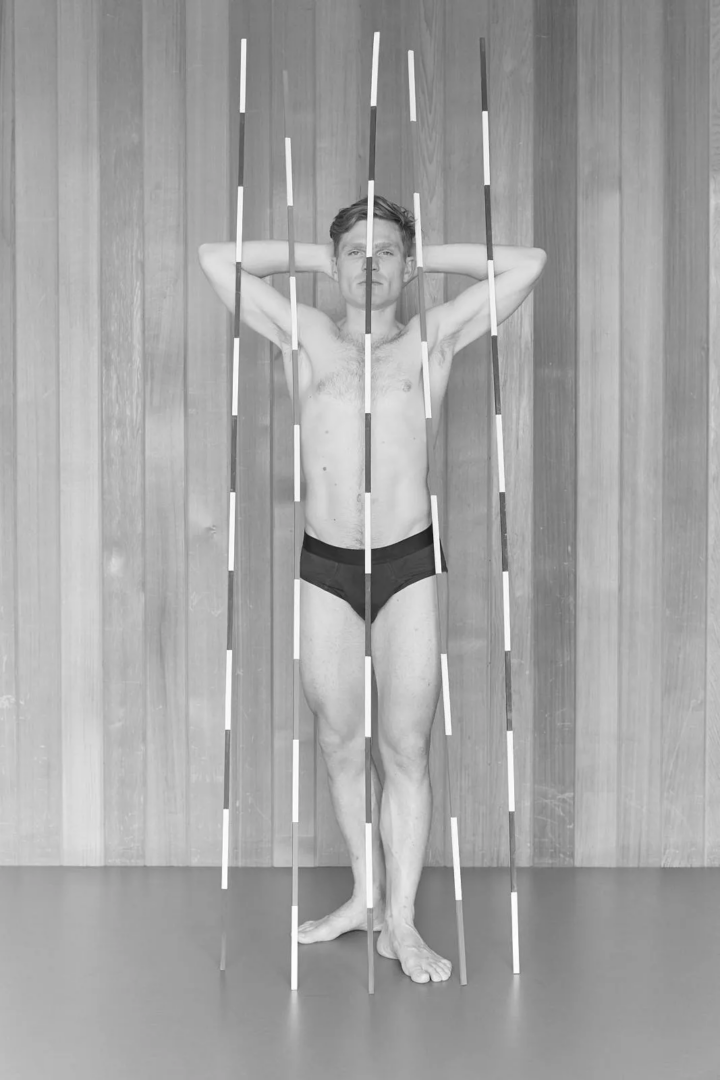
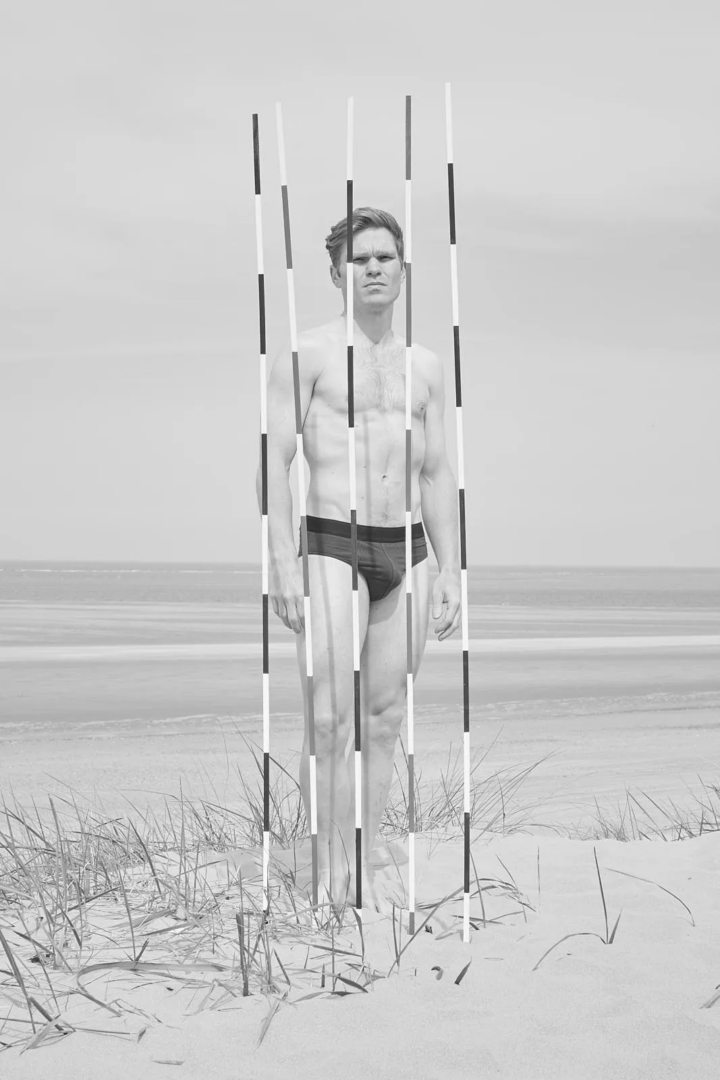
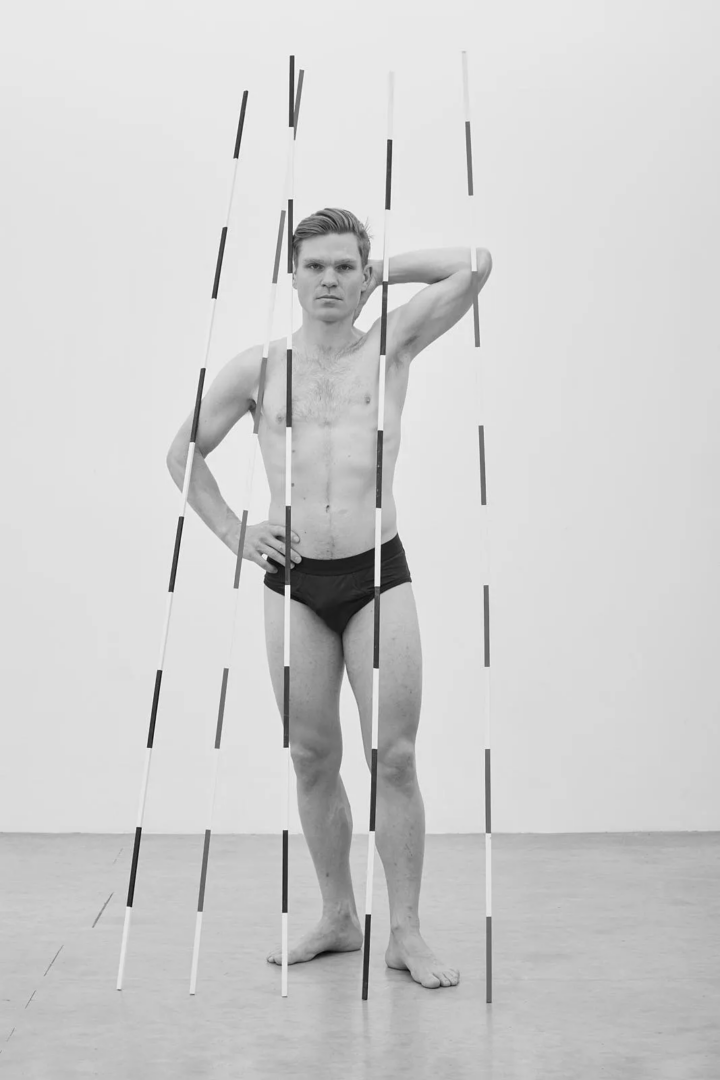
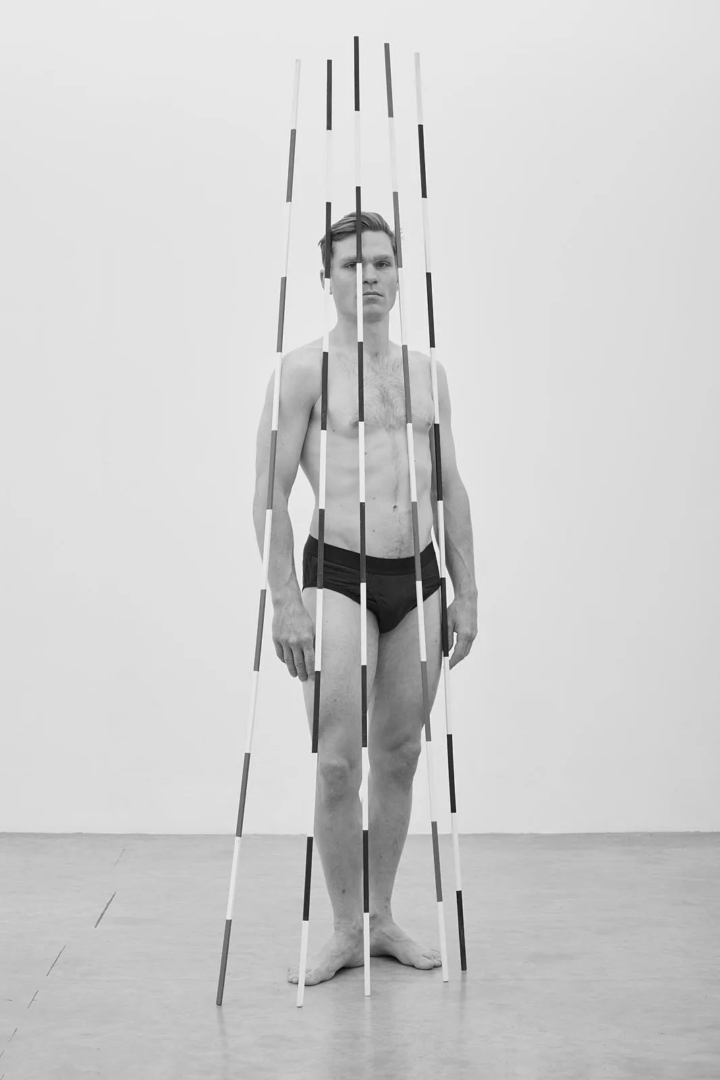
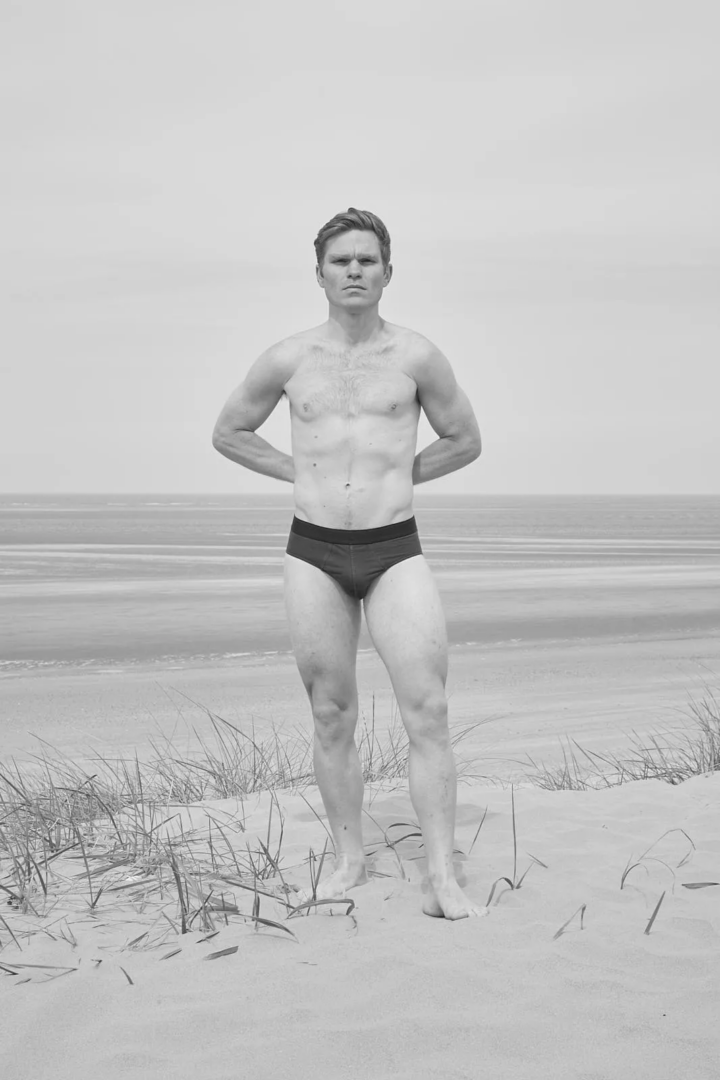
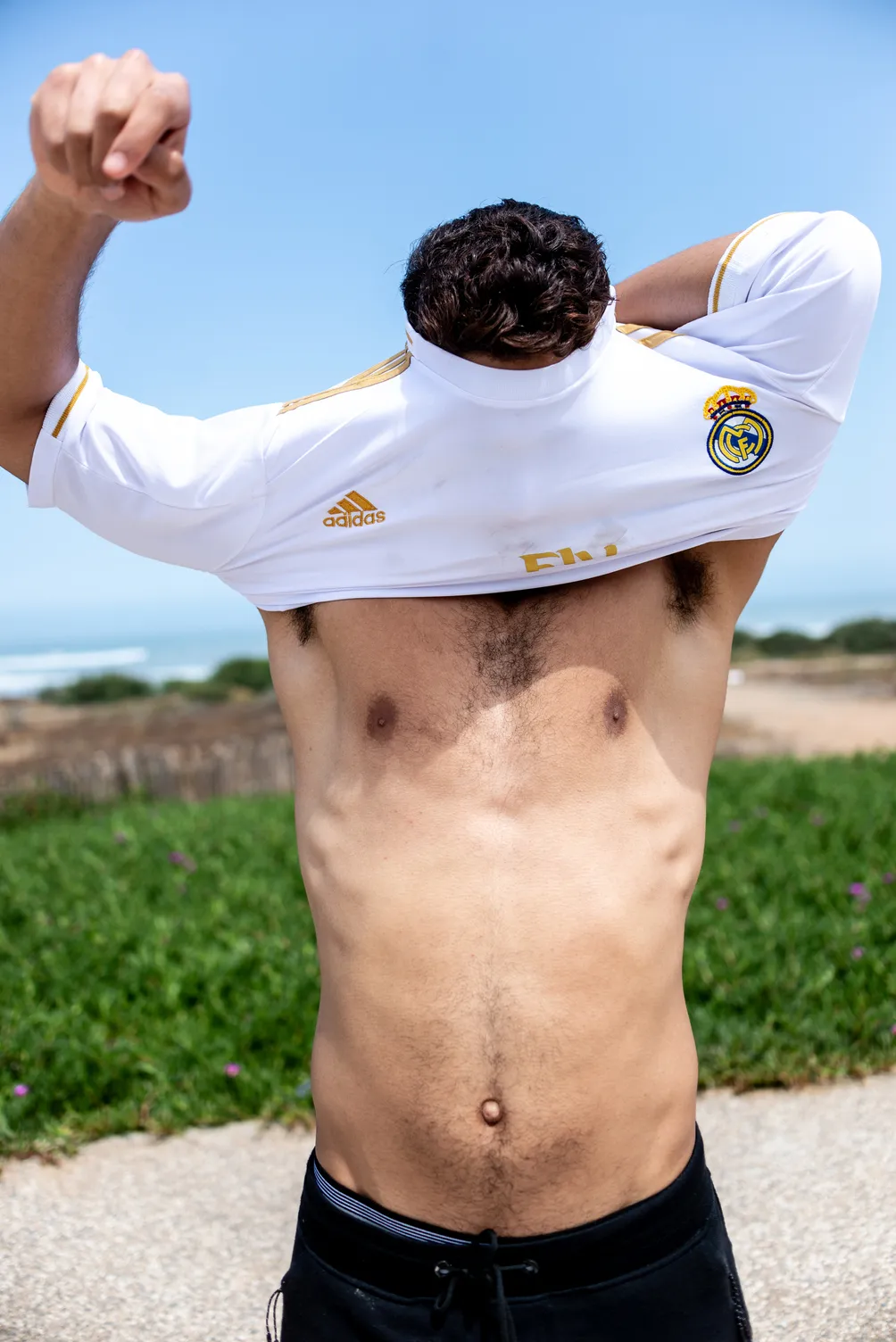
After that rupture, the book changes register entirely. The emotional register of the early chapters gives way to something cooler, more systematic. Men — first Nick, then strangers cast as ‘fake boyfriends’ — are framed as repeatable, interchangeable models. Shot in black and white, they are posed, measured, archived. The visual logic recalls the anthropometric methods used to catalogue ancient Greek and Roman statues: the body as specimen, as data point, as type.
Ellis was acutely aware of what she was doing — and of its contradictions. “It was about numbers, quantity, stripping all personality out of the images, portraying objectification but not actually objectifying, even though visually these have the same outcome. It wasn’t about the physical, it was more about the process and a comment on how we objectify the body in society, both male and female. Constantly looking, wanting more, judging one against another, having endless options.”
Her commercial and fashion work fed directly into this register: the vocabulary of the casting call, the model sheet, the standardized pose.
A woman’s gaze on men’s bodies — and why straight men feel so uncomfortable
A woman turning the objectifying gaze onto men is, perhaps predictably, unsettling. Ellis initially hesitated to make her own gender explicit in the work, uncertain whether reversing the industry’s long history of female objectification was the right approach — or whether it simply replicated the same harm.
The audience response convinced her otherwise. “Straight men feel a vulnerability for the boys in their underwear that they never feel when they see an image of a female in their underwear. I like to think this serves some kind of purpose in changing their perception.” The discomfort, she suggests, is productive. It mirrors something back.
Inside the martial arts gym: male softness hidden in a space of physical discipline
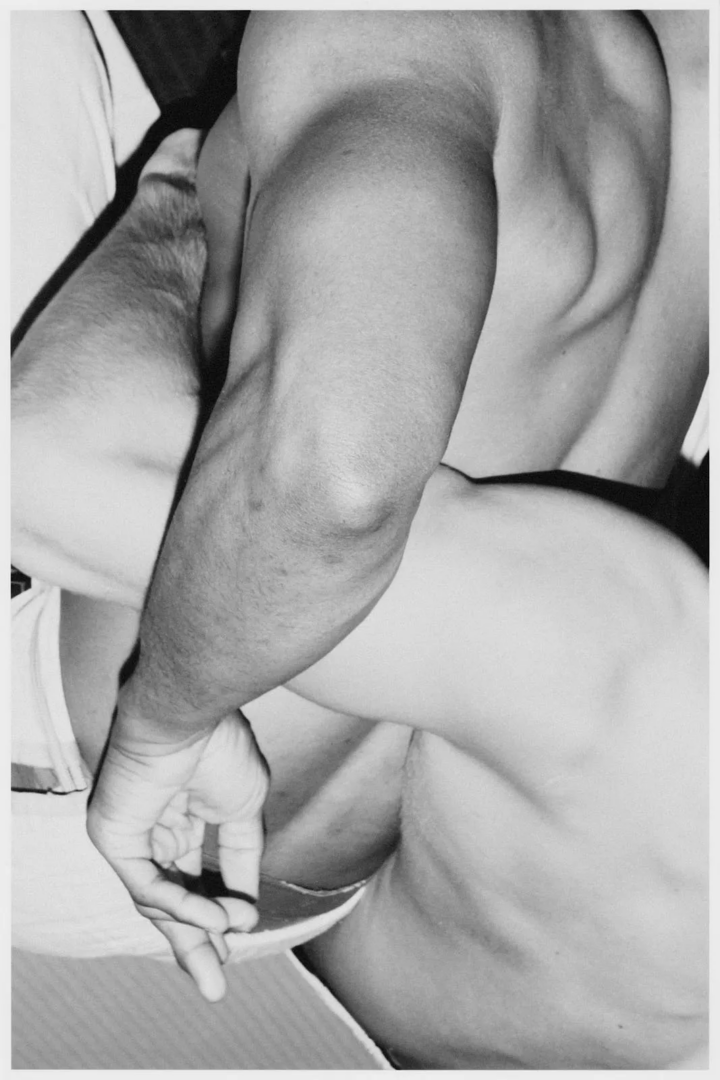
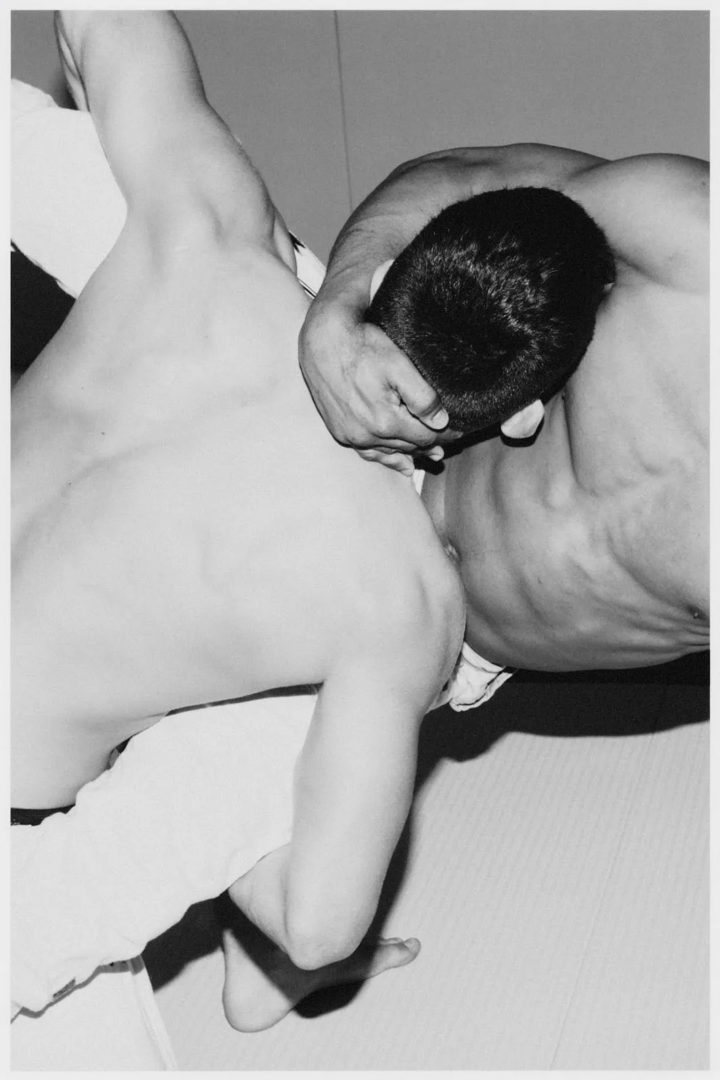
Still in black and white, the book shifts again — this time to the martial arts gym where Nick trained. The body returns to the foreground, at its most sculpted and controlled. But what Ellis found there surprised her.
“There is a focus there on self-image and appearance… I was beyond impressed by the emotional traits they had to learn in order to grow, the top one being patience then followed by lack of ego. They built these bodies not to look a certain way, but in order to be the best they can be at a sport. In a male-dominated gym there are still a lot of the expected issues and I’m not dismissing that, but there was a lot more softness there too.”
The obsession with physical conditioning, framed here against the backdrop of sport and discipline, sits in uneasy proximity to the broader cultural pressure to be desirable. Ellis holds both without resolving the tension.
Nick’s ghost: how the first love haunts every chapter that follows
Even as the project expands beyond Nick — bringing in other men, other bodies, other spaces — his presence never disappears. During the casting sequences, the ‘fake boyfriends’ wear the same underwear he wore. The combat athletes are photographed in his gym. The work keeps circling back, testing whether a feeling can be reconstructed from its component parts.
“I needed to find what it was about him that made me feel this for the first time and where. Trying to almost turn it into a calculation that I could break apart and put back together. I attempted to find traces of those parts everywhere. Was it the underwear he wore that made me love him? Was that enough? Was it how he trained in the gym? All of these singular pieces couldn’t build a love like him, but they did help me understand what was important to me.”
Garth, colour, and the moment the photographer steps into her own frame
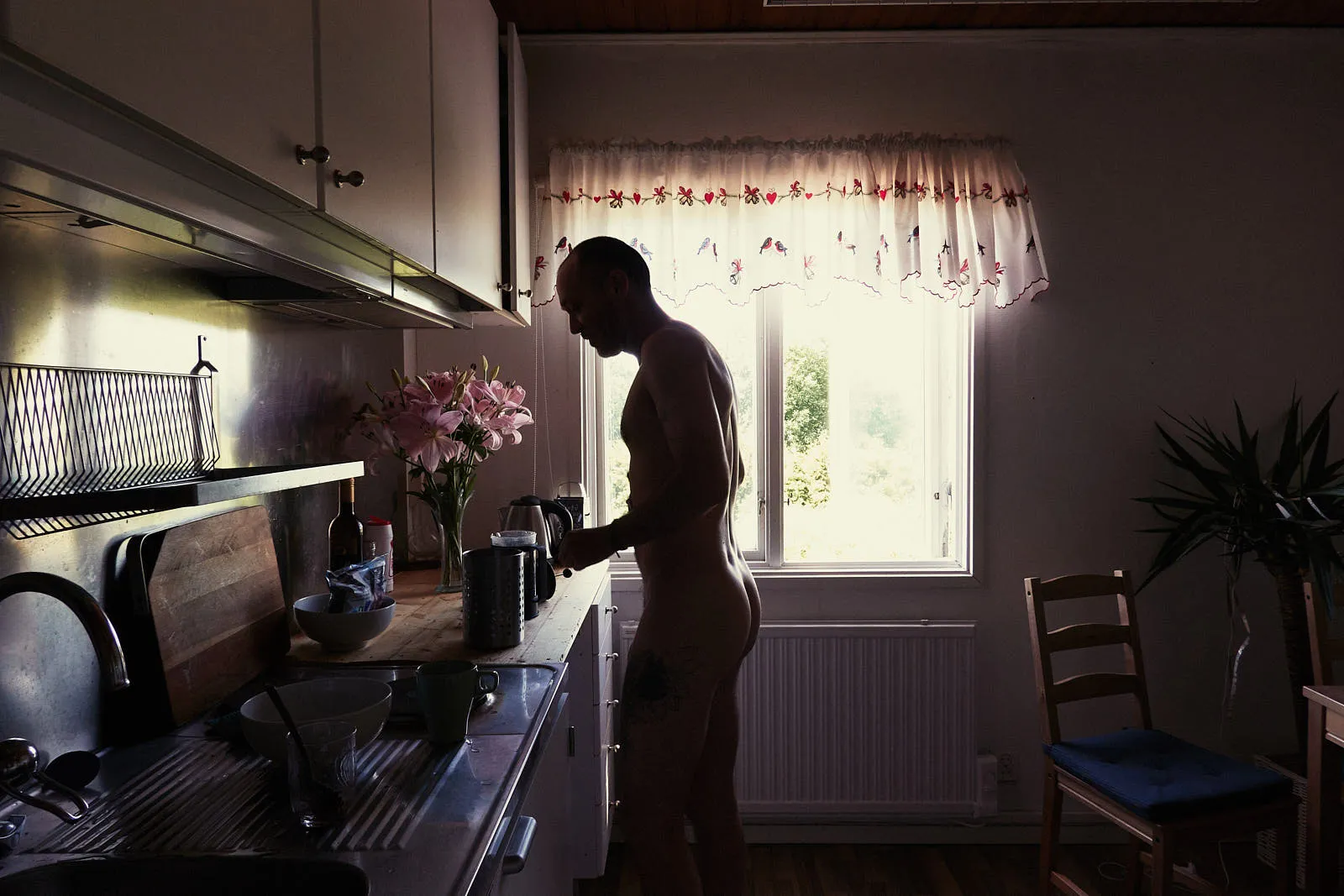
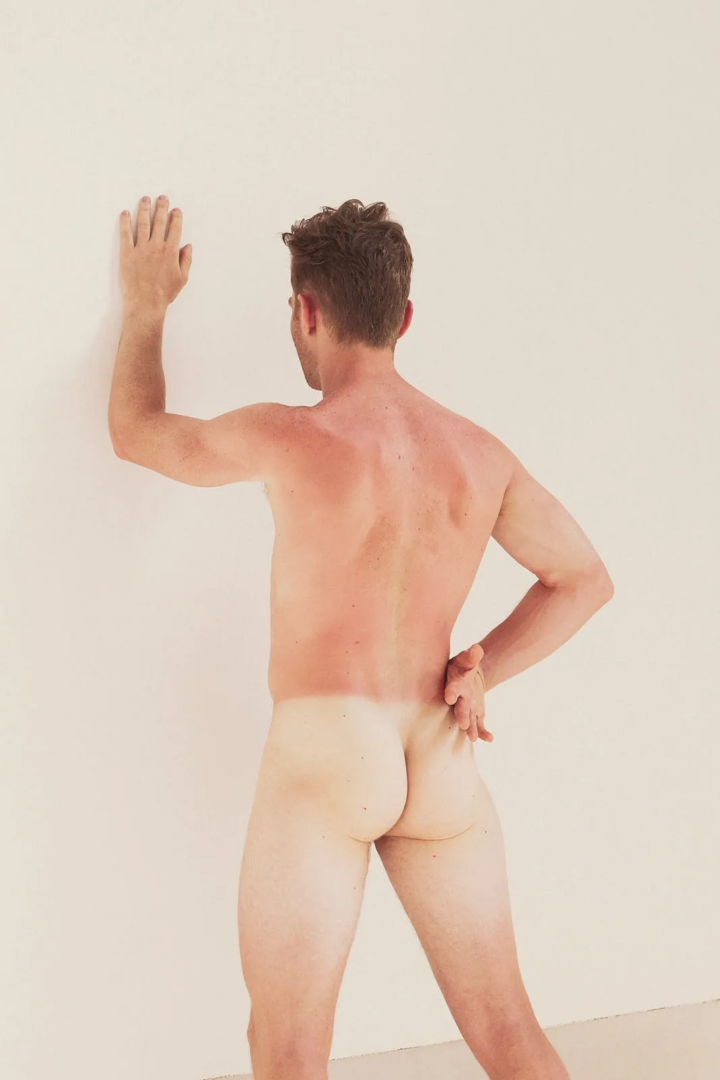
Only at the book’s close does Nick’s figure finally dissolve. A new chapter — and a new love — begins with Garth, himself a photographer, someone who understands from the inside the narrow, charged line between private life and art. The images return to color. The atmosphere is intimate again. And this time, Ellis enters the frame herself.
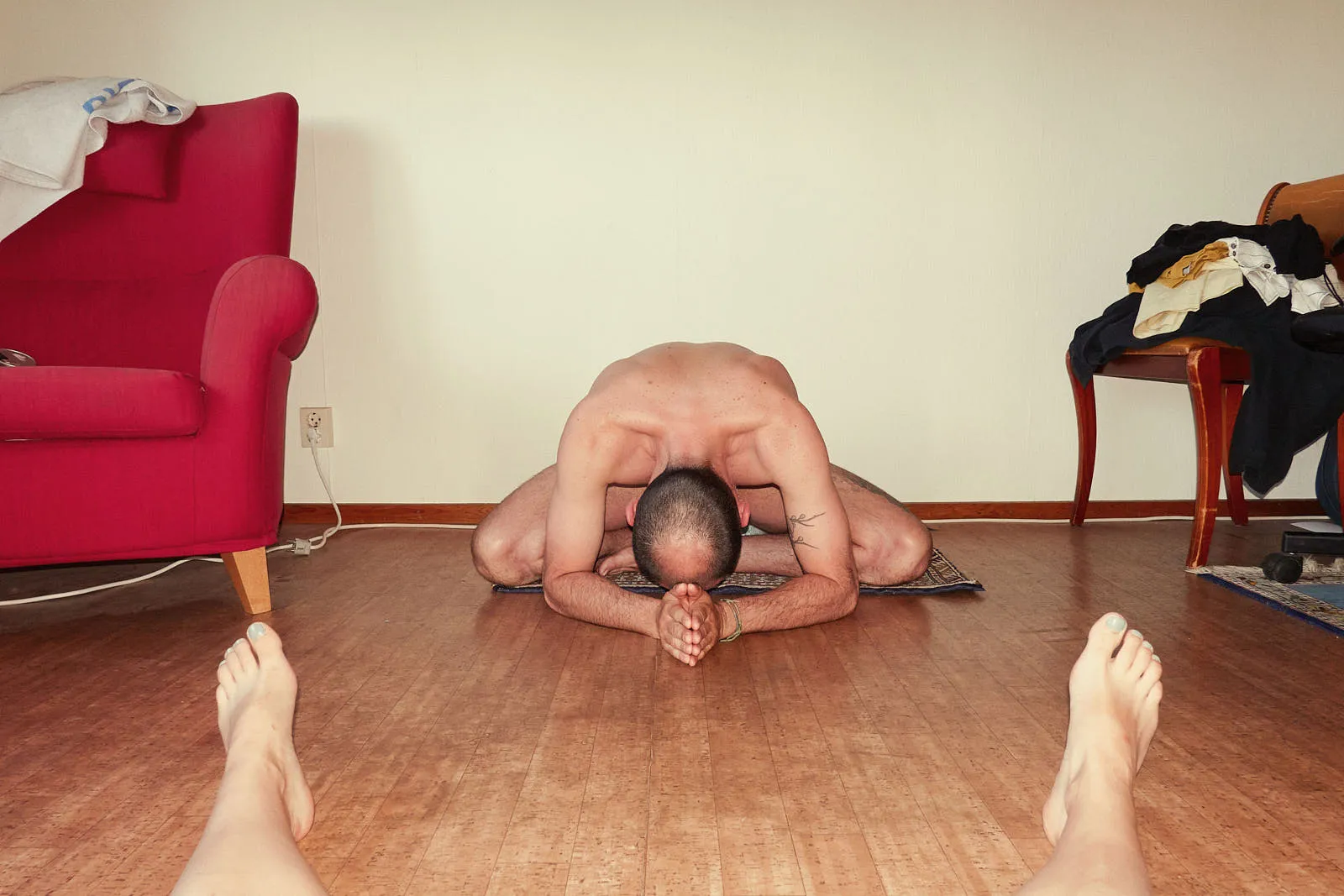
She is photographing him as he photographs her. The final image — Garth on the floor, almost in supplication before Ellis — crowns the work’s long arc with a quietly radical gesture: a story told entirely through a female gaze, directed at male bodies, made with full awareness of what that means. Society, she implies, is still not quite used to seeing it.
The book: published by Libraryman in 2025, a 160-page manual for dissecting love
The Boyfriend Casting was published in 2025 by Libraryman as a 160-page hardcover in horizontal format — a shape that amplifies the narrative’s expansiveness, its reluctance to be contained. Short texts punctuate the images throughout: excerpts from Ellis’ private notebooks, written to process a journey that was simultaneously photographic and romantic, artistic and deeply personal.
In its design and structure, the book reads like an institutional manual — a formal document for the dissection of sentimental love, male vulnerability, and the fragile, shifting dynamics of consent. The archive logic is deliberate: this is what it looks like to turn feeling into method, to insist that love, like a body, can be measured.
Claudia Bigongiari