Temple & Chapon: Phantom Relics in Neo-Gothic Flesh
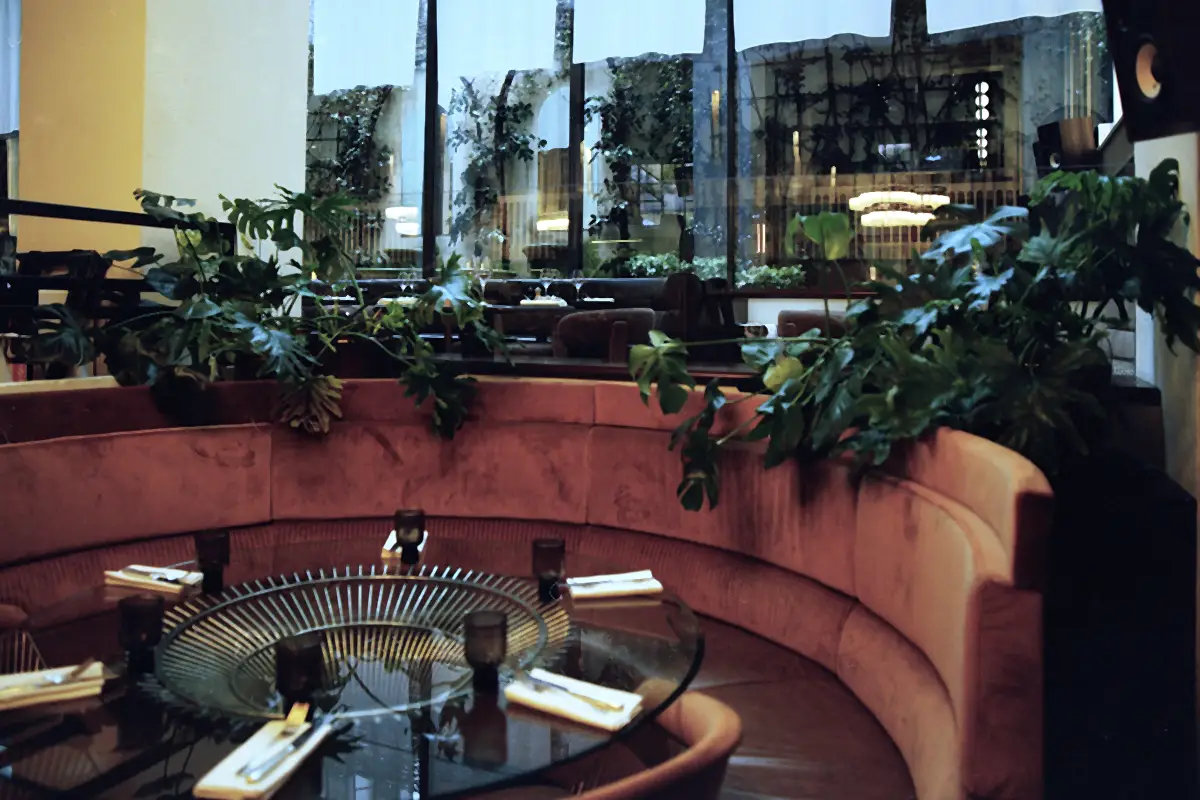
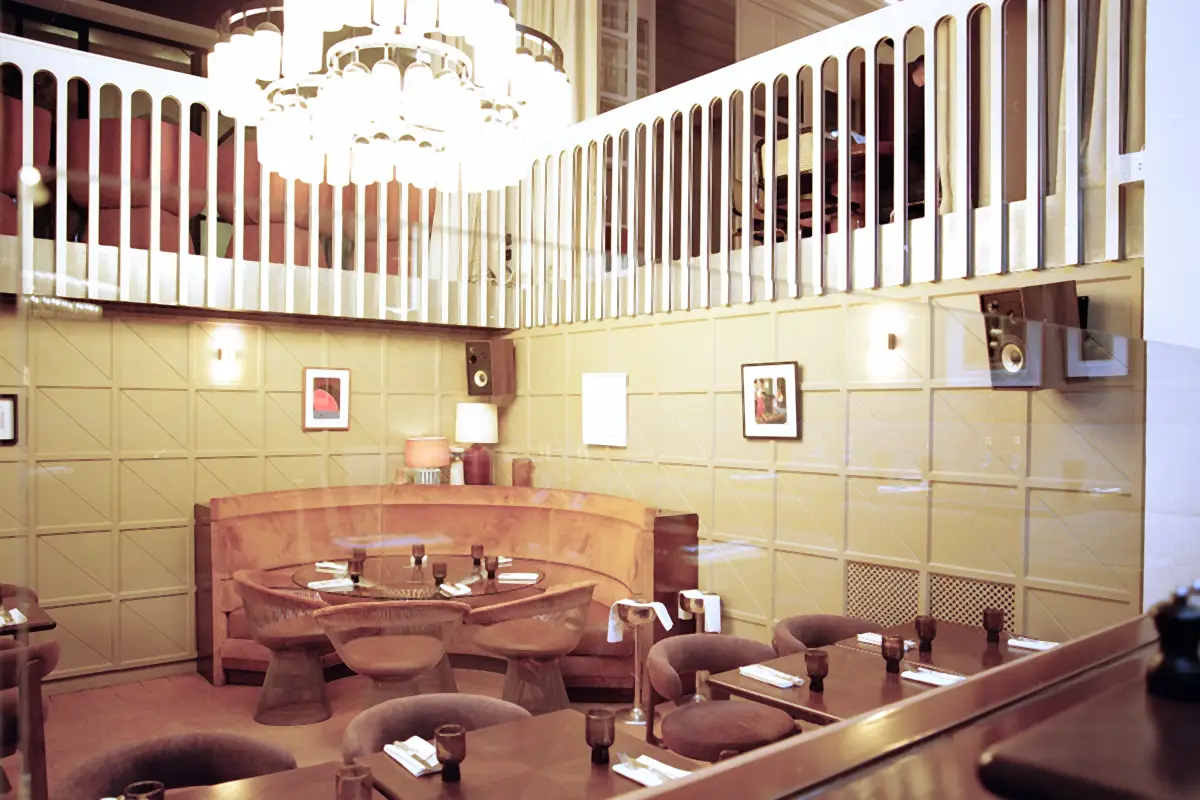
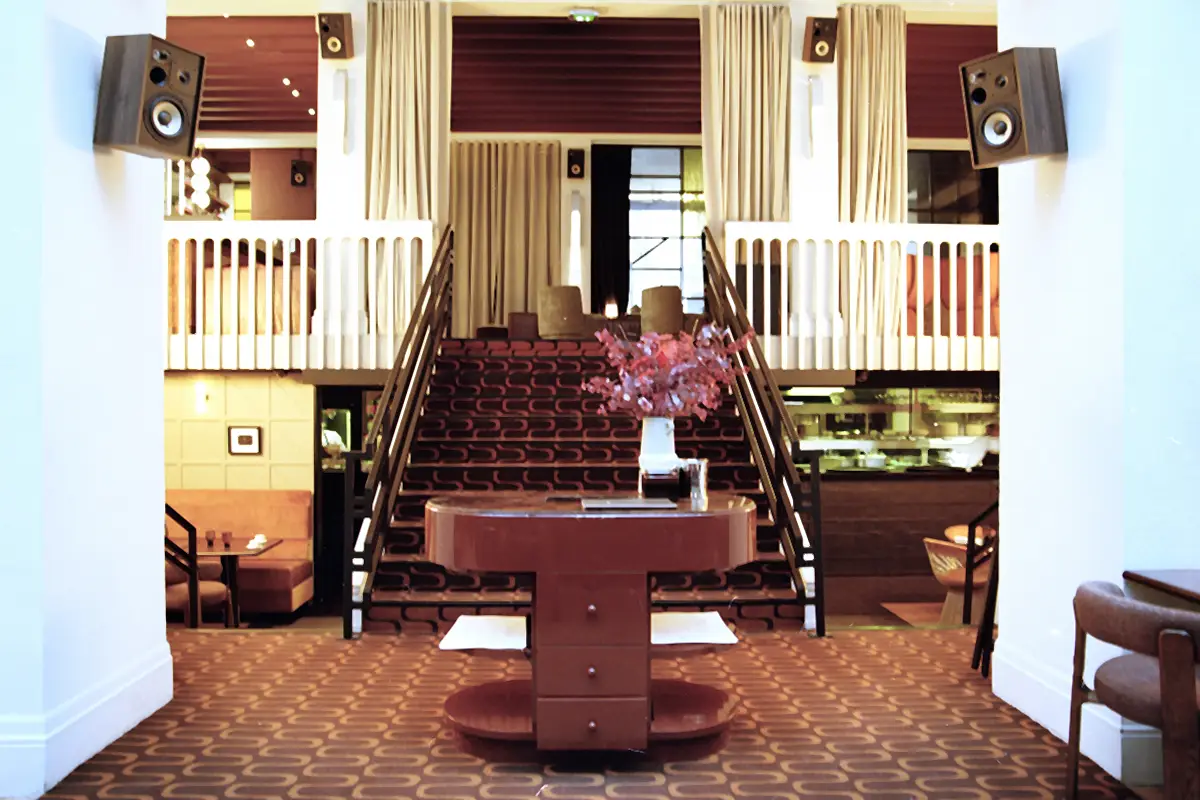
Dining at Temple & Chapon unfolds as a neo-Gothic reverie in the Marais, where mid-century Manhattan grit meets ecclesiastical hush, turning every meal into a wanderer’s relic-strewn pause
Marie Antoinette’s Confinement Echoes Through Temple’s Concrete Bones
The address at 116 rue du Temple holds layers of history that shape its identity today. Back in 1170, the Knights Templar built a fortress here, complete with a towering keep that later served as a royal treasury and then a prison during the French Revolution. Louis XVI and Marie-Antoinette were held there before their fates unfolded. Napoleon tore it down in 1808 to stop any royal comebacks. Fast-forward, the building became a telecom center for Orange, with its raw, Brutalist concrete shell still visible outside.
The queen’s final months unfolded inside walls that had once defended dynasties. The Temple prison became a symbol of rupture, monarchy reduced to captivity, ritual turned into spectacle. That tension between power and vulnerability still lingers in the address. Even without the tower standing, the memory of confinement and collapse gives the site a psychological gravity that no renovation can erase.
From Sinner’s Cheeky Sacrilege to Auer’s Neo-Gothic Revelation
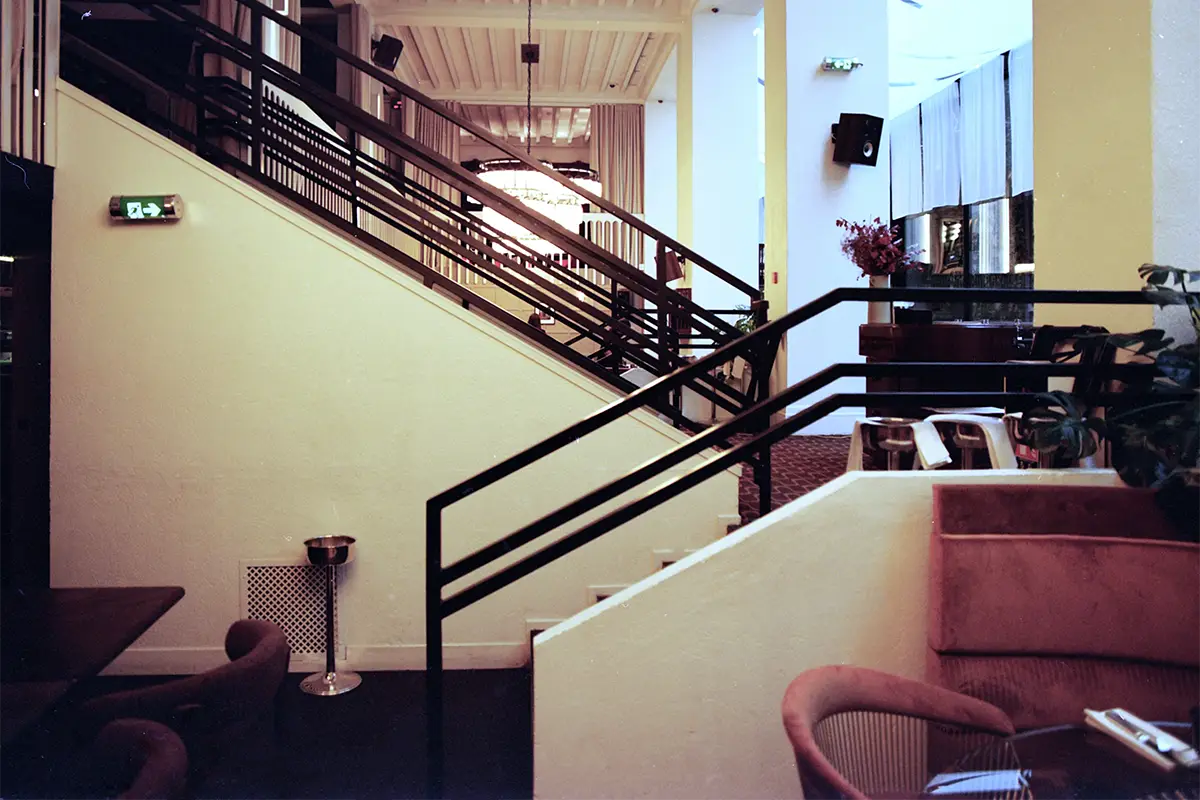
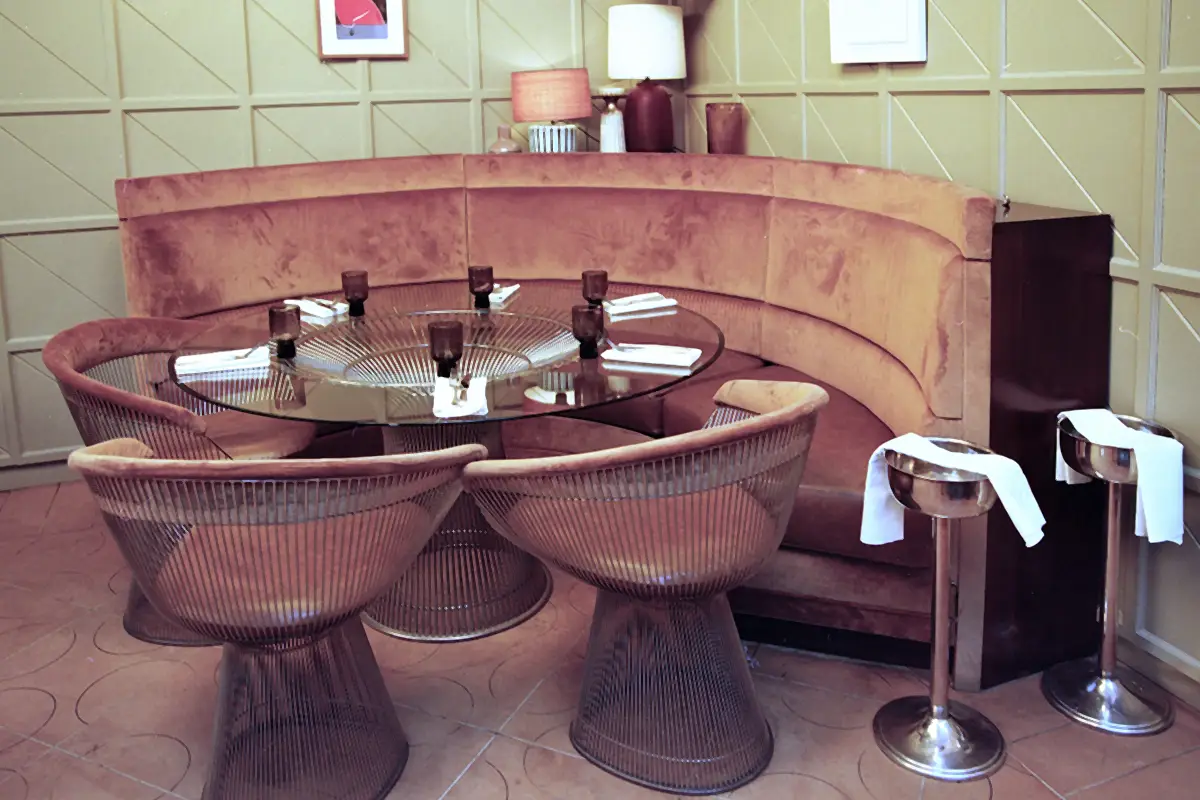
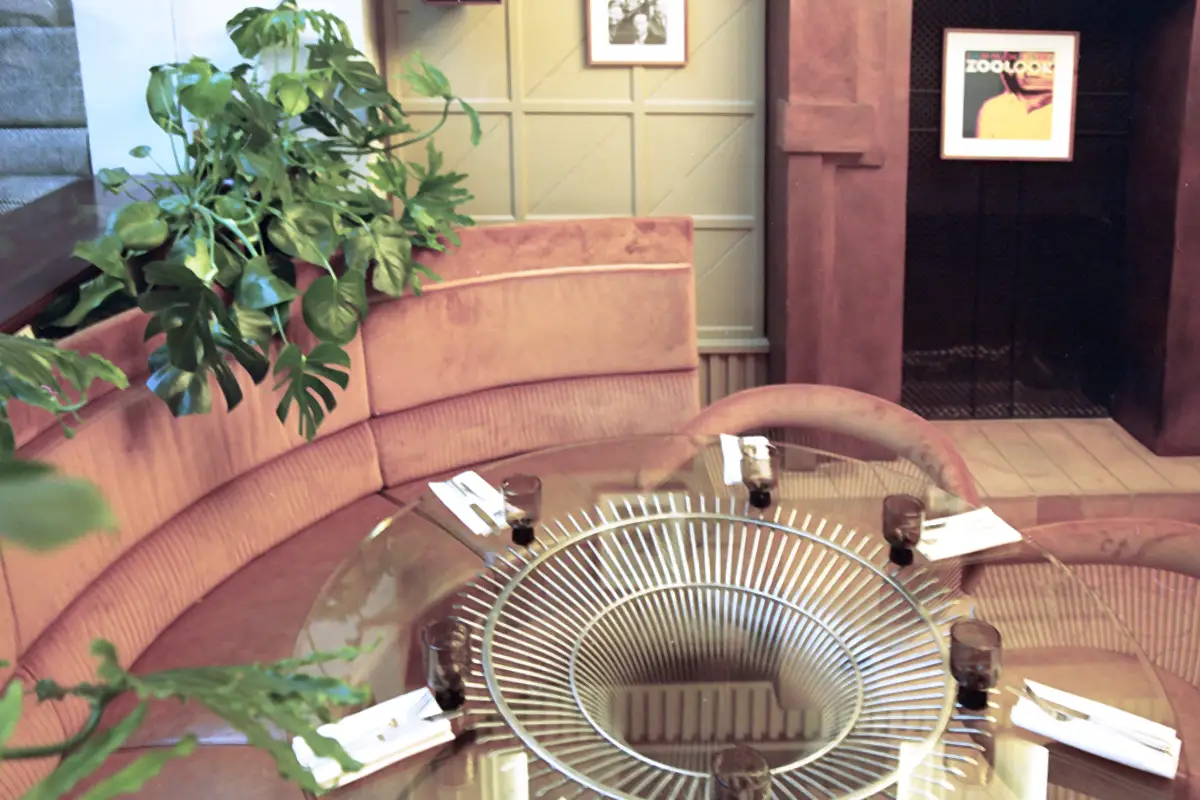
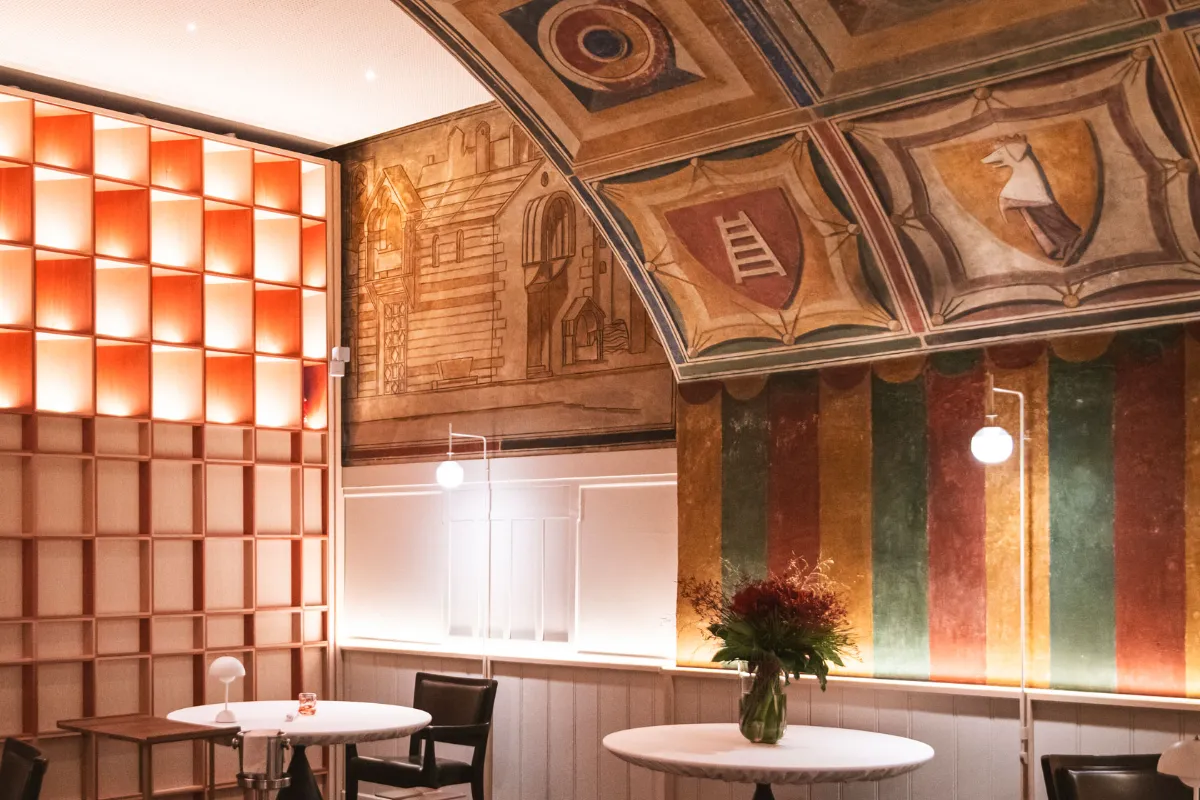
Before Temple & Chapon, the Hotel Sinner occupied the space from 2019, playing with cheeky medieval church themes. Experimental bought it in October 2024 and reopened it in 2025 as Experimental Marais, a shift to elegant, neo-Gothic luxury. French architect Tristan Auer led the redesign, softening the tough exterior with high ceilings, stained-glass accents, and floods of natural light. In the tight-knit Marais, a rare gift, creating a sacred aura.
A Welcoming Savoir-Faire That Treats Hospitality as an Emotional Journey
This transformation reflects the group’s broader mission to redefine the very code of high-end hospitality. Since their 2007 debut with the Experimental Cocktail Club, the founders have championed a new generation of luxury that favors experience over ostentation and human connection over rigid protocol. Their vision is built on non-ostentatious luxury comfort, a welcoming savoir-faire that treats hospitality as an emotional journey rather than just a service.
By combining their mixological DNA with a collaborative philosophy where “everyone thinks for four,” they aim to create “living spaces” where authenticity and subtle modernity coexist. French architect Tristan Auer led the redesign of this flagship, softening the tough exterior with high ceilings, stained-glass accents, and floods of natural light. In the tight-knit Marais, this vertical space is a rare gift, creating a vibe that is simultaneously sacred and lively.
Henri Evelyn Marcel Lets Guests Stalk a Phantom Aesthete’s Life
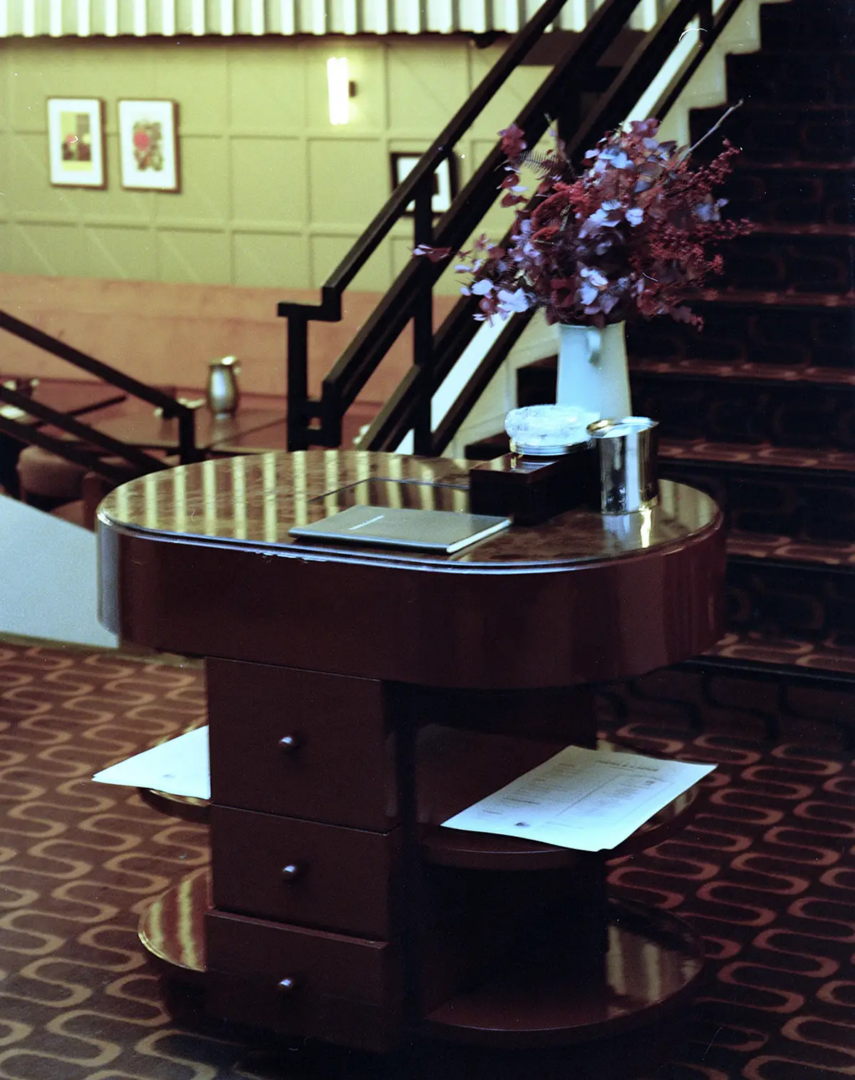
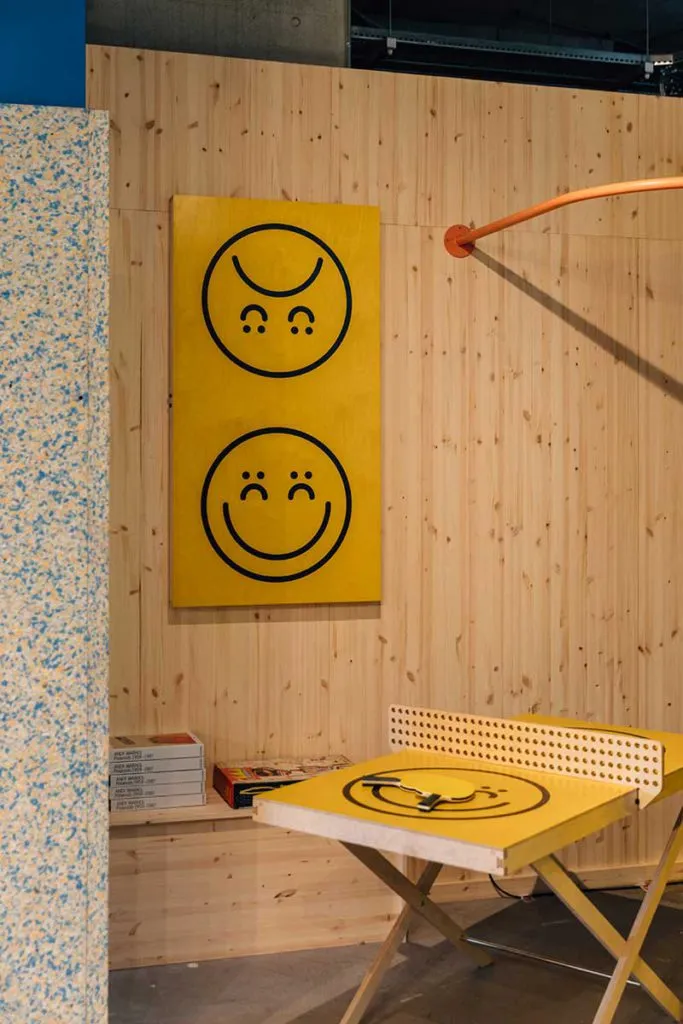
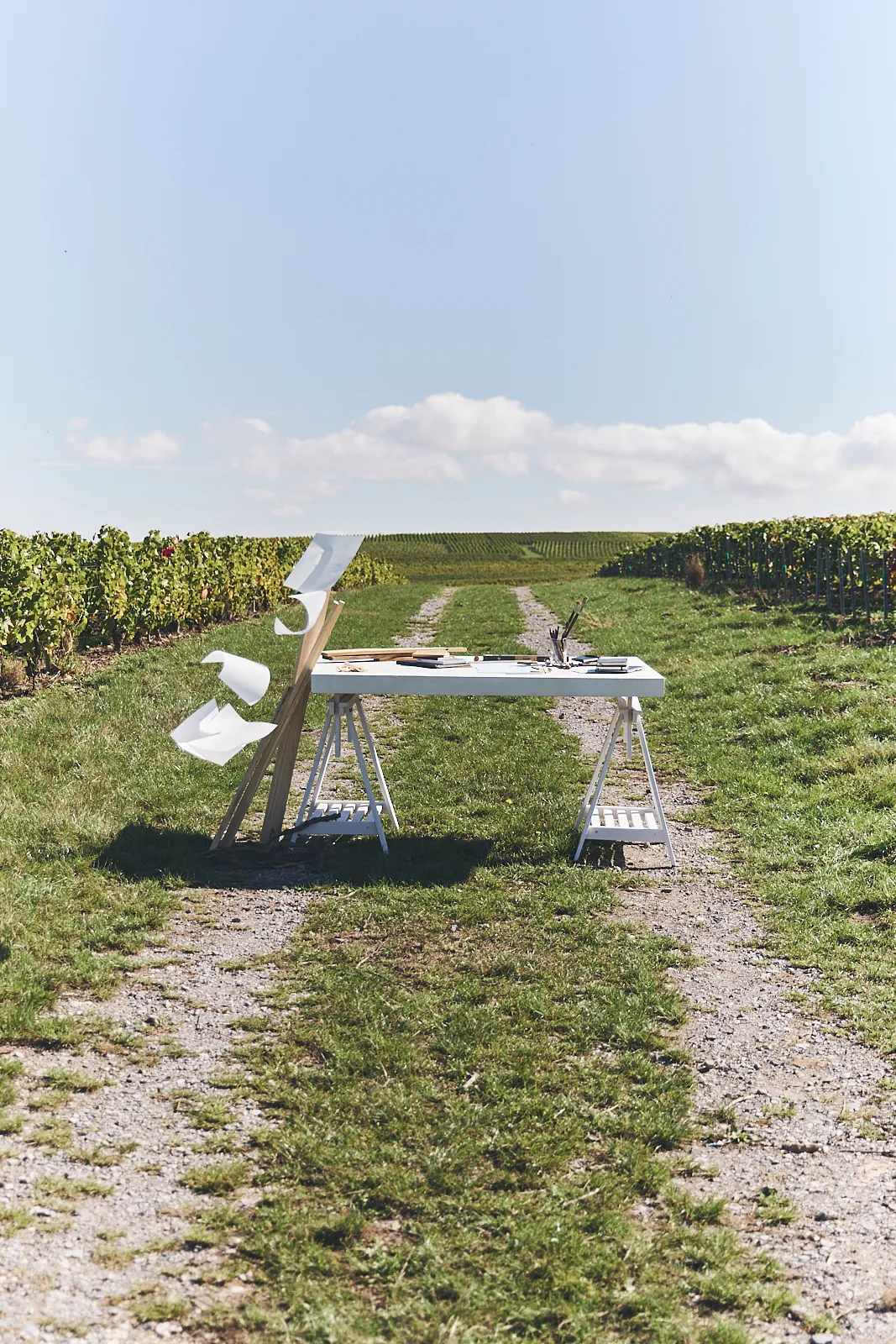
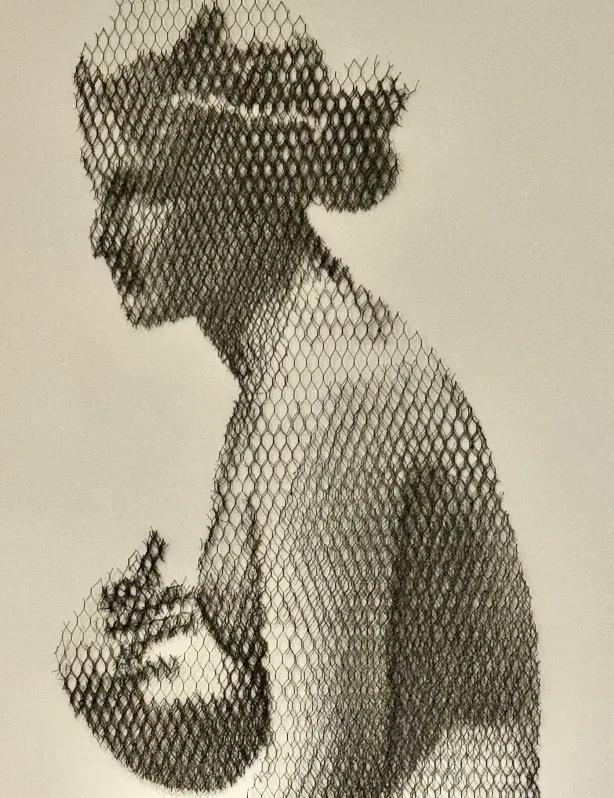
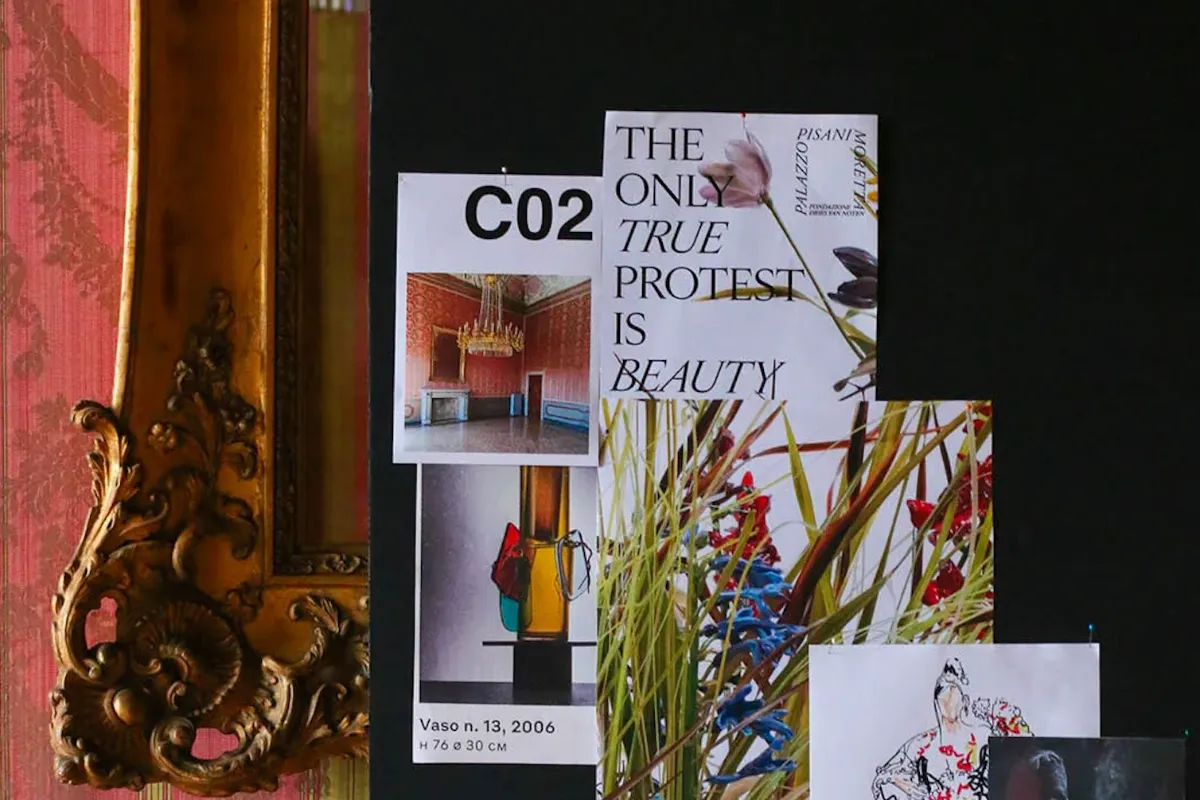
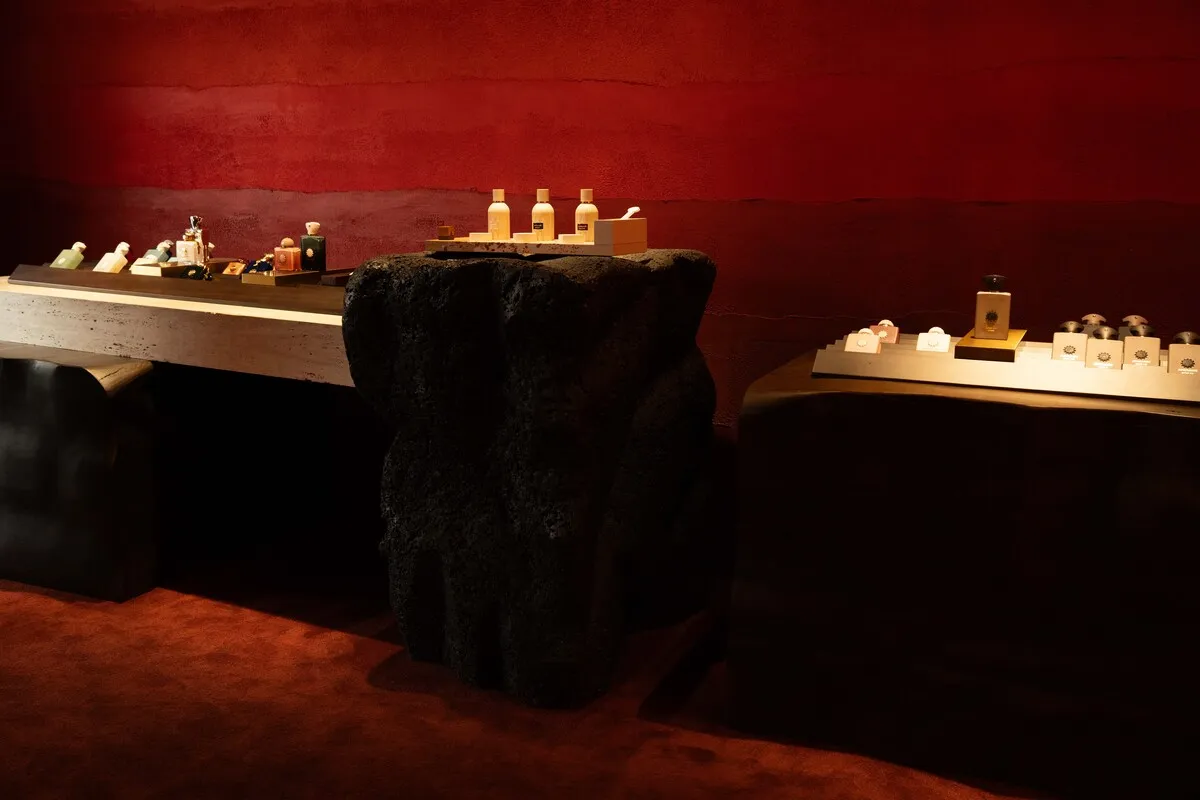
What makes Temple & Chapon stand out is its storytelling through a made-up character: Henri Evelyn Marcel, or Henry Evelyn Marcel, a worldly traveler dreamed up by artist Clovis Retif and Tristan Auer. His forgotten souvenirs, sketches, photos, quirky sculptures, even playful nudes in cabinets, are tucked around the restaurant and hotel rooms. These bits create a treasure hunt for guests, making the place feel lived-in and mysterious, even though it’s new.
Henri Evelyn Marcel is imagined as a mid-century aesthete, moving between Manhattan salons and Parisian ateliers, collecting fragments of art, sound, and desire. His presence allows the hotel to feel inherited rather than invented. By scattering his relics throughout the space, Temple & Chapon creates a curated memory, an illusion of time passed.
Marcel Manufactures Emotional Heritage from Mid-Century Smoke
Henri Evelyn Marcel embodies the archetype of the peripatetic intellectual, part collector, part romantic, part witness. His belongings suggest someone who moved between continents in the 1950s and 60s, absorbing avant-garde music, experimental photography, and smoky New York chophouses. He becomes a narrative spine for the hotel: a way to merge Manhattan energy with Marais introspection.
Henri Evelyn Marcel functions as narrative infrastructure. Rather than relying solely on architectural heritage, the hotel manufactures emotional heritage. The fictional archive gives guests something to decode. The building becomes participatory.
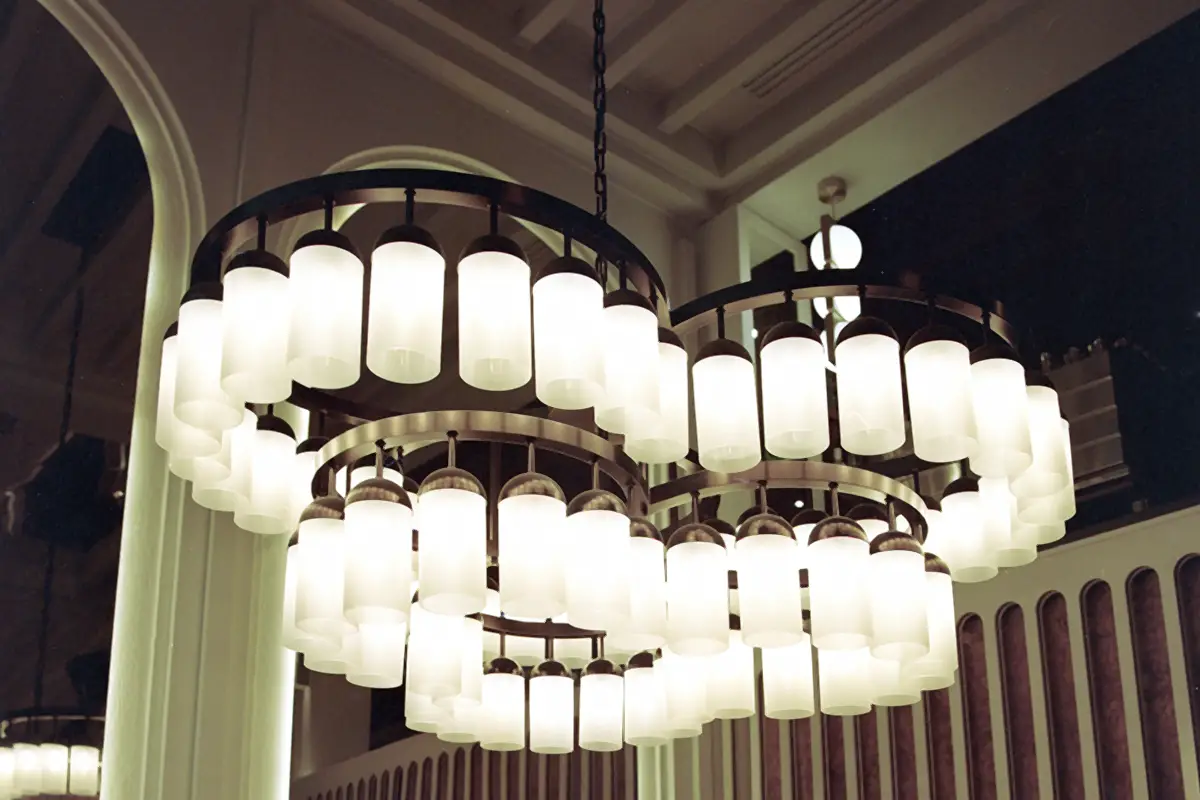
Retif’s artwork covers the walls with murals and illustrates the menus and wine lists. Influences like composer Philip Glass, photographer Peter Beard, and actors Jean-Louis Trintignant and Charles Denner add depth. Big candles drip wax to mark time, turning dinner into a scene from a film. On weekends, jazz fills the air during brunch, pulling people together over drinks and stacks of pancakes. It’s like stepping into someone’s fascinating life story.
Mélanie Serre’s Ardèche Fire Tempers New York Chophouse Grit
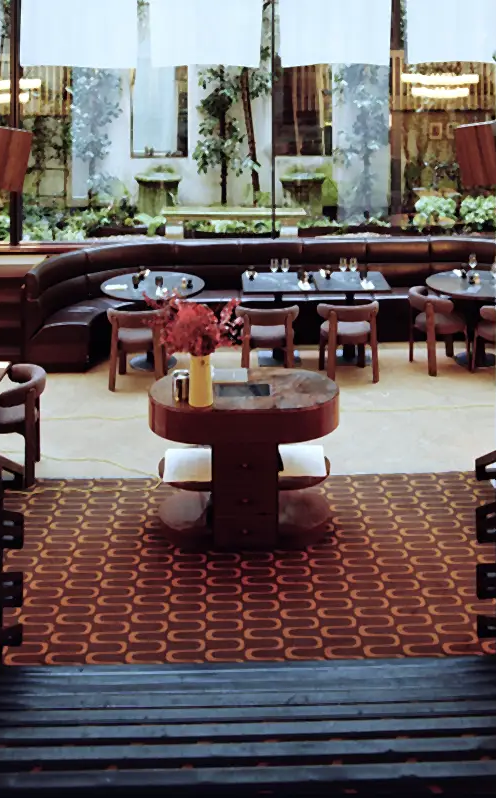
Leading the kitchen is Chef Mélanie Serre, whose roots in rural Ardèche and stints at Joël Robuchon’s L’Atelier Étoile bring a bold mix to the table, crafting a New York-style brasserie menu that honors American steakhouse staples with French precision, grilled meats, seafood, comfort classics elevated. Strategically, the chophouse format revives mid-century haunts of deals, artists, financiers, and endless nights, now transplanted to Marais ateliers reborn as galleries, studios, start-ups, social memory made flesh.
American Bar Smuggles Speakeasy Secrets Upstairs
Upstairs, the American Bar honors the group’s mixology roots, echoing New York hideaways like Please Don’t Tell and Raines Law Room, where cocktails like Expedition, smoky Quetzal and layered Fusion defy Paris palates with rare, bold twists.
Experimental Marais Weaves Marcel’s Curios into Globe-Trotter Havens
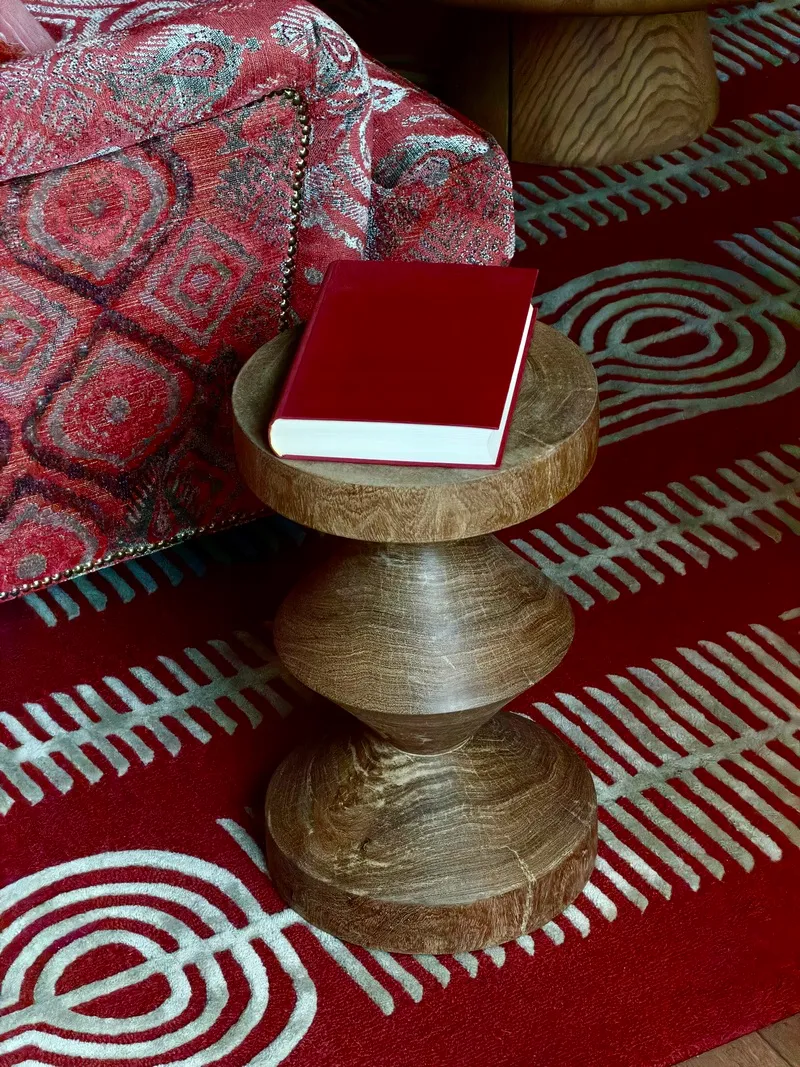
Temple & Chapon ties into the 43-room Experimental Marais hotel, a 5-star haven with globe-trotter decor: ethnic fabrics, vintage pieces, and Marcel’s curios making Deluxe rooms cozy Parisian pieds-à-terre, while the Suite seduces with crimson tub, marble busts, books, and Marais alley gazes. The Spa by Experimental Marais hides Roman baths behind a studded door, Susanne Kaufmann treatments blending science and serenity in neo-Gothic hush.
True distinction lies in fabricating memory from ghosts and fiction: Templars to Antoinette’s cage, Sinner’s sacrilege to Marcel’s phantom trail, chophouse grit laced with Marais grace. Temple & Chapon rejects sterile heritage for a living narrative, relics that provoke, steaks that seduce, cocktails that unsettle. The endurance of places like this, pulses in their metabolic alchemy, keeping the wanderer’s soul alive through raw, participatory desire.