Vista Verona preserves living heritage through quiet, contextual design
Sixteen suites inside a restored building near the Arena: raw materials, seasonal food, and services designed to support orientation rather than transform the experience of Verona
VISTA Verona: hospitality as an infrastructure of continuity
Verona is a city measured on the scale of its heritage. Preserved Roman excavations remain visible along everyday routes; medieval towers and Renaissance façades coexist with the sound of traffic; opera seasons continue to fill the Arena during summer nights. History is not staged: it functions. In this environment, accommodation becomes relevant only when integrated into the existing fabric.
VISTA Verona opened in 2022 in Corticella Leoni, a road that still follows the alignment of the ancient Porta Leoni. The hotel does not act as a landmark. It occupies a structure restored to serve current hospitality while respecting the stratification beneath it.
Urban insertion and organic design
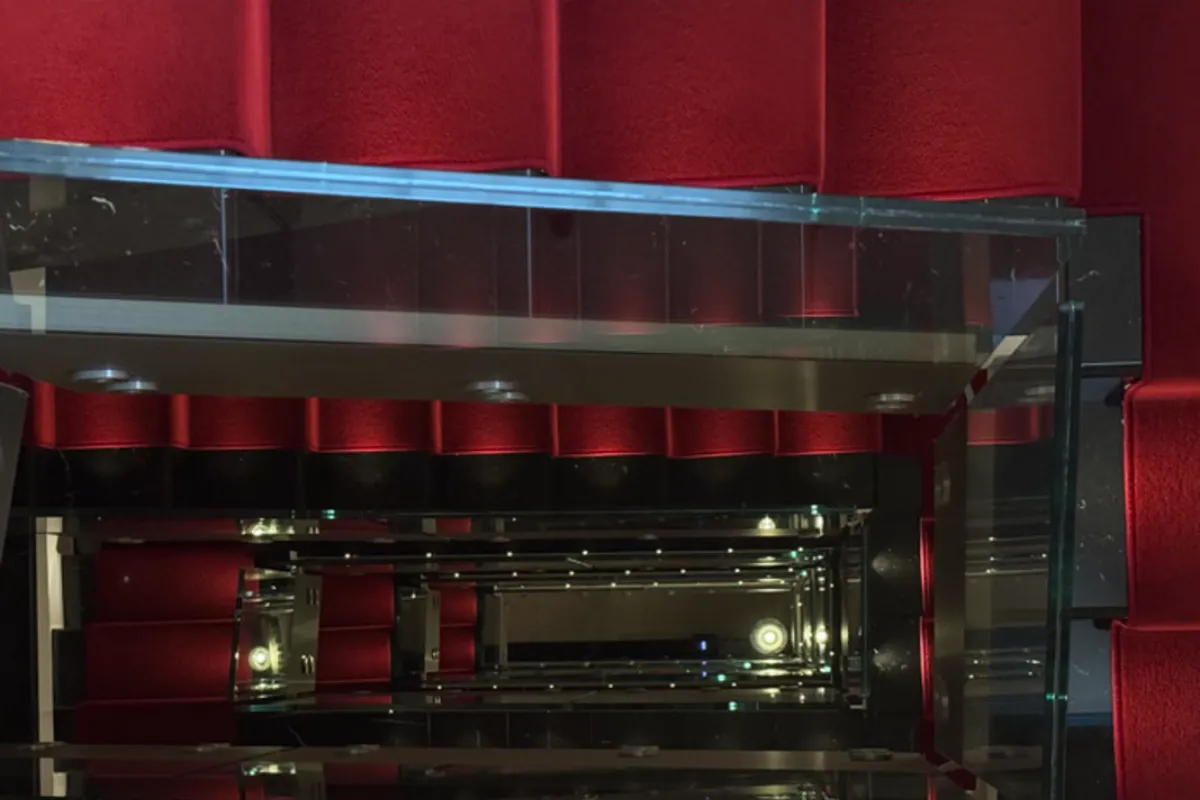
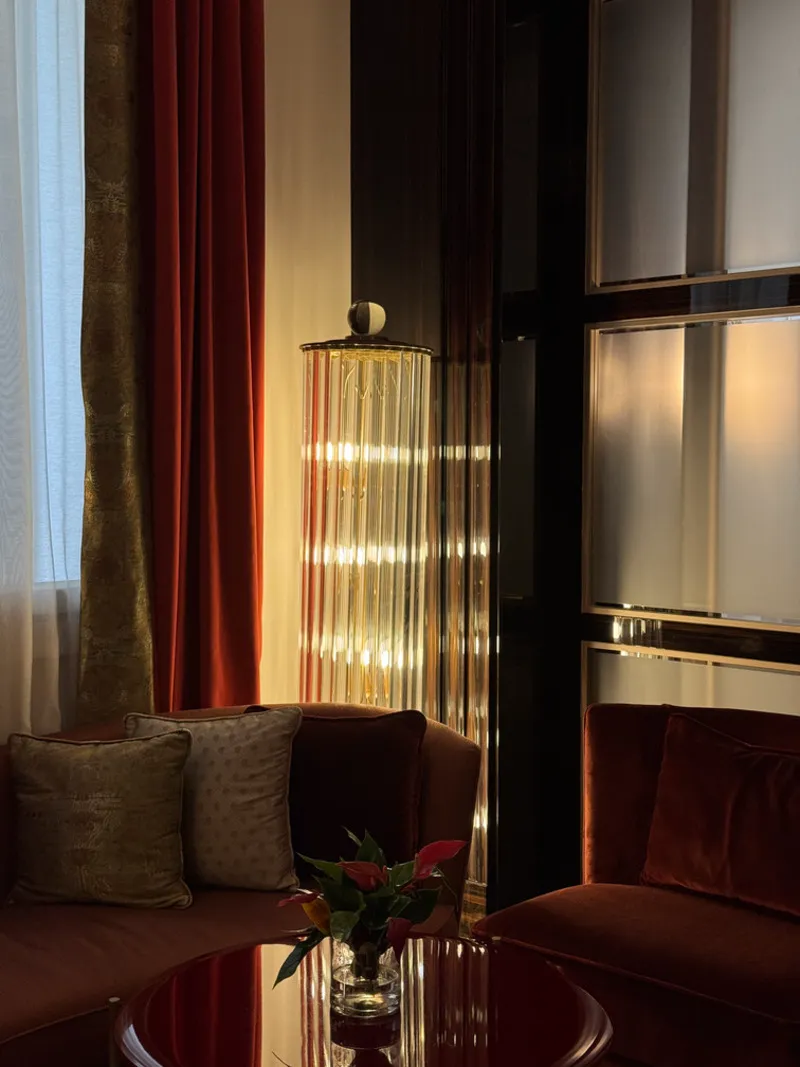
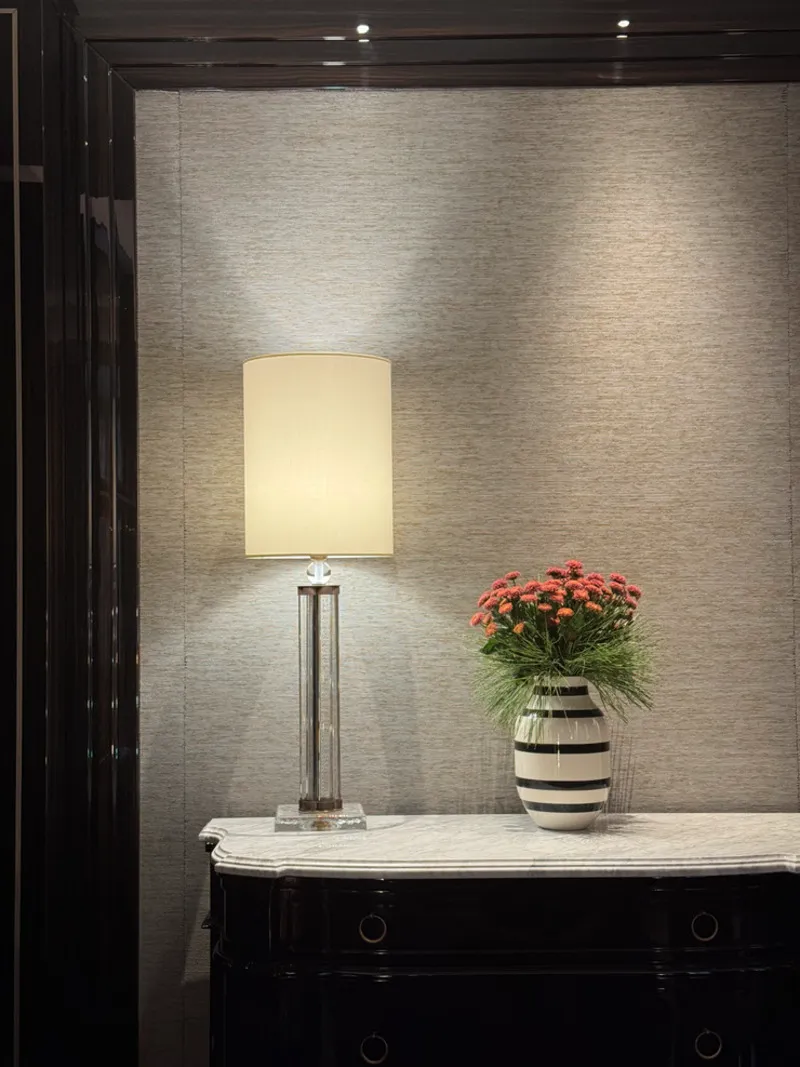
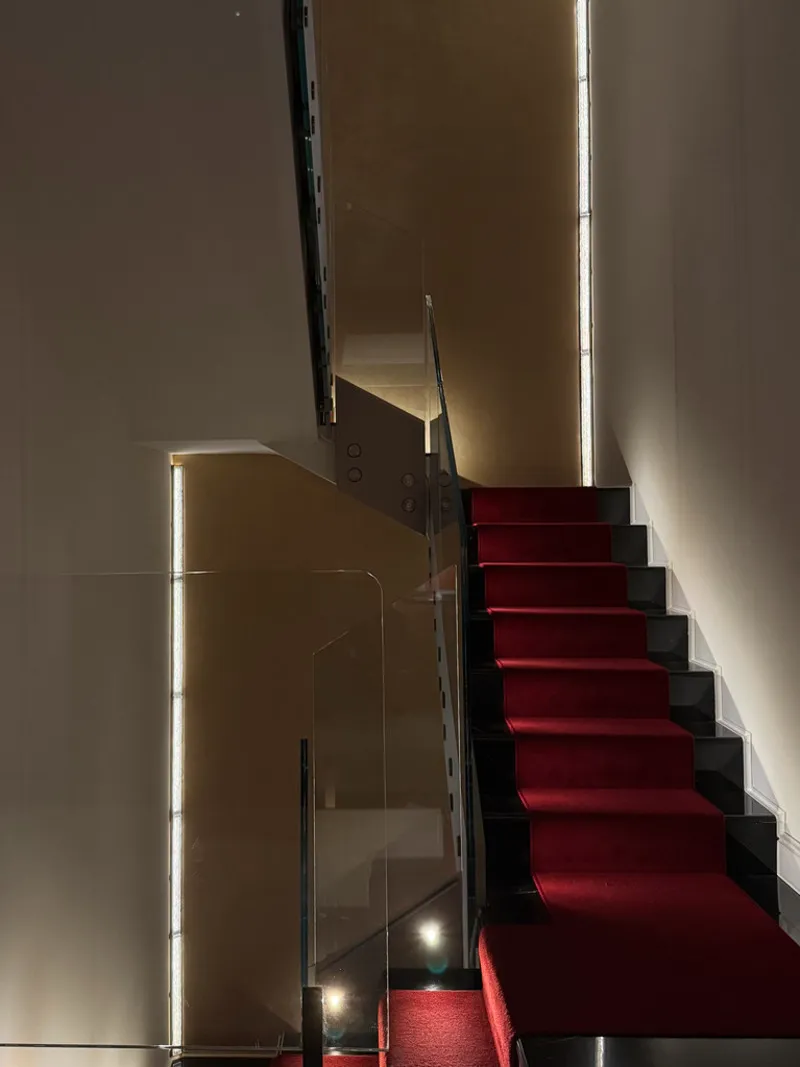
The hotel comprises sixteen suites distributed across three floors. Circulation is compact, following the constraints of the city center. Interiors embrace organic design not as a stylistic signature but as continuity: proportions reflect those of residential buildings in the area; light is used to maintain connection to the exterior; colors relate to the surrounding architectural materials. No volumes exceed the original building’s structure.
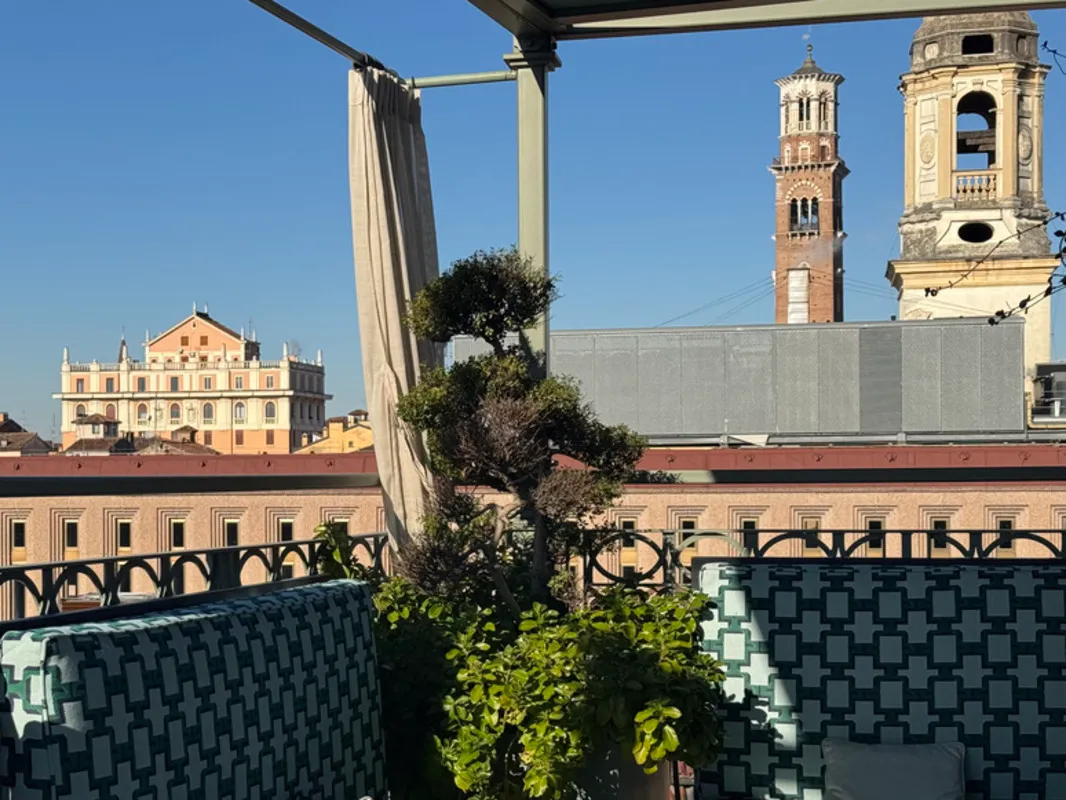
On the rooftop, the terrace reveals the geography: low roofs lead the eye toward the hills of Valpolicella. The city’s boundaries are visible, demonstrating how a historical center preserves scale by limiting expansion. Views remain informational, not spectacular. The space is not constructed as an elevated attraction: it is an extension of the inside, maintaining proximity and perspective.
The architectural language prioritizes usability. Interiors do not impose a theme. They maintain the neutrality required to adapt to different types of travelers: those visiting the Arena, those exploring the Roman ruins, those navigating the commercial streets. Visual coherence is achieved by limiting interpretative statements.
Raw materials and craft manufacturing
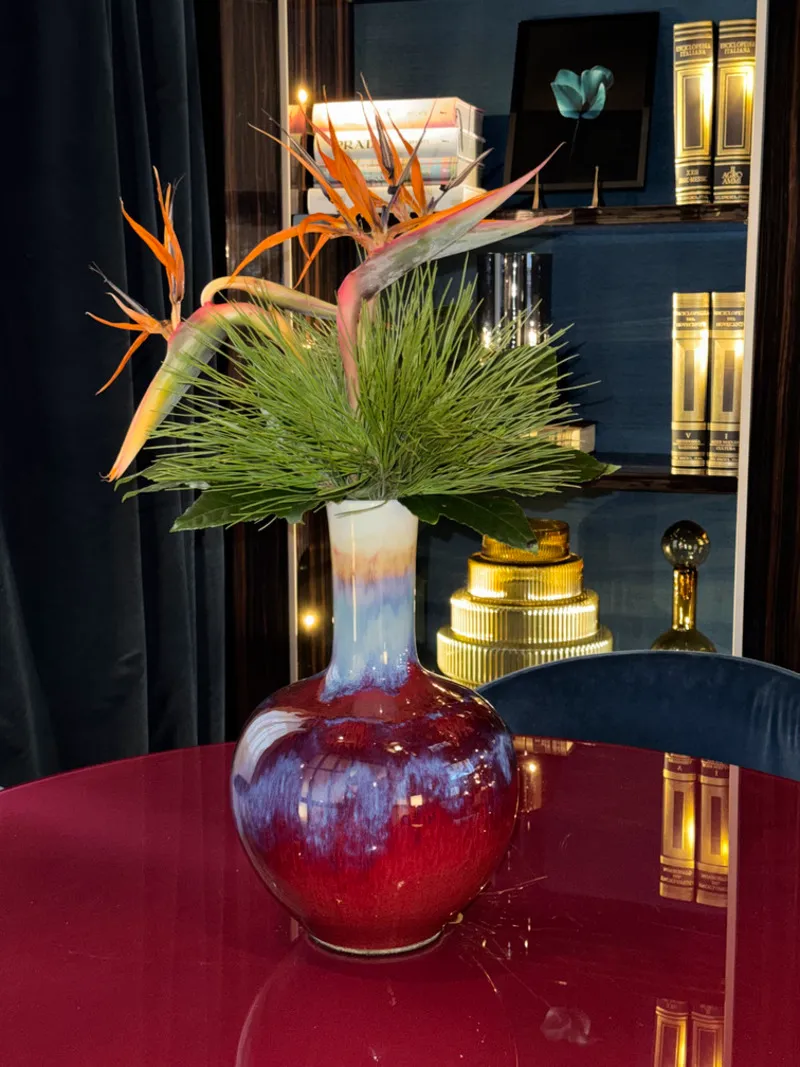
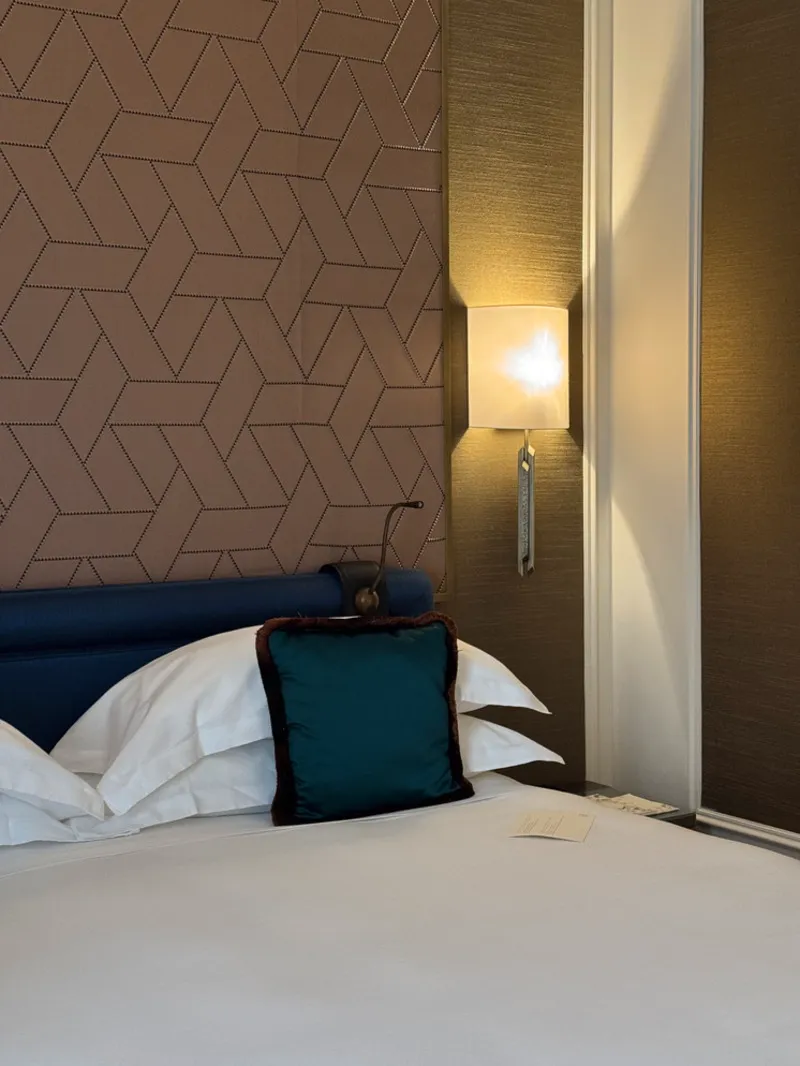
The interior material palette is concise. Marble, wood and textiles constitute the core surfaces. These raw materials preserve the tactile presence of the space. Marble in bathrooms retains natural veining and tonal differences. Wooden panels absorb sound and introduce warmth into the suite layouts. Textiles come from Italian manufacturers with longstanding artisanal practice. Surfaces emphasize precision rather than ornament.
Craft manufacturing appears not only in large-scale components but in details: the way doors close, how fabrics are fitted, the durability of hinges and handles. Furnishings are selected to function without drawing attention. The effort lies in making the room adaptable and resistant to wear over time.
Objects are placed according to necessity, not for narrative. The absence of excess supports clarity: guests understand the space immediately upon entering. Comfort results from straightforward organization rather than accumulation.
Service structure as technical rather than expressive
Staff presence follows a procedural rhythm. Operations are structured to minimize interruption while ensuring availability. Hospitality remains focused on logistics: arrivals and departures, schedules for wellness and dining, access to external resources in the city. The work stays invisible when not required.
Personalization does not rely on dramatized attention. Instead, service adapts to signals generated by use — requests for direction, clarification, reservation. Consistency replaces embellishment. The atmosphere maintains distance without introducing indifference. The interaction between staff and guest is professional rather than performative.
The Sottovoce restaurant – the roof terrace over Verona
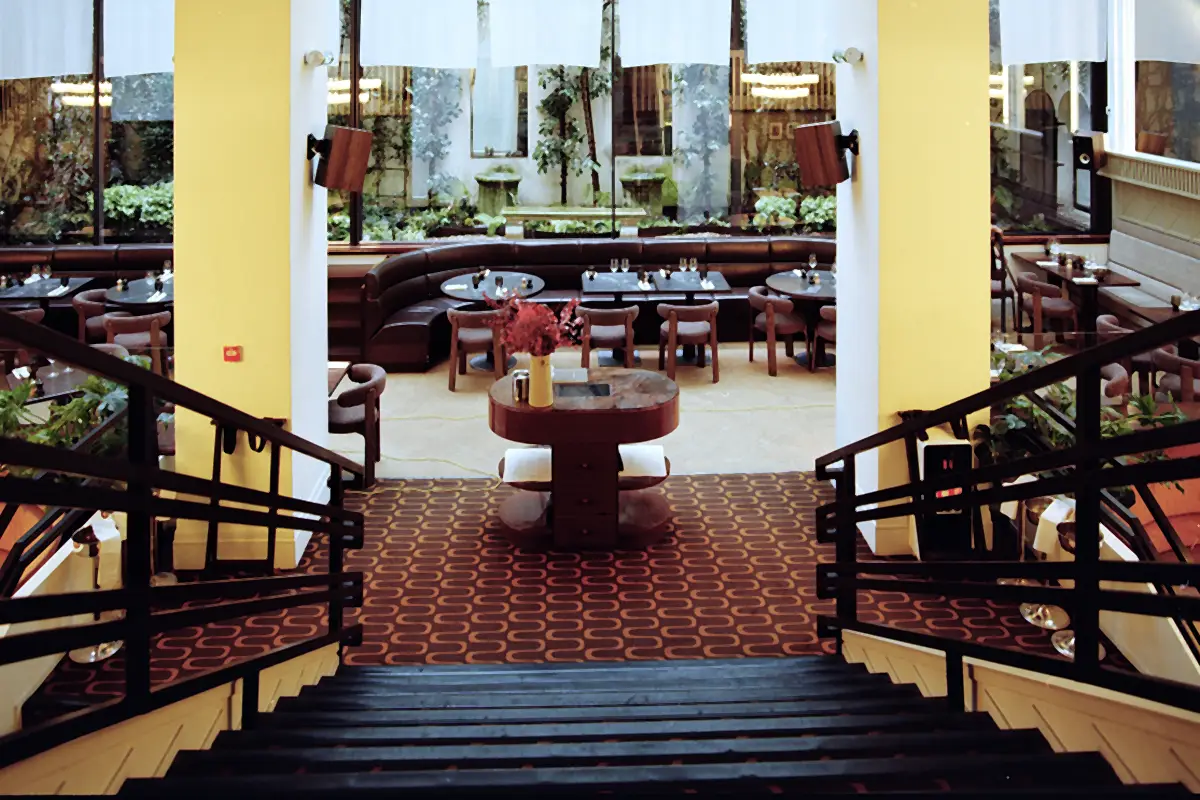
The last floor of the building is dedicated to food and drinks, starting from the buffet and à la carte morning breakfast, to aperitivo and dinner.
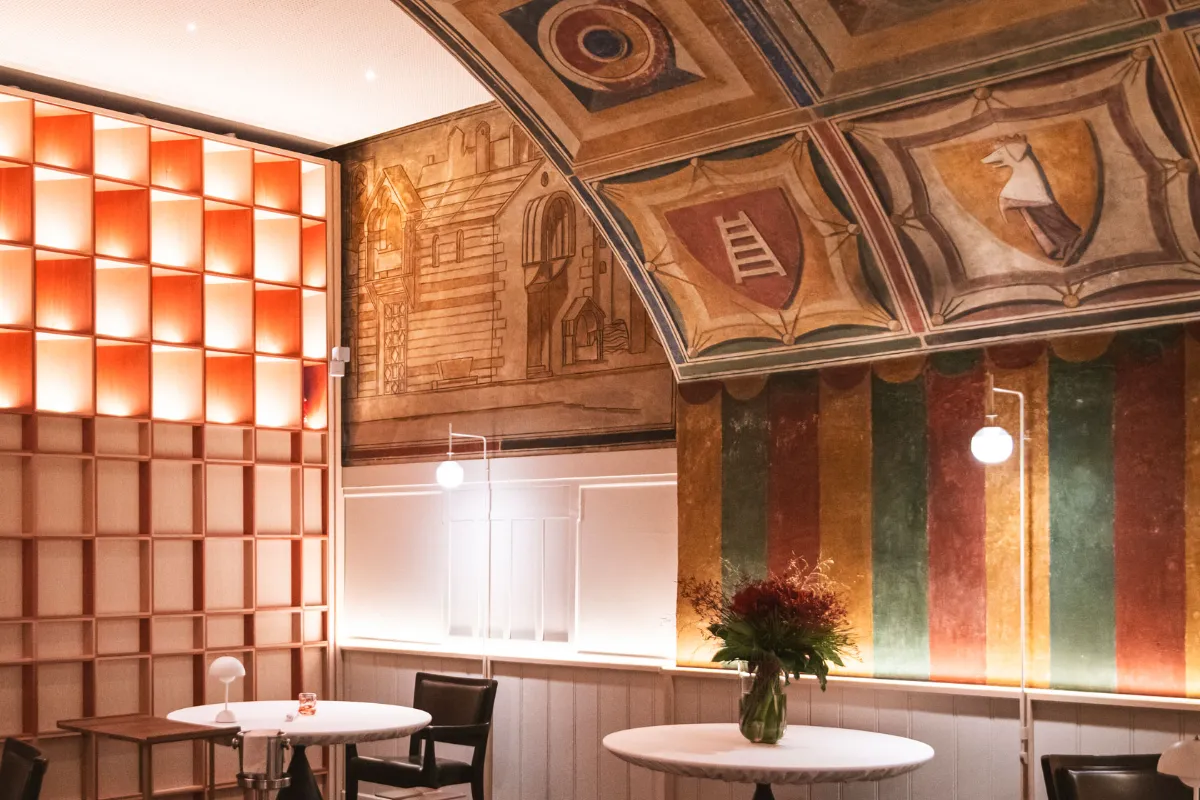
The Sottovoce restaurant offers a contemporary interpretation of traditional Italian, with attention to the territory and local raw materials. At the same level the cellar, designed as a place dedicated to tastings, offers a selection of wines, which honors ranging from Italian to French wineries, with a selection of small producers in the Verona area, proposed by La Collina dei Ciliegi cellar.
Before or after dinner, it is possible for guests to access the terrace, tasting chef Fabio Aceti’s amuse-bouche and a cocktail at the Infinity Bar. The terrace offers a 360 degree view of the roofs of the city of Verona and the surrounding hills of Valpolicella, and it is possible for guests to request an en plein air dinner during summer nights.
During the holiday period, the restaurant follows the seasonal cycle with specific menus for Christmas Day lunch and New Year’s Eve dinner. The compositions alternate traditional preparations and more contemporary structures: dishes based on winter vegetables, poultry, freshwater or lagoon fish appear alongside ingredients associated with the local gastronomic landscape. Techniques emphasize clarity of flavors over decorative interventions. Service timing adapts to longer meals typical of these dates, while the terrace and bar remain part of the spatial sequence connecting the dining area to the city. The festive calendar does not introduce thematic transformation — it maintains continuity with the usual operations by adjusting only what the season demands.
The bar functions extend the use of the rooftop into nighttime. The physical presence of the city remains perceptible: voices, bells, temperature. The dining environment does not isolate users from the context but positions them to observe it while remaining sheltered

Wellness and sustainable hotel design
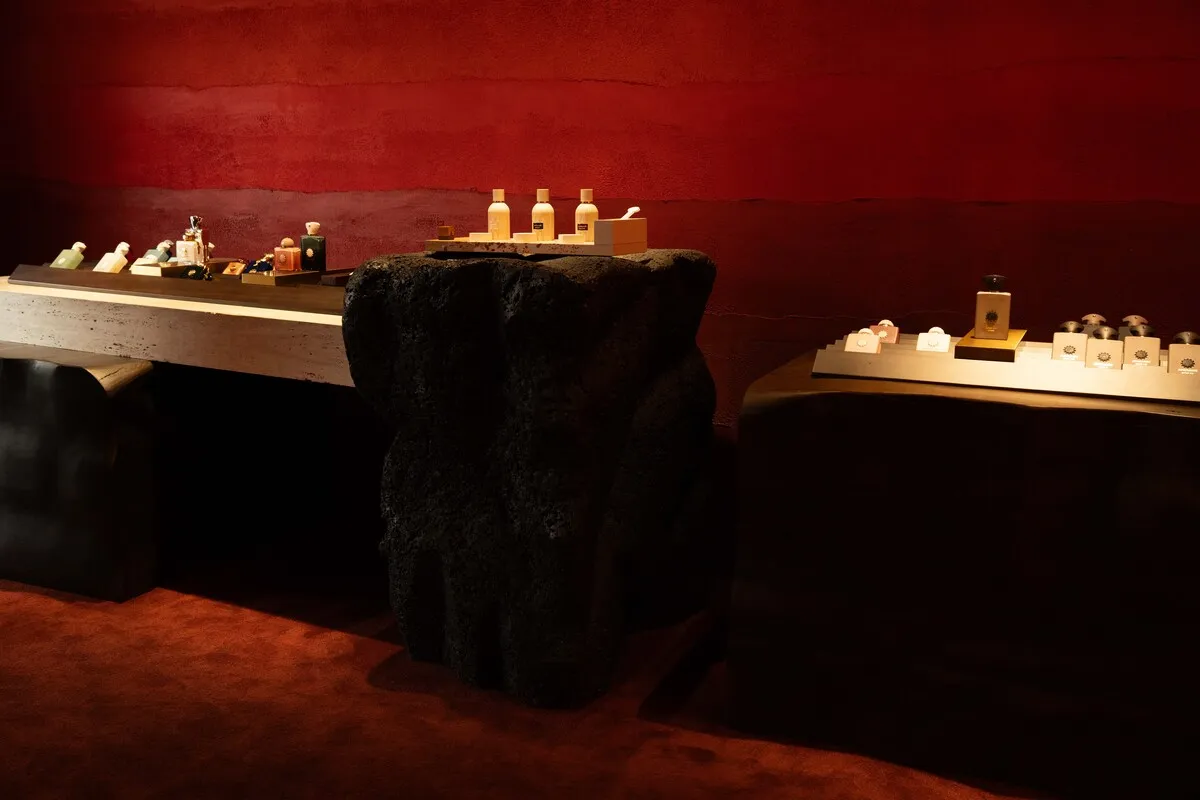
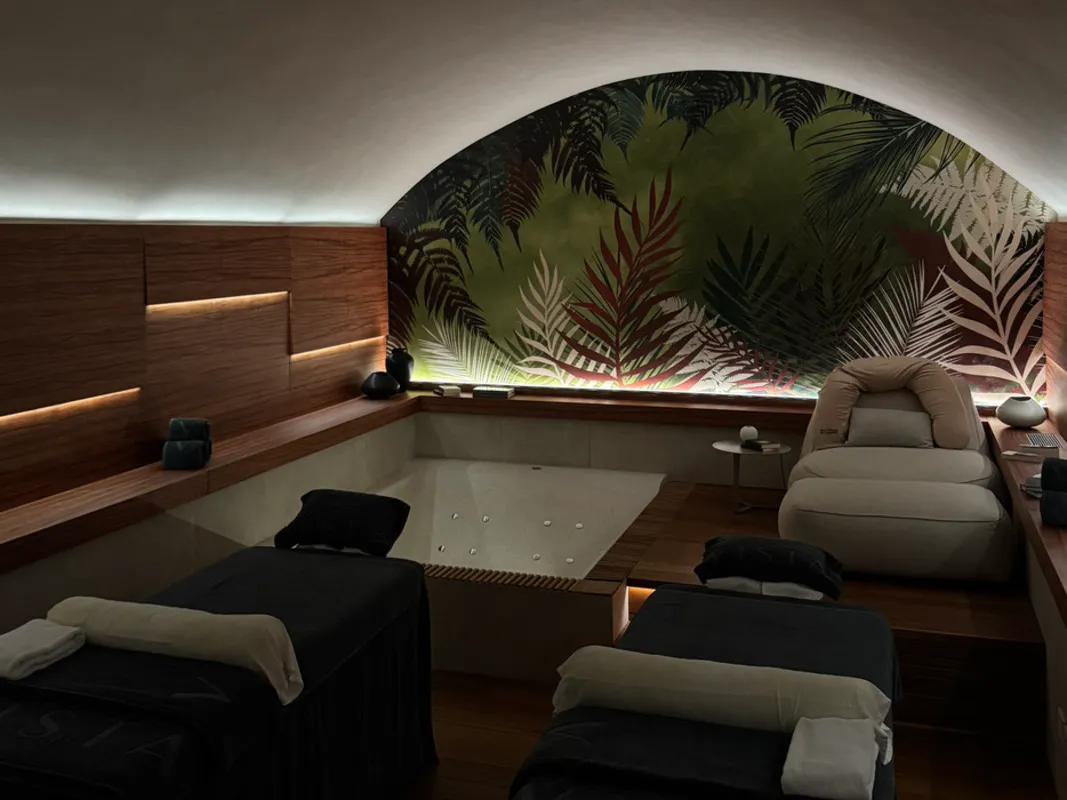
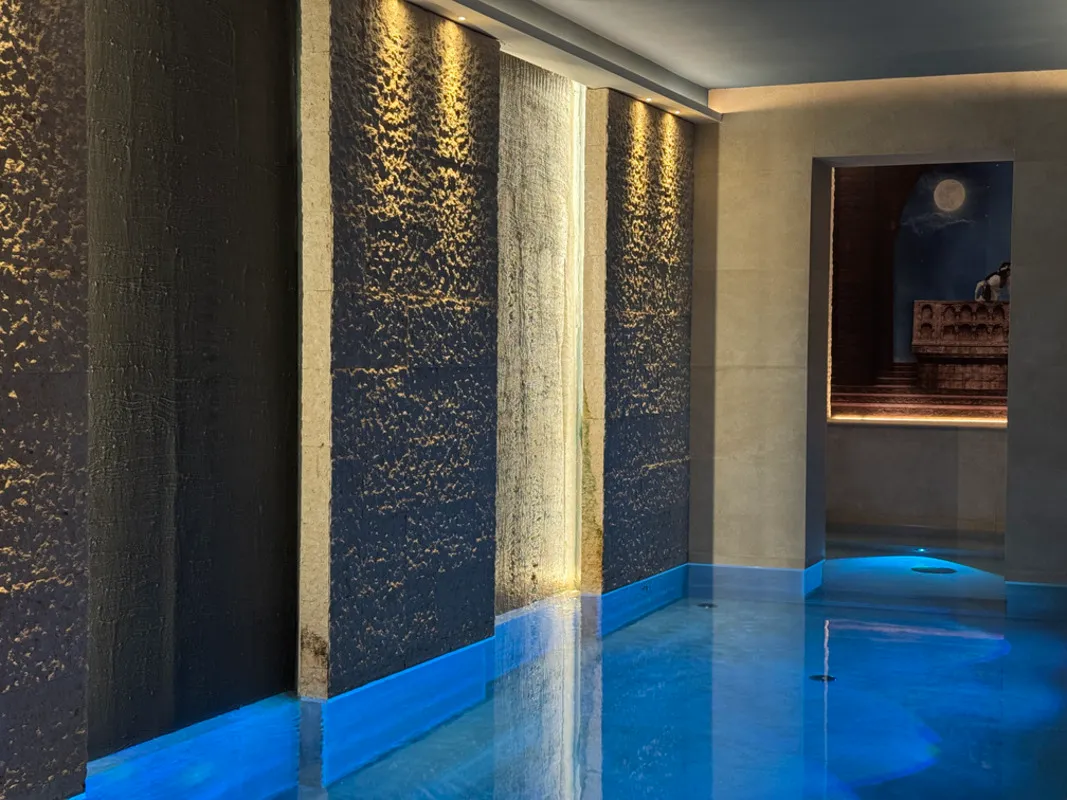
VISTA Verona is the only hotel in the city with an indoor pool and SPA suite. Other than the pool with hydromassage, the space offers a steam room, sauna, emotional showers, ice fountain, aromatherapy, chromotherapy, and a food and beverage space to relax – drinking an infusion and snacking on dried fruit. Beauty treatments are branded Biologique Recherche. The formulas for women and men are selected because of the high concentration of organic extracts and lack of synthetic fragrances. It is also possible to make use of the hotel gym, provided with Technogym equipment.
The wellness program follows sustainable hotel design guidelines: energy systems aim to reduce dispersion; natural materials are prioritized in direct-contact areas; plastic use is limited; a set of electrical bikes is available in front of the structures for guests, on request.
A Roman well uncovered during renovation has been preserved in place, inside the SPA. Its presence demonstrates a condition in which archaeological evidence intersects with current activity. The design accepts the preexistence of the site rather than treating it as a decorative element.
The wellness model does not require spectatorship. Fitness activities are carried out individually. The objective is maintenance rather than visibility. The structure protects the guest from external interruptions without creating an experience disconnected from the surrounding reality.
Human respect and territorial mediation
Hospitality extends beyond the building’s perimeter. The hotel organizes access to the Arena’s opera program and to Lake Garda or the wine-producing hills near Verona. These services involve human respect as operational criteria: they provide mediation without creating a parallel itinerary detached from the territory. Activities remain part of the places where they occur.
Inside, smaller spaces support different modes of use. A library allows quiet work and reading. A wine room enables tasting and learning in controlled settings. Personal shopping support directs guests through commercial routes without modifying their nature. The hotel does not replace city life; it accompanies it.
The guest retains a visitor’s role: temporary presence in a location that functions independently. The building supports this condition through structure rather than staging.
A structure shaped by the city’s logic
Verona functions independently of visitor expectations. Residents continue to occupy and maintain the center; commerce is not reshaped solely to accommodate tourism; preservation measures are aligned with active use. VISTA Verona acknowledges this by limiting its own footprint. It introduces hospitality without asking the area to adapt.
Architecture, service, dining and wellness are calibrated to support orientation rather than spectacle. Hospitality here is not an alternative to the city but a means of entering it. Luxury is defined by what remains unchanged.
Vista: the brand’s development
LarioHotels expanded its activity in hospitality by introducing the VISTA brand in 2018. Verona followed, extending the same operating principles to a location where tourism intersects with a stable local population: «With the VISTA brand we look at less-known Italian destinations, but rich in history», states Bianca Passera, President of LarioHotels. The project avoids narrative emphasis and frames luxury as an operational matter: how to host without altering the conditions that define a place.
The brand’s development continued with VISTA Ostuni, opened in summer 2025. The five-star hotel, owned by the Passera family and part of The Leading Hotels of the World, is located in Alto Salento, near the historic center of Ostuni. The property occupies a restored historic building and operates beyond the summer season, remaining open through the winter months.
The next opening will be VISTA Pisa, scheduled for 2029. The project will establish Pisa’s first five-star luxury hotel. The hotel will be located in Palazzo dei Trovatelli, dating back to 1315, situated in Piazza dei Miracoli with direct views of the Leaning Tower. The building, historically used as a hospital and later as an orphanage, will undergo restoration and conversion into a hotel in collaboration with local authorities and heritage institutions.