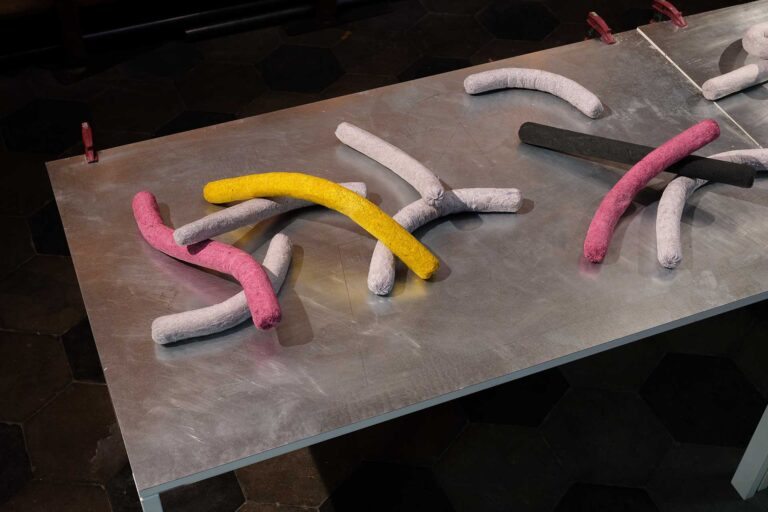
Aarushi Saxena
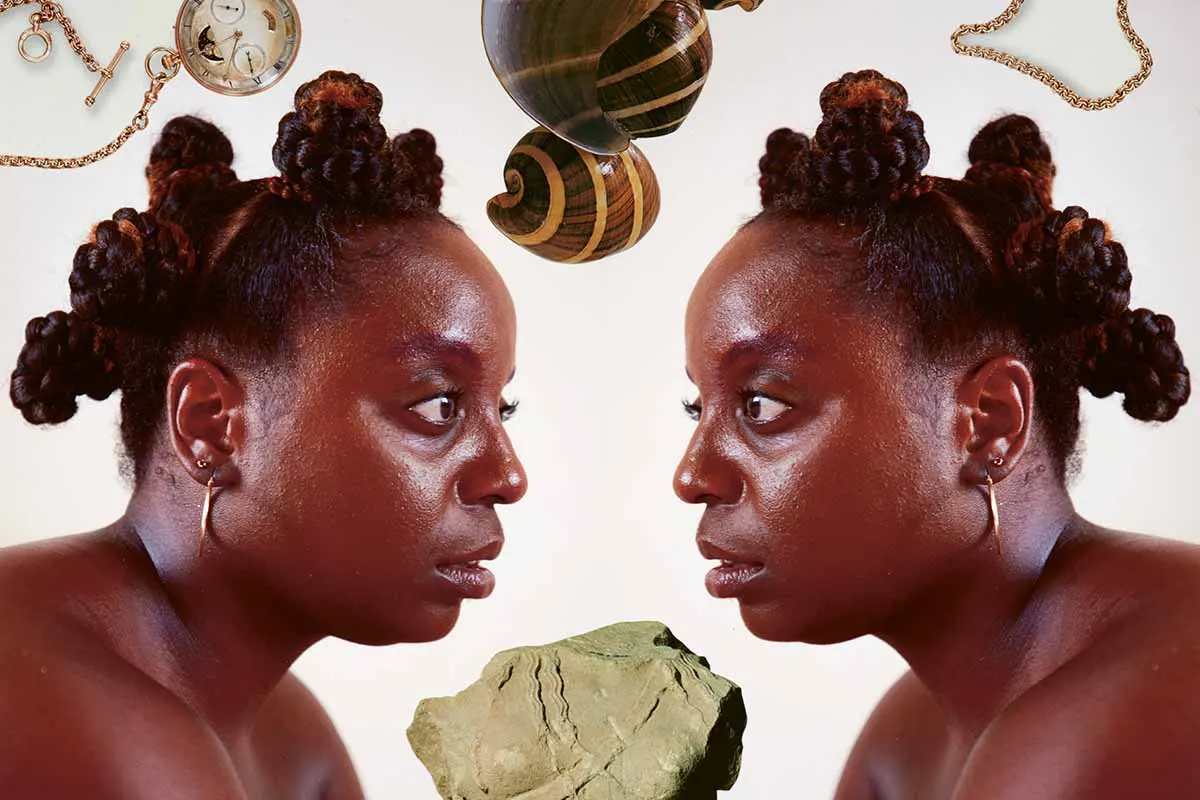
Linder Sterling: the ultimate recycler of pornographic imagery
An interview with artist Linder Sterling – armed with a surgeon’s scalpel, she cuts away at imagery from magazines to create visual narratives exploring the body and mind of feminism
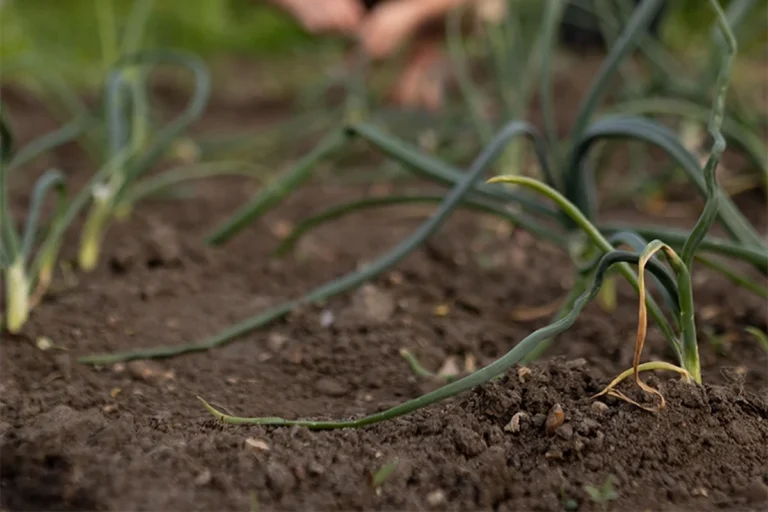
Bella Gonshorovitz demystifying circularity: Grow, Cook, Dye, Wear
Author Bella Gonshorovitz shares her ideology on creating circularity at home, from the seeds in the garden to the garments in your wardrobe
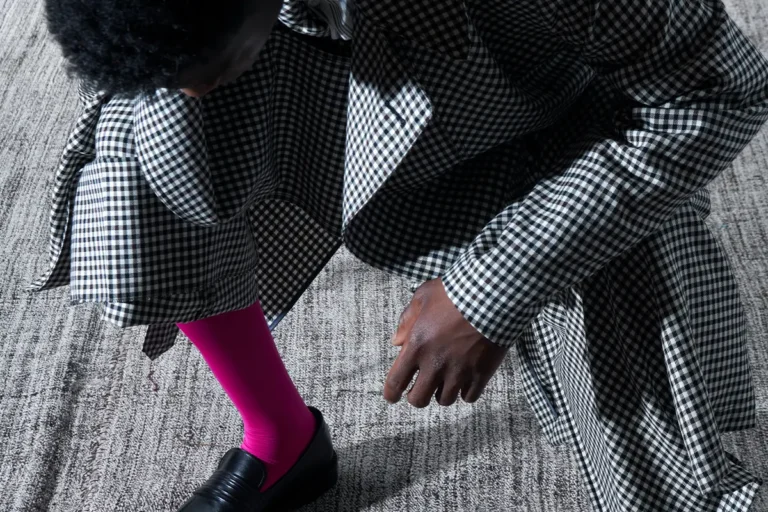
Crafting conversations: Paul Smith and some nomadic inspirations at Altai Gallery
When Sir Paul Smith discovered «a shop of handmade rugs» in Milan, he brought their essence to his London showroom and to the upcoming Fall Winter collection
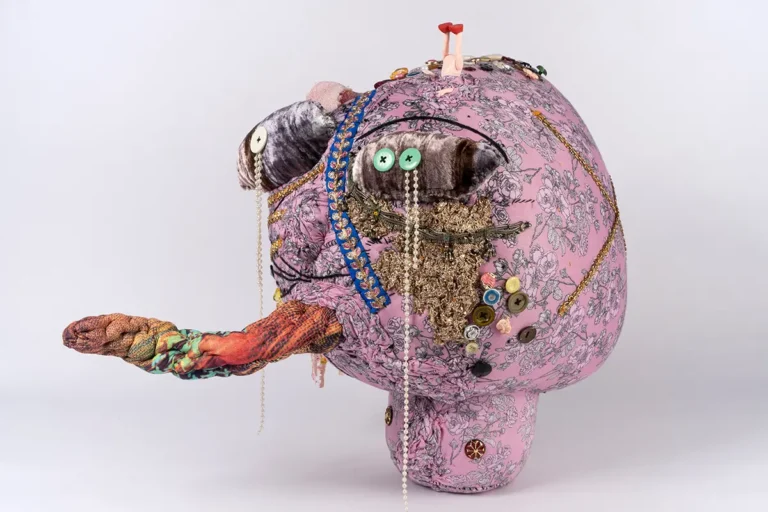
Gurjeet Singh’s idiosyncrasy: textile sculptures respond to notions of stereotype labelism
Rural Indian subjectivity found in 3d textile sculptures. Gurjeet Singh handcrafts bold narratives of identity, isolation and sexual exploration into faces made of fabric and stuffing
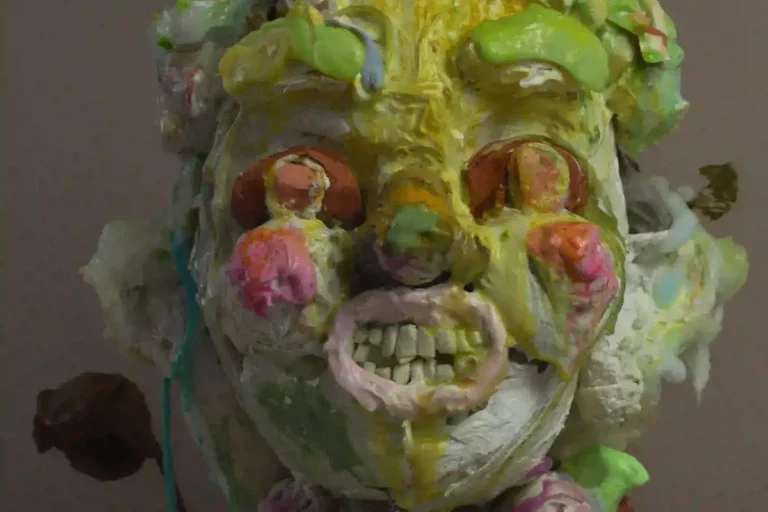
Psychedelia: the visual vocabulary – Lampoon the RuVido Issue with Gary Card
«My intention was to make something beautiful and classical and then figure out how do I f**k it up? Make something pretty, but layer it by inserting rawness»
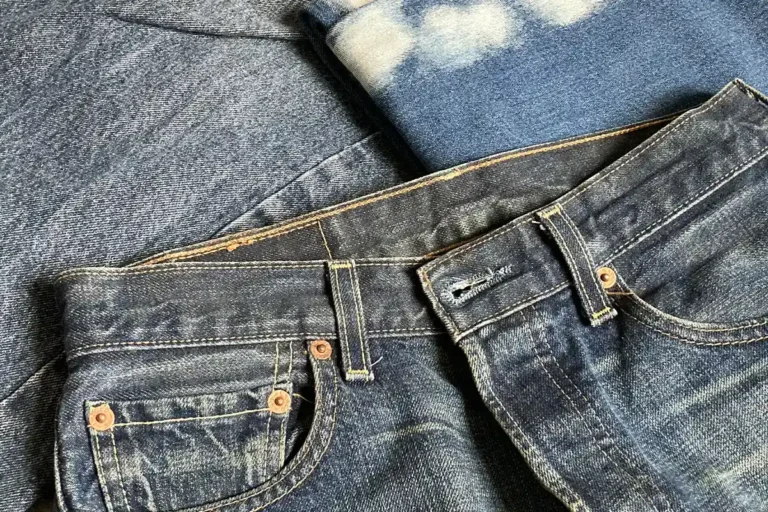
Biodegradability and low-impact dyeing. The next step of jeans at Denim Première Vision
Denim mills bring more sustainable innovation to the Première Vision trade show in Milano with biodegradable clothing and zero-waste dyeing techniques
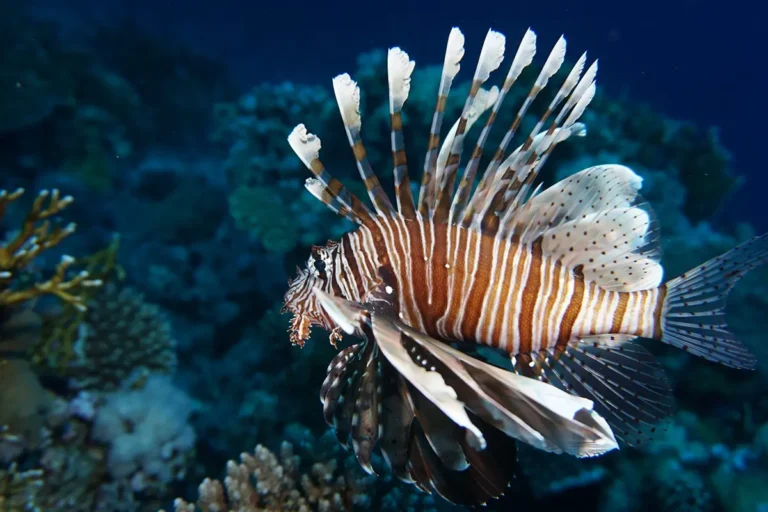
Lionfish numbers reached a peak saturation point in Florida’s waters. Inversa addresses the issue
One species of fish is the perfect candidate for fish leather and environmental activists aren’t against it. Inversa launches Invasive Lionfish leather products from sneakers to watches
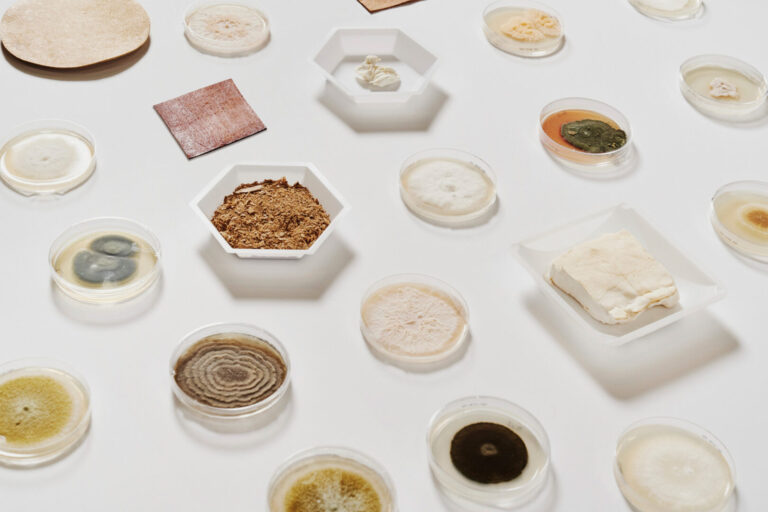
Carbon-insetting through low-emission materials: a game plan by Ganni
Through ‘Fabrics of the Future,’ Ganni hopes to collaborate with five new low-emission fibre innovators per year. This year’s line-up includes: Stem, Mylo, Circulose among others

As Do-it-yourself advances, could consumerism recede? DIY trends
In conversation with trend forecasters Anna Maroncelli and Harleen Sabharwal on exploring the antidote to consumerism
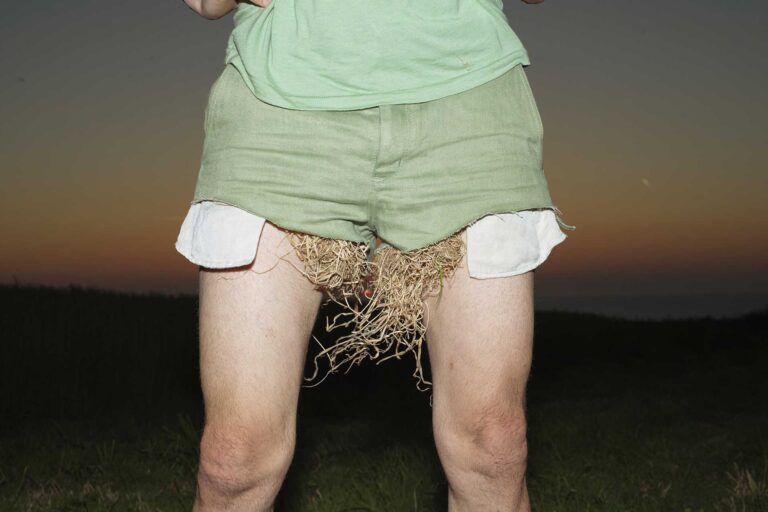
Freitag proves that completely compostable clothing is not a myth
Exploring two diverse approaches to circularity through end-of-life value chains in recycling and composting models by Swiss brand Freitag

What’s in my clothes? What we grow and what we wear? A Textile Garden
Through a living installation, ‘A Textile Garden’ serves food for thought: what is the relationship between what we grow and what we wear?
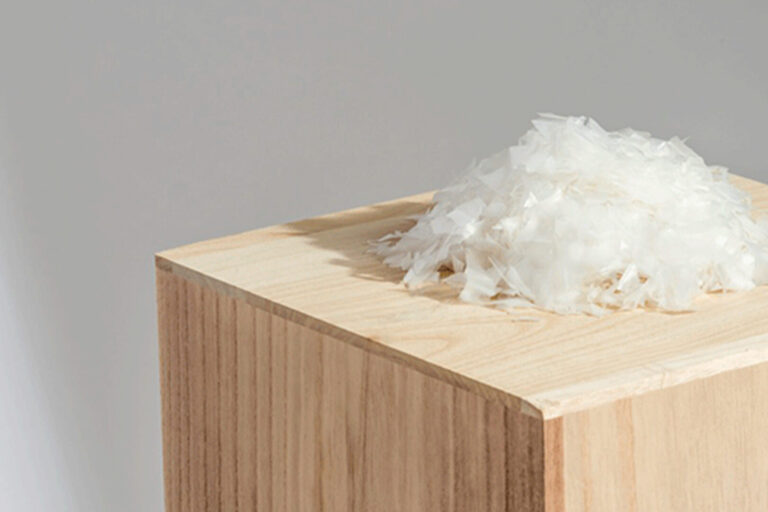
Checking rainwear’s carbon footprint – the Maium case
The planet-conscious know that rainwear often consists of harmful fluoro-chemicals. In conversation with Anita Palacios, founder of brand Maium, who is changing that notion
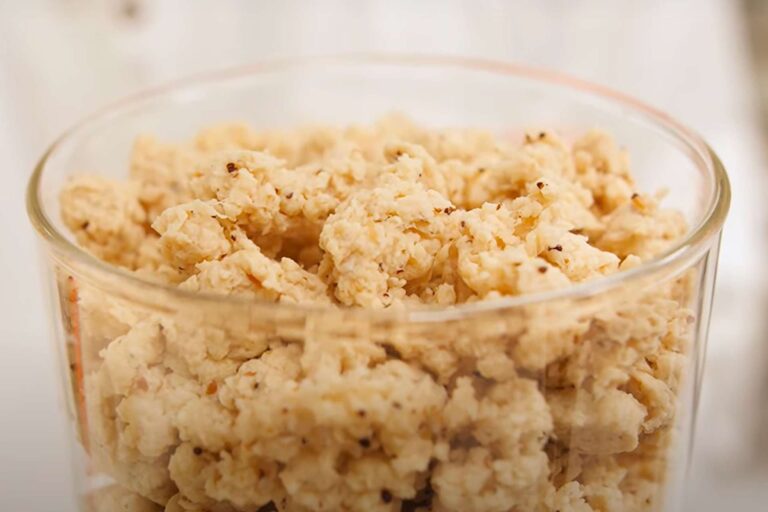
Hungry fungi and moldy bread for leather-alternatives: food waste finds purpose
«To alleviate the problems associated with food waste, while simultaneously contributing to sustainable fashion». The problem statement tackled by scientist Akram Zamani
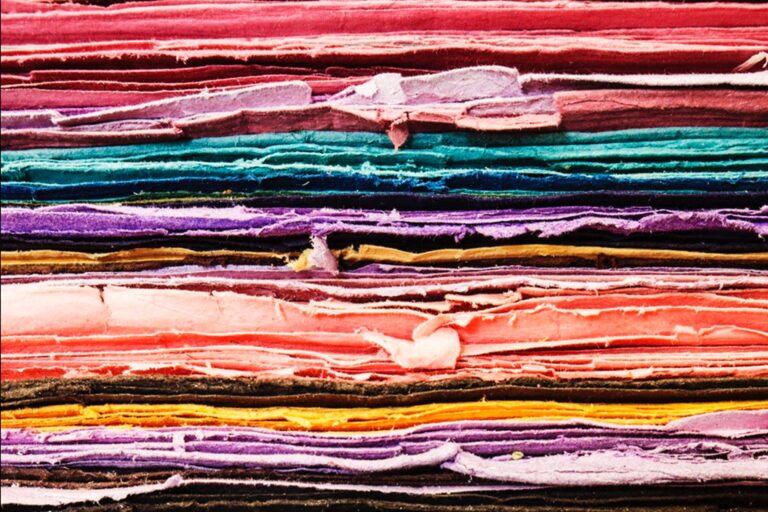
Recycling feces: the business case for elephant dung paper
Elephant dung is the raw material for this low-impact paper production unit based in remote villages of the island nation, Sri Lanka
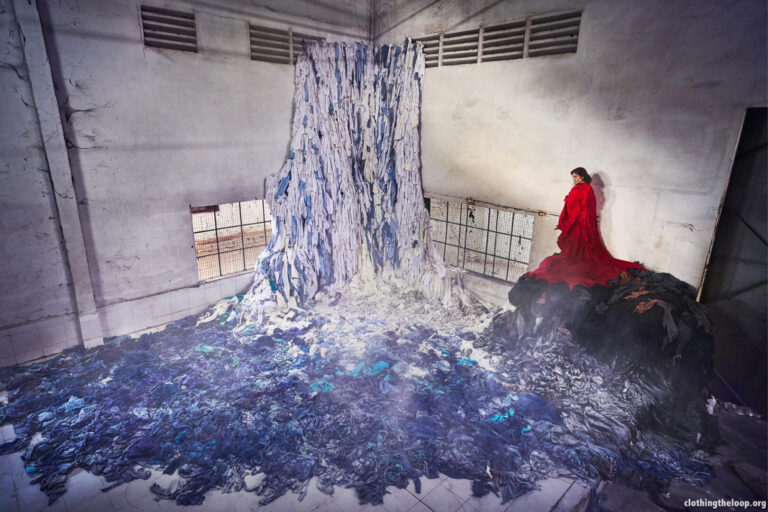
Updating a new fashion legislature: is fast fashion auditing real or not?
Decarbonisation goals for fashion, taxes for pollutants from apparel, accountability for wage theft from garment workers. The fashion industry’s green, clean future may not be too far away

Queer intimacy and female nudity, a defiant body of work by artist Jenna Gribbon
«The idea is to make the viewer conscious of the fact that they are consuming an image of a body which belongs to a person – they are no longer...

Carbon sequestration is not a competition, but Biochar is winning. NetZero case
«Many things can be used to fight climate change – biochar is the most mature for scaling and we should push it asap». In conversation with Axel Reinaud, founder of...
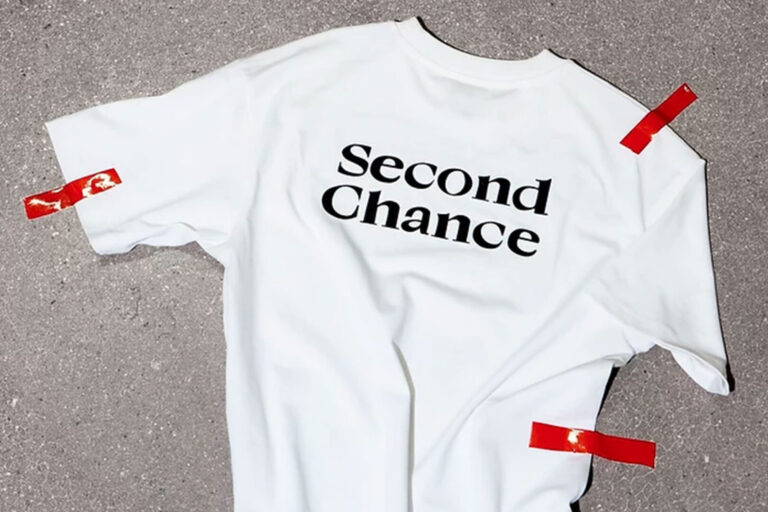
Vividye converts garments into a blank canvas, enabling efficient recycling and reuse
A deeper look into the complacency recycling has lent to fashion consumers and the nuances that make or break efficient recycling processes; through the lens of start-up, Vividye
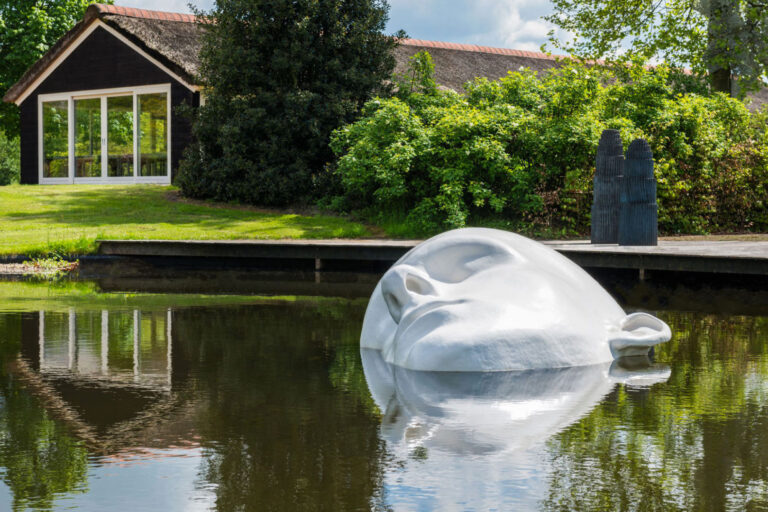
«The chaos is always in my mind» – The paradoxical narrative of artist Levi van Veluw
Finding logic in emotions and vice versa. An exploration into the chaos of the mind through tangible artistic dialogues by Levi van Veluw
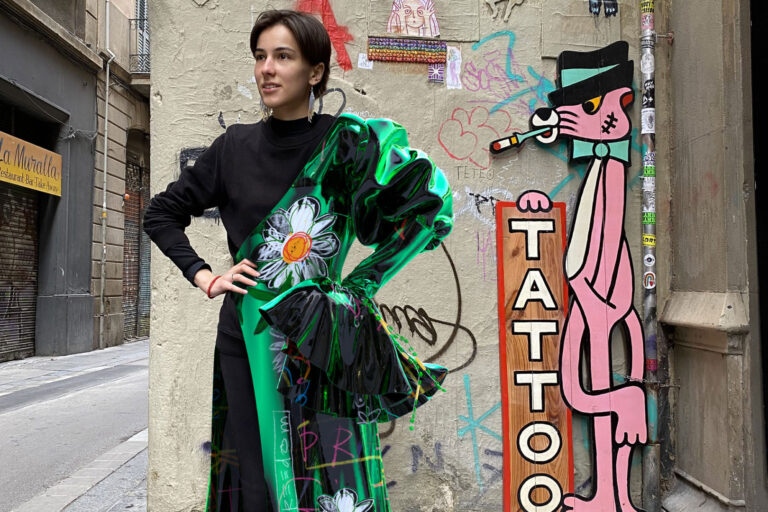
Digital fashion claims to solve overconsumption and overproduction: how green is it really?
«Digital fashion items don’t need physical resources and can work for the benefit of our environment». In conversation with digital fashion entrepreneur, Regina Turbina on sustainable consumption through virtual clothing
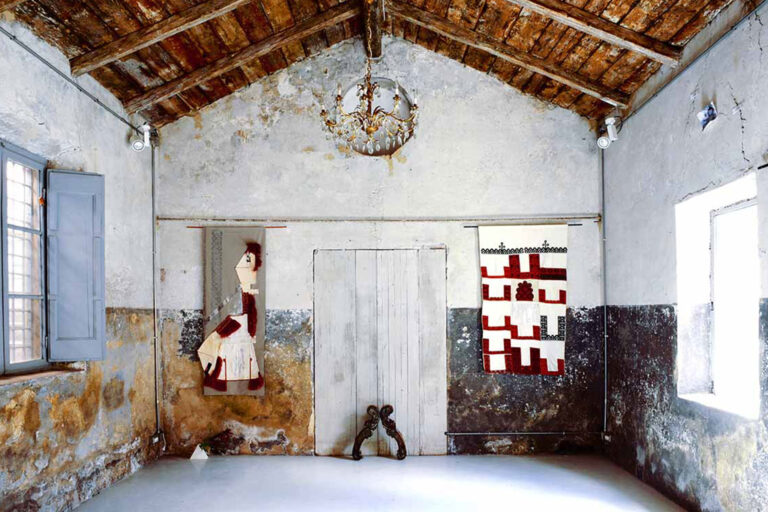
Weaving stories of Balkan heritage into three-dimensional tapestries: House of Ita
«Now we call it sustainability. But using materials that already had a life gives them and our story a continuity». In conversation with textile designer Margarita Aleksievska Sclavi, House of...