Balenciaga – is the couturier still alive?
Pierpaolo Piccioli arrives at Balenciaga without erasing Demna. Between Cristóbal’s legacy, Ozempic silhouettes and Euphoria references, Piccioli sits somewhere near the definition of couturier
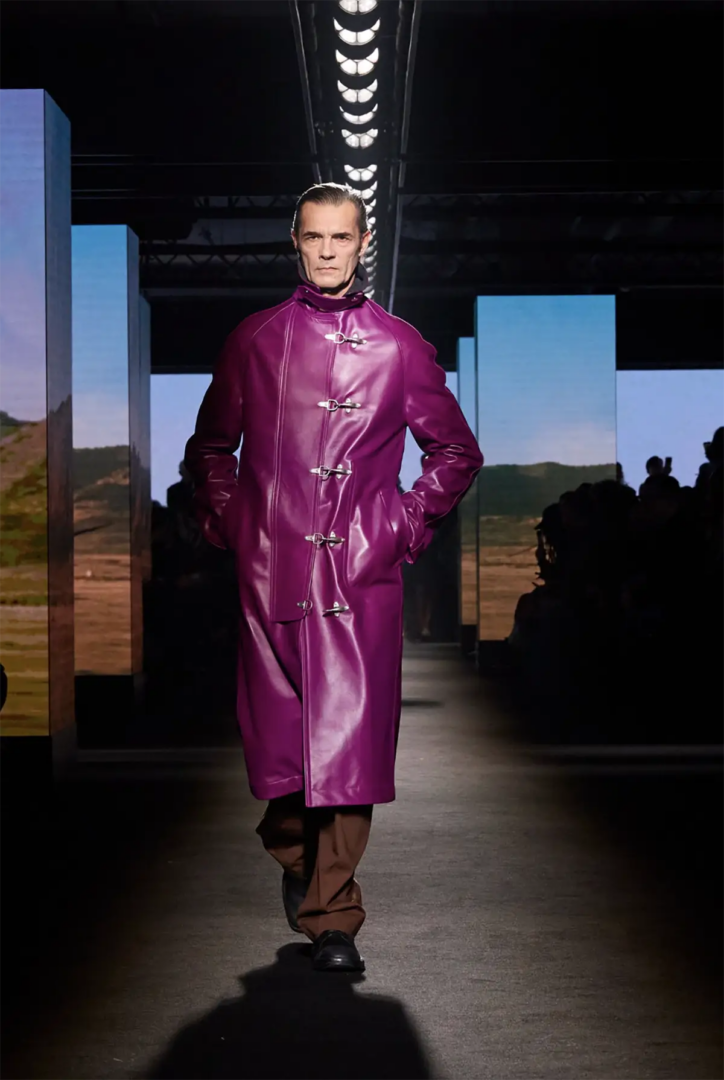
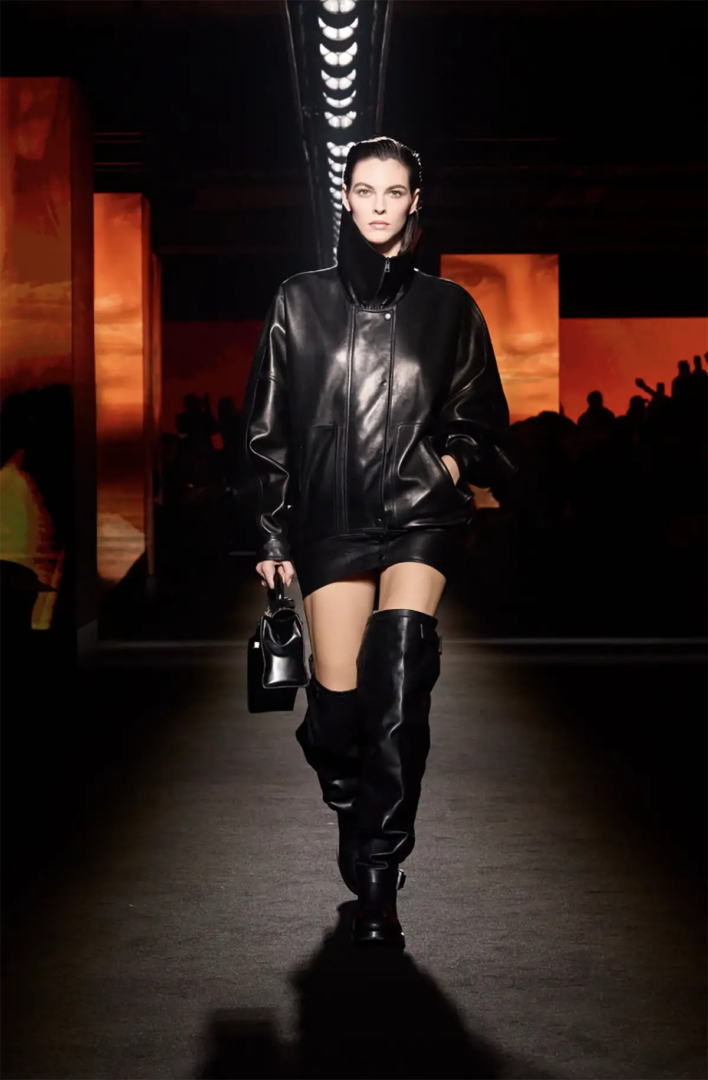
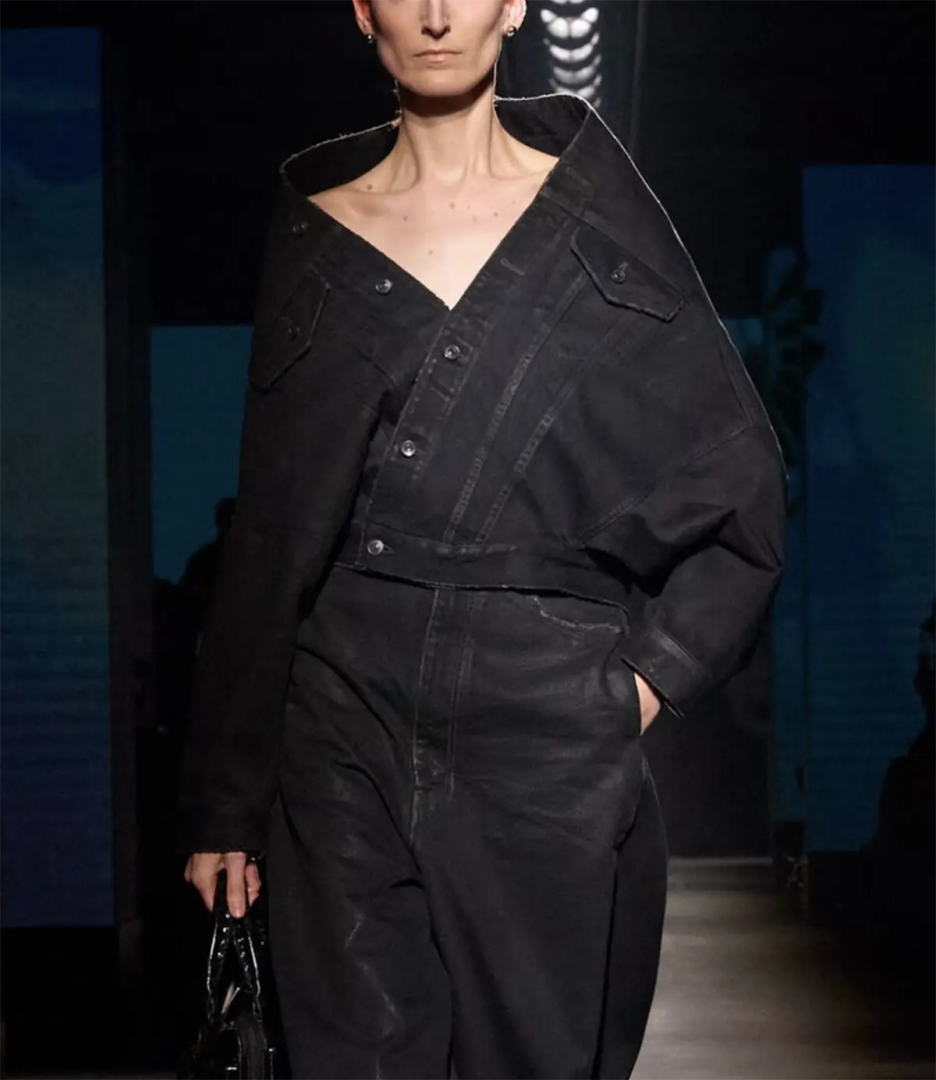
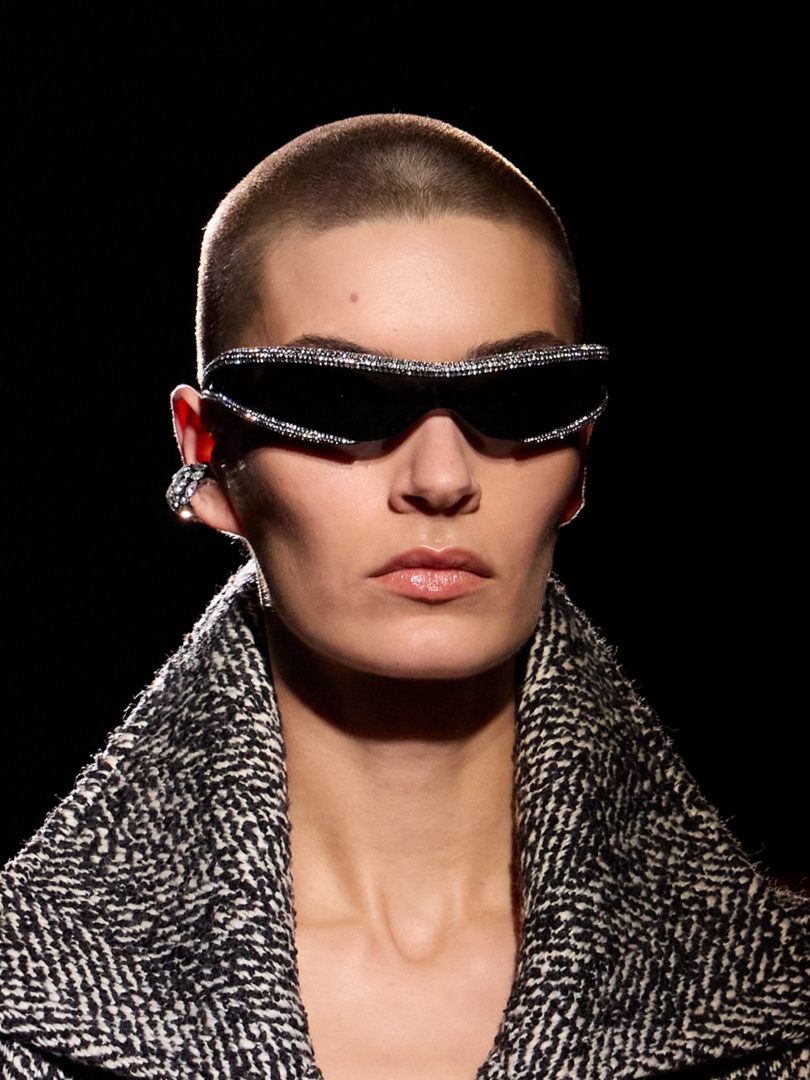
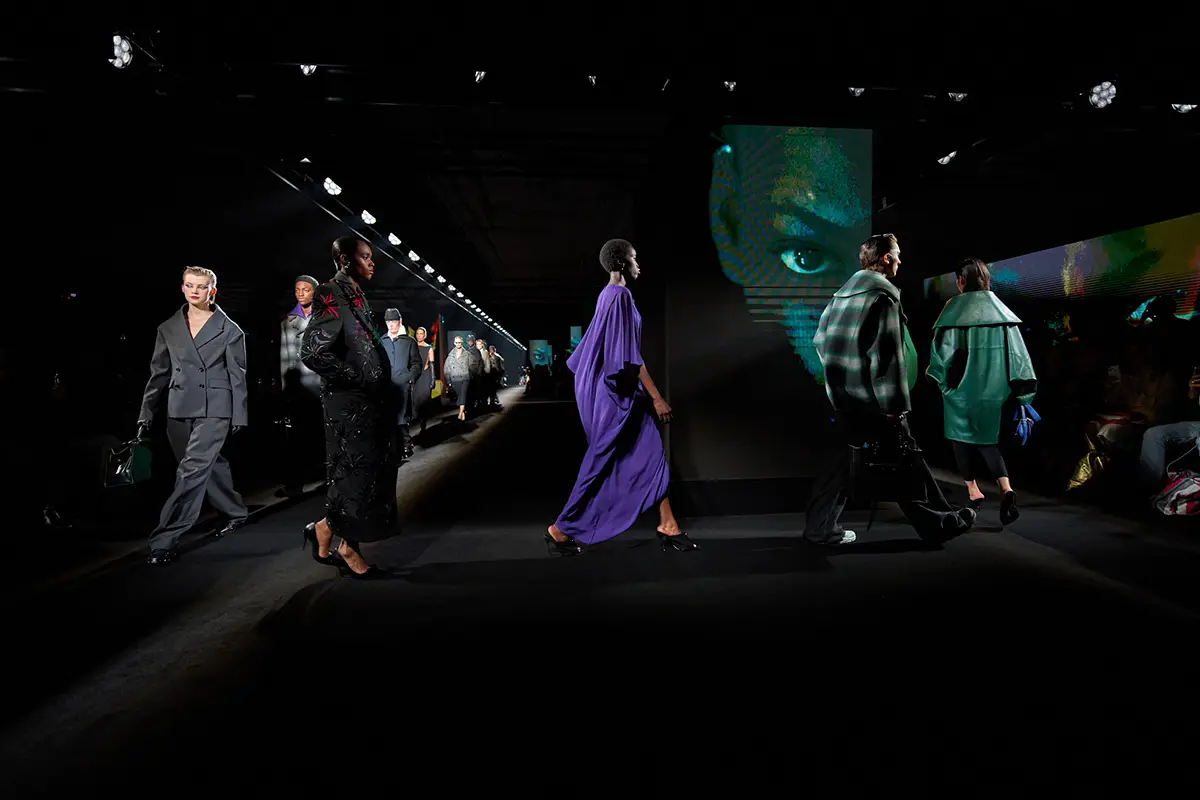
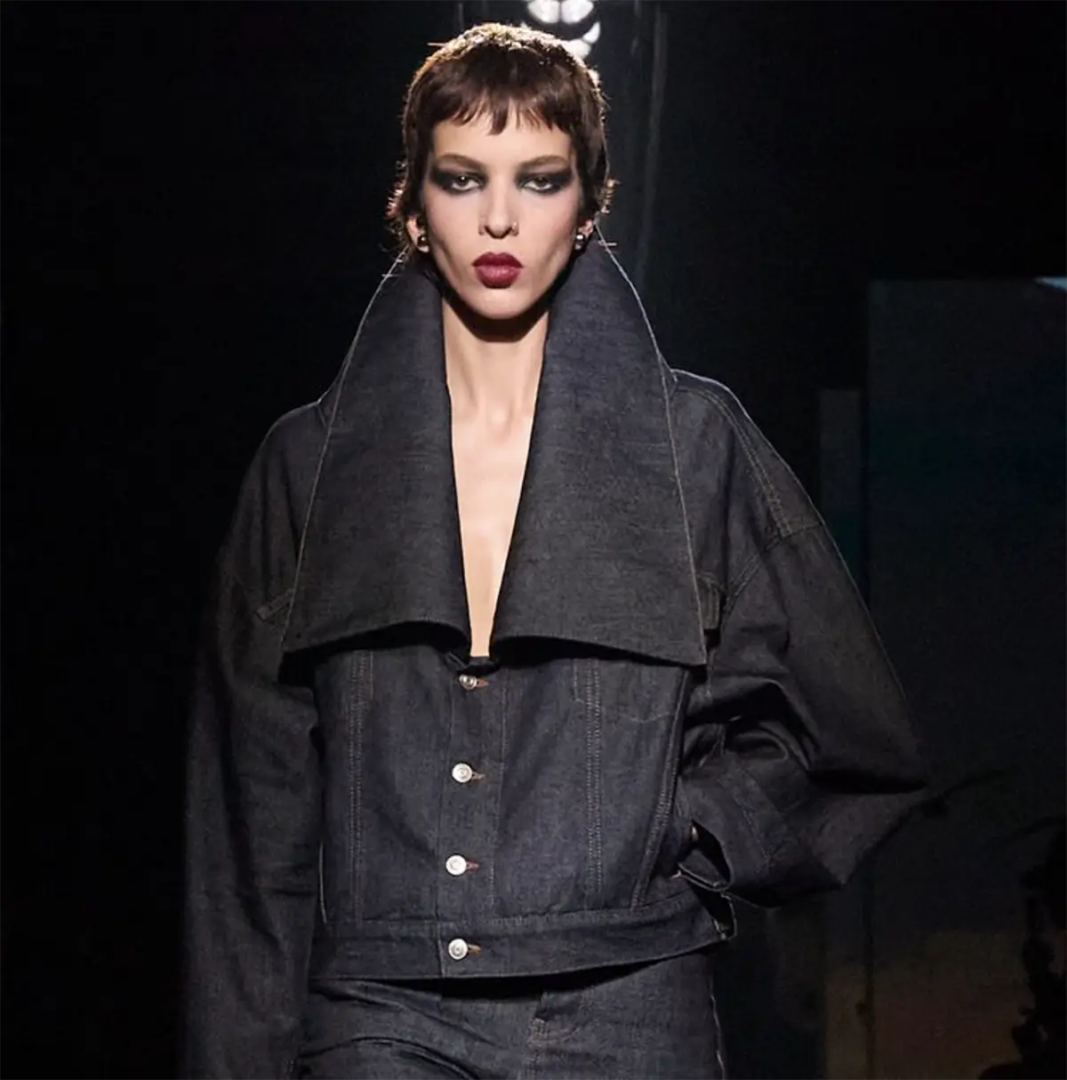
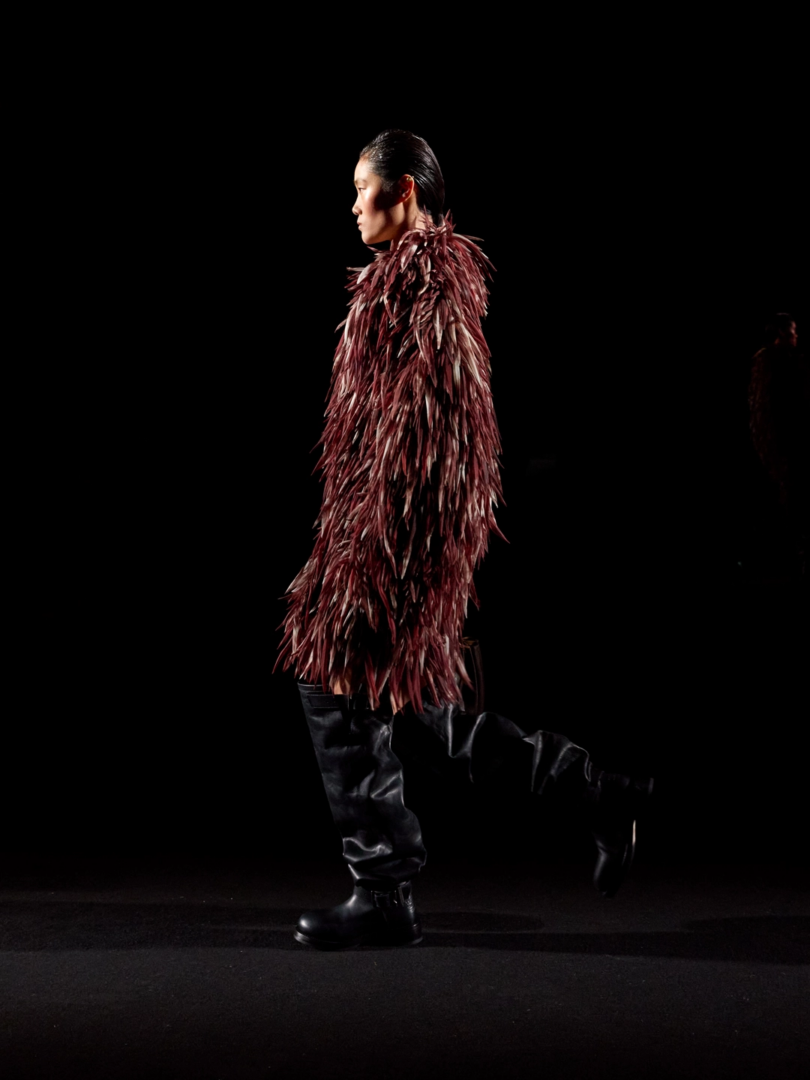
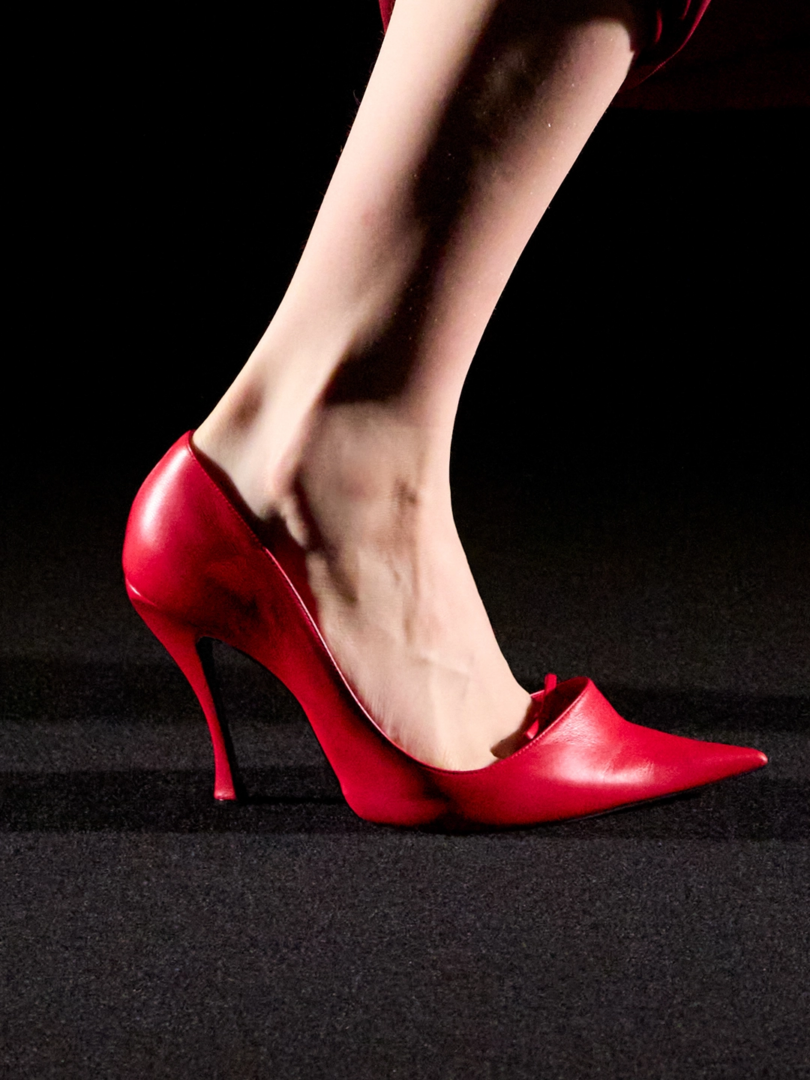
Balenciaga Fall–Winter 2026/2027: Demna, Ozempic, Euphoria and Oscar gowns
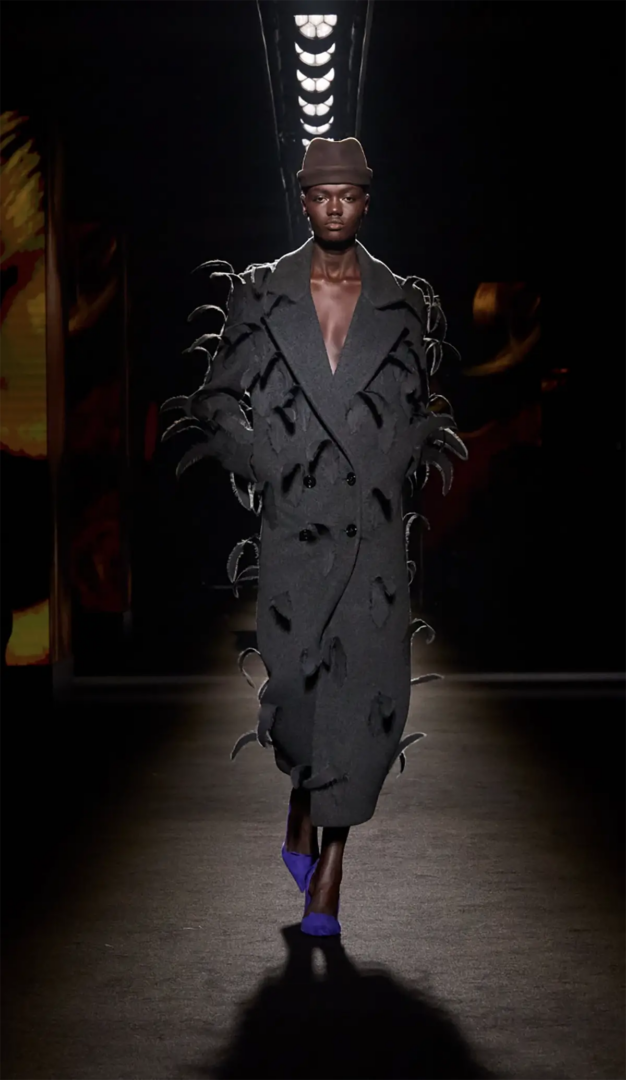
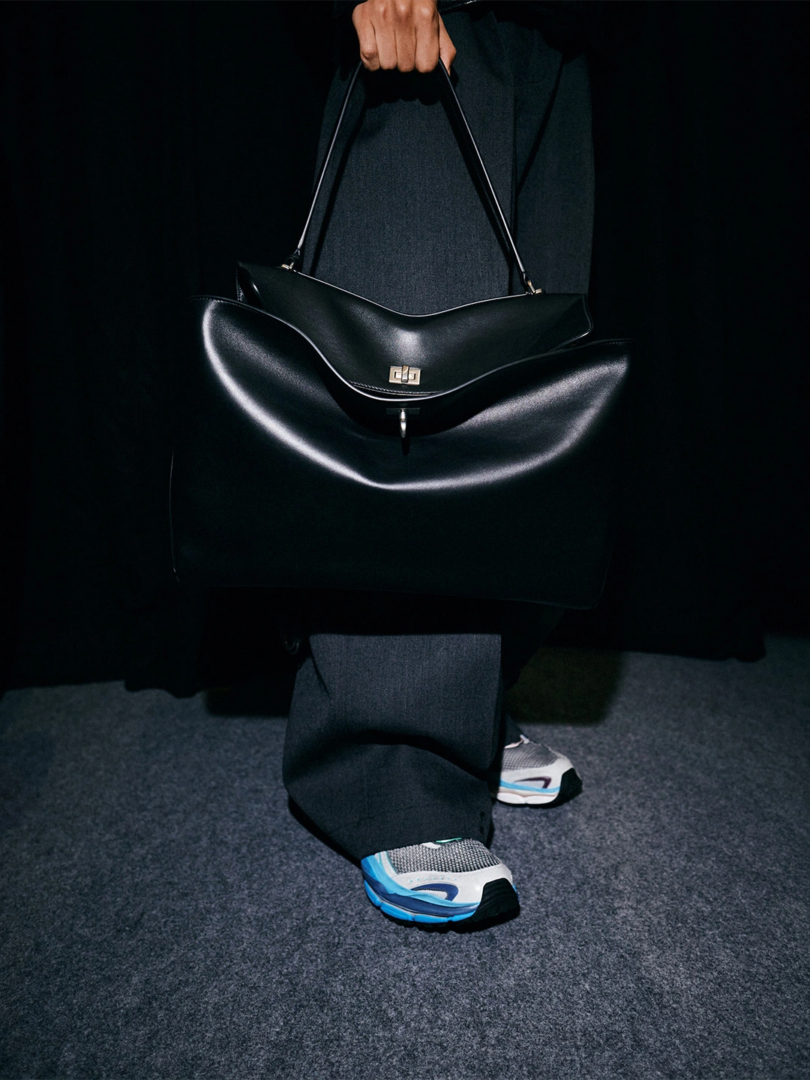
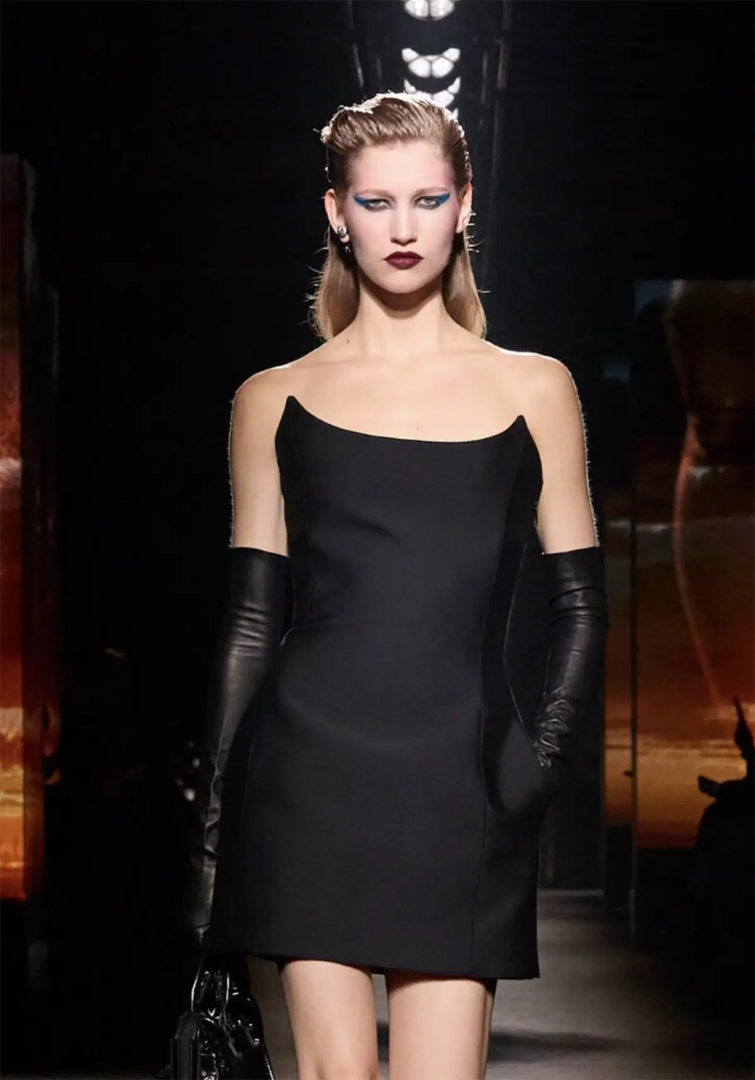
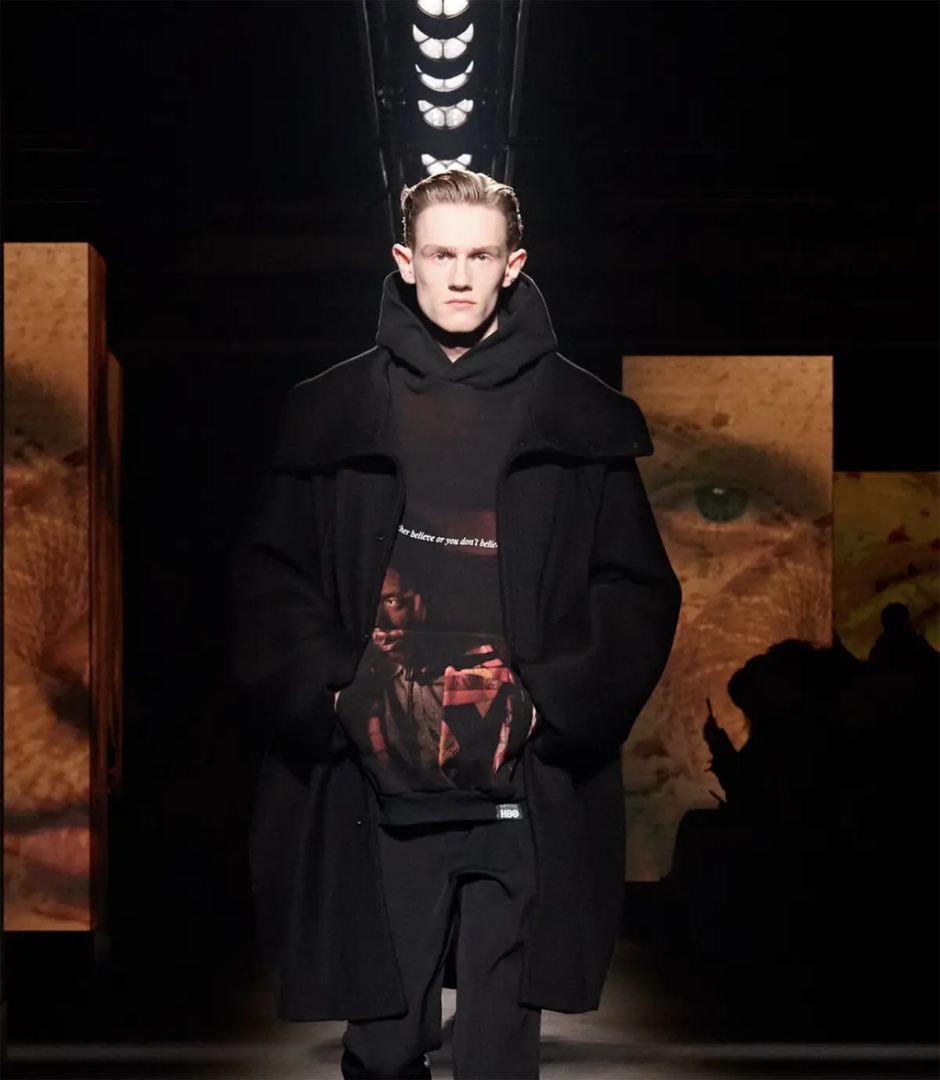
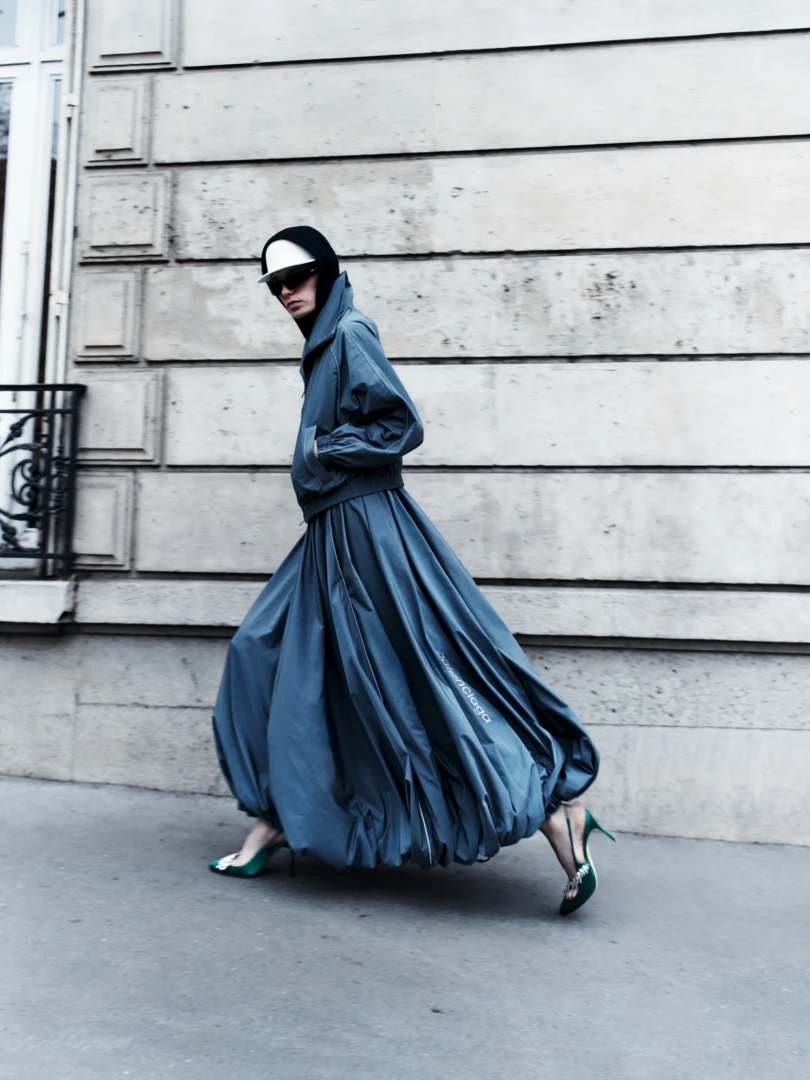
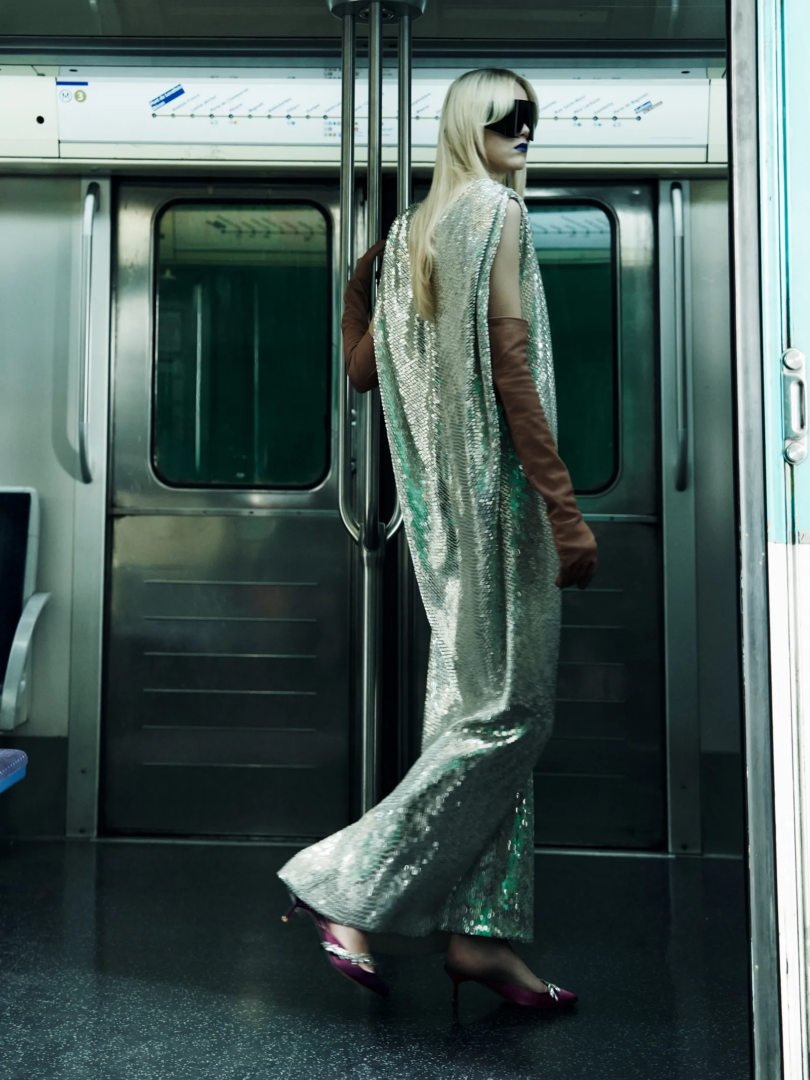
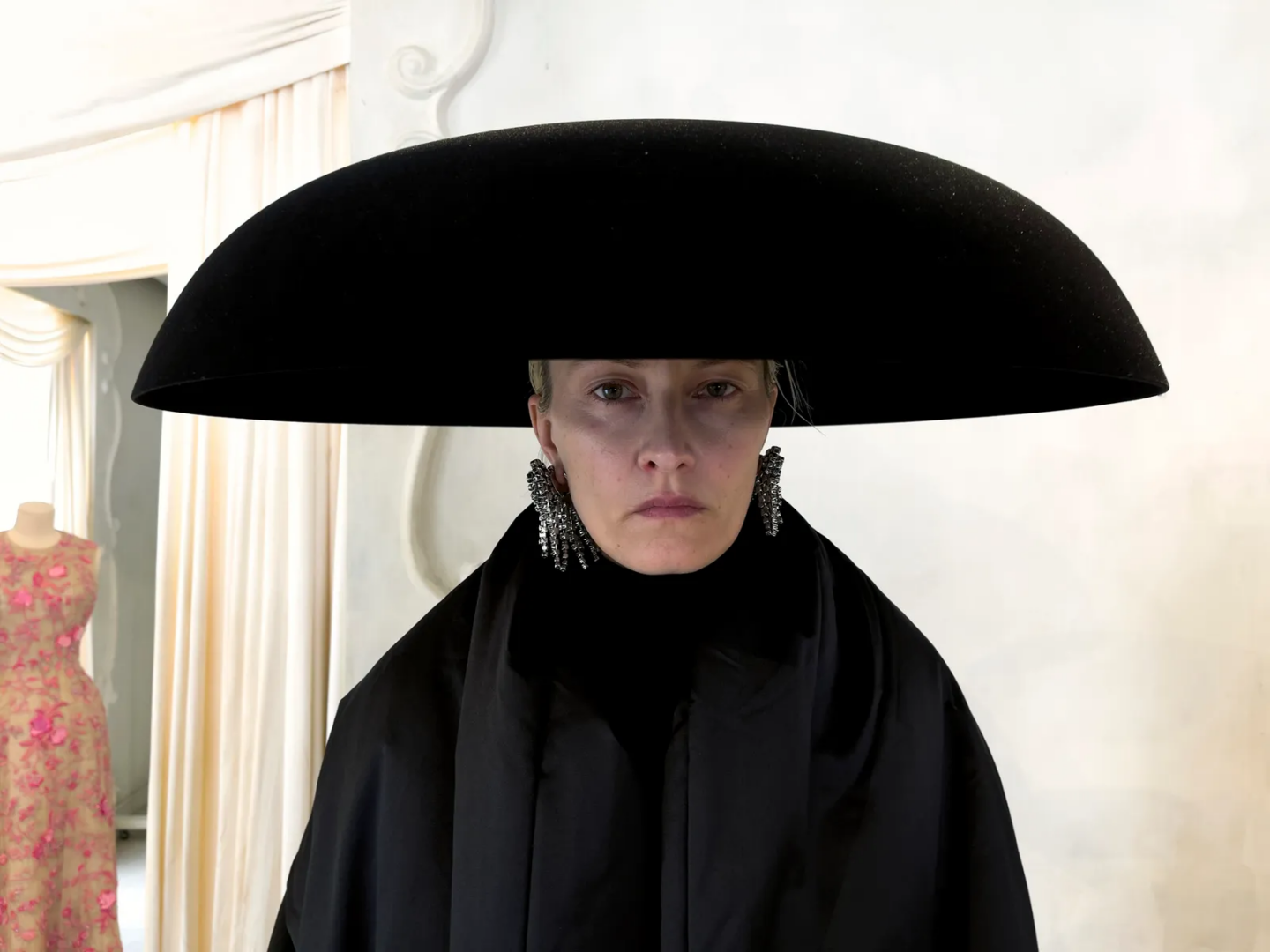
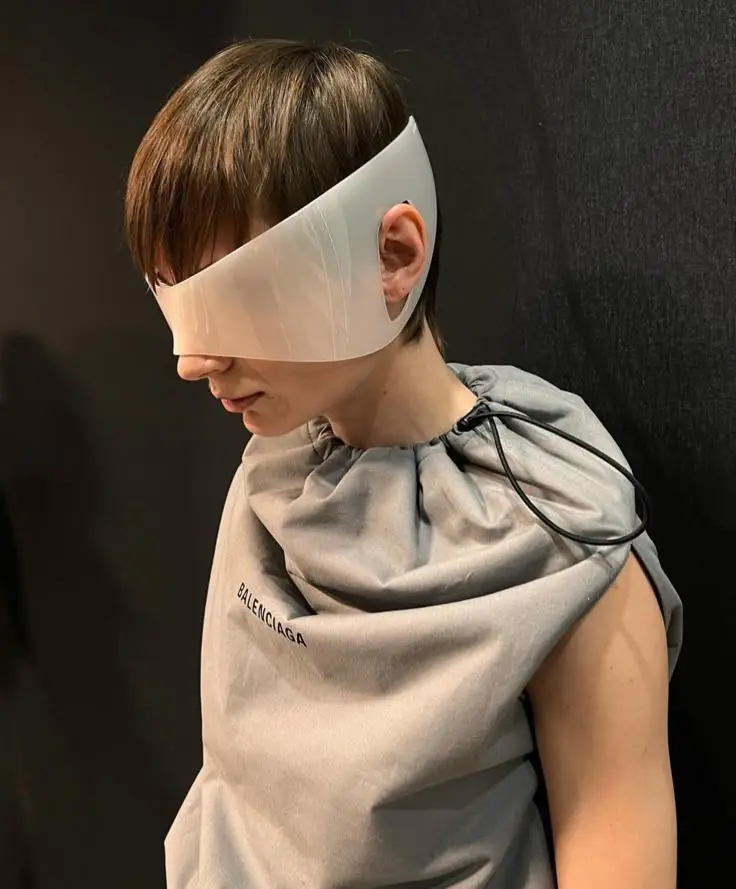
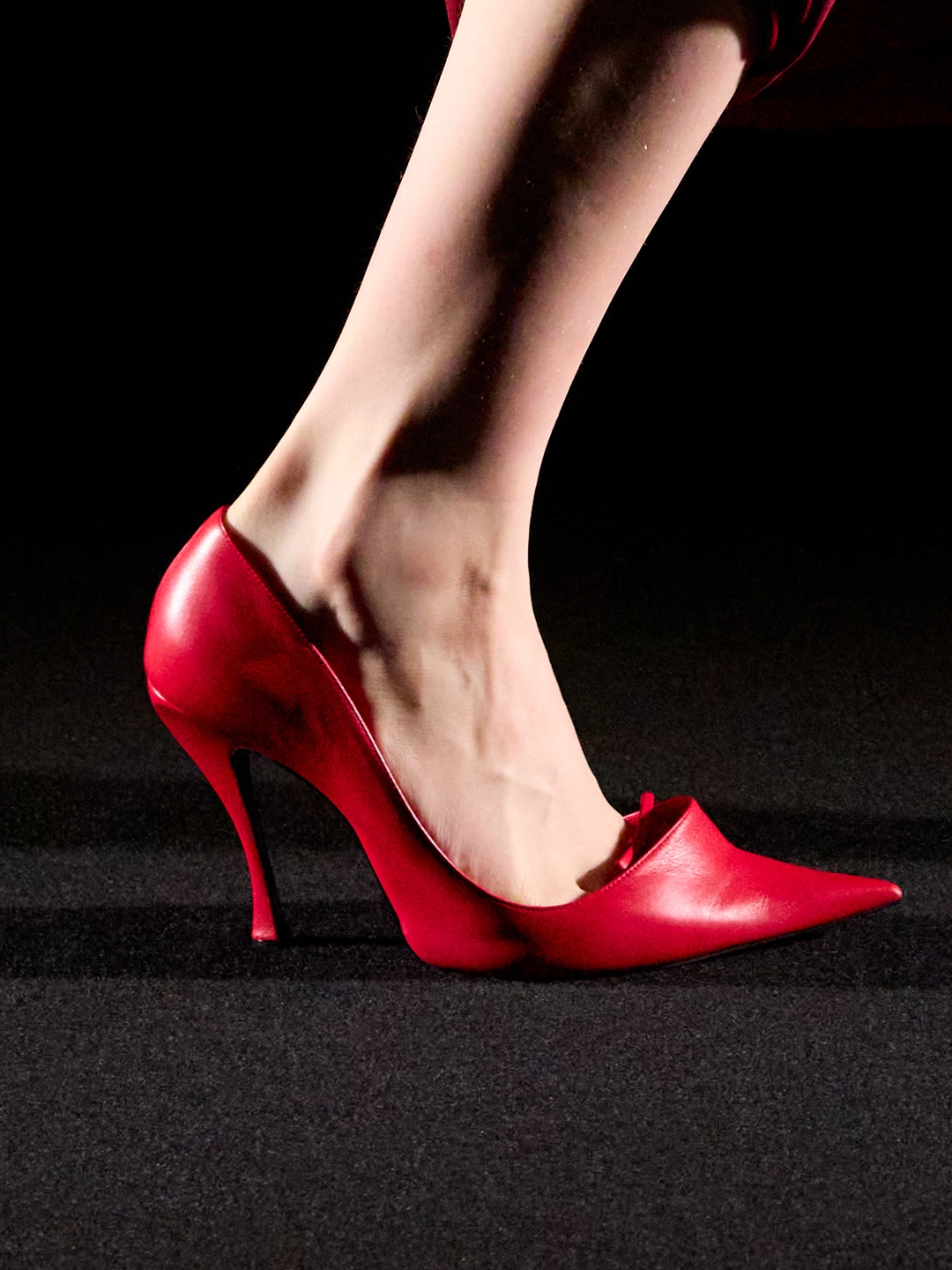
Pierpaolo Piccioli’s second collection for Balenciaga, still carries traces of Demna. Sneakers and sneaker-engineered loafers appear with leggings and sack-silhouette coats — garments that could easily belong to a wardrobe assembled in the street. It reflects the chaotic way people dress today: a kind of Ozempic-shrunken wardrobe built from fragments.
The contrast is strong. Critics of Demna often attacked the house for its aggressive lines, designs that could resemble alienating punchlines. Piccioli smooths those edges. He appears interested in a more digestible Balenciaga, leaving behind the more explicit forms of street haute while retaining the couture core.
The transition phase is visible. One logo replaces the ten that Demna often stacked together, but the house has not yet reached a no-logo phase. Edges are not perfectly clean, yet neither do they explode into the deliberate holes that Demna had turned into a visual signature. The risk is clear: the cut-and-paste effect is always around the corner, and fragmentation rarely helps the integrity of a fashion house.
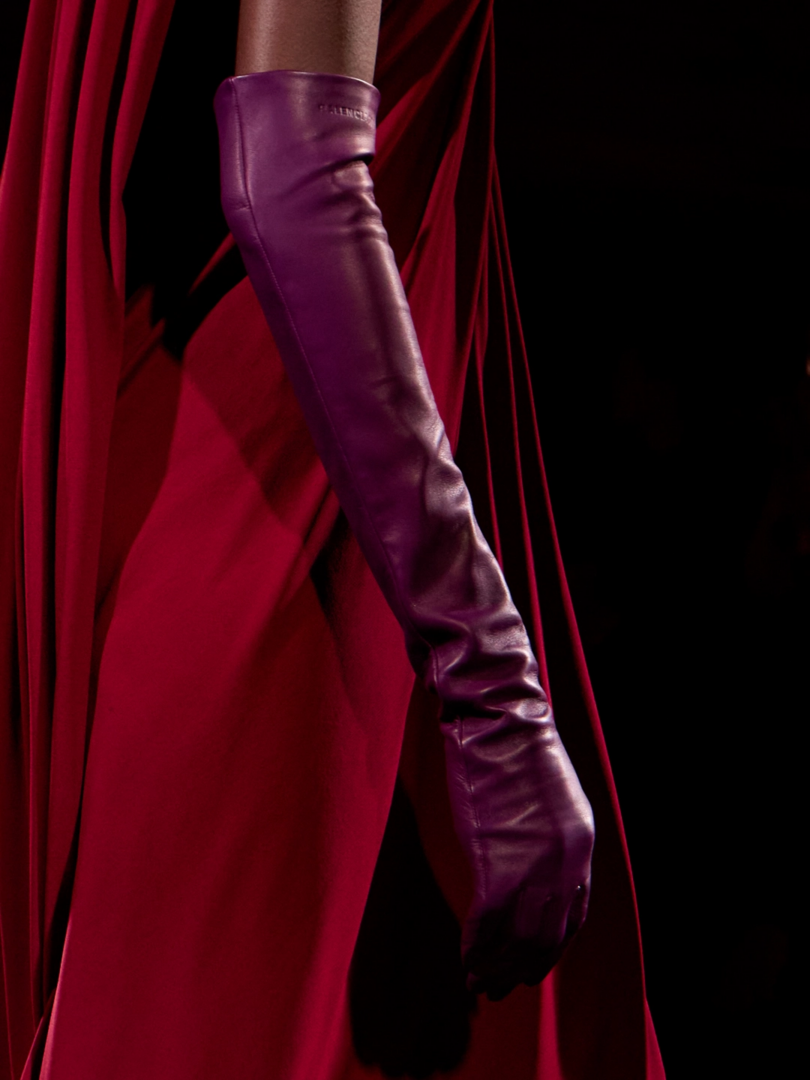
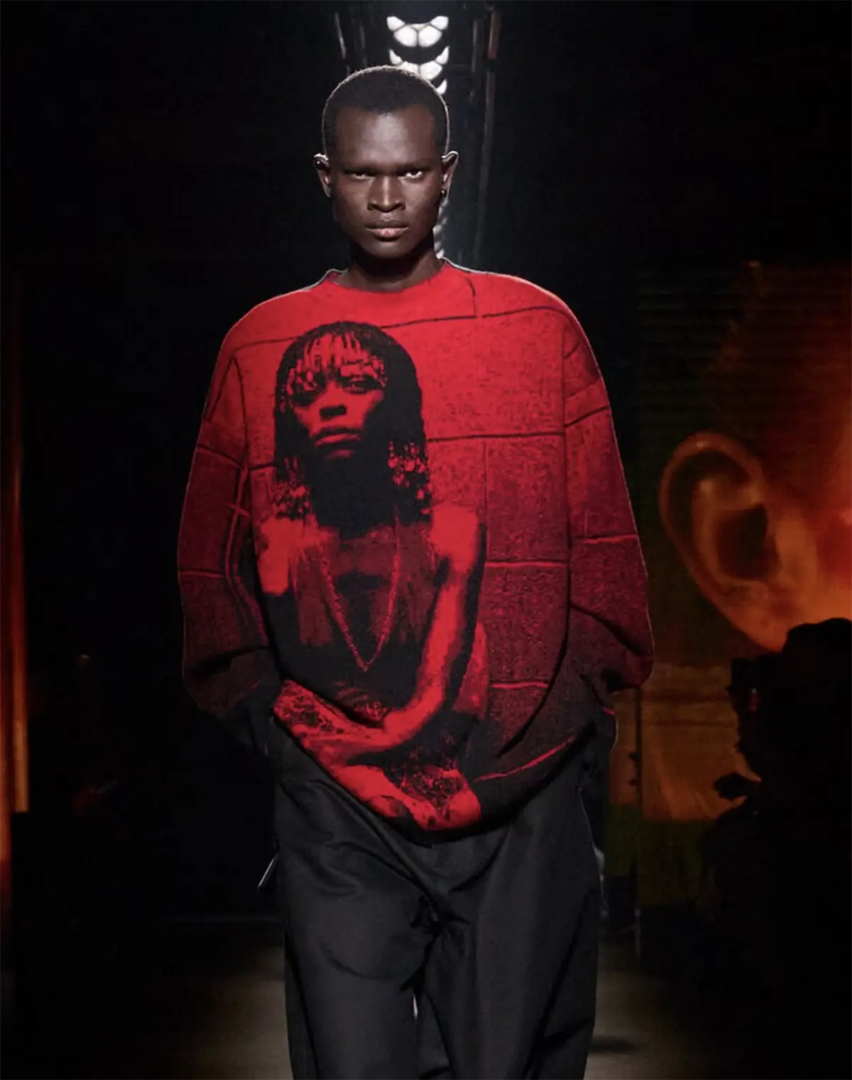
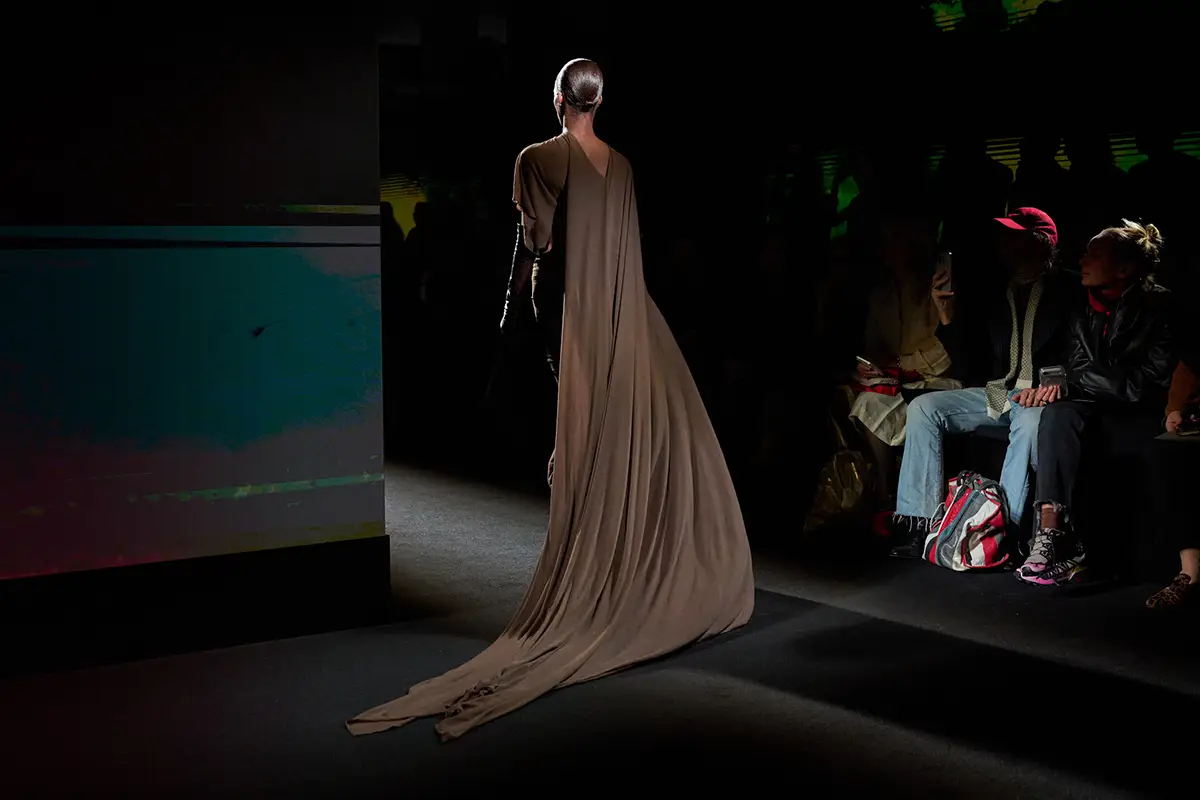
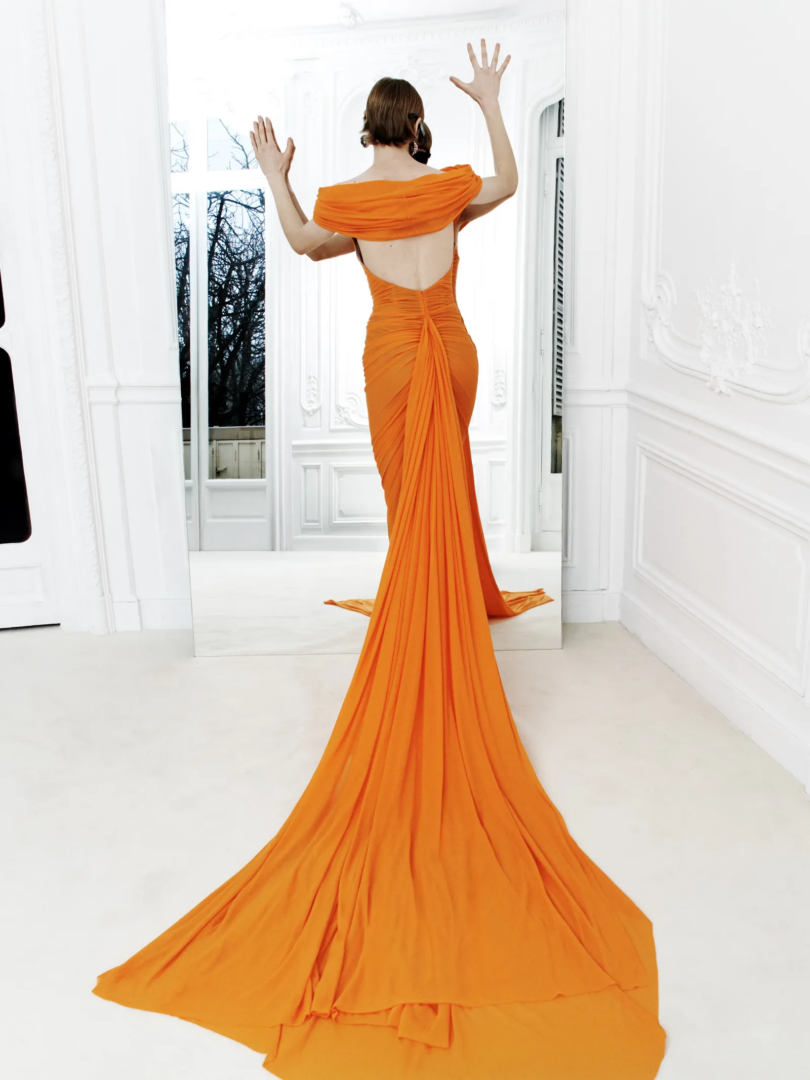
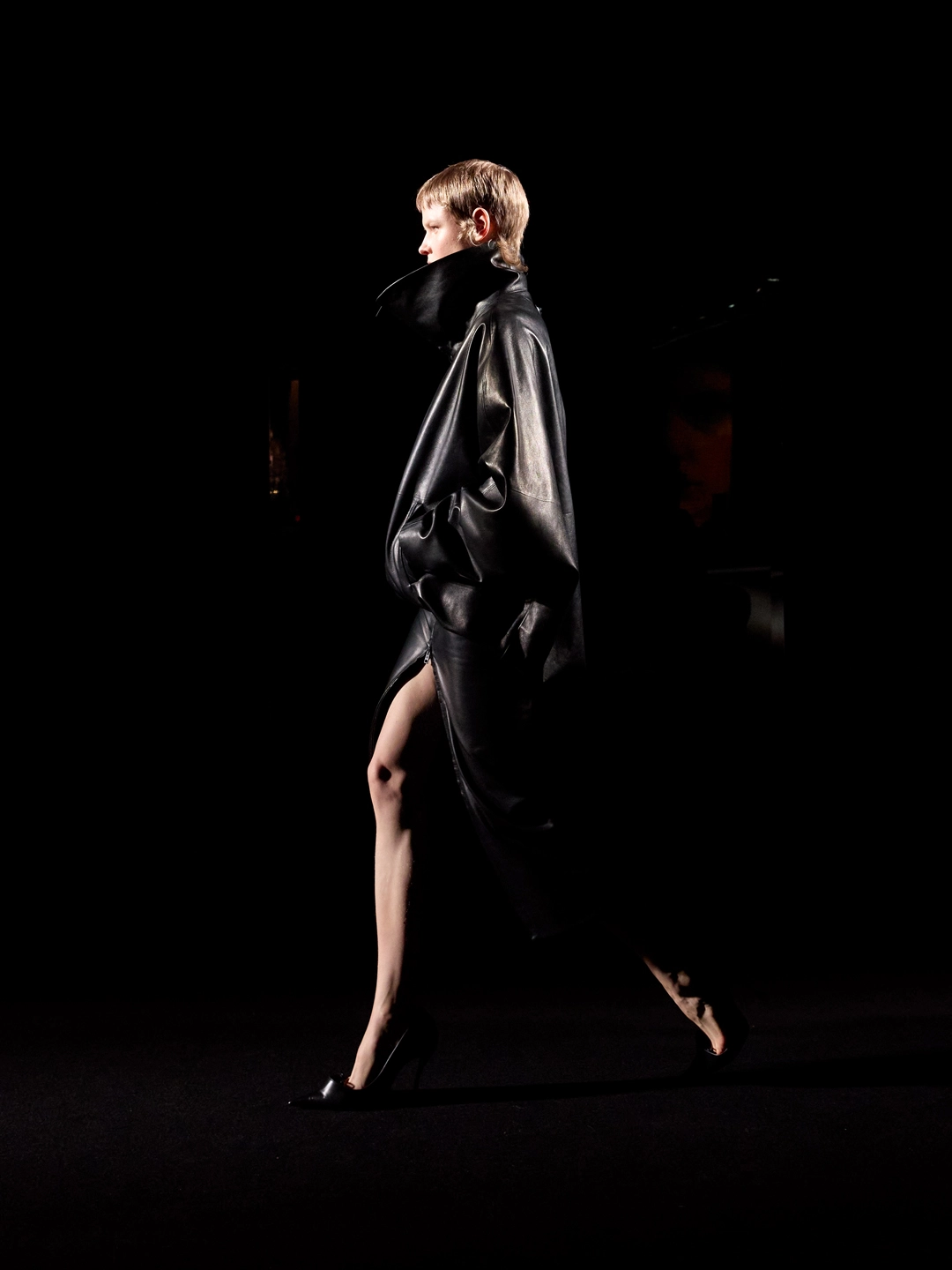
The strongest moments of the collection are the long Oscar-ready gowns in silk jersey and velvet, interrupted by tailoring capable of embracing the body rather than attacking it. Here emerges the Renaissance humanism that Piccioli often invokes. Elsewhere, sweaters and coats carry printed stills from the HBO series Euphoria, developed through a collaboration with director Sam Levinson intended to keep younger audiences close to the brand.
Keeping one foot in Cristóbal Balenciaga’s 1950s couture and the other in Demna’s street culture may prove impossible. The danger is that the talent for which Piccioli is known — spreading emotion through color and cut — becomes overshadowed by references to the work of others.
Pierpaolo Piccioli is not Hercules in the Augean stables
Fashion history is filled with designers who arrive at historic houses and attempt to erase the memory of their predecessors — founders aside. It is the gesture of Hercules cleaning the Augean stables.
Pierpaolo Piccioli does not behave that way. For him, the work of predecessors is not manure to be washed away.
When he entered Balenciaga’s control room he made a point of respecting the work of those who came before him. His debut collection still contained traces of Demna. Insect-shaped sunglasses appeared again. At the same time there was the power of construction: a sleeveless sack dress suspended away from the body opened the show and set the tone.
“I processed all of them — Demna, Nicolas Ghesquière, Cristóbal —, and then reinterpreted everything through my own sensitivity,” Piccioli said. “What they share, for me, is radicalism: the ability to break things with precision. And right now I feel the radical act is to be human. The world feels harsh, and designing in a human way may be the most disruptive thing any of us can do.”
Pierpaolo Piccioli: the last of the romantics
In 2022, when Pierpaolo Piccioli presented his Valentino couture show on the Spanish Steps in Rome, he offered every model a choice between flats, platforms and heels. The staircase is famously slippery. Throughout his career Piccioli has rarely spoken about diversity. He prefers the word individuality. The designer from Nettuno, near Rome, who replaced Demna at Balenciaga in 2025, is often described as the last romantic in fashion. His farewell show as creative director of Valentino was a meditation on dreams. Not the dreams of reason that generate monsters — the ones imagined by Francisco Goya, but also the darker dreams that sometimes inhabit Balenciaga’s history. Rather, it was a show for dreamers.
The collection suggested that haute couture could be accessible to everyone — price aside. There were ruffles, flounces, ostrich feathers, pale blues and pinks. Couture adapted to the age of casual dressing, to the decade of everyday clothing. Something capable of provoking the reaction: “Oh, this old extraordinary thing? I just pulled it out of my closet.” Another word frequently associated with Piccioli is human. At the end of his shows he walks out with the members of the atelier. He cares about designing clothes for real men and women, but also about showing the work behind them. Every look in his final Valentino collection was named after one of the seamstresses of the atelier.
The return of the couturier — an almost untranslatable word
There is a word in fashion that resists translation: couturier. English usually replaces it with “designer,” which is cleaner and easier to circulate internationally. Yet the two are not the same. A designer can sketch ideas, direct a studio, build a brand narrative. A couturier suggests something slightly uncomfortable in contemporary fashion language: someone who understands a garment as construction before image. The word carries a faintly ceremonial tone, almost old-fashioned — the kind of term that risks sounding pretentious in English just as much as it can in Italian.
Piccioli sits somewhere near that definition, though the label itself may feel excessive. His work has never relied on provocation or spectacle as much as on the discipline of the atelier: proportion, drape, the architecture of sleeves and shoulders.
Demna: couture returns to Balenciaga — infected by streetwear
The year 2021 is often cited as the moment when couture returned to Balenciaga. Demna, the designer who spent a decade overturning the hierarchy between luxury and streetwear, staged the reopening of the historic salons at 10 Avenue George V — the rooms that Cristóbal Balenciaga had closed fifty-three years earlier.
The ivory rooms reappeared, with the marble staircase and the couture salon carpet. Yet the audience had changed. On the gilded chairs there were no longer Mona von Bismarck, Bunny Mellon or Gloria Guinness. Instead there were Bella Hadid, Lewis Hamilton, Lil Baby and Kanye West.
On the runway appeared not only women but men. Instead of crocodile skins there were leather tiles sewn together by hand into intricate trompe-l’œil surfaces. Instead of real feathers there were plumes in silk shantung.
The cauliflower silhouette reappeared as a sack jacket inflated across the shoulder blades, as if slipping off the body. Instead of the long taffeta gowns invented by Balenciaga, Demna presented a padded satin T-shirt with sculpted sleeves and raised collar worn with wide jeans. Pillbox hats became mushroom-shaped caps resembling the plastic table lamp Artemide Nesso.
Everything still carried the monastic purity of form associated with the founder. Yet the meaning of couture had changed. Logos, graffiti, hip-hop, Ikea references and McDonald’s graphics appeared like small explosive charges scattered across the historical stage of Avenue George V.
The message was clear: the couture Grace Kelly once knew no longer exists. Make room for the Kardashians.
Cristóbal Balenciaga, “the master of us all”
Cristóbal Balenciaga almost never granted interviews. “I am not a great scholar nor a victorious general. Why should people photograph me?” he once said. He rarely saw his clients — among them Queen Victoria Eugenie of Spain, Queen Fabiola of Belgium, Princess Grace of Monaco, the Duchess of Windsor, Marlene Dietrich and Elizabeth Taylor. He lived quietly, drove a blue Jaguar, dined with his friend Coco Chanel and preferred solitude.
The British photographer and costume designer Cecil Beaton described him as “a kind of Elizabethan malcontent who meditates on the weaknesses and follies of fashion and yet continues to act and create within the very world he observes.” When asked what defines a woman of class, Balenciaga quoted Salvador Dalí: “A distinguished lady always has an unpleasant air.” Christian Dior called him “the master of us all.” Those “all” included André Courrèges, Hubert de Givenchy, Paco Rabanne, Óscar de la Renta and Emanuel Ungaro. Coco Chanel said: “Others are designers or copyists, sometimes inspired, sometimes even geniuses. Balenciaga alone is a couturier. He is the only one who can design, cut, assemble and sew a dress entirely by himself.”
Balenciaga also ignored the rigid system of the Chambre Syndicale de la Haute Couture. He never became a member. He paid little attention to the Paris fashion calendar. His collections were finished when he decided they were finished.
Balenciaga’s couture generates monsters
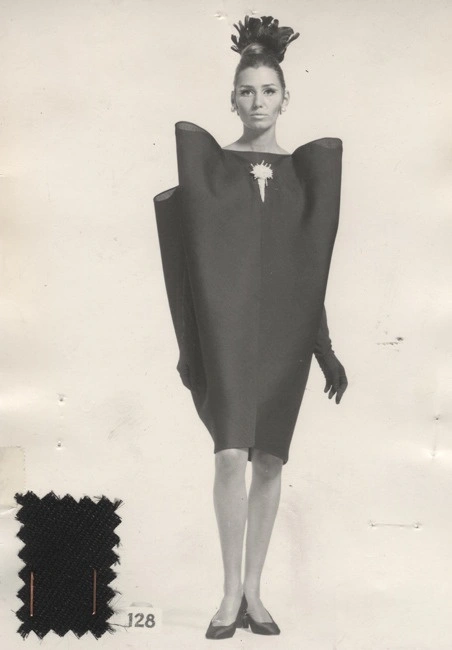
The son of a fisherman from Getaria in the Basque Country, Balenciaga reinvented the female body between the 1950s and the 1960s. He introduced the chemise dress — a balloon-like silhouette — the pillbox hat, the high-waisted suit and the tunic dress. His fabrics often seemed almost colloidal, shapeless and alive.
Francisco Goya offers an unexpected parallel. In works such as The Sleep of Reason Produces Monsters (1797), Goya explored the dark forces of the unconscious. Something similar appears in Balenciaga’s couture. His fabrics seem carved by cavities, shaken by wrinkles and internal tensions.
One of his mantras was La manca! — the sleeve. It had to be perfect, capable of giving complete freedom to the arm.
One of the earliest Balenciaga monsters appears in a 1935 coat with a swelling shoulder line — a bulge that would be too simple to describe as a balloon sleeve. Beneath that swelling shape something almost alive seems to move, a disturbing presence capable of introducing unease into everyday life.
Balenciaga’s black was the color of a starless night, a shade that made ordinary black appear almost gray.
The synthesis of his vision may be the famous 1967 cauliflower dress: a miracle of cutting in which an apparently simple structure produces an expanding foam of fabric. Balenciaga was often called the Leonardo da Vinci of couture.
In an interview Balenciaga refused to give to Women’s Wear Daily, Coco Chanel revealed that her friend — soon to become an enemy — was homosexual. She claimed his supposed disgust for women explained his voluminous silhouettes: he did not know how to work with the female body. The two never spoke again. Yet Balenciaga attended Chanel’s funeral in 1971.
One year later he died of a heart attack. When Women’s Wear Daily published the obituary titled “The King Is Dead,” everyone knew which king it meant.
Cristóbal Balenciaga: ready-to-wear is a dog’s life
Balenciaga retired in 1968. Ready-to-wear was already on the horizon, and he had no interest in it. He was devoted to craftsmanship and perfection — both incompatible with industrial production. Ready-to-wear, he said, would be “a dog’s life.”
He belonged to the last generation of couturiers who still believed in the purity of the concept and in the authority of the creative muse. By the end of the twentieth century those ideals would be replaced by marketing logic and the constant flow of statement products.
Balenciaga himself seemed indifferent to success. In protest, during the 1960s he once staged a fashion show in a room filled with empty chairs. Only the click of an 8-millimeter camera recorded the collection. Even the tears of the American socialite Mona von Bismarck could not convince him to reopen the house after his retirement.
What followed is the chapter everyone now knows: the long story of indirect heirs who would relaunch the name Balenciaga in the next century.