From chalet myth to recyclable aluminum: Casa Italia at Milano Cortina 2026
Bivouac-inspired design, recycled aluminum and reflective façades structure Casa Italia in Cortina, Livigno and Milan (where Triennale hosts the MUSA exhibition)
Reflective aluminum façades, alpine architecture and exhibition design at Milano Cortina 2026
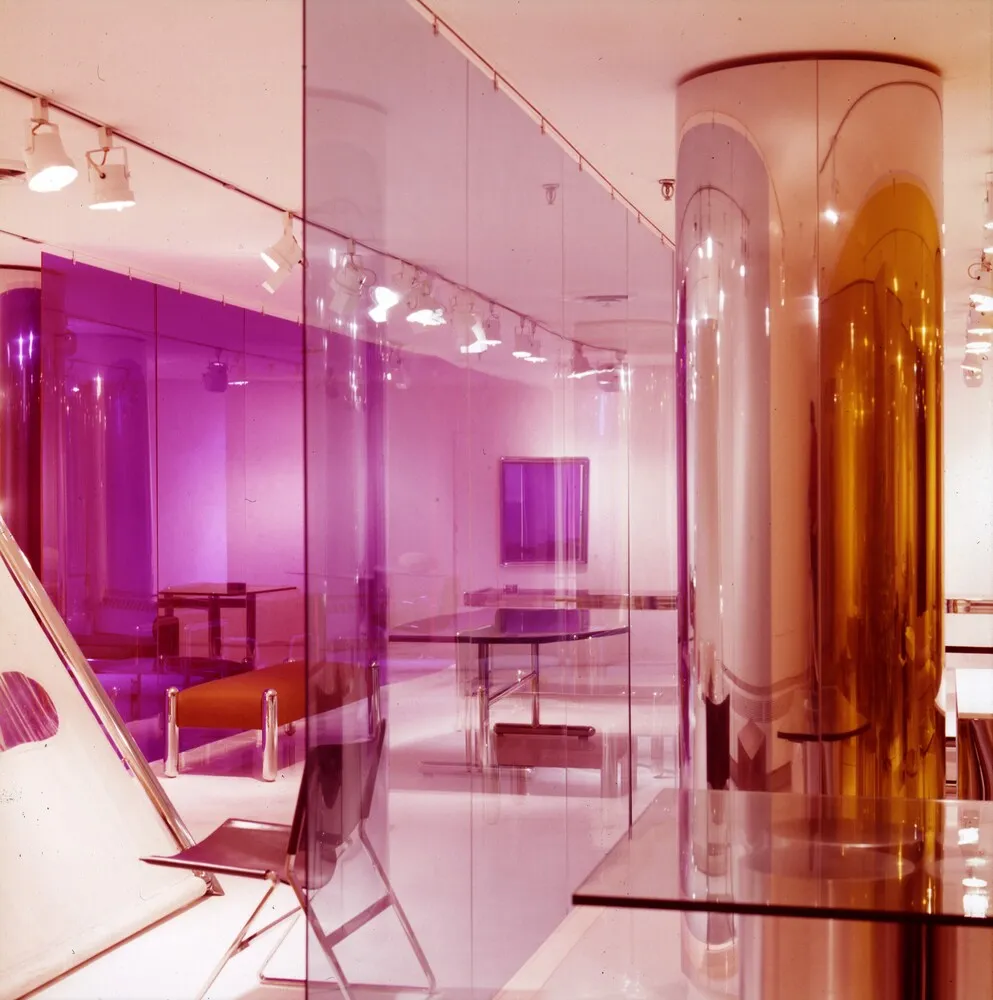
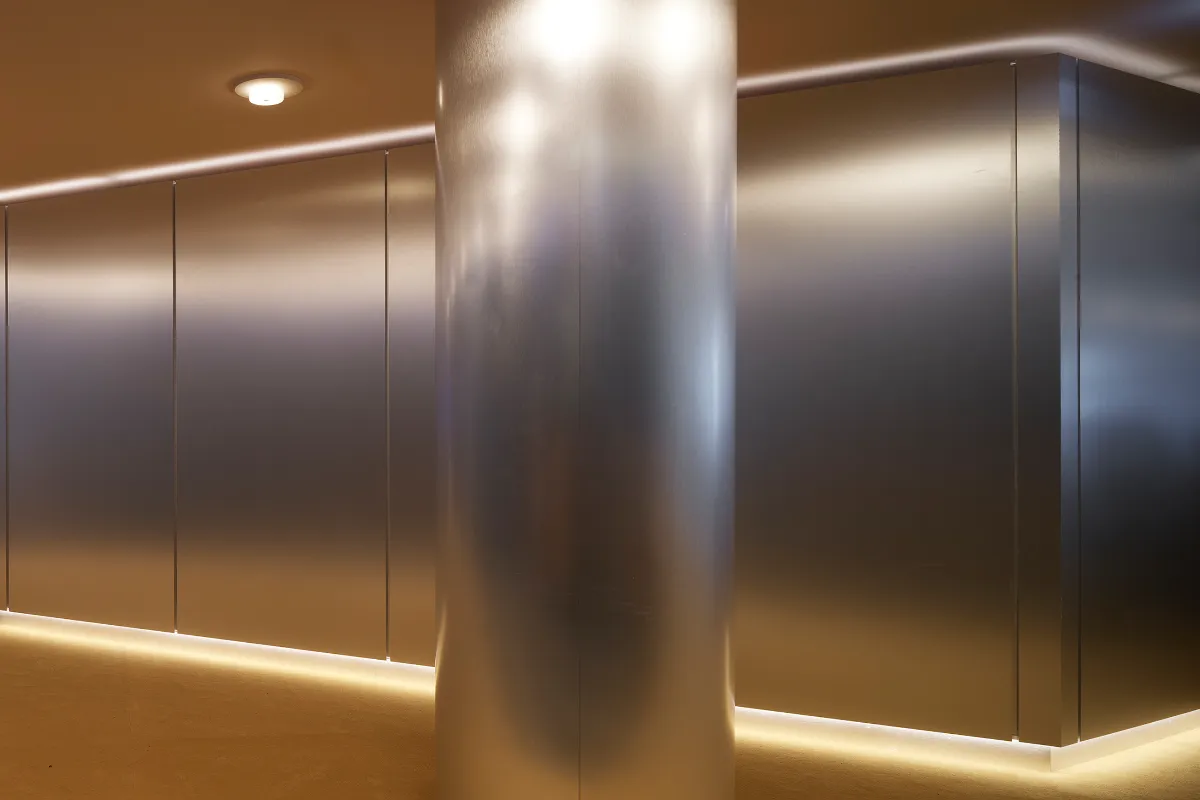
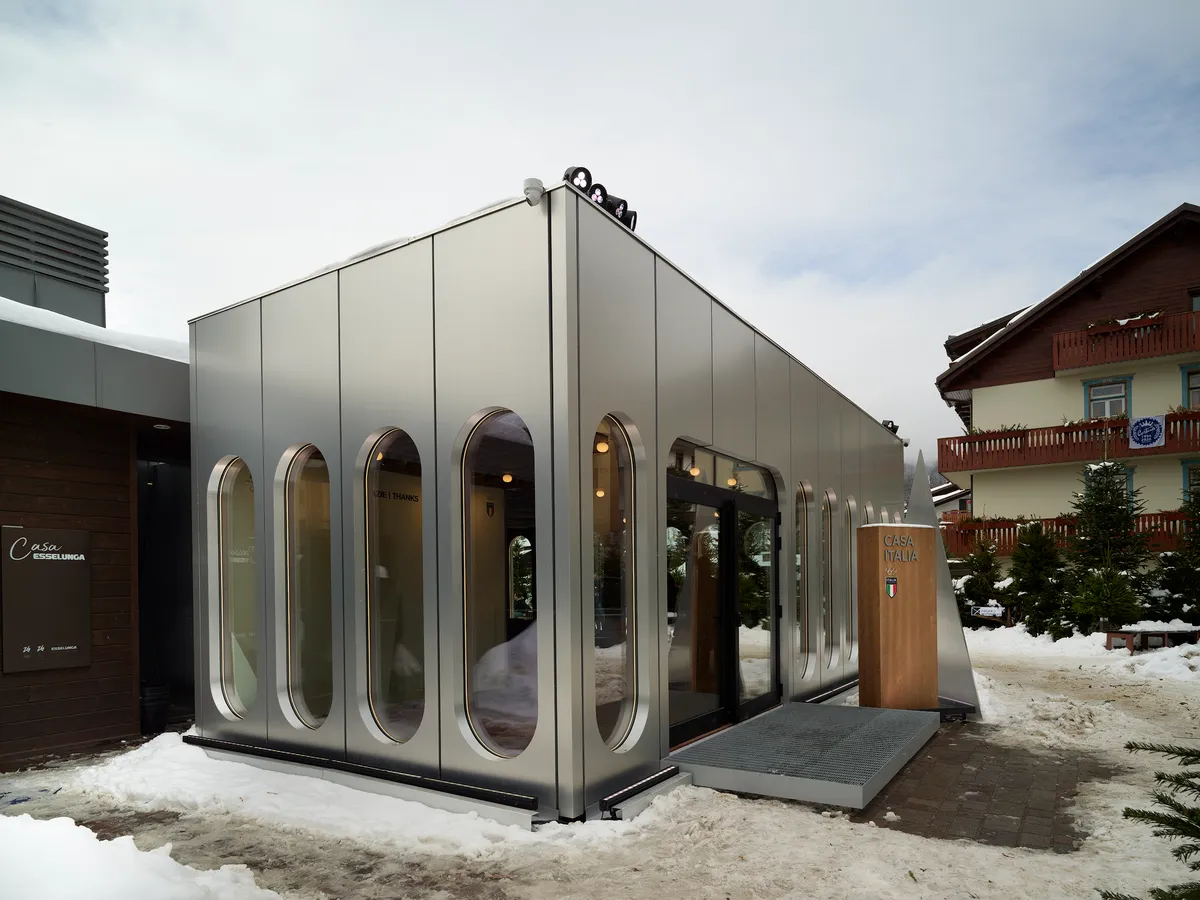
Aluminum is used at Casa Italia Milano Cortina 2026 as a structural and symbolic material. Prefabricated reflective panels define the entrance portals of the three venues in Milan, Cortina d’Ampezzo and Livigno.
The choice references high-altitude bivouacs and technical mountain shelters: lightweight, modular, reversible structures designed for extreme conditions. The panels are conceived for disassembly and reintegration into production cycles. Recycling aluminum requires approximately 95% less energy than producing primary aluminum from bauxite, positioning the architectural system within a circular economy framework.
The exterior envelope is metallic and reflective. The interior spaces, by contrast, are defined by timber finishes and warm materials, establishing a calibrated dialogue between industrial technology and alpine domesticity.
Casa Italia: historical evolution from 1984 Olympic hospitality to public cultural platform
Casa Italia was first established at the Los Angeles Olympic Games in 1984 as a hospitality house reserved for Italian athletes, sports federations and institutional representatives. It functioned primarily as a diplomatic and celebratory space.
Beginning in Rio 2016, the format shifted toward a cultural model. Horizontal (Rio 2016) emphasized cross-cultural exchange. Prospectum (PyeongChang 2018) focused on perspective and dialogue between civilizations. Mirabilia (Tokyo 2020) structured the exhibition as a contemporary Wunderkammer dedicated to Italian craftsmanship. Millium (Beijing 2022) framed travel as transformation. Ensemble (Paris 2024) centered on collective harmony.
Milano Cortina 2026, under the theme MUSA, consolidates this trajectory. For the first time, Casa Italia opens systematically to the public, positioning itself as an institutional cultural project rather than an exclusive hospitality venue.
MUSA at Triennale Milano: nine thematic sections connecting art, architecture and Olympic memory
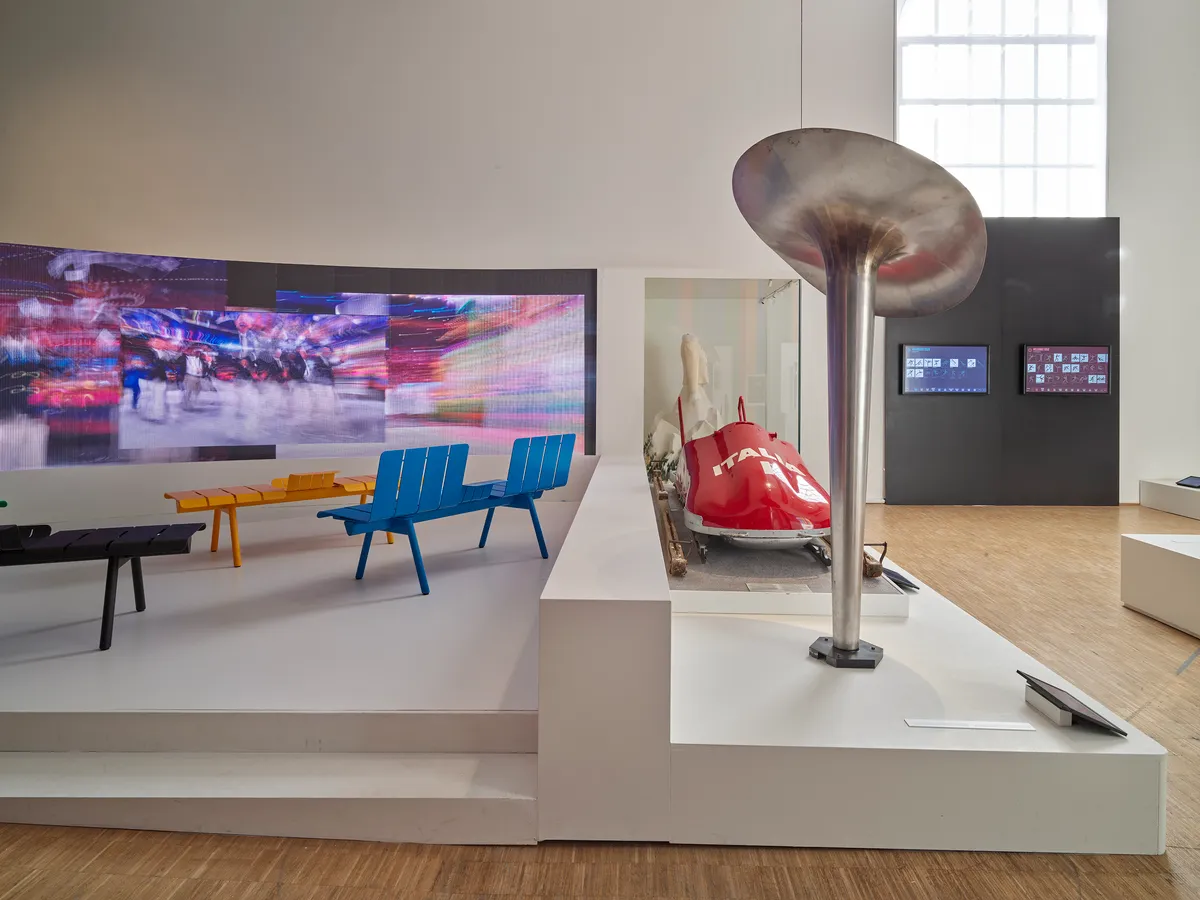
At Triennale Milano, the exhibition structured around the theme MUSA operates as a single narrative system rather than a sequence of isolated sections. The nine Muses function as conceptual coordinates through which sport is repositioned within a broader cultural framework.
Language, architecture, biodiversity, desire, music, tragedy, innovation and athletic gesture are treated as interconnected domains. Olympic history is not presented as chronology but as cultural infrastructure. Objects from past Games—models, uniforms, equipment, archival images—enter into dialogue with contemporary artworks, collapsing the distance between memory and present research.
The model of Pier Luigi Nervi’s Palazzetto dello Sport for Rome 1960 situates Italian engineering within a lineage of structural experimentation. Olympic pictograms introduced in Tokyo 1964 frame sport as a universal visual language. The presence of the Milano Cortina 2026 uniform places fashion within the logic of national representation. Environmental works and the animated short Tomorrow’s Leaves extend the narrative toward ecological fragility. Immersive environments dedicated to innovation and energy transition align technology with future-oriented responsibility.
Music, ritual and vulnerability are addressed through ceremonial devices such as the interactive jukebox of Olympic hymns and archival imagery including Muhammad Ali lighting the cauldron in Atlanta 1996. The exhibition culminates in a concentration of Olympic memorabilia that foregrounds the athlete’s body as the convergence point of discipline, design, politics and collective memory.
Overall, the exhibition does not frame sport as spectacle. It situates it within a matrix of architecture, language systems, ecological awareness, industrial design and technological transformation. MUSA becomes a structural principle: a way of reading Italian identity through the intersection of cultural production and Olympic history.


Casa Italia Cortina d’Ampezzo: Farsettiarte and modular pavilion design
In Cortina d’Ampezzo, Casa Italia occupies Farsettiarte, a former cable car departure station converted into an exhibition space. A temporary pavilion extends the structure toward the public square.
The entrance portal and pavilion use modular prefabricated systems consistent with the broader aluminum concept. The exhibition in Cortina focuses on twentieth-century and contemporary artists, including Giacomo Balla, Giorgio De Chirico, Mario Schifano, Robert Rauschenberg and Joseph Kosuth.
The selection emphasizes Italy as recurring source of artistic inspiration across different movements and geographies.
Casa Italia Livigno: Aquagranda and the relationship between body and mountain infrastructure
At the Aquagranda Olympic Preparation Centre in Livigno, Casa Italia operates as a dynamic hub open from afternoon to late evening, integrating sport, events and public programming.
The site-specific installation Studio per Peak Begets Peak by Giulia Mangoni and James Hillman transforms a corridor into a spatial landscape. Zig-zag walls painted in alternating tonalities evoke mountain stratification. Curved zinc-coated steel elements reference alpine ridgelines. Technical equipment—cableways, slalom poles, goggles—appears within the visual composition, emphasizing the constructed dimension of winter sport environments.
Here the mountain is presented not as untouched nature, but as a terrain shaped by engineering and performance.
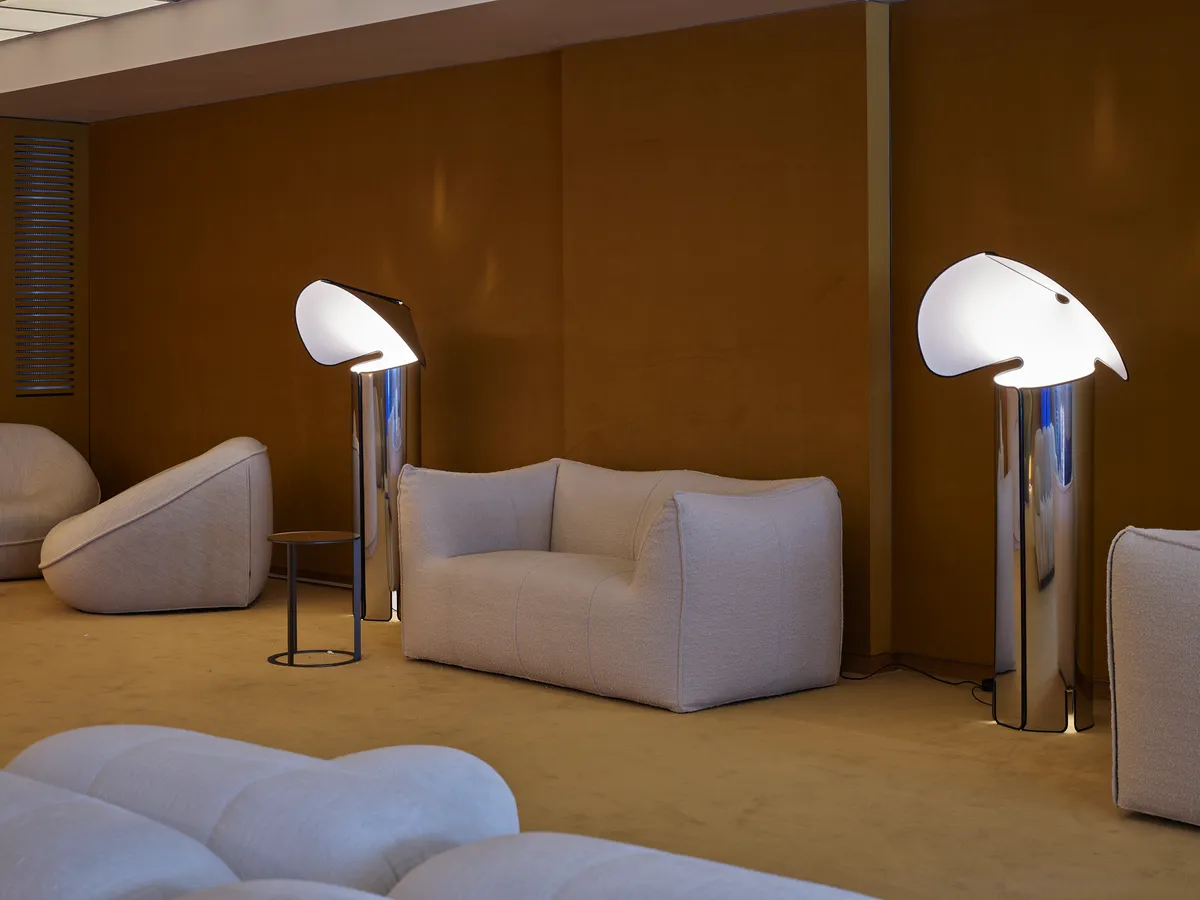
Energy transition and lighting design
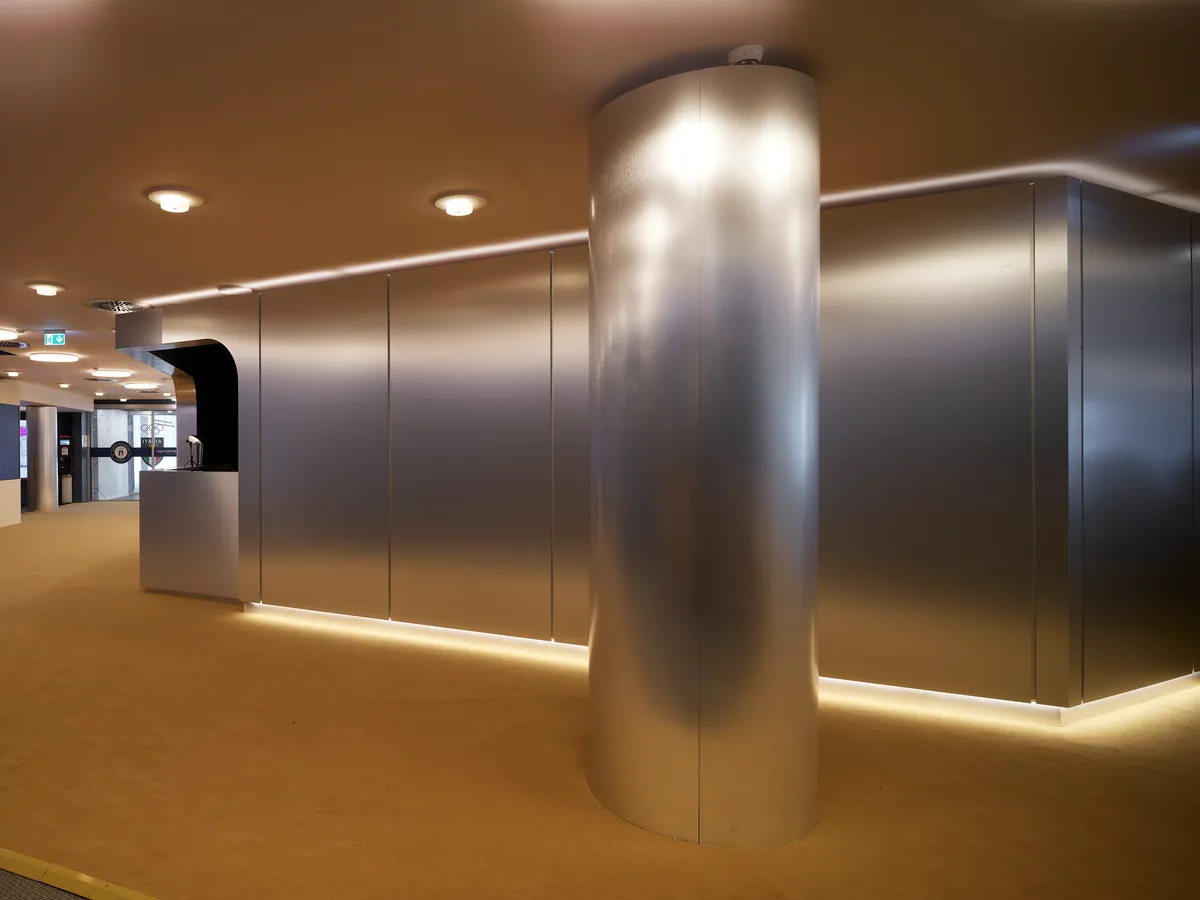
The lighting design across Milan, Cortina and Livigno is developed in partnership with Enel, integrating art, illumination and energy transition narratives.
Lighting is treated as an architectural component rather than decorative supplement. It defines spatial hierarchy, emphasizes material contrasts and supports immersive installations, particularly in the innovation-focused sections.
Milano Cortina 2026 positions Casa Italia as a cultural infrastructure distributed across three alpine contexts. Aluminum is not used as aesthetic effect. It functions as modular system, environmental strategy and architectural identity.
The exhibition expands this material framework into a broader reflection on language, memory, biodiversity, design, innovation and athletic performance.