
/ Circular Economy
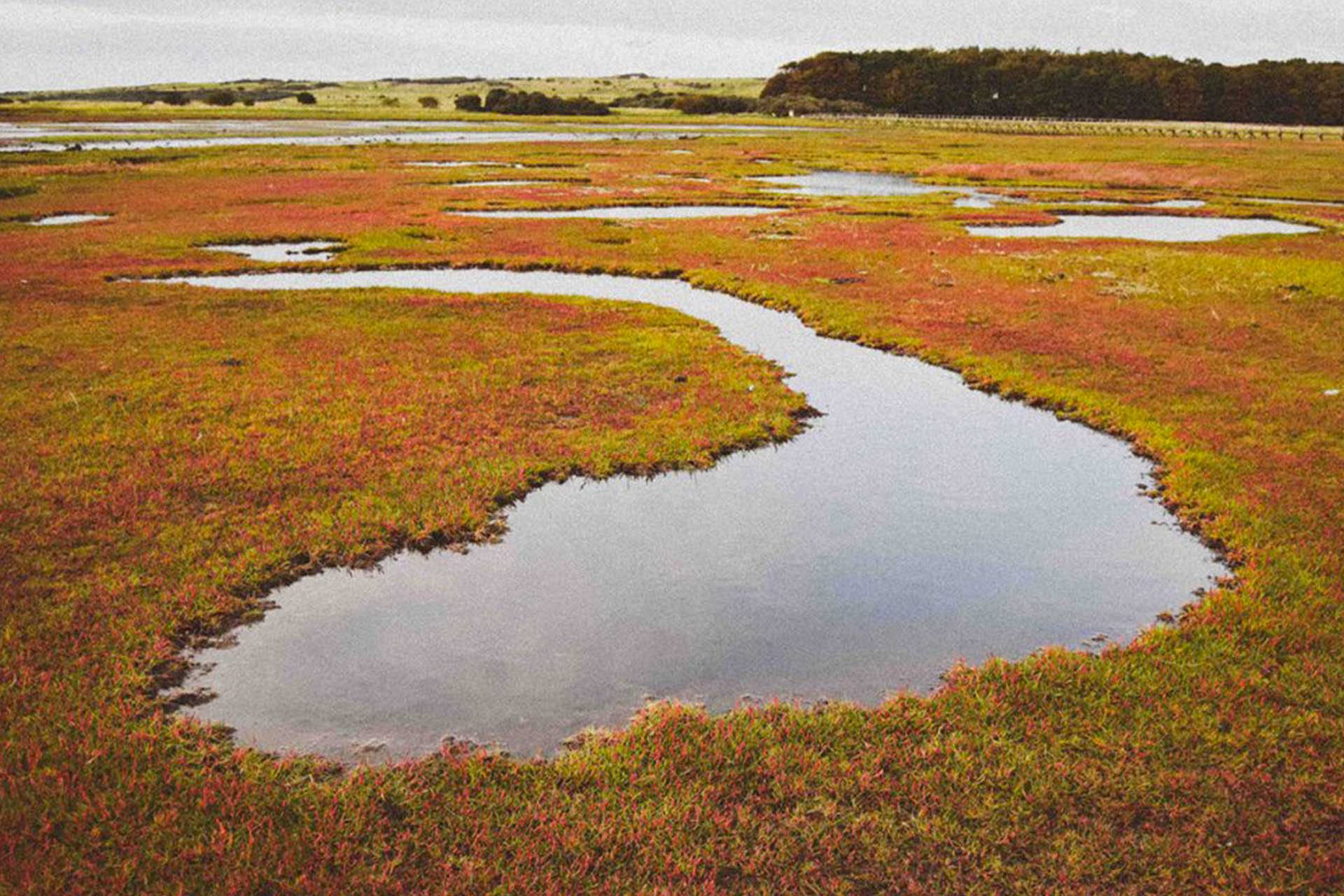
The process involves saline farming – plants will be harvested to extract fibers which will be turned into textile products, using pre-existing production methods.
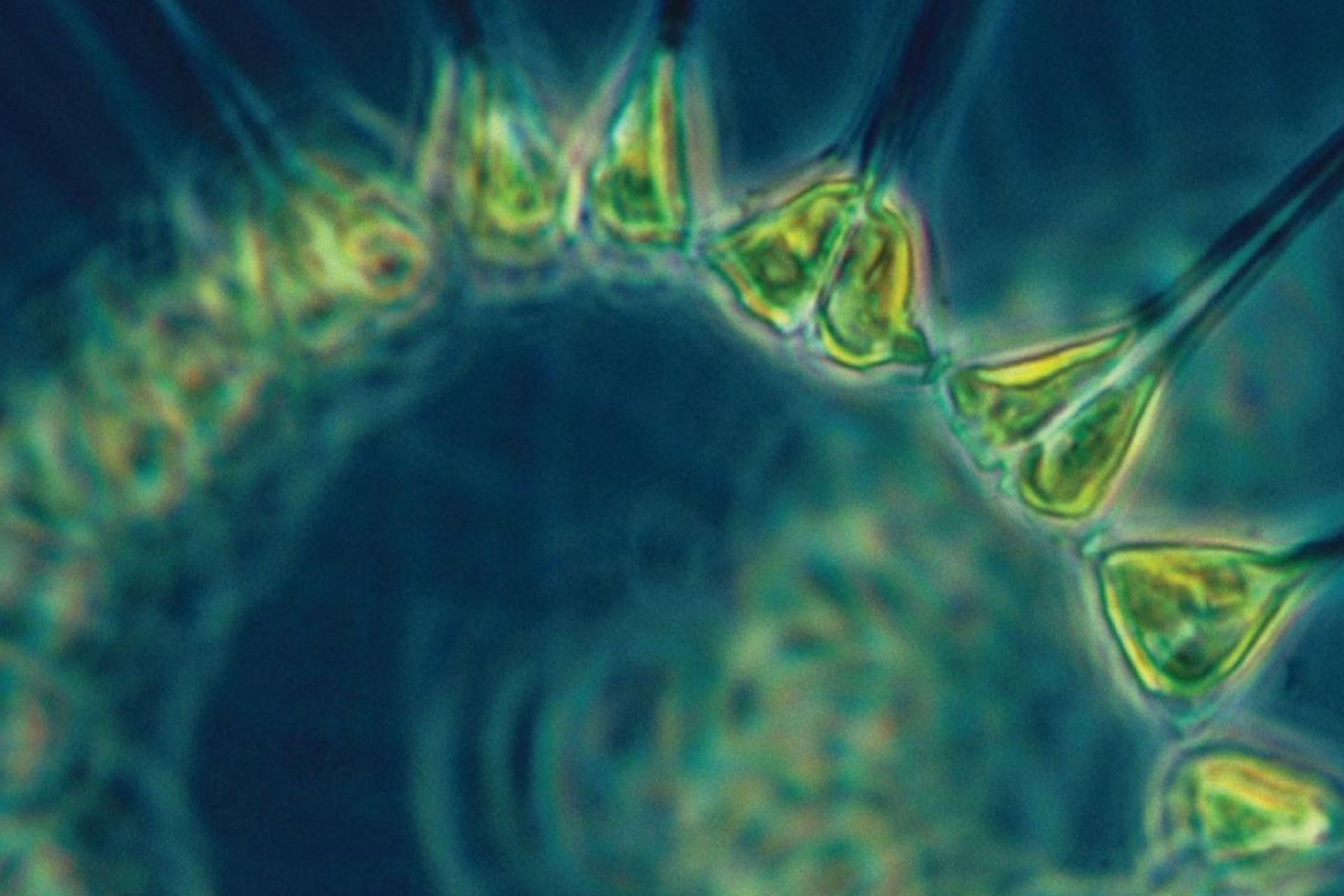
You can’t eliminate harmful materials, such as polyester, without replacing it with something else. Kelp can be turned into fiber and that is what we will work with
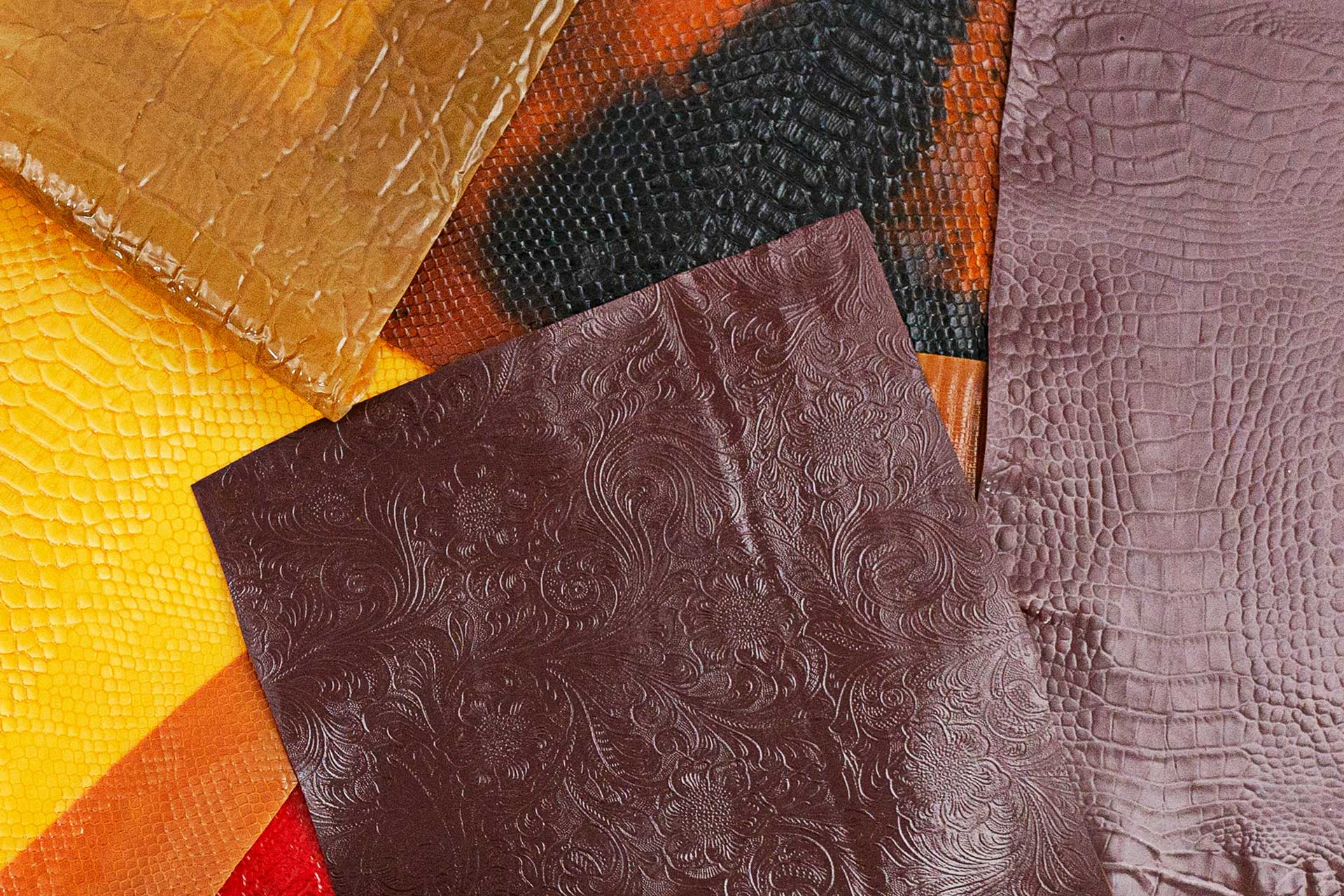
«They have a lot of interesting properties but they have a lot of interesting problems that go with it» In conversation with Ross McBee on what vegan leather actually means

The UK’s demand for lithium could reach 550,000 tons by 2050, while the country may use 240,000 tons of lithium and 90,000 tons of cobalt between now and 2035
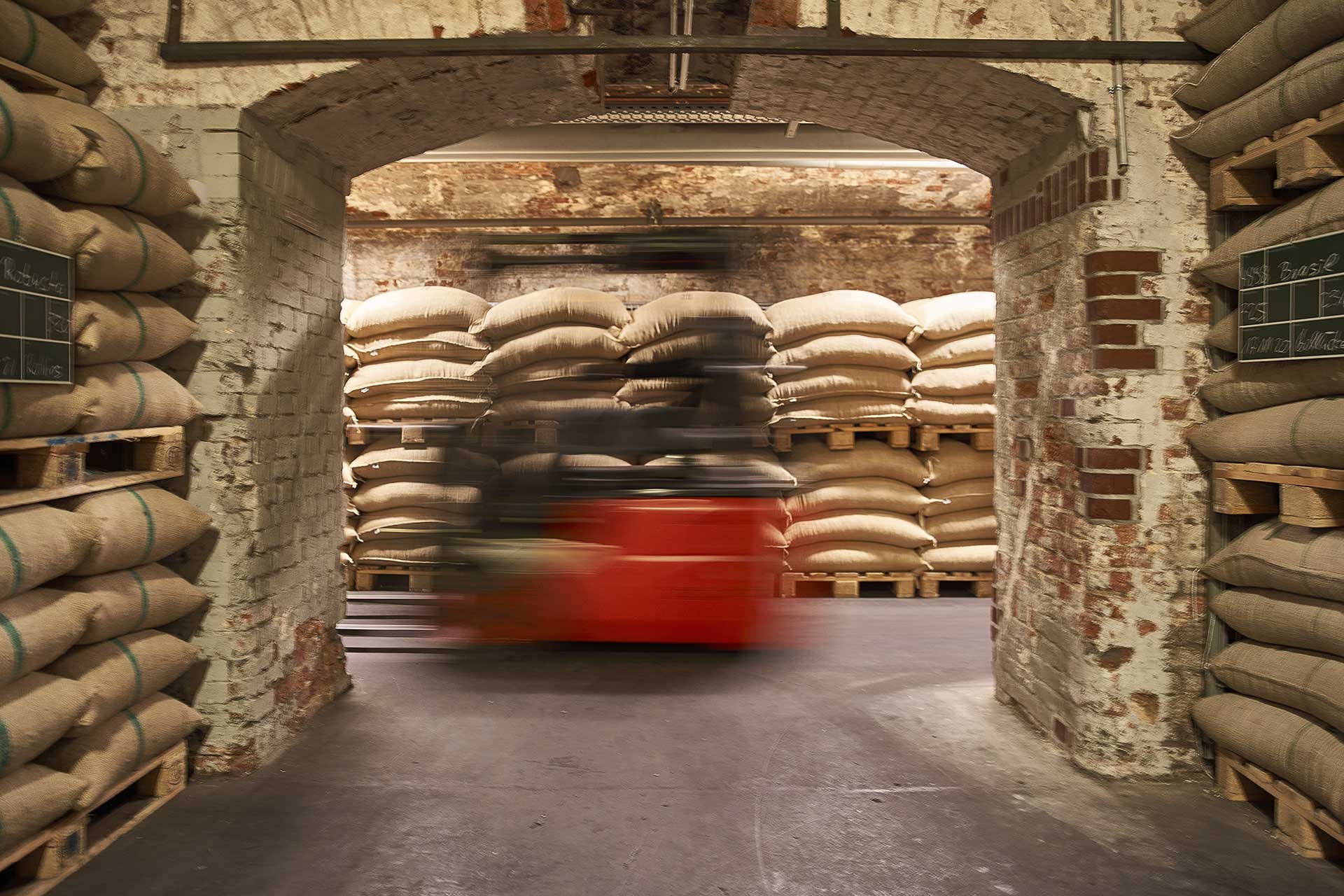
Silverskin: Volkswagen is developing, among a series of bio-based materials, a leatherette with coffee waste as a principal component of the filling
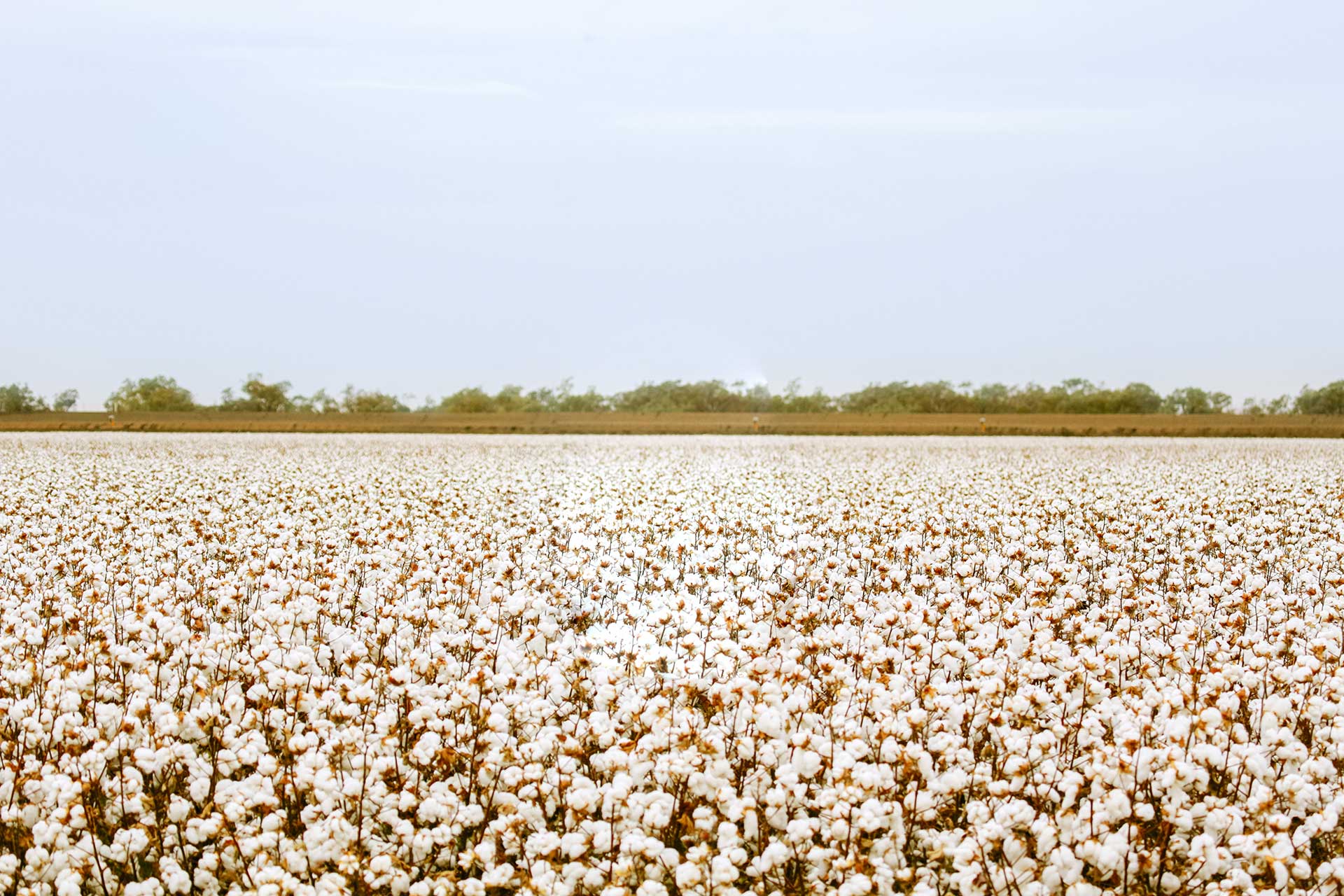
Transparency is at the basis of a technology created to be implanted inside the fibers and to trace the entire production process
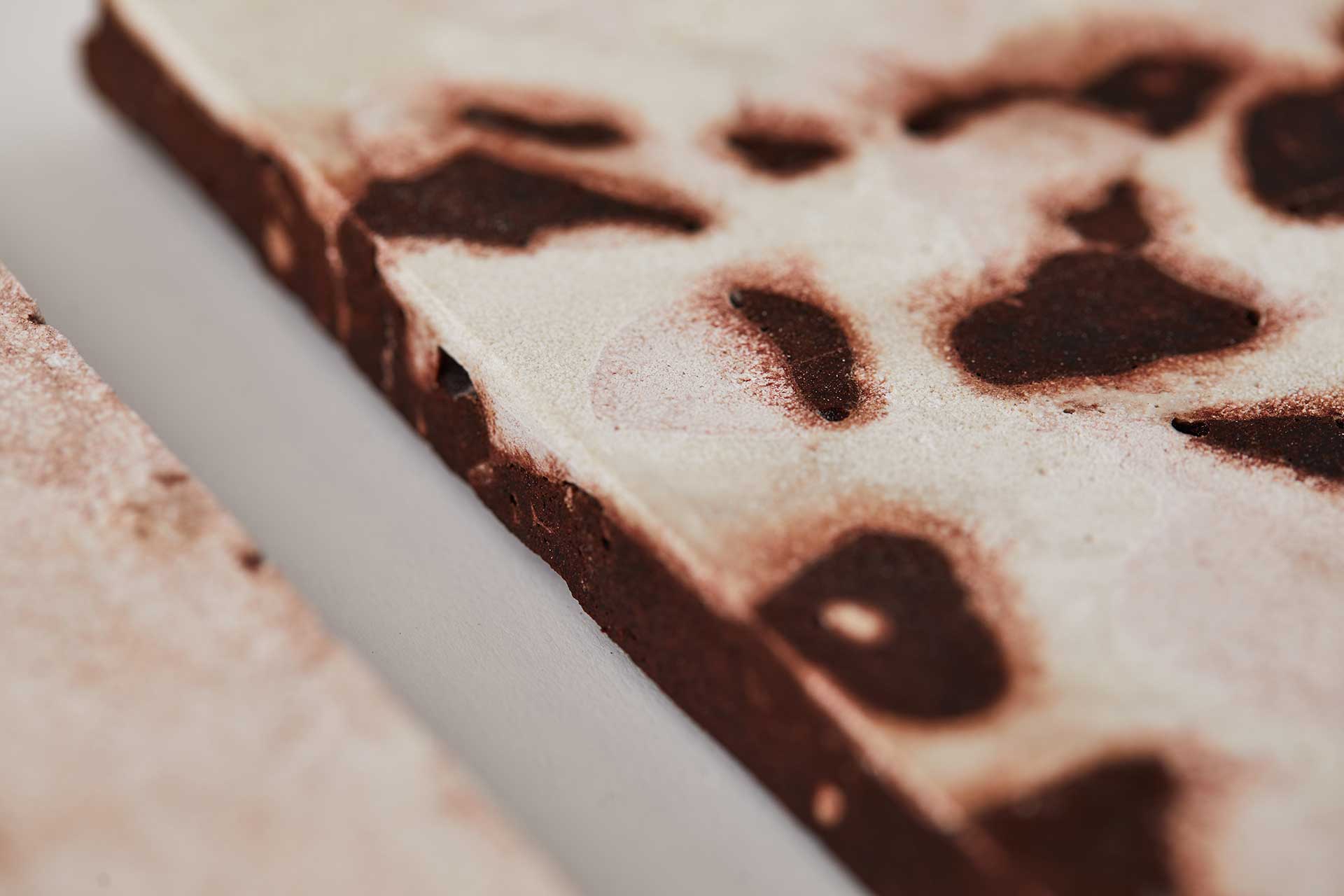
Killing two birds with one stone: developing a bio-concrete whilst helping out ecosystems. A look into regenerative properties
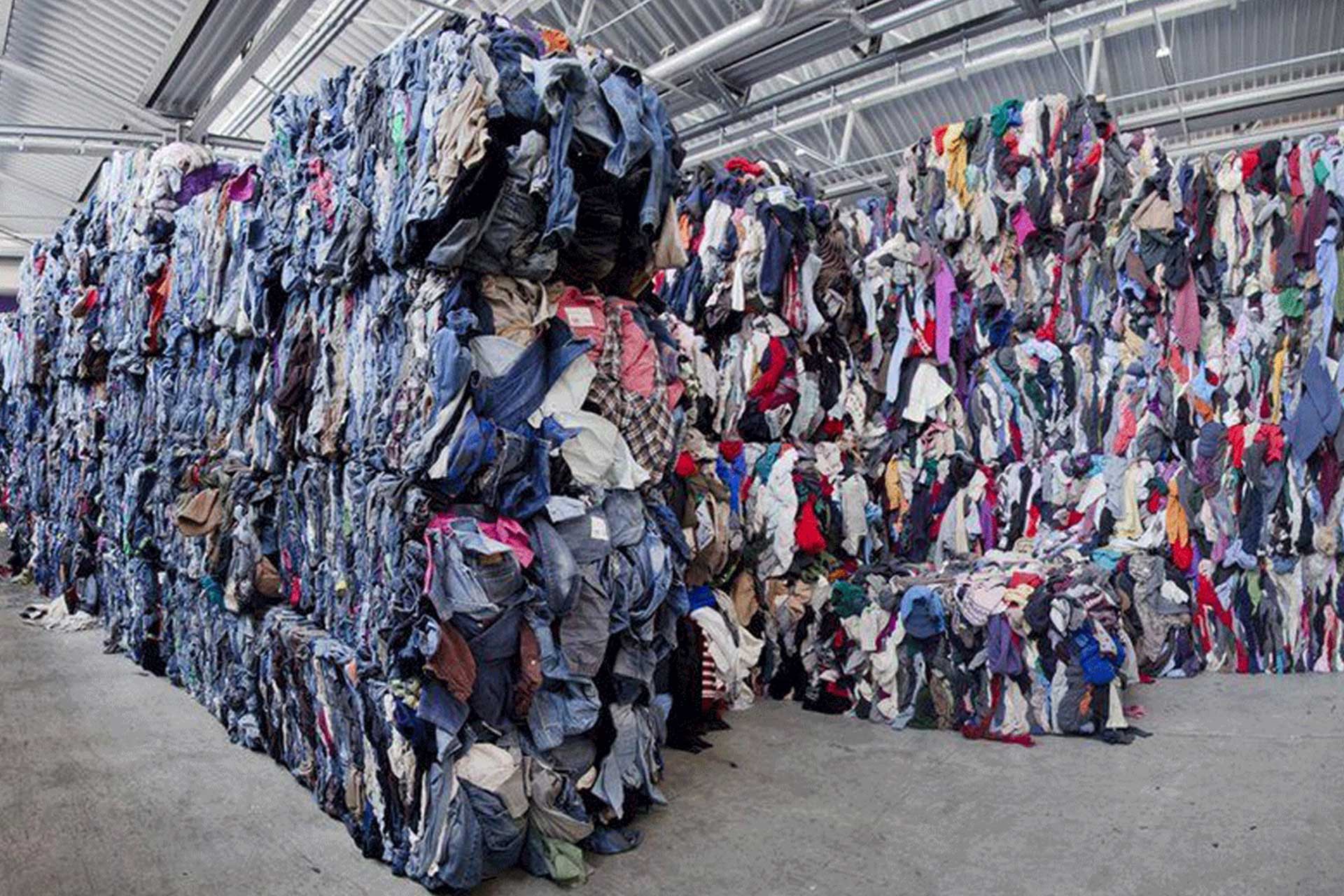
«As a fashion system, we cannot be sustainable in any way. We can only try to be better by delivering the message to change»: Simone Ferraro, A Better Mistake

If abundant, seaweed can create all sorts of problems for the environment. Zeefier has come up with a solution which tackles both that problem as well as eliminating synthetic dyes
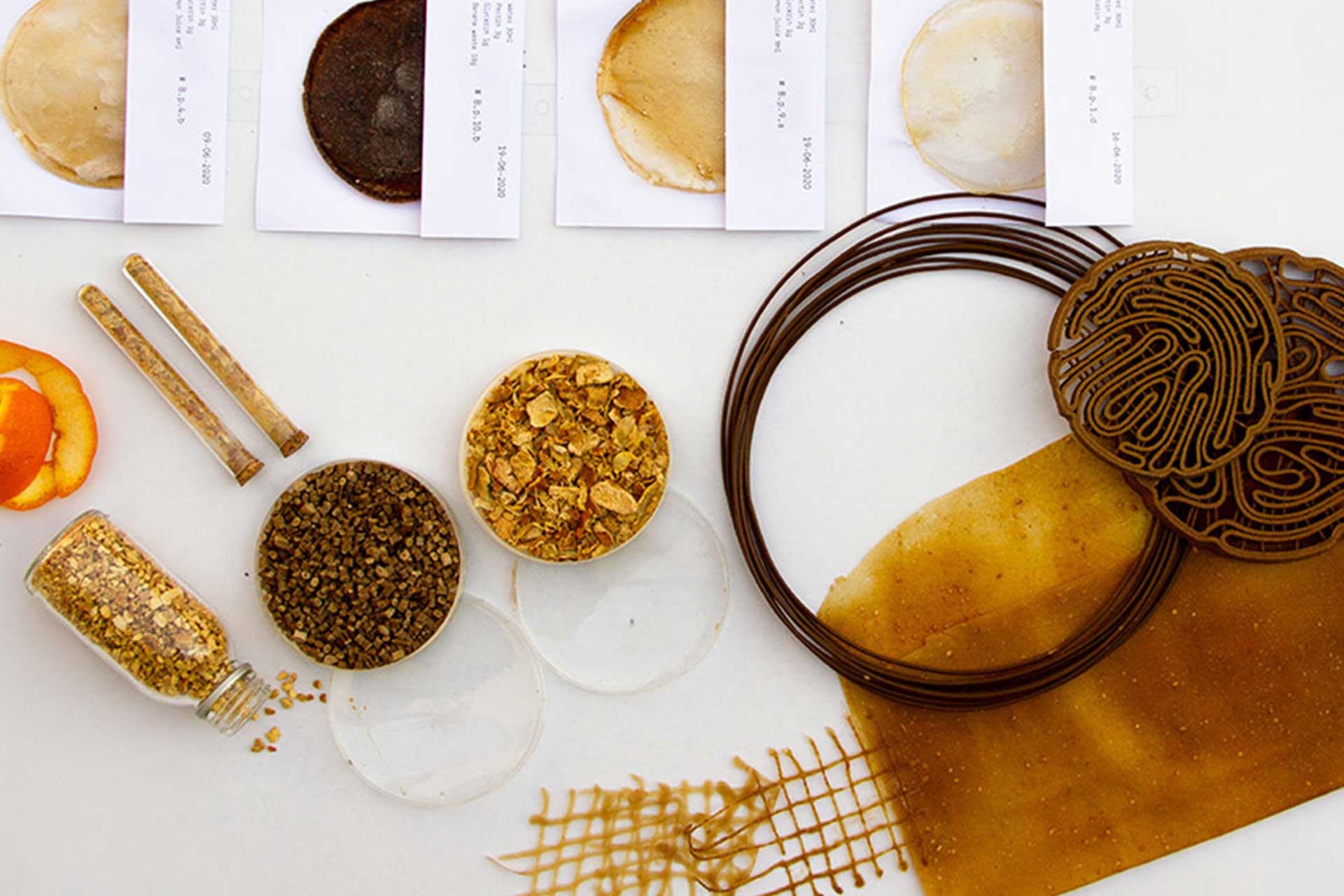
«When you want to discard the lamp, you can separate the components by yourself so they are removable». In conversation with Marilù Osculati on just how much further we need to go