Circular Economy

Louis Vuitton helping to polish the tarnished illegal exotic animal trade
Dissecting the exotic skin trade: are luxury brands still responsible for the abuse of endangered species and what are they doing to counteract the global footprint?
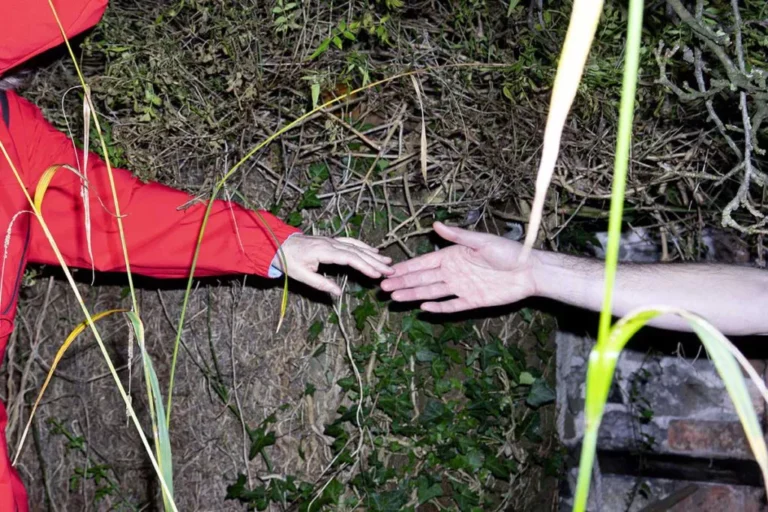
Gweave – A biodegradable polyester that could disrupt the fashion industry
While compostable textiles seem to be a sustainable solution, MAKE is going to bring to the market a new polymer which is biodegradable and long-lasting
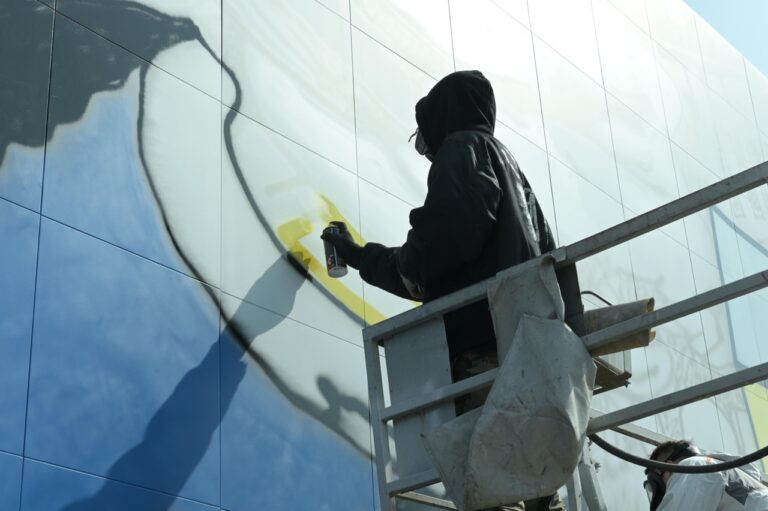
Another-1 and DRIP-LAB – Democratizing the access to hype fashion wearables
DRIP-LAB, Another-1’s latest project, brings the art of four international writers in the digital world turning their graffiti into NFTs
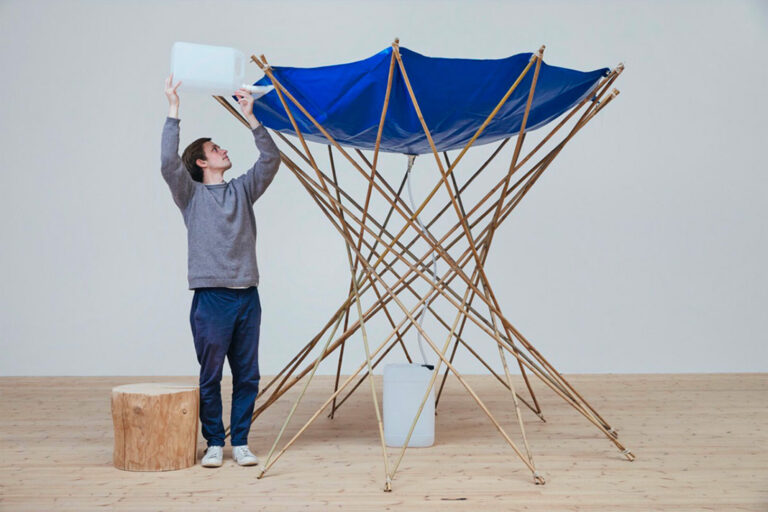
Henry Glogau makes self-sufficient, sun-powered water distillers in Chile and beyond
Glogau’s structure can be built with local waste: communities can use seawater, rainwater or water from polluted sources. Leftovers become a source of power for LED lights
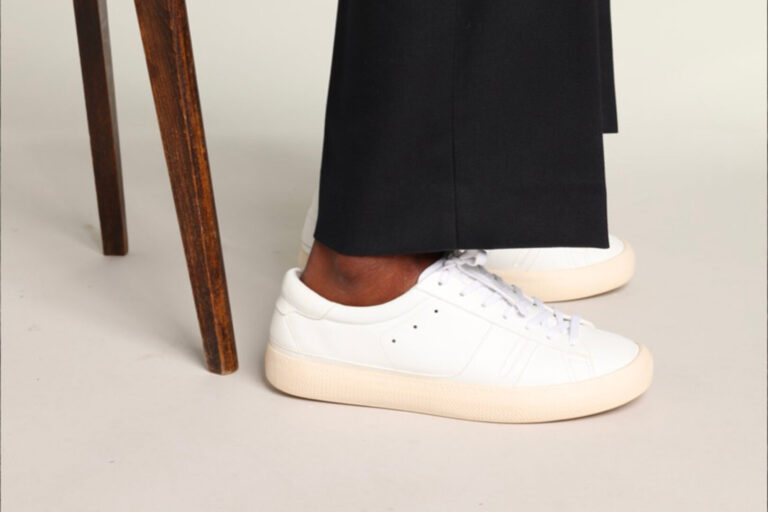
Golden Goose and Coronet merge to create Yatay
Golden Goose plans investment of 1.2 million euro with Coronet to create Yatay, the first Made in Italy co-action platform for sustainable innovation
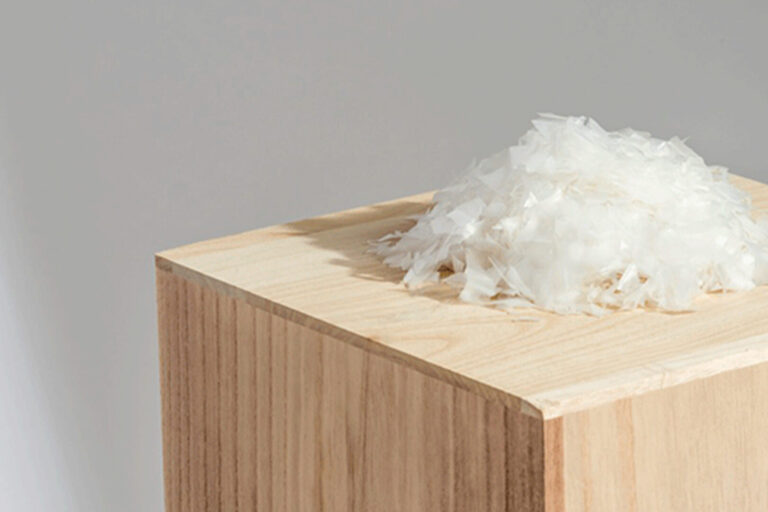
Checking rainwear’s carbon footprint – the Maium case
The planet-conscious know that rainwear often consists of harmful fluoro-chemicals. In conversation with Anita Palacios, founder of brand Maium, who is changing that notion
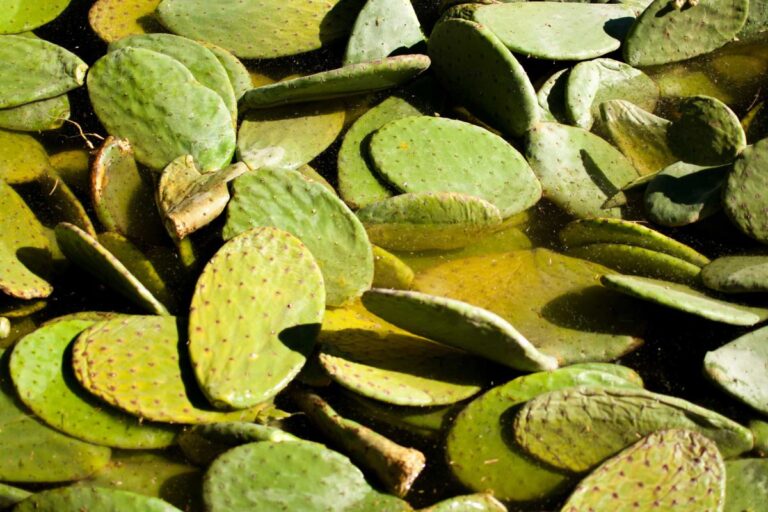
Desserto – Vegan leather starting from cactus plantations: the upcoming steps
The textile is developed exploiting the state of Zacatecas green fortune, creating occupation opportunity for inhabitants and capturing CO2
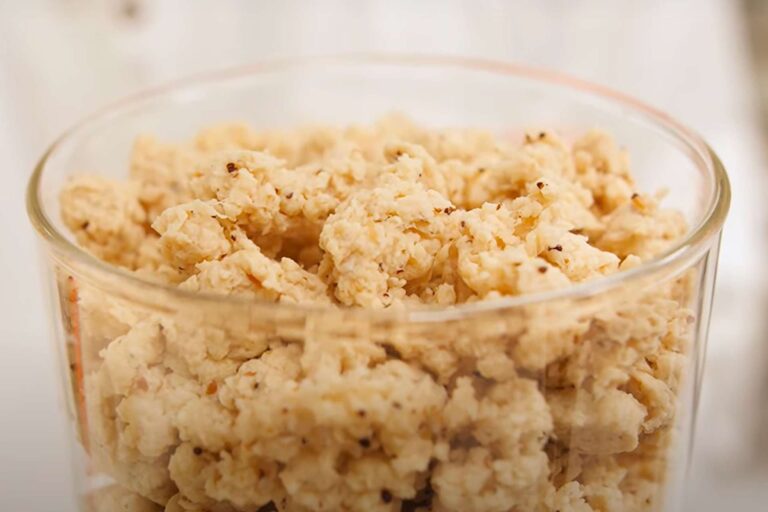
Hungry fungi and moldy bread for leather-alternatives: food waste finds purpose
«To alleviate the problems associated with food waste, while simultaneously contributing to sustainable fashion». The problem statement tackled by scientist Akram Zamani
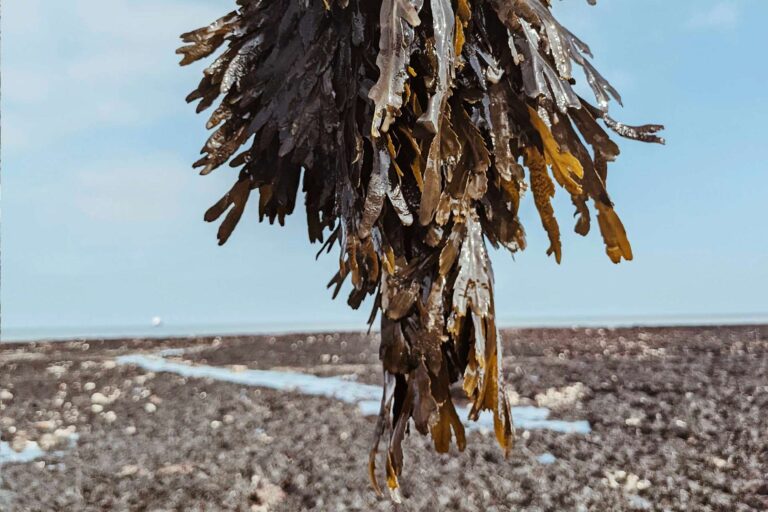
Seaweed harvested from England «a growing reservoir of renewable natural resources
«Seaweed has a large uptake of minerals, which it absorbs directly from the sea». Using these in skincare can help alleviate the negative impacts of the industry
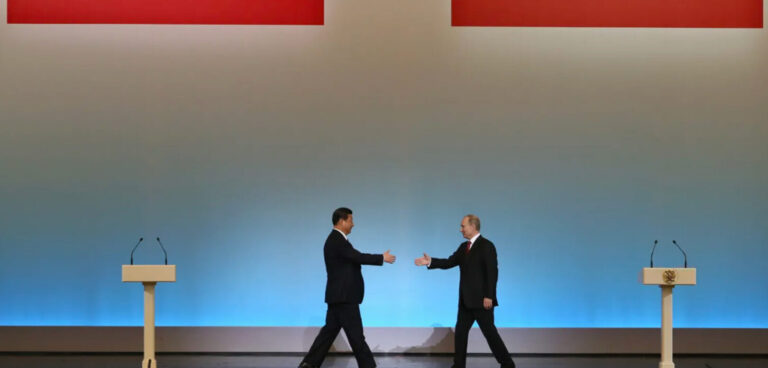
On global supply chain disruption: Cold War expert Sergey Radchenko weighs in
«The cooperation implies they are aligned and share common interests, but don’t always have to act together». In conversation with Professor Sergey Radchenko
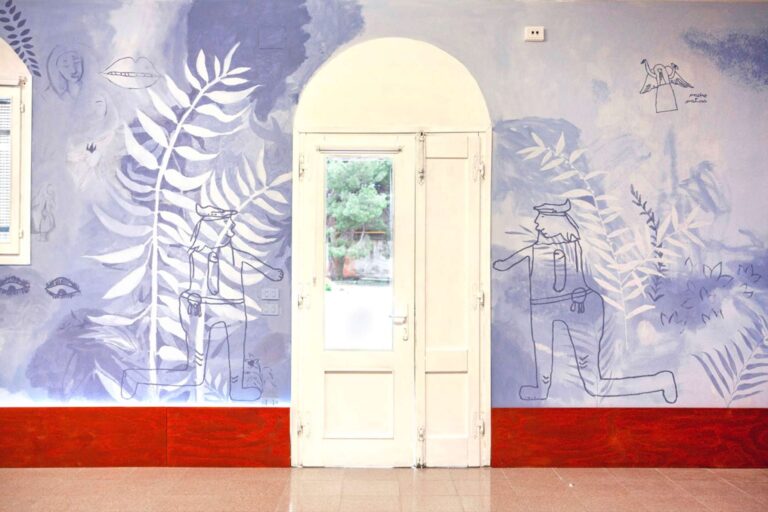
Art growing out of complexities. LIAF2022 curated by Francesco Urbano Ragazzi
«Abandon your belongings, you who enter! And leave your expectations». Francesco Urbano Ragazzi’s LIAF2022, questioning preconceived notions and crucial contemporary debates
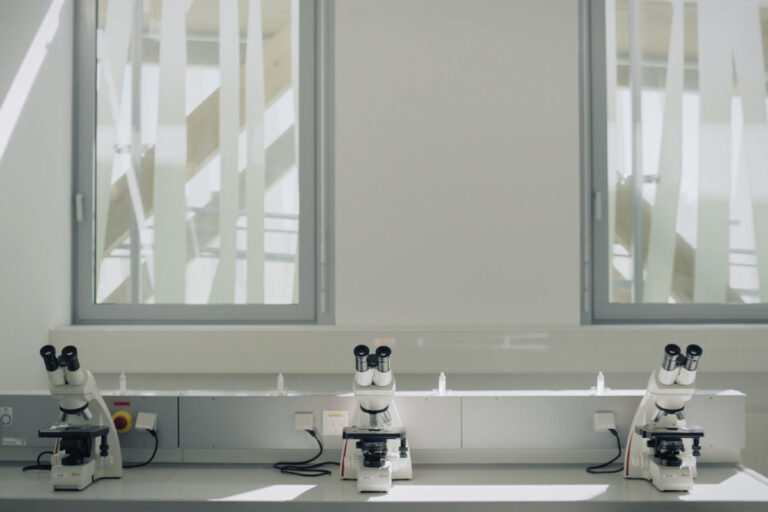
Not cheesy anymore: the beauty industry is a matter of transparency and agriculture
Agroforestry, organic cultivation, and permaculture, techniques for preservation of local species: an introduction to Chanel’s open sky laboratories
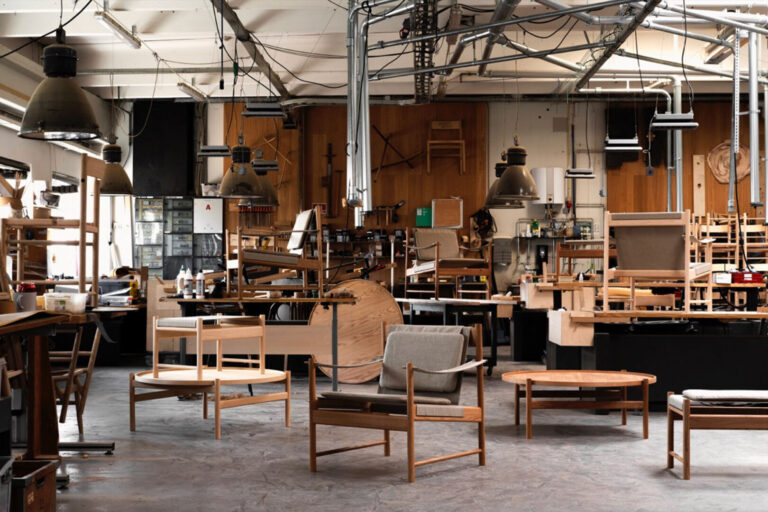
Emphasizing the virtues of wood: AHEC and Brdr. Krüger showcase new hardwood furniture
Whereas demand for European oak has long outstripped supply, maple, cherry and red oak grow abundant in American hardwood forests and remain underused. Curated by Sara Martinsen, the Home of...
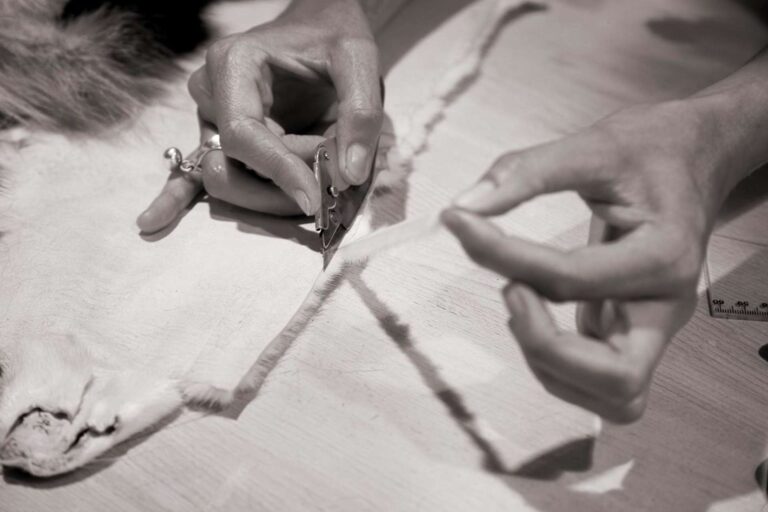
Synthetic fur vs. natural fur debate: the industries reached an aggregated value of $25 billion
While animal fur shows biodegradation, polyester-made fake fur can be down-cycled, but consumer opinion is divided with 47% adults in US deeming fur inappropriate
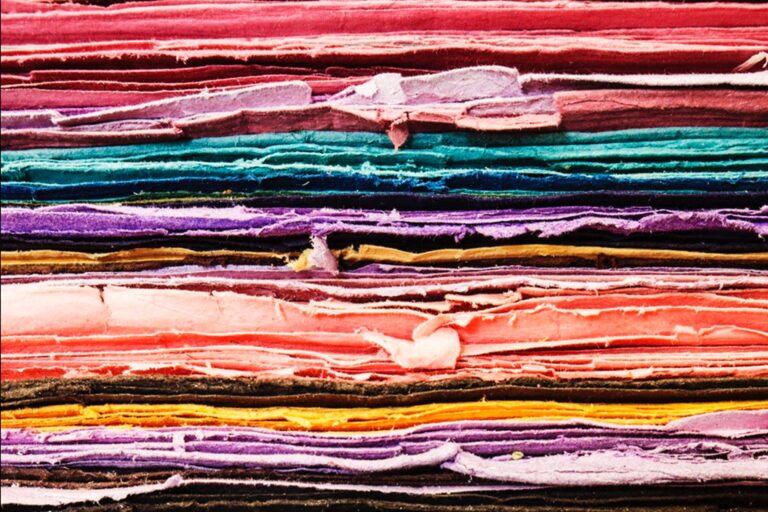
Recycling feces: the business case for elephant dung paper
Elephant dung is the raw material for this low-impact paper production unit based in remote villages of the island nation, Sri Lanka

The travel industry is one that retains an ever-lasting carbon footprint: practices are green mode
Having begun its relevance in history as a frontier in the spice trade between Europe and Southeast Asia, Portugal has now interpreted itself as a supplier of homelier consorts
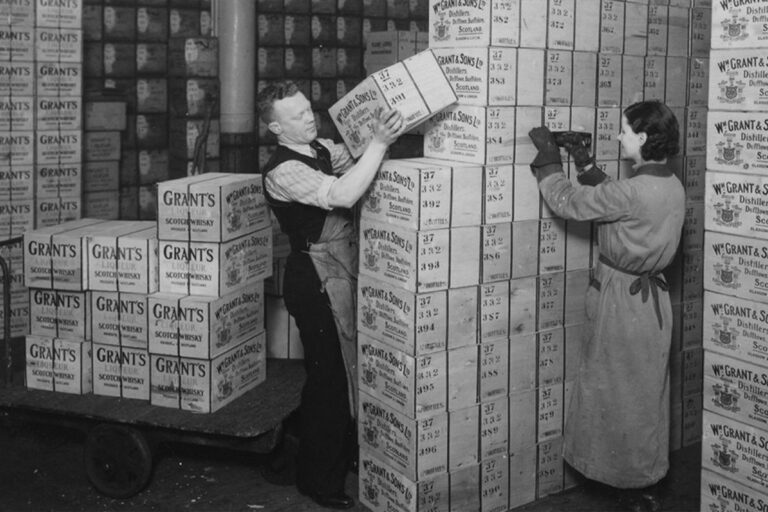
About how to make the alcohol industry more sustainable? Discarded Spirits Co. case
Here is to the most rubbish drink you’ll every taste, Discarded. Made from waste and forgotten ingredients which they rely on as hidden treasures
The trend of the Metaverse: on the proximity of an ethereally fabricated cosmos
Trend Forecaster Lisa White unravels how the Metaverse is about «creating entire universes of products and services» in the eternal quest for tribe belonging

Flowers – an industry worth at an estimated figure of 64.5 billion euros
The carbon impact from the transportation of blooms, the hidden environmental costs of bouquets in the Western world: the flowers you find in Europe are mainly coming from East Asia
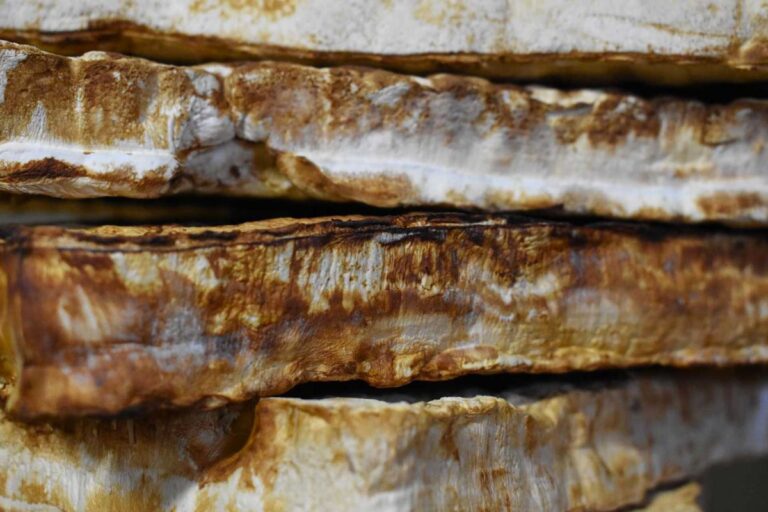
Mycelium and its applications: from renewable packaging to plant-based meat
What if we could reduce plastic pollution by turning to natural materials that earth grows? Mushrooms could lead the way in reducing plastic waste
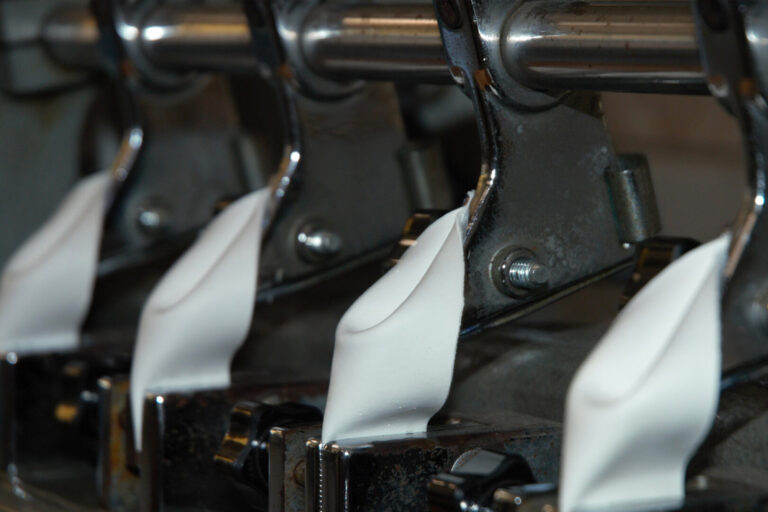
Bio polyurethane: corn-derived polyols could relay be an alternative to leather?
The added value of the material created through corn is the possibility of making the product biodegradable, if processed without affecting its natural integrity

Bygone days; a collection of Cecil Beaton Venice images revised by Louis Vuitton
Chronicles of Cecil Beaton encounters, costume balls, social events leaving behind the diary and photographic records of his trips

Architecture on transparency glass windows: every hatred would be destroyed
'The surface of the Earth would be completely different if brick architecture were replaced everywhere with glass’. States Bruno Taut the realities of our utopian impulse to see through buildings

Nature takes over urban waste. What will need to live in synchrony with nature
The Tree Column is Blast Studio’s latest design. Made from recycled coffee cups and mycelium, it is yet another viable option for the future in sustainability

Crabyon – what is this? We are not there yet, but it could be a solution
Crabyon cannot be produced at a large scale. However the large quantities of waste available mean that in the future, it could be a new alternative to viscose
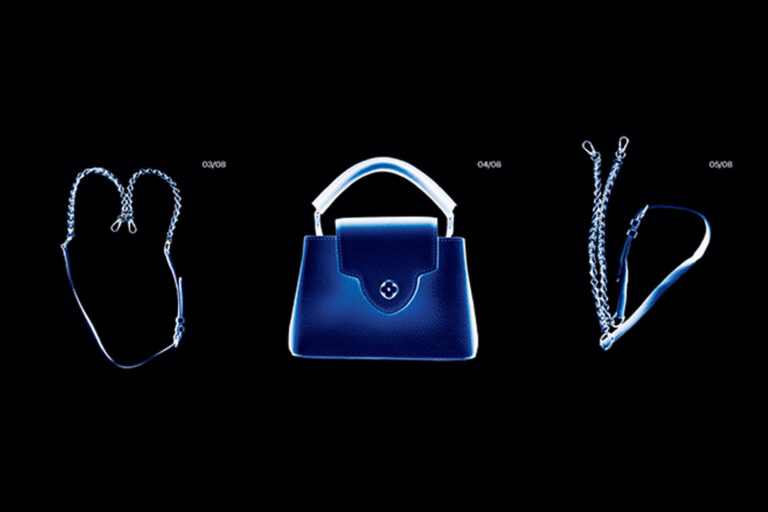
Showcasing savoir-faire and craftsmanship, Louis Vuitton perpetuates the traditions of its founder
Up to 300 people working in a single workshop; divided into two areas to encourage a sense of community and the transmission of skills from generation to generation
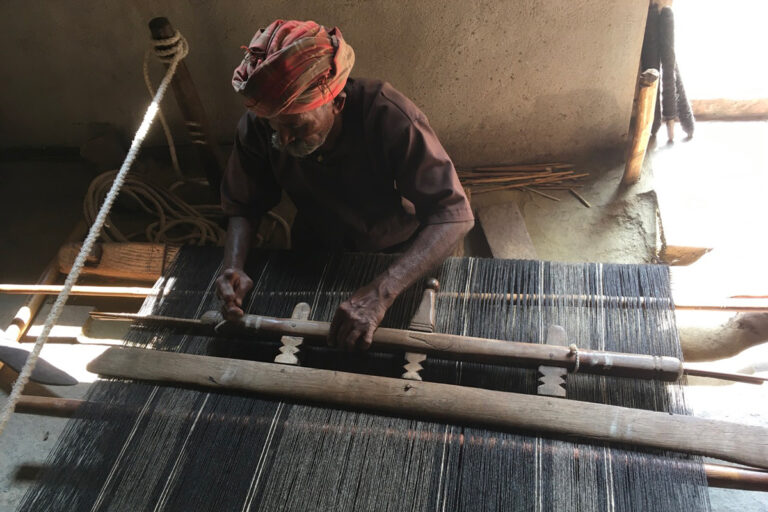
Embracing technology: the only way to keep hand weaving with the new generation
From Italy to India to Wales. How the culture of hand weaving is undergoing just enough modernization to keep it alive, but not enough to kill the traditional craft completely

Building a renewable powered supply chain – the future of the fashion industry
Textile companies could reduce Scope 3 emissions by using renewable inputs such as solar, hydroelectric, and geothermal. At least, this is what is required from the luxury brands

NFTs – Four art market experts discuss the advantages and potential risks of blockchain
In the limelight after the multi-million auction of Beeple’s The first 5,000 days. Art and tech, a compendium of the recent turmoil in the art market and the global excitement...
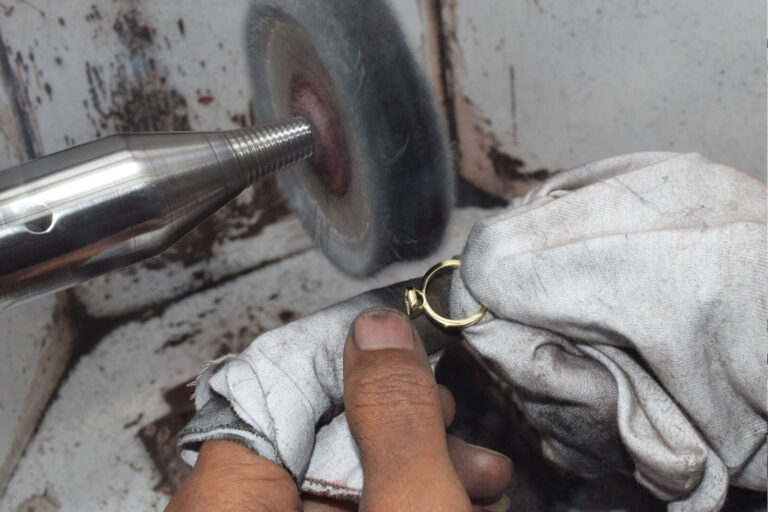
Cecilia Accardo – Quartz, synthetic diamonds, and non-mined metals: paving the way to recycled jewelry
Cecilia Accardo and Scéona Poroli-Chauveau: «There is no difference between extracted or non-mined metal in terms of quality». A conversation about the recycled jewelry industry
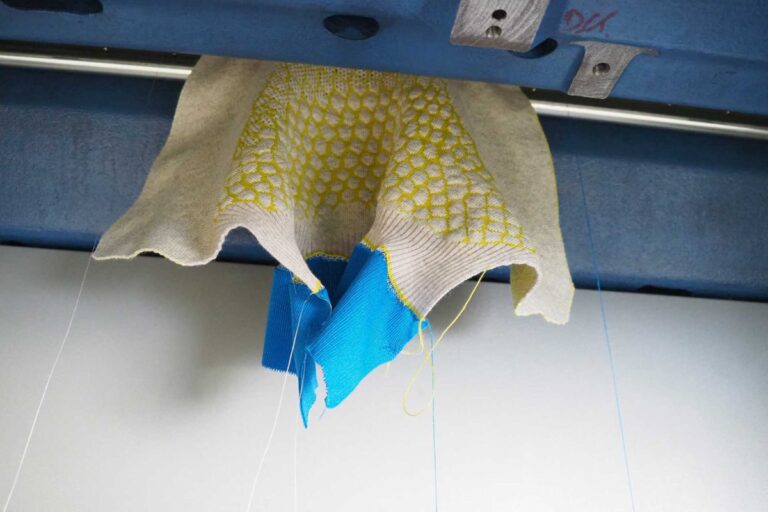
Dog hair spun into yarn and pre-repaired sneakers: what’s next?
«My aim was to show natural materials that have potential in a product, not to make a sneaker». In conversation with Emilie Burfeind and Matthew Edwards
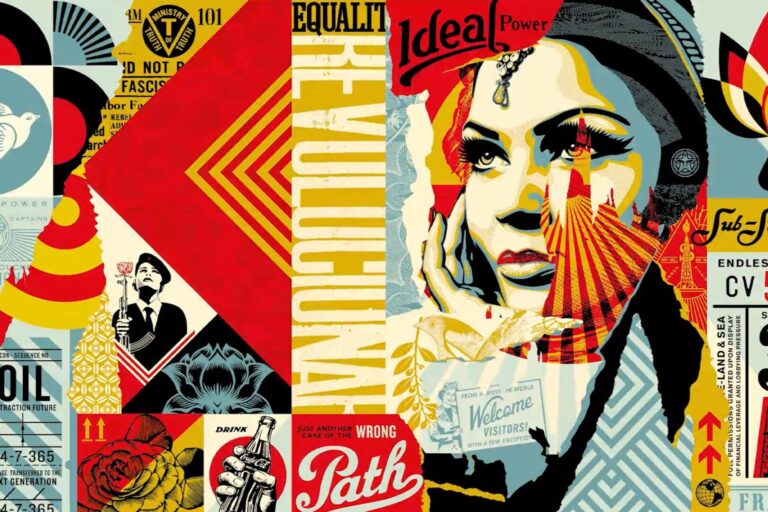
In the Earth day 2022: NFTs burning explained. The environmental consequences of endless digital consumption
A fast fashion mindset that drives a new industry trend of burning NFTs is at odds with a shift to slow capitalism and conscious consumption
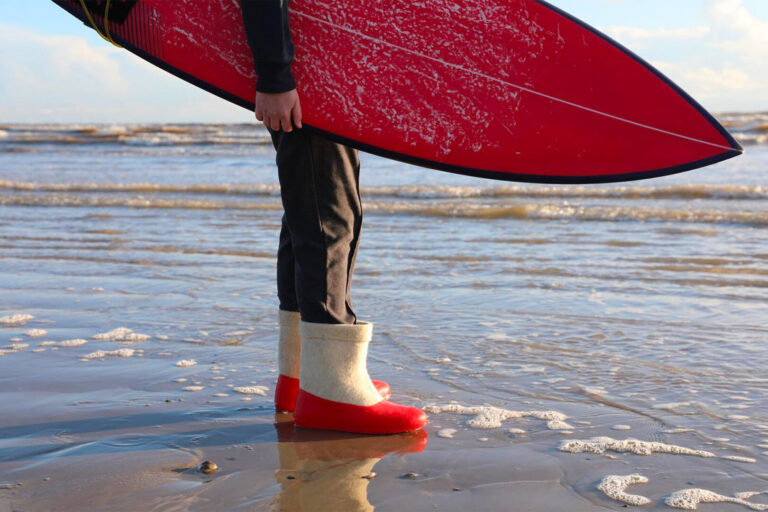
Is the felt industry sustainable? The case of Voylok shoes made by mono-materials
Made avoiding the use of dyes, bleach, stitches or glues. By-products from production, such as wool scraps and muddy water, are turned into fertilizers for farmers
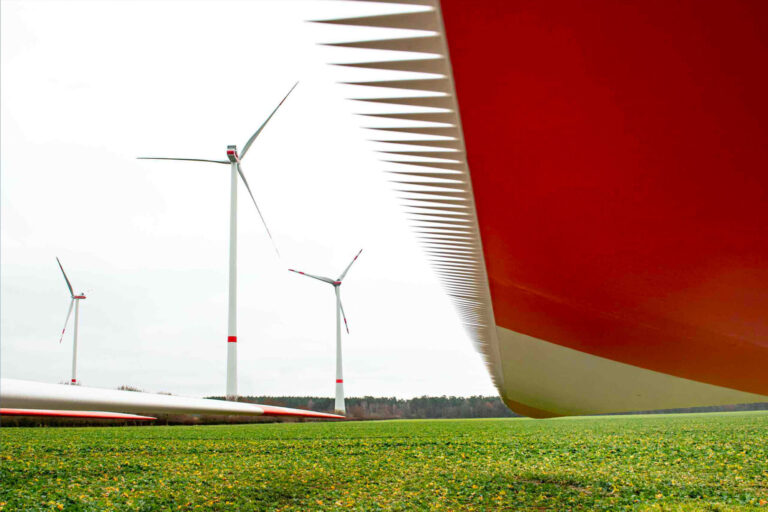
The catalyst for the decarbonization of the energy sector in Berlin: Berliner Stadtwerke
Clients know where their electric power comes from. Although Berliner Stadtwerke is not a large company using eco certificates to provide green power, it’s one-hundred percent solar and wind powered
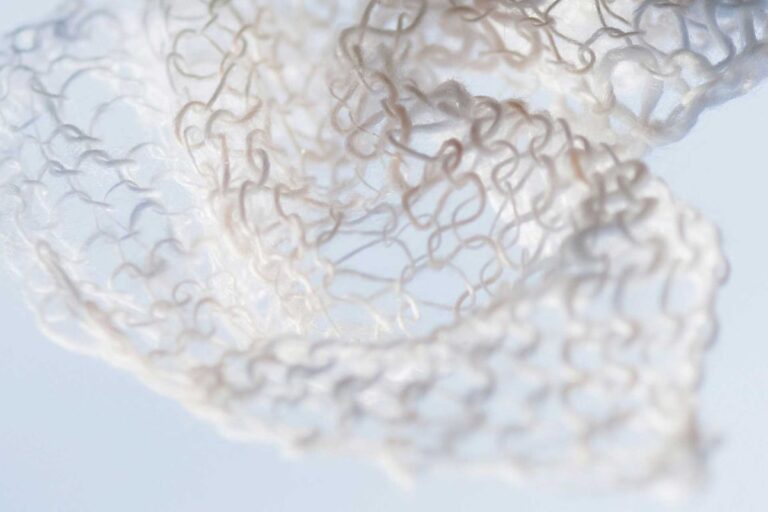
Cotton recycling: the chances we have working on man-made cellulosic fibers
«If cotton or other cellulosic fibers can satisfy the 100 million tons of demand, there’s no reason why we can’t use a regenerated natural fiber from beginning to end»
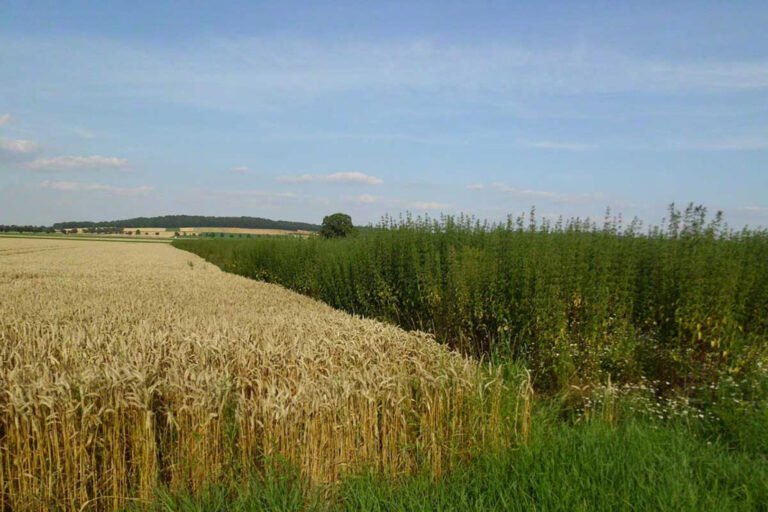
Urtica Dioica: the sustainable nettle fabric that looks like silk
«Nettle is the replacement for synthetic fibers since it is the most stable fiber in the natural fibers range»
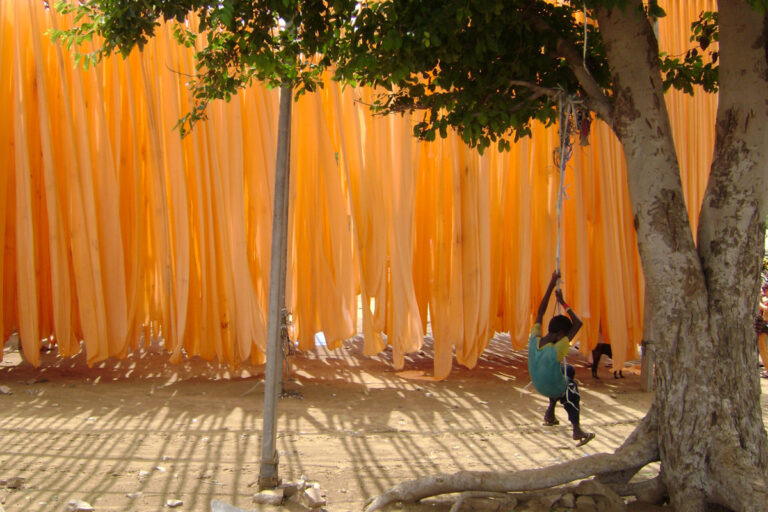
Colorifix – Tackling one of the textile industry’s most environmentally damaging processes: dyeing
CEO Orr Yarkoni explains how cells can be manipulated to dye fabric, cutting back on water wastage and chemical pollution globally. Water use is cut by 50 percent to 90...
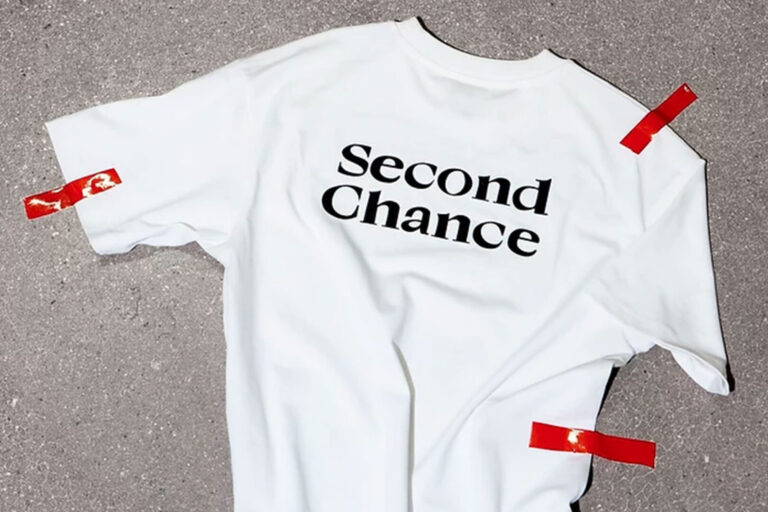
Vividye converts garments into a blank canvas, enabling efficient recycling and reuse
A deeper look into the complacency recycling has lent to fashion consumers and the nuances that make or break efficient recycling processes; through the lens of start-up, Vividye
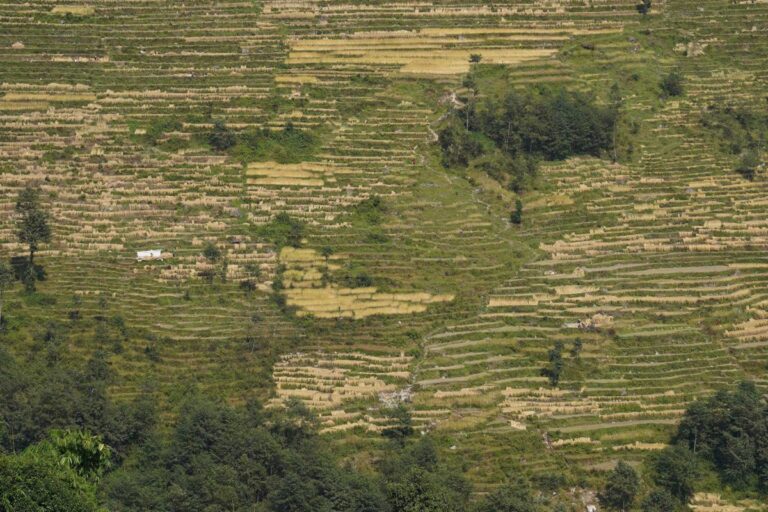
The giant Himalayan stinging nettle — what it means to wild harvest
«Regenerative process means that as you produce, you’re improving the Earth» - how to go beyond sustainability, in conversation with Himalayan Wild Fibers
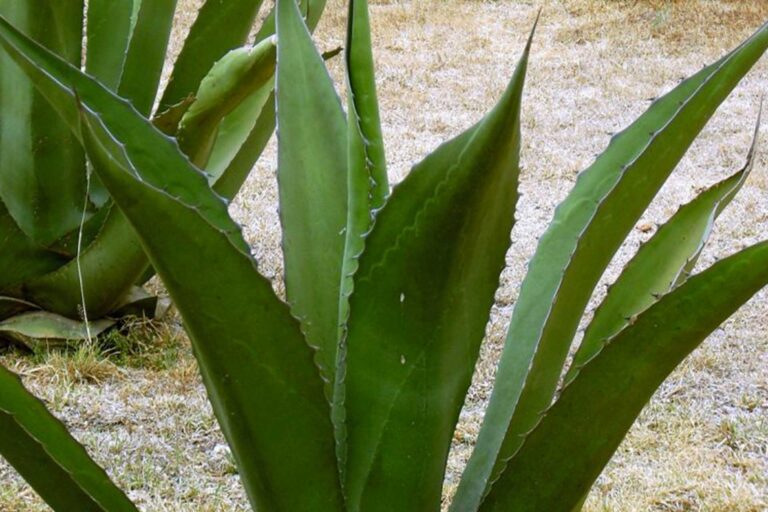
Fiquetex: crafting vegan leather and fabrics from Colombian succulents
«We use about one third of the energy needed to craft animal leather». Gabriel Moreno, Fiquetex, winner of the Oxford University Best Postgraduate Idea
Circular Systems – Keeping the neutral cellulosic chain when recycling cotton. Otherwise, it is classified as viscose
Circular Systems is focused on using waste streams as their main source of materials for production working on up-cycling the textile
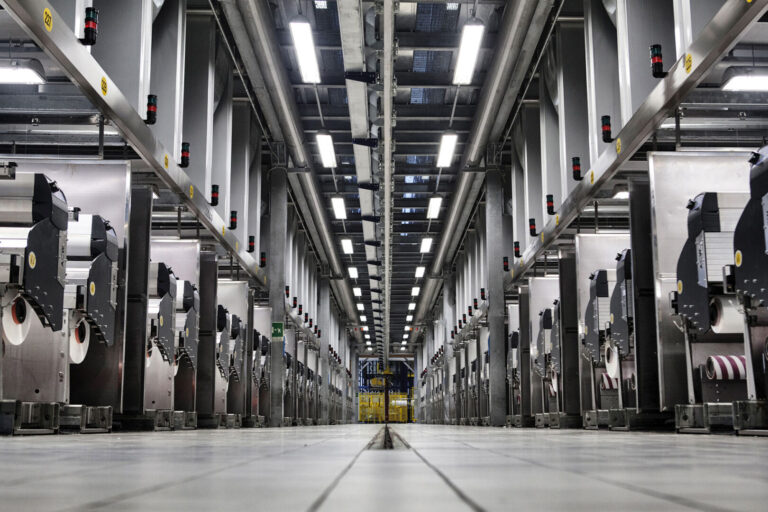
The paradigm of a circular economy: is there a place for thermal decomposition? Fulgar x BASF case
The chemical transformation process called thermolysis turns post-consumer plastic waste into a secondary raw material, replacing new fuel from fossil origin

Digital Art disruption: Francesca Kaufmann and Stefano Rabolli Pansera at Hauser & Wirth
The outbreak of Covid-19 pushed art galleries to rethink their role and position within the contemporary art market; accelerating the digital transition and the implementation of new digital strategies
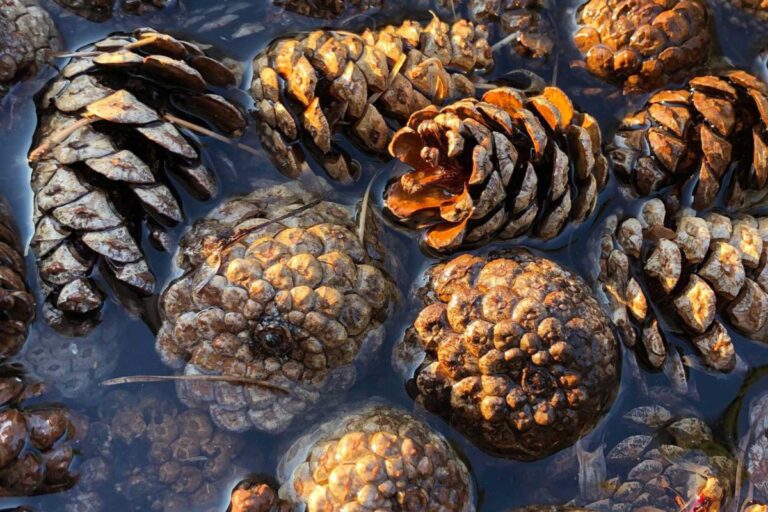
The KAIKU machine – the future of color comes from fruits and vegetables
«It’s a multi-steps process that makes us get the color that we need. Then, in the end, we get this biomass for fertilizer and biofuels». Nicole Stjernswärd, design technologist

The state of paper recycling – challenges and opportunities for a circular industry in Europe
In Europe, Fibre-based packaging is contributing to the circular biobased economy, as eighty-four point six percent of paper and board packaging is recycled

Change starts with farming: regenerative farming and foresting – From Farm to Fabric to Fashion
Experiences coming from farms and attention to the biodiversity that surrounds them highlight the ethical success of the development in the fashion system