Circular Economy
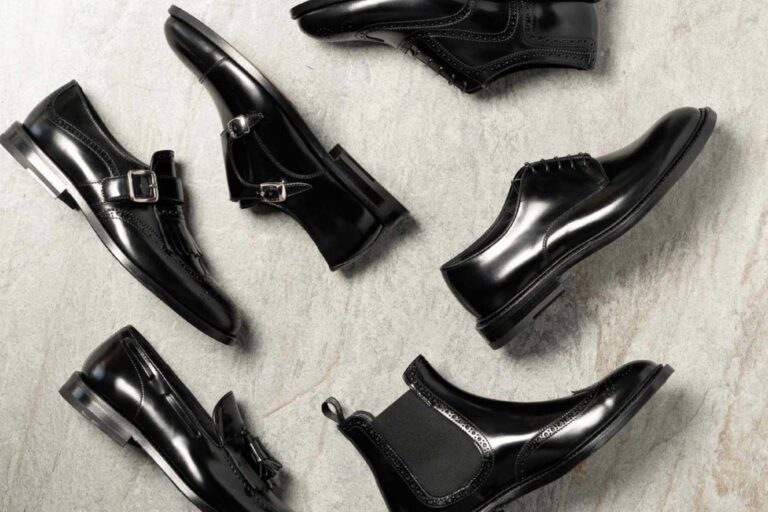
Shoes in AR – No-stock approach and 3D configurator: game changers in the fashion manufacturing industry?
The overproduction of clothing is often an overlooked element when it comes to pollution caused by the fashion industry. A conversation with Francesco Carpineti.

The wine industry to be updated: regenerative agriculture, biochar, biodynamic approaches
From Franciacorta to Champagne, cases of experimentation through regenerative agriculture, return to traditional methods and biodynamic farming
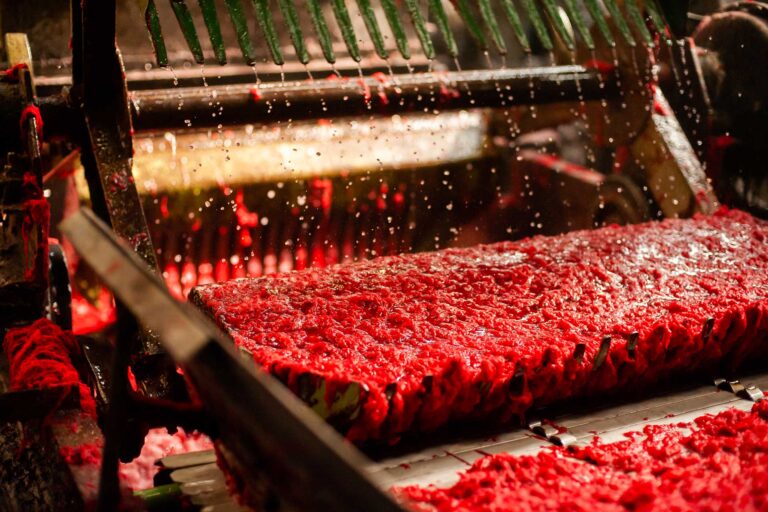
The never-ending story of recycling wool, according to Manteco
While the fashion industry struggles to find solutions to lower its footprint, an Italian wool recycling enterprise has developed a way to reach a zero-waste system

Avocado and onion peels are the new black: natural dyes made with food waste
«Using food waste to produce dyes tackles the sustainability problem from different angles». A conversation with Cara Marie Piazza, Creative Director at CMP Dye House

Global supply versus local demand: the Fashionsustain conference
Retailers, key players in the fashion supply chain, explain within the Neonyt’s sessions the effects of Corona on international fashion production
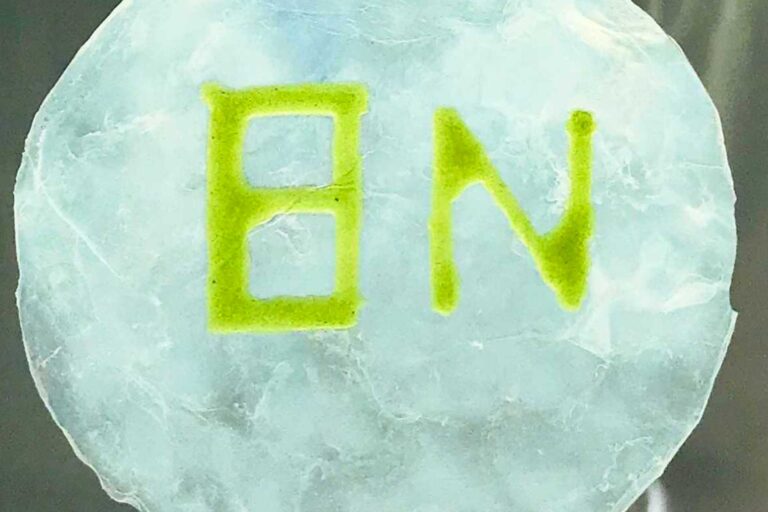
Meyer Lab – Growing your own t-shirt at home isn’t as complicated as it sounds
The development of a new technology which allows living organisms to be 3D printed into a piece of clothing – a possible venture into the practicality of fashion
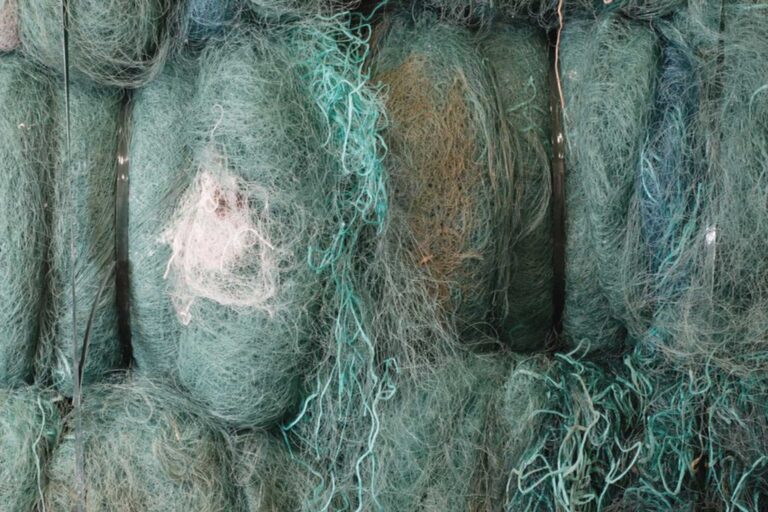
Running global supply chains using hybrid cloud: IBM blockchain
As one of the world’s largest tech corporations, IBM is at the forefront of fashion supply chain tracking solutions
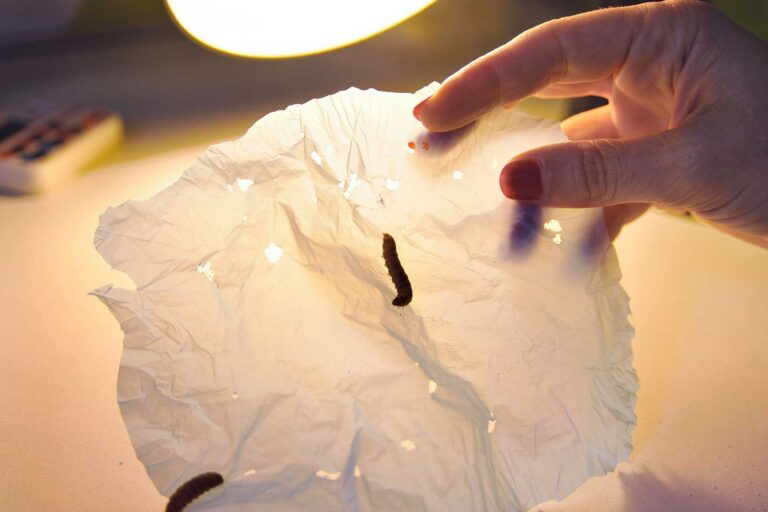
Researchers identify ‘plastivores’ organisms what if bacteria could solve the plastic pollution crisis?
Recent studies unveil the possibility to grow polyethylene eating microorganisms to help us in the fight against plastic waste – pro and cons of the matter

If not viscose for a sustainable fabric, then what? Peter Bartsch, at Lenzing
Lenzing has developed its viscose products, keeping environmental sustainability at the forefront of their innovations, and transparently closing the fiber production loop
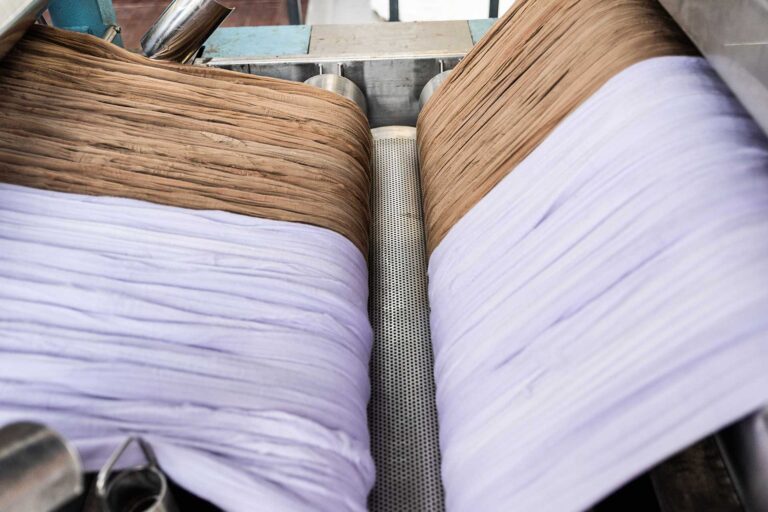
Natural vs Synthetic: are natural fibers always more sustainable than synthetic ones?
Natural fibers can’t guarantee sustainability by default. Reporting D–house roundtable Natural vs Synthetic, and a conversation with Nicola Mattassoglio from Zegna Baruffa Lane Borgosesia
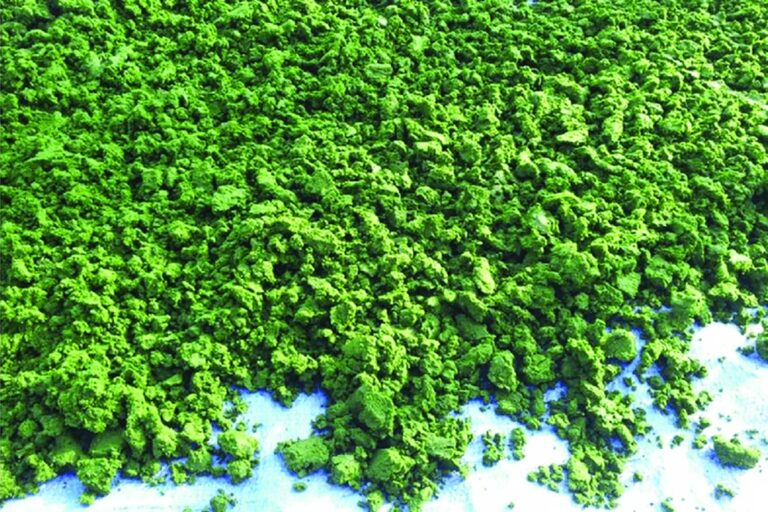
Charlotte McCurdy – The zero environmental impact of microalgae bioplastic: advantages and risks
«Algae is the most efficient organism at sequestering carbon through its natural growth» – McCurdy on the invention of a sustainable jacket made from bioplastic

Biochar — In conversation with Brando Crespi, the co-founder of Pro-Natura International
«Biochar is the ethical form of charcoal – ethical because you’re not cutting down the forest» – a green weapon in the Anthropocene age we live in
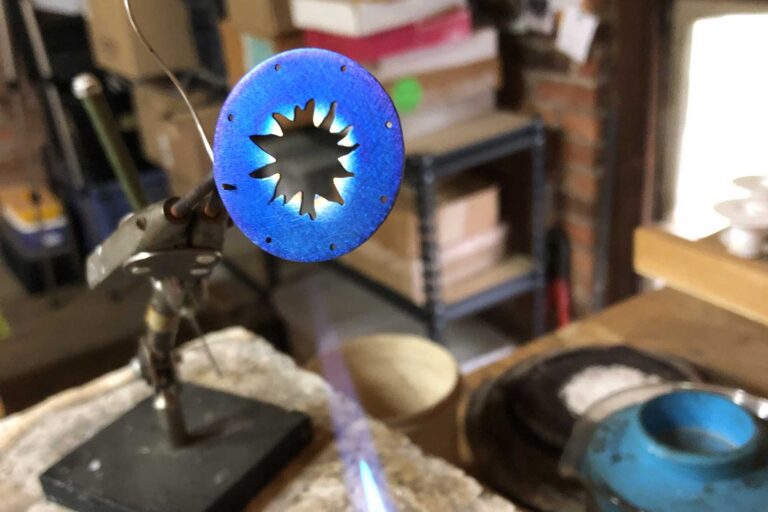
Titanium: one of the lightest yet one of the strongest metals used in jewelry
Since the Seventies, titanium has been on a rollercoaster ride throughout the jewelry industry. Its beneficial properties can also act as its downfall

The Four Cs’ of Traceability – Tiffany & Co. tracing a diamond back to the mine
Cut, Colour, Clarity, and Carat: the grading sCut, Color, Clarity, and Carat: the grading system that delineates the quality and price of a given stone. Today, consumers are looking for...
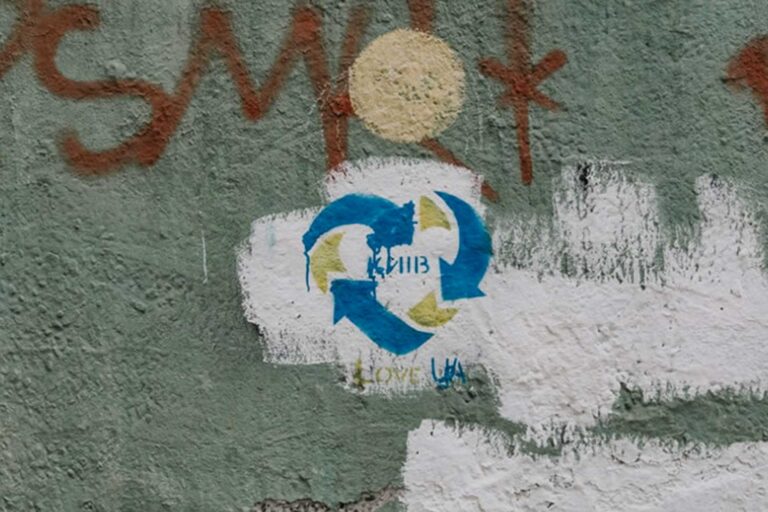
We keep on repeating this: circular economy is needed to tackle climate change
In 2015 the Paris Climate agreement fixed the goal to return to pre-industrial temperature levels, Christiana Ms. Figueres, former Executive Secretary, UN Convention
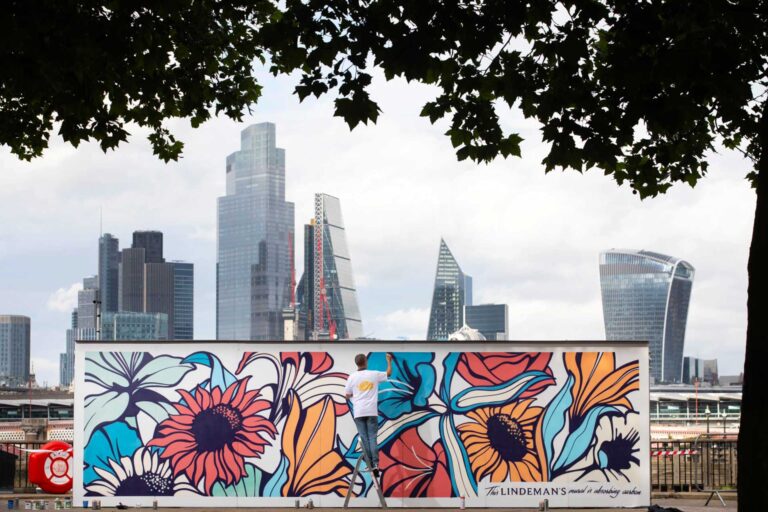
Carbon labelling: carbon consumption on the same level as nutritional information
Being aware of the carbon release of the purchased products, an act of transparency towards consumers for an informed buying experience
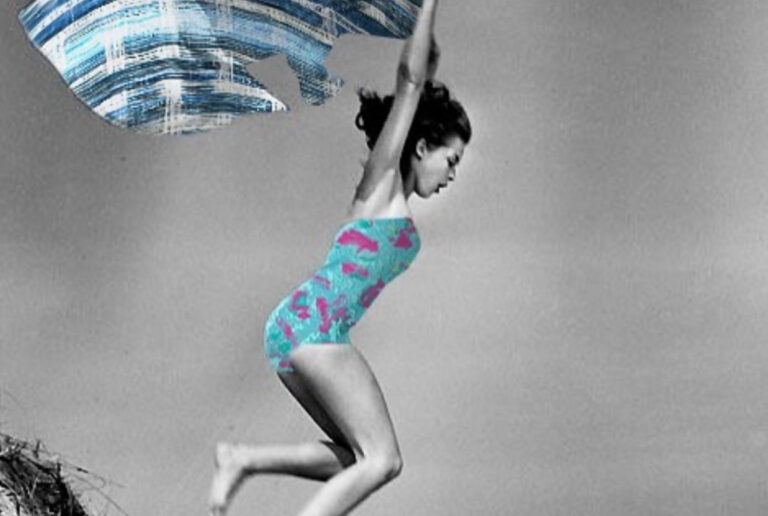
Malhia Kent: albersesque weaves of block-colored stripes and geometric shapes
Eve Corrigan uses materials that are harder to weave, she has to use much older styles of looms that run more slowly. «I’m not interested in quickly mass-producing five-euro textiles»
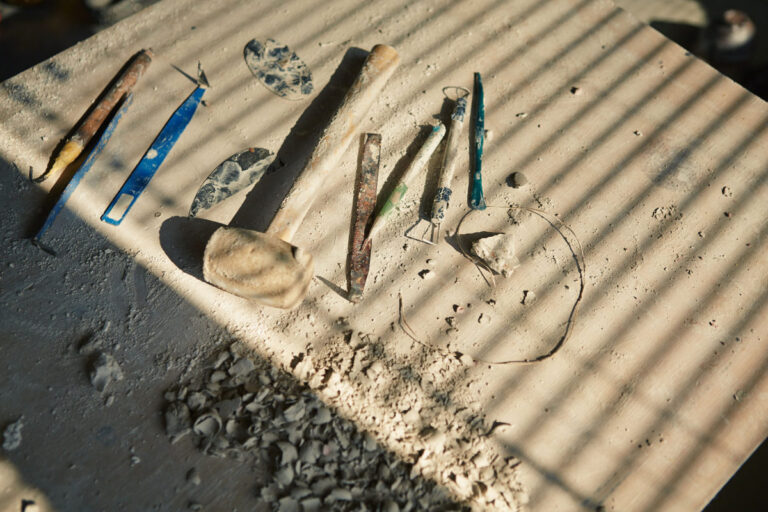
Dear Tea Pot: Takuro Kuwata and the fine line between the accidental and the purposeful
The Japanese ceramist, explains how studying Japanese traditional pottery allowed him to move it forwards with his extrovert style, and discusses his recent collaboration with Loewe
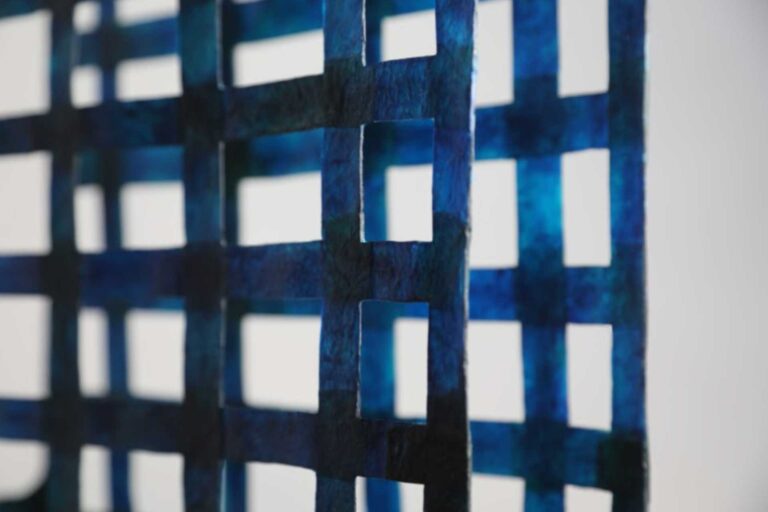
Medusae project – Jellyfish bio-based materials, research and developments
Creating a material from ancestor's techniques, the rediscovery of collagen as a base for tissues and its collection from jellyfish
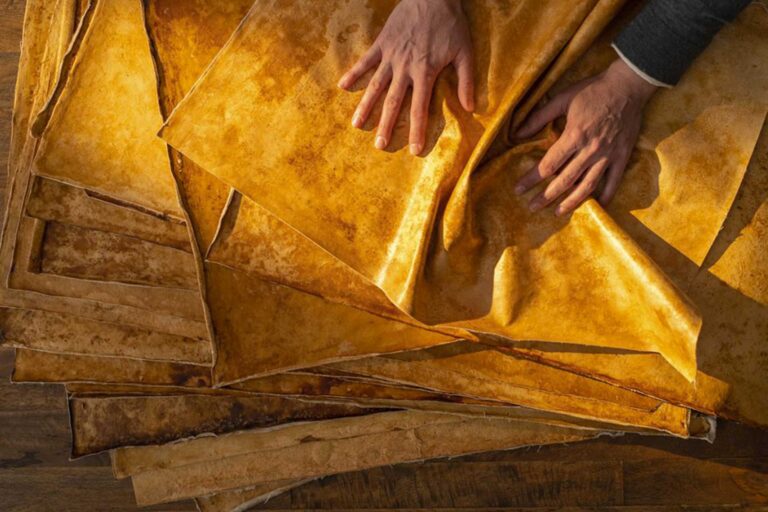
Sophia Wang’s MycoWorks’ Fine Mycelium – presenting their newest innovation: Reishi
Biochemistry into fashion – twenty years of scientific work fostered a mushroom-based, alternative to the fashion industry’s leather-problem. An exposition by CEO and founder Sophia Wang
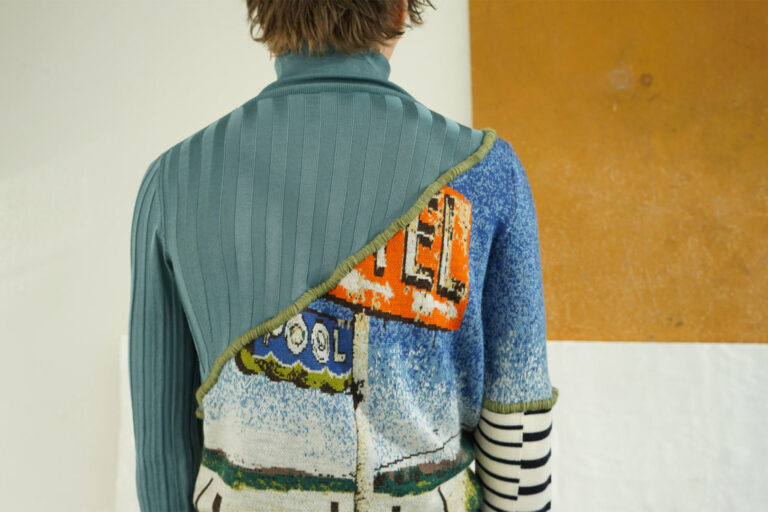
Are you ready to purchase less to save the environment? A talk with Reture
«Waste - failure of the design», says Nina Van Volkinburg while discussing the profile of the Reture, a digital platform that upcycles the underused garments of global fashion designers
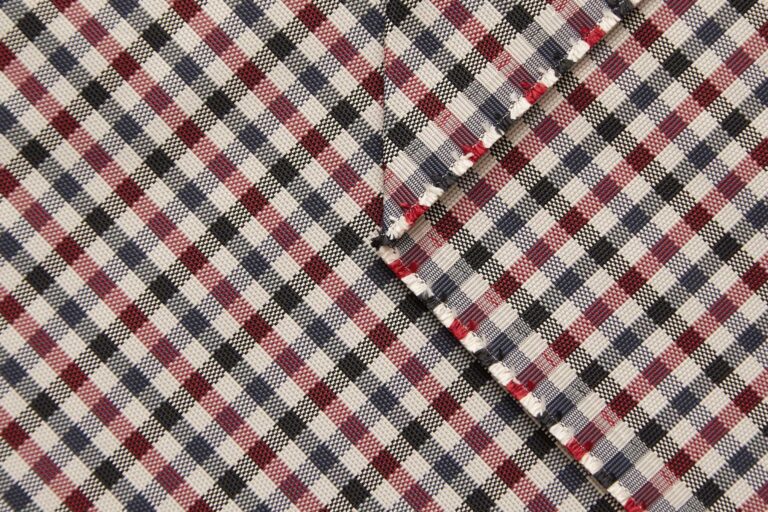
Nona Source, the platform aiming at reducing LVMH luxury deadstock fabrics
LVMH brands luxury deadstock fabrics at competitive prices: the project is committed to support a circular fashion economy model

In 2000 Nino Cerruti sold Cerruti 1881 and dedicated himself to the Lanificio Fratelli Cerruti
The Italian primacy in the processing of fabrics is also a matter of water – fresh, poor in minerals and calcium. Yarns and human paths in eastern Piedmont, the textile...
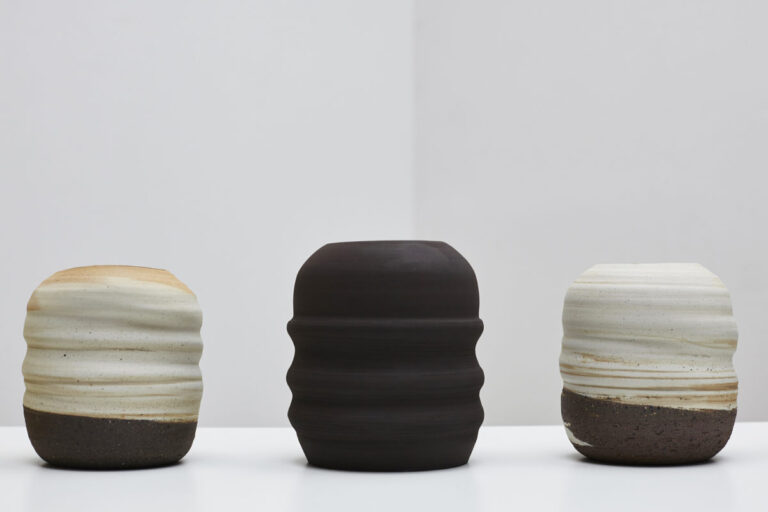
Kirsi Enkovaara: a retail experience with a person behind every product
«There is a gap between industry knowledge and the consumer knowing where the products come from and how they are made». In conversation with the Founder and Creative Director of...

Yovanovitch, creator and curator. Selecting pre-made objects to embellish spaces
Guided by Cardin’s idea of space, Yovanovitch’s perfectionism and attention to detail bely the interior’s surface wit and whimsicality. «The dress is a vase which the body follows»

Probiotic clothing, not sci-fi but science: wearing a base layer made of bacterial colonies
«There are more bacteria in your armpits than there are humans on this planet». How genes, environments, and clothing effectuate a human’s body odors
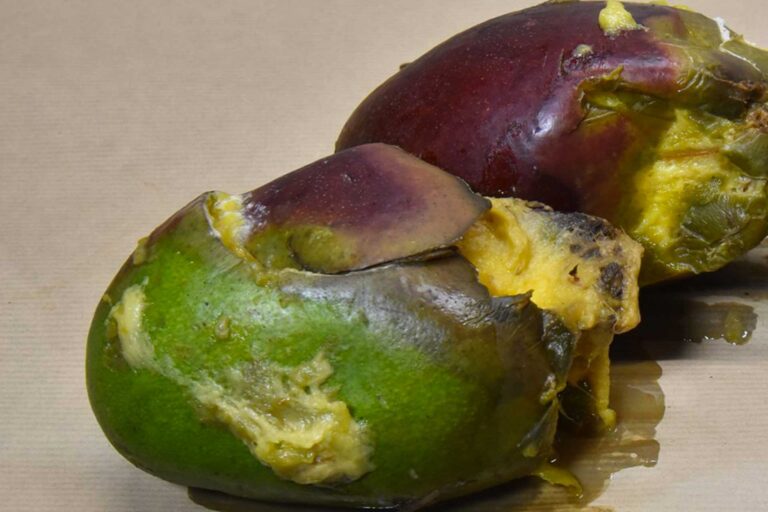
From mangoes to leather: Fruitleather, the idea of two classmates
From the Rotterdam harbor straight to the Fruitleather workspace: the story of Hugo and Koen repurposing rotten mangoes in the European biggest trade-hubs, Netherlands
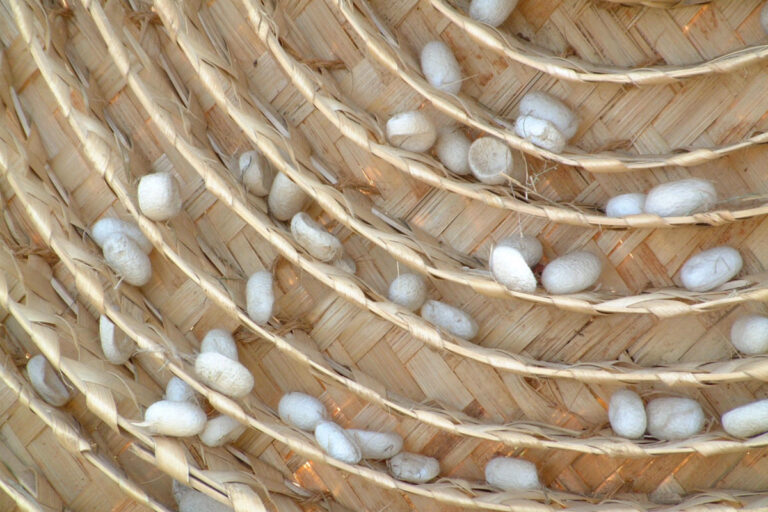
Mantero Seta Re-silk: producing a regenerated material with 100 percent silk by-products
Mantero Seta: tracing the environmental footprint on virgin silk production to ensure that the environmentally harmful steps of virgin silk production are avoided

Lighting industry: a conversation about design, materials and the LED bulbs
A New York-based artist works with biodegradable plastics to create the outer shell of lamps, merging fashion, science, and engineering while seeking to find sustainable options
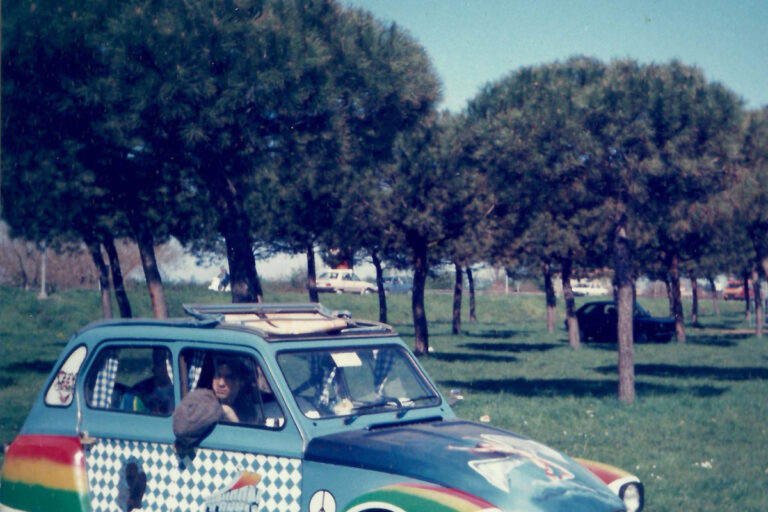
Vitelli – Sustainability is not buzz-word anymore, we need to be honest
A conversation with the founding duo at Vitelli: wools from landfills, the use of hand-machines and an old technique to create a new felted fabric
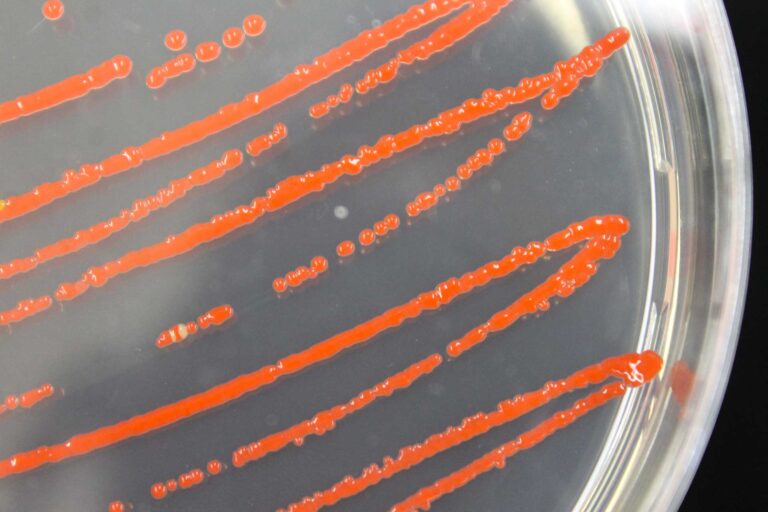
Bacterial dyes in the textile industry – a conversation with Karin Fleck from Vienna Textile Lab
While the dyeing industry is looking for sustainable alternatives, Vienna Textile is going to bring to the market a new dye made from bacteria.

Vegan substitutes to traditional raw materials in fashion: ethical rose petal fiber
Suitable for blending or nonwovens, rose petal fiber is an eco-friendly alternative to silk, one major environmental polluter
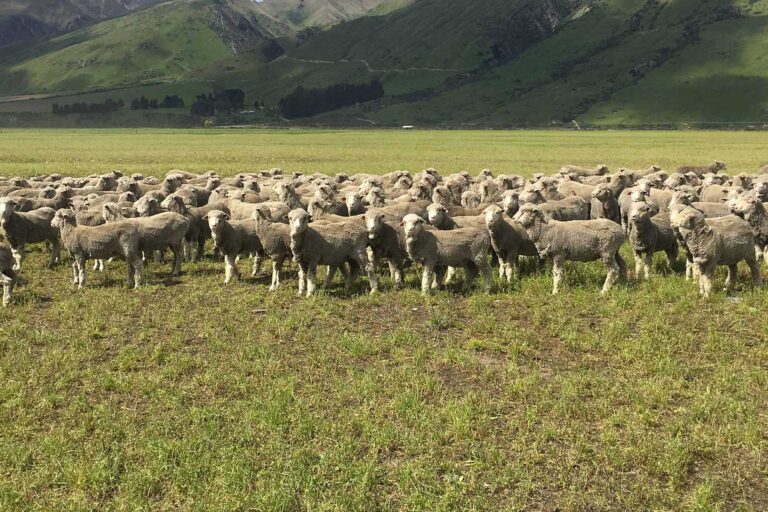
Eileen Fisher’s Regenerative Wool: restoring Patagonia’s Grasslands with sheep
Patagonia Grasslands are facing desertification because of years of overgrazing and hard weather conditions, but Regenerative Grazing can be the solution
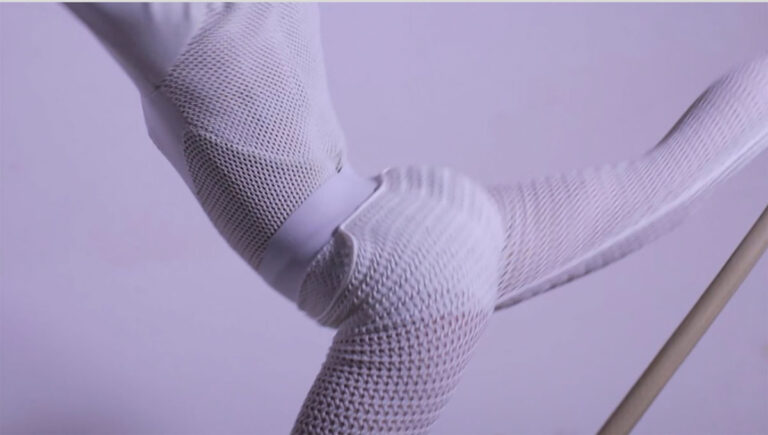
Spun merino wool: clothing for dancing with antibacterial properties
Knit products will not sit in the heritage field. Talking with knitwear designer Rebecca Marsden about dipping your toe in the water that has not been touched

Deadstock and Vintage: redesigning of luxury goods at Paris re Made
Sourcing deadstock, re-designing classics and the future of vintage. A discussion on the circular model

Traceability and Transparency – these are the keywords that really matter
Applying traceability technologies in the fashion industry would bring benefits to companies. From QR-codes to RFI-chips, an insight of some practices that help to achieve it
Aura Blockchain: the privatization of a blockchain is the way forward
Luxury fashion and the Italian textile industry are both relying on blockchain to move them into a new age – who will come out on top?
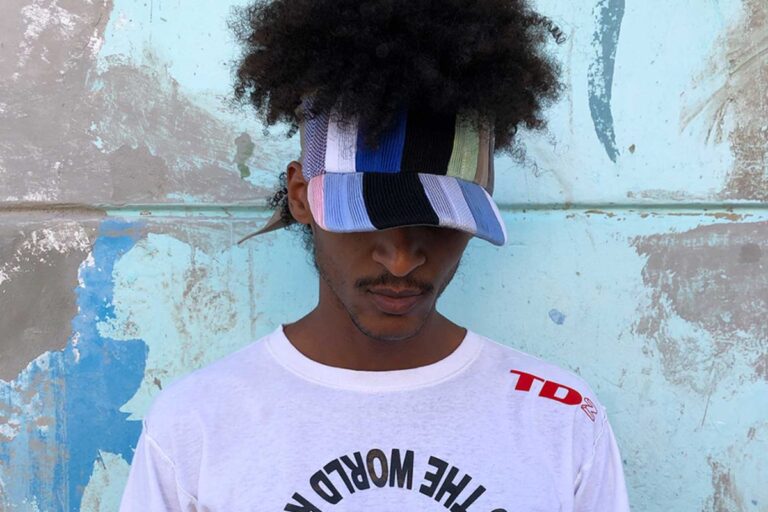
Tiempo De Zafra – How to save a Caribbean’s lost paradise believing in crafting
«When it rains, water rises out of the river and takes the waste with it» Stephanie Bazzarae Rodrigues says: «All of that funnels into the Caribbean Ocean»
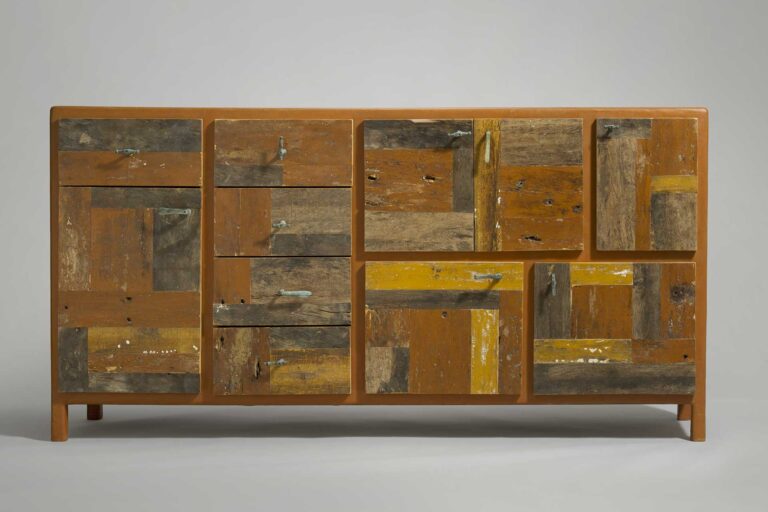
Italy and India: one material, different perspectives – building furniture from reclaimed teak
Although there’s now global awareness of sustainability and the aesthetics of recycling are accepted, the use of scraps has not yet developed into an industry. The case of Baro Design...
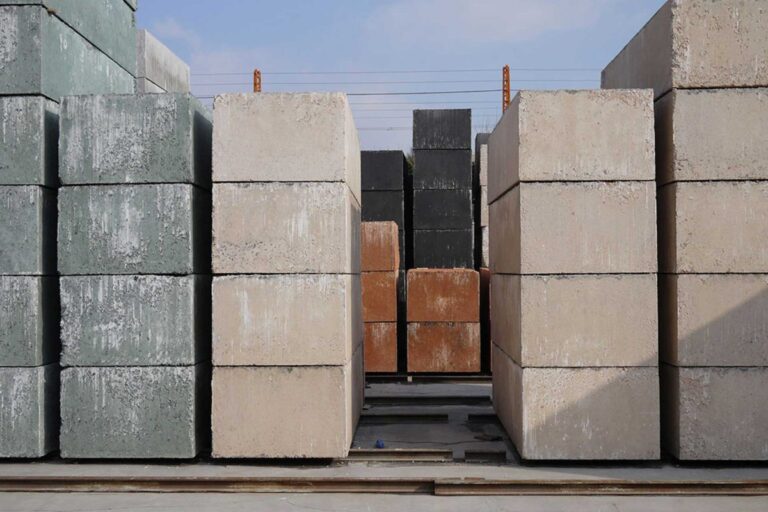
Dzek and the Venetian Terrazzo of today, «revealing the inherent quality of a stone»
In its eight years of existence, Dzek Studio has put just two products on the market «Having that microscopic understanding of a material will change people’s approach»
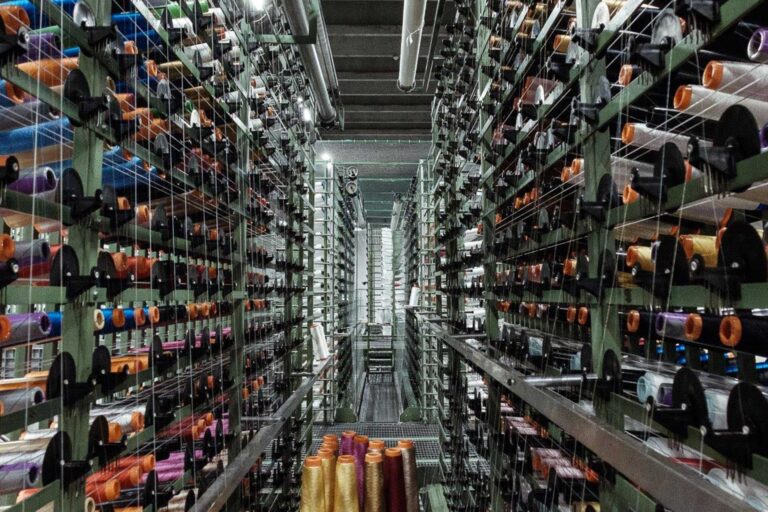
Black in nature does not exist: the future of sustainable fabrics and natural dyes.
The recycled and degradable fabrics and natural dyes will change the impact of the fashion industry on the environment: the Iluna Group case study

Missing the Biennale – or not so much? The Essence of architecture lies on its crossable space
Architectural space is what makes a void into a place, the element that defines architecture is exactly what no exhibition can ever provide. Architect and writer Gianni Biondillo reconsiders
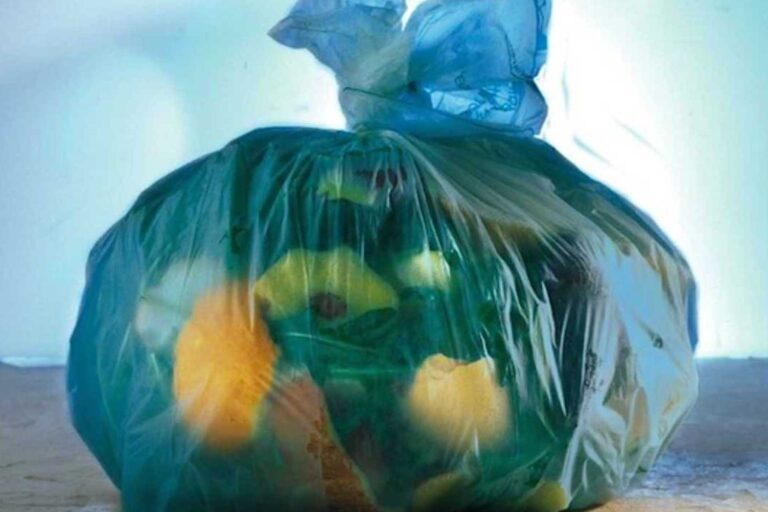
Biodegradable elastomers to reduce plastic lifecycle: where are we?
«We do not want to reduce plastic pollution; we want to eliminate it». In conversation with Germano Craia, CEO of KIK Compounds, a company grounded in developing eco-bioplastics

Bio-based polymers as a new material in the textile industry? An insight on EVO by Fulgar
Olivia Dowie, CEO and co-founder of Riley Studio, on how she incorporated the technical fiber in her collections

DABS – Is recycled material sustainable? The consequences of synthetic textile production
The case of recycled polyester: sediment in the polyester-oriented textile era: to reduce single-use plastic items dispersion

The human fall – A creative talent should always be ready to die
Gods are never afraid to die, because they know that their life is less relevant than what they have done and said, of what they have been