Is it a fashion show or just some showbiz power?
With over 300 brands across New York, London, Milan and Paris—and $1.2B in MIV generated by Paris alone—runways now compete for cultural impact, celebrity reach and digital dominance
Political messaging on the runway: Willy Chavarria and the fashion show as social statement
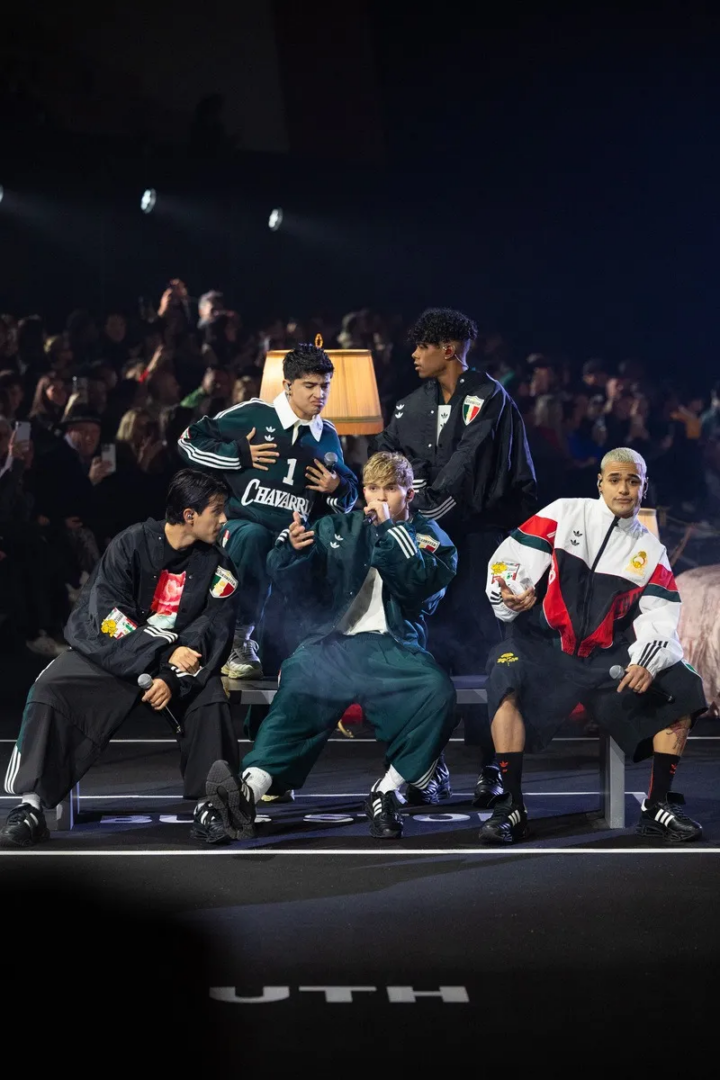
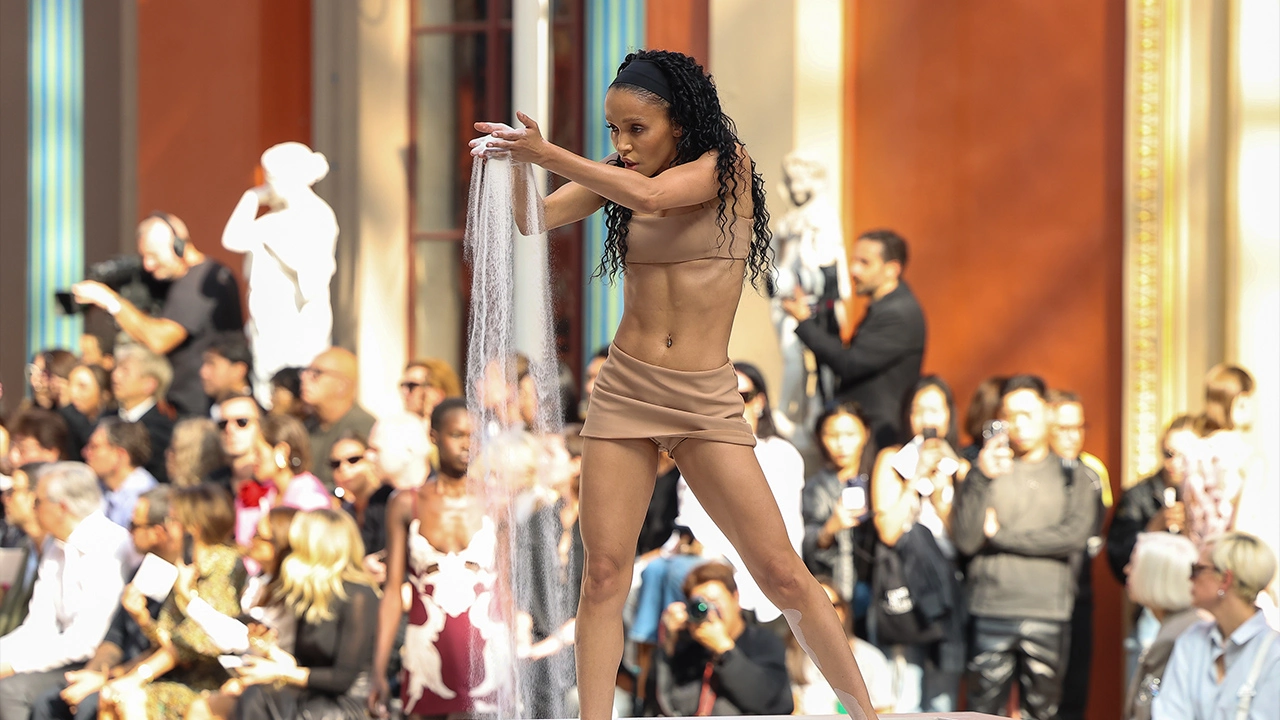
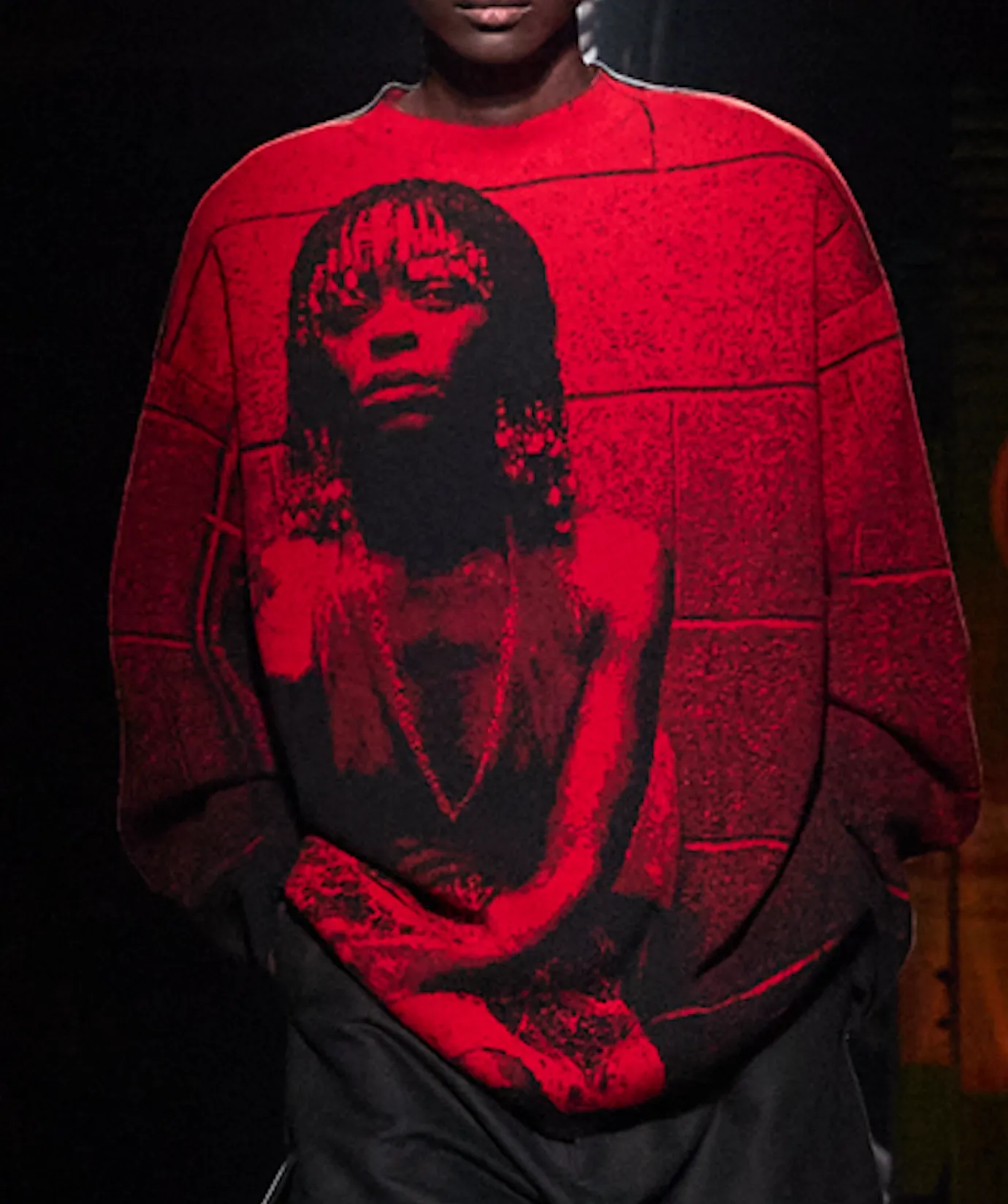
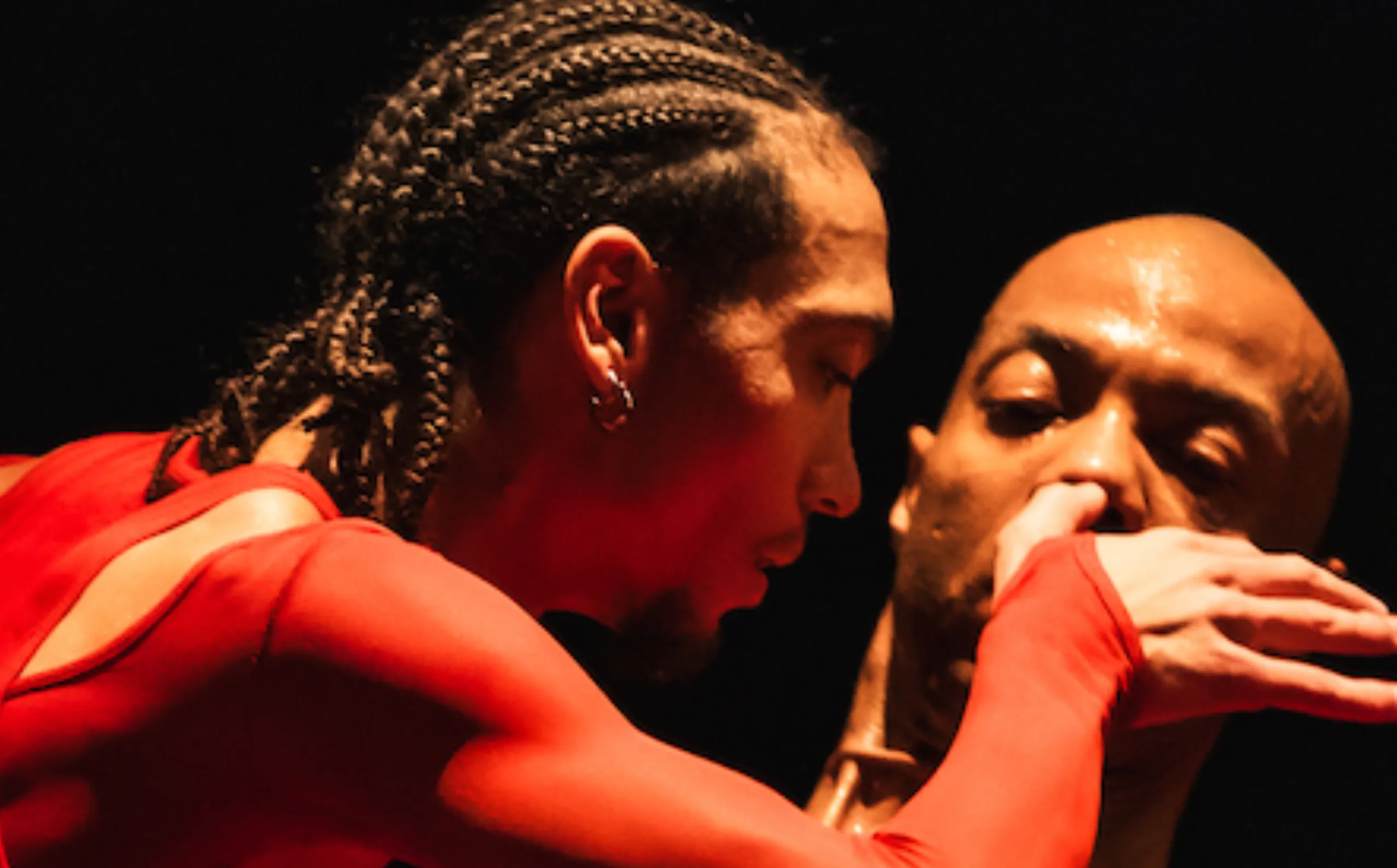
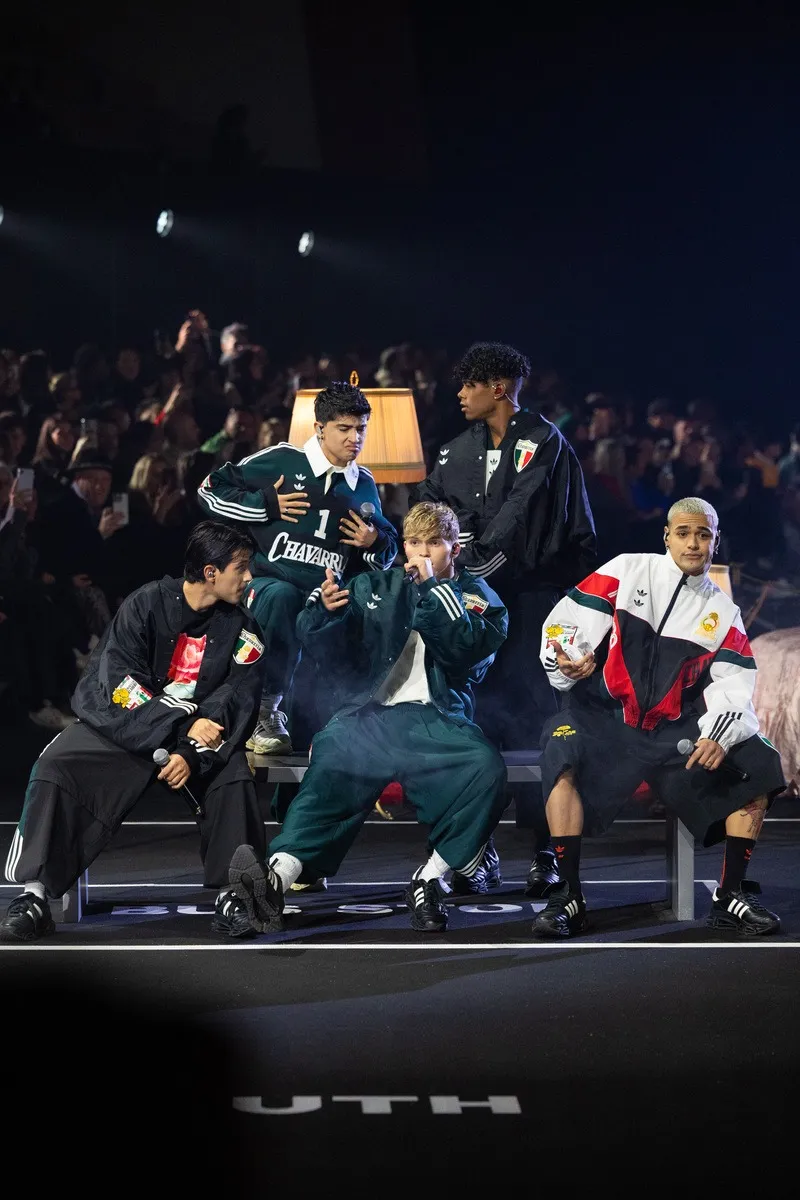
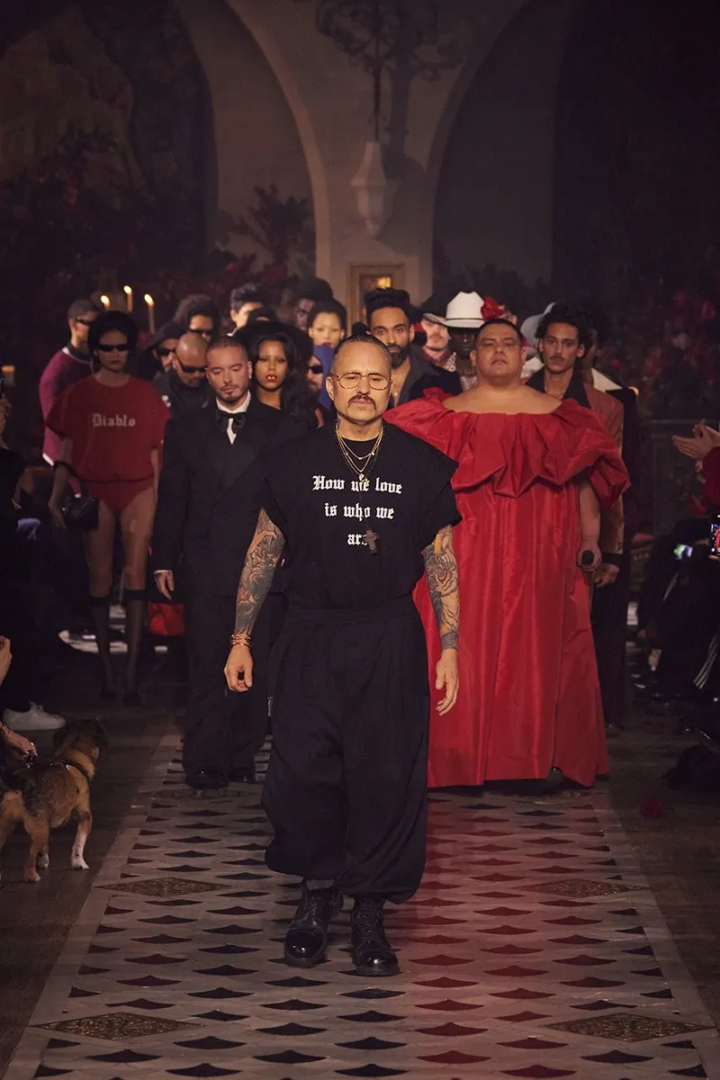
Among the spectacle, many brands choose to merge artistic expression with political statements. The fashion show becomes more than an aesthetic universe; it becomes a space for social impact and activism through the lens of art, showcasing the values of the creative director. Willy Chavarria, a designer born in the United States with Mexican roots, has presented at Paris Fashion Week with shows that not only celebrate his Chicano culture and Latino aesthetics, but also highlight the diversity and talent present across the continent.
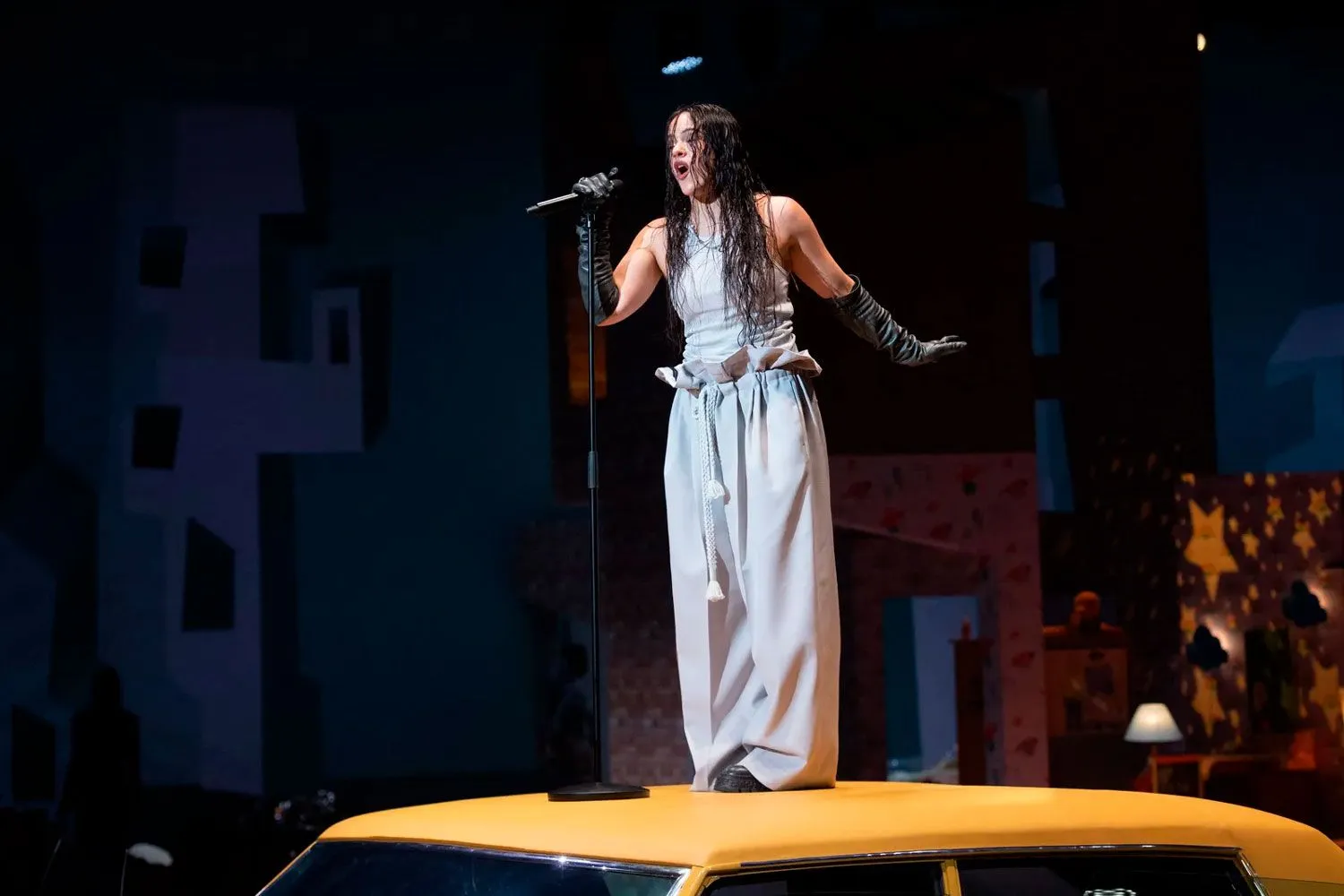
Usually making use of fellow Latinos to create memorable live performances, his shows feel more like musical spectacles than traditional catwalks. From Mon Laferte to Lunay, Feid, and Becky G, his runway functions as both a political platform and a theatrical stage, where the message goes far beyond clothing.
His statements are clear; no double meanings, no hidden messages, no symbolism; they are straightforward and bold. From criticizing government immigration policies to speaking out against the mistreatment of Latino communities in the United States, highlighting the incarceration of immigrants, and advocating for LGBTI rights, his shows communicate powerful social messages. Through visual imagery and poignant symbols, they address contemporary issues of identity, justice, and human dignity, while celebrating community.
From private salons to global spectacle: how the fashion show became a strategic brand platform
Once upon a time, fashion shows began as highly intimate and exclusive events, where wealthy clients and the fashion press were introduced to new designs. Presented in hotels or salons, these events gathered no more than 50 to 100 attendees.
Few brands continue with this tradition, notably The Row, to maintain a prestigious image. The purpose of modern fashion shows has deeply changed in recent years due to the increasing demands of the industry, and many brands have realized the growing power of creating memorable experiences that last a lifetime. Today, fashion shows have become not only a window into a brand’s lifestyle, a designer’s point of view, or a clothing showcase; they are spectacles and cultural experiences with a broader social impact.
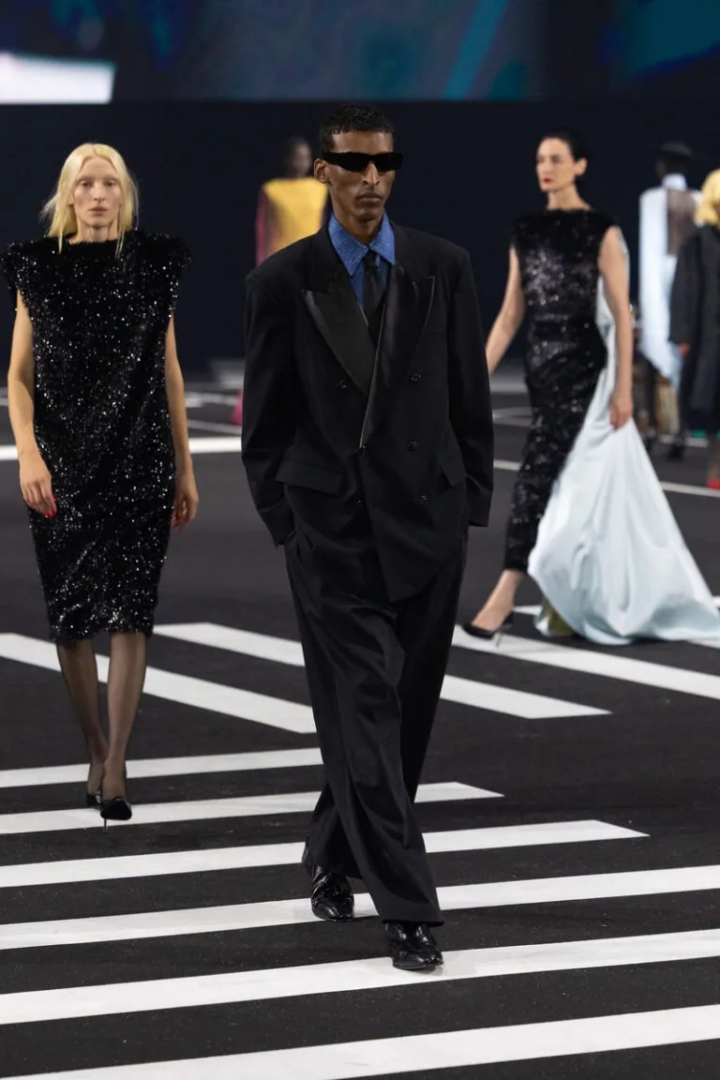
Last February 6, La Fédération de la Haute Couture et de la Mode in Paris unveiled the Fashion Week calendar for the upcoming Fall/Winter 2026–2027 womenswear season. The calendar includes more than 95 brands squeezed into 10 days of non-stop official shows, presentations, and off-schedule events. Paris Fashion Week will be preceded by Milan, with around 54 shows and 64 presentations; London, with over 94 official events; and New York, with more than 60 official events. In just one month, fashion professionals and enthusiasts will gather as much knowledge as possible about the more than 300 brands presenting. But for labels, it is only 20 minutes to leave a lasting mark and an impactful image before attention turns to the next brand.
Fashion week calendar and media impact value: why Paris Fashion Week leads brand visibility worldwide
According to Launchmetrics, Paris Fashion Week Spring/Summer ’26 generated unprecedented media impact worth $1.2B in MIV, followed by Milan with $570.1M, New York with $408.2M, and London with $163.8M in MIV. These numbers prove that fashion shows have become cultural moments that speak about l’air du temps and mirror shifts in society, and brands are making the most of the attention.
Emerging brands and established names are capitalizing on their 20-minute spotlight to become part of the cultural conversation. However, with the fast-paced nature of the industry, taking advantage of this platform requires not only a full team of professionals overseeing every detail and strong financial backing, but also a unique point of view. Think of Thierry Mugler’s creative realms, John Galliano’s theatrical shows, Alexander McQueen’s exploratory journeys, Karl Lagerfeld’s grand constructions for Chanel, or Alessandro Michele’s performative shows for Gucci; there was creativity and innovation, but above all, a concept with a strong message that spoke to the moment.
However, staying relevant in today’s overly saturated world is not an easy task. Therefore, creative teams and designers have opted to create grand spectacles that stand the test of time, leaving some moments imprinted in the annals of fashion history. Today, social media has allowed an entirely different audience to be part of these moments, but it has also created the need to entertain not only the fashion crowd, but also the hundreds of thousands of spectators watching from home, sharing content, and giving likes. Shows have stopped being merely about clothing and have become about spectacle, about moments that last far longer than a few clicks. Fashion weeks are hectic, and brands compete to get more views, more clicks, and more viral moments. So, how does one stand out?
Celebrity strategy and brand amplification: how social media reshapes the fashion show ecosystem
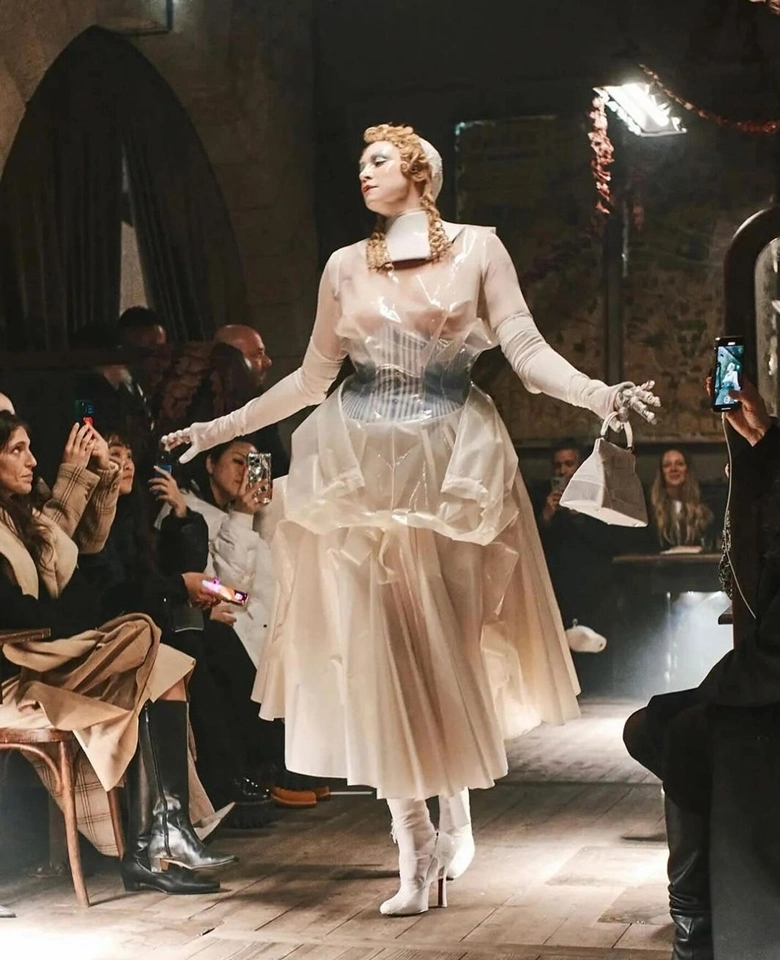
Fashion is one of the few industries that generates interest among ordinary people, not just fashion professionals. Social media has allowed for a “democratization” of the industry, even though this democratization has been mostly driven by brands’ relationships with celebrities and cultural influencers, in order to appeal to certain niches. However, it has enabled brands to connect with a wider audience. The presence of celebrities and influencers at fashion shows not only serves to illustrate the realm of the brand but also takes the spectacle from the runway into real life, with celebrities and influencers acting as an extension of the show, enhancing runway impact and propelling the fashion show as a spectacle, where entrances become red carpets and front rows become highly coveted places.
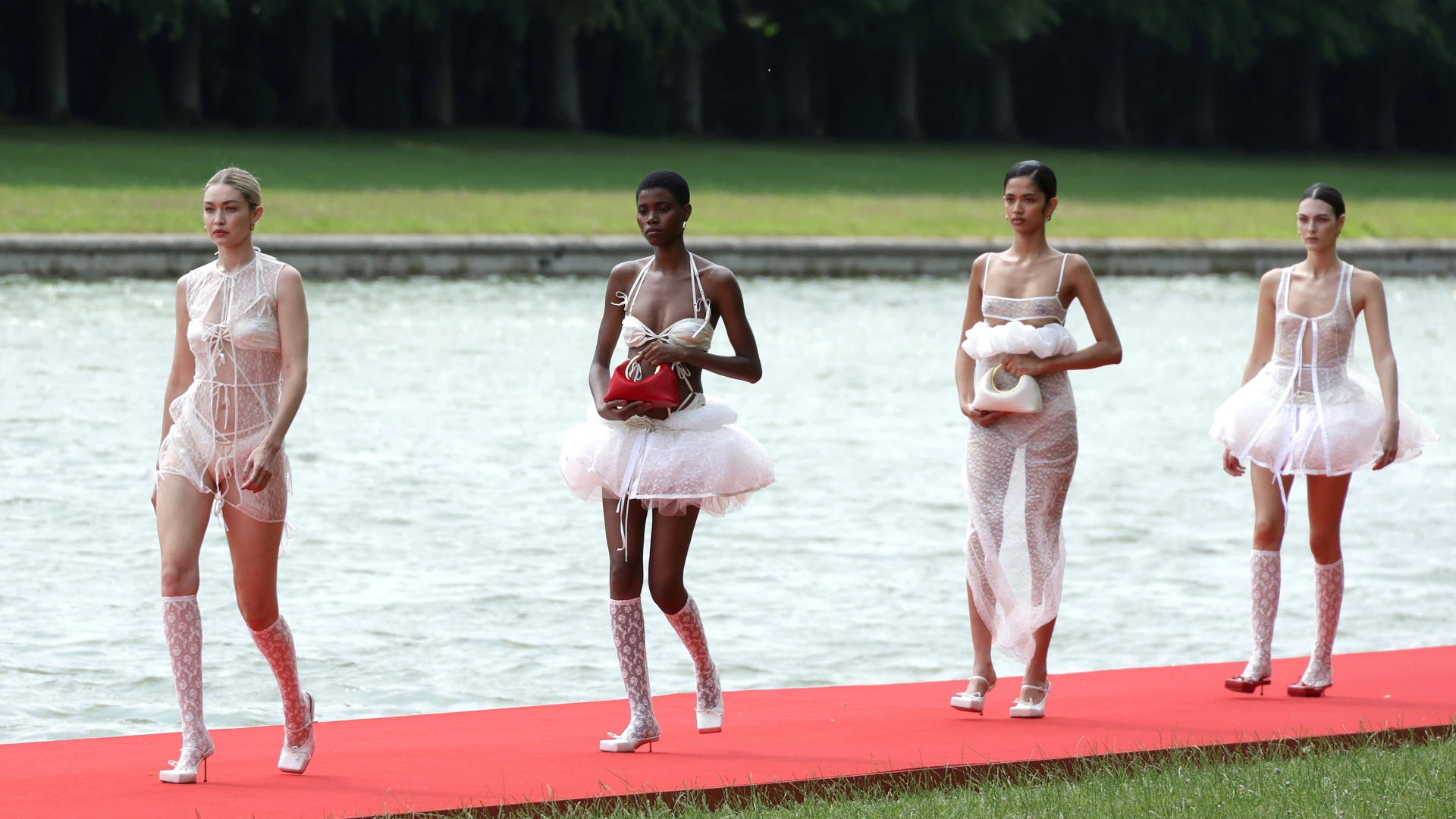
Simon Porte Jacquemus has propelled his brand thanks to his colorful designs, family storytelling, and connections with celebrities and influencers. His shows are designed to appeal to an Instagram-savvy crowd, his front rows are carefully staged, and his models are cast to resonate with a generation that values recognition. From Kendall Jenner to the Hadid sisters, Dua Lipa, Emma Roberts, Léna Situations, Pierre Niney, Elizabeth Olsen, and more, these personalities are not just guests at a fashion show — they are active elements within the production, contributing to the brand’s public image.
Front row power and brand identity: from Jacquemus to Louis Vuitton, when the show becomes a cultural statement
Jacquemus is far from being the only brand creating strong ties with celebrities to gain visibility. Dior, Chanel, Saint Laurent, Schiaparelli, and many more rely heavily on “it” girls, heartthrobs, and emerging talent from all corners of the world to help propel the image of their clothing, increase the desirability of the brand, and enhance the show’s cultural impact as well as its international appeal. Each movement, each attendee, and each decision is carefully curated by PR teams to create the desired impact and convey the desired brand image.
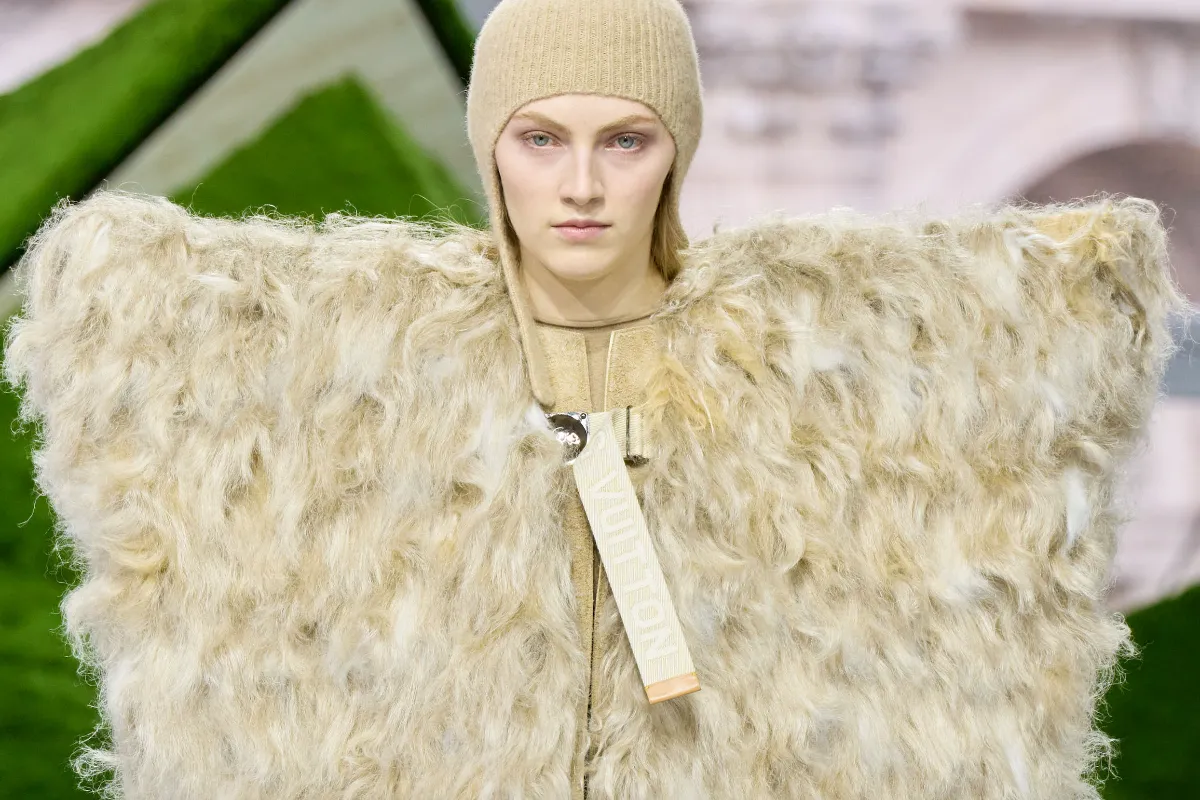
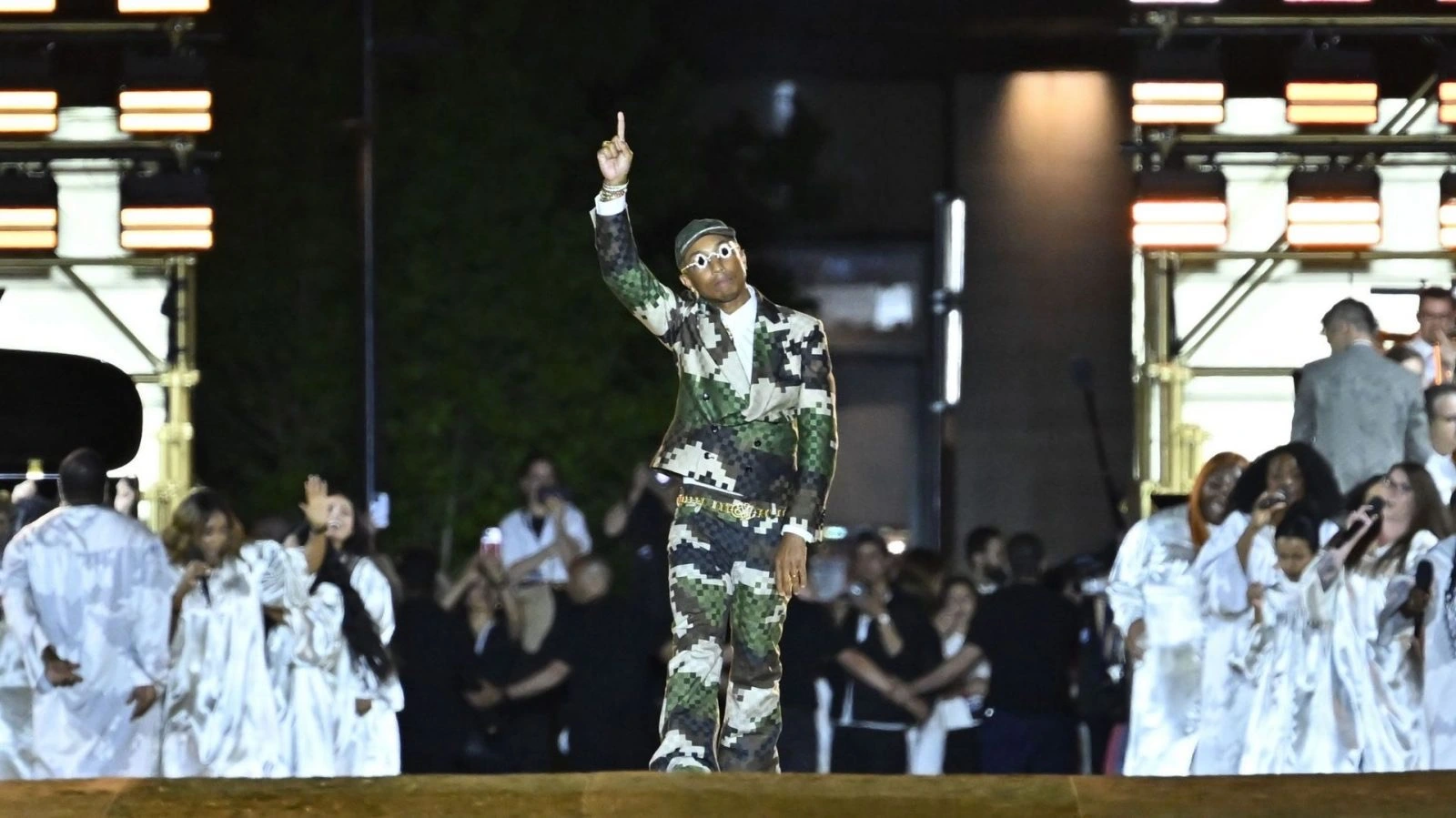
For Pharrell Williams’ debut at Louis Vuitton, the brand hosted over 1,750 guests. The front row was a game of influence and status, featuring Jay-Z, Beyoncé, Rihanna, A$AP Rocky, Lenny Kravitz, Zendaya, Megan Thee Stallion, Naomi Campbell, Kim Kardashian, Lewis Hamilton, and even the Mayor of Paris, just to name a few. Over 1 billion people tuned in on social media to watch the spectacle, proving that it was more than just a fashion show — it was a cultural event.
Runway as immersive experience: set design, performance and collection concept as brand storytelling
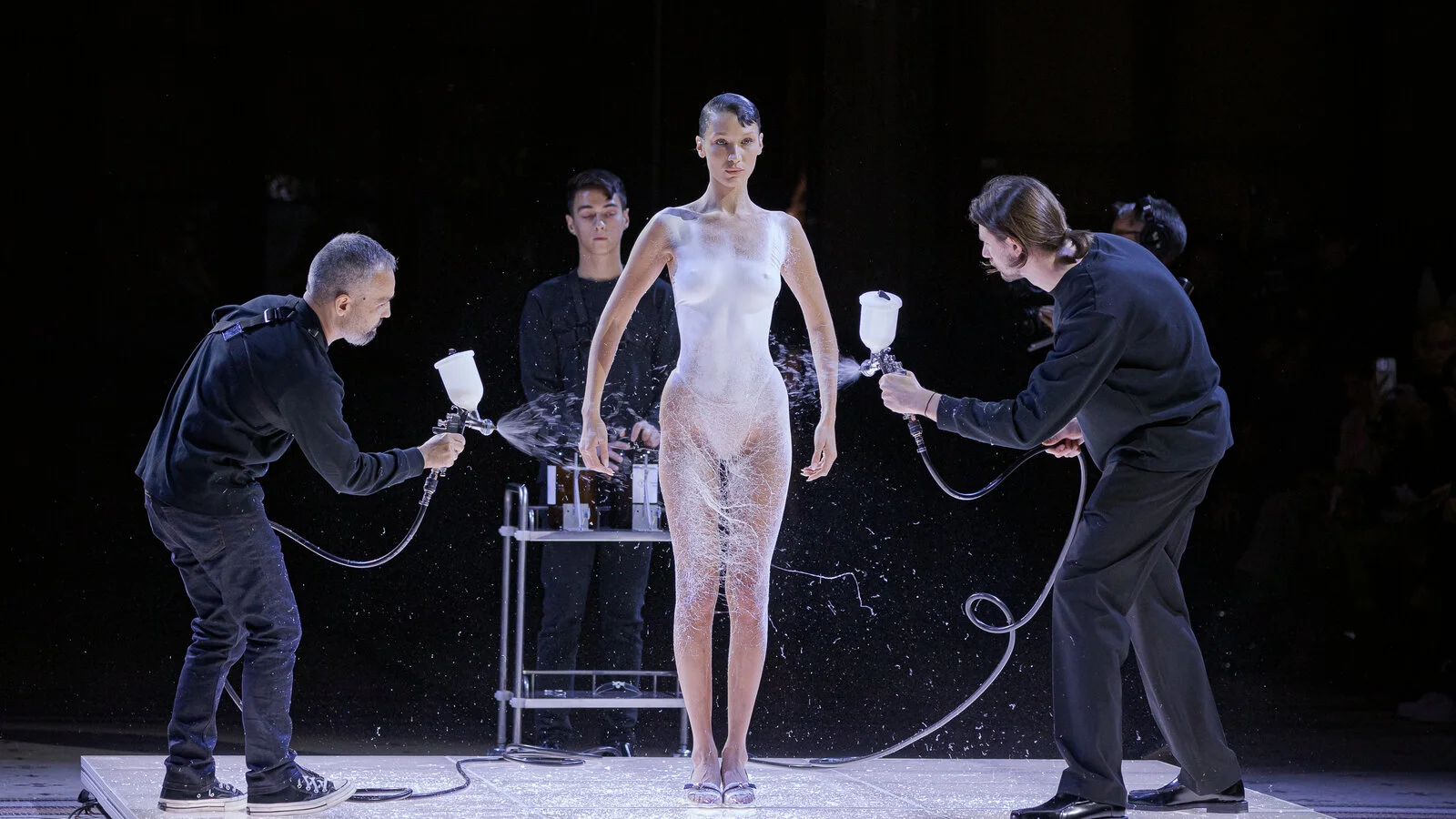
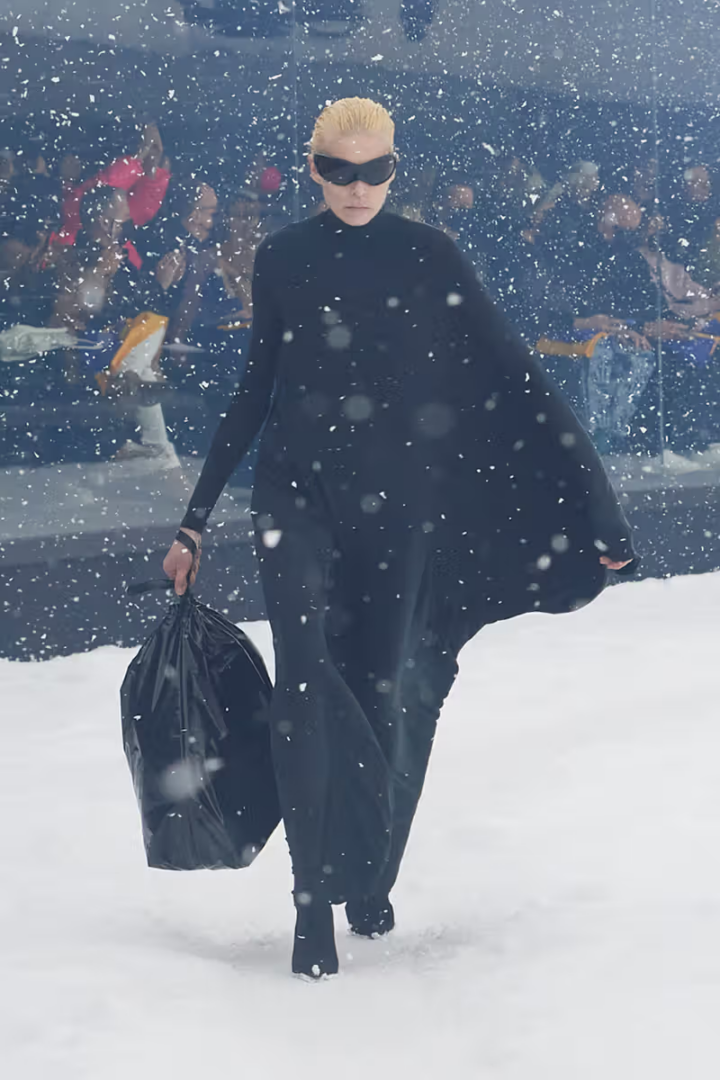
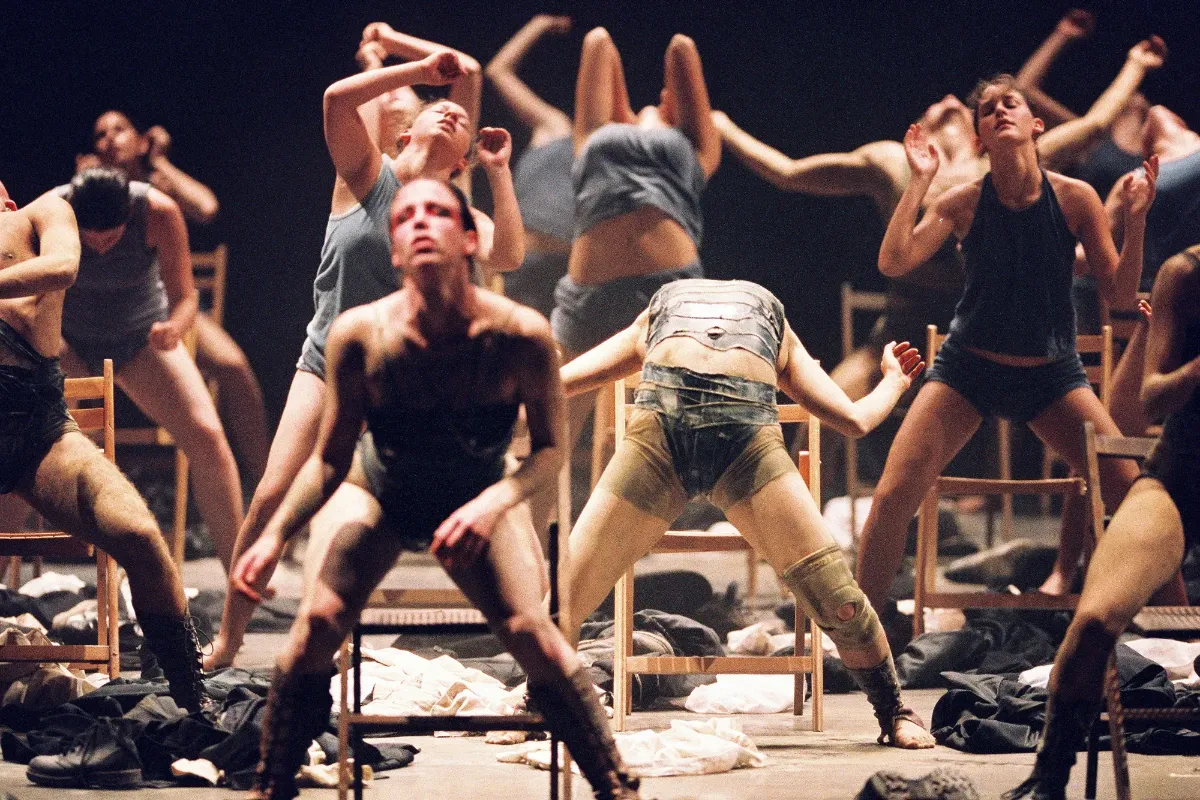
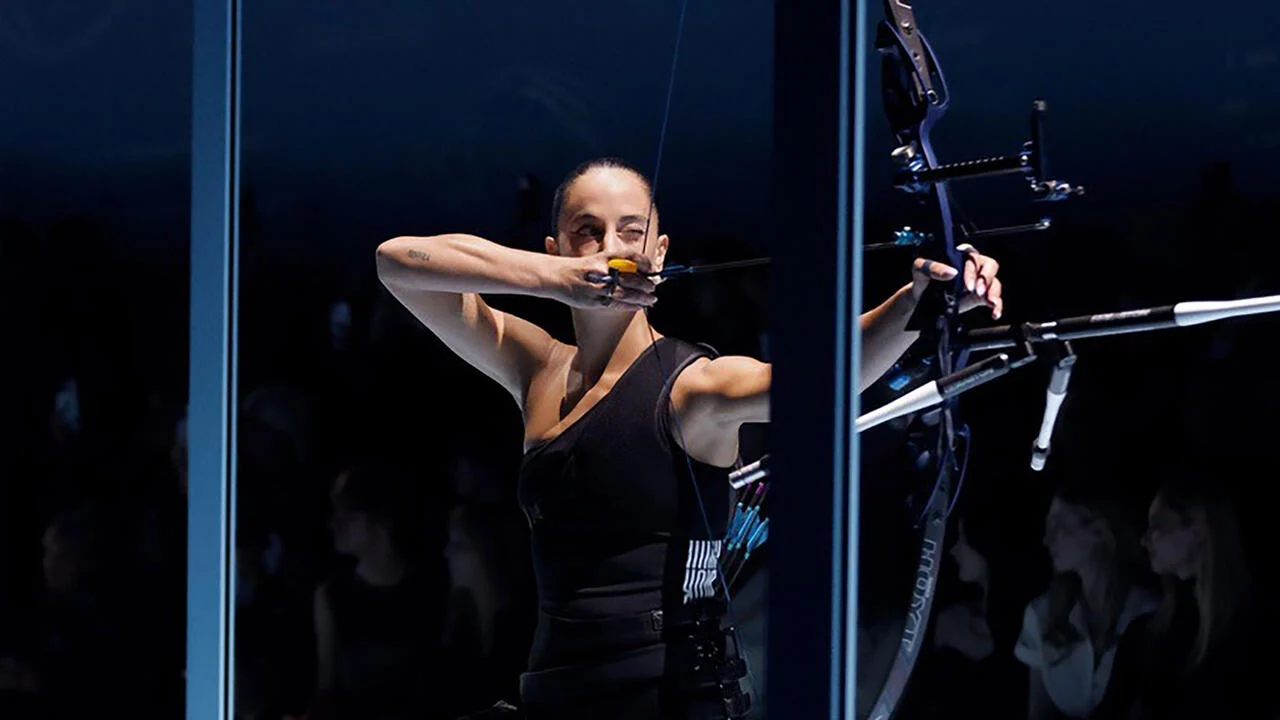
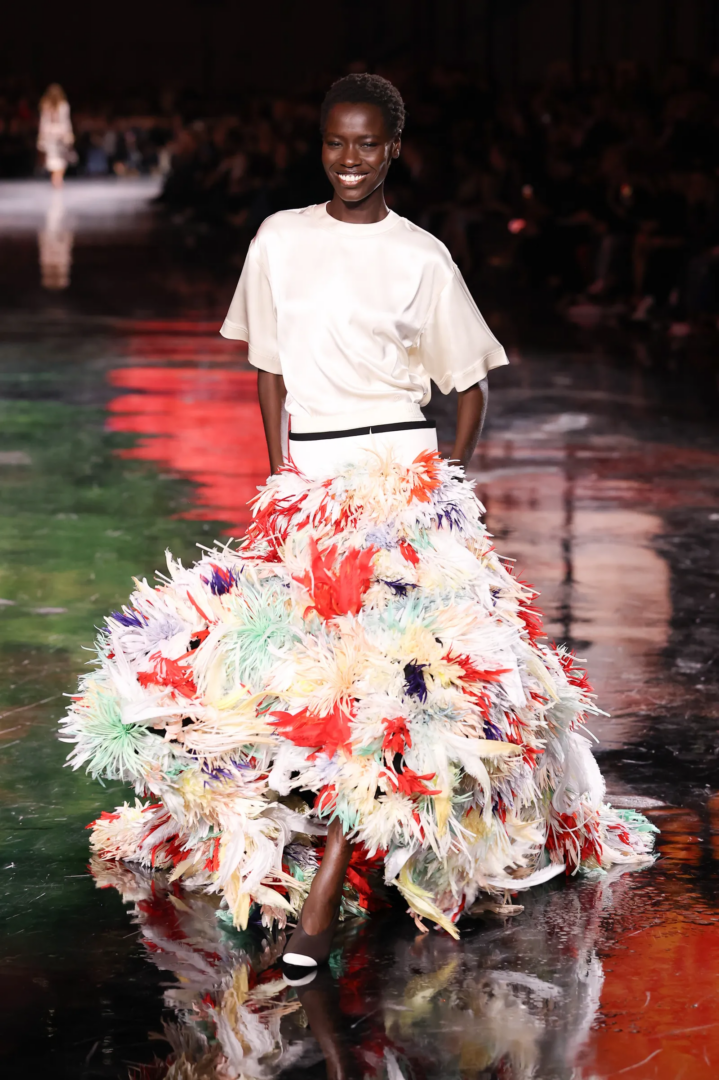
The constant pursuit of innovation and attention has pushed brands to expand the creative boundaries of their shows. A retail presentation is no longer enough; the catwalk has become a platform for social, cultural, or political messages, elevated by theatrical spectacle, grand performances, and opulent staging, while the clothes themselves serve as just one of the accessories or vehicles to communicate these messages.
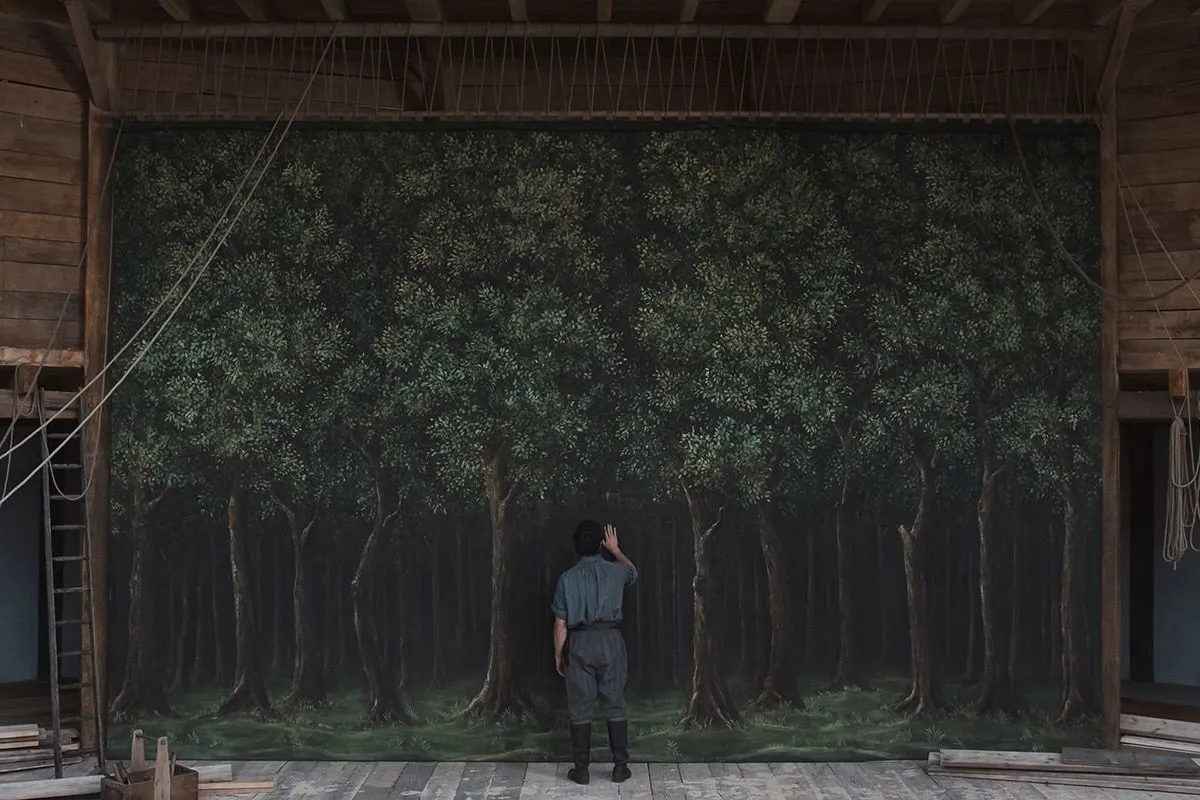
Some of the most memorable shows include Karl Lagerfeld’s presentations for Chanel, where the Grand Palais was transformed into immersive realms for the audience. Not a typical catwalk, the runway experiences showcased Chanel as an international powerhouse through grand constructions such as spaceships, ice rinks, gardens, airports, supermarkets, or Parisian rooftops. These shows demanded not only creative innovation, but also the collaboration of architects, engineers, set designers, lighting and audio specialists, show directors, choreographers, and more.
Feminism, community and collection values: when a brand uses the runway to communicate a clear vision
Maria Grazia Chiuri’s tenure at Dior was marked by deep feminist activism and political commentary. From T-shirts that read “We should all be feminists” to slogans on the walls, her visual statements were reinforced by collaborations with women artists and female artisans from around the world, strengthening her social commitment. Clothing became a canvas through which she placed feminism and social change at the center of her creative practice.
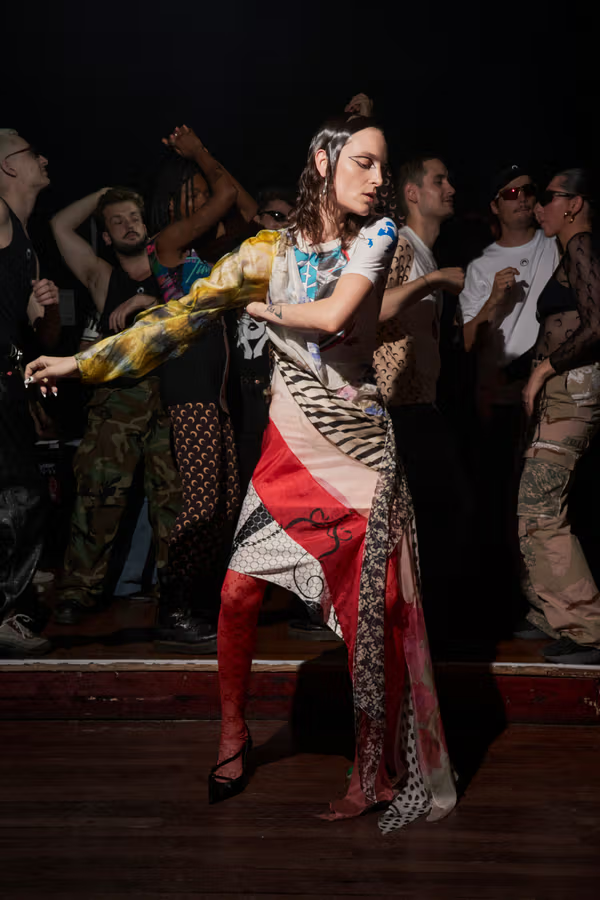
Competing against marketing machines with big budgets and endless resources can be challenging for independent brands. Emerging designers, with limited budgets but abundant creativity, have opted to stage impactful presentations to leave a mark and stand out. They are creating shows in cultural and niche venues, designing theatrical showcases, and delivering social messages that resonate with their target audiences. Designers like Pyer Moss, Jeanne Friot, and Études Studio have leveraged this platform, gaining recognition not only for their strong messages, but also for their creative cultural narratives and innovative ways of presenting a collection.
Cultural relevance and digital engagement: how fashion brands turn a collection into a lasting impact
The impact of fashion shows has proven to extend beyond the clothing itself when executed with purpose, meaning, and innovation. They not only engrave moments in the minds of audiences and in popular culture but also give visibility to the brand and the designer’s values, while appealing to like-minded customers and communities. Today, audiences are highly engaged in these cultural moments, and events like Lawatchparty, created by Content Creator Ly.as, demonstrate that immersive experiences and strong messages make people dream, engage, and generate greater value for the label.
More than a pursuit of attention, clicks, and virality, fashion shows are a race for cultural relevance and social impact. Brands that manage to read the moment and leverage a community not only amplify their visibility but also have the power to initiate conversations around topics through art and creativity, imprinting their influence not just on the aesthetics of fashion, but on culture itself.
Carolina Benjumea