Arrested for a photoshoot – Russia’s cage system
The State does not stop at punishment – it enters the body, lets it bleed, suffocate and deteriorate without care. Detention, feminist art and the cage of Putin’s Russia
Kristina Rozhkova: art, authority and the cage in contemporary Russia
In June 2024, Kristina Rozhkova was arrested in Russia and placed in detention following a denunciation linked to a photographic shoot. The case unfolded within a legal framework increasingly applied to artists, activists, and feminist practices. Her detention and subsequent house arrest developed within a broader system of control that continues to shape cultural production under the current Russian authorities.
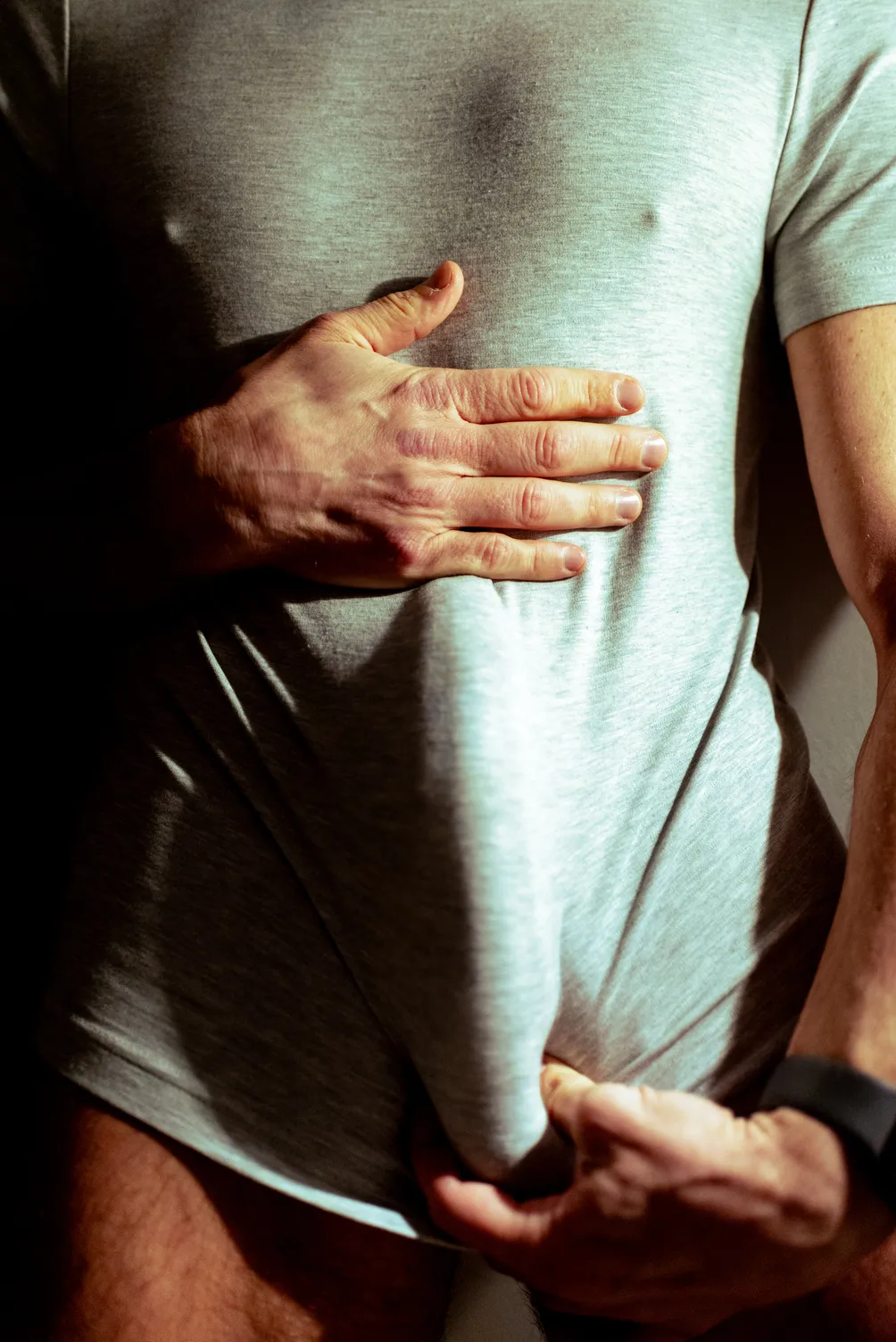
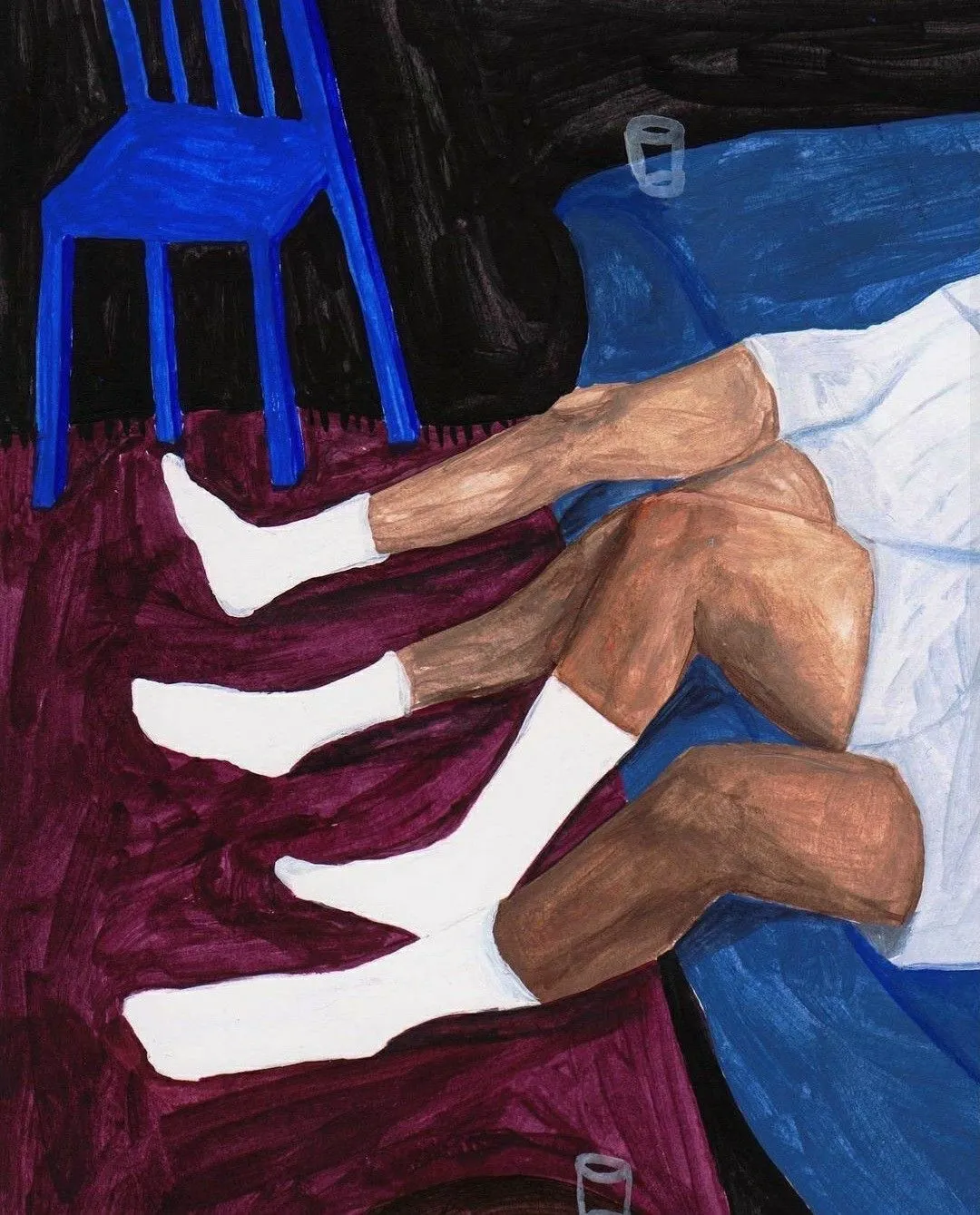
Kristina Rozhkova is a Russian photographer whose work has addressed bodies, intimacy, and vulnerability, with earlier projects such as The Bliss of Girlhood focusing on female experience and transition. In her recent project Gut Feeling, developed after her release, these themes intersect with structures of power and confinement. The cage appears as both a physical condition and a social model. This interview documents how personal experience, state repression, and visual practice converge in her work.
The cage as physical trauma and social system of control in Russia
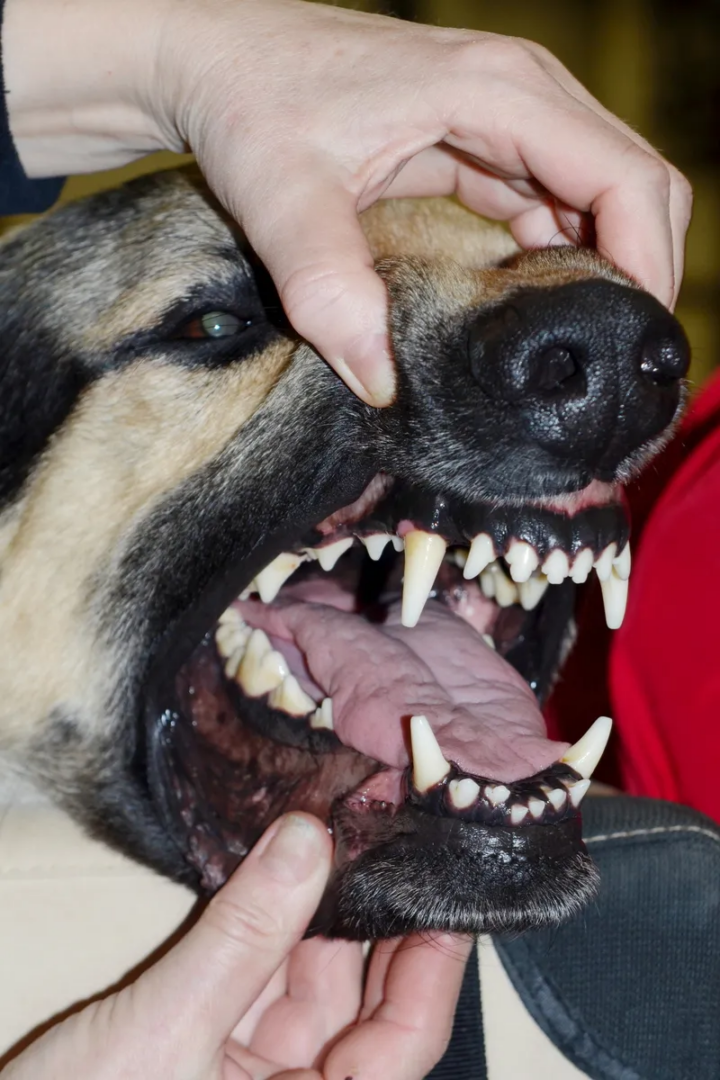
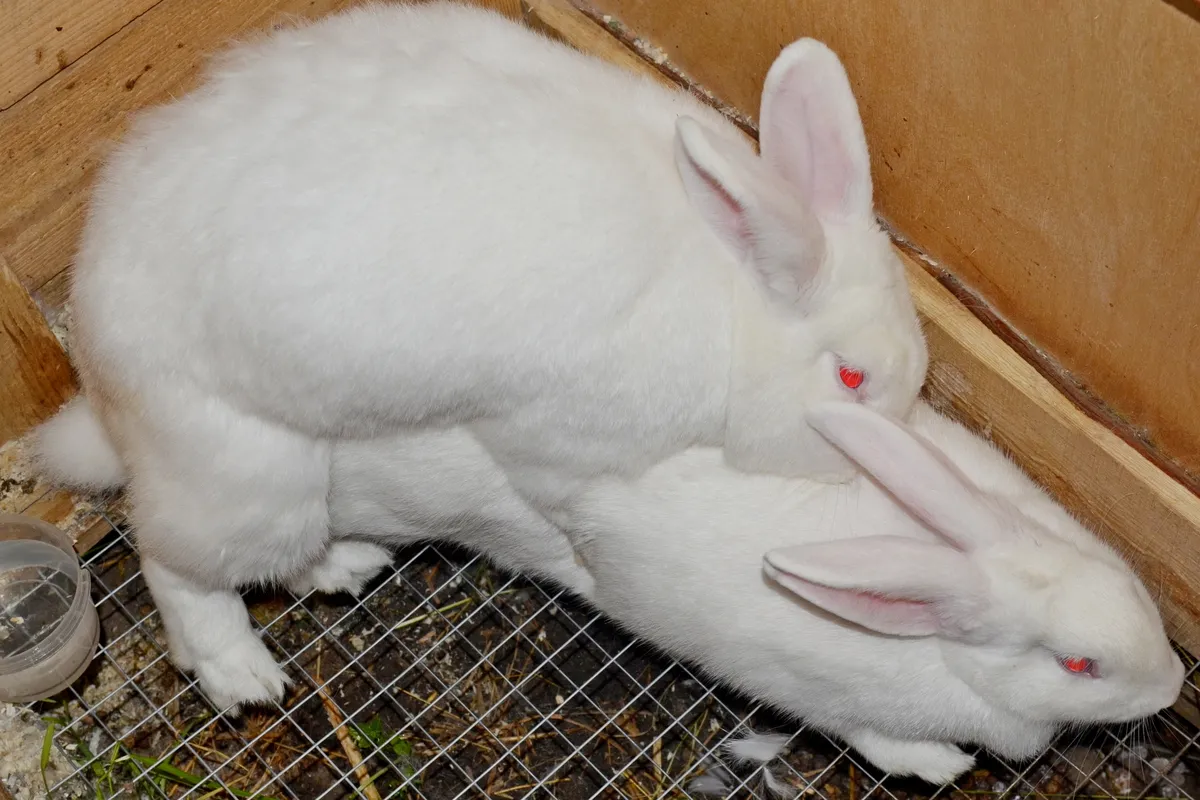
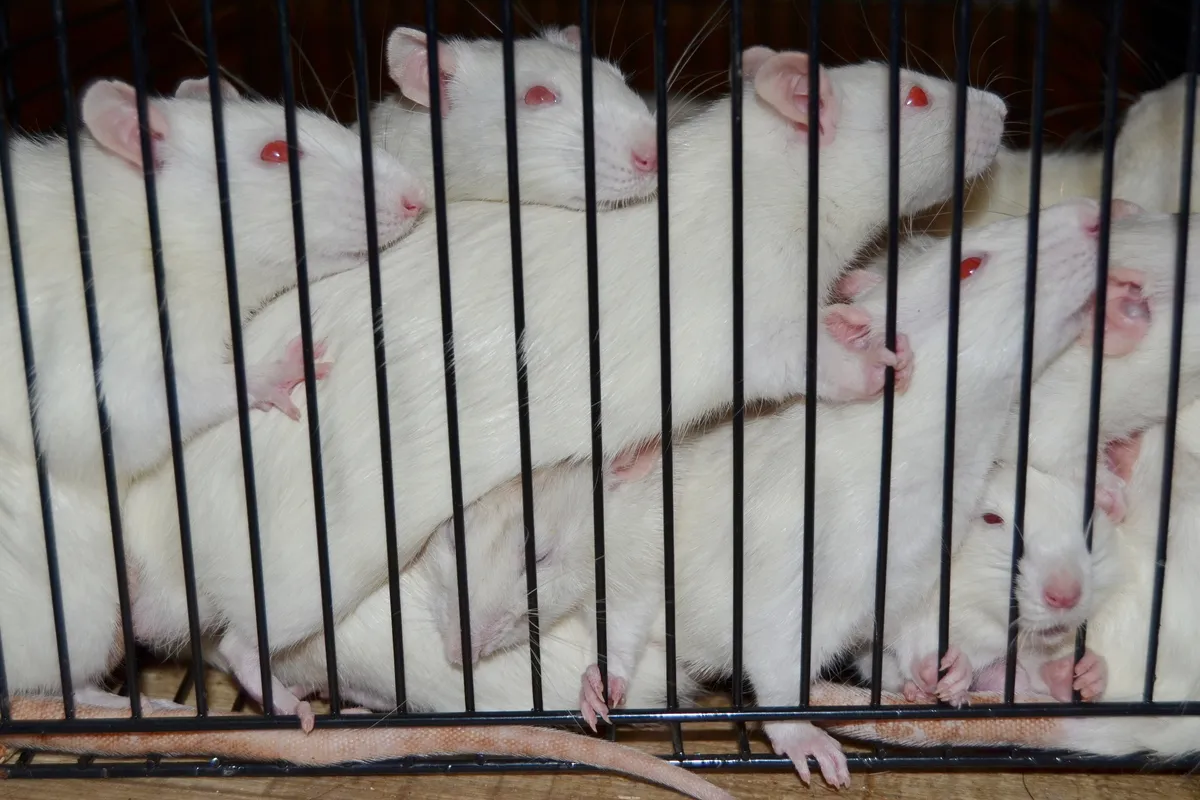
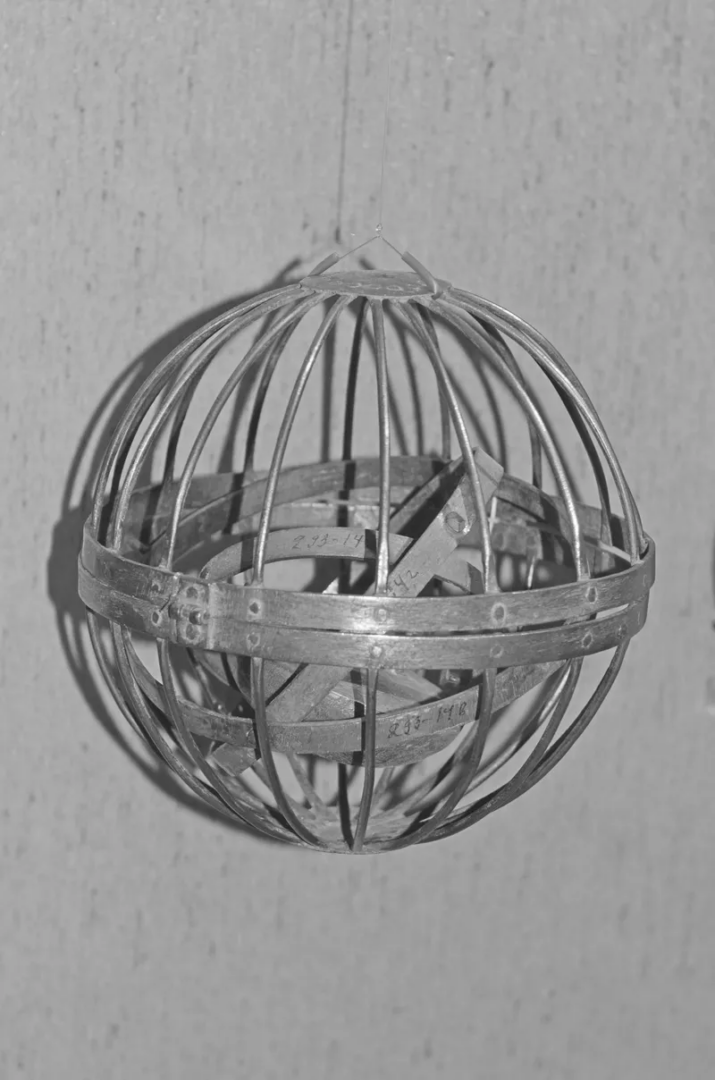
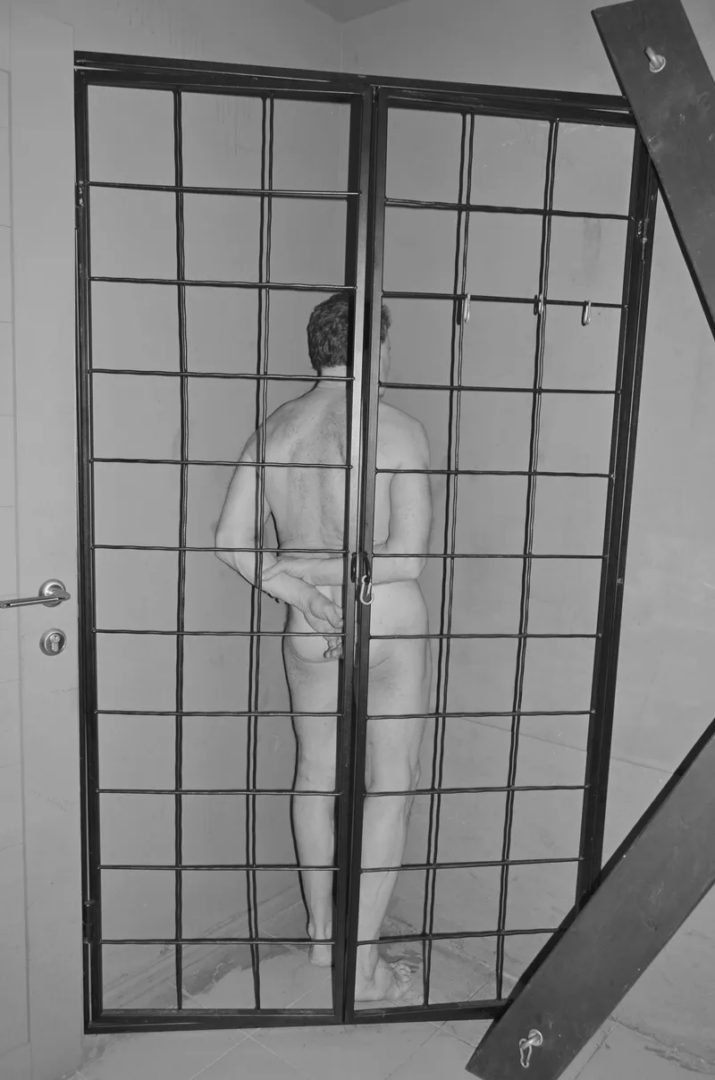
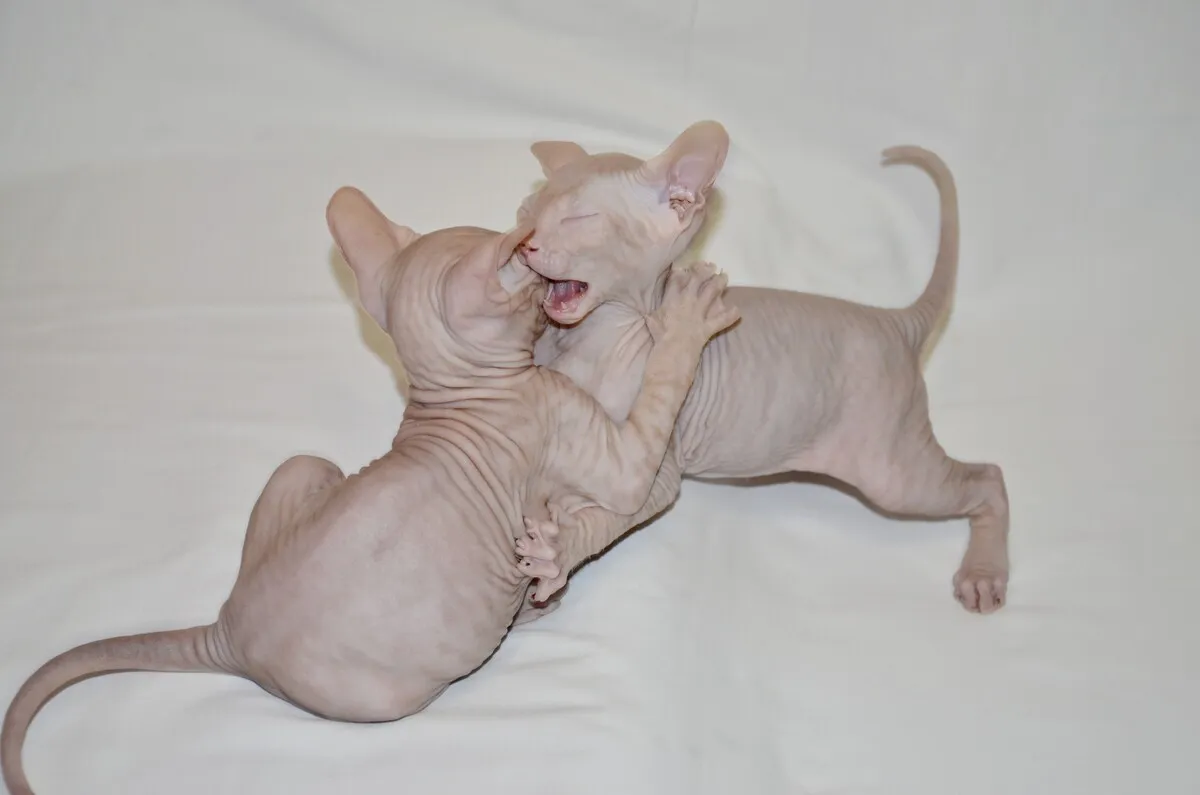
Kristina Rozhkova: From the very moment of my arrest, I felt trapped, caged. Being in a cell with 13 other women, I felt like we were rats in a cage. Or like a collection of different animals locked in a tiny box. Yes, different and completely incompatible. Some were like wild predators, others like tame, gentle rabbits; someone was a bird, someone a guard dog, someone a silly clucking hen, and someone a sad, locked-up elephant. But we were all jammed together, unable to take even a single step. The animals clashed and screamed in different voices, with no room to move. They cackled and roared, and all those voices merged into one loud, unbearable noise that I had to endure for two months.
MF: In the project, the cage is not only physical; it becomes a social model, a form of control that appears in institutions, farms, and everyday relationships. Is there a continuity between worlds that seem so different?
Kristina Rozhkova: I see a connection between factory farms, hunting grounds, state institutions, human relationships, places of discipline like schools, and the animal world, it’s all in the cage, in the phenomenon of power and violence. My perspective became this way after the violence I survived. I began to see the cage everywhere. The cage is dependency; it is captivity. People often create their own conditions of bondage, cornering themselves and refusing to live freely. This is especially visible in economic relationships, capitalism creates so many versions of the cage that people enter willingly. Loans, mortgages, and so on.
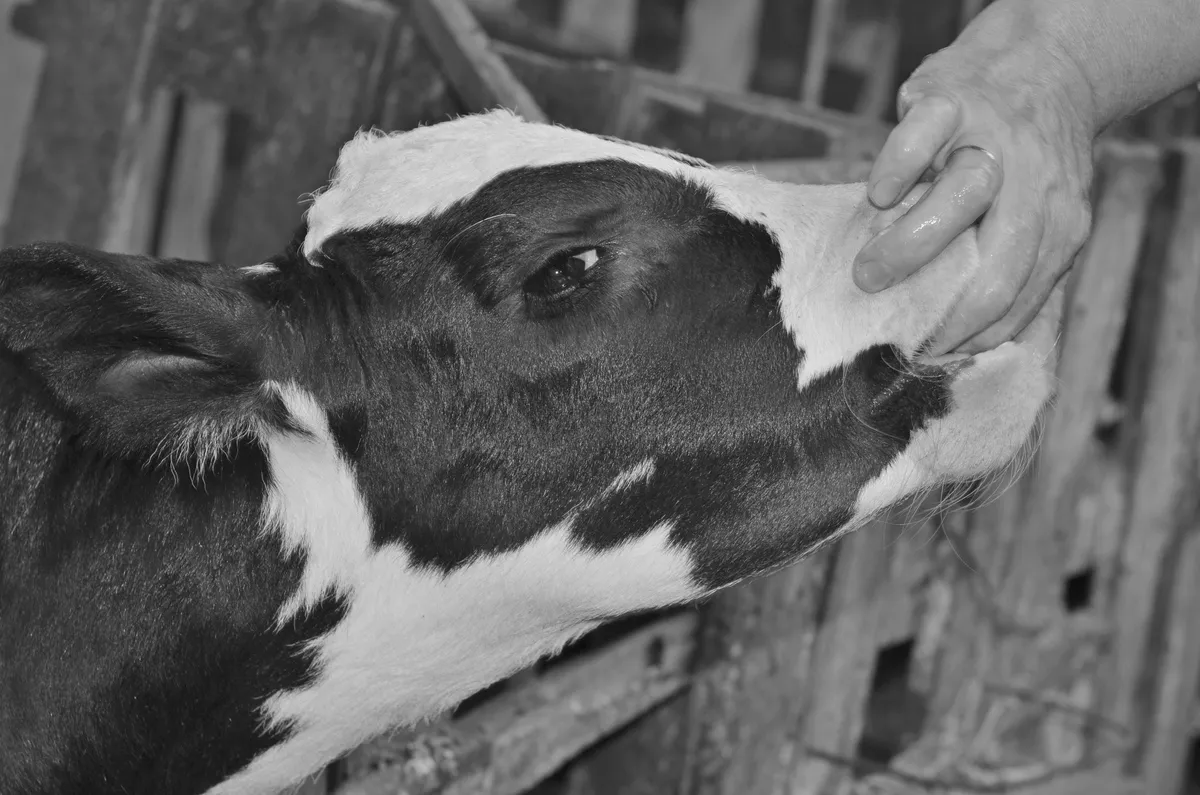
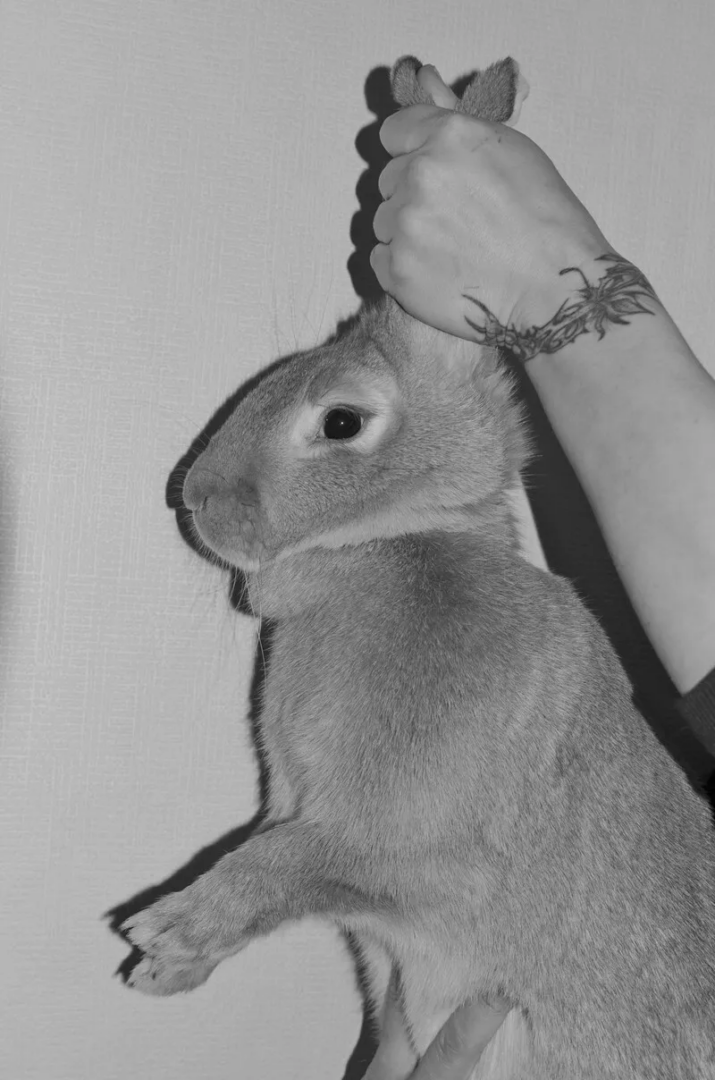
I saw the cage, and I highlighted this connection, made it more visible for the viewer. I began to see a world saturated with relationships of violence everywhere, and with so much “legitimate” violence, including on farms. Just as death becomes a norm, so does the daily extraction of resources. I would look at a cow on a farm, at the milking machine on her udder, and I saw how Power milks resources, uses people, and then sells them for meat after ten years of being drained. I looked at the slaughter of a rabbit and saw my own sacrifice in that victim. Only my sacrifice seemed more senseless to me. At least the rabbit provided meat.
Arrest, political repression and the criminalization of feminist art
MF: Gut Feeling was born as a response to an event that deeply marked you this past year: your arrest. Can you tell us what happened and how it happened?
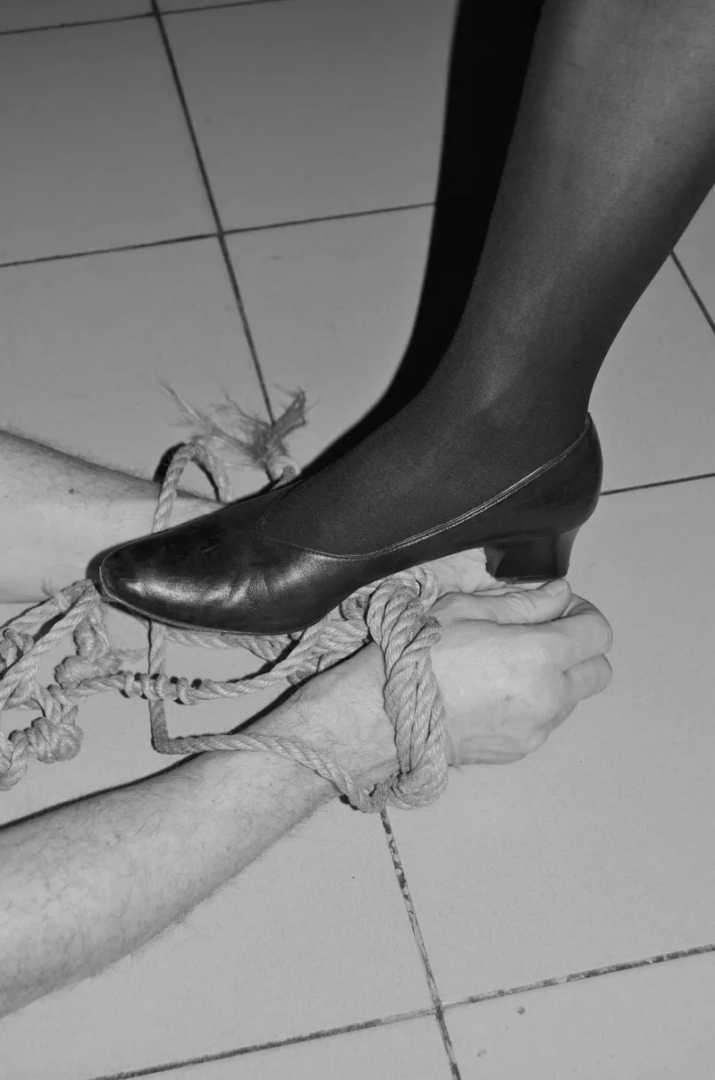
Kristina Rozhkova: In June 2024, I was arrested without any investigation or due process. I was placed in solitary confinement for three days and then in a pretrial detention center for two months, in a cell built for 14 people. The reason for the detention was a denunciation written against us by “Male State,” an organization that opposes feminists and women in general. We had conducted a creative photoshoot in a cemetery with several girls, featuring elements of shibari. One of the participants had recently survived a sexual assault and had publicly accused the artist Viktor Zabuga. The shoot was, among other things, a therapeutic act for her, to process and “bury” what had happened. Right after the shoot, she posted some backstage footage, and representatives of “Male State,” prompted by Viktor Zabuga, immediately filed a report. They claimed we had insulted the feelings of believers. This legal article is becoming increasingly popular in Russia; since the Pussy Riot arrest, such cases have been multiplying.
After that, Viktor Zabuga (who is both a rapist and an informant) went to war. Now he is a “Hero of Russia,” while four of us have been enduring violence for a year and a half. Even though there were more people at the shoot, they didn’t look for anyone else. As we were told, it was an “exemplary case,” or an “exemplary whipping,” meant to show others that you cannot go against the state, against Orthodoxy, or accuse men of rape and be a feminist. Our case was covered quite extensively in the media, especially when we were first placed in detention. Later, I and two other participants were granted political prisoner status.
MF: What emotions did you feel in that moment? How did you feel physically and mentally? How did you react to that event?
Kristina Rozhkova: I cannot put into words what I went through. Time erases the worst things from our memory. My psyche began to suppress the horrors I experienced back then. First, three days in solitary confinement, two months in detention, then four months of house arrest. And now, for exactly a year, I still have not been free, I go to court and wait for this to end. Altogether, it has lasted a year and a half.
Mental health and trauma after detention and state violence
MF: What impact did this experience have on your mental health and the way you perceive danger today?
Kristina Rozhkova: Obviously, I have PTSD now; my life is filled with fear and anxious, constant waiting. I constantly sense danger. Even now, it’s hard for me to write about this honestly, what if they read it? Paranoia, the mania of being followed and wiretapped. I try not to think about or remember what I went through, just to make life easier. But it’s impossible, and I do remember. How they locked me in the cell and took my phone and passport. I had vaginal bleeding for 20 days, and no medical assistance was provided. I had undergone gynecological surgery just before my arrest, but that wasn’t considered a reason to release me a month later. Meanwhile, another girl whose father died fighting against Ukraine was released after a month. That is privilege.
Everything was saturated with injustice, and my entire body rebelled against it. I hated everything connected to my detention. I realized that staying in Russia after what happened to me is like living with an abuser. You are being beaten, but you endure it because you’re used to it. I experienced this abuse firsthand and will never be able to forget it.
MF: Beyond the psychological trauma, how did the physical conditions of detention affect your body and sense of survival?
Kristina Rozhkova: In addition to psychological violence and the denial of medical care, I experienced intense physical suffering in the cell. I was the only non-smoker among 13 smoking women. I was suffocating; I couldn’t breathe. They smoked constantly, and the TV was always on. It was so unbearable that I’m terrified to even remember that hell. We were allowed one walk a day for an hour, in a space the size of a small kitchen. Our living conditions were worse than those of life-sentenced prisoners. I shared a cell with homeless people, drug addicts, and people with severe mental illnesses. One woman was particularly dangerous, but the administration turned a blind eye. I feel it was a form of torture meant to punish us.
You were punished even for looking in the wrong direction. That happened to me. I looked where I wasn’t supposed to, and I was punished, I had to clean the cell all day long. The food was disgusting. I believe judges in Russia should spend time in these conditions, eat this food, and live through all of this. Then they wouldn’t sentence innocent people, knowing exactly where they are sending them. They need this experience to feel it themselves.
MF: During those months, how did your perception of your body, your gestures, and your sense of time change? Did you discover anything new about yourself while living in those conditions?
Kristina Rozhkova: I learned many new things about myself, and this experience split my life into two parts: a “before” and an “after.” My life, my view of people and of the country, and my surroundings can never be the same. This is what I began to express in my new project. As soon as I was released from house arrest, I started working on the series, intuitively feeling where I was being drawn.
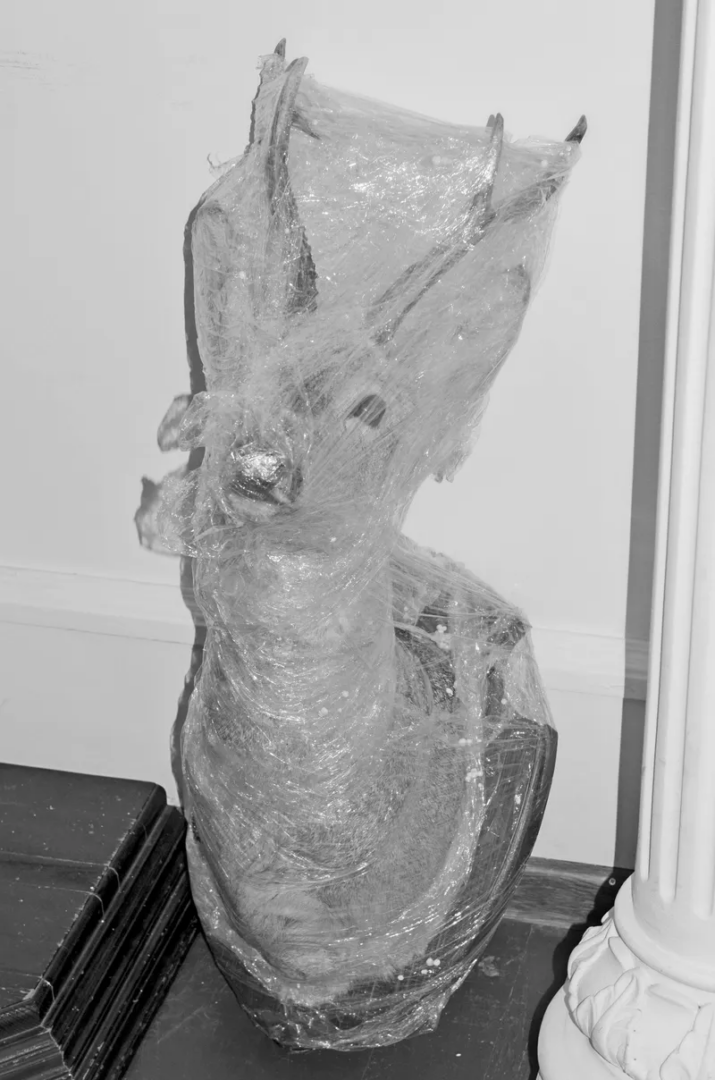
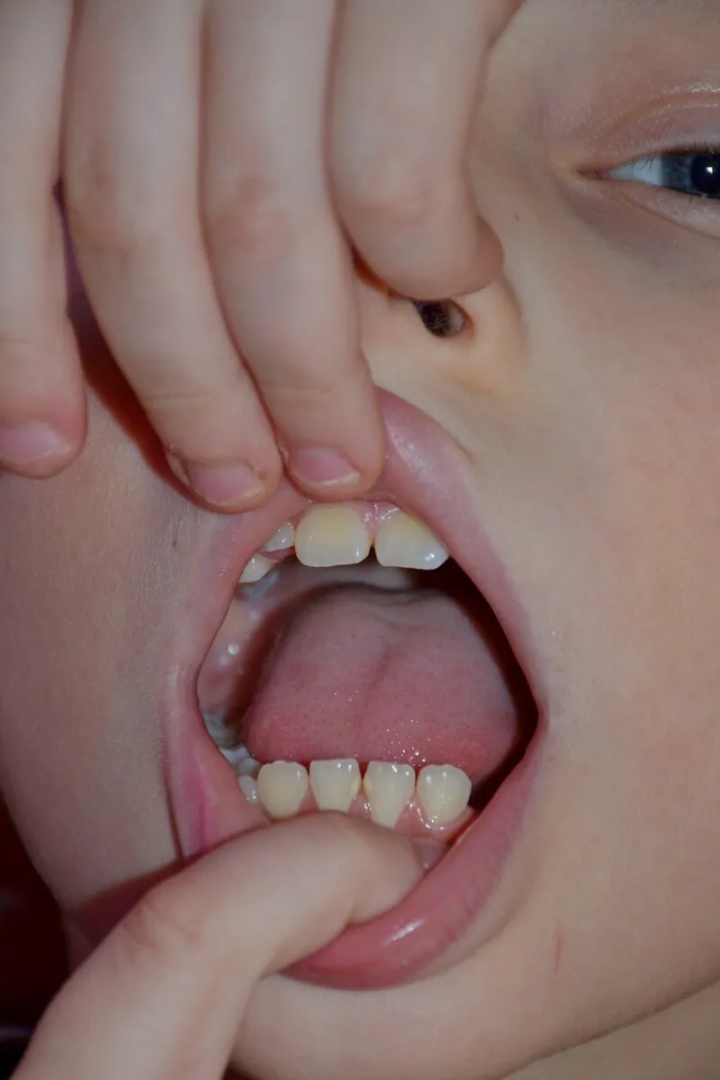
I was searching for visual forms of the violence I had experienced. I knew I felt like an animal in a cage, so I turned to animals. As for my personality, I can’t fully evaluate this experience yet, I am still living in it. But I know I’ve gained both strength and fragility. I almost broke; I didn’t understand what was happening or why. But all that time, I knew I would tell this story, through my art, because I don’t want to and cannot remain silent.
Silent solidarity: the impact of private support during a time of detention
MF: Did you have people close to you, support from the Russian art community, locally or internationally?
Kristina Rozhkova: I was supported only by my loved ones, literally just a few people who provided constant help. But those few helped me survive, and I am deeply grateful to them. I saw my mother once, through glass; we were allowed a visit that lasted about 40 minutes. She and others attended the trials, but we couldn’t communicate, I was led by guards in handcuffs, like an especially dangerous criminal.
I received many letters from colleagues and friends, including from Italy and France. There was no shortage of letters; quite the opposite. They distracted me from the horror. But beyond letters and individual donations, there was no large-scale support. The decision was made to handle the case as quietly as possible, not to attract attention or provoke public discussion, no public fundraisers, nothing like that.
Censorship, fear and the changing role of the artist in Russia
MF: Being classified as a political prisoner, did this change the way you make art? Do you feel different as an artist compared to before?
Kristina Rozhkova: I feel changes in myself as an artist. My gaze has become “heavier,” in a sense. My previous projects now seem naive and light, like everything that came before. I hope I won’t remain this sad and heavy forever. I think this is a period of reflection, and that’s normal. I will live through it in my art and move on. But for now, I don’t know how long it will take.
MF: Looking beyond your personal experience, what is it like to live and work as an artist in Russia today? How do you deal with censorship and the constant risk of being stopped, fined, or accused because of your work?
Kristina Rozhkova: For now, while I am in Russia out of necessity, I cannot feel free. I live in fear and anxiety every day. All my social media accounts are private; I can’t publish anything for fear of new denunciations. I don’t speak publicly about what happened. I’m waiting for the moment I can leave, speak openly, reopen my social media, and focus on my work. I want to live freely, but freedom has begun to feel like a utopia.
Almost everyone in Russia lives in fear. Works are constantly removed from exhibitions and fairs. Even the most innocent pieces are checked for provocative content before being displayed. Religious themes are taboo; politics even more so. No one dares to criticize the authorities. Artists either retreat into abstraction or speak through metaphors to avoid prison sentences.
For a time, ceramics became very popular, they are decorative and harmless, just interior objects. As a result, much of Russian art has become “interior,” toothless, and non-provocative. Before every exhibition or artistic action, consulting a lawyer has become standard practice, to determine whether you might be jailed. Recently, I wrote to my lawyer before an innocent photoshoot to ask whether I could be imprisoned for it. That is the norm. People escape into escapism, closing their eyes to reality and constant pressure. They try to live, to have fun. But no one knows when this will end.
From bdsm to state control: power, submission and authority
MF: Another central element in your work is “legitimate violence”—political, police-related—but also violence present in sexual practices that stage roles of dominance and submission. What connection did you find between these forms of power?
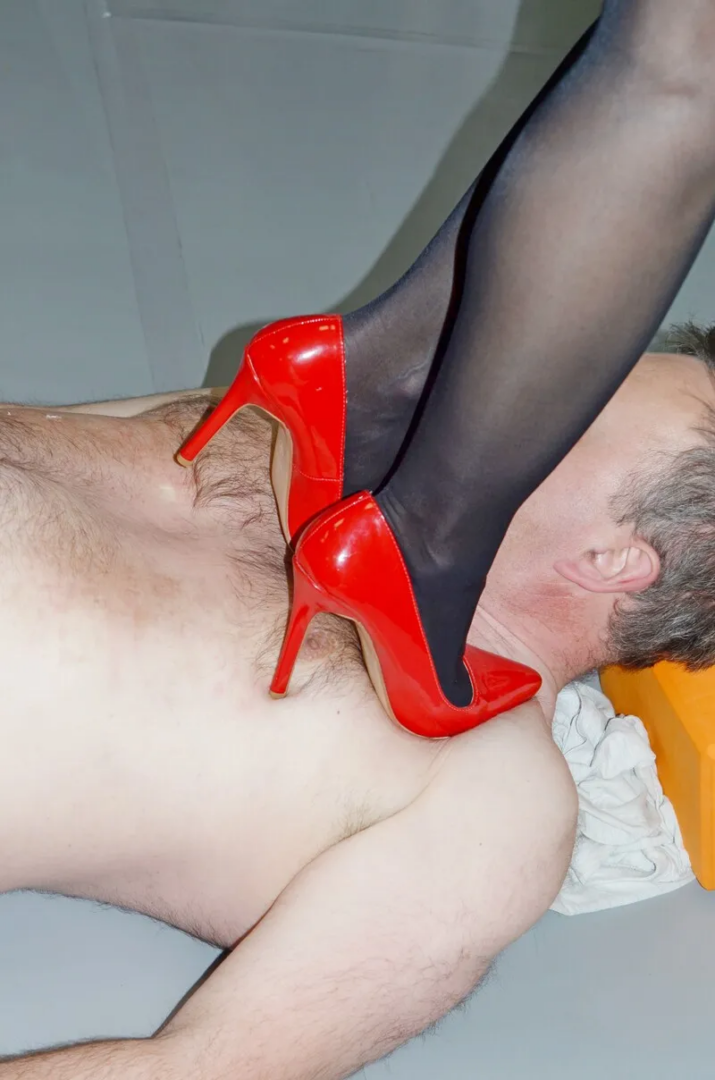
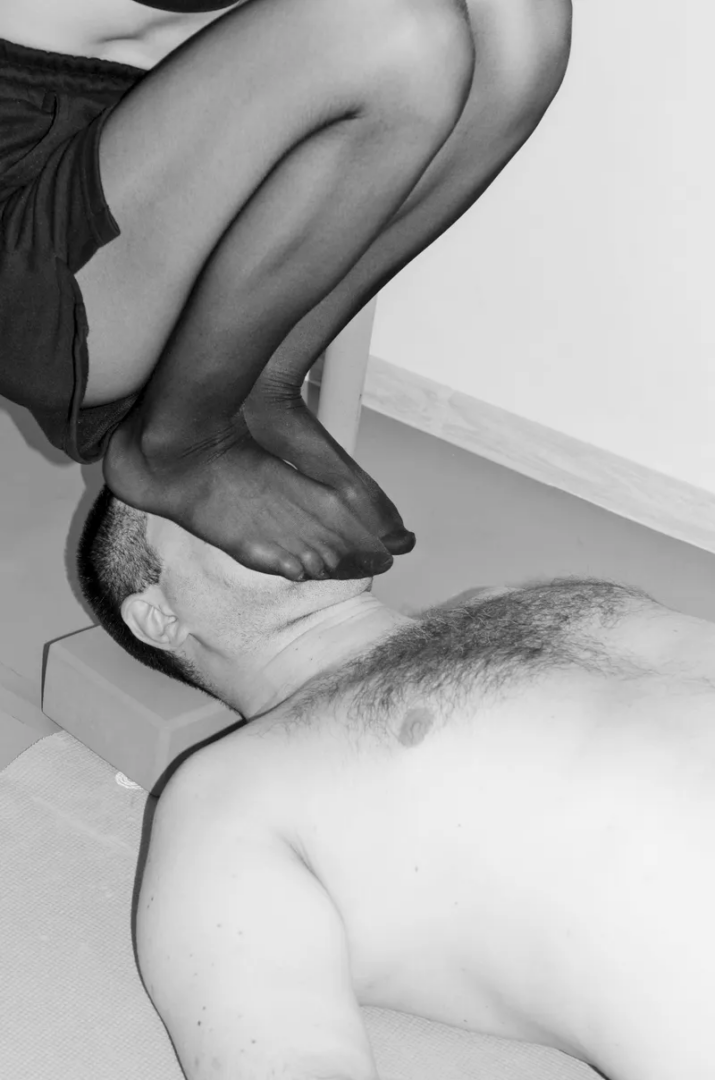
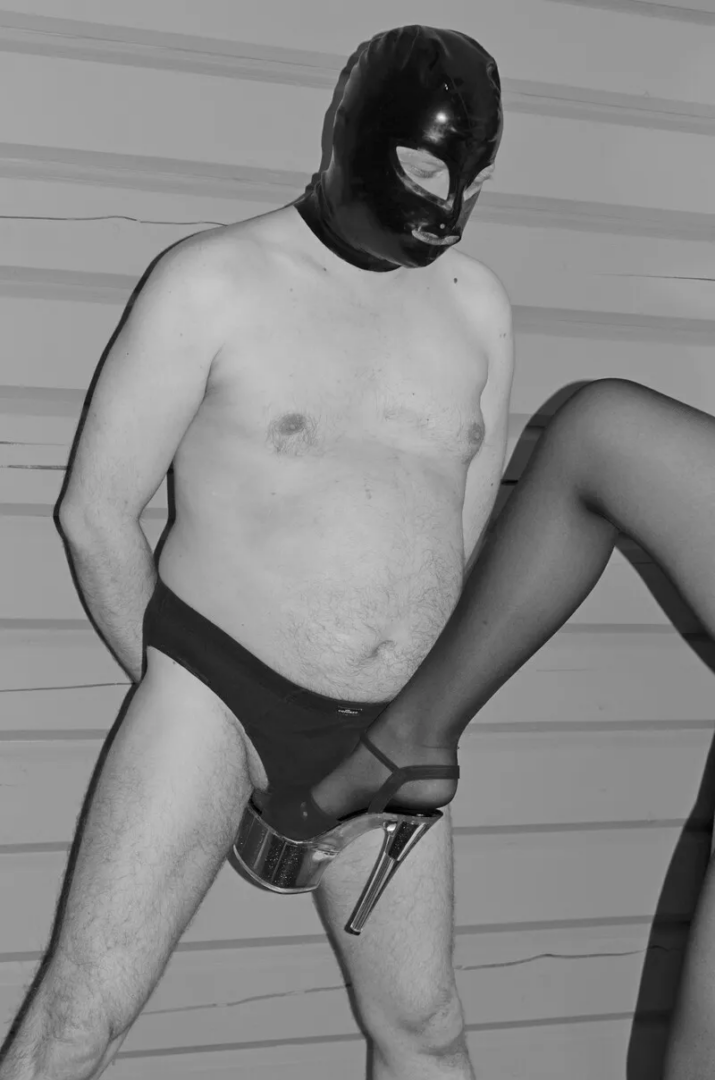
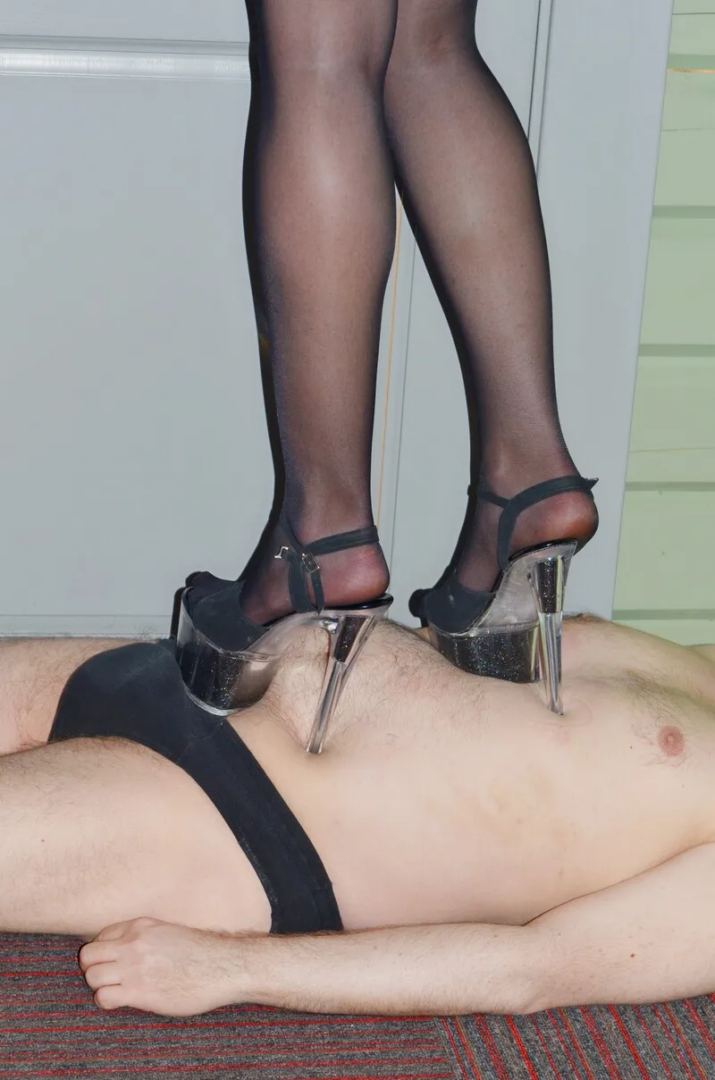
Kristina Rozhkova: I’ve been interested in BDSM for a long time, particularly in master–slave dynamics. In this project, I had to take on the role of the slave, the victim, which is very unusual for me. The State forced me into this role. No one can turn a Mistress into a slave as quickly as the State.
BDSM is a voluntary desire to take on the role of the submissive or the dominant. It is a voluntary desire to become an object, an animal. That interests me. How a person pays to be exploited, begs for it. “Put me in a cage and feed me from a dog bowl, please.” Someone flees the cage; someone begs for it. Animals and humans, it’s all become so mixed that I’ve stopped feeling a clear distinction.
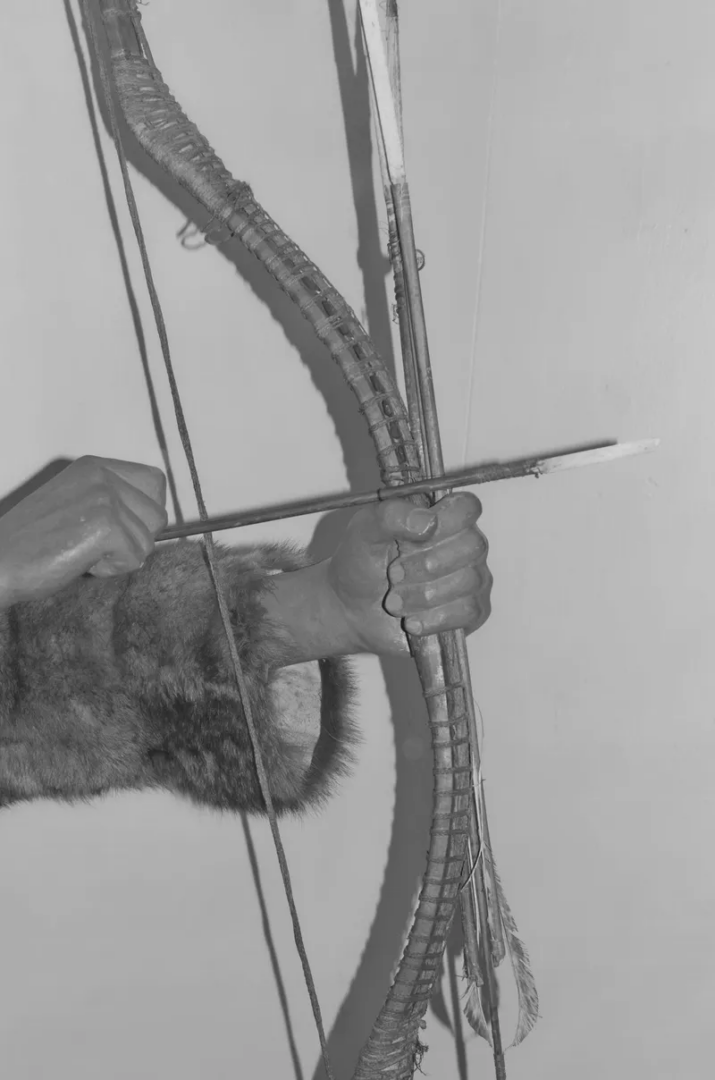
MF: The collaboration between slave and master in BDSM, and the relationship between prey and hunter, led you to ask whether a reversal is possible in real life: can the victim become the predator?
Kristina Rozhkova: I feel that, on a global level, a victim can become a predator. Humans often believe we have mastered all resources and control the world, but even the most confident predator can eventually become food for a weaker being. I’m also interested in parasitism in the animal world, where a small, weak parasite lives off a stronger host and even controls it, like a fungus controlling a zombie ant. I would like to explore that further.
Kristina Rozhkova: childhood, animals and the experience of confinement
MF: Your work often returns to childhood, to your relationship with animals and to small spaces that felt safe. Why do you return there so often?
Kristina Rozhkova: I return to my childhood and to animals because my entire childhood and teenage years were surrounded by dogs. I barely remember toys; I didn’t need them, I played with dogs. My first friend and “milk brother” was Alex, a Bull Terrier. My mother gave him her extra breast milk. My grandmother was afraid he would eat me because I smelled of it. But Alex became my best friend.
Later there were Staffordshire Terriers, Alabais, and other dogs. I witnessed birth and death; I assisted in deliveries and cut umbilical cords. My childhood was full of physical, bodily realities. My mother would buy beef lips, intestines, tripe, and other offal and boil it for the dogs. I remember the smell. All our trips were to dog shows, instead of going to the sea like “normal” children.
I was always drawn to the weakest ones, and my mother noticed this, her favorites were the big, beautiful puppies, while mine were the weak and premature ones. My grandmother called me Mowgli and said I had no normal childhood or socialization. This led to problems at school; I was bullied. Altogether, this deeply shaped who I am today, even if it’s hard to pinpoint exactly how.
MF: You documented farms and animal confinement spaces. How did you approach those places, and how did you feel entering them, knowing they reflected something from your own experience?
Kristina Rozhkova: The farms were difficult. Especially the large dairy farm with over 900 head of cattle. The noise of the milking machines is constant, the cows are lowing, the machinery is running. A continuous hum, a strong smell of livestock and manure. Your head spins from the noise. There is an overwhelming sense of hopelessness and inevitability.
I visited both small domestic farms with about ten animals and large industrial ones. I was searching for the sensation I had felt behind the cage, and I found it. I followed my intuition. I felt I had to film a cow giving birth, rows of milking machines, artificial insemination, the slaughter of a rabbit, the slaughter of a broiler chicken. I felt fear, awe, and horror. I felt deeply uneasy, but I knew I had to go further into that state, to confront the sense of exploitation and “legitimate violence” that had been inflicted on me.
Gut Feeling: from prison experience to collective awareness
MF: Looking at Gut Feeling today, do you feel the project transformed your detention into an artistic language, or does it remain a direct testimony of your experience?
Kristina Rozhkova: A gut feeling helped me process some of my experiences into an artistic statement. But I wouldn’t say my prison experience became a project. My experience remained my experience. Perhaps only creativity helped me endure it.
From the first days in the cell, I thought about what I would do next as an artist. It was hard, but I knew that if I didn’t speak about it, it would tear me apart. In prison, I wrote endlessly, three large notebooks, filled completely. I haven’t reread them yet; I’m still afraid to descend into that abyss. Maybe later I’ll do something with them.
I remember clearly that I had no “smart” thoughts then, because of the constant noise of the TV, the chatter of cellmates, and cigarette smoke everywhere. I asked all my cellmates the same question: what animal do I look like? Everyone answered differently. I also asked them to describe me in five random words. Many said “alien.”
MF: Finally, when someone encounters your work for the first time, what would you like them to perceive immediately: the violence, the vulnerability, or the possibility of recognizing their own cages before they close?
Kristina Rozhkova: I would like my project, beyond conveying my experience, to give viewers the opportunity to recognize their own cages before they snap shut. I think that could be useful for society.
For me, brutality is about strength, the will to power, movement, sensation, vitality. At least, that’s the kind of brutality I like. I don’t like boring, lazy, sluggish, pathetic, ugly brutality. I want it to be beautiful, alive, daring, like a powerful flow of water, fire, or wind. Yes, brutality as an element is magnificent.
Marco Frattaruolo