Waiting for the Oscars: before Hamlet, there was a child named Hamnet
Chloé Zhao adapts Maggie O’Farrell’s novel into a meditation on grief and theatre, returning to the death of Shakespeare’s son — the private loss often linked to the birth of Hamlet
Hamnet and the Oscars: Chloé Zhao revisits Shakespeare’s lost son and the grief behind Hamlet
Perhaps it is a lie. It does not matter. Myth does not require plausibility. Stories may speak of dragons and elves, witches and enchanted forests, voyages across haunted seas or flights on the backs of fire-breathing beasts. Everything is permitted. What remains are the facts of the heart: love, grief, joy, anger, envy. On those, no one lies.
As the Academy Awards approach, Hamnet returns to the emotional origin of Shakespeare’s most famous tragedy. First a novel by Maggie O’Farrell, now a film directed by Chloé Zhao, the story takes fragments of a real life and reshapes them into narrative myth. The film arrives in the middle of the Oscars conversation with eight nominations at the 2026 Academy Awards, including Best Picture, Best Director, Best Actress for Jessie Buckley, and Best Adapted Screenplay. Yet Hamnet does not behave like a conventional awards-season biopic. It bends historical fragments into myth, compressing the archive into something closer to legend.
What we know from the historical record is limited. In November 1582 William Shakespeare married Anne — or Ann — Hathaway. They had three children: Susanna, and the twins Judith and Hamnet. Shakespeare later moved to London to pursue his theatrical career while his wife remained in Stratford raising the children and managing the household. In 1596 Hamnet died at the age of eleven, most likely of plague. Four years later Shakespeare wrote Hamlet. That sequence — the death of a child followed by the writing of a tragedy — has resurfaced in cultural discussion in the weeks leading to the Oscars, as Zhao’s film revisits the emotional origin behind one of literature’s most studied works.
Maggie O’Farrell and Chloé Zhao begin where history becomes silent. Interiors and landscapes are imagined, costumes stitched, dialogue sharpened. Where the archive leaves gaps, invention intervenes. Yet the emotional core remains untouched: the love and grief surrounding the death of a child. From that absence, the story of Hamnet becomes universal.
The beginning of love and the shadow of tragedy: Shakespeare, Agnes and the myth of Orpheus
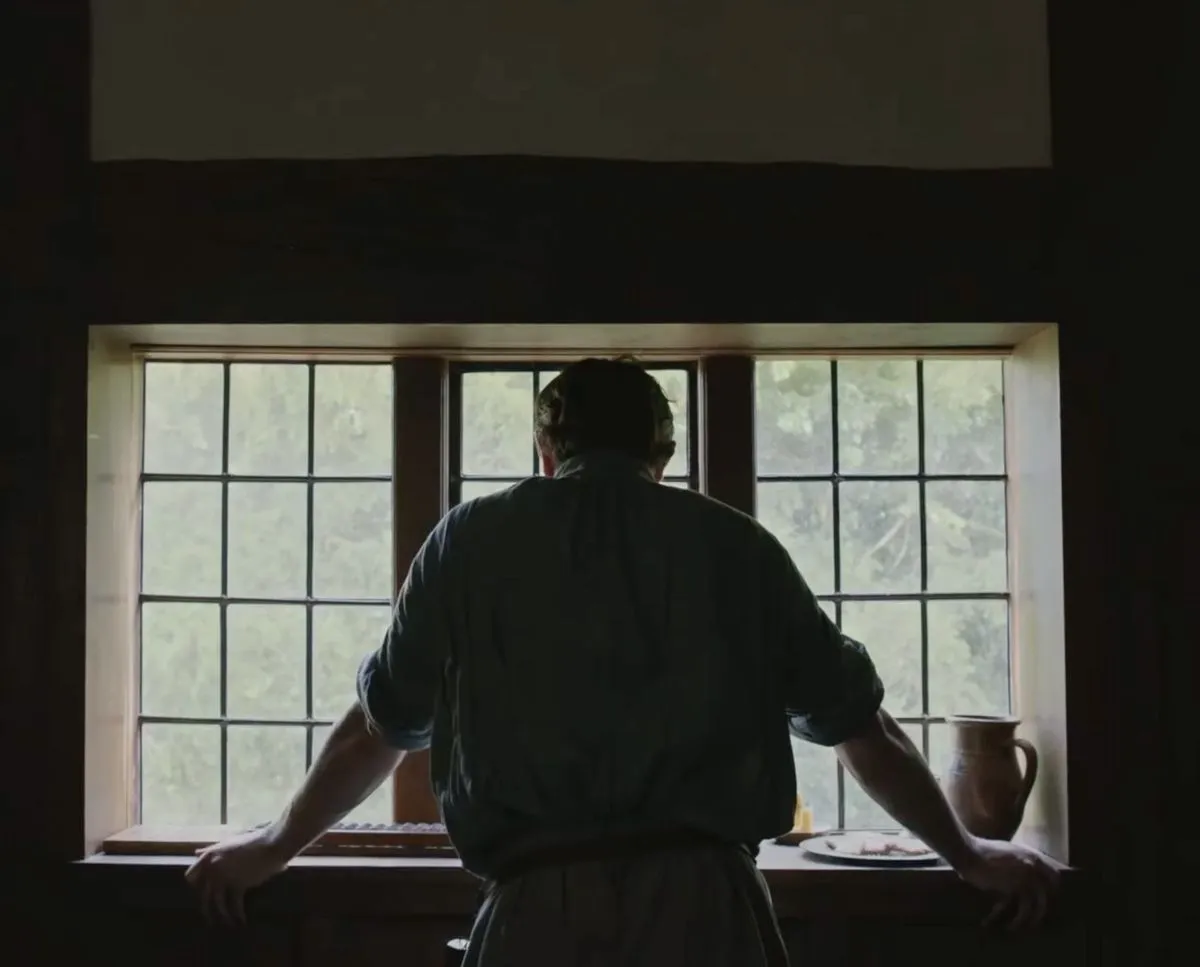
Love comes first. Everything begins there. The son of a violent and indebted glove maker works as a tutor for a farming family living at the edge of the woods. One day, while the boys repeat Latin phrases, the young man looks outside the window and sees a girl emerging from the forest with a falcon perched on her arm.
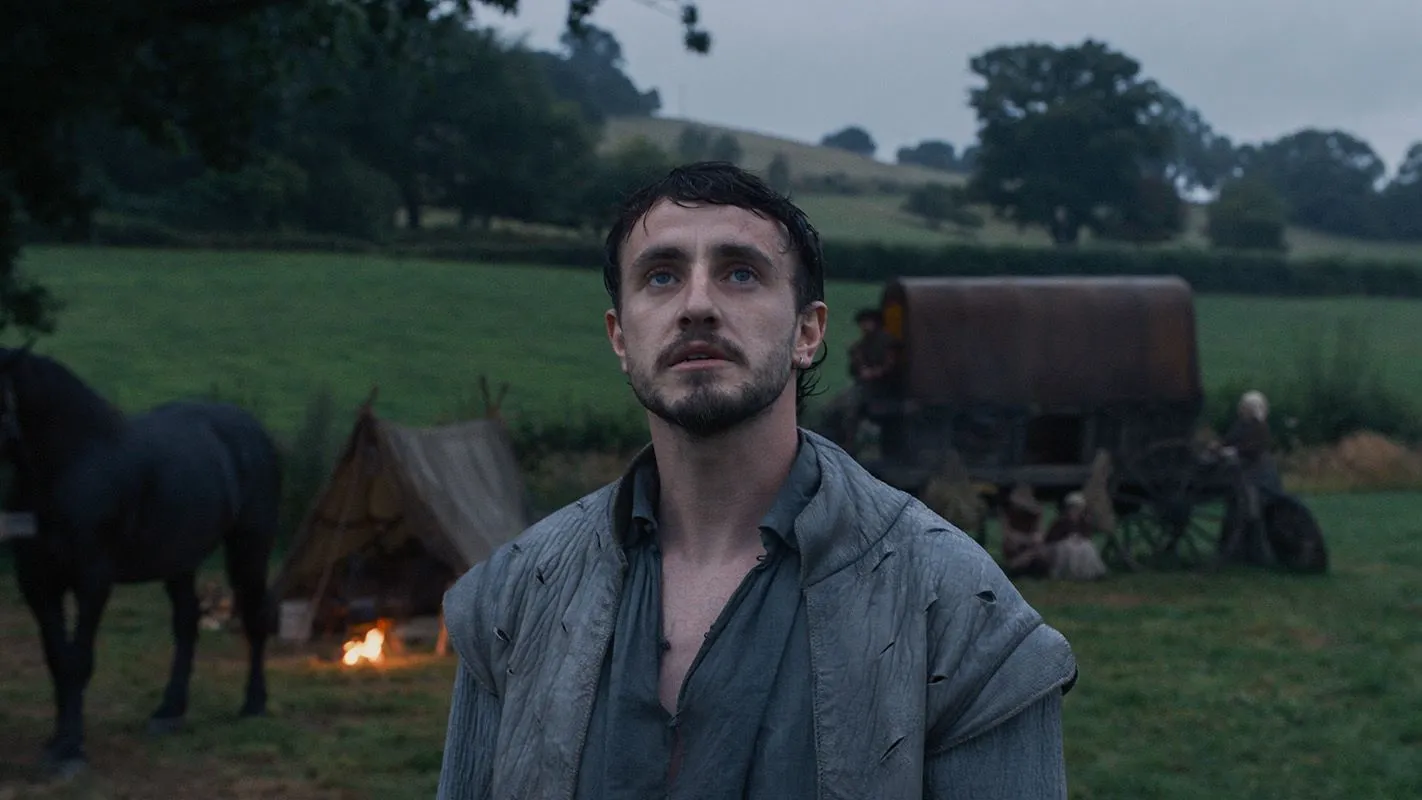
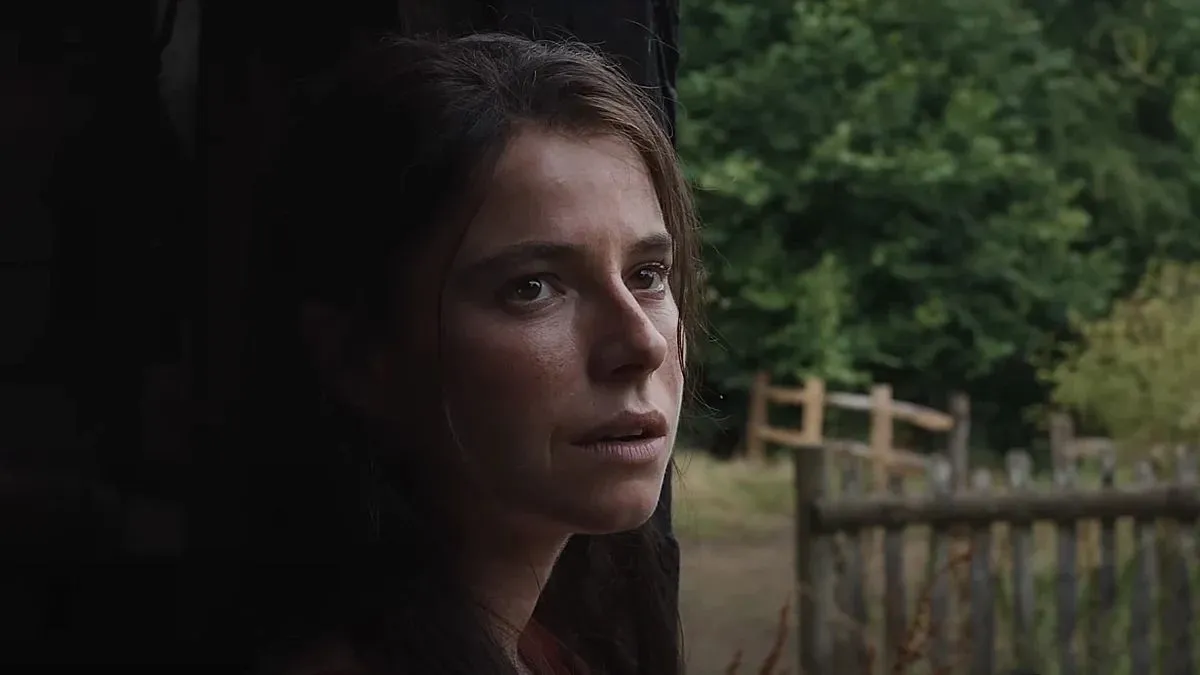
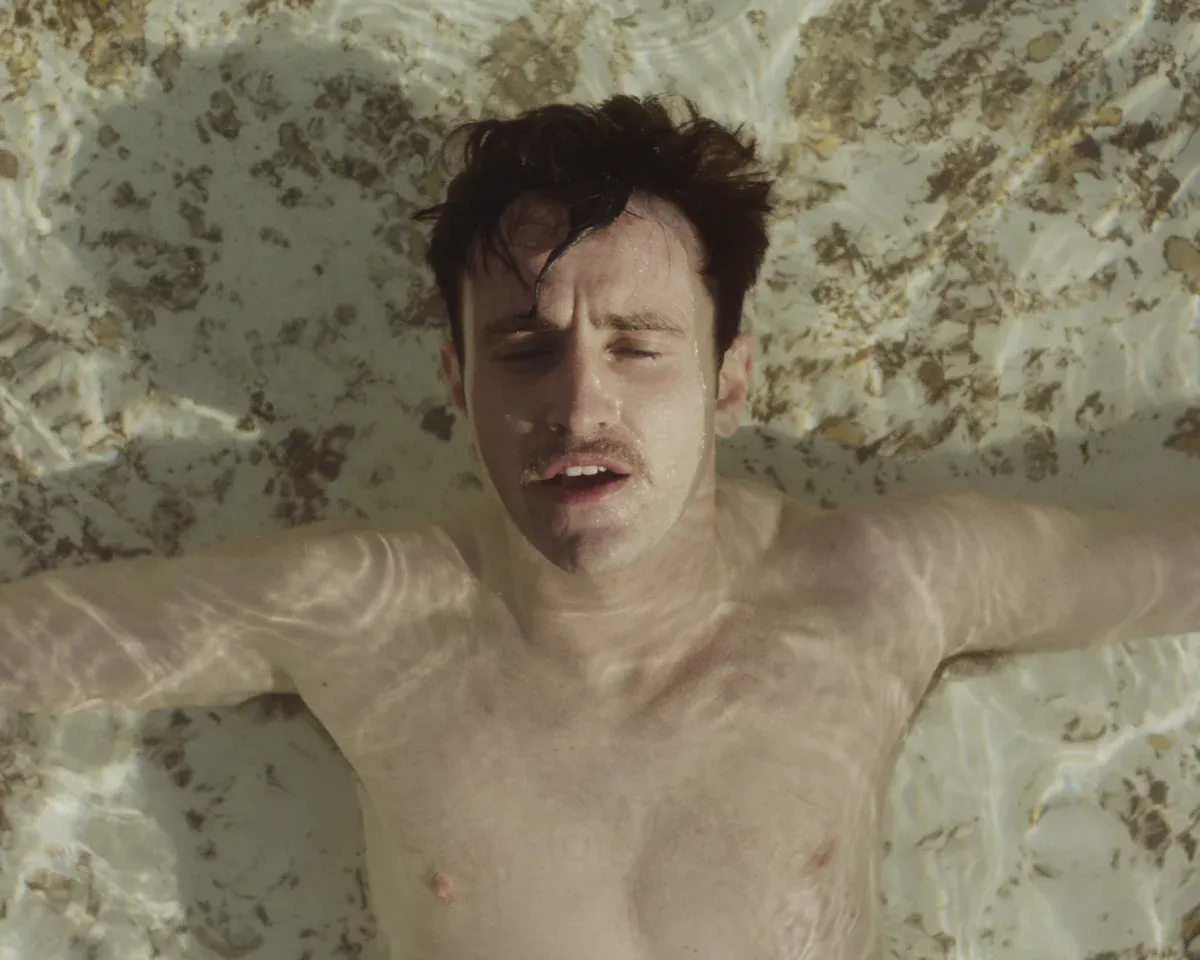
The boy is William Shakespeare, played by Paul Mescal. The girl is Agnes Hathaway, portrayed by Jessie Buckley. In the weeks preceding the Academy Awards, Buckley’s performance has become one of the most discussed aspects of the film within the broader Oscars race, praised less for spectacle than for its emotional restraint.
They chase each other through fields and meet in an abandoned hut. They tease each other, circle each other with curiosity. He asks her name. She refuses to answer. He tries to kiss her. She grabs his hand and presses a point between thumb and forefinger, as if reading the future of his life. In the village they say she is the daughter of a witch, mistress of wind and forest. Shakespeare steals a kiss and the truth of her name. “Agnes. My name is Agnes.” “Where do you come from?” he asks again, but she runs away.
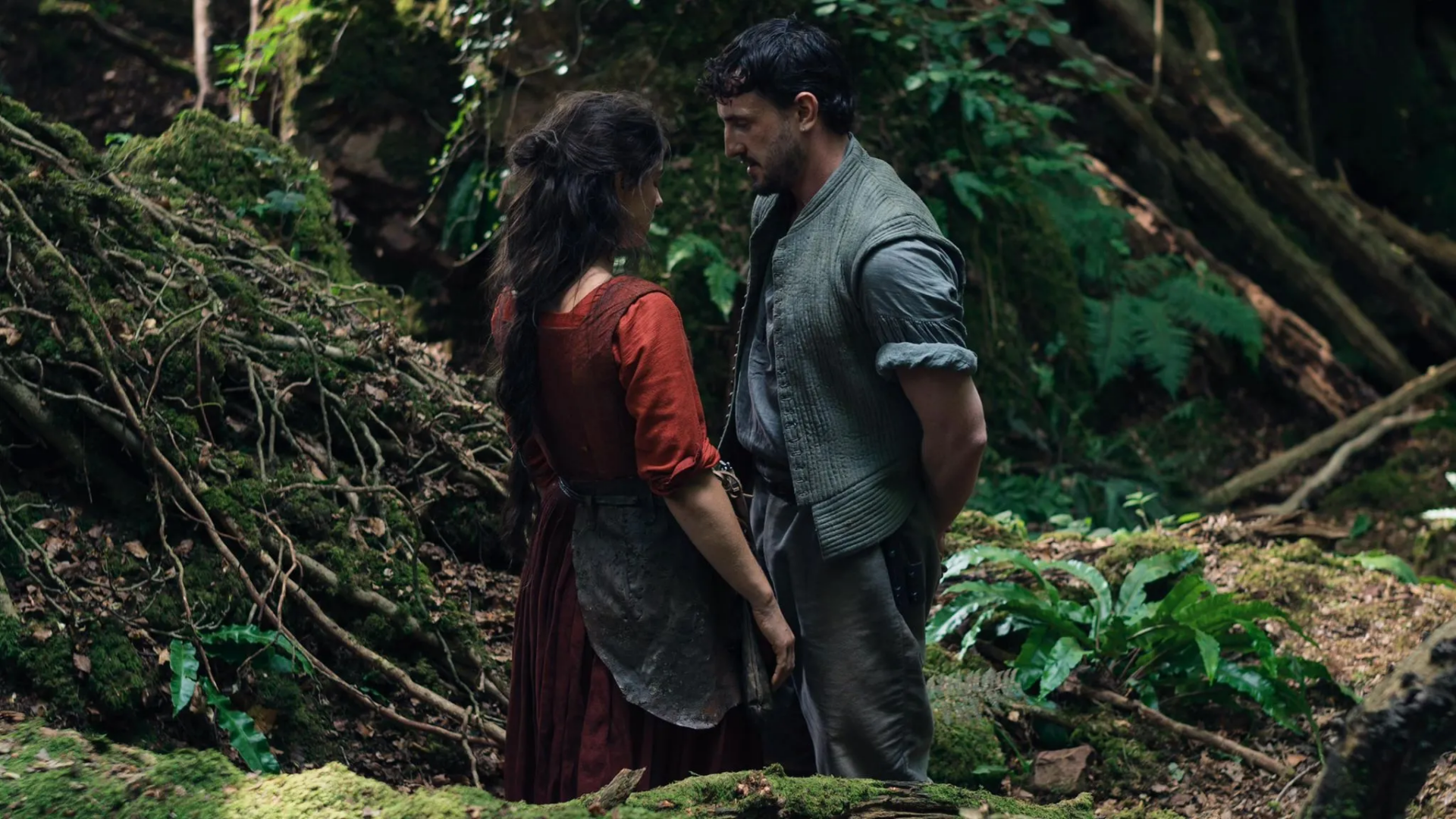
They meet again. Once, twice, three times. The forest becomes their place of encounter. One day William tells her the myth of Orpheus and Eurydice: the musician capable of moving every living thing with his song, forced by grief to descend into the underworld to ask the gods for his lover’s life. Hades accepts on one condition: do not turn back while returning to the world of the living. Do not search for her even when her footsteps grow faint and you believe she is no longer there. Orpheus turns, and grief begins.
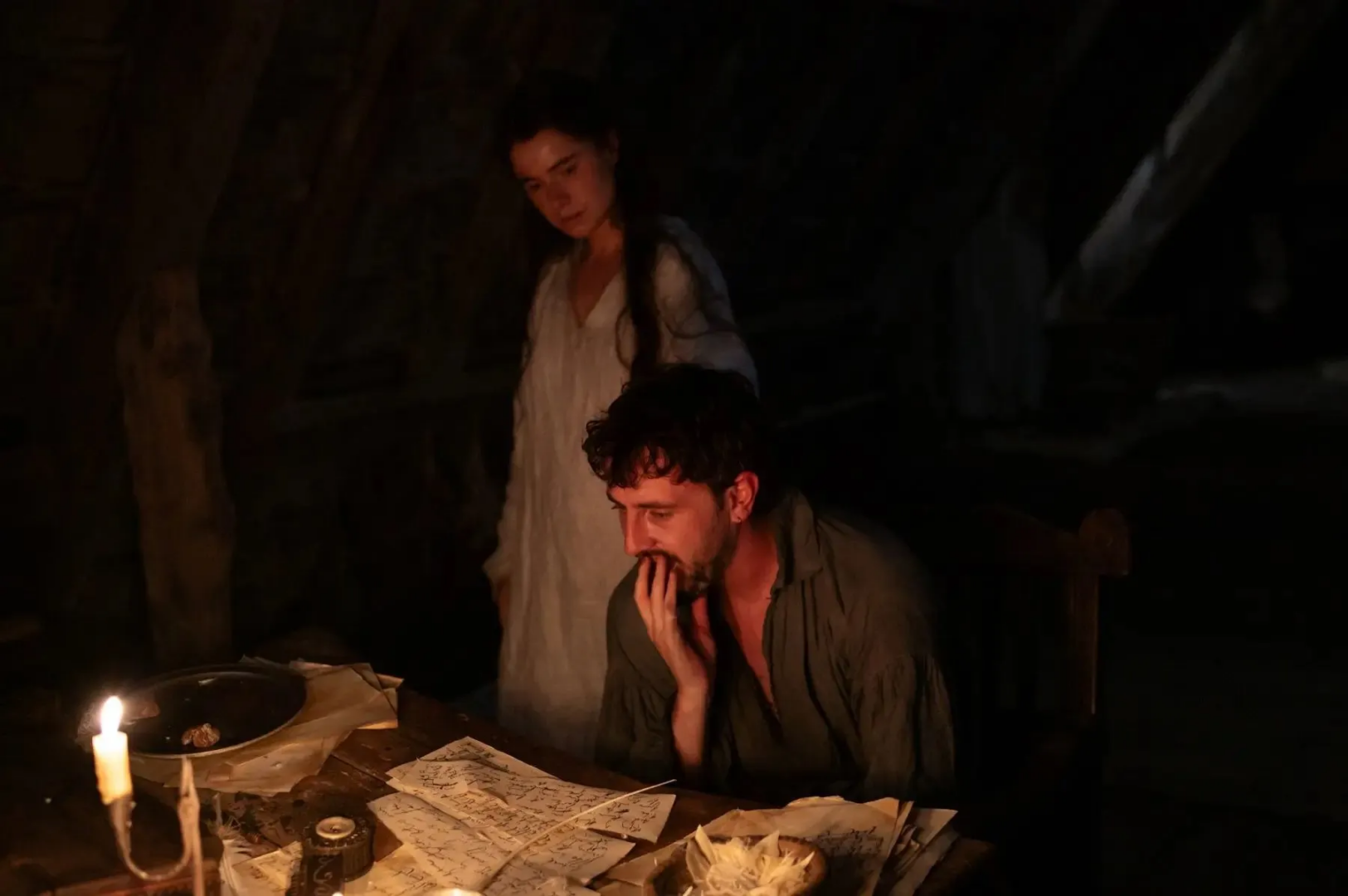
But before grief comes life. A marriage, a daughter, then twins. Nights without sleep spent writing and dreaming. A house, a garden, a departure for London, work in the theatre. The uncertain rhythm of a career that seems never to begin and then suddenly does. Meanwhile the children grow, learn, play. One day, through accident or fate, one of them dies.
Jessie Buckley’s Agnes: grief that becomes myth
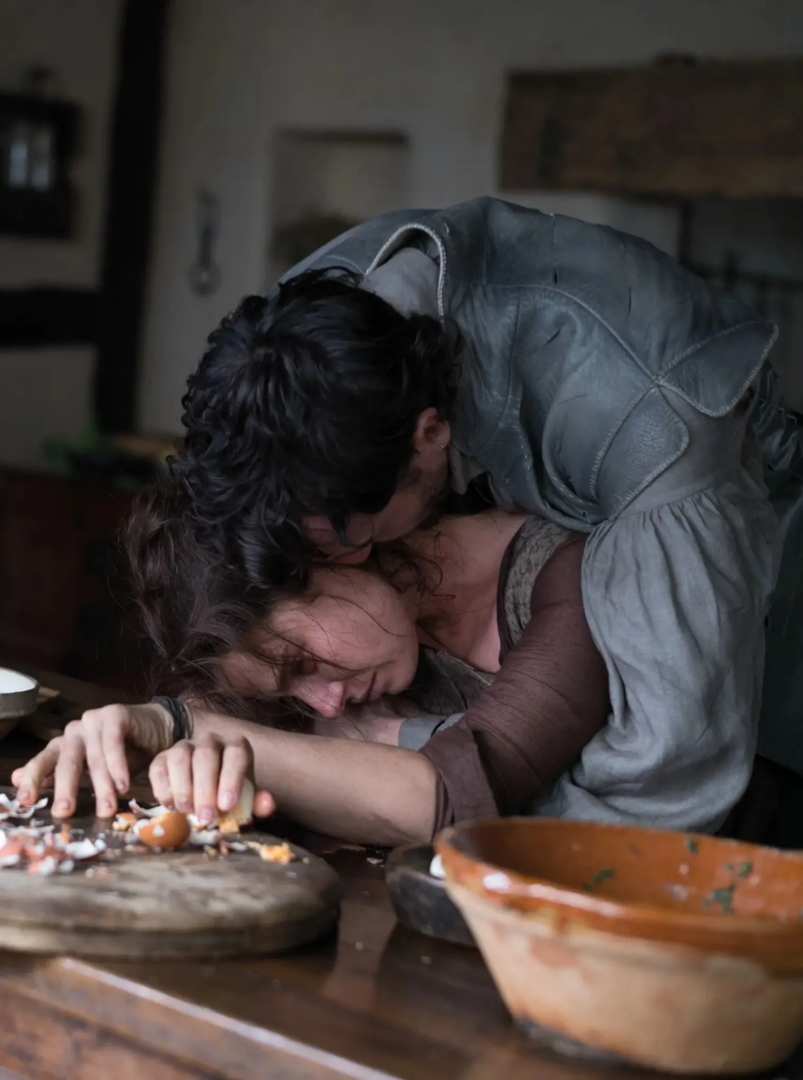
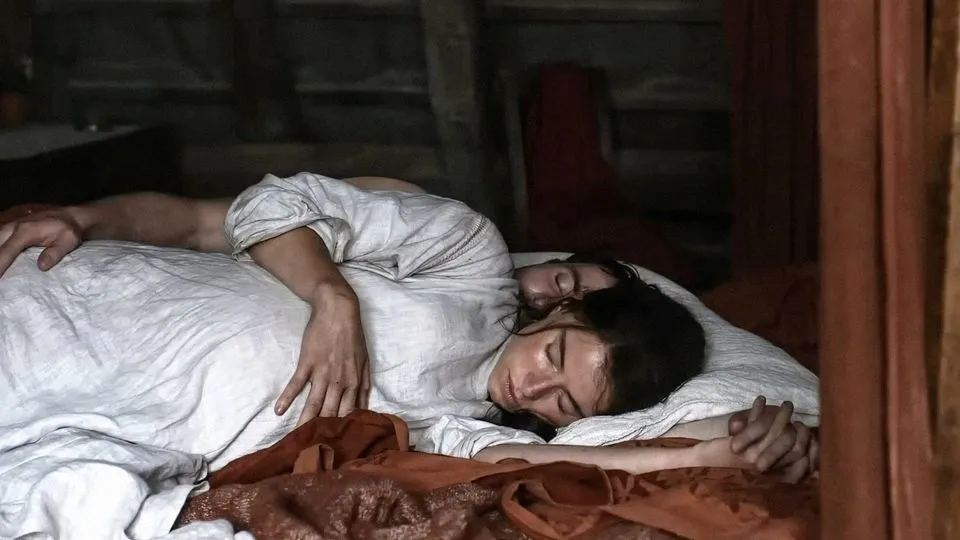
Hamnet unfolds as a story of magic and broken promises. Hades asked Orpheus never to turn back; Agnes asks William the opposite: always turn, always look at me. It is a story of ghosts and thresholds, of doors that perhaps should never be opened, of hiding places in the forest. It is also the story of a child’s game: I am Hamnet and become Judith, I am Judith and become Hamnet. When Judith falls ill with plague, the boy climbs into bed beside her and whispers to death: take me instead. The old lady listens.
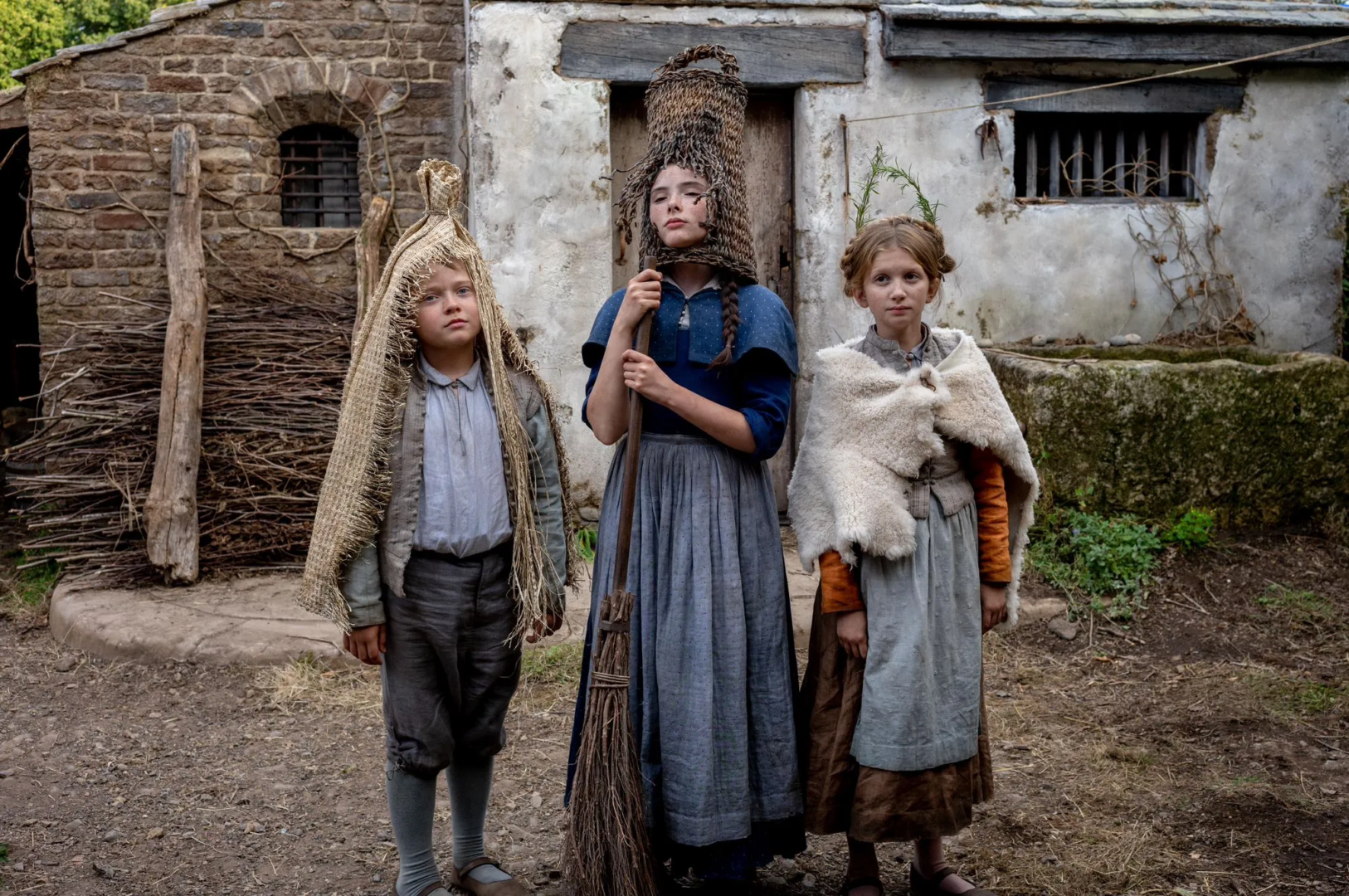
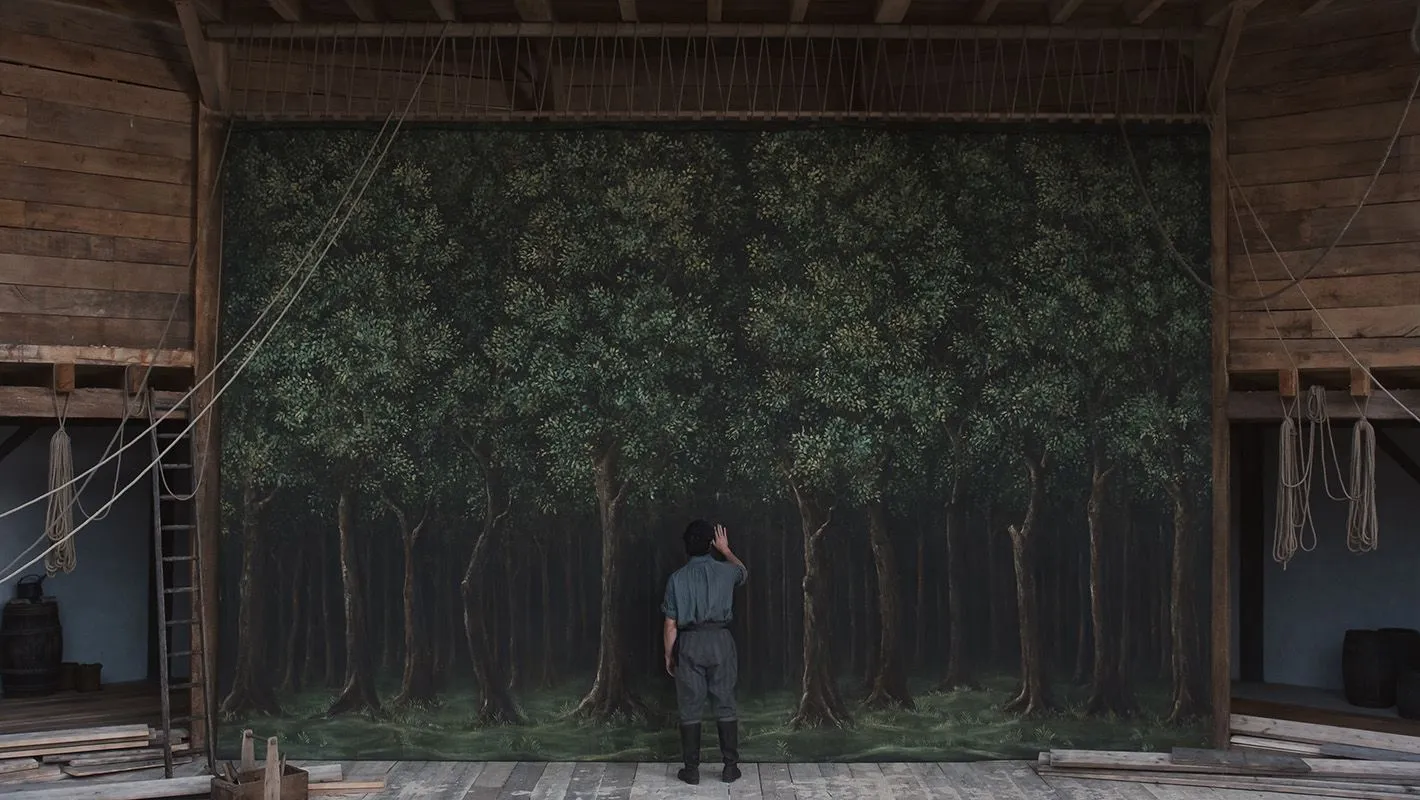
Much has been written about Zhao’s direction — the chromatic structure of the film, Shakespeare dressed in blue, Agnes in red, the vivid green of the forests surrounding them. Critics have pointed to the cold light that covers every scene, the quiet physicality of Paul Mescal, and the precision of the young actors, especially Jacobi Jupe as Hamnet. At the center remains Jessie Buckley. Her Agnes does not end when the film ends. One might describe her the way Pier Paolo Pasolini once described Federico Fellini: He dances. He simply dances.
Buckley carries the emotional architecture of the film, the performance that has placed her among the Best Actress nominees at the Academy Awards. Love and grief, strength and surrender. Child, woman, mother, wife, witch. Agnes challenges myth itself. She asks the spirits of the woods for mercy and throws promises toward the sky knowing that one day they will fall back to earth.
Hamnet becomes Hamlet: the name, the son, the ghost
“What’s in a name? That which we call a rose — by any other name would smell as sweet.” Romeo asks in Romeo and Juliet. Yet everything begins with a name. Without one, nothing exists. Hamnet is therefore also a story about names: altered, forgotten, transformed. Agnes who might historically have been Anne, and Hamnet who becomes Hamlet.
Anne Hathaway was literate and skilled in craft. Zhao’s Agnes cannot read or write, yet she understands the language of wind and forest. She tames a falcon and disappears into the woods, sleeping among the roots of ancient trees, listening to the secret speech of plants and bees. By holding someone’s hand she reads their future, pressing a point between thumb and forefinger where life reveals itself.
In her husband she sees infinite worlds — colors, temperatures, possibilities. In her son she sees a prince, a knight, the protagonist of one of his father’s plays. And so it will be. Hamnet becomes Hamlet. While one child dies, another name rises on stage: the prince who sees ghosts, feigns madness, rejects love and fights a final duel.
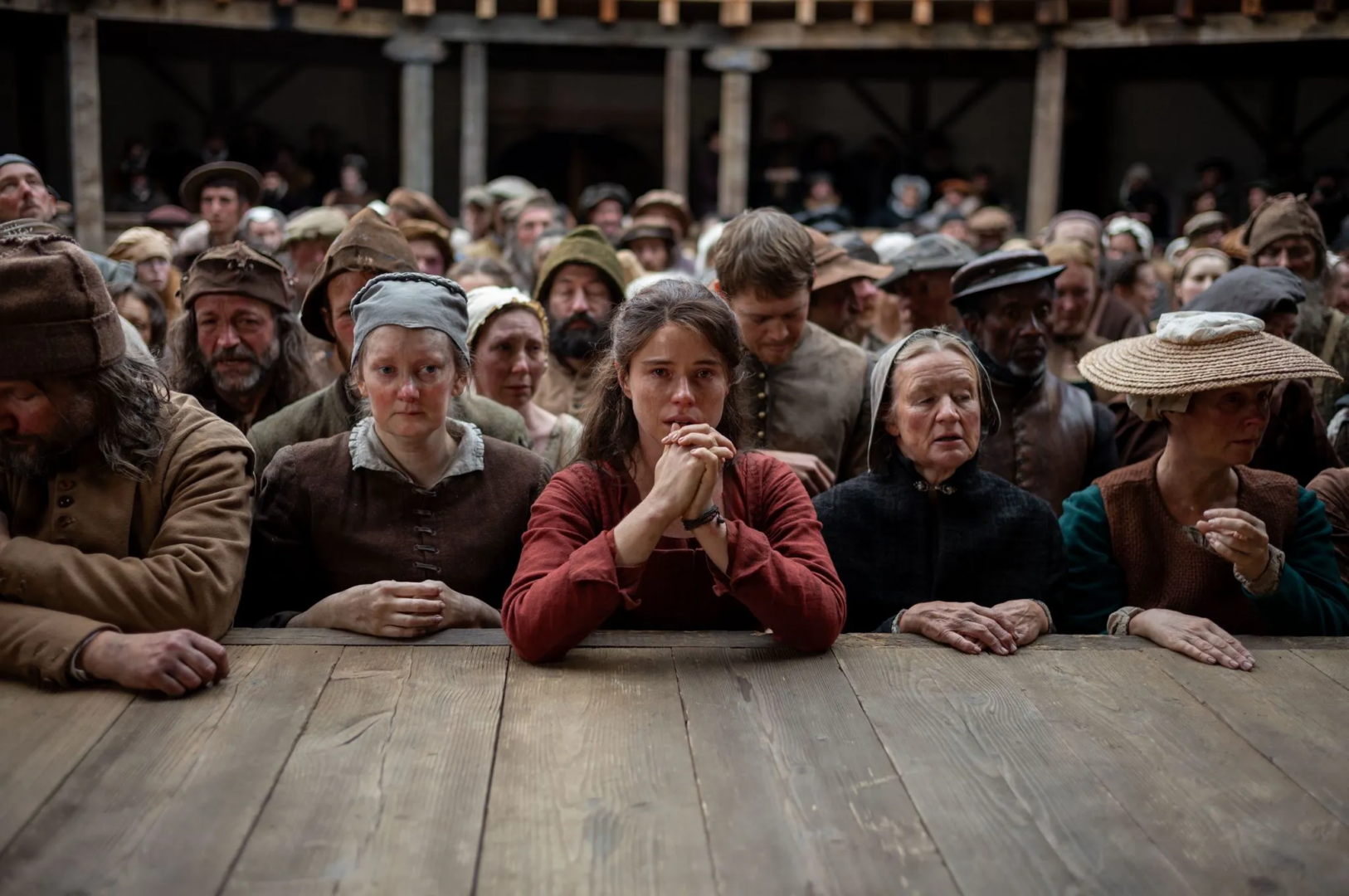
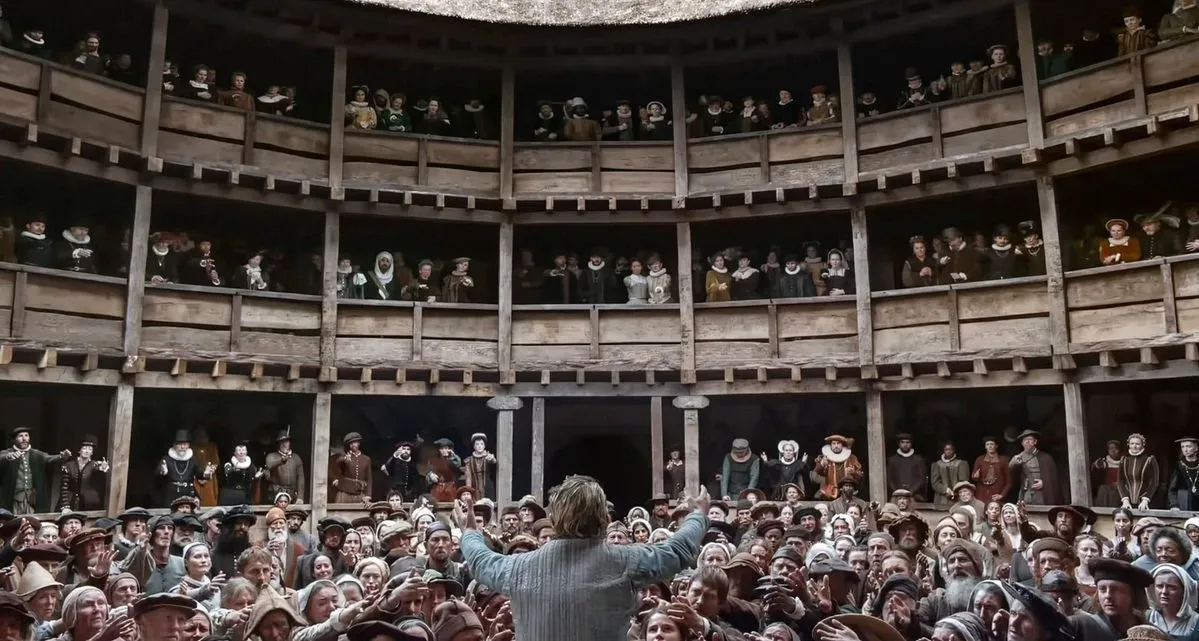
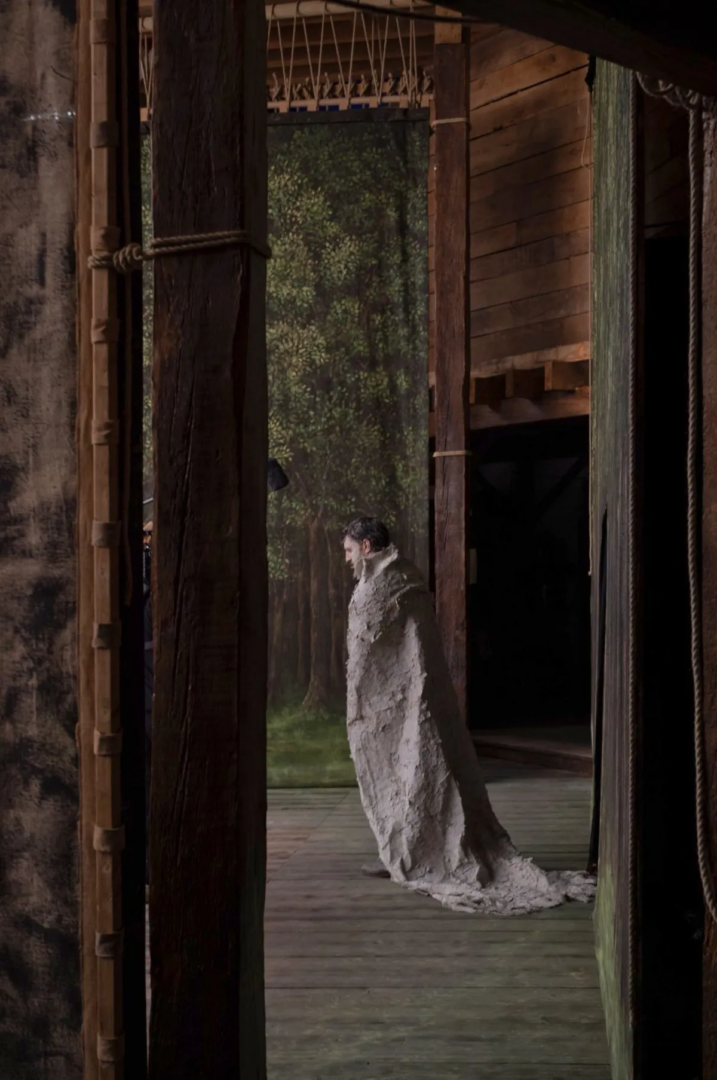
On the night of the premiere of Hamlet, Agnes sits in the audience of the Globe Theatre with her brother. At first it seems like an offense that her husband has taken the name of their dead son and turned it into theatre. The actors move across the stage speaking words that appear distant from reality. Then William appears — not as himself but as a ghost, the father of Hamlet. Agnes understands. He has taken the place of the lost child.
She looks at Hamlet and realizes: that is my son, the prince he might have become, the hero of his father’s greatest play. As Hamlet dies she reaches out her hand toward the stage, touching the point where life reveals itself between thumb and forefinger. The audience reaches with her — toward the child who once existed, toward the man he might have been. Turn back, look at me. One day we will die, but now tell me that you love me.
Hamnet is gone. Hamlet will remain. Agnes laughs the oldest laugh in human history. The rest is silence.
Nicolò Bellon