Reframing desire through vintage erotic magazines: Jürgen Maelfeyt
An exploration of how 70s and 80s vintage erotic magazines shaped the visual language of intimacy, fragmentation, and sensual ambiguity in Maelfeyt’s trilogy
Toy by Jürgen Maelfeyt: Reframing Desire Through Vintage Erotic Magazines
The act of looking has always carried a sensual dimension, yet a deeper form of eroticism emerges through repetition—when gestures, fragments, and poses recur across images. This visual logic shaped the world of vintage erotic magazines in the 1960s, ’70s, and ’80s, decades in which publications like Playboy, Penthouse, and Lui standardized a new iconography of desire. Their power resided less in explicit scenes than in suggestive details: a hand holding a glass, high heels resting under a table, glossy skin captured by flash. Desire was constructed slowly, through patterns.
It is precisely within this universe of retro erotic photography that Jürgen Maelfeyt positions Toy, the final chapter of a trilogy that includes Wet and Furs. Maelfeyt—photographer, curator, and graphic designer working between Ghent and Paris—collects and reinterprets thousands of images from vintage magazines, reviving their tactility and transforming them into contemporary narratives.
How Vintage Erotic Magazines From the 70s and 80s Shaped Maelfeyt’s Visual Research
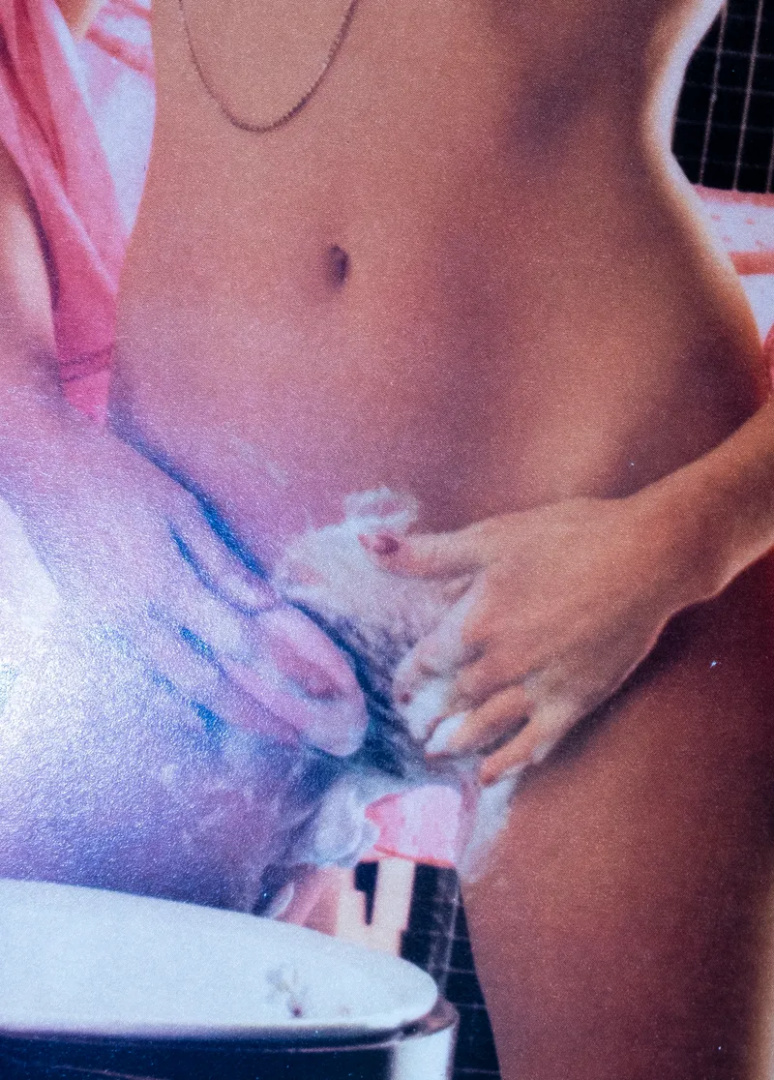
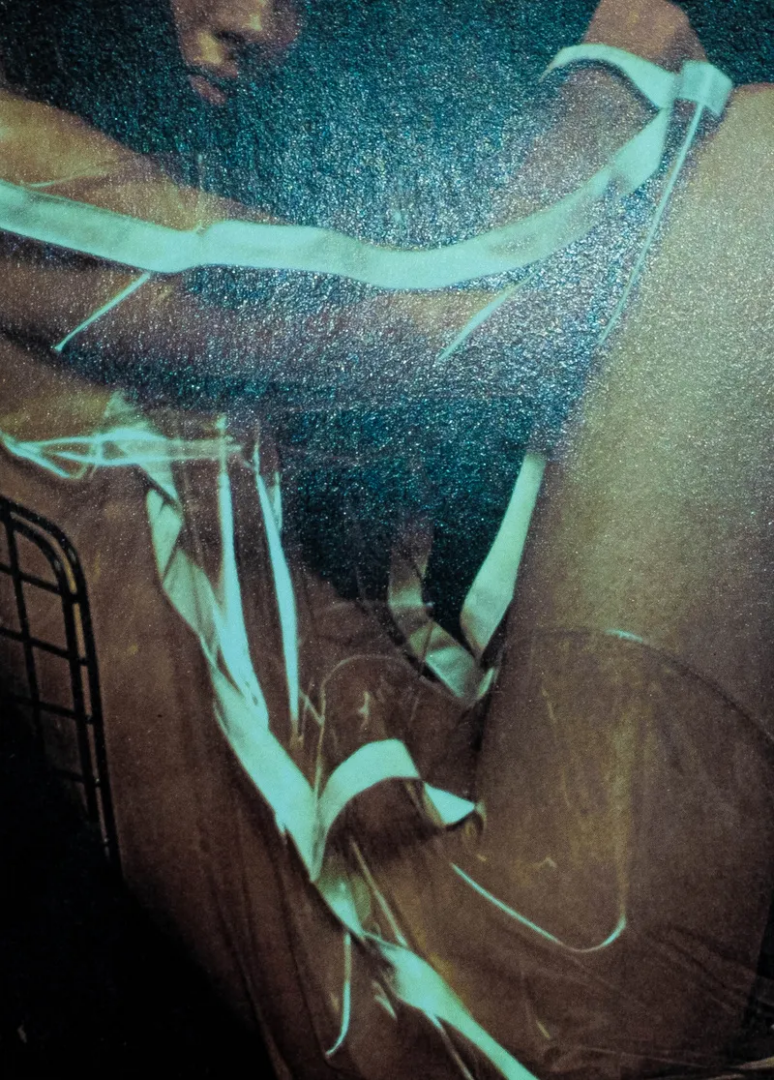
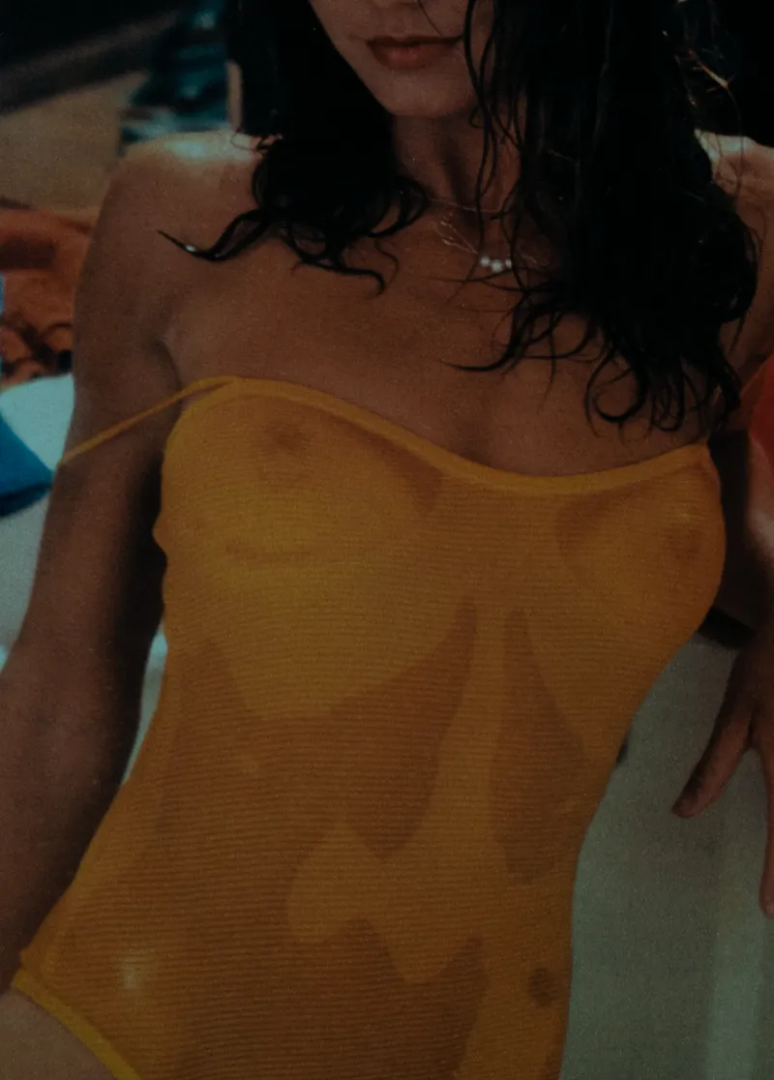
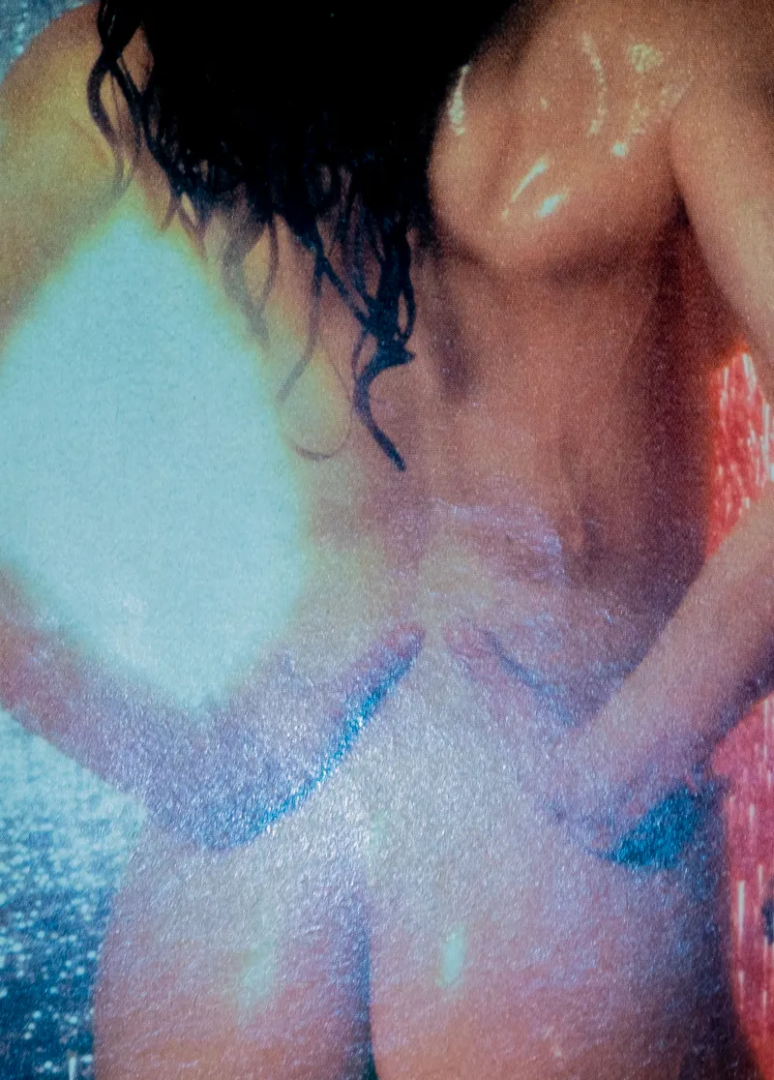
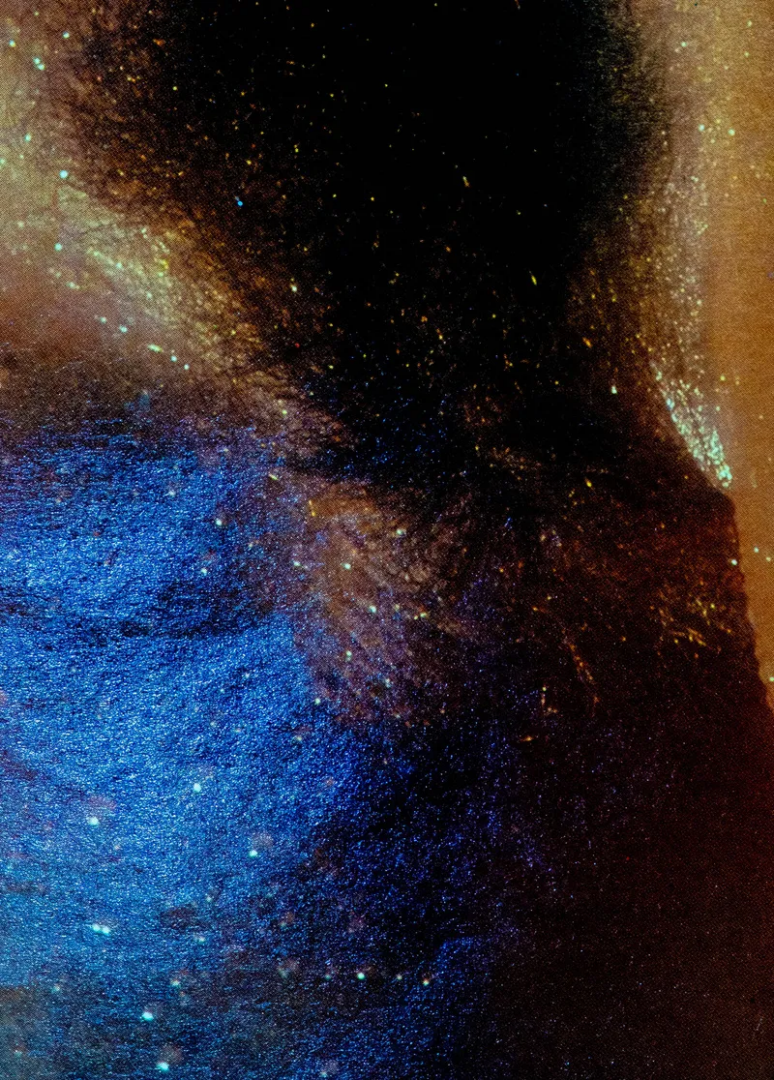
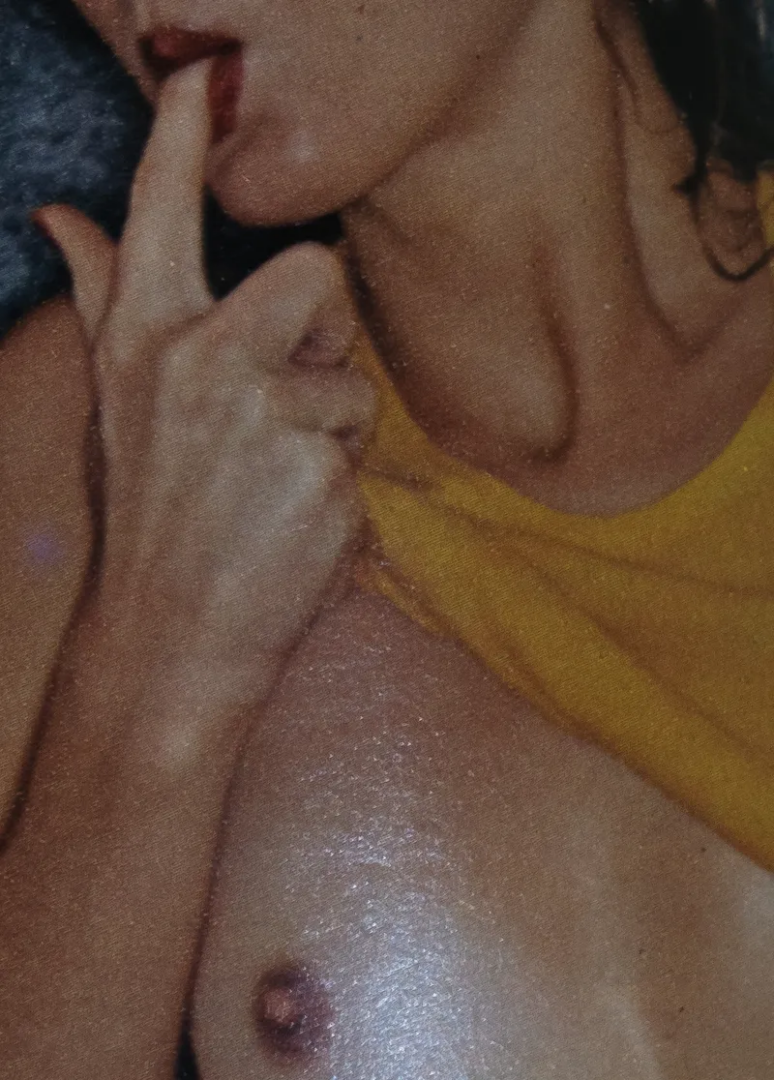
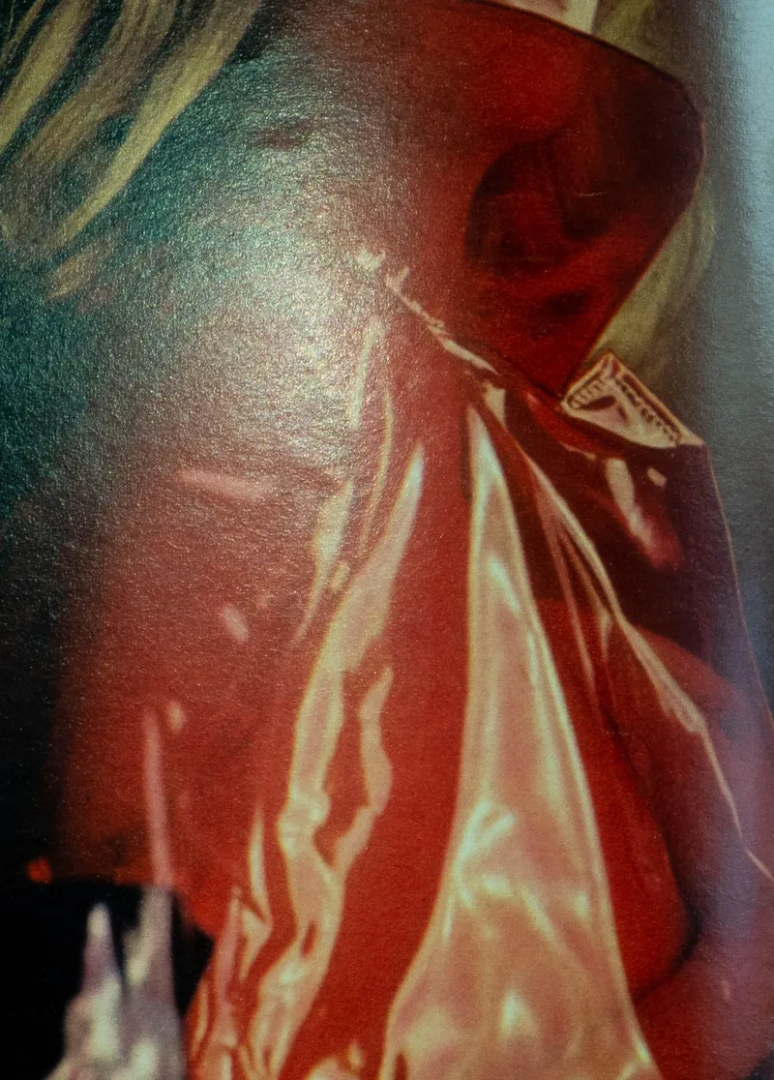
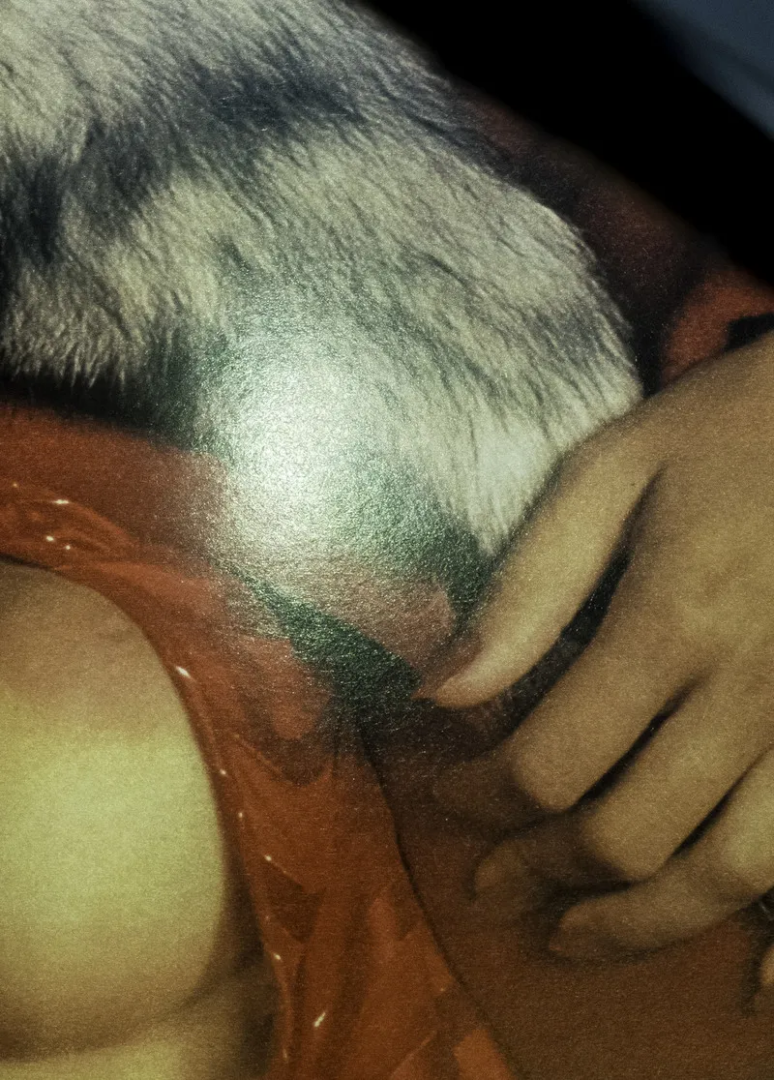
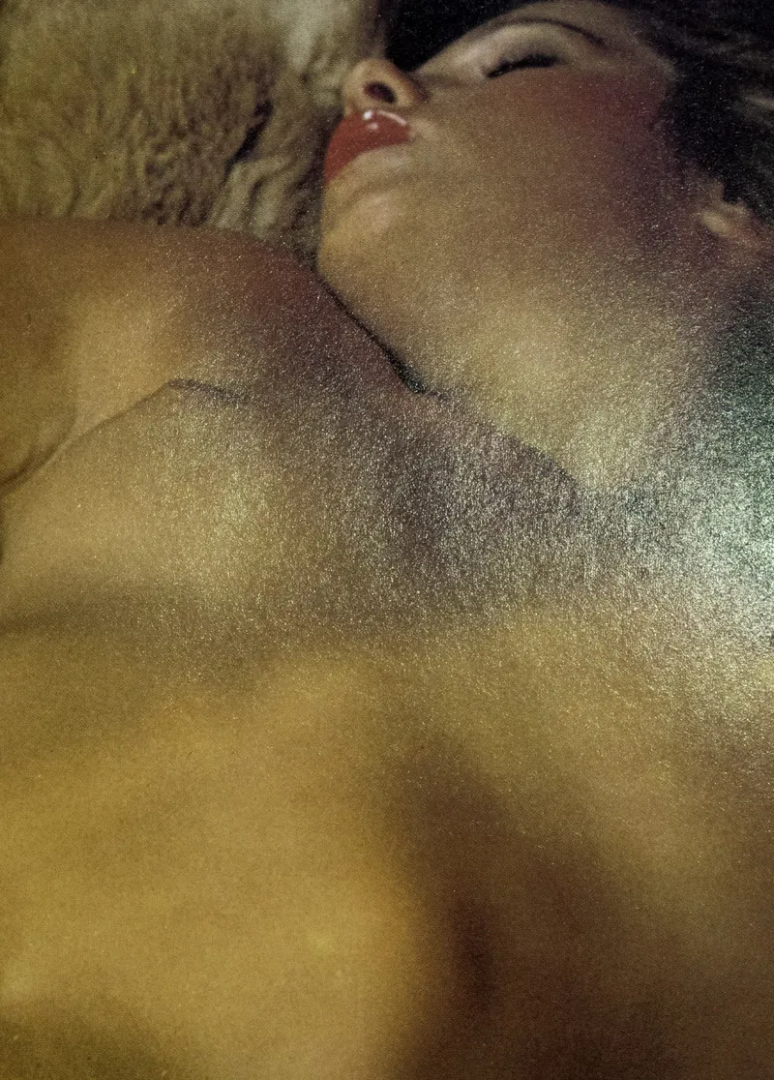
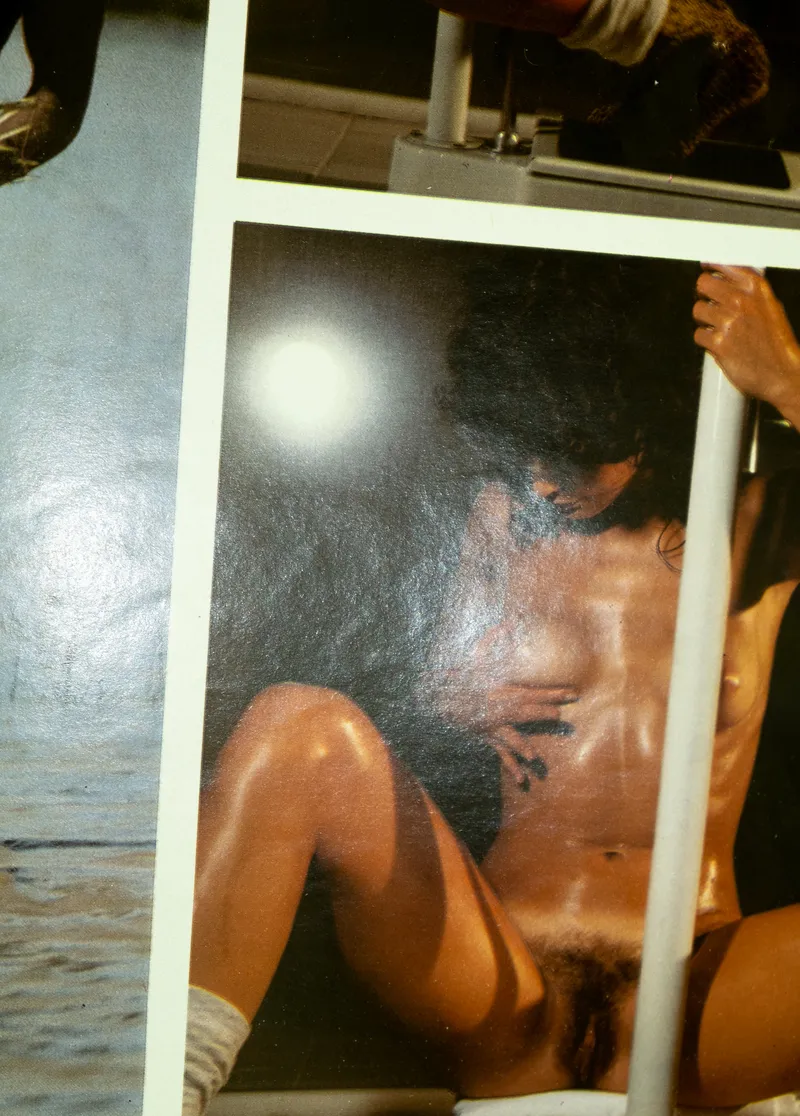
Toy (Art Paper Editions, 2024) completes a trilogy built on Maelfeyt’s personal archive of vintage erotic magazines from the 70s and 80s. Rather than presenting eroticism directly, he examines how these magazines constructed it visually: through recurring motifs, specific compositional choices, and the granular materiality of print.
His method recalls earlier projects such as The Room (2012), dedicated to houseplants photographed in 1970s manuals, and Les Pierres (2014), a typology of gemstones. In both cases, Maelfeyt dissected categories of imagery to reveal the structures beneath them. The erotic trilogy follows the same logic: emotion becomes secondary to repetition, pattern, and the coded language of magazines that once reached millions.
Why Repetition and Fragmentation Defined the Erotics of Vintage Magazine Photography
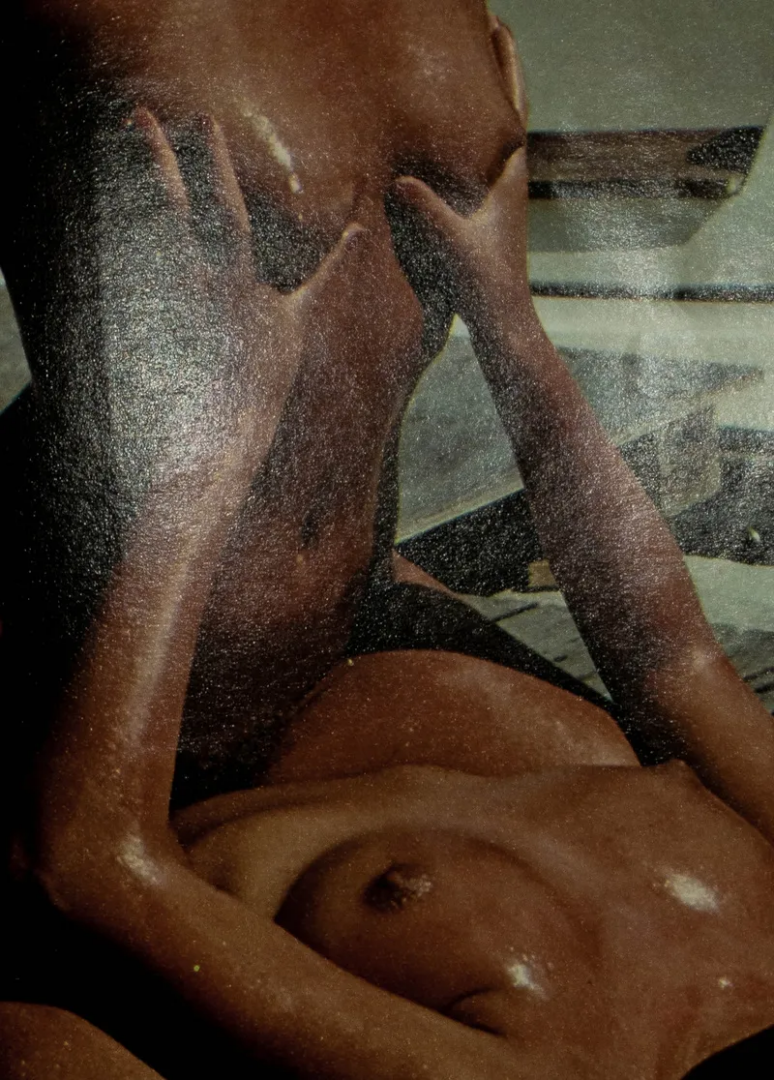
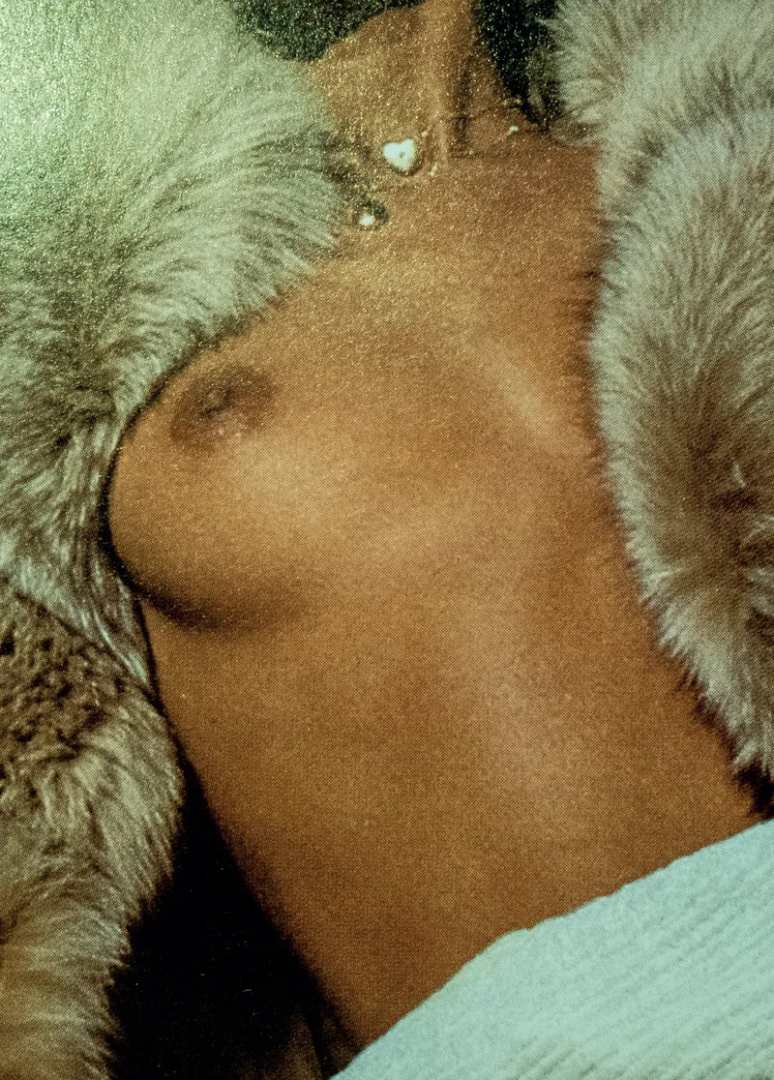
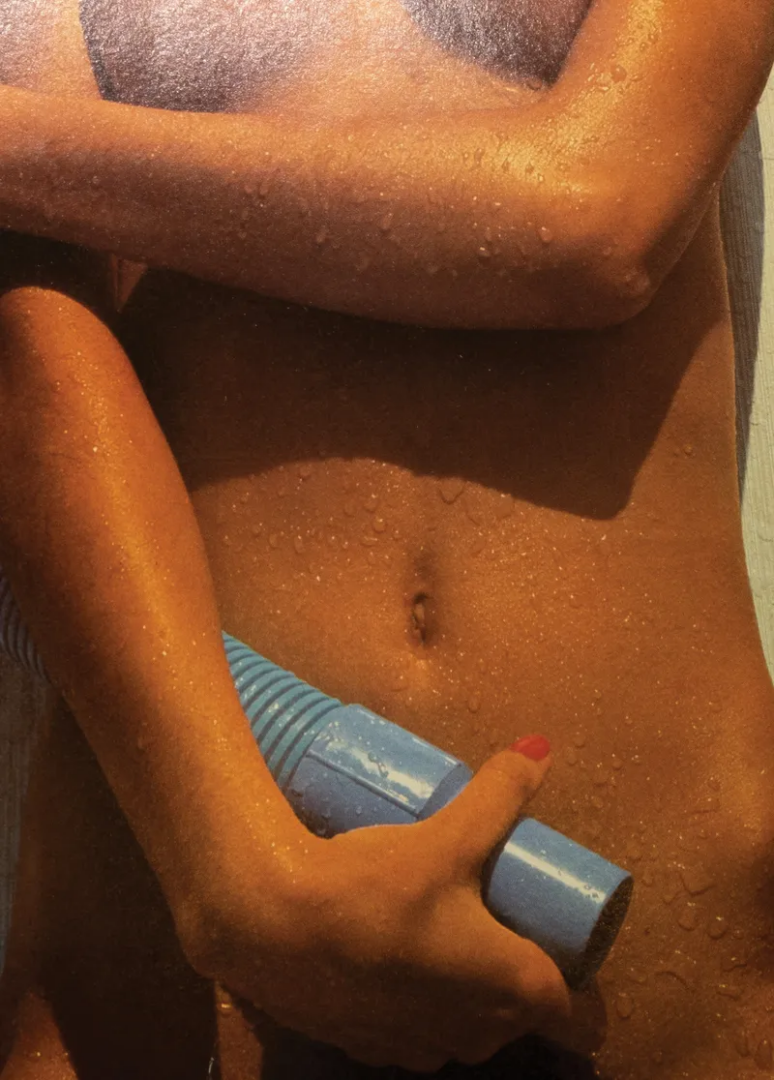
Mass-market erotic publications cultivated a visual grammar based on recurring types: close-ups of hands, glossy torsos, soft-focus details, legs arranged at familiar angles. This repetition established both familiarity and desire. Maelfeyt isolates and reorders these fragments, exposing their mechanisms while granting them new meaning.
In his work, bodies become abstracted. A hand, a thigh, the curve of a back—each element becomes a landscape rather than a person. The spectator’s desire is redirected toward form rather than identity, echoing the way vintage magazines often reduced bodies to visual motifs.
How Toy Reinvents the Suggestive Power of Retro Erotica
Unlike Wet and Furs, which align clearly with their titles, Toy contains no literal toys. The project originally emerged from a collaboration with Filip Arickx of A.F. Vandevorst, who commissioned photographs for a sex-toy collection called Nightfall. Yet in the final book, the objects disappear entirely. The title remains as an echo—an ambiguous reference rather than a literal description.
Toy embraces suggestion rather than exposition. In today’s landscape of instant visibility, this feels unexpectedly radical. Printed on semi-gloss stock reminiscent of old magazine paper, the book underscores the imperfect, tactile quality of analog imagery. It was produced through Maelfeyt’s publishing imprint, APE, after distilling more than 2,000 archival images.
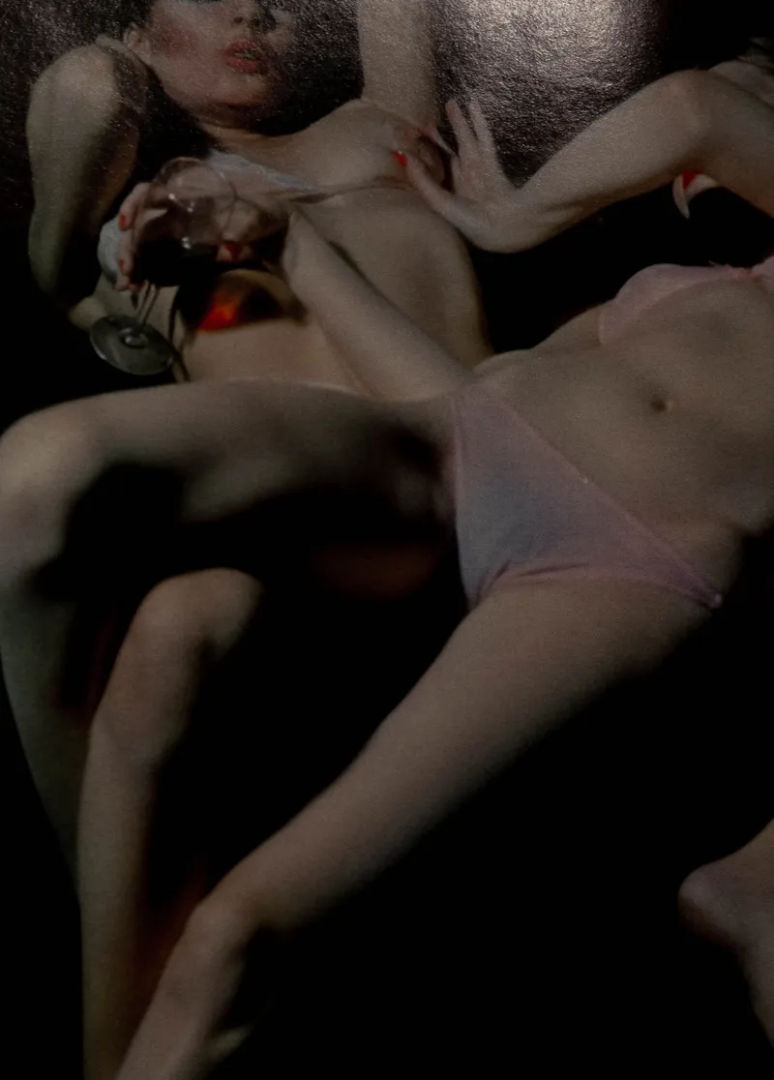
“I’m not interested in explicit imagery,” Maelfeyt explains. “I’m more curious about what happens around it. In one image from Toy, a woman holds a glass of red wine. The way she holds it is the most interesting part.”
This attitude resonates with the subtle erotics of vintage erotic magazines, where suggestion often carried more charge than exposure.
The Forgotten Cultural Influence of Vintage Erotic Magazines on Visual Theory and Photographic Language
The cultural history of vintage erotic magazines is far more intellectually rich than their reputation suggests. Before digital media, these publications operated as testing grounds for new photographic and graphic languages. Editors and art directors—often trained in fashion or advertising—used erotic imagery as a site for experimentation. Lui, for instance, invited figures like Helmut Newton, Guy Bourdin, and Jeanloup Sieff to shoot for its pages, collapsing distinctions between commercial erotica and high-art photography.
Some issues even employed “visual echoes”: repeated props or poses threaded across unrelated spreads, creating a rhythmic visual choreography that heightened desire. Rather than merely depicting sex, these magazines engineered a way of looking, anticipating contemporary theories of the gaze before those theories were articulated.
How 70s and 80s Erotic Magazines Became Unexpected Laboratories for Design, Semiotics, and the Aesthetics of Desire
One lesser-known anecdote from the 1970s concerns a circle of French semioticians loosely connected to Roland Barthes. Fascinated by how desire was constructed in mass media, they reportedly used issues of Playboy and Lui as teaching material—even as objects for structuralist analysis. They dissected these magazines not for their erotic content but for their codes: recurring color palettes, props functioning as visual signifiers, sequences that delayed gratification through fragmentation.
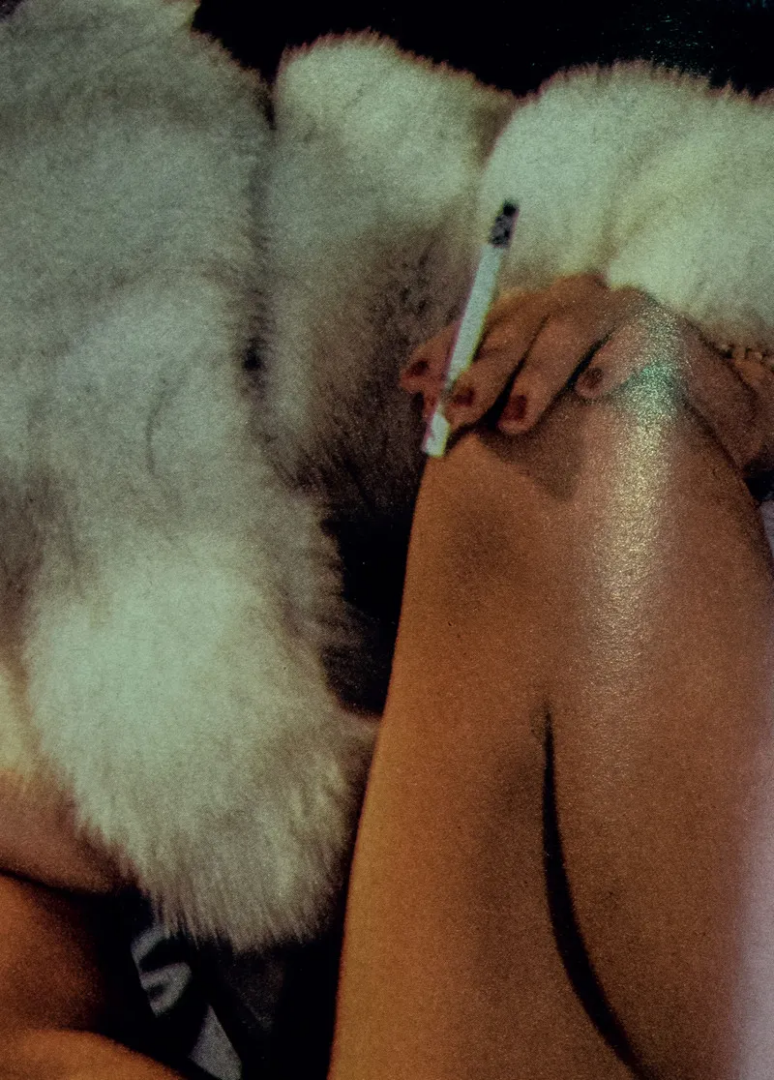
The “fetish of the fragment”—a foot, a hand, the bend of a knee—was interpreted as a deliberate strategy to suspend resolution and prolong desire. This anecdote, circulated quietly within academic circles, demonstrates how retro erotic magazines played a surprising role in shaping the intellectual history of visual culture.
How Jürgen Maelfeyt Transforms Archival Magazine Fragments Into New Narratives
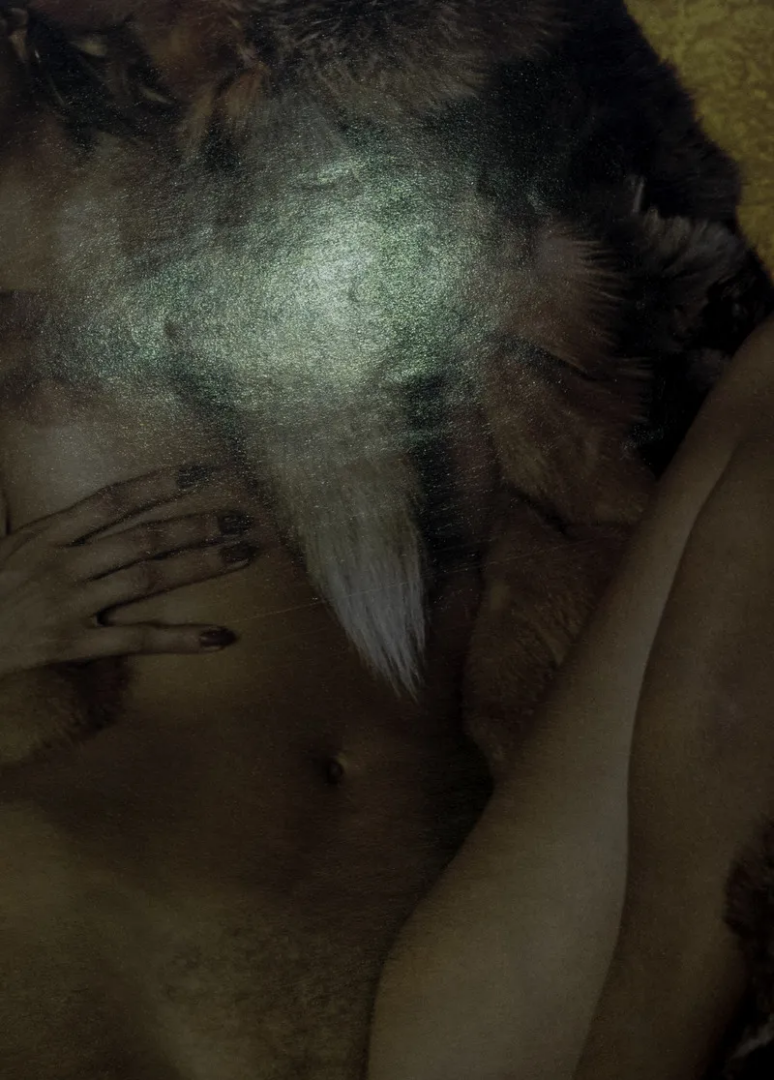
Many of the images in Toy lose all connection to their origins. Cropped, recolored, and reprinted, they become autonomous objects. Their new textures and tones elevate them beyond the straightforward layouts typical of 1980s erotic publications. Maelfeyt’s approach is almost archaeological: he extracts fragments, cleans them, and recontextualizes them, allowing them to speak in new ways.
This method reveals the underlying mechanisms of desire embedded in retro erotica. By shifting focus from explicit scenes to marginal details—hands, fabrics, shadows—Maelfeyt restores intimacy where contemporary digital imagery often lacks it.
Fragmented Bodies in Retro Erotica Create a More Ambiguous and Compelling Intimacy
Across the trilogy, bodies never appear whole. Legs, hands, and torsos emerge as isolated elements, losing their identity and becoming visual shapes. This fragmentation creates an intimacy based on proximity and detail rather than recognition.
Color also plays a structural role: Furs uses one dominant color, Wet two, and Toy three—tones subtly reminiscent of childhood aesthetics. These chromatic strategies build a quiet narrative beneath the images, reinforcing their ambiguity.
How the Tactility of Vintage Erotic Magazines Challenges Today’s Digital Visual Culture
The growing interest in archival material—family albums, manuals, scientific images, and especially vintage erotic magazines—reveals a collective desire for slowness. Against the infinite scroll of digital platforms, analog imagery demands time: to look, to interpret, to feel.
Maelfeyt is critical of contemporary visual consumption. While platforms like Instagram once offered spontaneity, he argues that algorithmic repetition has flattened our perception. Vintage erotica, by contrast, cultivated a slower gaze. It required attention.
By reviving these forgotten magazines, Maelfeyt recovers a mode of desire that feels nearly impossible today: a desire built not on immediacy but on lingering.
The Subtle Erotics of Vintage Magazine Photography Still Feel More Sensual Than Modern Explicit Imagery
High heels tucked under a chair, sunlight gliding over a body, a hand playing with a mundane object—these small gestures defined the seduction of vintage erotica. Toy shows that erotic magazines were never exclusively about explicit acts. They thrived on ambiguity, withholding just enough to provoke imagination.
Maelfeyt’s work reminds us that desire often resides in what remains unseen.
About Jürgen Maelfeyt
Jürgen Maelfeyt is a graphic designer, photographer, and art director. In 2010 he founded APE (Art Paper Editions) with his Ghent-based studio 6’56’’. His publications—both personal and collaborative—are part of major museum collections including MoMA, the Centre Pompidou, and MACBA.