Beyond the macho and the ‘spicy Latina’: Latin American fashion today
From Andean textiles at Milan Fashion Week to reggaeton’s global aesthetics, Latin American fashion moves beyond folklore — blending indigenous craft, diaspora identity and pop culture
Latin American fashion at the latest Fashion Weeks: what does Latino fashion look like today?
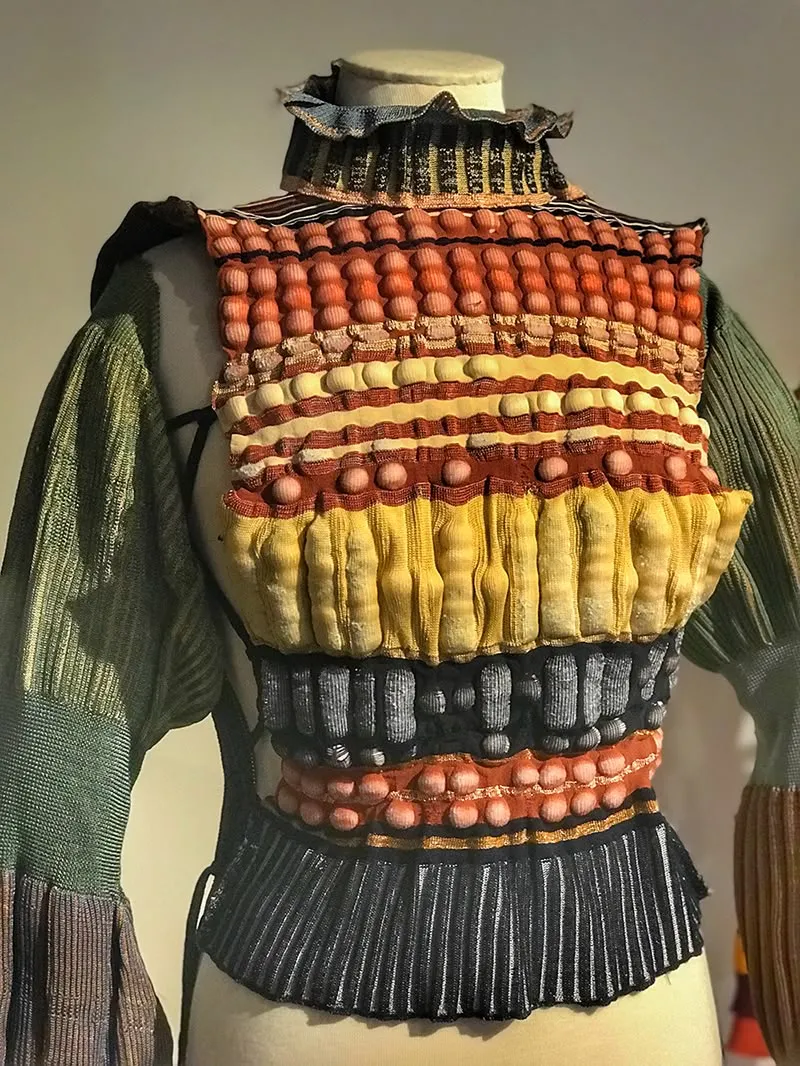
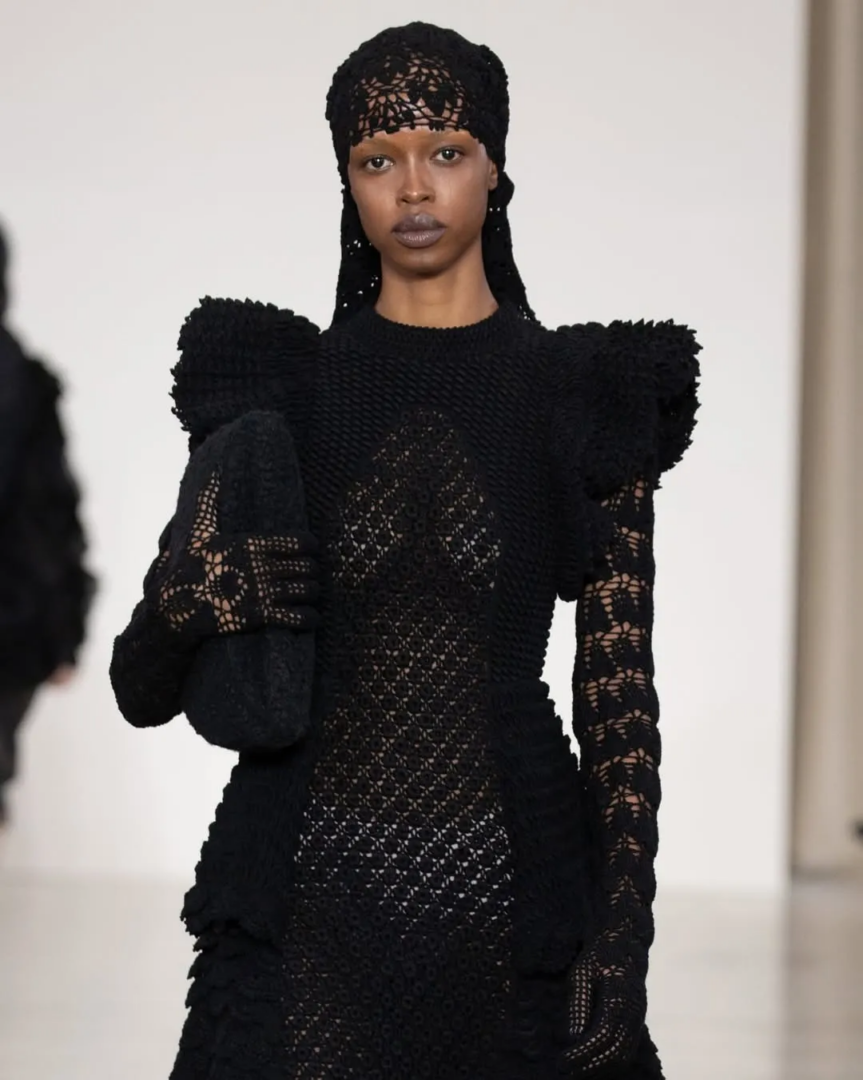
During Milan Fashion Week Fall/Winter 26–27, Jorge Luis Salinas presented Virreinato, a collection rooted in Peru’s artisanal tradition. Through signature Andean weaves, Peruvian cotton, and alpaca fiber, Salinas offered a contemporary reinterpretation of his country’s textile heritage, collaborating with Huanuqueña artisan Vilma Aldaba Jorge, who crafted several pieces using crochet and knitting techniques.
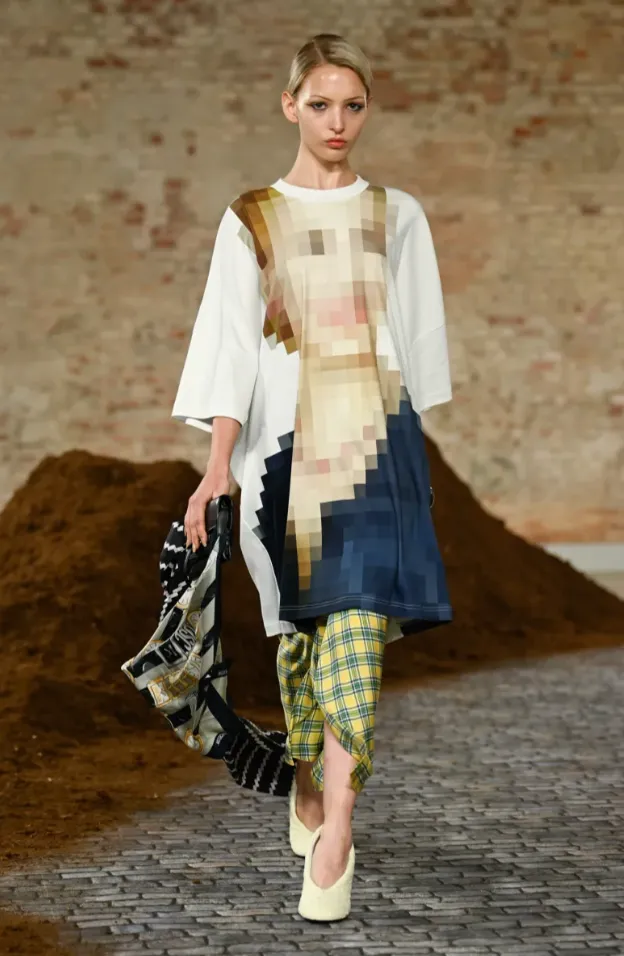
At Moschino, creative director Adrian Appiolaza — Buenos Aires-born, London-raised — delivered a Fall/Winter 26–27 collection that reads as a love letter to Argentina: portraits of Eva Perón on T-shirts, gaucho references, tango aesthetics, churro-shaped bags, and florals, all filtered through Moschino’s signature surrealism.
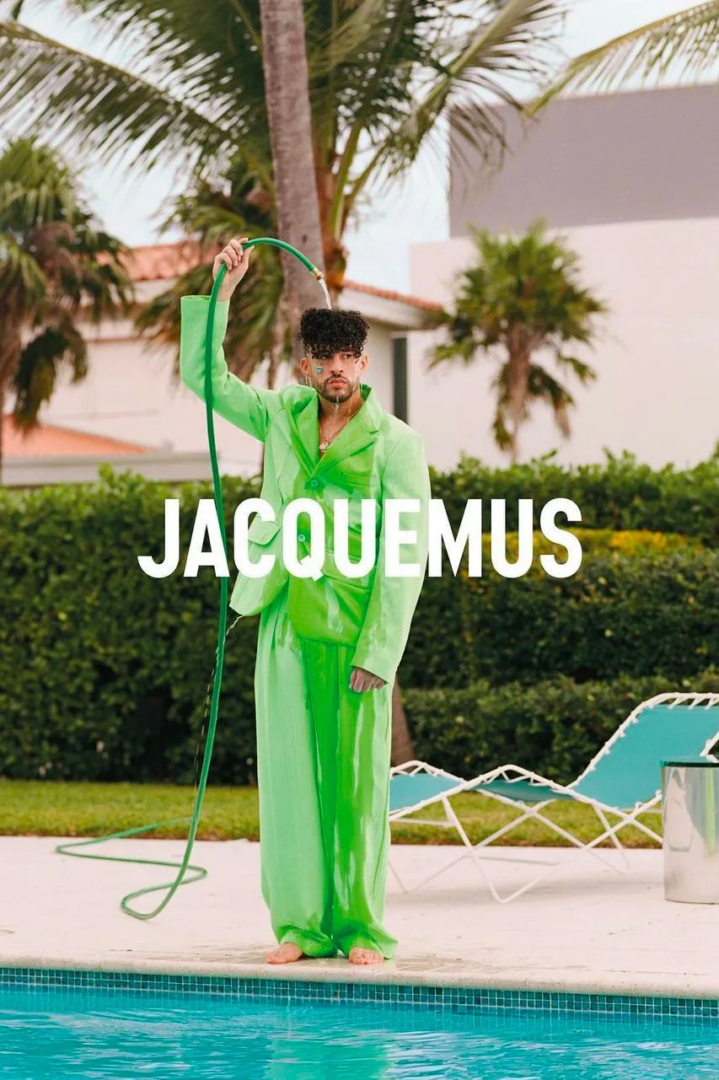
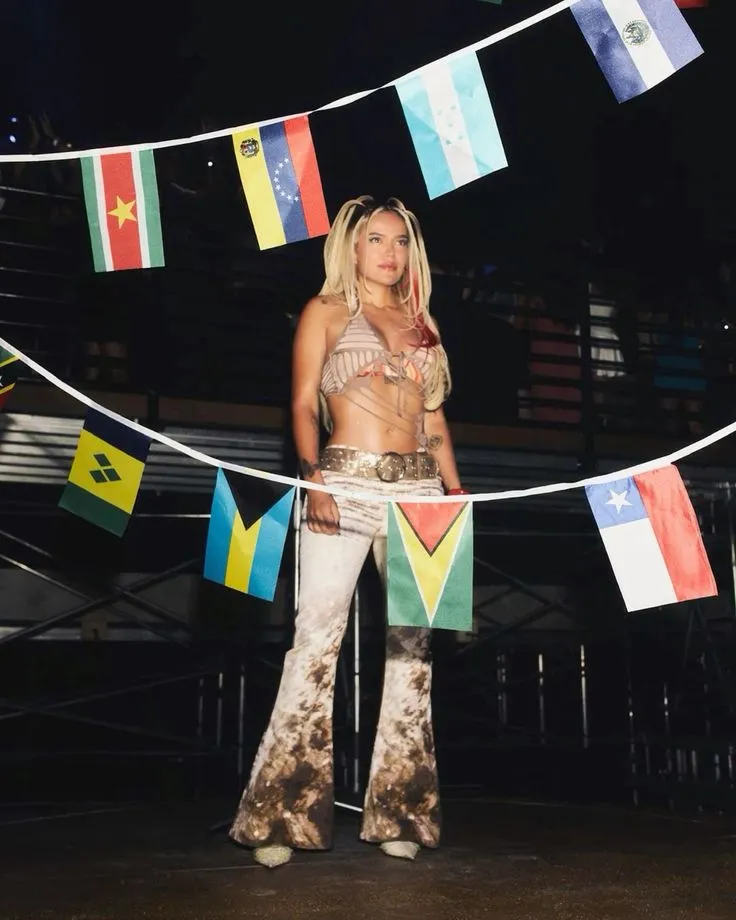
For decades, Latin American fashion was flattened into a single image: folklore, exoticism, and overt sensuality. Now, propelled by the global reach of reggaeton and Bad Bunny and Karol G, a more urgent question has moved to the center: What does Latino fashion actually look like today?
Indigenous craftsmanship in Latin American fashion
Designers like Carolina Herrera, Oscar de la Renta, and Narciso Rodriguez long served as the faces of Latin American design — their work filtered through a European sensibility that, while groundbreaking, only told part of the story. The continent’s real aesthetic is not one thing. Latin America’s history of migration and immigration has produced a layered, plural identity: indigenous heritage, African ties, and European influence fused into something that cannot be reduced to a single silhouette.
The myth of the “macho” and the “spicy Latina” has obscured what lies beneath — a continent shaped by colonialism, resistance, geography, music, and class, where fashion is not a response to trends but to deep cultural constructions. Indigenous textile knowledge introduced color, symbolism, and an understanding of natural materials. African influences brought layered fabrics, ruffles, and headwear. European fashion added tailoring and fitted silhouettes. The result is an amalgam of styles that is irreducibly Latin American.
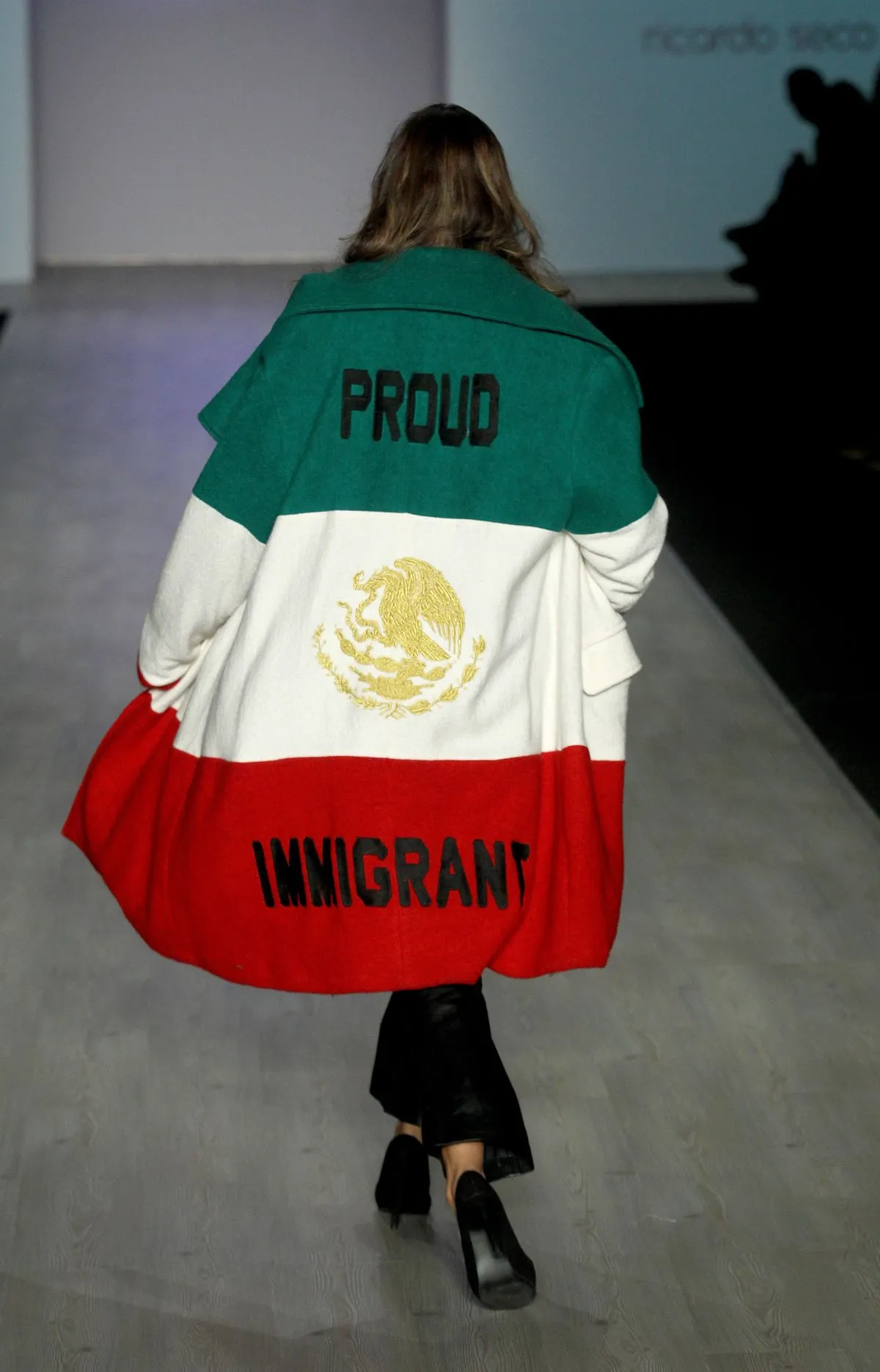
What resonates most internationally is Latin America’s fashion connection to its indigenous heritage. Designers have capitalized on millenary techniques not only to reclaim their own roots, but to preserve ancestral knowledge at risk of disappearing. Carla Fernández, Ricardo Seco, and Escvdo collaborate directly with indigenous communities, proving that heritage craftsmanship is not decoration — it is a living, evolving language. Their work positions fashion as a tool for cultural preservation, social empowerment, and ethical collaboration.
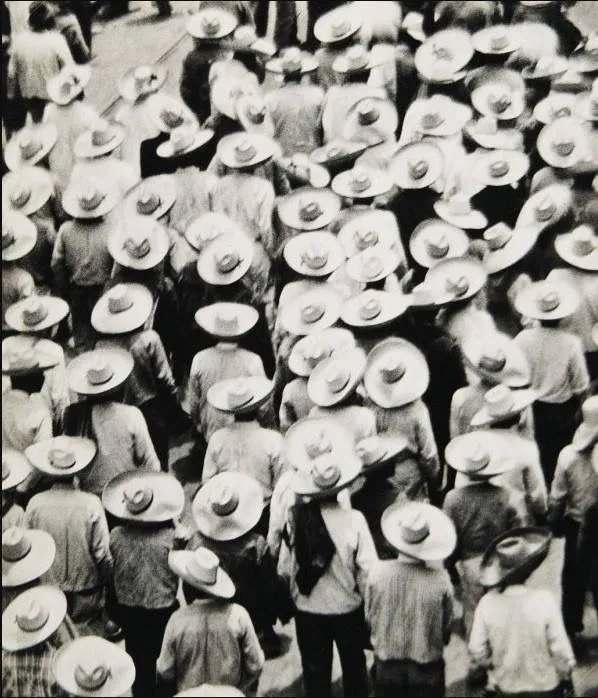
The influence runs deeper than most consumers realize. The poncho originated with Andean peoples before Burberry, Ralph Lauren, and Hermès adopted it. The Panama hat is Ecuadorian. Espadrilles trace back to Andean Alpargatas. Colombia’s Sombrero Vueltiao appeared in Jean Paul Gaultier’s S/S 2008 collection. The embroideries of Oaxaca and Chiapas have been reproduced by Zara and Mango. Indigenous Latin America has been quietly dressing the world for decades.
Pachucos, cholos and Chicano style as political resistance
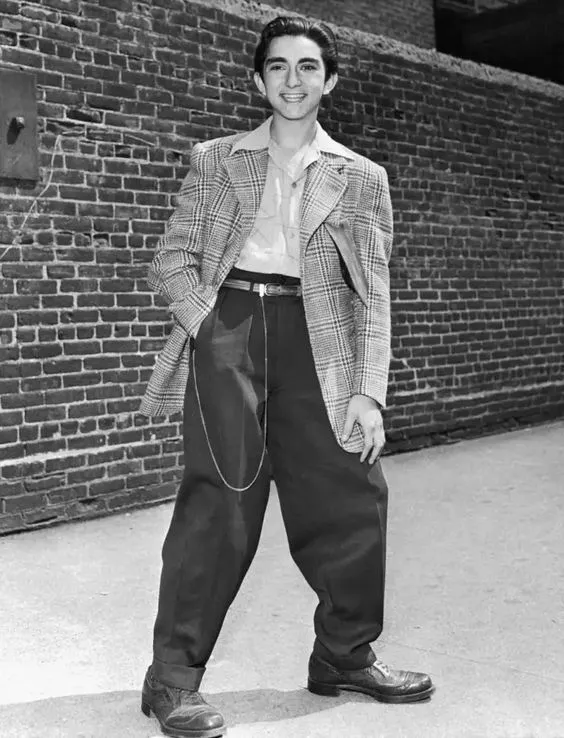
For Latinos in the United States, identity has always been political. Dressing became a form of resistance. The Pachucos — the first distinctly Mexican American urban youth subculture — understood this. The zoot suit: oversized draped jackets, high-waisted wide-leg trousers, long key chains, wide-brim hats, two-tone shoes. It was excess as defiance, visibility as survival.
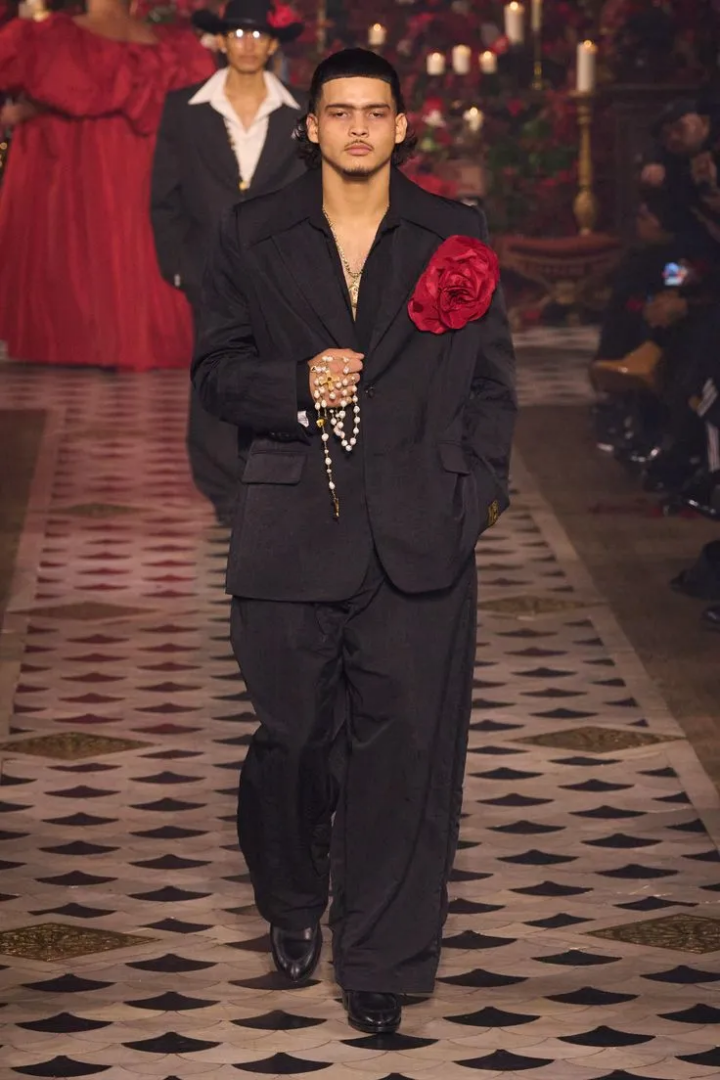
Chicano and Chicana style followed the same logic — Pendleton shirts, Dickies, khakis, bandanas, religious iconography, lowrider culture — encoding working-class pride and barrio identity into every outfit. Chola femininity came next: tight pencil skirts, crop tops, body-hugging dresses, black eyeliner, large hoops, dark lip liner, slicked-back hair. Tough and deliberate. A politics of presence.
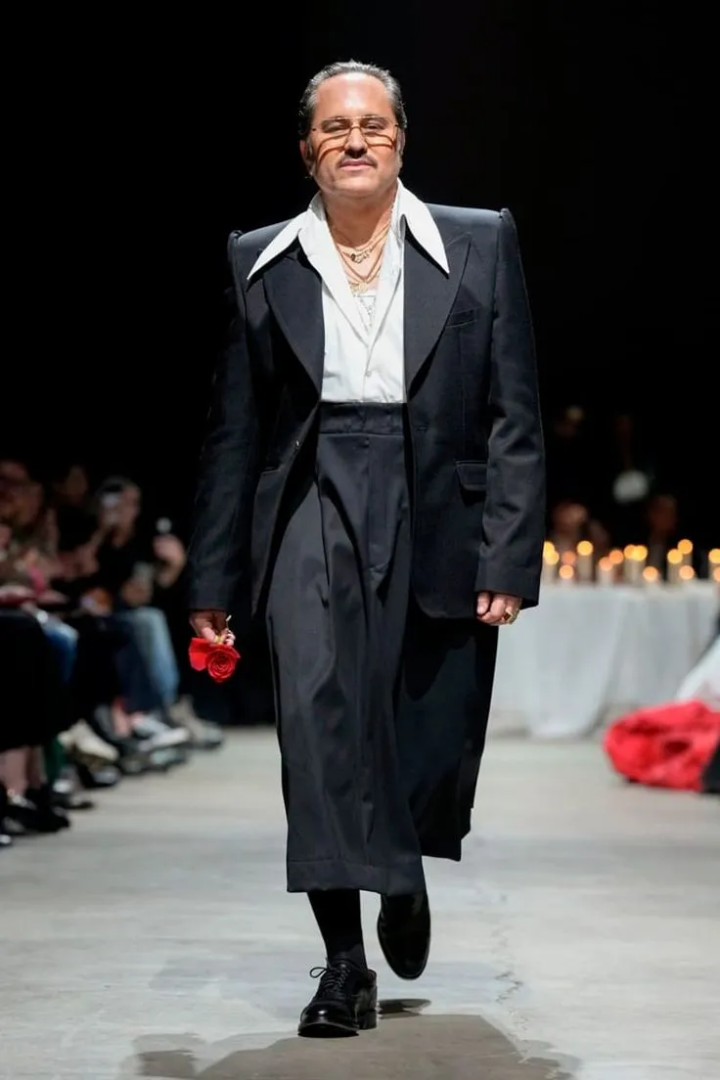
That aesthetic has since traveled far from its origins. Willy Chavarria remains its most authoritative translator. Casablanca’s S/S 2025 collection paid explicit homage to Chicano culture. Riccardo Tisci built a “Victorian Chola” show for Givenchy A/W 2015. Jeremy Scott offered his interpretation at Moschino Resort 2017. And on TikTok, the Chola aesthetic has been absorbed into the “baddie” trend — divorced from its political roots, repackaged for the algorithm.
Music, reggaeton and the global aesthetics of Latino fashion
Music is the most powerful force shaping Latin American aesthetics. Salsa introduced feminine dresses, bright colors, ruffles, wide lapels, and silk shirts. Cumbia contributed Polleras — wide colorful skirts — embroidery, off-shoulder blouses, and Guayaberas. Labels like Silvia Tcherassi, PatBO, and Johanna Ortiz built international careers translating this visual language into runway-ready silhouettes.
Reggaeton operates differently. Its aesthetic — oversized streetwear, jerseys, chunky sneakers, chains, low-rise jeans, crop tops — was born on the streets of Latin America and the Caribbean, not on a runway. It carries the codes of urban survival, migration, and class. Provocative and tough, it stands in deliberate contrast to salsa’s romanticism. Today, with Bad Bunny, Karol G, Maluma, J Balvin, and Rosalía sitting front row at fashion weeks and dressed by major international houses, reggaeton has become the continent’s most globally visible export. It is not just a genre. It is a visual identity, a social movement, a lifestyle.
Latin American designers across the diaspora reshaping global fashion
Migration transformed Latino fashion from regional tradition into a globally readable visual language. Designers like Raul Lopez of LUAR, Uruguayan Gabriela Hearst, Mexican Patricio Campillo, and Colombian LVMH semifinalist Manuela Alvarez work beyond cliché — their clothing feels global while remaining rooted, without exoticizing the source.
This is the core tension and the core opportunity: Latin American fashion carries indigenous craftsmanship, African influences, European tailoring, and contemporary urban realities simultaneously. It speaks to geography, colonization, resistance, religion, music, and class. It is not a fixed aesthetic. It is a cultural language.
Carolina Benjumea