Modular architecture: Prefabrication is not a limit; it is a discipline
Modular architecture is no longer a compromise between speed and beauty – it is a new language of living, combining craftsmanship, technology, and nature to build homes that endure
From industrial prefabrication to bespoke homes: Valentina Moretti’s vision for a new kind of architecture
Prefabrication and modular construction techniques have become pivotal forces in reshaping contemporary architecture. Once perceived as opposites — independence and interrelation, standardization and customization, fixed modules and flexible design — these dualities now coexist as part of a more intelligent, adaptable building system. Valentina Moretti, creative director of Studio More, has been at the forefront of this transformation, merging her architectural insight with her family’s decades-long expertise in prefabricated building.
“The company my father founded over fifty years ago was focused on prefabricated wood and concrete,” explains Moretti. “As an architect, I wanted to innovate within that framework. We were mainly targeting industrial projects — parking structures, shopping centers, offices, factories. But through deeper research I discovered that prefabrication isn’t rigid; it’s incredibly flexible. Because it’s manufactured in a controlled factory environment by skilled workers, you can achieve a level of precision and quality that traditional building often lacks.”
This new approach seeks to bring order and harmony to the informal and often chaotic landscape of residential architecture.
More Studio: more service, more quality, more technology
To drive this transformation, Moretti founded a new business unit named More — a direct reflection of its ethos: more service, more quality, more technology. “By ‘service,’ we mean taking ownership of the entire design process. In the past, we relied on external architects, but now our in-house team designs and supervises every project. This allows us to control every phase on-site and ensure that each client, who entrusts us with their life investment, receives a home tailored to their needs.”
Factory precision and environmental harmony: building smarter and more sustainably
Factory-controlled quality, reduced construction times, and the efficient use of materials make modular design inherently more sustainable than traditional techniques. “The main difference lies in the production process,” says Moretti. “Everything is built in the factory — there’s no need for on-site improvisation. Every component, every detail is tested and refined. These details are the key to quality.”
From the selection of raw materials to the lifecycle of each structure, sustainability guides every project. “When we use concrete, for example, we consider the landscape that will be affected by extraction,” she explains. “Our buildings must exist in harmony with their surroundings. We also educate clients on how to live efficiently within their homes. Orientation, materials, and passive design strategies do much of the work for heating and cooling, resulting in high-performance buildings.”
Prefabrication as a discipline, not a limitation
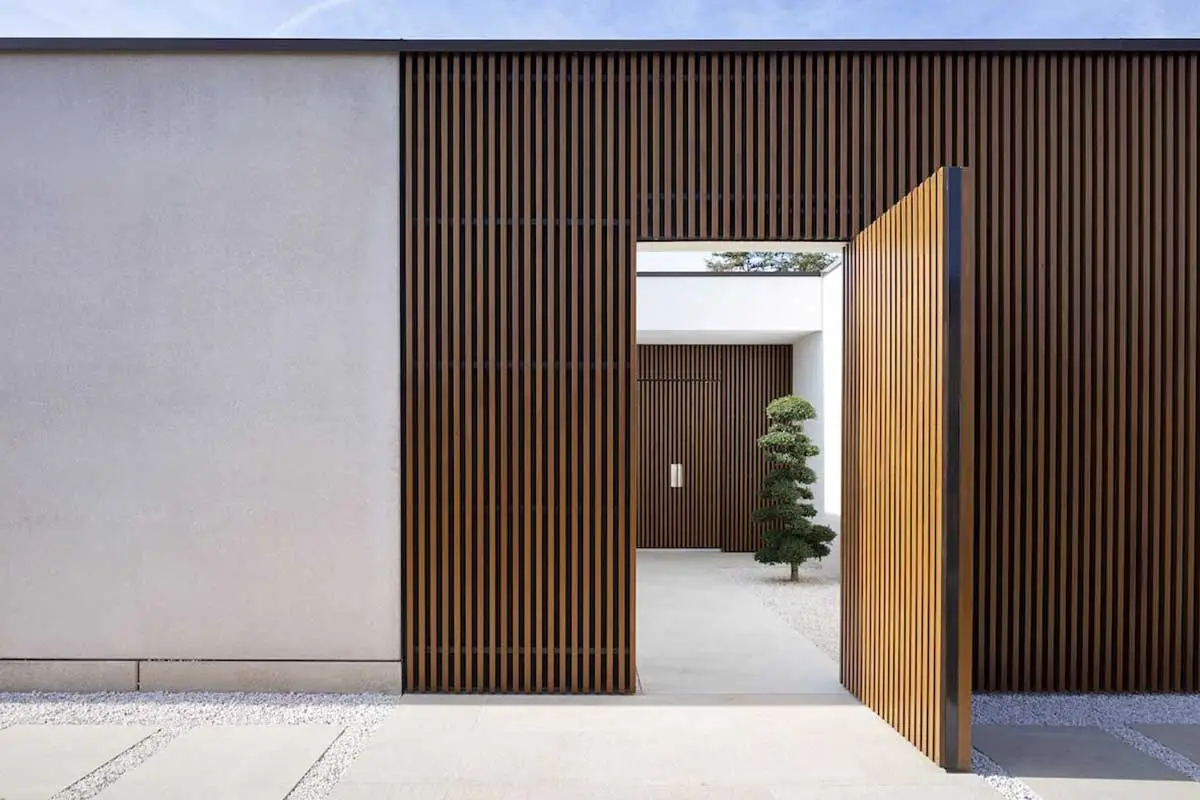
Modular architecture, for Moretti, is a dynamic system that evolves with the needs of its users. “We work with natural materials, always thinking about how color and texture interact with the landscape,” she says. “Our houses aren’t hidden within the greenery — they have a strong identity, contemporary yet timeless. For instance, we designed a home near Pavia in a small village built mostly in red brick. To respect that context, we created a contemporary farmhouse using similar tones and forms. The result was a building that feels at once modern and deeply rooted in its setting.”
She continues, “I want to create prêt-à-porter architecture that also feels like haute couture — unique pieces made with sustainable materials. Prefabrication doesn’t restrict creativity; it requires precision. It’s not a limit, it’s a discipline.”
Koto Design Studio: redefining modular living through Scandinavian minimalism
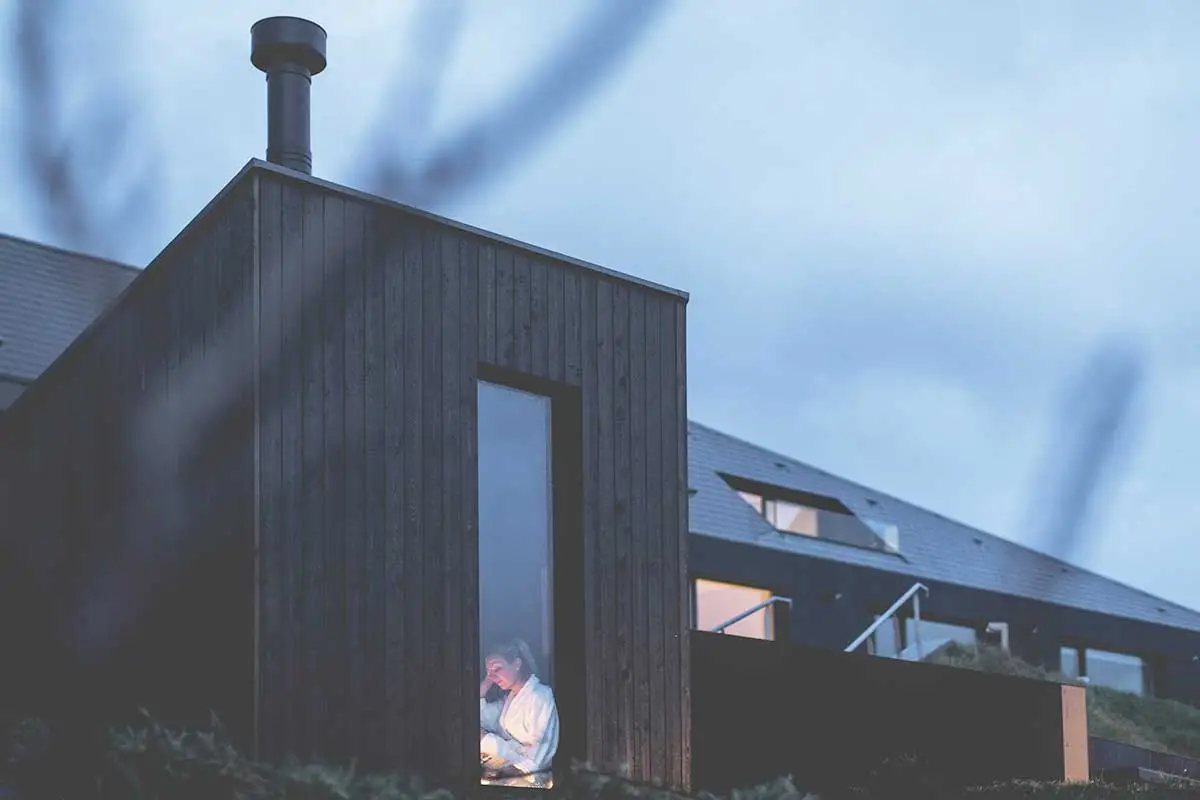
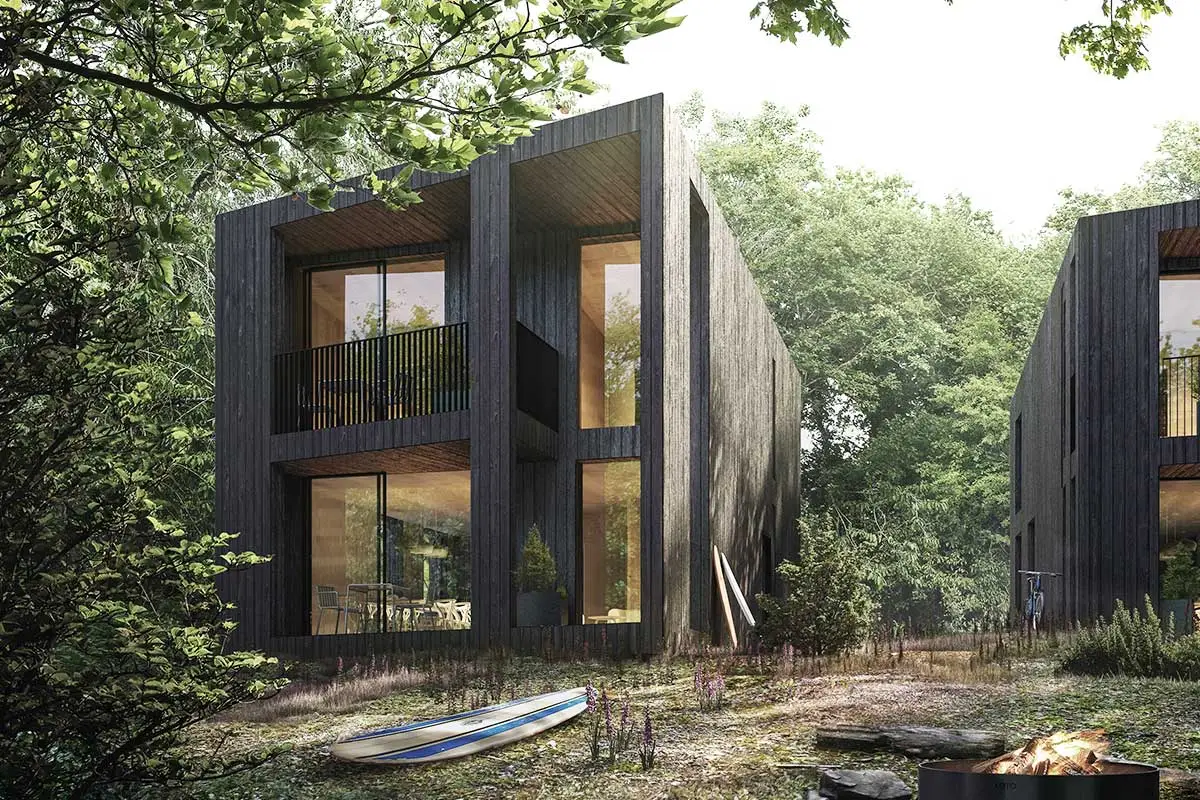
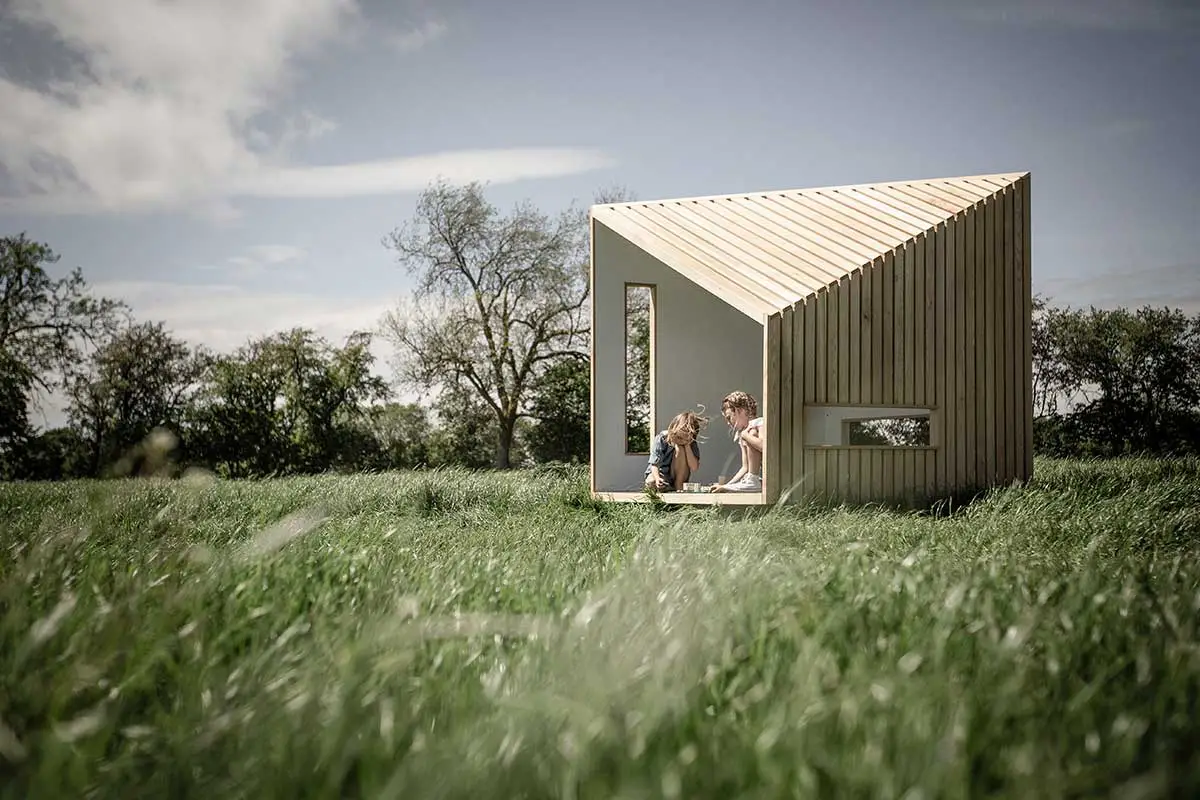
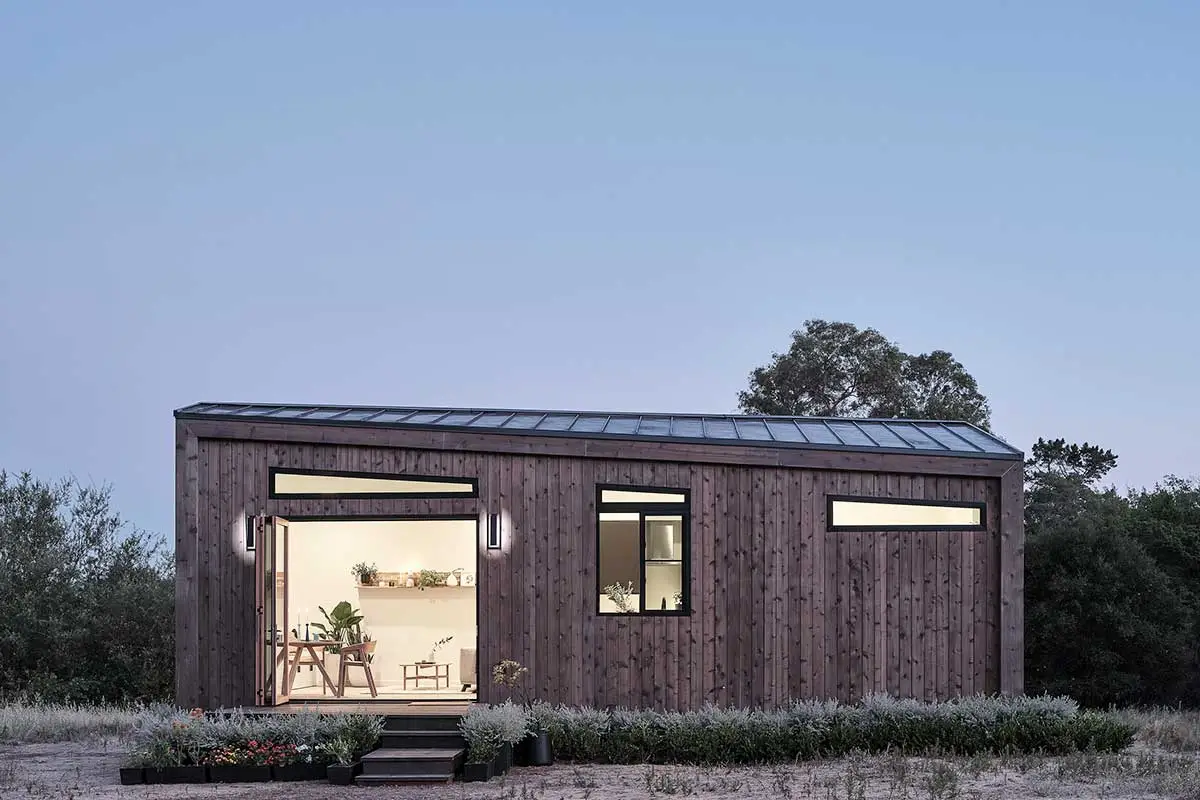
Across Europe, modular construction is also being reimagined by studios like Koto Design, based in the UK and co-founded by Johnathon Little, Zoë Little, and Theo Dales. Their work reflects a deep appreciation for Scandinavian and Japanese aesthetics, blending simplicity, functionality, and nature-inspired design. “Our projects are sustainability-led, which is still unusual in the world of prefabrication,” says Zoë Little. “We focus on design-driven products that combine Scandinavian and Japanese sensibilities — minimalism, honesty, and functionality. Modular architecture has often been viewed as cheap or unattractive, and we’re proving the opposite.”
Johnathon Little adds, “Our approach is less about profit and more about quality and longevity. Modular shouldn’t mean temporary or disposable. Everything we build is designed to last a lifetime.”
Building with CLT: modular construction meets carbon-conscious design
Koto’s philosophy rests on three principles: design-led thinking, sustainability, and modular delivery. “We collaborate with modular manufacturers around the world,” explains Zoë. “Each has unique methods and materials, from cross-laminated timber (CLT) to hybrid structures. CLT, in particular, is incredibly sustainable as it locks in carbon and minimizes environmental impact.”
Their goal is carbon neutrality — or better. “Most of our projects are at least carbon neutral, and often carbon positive,” says Johnathon. “We reduce embodied carbon by using timber structures, natural insulation, and non-toxic materials. We also offset our business operations, making our entire process carbon neutral.”
High-performance architecture and the future of modular design
Changing perceptions around modular and prefabricated construction remains a challenge. “There’s a misconception that prefabrication is cheap or low-quality,” says Johnathon Little. “Good prefabrication isn’t necessarily cheaper, but it’s more sustainable, more precise, and far more time-efficient. The industry is evolving, and we want that evolution to be design-led rather than profit-led.”
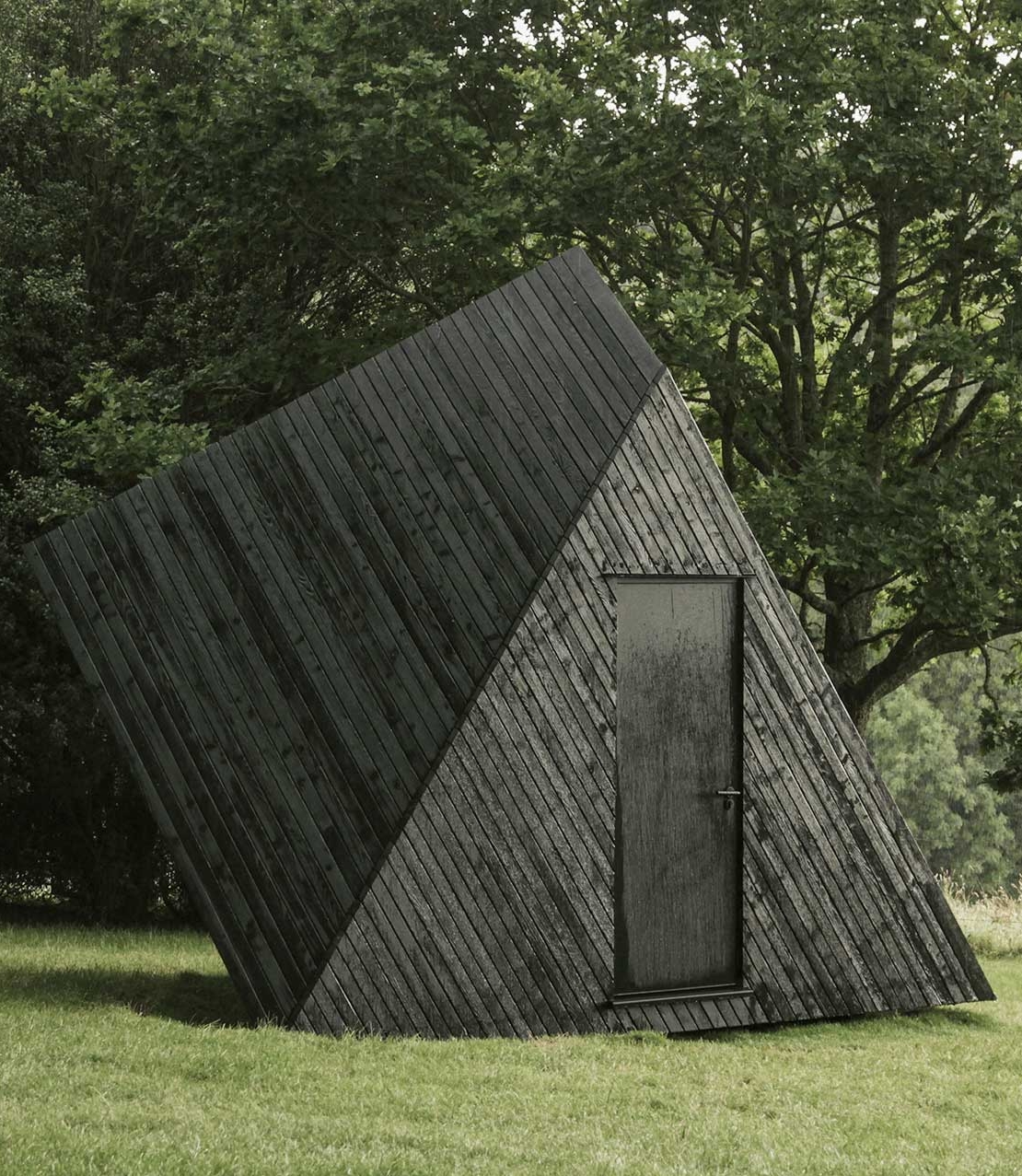
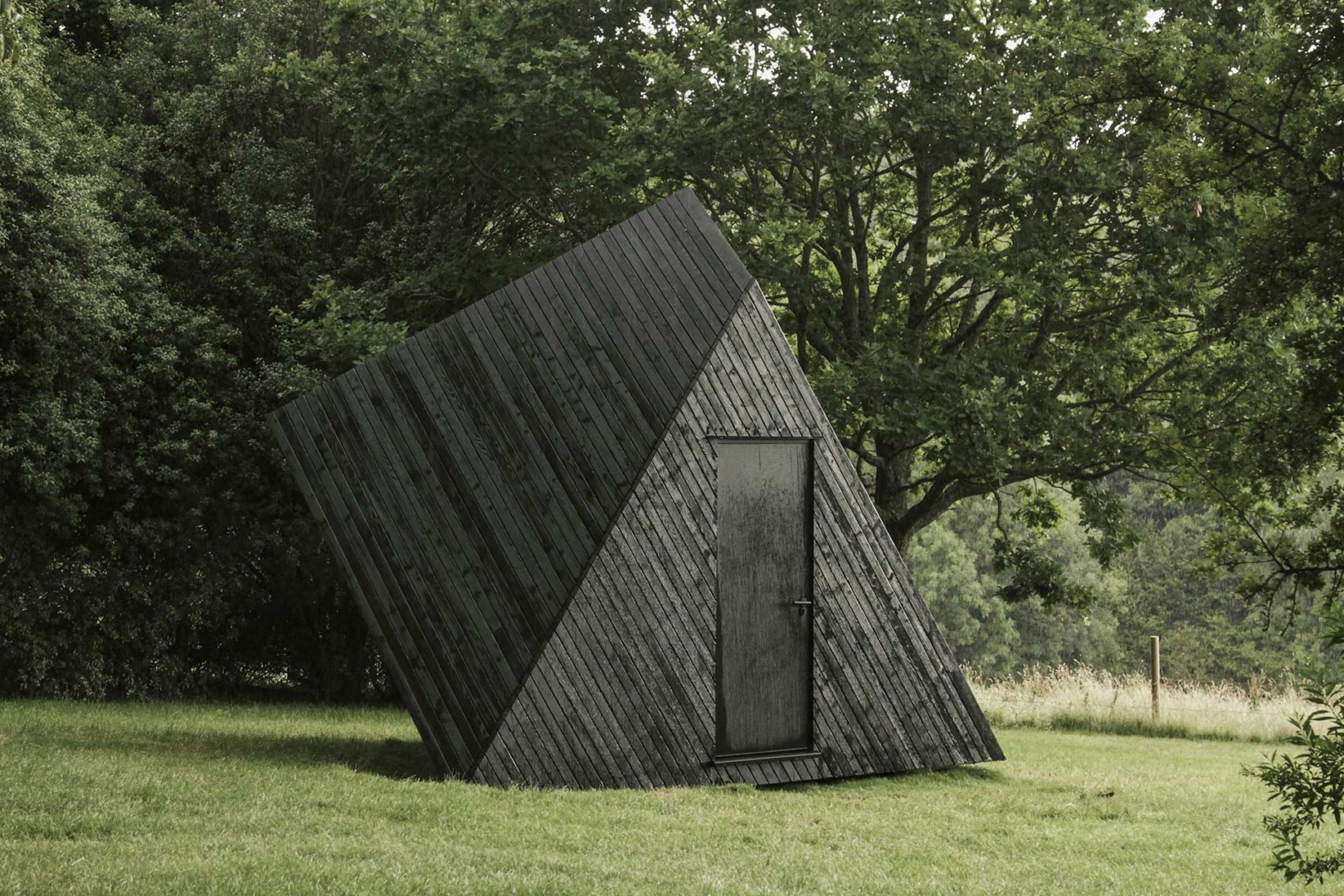
Koto’s precision-driven process results in high-performance buildings that offer both environmental and experiential value. “We’ve managed to create sculptural forms using modular systems — something rarely achieved before,” concludes Zoë Little. “What we deliver isn’t just a building; it’s a lifestyle. It’s about slowing down, reconnecting with nature, and creating spaces that embody balance and wellbeing.”
Studio profiles
More Studio – Based in Italy and creatively directed by Valentina Moretti, More Studio transforms traditional construction methods into modular, prefabricated systems. The firm focuses on delivering more service, more quality, and more technology, shaping architecture that is both human-centered and future-oriented.
Koto Design Studio – A UK-based practice co-founded by Johnathon Little, Zoë Little, and Theo Dales, Koto is known for its Scandinavian- and Japanese-inspired modular homes that merge minimalism, craftsmanship, and sustainability. Their architecture redefines modular living through design that connects deeply with nature and context.
Farah Hassan
Koto Design