Hot & Sporty, the uniform makers: Ralph Lauren and the Olympic Journey
After ten Olympic Games, Ralph Lauren combines design and Made-in-USA production to release a relaxed Team USA wardrobe that recalls countless sporty hotties
Tailoring ceremony uniforms for Milano Cortina 2026: winter white precision, national symbolism and Made in USA production
Since 2008, when it first dressed Team USA for the Beijing Summer Olympics, Ralph Lauren has shaped how American athletes present themselves at the Olympic and Paralympic Games. Milano Cortina 2026 marks their tenth consecutive edition as official outfitter.
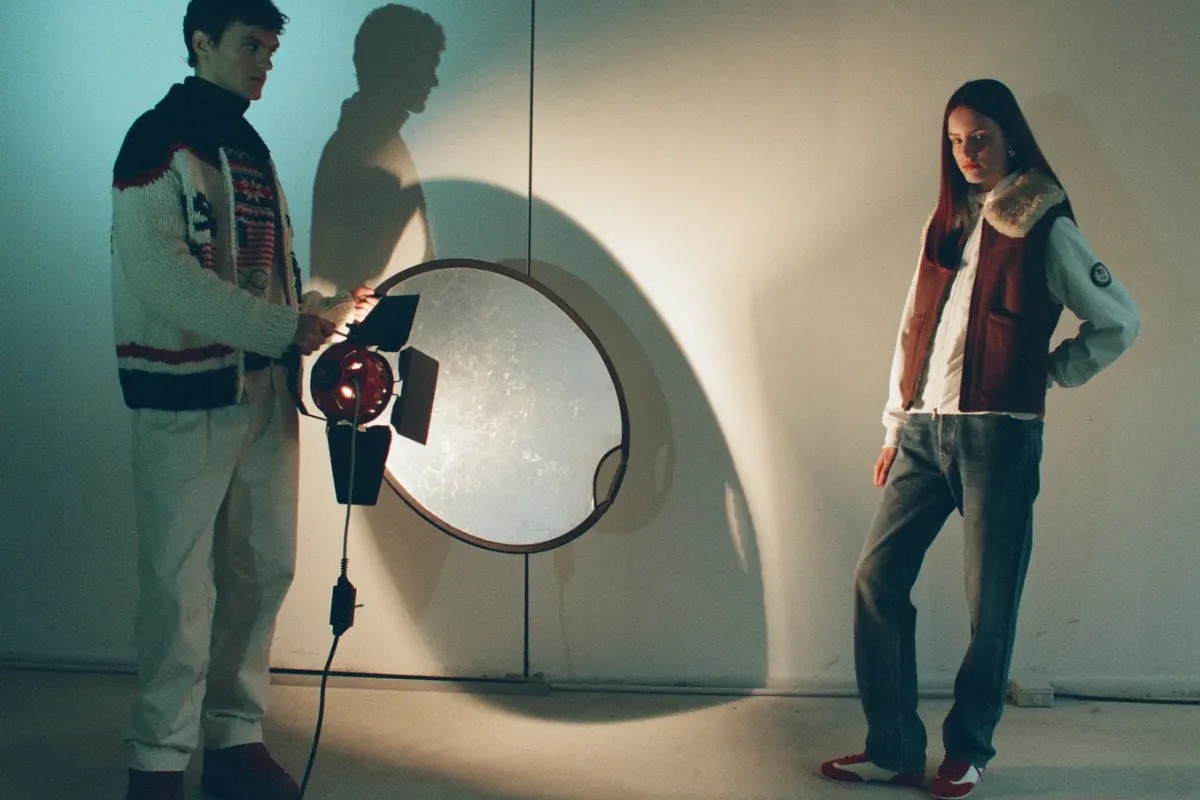
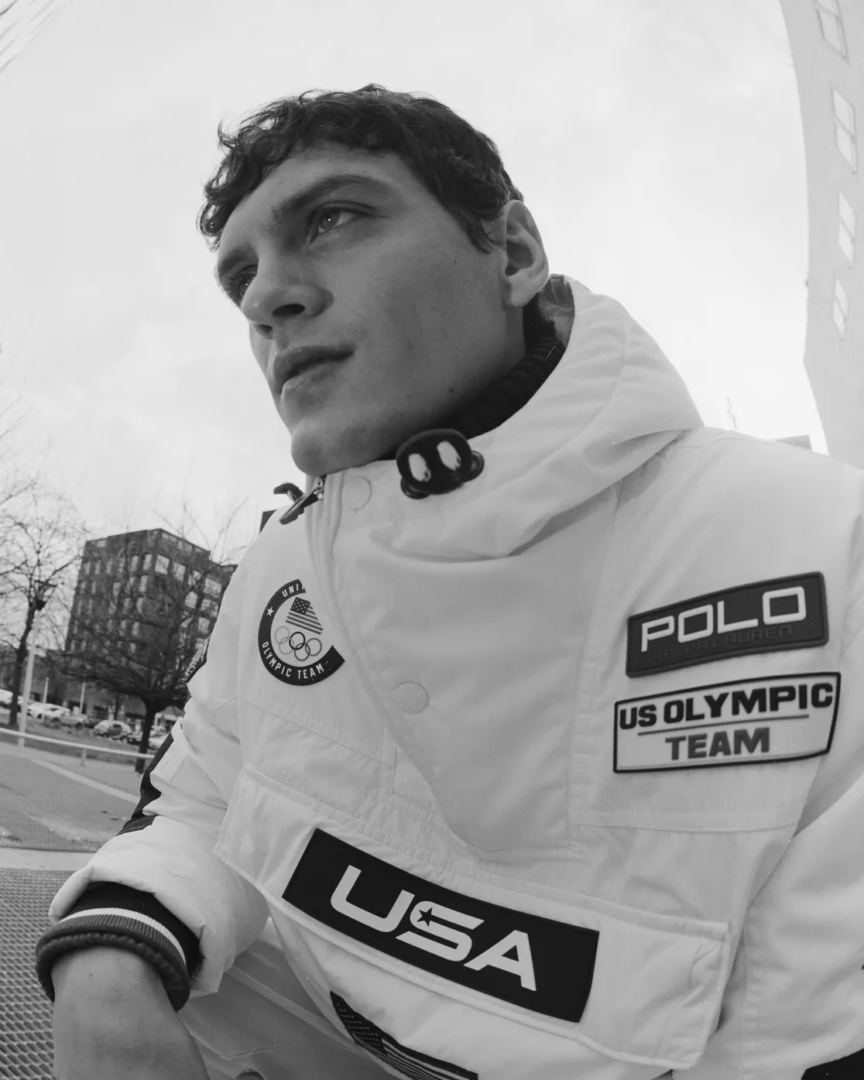
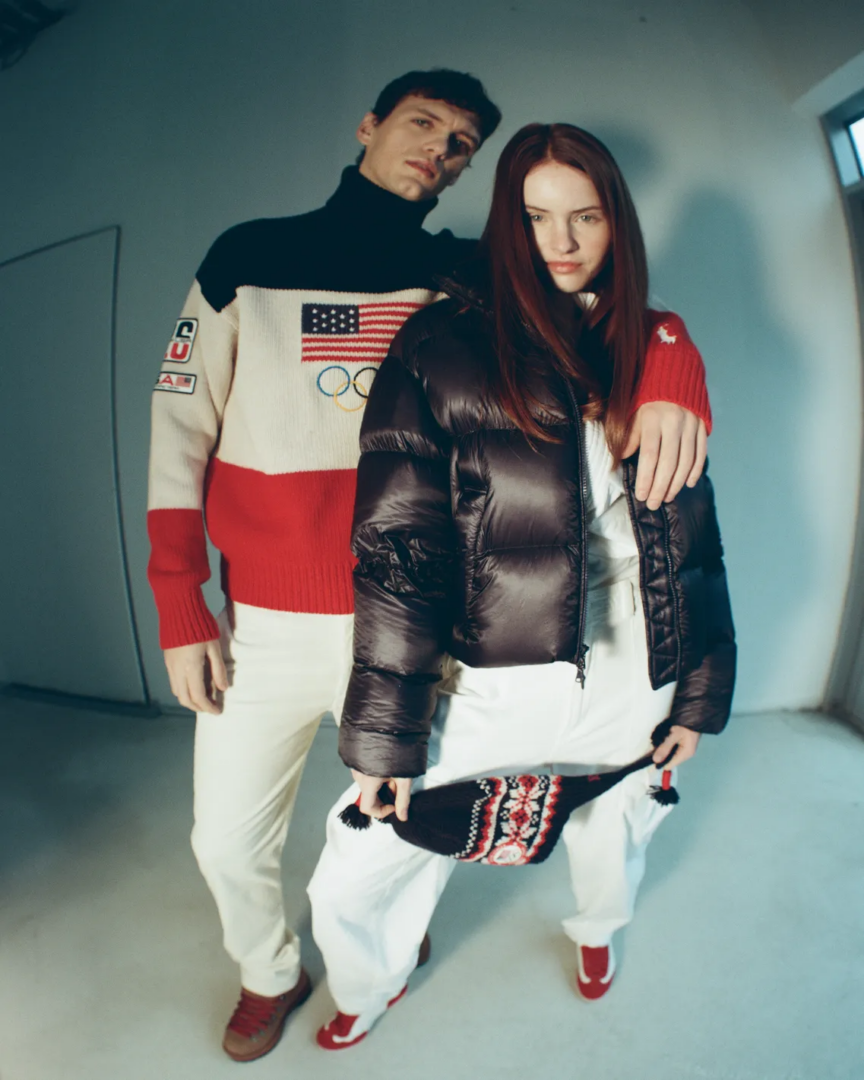
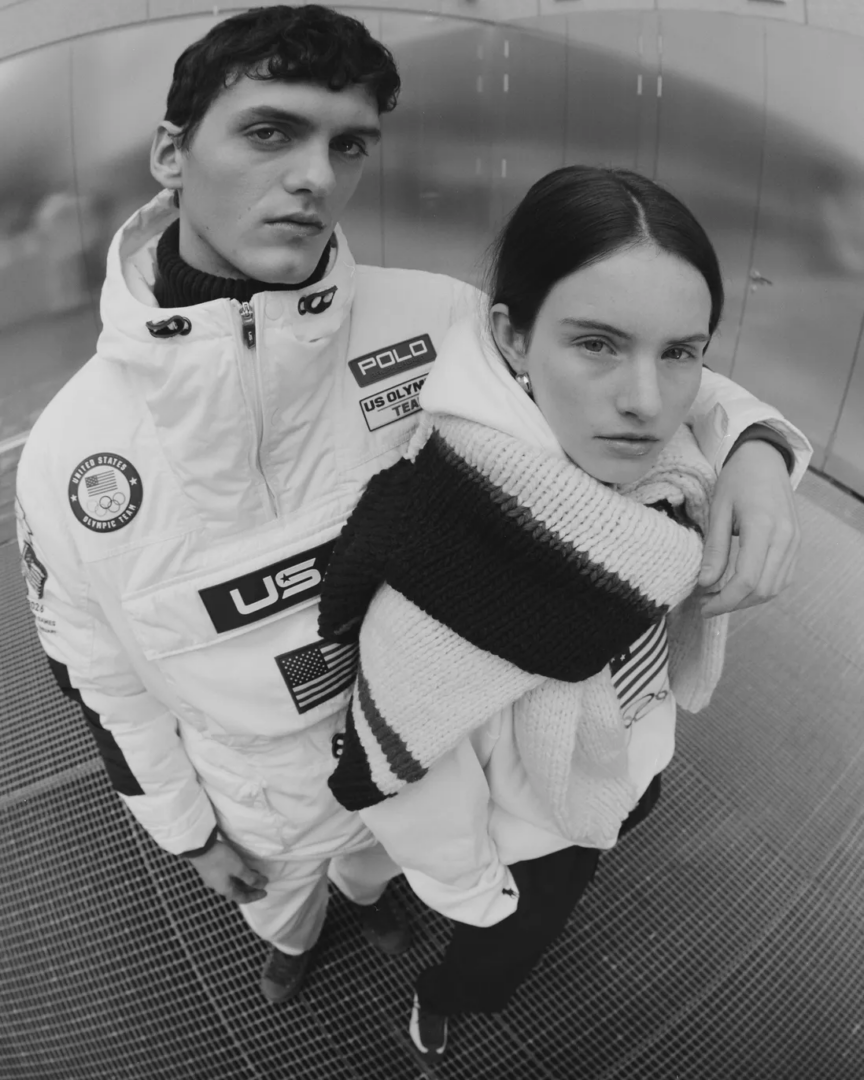
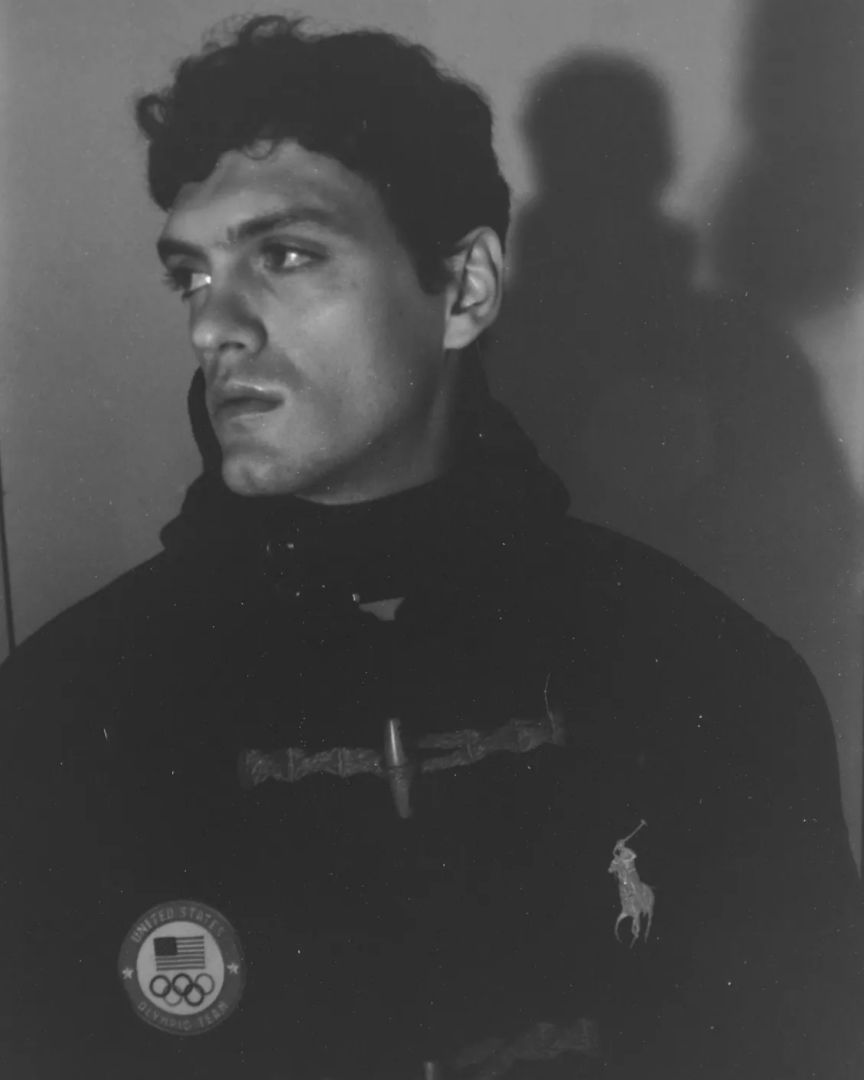
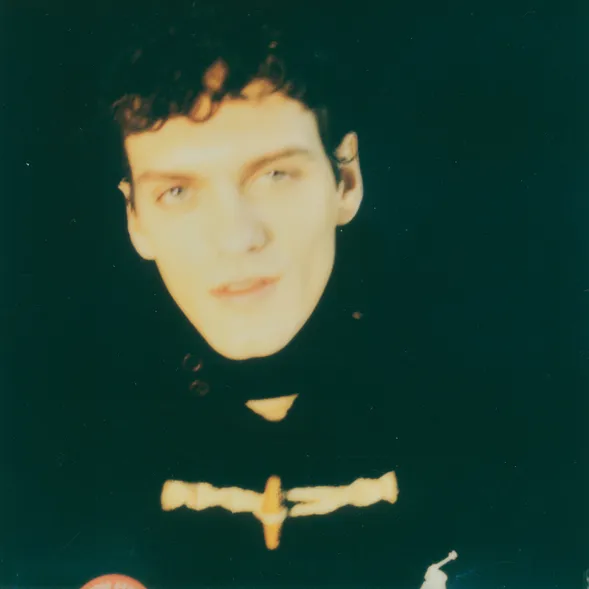
For the Opening Ceremony of the Winter Olympics, Ralph Lauren designed a winter-white wool toggle coat paired with an American flag intarsia turtleneck and tailored wool trousers. White is functional: it reads clearly under broadcast lighting and aligns with winter imagery. Wooden toggles reference heritage outerwear without overt nostalgia.
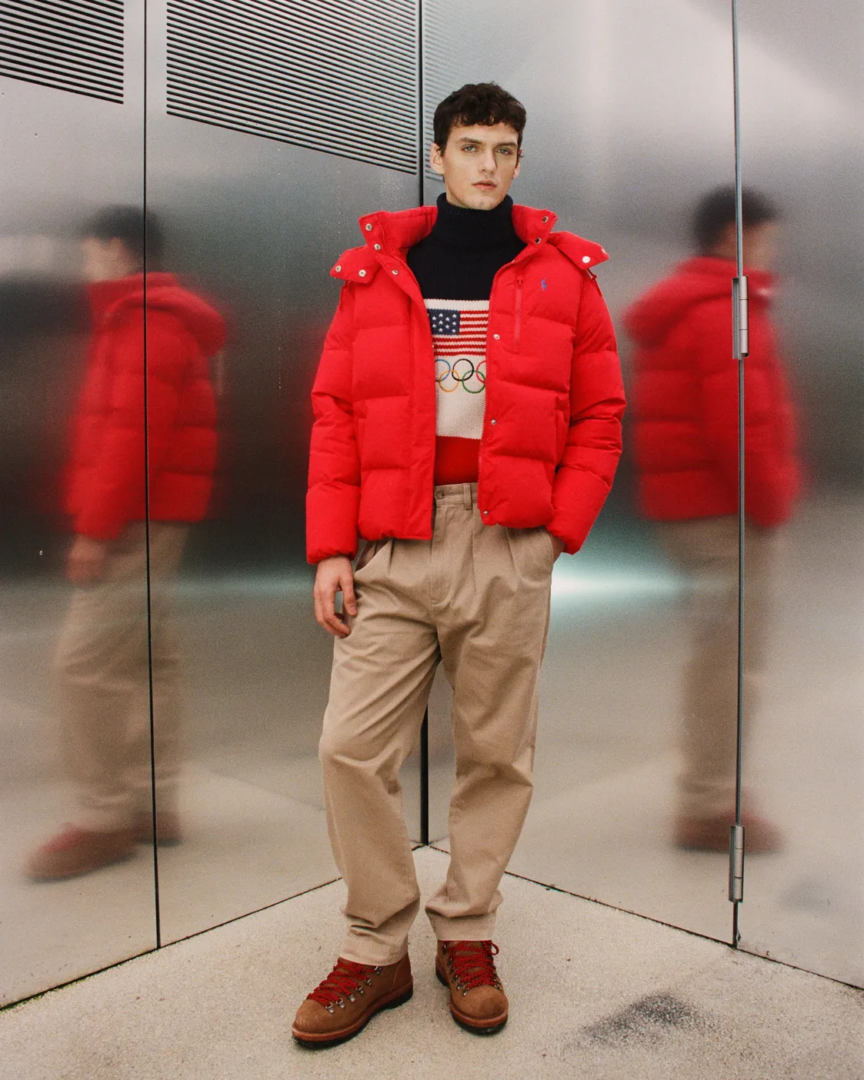
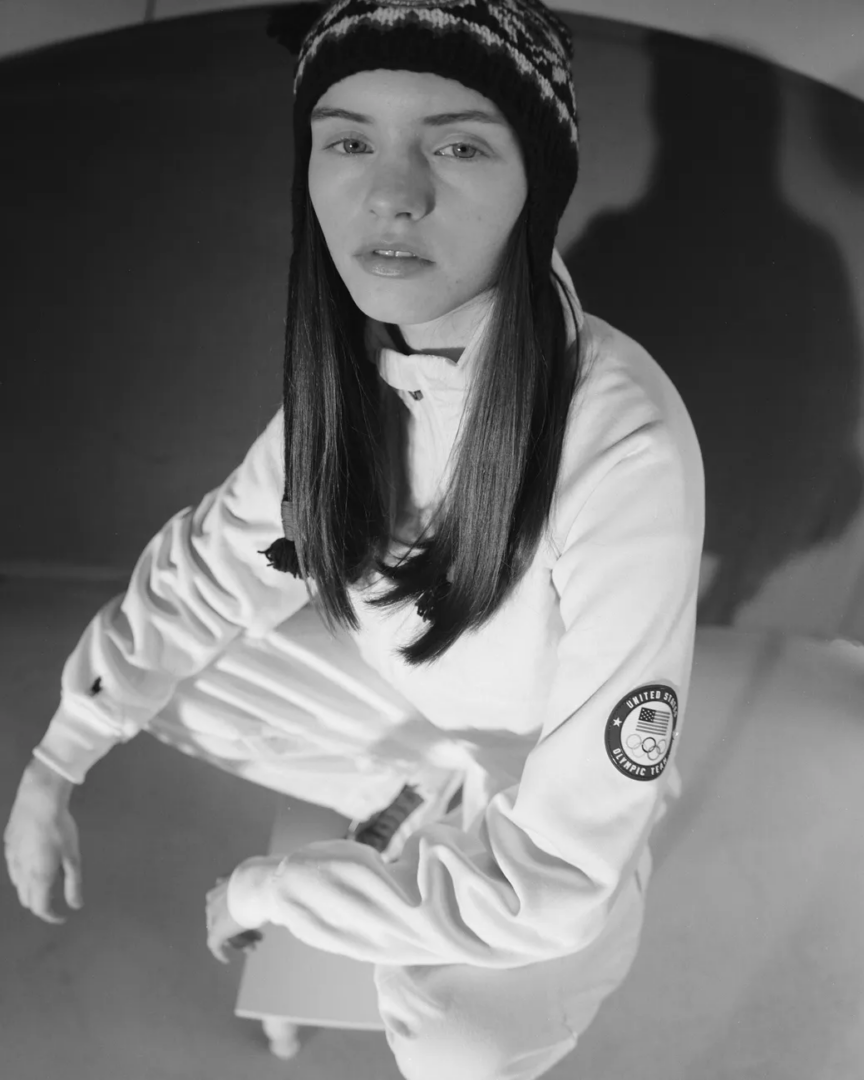
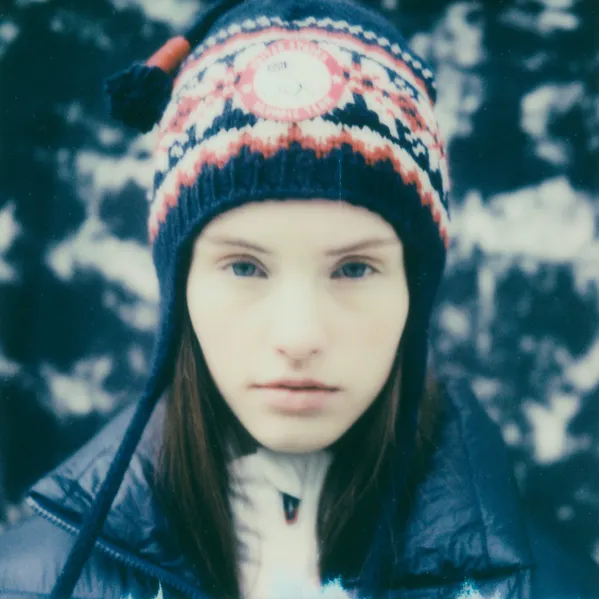
Completing the look are red, white and blue knit accessories, a leather belt and suede alpine boots with red laces. All garments are manufactured in the United States, a deliberate decision that reinforces the link between national identity and domestic craft.
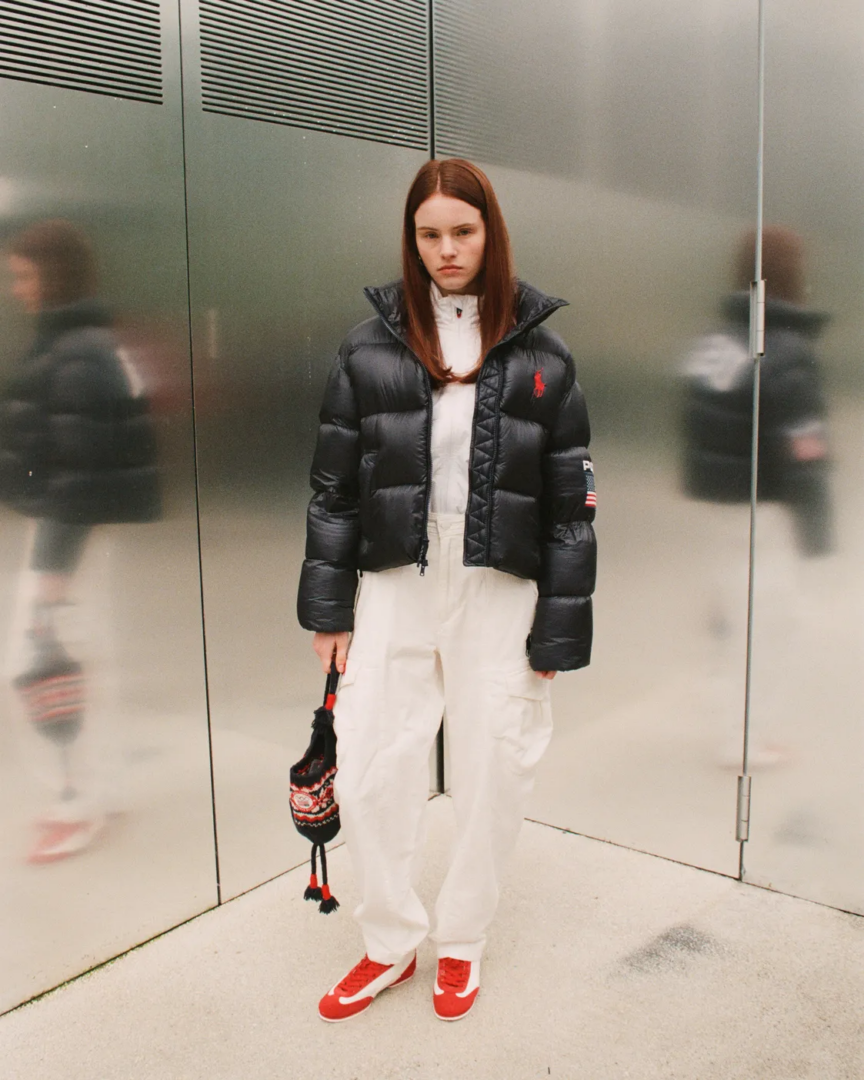
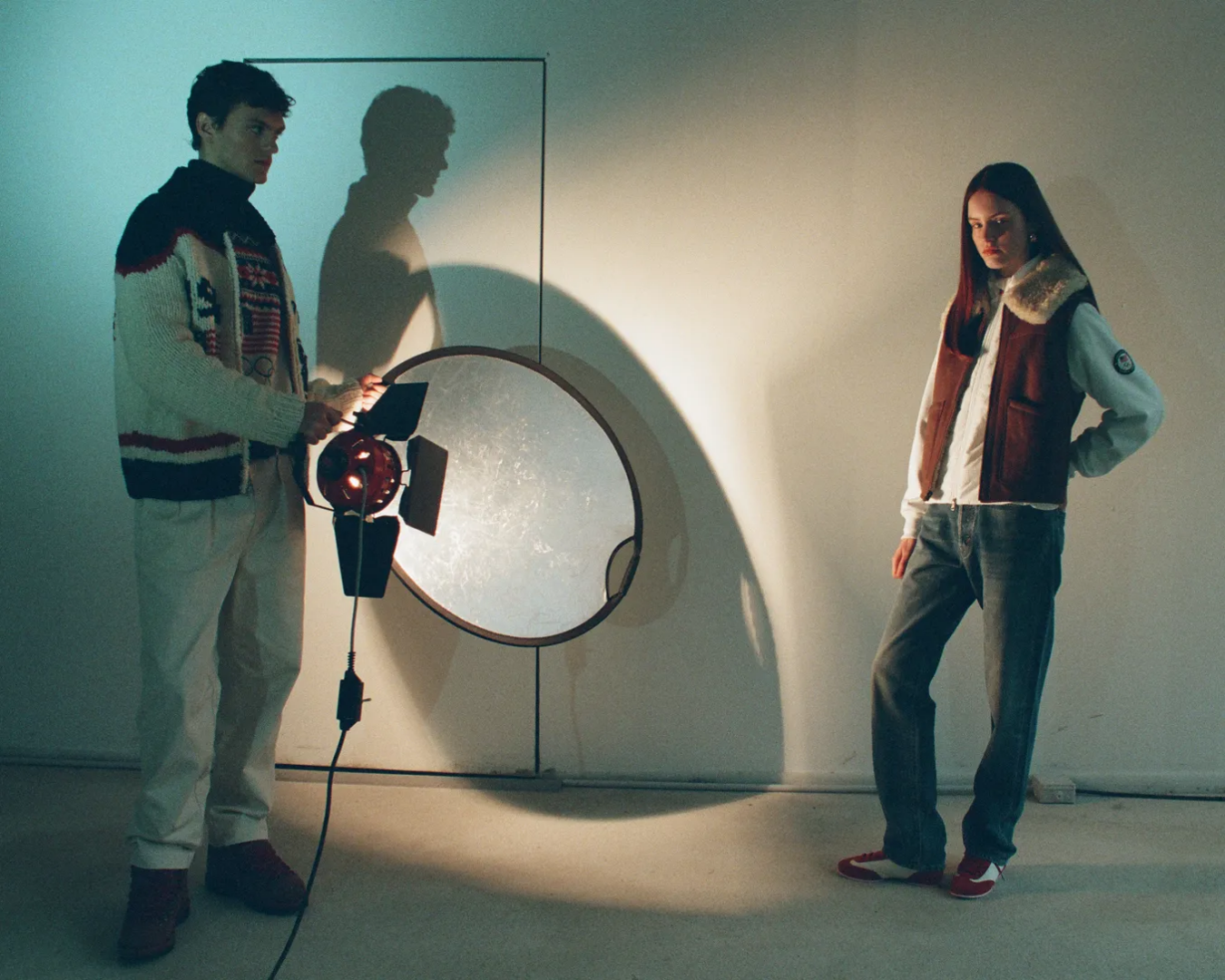
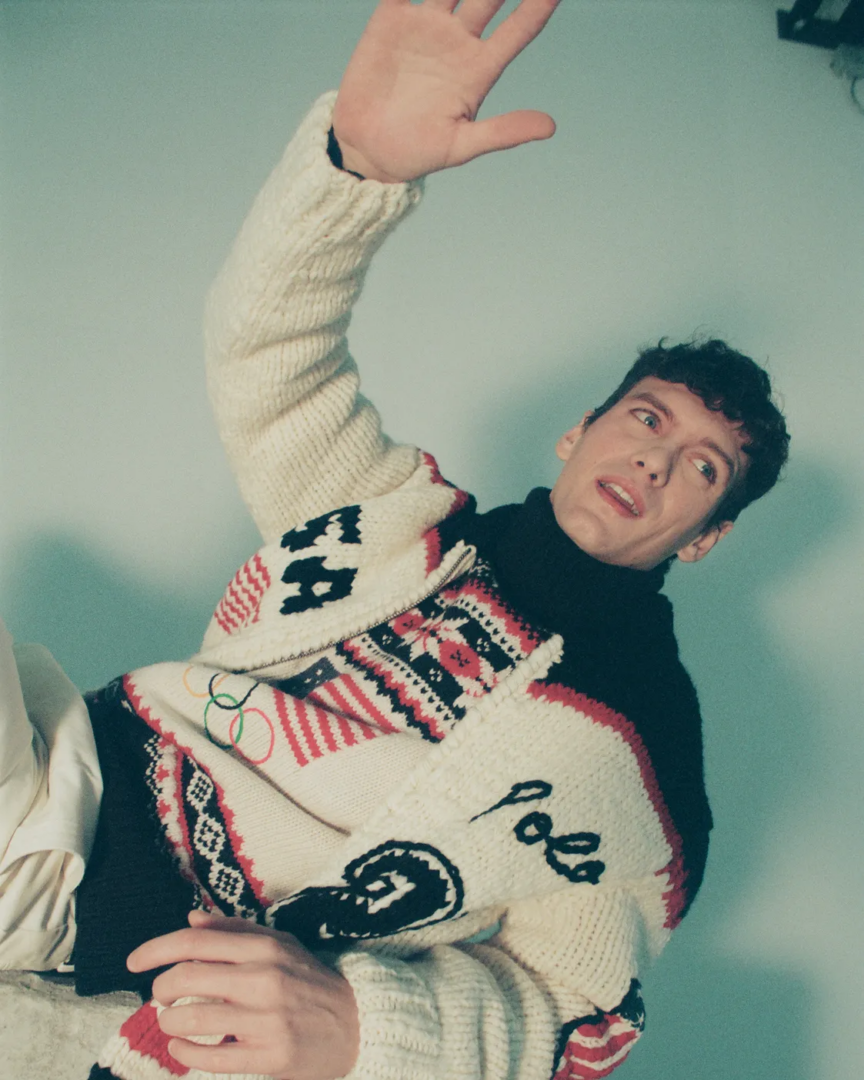
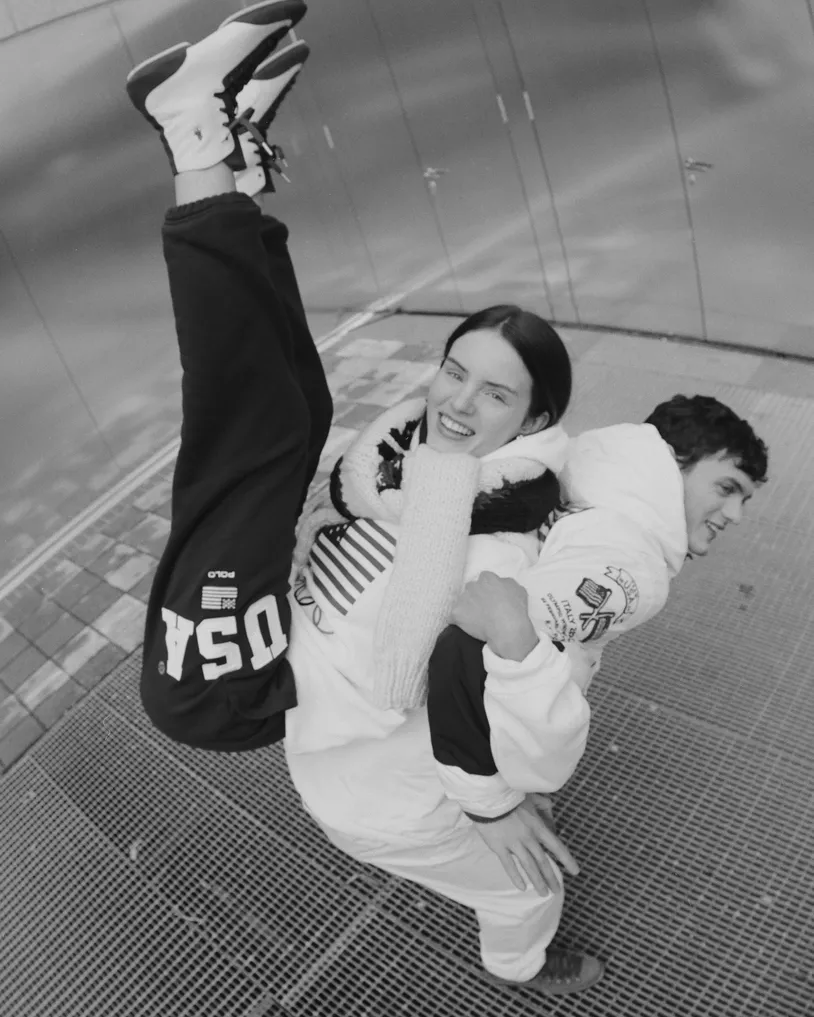
Alongside the Opening Ceremony garments, Ralph Lauren’s broader Team USA Collection translates Olympic codes into retail. Shearling jackets, graphic knitwear and hockey-inspired silhouettes extend the Olympic visual language beyond athletes to global consumers.
The Team USA Welcome Experience in Milan: tailoring, measurements and accessibility adaptations
Before the parade into the stadium, there is a concentrated technical process: the Team USA Welcome Experience. Held in a hotel near Malpensa Airport, this is where athletes transition from training attire to custom-fitted ceremony uniforms.
Over twenty Ralph Lauren tailors and stylists conduct fittings for more than 1,000 individuals: approximately 300 Olympic and Paralympic athletes plus coaches, trainers and staff. Each Olympic athlete is measured in a one-on-one session of roughly fifty minutes. Alterations are immediate. There are no second fittings.
Paralympic athletes receive extended sessions. Jackets are modified with snaps or Velcro closures. Footwear and waistbands are adjusted. Hems are calibrated for wheelchairs or mobility devices. The tailoring responds to biomechanics and access needs. Functionality takes priority over ornamentation.
Finished uniforms are hand-delivered to athletes’ accommodations. The process formalizes participation: being measured signals a shift from training to representation. The uniform becomes an entry point into the Olympic spectacle.
The American athletic body as visual system
The Olympic ceremony is a ritual of national order, yet it is also a global close-up. Fabric, posture, silhouette, proportion—everything is amplified. A ceremony uniform must therefore function at broadcast distance and at photographic intimacy. Ralph Lauren’s authority in this field does not begin with the Olympics. It is rooted in a decades-long study of how the American athletic body behaves when observed.
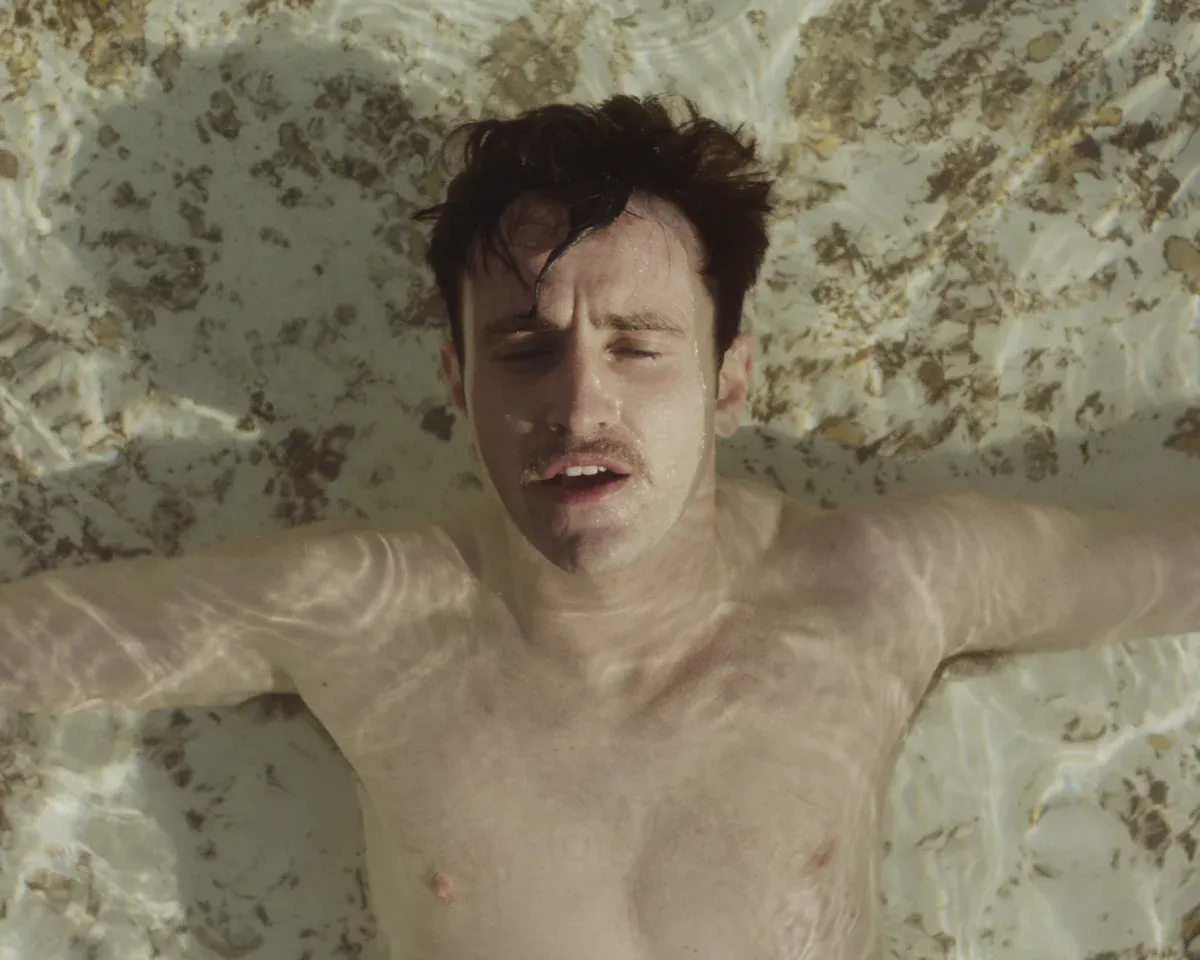
From the 1980s onward, the brand’s campaigns developed a controlled visual ecosystem around sport. Rowers at dawn, swimmers emerging from cold water, football players between drills, runners stretching on campus lawns. The images were rarely about the match itself. They lingered on intervals: after training, before competition, in shared locker rooms, on steps outside dormitories. Cotton clung to skin, towels hung low on shoulders, sweaters were worn without urgency. The framing suggested proximity without intrusion. Athleticism became a social texture.
With the arrival of Polo Sport in the 1990s, that ecosystem shifted from leisure to intensity. Compression layers, bold stripes and primary color blocking replaced equestrian nostalgia. Movement accelerated. Campaigns emphasized impact, breath. The body was central and functional, yet always composed for the frame. Training was not raw documentation; it was structured visibility. The American athlete appeared disciplined, self-aware, prepared to be seen.
From campus myth to Olympic ceremony
This grammar moved seamlessly into television culture. Series such as Beverly Hills 90210 absorbed varsity codes and Polo signifiers into narrative structure. A jacket, a rugby shirt, a locker room corridor: these elements defined hierarchy before dialogue unfolded. The athletic figure was framed as both accessible and aspirational—someone who belonged at the center of attention. Sport became an aesthetic of status, circulated weekly across international screens.
Milano Cortina 2026 inherits this visual archive. The winter-white toggle coat, the intarsia flag, the calibrated wool tailoring do not exist in isolation; they activate a memory of bodies long staged within a national imaginary. Under stadium lighting, the uniform stabilizes proportion and projects coherence.
Team USA athlete roster for Milano Cortina 2026: performance stories, advocacy and generational narratives
The roster dressed by Ralph Lauren for the Opening Ceremony spans disciplines and narratives across American winter sport.
In figure skating, Madison Chock and Evan Bates enter Milano Cortina after winning Olympic gold in the team event at previous Games and securing three consecutive World Championship titles. Their sixth U.S. title in early 2025 tied a historic national record.
In speed skating, Erin Jackson’s path from inline speed and roller derby to long-track ice made her the first Black woman to qualify for the U.S. Olympic long-track team and later win individual Olympic gold.
Jordan Stolz arrives as one of the youngest world-record holders in recent history, setting performance benchmarks early in his career. In moguls, Jaelin Kauf combines an Olympic silver medal with multiple World Cup victories.
Red Gerard, who won Olympic gold as a teenager, continues to compete internationally while supporting youth access to outdoor sport. Paralympic snowboarder Brenna Huckaby pairs multiple gold medals with advocacy for more inclusive classification systems. Hilary Knight’s hockey career integrates Olympic and world titles with leadership in the fight for pay equity and professional opportunities for women athletes.
Together, these athletes frame an argument implicit in the uniforms themselves: American excellence is diverse in bodies, stories and disciplines. The uniform system must accommodate this plurality without fragmenting the national image.
Milan and New York as Olympic fashion stages: activations, retail strategy and media signals
Milano Cortina 2026 unfolds within one of the world’s structural fashion capitals. In Milan, Ralph Lauren’s flagship on Via della Spiga anchors the brand’s presence in European luxury retail. Palazzo Ralph Lauren on Via San Barnaba operates as a private showroom and event space, activated during the Games with curated hospitality moments and Olympic-themed gatherings.
In Cortina d’Ampezzo, a temporary pop-up extends American aesthetic codes into the Alpine environment. Parallel programming in Aspen situates the Olympic narrative on U.S. soil.
In the weeks before the Opening Ceremony, Ralph Lauren staged a large-scale ice sculpture installation at Rockefeller Center in New York. Carved from more than 22,000 pounds of ice, the twelve-foot artwork depicted selected Team USA athletes wearing the Milano Cortina uniforms. Choosing ice as medium reinforced the winter theme. The location anchored the narrative in an American cultural landmark. The installation operated as both public art and a global media signal.
Milan and New York thus form a deliberate transatlantic axis: European fashion infrastructure and American cultural capital converge around Olympic visual identity.


TEAM
Photography Sergio Calderoni, stylist Elena Luca, grooming Caterina Centrone, set design Michele De Filippis and Andrea Elliot Sogliacchi, photography assistant Saina Vasileva, set design assistant Alice Pilusi, talents Anndi Palaj @Wonderwall and Faye Van‘t Slot (@faye.vts) @Theagency
Thanks to BIM Milano and Specific