Sam Sala introduces Diathomee: sound and video from microscopic algae
Drawing from diatom microscopy and field recordings, Sam Sala’s Diathomee translates the microscopic scale into a visceral audiovisual language
Sam Sala on Diathomee: Origin in organisms that outlast and outscale
Sam Sala: Diatoms are microscopic algae that form the foundation of the marine food chain; the metaphor for everything I reflect on as an artist and as a person. At their core, diatoms are invisible, outlasting most life forms and becoming fossilized, transforming over time into sand that travels across continents. This idea of something so small having such an immense, often unseen impact resonated deeply.
With Diathomee, I sought to reconnect to my roots as a percussionist while also honoring a lifelong bond with nature. Diatoms are the “backbone” of nature just as rhythm is the backbone of what I do.
Like diatoms floating unseen yet essential, the work develops from residue, and the spaces between.
Sam Sala: the invisible, and the sound it becomes. Tiny, essential and confused between life and residue, pretty much where Diathomee started
Through cyclical rhythms, field recordings, and visual material captured with a portable microscope, Sala traces the tension between visibility and disappearance, structure and erosion, self and environment. Diathomee emerges as a study of scale—how the smallest fragments can hold entire worlds—and an invitation to listen to the subtle, transformative movements that define both nature and human experience.
Why Diatoms? On the existential instability behind the metaphor
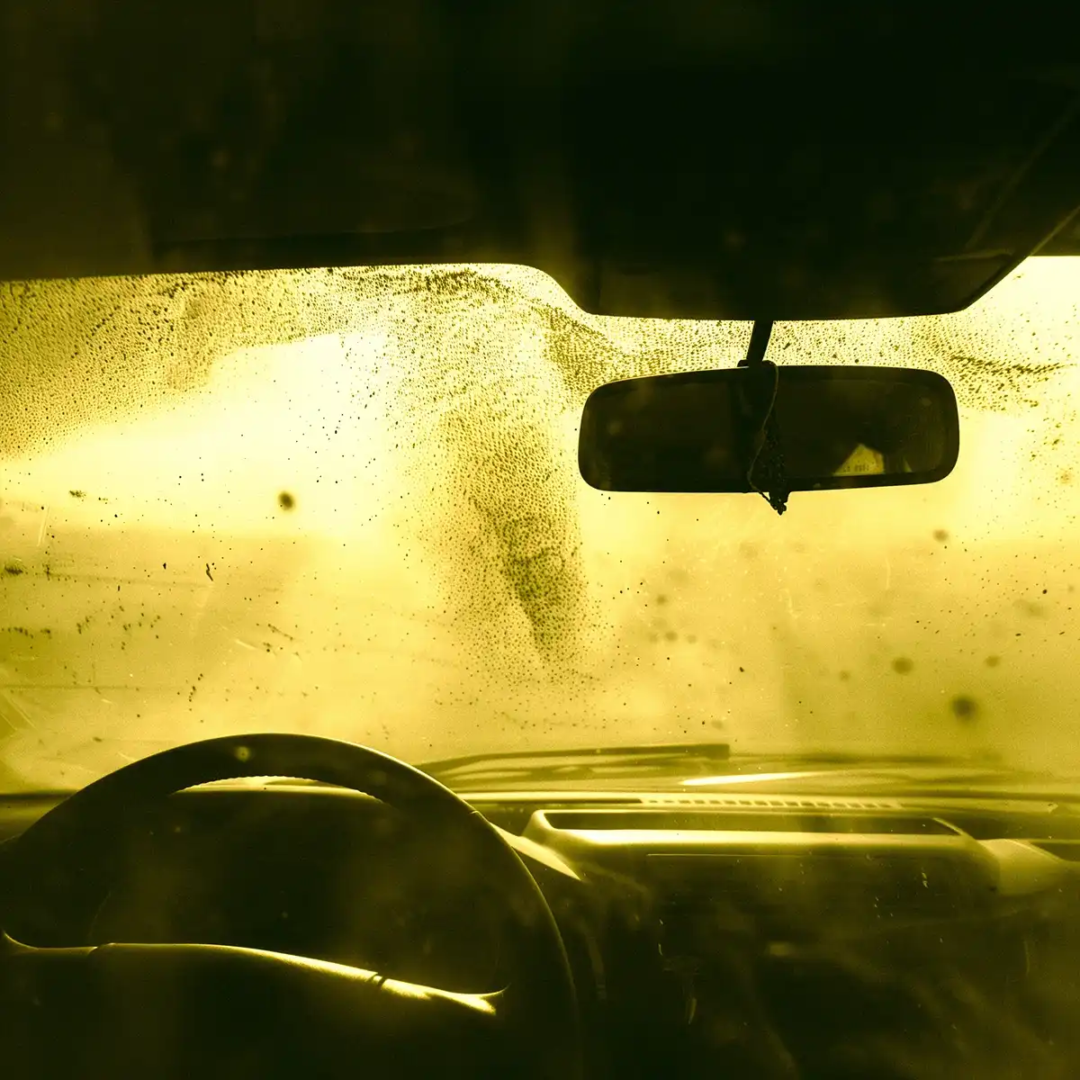
Sam Sala: Metaphor goes even deeper. Diatoms become sand; that sand can fall over cities like Milan, carried across continents through invisible cycles.
I’m fascinated by this movement and transformation, and it made me reflect on the sense of belonging, how much of life is about change and adapting, yet feeling small or unstable within vast systems we barely understand. Integral to something larger but fragile and exposed to forces beyond control.
Nature’s way of outlasting, breaking down, and reforming is mirrored in the experience of self-doubt and renewal. It is this duality that informs the release. I chop and develop field recordings into rhythmic elements, building the identity of each piece through countless details and textures sourced from nature. I listen for what feels right and let the cycles build.
Is environmental interconnectedness an internal state?
Sam Sala: A recurring theme in this project is the sense of belonging and self-doubt. I often feel like a vessel, experiencing moments of detachment about whether I truly “belong”. This uncertainty is reflected in the music’s textures: there is a constant interplay between aggressive, hypnotic sounds and tranquil, meditative passages, between harsh industrial and gentle ambient timbres. These contrasts, and the fragile balance they strike, mirror my internal search for meaning, echo the unpredictability provide the music its emotional depth and instability.
As in my track Do I Belong, I often feel suspended between presence and invisibility. Much of Diathomee lives in that tension: the force that sustains form without being seen.
Diatoms allowed me to channel the fragile yet enduring qualities of nature; Reflect on an ongoing process of self-interrogation, transformation, and deep connection with the world around.
As Microorganisms Hold Ecosystems Together, Cyclical Rhythm Becomes the Backbone of Sam Sala’s Sound
Sam Sala: My earliest musical memories are shaped by rhythm: drumming on cardboard kits as a child, the encouragement of my parents, and the Alpine melodies of my grandfather. Playing in orchestras taught me discipline, teamwork, and balancing collective harmony with my own creative impulses. These formative experiences instilled in me a deep appreciation for repetition, structure, and the hypnotic possibilities of cyclical rhythms.
At the same time, my music is influenced by the duality I observe in nature. The video for Birds, filmed underwater in a lake, reflects this perfectly: the calm, inviting surface conceals unpredictable, even dangerous depths.
I see nature as both beautiful and brutal, delicate and harsh, much like the metallic textures of the vibraphone, which can sound soft or aggressive depending on how they’re played.
In my compositions, I strive to mirror these natural cycles and oppositions. I build sonic landscapes where hypnotic, cyclical rhythms act as the backbone, but just beneath the surface, subtle layers and emotional tensions emerge. This process brings together the disciplined structure of my training with the spontaneous intuition and self-exploration that come from engaging deeply with the fragile, ever-changing world around me.
Micro-level intricacies: How the Smallest Fragments Shape an Entire Experience
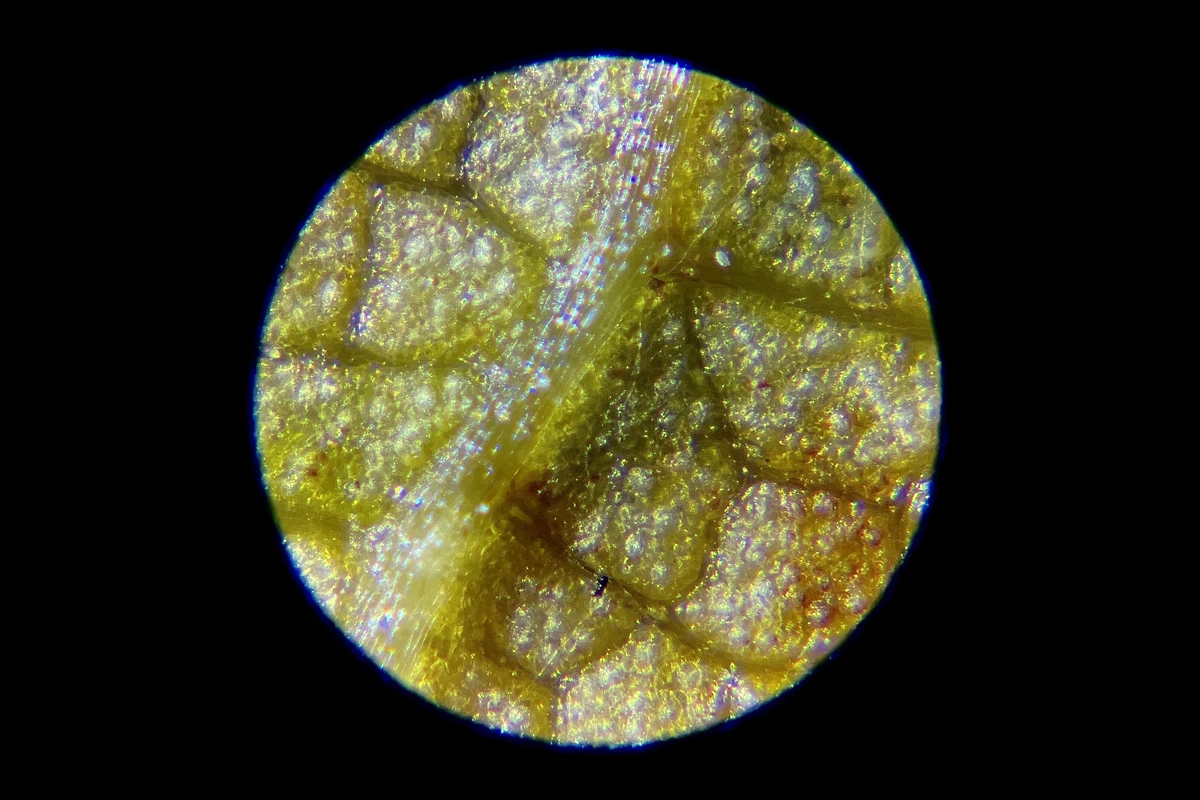
Sam Sala: Working solo, I became more attentive to micro-level intricacies, much like discovering the incredible complexity of a leaf or a fragment of rock under a microscope. Nature is made of details, when you look at a forest or even a single leaf up close, there’s a whole other reality there, teeming with life and structure. I start with broad, macro themes or rhythms, but it’s the microscopic transitions, the subtle sounds, tiny shifts, and field recordings, that give the music its depth and uniqueness.
I start with broad themes or rhythms, but it’s the tiny transitions, the crack of lake ice, the bubbling under frozen water, the faint noise you hear on a hike, that shape the work. The core of frozen lake 1682 is a slab of cracking ice I recorded on a mountain. In Birds, the piece moves rhythmically, then suddenly drops below the surface, revealing hidden layers.
This attention to detail has become central. It’s about embracing how the smallest things can shape the entire experience. The process mirrors my relationship with nature: always curious, always searching, always rewarding those moments of close, patient observation. Ultimately, the microscopic scale gives my work its narrative structure and emotional texture, to find meaning beneath the surface.
Diathomee in relation to contemporary culture: Raw, imperfect and dirty
Sam Sala: I’ve never thought much about genres, but as a drummer, I gravitate toward more aggressive, powerful rhythms. My music often ends up having techno elements, not necessarily club-based, but carrying that relentless, hypnotic pulse. I am fascinated by the relationship between dark, rough, overdriven rhythmic energy and moments of ethereal calm; nature plays into this, being both brutal and beautiful.
Refusing polish in my production is both an artistic and a philosophical decision. If the concept is transformation and the chaos of nature, then making everything sound glossy would feel dishonest. I value rawness, technical imperfections, and dirty textures, not just as an aesthetic but as a quiet resistance to the demands of the industry for loud, uniform, overproduced music. I envision my work for galleries or meditative listening, not for spectacle, because for me, the sonic landscape must reflect real life, which is layered, unpredictable, and rarely perfect.
This poetic and powerful image lies at the heart of Sam’s creative process.
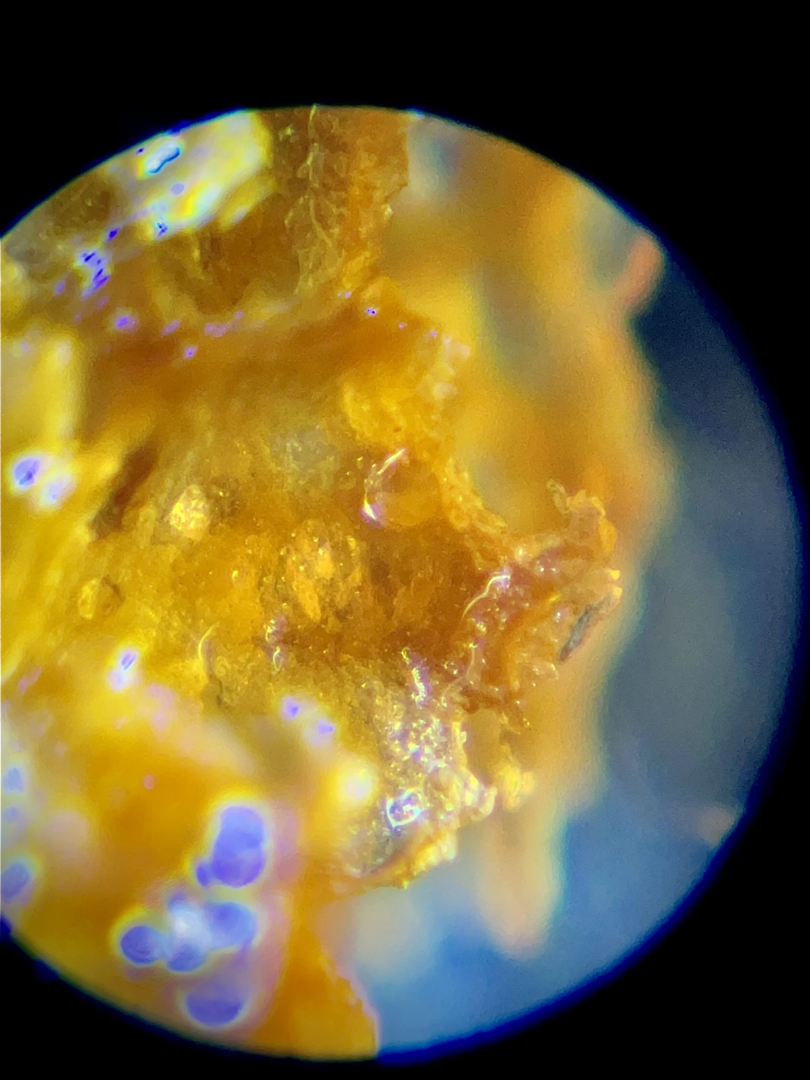
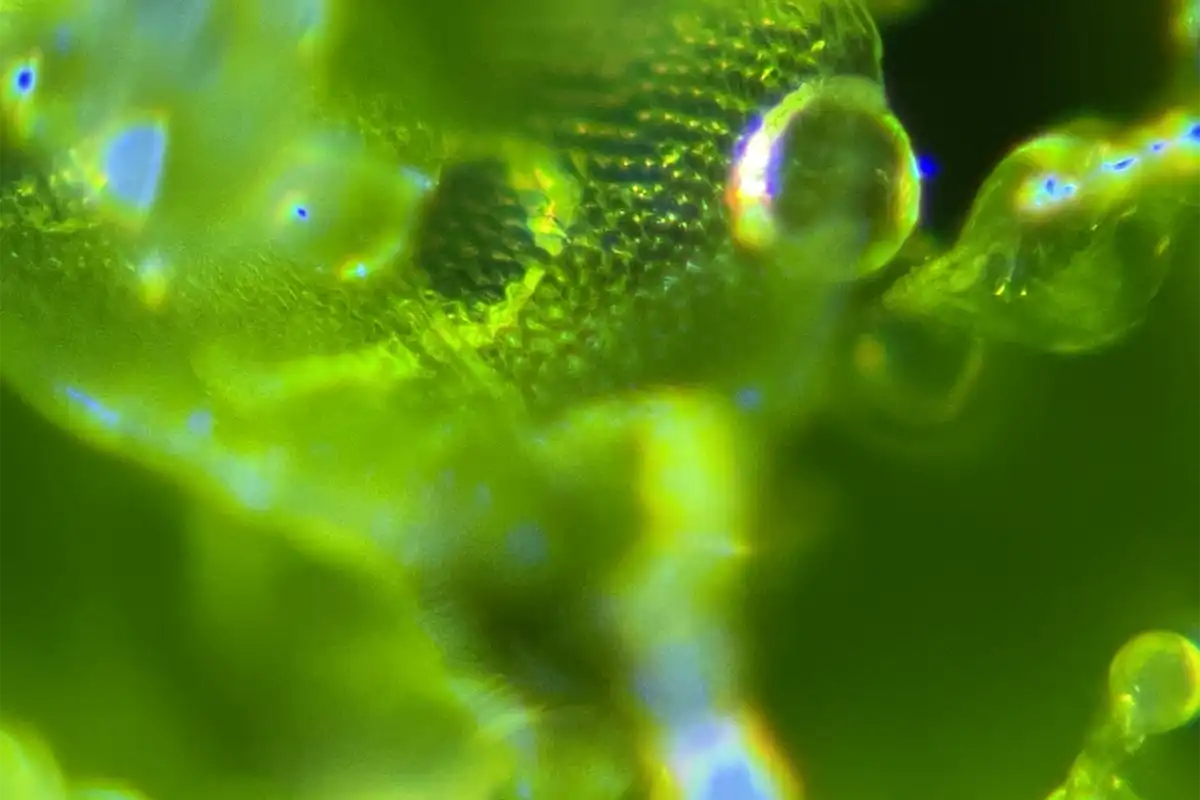
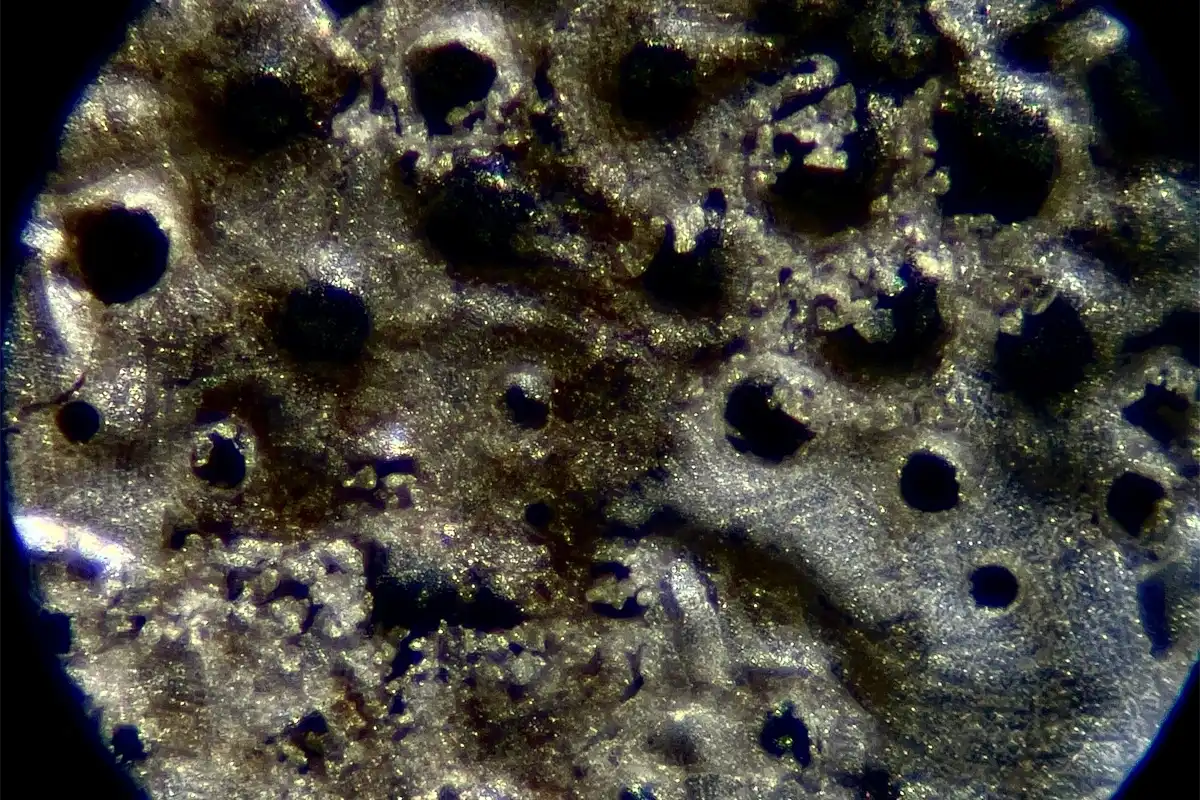
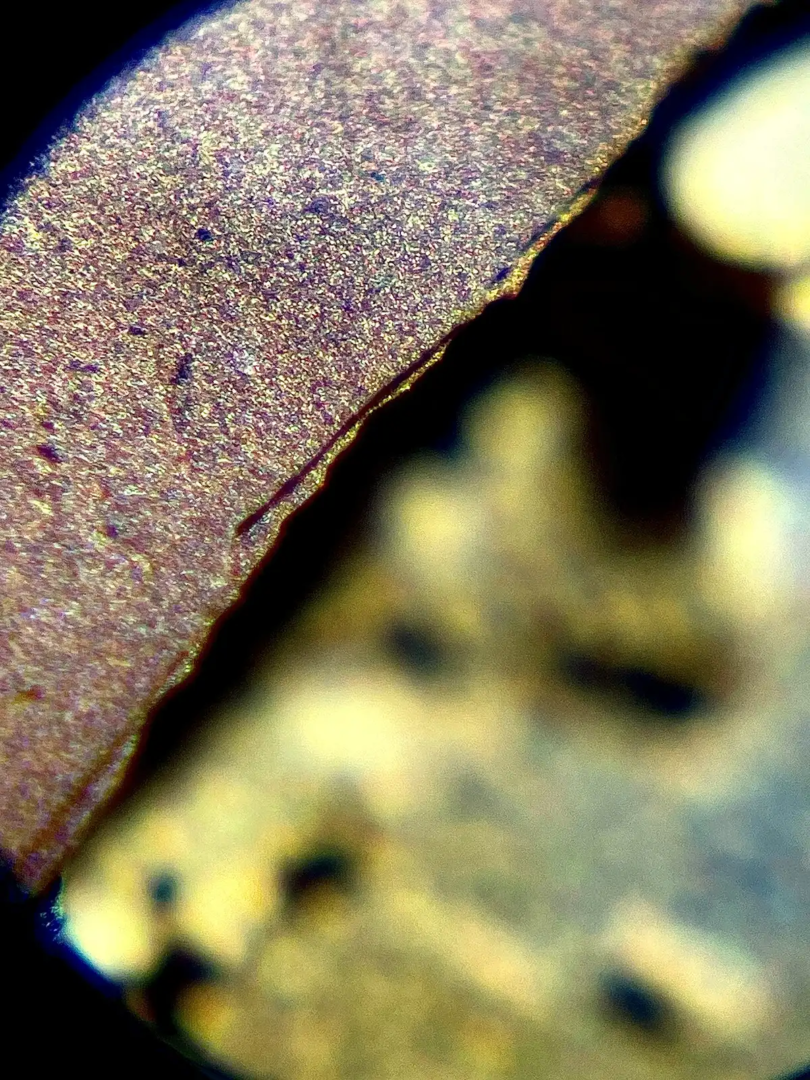
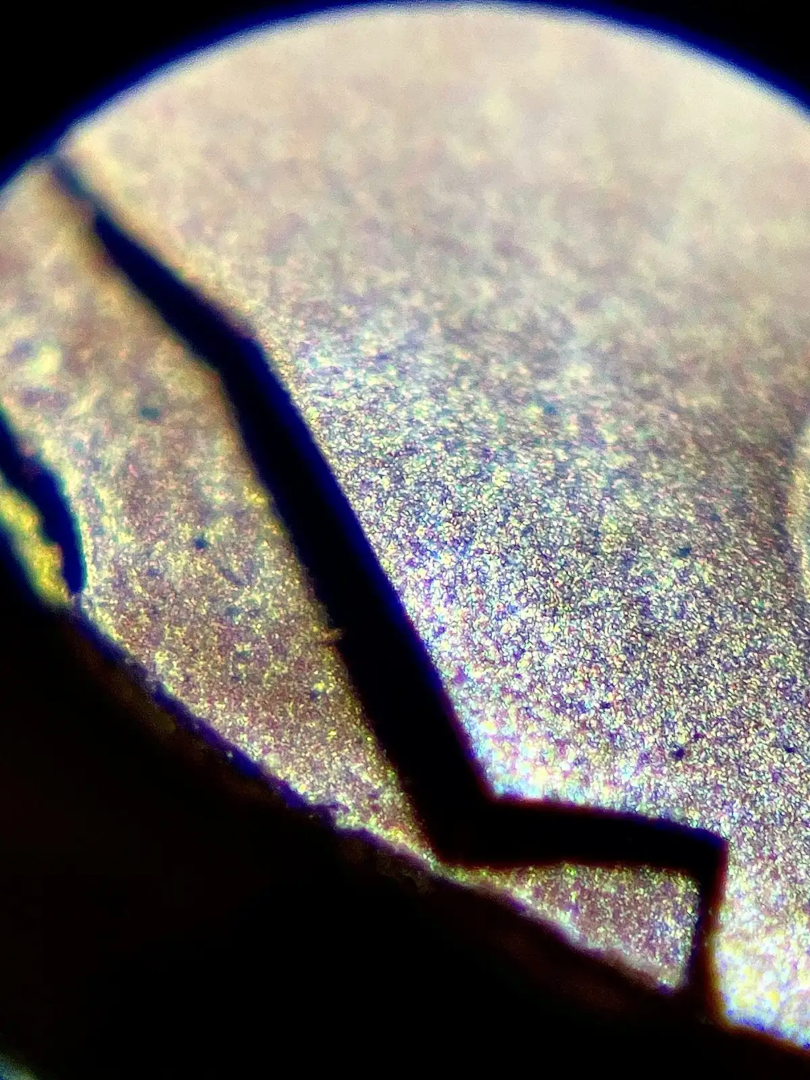
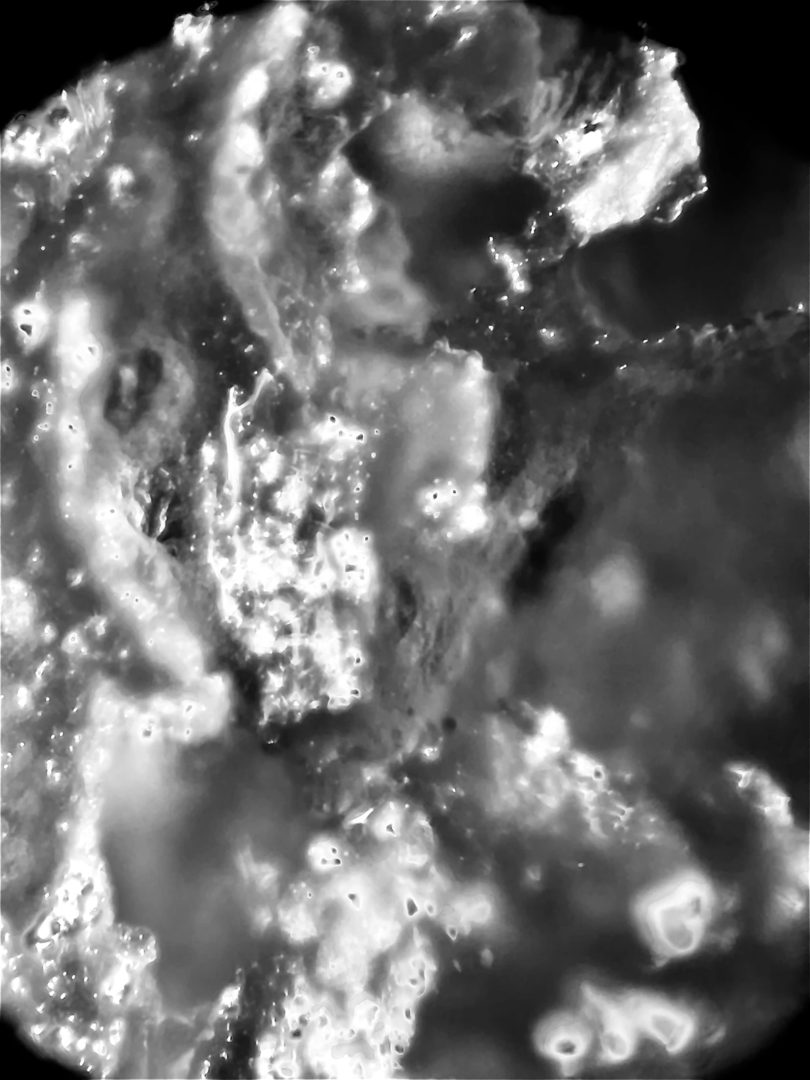
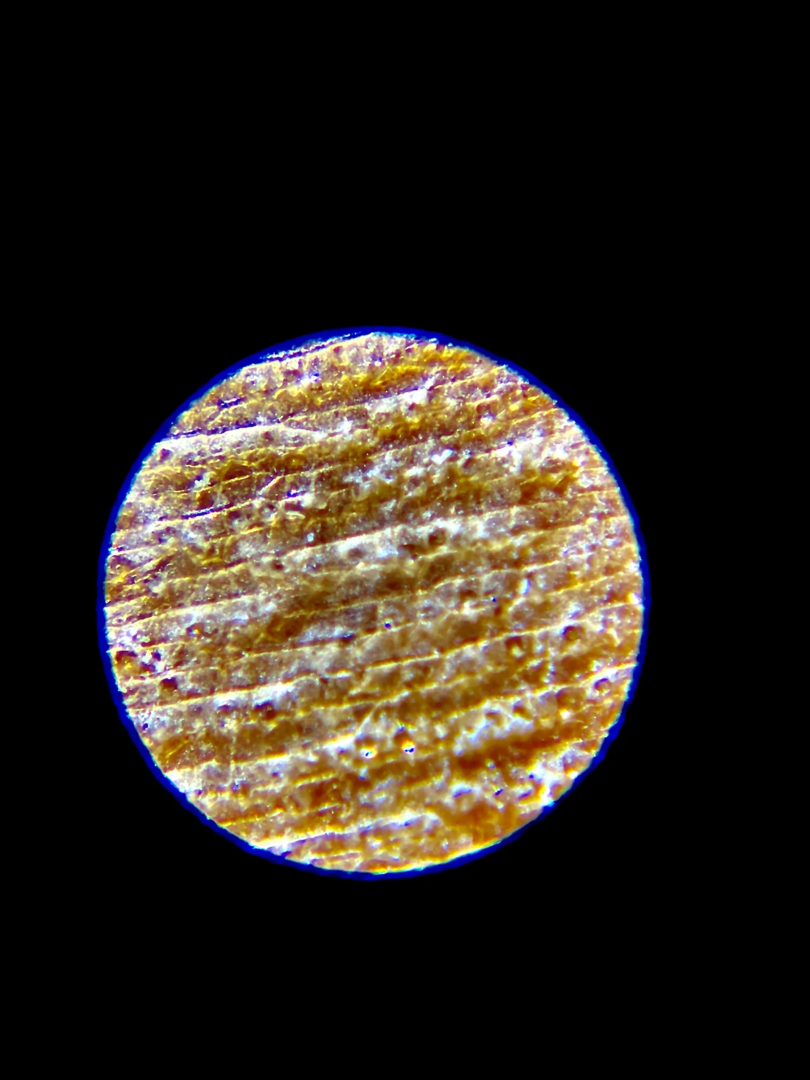
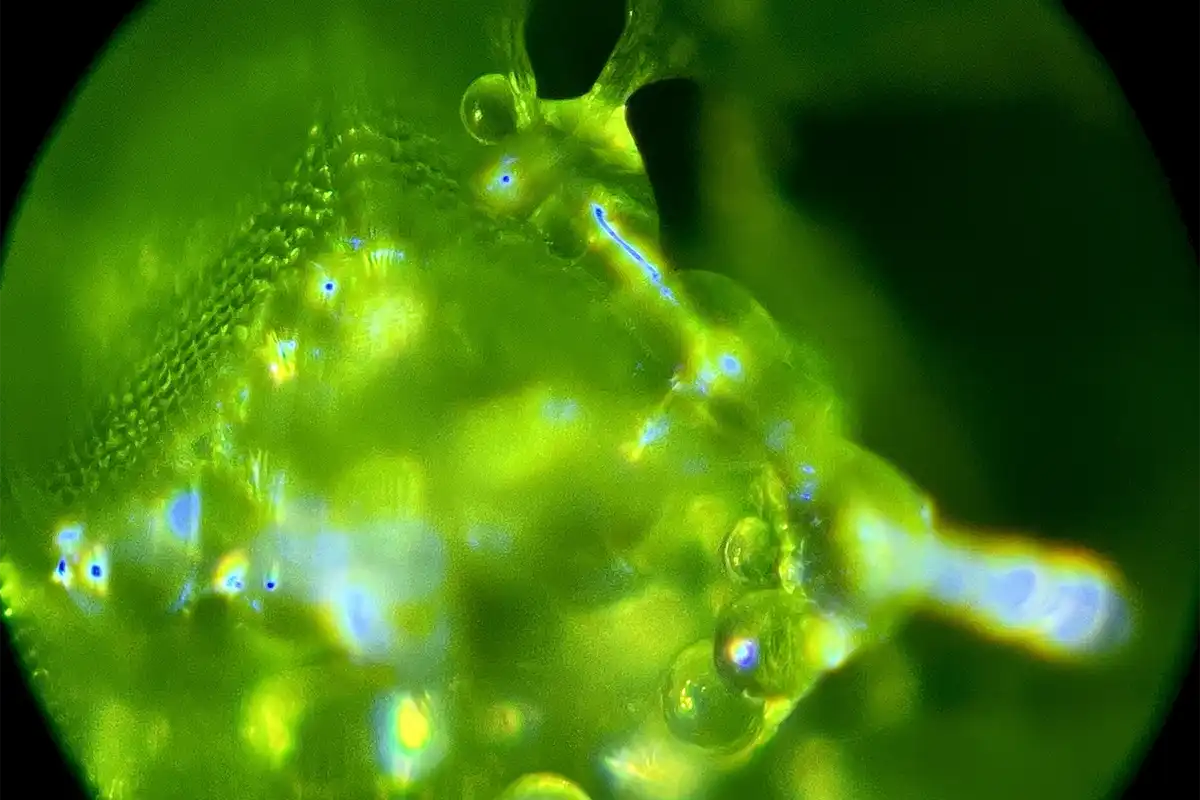
Sam Sala: Visually, the EP grows out of that phenomenon. I started capturing microscopic footage with a portable microscope, observing these subtle shifts between natural and urban environments.
Working with Federico from Ten Years Later Studio felt natural since we share a similar background and mutual respect. Our process was about reinforcing identity while retaining vulnerability. I believe strong teamwork, rooted in shared intention, helps sustain fragility and integrity at heart.
On deep attention and refusing industry pace
Sam Sala: Diathomee should feel like being on an edge. Just as nothing in nature should be taken for granted, this practice of transformation is mirrored in the work and even how I think about the human experience. An invitation to deep attention, and acceptance of continual change.
For the physical release, I deliberately reused metal plates and processed them with acids to symbolize transformation, the same way nature accepts and enacts change.
Currently, I’m exploring live performances that combine music and real-time visuals through a microscope. Showing audiences the details of dust, rust, water, or sand, then translating them into layered audio, offers a richer, more immersive experience and deepens the connection between inner and outer worlds. This approach lets me experiment continually, collaborating with visual artists and pushing boundaries between music, documentary, and cinematic expression. For me, these minute details are not external, they’re a mirror for internal states and emotional landscapes.
Looking ahead, my plan is to keep everything independent and experimental, refusing to rush for the sake of industry expectations. I don’t have a set timeline; I want to let each next step arise organically and see where it takes me. Whether it’s new collaborations or a continued blend of observation and personal exposure, I’m committed to staying true to this process of searching, reflecting, and exploring what comes next, both sonically and conceptually.
Diathomee
Diathomee is the debut audiovisual project by Brussels-based artist Sam Sala.
The work draws conceptual inspiration from diatoms, microscopic algae at the base of the marine food chain. Explores the movement of fossilized diatoms carried across continents and the links between ecology, self, sound and image. The EP develops through cyclical rhythmic structures, field recordings, and microscopic footage captured in natural and urban environments.
In Diathomee, Brussels-based artist Sam Sala turns to one of nature’s smallest life forms to explore questions of belonging. Rooted in his background as a percussionist and shaped by an engagement with the natural world, the project unfolds at the intersection of sound, ecology, and microscopic imagery. Diatoms—tiny algae that sustain marine ecosystems and eventually become sand carried across continents—become a metaphor for the unseen forces that shape both environmental and inner landscapes.
Melis Özek




Video credits
“BIRDS”
Directed by Tommaso Tagliaferri, Write and production Sam Sala, Artistic mentor Matteo Gualeni (Missing Ear), Mixing 19dB Studio, Mastering Monolith Studio, Art Direction Ten Years Later, Editing Tommaso Tagliaferri, with the contribution of Alessandro Maffioletti, Rachele Daminelli, Noa Gualtieri, Isabel Matta, Motion Design Coordination Francesco Nobel, Motion Design Assistant Giulia Ferra, Management Sara Castiglioni