Female self-censorship: notes on female rage
The female body is freer than ever before, yet it’s never been as monitored as now. The runway offers options, the network decides what counts
Self-censorship and the female body: Who has the authority now?
Censorship is less visible today than at any other time. No dress codes. No explicit moral obligations tied to the body and how it should appear. Sex appeal is no longer a demand, neither is modesty. More than ever before, the female body is free, untamed, unrestricted. Yet it has never been more monitored.
There’s no longer a single authority that dictates the dos and don’ts of the body. Now, it’s the network — platforms, peers, brands, employers, strangers. Visibility is constant. It’s searchable, traceable. Every image is subject to interpretation — moral, political, aesthetic. Uninvited feedback has more authority now than any institution in the past. Why? Because it’s implicit. Because it’s built behind the screen. It doesn’t announce itself as control. It moves quietly, through circulation and reaction. The question is no longer “Am I allowed to wear this?” Now, it’s “I can wear whatever I want. But how will this be read?”
Censorship didn’t begin with the female body. It began with communication.
The word “censorship” itself comes from ancient Rome. The censor was a public magistrate — a regulator of conduct and speech. Yet the impulse is older than Rome. Long before algorithms, societies were already managing what could be said, written, carved, performed. But at its core, censorship started as the control of communication.
The body entered this structure early. Before fabric, before tailoring, the body was already a surface of meaning. It signaled fertility, power, status, divinity. Once the body communicates, it can be controlled. Religious codes dictated modesty. Legal systems defined decency. They determined which parts were sacred, which were shameful, which were dangerous. Female body became a text that could incite, corrupt, destabilize. So it required management.
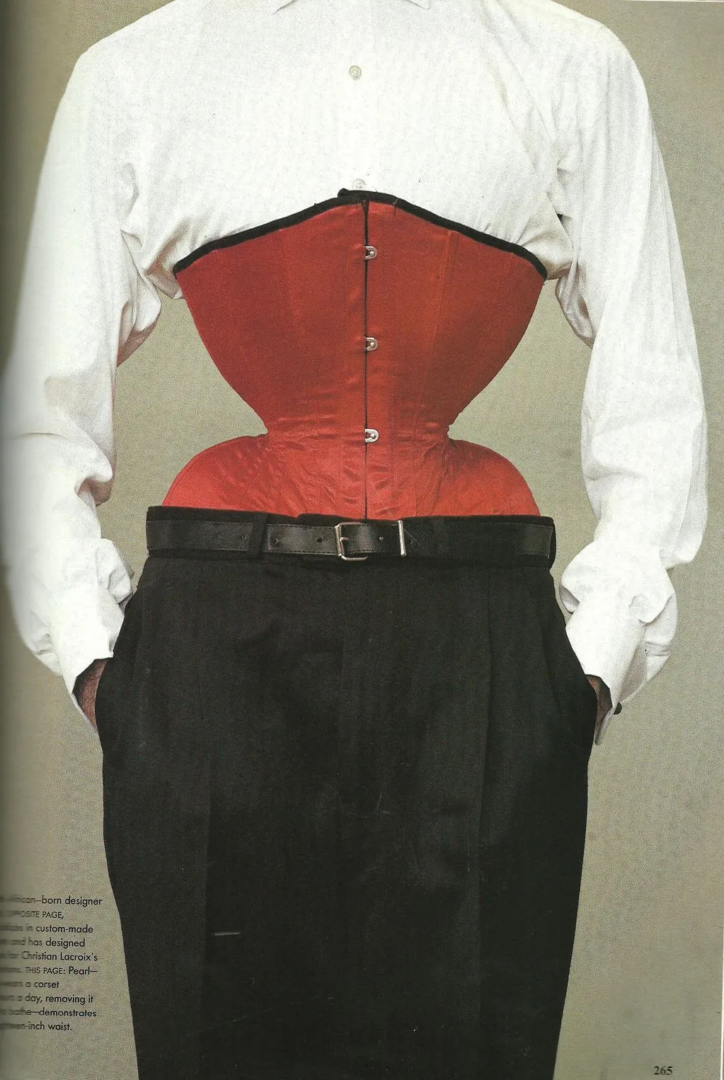
Anxiety around visibility is where censorship begins. Clothing became an instrument of this regulation. Dress codes formalized what morality had implied. Hemlines, necklines, corsetry, veiling, uniform — these became control disguised as culture. Censorship moved from institution to individual. Church, state, law, publisher, broadcaster. There was a source. There was a rule. You could identify the authority.
Censorship in the 1980s turned the female body into a corporate instrument, using fashion to adjust it in male-dominated spaces
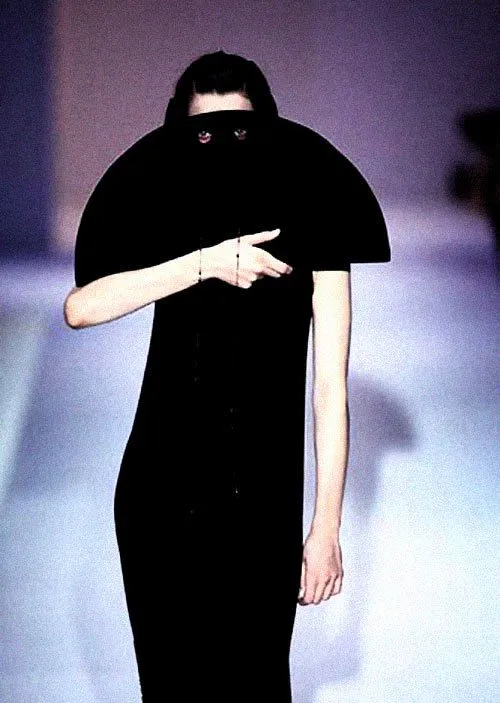
The 1980s’ silhouette was ideological. Power dressing emerged with corporate expansion. Padded shoulder became compensatory. Women were entering male-dominated spheres, and fashion responded to it. The body was modified to blend in those spaces. Femininity was sharpened, and the message was to occupy space. The sharp tailoring of Giorgio Armani and the likes restructured the female torso into a corporate instrument. Wide shoulders, squared body, contained waist — it created authority through geometry. Censorship was imposed by the system. It molded the female body through structure, making it blend in in male-dominated spaces.
Female body censorship in the 1990s: Exaggeration, excess, controlled movement and proportions
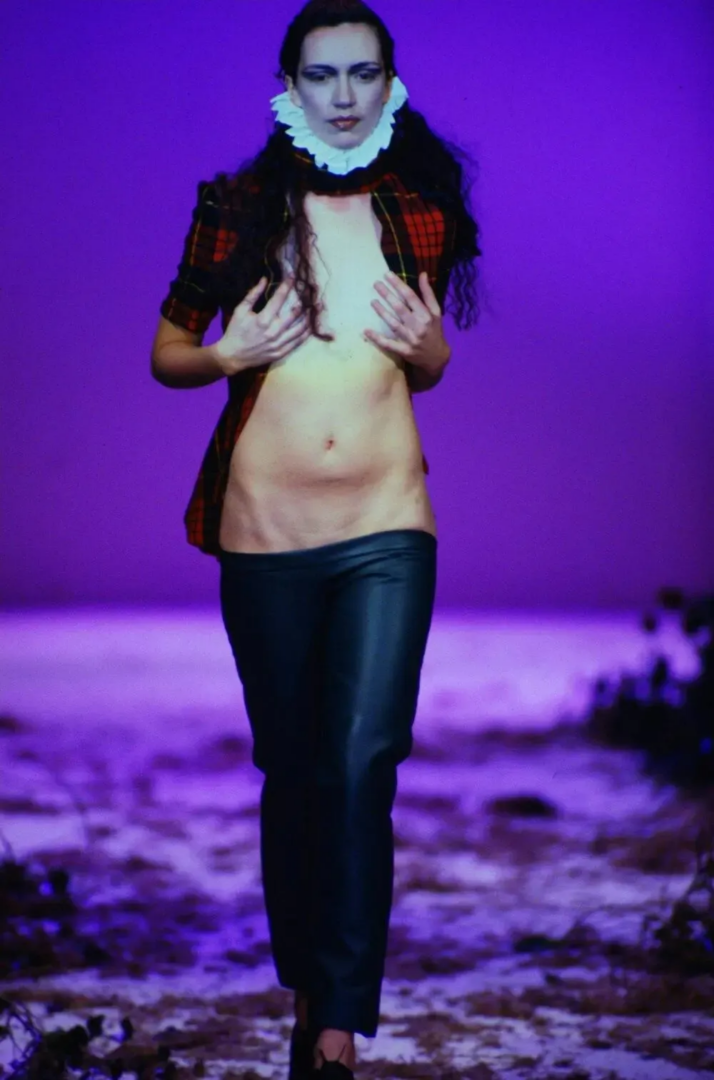
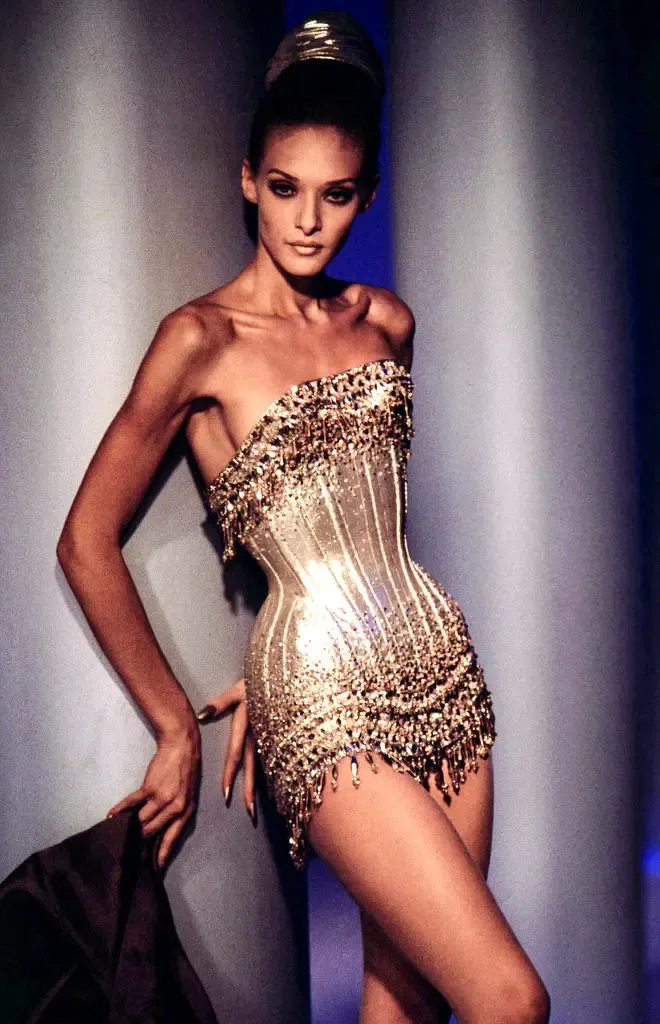
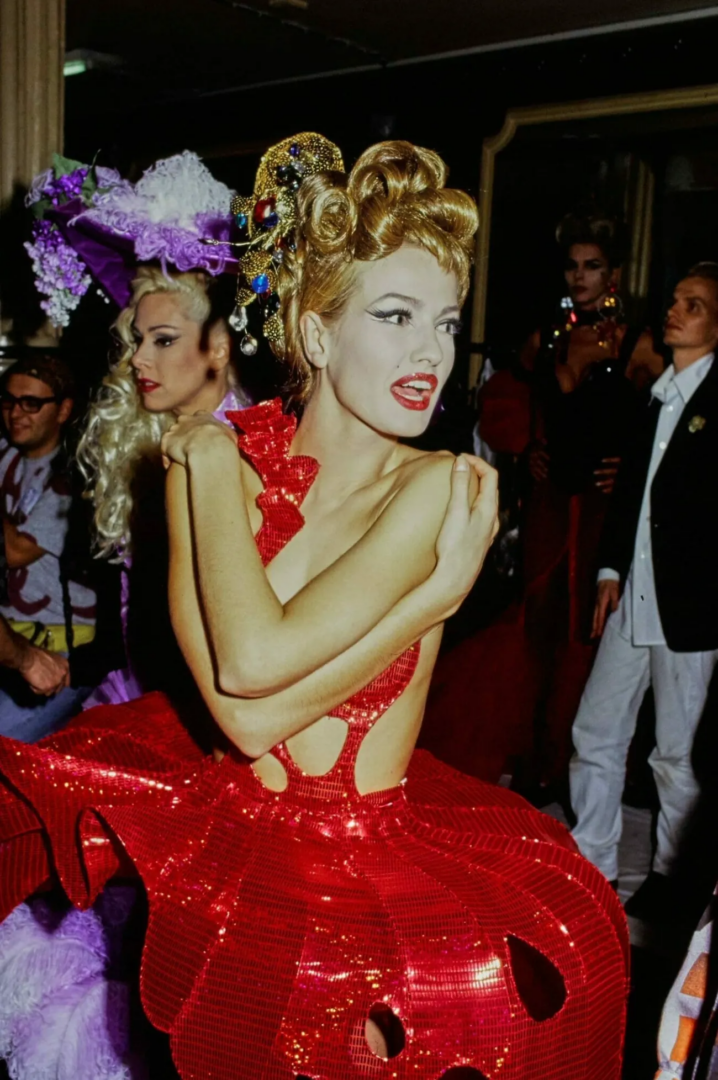
Female sexuality has come a long way, and it’s been anything but linear. In the 1980s and 90s, fashion imposed sexuality with sculptural clarity. Designers like Thierry Mugler and Yves Saint Laurent created silhouettes that exaggerated hips, shoulders, waist — the body was sculpted into a statement. Sexiness was not negotiated then. Sexiness was designed and imposed. Constraint was visible in tailoring, in corsetry, in proportion.
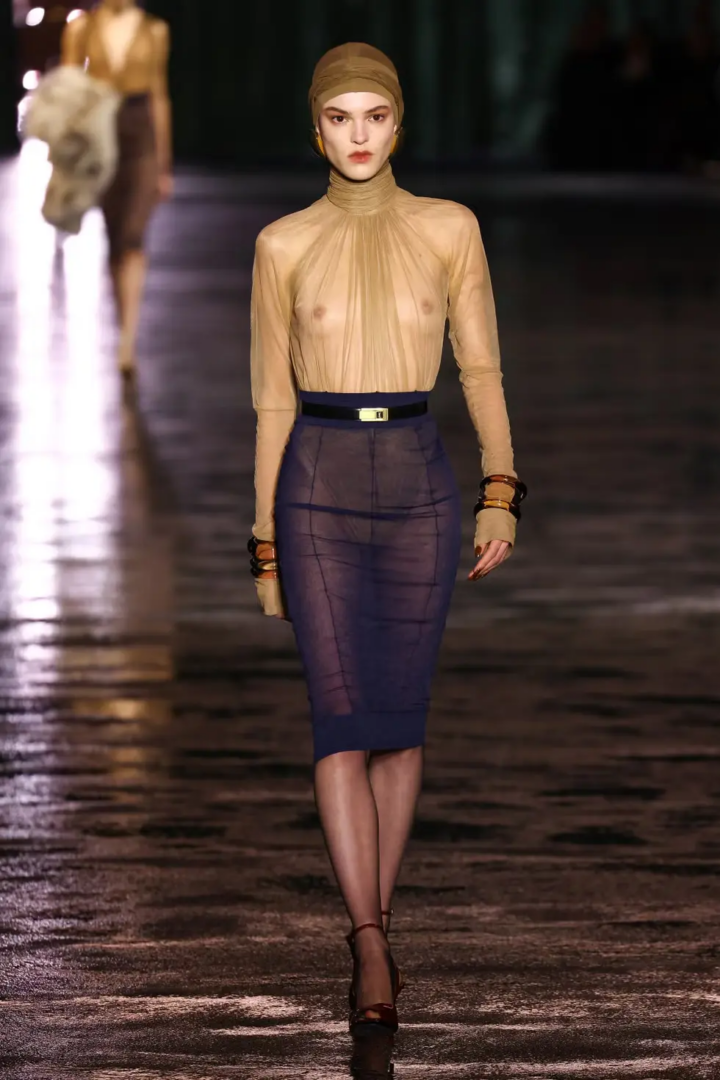
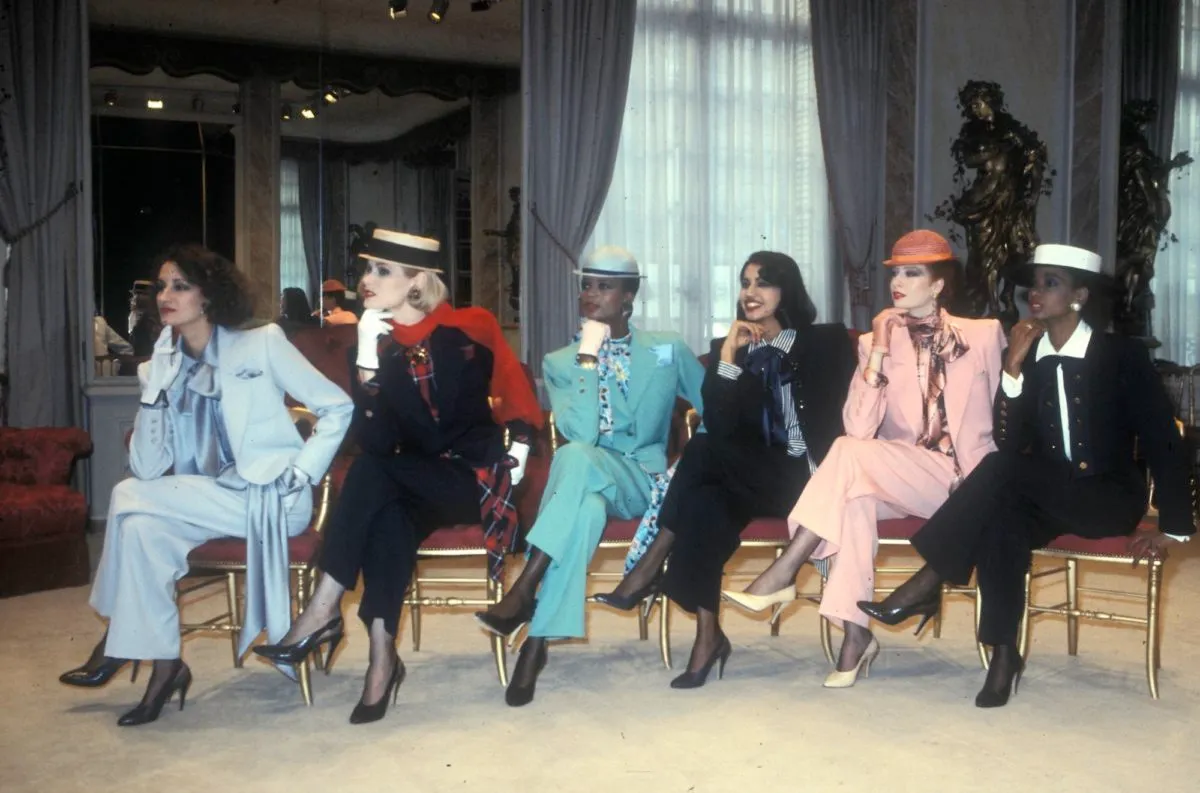
By the 1990s, female sexuality became more explicit and louder than before. Designers like Thierry Mugler brought hyper-feminine forms into play — corsetry, metallic contours, anatomical exaggeration. The body was no longer trying to adjust to the corporate world. Instead, it responded to it through erotic tailoring and industrial precision. Thierry Mugler engineered the body into a hyper-feminized spectacle where it was exaggerated beyond biology — corseted waists, amplified hips, metallic bustiers. Meanwhile, Yves Saint Laurent had gone in a different direction earlier. Tuxedos on women, transparency, controlled exposure of skin — sexiness was loud but formal.
The female body was constrained by fashion, and it was done through restricted fabric movement, dictated proportions, a predetermined effect. It was interpreted before the woman spoke. But this was an external constraint. You could pinpoint, identify, change or remove it completely. The garment, the industry, the runway system all imposed the constraint and shaped the censorship. What the silhouette signified had little importance. Hyper-sexualization was not a disguised empowerment. It was aesthetic excess. Critique was there, but it existed outside of ambiguity.
Self-censorship is now built around ambiguity and interpretation
Today, ambiguity comes first. Every garment is open to interpretation. Fashion as a system no longer holds the authority of censorship. It doesn’t force the waist inward or exaggerate the female proportions. Sexuality is now a choice. But that choice, however freeing it appears, passes through multiple stages of monitoring before it’s expressed publicly. The question is no longer whether the industry restricts the body. The question is where restriction now lives. Now, it operates before the garment is worn.
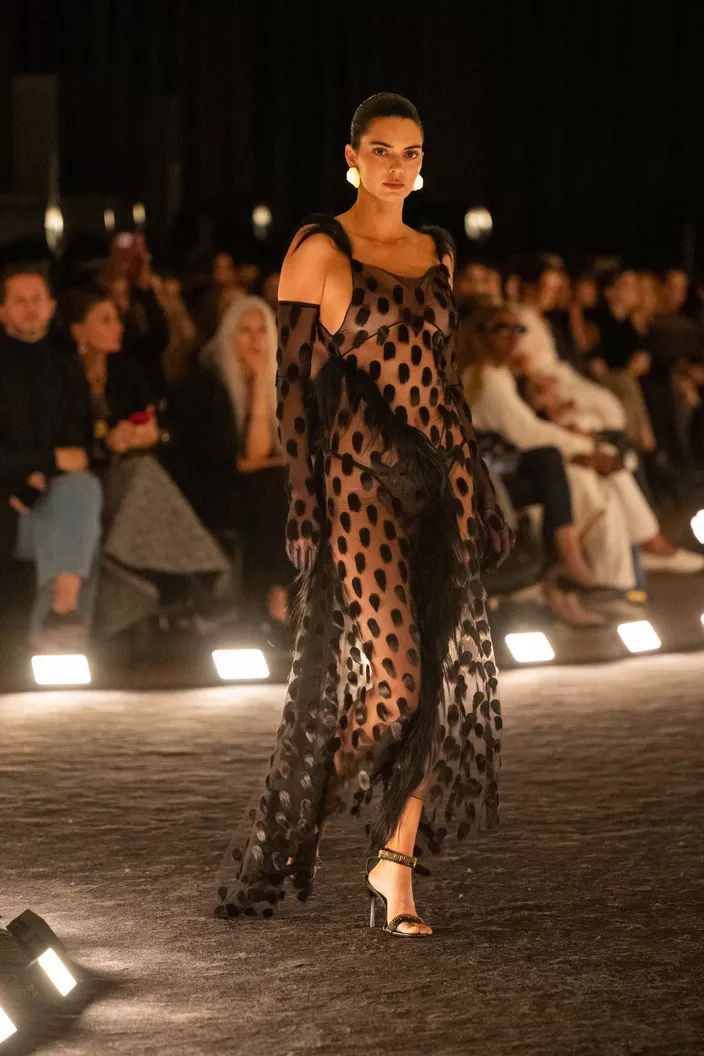
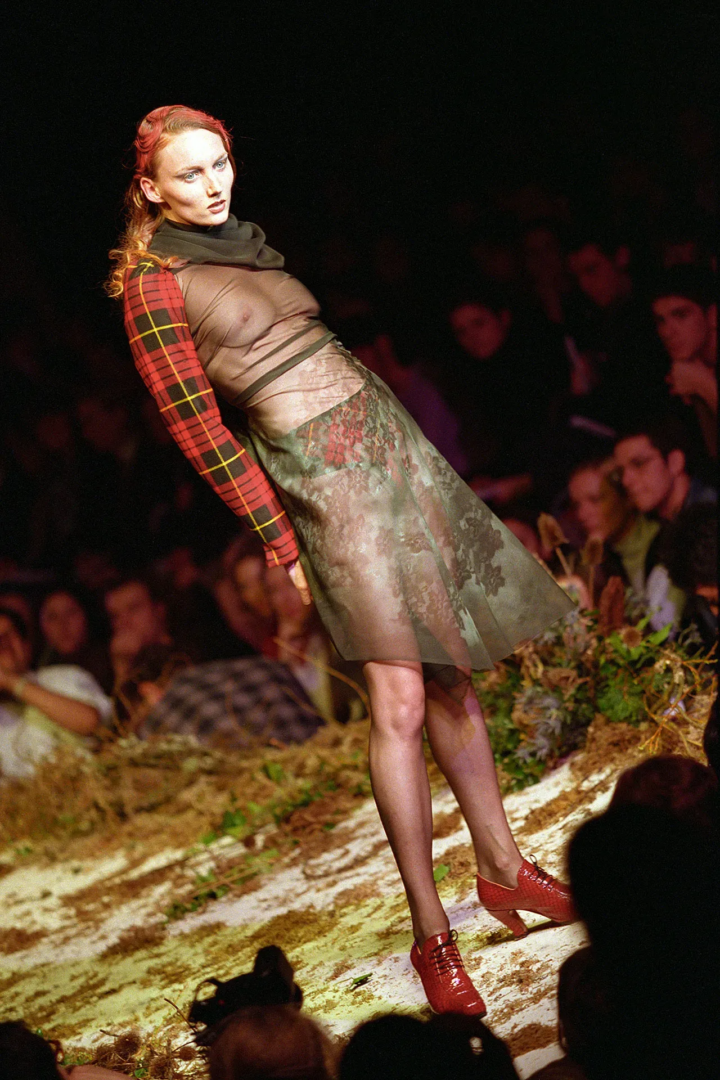
Today, censorship arrives as anticipation. A woman choosing a short hemline or a sheer fabric is not responding to a designer’s demand. She is responding to a field of possible readings. Sexuality is nuanced. Too much of it risks regression. Modesty can be read as anti-feminist. Curation is labeled artificial, yet natural arrives as performative authenticity. The evaluation precedes the appearance.
Self-censorship is now masked as “my body, my choice.” This suggests autonomy, but autonomy lives within spectatorship. Social platforms, professional visibility, political discourse, brand culture — all of these now participate in decoding the female body. In the past, the system dictated the silhouette and received the critique. Now, it’s the individual who absorbs the consequence. If you are judged, you chose it. If you are sexualized, you asked for it. If you are misread, you miscalculated.
Censorship is off the runway. Fashion simply offers options and steps back
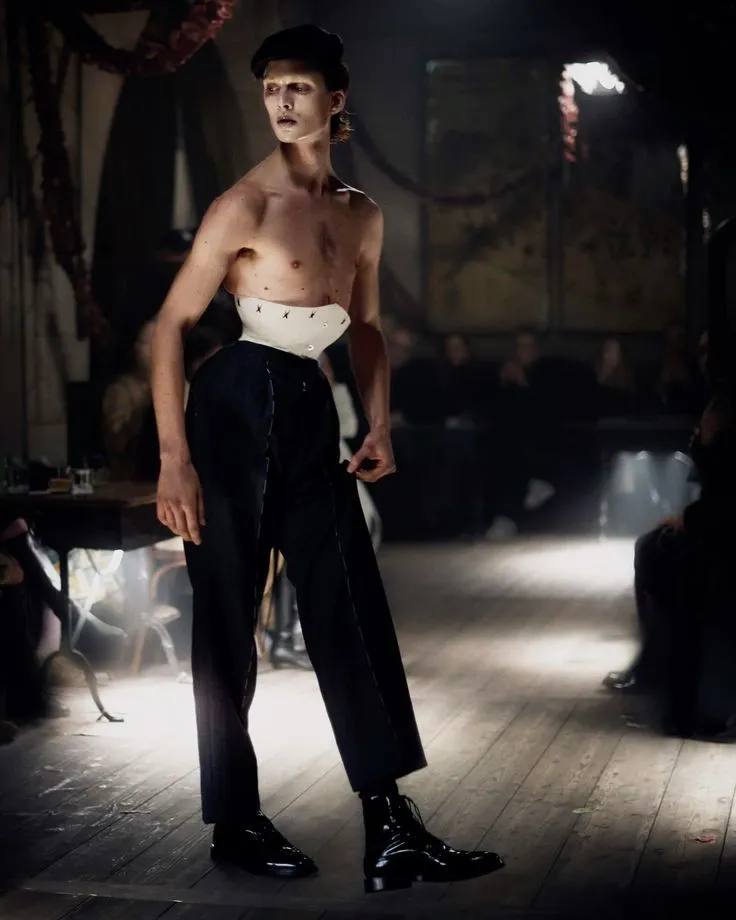
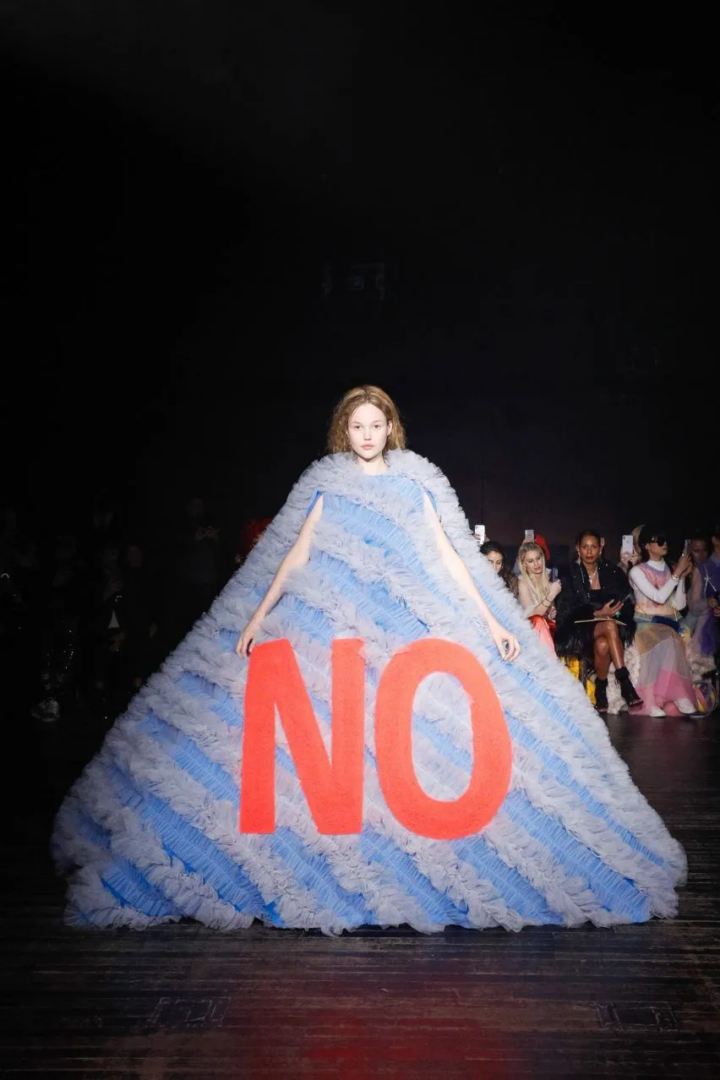
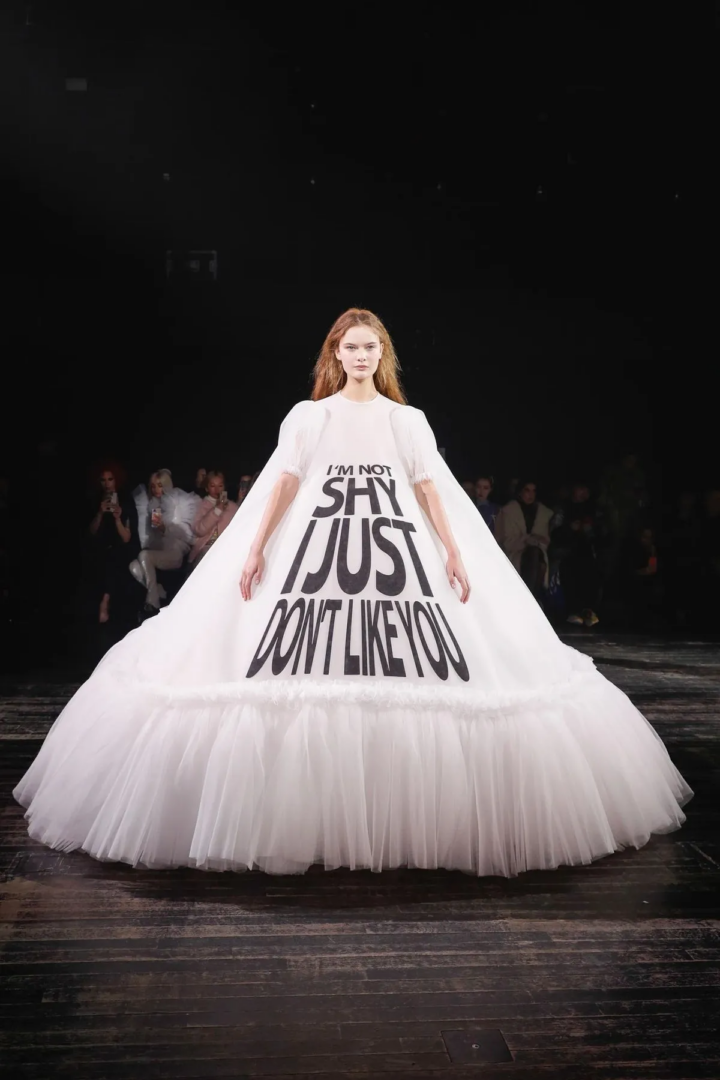
Runways are now open spaces where oversized tailoring sits next to body-conscious silhouettes, sheer panels appear beside suiting, gender-neutral cuts mingle with hyper-feminine exaggeration. Visibility is unstable. The wearer negotiates it in real time. Oversized tailoring is still the strategy. The Row and Bottega Veneta use volume to neutralize the body — heavy coats, boxy blazers, long trousers, dense knitwear. These refuse sexualized attention. Oversized functions as protection.
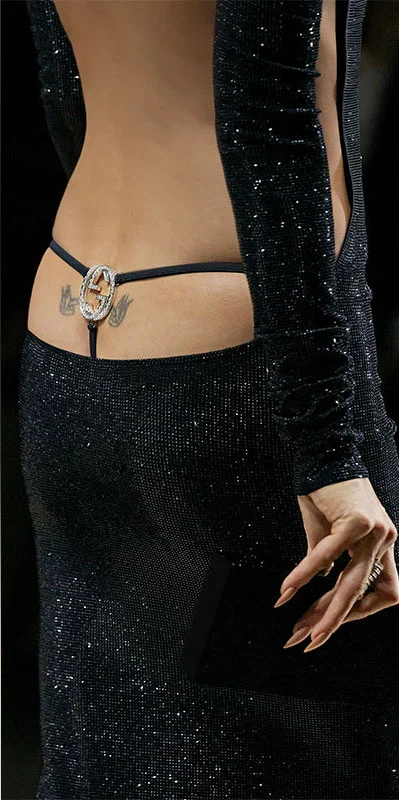
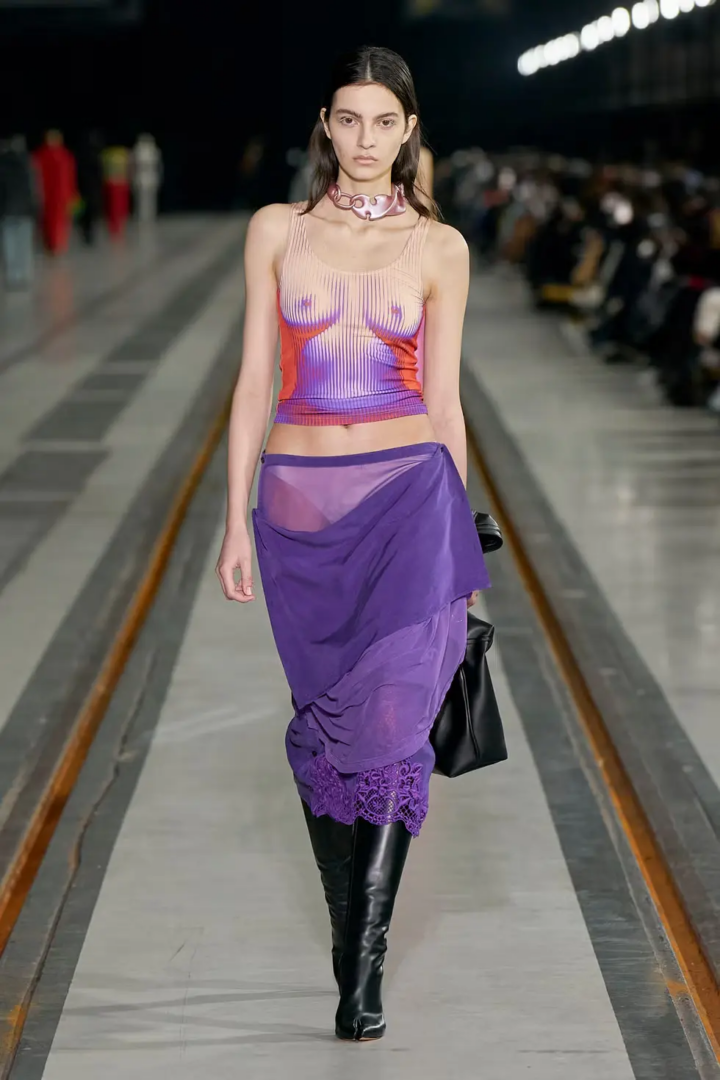
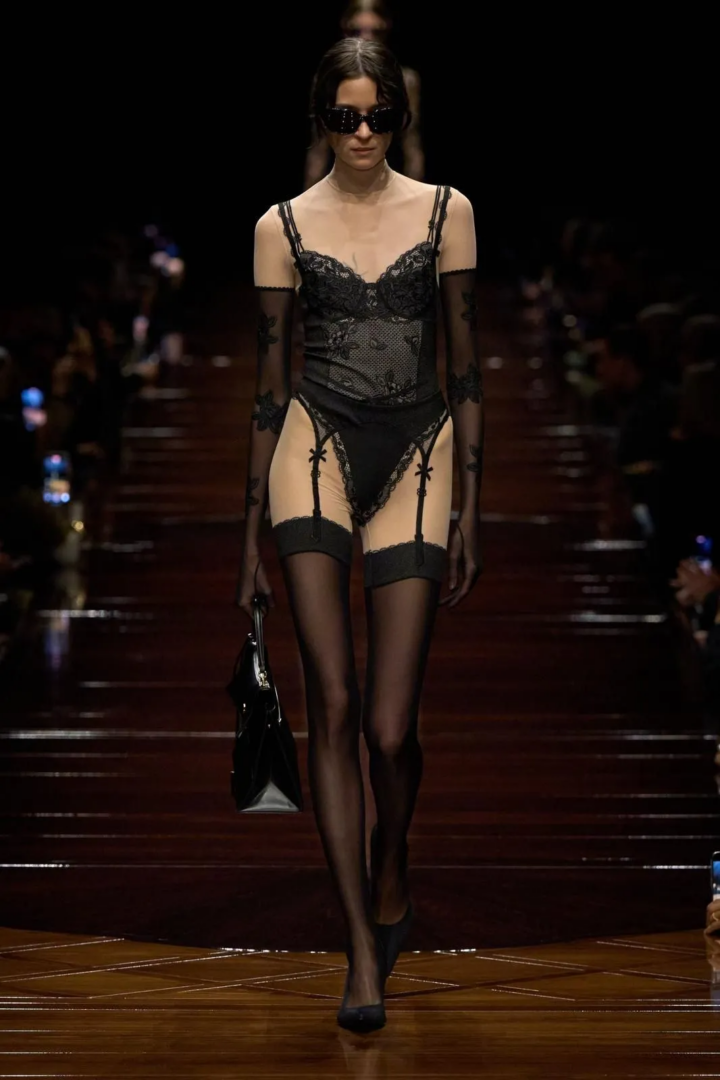
At the same time, sensuality has not disappeared from fashion. Brands like Mugler continue to sculpt the body into statement forms. Cutouts, corsetry, latex, metallic tailoring remain on catwalks. Runway now presents body-conscious silhouettes paired with gender-neutral accessories. The body signals power and sexuality at the same time. And while skin and curve remain visible, it’s the audience and media that provide the frame. The garment’s role comes second. Fashion no longer dictates as it used to in the past. The system offers options that amplify the body, flatten it, signal morality or suggest rebellion. Interpretation is off the runway.
If the female body is political, censorship is no longer optional
In 2013, when Petra Collins published an image of herself on Instagram, it resulted in her account getting deleted. No nudity. No violence. It was a photo of herself in a bikini, similar to many others that were approved by the platform. Unlike the rest, her bikini line was not shaved. The reaction was strong. Sexuality was permitted, but only in its sanitized, hairless, commercially legible form. The message was not “do not show your body.” It was “show it correctly.”
Emily Ratajkowski had a different approach. A personal brand built on self-display and female sexuality. Unlike Collins, Ratajkowski’s sexuality was uniform — it was aligned with the perfection expected of the female body. But her image became a public battleground. Is she empowering, or is she reinforcing the male gaze? Can both be true?
Emily Ratajkowski, Kim Kardashian, and the likes showed that women have authority over their own bodies, but that authority is filtered. Too much sexiness reads as anti-feministic. Showing skin is a spectrum. Sexy, strategic, desperate, liberated — you’re free to choose, but you’re judged on how precisely you calibrate it.
But when Billie Eilish first appeared in oversized clothing, the baggy silhouettes were read as defensive, calculated, a refusal designed to attract attention through absence. Hiding the body became its own spectacle. Modesty was interpreted as a strategy. Years later, when she appeared in corsetry on the cover of British Vogue, the judgment shifted direction. Now the question was whether she had surrendered to the very sexual standards she once resisted. Same body, different fabric — and once again it required explanation. Oversized was political. Corseted was political. Neither was neutral.
Self-censorship and social platforms: What changed is not morality, but infrastructure
The female body now circulates inside systems designed to measure, rank and redistribute attention. Platforms don’t simply host images anymore. They sort them. Algorithms reward what performs and lose what doesn’t. Visibility is now calculated, optimized, monetized. A certain angle, a certain proportion of skin, a certain tone of caption produce engagement. Engagement produces reach. Reach produces relevance. Over time, users internalize these patterns. They learn what travels and what doesn’t. Sexuality isn’t censored outright, but filtered through performance. If it converts, it survives. If it destabilizes, it disappears.
The permanence of the digital archive intensifies this. An image no longer lives in a magazine issue and expires within a month. Now it is searchable, screen-recorded, retrievable years later. Nothing fully vanishes. The archive turns experimentation into risk.
Quantified validation is the other edge of the sword. Approval is numerical. Likes, shares, comments, saves — the body receives a score. A revealing image outperforms a restrained one, or vice versa. The data is visible. If exposure generates engagement, it increases. If neutrality attracts brand partnerships, neutrality becomes a strategy. The body adapts to numbers, and desire becomes analytics.
The contemporary female body is a potential brand
Even outside influencer culture, personal image functions as currency. Employers search profiles. Collaborators assess aesthetics. Brands align with faces that are “safe,” “aspirational,” “aligned.” Sexuality must be legible and controlled. Too explicit narrows partnerships. Too muted reduces attention. The body becomes a portfolio, and every image contributes to a market identity.
Professional consequences must be considered. A photo taken for pleasure can become a liability. A political caption can close doors. A hyper-sexual image can undermine credibility in certain industries. Excessive modesty can undermine relevance in others. There is no universal rule. There’s only context. This uncertainty sharpens self-monitoring, and the individual learns to anticipate consequences.
Sustainability and self-censorship: Exposure of skin depends on context once again
The female body today is filtered through two parallel demands — desirability and responsibility. She must be visible, but not reckless. Expressive, but not wasteful. Sexual, but not excessive. Autonomous, but brand-safe. Brands built around sustainability position restraint as sophistication. Minimal silhouettes, muted palettes, natural fibers — morality takes center stage. Consumption continues, but it’s now coded as care. Excess risks looking irresponsible. Glamour risks looking wasteful. Sensuality risks looking indulgent. Still, you must calculate how it will be read and received. It can be celebrated or completely ripped apart.
Even anticipation often fails the individual because for the female body, sustainability, too, is a spectrum. It has added a new layer to self-censorship. The female body is no longer only judged for how much it reveals, but for what it wears. A dress from The Row’s recycled-fiber collection reads differently than a similar cut in fast fashion — exposure of skin in the first signals care, in the second, it risks judgment. Desire and responsibility now circulate together, and every choice is preemptively curated to avoid critique.
Censorship of the female body has travelled a long way. Now it lives between visibility, desire and judgement. The body is now offered every option, but nothing is neutral anymore. Freedom exists, but it does so through negotiation, anticipation and calculation.
Susanna Galstyan