From streetwear to snobwear, the return of Fordian sex, according to Demna
From Los Angeles streetwear roots to a new snobwear elite: Demna reignites Ford-era sensuality while Paris collections respond with their own visions of post-Slimane luxury
Demna’s hype: rhetorical greenlight to new luxury as Paris houses reinterpret post-Slimane visions
The February Gucci show appeared almost like a signal — an introduction to a new luxury and a speculation on its possibilities. In Milan, Demna proposed a visual shift that many observers have begun to describe as the passage from streetwear to snobwear: a movement away from the democratized codes of sportswear toward a more insider aesthetic.
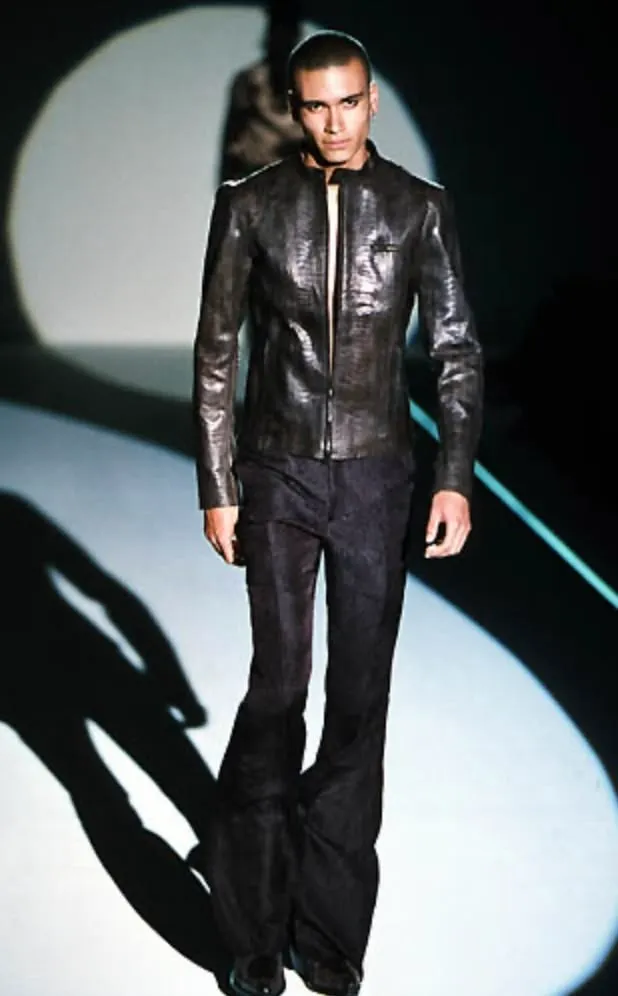
While many houses continued to pursue the quiet luxury of recent seasons, Gucci returned to a language of exposed bodies, tight silhouettes and deliberate provocation — an echo of the Tom Ford era reframed through Demna’s vocabulary. In the weeks that followed, several Paris collections seemed to respond to that gesture, offering their own interpretations as if engaging in a conversation around a newly rewritten mythology. Fashion evolves through these exchanges: a dialogue of images in which different houses test the same question from multiple angles.
From Streetwear to Snobwear – rediscovering streetwear’s roots: 1970s LA skate, surf, basketball fused with rap, Japanese design, logomania, Parisian irony
The questions are more interesting than the answers. In the latest fashion shows, designers have devised their own version of a “Post-Slimane” Celine: all except the major houses themselves, currently busy rewriting their own mythologies.
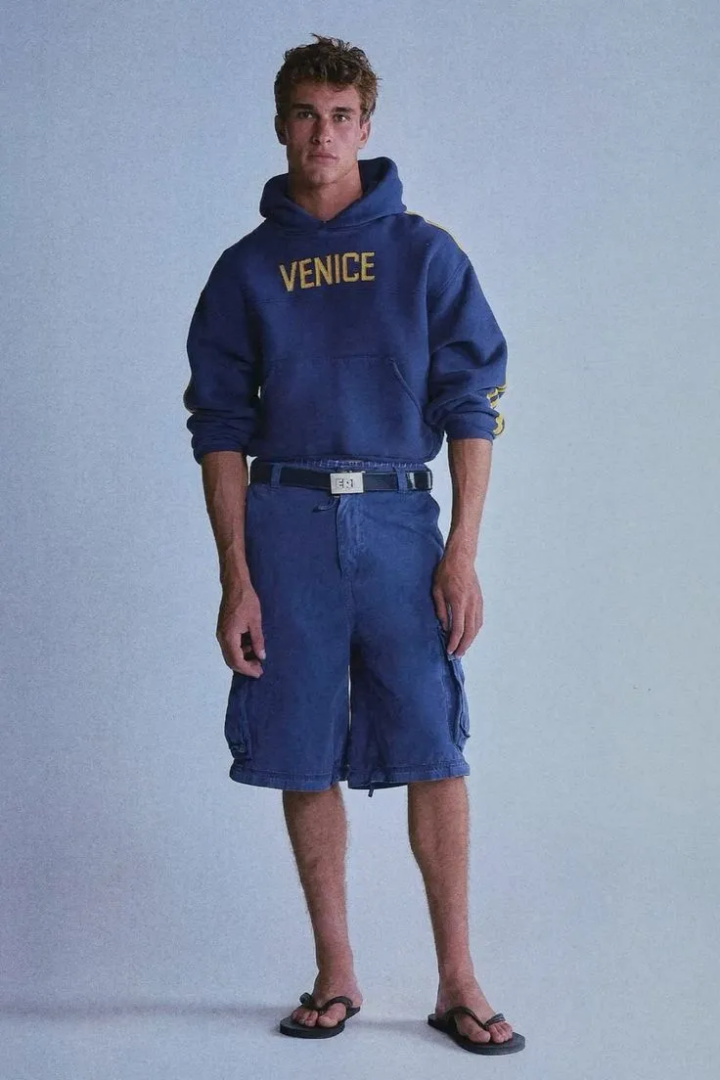
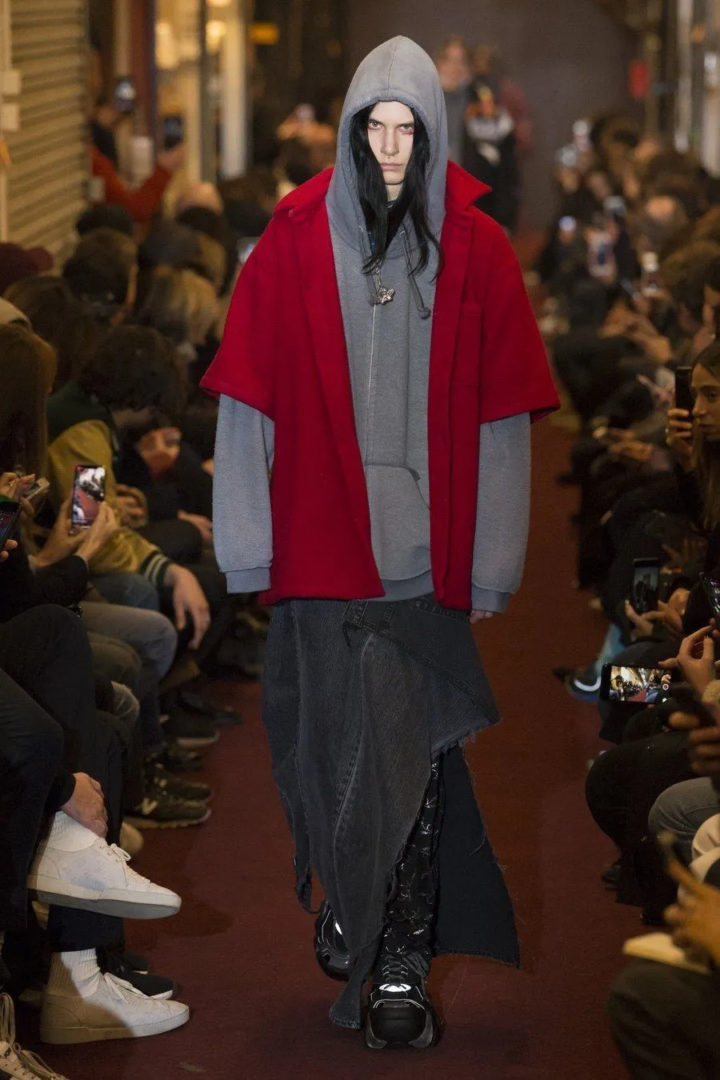
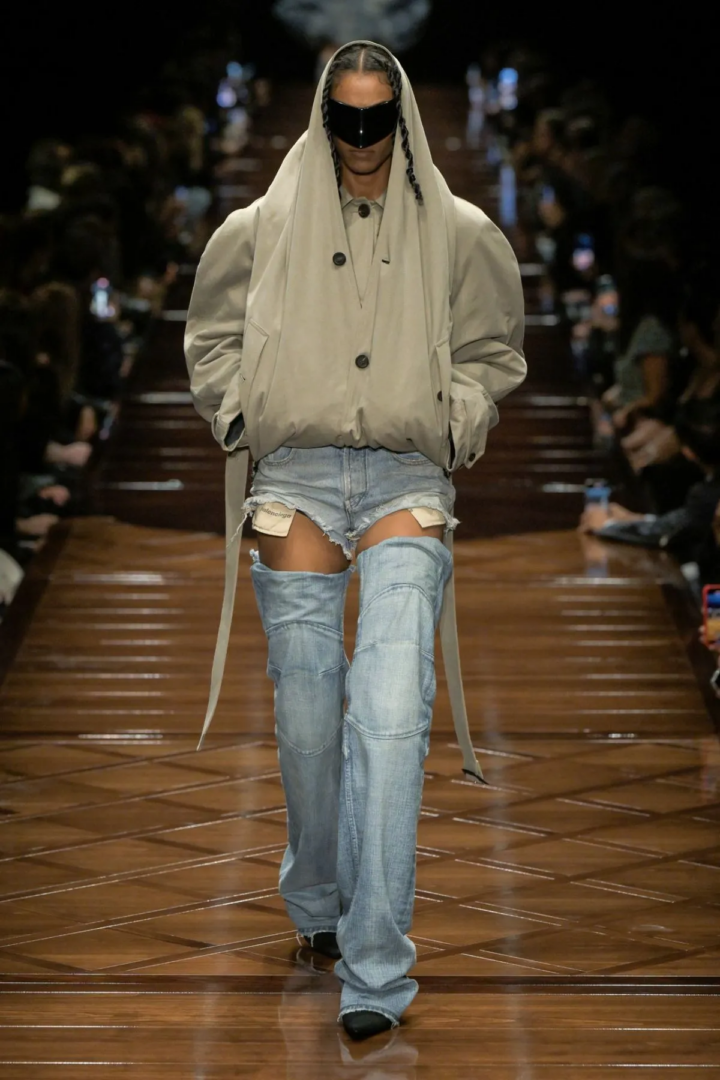
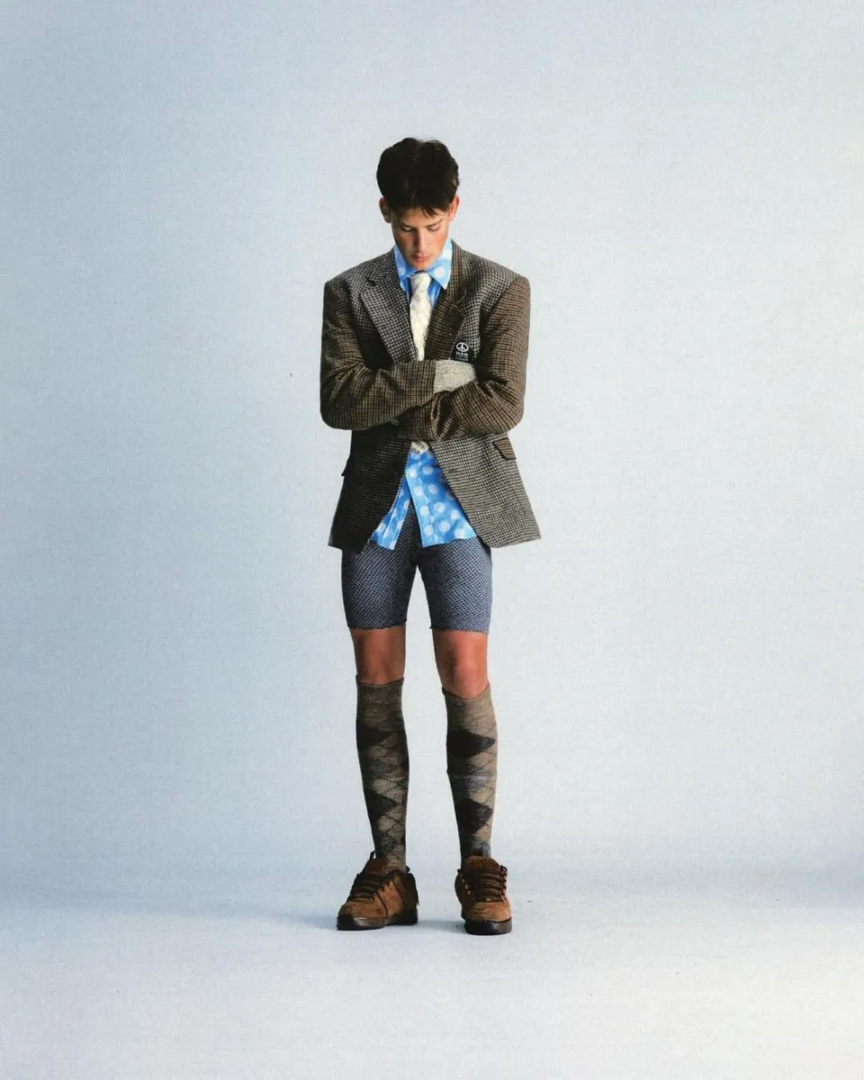
A step back clarifies the definition of streetwear. Originally sportswear for skateboarding, surfing and basketball on the beaches and asphalt of Los Angeles in the 1970s, it was adapted for leisure and developed within the African-American community in dialogue with rap and hip-hop culture. From this base emerged a hybrid language: Japanese design experimentation, recurring logomania, details borrowed from Parisian couture. Everything must be visible, everything slightly in contrast, often touched by irony — the ruffled skirt with sneakers, sculptural heels beneath tracksuit bottoms. Those who dress this way attract attention, and photographers waiting outside fashion shows search the sidewalks for such figures.
Nike, Adidas spawn luxury twists at Gucci, Louis Vuitton; rapper limited editions meet matte leggings, muscle tees, seamless hosiery
Shoes, caps, tracksuit bottoms and tank tops — sportswear that forms the foundation of streetwear — were initially produced by mass-market companies. Nike and Adidas led a vast constellation of department-store brands. In recent seasons luxury houses have offered their own interpretations on the runways of Milan and Paris, from Gucci to Louis Vuitton. Limited editions designed by rappers for mass-market brands at high consumption prices have also played a role. Press interest became increasingly legitimate: matte compression leggings and heavyweight jersey muscle tees, worn by rappers and mixed with luxury garments with a handcrafted quality, research into materials such as seamless heat-sealed hosiery and graphic experimentation offered fertile ground for investigation.
Never stand still: Milan shock via Gucci’s “Radical Normalcy,” Demna’s skintight leggings, hedonistic abs
Fashion follows a single rule: never stand still. The definition of fashion itself implies change — what is desirable at a given moment. Evolution is constant. Once an aesthetic becomes codified, another begins to appear. The first shock came in February during the Milan shows. As often happens, the transformation appeared first on the men’s runways before reaching women’s collections: the male silhouette offers a more restricted field of experimentation, pushing creativity toward sharper gestures.
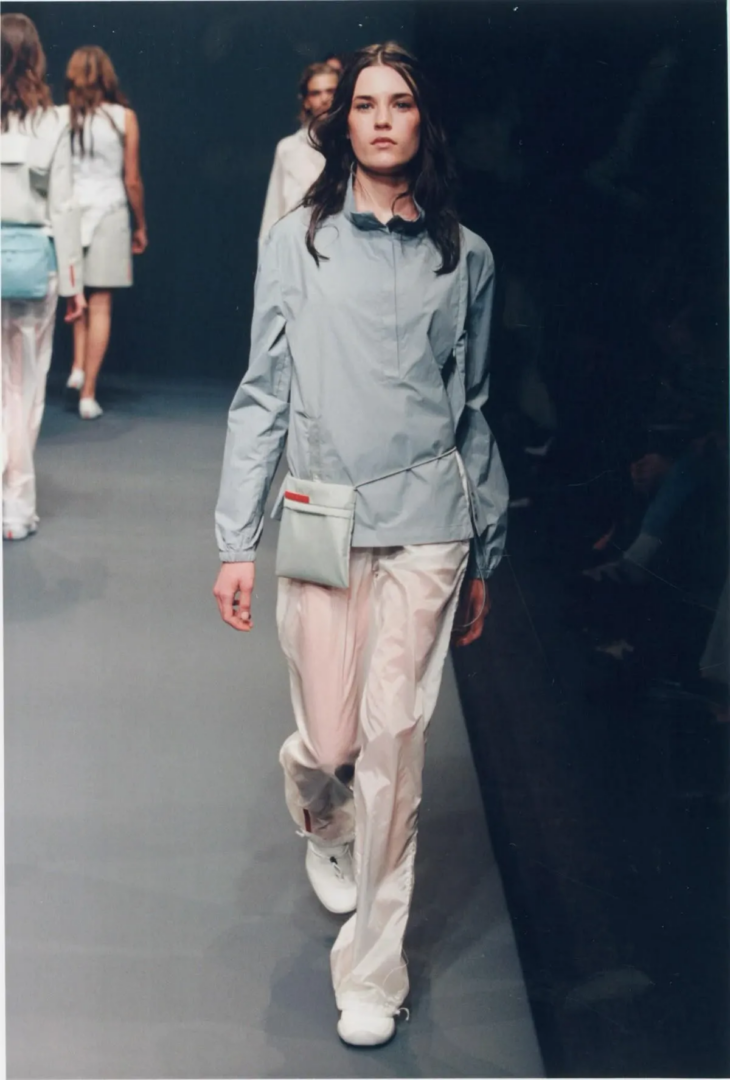
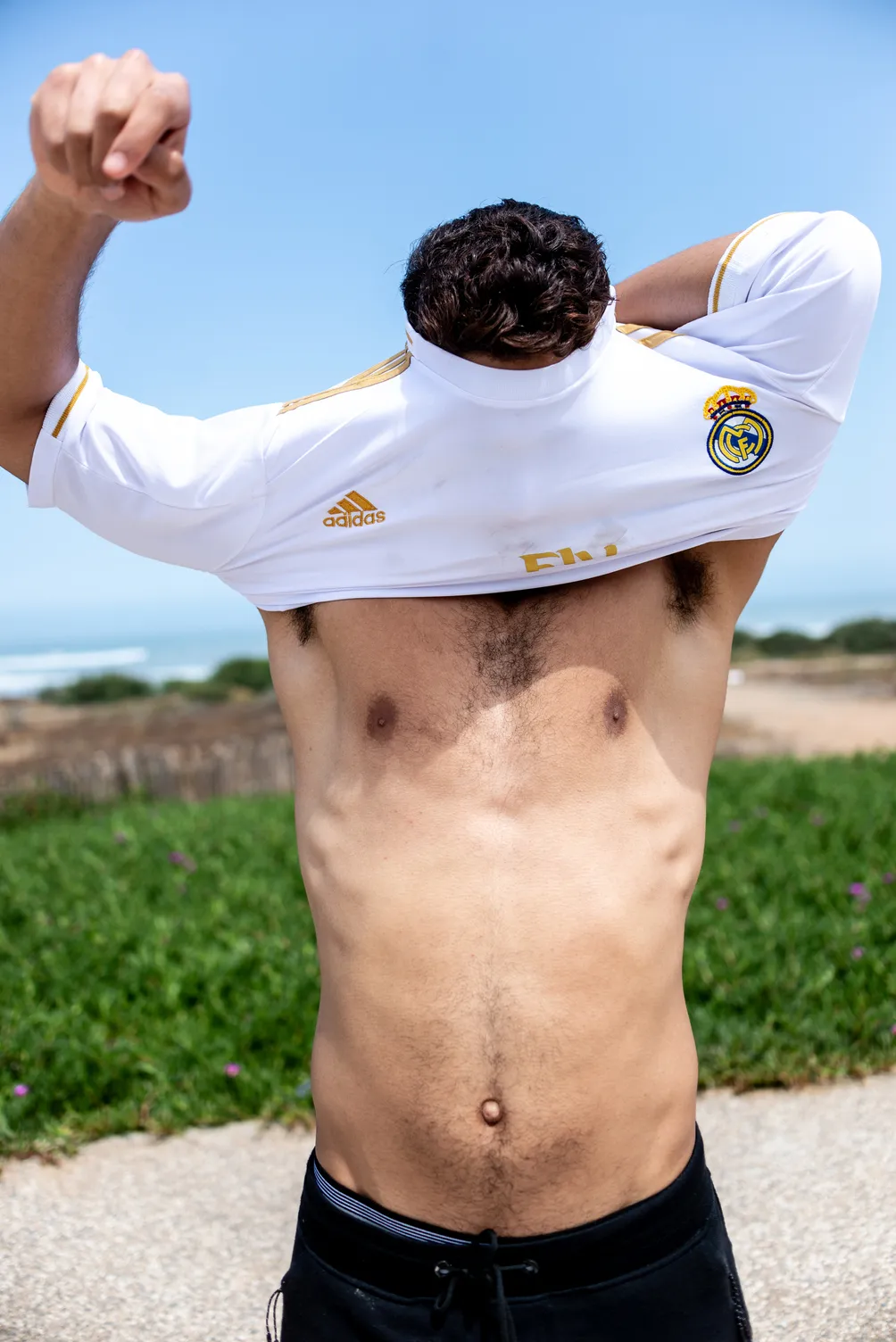
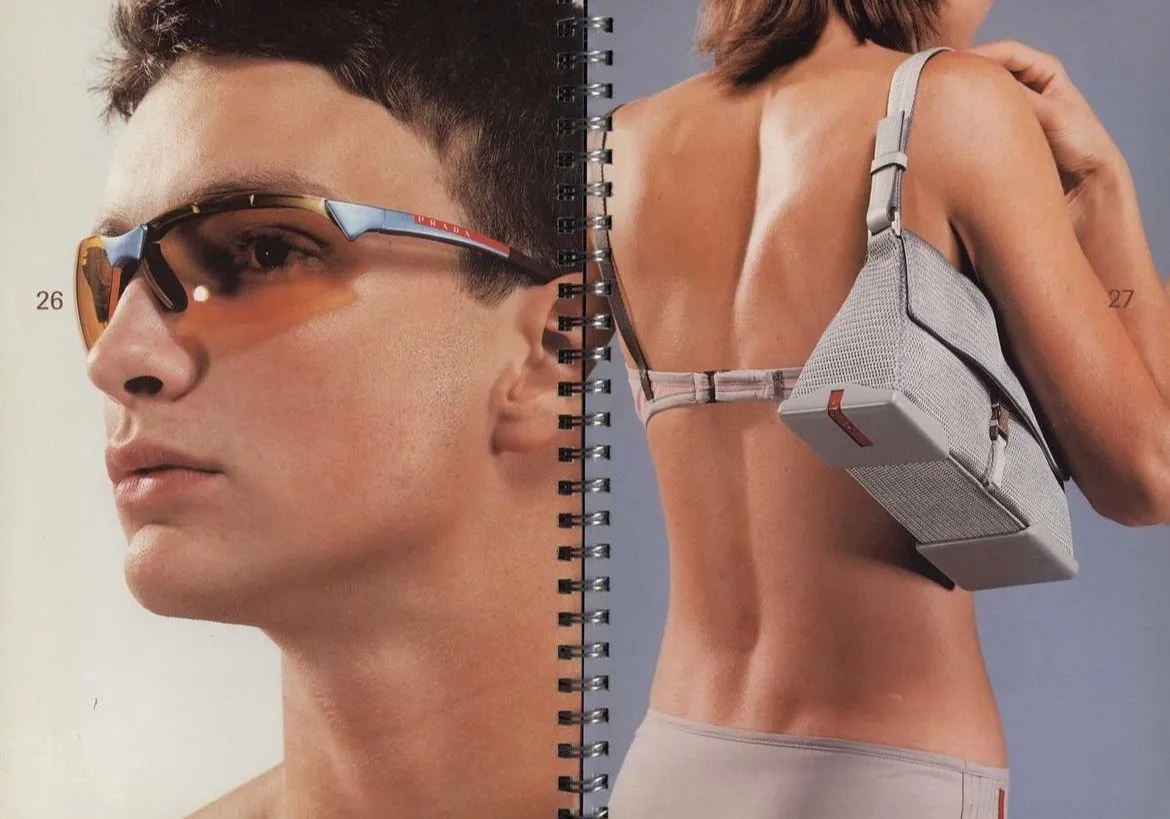
The disruption came from the Gucci runway and from the Demna phenomenon: “Radical Normalcy” and the memory of the Tom Ford era. Skintight panta-leggings, muscle tees with built-in abs and hyper-sleek silhouettes exposed the body with a sensual, almost hedonistic tone. Similar themes surfaced at Prada, where they appeared less as formal rigor than as references within a “visual language of personal choice.”
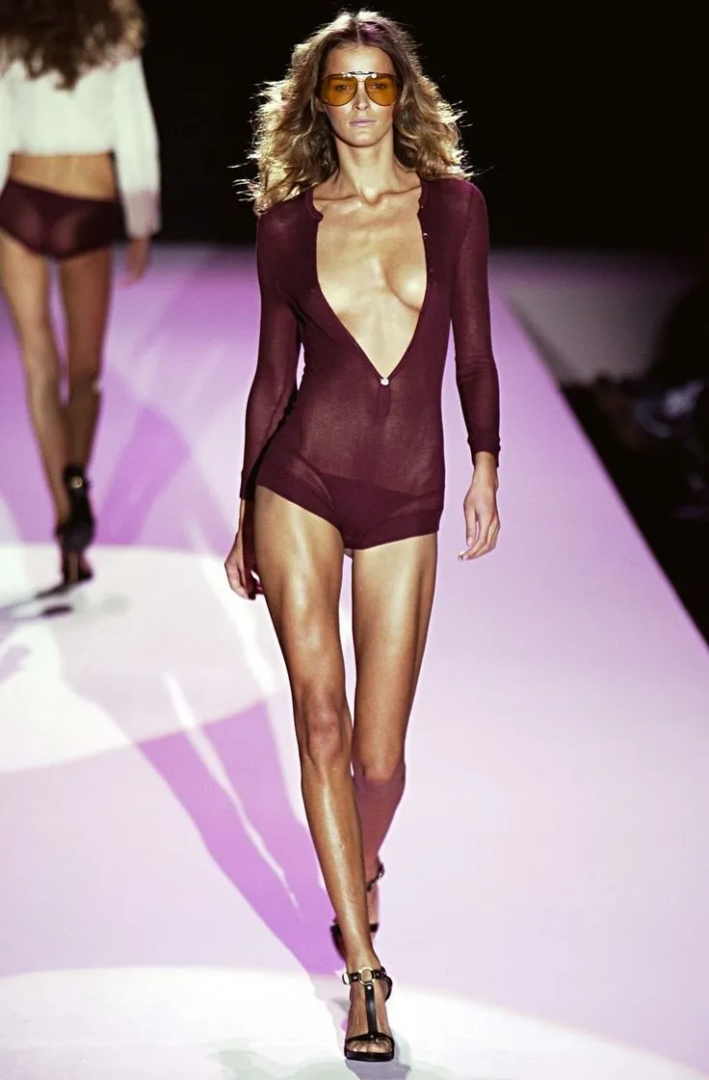
Post-Slimane sensual shift: Celine rock silhouette meets Rider’s preppy heritage while Loewe leather, Prada denim and Dior archives drive sensualized sportswear
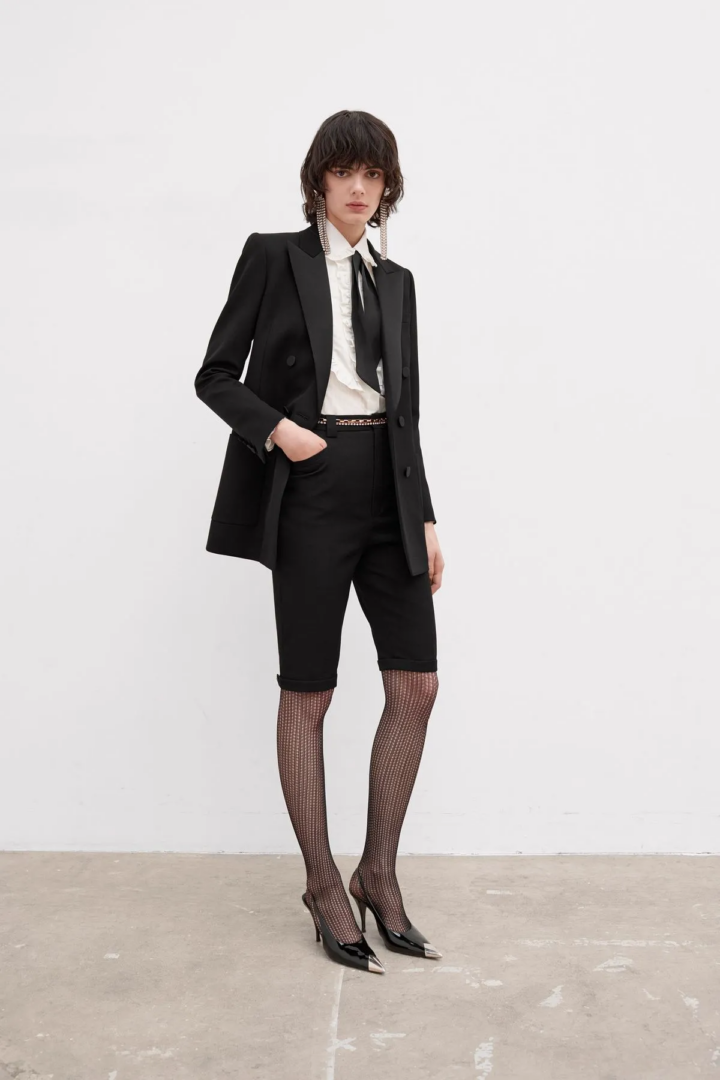
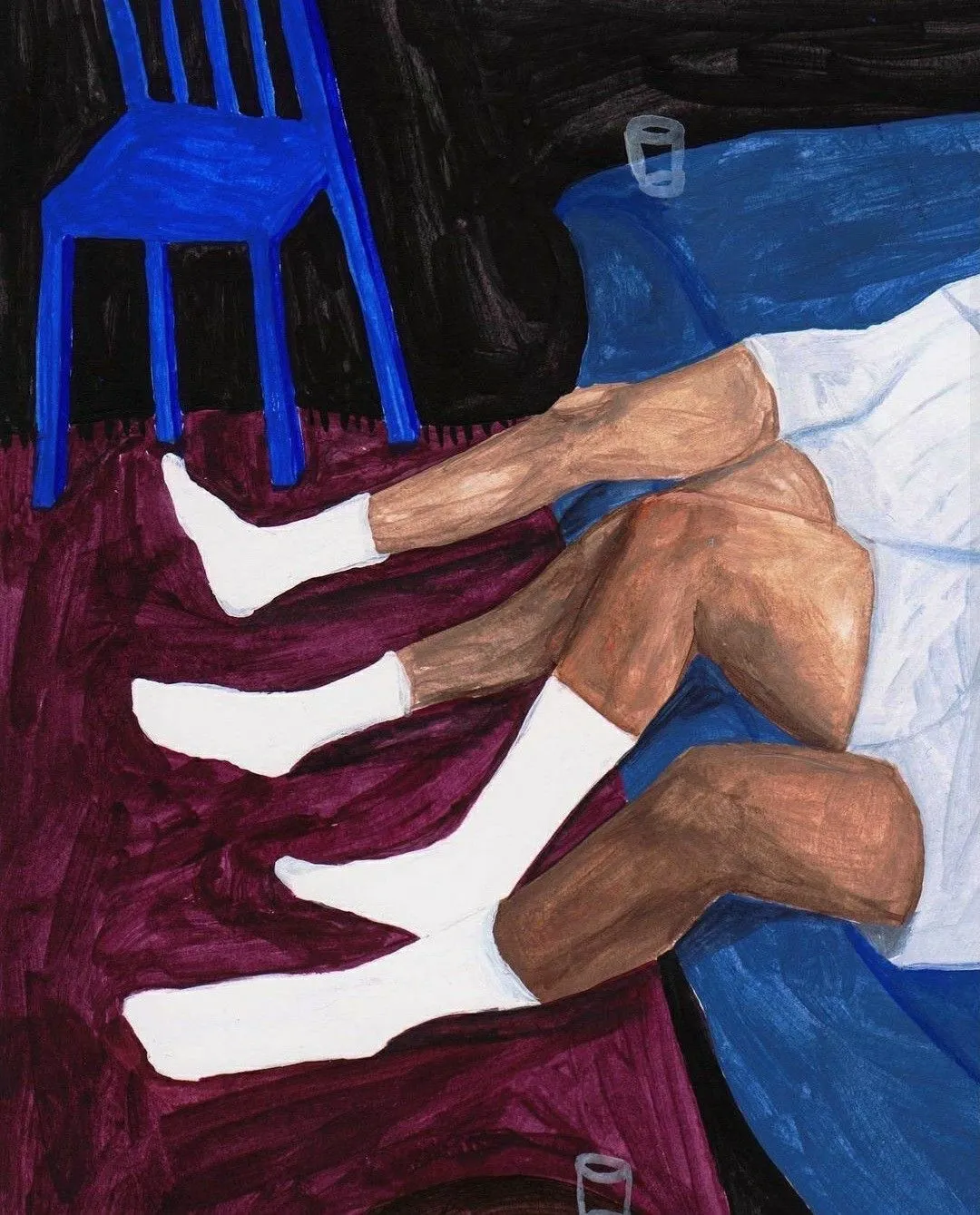
Celine under Hedi Slimane established a reference for a woman dressed for subcultural nightlife, confident in her rock-and-roll silhouette. With Michael Rider, expectations turned toward a neo-heritage vocabulary: preppy lines, varsity jerseys, pumps worn with white socks — a bourgeois girl returning to cultural and intellectual roots.
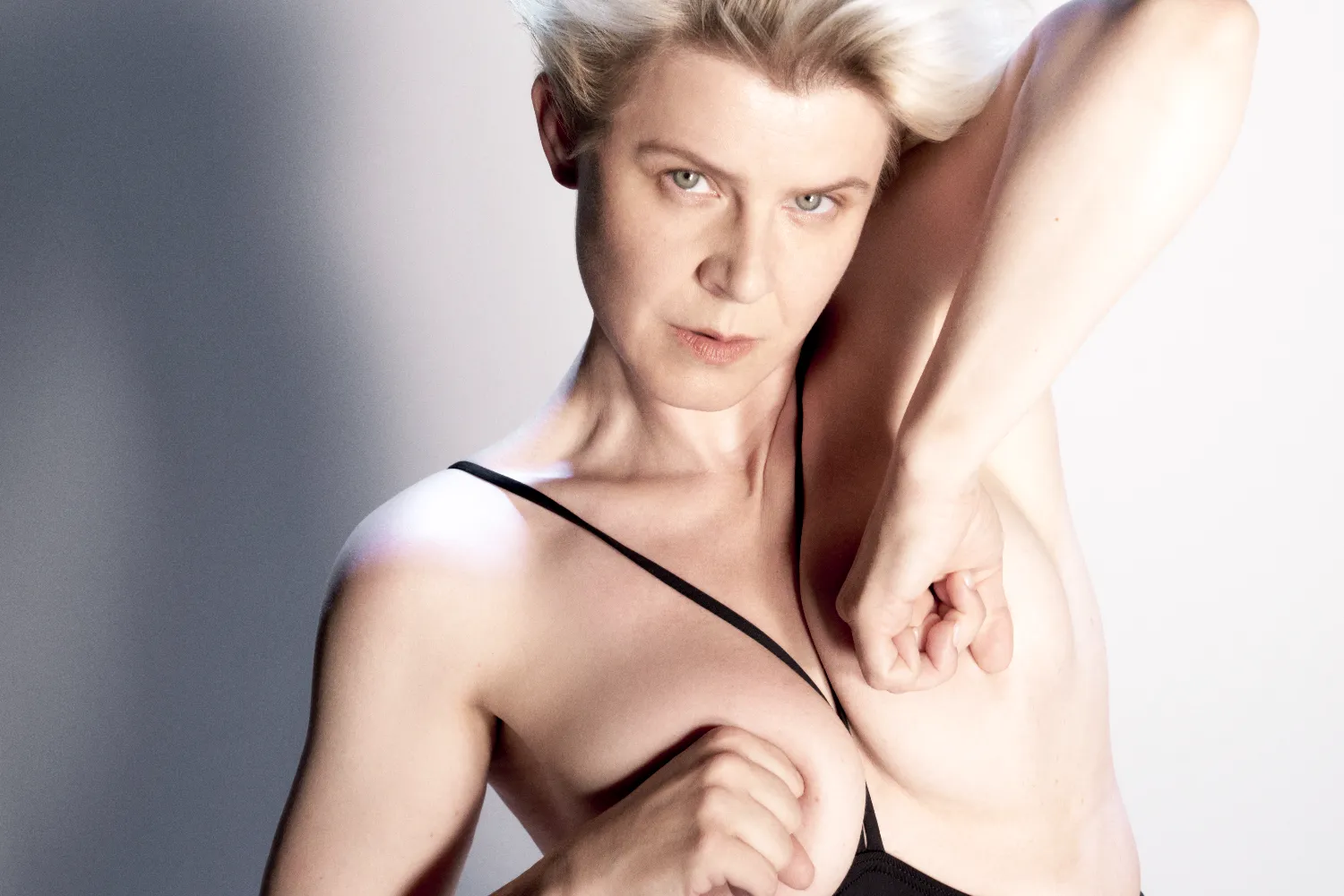
The first strong interpretation of this sensualized subject appeared at Loewe for Spring/Summer 2026. The debut of Jack McCollough and Lazaro Hernandez shifted away from purely conceptual forms toward an emotional sportswear language rooted in Madrid. The campaign, saturated with erotic imagery, used leather — the house’s signature material — to emphasize touch and tactility. The garments wrapped the body in physical, sensory outfits for a woman surrendering to sensuality in technicolor, the opposite of ironic streetwear.
In Milan the theme resurfaced at Prada through utilitarian denim and unlined chambray jackets. At Fendi through Roman heritage tailoring, longuette skirts and coats from an eternal wardrobe, with occasional sporty elements. In Paris Jonathan Anderson’s Dior confirmed the direction: the foundation remained the well-cut dress, yet early looks suggested a dialogue with deconstructed archives. Chanel under Matthieu Blazy opened with an oversized white shirt, Valentino under Alessandro Michele displayed an intellectualized mythology, while Phoebe Philo’s independent brand continued to maintain rare consensus between market and audience.
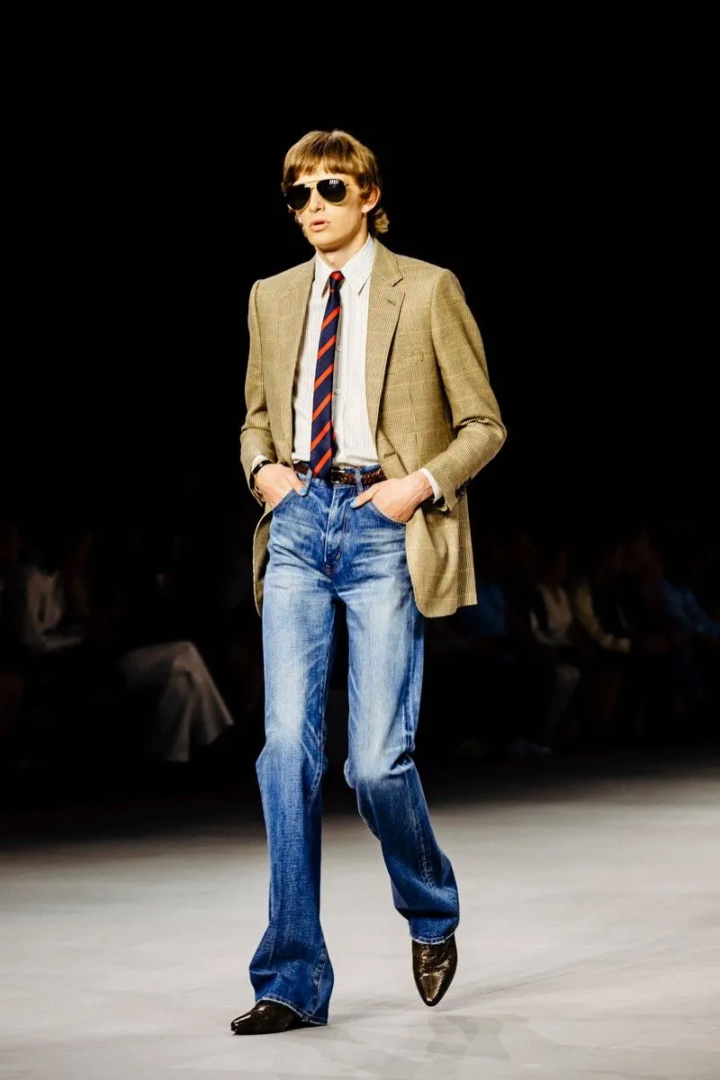
Snobwear’s elite questions: broadcaster brands, Rider expectations and the logic of exclusivity.
The one figure indifferent to minimalist tendencies remained Demna himself. The runway presented only Demna. With deliberate confidence, even arrogance, models included underground rappers Fakemink — who paused mid-walk to check his phone — and Nettspend, as if nothing else were happening in fashion.
Criticism from press and public has grown against the “Broadcaster Brand” model in which designers move from house to house. Large expectations surround the Rider project at Celine. Similar skepticism surrounded Hedi Slimane’s first Saint Laurent show before the market quickly transformed that skepticism into acclaim. Radical resets initially irritate; later they succeed.
The snobbish mechanism of the fashion system remains powerful. What others cannot access becomes desirable — particularly today, when luxury has been widely disseminated through digital communication. The intellectual elite, understood not as the wealthy but as the class oriented toward cultural storytelling and conceptual clarity, still shapes the tastes of the broader public. Within this framework a simple claim emerges: from streetwear to snobwear.
Pandora’s aesthetic clash: radical normalcy versus underground sportswear as brands become broadcasters
The question remains how Radical Normalcy and underground technical sportswear will interact. The issue is not who wins but how these aesthetics will influence each other and reshape market expectations.
Demna ignored quiet luxury entirely, presenting only Demna. This gesture raises another question: whether the era of the omnipotent creative director is fading in favor of designers acting as stewards within broader brand structures. Brands increasingly resemble broadcasters — distribution, media and sales channels supported by vast economic resources.
Perhaps the future will not revolve around a single interpreter but around brands providing platforms for multiple designers. Ultimately the matter may be simpler: each designer produces what they know how to produce. Confidence, egocentrism and a certain arrogance remain part of the creative engine.
The show concluded with Kate Moss walking in a white-gold GG thong. The gesture recalled Fordian glamour while also signaling a new form of insider exclusivity. This is snobwear.
Matteo Mammoli