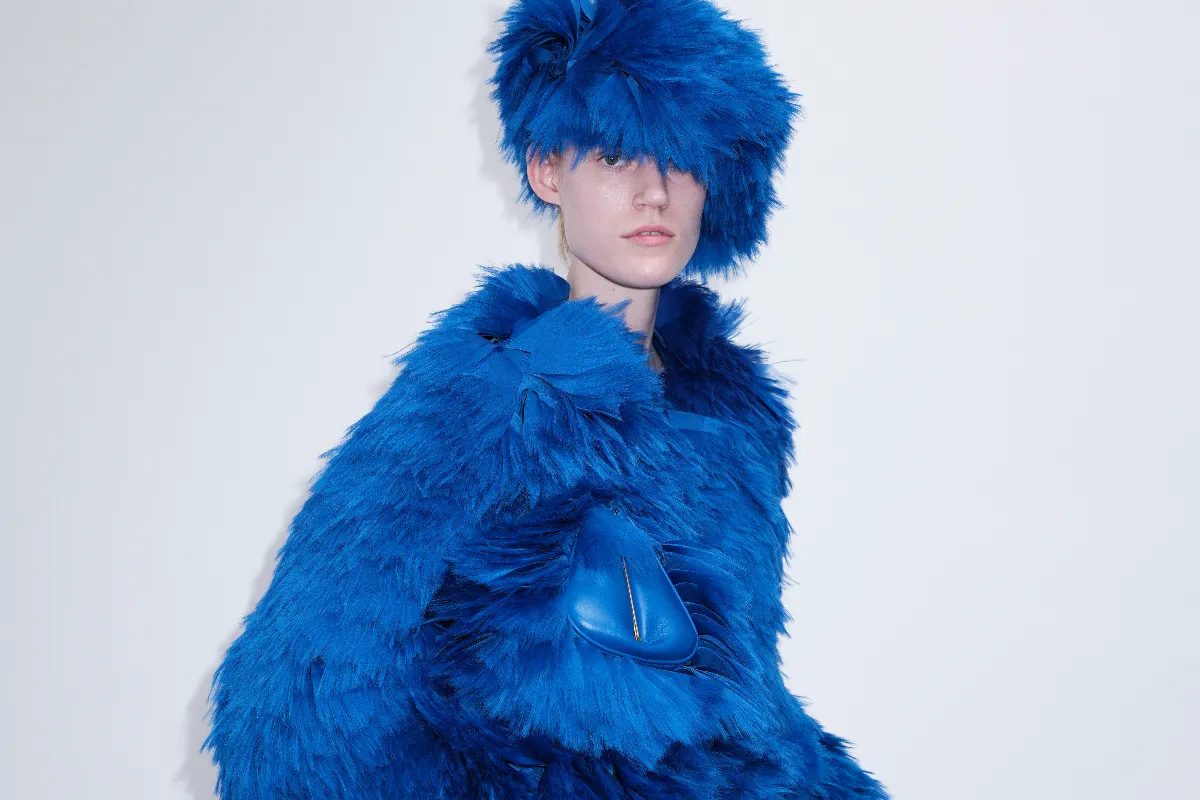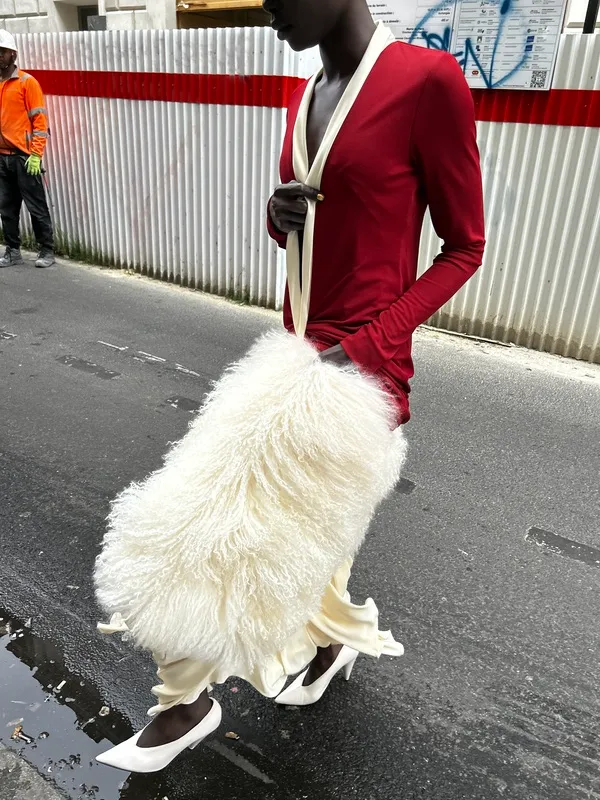
The rhythm of the body. How Tidjane Tall shifts posture
Shaping presence through movement, Tidjane Tall builds garments that carry a sense of balance — between body, material, and intention
This conversation is part of Lampoon’s column on “Talent, Taste, and Transformation” curated by Anouk Jans
AJ: Who were the first talents — inside or outside fashion — that made you want to create?
TT: “Michael Jackson. Music, dance, performance. That was the first spark. Creativity felt possible in motion. Later came Virgil Abloh — his presence opened a door. He showed that confidence and craft could coexist. Architecture arrived early too; I was drawn to structure before fabric.”
AJ: How has your heritage informed your eye for structure and drape?
TT: “It stays a question. I’m shaped by multiple references — born in France, parents from Senegal. That duality defines how I see and translate image into form. Heritage becomes language, not theme.”
AJ: Is talent trained or instinctive — and where do you draw the line?
TT: “Both. Talent begins with intuition, grows with repetition. Training shapes instinct into direction. Purpose keeps it alive.”
AJ: What do you look for in a collaborator, and who’s next on your list?
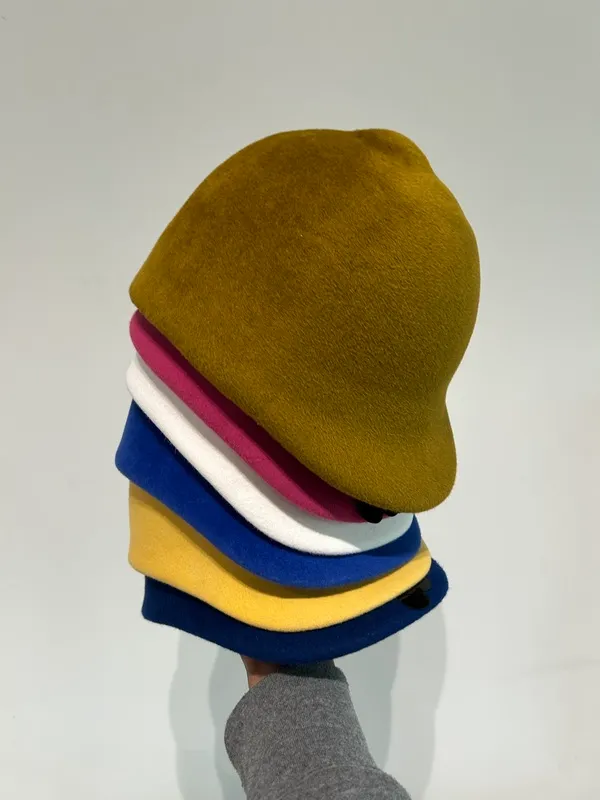
TT: “Connection. Collaboration works when both sides move toward the same idea. I enjoy solitude too — it sharpens focus. I want to explore accessories again: hats, eyewear, jewelry.”
AJ: Have you ever seen a piece or collection and thought: this is the future?
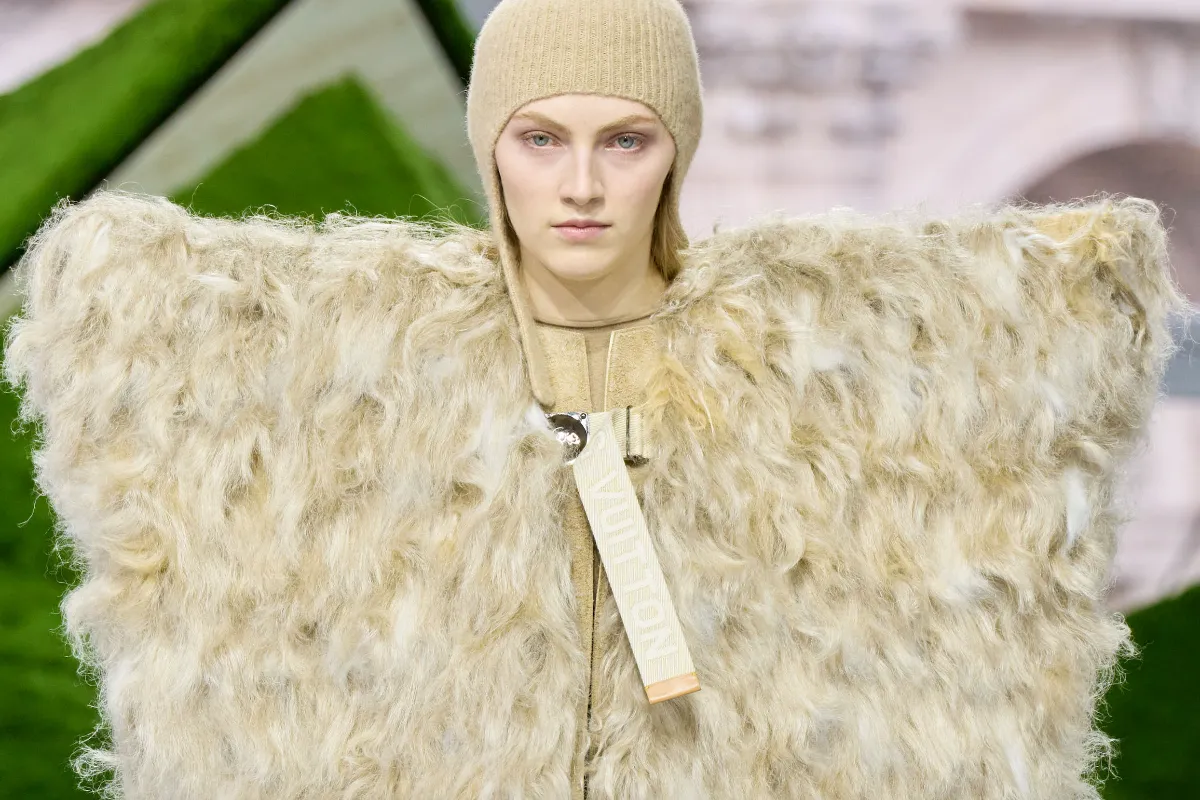
TT: “Nicolas Ghesquière at Louis Vuitton. It sits between what’s current and what’s next. It resists full understanding — and that’s the point.”
AJ: Which voices do you think the industry is still blind to, but shouldn’t be?
TT: “Black creatives. Recognition often stops at representation. Individual voices collapse into category. The work becomes symbol before it’s seen as work. The space feels open but still limited.”
AJ: Your work carries an architectural sense — how do cut, volume, and movement guide decisions?
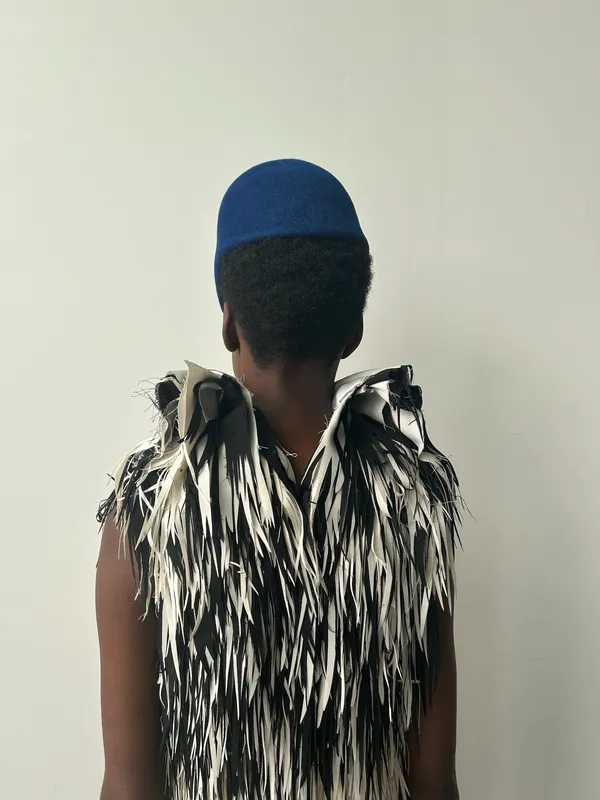
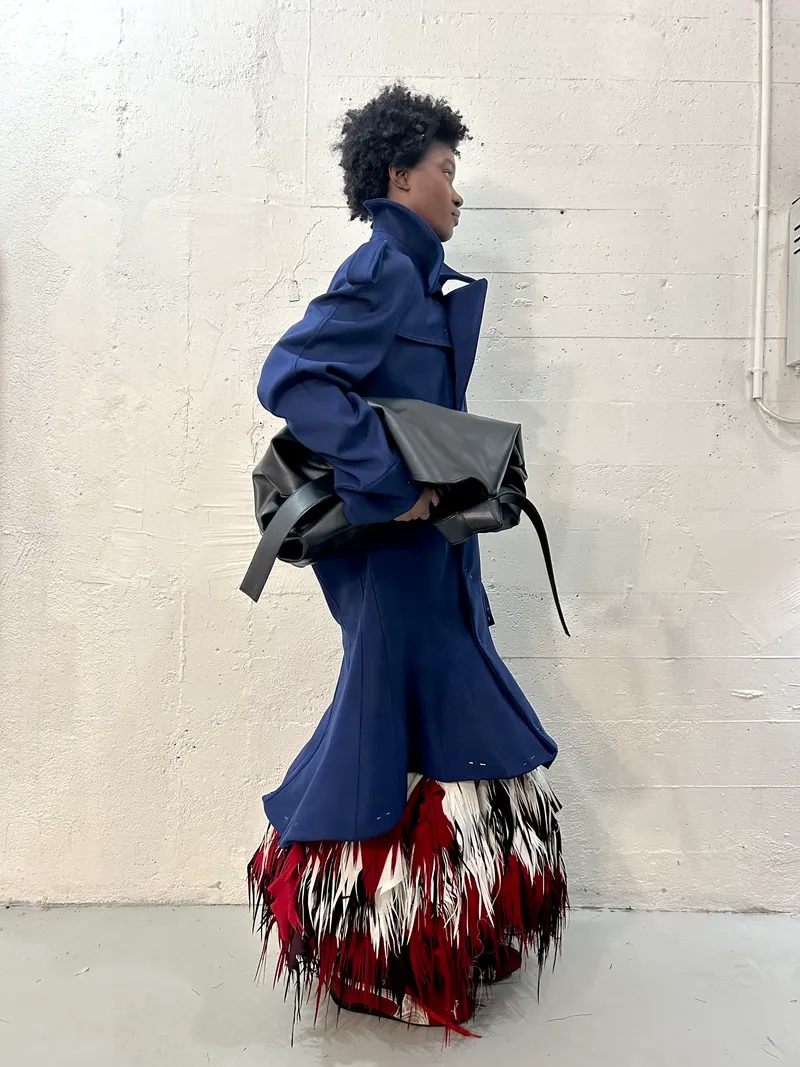
TT: “Every garment starts in movement. I build around how the body shifts. The profile often decides the structure.”
AJ: Which references — archive, art, music — do you return to when refining a silhouette?
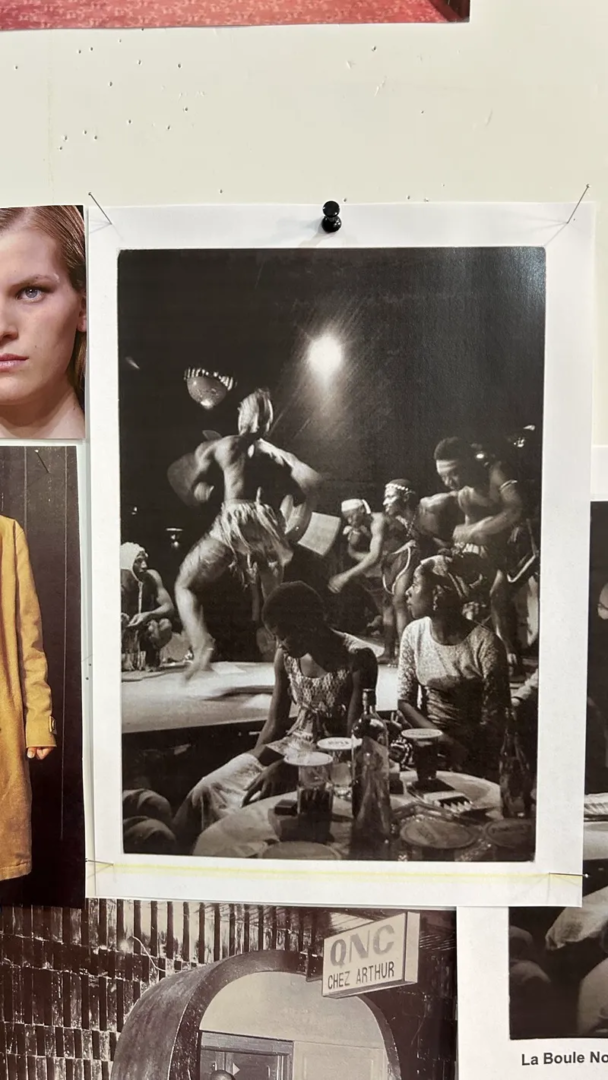
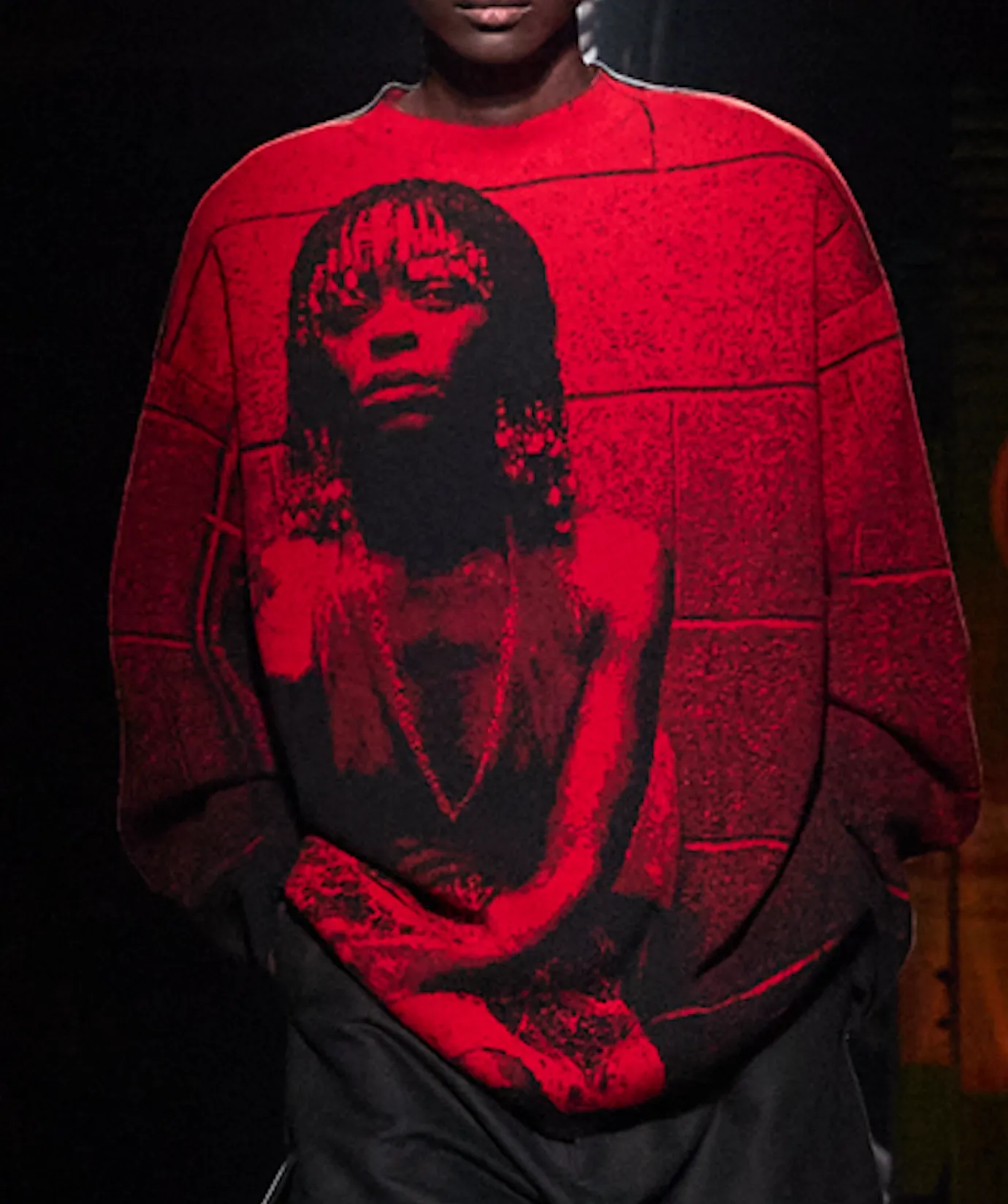
TT: “Images of daily life. Photographs of Black communities through time. They hold proportion, rhythm, colour. I study how clothes behave in motion.”
AJ: Where do you place beauty: precision, imperfection, or the tension between them?
TT: “In tension. Beauty happens when instinct meets order. Refinement only frames it.”
AJ: When someone wears your pieces, what do you want them to feel first?
TT: “Ease. Presence.”
AJ: Do you see your garments as clothing, sculpture, or something in between?
TT: “Clothing. Sculpture informs the process, but the garment finds meaning in wear. Function completes the idea.”
AJ: How can fashion change how a person carries themselves in the world?
TT: “By shifting posture. When the structure fits the rhythm of the body, it changes how one moves and perceives.”
AJ: Are we moving toward less but better, or toward radical experimentation — and where do you stand?
TT: “Both coexist. My focus is clarity — to say more with less.”
AJ: What has been the most transformative moment in your practice so far?
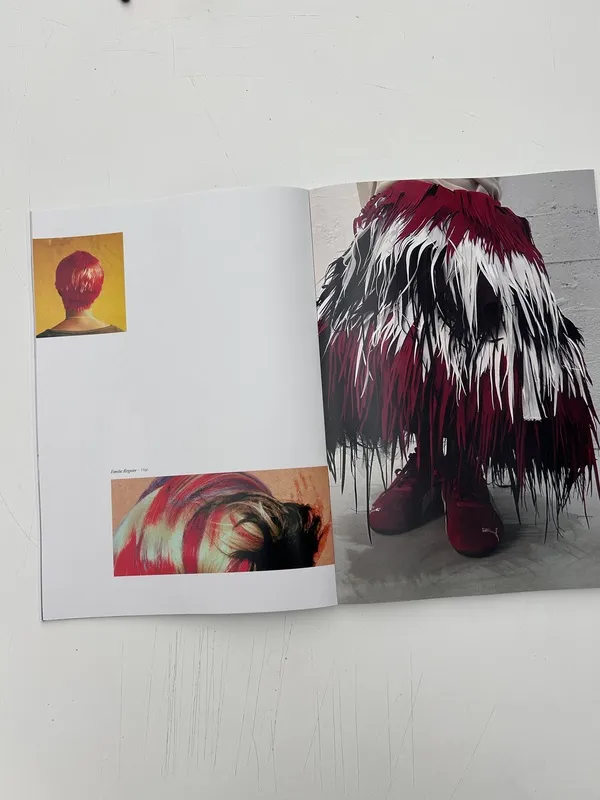
TT: “My graduate collection. It forced confrontation with doubt and process. It defined how I work and why. That research continues to echo through what I build now.”
AJ: Will the next shift in fashion come from within or from outside it?
TT: “From outside. Fashion absorbs what happens around it. The real transformation starts elsewhere.”
AJ: Looking ahead, how do you want your work to evolve — and what change do you hope it sparks?
TT: “To open new narratives and refine language. To design beyond familiar context. To connect worlds that rarely meet.”