We Are All Intellectuals Now: The Condom as Artistic Fetish
From Olympic distribution and public health campaigns to museum collections and fashion collaborations, condoms are the epitome of a recurring provocation
The condoms have run out in the Olympic Village
At the Milano–Cortina 2026 Winter Games, 10,000 free condoms branded with the yellow Lombardy Region logo disappeared within three days. A Spanish figure skater posts empty dispensers. The clip circulates.
Distribution had been framed as public health policy. The reaction moved quickly from logistics to cultural commentary. The Olympic condom has long functioned as more than a tool. It operates as ritual, souvenir, and communication device.
The condom entered Olympic culture as a medical precaution. It circulates as merchandise
For decades, condoms remained discreet retail products, with packaging emphasizing discretion and reliability while advertising avoided explicit imagery, until the AIDS crisis altered this approach and public health campaigns required visibility, leading governments and organizations to promote condom use in public messaging. As distribution expanded and packaging incorporated host-city branding, the object shifted from a private tool to a public communication surface that could carry logos, graphics, and institutional messaging.
The Olympic Village has distributed condoms since the late 20th century, a practice that began during the AIDS crisis when health policy merged with hospitality protocol, and over time the number of distributed condoms increased steadily, reaching 150,000 units at the London Summer Games and 450,000 at Rio, while during the Tokyo Games athletes were encouraged to take condoms home rather than use them onsite.
The condom is the most honest product ever designed. It assumes you will give in
Condoms fundamental utility is predicated upon a candid acknowledgment of human fallibility and the biological inevitability of impulse. Unlike the vast majority of consumer goods which are marketed through the promise of self-transformation, professional elevation, or aesthetic improvement, the condom operates on a singular, stark assumption: that the user will, eventually and inevitably, give in to biological desire.
It lives in the archive, the runway, the museum
During the AIDS crisis, artists and designers began using the condom as a communication surface. In 1987, the collective General Idea launched IMAGEVIRUS, a public billboard campaign adapting the AIDS logo from Robert Indiana’s LOVE. In 1989, Lothian Health released a combined pill and condom case designed as approachable public-health merchandise.
Artists incorporated condoms into gallery work addressing illness and intimacy. In 1998, Tracey Emin presented My Bed, including used condoms among personal objects. Masami Teraoka produced Tale of 1000 Condoms, ukiyo-e inspired paintings responding to AIDS anxiety. In 2013, Niki Johnson created Eggs Benedict, a portrait of Pope Benedict XVI woven from 17,000 condoms. In 2024, Gunnar Deatherage presented a gown constructed from condoms coated in gold paint.
Its packaging became graphic. Its presence became shareable. Its symbolism expanded beyond medical use. The condom entered visual culture. No longer merely prophylactic, it has become symbolic—of desire, freedom, protest, irony, luxury and control. The object once wrapped in discretion now lives in the archive, the runway, the museum.
Diesel: Sucsexful Living
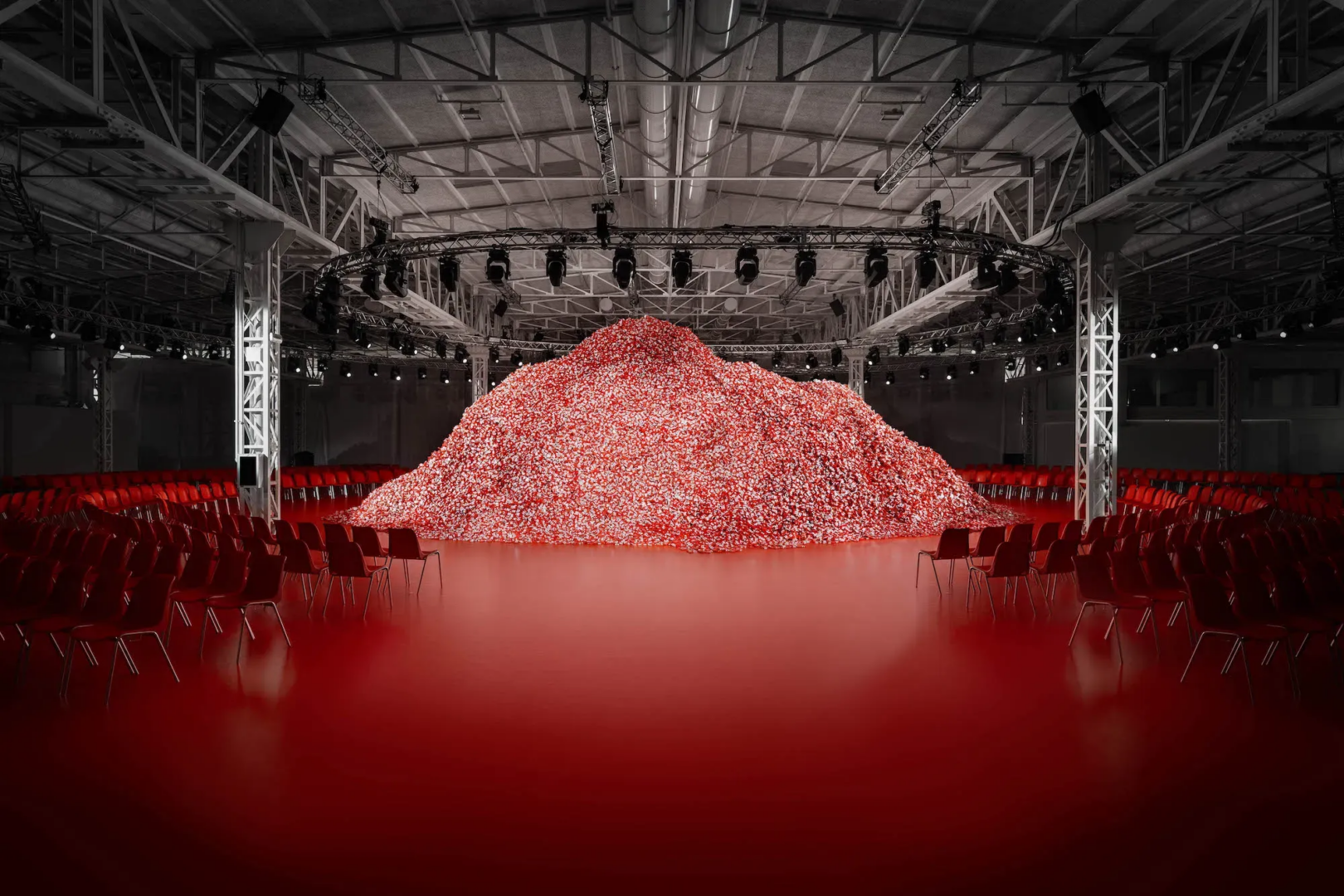
Under the creative direction of Glenn Martens, Diesel has undergone a radical rebrand centered on sex positivity and what has been termed sleaze aesthetics, a strategy that reached its zenith during the Fall/Winter 2023 show at Milan Fashion Week, where the runway was dominated by a mountain composed of 200,000 Durex condom boxes serving as both backdrop and manifesto.
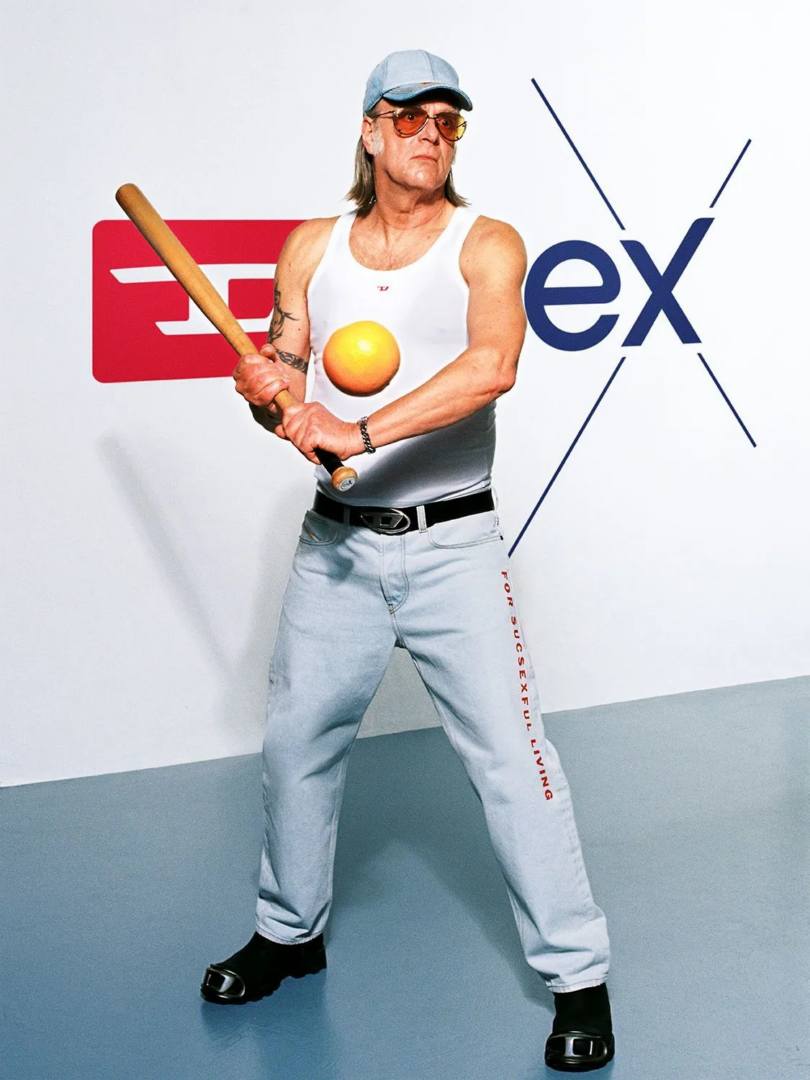
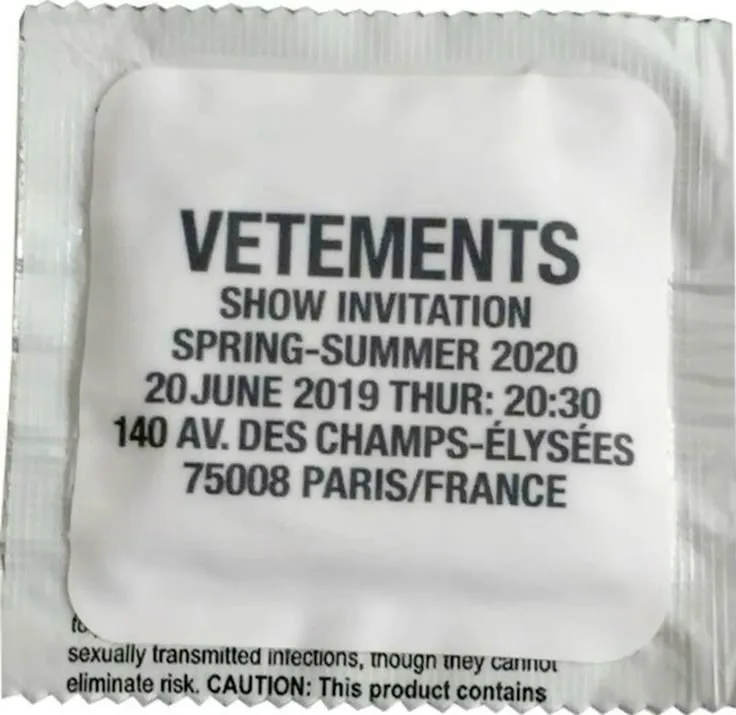
This collaboration with Durex used the condom’s «honesty» to build brand equity, and Martens described the collection as an exploration of «freedom, pleasure, experimentation and play», culminating in the slogan «For Sucsexful Living». Guests were sent a custom Durex six-pack containing the show’s details, establishing the condom as an object of social currency rather than medical necessity, while the mountain of condoms was accompanied by a soundtrack of moans and groans that refused to treat the prophylactic with traditional clinical distance.
The condom belongs to the wider visual language of latex. It reflects light like liquid, clings like a second skin, and reveals the body. The collection featured garments that appeared to be encased in «latex sheaths», with textures designed to look like they were soaked in sweat or congealed fluids, and the iconic Diesel ‘D’ was replaced by the Durex logo on jersey T-shirts and hoodies, signaling a merger of two brands built on the acknowledgment of human desire.
Botter SS23: Condoms and coral reefs
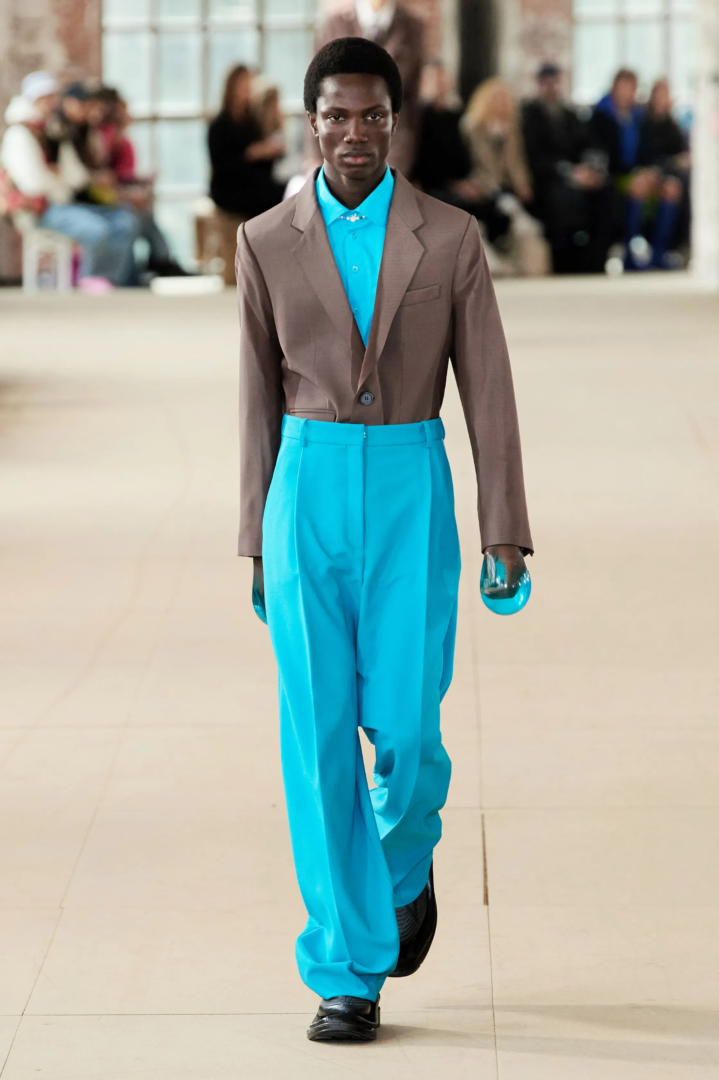
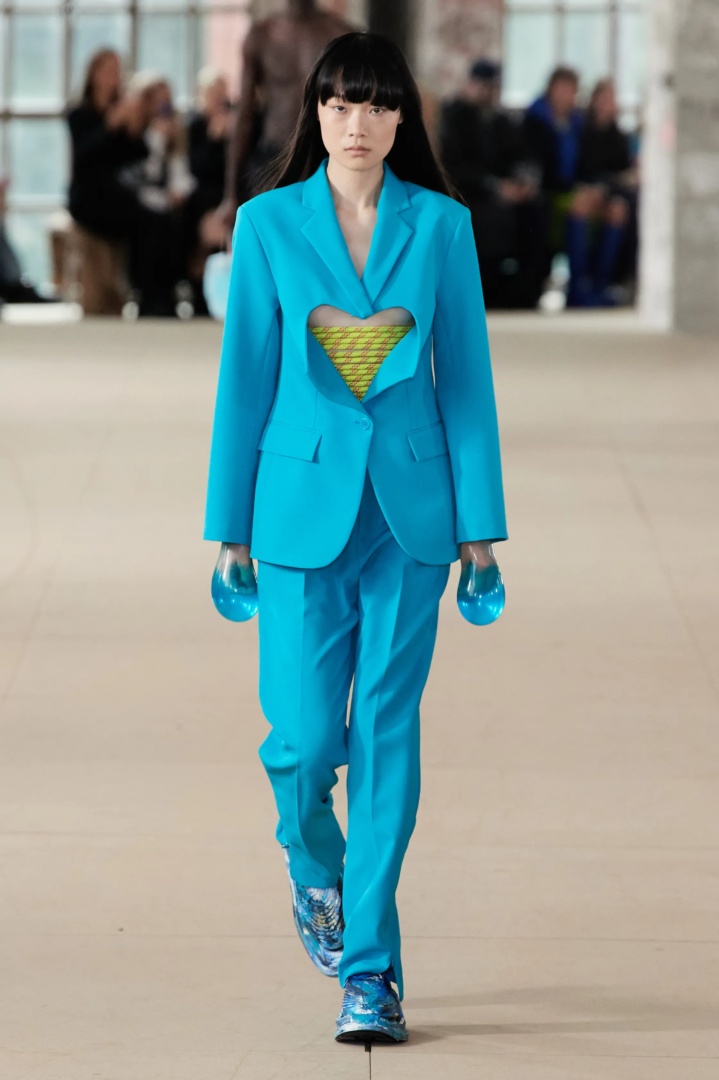
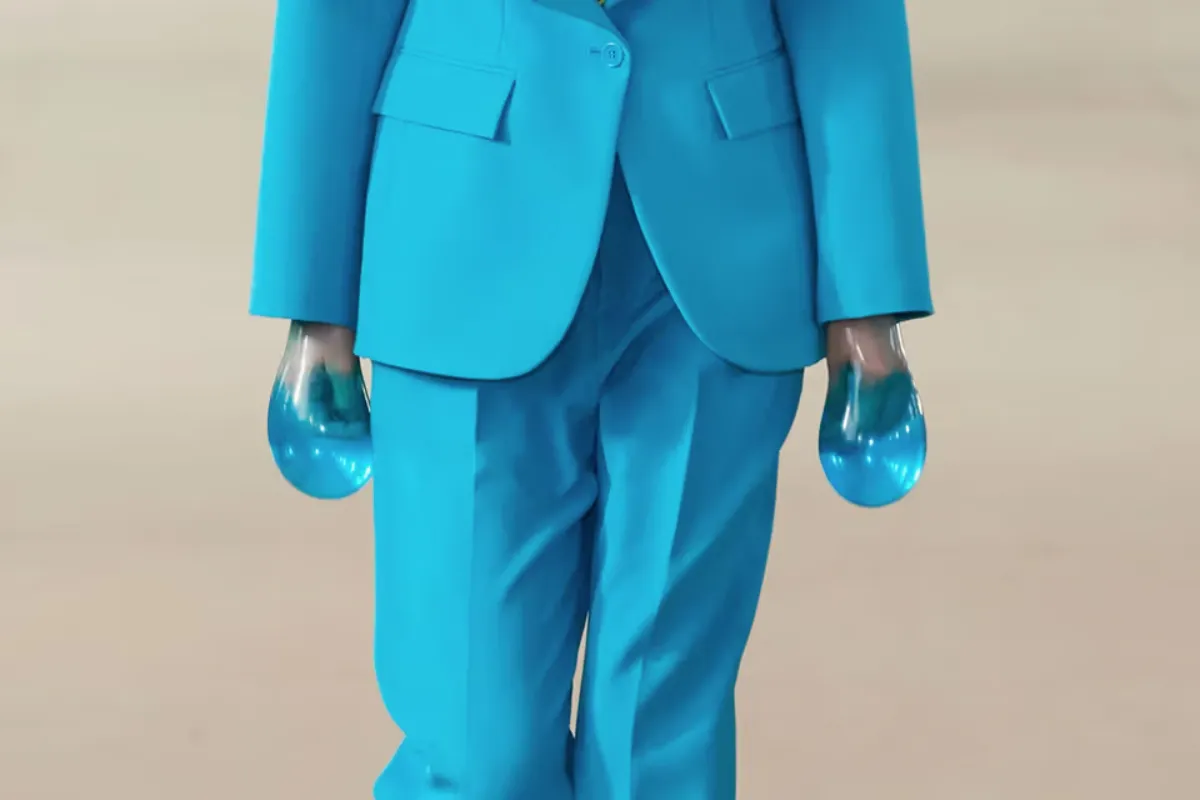
In contrast to Diesel’s focus on eroticism, the Paris-based label Botter used the condom to address the urgent issue of marine pollution. At the Spring/Summer 2023 presentation in Paris, Mr. Botter and Mrs. Herrebrugh introduced gloves made from condoms. These latex sheaths contained blue-tinted water. They were stretched over the hands of the models. The design intended to highlight the protection of coral reefs and oceanic health. This application repurposed a device meant for the human body to symbolize environmental preservation. The construction involved filling the latex with liquid and securing it with tape. This process created a ballooning effect described as wriggling liquid. The imagery achieved over four million views on digital platforms. This moment demonstrated how the material properties of the condom could serve an intellectual purpose. The project moved the object away from eroticism toward environmental commentary.
Saint Laurent: Rive Droite
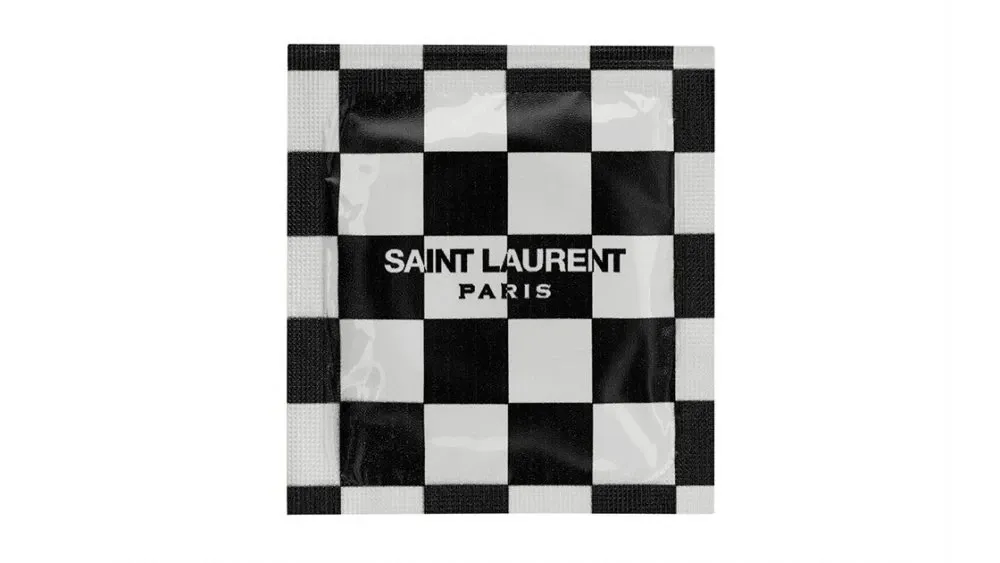
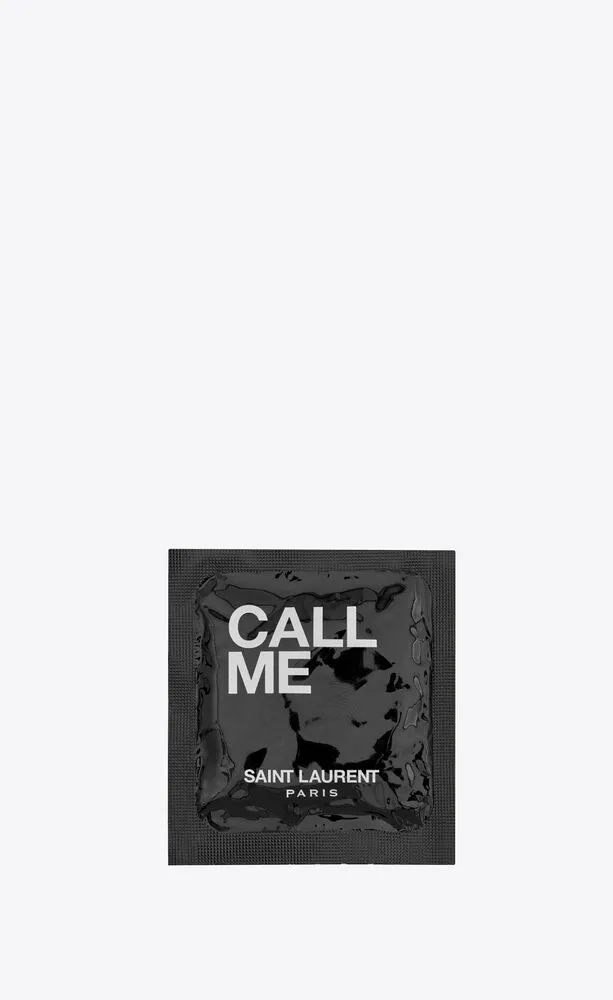
The Rive Droite concept store in Paris functions as a retail space for Saint Laurent. It distributes items outside of traditional apparel. Under the direction of Mr. Vaccarello, the house released condoms priced at approximately two euro each. The packaging incorporates patterns from the brand’s visual history. These include black-and-white checkered prints and animal motifs. Each unit bears the YSL logo. These objects remain available at the Rue Saint-Honoré location. Saint Laurent offers these branded items alongside matchsticks and lighters. Combined with the raw imagery by Mr. Teller, Saint Laurent encourages its consumers to “own their vices”
Marc Jacobs: Remember, Safety First! Xxoo
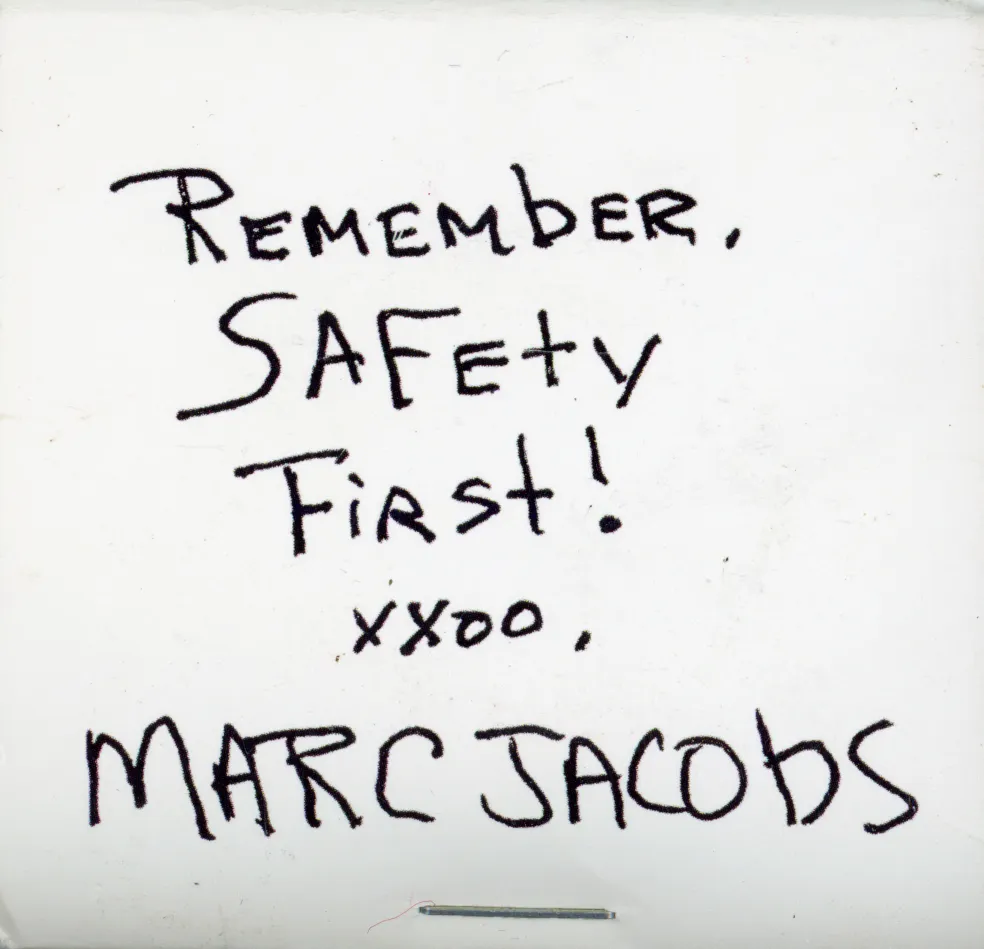
In the year 2008, Mr. Jacobs introduced condoms at his Melrose Avenue boutique. The wrappers displayed the text « Remember, safety first! xxoo ». While originally intended for direct retail, these items transitioned to secondary markets. Collectors now trade the remaining stock as historical artifacts of the brand’s marketing history. The initiative utilized the designer’s reach to address public health through a commercial product. The packaging utilized a specific graphic layout consistent with the brand’s contemporary accessory line. This release marked an early instance of a high-fashion label distributing functional medical devices. The product was sold individually as a curated impulse purchase near the cash register.
Alexander Wang: Protect Your Wang
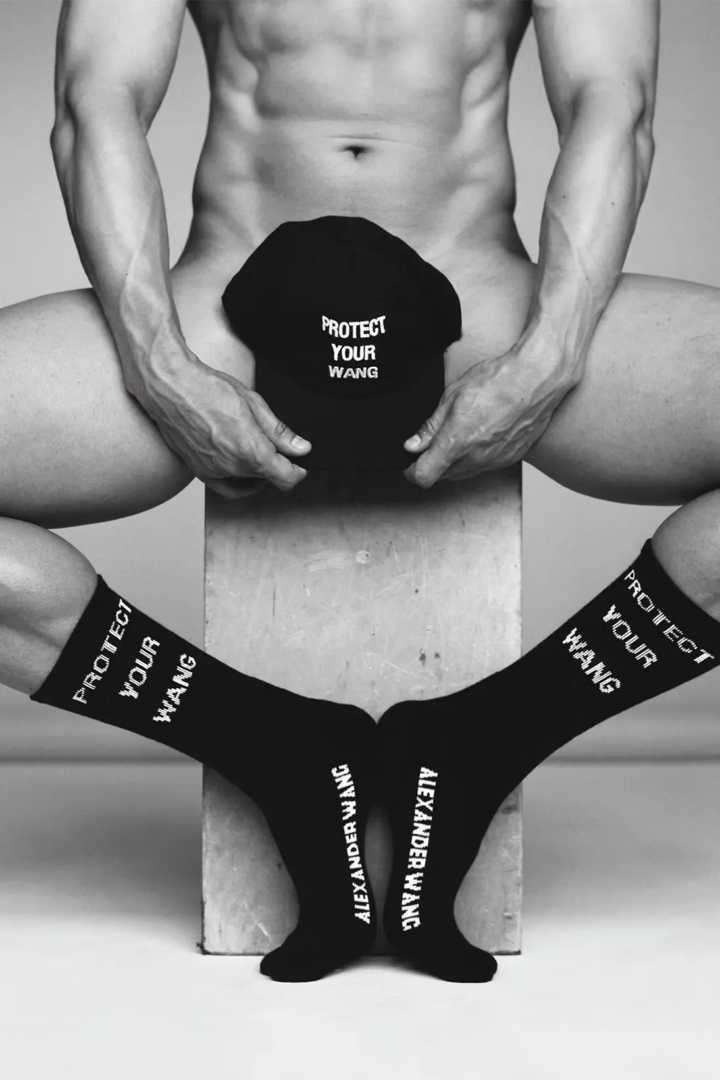
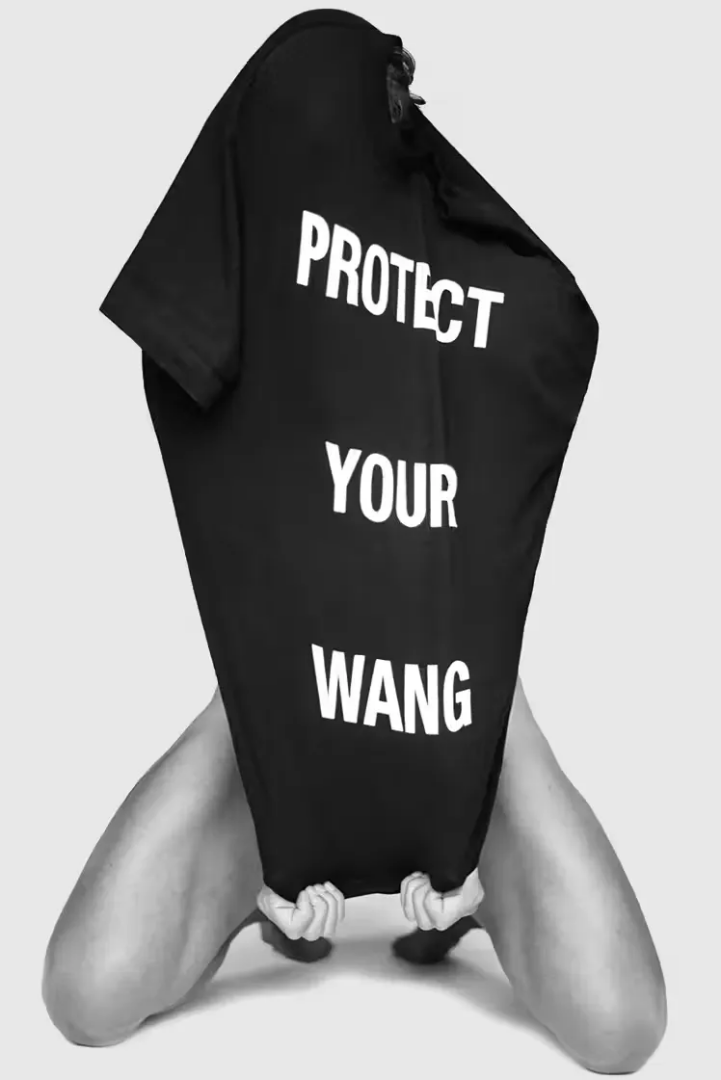
During the month of June in 2018, Mr. Wang collaborated with the manufacturer Trojan. This project, titled « Protect Your Wang », coincided with Pride Month activities. Customers received a co-branded condom with the purchase of specific apparel items. The campaign focused on the distribution of health products during a period of civil observance. This partnership marked a point where a specialized medical manufacturer utilized a fashion house’s distribution network. Desire, freedom, protest and control.
Melis Özek