About Antonin Tron at Balmain: can craft survive the celebrity crush?
Who is Antonin Tron at Balmain? From couture roots to social media empire, Balmain’s history, financial data and Rousteing’s legacy set the stage for a material-first vision
Antonin Tron at Balmain: what happens when a house built on spectacle meets a designer who ignores it
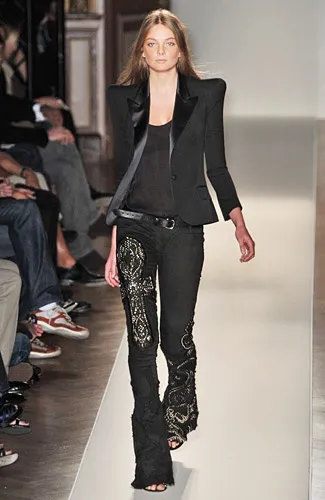
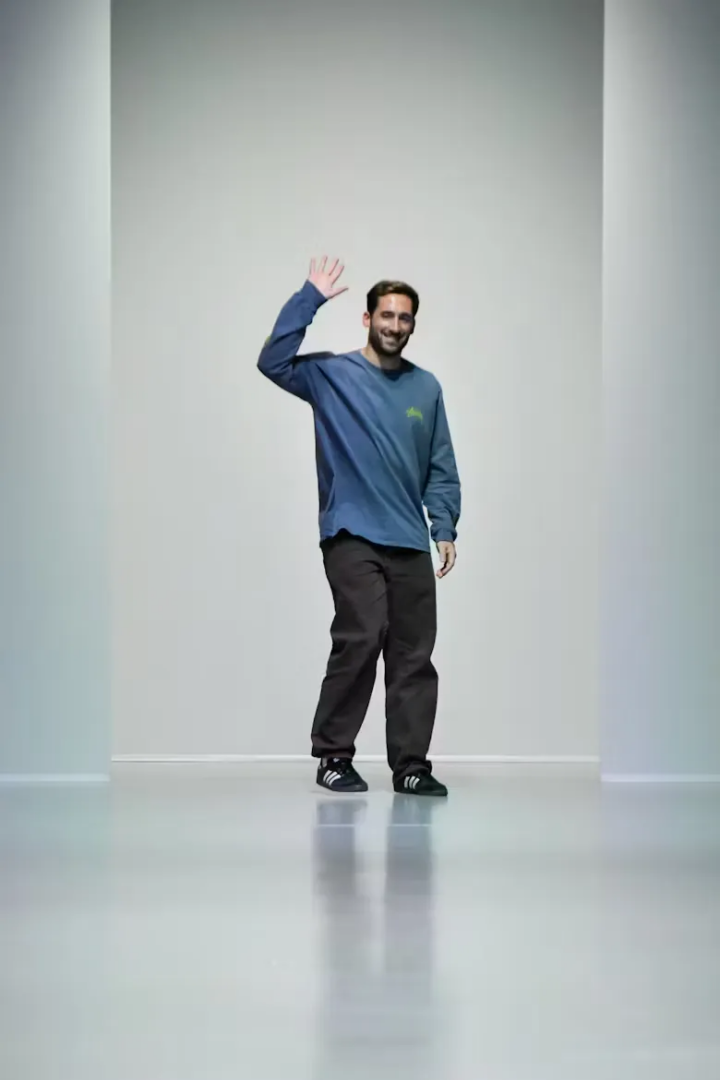
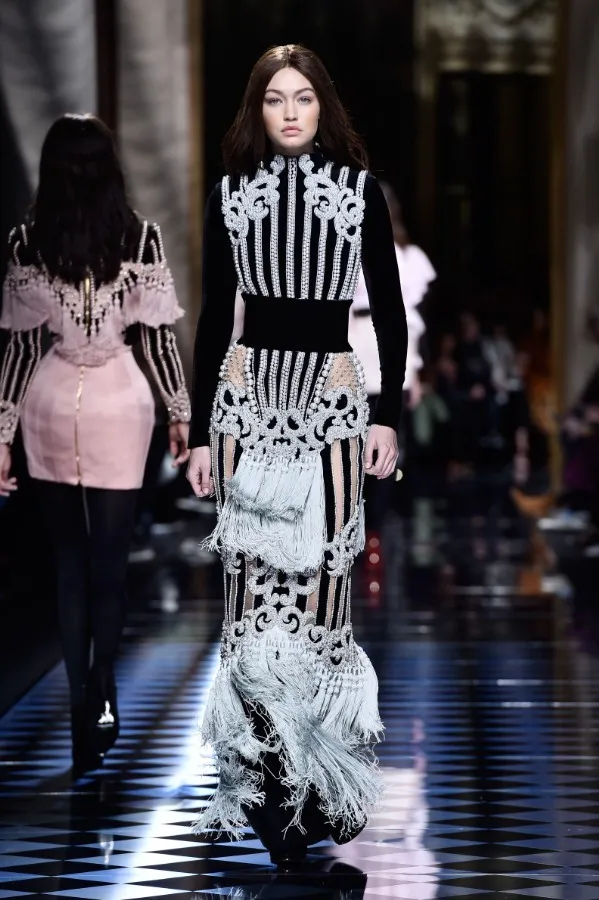
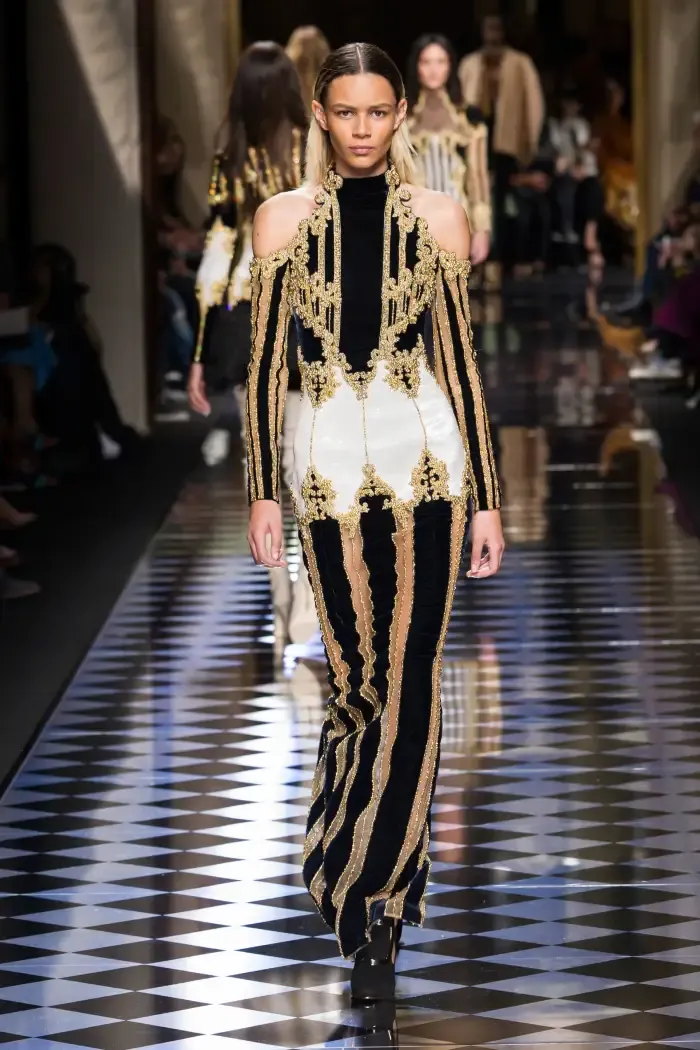
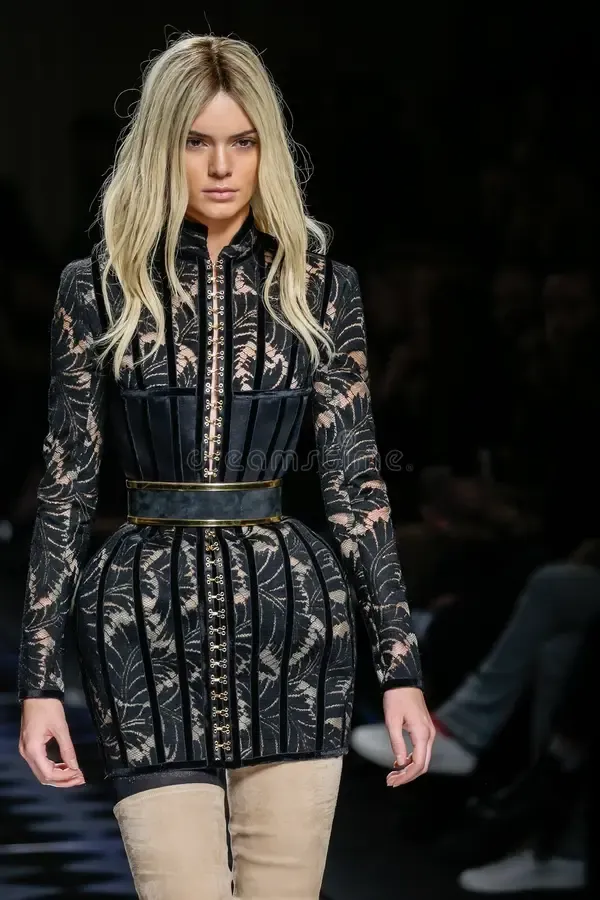
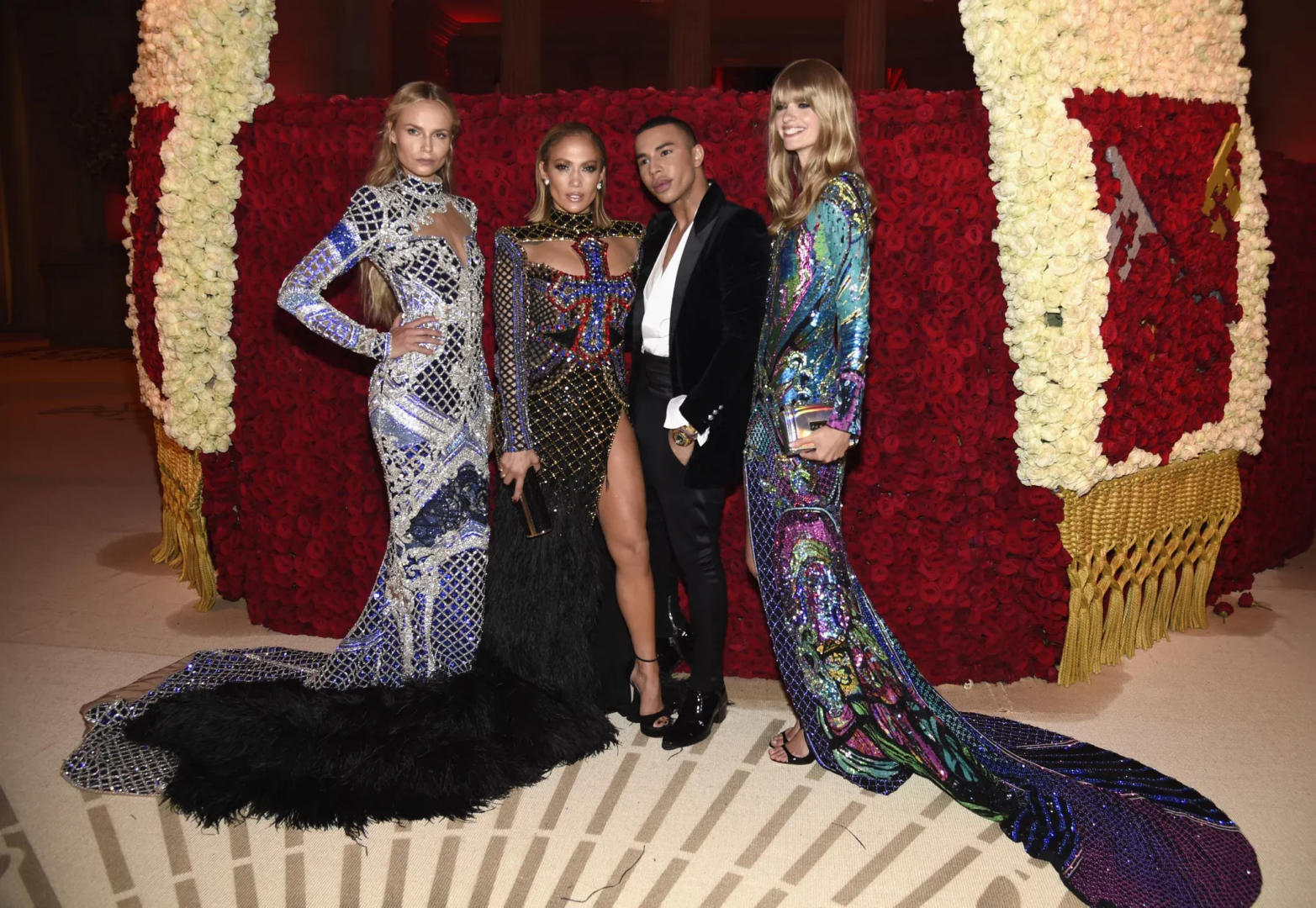
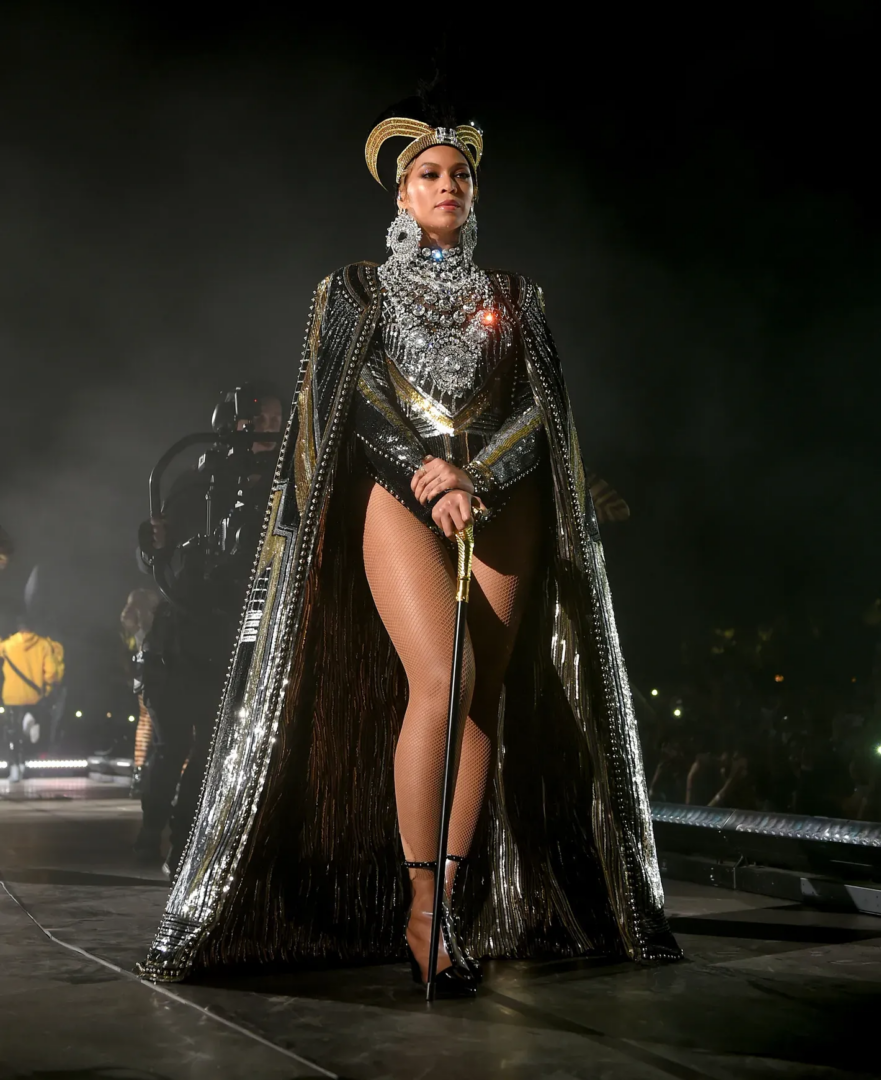
Balmain is a house that learned, over roughly a decade, to treat visibility as a product. The silhouettes engineered under Olivier Rousteing weren’t primarily designed to be worn — they were designed to circulate. Broad shoulders, logo presence, micro-mini hems, sculptural ornament: each piece functioned as a unit of content before it functioned as a garment. Revenue jumped from €30 million to €332 million. Instagram became the house’s most productive channel. The Balmain Army — Beyoncé at Coachella, Rihanna, the Kardashians — generated cultural moments that doubled as advertising at near-zero cost. Menswear went from nothing to 40% of revenue. Last November, Rousteing left, and Balmain appointed Antonin Tron — a designer who has spent his entire career operating on almost entirely different principles.
Antonin Tron’s training at the Royal Academy of Fine Arts Antwerp: precision over spectacle
Antonin Tron graduated from the Royal Academy of Fine Arts Antwerp in 2008. Antwerp trains designers to dismantle garments before learning to sell them. The emphasis is intellectual and structural, resistant to fashion as spectacle — students come out understanding how clothes actually work: how fabric moves, how pattern creates silhouette, how the body interacts with cut. This stands in fundamental contrast to the Parisian model, where communication often precedes experimentation.
Timing matters here too. Starting from Antwerp in the 2000s meant entering fashion in the gap between the collapse of 1990s minimalism and the excess that would define the following decade. The designers who came of age in that interval developed what might be called a post-minimalist sensibility: reduction without purity, tailoring built for movement rather than rigidity, an understanding of clothing as a spatial negotiation between garment and body. The approach was analytical before it was anything else.
Pierre Balmain’s original vision: tailoring, architecture, and what got lost
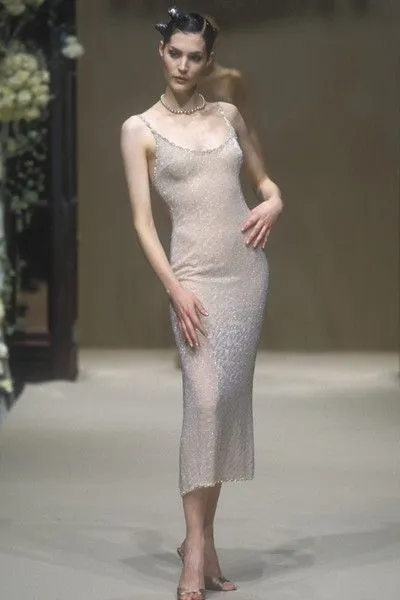
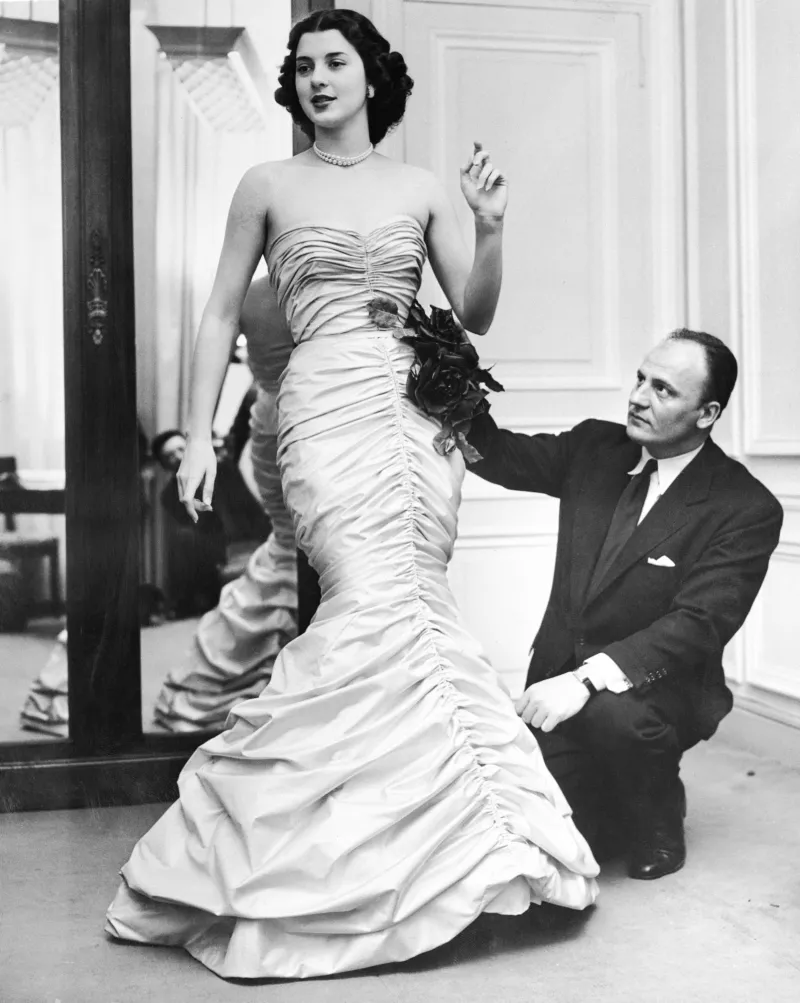
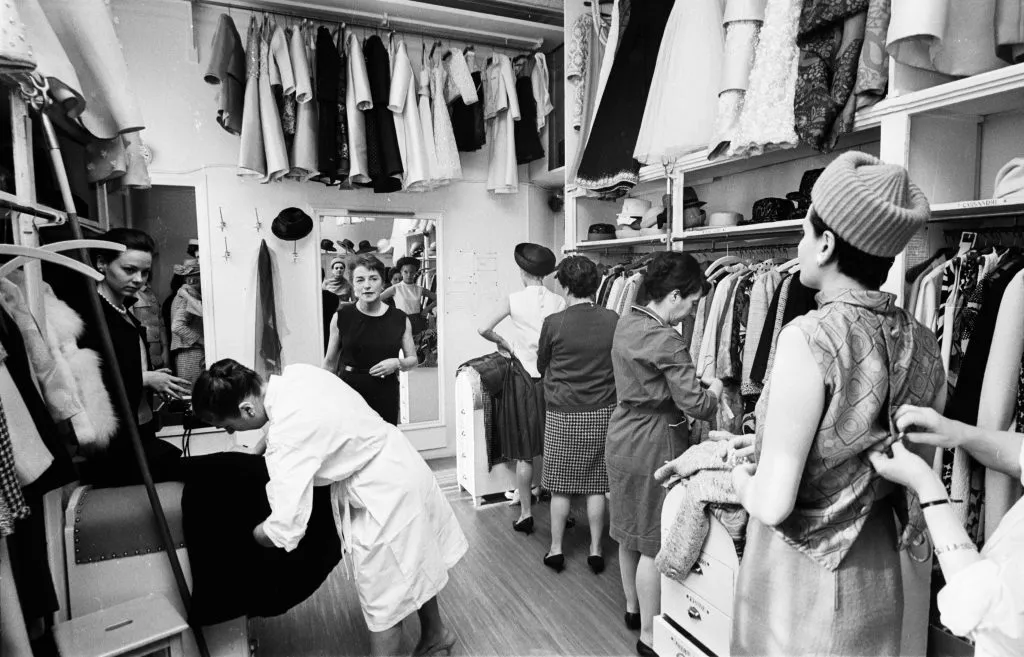
Before all of this, Pierre Balmain built a couture atelier where construction was the measure of value — sculpted jackets, architectural tailoring, controlled proportion. By the early 2010s, that version of the house had faded: modest revenue, limited boutiques, much of the business running through licensing rather than owned product lines. Heritage prestige without commercial infrastructure.
Rousteing’s intervention was a genuine transformation rather than an aesthetic refresh. He rebuilt the house’s cultural identity from scratch using the tools that were right for that specific moment — digital platforms, celebrity alignment, a visual language of maximalism and color. His silhouettes became icons; the pieces worked as images; Balmain became one of the most globally legible luxury names of the decade. What Rousteing built is the context Tron now inherits: a house that is globally known, visually saturated, commercially grown, and structurally exposed to the limits of its own business field: the luxury target.
From Raf Simons to Balenciaga: how Tron learned to design as infrastructure
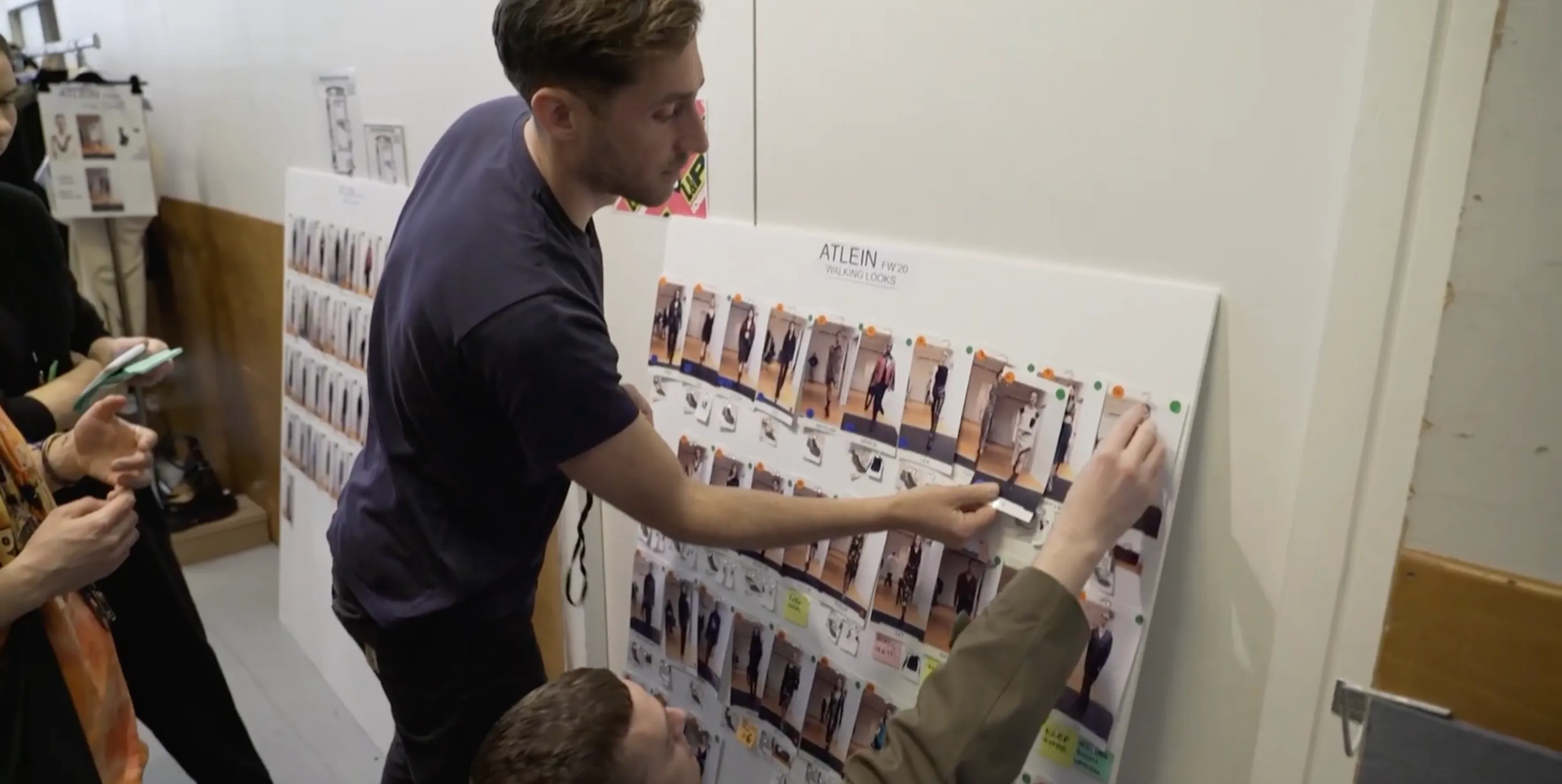
Antonin Tron interned at Vivienne Westwood, worked with Olivier Rizzo, and spent time at Raf Simons’ studio — environments where authorship was collective, output was prioritized over individual visibility, and design was understood as infrastructure rather than image production. He moved to menswear at Louis Vuitton alongside Paul Helbers, then to womenswear at Givenchy under Riccardo Tisci, then to Balenciaga under Nicolas Ghesquière — each transition placing him inside a major creative system where the task was to make ideas work at scale rather than to be recognized for them. Freelance work at Alexander Wang and with Demna extended that exposure across different models of contemporary fashion, from commercial pragmatism to conceptual provocation.
Throughout, his orientation was consistent: he studied the machinery of the industry rather than positioning himself within it.
Atlein, Tron’s independent label: construction, jersey, and a different definition of luxury
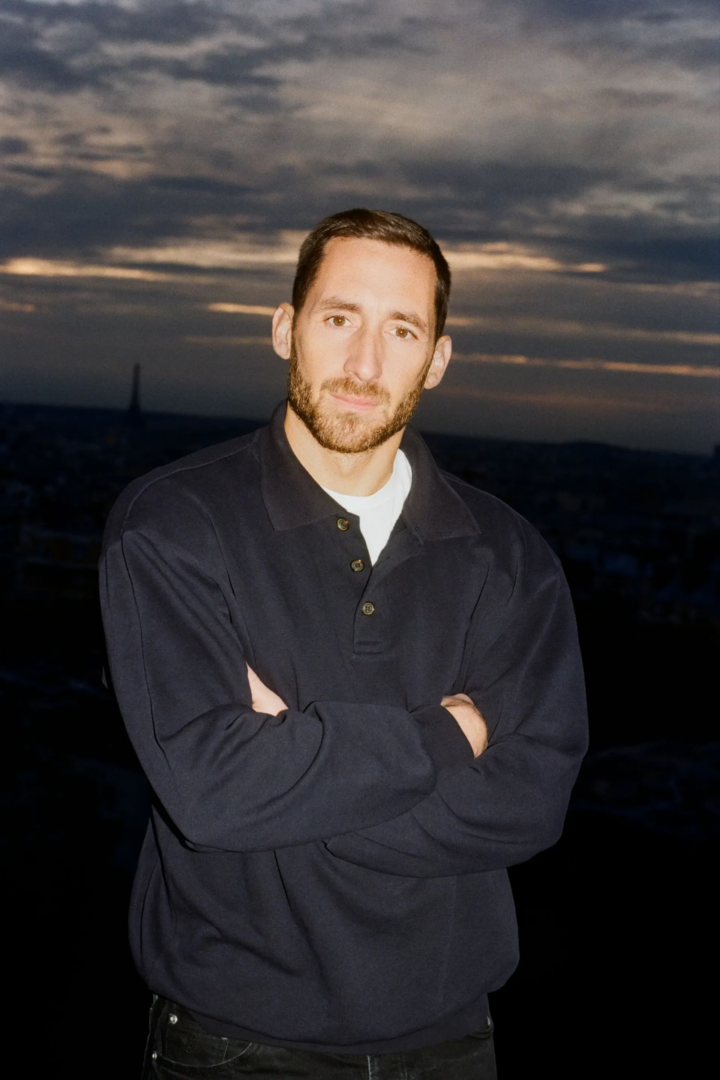
In 2016, Tron founded Atlein — less a declaration than an experiment in working without inherited constraints. The house was built around jersey, a material that sits near the margins of luxury’s material hierarchy, and Tron approached it as a construction problem. Garments were developed through rotation, torsion, and tension, with structure emerging from movement rather than being imposed by boning or padding. Draping functioned as a structural tool rather than a decorative one. Silhouettes were constructed through bias and controlled stretch, designed to stabilize around the body from within.
The result was clothing that functions differently in motion than in photographs — an Atlein piece doesn’t fully reveal itself through an image; it reveals itself through wear, through how it moves and responds and changes over the course of a day. Atlein received institutional recognition quickly, with the prix des Premières Collections from ANDAM and a finalist placement at the LVMH Prize, but Tron kept distribution selective and production deliberately limited. The brand circulated within editorial and professional environments, visible to the right people but structurally restrained by design.
His approach to sustainability follows the same pattern: limited runs, European production, materials chosen for durability and technical efficiency, bias cuts that allow garments to hold shape across repeated wear rather than becoming seasonally disposable. These are process decisions, not communications ones — there are no slogans, no documented environmental commitments, just smaller conscious choices embedded in how the work is made.
Antonin Tron’s first Balmain collection: construction, cinema, and a negotiated balance
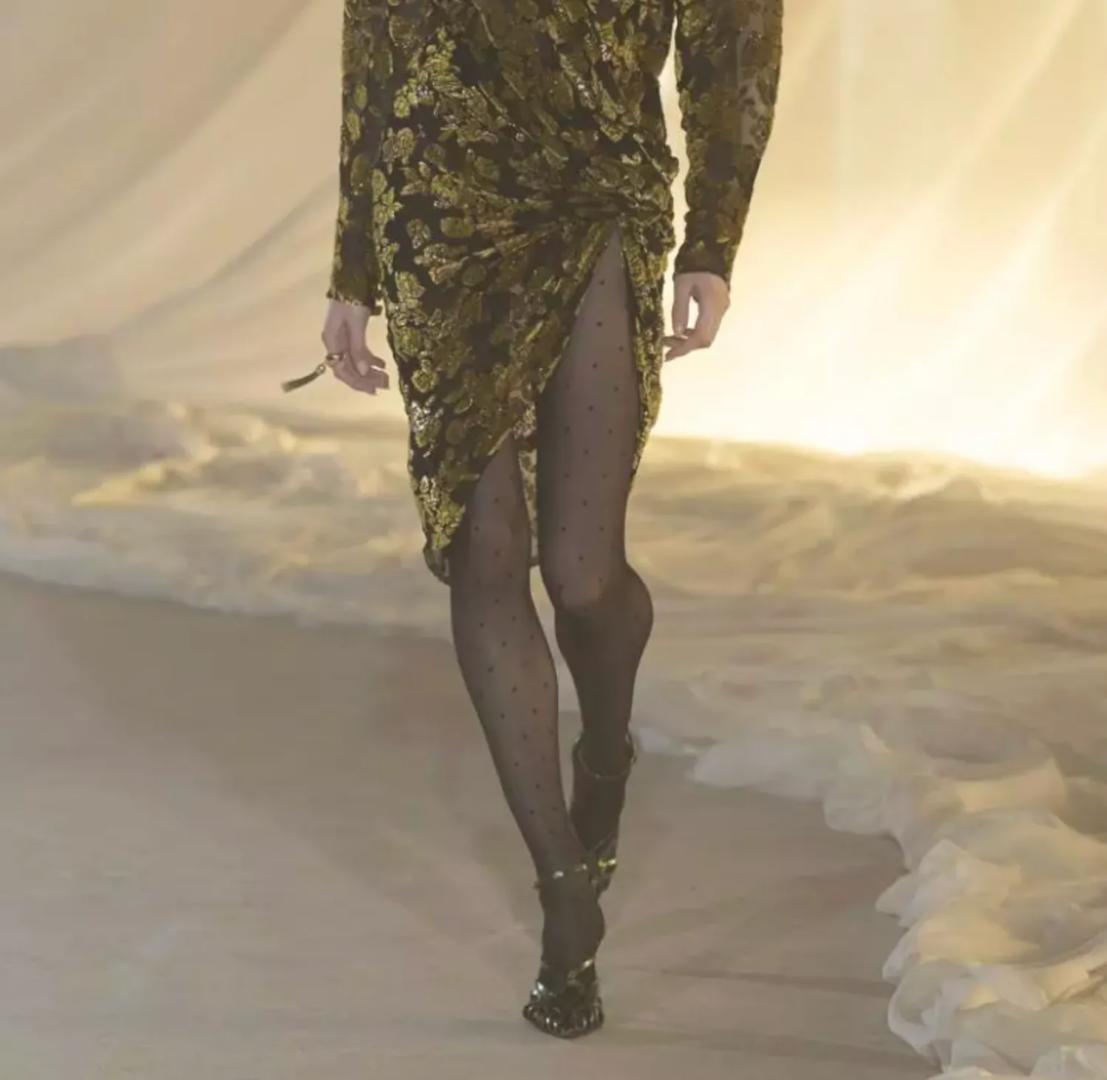
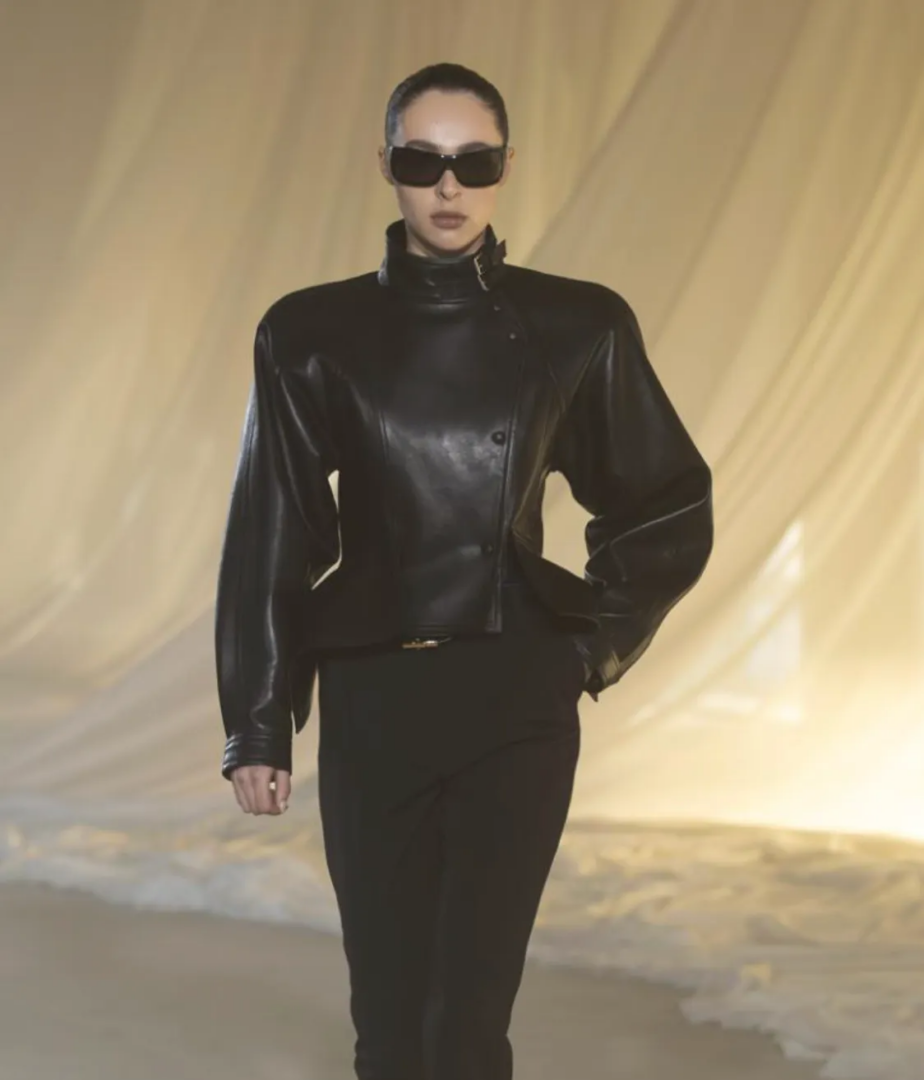
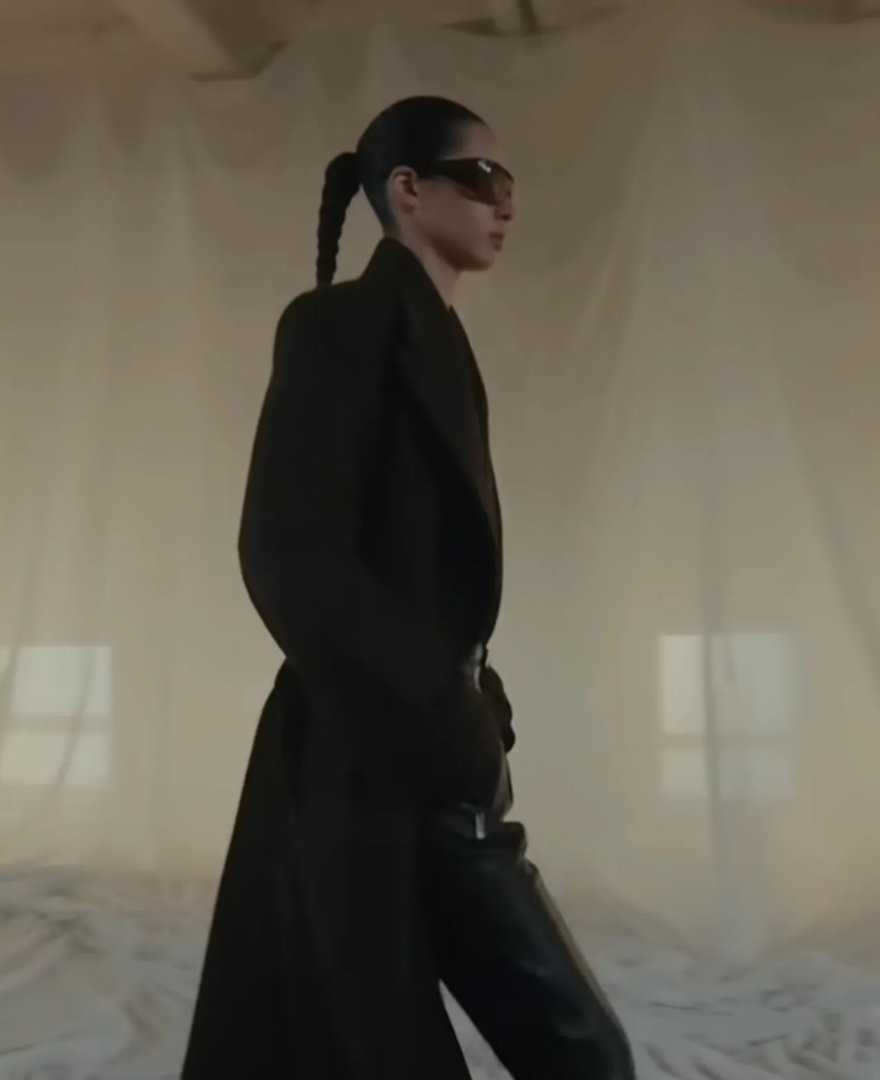
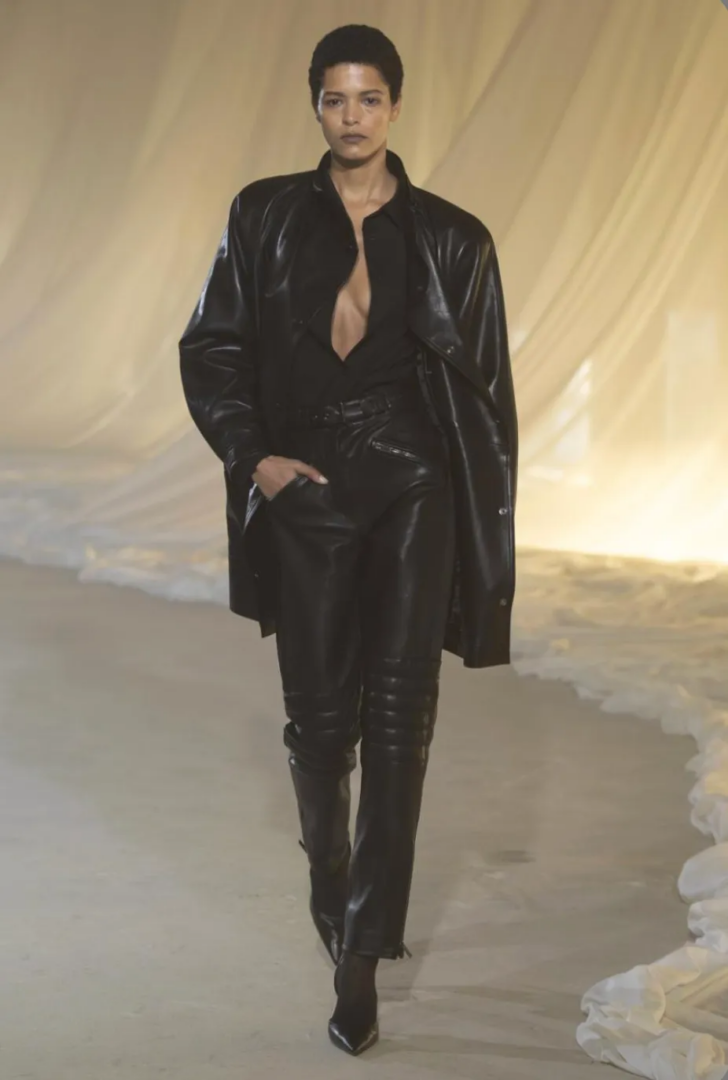
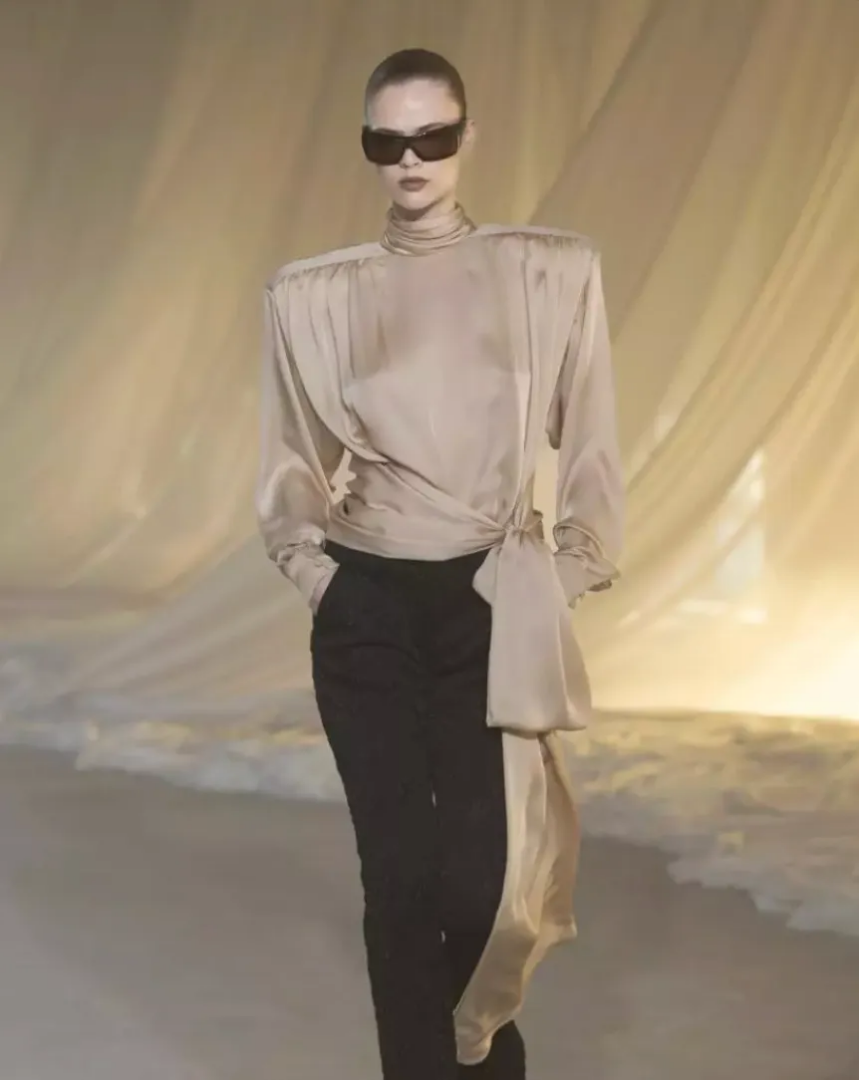
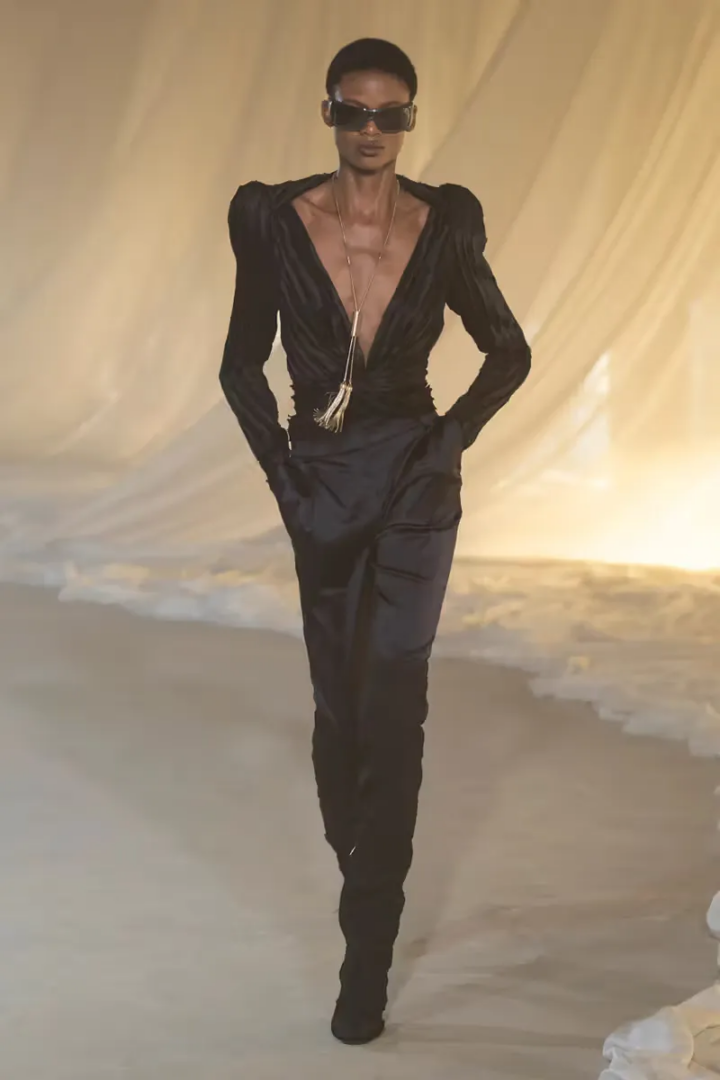
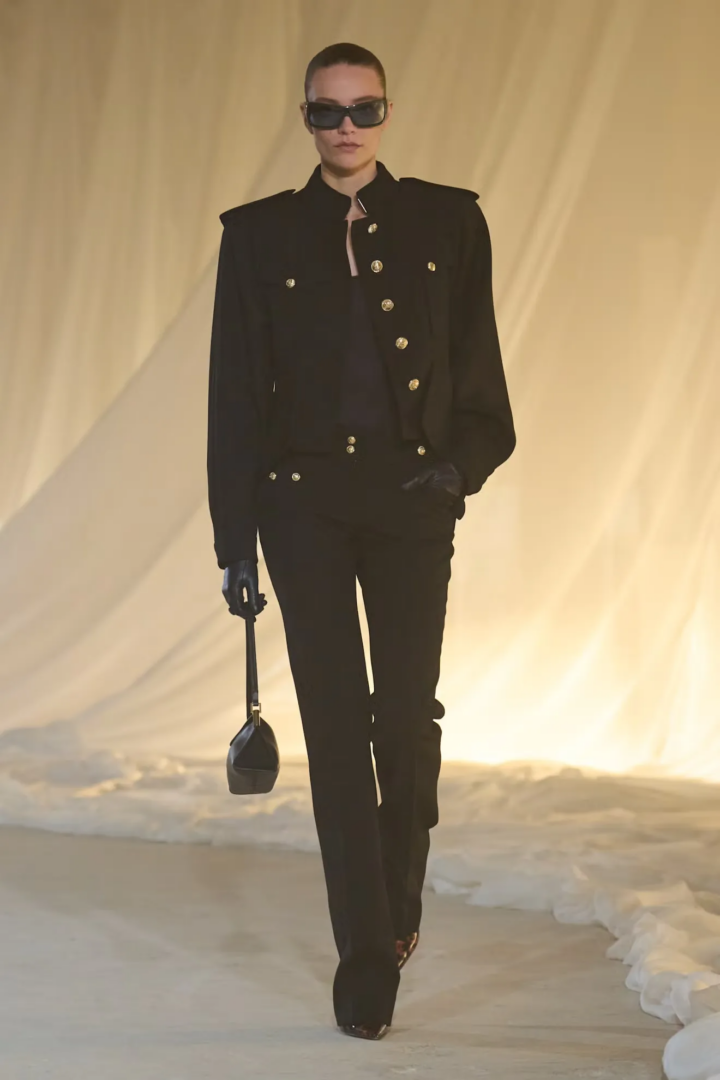
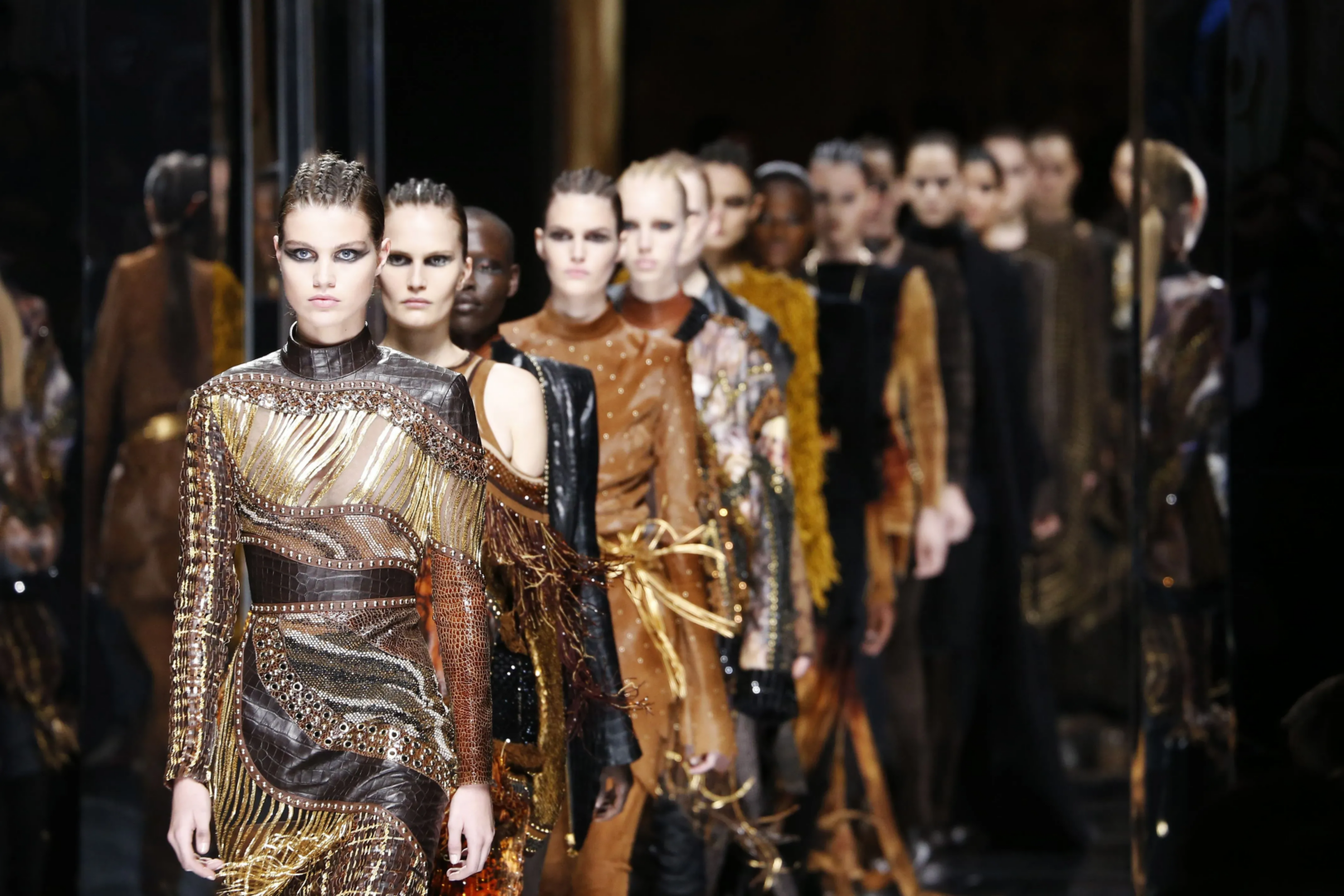
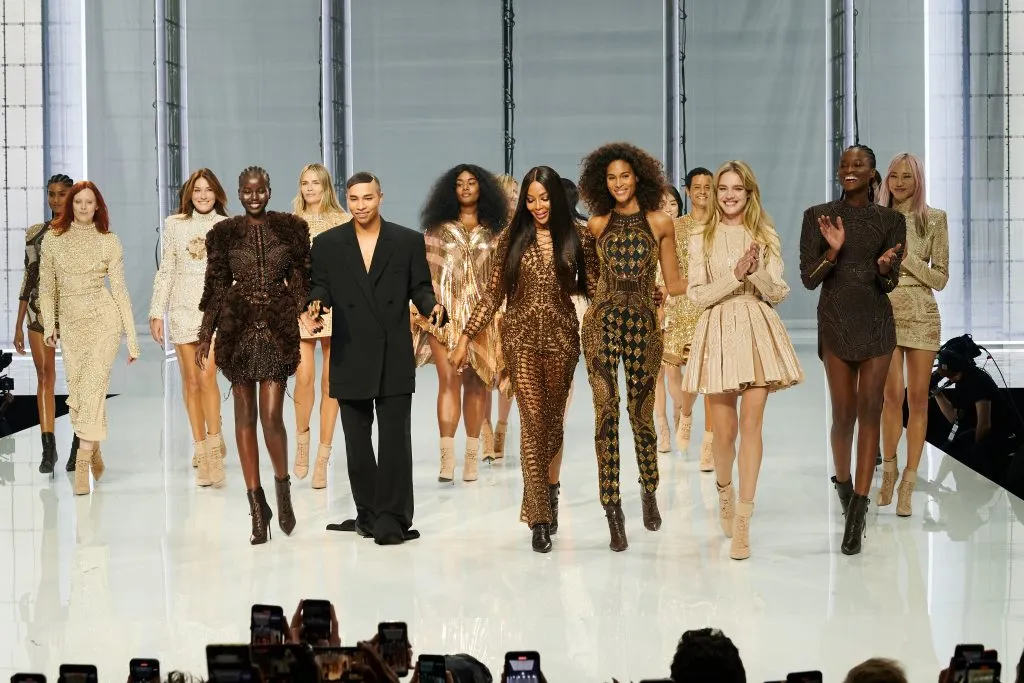
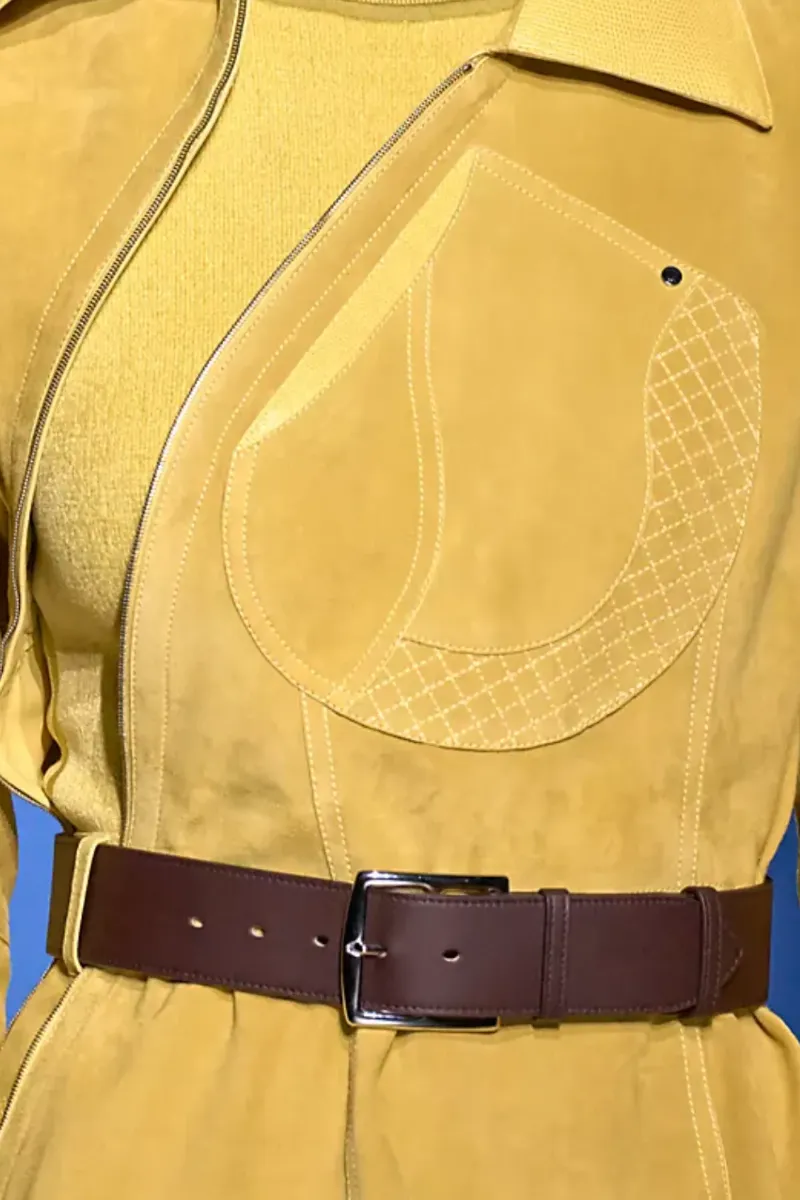
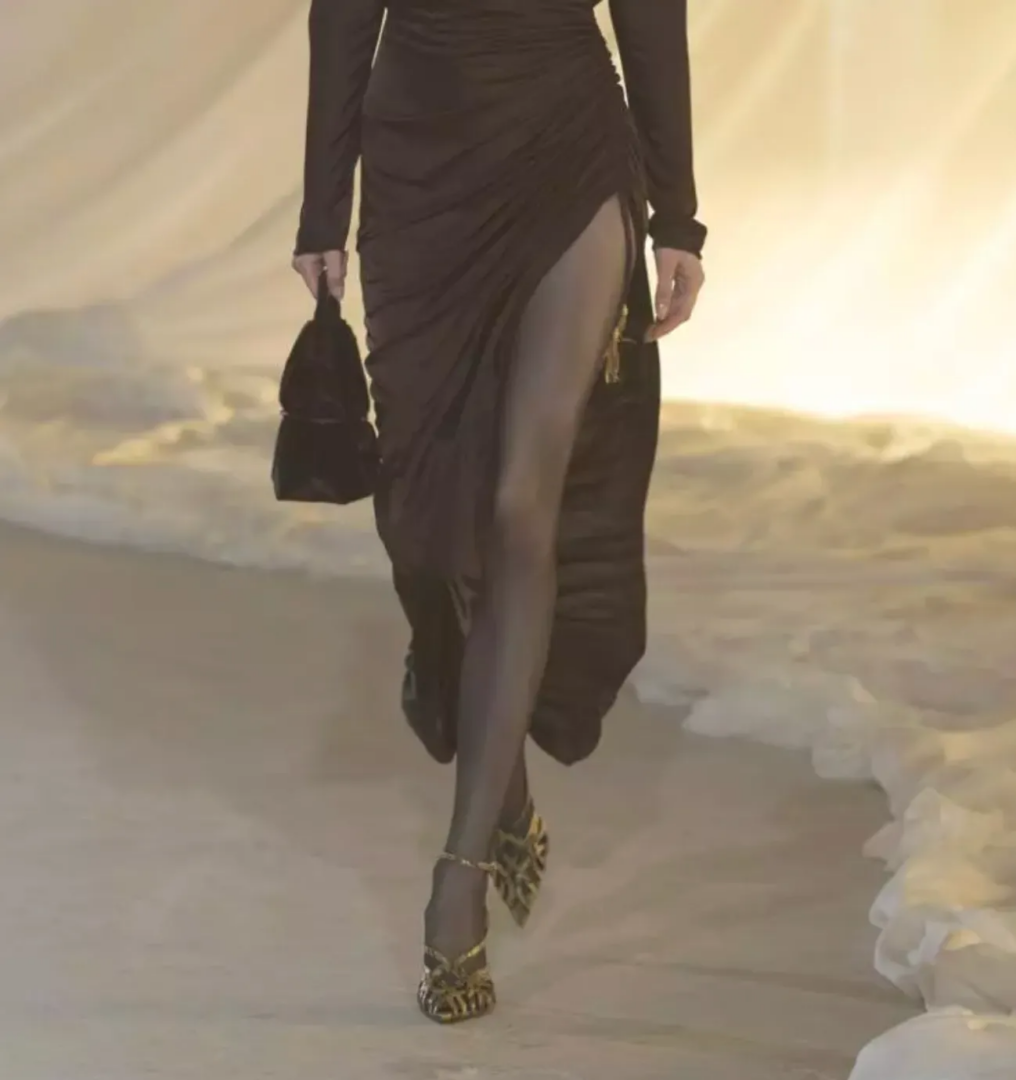
Tron’s debut for Balmain on March 4 at Paris Fashion Week introduced a recalibration rather than a rupture. The collection referenced Pierre Balmain’s mid-century couture vocabulary while filtering it through a darker cinematic register — echoes of 1940s film noir and early Hollywood glamour. The opening look, a matte lambskin flight jacket, referenced the Air France pilot uniform Pierre Balmain designed in the 1970s for aviator Danielle Décuré. The gesture anchored the runway in the house archive while repositioning it within a framework of controlled tailoring, restrained sensuality, and disciplined proportion.
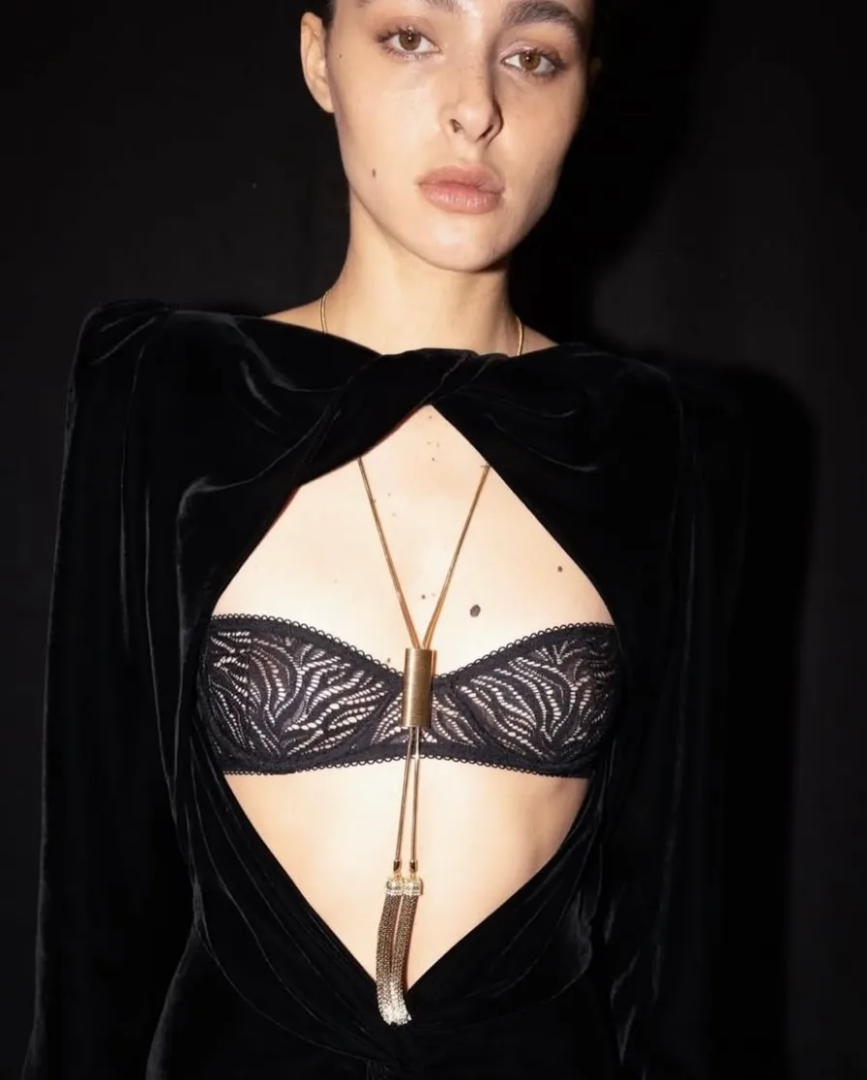
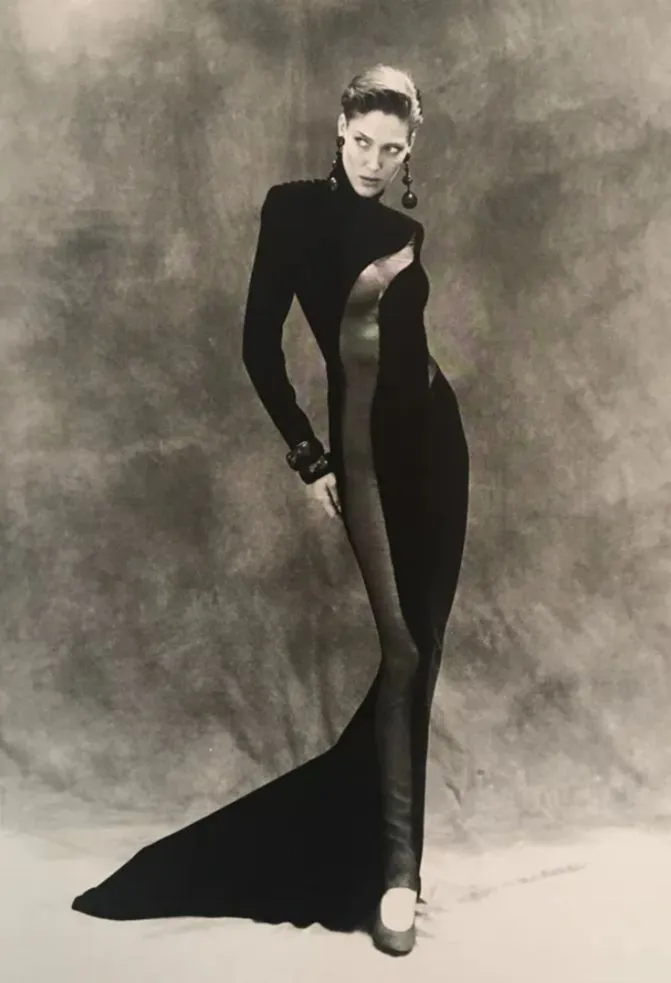
Where the Rousteing era built spectacle through embellishment and amplification, Tron structured his debut around tension between cut, material, and restraint. Shoulders remained present yet tightened; silhouettes followed the body rather than overpowering it. Decoration appeared sparingly. Texture and density — lambskin, crushed velvet, compact wool, engineered stretch fabrics — carried the visual charge once produced by ornament. The cinematic references functioned as a negotiated outlet for imagination: a narrative frame that allowed Balmain’s historical glamour to surface while the garments themselves shifted toward construction and material logic.
The show also addressed one of Balmain’s structural commercial gaps: accessories. Tron introduced a new group of leather pieces, including a clutch inspired by waterproof surf dry bags, hinting at a strategic expansion of the category. If Rousteing built Balmain as an image engine calibrated for digital circulation, Tron’s first collection suggested a different equilibrium. The house’s visual drama remains, yet it is increasingly mediated through proportion, fabric research, and construction — a compromise between spectacle and craft rather than the dominance of either.
Balmain’s revenue under Rousteing: growth without structural resilience
The Rousteing era’s success was real, but so were its structural problems. Mayhoola acquired Balmain for €485 million and achieved a 4.4% return — well below luxury private equity benchmarks. The house grew fast but couldn’t build the kind of systemic resilience that would justify that valuation. Accessories remained comparatively underdeveloped. Profitability lagged behind visibility. The business had become, to a degree, tethered to media cycles: when a celebrity moment landed, everything moved; when it didn’t, less did.
This isn’t unusual for houses that scaled on digital strategy. The 2010s proved that social media could build brand equity at remarkable speed, but what the decade didn’t resolve was whether that equity could translate into the deeper margins that define genuine luxury durability — the kind Hermès or Chanel generate through product depth and category dominance rather than cultural saturation. Rousteing understood his brief and executed it with precision, but the brief had structural limits embedded in it from the start.