Lampoon Magazine presents Sustainable Matters as a space for examining environmental responsibility in the Anthropocene,
focusing on production processes, resource stewardship, and social accountability.
Contributors investigate traceability measures and manufacturing methods, and report on industry professionals working with biodegradable solutions.
Articles cover projects with slower processes and reduced waste.
Readers encounter reports on supply chain transparency, interviews with specialists who reduce environmental footprints,
and case studies on community-driven initiatives.
Sustainable Matters
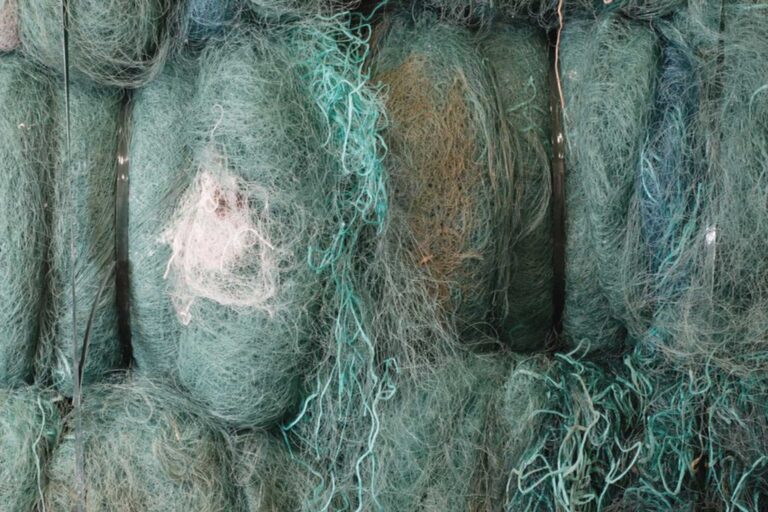
Aura Blockchain: the privatization of a blockchain is the way forward
Luxury fashion and the Italian textile industry are both relying on blockchain to move them into a new age – who will come out on top?

ReGen Villages – Reversing the urbanization logic: what if the answer were rural areas?
Regen is «developing a technology that you won’t even know it’s there» to build ecovillages based on the principle of circularity

Aerium — the self-sustaining future of flight
airlines to go net zero: all steps of aviation, from buildings and staff vehicles, to emissions during flight are expected to be fully carbon neutral

Tiempo De Zafra – How to save a Caribbean’s lost paradise believing in crafting
«When it rains, water rises out of the river and takes the waste with it» Stephanie Bazzarae Rodrigues says: «All of that funnels into the Caribbean Ocean»

Herd Wear – Wool can be circular and environmentally-friendly, but only if processed with care
«The British wool industry has been neglected in the past fifty years, but it used to be a business in the past»: Ruth Rands is revamping the wool industry in...

Indian craft is beyond just supply – in conversation with Harikrishnan on craft, cuts, and latex
The Indian designer on creating a collection based on human imagery from the perception of his 14 inch family pug, looking up at the world around him

Lampoon, The Transition issue – Dr. Hakan Karaosman talking with Prof. Donald Huisingh
A cleaner and fairer supply chain: representation and inclusion are needed for the transition to a low-carbon circular economy

Regenerative agriculture in fashion: the actions for creating viable raw materials
Regenerative Fund For Nature: conservation organization aims at bringing the luxury world closer to the practices in the establishment of raw material production
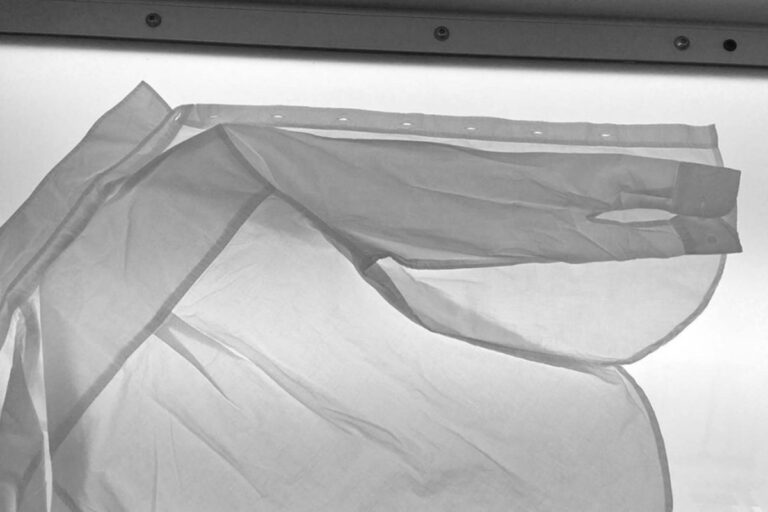
Is zero waste just a new marketing move or a properly transparent practice?
In conversation with Holly McQuillan, who discusses the misconception in the zero waste term and suggests new machinery and business models as alternatives in promoting the system

Cabanon – How a small wooden cabin is redefining consumption and consumerism
Do contemporary houses encourage wasteful living? In conversation with London-based architect and artist, Nicolas Henninger
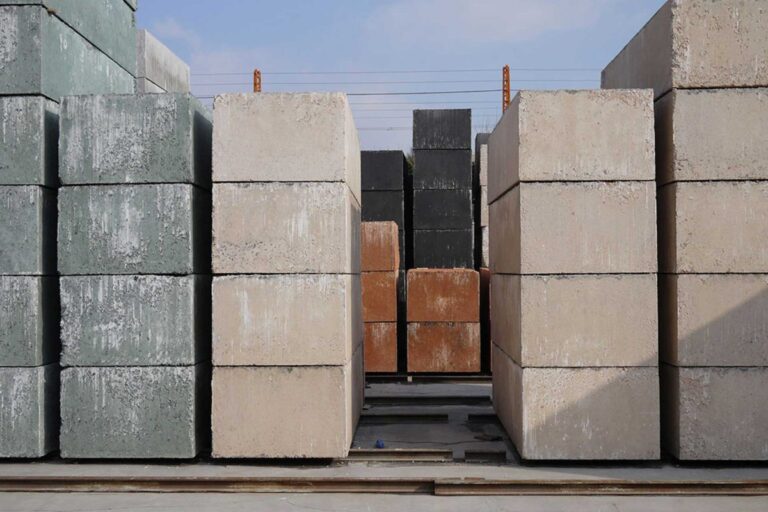
Dzek and the Venetian Terrazzo of today, «revealing the inherent quality of a stone»
In its eight years of existence, Dzek Studio has put just two products on the market «Having that microscopic understanding of a material will change people’s approach»

Lampoon / Transition issue: the opposite of sustainable fashion is not fast fashion, it is Faust-fashion
Like in the drama of Faust, ambition seeks instant gratification: no matter the cost while pushing the payment ahead of us

Sustainable transport and carbon offsetting – the road to carbon neutrality
Carbon offsetting projects issue carbon credits, tradable permits or certificates that allow business, countries, and individuals to offset their GHG emissions

Hearth Village designed by 1+1>2 in Vietnam: an example of how to rethink the rural
A Vietnam-based architecture studio build community houses with locally sourced materials taking inspiration for the design from local fashion and colors
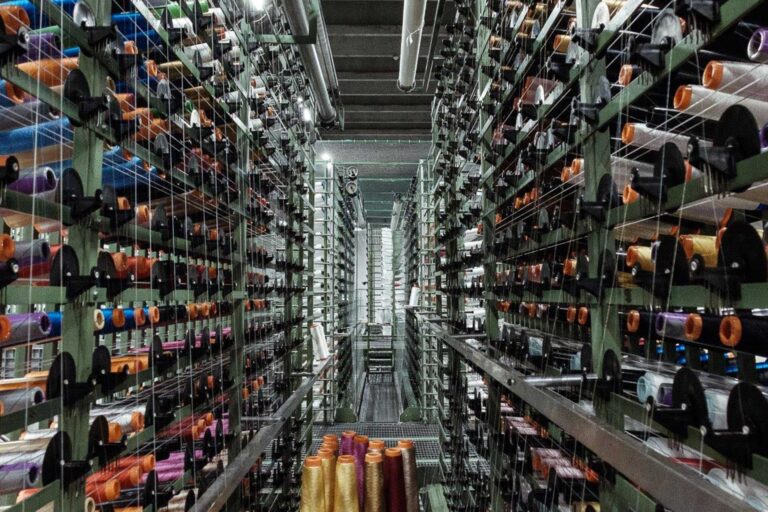
Black in nature does not exist: the future of sustainable fabrics and natural dyes.
The recycled and degradable fabrics and natural dyes will change the impact of the fashion industry on the environment: the Iluna Group case study

Missing the Biennale – or not so much? The Essence of architecture lies on its crossable space
Architectural space is what makes a void into a place, the element that defines architecture is exactly what no exhibition can ever provide. Architect and writer Gianni Biondillo reconsiders
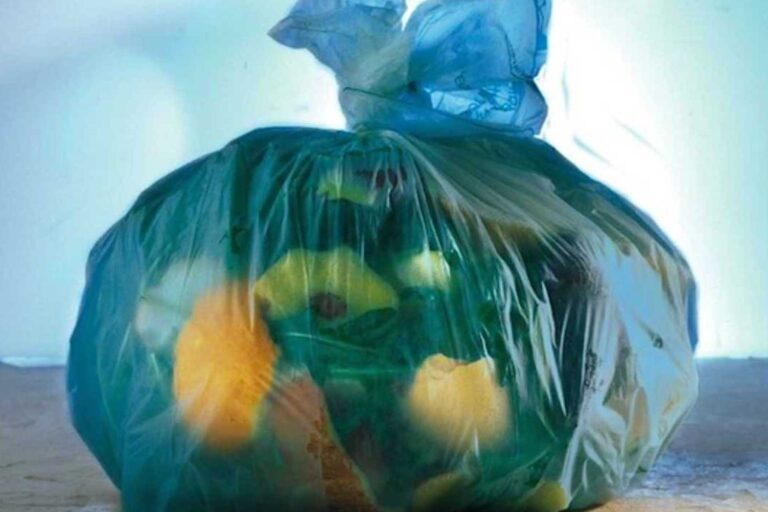
Biodegradable elastomers to reduce plastic lifecycle: where are we?
«We do not want to reduce plastic pollution; we want to eliminate it». In conversation with Germano Craia, CEO of KIK Compounds, a company grounded in developing eco-bioplastics

Bio-based polymers as a new material in the textile industry? An insight on EVO by Fulgar
Olivia Dowie, CEO and co-founder of Riley Studio, on how she incorporated the technical fiber in her collections

Oway, Bologna. An Italian beauty brand supporting a circular business model
The ability to breathe life into used goods, reduce waste, promote sustainability. In conversation with Luca Laganà, CEO of Oway, the Italian sustainable beauty brand