Hermès: how the quietest house became the loudest name in luxury
Hermès and the re-definition of quiet luxury – the show proves why restraint remains the most powerful force in fashion
Hermès and the quiet luxury paradox: how the quietest house became the loudest name in luxury
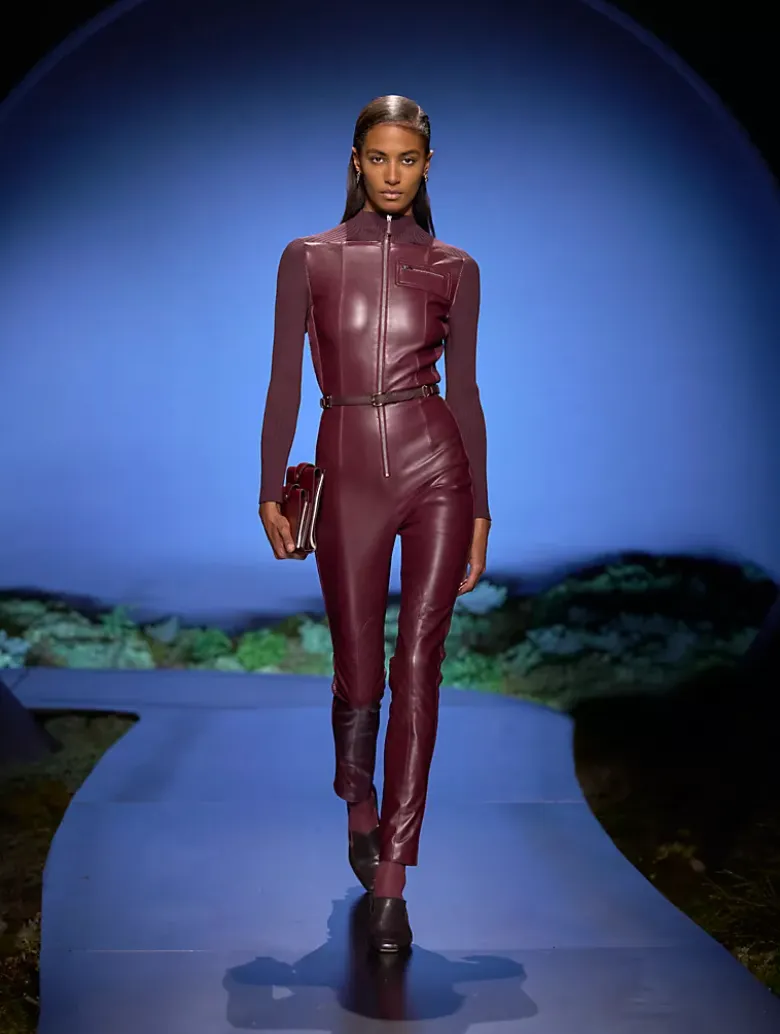
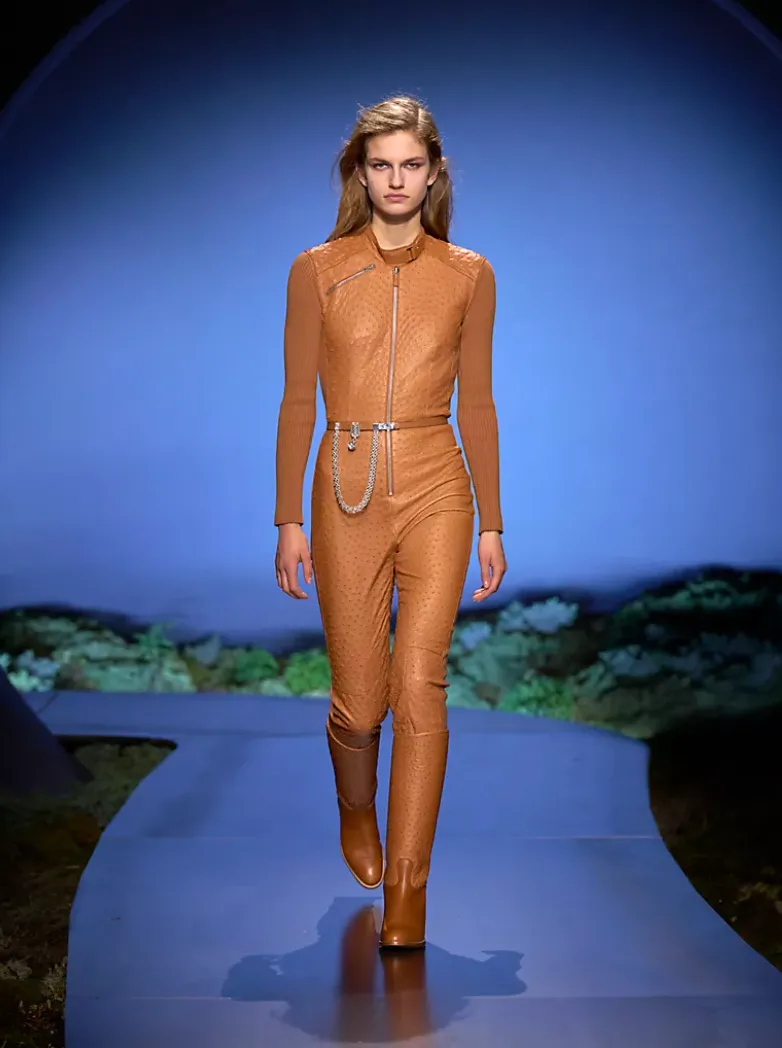
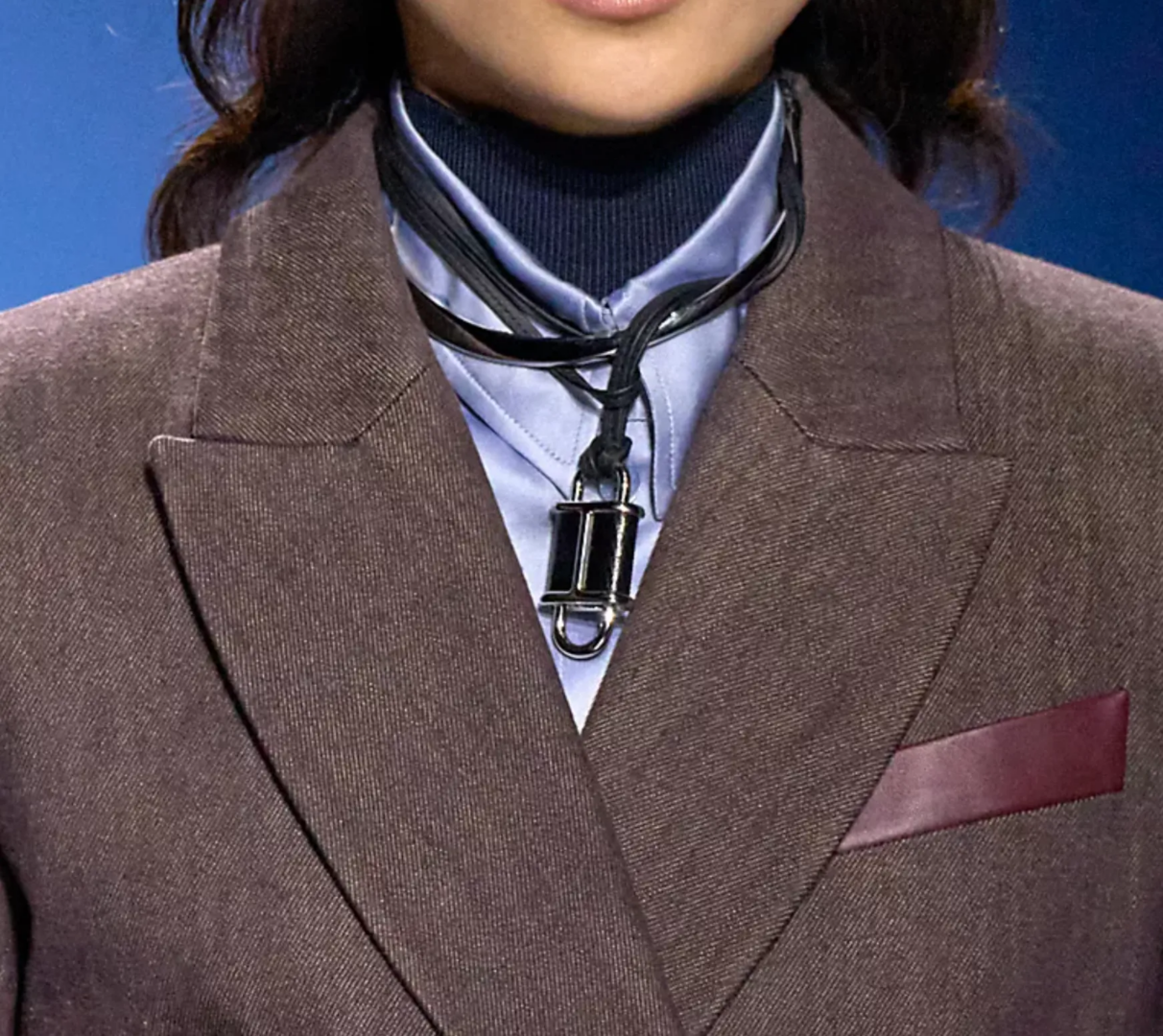
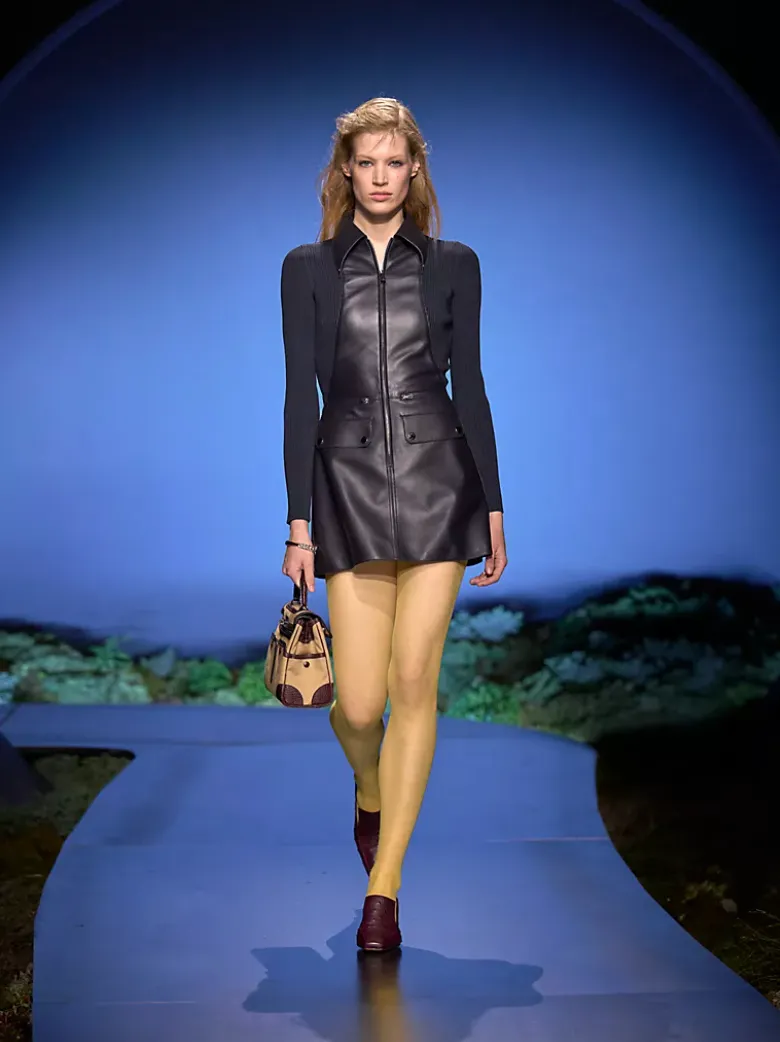
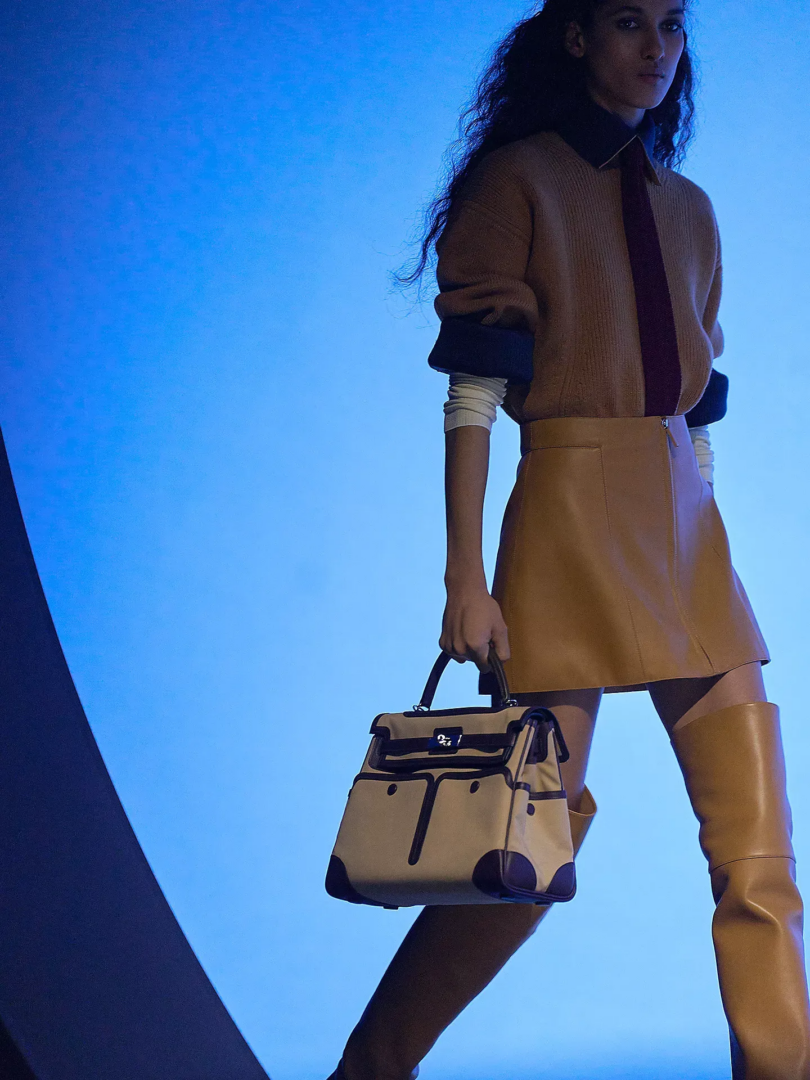
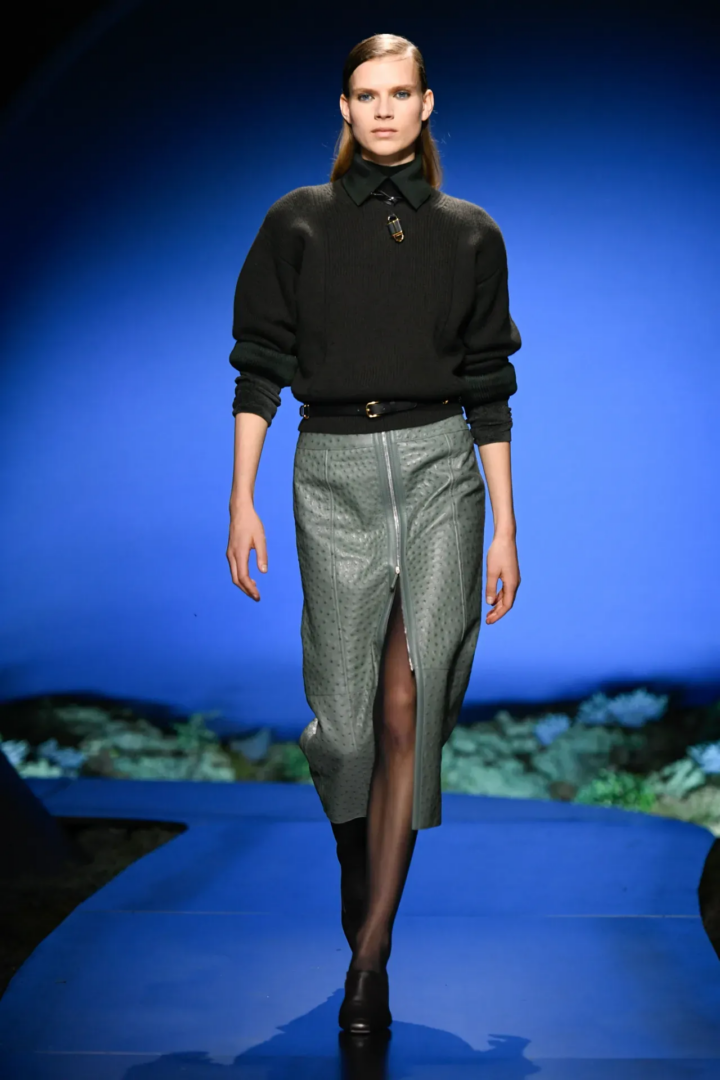
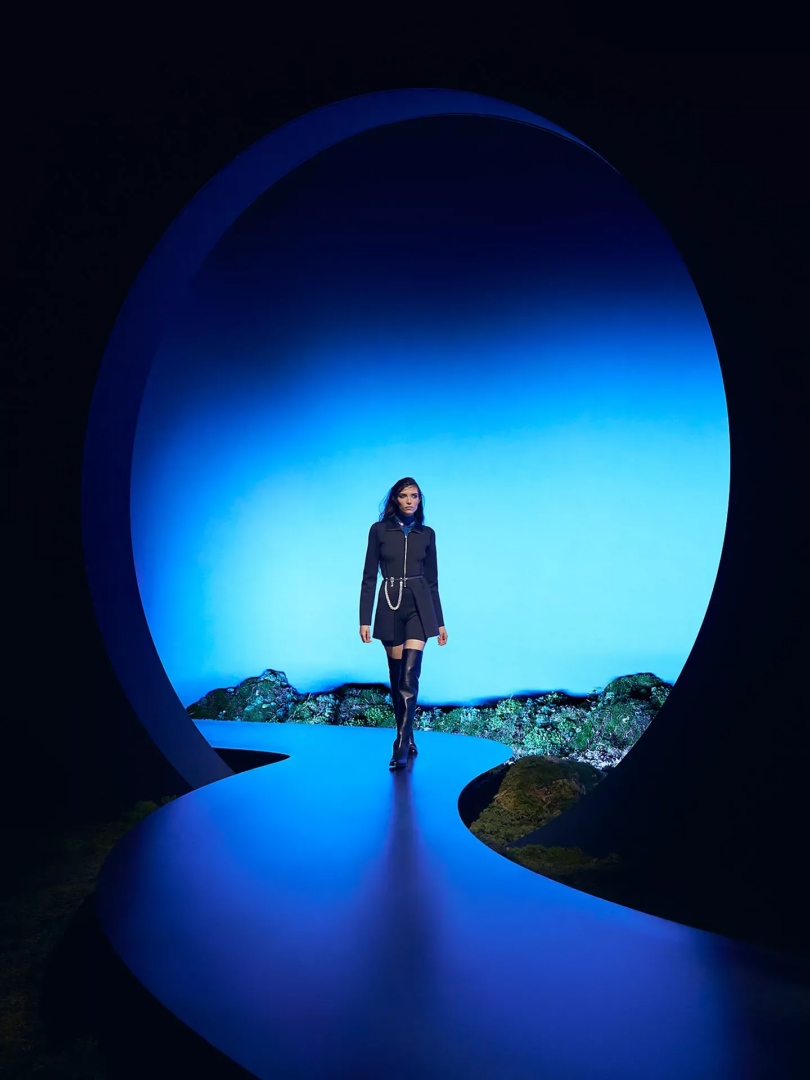
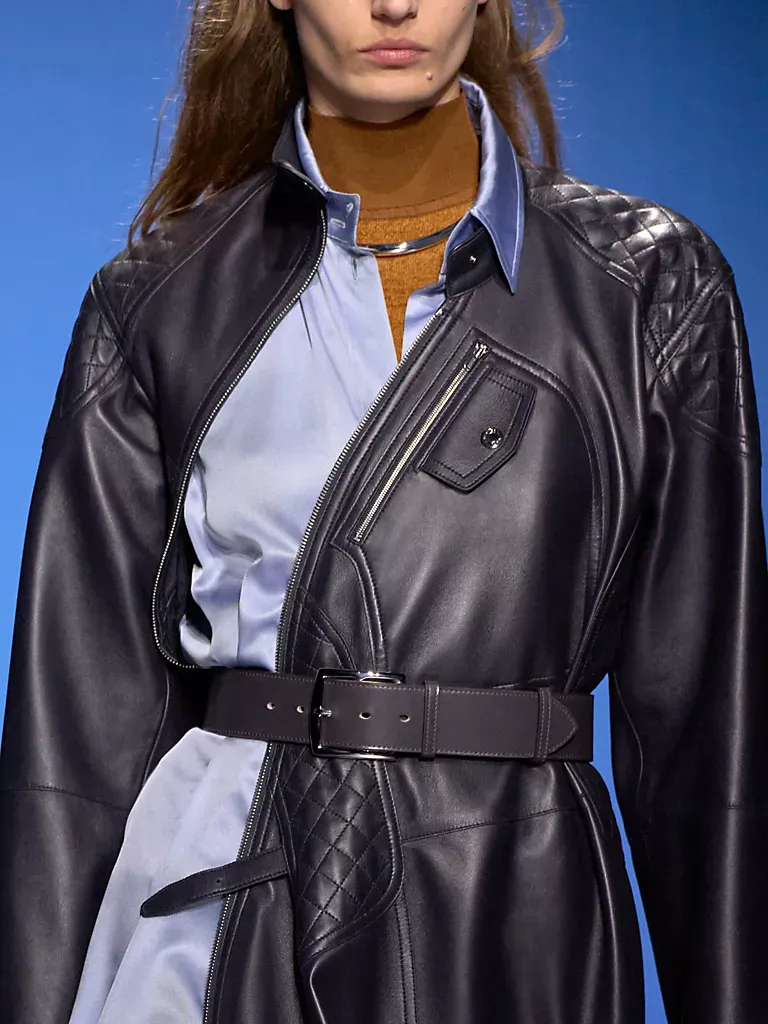
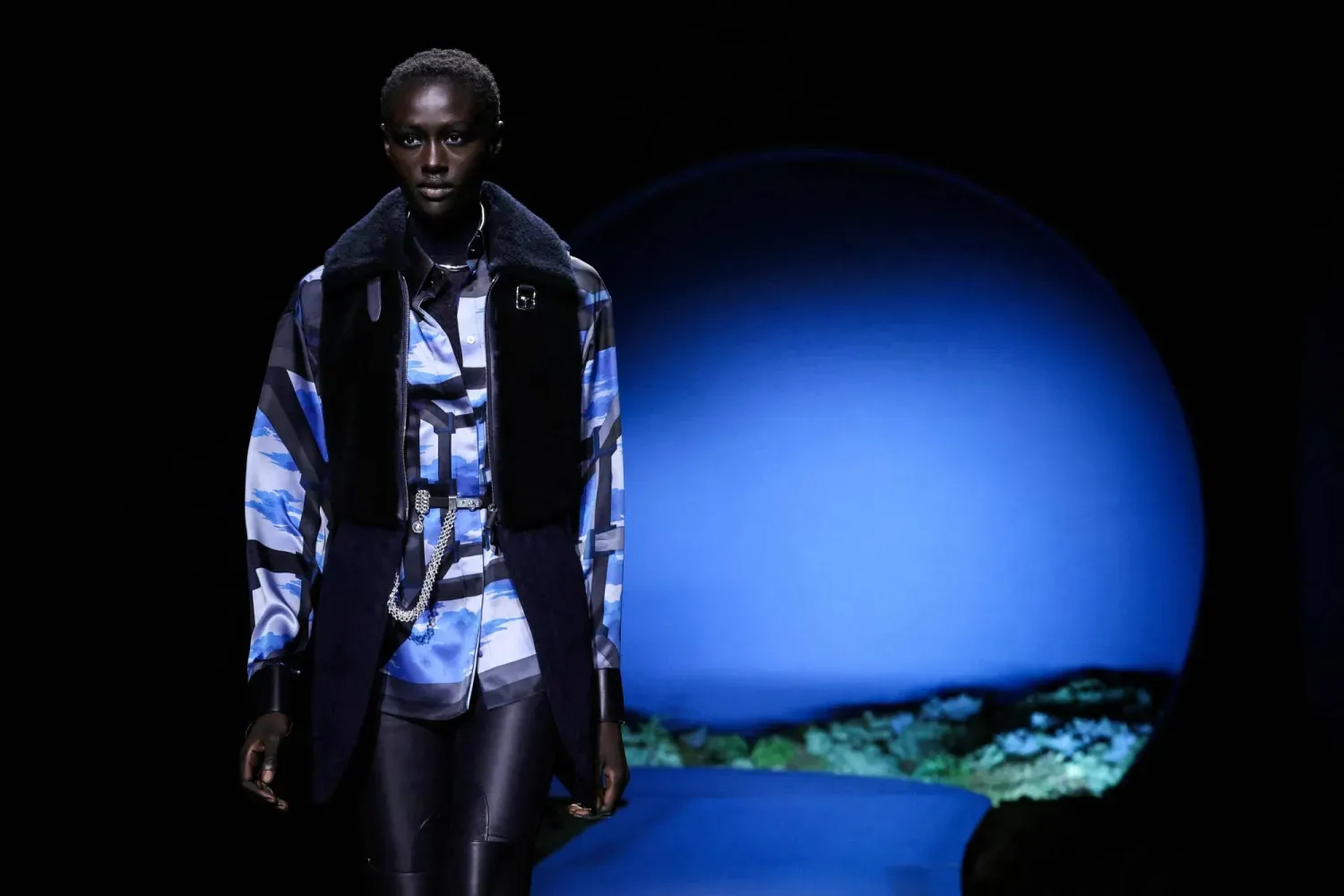
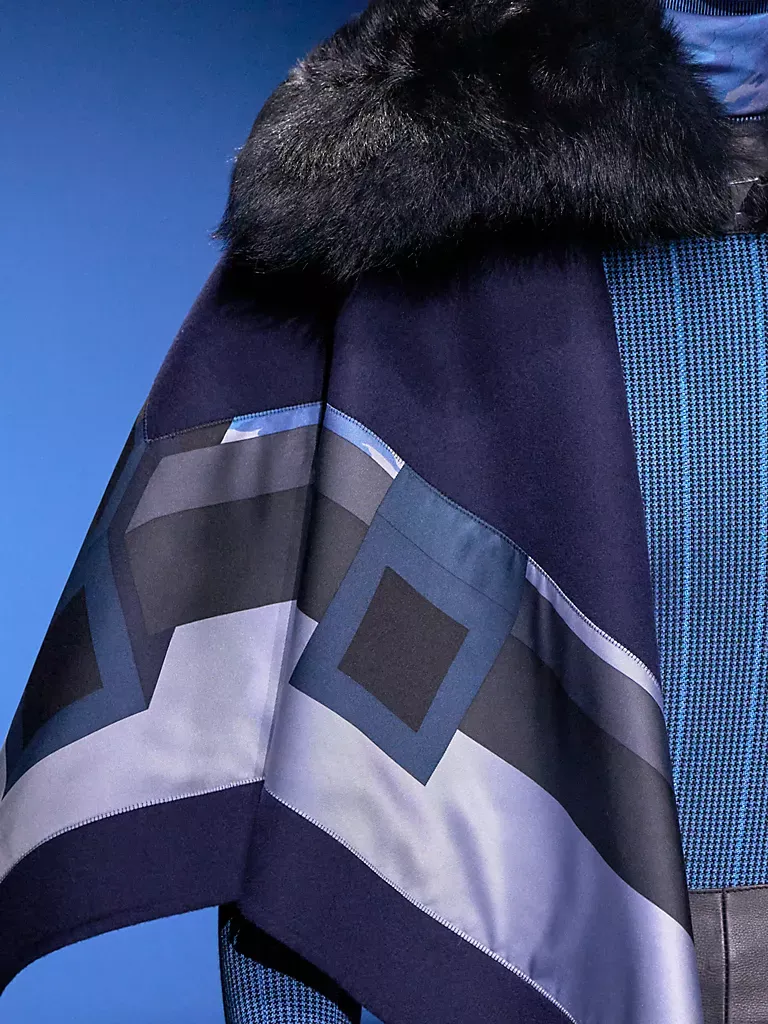
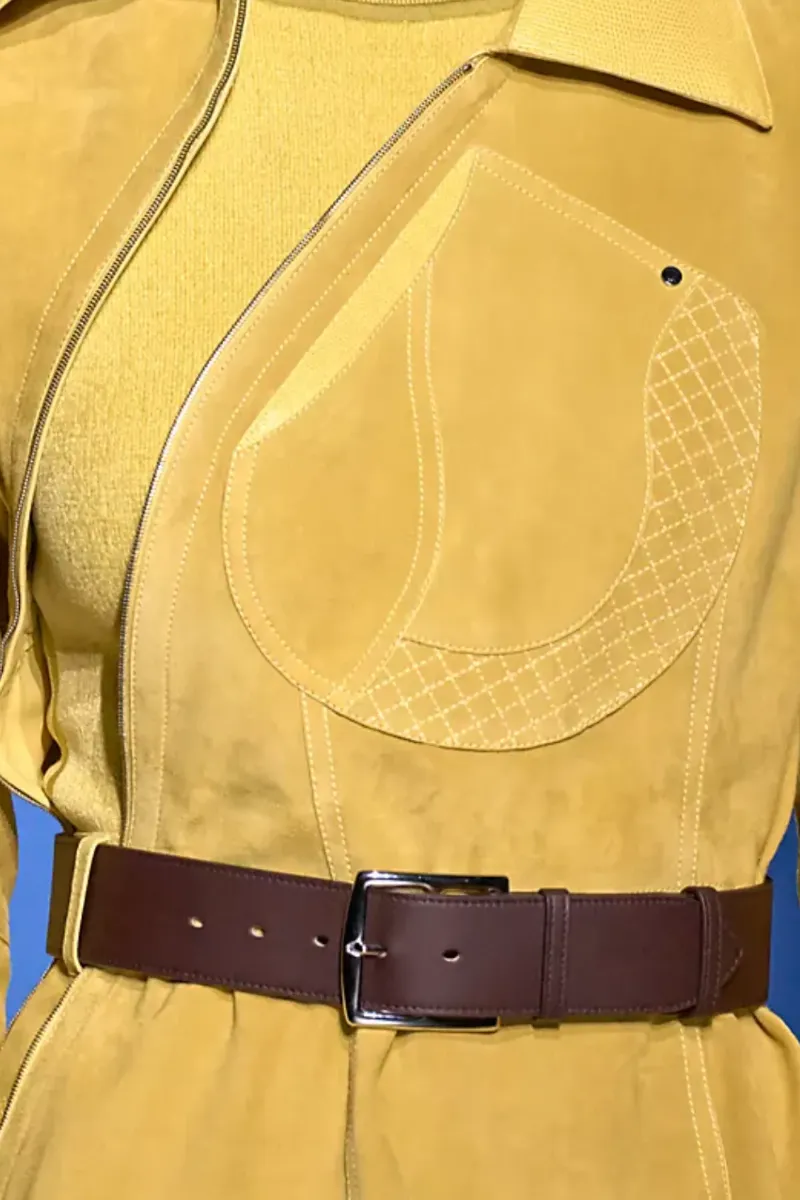
Hermès FW26 – the stage was set in twilight. Nadège Vanhée — women’s artistic director at Hermès since 2014 — pushed the brand’s vocabulary into darker ground. Deep blacks, midnight blues, burgundy, occasional flashes of muted sulphury yellow and beige. Controlled darkness, not drama.
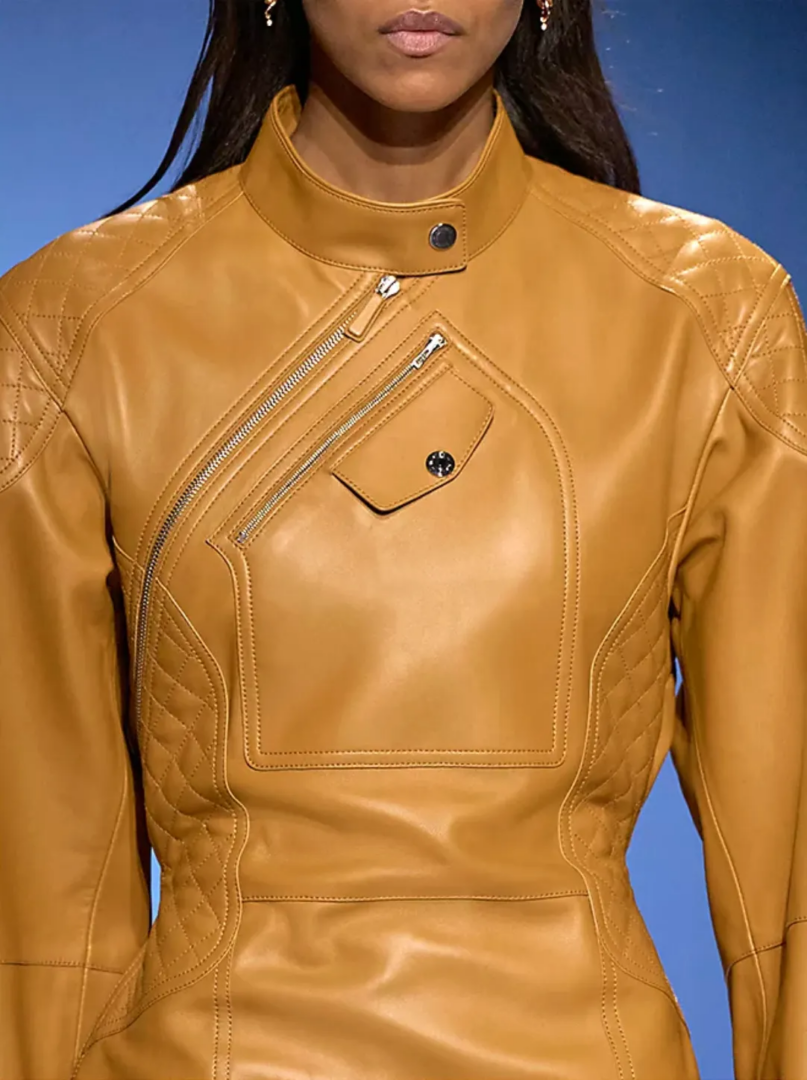
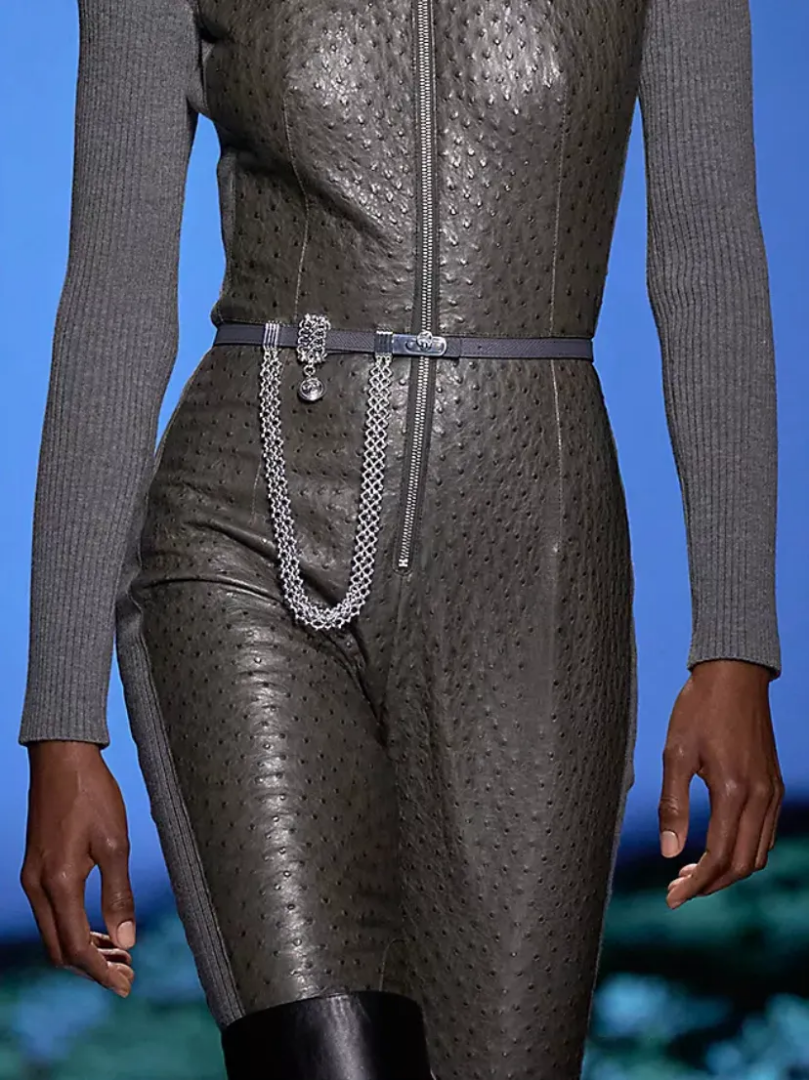
The silhouette remained tightly engineered. Waists defined, jackets cut close, proportions deliberately sharp. Leather carried the collection with architectural weight — quilted jackets, fitted coats, sharply cut skirts. Thigh-high riding boots anchored every look. The mood leaned slightly gothic, the references wilder than usual, but the underlying logic held: even on a runway staged in the language of wilderness, the house insists on structure. The tension between nature and control is, at this point, a Hermès signature — and it extends well beyond the clothes.
The fall-winter 2026 show was another act in a much longer performance: one built on restraint, and a philosophy of access that has turned the quietest house in fashion into one of the most financially dominant companies in Europe. The same principles that shaped this runway — precision over spectacle, structure over trend, discipline over novelty — made Hermès the unlikely protagonist of the quiet luxury movement, and continue to make it paradoxically visible.
Hermès: A paradox of visibility between excess and quiet luxury
The most recognized item in contemporary luxury is supposed to be quiet. It’s not displayed in windows, neither is it available on demand. No seasonal reinvention or marketing spectacles. It appears selectively, often invisibly, after a certain choreography of discretion. Yet somehow, it’s everywhere. Photographed, analyzed, resold, imitated, mythologized. Birkin is now one of the most recognized status symbols globally. It comes from a house built on restraint, yet it sits at the crossroads of quiet luxury and excessive visibility.
Hermès didn’t follow the movement of quiet luxury. It constructed the foundations long before the term entered fashion. It was never meant to gain a label and the exposure it has now in the media. Quiet luxury was embedded in the brand’s system from the beginning — from production to distribution and communication. Hermès never designed to shout. Recognition was meant to come without explanation, an unspoken confirmation of belonging. You didn’t wear Hermès to be seen, but only to signal to those capable of noticing. You could see the bag in the street and tell whether it’s real or fake, solely based on context, environment, unspoken codes.
Today, the picture is different. Exposure is high through social media. Quiet luxury is a non-trend trend, and so is carrying a Hermès bag – but when everyone knows the code, does it remain a code? When subtlety becomes globally legible, can it still keep the same function?
Hermès and quiet luxury: How the house defined the narrative
When the 90s minimalism started to descend, excess and maximalism took over fashion and social media. The 2010s were anything but quiet. Fashion was bold and exposure-centered, luxury was aimed to be shown rather than embodied. Fashion moved from the catwalk to feeds, and celebrity became the driving force behind luxury. Excess now was the language of authority and wealth. It was loud yet short-lived because soon after the pandemic, quiet luxury gradually took over the feeds, the screen, the runway.
Over the past decade, fashion has become more hyper-visible and algorithmic than ever before. It’s now consumed in fragments and expanded through digital repetition. Trends no longer mature; they peak and collapse within weeks. In this climate, noise has exhausted itself, resulting in a shift from novelty to credibility, from display to discretion. Novelty disappears quickly; credibility builds loyalty. Hermès didn’t adapt to this shift — it was already positioned within it. As logos became ever-present and streetwear branding saturated the market, the absence of it began to work as the most powerful signal of all.
The mainstream perception of quiet luxury is the absence of logos and a preference for neutral palettes. It’s the standardized silhouette — the simplest formula to extract from the concept. For the French house that pioneered in discretion as a form of power, quiet luxury lies in the management of access. Hermès, more than any other brand, is built entirely upon that. Scarcity is not a marketing device — in fact, the brand has no traditional marketing department. Scarcity is the architecture. Demand has consistently exceeded supply because limitation is embedded in production. Craft takes time. Leather cannot be rushed. Expansion is measured.
In an industry dependent on perpetual reinvention, Hermès holds a rather radical posture. It offers style over fashion, continuity over seasonality, and heritage that promises a fantasy. In spite of this meticulous approach, the word-of-mouth has moved online, the product has detached from the controlled environment, and recognition has expanded beyond the initiated.
Hermès Ready-To-Wear: How Nadège Vanhee planted the seeds of quiet luxury
The Birkin stands as the symbol of Hermès, but the ready-to-wear collections show how the brand translates into clothing. Since 2014, women’s artistic director Nadège Vanhee has quietly shaped that translation. Her work rarely generates the momentum of contemporary fashion shows, but it has redefined what Hermès dressing looks like now. Vanhee-Cybulski approached clothing with the same principles — precision, longevity, function. And over the years, it formed an aesthetic rooted in equestrian heritage reworked for modern life — structured riding jackets, supple leather, silk shirts, elongated silhouettes.
At first, her collections communicate a level of restraint, but it gradually uncovers the focus on material and construction. Pieces built around movement, dominating leather, cashmere and silk, technical fabrics that age rather than expire. The result is long-term investment over seasonality, durability over novelty, pieces that speak through material and construction. The collections built an unspoken dominance of style over fashion. This is precisely what the cultural narrative of quiet luxury is about.
Clothing remains commercially significant, but the house takes a step further — into haute couture
If ready-to-wear translates the house’s philosophy into everyday luxury, couture, currently in the works, can push that philosophy toward its most rarefied expression. Expected between 2026 and 2027, Hermès haute couture will likely move in a manner authentic to the house — less theatrics, more discipline and craftsmanship. The move toward couture extends its culture of precision into garments constructed at the highest level of craft. This is an escalation of the Hermès system — even fewer pieces and a tighter control over access.
Hermès turns limitation into desire, and desire into extraordinary profit
The controlled ecosystem of Hermès has been successful in turning the house into a mythical figure in the intersection of fashion and luxury. It’s magnetic both to luxury enthusiasts and fashion-forward crowds. Beyond the cultural influence, the financial results reveal something more pragmatic: restraint is extremely profitable. The house has long been known for stability, but the past few years have turned that stability into extraordinary growth.
Between 2021 and 2024 — precisely when the quiet luxury narrative accelerated — Hermès recorded one of the strongest financial performances in the history of luxury fashion. In 2022, revenue surpassed €11 billion — a 29% increase from the previous year. The growth continued steadily, reaching around €13 billion in 2023 and exceeding €15 billion in 2024. In the same year, the brand reported a €15.2 billion revenue, maintaining an operating margin 40%. These numbers are rarely, if ever, seen in luxury fashion. During the same time, the house accumulated €10 billion in net cash reserves, gaining financial security within an industry often dependent on external investment and expansion. In the first half of 2025 alone, consolidated revenue reached €8 billion, marking an 8% increase at constant exchange rates compared with the same period in the previous year. Every geographic region recorded positive performance. By early 2025, Hermès’ market valuation had surpassed €240 billion, placing it not only among the most valuable fashion houses but among the most valuable companies in Europe.
The method behind the figures: Moving without aggressive growth mechanics
Hermès achieves these numbers without compromising its philosophy or structure. Production remains deliberately limited. Advertising expenditure is relatively modest compared to industry peers. The brand has never relied heavily on seasonal marketing that dominates contemporary fashion. Boutique expansion is measured — new stores appear gradually, often years apart, preserving the sense of controlled access. The result is a financial model in which demand consistently exceeds supply — the house maintains exceptional margins while avoiding discounting and overexposure behind rapid scaling.
The quiet luxury of Hermès is a set of pragmatic decisions
Being at the core of quiet luxury, Hermès shows that it’s not primarily an aesthetic language but an economic strategy. The products are fewer than those of its competitors, yet each one carries extraordinary value. Profitability per item remains among the highest in the industry, precisely because the system built on scarcity, craftsmanship, and controlled distribution protects the desirability. The quieter the brand remains, the louder the financial results become.
The alignment is difficult to ignore: the financial growth was registered at the same time as the rise of quiet luxury in fashion media and digital culture. The philosophy and aesthetic language of the house suddenly became a trend. The fatigue from logos and algorithmic trends resulted in a thirst for permanence — the model Hermès has offered for more than a century.
Digital exposure of Hermès: How quiet is quiet luxury now?
The foundation is firm, finances are escalating, the ecosystem is growing. Hermès now has the authority both in fashion and in luxury. The access continues to be controlled from within, but that control is now relative. TikTok explains how the system works. Users review their bags, show every detail, document the entire process. Birkin feels like an Internet symbol now. If everyone recognizes the symbol, how exclusive is it? The house continues to keep its position of discretion – but the environment surrounding the product has changed. The question is, when discretion becomes globally visible, can quiet luxury remain quiet at all?
Susanna Galstyan