Interweaving architecture, design and art: Alvar Aalto and Louis Carré
Gokelaere & Robinson gallery showcases a combination of Aalto’s architectural works and the art of Louis Carré, from architecture to interior design
The master of the Modern Movement, Alvar Aalto
Hugo Alvar Henrik Aalto was born in 1898 near Helsinki and went on to become one of Finland’s leading exponents of design. Also active in architecture, Aalto’s work is considered relevant for his ability to juxtapose the man-made artificial with the natural element.
For this reason, he ranged from currents such as Rationalism to organic architecture. His architectural work is placed within the Modern Movement, standing alongside the figures of Le Corbusier or Mies van der Rohe.
Despite the fact that he belonged to another era, he is still considered part of the latter. His person had considerable relevance in the field of organic architecture, which sees him among its leading exponents.
Alvar Aalto latest architectural works
Among the last projects, which the architect worked on between 1977 and 1978, is The Church of Santa Maria Assunta in Emilia Romagna. Fundamental in this case is the relationship that the building establishes with light, the stained glass windows allow it to penetrate the entire perimeter and then channel it to the altar.
A few years earlier, in the period of Rationalist development, the architect designed the Villa Mairea in Finland. Completed in 1939 it is designed to fit into the surroundings of a fir forest. The natural uniqueness also characterizes the materials used for building, in particular the wood.
Conceived as two separate structures that intertwine, it then forms two internal courts. The Villa was built according to the principles of the Rationalist current and consists of rooms planned and made out of materials with a strong connection to the function of the space.
The significant projects pertinent to organic architecture
On the other hand, the design of the Paimio Sanatorium, completed in 1933, represents the main reference for the organic architecture movement. The structure does not neglect the functional nature of the project, built for tuberculosis patients on purpose.
Therefore, there is found the presence of a terrace that allowed them exposure to the air, useful in the care of the diseased. In addition, each open space has a different view and sun orientation. In general, the structure and specific furnishings were designed considering these people who were forced to lie down for a long time.
Aalto, together with his wife, Aino Marsio, includes the interior decoration of a number of complements in the project. Of particular note is the Paimio chair, in appearance an ordinary seat, but capable of facilitating the tuberculosis patient. In fact, the angle of the back helped breathing, which is tiring in this pathology.
[envira-gallery id=”103798″]
Beyond architecture, design pieces
Recognizable elements of Aalto’s work include seating such as the above-mentioned Paimo chair, also known as Armchair 41. The Alvar Aalto Chair 66, too, echoes the lines of the former, with a comfortable seat and high back that makes them distinguishable.
Both are part of MoMA’s permanent collection. Also made of wooden material, another type of seat, the 60 Stool, is an iconic piece with minimal and functional lines. Other works remembered in Finnish design history include the vase defined as the Aalto glass, also known as Savoy vase.
For its conception, the creative duo, made by Aalto and his wife, was inspired by skirts of Sami women, an indigenous population of northern Europe. Another theory instead attributes the shape to the translation of the surname Aalto, meaning wave.
Relationship and connection with Louis Carré
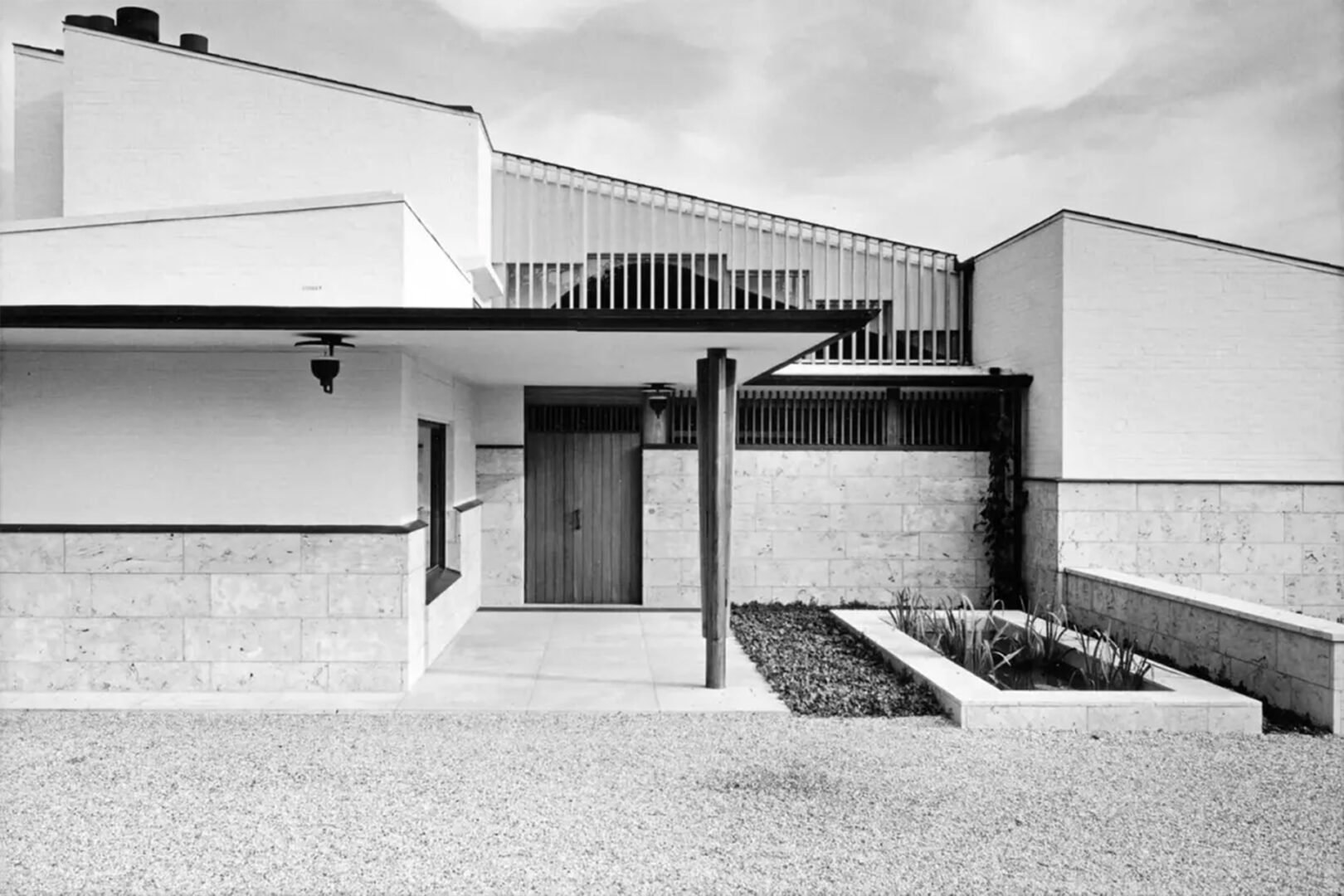
Louis Carré, among the notable painting dealers of the twentieth century, had the opportunity to encounter Aalto’s work. In fact, the Finnish architect’s unique work in France is his house. The villa was commissioned to Aalto in 1956 and named Maison Louis Carré, becoming one of the symbols of the Modern Movement.
In Bazoches- sur-Guyonne, a place forty kilometers from the French capital, this residence has been transformed into a kind of museum that intersects the architect’s building with Carré’s collections.
Aalto was chosen over Le Corbusier because of his ability to belong to Functionalism but without neglecting the human aspect. In fact, his proximity to nature, the use of the material of wood and the undulating forms also return in this structure.
By reconnecting with the surrounding rural environment, the architect brings the design alive, in contrast with the utilitarian coldness of the aforementioned current.
The display: Alvar Aalto & La Maison Louis Carré
Gokelaere & Robinson Gallery has dedicated an exhibition at its Paris venue to the encounter between these two personalities. Passing through the home designed by Aalto in which Louis Carré spent the last eighteen years of his life, the intersection of Modern architecture with the life of the art dealer is celebrated.
The exhibition honoring Finnish architect and designer Louis Carré, in fact, selected some significant pieces from the entire Maison Louis Carré. «The exhibition will bring together exceptional furniture and lighting created by Alvar Aalto as well as modern paintings and tribal art objects, another passion of Louis Carré», explains the Gallery.
Gokelaere & Robinson
International Gallery devoted to the designers and architects that made the history of the 20th century. Founded by Stanislas Gokelaere and Céline Robinson, because of their shared passion for design, the Gallery has permanent exhibitions in Belgium and Paris.