Inside Mater, the Peruvian center blending ancestral knowledge and science
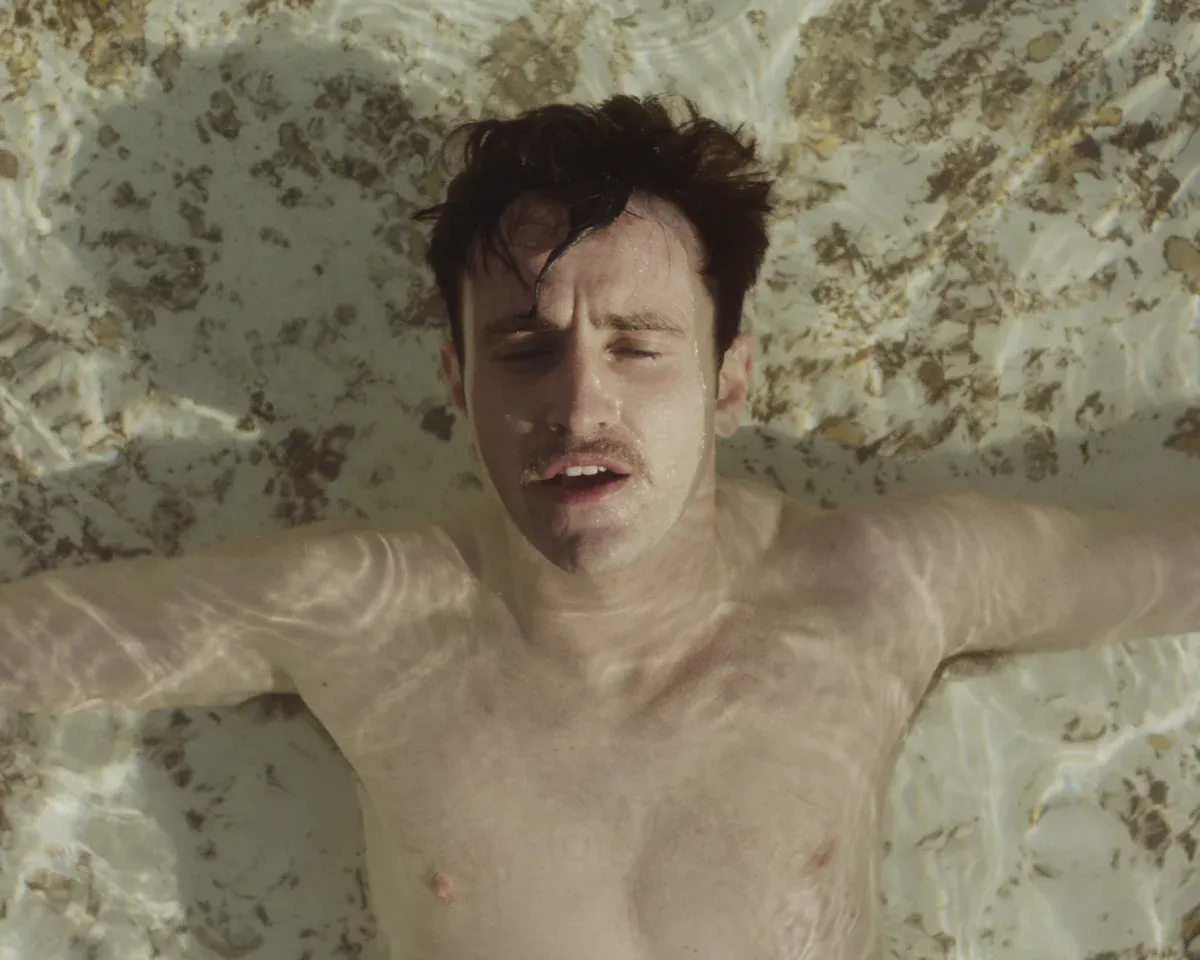
In Peru’s Sacred Valley, Mater studies native species and climate data to preserve ancestral agricultural knowledge. Photographer Gaia Anselmi Tamburini translates this research into a visual record
Moray, Peru: the inca laboratory that anticipated modern climate science
At more than 3,500 meters above sea level, the archaeological site of Moray in Peru stands as a testament to the agricultural ingenuity of the Inca civilization. Its concentric terraces create microclimatic variations—each level differing in sunlight, humidity, and temperature. Peru, with its 12 microclimates (the highest number in the world), offers an unparalleled environmental heritage that enabled extraordinary agricultural and botanical diversity.
In Inca times, this climatic wealth formed the foundation of a sophisticated system of experimentation: Moray’s terraces functioned as a natural laboratory for testing crop resilience and selecting the most adaptable varieties. The site’s unique morphology and integrated irrigation systems embody principles of observation, adaptation, and resilience—values that continue to inspire today’s sustainable research.
Ancestral botanical knowledge: a network of meanings beyond western taxonomy
Moray’s legacy was part of a wider Andean worldview, where plants were understood through a multi-dimensional logic. In Andean tradition, species were classified not only by their morphology but also by gender, color, temperature, flavor, and even their cosmological role within the three levels of the world.
A single plant could act as food, medicine, and ritual object, its function shifting according to context. This fluid and symbolic system of classification created a living network of correspondences, contrasting sharply with the rigid categories of western taxonomy.
Mater: reviving andean experimental logic through contemporary research
This ancient logic finds continuity in Mater, an interdisciplinary research center near Moray that bridges ancestral knowledge and modern science. Mater documents local species, collects both scientific and traditional knowledge, and focuses on biodiversity as a key to adaptation.
At Mil restaurant, part of the same ecosystem, gastronomy becomes a form of environmental storytelling: each dish mirrors an altitudinal ecosystem, echoing the Inca approach to observing and selecting crops. The result is a cuisine that blends tradition, ecology, and innovation.
High-andean steppe: where time, climate, and culture shape biodiversity
Between 3,500 and 4,500 meters above sea level, the high-andean steppe is ruled by a strict seasonal rhythm: a wet season (November–April) and a dry season (May–October). This cycle dictates sowing, harvesting, and plant collection.
At Mater, together with the Mil team and the K’acllaraccay and Mullakas Misminay communities, the timing and method of each harvest are carefully observed. For example, muña (Minthostachys mollis) is gathered in bloom, when its aroma and digestive properties peak, while qolle (Buddleja coriacea) is valued for its medicinal and dyeing properties.
The extreme altitude enhances metabolite concentration, and the cold, dry air allows natural preservation of potatoes as tunta or chuño, maintaining ancestral food practices alive.
Integrating science and tradition: Mater’s living archive of andean knowledge
Mater’s approach merges ancestral wisdom with contemporary research tools. Local species are cultivated, climatic data are collected through a meteorological station, and lost ancestral crops are reintroduced. Projects involving medicinal and dye plants generate both new culinary expressions and the preservation of cultural heritage.
Through meticulous documentation and dissemination, Mater celebrates the living memory of the territory, highlighting the continuity between nature, knowledge, and culture.
Cieli sonori: visual ethnobotany through the lens of Gaia Anselmi Tamburini
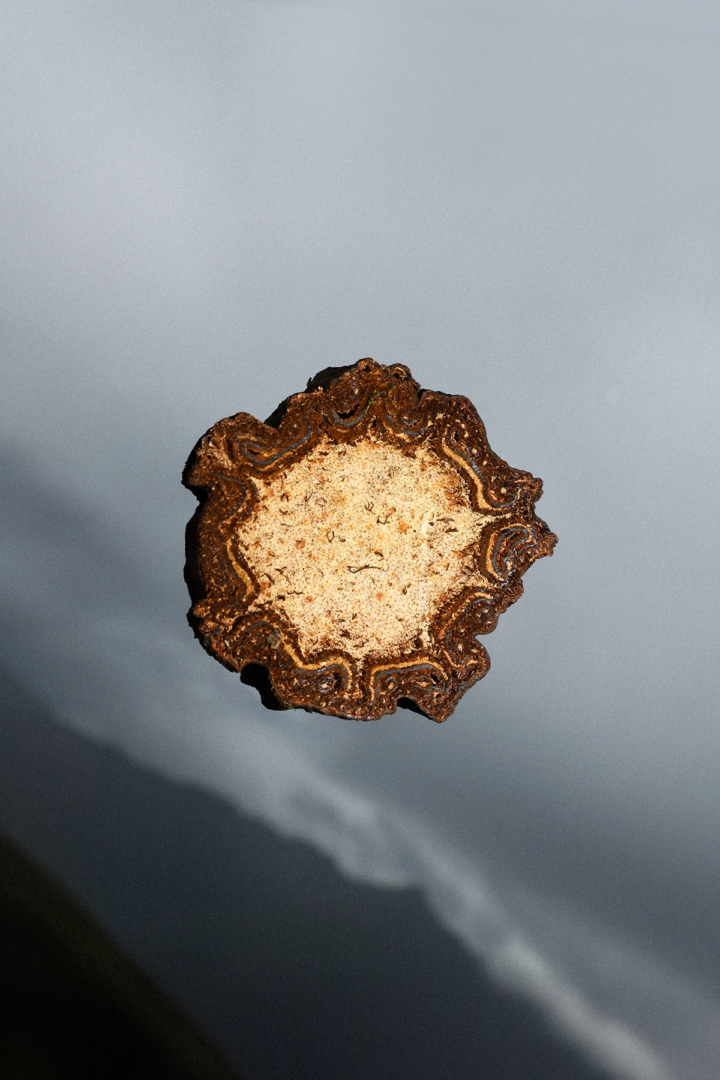
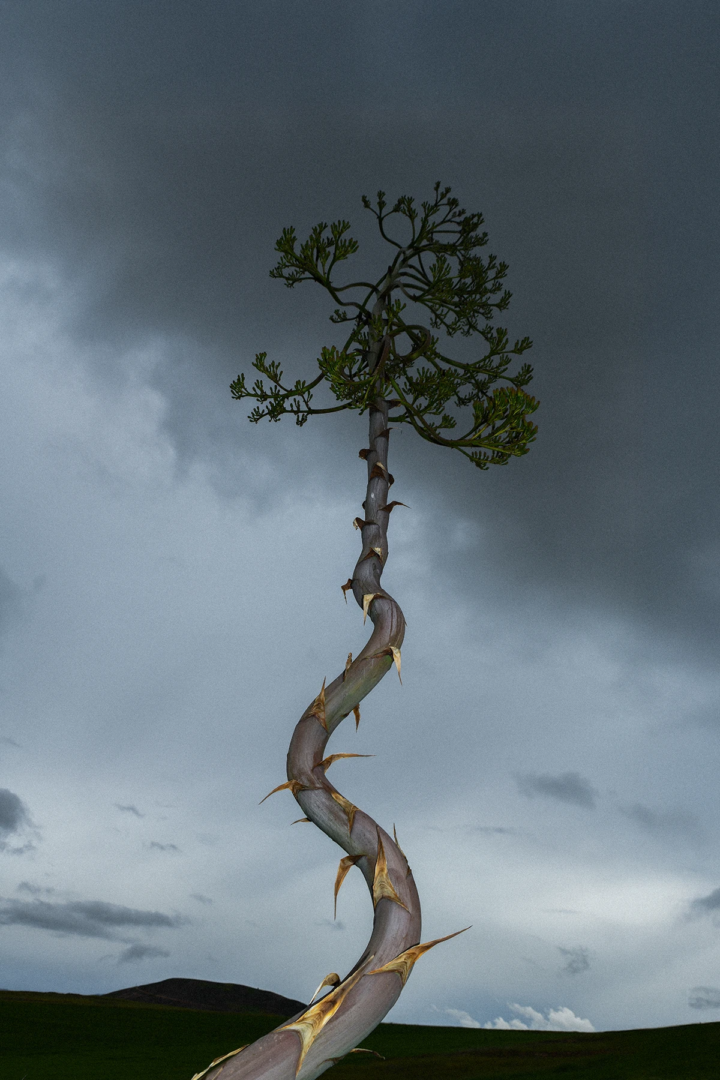
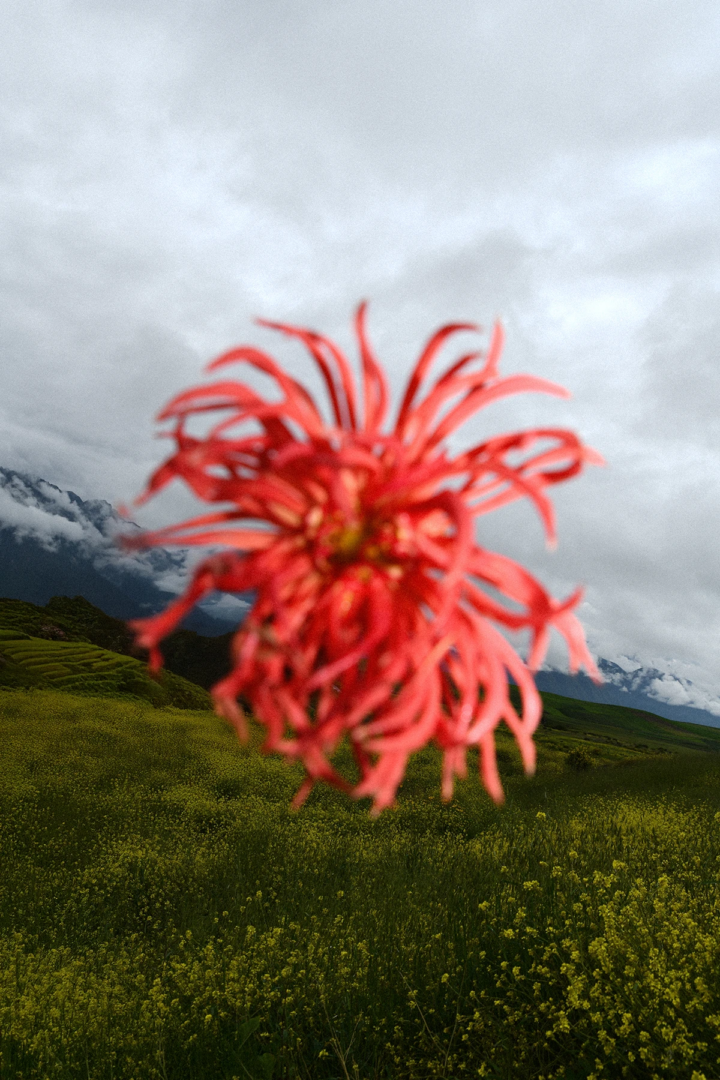
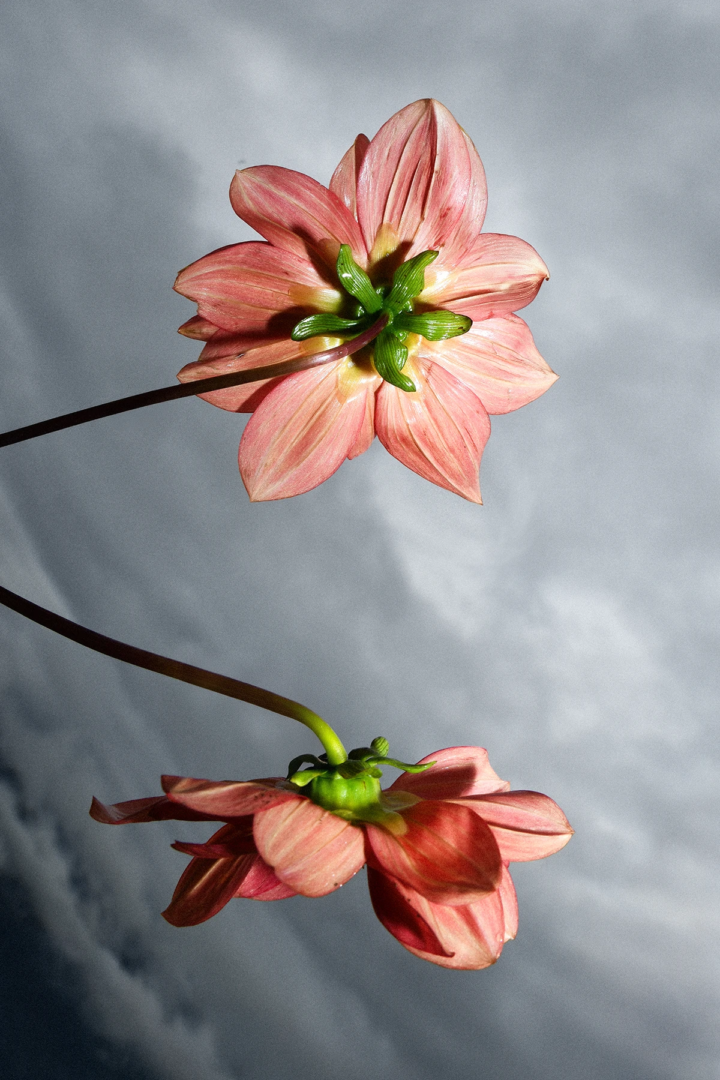
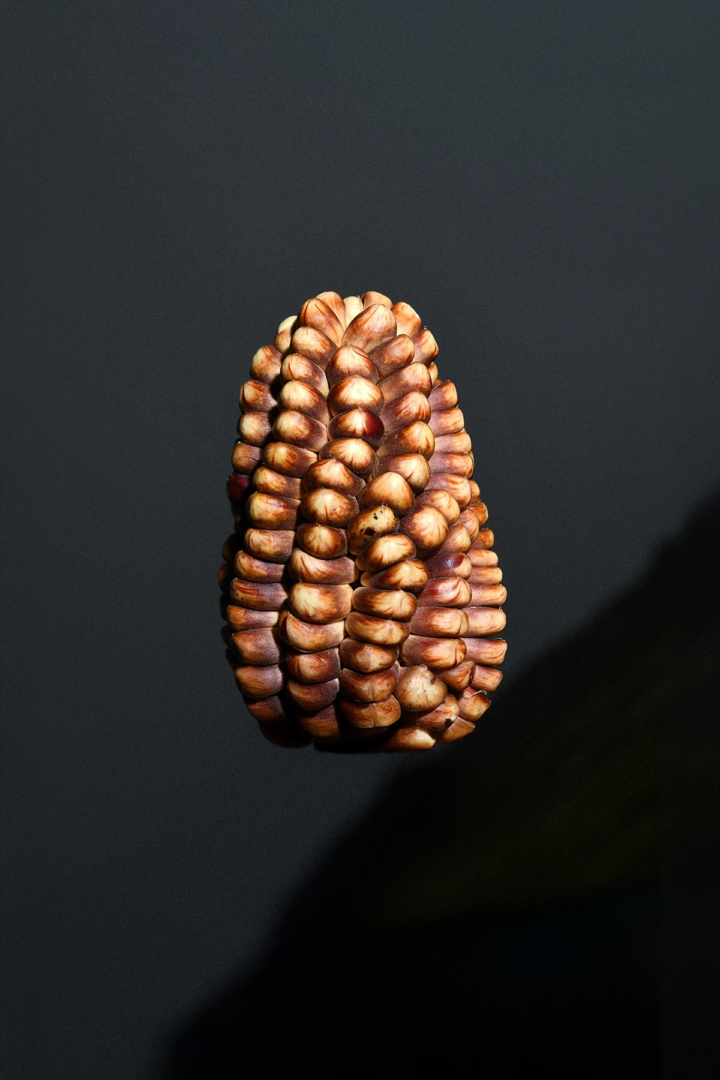
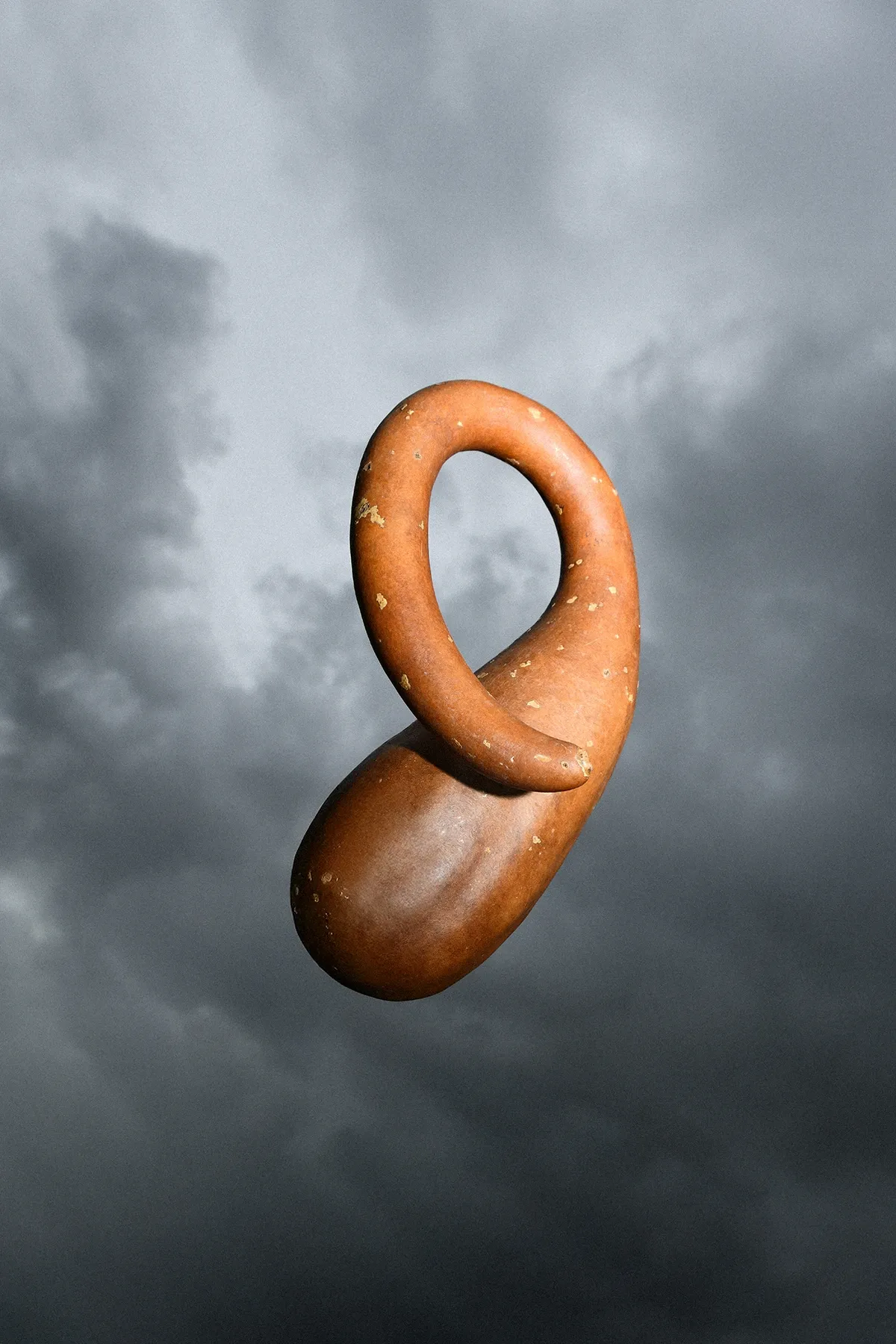
These principles materialize visually in the “clinical photography” of Gaia Anselmi Tamburini, created during her residency at Mater. Her works, showcased in Cieli sonori (opening October 29 at Bim, Milan), isolate plants within their environmental contexts, documenting morphology, ecological variations, and spatial relationships with scientific precision.
The result transcends traditional nature photography, transforming into a visual archive that bridges scientific observation, ethnobotanical research, and artistic documentation—a tool for both knowledge transmission and cultural memory.
Gaia Anselmi Tamburini – visual storytelling between design and nature
Gaia Anselmi Tamburini is a Milan-based photographer specializing in still life and outdoor imagery, with a degree in product design (IED). Her work merges design aesthetics and photography, exploring the tension between reality and staging, precision and visual poetry.
She has collaborated with Alessi, Illy, The North Face, Fratelli Rossetti, and Vibram, among many others. Alongside her artistic practice, Gaia teaches photographic composition at Bauer, Milan, enriching her visual approach with design thinking and narrative depth.
Text: Gaia Anselmi