Neue Welle: Berlin’s post-punk legacy and a new generation
A small group of musicians and drifters in Berlin rewires post-punk style: Marina Mónaco turns VHS nights and shared bedrooms into a raw map of the city
Reframing Berlin’s Underground: Youth, memory, and the post-punk echo
MF: Neue Welle was born as an observation of the Berlin post-punk scene.
Marina Mónaco: Maybe it’s all the coming-of-age films I love, the old photobooks I flip through, the music from back then… all of that makes me romanticize the present and twist it into something else, something that isn’t. The photo still reveals the experience, the real feeling behind it, and somehow people feel that too, or that’s what they tell me.
Nostalgia, coming-of-age cinema and photographing the present
MF: How should this nostalgic return to the past be interpreted?
Marina Mónaco: Nostalgia – in contrast to the Post-Internet era. Some of us want to go back to the physical side of memories, of living life.
I found people whose sensibility sees life in the same way, and that made me feel less alone. It’s also a human tendency to romanticize the past and drag it into the present, creating a new language of expression. That lets me live the present in a different way.
I’m aware that the present will one day become the nostalgia of the future, but this is all we have right now. One day these photos, these people, these songs will carry that nostalgic feeling too. It’s beautiful how any art form becomes more meaningful with time. My dream is that my photos will somehow feel like they represented what we are experiencing now.
Authenticity, belonging and self-discovery in Berlin’s scene
MF: Your subjects seem to oscillate between citation and belonging. How do your subjects build authenticity in a scene that’s already aestheticized?
Marina Mónaco: When I was a teenager in Buenos Aires, I didn’t explore myself or find people who shared my interests. Now, being older and finding them in this small scene, it feels like when I photograph them, I’m learning from them just by observing. It almost feels like I’m re-experiencing what it is to be young and free, and learning from that authenticity.
Rebellion, analog gestures and subtle resistance
MF: Many cultural movements were all about disruptive political actions, while today rebellion seems to stay just on the surface. Does this paradox interest you?
Marina Mónaco: Part of it is true. Of course it’s more about the image now, but there’s a statement in trying to stay close to the analog world: wearing second-hand clothes, buying records, recording on tape, capturing the evening on VHS. In today’s digital reality, choosing that slower, physical way of living is a form of rebellion.
Rough images, raw memories and the documentary archive
MF: What is “rough” in your work?
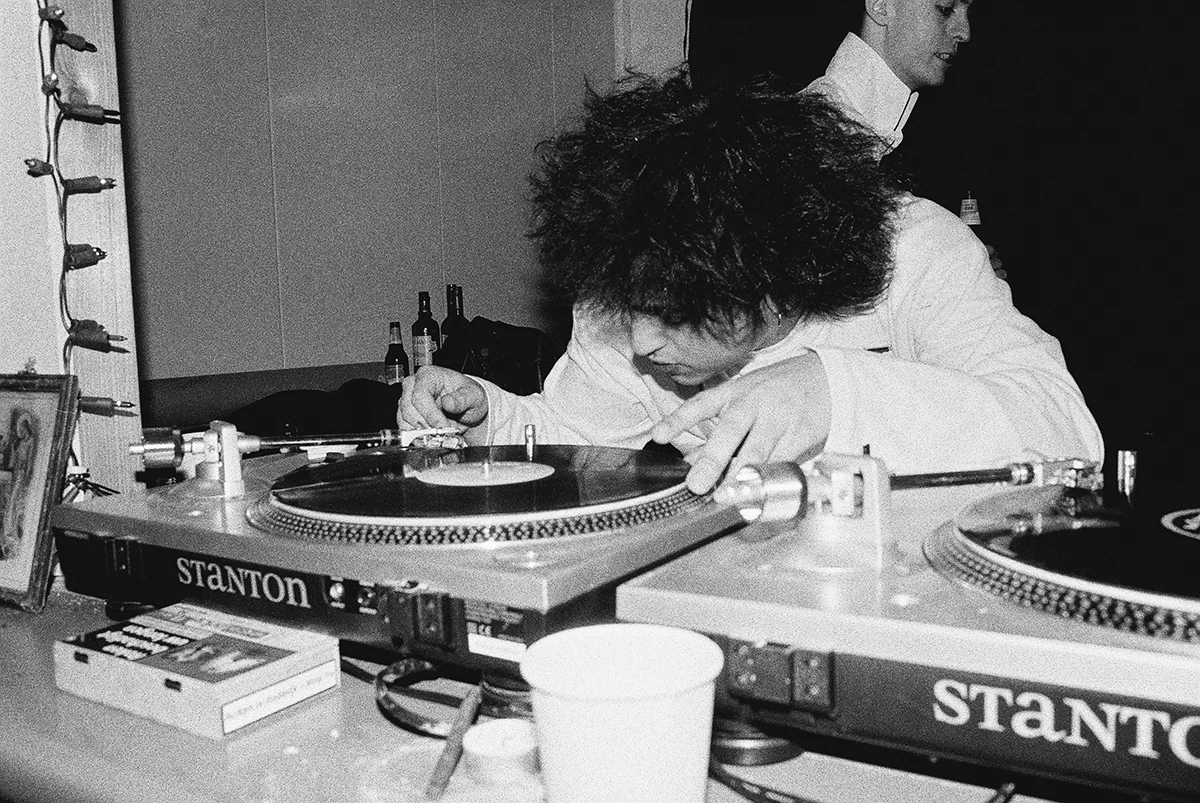
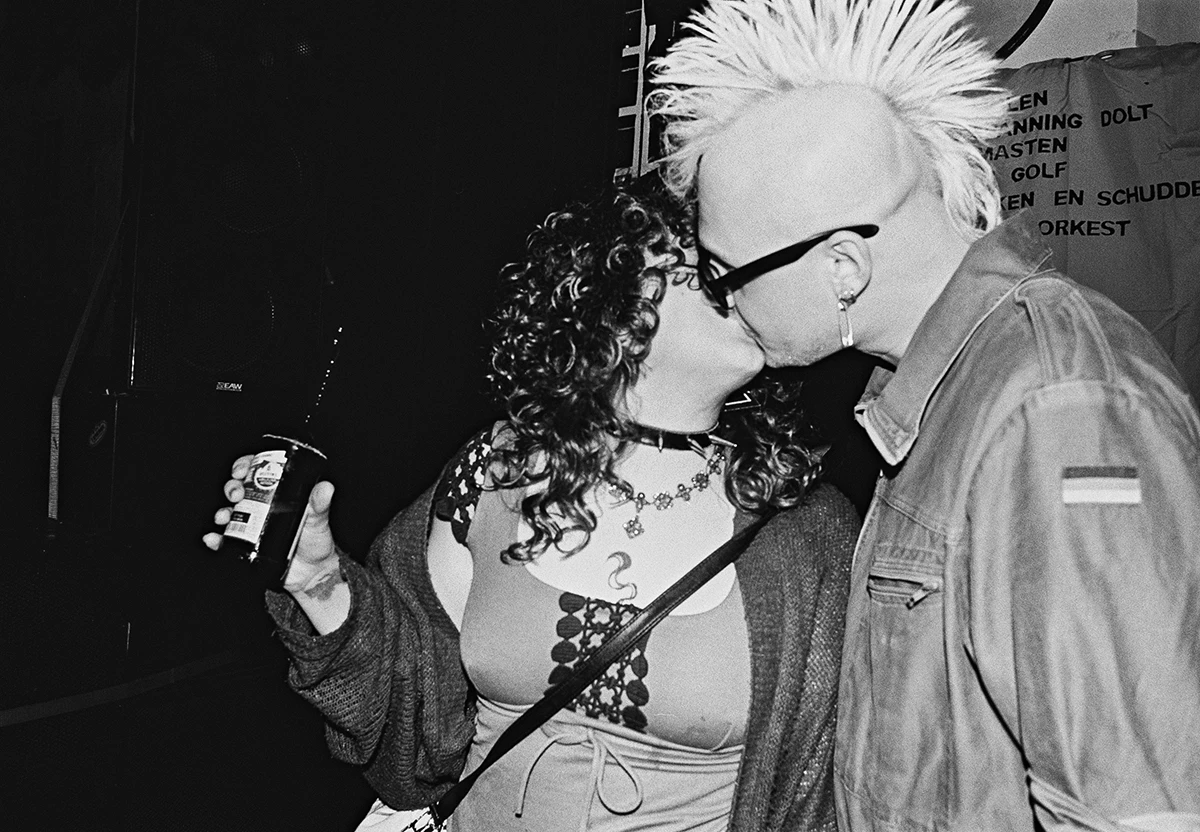
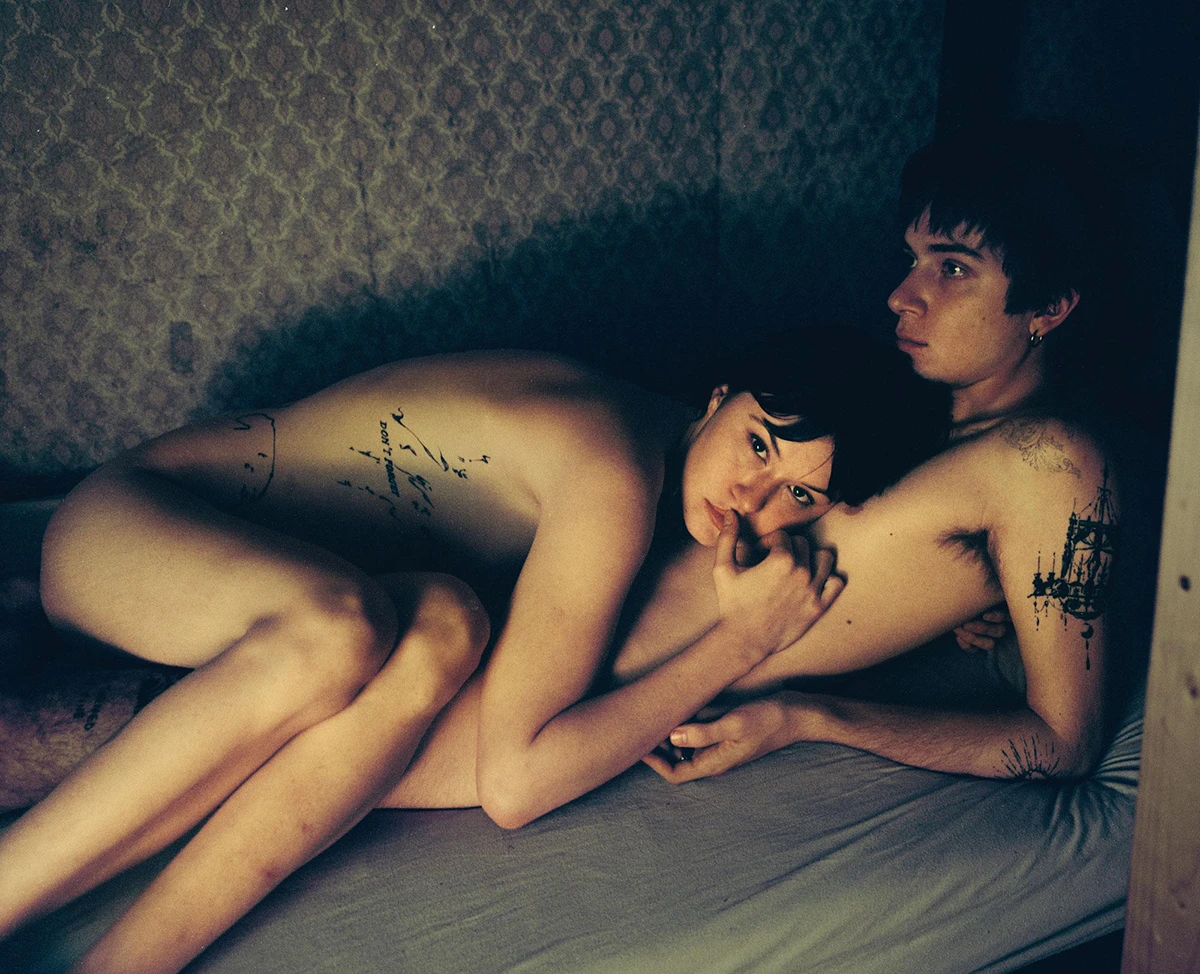
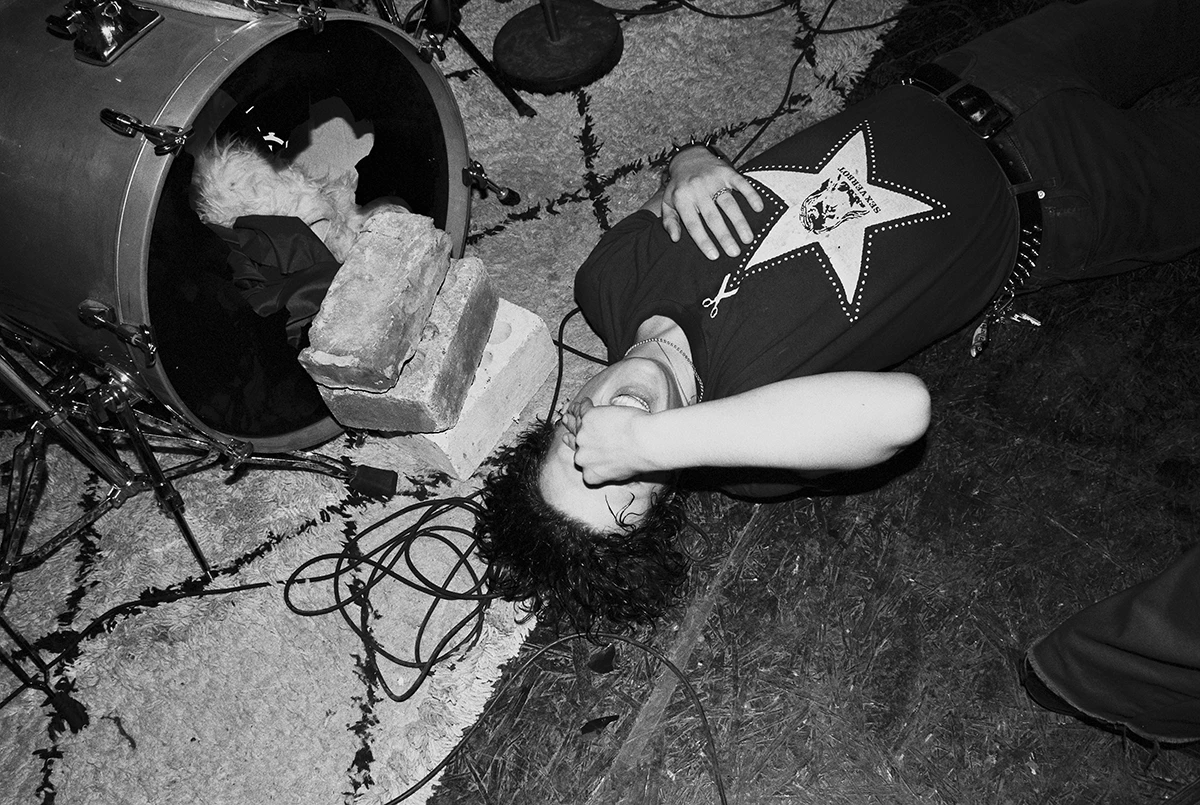
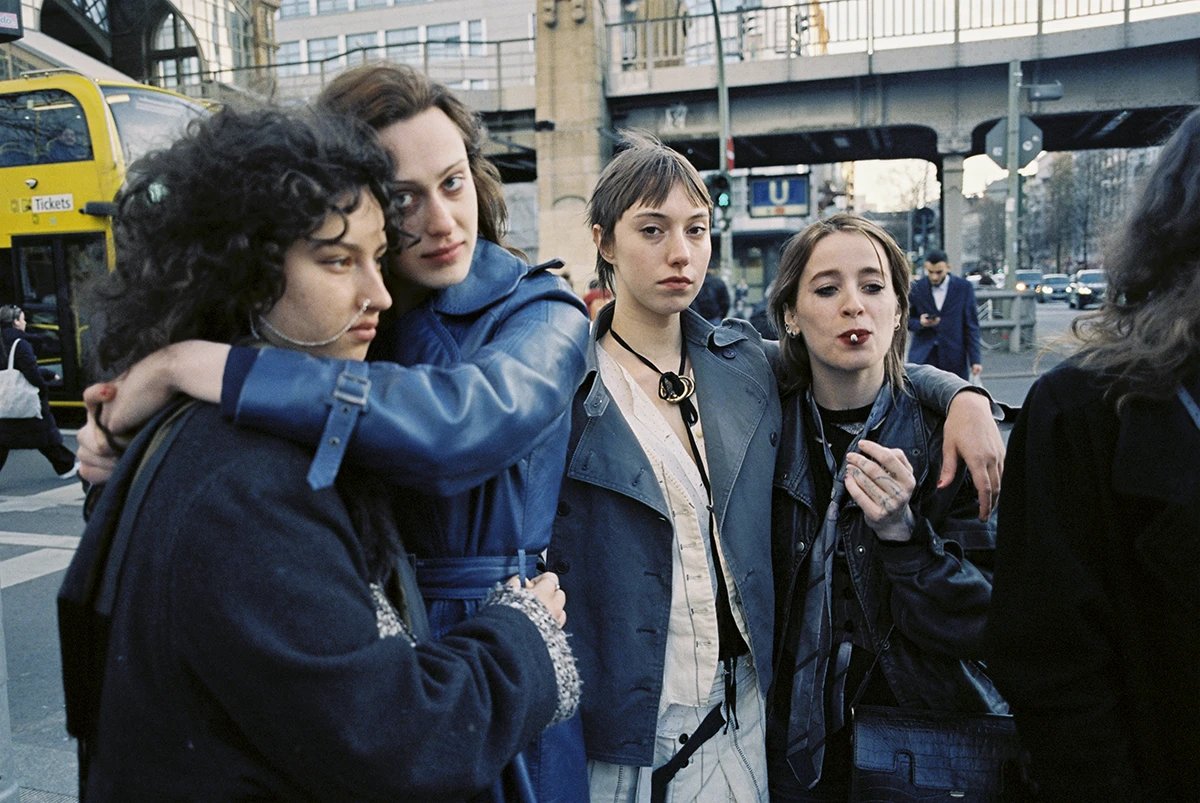
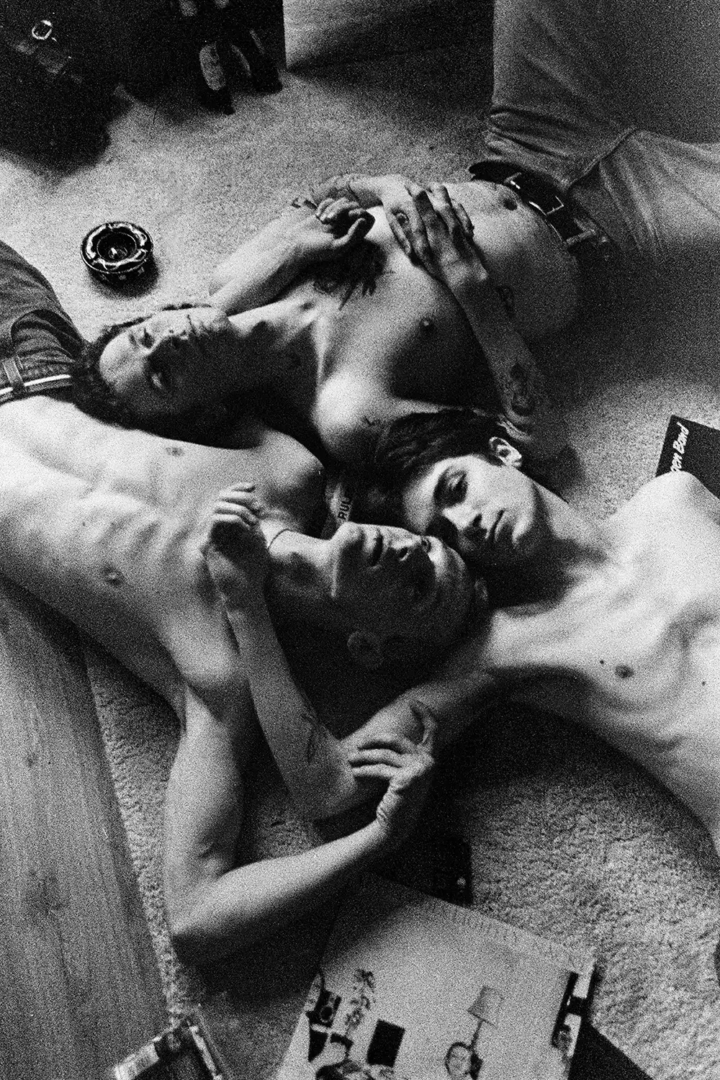
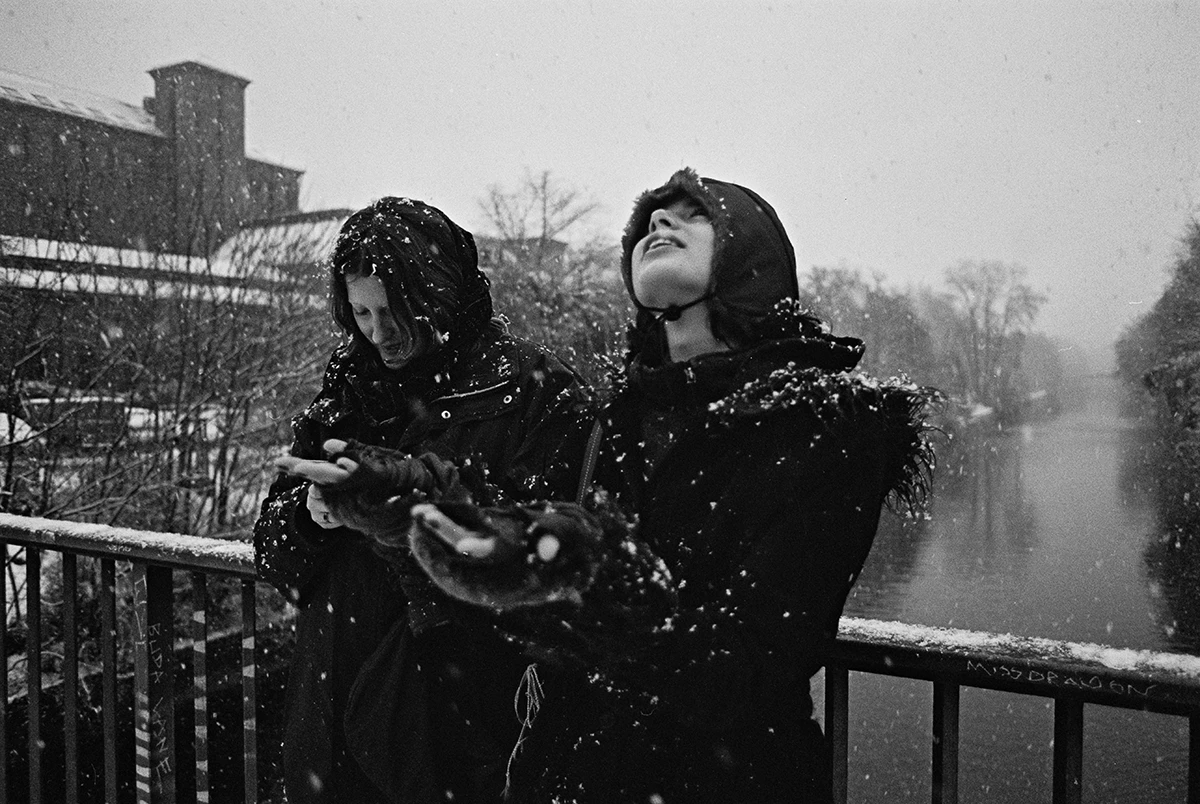
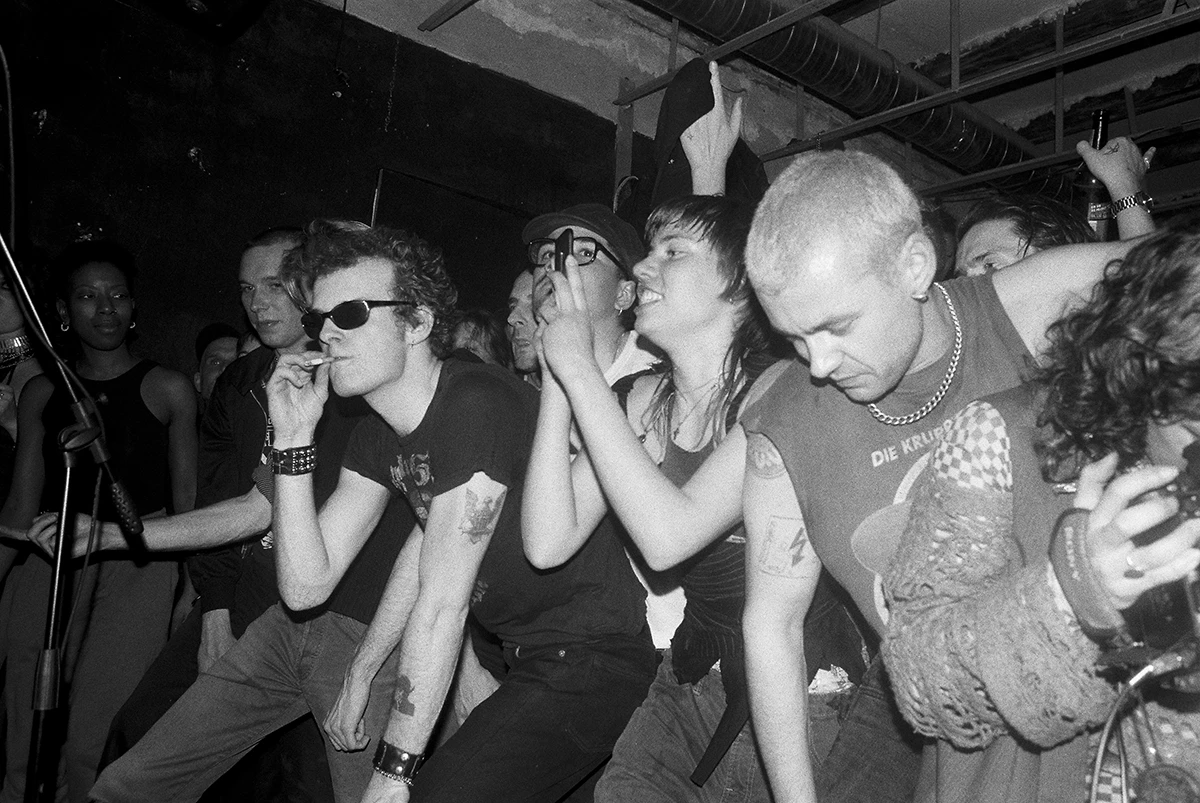
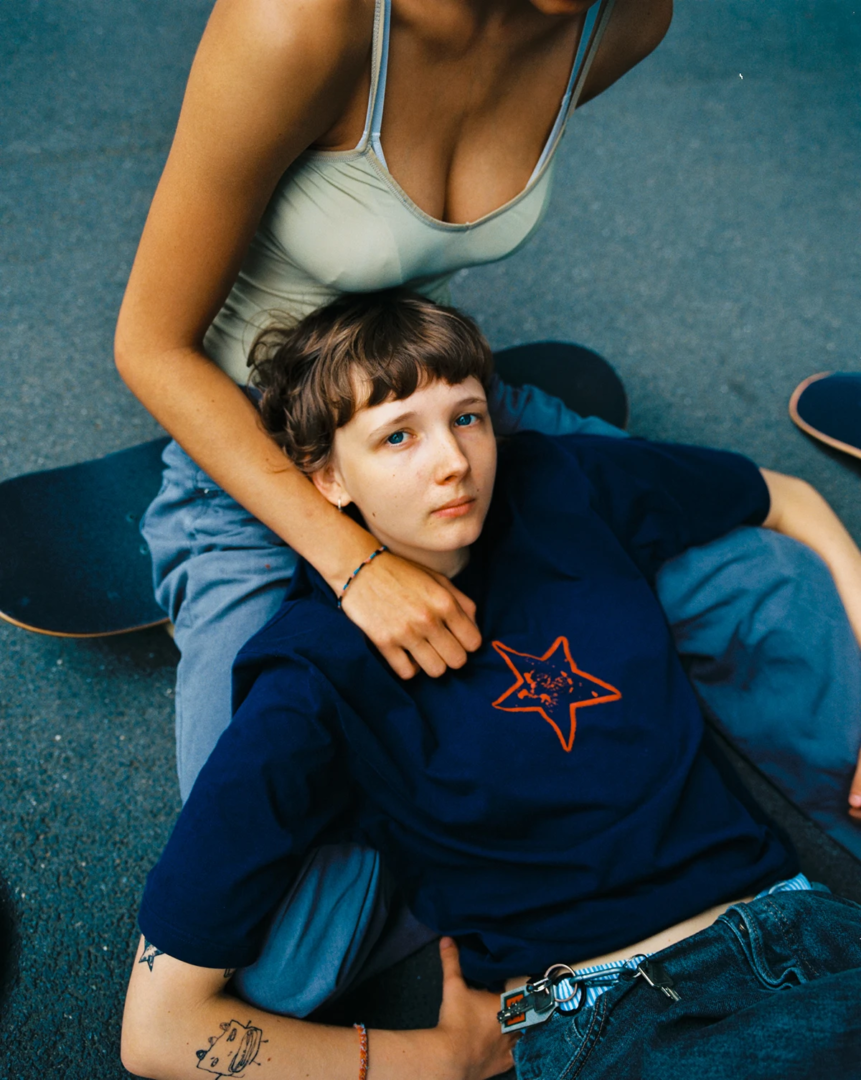
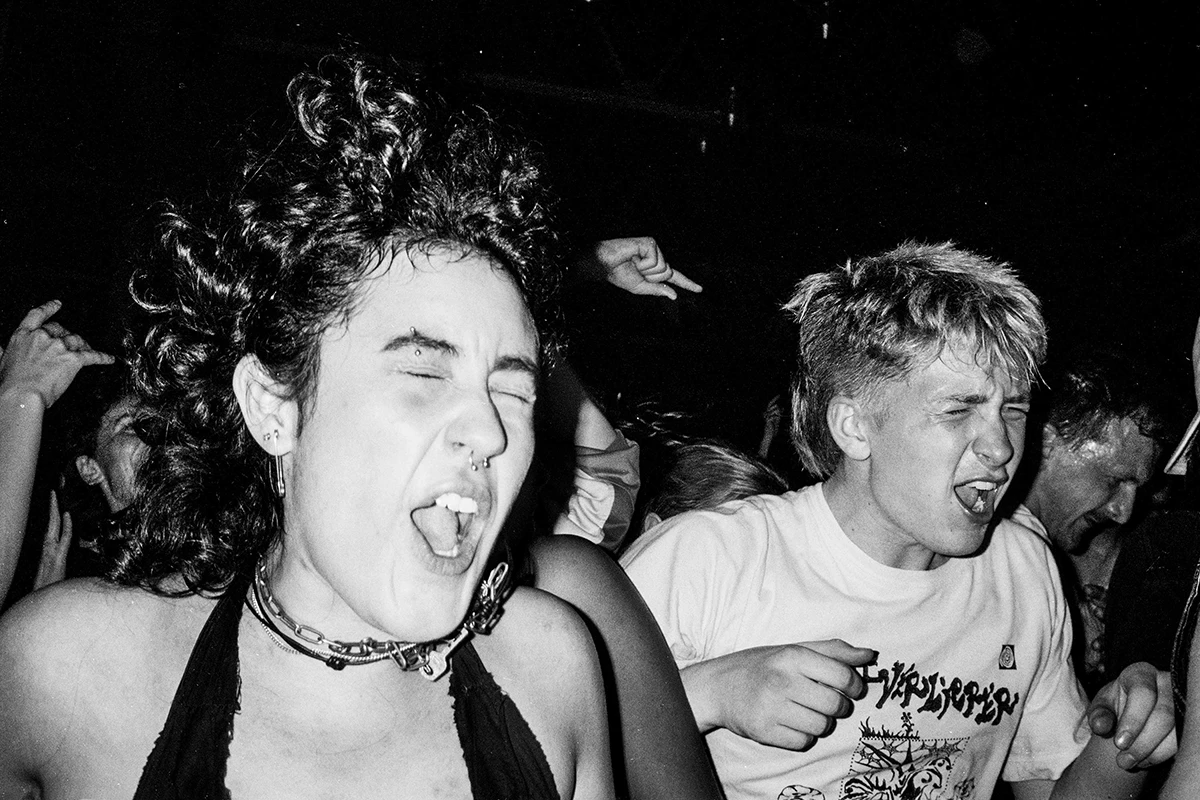
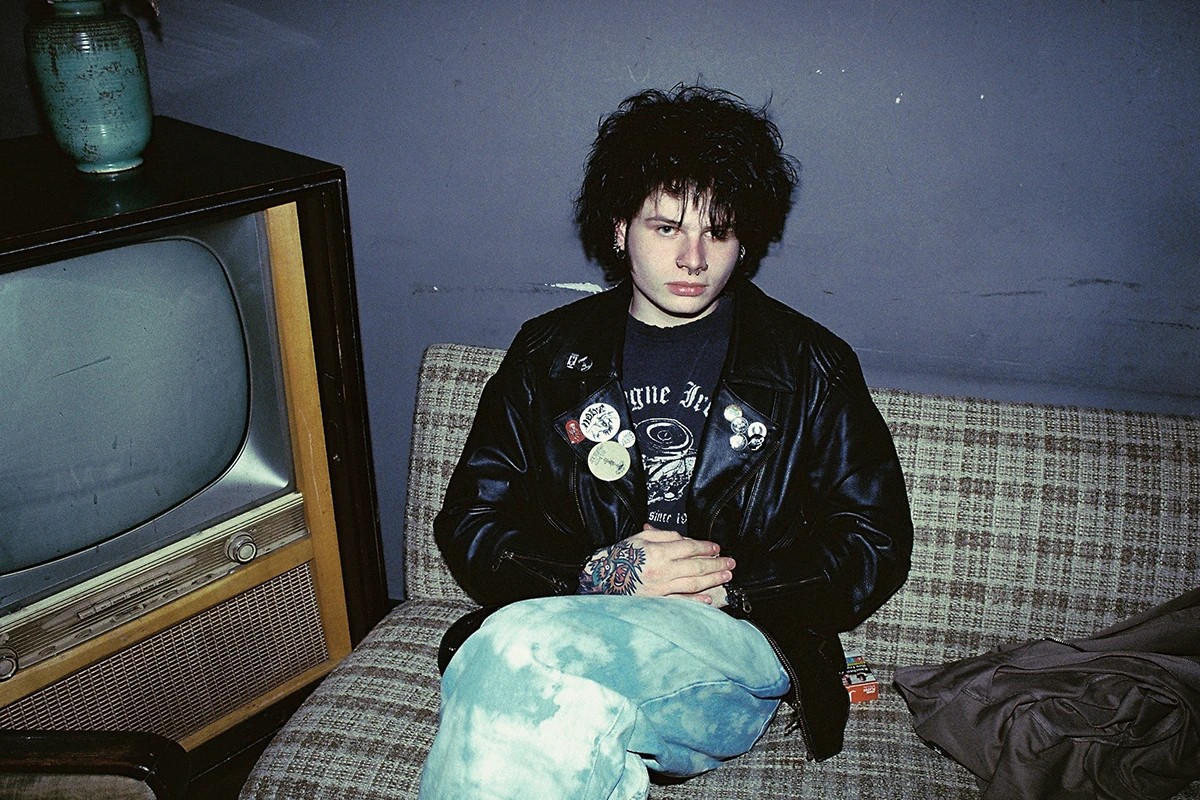
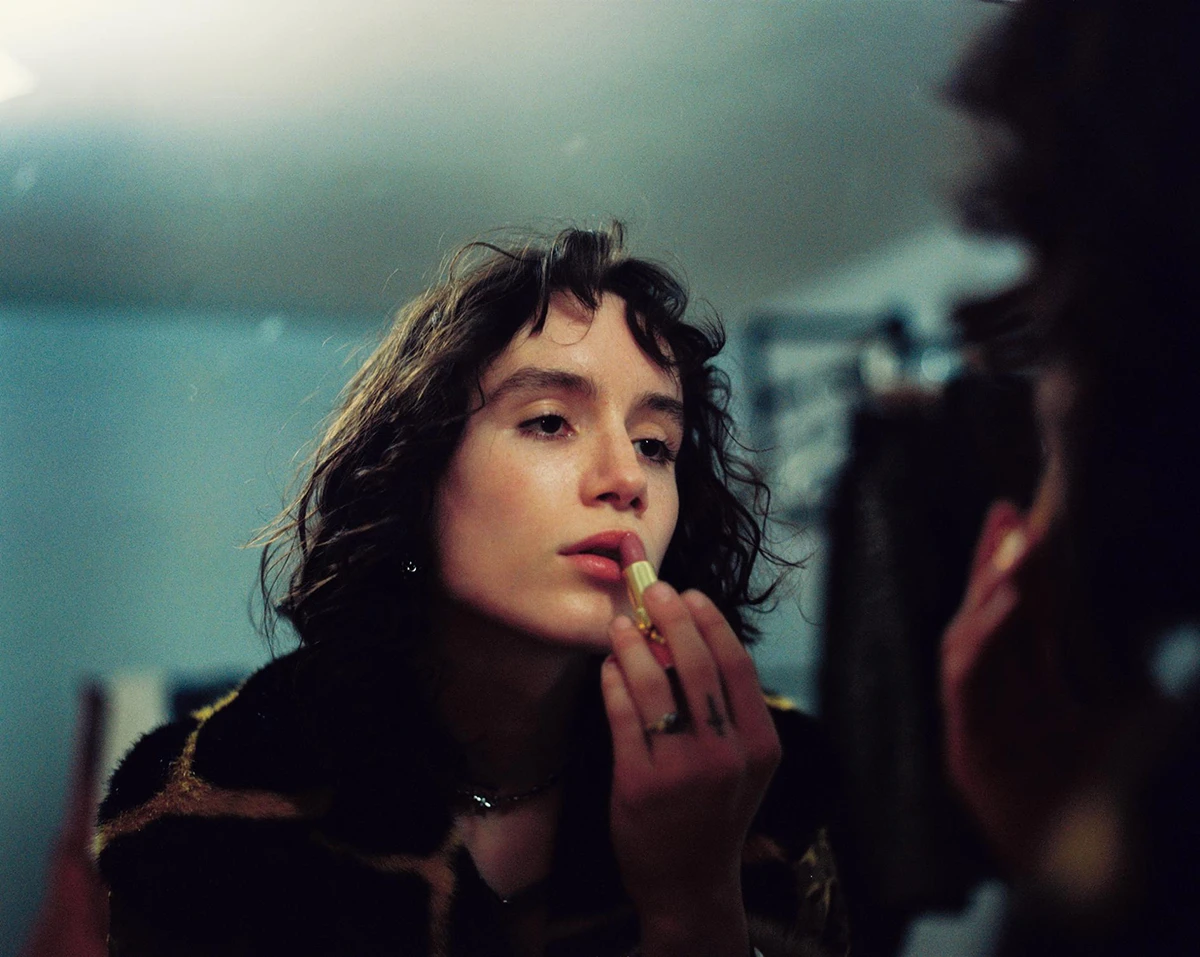
Marina Mónaco: I would say all my documentary work, all the work I’ve done over the past fifteen years, especially the last three. These come from my own archive of memories with my friends, who were once strangers. I capture them backstage, at concerts, in their rooms. I see the before and after — the deep conversations we had, the moments I chose not to photograph to keep them alive in my memory. These photos are part of the series Neue Welle and I Saw You in a Song.
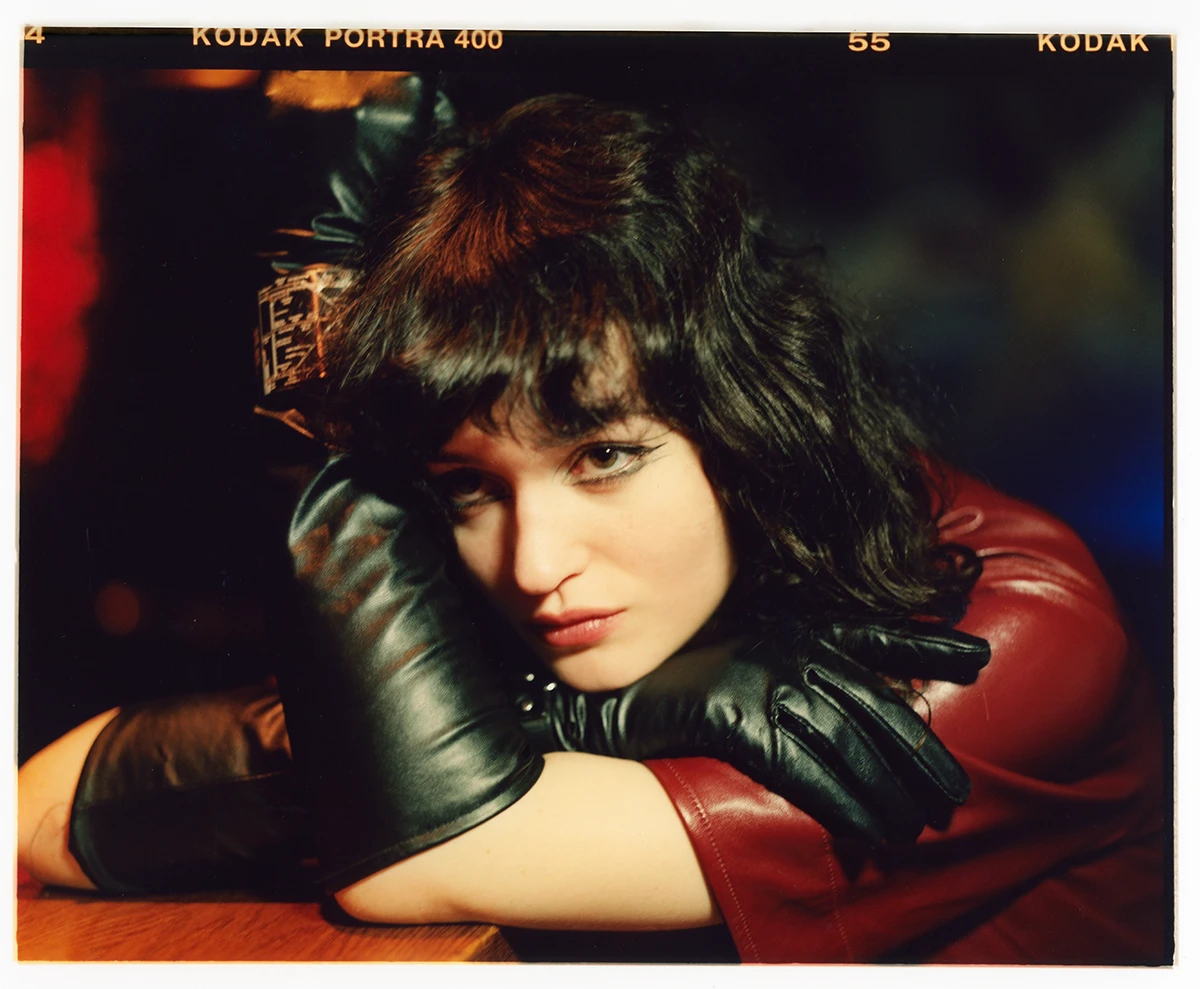
When I look at the photos, sometimes I can’t believe it. It’s not only the frame of a raw memory, but also the feeling of it — unfiltered, sitting on the frame of the 35mm film
Archives, visual memory and reusing cultural images
MF: Your practice works on the archive — of styles, atmospheres, visual memory. Can we speak of cultural sustainability in the way you reuse and recontextualize images and imaginaries from the past?
Marina Mónaco: I wouldn’t call it “cultural sustainability,” but I’m constantly connected with the past of the last century — those images are my visual references, and they help me re-experience the present. I like to see the present in layers, with multiple dimensions happening at the same time, connecting past, present and future, creating a new time revealed in the photograph.
When I bring that into my work, it feels like I’m making my own moments timeless, just as the past photos feel to me. I’m honoring the visual language that once inspired me. Without a little romanticization, the present would feel too boring.
Slowing down the gaze with film in a digital era
MF: What does it mean to slow down the gaze today?
Marina Mónaco: Shooting on film is a strong statement as a photographer. It’s not only about the aesthetics, but about the slow experience of it.
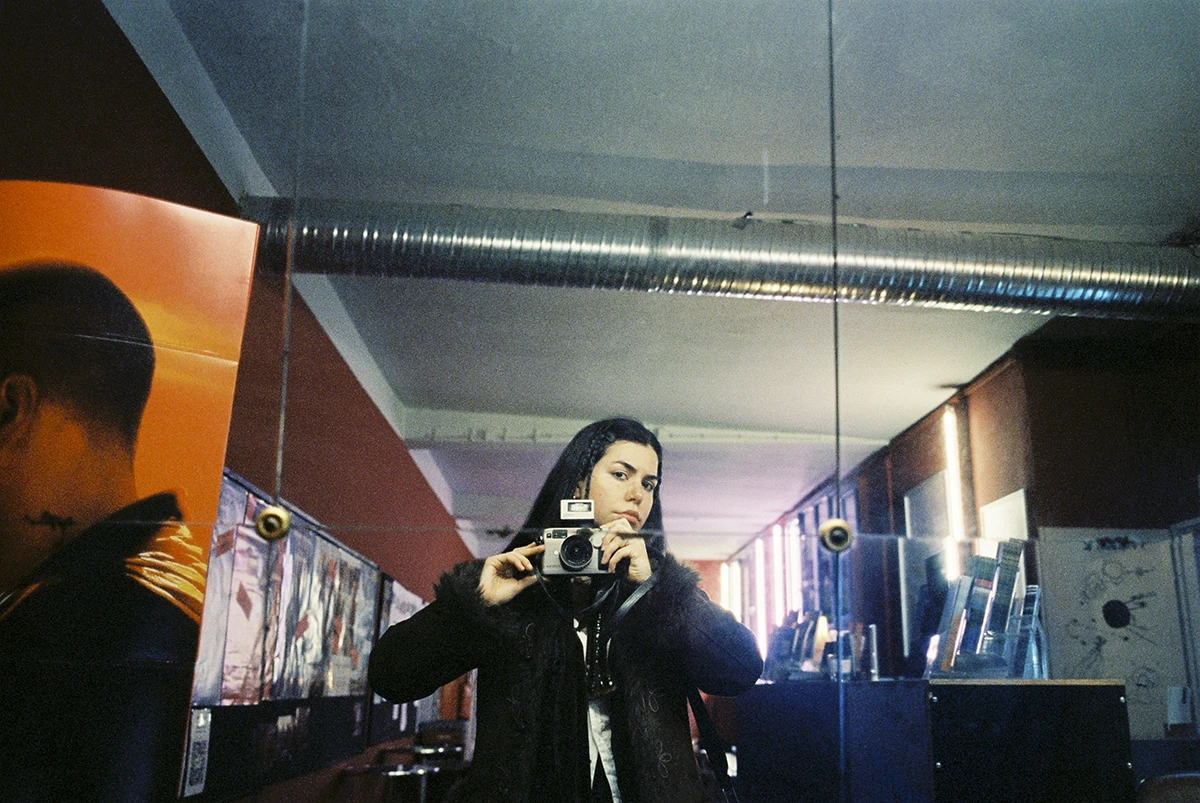
For me, it’s about embracing a pace that belongs more to human nature, a pace that lets us connect, wait, and touch with our own hands. I love that it’s slow. I enjoy waiting days to see the photos. I love to see my negatives for the first time while I’m developing at home, seeing the handprint for the first time and holding it in my hands — it makes me re-experience the moment every time. It’s just like magic.
Style, fashion codes and counterculture in Berlin
MF: Fashion is an integral part of your projects — in the looks, in the codes, in the references. How does fashion relate to counterculture today?
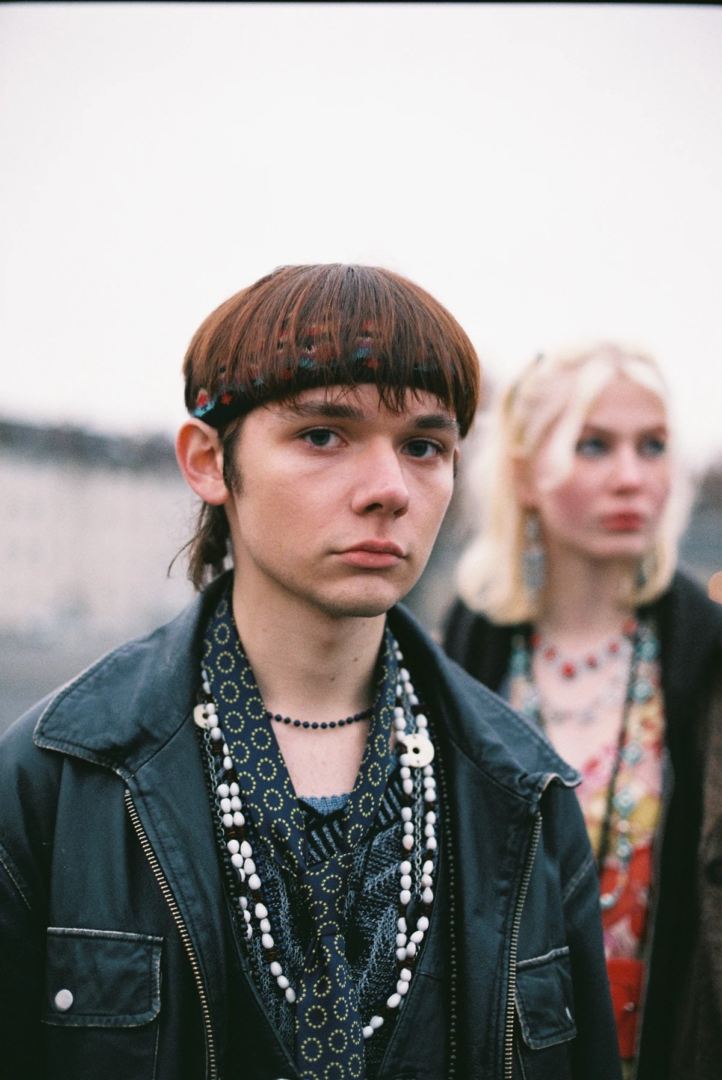
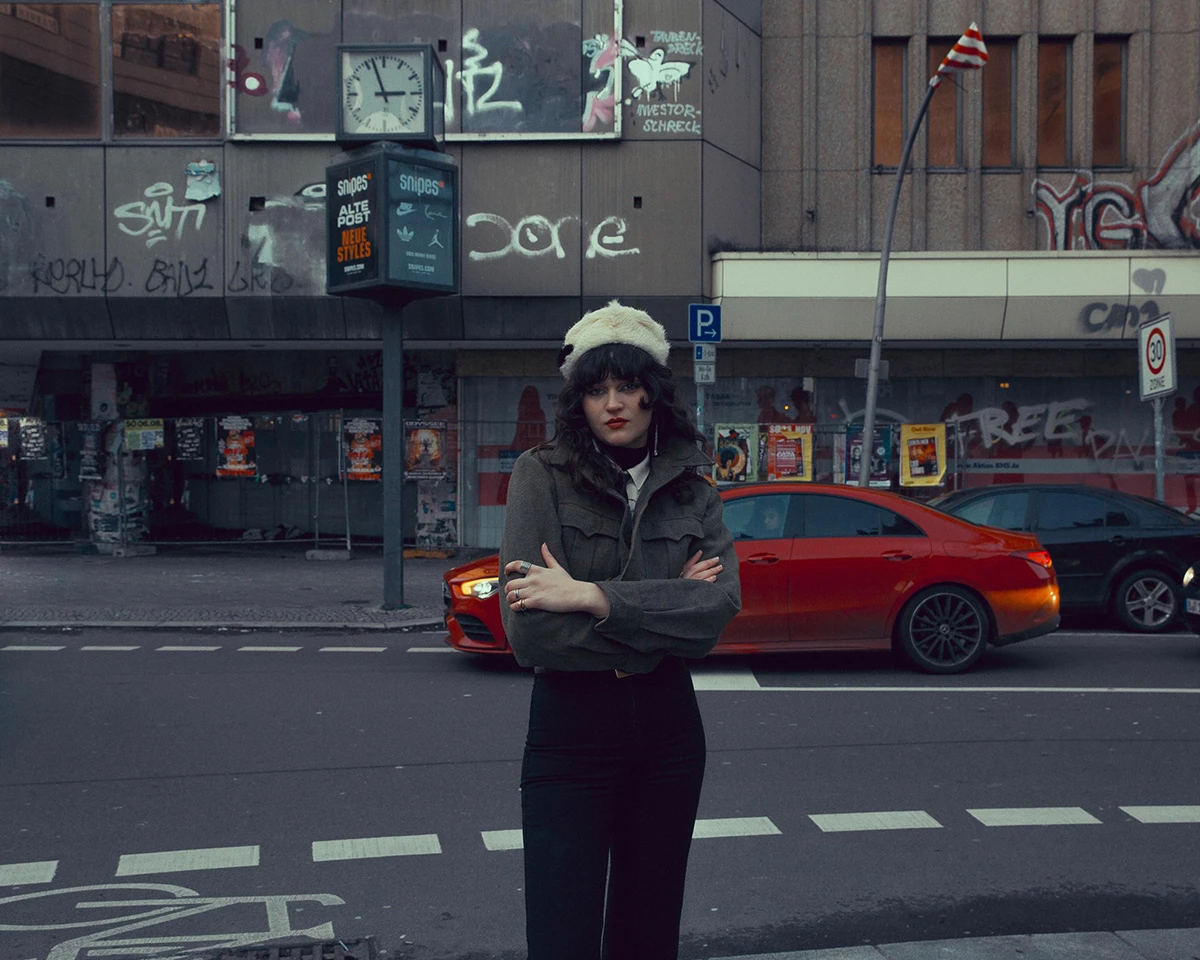
Marina Mónaco: Even though my subjects’ looks are quite specific, I don’t know much about fashion myself, and I don’t approach it consciously. Still, there’s intention — nothing is random. These people reinterpret the 60s, 70s, 80s and 90s, and they somehow remind me of characters from my favourite coming-of-age films. For them, fashion is a statement and a way to belong.
Music, community and self-image in Neue Welle
MF: Music is the matrix of Neue Welle. Is it still a language of community, or has it become mainly an extension of one’s self-image?
Marina Mónaco: It’s both. Music is one of the main reasons I’m constantly connecting with people, and most of my subjects are into it too. I can often tell who shares my taste just by the way they look or talk. I love photographing people who are into music. We share songs, play music while shooting, it creates a sense of belonging.
At the same time, everyone has a strong opinion about their own taste, and music becomes a form of self-expression — sometimes visually, through how they dress or the typography they use for their flyers.
Freedom, social aesthetics and youth culture online
MF: Your work observes a generation that builds freedom within the boundaries of Social aesthetics. Can this freedom be considered real, or is it merely superficial?
Marina Mónaco: I can’t speak for everyone, that would be too general. What I see, and why I photograph these people, is that they have a real need to express themselves in their own way. That freedom doesn’t feel superficial; it’s not forced or fake. It comes through in the way they dress, the music they love, the moments they share.
Capturing youth culture and the weight of culture
MF: What role does culture play in this?
Marina Mónaco: It means everything, especially in youth culture. I feel lucky that I can capture that, even if it’s just a small part, and share it so others can feel it too.
Marco Frattaruolo
Observing the Present Through the Past: Marina Mónaco’s Neue Welle
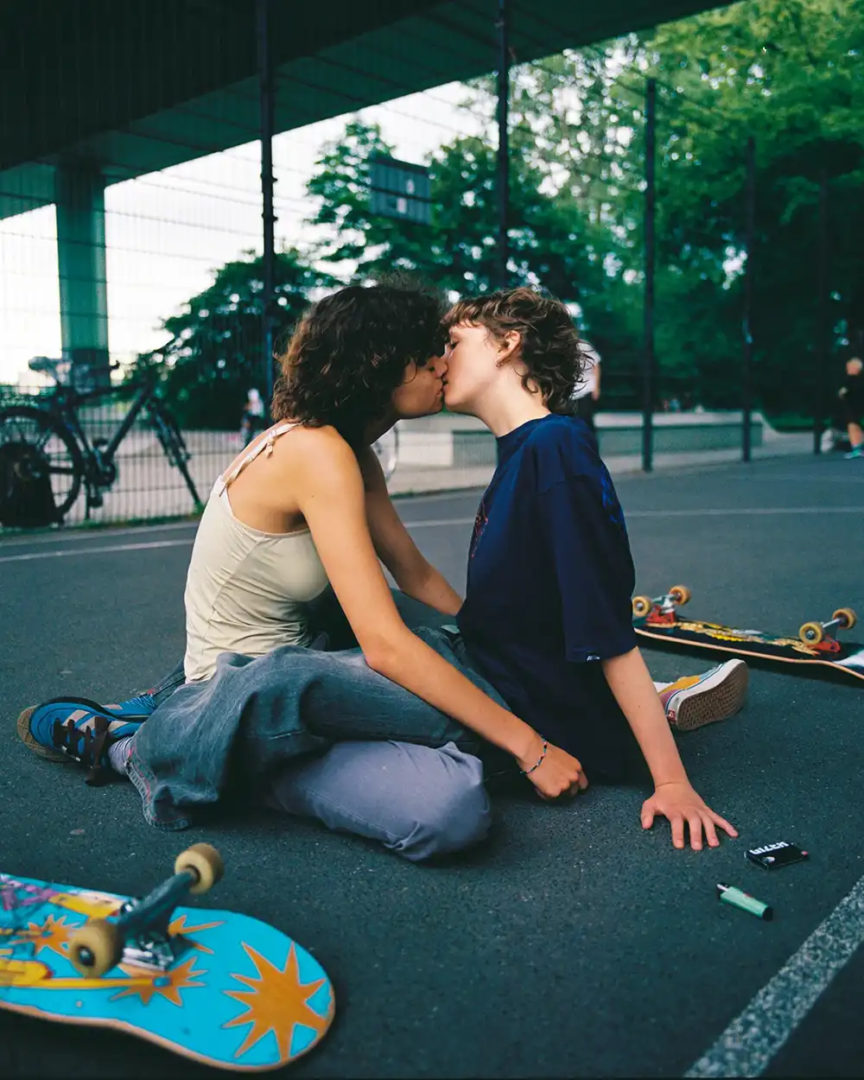
Argentinian photographer and filmmaker Marina Mónaco has been documenting Berlin’s underground music scene since 2021. Her series Neue Welle follows emerging musicians, their spaces and the visual codes they adopt, drawing on the city’s post-punk and Neue Deutsche Welle history. She photographs backstage moments, rehearsals and everyday life within the scene, building a record of a cultural moment in transition. Neue Welle explores the dialogue between past and present, showing how young artists engage with historical references while exploring their own forms of expression.