
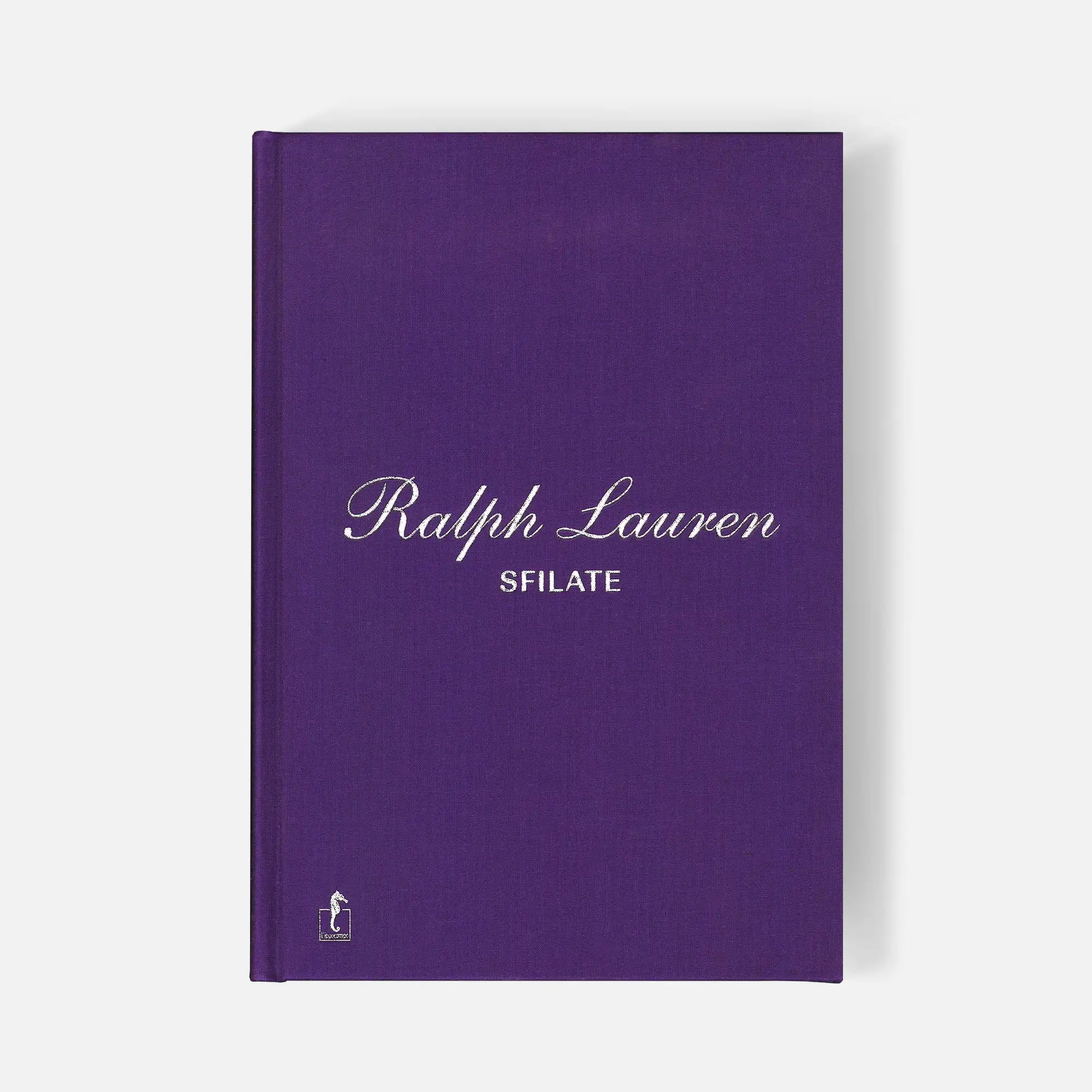
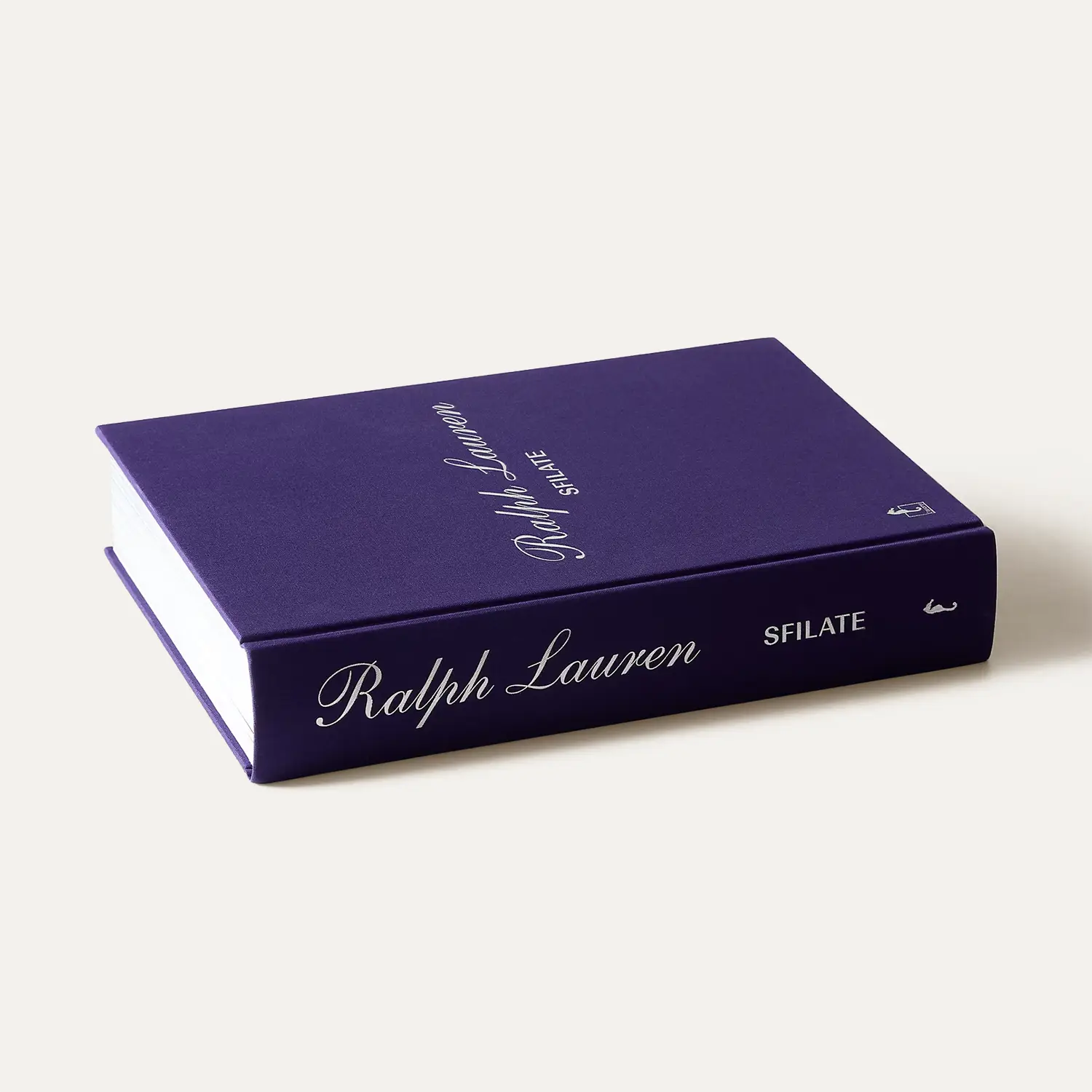
Ralph Lauren Sfilate – L’Ippocampo
49,90 €
In stock
Ralph Lauren Sfilate traces five decades of womenswear and American visual culture
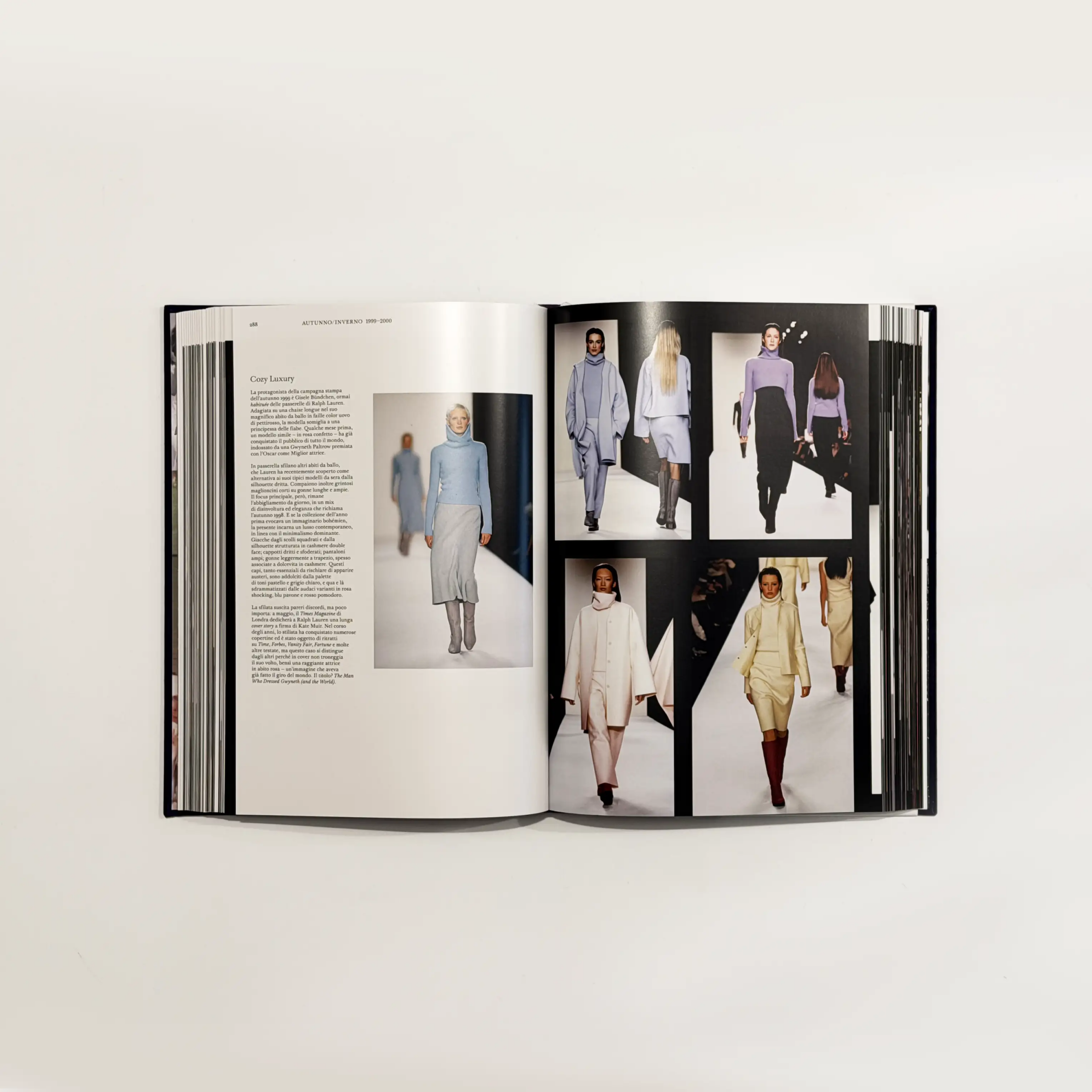
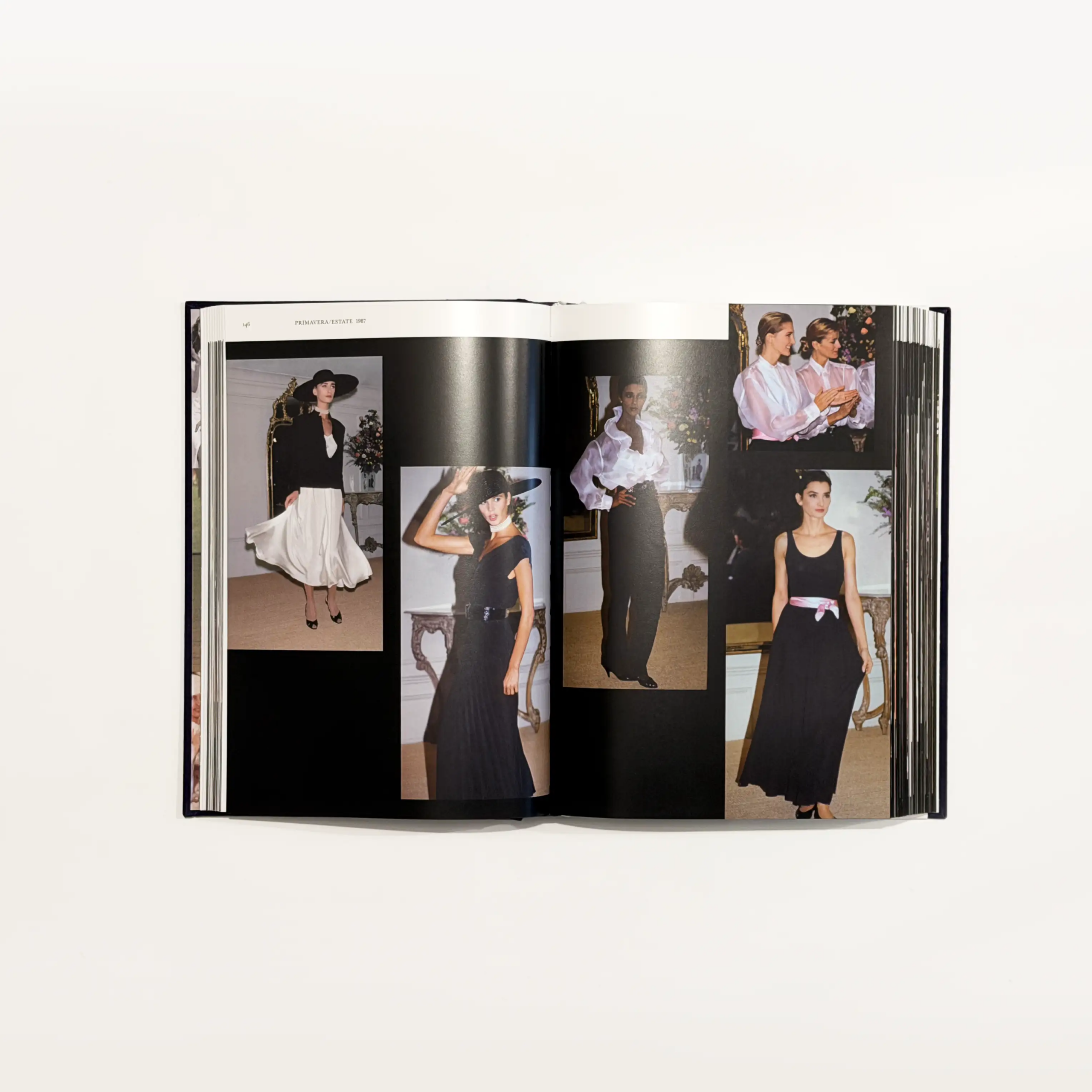
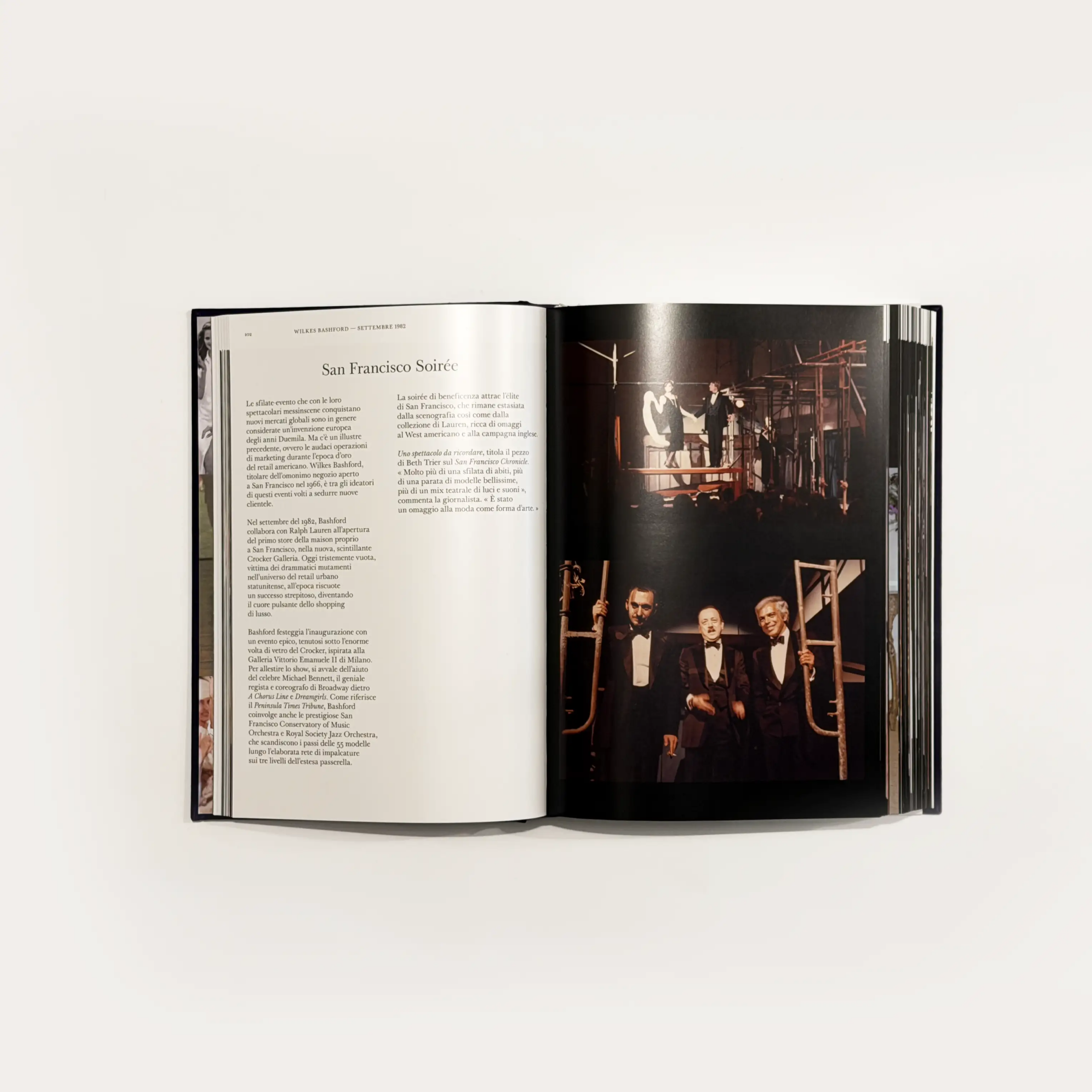
Published by L’Ippocampo on May 6, 2026, Ralph Lauren. Sfilate gathers the complete history of Ralph Lauren womenswear collections, from the Autumn/Winter 1972–73 debut through Autumn/Winter 2025. Written by fashion journalist Bridget Foley, who contributes the introductory essay, the volume brings together more than fifty years of runway history through original catwalk photography and archival material.
Part of the long-running Sfilate series, which previously focused on houses such as Chanel, Dior and Yves Saint Laurent, the publication follows the evolution of Ralph Lauren’s design language from the early years of Polo to the expansion of a broader lifestyle universe.
The Italian edition published by L’Ippocampo is a translation of the original English-language volume Ralph Lauren: The Complete Collections, published by Thames & Hudson in London. Within the international publishing structure of the series, Yale University Press handles distribution in the United States, while co-editions in other languages are produced in collaboration with publishers including Phaidon, Flammarion, Robert Laffont, Gestalten and Shōgakukan in Japan. The Italian Sfilate series, of which this volume is the latest addition, has sold more than two million copies across its various language editions.
Ralph Lauren womenswear from 1972 to 2025
The book begins with a turning point in Ralph Lauren’s trajectory: the launch of womenswear in 1972. Until then, Lauren had built his reputation through menswear and through the Polo necktie line introduced in 1967. The transition into womenswear arrived through a reinterpretation of masculine tailoring. Jackets, shirts and structured silhouettes entered the female wardrobe through references drawn from menswear, Ivy League dress codes and traditional American sportswear.
Throughout the following decades, the collections developed a visual language built around recurring themes. Equestrian references, English country clothing, military uniforms, Western imagery, nautical elements and formal tailoring moved across seasons and reappeared in new forms.
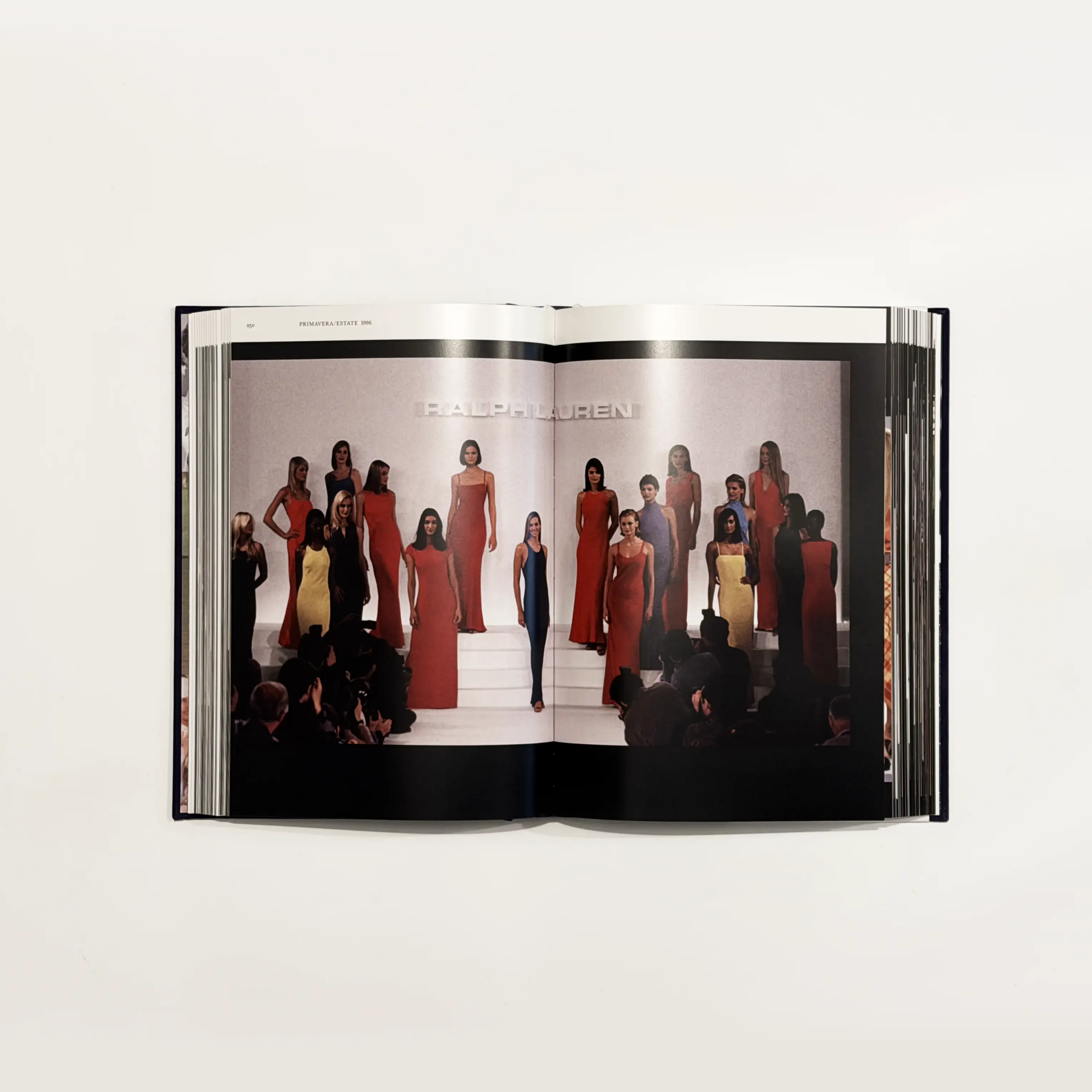
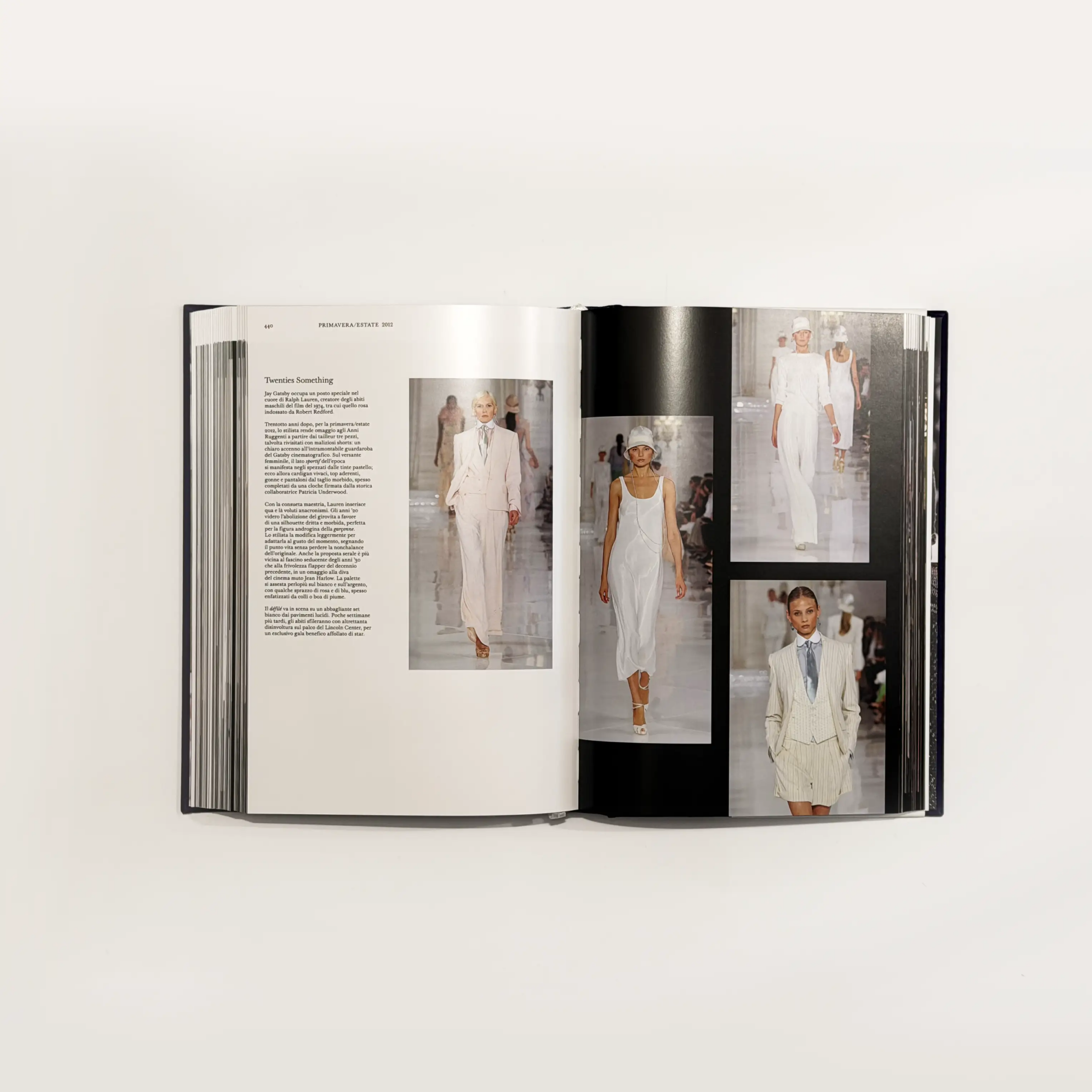
The publication follows this continuity through runway images that span multiple eras, from the early presentations of the 1970s to recent collections staged in locations including New York, California and the Hamptons.
Ralph Lauren and the construction of a lifestyle system
The volume positions fashion within a wider cultural and commercial structure. Ralph Lauren expanded his activity into fragrance, home collections, restaurants, hospitality and retail environments. Clothing became part of a larger narrative that extended into architecture, interiors and visual identity.
This approach shaped some of the designer’s best-known retail projects. The Madison Avenue flagship in New York, Rhinelander Mansion, transformed a late nineteenth-century building into a physical extension of the Ralph Lauren world. Similar strategies later appeared across stores, cafés and hospitality projects, where environments functioned as narrative spaces as much as commercial ones.
The publication also traces the relationship between Ralph Lauren and American ideas of aspiration and self-construction. Born in the Bronx, Lauren built an aesthetic language around environments and lifestyles that initially existed outside his own experience. Ivy League culture, Hollywood cinema, the American West and upper-class East Coast references became recurring visual materials.
Cinema, storytelling and the runway format
Across the book, the runway emerges as a storytelling tool rather than a product presentation. Models move through carefully constructed settings populated by recognizable characters and recurring archetypes. Family structures, children, domestic scenes, landscapes and travel often entered campaigns and presentations.
Fashion photography and runway imagery played a central role in maintaining consistency across decades. Rather than separating campaigns, collections and environments into different systems, Ralph Lauren developed a visual structure where these elements supported one another.
The result is a chronology of collections and a record of how fashion entered broader discussions around imagery, identity and lifestyle production during the last fifty years.
Ralph Lauren Sfilate and fashion archive publishing
The growing number of fashion archive publications reflects a wider interest in long-form documentation and historical continuity. Ralph Lauren. Sfilate enters this context as a survey of collections and as a document of changing visual codes within American fashion.
Across more than five decades of runway material, recurring pieces continue to appear: tweed jackets, riding boots, denim, evening tailoring, utility clothing and sportswear references. The book follows how these elements shifted through different periods while remaining part of an identifiable visual structure.
Rather than presenting a sequence of seasonal trends, the publication maps the evolution of a fashion language built through repetition, adaptation and continuity across time.
/ Italian Edition
Comments are closed.