
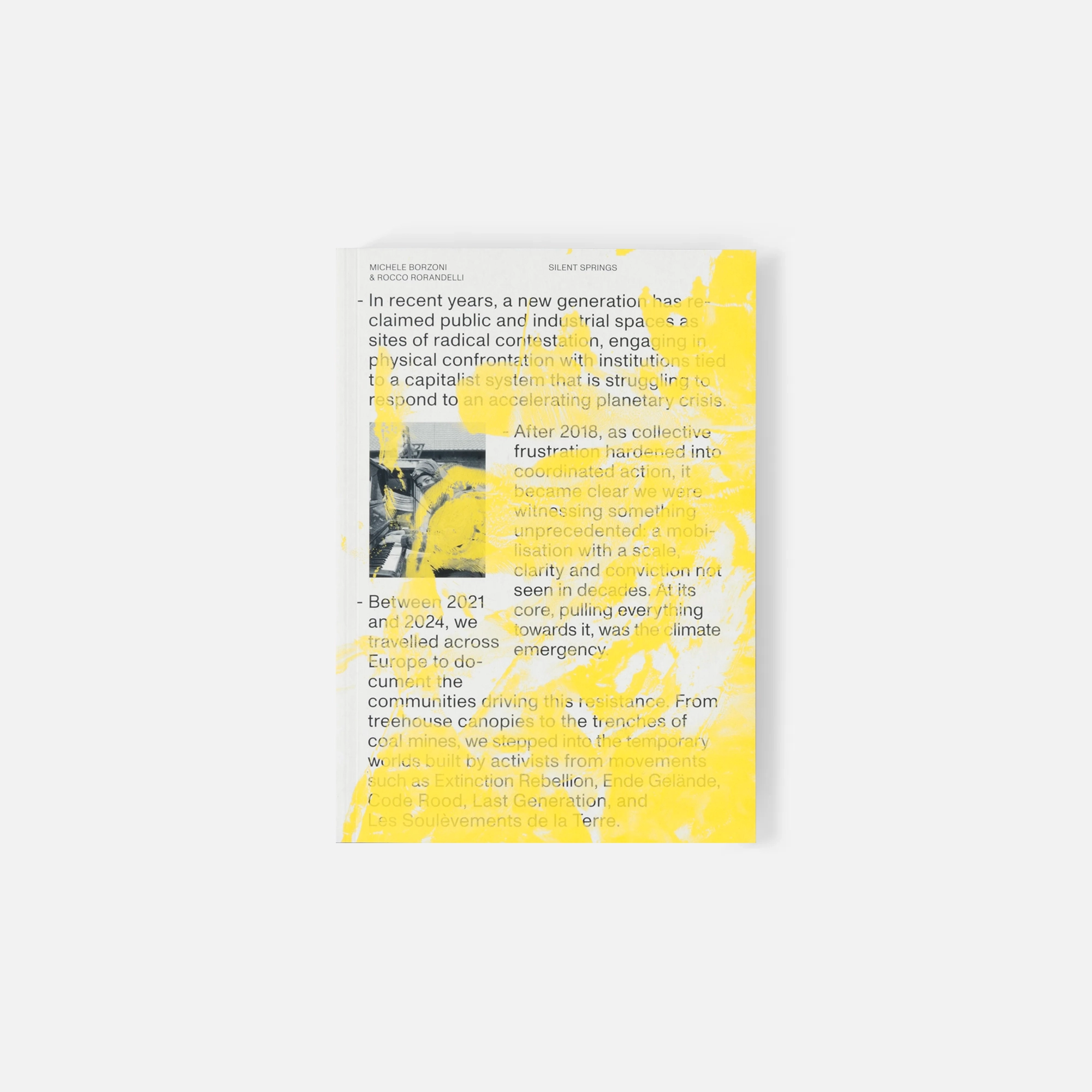
Silent Springs Michele Borzoni Rocco Rorandelli
42,00 €
In stock
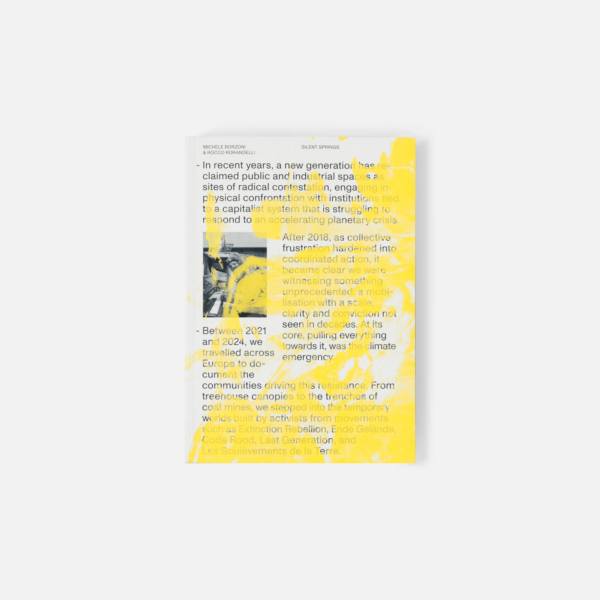
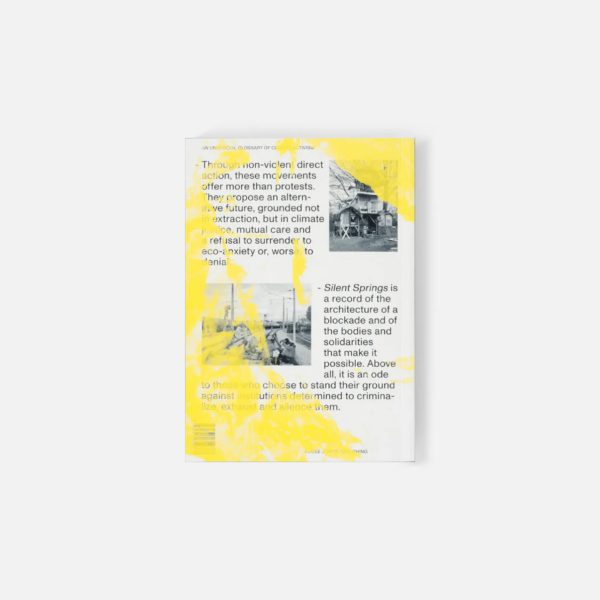
A documentary photobook on youth climate activism in Europe, beyond the image of protest as spectacle
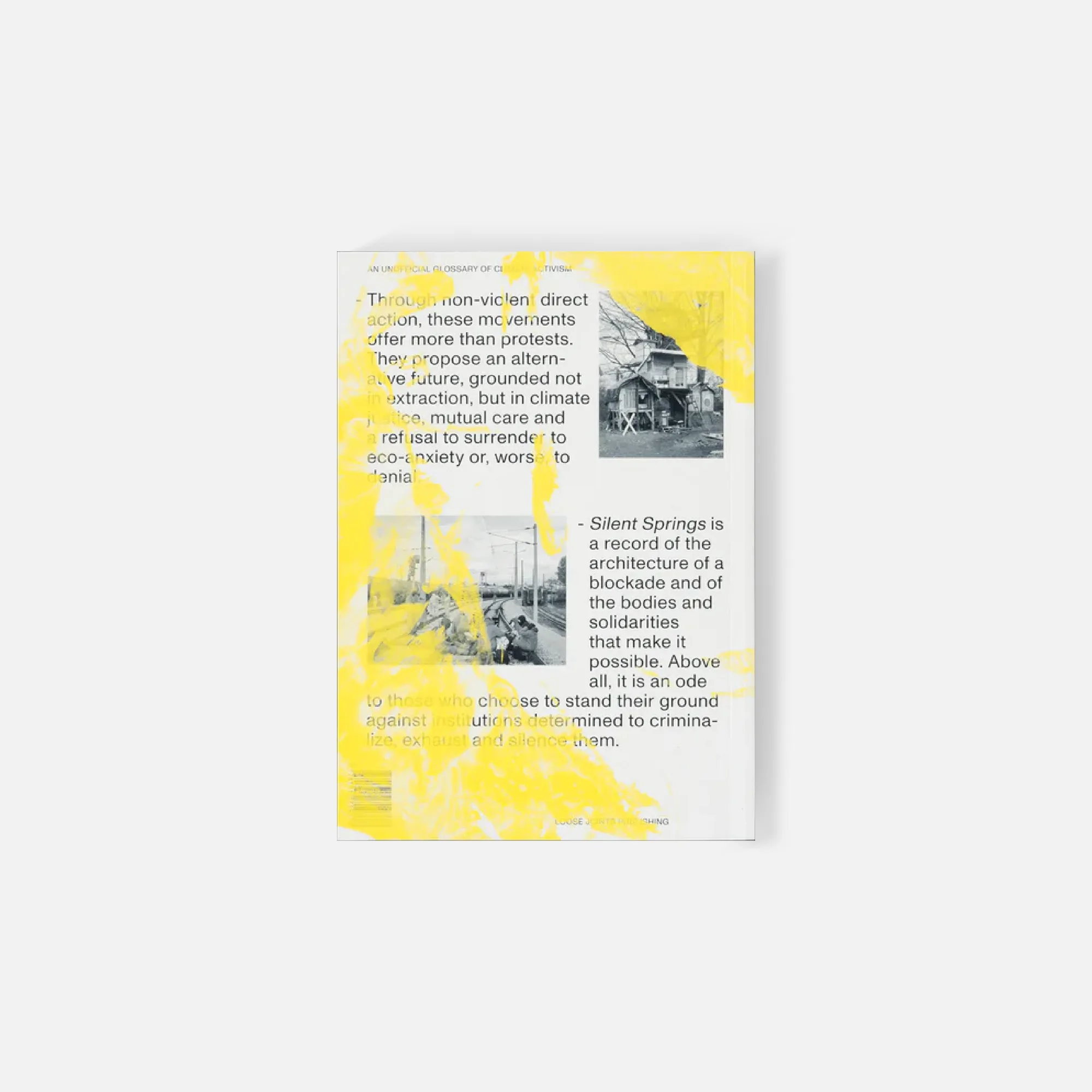
Silent Springs is a documentary photobook by Italian photographers Michele Borzoni and Rocco Rorandelli, published by Loose Joints in July 2026. The book follows youth climate activism across Europe through non-violent direct action, collective organisation and the public rituals of resistance.
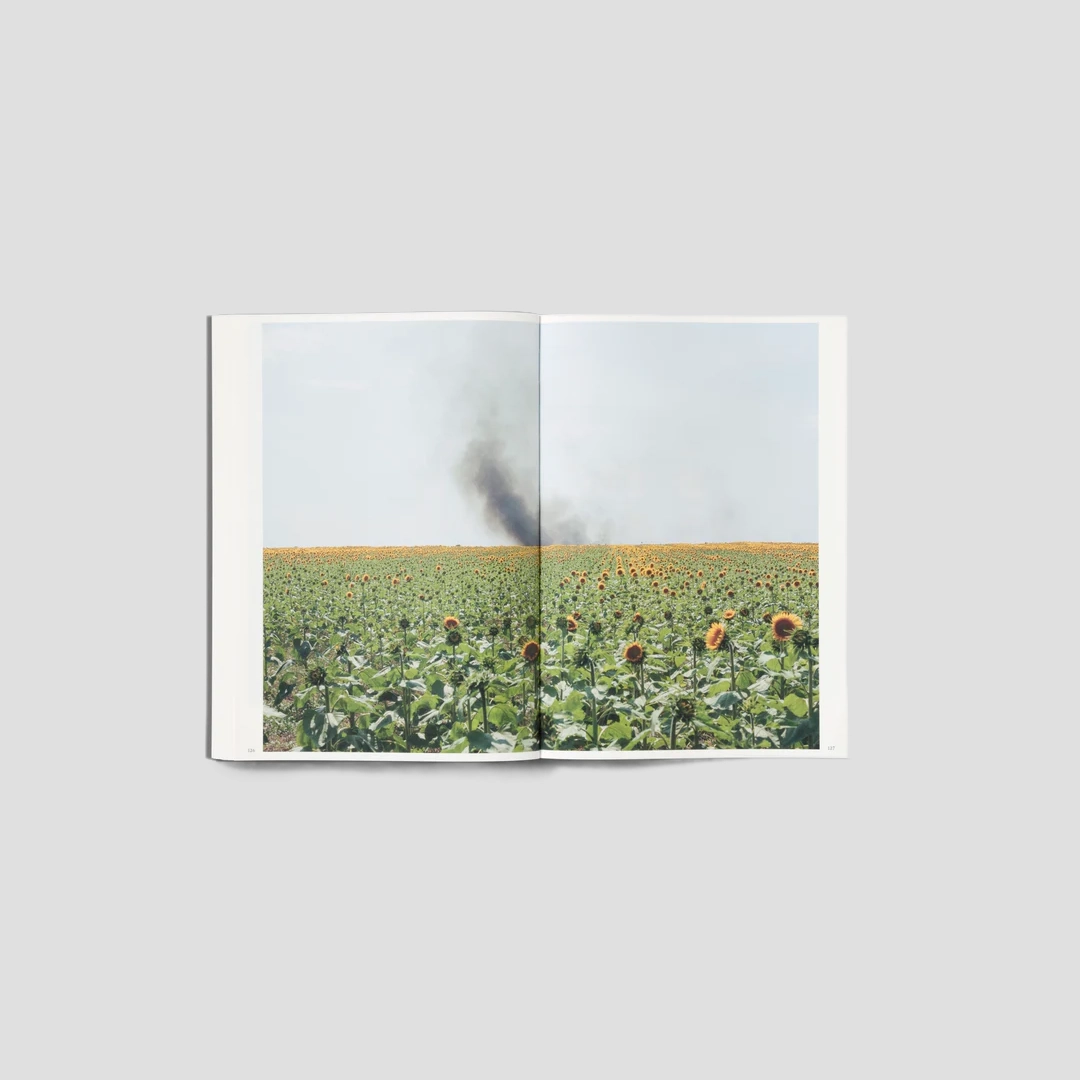
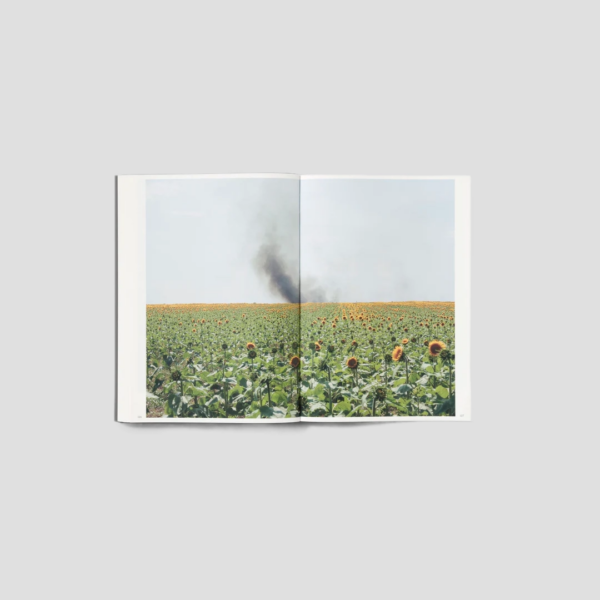
The title refers to Rachel Carson’s Silent Spring, reframed in the plural. Not one silent spring, but many: a constellation of movements, tactics, territories and political urgencies. In Silent Springs, environmental protest is not treated as an isolated event. It is shown as a system of preparation, waiting, care, risk and shared language.
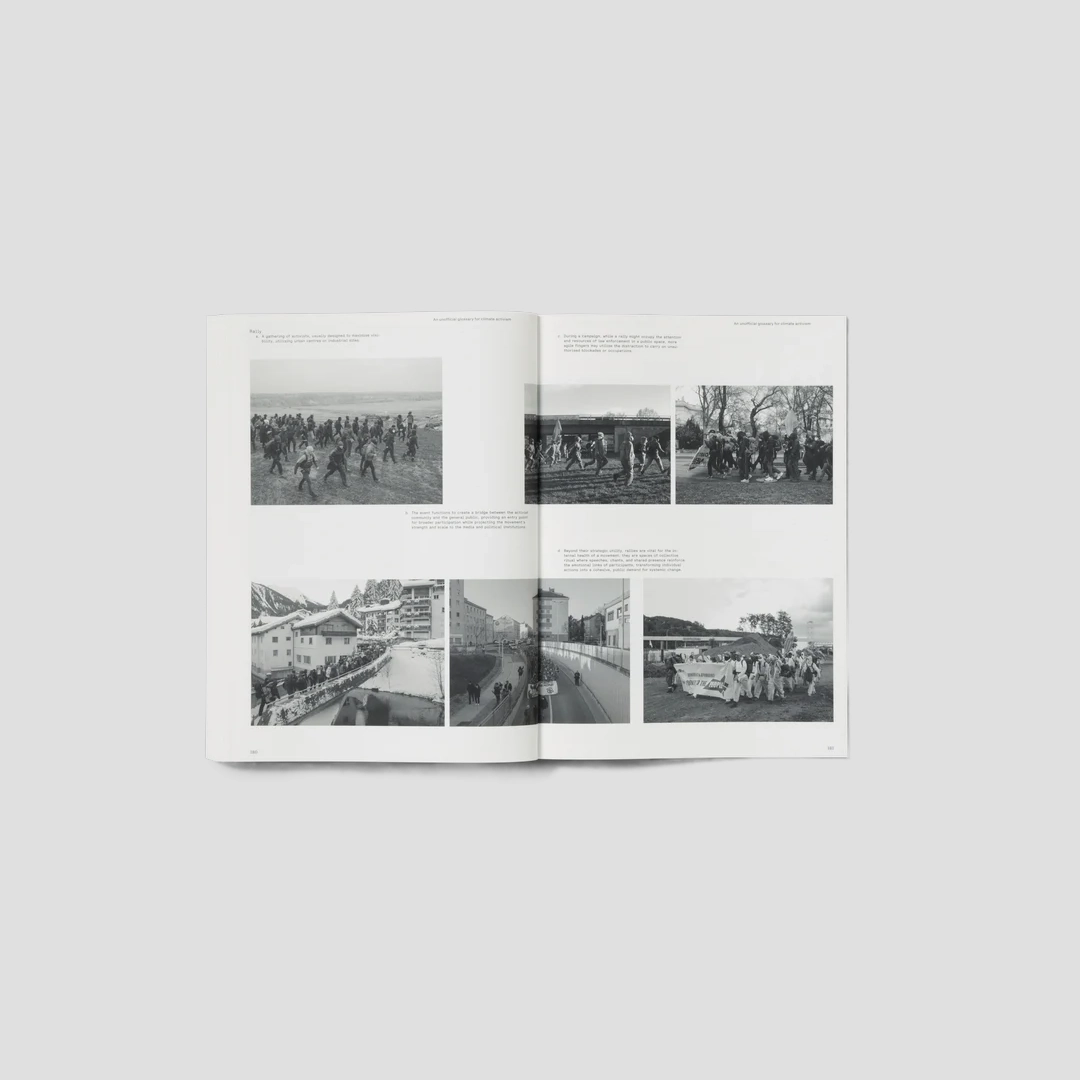
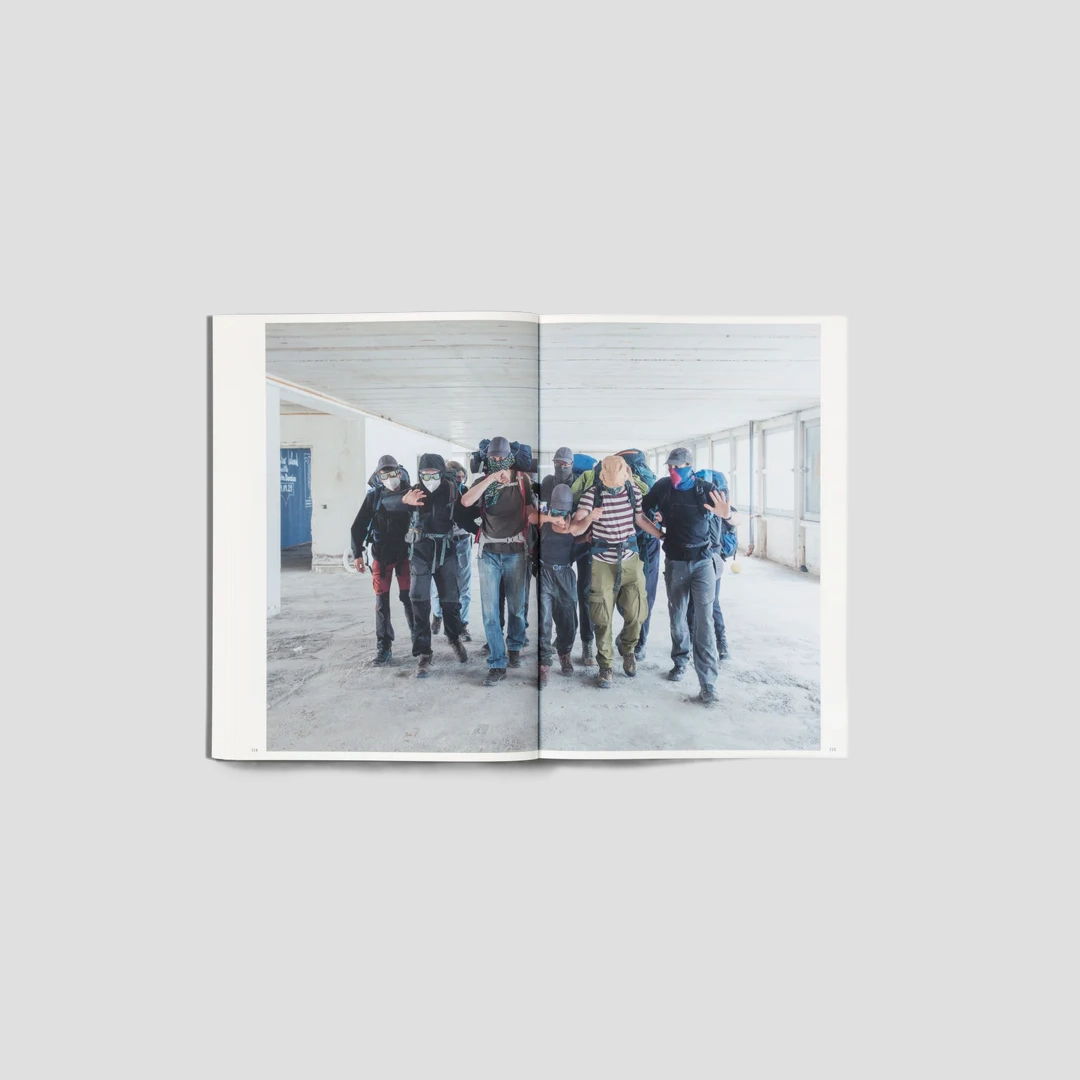
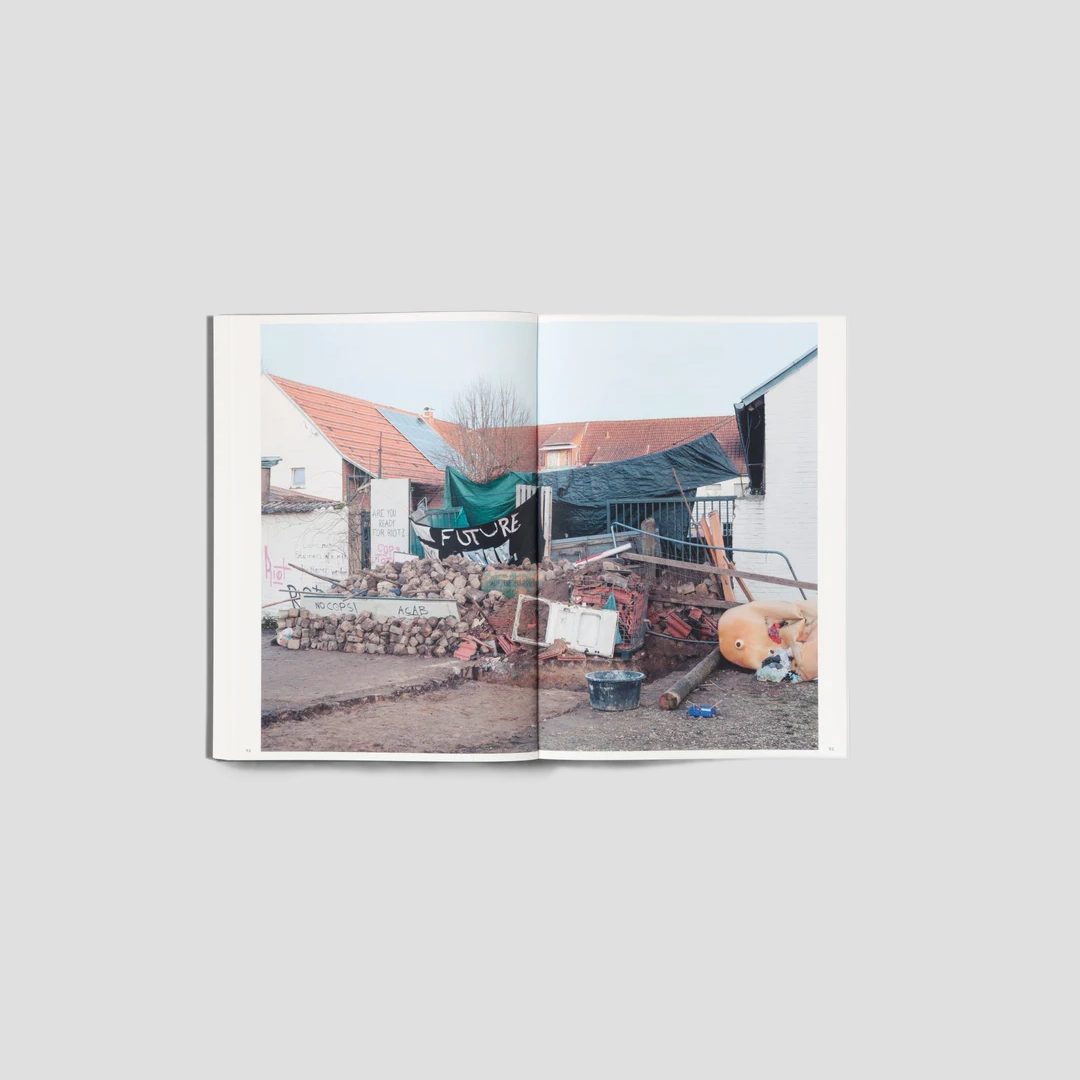
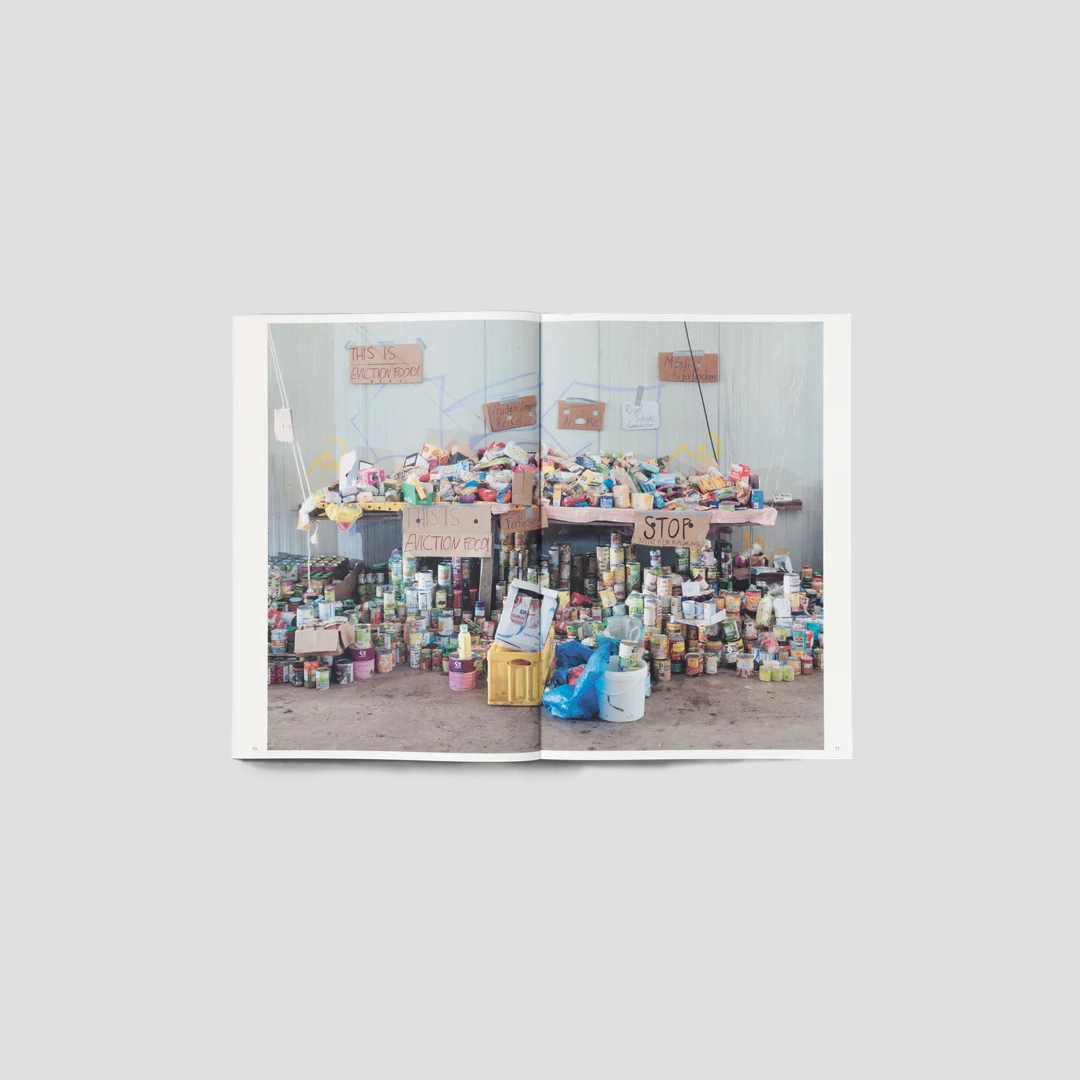
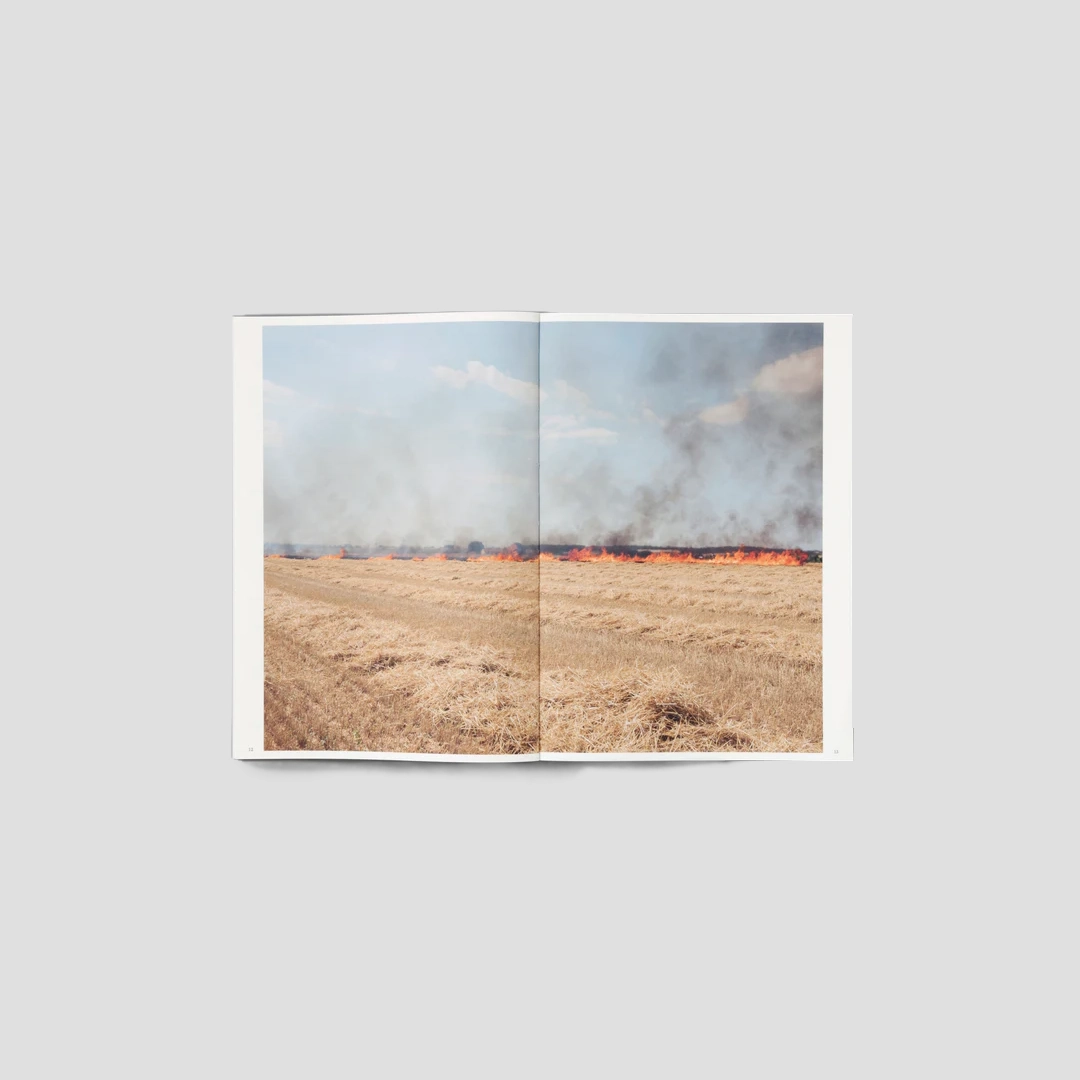
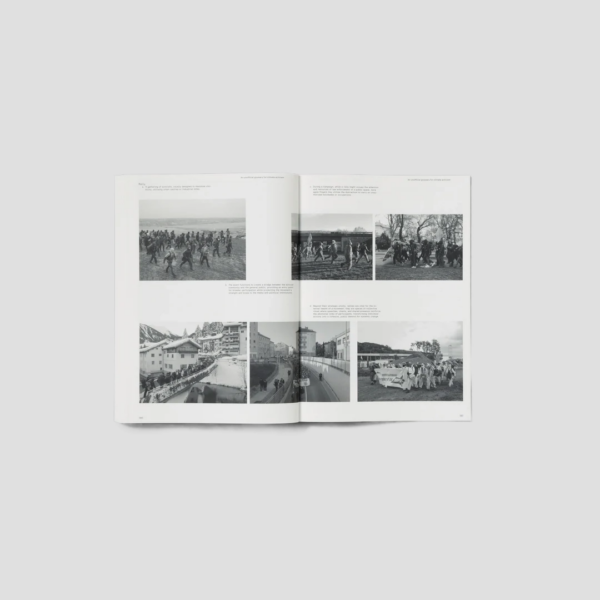
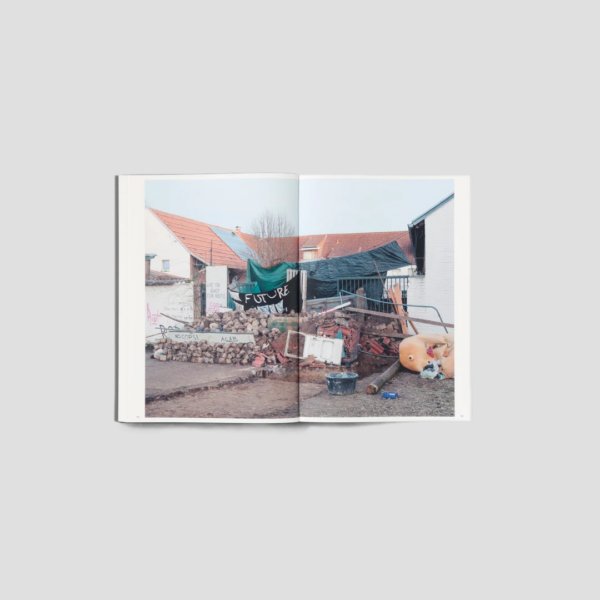
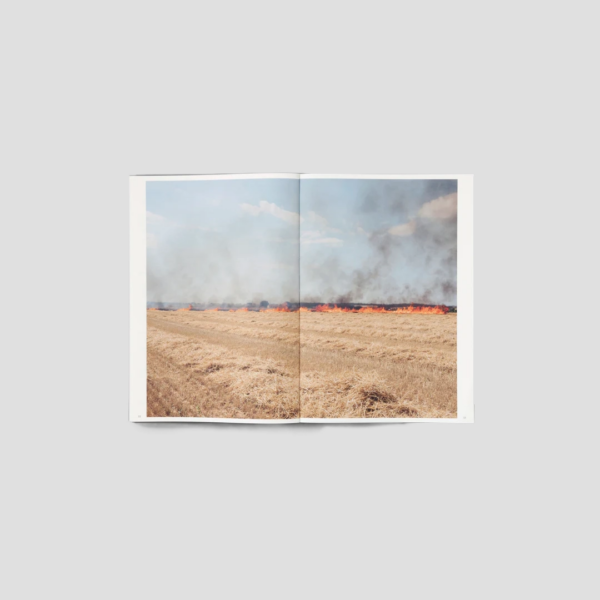
Borzoni and Rorandelli followed movements including Extinction Rebellion, Ende Gelände, Code Rouge, Last Generation and Soulèvements de la Terre. Their photographs move through road blockades, campus occupations, coal mine actions, encampments, police confrontation and dispersal. What emerges is not the spectacular image of conflict, but the infrastructure that makes resistance possible.
The media frame and what remains outside it
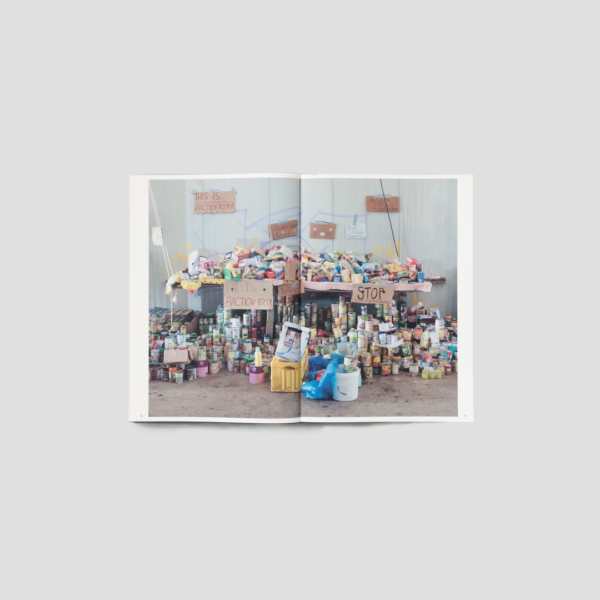
The dominant media narrative around climate activism often isolates the most visible gesture: the blocked road, the museum action, the arrest, the confrontation with police. Silent Springs reverses that perspective. The book looks at what usually remains outside the frame — the logistics, meetings, information sharing, legal awareness, temporary communities and emotional discipline behind direct action.
Rocco Rorandelli describes the project as an attempt to go beyond the documentation of the single protest event. The work focuses on the sequence that precedes and follows the public action: preparation, waiting, coordination and the relationships created between activists, the public and the press.
There is no single decisive moment. There is a chain of events that leads to something larger than a clash or an arrest.
The body as a political instrument
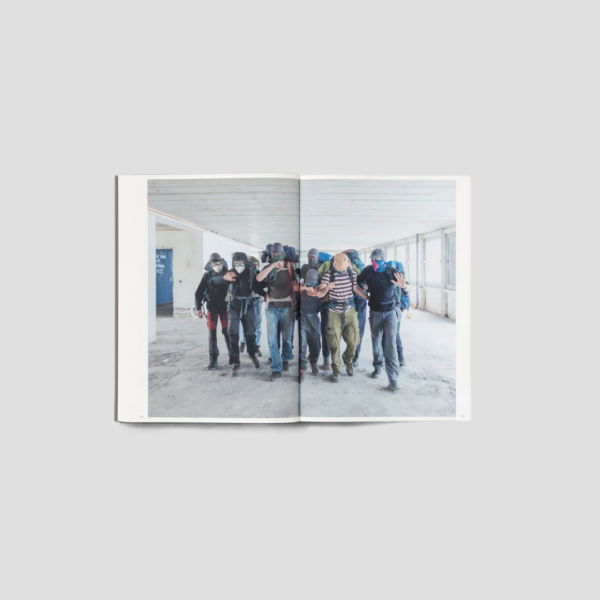
In Silent Springs, the body is central. Climate activists use their bodies not only to occupy space, but to mark the boundary between the status quo and the possibility of an alternative. Rorandelli calls the body “the last frontier, the battlefield”: the place where non-violent resistance becomes visible.
The body appears in the book as an exposed and disarmed presence — blocked, dragged, arrested, or left waiting. It is not represented as heroic spectacle, but as the final available tool of political action when institutions delay, ignore or refuse to act.
A grammar of direct action
The book also identifies different forms of contemporary climate activism. Some movements practice blockadia: direct interventions that interrupt the functioning of infrastructures linked to environmental damage, including power plants, water systems or coal mines. Others use high-impact symbolic actions to force media attention around the urgency of climate collapse. A third group targets institutions such as universities and museums, challenging their links to fossil fuels, greenwashing or compromised funding systems.
This variety of methods gives Silent Springs its structure. The project does not flatten climate activism into one image or one movement. It records a field of tactics: occupation, interruption, symbolic disturbance, institutional critique, self-organisation and civil disobedience.
A book about collective intelligence
Borzoni and Rorandelli look closely at the internal organisation of these movements. Their photographs document the intelligence produced through collective practice: skills exchanged, decisions debated, risk assessed, roles distributed. The glossary included in the book extends this method, giving readers access to the terminology of civil disobedience and climate action.
Silent Springs is therefore not only a photobook about protest. It is a study of how resistance is learned, transmitted and sustained.
Rocco Rorandelli and Michele Borzoni – a Interview
Rocco Rorandelli explains that Silent Springs was conceived to move away from the media image of protest as an isolated, spectacular event. The photographers wanted to document what happens before and after: logistical preparation, meetings, shared information, waiting, and the relationships that form around collective action.
For Rorandelli, the conflict rarely coincides with direct confrontation. It is found in endurance, organisation and resistance. The action is not a single image, but a sequence.
Michele Borzoni describes the antagonist of the book as the indifference of power: the refusal of governments, institutions, corporations and multinational companies to act despite the scientific evidence available to them. Silent Springs becomes a portrait of a generation responding to that indifference with its body, its voice and its capacity for collective thought.
The book also carries an ethical position. Borzoni explains that, because the project deals with illegal or legally exposed actions, the photographers chose not to publish images that could compromise the safety of the people portrayed. Every subject was aware of the photographers’ presence; those who wished to remain masked or not be photographed were respected.
TerraProject, founded in 2006, frames this approach as both documentary and collective. In Silent Springs, photography becomes a long-form platform for attention, care and political responsibility. The book is a document, but also a statement of affection for young activists who refuse indifference and remind us that collective thinking can exceed the sum of individual positions.
[ Read the full Lampoon interview ]
PRODUCT DETAILS
title: Silent Springs
artists: Michele Borzoni and Rocco Rorandelli
publisher: Loose Joints
publication date: July 2026
pages: 208
plates: 127 colour plates and 81 monochrome plates
format: 210 × 295 mm
subject: youth climate activism, non-violent direct action, climate justice movements

Comments are closed.